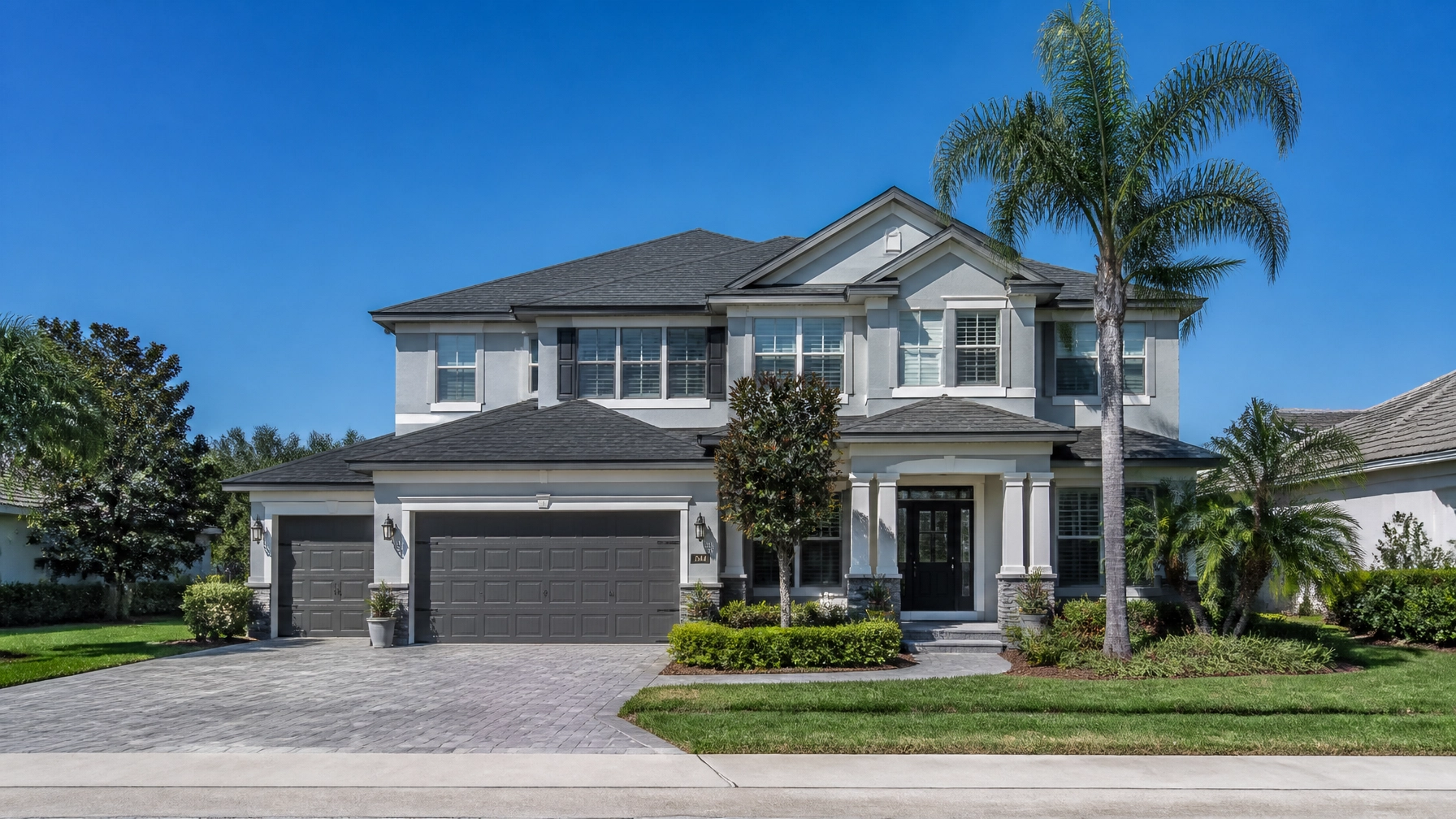
Jacksonville homeowners woke up to a thick blanket of morning fog this Saturday, July 18, 2026, but the transition to a high-intensity weather day was rapid. By mid-morning, the "Bold City" began baking under a high of 95°F, with a UV index of 8.7 (Very High) and a staggering heat index ranging from 100°F to 107°F.
While the radar shows a 0% chance of rain for the immediate window, local meteorologists are closely monitoring a Gulf low with a 30% chance of tropical development. This combination of extreme heat, relentless UV radiation, and the looming threat of the 2026 storm season presents a significant challenge to the structural integrity of your home.
In this edition of the Daily Weather Blitz, we’re breaking down how Jacksonville’s unique climate: defined by 74% average humidity and corrosive salt air: impacts your building materials and what you can do to protect your Jacksonville home value in 2026.
The Jacksonville Triple Threat: Why Materials Fail
In Northeast Florida, your home’s exterior isn't just a shell; it’s a frontline defense system. The environmental stressors in Duval County are aggressive, often accelerating the aging process of standard materials by 5–7 years compared to inland states.
- Thermal Shock (The Expansion Cycle): With a low of 74°F and a heat index over 100°F today, your roof surface can reach temperatures exceeding 150°F. When a scattered afternoon thunderstorm eventually hits, the rapid temperature drop causes materials to contract violently. This "thermal shock" leads to split shingles and compromised sealants.
- UV Degradation (The Invisible Burn): Today’s 8.7 UV index is technically "Very High." Relentless UV radiation breaks down the molecular bonds in asphalt shingles and exterior paint, leading to "chalking," brittleness, and granule loss.
- Salt Air Corrosion: For those in Neptune Beach or Atlantic Beach, the salt spray is a constant abrasive. It eats through standard fasteners and can significantly shorten the lifespan of non-corrosive metal components.
Roofing Material Recommendations: Engineering for 130mph Winds
When considering a Jacksonville roof replacement, the local building code is your baseline. Most residential structures in the area require a wind load rating of 130 mph. However, with tropical development being monitored in the Gulf, "meeting code" should be the minimum, not the goal.
Impact-Resistant Shingles (Popular / Mid-Range)
Modern impact-resistant shingles in Jacksonville are designed with a Class 4 rating, meaning they can withstand heavy debris strikes and high-velocity winds. These are typically architectural shingles that utilize a modified bitumen (rubberized) technology to stay flexible during the heat of July.
- Estimated Cost (2026): $13,000–$19,000 for a standard 2,250 sq. ft. home.
- ROI Factor: High. Many insurance providers offer premium discounts for Class 4 rated roofs.

Standing Seam Metal Roofing (Premium / High-Durability)
If you are looking for the best South Florida roofing ROI, metal is the gold standard. Standing seam panels have no exposed fasteners, eliminating the primary point of entry for water during a hurricane.
- Estimated Cost (2026): $18,000–$30,000.
- Durability: Metal reflects solar heat (lowering cooling costs by up to 25%) and can last 50+ years, even in salt-heavy environments.

Exterior Protection: Beyond the Roof
While the roof takes the brunt of the heat, your siding and sealants are equally vulnerable to today's 74% humidity levels.
- Elastomeric Coatings for Stucco: In Jacksonville, stucco is common but prone to hairline cracks. In the current 95°F heat, these cracks expand. We recommend high-build elastomeric paint. This coating is flexible; it stretches and contracts with the house, providing a waterproof barrier that standard acrylic paint cannot match.
- Attic Ventilation: Today's 107°F heat index means your attic could easily reach 140°F without proper airflow. Ensure your ridge vents and soffit vents are clear of debris. Proper ventilation prevents shingles from "cooking" from the inside out and reduces the load on your HVAC system.

2026 Storm Prep Tips for Homeowners
With a 30% tropical development chance in the Gulf, now is the time for a quick audit of your home's exterior:
- Check the Drip Edge: Ensure your roof's drip edge is securely fastened. This is often the first point of failure in high-wind gusts.
- Inspect Sealants: Check the caulking around windows and doors. The high UV index we’re seeing today causes these to dry out and crack, leading to leaks during horizontal rain.
- Audit the "Squares": Use a roof cost calculator to understand the size of your roof in "squares" (100 sq. ft. sections). Knowing your roof's scale helps you get accurate material quotes before a storm hits.
What is Your Roof Worth?
The roof replacement cost in Jacksonville has seen a steady increase due to material demand and updated 2026 safety protocols. A new, wind-rated roof is one of the highest-impact upgrades for Jacksonville home value in 2026, often recouping 60–70% of its cost during a home sale.
Waiting for a leak to appear during a tropical storm is a high-risk strategy. In the current market, transparency and speed are your best tools. Traditionally, getting a quote required scheduling multiple contractors to walk your roof: a process that could take weeks.
At Get My Roof Estimate Now, we’ve eliminated the friction. Using high-resolution satellite imagery, we can measure your roof’s pitch, complexity, and size with 95% accuracy in under 60 seconds.
Ready to see where you stand?
Get your instant Jacksonville Florida roofing estimate here. No credit card, no contractor visits, just the data you need to protect your home.
Leave a Reply