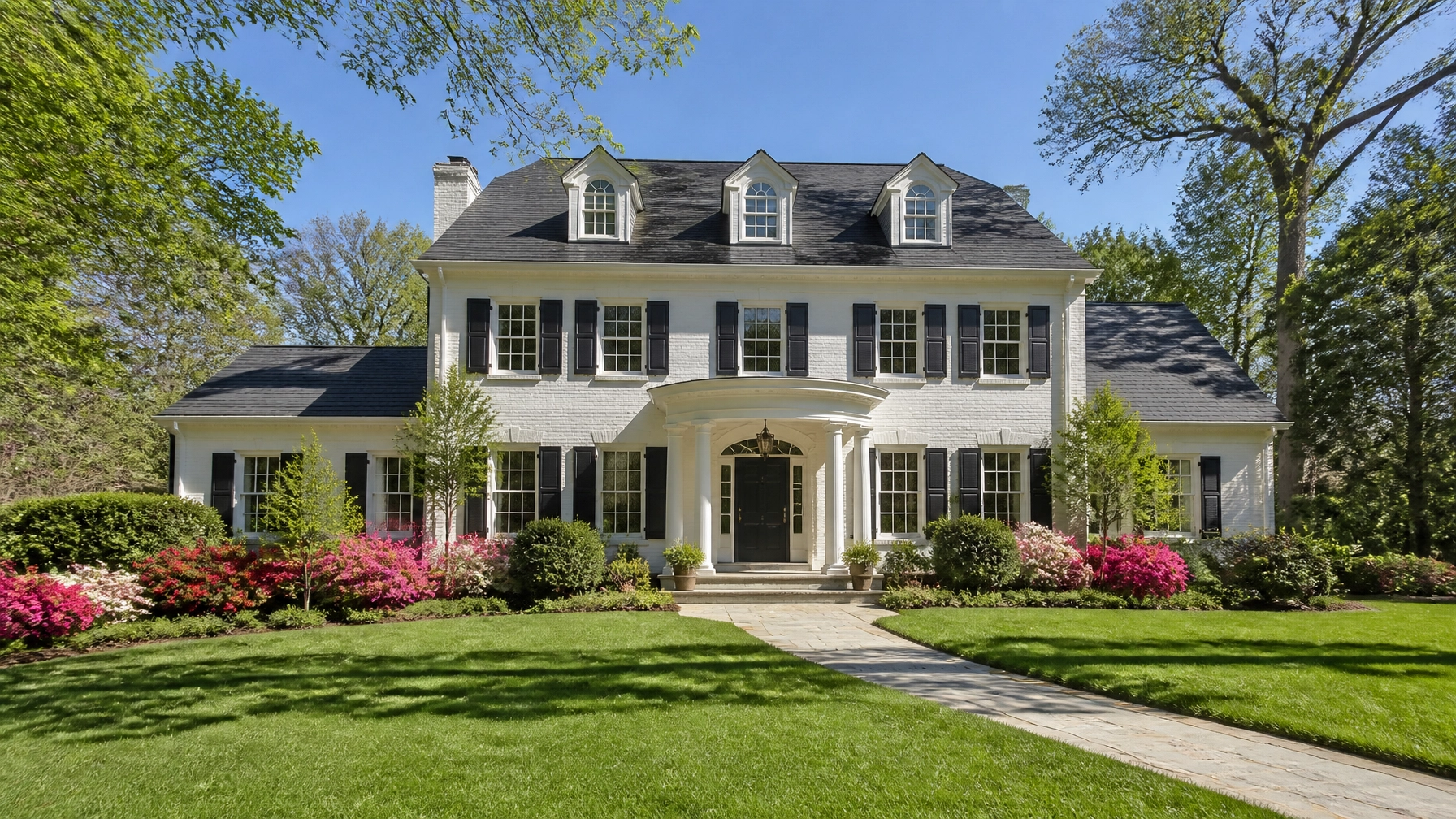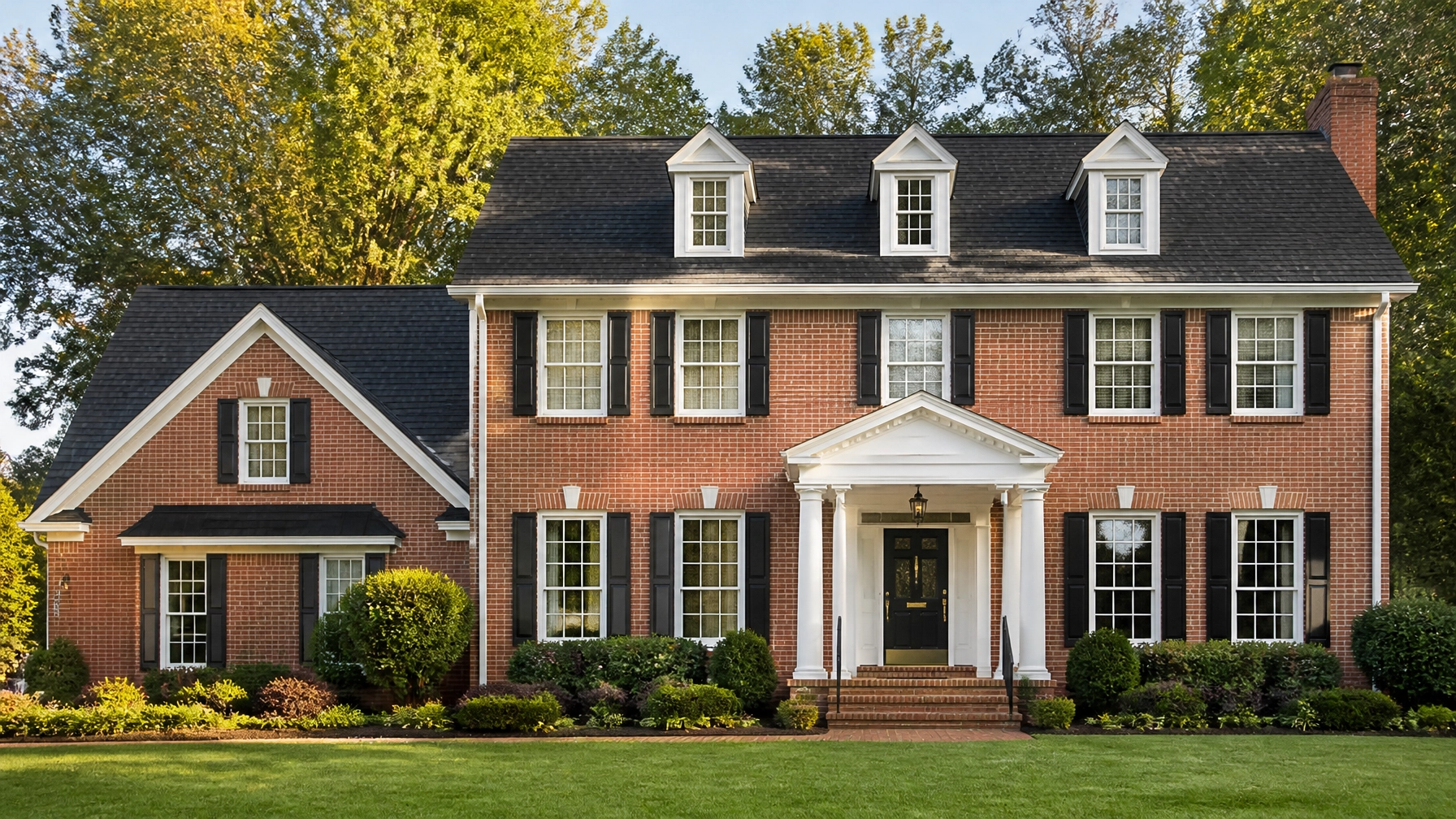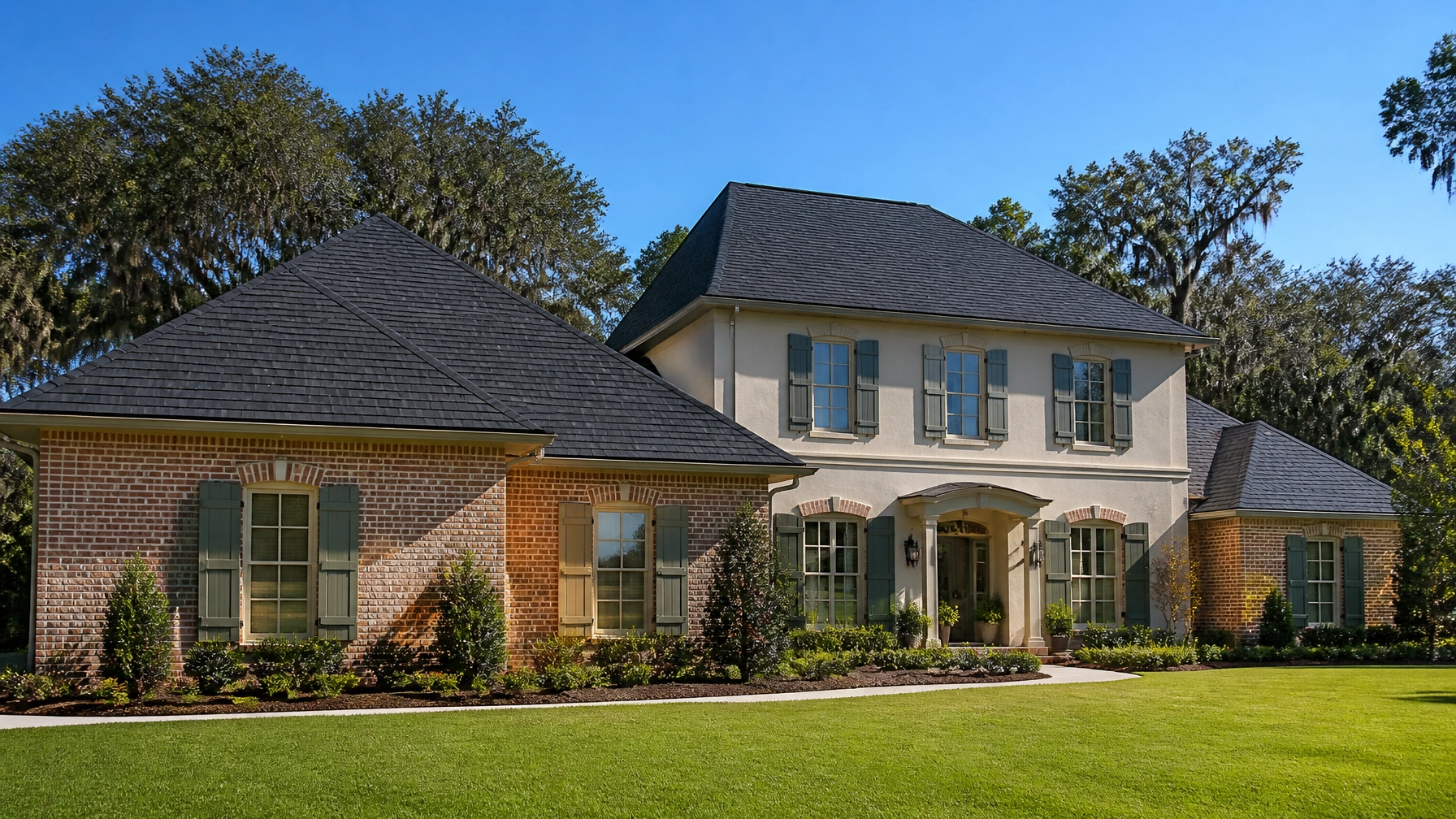
Blog

  • 7 Mistakes You’re Making When Vetting Mobile Roofers (And How to Spot a Storm Chaser)

    7 Mistakes You’re Making When Vetting Mobile Roofers (And How to Spot a Storm Chaser)

    For homeowners in Mobile, Alabama, the sound of a heavy tropical downpour is a common part of life. However, once the clouds clear after a major wind event or hurricane, a different kind of storm arrives: the influx of "storm chasers." These are out-of-state roofing contractors who descend on the Gulf Coast to capitalize on insurance claims, often leaving behind shoddy work, legal headaches, and empty bank accounts.

    Vetting a roofer in Mobile requires more than just reading a few five-star reviews. It requires a technical eye and a strict adherence to Alabama’s specific licensing and permitting regulations. If you are currently looking for a roof replacement, avoid these seven critical mistakes that many Mobile homeowners make during the vetting process.

    1. Not Verifying the Alabama Home Builders Licensure Board (HBLB) Registration

    In Alabama, roofing is not a "wild west" industry, though storm chasers want you to think it is. For any residential roofing project exceeding $10,000, the contractor must hold a license from the Alabama Home Builders Licensure Board (HBLB).

    Many homeowners mistakenly assume a "business license" is the same as a professional trade license. It is not. A business license simply allows them to operate in the city; the HBLB license ensures they have met the state’s rigorous standards for competency and financial responsibility.

    • The Fix: Ask for their HBLB license number. If they claim they "work under someone else’s license," walk away. This is a common tactic used by uncertified subcontractors.

    2. Falling for the "Free Inspection" Door-Knockers

    We’ve all seen them: unmarked trucks roaming neighborhoods in West Mobile or Midtown after a thunderstorm. They offer a "free inspection" and claim they "just happened to be in the area" working on a neighbor's house.

    This is the classic entry point for a storm chaser. These individuals are often high-pressure salespeople, not roofers. Their goal is to get on your roof, find (or occasionally create) damage, and pressure you into signing a contract before you’ve even seen a quote.

    • The Fix: Instead of letting a stranger onto your shingles, use modern technology to get your own data. You can get an instant, satellite-powered roof estimate in under 60 seconds without anyone stepping foot on your property. This gives you a neutral baseline for pricing before you ever speak to a contractor.

    Macro photography of high-quality architectural asphalt shingles

    3. Signing an "Assignment of Benefits" (AOB) Contract

    Perhaps the most dangerous mistake a homeowner can make is signing a document that gives the contractor the right to "handle everything with the insurance company." This is often called an Assignment of Benefits.

    By signing this, you are legally signing over your insurance claim rights to the contractor. They can then bill the insurance company directly, often inflating costs or performing subpar work while leaving you with no leverage if the job isn't done correctly.

    • The Fix: You should always remain the point of contact for your insurance company. A legitimate roofer will provide a detailed line-item estimate that you can submit to your adjuster, but they should never demand control over your claim.

    4. Accepting a Quote Without a Local Physical Address

    Mobile is a coastal city with unique building requirements (such as specific wind-load ratings for shingles). A contractor based in another state may not understand the local nuances of the Mobile building code.

    Storm chasers often use P.O. Boxes or temporary "virtual offices" to appear local. If they don't have a physical yard or office in the Mobile/Baldwin County area, they are likely gone the moment the last check clears.

    • The Fix: Google their address. Is it a real office with a sign and trucks, or is it a UPS Store? Choose contractors with a long-standing physical presence in the Port City.

    5. Paying the Full Amount (or the Insurance Check) Upfront

    No reputable roofing contractor in Alabama will ask for 100% of the payment before the materials arrive at your home. A common scam involves the contractor taking the initial insurance "ACV" (Actual Cash Value) check and then disappearing.

    While a small deposit (typically 10-25%) for material procurement is standard, the bulk of the payment should always be tied to completion milestones.

    • The Fix: Never pay in cash. Use a check or credit card so there is a paper trail. If they demand the full insurance check immediately, they are likely a storm chaser.

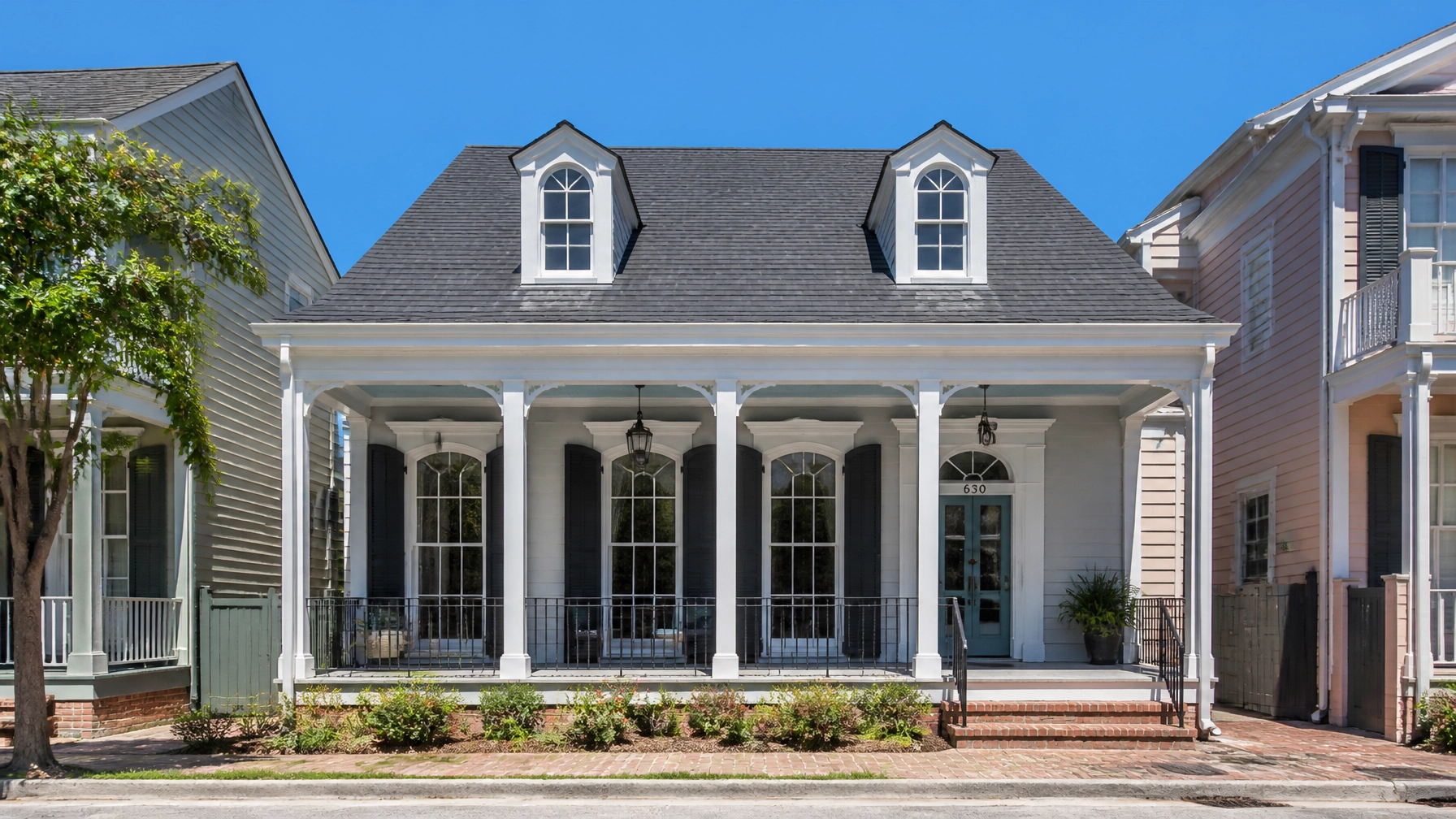
    A charming modern cottage-style home in Mobile, Alabama with a new metal roof

    6. Not Checking for a City of Mobile Building Permit

    In the City of Mobile, a full roof replacement requires a building permit. A major red flag is a contractor who asks you to pull the permit or claims that "permits aren't necessary for roofing."

    When a contractor pulls a permit in their own name, they are taking legal responsibility for the work meeting local codes. If they won't pull the permit, it usually means they aren't licensed or insured to work within the city limits.

    • The Fix: Call the City of Mobile’s Build Mobile department to verify if a permit has been filed for your address before any work begins.

    7. Relying on High-Pressure Ballpark Pricing

    Storm chasers rely on the "Urgency Factor." They give you a "ballpark" price that is "only good for today" because of a "special material discount." These numbers are often untethered from reality and designed to lock you into a contract quickly.

    Transparent pricing is the hallmark of a professional. In today’s market, there is no reason to wait days for a contractor visit just to get a rough price.

    • The Fix: Utilize Get My Roof Estimate Now to receive an accurate, data-driven price range based on actual satellite measurements of your home. We provide low-middle-high ranges for architectural shingles, metal, and synthetic options, so you know exactly what a fair price looks like in the Mobile market.

    High-tech concept of satellite roof measurement technology

    How to Spot a Storm Chaser: The 60-Second Checklist

    If you encounter a roofer in Mobile, run through this checklist. If they check more than two of these boxes, they are likely a storm chaser:

    Red Flag Description
    Out-of-State Plates Trucks have tags from states not bordering Alabama (e.g., Ohio, Minnesota).
    Door-to-Door Sales Unsolicited visits immediately following a storm event.
    "Free" Deductible Offering to "cover your deductible" is actually insurance fraud in Alabama.
    No HBLB License They cannot provide a current Alabama Home Builders Licensure Board number.
    Lack of Specifics The quote is a single total number rather than a line-item breakdown.
    Pressure Tactics Claiming you must sign "right now" to get a spot on their schedule.

    The Modern Way to Start Your Roofing Project

    Hiring a roofer shouldn't feel like a high-stakes gamble. By leveraging satellite technology, you can remove the "salesperson" from the initial phase of your project.

    At Get My Roof Estimate Now, we use precision satellite imagery to measure your roof's size, pitch, and complexity to within inches. We factor in regional material costs specifically for the Mobile, AL area: ensuring you get a transparent, 90-95% accurate estimate in under a minute.

    Don't let a storm chaser dictate the terms of your home's protection. Get your free estimate today and approach your roof replacement with the data you need to make an informed, confident decision.
  • The Ultimate Guide to Charlotte Roof Replacement Cost in 2026: Everything You Need to Succeed

    The Ultimate Guide to Charlotte Roof Replacement Cost in 2026: Everything You Need to Succeed

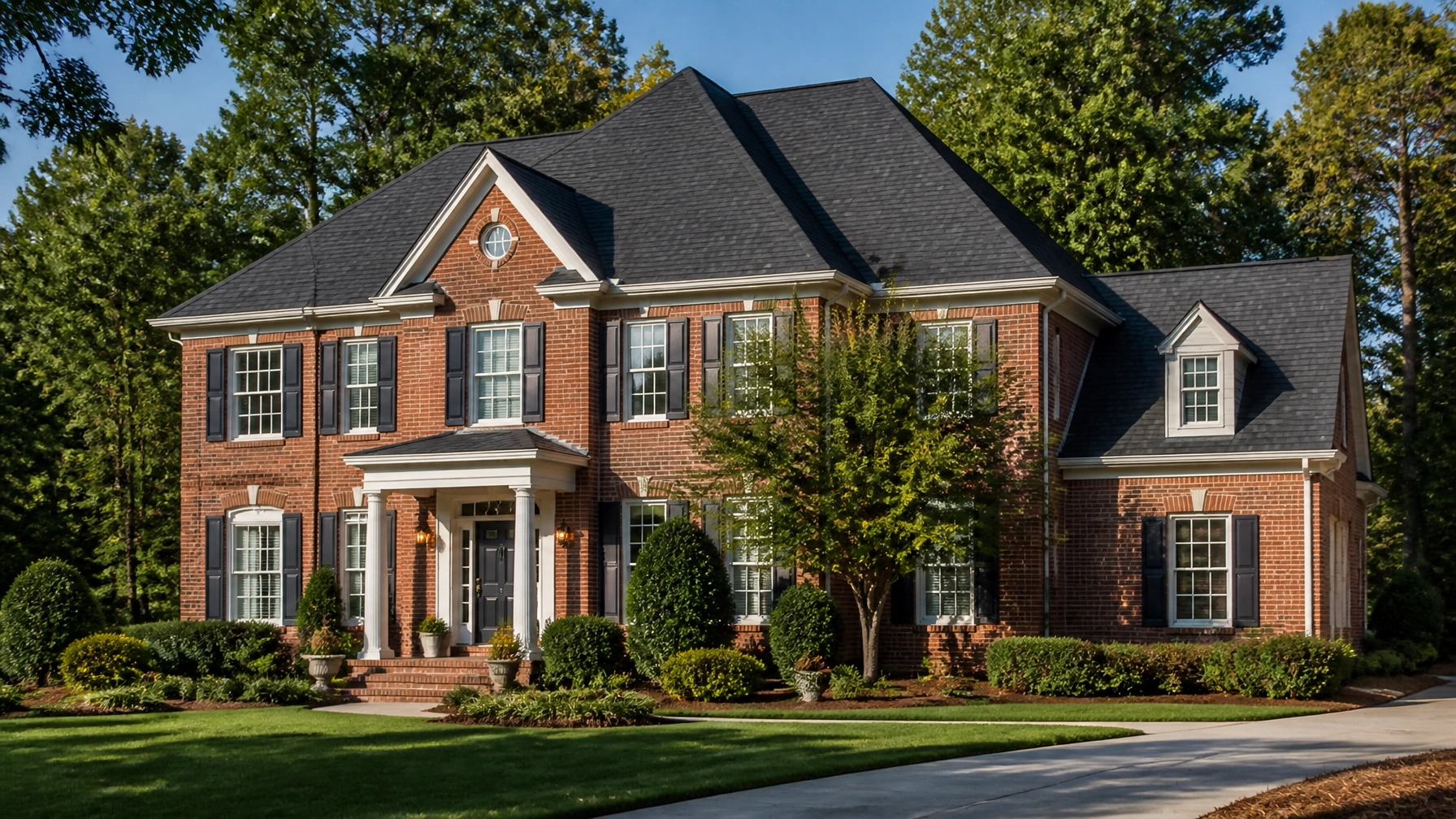
    For Charlotte homeowners, 2026 is a pivotal year for home maintenance. With the Queen City’s continued expansion into Mecklenburg, Union, and Gaston counties, the demand for high-quality roofing services has reached an all-time high. Whether you are in a classic brick colonial in Myers Park or a modern build in Ballantyne, understanding the current market rates is essential to protecting your investment.

    Replacing a roof is one of the most significant financial commitments a homeowner will make. In Charlotte, the combination of high humidity, frequent summer thunderstorms, and the occasional tropical system means your roof isn't just about curb appeal: it’s your home’s primary defense system. This guide provides the hard data and expert insights you need to navigate the Charlotte roofing market with confidence.

    Charlotte Roof Replacement Costs at a Glance (2026 Data)

    In 2026, the average cost to replace a roof on a typical 2,000-square-foot home in Charlotte ranges between $10,000 and $28,000, depending primarily on the material selected and the complexity of the installation.

    Material Category Typical Cost (2,000 sq. ft.) Cost Per Square Foot
    Architectural Shingles (Popular) $10,000 – $14,000 $4.00 – $7.00
    Metal Roofing (Premium) $18,000 – $28,000 $8.00 – $14.00
    Synthetic/Specialty (Luxury) $30,000 – $55,000+ $15.00 – $27.00

    Note: A "square" in roofing terminology refers to a 10' x 10' area (100 square feet).

    Breaking Down the Costs: Material Options for the Carolinas

    Your choice of material is the single largest variable in your total estimate. In Charlotte, we see a clear divide between homeowners looking for immediate value and those investing in long-term resilience.

    1. Architectural Asphalt Shingles (The Standard Choice)

    Architectural shingles (also known as dimensional or laminate shingles) remain the most popular choice in North Carolina for 2026. They offer a textured, multi-dimensional look that mimics natural wood or slate at a fraction of the cost.

    • Average Charlotte Price: $10,000 – $14,300.
    • Lifespan: 25–30 years.
    • Best For: Most single-family homes and HOA-governed neighborhoods.
    • Why: They are rated for wind speeds up to 130 mph: critical for our storm season: and provide excellent curb appeal for the price.

    2. Metal Roofing (The Performance Choice)

    We have seen a "significant surge in popularity" for metal roofing across Charlotte over the last two years. While the upfront cost is roughly double that of shingles, the ROI is found in longevity and energy savings during our blistering July and August heat.

    • Average Charlotte Price: $18,000 – $28,000.
    • Lifespan: 40–50+ years.
    • Best For: Homeowners planning to stay in their homes long-term and those seeking lower cooling bills.
    • Why: Metal reflects solar radiant heat, which can reduce cooling costs by up to 25% in the North Carolina climate.

    A premium metal roof installation providing superior durability for a North Carolina home.

    Local Factors Affecting Your Charlotte Estimate

    Every neighborhood in Charlotte presents unique challenges that can influence your final quote. Here is what our satellite imagery technology accounts for when generating your instant roof estimate.

    • Roof Complexity and Pitch: A steep-pitched roof (common in older Dilworth or Elizabeth homes) requires more safety equipment and labor hours than a flat or low-slope ranch-style roof.
    • Tear-Off Costs: If your home has multiple layers of old shingles, the labor and disposal fees will increase. North Carolina building codes typically allow for a maximum of two layers, but we always recommend a full tear-off to inspect the decking.
    • Waste Factor: Roofs with many valleys, hips, and dormers create more material waste. Our satellite measurements are accurate within inches, ensuring you only pay for the materials actually needed.
    • HOA Requirements: Many Charlotte neighborhoods have strict guidelines on shingle color and material type. Always check your HOA bylaws before finalizing your material choice.

    The "Get My Roof Estimate Now" Advantage

    Traditionally, getting a roof quote in Charlotte meant taking time off work to meet with three different contractors, enduring high-pressure sales pitches, and waiting days for a written estimate.

    In 2026, we’ve eliminated that friction. Using advanced satellite imagery, Get My Roof Estimate Now calculates your roof's size, pitch, and complexity in under 60 seconds.

    • Speed: Get your pricing in under a minute.
    • Accuracy: Satellite-powered measurements that are 90-95% accurate.
    • Transparency: No hidden fees and no credit card required to see your range.
    • Local Network: We connect you with verified, licensed, and insured Charlotte contractors who are ready to honor your estimate.

    Satellite imagery and digital measurements provide a higher level of accuracy for roofing quotes.

    How to Vet Charlotte Roofing Contractors

    Once you have your estimate, the next step is selecting a professional to execute the work. Don't just settle for the lowest bid; look for these credentials to ensure a successful project:

    1. NC General Contractor License: Ensure the company is legally authorized to perform large-scale renovations in North Carolina.
    2. Local Physical Address: Avoid "storm chasers" who travel from state to state. Look for a company with a physical presence in the Charlotte metro area.
    3. Manufacturer Certifications: Hire contractors who are certified by major brands like Owens Corning or GAF. This often allows them to offer extended labor and material warranties.
    4. Insurance Coverage: Verify both Workers' Comp and General Liability insurance. This protects you from liability if an accident occurs on your property.

    A typical Charlotte neighborhood featuring varied architectural styles and roofing needs.

    Budgeting for Your 2026 Replacement

    If you are planning a replacement later this year, we recommend budgeting for a range of $5.50 to $8.00 per square foot for a high-quality shingle installation. For those considering metal, prepare for $11.00 to $15.00 per square foot.

    Inflation and material supply chains in 2026 have stabilized, but labor costs in the Charlotte market remain competitive. Securing your estimate early allows you to lock in pricing and schedule your project during the "shoulder seasons" (late fall or early spring) when contractor availability is often higher.

    Final Thoughts for Charlotte Homeowners

    A roof replacement is more than just a home improvement project; it is a strategic investment in your home’s equity and safety. By using the latest technology and current market data, you can avoid overpaying and ensure your home is protected for decades to come.

    Ready to see what your specific roof will cost? Don't wait for a contractor to call you back. Get your free, instant roof estimate here and take the first step toward a successful 2026 roof replacement.

  • The Ultimate Guide to Getting Your Roof Paid for by Insurance: Everything You Need to Succeed in Alabama

    The Ultimate Guide to Getting Your Roof Paid for by Insurance: Everything You Need to Succeed in Alabama

    For homeowners in Alabama, a roof isn’t just a structural necessity: it’s a shield against some of the most volatile weather in the country. From the severe thunderstorms that roll through Birmingham to the high-wind events and occasional tornadoes that strike the Heart of Dixie, your roof takes a beating.

    When damage occurs, the financial burden of a replacement: typically ranging from $10,000 to $25,000 for a standard single-family home: can be overwhelming. However, if your roof has sustained "sudden and accidental" damage, your homeowners insurance should cover the cost.

    The challenge? Navigating the complex claims process without leaving money on the table. This guide is your masterclass in securing a successful roof claim in Alabama, ensuring you get the maximum value from your policy with minimum stress.


    1. Identifying Insurance-Grade Damage in Alabama

    Not all roof wear and tear is covered by insurance. Standard maintenance issues or age-related deterioration are usually out-of-pocket expenses. To get a claim approved, you must identify specific "perils" covered by your policy.

    Wind Damage (Common)

    Alabama's wind speeds during spring storms can easily exceed 60 mph. Look for:

    • Creased Shingles: Shingles that have folded back and developed a dark line where the granules are lost.
    • Missing Shingles: Entire sections of the roof deck exposed to the elements.
    • Lifted Seals: Wind can break the adhesive seal of a shingle without blowing it off, compromising its water-shedding ability.

    Hail Damage (High Approval Rate)

    Hail often leaves "bruises" on shingles that are invisible from the ground but devastating to the roof’s lifespan.

    • Impact Marks: Small, dark, circular indentations where the granules have been knocked away.
    • Fractures: Cracked mats within the shingle itself.
    • Gutter Dents: Check your gutters and downspouts. If they are dented, there is a 95% chance your roof is damaged too.

    Close-up of hail damage and wind-blown shingles on an Alabama roof


    2. The Alabama "48-Hour Protocol"

    In Alabama, homeowners have a legal "duty to mitigate" further damage. If a storm rips off shingles on Monday and you wait until Friday to cover the hole, the insurance company may deny the resulting interior water damage.

    • Step 1: Emergency Tarping (Essential): If you have active leaks or exposed decking, hire a professional to install a temporary tarp immediately. Save the receipt; this is a reimbursable expense under your "Loss Mitigation" coverage.
    • Step 2: Photo Documentation (Immediate): Before any cleanup begins, take wide-angle and close-up photos of the damage, including any fallen branches or hail stones next to a ruler for scale.
    • Step 3: Establish the Date of Loss (Critical): Insurance companies track weather data (Nexrad radar). You must be able to point to a specific storm event in Birmingham or your local area that caused the damage.

    3. Understanding Your Policy: ACV vs. RCV

    Before you file, you must know what kind of check you’re going to get. This is the single biggest factor in your out-of-pocket costs.

    • Replacement Cost Value (RCV – Premium): This is the gold standard. The insurance company pays the full cost to replace your roof at today’s prices, minus your deductible.
    • Actual Cash Value (ACV – Budget): The insurer pays for the "depreciated" value of the roof. If your roof is 15 years old, they may only pay 50% of the replacement cost, leaving you to cover the rest.

    Pro Tip: In Alabama, wind/hail deductibles are often higher than your standard "all-perils" deductible. Check your declarations page for a percentage-based deductible (e.g., 1% or 2% of your home's total insured value).


    4. Why an Instant Estimate is Your Best Weapon

    One of the biggest mistakes Alabama homeowners make is going into an insurance claim blind. If the insurance adjuster says your roof is worth $12,000, but the real-world cost in Birmingham is $18,000, you are starting $6,000 behind.

    By using the Get My Roof Estimate Now calculator, you can generate a satellite-powered estimate in under 60 seconds.

    Why this matters for your claim:

    1. Accurate Squareage: Our satellite tech measures your roof to within inches. Adjusters often "short" the measurement, leading to lower payouts.
    2. Material Transparency: Know the difference between (Budget) 3-tab shingles and (Premium) Architectural shingles before you talk to the insurer.
    3. Local Benchmarks: We factor in regional labor and material costs specific to Alabama zip codes.

    Homeowner getting an instant roof estimate on a smartphone


    5. Navigating the Adjuster Meeting

    Once you file a claim, the insurance company will send an adjuster to inspect the property. This meeting determines the "Scope of Work."

    • Have a Contractor Present: Do not meet the adjuster alone. A qualified roofing contractor should be on the roof with the adjuster to point out subtle hail hits or wind-damaged flashings that might be overlooked.
    • The 25% Rule: In many jurisdictions, if more than 25% of the roof is damaged, the insurer may be required to replace the entire slope or even the entire roof to ensure a "uniform appearance."
    • Check for Code Upgrades: Alabama building codes change. If your policy has "Ordinance or Law" coverage, the insurer must pay to bring your roof up to current Birmingham safety standards (like specialized underlayment or drip edges).

    6. Execution: Hiring the Right Alabama Crew

    Once the claim is approved, the work begins. Because insurance work involves complex billing (supplementing and depreciation recovery), you need a contractor who understands the paperwork as well as the shingles.

    What to Look For:

    • Licensed & Insured: Alabama requires residential roofing contractors to be licensed. Never hire "storm chasers" who knock on your door after a storm without a local address.
    • Verified Reviews: Use platforms like Get My Roof Estimate Now to connect with verified, vetted local pros.
    • Material Quality: Ensure they are using high-quality materials (e.g., GAF, Owens Corning, or CertainTeed) and providing a labor warranty.

    Roofing crew installing new grey shingles on an Alabama home


    7. Common Pitfalls to Avoid in Alabama

    • The "Free Roof" Scam: It is illegal in Alabama for a contractor to "waive" or "pay" your deductible. Any contractor offering this is likely committing insurance fraud or cutting corners on your installation.
    • Ignoring the "Proof of Loss" Deadline: Policies typically require you to submit a formal "Proof of Loss" statement within a set timeframe (often 60 days). Missing this can void your claim.
    • Filing for Minor Damage: If the damage is less than your deductible (e.g., $1,000 in damage with a $2,500 deductible), do not file. It will count as a "claim" on your record and potentially raise your rates without providing any payout.

    Summary Checklist for Success

    1. Inspect: Look for wind creases or hail impact marks.
    2. Estimate: Get your instant satellite estimate to establish a baseline value.
    3. Mitigate: Tarp any leaks and take photos.
    4. File: Contact your agent and provide the specific date of the storm.
    5. Review: Ensure your adjuster’s scope matches your independent estimate.
    6. Replace: Hire a local, vetted professional to install a high-quality (Premium) roof system.

    Getting your roof paid for by insurance isn't about "gaming the system": it's about holding the insurance company to the contract you pay for every month. With the right data and a proactive approach, you can protect your Alabama home for decades to come.

    Close up of high-quality charcoal architectural shingles


    More Resources:


  • Mobile, AL Roof Replacement Costs Explained in Under 3 Minutes

    Mobile, AL Roof Replacement Costs Explained in Under 3 Minutes

    If you live in Mobile, Alabama, you know that your roof is the only thing standing between your family and the Gulf Coast's humidity, heavy summer downpours, and the occasional hurricane. Whether your shingles are reaching the end of their 20-year lifespan or you’re dealing with storm damage, the first question is always the same: How much is this going to cost?

    In 2026, the average roof replacement in Mobile, AL, typically ranges from $12,000 to $17,000 for a standard single-family home. However, thanks to Alabama’s unique "FORTIFIED Roof" programs and local grants, your actual out-of-pocket cost could be significantly lower.

    At Get My Roof Estimate Now, we use satellite imagery to give you an accurate price in under 60 seconds. But for those who want to understand the "why" behind the numbers, here is the 3-minute breakdown of the Mobile roofing market.

    The 2026 Price Breakdown: By the Numbers

    Roofing costs are calculated primarily by "squares" (a 10ft x 10ft area, or 100 square feet). In Mobile, current labor and material rates place the average cost at roughly $4.50 to $5.50 per square foot for standard asphalt shingles.

    Home Type Approx. Roof Size Estimated Cost (Budget) Estimated Cost (Premium)
    Small Ranch / Cottage 1,500 – 2,000 sq. ft. $8,500 $12,300
    Average Mobile Home 2,500 – 3,300 sq. ft. $13,200 $16,089
    Large / Multi-Story 3,500 – 4,500+ sq. ft. $18,500 $25,000+

    Note: These figures include full tear-off of one layer of old shingles, local disposal fees, and standard underlayment.

    Close-up photo of high-wind resistant architectural shingles being installed on a residential roof in Mobile, Alabama.

    Factors That Drive Costs in the Port City

    Mobile isn’t like the rest of the country. Our proximity to the coast and high wind speeds mean that "standard" roofing often isn't enough.

    1. Roof Complexity (The "Hustle" Factor)

    If your home has a simple "up and over" gable roof, labor costs stay low. However, Mobile’s historic districts and newer suburban developments often feature complex rooflines with:

    • High Pitch (Steepness): Roofs that are too steep to walk on require specialized safety equipment and more time, increasing labor costs by 15–25%.
    • Dormers and Valleys: Every time two roof planes meet, it creates a valley that requires extra flashing and labor to ensure it's watertight.
    • Chimneys and Skylights: These require custom "crickets" and flashing kits, which add roughly $300–$600 per feature to your total estimate.

    2. Material Choices (Budget vs. Premium)

    • Architectural Shingles (Popular): The gold standard for Mobile homeowners. They are rated for 110–130 mph winds and offer the best balance of cost and durability.
    • Metal Roofing (Premium): While the initial investment is often $18,000 to $35,000, metal roofs can last 50+ years and are nearly impervious to the heavy winds of a tropical storm.
    • Synthetic / Slate (High-End): Typically reserved for luxury homes in areas like Spring Hill or the Historic District, these can exceed $40,000.

    The Mobile Secret: The FORTIFIED Roof Advantage

    In Mobile County, homeowners have access to a game-changing program called Strengthen Alabama Homes (SAH). Because Mobile is in a high-risk wind zone, the state provides grants to help residents upgrade to a FORTIFIED Roof™ designation.

    How the Grant Works:

    • Up to $10,000: The SAH program offers grants up to $10,000 to cover the cost of upgrading your roof to meet IBHS (Insurance Institute for Business & Home Safety) standards.
    • Insurance Discounts: Once you have a FORTIFIED certificate, Alabama law requires insurance companies to give you a discount. Most Mobile homeowners see a 20% to 55% reduction in the wind portion of their homeowners insurance premium.
    • Resale Value: Homes with a FORTIFIED designation in Alabama sell for an average of 7% more than those without it.

    While the upgrade (which includes a sealed roof deck and special edge flashing) adds about $1,000–$2,000 to the total bill, the $10,000 grant usually covers that and a large chunk of the base roof cost.

    A split screen showing a satellite view of a roof with measurement data and a smartphone displaying an instant $16,089 roof estimate.

    How to Get an Accurate Estimate in 60 Seconds

    In the past, getting a roof quote meant calling three different contractors, waiting for them to show up, and dealing with high-pressure sales pitches in your living room.

    We’ve changed that. By using high-resolution satellite imagery, Get My Roof Estimate Now can calculate your roof's exact size, pitch, and complexity from above.

    Our process is simple:

    1. Enter Your Address: We pull up your property via satellite.
    2. Confirm Roof Details: Our AI identifies the roof facets and obstacles.
    3. Get Your Range: Receive a low, middle, and high-end estimate based on real-time material costs in Mobile, AL.
    4. Connect with Pros: If the price looks good, we connect you with verified, licensed, and insured local Mobile contractors who can honor that pricing.

    Common FAQ for Mobile Homeowners

    Is a permit required for a roof replacement in Mobile?

    Yes. The City of Mobile and Mobile County require building permits for all roof replacements. This ensures the work meets the 2021 International Residential Code (IRC) wind speed requirements. A reputable contractor will handle this for you and include the fee (usually $100–$300) in your quote.

    How long does a roof replacement take?

    For a standard 2,500-square-foot home in Mobile, the actual installation usually takes 1 to 2 days. If you are upgrading to a FORTIFIED roof, it may take an extra day for the required third-party inspections during the installation process.

    Can I roof over my existing shingles to save money?

    While Alabama code may allow for two layers of shingles, we never recommend it in Mobile. In a high-wind event, the second layer acts like a sail, making it easier for the roof to fail. Additionally, you cannot qualify for FORTIFIED grants or insurance discounts with a "lay-over" roof.

    A modern coastal home in Mobile, Alabama featuring a durable silver-blue standing seam metal roof against a sunset.

    Final Thoughts: Budgeting for the Long Haul

    A roof is the most important investment you'll make in your Mobile home. While the $15,000 average price tag might seem steep, factoring in the potential $10,000 grant and 50% insurance savings makes it one of the few home improvements that actually pays for itself over time.

    Don't guess what your roof will cost. Get the data you need to plan your budget today.

    Get Your Instant Mobile, AL Roof Estimate Here


  • Your Quick-Start Guide to Vetting New Orleans Roofers: Do This Before You Sign Anything

    Your Quick-Start Guide to Vetting New Orleans Roofers: Do This Before You Sign Anything

    If you live in New Orleans, you know that a "clear sky" is often just the calm before the next tropical system. Whether it’s a direct hit from a hurricane or the routine intensity of Gulf Coast thunderstorms, your roof takes more punishment in a single season than most roofs in the Midwest take in a decade.

    After a major storm, New Orleans doesn't just see rain: it sees a flood of "storm chasers." These are out-of-state contractors who follow the weather, knocking on doors and promising "free roofs" or "waived deductibles." While some may be legitimate, many are fly-by-night operations that do subpar work and vanish before the first leak appears.

    Vetting a roofer in the Big Easy isn't just about finding the lowest price; it’s about protecting your biggest investment from fraud and poor craftsmanship. This guide breaks down exactly how to vet a New Orleans roofer so you can sign your contract with total confidence.

    The "Storm Chaser" Playbook: Spotting the Red Flags

    In the wake of a storm, your front door becomes a target. Identifying a storm chaser early can save you thousands of dollars and months of legal headaches. Watch for these specific indicators:

    • Unsolicited Door-Knocking: Most reputable local roofers in New Orleans are busy enough with referrals. If someone knocks on your door claiming they "just finished a job down the street" and noticed damage on your roof, be on high alert.
    • Out-of-State Plates: Check the trucks. If they have plates from Ohio, Florida, or Texas, but claim to be "local," they are likely a traveling crew. They won't be here in two years when your flashing fails.
    • The "Deductible" Scam: If a contractor offers to "waive" or "cover" your insurance deductible, run. This is a form of insurance fraud in the state of Louisiana. They usually recoup that cost by using inferior materials or cutting corners on labor.
    • High-Pressure "Today Only" Pricing: Professional roofing is a major capital expense. Any contractor who pressures you to sign a contract within 60 minutes of meeting them is prioritizing their commission over your home’s safety.

    A professional roofing contractor inspecting a steep-pitched New Orleans roof.

    Step 1: Verify the "Big Three" Credentials

    Before you even discuss shingle colors or roof replacement costs, you must verify three specific pieces of documentation. Do not take their word for it; ask for the numbers and check them yourself.

    1. Louisiana State Licensing Board for Contractors (LSLBC)

    In Louisiana, any home improvement project over $7,500 requires the contractor to be registered with the LSLBC. For major roof replacements (which almost always exceed this amount), they should hold a Residential Building or Residential Roofing classification.

    • Action: Ask for their license number and enter it into the LSLBC portal. If the name on the license doesn't match the name on the business card, walk away.

    2. General Liability Insurance

    New Orleans homes are often built close together. If a roofer drops a bundle of shingles through your neighbor’s window or starts a fire with a torch-down application, you need to know their insurance covers it.

    • Action: Request a Certificate of Insurance (COI) sent directly from their insurance agency to your email. This ensures the policy is active and hasn't been canceled for non-payment.

    3. Workers’ Compensation

    Roofing is one of the most dangerous jobs in construction. If a worker falls off your roof and the contractor doesn't have Workers' Comp, that worker could potentially sue you for their medical bills.

    • Action: Verify that the policy specifically covers "Roofing" (Code 5551), as some dishonest contractors try to save money by misclassifying roofers as "carpenters" or "painters."

    Step 2: Know the 2026 New Orleans Market Rates

    Transparency is the best defense against being overcharged. In 2026, labor and material costs in the Gulf South have stabilized, but they remain higher than national averages due to the specific requirements of the high-wind zone (130-150 MPH wind requirements).

    For a standard 2,000 to 2,500 square foot home in New Orleans, here is what you should expect to see on a legitimate estimate:

    Material Type Price Range (Budget) Price Range (Popular) Price Range (Premium)
    Architectural Shingles $9,500 – $12,000 $12,500 – $16,500 $17,000 – $22,000+
    Metal (Standing Seam) $18,000 – $24,000 $25,000 – $32,000 $35,000 – $50,000+
    Synthetic Slate/Tile $22,000 – $28,000 $30,000 – $40,000 $45,000 – $65,000+

    Note: These ranges include tear-off of one layer and standard disposal. If you have multiple layers of old shingles or significant rotted decking (common in humid NOLA), costs will increase.

    Close-up of high-quality architectural shingles being installed.

    Step 3: Use Technology to Set Your Benchmark

    The traditional way to get an estimate involves calling three contractors, waiting for them to show up (if they show up at all), and sitting through three separate 90-minute sales pitches.

    There is a faster way.

    At Get My Roof Estimate Now, we use advanced satellite imagery to measure your roof's square footage, pitch, and complexity with 90-95% accuracy. Within 60 seconds, you receive a transparent price range for your specific address.

    Why is this important for vetting? It gives you a "BS Meter."
    If you know your roof should cost roughly $14,000 based on satellite data, and a door-knocker quotes you $28,000 (or $6,000), you immediately know something is wrong. Technology empowers you to walk into a negotiation with data, not just hope.

    Homeowner looking at a digital satellite roof estimate on their smartphone.

    Step 4: The New Orleans Pre-Signature Checklist

    Before you put pen to paper on a New Orleans roofing contract, ensure the following details are explicitly written. If they are "verbal promises," they don't exist.

    • Permit Responsibility: The contract should clearly state that the contractor is responsible for obtaining and paying for all City of New Orleans permits.
    • Decking Replacement Cost: In our humid climate, rotted wood is almost a guarantee. The contract must list a "price per sheet" for plywood or "price per linear foot" for tongue-and-groove decking replacement.
    • Specific Material Brands: Don't accept "30-year shingles." The contract should specify the brand (e.g., GAF, Owens Corning, CertainTeed) and the specific line (e.g., Timberline HDZ).
    • Workmanship Warranty: Distinguish between the manufacturer's warranty (on the shingles) and the contractor's warranty (on the labor). A reputable local roofer should offer at least a 5-to-10-year workmanship warranty.
    • Payment Schedule: Never pay 100% upfront. A standard New Orleans schedule is 25-33% as a deposit (to order materials), with the balance due only after the final inspection and job site cleanup are complete.

    Conclusion: Take Control of Your Roof Replacement

    Replacing a roof in New Orleans is a high-stakes project. The weather is unforgiving, and the "storm chaser" industry is aggressive. However, by verifying licenses, understanding current market pricing, and using satellite technology to get an instant benchmark, you shift the power back into your hands.

    Don't wait for a contractor to tell you what your roof is worth. Get your own data first. Spend 60 seconds on our homepage to get your free, no-obligation estimate today. It’s the fastest way to vet every quote you receive and ensure your New Orleans home stays dry for the next twenty years.


  • How to Get an Accurate Detroit Roof Replacement Estimate Without the Contractor Visit

    How to Get an Accurate Detroit Roof Replacement Estimate Without the Contractor Visit

    If you live in Metro Detroit, you know the drill. Your roof is approaching the 20-year mark, you’ve noticed a few granules in the gutters after a heavy Michigan downpour, or maybe a spring storm just rattled your shingles. Historically, getting a price for a replacement meant playing a game of "contractor tag." You’d call three local companies, wait three days for a callback, and then spend your Saturday morning sitting through high-pressure sales pitches in your living room.

    In 2026, that process is officially obsolete. At Get My Roof Estimate Now, we’ve pioneered a way for Detroit homeowners to skip the small talk and get straight to the numbers. Using advanced satellite imagery and local market data, we provide accurate, transparent roof replacement estimates in under 60 seconds: no contractor visit required.

    In this guide, we’ll break down exactly what a roof replacement costs in Detroit right now, how our technology achieves 90-95% accuracy from space, and how you can use this data to budget effectively for your home.

    The Problem with Traditional Roofing Estimates

    The traditional roofing industry has long relied on "the visit." While an on-site inspection is eventually necessary for the actual installation, it shouldn't be the first step in your research process. Most homeowners in neighborhoods like Royal Oak, Grosse Pointe, or Dearborn simply want to know: "Can I afford this right now?"

    The old way of getting that answer involves:

    • Scheduling Conflicts: Taking time off work to meet a salesperson.
    • The "Anchor" Price: Salespeople often start with a high number to see how you react.
    • Information Asymmetry: You don't know the square footage of your roof, so you have to trust whatever number they write on the notepad.

    By using satellite-powered measurement technology, you flip the script. You get the data first, which puts you in the driver's seat when it comes time to talk to a verified local contractor.

    Top-down satellite imagery view of a residential house with a digital measurement interface overlay showing technical roof data.

    Breaking Down 2026 Detroit Roof Replacement Costs

    Cost is the most critical factor for any homeowner. In Detroit, pricing in 2026 has stabilized after the volatility of the early 2020s, but labor and material costs remain at a new, higher baseline.

    Average Pricing Benchmarks (Detroit, MI)

    Based on current 2026 data, a typical full roof replacement in the Detroit metro area runs between $6.00 and $8.50 per square foot. For a standard single-family home with a 2,000-square-foot roof, you are looking at a total investment of $8,000 to $13,000+.

    According to local industry reports, the median price for a professional installation in Detroit sits around $8,735, though larger or more complex homes often exceed this.

    Here is a quick reference for Detroit roof pricing by material category:

    Material Tier Cost Per Square Foot (Installed) Typical Total (2,000 sq. ft. roof) Expected Lifespan
    3-Tab Asphalt (Budget) $4.50 – $6.00 $9,000 – $12,000 15-20 Years
    Architectural Shingle (Popular) $6.50 – $9.00 $13,000 – $18,000 25-30 Years
    Standing Seam Metal (Premium) $12.00 – $18.00 $24,000 – $36,000 50+ Years
    Synthetic/Composite (Luxury) $15.00+ $30,000+ 50+ Years

    Note: Pricing factors in local labor rates, which account for roughly 50-60% of the total project cost in Michigan.

    How Satellite Technology Replaces the Tape Measure

    You might wonder how a computer can estimate your roof better than a guy with a ladder. The answer lies in the resolution of modern aerial imagery. Our system doesn't just look at a "flat" photo; it analyzes multiple angles to determine:

    1. Total Square Footage: We measure the actual surface area, not just the "footprint" of the house.
    2. Roof Pitch (Steepness): A steep roof (common in historic Detroit homes) requires more labor and safety equipment, which increases the price.
    3. Complexity: We count every ridge, valley, and dormer.
    4. Waste Factor: Every roof replacement requires extra material for cuts and overlaps. Our AI calculates this automatically.

    This technology is currently accurate within 90-95% for standard residential structures. This level of precision allows us to give you a "low-middle-high" price range that is remarkably close to the final contract price.

    Comparison of high-quality roofing materials: architectural asphalt shingles vs. modern standing seam metal.

    Regional Factors: The "Michigan Tax" on Roofing

    Detroit roofs face unique challenges that contractors must account for in their estimates. If you are comparing a quote from a local pro against an online ballpark, ensure these factors are included:

    1. Ice Dam Protection (Code Requirement)

    In Michigan, the building code requires an ice and water shield. This is a waterproof membrane installed at the eaves and in valleys to prevent water from backing up under shingles during Detroit's freeze-thaw cycles. In 2026, this adds roughly $2.00–$3.50 per linear foot of eave.

    2. Permit Fees

    You cannot legally replace a roof in Detroit without a permit. The city of Detroit uses a sliding scale for fees. In 2026, a standard roof permit costs approximately $150 for the first $2,000 of value, plus $20 for every additional $1,000. For a $10,000 roof, expect about $310 in permit fees alone.

    3. Plywood/Decking Replacement

    Older Detroit homes often have "spaced decking" or rotted wood under the shingles. If your contractor finds rot, expect to pay $75–$100 per sheet of OSB or plywood replaced. Our instant estimate provides a "standard" baseline, assuming your wood is in good condition.

    The 60-Second Process to Your Detroit Roof Estimate

    Getting your estimate with Get My Roof Estimate Now is designed to be the easiest part of your home renovation.

    • Step 1: Enter Your Address. We pull the high-resolution satellite data for your specific Detroit property.
    • Step 2: Confirm Roof Type. You tell us if you want Budget, Popular (Architectural), or Premium materials.
    • Step 3: Receive Your Estimate. Within 60 seconds, we provide a detailed breakdown of costs, including a low-to-high range based on current Detroit market rates.

    Get your instant estimate here.

    A newly installed roof on a Metro Detroit home showing clean installation and high-quality materials.

    Transparency Matters: Why We Give Away This Data

    Most contractors won't give you a price until they’ve sat at your kitchen table for an hour. Why? Because they want to "sell" you on their company before you see the number.

    We believe in a different approach. We believe that by giving you an accurate price range upfront, you can:

    1. Budget Honestly: Know if you need to save for another six months or if you can pull the trigger now.
    2. Compare Quotes Fairly: If a contractor quotes you $25,000 for a roof our satellite says should cost $14,000, you know to ask more questions.
    3. Save Time: You only invite contractors to your home once you know the project fits your financial reality.

    Local Context: Roofing from Corktown to Indian Village

    Whether you own a classic brick Tudor in Indian Village or a modern ranch in Southfield, your roof is your home’s first line of defense. Detroit's weather is notoriously hard on asphalt shingles. The high winds from the Great Lakes and the extreme temperature swings can cause shingles to become brittle and lose their protective granules prematurely.

    By using advanced measurement tech, you ensure that when you finally do hire a local, licensed, and insured contractor, you are paying for exactly what your home needs: no more, no less.

    A classic brick colonial home in Detroit during a light winter snowfall, highlighting the importance of a durable roof.

    Conclusion

    A new roof is a significant investment, but it shouldn't be a mystery. In 2026, Detroit homeowners have the tools to get accurate pricing information instantly. Don't let the traditional "contractor visit" slow you down or pressure you into a decision you aren't ready for.

    Use the technology available to you. Start with data, get your instant estimate, and then move forward with confidence.

    Ready to see your number?
    Click here to get your free, instant Detroit roof estimate now.


  • The Ultimate Guide to Getting Insurance to Pay for Your Charlotte Roof: Everything You Need to Succeed

    The Ultimate Guide to Getting Insurance to Pay for Your Charlotte Roof: Everything You Need to Succeed

    If you live in Charlotte, you know the routine. Between the humid subtropical heat and the 40+ annual hail events that rip through Mecklenburg County every spring, your roof takes a beating. By the time 2026 rolled around, North Carolina insurance carriers became significantly more aggressive in how they evaluate claims, often penalizing homeowners for "aging" roofs or minor maintenance lapses.

    Navigating a roof insurance claim in the Queen City shouldn't feel like a second job. This masterclass will show you exactly how to leverage modern technology and policy knowledge to get your insurer to fund your full roof replacement.

    Phase 1: Know Your Coverage (The 2026 Reality Check)

    Before you pick up the phone, you must understand what your policy actually promises. In 2026, many NC insurers shifted their standard language to manage rising costs.

    RCV vs. ACV (The Money Factor)

    • Replacement Cost Value (RCV – Premium): This is the gold standard. The insurer pays the full cost to replace your roof at today’s market rates, minus your deductible.
    • Actual Cash Value (ACV – Budget): The insurer only pays the depreciated value. If your roof is 15 years old, they may only cut a check for 30% of the cost, leaving you to cover the rest out of pocket.

    The Wind/Hail Deductible

    Many Charlotte policies now feature a separate deductible for wind and hail. Instead of a flat $1,000, it might be 1% or 2% of your home’s total insured value. On a $500,000 home, that’s a $5,000-$10,000 out-of-pocket cost. Knowing this number upfront is critical for budgeting.

    Phase 2: Identifying "Approvable" Damage

    Insurance companies do not pay for "old" roofs; they pay for "damaged" roofs. To get a full replacement approved, you need to prove functional damage caused by a specific peril like hail or wind.

    Close-up macro photography of a residential roof shingle showing clear hail impact damage with a circular bruise.

    Hail Damage (The Silent Killer)

    In Charlotte, hail often strikes in April and May. Look for "bruises" on shingles: dark spots where the protective granules have been knocked away, exposing the asphalt matting. If your metal gutters or AC unit fins have dents, there is a high probability your roof has matching damage.

    Wind Damage (The Lift and Tear)

    High winds from tropical systems or summer thunderstorms can lift shingles, breaking the sealant strip. Even if the shingle didn't blow off, a "creased" shingle is considered functional damage because it can no longer shed water properly.

    Phase 3: The 60-Second "Secret Weapon"

    Before you even call your insurance agent, you need to know the ballpark cost of your project. This prevents you from being "lowballed" by an initial adjuster's estimate.

    Traditionally, this meant waiting days for three different contractors to visit your home. Now, you can use Get My Roof Estimate Now to get an accurate, satellite-powered pricing report in under 60 seconds.

    A split screen image showing a satellite view of a residential roof with digital measurement lines and a high-quality finished photo of the same house.

    Why Satellite Data Matters for Claims:

    1. Accuracy (95%+): Our technology measures your roof's size, pitch, and complexity to within inches.
    2. Transparency: You get a low-middle-high price range for materials like architectural shingles ($9,000 avg.) vs. premium metal ($22,000+).
    3. Leverage: When the insurance adjuster says your roof is 20 squares, but our satellite report shows 26 squares, you have the data to demand a "supplement" for the missing materials.

    Phase 4: Filing the Claim Successfully

    Timing is everything in North Carolina. Most policies require you to report damage within 30–60 days of the storm event.

    Step-by-Step Filing Guide:

    1. Document Immediately: Take photos of hail in your yard (use a coin for scale) and any interior leaks.
    2. Run Your Instant Estimate: Visit getmyroofestimatenow.com to establish your baseline replacement cost.
    3. Contact Your Insurer: Provide the date of the storm and a brief description of the damage.
    4. The Adjuster Meeting: When the insurance company sends their adjuster, ensure your preferred roofing contractor is also present. A professional roofer knows how to speak "adjuster language" and can point out damage the adjuster might "overlook."

    A professional roofing contractor standing on a Charlotte driveway with a homeowner, looking at a tablet showing a satellite roof measurement report.

    Phase 5: Handling Denials and Supplements

    If your claim is denied or "under-scoped" (they offer to repair a few shingles instead of a full replacement), don't panic. This is common.

    • Ask for the Report: Get the adjuster’s itemized "Xactimate" report.
    • Check for Code Upgrades: North Carolina building codes often require specific underlayment or ice and water shields. If your policy has "Law and Ordinance" coverage, the insurer must pay for these upgrades.
    • The Supplement Process: If your contractor finds more damage once the old shingles are torn off (like rotted decking), they can "supplement" the claim. The insurer will typically issue a second check to cover these unforeseen costs.

    2026 Charlotte Roofing Cost Benchmarks

    Based on our recent satellite data for Mecklenburg County, here is what you can expect for a standard 2,000 sq. ft. roof:

    Material Type Estimated Cost (Charlotte 2026) Best For…
    3-Tab Shingles $6,000 – $7,500 (Budget) Rental properties or tight budgets.
    Architectural Shingles $8,500 – $11,000 (Popular) The standard for Charlotte suburbs; high wind resistance.
    Metal Roofing $18,000 – $25,000 (Premium) Longevity and energy efficiency in NC heat.

    Final Success Checklist for Charlotte Homeowners

    • Check your policy for RCV vs. ACV today.
    • Identify your deductible (is it a flat fee or a %?).
    • Get your instant satellite estimate at Get My Roof Estimate Now to know your true replacement value.
    • Verify your contractor's license through the NC Licensing Board for General Contractors.
    • Save all receipts for temporary repairs (tarps, buckets) as these are usually reimbursable.

    The "Charlotte Storm Cycle" is inevitable, but paying for a new roof out of pocket doesn't have to be. By combining the power of satellite technology with a clear understanding of your insurance rights, you can protect your home and your bank account.


  • Charlotte Roof Replacement Cost Explained in Under 3 Minutes

    Charlotte Roof Replacement Cost Explained in Under 3 Minutes

    If you’re a homeowner in the Queen City, you know that the North Carolina humidity and sudden storm seasons can take a heavy toll on your roof. Whether you’re dealing with a leak after a summer thunderstorm or your shingles have simply reached their 20-year limit, the first question is always: "How much is this going to cost me?"

    In Charlotte, the typical roof replacement costs between $8,000 and $14,000 for a standard 2,000-square-foot home. However, your specific price depends on materials, your roof’s complexity, and current labor rates.

    At Get My Roof Estimate Now, we use advanced satellite imagery to give you an accurate roof estimate in under 60 seconds. But if you have three minutes right now, we’ll break down exactly where your money goes.


    The "Quick Answer" Cost Guide (2026 Data)

    For those who want the bottom line immediately, here is the current pricing landscape for roofing in the Charlotte metro area, including Mecklenburg, Gaston, and Union counties.

    Roof Size (Sq Ft) Asphalt Shingles (Budget) Architectural (Popular) Metal/Premium (Investment)
    1,500 $6,000 – $8,500 $7,500 – $10,500 $12,000 – $22,000
    2,000 $8,000 – $11,000 $9,700 – $14,300 $15,000 – $30,000
    3,000 $12,000 – $16,500 $14,500 – $21,000 $22,500 – $45,000

    Note: Prices include full tear-off, materials, labor, and basic permit fees.


    Detailed Cost Breakdown: Where Your Money Goes

    When you receive a quote from a local Charlotte contractor, the price isn't a single "lump sum." It is a combination of four primary factors.

    1. Materials (40-50% of Total)

    Materials are the largest variable. In North Carolina, architectural shingles remain the gold standard due to their balance of durability and cost.

    • Standard 3-Tab Shingles (Budget): These are the most affordable but have a shorter lifespan (15–20 years) and lower wind resistance.
    • Architectural Shingles (Popular): Most Charlotte homeowners choose these for their multi-dimensional look and 30-year lifespan. They handle the high winds of NC storms much better.
    • Standing Seam Metal (Premium): Increasingly popular in neighborhoods like Myers Park or Dilworth for their modern aesthetic and 50+ year lifespan.

    Close-up of premium architectural asphalt shingles in a weathered wood color, showing the detailed texture and professional installation.

    2. Labor and Expertise (40-50% of Total)

    Roofing labor in Charlotte is currently averaging between $1.50 and $6.00 per square foot. Labor costs vary based on:

    • Pitch (Steepness): A steep roof requires more safety equipment and takes longer to navigate, increasing the price.
    • Complexity: Roofs with multiple gables, dormers, and valleys require more detail work and flashing, which adds hours to the job.
    • Height: A three-story colonial will cost more in labor than a single-story ranch due to the logistical challenges of moving materials.

    3. Tear-Off and Disposal

    Unless you are doing a "roof-over" (which we generally advise against for long-term durability), your old roof must be removed.

    • Standard Tear-off: Usually runs $1,000 – $3,000.
    • Multiple Layers: If you have two or three layers of old shingles, the disposal fee and labor time will double or triple.

    4. Charlotte Local Permit Fees

    Every legitimate roof replacement in Charlotte requires a permit from Mecklenburg County.

    • Base Fee: $59.70 for the first $3,000 of work.
    • Incremental Fee: $12.19 for every additional $1,000 in project value.
    • Average Permit Total: For a $10,000 roof, expect about $145 in permit fees, which your contractor typically handles for you.

    Choosing the Right Material for the Charlotte Climate

    Charlotte’s weather is characterized by hot, humid summers and the occasional "winter mix." Your material choice should reflect these conditions.

    Architectural Shingles (The All-Rounder)

    These are the most common choice in the 28202 through 28277 zip codes. They offer excellent UV resistance: crucial for those 95-degree July days: and are heavy enough to stay put during a severe thunderstorm.

    Metal Roofing (The Performance Choice)

    While the upfront cost is nearly double that of shingles, metal roofs are excellent for energy efficiency. They reflect solar heat, which can significantly lower your AC bills during a Charlotte summer.

    A modern ranch-style home in a Charlotte suburb featuring a sleek matte black standing seam metal roof and gray siding.


    5 Red Flags When Reviewing Charlotte Roofing Bids

    Not all estimates are created equal. When comparing quotes, watch out for these common issues:

    1. Low-Ball Estimates: If a bid is significantly lower than the $4.50/sq ft average, the contractor may be skipping the permit or using "seconds" (defective materials).
    2. Lack of Insurance: Always verify that the contractor has both General Liability and Workers' Comp. Without it, you are liable for accidents on your property.
    3. Vague Plywood Pricing: Roofers often find rotted wood after they pull off the shingles. Ensure your contract specifies a "per sheet" price for plywood replacement (typically $75–$120 per sheet).
    4. No New Flashing: Some contractors reuse old, rusty flashing to save money. Insist on new step flashing and drip edges.
    5. Large Upfront Deposits: Never pay more than 25-33% upfront. Reputable local firms have the credit lines to start your project without needing your full payment first.

    Professional roofing crew installing new underlayment on a clean wooden deck, following all safety protocols on a Charlotte job site.


    How to Get an Accurate Estimate Without the Hassle

    The traditional way to get a roof quote involves calling three contractors, waiting for them to show up, and sitting through three hours of sales pitches.

    Get My Roof Estimate Now changes that. Using satellite technology, we measure your roof's exact square footage, pitch, and complexity from the air.

    • Speed: Get your pricing in under a minute.
    • Accuracy: Our measurements are 95% accurate.
    • Zero Pressure: You get the data you need to budget before you ever talk to a contractor.

    Whether you're in Ballantyne, NoDa, or SouthPark, you can get a transparent, high-low price range for your specific address right now.

    Click here to get your instant Charlotte roof estimate.


    Frequently Asked Questions (AEO)

    What is the average cost of a new roof in Charlotte, NC?

    The average cost for a full roof replacement in Charlotte is approximately $8,954, though most residential projects fall between $8,000 and $14,000. High-end materials like metal or slate can push this price above $30,000.

    How much does roofing labor cost in North Carolina?

    Labor typically accounts for 40-50% of your total bill. In Charlotte, you should budget between $1.50 and $6.00 per square foot for labor, depending on the height and steepness of your roof.

    Do I need a permit to replace my roof in Mecklenburg County?

    Yes. A permit is required for any roof replacement that involves structural work or a full tear-off. The fee starts at $59.70 and increases based on the total value of the project.

    How long does a roof replacement take in Charlotte?

    For a standard 2,000-square-foot home, the actual installation usually takes 1 to 2 days. However, the process from permit approval to final inspection can take 1-2 weeks.

    Does homeowners insurance cover roof replacement in NC?

    If your roof was damaged by a specific "peril": such as hail or a fallen tree during a storm: insurance often covers the replacement cost minus your deductible. However, insurance does not cover roofs that have simply reached the end of their natural lifespan due to age.

  • How to Avoid the Biggest Charlotte Roofing Pitfalls: Vetting Pros vs. Storm Chasers

    Living in the Queen City means dealing with a climate that can be tough on your home. Between the humid subtropical summers and the occasional severe thunderstorm or hail event, your roof is your first line of defense. Unfortunately, major weather events in Mecklenburg County often bring out more than just repair crews: they bring out "storm chasers."

    Storm chasers are out-of-state contractors who flood Charlotte neighborhoods immediately following a storm. They utilize high-pressure sales tactics, offer "too-good-to-be-true" deals, and often disappear before the first leak occurs. To protect your investment, you need to know how to distinguish a legitimate local professional from a transient operator.

    At Get My Roof Estimate Now, we provide homeowners with instant, satellite-powered roof estimates so you can enter negotiations with a data-driven baseline, effectively neutralizing the "sticker shock" tactics used by untrustworthy contractors.

    The "Storm Chaser" Red Flags: Spotting the Scams

    In Charlotte and surrounding areas like Matthews, Huntersville, and Pineville, storm chasers follow a predictable pattern. Identifying these red flags early can save you thousands of dollars and years of legal headaches.

    1. The Door-to-Door "Free Inspection"

    Reputable Charlotte roofers rarely need to canvas neighborhoods door-to-door. If an uninvited solicitor tells you they "just finished a job down the street" and noticed damage on your roof, proceed with extreme caution. Storm chasers rely on volume and immediate signatures.

    2. Out-of-State License Plates and Addresses

    Check the vehicles. If the trucks have plates from Florida, Texas, or Ohio after a Charlotte hail storm, you are likely dealing with a storm chaser. A legitimate local contractor will have a verifiable physical office address in the Charlotte metro area: not a P.O. Box or a temporary hotel room.

    3. High-Pressure "Sign Now" Tactics

    Avoid any contractor who pressures you to sign a "contingency agreement" before providing a detailed estimate. These documents are often binding contracts that legally obligate you to use their services if your insurance claim is approved.

    4. Offering to "Waive" Your Deductible

    This is a major red flag. In North Carolina, it is illegal for a contractor to offer to "pay," "waive," or "rebate" your insurance deductible. This practice constitutes insurance fraud. If a roofer suggests they can "work around" your deductible, they are likely cutting corners on materials or labor to make up the difference.

    Close-up of premium architectural asphalt shingles being installed with precision on a residential roof. The image shows the layered texture of the shingles and the clean, straight lines of a professional installation.

    North Carolina Roofing Regulations: What the Law Requires

    Understanding the legal requirements for contractors in North Carolina is your best defense. Unlike some states, North Carolina has specific thresholds for licensing that homeowners must verify.

    • The General Contractor Threshold: In NC, any roofing project where the total cost (labor and materials) exceeds $40,000 requires the contractor to hold a valid North Carolina General Contractor (GC) license.
    • Smaller Projects: For jobs under $40,000, a state GC license isn't technically required by law, but hiring a licensed contractor provides an extra layer of protection through the N.C. Licensing Board for General Contractors.
    • Permitting: Most roof replacements in the City of Charlotte and Mecklenburg County require a building permit. A legitimate pro will pull the permit in their company name. If a contractor asks you to pull the permit as the homeowner, it’s a sign they are either unlicensed or trying to avoid accountability.

    Vetting the Pros: 5 Essential Questions

    Before you let anyone onto your roof, ask these five questions. A professional will have these answers ready; a storm chaser will hesitate.

    1. "What is your physical Charlotte office address?" (Verify this on Google Maps).
    2. "Can you provide a Certificate of Insurance (COI) for both General Liability and Workers' Comp?" (Ensure it is current and lists you as the certificate holder).
    3. "Are you a Manufacturer Certified Installer?" (Look for designations like GAF Master Elite or Owens Corning Platinum Preferred).
    4. "Who will be on-site supervising the crew?" (Avoid companies that "sub out" 100% of the work to unsupervised crews).
    5. "Can I see three references from projects you completed in Mecklenburg County over 12 months ago?" (This proves they didn't just arrive last week).

    A local roofing contractor's truck parked in a residential driveway in Charlotte. The truck is clearly branded with a local 704 area code phone number and a physical Charlotte address, representing a legitimate local business.

    2026 Charlotte Roofing Cost Benchmarks

    Transparent pricing is the hallmark of a professional. If a storm chaser’s quote is wildly different from these local 2026 benchmarks, they are likely low-balling the materials or inflating the insurance claim.

    For a standard 2,000-square-foot roof in Charlotte, expect the following price ranges:

    Material Type Category Estimated Cost (Charlotte 2026)
    Architectural Shingles Popular $8,500 – $14,500
    Luxury Shingles Premium $15,000 – $22,000
    Standing Seam Metal High-End $22,000 – $38,000
    Synthetic Slate/Shake Premium $25,000 – $45,000
    Natural Slate Luxury $50,000+

    Factors that influence these prices include the roof's pitch (steepness), the number of valleys, and the complexity of the flashing around chimneys and dormers. In Charlotte, labor rates typically track slightly higher than the state average due to the high demand for skilled trades in the metro area.

    Why Technology is Your Best Defense

    The traditional method of getting a roof estimate involves waiting days for a contractor to show up, climb your roof, and hand-write a quote. Storm chasers love this delay because it gives them time to build rapport and apply pressure.

    Modern homeowners are switching to satellite-powered estimates. By using high-resolution aerial imagery, we can measure your roof’s size, pitch, and complexity with 90-95% accuracy.

    A visual representation of satellite imagery technology being used to measure a residential roof. The screen shows a 3D model of a roof with precise measurements for squares, ridge length, and pitch, highlighting the accuracy of the Get My Roof Estimate Now service.

    Benefits of the Instant Estimate:

    • Speed: Get your pricing in under 60 seconds.
    • Transparency: You know the "fair market value" before talking to a single salesperson.
    • Safety: No one has to climb on your roof just to give you a ballpark figure.
    • No Pressure: Use the data to vet the contractors who eventually visit your home.

    Final Thoughts for Charlotte Homeowners

    Don't let a storm-induced emergency lead to a poor financial decision. If a storm hits your Charlotte neighborhood, take a breath. Your roof is likely not going to collapse tomorrow. You have time to vet, time to research, and time to get multiple quotes.
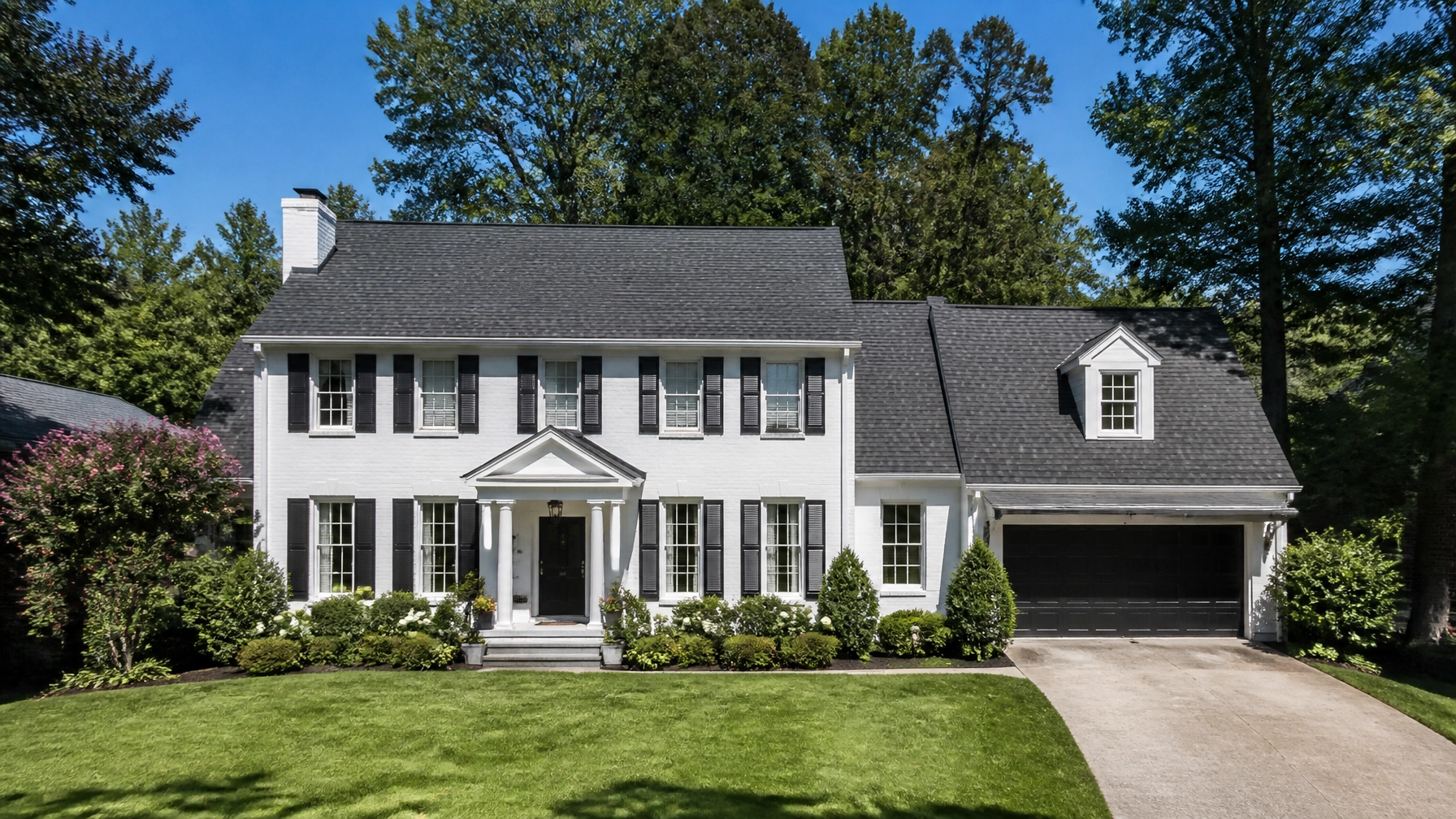
    By using the Get My Roof Estimate Now tool, you arm yourself with the most powerful tool in roofing: Information. Whether you are in the market for architectural shingles or a premium metal roof, knowing your numbers is the only way to ensure you are hiring a pro, not a storm chaser.

    Ready to see what your new roof should cost? Get your instant Charlotte roof estimate here.


  • Atlanta Roof Replacement Cost 101: A Beginner’s Guide to Mastering Your Home Investment

    Atlanta Roof Replacement Cost 101: A Beginner’s Guide to Mastering Your Home Investment

    If you own a home in "The City in a Forest," you already know that Atlanta’s dense canopy and humid climate are a double-edged sword. While the shade is a lifesaver in July, those same trees and the Georgia humidity take a massive toll on your roof. By 2026, the cost of residential roof replacement in Atlanta has seen a steady climb, driven by supply chain shifts and a localized 4–8% annual hike in labor and material expenses.

    For most Atlanta homeowners, a roof replacement is the single largest maintenance investment they will ever make. Navigating the variables: squares, pitch, flashing, and local permit fees: can feel like learning a second language. This guide breaks down the numbers, the materials, and the technology available to help you budget with 95% accuracy without ever having to step onto a ladder.

    The 2026 Price Landscape: Atlanta, GA

    In 2026, the average roof replacement cost in the Atlanta metro area ranges from $9,700 to $18,500 for a standard 2,000-square-foot home. While that range is broad, it reflects the diversity of Atlanta’s housing stock: from the single-story ranches of Decatur to the sprawling multi-gabled homes in Buckhead.

    2026 Cost Per Square Foot (Installed)

    • Budget (3-Tab Asphalt): $4.50 – $5.75 per sq. ft.
    • Popular (Architectural Shingles): $5.50 – $8.50 per sq. ft.
    • Premium (Metal/Synthetic): $11.00 – $22.00 per sq. ft.

    These figures account for the current 6% average inflationary hike observed across North Georgia this year. When you use an instant roof cost calculator, these regional adjustments are baked into the algorithm to ensure your ballpark is grounded in real-world market data.

    Material Breakdown: Choosing Your Shield

    The material you choose is the primary driver of your final invoice. In Atlanta, durability against high winds and heavy summer downpours is non-negotiable.

    Close-up of high-quality architectural asphalt shingles with rich texture

    1. Architectural Shingles (Popular)

    Often called "dimensional" or "laminate" shingles, these are the gold standard for Atlanta residential properties. They offer a layered, textured look that mimics wood shake but provides superior fire resistance and wind ratings up to 130 mph.

    • Estimated Lifespan: 25–30 years
    • 2026 Atlanta Pricing: $5.50 – $8.50 per sq. ft.

    2. Standing Seam Metal (Premium)

    Increasingly popular in modern farmhouse designs across neighborhoods like Old Fourth Ward and Inman Park, metal roofing is a "lifetime" investment. It reflects solar radiant heat, which is a major benefit during Georgia’s scorching August heatwaves.

    • Estimated Lifespan: 50+ years
    • 2026 Atlanta Pricing: $12.00 – $18.00 per sq. ft.

    3. 3-Tab Asphalt (Budget)

    While the lowest-cost entry point, 3-tab shingles are becoming less common in new Atlanta installs due to their lower wind resistance and shorter lifespan. They are typically utilized for rental properties or homeowners looking for the most immediate, low-cost solution.

    • Estimated Lifespan: 15–20 years
    • 2026 Atlanta Pricing: $4.50 – $5.75 per sq. ft.

    A modern ranch-style home in Georgia with a sleek black metal roof

    Understanding the "Atlanta Factor"

    Why do two identical houses in different cities have different roofing costs? In Atlanta, several localized factors influence your contractor’s quote:

    • Tree Canopy & Debris: The "City in a Forest" means more gutter cleaning and potential for moss growth. Contractors often recommend specialized algae-resistant shingles for homes in heavily wooded lots.
    • Pitch and Complexity: Atlanta is known for its rolling hills and diverse architecture. A steep pitch (the slope of your roof) requires more safety equipment and slower labor, which increases the "labor share" of your total cost.
    • Disposal Fees: Hauling away old shingles in the metro area involves landfill fees that have risen nearly 5% since 2025.

    Labor vs. Materials: Where Your Money Goes

    In the 2026 Georgia market, your roofing quote is roughly split into two halves. Understanding this helps you see why "cheap" labor often leads to expensive mistakes.

    1. Labor (40–45%): This covers the removal of old layers, professional installation, and safety overhead. In Atlanta, skilled roofing labor is in high demand, keeping these rates steady.
    2. Materials & Logistics (55–60%): This includes the shingles, underlayment, ice and water shields, flashing, and the cost of transporting heavy materials to your job site.

    Licensed contractors working on a residential roof replacement in Atlanta

    The 60-Second Estimating Revolution

    Traditional roofing estimates are a headache. They require you to schedule four different contractors, take time off work, and endure high-pressure sales pitches in your living room: all just to get a ballpark number.

    At Get My Roof Estimate Now, we’ve eliminated the friction. Using high-resolution satellite imagery technology, we measure your roof’s size, pitch, and complexity to within inches.

    How it works:

    1. Enter Your Address: We pull the satellite data for your specific Atlanta property.
    2. Analyze the Data: Our AI calculates the total "squares" (100 sq. ft. units) and identifies every valley and hip on your roof.
    3. Get Your Range: Within 60 seconds, you receive a transparent low-middle-high price range based on real 2026 Atlanta market rates.

    This service is 100% free and requires no credit card. It’s designed for the research-oriented homeowner who wants to budget effectively before engaging with a verified, licensed contractor.

    Conclusion: Take Control of Your Investment

    A new roof isn't just a repair; it’s an upgrade to your home’s curb appeal and energy efficiency. By understanding the 2026 cost drivers in Atlanta: from the 4–8% material hikes to the nuances of architectural shingles: you can approach your project with confidence.

    Ready to see where your home stands? Don't wait for a contractor to find an opening in their schedule. Get your instant roof estimate today and master your home investment in under a minute.