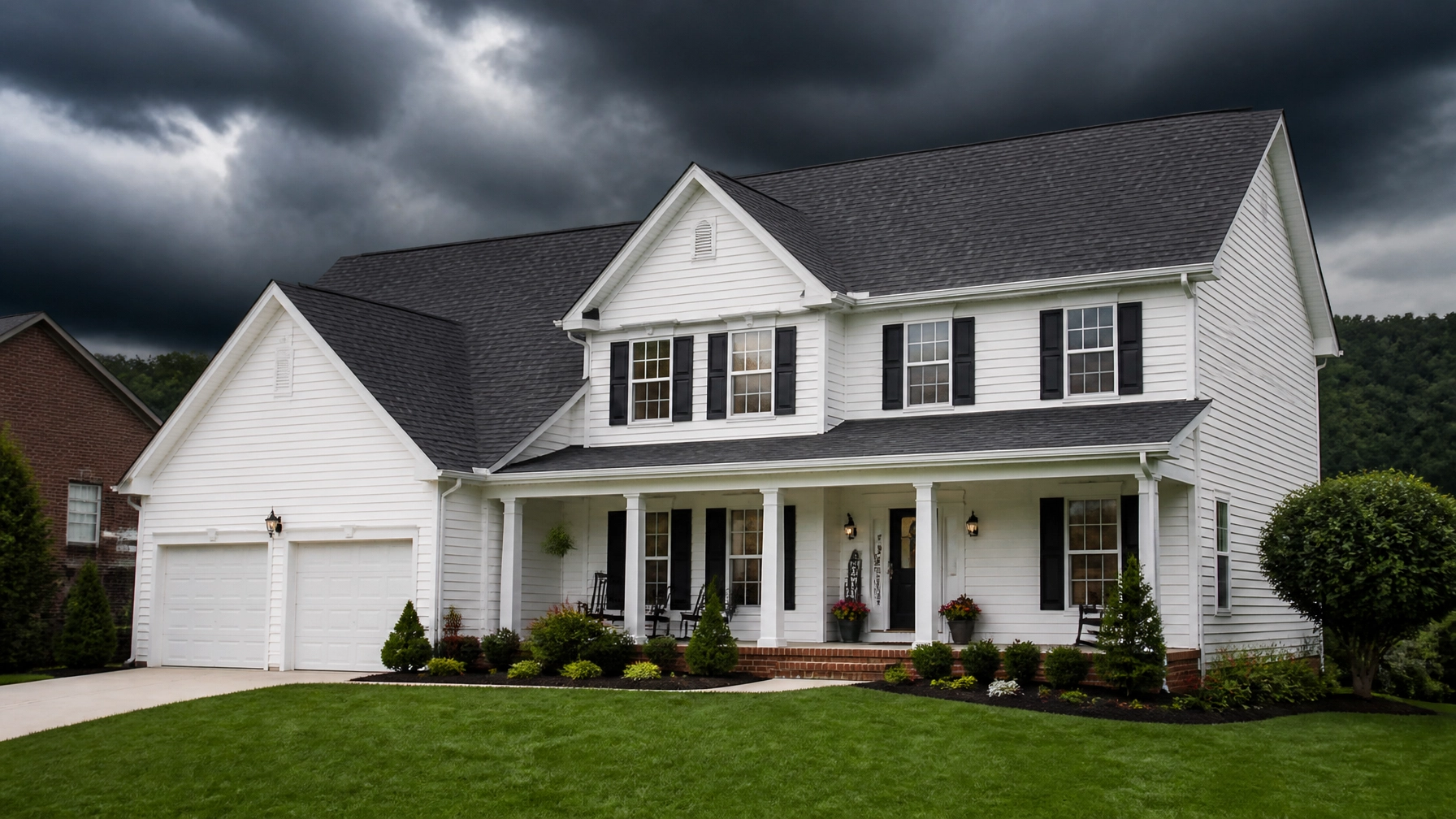
July 2026 has been a wake-up call for homeowners across East Tennessee. From the flash flooding that dumped nearly 2 inches of rain in 30 minutes on North Knoxville on July 12 to the severe storms on July 17 that left thousands without power, the local weather pattern is testing the limits of residential infrastructure.
Today, Sunday, July 19, we are seeing scattered strong storms once again. However, the real concern for many Tennessee roof replacement projects is the upcoming cold front predicted for Tuesday and Wednesday. With a Level 2-3 risk for damaging winds north of I-40 and heat indices soaring above 100°F, your roof is currently enduring a punishing cycle of thermal expansion and high-velocity wind impact.
At Get My Roof Estimate Now, we use satellite-powered technology to help you stay ahead of the storm. If you’re questioning whether your 15-to-20-year-old roof can handle another East Tennessee summer, here is everything you need to know about costs, materials, and local requirements in 2026.
1. The Cost of Security: Knoxville Roof Cost 2026
Budgeting for a roof replacement is the first step in storm preparation. In 2026, roofing costs in Knoxville have stabilized following several years of supply chain fluctuation, but labor remains a premium for high-quality, verified Knoxville roofing contractor services.
| Project Scope | Estimated Price Range (2026) | Classification |
|---|---|---|
| Standard Asphalt (1,500 – 2,000 sq. ft.) | $8,500 – $12,000 | (Budget) |
| Architectural Shingle (2,500+ sq. ft.) | $13,000 – $19,500 | (Popular) |
| Standing Seam Metal (2,500+ sq. ft.) | $22,000 – $35,000+ | (Premium) |
A 2026 roof replacement cost in East Tennessee generally falls between $350 and $700 per "square" (a 100-square-foot area). This includes the removal of old layers, disposal fees, and installation of new underlayment and shingles. Factors that drive these prices higher include the complexity of your roof’s pitch, the number of valleys, and the presence of any structural damage discovered after the tear-off.
2. Material Comparison: Architectural Shingles vs. Metal Roofing
Knoxville’s climate: characterized by humid summers and sudden, violent thunderstorms: requires materials that can withstand both UV degradation and high-impact hail.
Architectural Shingles (Popular / Versatile)
Modern architectural shingles (also known as dimensional shingles) are the standard for East Tennessee roof replacement. Unlike traditional 3-tab shingles, these are composed of multiple layers of asphalt and fiberglass.
- Pros: Cost-effective, high wind resistance (up to 130 mph), and aesthetically versatile for colonial or ranch-style homes.
- Cons: Shorter lifespan (25–30 years) compared to metal.
Metal Roofing (Premium / Durable)
With the intense heat and wind levels we've seen this July, metal roofing is gaining significant traction in Knox County.
- Pros: Exceptional longevity (50+ years), superior wind resistance, and energy efficiency (reflects solar heat, lowering cooling costs during 100°F+ heatwaves).
- Cons: Significantly higher upfront investment and potential for noise during heavy Tennessee rainstorms.

3. Technical Specs for a Storm-Proof Roof
A roof is more than just the visible surface. To survive a Level 3 wind risk event, your system must be built to modern engineering standards. When reviewing quotes from a Knoxville roofing contractor, ensure these four components are included:
Class 4 Impact-Resistant Shingles (High-Protection)
Standard shingles can crack or lose granules during hail events. Class 4 shingles are tested to withstand the impact of 2-inch steel balls dropped from 20 feet. In a region where summer storms often bring localized hail, this upgrade can frequently pay for itself through lower insurance premiums.
Ice and Water Shield (Waterproofing)
Despite the name, this membrane is critical for Knoxville's heavy summer downpours. It should be applied to all eaves, valleys, and penetrations (chimneys/pipes). It creates a self-sealing barrier that prevents wind-driven rain from backing up under the shingles.
Synthetic Underlayment (Durable)
Move away from traditional felt paper. Synthetic underlayment is tear-resistant and provides a much stronger secondary water barrier if a shingle is blown off during a high-wind event.
Advanced Ventilation (Ridge + Soffit)
With the heat index hitting 100°F+, your attic can reach 150°F+ without proper airflow. This heat "bakes" your shingles from the inside out, causing premature aging. A balanced system of ridge vents and soffit intake is non-negotiable for a Tennessee roof replacement.

4. Navigating the Knox County Roof Permit Process
One of the most common mistakes homeowners make is skipping the permitting phase. In 2026, building departments in East Tennessee have increased oversight to ensure storm-ready codes are being met.
- City of Knoxville: If you live within city limits, a permit is typically required if more than 25% of the roof area is being replaced or if you are changing material types (e.g., architectural shingles vs metal roofing).
- Unincorporated Knox County: The Knox County Codes Administration requires a permit for full reroofing.
- Fees: Expect to pay between $75 and $150 for a standard residential permit.
- The Benefit: A Knox County roof permit triggers a final inspection. This ensures your contractor has followed the International Residential Code (IRC) for fastener patterns and flashing, which is your primary defense against the Tuesday-Wednesday cold front winds.
5. Post-Storm Action Plan: July 2026 Guidelines
If the recent severe weather on July 17 or today's scattered storms have left you concerned, follow this 4-step protocol:
- Visual Inspection (Ground Only): Do not climb on a wet or damaged roof. Use binoculars to look for lifted shingles, missing granules (check your downspout exits), or damaged flashing.
- Emergency Tarping: If you have an active leak, contact a pro for emergency tarping. This is a temporary measure to prevent the interior water damage that often follows Knoxville's flash-flooding events.
- Document for Insurance: Take photos of any debris on the roof (limbs, hail stones) and any interior ceiling spots. This documentation is vital for your claims adjuster.
- Get a Satellite Estimate: Instead of waiting days for a contractor to find time between storm calls, get an instant roof estimate using our technology. We provide an accurate price range based on your exact roof dimensions within 60 seconds.

Secure Your Home Before the Next Front
The weather patterns of July 2026 have proven that a "wait and see" approach to roofing is a high-risk strategy in East Tennessee. With the city currently reviewing its century-old stormwater system and weather risks escalating, the integrity of your home's first line of defense is paramount.
Don't let the next damaging wind event be the reason you realize your roof is failing. Whether you are comparing architectural shingles vs metal roofing or just need a ballpark figure for your 2026 budget, we are here to help.
Ready to see where you stand? Enter your address here to receive your free, satellite-powered roof replacement estimate in under 60 seconds. No credit card, no waiting: just the data you need to protect your home.
Leave a Reply