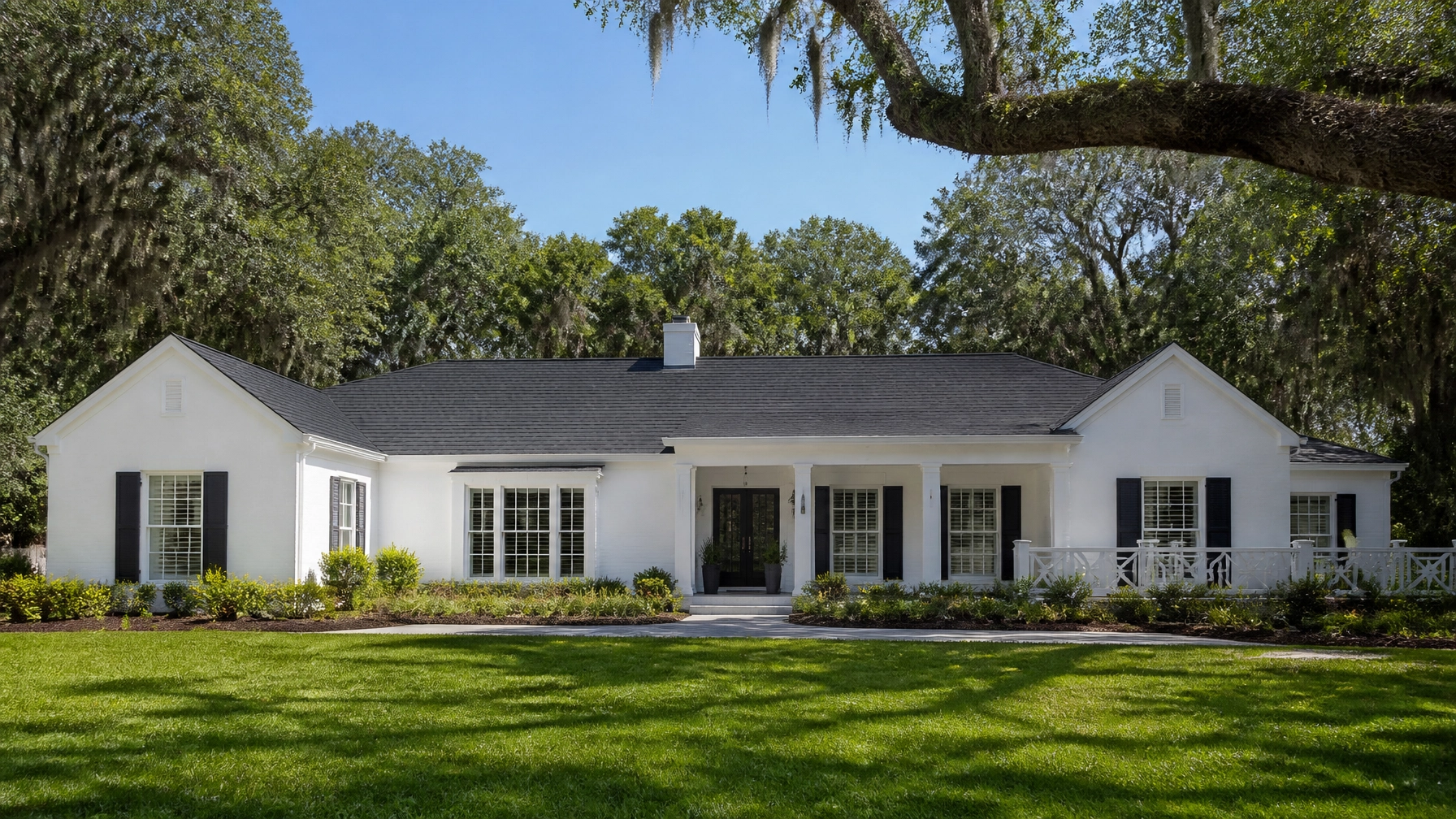
If you live in Mobile, Alabama, you know that the weather is a double-edged sword. Between the beautiful coastal breeze and the looming threat of the Atlantic hurricane season, your home’s first line of defense: the roof: takes a beating. Whether it’s a sudden hail storm or a tropical wind event, roof damage in the Port City isn't a matter of if, but when.
Replacing a roof is one of the most significant investments a homeowner can make. In Mobile, a standard roof replacement typically ranges from $7,000 to $15,000 for asphalt shingles, while premium materials like metal can exceed $25,000. The good news? Your homeowners' insurance policy may cover the entire cost (minus your deductible) if the damage is storm-related.
This guide is your masterclass in navigating the Alabama insurance claim process. We’ll break down the costs, the technical requirements, and the step-by-step actions needed to get your new roof approved.
The Reality of Roofing Costs in Mobile, AL (2024–2025)
Before you pick up the phone to call your insurance agent, you need to know what you’re up against. Roofing costs in the Gulf Coast region are influenced by material availability, local labor rates, and specific coastal building codes.
Price Breakdown by Category
- Budget (3-Tab Shingles): $5,500 – $8,500
- Popular (Architectural Shingles): $10,000 – $16,000
- Premium (Standing Seam Metal): $18,000 – $30,000+
In Mobile, professional installers typically charge between $3.20 and $6.50 per square foot. For a standard 2,000-square-foot home, you are looking at a baseline of roughly $11,600 for a full tear-off and replacement.
Knowing these numbers is critical because insurance adjusters use software like Xactimate to calculate "fair market value." If your contractor’s quote is significantly higher without a technical reason, your claim might be underfunded. You can get an instant, data-driven baseline by using our Roof Cost Calculator.
Step 1: Identifying "Qualifying" Damage
Insurance companies do not pay for roofs that have simply reached the end of their lifespan. They pay for "sudden and accidental" physical loss. In Mobile, this usually falls into two categories: Wind and Hail.
Wind Damage (Hurricanes & Tropical Storms)
Mobile is no stranger to high-wind events. Wind damage occurs when shingles are lifted, creased, or blown off entirely. When a shingle is lifted, the seal is broken, allowing water to penetrate the underlayment. Even if the shingle "lays back down," the damage is done.
Hail Damage
Hail doesn’t have to be the size of golf balls to cause a problem. Small, high-velocity hail can knock the protective granules off your shingles. This exposes the asphalt matting to the harsh Alabama sun, leading to rapid deterioration and leaks.

Step 2: The 5-Step Insurance Claim Masterclass
Filing a claim can feel like a full-time job. Following this structured process ensures you don't miss critical deadlines or technical requirements.
1. Document Everything Immediately
After a storm, take photos of your property from the ground. Look for:
- Shingles in the yard.
- Dents in gutters or downspouts (a major indicator of hail).
- Water spots on interior ceilings.
- Damage to fences or outdoor furniture.
2. Get a Professional Satellite Estimate
Before you even talk to an adjuster, you need to know your roof’s exact dimensions. Most homeowners overestimate or underestimate their roof size, leading to friction during the claim. At Get My Roof Estimate Now, we use satellite imagery technology to provide measurements accurate to within inches.
Knowing your "squares" (100-square-foot sections) allows you to speak the same language as the insurance company. You can receive your free estimate in 60 seconds right from your phone.
3. File the Claim
Contact your insurance provider’s claims department. Be prepared to provide the date of the storm. In Alabama, many policies have a one-year limit to file a claim after the date of loss. Don't wait.
4. The Adjuster Meeting
The insurance company will send an adjuster to inspect the damage. It is highly recommended to have a trusted contractor present during this meeting. A contractor can point out subtle damage: like "bruised" shingles: that an adjuster might overlook.
5. Review the "Scope of Loss"
Once the claim is approved, you will receive a document called the "Scope of Loss." This is a line-item breakdown of what the insurance is willing to pay for. It should include:
- Tear-off and disposal fees.
- Underlayment and drip edge.
- Ice and water shield (critical for valleys).
- Pipe boots and ridge vents.
Step 3: Understanding Your Alabama Policy Nuances
Not all insurance policies are created equal. In Mobile and Baldwin counties, there are specific clauses you must understand to avoid out-of-pocket surprises.
Hurricane Deductibles
Most coastal Alabama policies have a separate Hurricane or Named Storm Deductible. While your standard deductible might be $1,000, your hurricane deductible is often a percentage of your home’s value (typically 2% to 5%). If your home is insured for $300,000, a 2% deductible means you pay $6,000 out of pocket before insurance covers a dime.
ACV vs. RCV (Crucial Context)
- ACV (Actual Cash Value): The insurance company pays for the value of the roof minus depreciation. If your 20-year-old roof is damaged, they may only pay a fraction of the replacement cost.
- RCV (Replacement Cost Value): This is the gold standard. The insurance company pays the full cost to replace the roof at today’s prices. They usually hold back a portion of the funds (Recoverable Depreciation) until the work is completed and invoiced.

Step 4: Avoiding Common Claim Denials
Insurance companies are businesses, and their goal is to minimize payouts. Here is how to keep your claim on track:
- Avoid "Wear and Tear" Excuses: If an adjuster claims the damage is just "age-related," you need a contractor to provide photographic evidence of specific storm impact marks.
- Ordinance or Law Coverage: Ensure your policy includes this. It pays for upgrades required by modern Mobile building codes (like specific nailing patterns or synthetic underlayment) that didn't exist when your home was built.
- Don't Sign an AOB: Avoid signing an "Assignment of Benefits" (AOB) form. This gives the contractor the right to collect your insurance money directly and can lead to legal headaches. Keep control of your claim.
Why Satellite Technology Changes the Game
The old way of getting a roof estimate involved waiting three days for a contractor to show up with a ladder, only to receive a hand-written "ballpark" price. In a post-storm environment in Mobile, you don't have time for that.
By using Get My Roof Estimate Now, you leverage advanced satellite imagery that measures your roof’s pitch, complexity, and square footage with 90-95% accuracy. This data-driven approach gives you leverage. When you show an insurance adjuster a professionally generated measurement report, it removes the guesswork and forces them to deal with facts.

Finding a Verified Contractor in Mobile
Once your claim is funded, the final step is execution. You need a contractor who is:
- Licensed and Insured: Alabama requires a specific license for residential roofing.
- Local: Avoid "storm chasers" from out of state who won't be here to honor a warranty in five years.
- Experienced with Insurance: They should know how to file "supplements" if they find hidden rot or damage once the shingles are removed.
We connect homeowners with a network of verified, local Mobile contractors who understand the unique challenges of Gulf Coast roofing.
Summary: Your Path to a Free Roof
Getting insurance to pay for your new roof in Mobile isn't about luck; it's about documentation and technology.
- Inspect for storm damage.
- Get your satellite estimate to confirm your roof size and projected cost.
- File the claim and meet the adjuster with a professional report in hand.
- Review your policy to understand your deductible responsibility.
- Hire local to ensure your warranty remains valid.
Don't leave your home's safety to chance. Start your process today by getting your accurate, satellite-powered estimate in under 60 seconds.

Leave a Reply