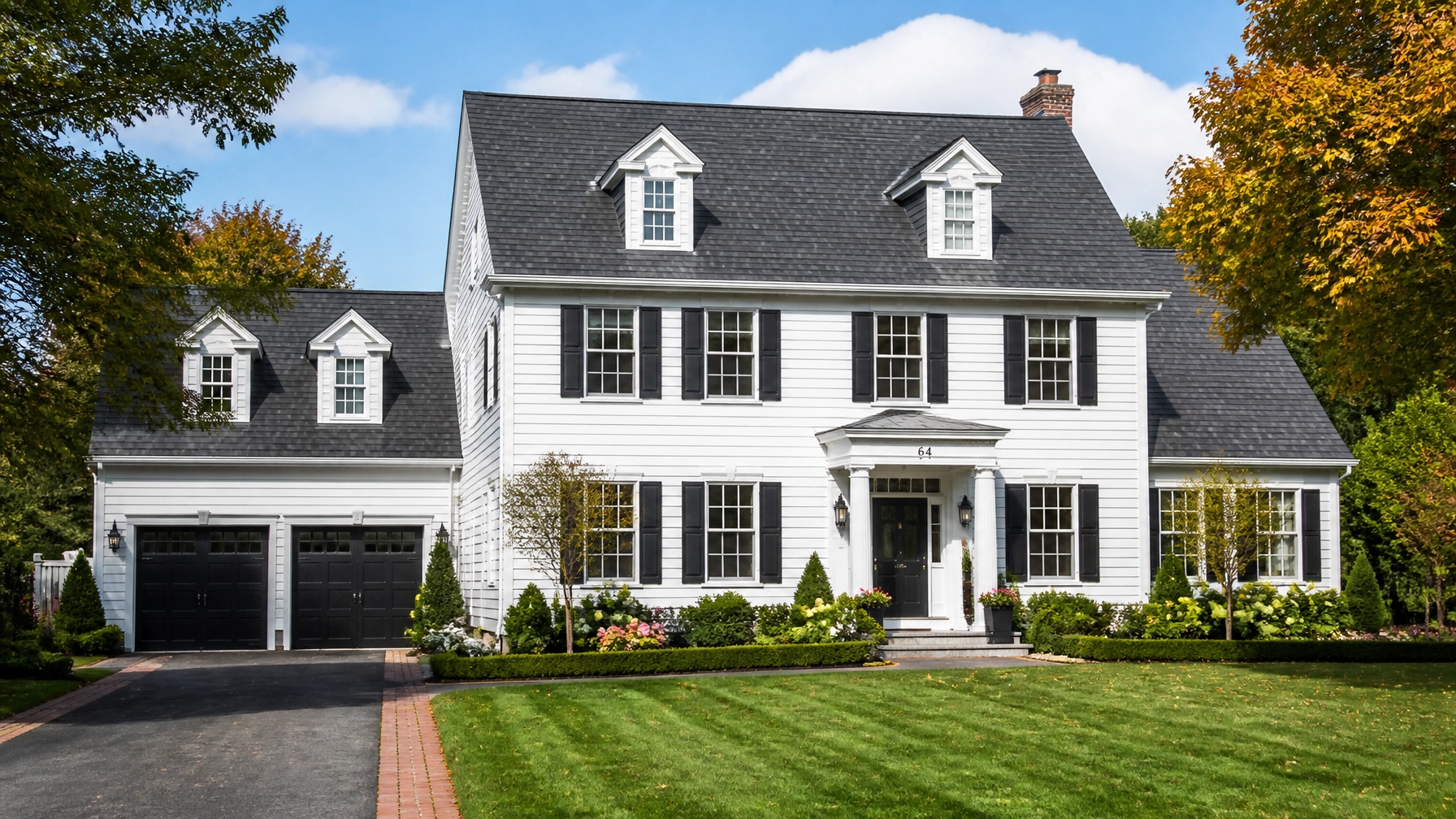
For Buffalo homeowners, the roof is more than just a structural component; it is a shield against some of the most aggressive weather in the United States. Between the legendary lake-effect snow of the "snowbelt" and the volatile freeze-thaw cycles of Western New York, a roof’s lifespan in the 716 is often shorter than the national average.
As we move through 2026, the New York insurance landscape has shifted significantly. With new Department of Financial Services (DFS) regulations and changes in how federal mortgage backers view roof coverage, navigating a claim requires a masterclass in local laws and industry standards. This guide breaks down exactly how to secure coverage for your Buffalo roof replacement this year.
The 2026 New York Insurance Market Context
The insurance market in 2026 is defined by transparency and speed, but also by rising costs. Recent updates to NY DFS Regulation 64 and the 2026 amendment to Chapter 775 of the Laws of 2023 have tightened the screws on insurers. In a declared emergency: common after Buffalo’s severe blizzards: insurers are now mandated to investigate and settle property claims within 15 business days of receiving all information, with payment required within 3 days of settlement.
However, these consumer protections come at a time when premiums are rising. Buffalo homeowners are seeing rate adjustments driven by the increased frequency of "atmospheric river" events and heavy snow loads. To get a claim covered, you must be precise with your data and fast with your filing.
ACV vs. RCV: The Coverage Gap Every Buffalo Homeowner Must Know
The single most important acronym in your policy is either RCV or ACV. In 2026, the difference between the two can mean a $15,000 out-of-pocket gap.
- Replacement Cost Value (RCV) [Premium]: This covers the full cost to replace your roof with a new one of like kind and quality, regardless of the old roof's age. If a 20-year-old roof is destroyed by wind, the insurer pays for a brand-new 2026-standard roof.
- Actual Cash Value (ACV) [Budget]: The insurer pays the depreciated value. If your shingles were halfway through their lifespan, you might only receive 50% of the replacement cost, minus your deductible.
Critical 2026 Update: As of March 2026, the Federal Housing Finance Agency (FHFA) now allows Fannie Mae and Freddie Mac to back mortgages on homes with ACV-only roof coverage. This has led many carriers to "stealth-downgrade" policies upon renewal. Buffalo homeowners must audit their "Declarations Page" immediately to ensure they haven't been shifted to ACV, which is particularly devastating in snowbelt regions where roofs age faster.

Buffalo's Climate: The "Silent Killer" of Roof Claims
In Buffalo, "wear and tear" is an insurance company’s favorite reason for denial. To get a roof replacement covered, you must prove a Covered Peril, such as wind, hail, or sudden ice damming.
- Lake Effect Snow & Ice Dams: While gradual snow accumulation is often considered maintenance, sudden damage from a record-breaking lake-effect storm can qualify.
- Freeze-Thaw Cycles: The constant expansion and contraction of moisture in Buffalo’s spring and autumn can tear apart flashing.
- Wind & Hail: 2026 has seen an uptick in high-wind events off Lake Erie. Unlike coastal New York, Buffalo typically uses flat deductibles (e.g., a standard $1,000 or $2,500) rather than the percentage-based deductibles common in hurricane zones like Long Island.
Buffalo Roof Replacement Costs (2026 Benchmarks)
Pricing in Western New York has stabilized in 2026, though labor remains a premium for "steep slope" and complex Buffalo Victorian and Colonial homes. For a standard 2,000-square-foot roof, homeowners should expect the following ranges:
| Tier | Material Type | Estimated Cost (2026) | Best For |
|---|---|---|---|
| Budget | 3-Tab Asphalt Shingles | $8,500 – $11,500 | Short-term fixes / Rentals |
| Popular | Architectural Shingles | $12,500 – $19,000 | Most single-family homes |
| Premium | Standing Seam Metal | $28,000 – $45,000 | Lifetime durability / Snow shed |
Note: Buffalo’s building code requires enhanced ice-and-water shield protection (usually 6 feet up from the eaves) which is factored into these "Popular" and "Premium" price ranges.

Navigating New York Specific Roofing Laws
New York has some of the strictest consumer protection laws in the country regarding home improvements. Knowing these can prevent your claim from being voided.
1. NY General Business Law (GBL) § 771-B
It is illegal for a roofing contractor to offer to "pay, rebate, or waive" your insurance deductible. This is considered insurance fraud in New York. If a contractor offers to "eat your deductible," walk away. It can jeopardize your entire claim and lead to legal complications with the NY DFS.
2. Buffalo Permit Requirements
Under Buffalo's local ordinances, a building permit is mandatory for any full roof replacement or tear-off. The City of Buffalo Department of Permits & Inspection Services requires this to ensure the roof deck is inspected before new shingles are laid. Insurers often require proof of a closed permit before releasing the final "holdback" payment (the depreciation) on an RCV policy.
3. NYPIUA (The FAIR Plan)
If you have been denied coverage in the voluntary market, you may be insured through the New York Property Insurance Underwriting Association (NYPIUA). While NYPIUA provides essential coverage, their claims process is rigorous. You must provide a written contract that complies with NY GBL Article 36-A, which includes specific cancellation notices and licensed contractor information.
Leveraging Satellite Technology for Your Claim
In 2026, "ballpark" estimates are a thing of the past. When filing a claim, the burden of proof is on the homeowner to provide accurate measurements of the roof's size, pitch, and complexity.
Traditional contractors may take weeks to visit your home and climb a ladder: an often dangerous task in Buffalo's slushy winter months. Our instant roof estimate technology uses high-resolution satellite imagery to provide measurements accurate to within inches.
By using a satellite-powered estimate, you can:
- Validate Insurer Scopes: Compare the adjuster's "square count" against our precise data.
- Speed Up Approval: Provide your adjuster with a professional measurement report in under 60 seconds.
- Ensure Transparent Pricing: Know exactly what the material and labor costs should be for your specific zip code before you ever talk to a contractor.

5 Steps to a Successful Buffalo Roof Claim in 2026
- Immediate Documentation: Take photos of your roof and interior ceilings immediately after a storm. Record the date of the "Lake Effect" event or windstorm.
- Get Your Instant Estimate: Visit getmyroofestimatenow.com to get your satellite-measured pricing. This gives you a baseline for the "Amount of Loss."
- File with NY DFS Timelines in Mind: Notify your carrier. Under NY law, they must acknowledge your claim within 15 business days.
- Verify the Contractor’s License: Ensure your roofer is licensed by the City of Buffalo and carries at least $100k/$300k in liability insurance, as required by updated NY statutes.
- Review the "Scope of Loss": Compare the insurer's offer against your satellite estimate. If there is a discrepancy, exercise your right to Appraisal under NY Insurance Law § 3408.
Ready to protect your Buffalo home?
Don't wait for the next winter storm to find out if your roof is failing. Whether you are planning a proactive replacement or dealing with recent storm damage, transparency is your best tool.
Get your accurate, satellite-powered roof estimate in under 60 seconds. No credit card, no contractor visits, just the data you need to secure your home.
Leave a Reply