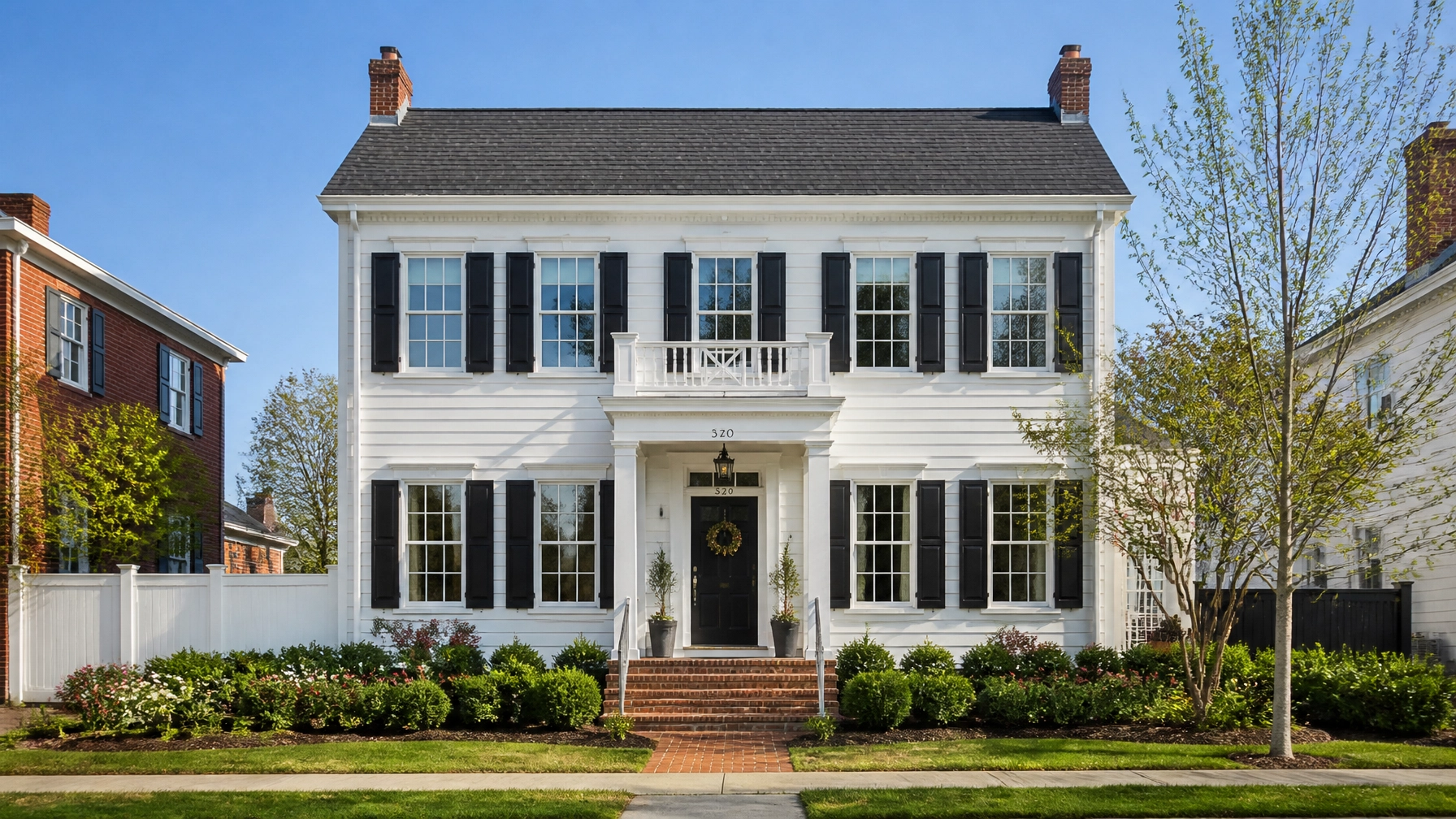
For Richmond homeowners, 2026 is a pivotal year for roof maintenance and insurance claims. Between evolving Virginia legislation and the increasing frequency of Central Virginia storm systems, navigating the path to a covered roof replacement has become a technical challenge. Whether you live in the historic Fan District, a classic Colonial in the West End, or a modern ranch in Midlothian, understanding the specific "rules of the game" in Virginia is the difference between a $500 deductible and a $20,000 out-of-pocket expense.
At Get My Roof Estimate Now, we leverage high-resolution satellite imagery to give you the data you need before you even pick up the phone to call your adjuster. This guide serves as your masterclass in securing a fair settlement in the current Richmond market.
1. The Virginia Insurance Timeline: Know Your Deadlines
Virginia law is structured to protect the consumer, but only if you know the statutory "clocks" that start ticking the moment a storm hits. In 2026, the state remains strict about claim processing timelines.
The Acknowledge and Decide Phase
Under Virginia insurance regulations, carriers are held to specific timeframes to prevent them from "stalling" your claim:
- 10 Working Days: Once you file a claim, your insurer must acknowledge it within 10 working days. This acknowledgement should include the necessary forms and instructions for your next steps.
- 45 Working Days: After you submit a completed proof of loss, the insurer generally has 45 working days to either affirm or deny coverage. If they need more time, they must notify you and explain why.
Statute of Limitations
In Virginia, insurance policies cannot limit your right to file a lawsuit to less than one year. However, most standard HO-3 policies in the Richmond area carry a two-year contractual limit from the date of the loss (the storm event). If you experienced hail damage during a 2024 storm and are just now noticing leaks in 2026, you are likely at the edge of your eligibility window.
2. ACV vs. RCV: The "Hidden" Cost of Depreciation
One of the most misunderstood aspects of Richmond roof claims is the difference between Actual Cash Value (ACV) and Replacement Cost Value (RCV).

RCV (Popular/Standard)
Most modern Richmond policies are RCV. This means the insurance company pays to replace the roof at today’s market prices. However, there is a catch: they often withhold the "recoverable depreciation." You receive an initial check for the current value of the old roof, and you only receive the remaining balance after the work is completed and an invoice is submitted.
ACV (Budget/Limited)
If your policy is ACV, the insurer subtracts depreciation permanently based on the age of your roof. If your 20-year-old roof is at the end of its life, an ACV policy might only pay out 20% of the replacement cost, leaving you to cover the rest. In 2026, many carriers are moving older roofs (15+ years) to ACV-only riders to mitigate risk.
3. The 2027 Legislative Shift: Planning Ahead in 2026
While the landmark Virginia laws HB 677 and SB 402 do not officially take effect until January 1, 2027, they are already reshaping how Richmond insurers behave in 2026.
What the Law Changes
Once active, these bills will prevent insurers from canceling or refusing to renew a policy solely because of the age of an asphalt shingle roof, provided:
- The roof is less than 15 years old.
- The homeowner provides a certificate from an authorized inspector showing at least 5 years of useful life remaining.
Why this matters now: If you are shopping for a new policy or your current insurer is threatening non-renewal in 2026 due to your roof's age, you can use these upcoming standards as leverage. Furthermore, the law now strictly prohibits contractors from offering to "waive" your deductible or offering rebates to cover it, this is now considered insurance fraud in Virginia.
4. Local Realities: Richmond Permit Rules and Costs
Navigating the City of Richmond’s Department of Planning and Development Review (PDR) is a critical step that many "out-of-town" contractors miss.
The Richmond Permit Portal
For most residential reroofing projects in the R-3, R-4, and R-5 zoning groups, a permit is required if you are replacing the entire roof covering. You or your contractor must apply via the Richmond Online Permit Portal.
Exemptions:
- Minor repairs or replacement of roof coverings of 100 square feet or less.
- Work that does not involve structural changes (like replacing rafters or decking).
Richmond Market Pricing (2026 Data)
Roofing costs in Richmond remain competitive compared to Northern Virginia. On average, labor costs in the RVA area are 5% to 11% below the national average.
- Asphalt Shingles (Popular): $4.00 – $8.00 per square foot.
- Metal Roofing (Premium): $10.00 – $15.00 per square foot.
- Synthetic/Slate (Luxury): $12.00+ per square foot.
A standard 2,500-square-foot roof in Richmond typically ranges between $10,000 and $20,000, depending on the complexity and material choice. You can get a precise figure in under 60 seconds using our Virginia Roof Estimate Tool.
5. Using Satellite Tech to Win Your Claim
The biggest mistake Richmond homeowners make is calling their insurance company before they have their own data. Adjusters are trained to minimize "scope," but satellite technology levels the playing field.

At Get My Roof Estimate Now, we use advanced satellite imagery to calculate your roof’s "squares" (100 sq. ft. units), pitch, and complexity with 90-95% accuracy. When you show up to a claim meeting with a professional measurement report, the adjuster knows they cannot under-measure your roof to save the company money.
The 60-Second Advantage
- Accuracy: No more "eyeballing" the roof from the ground.
- Transparency: You see the same measurements the contractors see.
- Speed: You get a full price range (Low, Middle, High) before a contractor even sets foot on your driveway.
6. Avoiding the "Storm Chaser" Trap
After a heavy storm in Henrico or Chesterfield, you will likely see "storm chasers" knocking on doors. These are often out-of-state companies that use "Assignment of Benefits" (AOB) contracts to take control of your insurance claim.
Red Flags in 2026:
- Pressure to sign an AOB: If they insist you sign over your insurance rights before an estimate is given, walk away.
- "Free Roof" Promises: As per the new Virginia laws, any contractor offering to cover your deductible is operating illegally.
- Lack of local Richmond credentials: Ask for their Richmond business license and proof of Virginia DPOR (Department of Professional and Occupational Regulation) licensure.

Checklist: Filing Your Richmond Roof Claim in 2026
- Get an Instant Estimate: Use our Roof Cost Calculator to determine your project's baseline cost.
- Document the Damage: Take photos of any fallen shingles in your yard or water spots on your ceiling.
- Check Your Policy: Determine if you have RCV or ACV coverage and check your wind/hail deductible (which is often higher than your standard deductible).
- File the Claim: Do this within the 2-year statute of limitations.
- Review the Scope: Compare the adjuster's measurements against your Get My Roof Estimate Now satellite report.
- Hire Local: Choose a verified, licensed Richmond contractor who will pull the necessary permits through the city portal.
Final Thoughts for Richmond Homeowners
Getting your roof covered by insurance in 2026 isn't about luck; it's about preparation. By understanding Virginia's unique timelines, the upcoming legislative protections, and the power of satellite-based estimates, you can ensure your home stays protected without draining your savings.
Ready to see what your Richmond roof replacement should actually cost? Get your instant, 60-second estimate here.
Leave a Reply