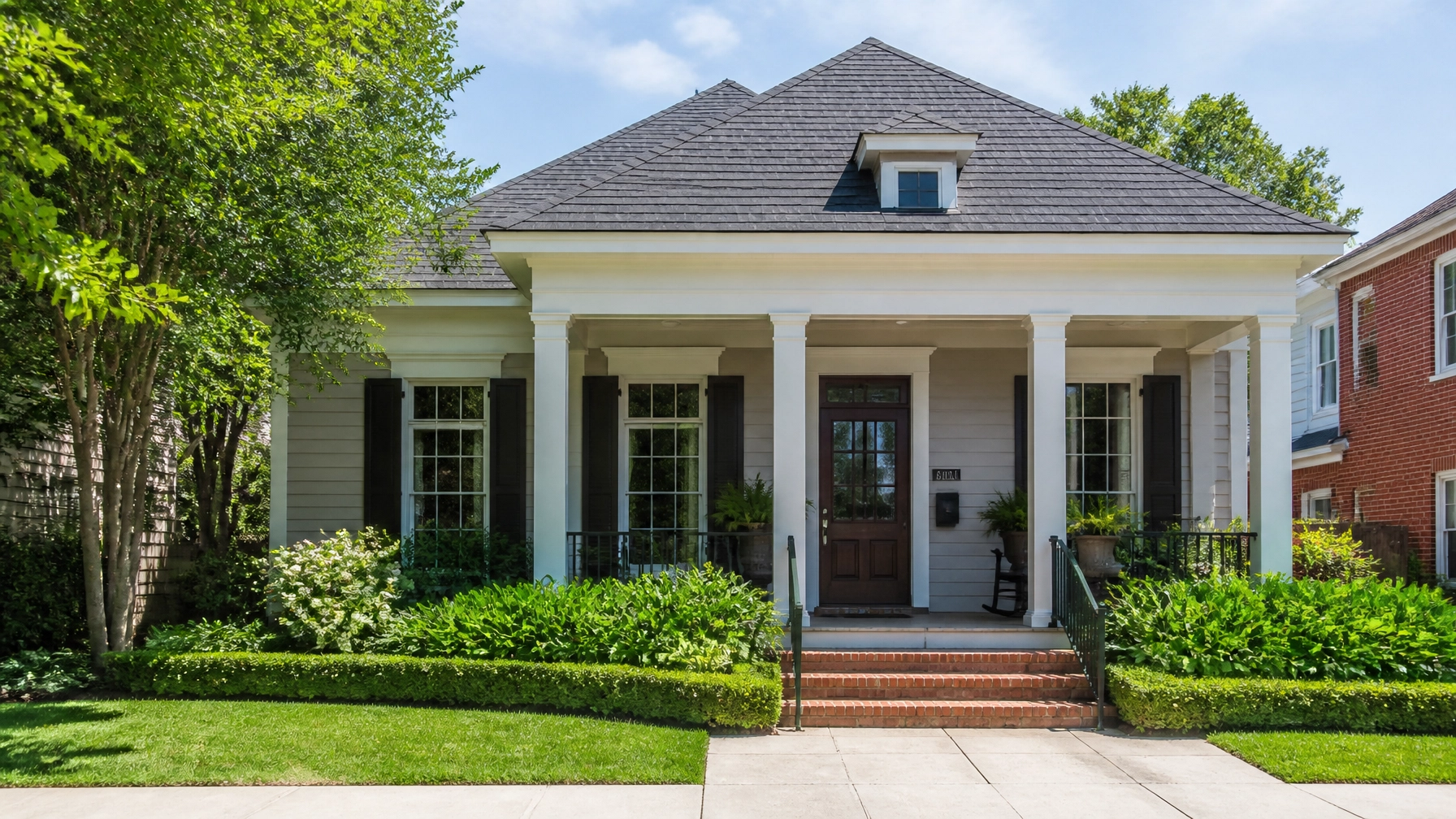
As New Orleans bakes under an Extreme Heat Warning with heat indices soaring toward 113–115°F, local homeowners face a double-edged sword. Not only does relentless sub-tropical heat test the limits of residential cooling systems, but it also accelerates wear and tear on your home's most vital shield: your roof. Coupled with the fact that we are currently deep in the peak of the Atlantic hurricane season, ensuring your roof is thermally resilient and structurally sound is non-negotiable.
Whether your home sits in Uptown, Mid-City, Lakeview, or Algiers, understanding your New Orleans roof replacement cost 2026 benchmarks, material options, and storm-hardening techniques can save you thousands. At Get My Roof Estimate Now, we empower homeowners with instant, satellite-powered roof measurements in under 60 seconds: no salesperson visit required upfront.
Let’s break down how extreme heat impacts your roof, what hurricane preparation entails, and what you can expect to invest in New Orleans roofing this season.
1. How Extreme Heat and Humidity Threaten Roof Durability in New Orleans
High ambient temperatures and suffocating humidity do more than make outdoor life uncomfortable: they wage a constant war on roofing materials.
- Thermal Expansion and Contraction: When roof surface temperatures spike past 150°F under a blazing Louisiana sun, materials expand. As night falls and torrential afternoon downpours hit, sudden cooling causes rapid contraction. This thermal shock stresses shingle granules, asphalt binders, and flashing seams, leading to premature cracking and brittleness.
- Granule Loss and Shingle Deterioration: Ultraviolet (UV) radiation degrades the asphalt binder holding protective ceramic granules on standard shingles. Once those granules shed into your gutters, the underlying asphalt is exposed directly to the sun, accelerating aging and roof leaks.
- Attic Moisture and Ventilation Traps: High humidity combined with poor attic ventilation creates a pressure cooker environment beneath your roof deck. Trapped heat cooks shingles from the underside while moisture buildup invites mold, wood rot, and structural sagging.
Addressing New Orleans roof durability requires selecting materials engineered to withstand sustained thermal cycling and moisture intrusion.

2. Peak Hurricane Season Prep: Beyond the Basics
July marks the ramp-up of active tropical weather in the Gulf of Mexico. Waiting until a named storm enters the Gulf to check your roof is a costly gamble. Effective Louisiana hurricane roof prep focuses on wind uplift mitigation and water-shedding integrity.
Storm winds don't just push against walls; they create massive negative pressure (uplift) over the roof surface, attempting to peel sheets of shingles or metal right off the framing. To protect your investment against hurricane-force gusts, modern standards emphasize continuous load paths: tying your roof securely to the walls and foundation with heavy-duty hurricane clips and straps.
3. FORTIFIED Roofing Standards and IBHS Recommendations
For maximum peace of mind in hurricane alley, industry experts point to the Insurance Institute for Business & Home Safety (IBHS) and their FORTIFIED Roof™ standards.
A FORTIFIED roof goes far beyond standard building code minimums by incorporating four critical defense layers:
- Sealed Roof Deck (Popular): Installing a fully adhered self-adhering membrane or taped seams beneath your shingles prevents water from pouring into your home even if high winds strip away the outer shingle layer.
- Enhanced Fastening: Upgrading from smooth-shank nails to ring-shank nails driven in precise high-wind patterns drastically increases uplift resistance.
- Locked-Down Edges: Heavy-duty, properly fastened drip edges prevent wind from catching the perimeter of your roof system.
- Impact-Rated Coverings: Choosing Class 4 impact-resistant shingles or engineered metal systems protects against windborne debris.
Many Louisiana insurance companies offer significant annual premium discounts for homes certified with FORTIFIED or wind-mitigation upgrades, helping offset initial installation costs.

4. 2026 Roof Replacement Cost Benchmarks in New Orleans
Budgeting for a new roof requires transparent pricing. In New Orleans, total project costs generally range from $3.50 to $15.00+ per square foot, depending on material quality, roof complexity, pitch, and tear-off requirements. For a standard 2,000-square-foot single-family home, expect total investment bands such as:
- 3-Tab Asphalt Shingles (Budget): $4.00 – $6.00 per sq. ft. (~$7,200 – $11,000 total). Best for minimal upfront investment, though shorter lifespan (15–20 years) and lower wind ratings make them less ideal for hurricane zones.
- Architectural Asphalt Shingles (Popular): $5.00 – $7.50 per sq. ft. (~$9,000 – $14,000 total). Thicker, multi-layered design offers superior wind resistance and longer warranties.
- FORTIFIED Architectural Shingle System (Recommended): $5.50 – $8.50 per sq. ft. (~$10,000 – $17,000 total). Includes sealed roof decks and enhanced fastening patterns designed specifically for severe Gulf Coast weather.
- Standing Seam Metal Roofing (Premium): $10.00 – $15.00+ per sq. ft. (~$18,000 – $30,000+ total). Exceptional longevity, superior solar reflectivity to combat extreme heat, and top-tier wind performance.
- Slate and Tile (Historic/Luxury): $15.00 – $30.00+ per sq. ft. Commonly seen on historic New Orleans properties, requiring specialized structural framing and artisan installation.
(Note: State grants and regional resilience programs occasionally offer financial relief for wind-mitigation retrofits, sometimes reducing out-of-pocket expenses for qualifying homeowners.)
5. Practical Action Steps for New Orleans Homeowners
To combat extreme heat damage and prepare for storm season, take these proactive steps today:
- Get an Instant Satellite Estimate: Avoid the hassle of scheduling multiple contractor walk-throughs just to get ballpark numbers. Use Get My Roof Estimate Now to enter your address and receive precise measurements and material pricing in 60 seconds.
- Inspect Attic Ventilation: Ensure your ridge vents and soffit intakes are clear. Proper airflow reduces attic temperatures by up to 20–30°F, easing the burden on your HVAC and protecting shingles from premature thermal breakdown.
- Check for Granule Loss and Curling: Safely inspect your roof from the ground with binoculars or schedule a professional checkup if your roof is past the 15-year mark.
- Verify Contractor Credentials: When hiring local pros, ensure they are licensed, insured, and experienced in installing Louisiana wind-mitigation packages and sealed roof decks.

Secure Your Home Before the Next Storm
Don't wait for a severe weather emergency or a surprise leak during a tropical downpour to evaluate your roof's condition. Beat the extreme heat and hurricane season rush by knowing your exact numbers today.
Head over to Get My Roof Estimate Now right now to generate your free, instant satellite roof replacement cost estimate in under a minute: no credit card or contractor sales pitch required.
Leave a Reply