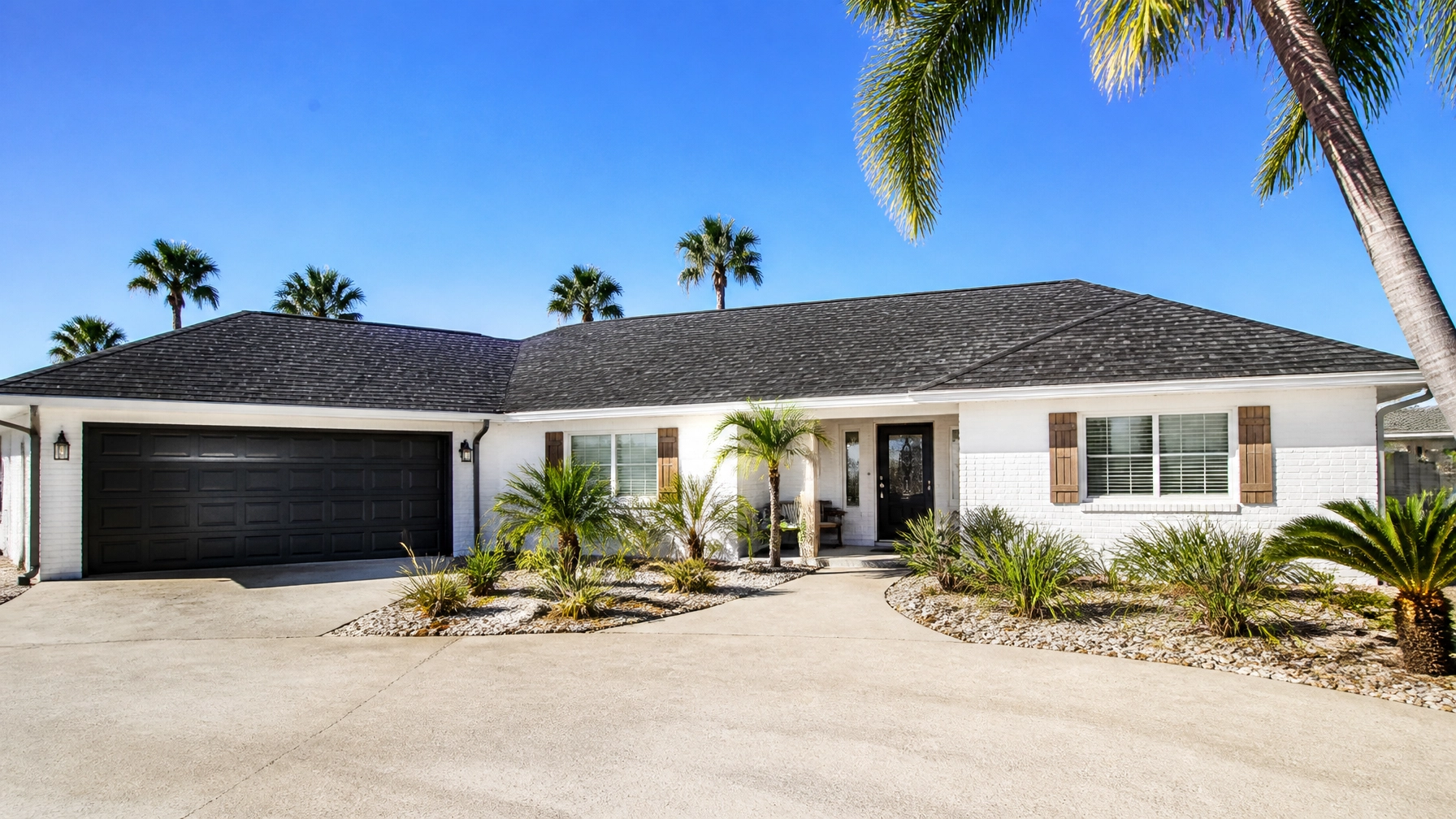
For homeowners in Panama City, Florida, a major storm isn’t just a weather event; it’s the start of a high-stakes race. As the winds die down, a different kind of storm arrives: the "storm chasers." These out-of-state contractors descend on Bay County, knocking on doors and promising lightning-fast repairs. While some are legitimate, many are looking to exploit the chaos.
If you own a mobile or manufactured home, the stakes are even higher. These structures require specialized knowledge regarding weight loads and wind-uplift codes. One bad roofing job can compromise the entire structural integrity of your home. To help you navigate this, we’ve put together the definitive guide to vetting contractors and dodging the common scams that plague the Panhandle after a hurricane.
The Immediate Red Flags: Identifying "Storm Chasers"
In the roofing industry, a "storm chaser" is a contractor who follows extreme weather to find work. They often lack a permanent local presence and vanish as soon as the final check clears. Here is what to watch for in the first 48 hours:
- The Unsolicited Knock: Reputable Panama City roofers are usually backed up for months after a storm. If someone is knocking on your door offering a "free inspection" or "immediate opening," be skeptical.
- Out-of-State Plates: Look at the trucks. If they have tags from Michigan or Ohio, they likely don't know Florida’s specific (and strict) building codes for high-velocity hurricane zones (HVHZ).
- High-Pressure Tactics: Phrases like "I only have one slot left" or "The price is only good for today" are classic sales psychological tricks. A professional roofer will provide a detailed quote and give you time to review it.
- The "Free Roof" Pitch: In Florida, it is illegal for a contractor to offer to "cover your deductible." This is considered insurance fraud. If a roofer promises you a brand-new roof for $0 out of pocket by manipulating the claim, walk away immediately.
The Vetting Checklist: Verification over Trust
Never take a contractor's word for their credentials. In Florida, the barrier to entry for "handymen" is low, but the requirements for roofing are high. Use this checklist to verify every candidate:
1. Verify the DBPR License
Every roofer in Florida must be licensed by the Department of Business and Professional Regulation (DBPR). Ask for their license number and verify it on the DBPR website. Ensure the license is "Active" and registered specifically for roofing, not just general contracting or residential specialty.
2. Proof of Insurance (General Liability & Workers’ Comp)
A roofer without insurance is a massive liability for you. If a worker falls off your mobile home roof and the contractor doesn't have Workers' Compensation, you could be held liable for their medical bills.
- General Liability: Protects your property from damage during the job.
- Workers' Comp: Protects the workers and you from injury lawsuits.
- Pro Tip: Don't just look at a paper certificate. Call the insurance agent listed to confirm the policy is currently in force.
3. Local Permanent Address
A "local" roofer should have more than just a Panama City area code on a cell phone. Ask where their physical office is located. Check if they have been operating in the Florida Panhandle for at least 3-5 years. Local contractors have a reputation to maintain; storm chasers don't.

Mobile Home Specifics: Why the Wrong Roofer is Dangerous
Mobile and manufactured homes aren't just smaller houses; they are engineered differently. Most have lighter framing and specific weight limits.
Roof-Overs vs. Re-Roofs
When vetting a contractor for your mobile home, ask them specifically about "roof-overs."
- Roof-Over (Budget/Popular): This involves installing a new layer of roofing (often metal or TPO) over the existing roof. It's cost-effective but adds weight.
- Full Replacement (Premium/Durable): This involves stripping the old material, inspecting the decking, and installing a new system.
If a contractor tries to install a heavy architectural shingle roof (Popular) on a manufactured home not rated for that weight, they can cause the ceiling to bow or the walls to buckle. Ensure they are factoring in the Florida Building Code for Manufactured Homes, which has specific requirements for wind-uplift and tie-downs.
The Modern Alternative: Instant, Transparent Estimating
The traditional way of getting a roof estimate is broken. You call three contractors, wait two weeks for them to show up, and then receive three wildly different prices with no explanation.
At Get My Roof Estimate Now, we’ve eliminated the guesswork. Using advanced satellite imagery technology, we can measure your roof’s size, pitch, and complexity with 90-95% accuracy in under 60 seconds.
- No Contractor Visit Needed: You get your ballpark pricing instantly, allowing you to budget before you ever talk to a salesperson.
- Transparency First: We provide low-middle-high price ranges for different materials, from standard shingles (Budget) to standing seam metal (Premium).
- Vetted Local Pros: Once you have your estimate, we can connect you with licensed, insured, and verified local contractors in Panama City who actually know how to handle Florida storms.
You can get started right now with our Roof Cost Calculator.

Comparing Material Costs in Panama City (2026 Estimates)
Based on current data for the Florida Panhandle, here is what you can expect for a standard 2,000-square-foot roof:
| Material Type | Estimated Cost Range | Longevity | Best For |
|---|---|---|---|
| Architectural Shingles (Popular) | $10,000 – $14,000 | 15-20 Years | Most residential homes |
| Metal Roof-Over (Mobile Home) | $8,500 – $12,500 | 25-30 Years | Manufactured housing |
| Standing Seam Metal (Premium) | $18,000 – $26,000 | 50+ Years | Maximum storm protection |
| TPO Membrane (Budget) | $7,000 – $10,000 | 15-20 Years | Flat or low-slope roofs |
Note: Prices vary based on roof pitch and the number of stories.
Contract Essentials: Don't Sign Without These
Once you've vetted the contractor and used our Florida Roof Estimate tool, the final step is the contract. A legitimate contract should never be a one-page "handshake" agreement. It must include:
- Detailed Scope of Work: Exactly what is being removed and what is being installed.
- Specific Materials: Brand names and colors (e.g., Owen’s Corning Duration Shingles in Onyx Black).
- Permit Responsibility: The contractor must pull the permit. If they ask you to pull an "owner-builder" permit, they are likely unlicensed or trying to avoid liability.
- Termination Clause: What happens if the work isn't done?
- Payment Schedule: Never pay more than 10-25% upfront. The bulk of the payment should be made only after the final inspection is passed by the city or county.

Final Thoughts for Panama City Homeowners
Storm recovery is stressful, but choosing a roofer shouldn't be. By utilizing satellite-powered technology and following a strict vetting process, you can protect your home and your wallet. Don't let a "door knocker" rush you into a bad decision.
Whether you need a full replacement for a ranch-style home or a specialized roof-over for a manufactured home, start with data. Get your instant estimate in 60 seconds and take control of your roofing project today.
Frequently Asked Questions
Q: How accurate are satellite roof estimates?
A: Our technology is 90-95% accurate. It factors in the square footage, pitch, and facets of your roof to provide a transparent price range based on current local material and labor costs in Florida.
Q: Should I wait for my insurance adjuster before getting an estimate?
A: No. Having an independent, accurate estimate from Get My Roof Estimate Now gives you leverage. You’ll know exactly what the job should cost so you can ensure your insurance payout is fair.
Q: Is metal roofing better for mobile homes in Florida?
A: Often, yes. Metal roof-over systems are lightweight, durable, and offer excellent wind resistance, which is critical in storm-prone areas like Panama City.
Q: What is a "Notice to Owner" (NTO)?
A: In Florida, subcontractors or material suppliers might send you an NTO. This isn't a bill; it's a legal notice that they are providing materials for your job. To protect yourself, always ask your main contractor for a "Lien Release" before making the final payment.
Leave a Reply