Lexington starts Wednesday, September 16, 2026, under overcast skies with a forecast high of 94°F and a low near 73°F. Humidity will make it feel closer to 100°F.
Most of the day should stay dry, with only limited isolated shower or thunderstorm coverage. The better rain chances are farther east. By late Thursday and Friday, a cold front dropping southeast from the Northwest will bring scattered showers and thunderstorms to central and eastern Kentucky, including the Lexington area.
That weather pattern matters to your roof. Heat, humidity, hail, high winds, ice, and repeated freeze-thaw cycles all wear down roofing materials in different ways.
Here is what Lexington homeowners should know.
Lexington weather today: 94°F, humid, and mostly dry
According to WKYT’s September 16 forecast and the National Weather Service Lexington forecast:
- High: 94°F
- Low: 73°F
- Sky: Overcast to partly cloudy
- Humidity: High, with a feels-like temperature near 100°F
- Rain today: Limited isolated showers or thunderstorms
- Thursday and Friday: Increasing scattered storms as a cold front moves through
- Friday afternoon: A modest temperature drop is expected
Heat may build again this weekend. Rain chances should remain fairly low Saturday and Sunday, but any storm could still bring brief heavy rain, lightning, and gusty winds. Above-average temperatures may continue into the first half of next week, although widespread 90s should gradually ease.
For your roof, the key concern is not one hot afternoon. It is the repeated combination of heat, moisture, wind, and seasonal temperature swings.
Why Lexington’s climate is hard on roofs
Lexington’s roofs face a broad range of conditions:
- Hot, humid summer afternoons
- Strong thunderstorms and wind gusts
- Hail from spring through midsummer
- Heavy rain and wind-driven moisture
- Ice and snow loading during winter
- Roughly 55–70 freeze-thaw cycles each winter
A freeze-thaw cycle occurs when moisture enters a small crack or gap, freezes, expands, and then melts. Repeated cycles can cause:
- Shingle cracking
- Granule loss
- Flashing separation
- Seal failure around vents and chimneys
- Small leaks that grow over time
Older roofs are especially vulnerable because asphalt shingles become less flexible as they age. A roof that looks acceptable from the ground may still have weakened seals, brittle edges, or damaged flashing.
Lexington’s hail and wind history deserves attention
Kentucky has experienced exceptionally large hail. A 4.5-inch, softball-size hailstone was reported in Nelson County in 2002, with an estimated updraft near 103 mph.
Fayette County averages approximately 3–6 measurable hail days per year, mainly from April through July. Most hail is not large enough to destroy a roof, but repeated smaller impacts can shorten the life of aging shingles. Larger hail can bruise the shingle mat, crack protective granules, and damage vents, gutters, skylights, and soft metal flashing.
Wind is another major risk.
On April 2, 2024, straight-line winds reached up to 80 mph in parts of Lexington, causing roof and widespread tree damage. On March 3, 2023, high-gradient winds of 60–80 mph caused significant damage near the local airport.
Wind damage may appear as:
- Missing shingles
- Lifted shingle edges
- Creased shingles
- Exposed underlayment
- Damaged ridge caps
- Loose fascia or flashing
Do not assume a roof is fine simply because there is no ceiling stain. Wind and hail damage can remain hidden until the next heavy rain.

The January 2009 ice storm shows the winter risk
Central Kentucky’s January 2009 ice storm remains one of the region’s most destructive winter weather events in decades.
The storm caused:
- Approximately 35 deaths statewide
- Between 609,000 and 769,000 customers without power
- Heavy ice accumulation on trees, power lines, and structures
- Widespread falling-limb damage
- Severe stress on roofs and other building components
Ice adds weight directly to the roof. It also weighs down tree limbs, increasing the risk of branches falling onto shingles, decking, gutters, and flashing.
A well-maintained roof cannot prevent every storm-related problem. However, strong installation, properly sealed penetrations, sound flashing, and good attic ventilation can reduce the chance that a minor weakness becomes a major leak.
Best roofing materials for Lexington homes
There is no single “best roof” for every Lexington property. The right choice depends on your budget, roof shape, expected service life, and storm exposure.
Architectural shingles (Popular)
Architectural shingles are the most common choice for Lexington homeowners because they offer:
- Strong curb appeal
- Many color options
- Good performance in heat and rain
- A typical service life of about 25–30 years
- Lower upfront cost than metal, slate, or tile
For additional storm protection, consider Class 4 impact-rated shingles, often called premium impact-resistant shingles. They may cost more but can provide better resistance to hail impacts and may support insurance savings, depending on your policy.
Metal roofing (Premium durability)
Metal roofing can last approximately 40–70 years when properly installed. It is resistant to many common problems, including:
- Granule loss
- Rot
- Insect damage
- Repeated sun exposure
Standing-seam metal is especially popular on modern homes and distinctive properties. It costs more upfront, but its long service life can make it attractive for homeowners planning to stay in the property.
Slate or premium systems (Premium)
Slate offers a long service life and a high-end appearance, but it requires specialized installation and a roof structure capable of supporting its weight. It is usually considered for historic, luxury, or architecturally distinctive homes.
Regardless of material, installation quality matters. A premium product installed over poor ventilation or weak flashing can still fail early.
Lexington roof replacement cost: low, middle, and high
For a typical Lexington home, current local pricing is approximately $7,000–$18,500, depending on roof size, pitch, complexity, materials, tear-off requirements, and structural repairs.
Typical planning ranges include:
- Budget: Around $7,000 for basic three-tab shingles and a simpler roof
- Most Popular: Around $11,500 for architectural shingles on a typical 2,000-square-foot roof
- Premium: Around $18,500 for designer shingles, impact-rated materials, or a more complex roof
These are planning numbers, not a guaranteed quote. A roof with multiple valleys, dormers, steep sections, chimney flashing, or hidden decking damage may cost more.
You can use the Lexington roofing estimate page for local pricing or review the roof cost calculator.
A satellite-powered estimate can measure roof size, pitch, and complexity before a contractor visit. At Get My Roof Estimate Now, homeowners can receive a free estimate in about 60 seconds, with no credit card required. The estimate provides a useful low-middle-high budget range so you can plan before scheduling inspections.
Does a new roof improve home value?
A new roof can support resale value in several ways:
- Improves curb appeal
- Reduces buyer concerns about near-term repairs
- Helps protect interior finishes and insulation
- Makes the home easier to market
- May improve buyer confidence during inspection
Roof replacement ROI depends on the material, installation quality, local market, and timing. A premium roof does not automatically return every dollar spent. However, replacing a visibly worn or failing roof before listing can prevent repair negotiations and help the property present better.
For many Lexington homeowners, the best roof for home value is a well-installed architectural shingle roof in a color that fits the home and neighborhood. Impact-rated shingles or metal may make more sense when long-term durability is the priority.

Lexington roof watch: a quick checklist
Use this checklist after a strong storm or before winter:
- Look for missing, lifted, or creased shingles from the ground.
- Check gutters for excessive granules.
- Inspect flashing around chimneys, skylights, and vents.
- Look for ceiling stains or damp attic insulation.
- Check whether ridge caps appear uneven or loose.
- Trim branches that hang over the roof.
- Confirm that attic insulation is adequate.
- Confirm that soffit and ridge vents are not blocked.
- Photograph storm damage before making temporary repairs.
- Never climb onto a damaged roof during or immediately after a storm.
If you see active leaking, place a container under the leak and contact a licensed roofing professional. Avoid walking on wet or damaged shingles.
How to improve roof resilience in Lexington
For a roof exposed to Lexington’s heat, humidity, hail, and freeze-thaw cycles, consider:
- Architectural or Class 4 impact-rated shingles for better hail resistance.
- Upgraded underlayment to provide another layer of water protection.
- Proper attic ventilation to reduce heat and moisture buildup.
- Adequate insulation to limit temperature swings and condensation.
- High-quality flashing around every roof penetration.
- Routine inspections after major wind or hail events.
- Clear gutters and downspouts to move heavy rain away from the home.
The goal is not to make a roof storm-proof. The goal is to reduce weak points and extend useful service life.

Plan before the next storm
Lexington’s forecast is hot and mostly dry today, but storm chances increase late Thursday and Friday. The broader pattern may remain warm with occasional disturbances and tropical moisture into next week.
That makes now a practical time to check your roof: not after water enters the attic.
Start by reviewing your roof’s age, recent storm exposure, visible wear, and likely replacement cost. A free satellite estimate can give you a property-specific starting point before you compare contractors.
Get a free Lexington roof replacement estimate in about 60 seconds.
Have you seen hail, wind, or freeze-thaw damage on a Lexington-area roof? Share your experience in the comments or pass this guide along to another Bluegrass homeowner.
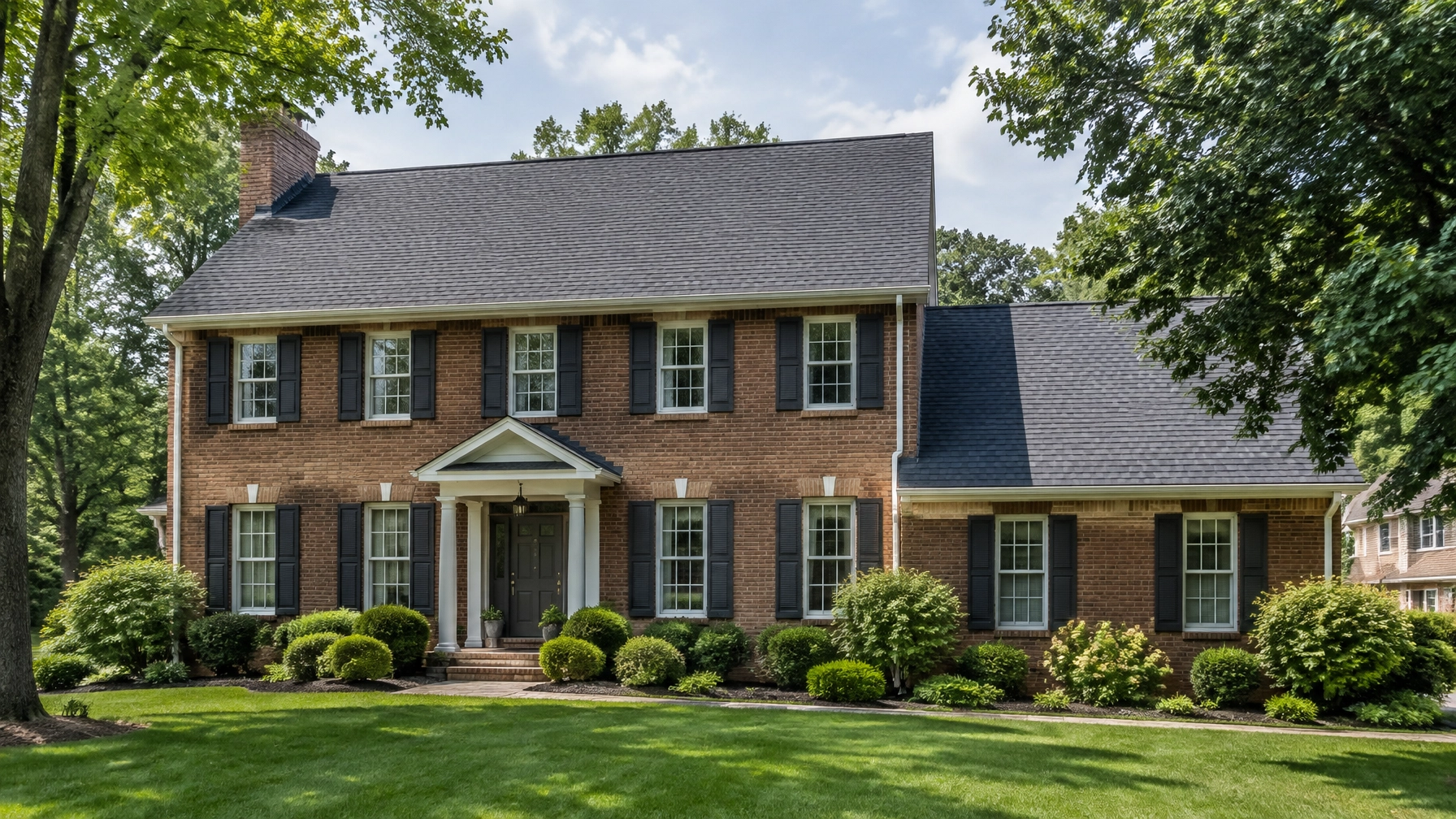
Image credits: AI-generated residential roofing photography created for Get My Roof Estimate Now. Weather references: WKYT and National Weather Service.
Leave a Reply