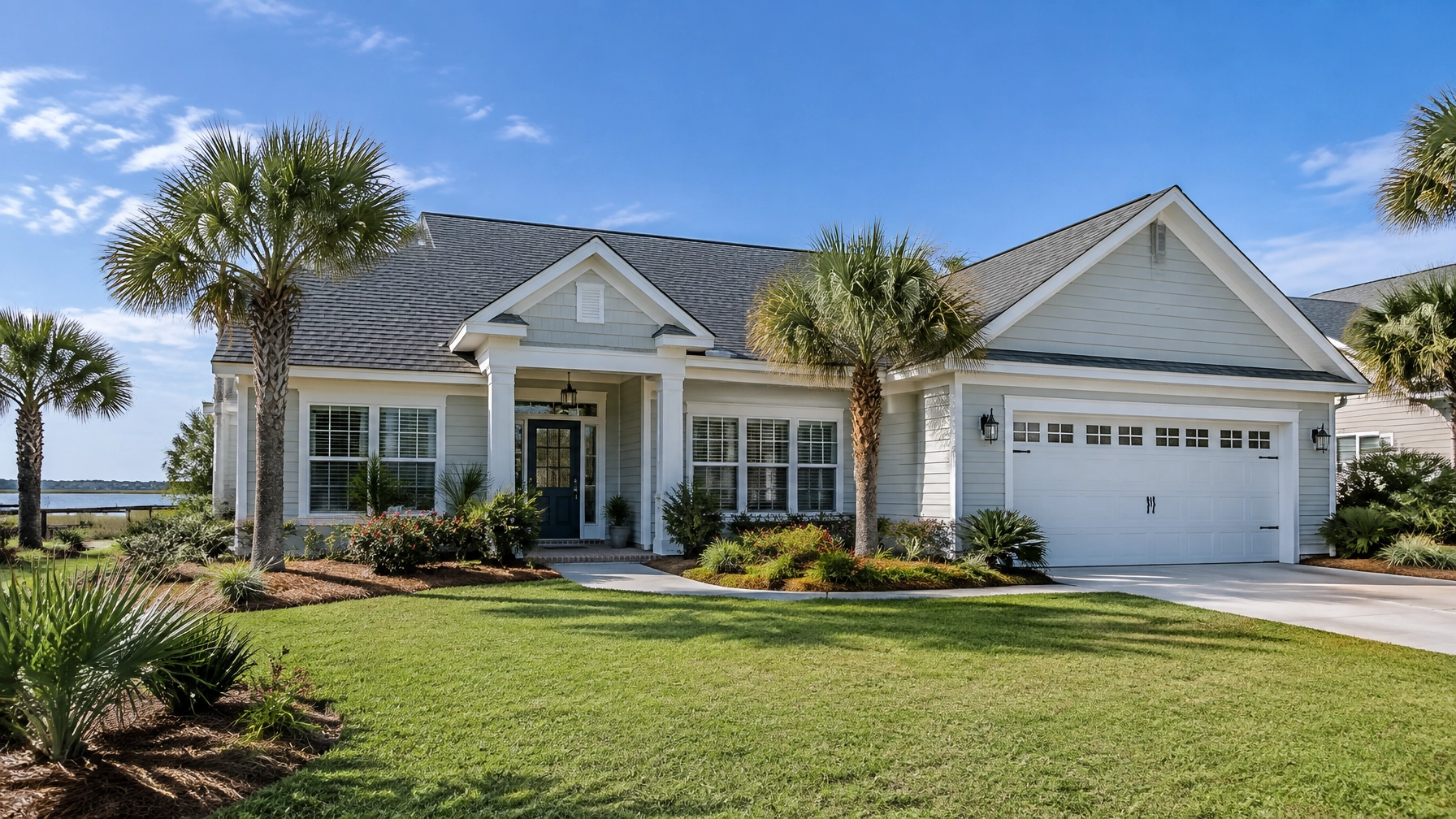
Myrtle Beach is getting a short break from typical late-summer coastal humidity today, but the roof outlook remains serious.
On Thursday, September 17, the Grand Strand should see mostly sunny skies, unusually low humidity, and temperatures near 84°F at the beaches. Inland Horry County will reach the mid-to-upper 80s. Morning temperatures start in the low 60s inland and the mid-to-upper 60s along the coast.
That dry comfort will not last. Humidity and temperatures rise Friday, followed by a muggier weekend with isolated afternoon showers and thunderstorms. Approximately 1 inch of rain may fall along portions of the Grand Strand over the next seven days, although totals will vary because weekend storms will be scattered.
At the same time, the latest U.S. Drought Monitor data shows:
- 100% of Horry County in at least moderate drought
- 100% in at least severe drought
- 72.18% in extreme drought
- Horry County remains the worst-affected county in the surrounding area
For homeowners and property managers, this combination matters. Weeks of intense sun and dry conditions can leave aging shingles brittle just before the first heavy downpour exposes weak seal strips, flashing, valleys, or attic ventilation problems.
Myrtle Beach Roof Replacement Costs in 2026
For a typical Myrtle Beach home with approximately 2,000 square feet of roof area, current planning ranges are:
- Architectural shingles (Popular): $9,500–$18,000
- Standing-seam metal (Premium): $18,000–$40,000
- Basic asphalt systems (Budget): often below the architectural-shingle range
- Complex, steep, storm-damaged, or structurally compromised roofs: potentially higher
These are planning ranges, not contractor bids. Your final price depends on the roof’s actual size, pitch, number of planes, valleys, dormers, penetrations, tear-off requirements, decking condition, ventilation, materials, permits, and coastal installation requirements.
A roofing square equals 100 square feet. A home that appears to have a 2,000-square-foot footprint may have substantially more roof area once pitch and overhangs are measured.
Use the Myrtle Beach roof replacement ROI guide for resale considerations, or begin with the 2026 roof cost calculator for general material comparisons.
Why Today’s Dry Weather Creates a Useful Inspection Window
Thursday’s low humidity and mostly sunny conditions are favorable for more than a beach day. They provide a practical window to inspect exterior roofing components before moisture returns.
The concern is not that one sunny day will damage a sound roof. The concern is cumulative stress from:
- Baking ultraviolet exposure, which breaks down asphalt shingle binders
- Dry, brittle shingle mats, especially on roofs approaching 15–30 years old
- Heat-stressed algae and granules
- Corroded fasteners and valley metal
- Deteriorated flashing around chimneys, vents, skylights, and walls
- Poor attic ventilation, which traps heat and accelerates shingle aging
When weekend downpours arrive, water follows the path of least resistance. A failing seal strip may not leak during dry weather. Wind-driven rain can lift a weak shingle edge, enter behind flashing, or reach the roof deck through a valley defect.

Wind Zone III: The Grand Strand’s Roofs Need More Than Standard Installation
Horry County is located in Wind Zone III under the International Residential Code, one of the most demanding residential wind environments in the eastern United States.
Depending on the property’s exact location and exposure, coastal roof systems are generally designed for approximately 130–150 mph wind conditions.
That requirement affects the full roofing assembly, not only the visible shingles. A compliant roof replacement may involve:
- A minimum of six nails per standard 3-foot shingle strip
- Wind-rated shingles matched to the property’s design requirements
- Enhanced roof-deck fastening
- Proper starter strips and drip-edge installation
- Upgraded underlayment or a sealed roof deck
- Strong flashing details at penetrations and wall intersections
- Documented permits and required inspections
The six-nail pattern is particularly important. Four nails may be acceptable in some lower-wind areas, but coastal Wind Zone III work requires following the applicable code, manufacturer instructions, and approved installation details.
Horry County’s wind design summary sheet provides local documentation requirements. Homeowners should also verify current permit and inspection rules with Horry County Code Enforcement.
Salt Air Is a Fastener and Flashing Problem
Salt air does not need to produce visible rust across the entire roof to create a durability concern.
Salt-laden moisture can corrode:
- Roofing nails
- Exposed metal fasteners
- Valley metal
- Drip edge
- Flashing
- Metal roof clips and screws
- Gutters and downspout connections
Corrosion can reduce a fastener’s holding strength and create openings around flashing. On homes within a few miles of the ocean, Type 304 or Type 316 stainless steel fasteners are commonly recommended as a conservative durability upgrade, particularly for exposed hardware and metal roofing applications.
Stainless steel is not automatically required for every asphalt-shingle roof in Horry County. The installation must still meet code, manufacturer, and project-specific requirements. However, coastal exposure should be discussed before materials are ordered: not after corrosion appears.

Myrtle Beach’s Hurricane History Still Defines Roof Risk
The Grand Strand’s history shows why local roof design cannot be based only on an average forecast.
- Hurricane Hazel, 1954: The last major Category 3-or-higher direct hit on the Grand Strand. Myrtle Beach recorded gusts near 106 mph, while gusts exceeded 120 mph at the old Air Force base.
- Hurricane Hugo, 1989: Produced 10–12 feet of surge in parts of the coast and approximately 76 mph gusts at Myrtle Beach Air Force Base.
- Hurricane Floyd, 1999: Brought exceptional rainfall, including a reported 14.80 inches in Myrtle Beach.
- Hurricane Matthew, 2016: Delivered hurricane-force gusts and significant coastal and inland flooding.
- Hurricane Ian, 2022: Made landfall near Pawleys Island, producing approximately 7 feet of surge and heavy rainfall across the area.
The Atlantic was also being watched earlier this week for a 30% chance of tropical development. Hurricane season continues through November 30.
A quiet week does not eliminate risk. It gives homeowners time to identify weak points before the next tropical system, coastal storm, or wind-driven rain event.
What to Check After This Weekend’s Showers
Homeowners should not climb onto a wet roof. Instead, inspect from the ground and check the attic after storms pass.
Look for:
- Daylight through the roof deck
- New water stains or damp insulation
- Musty odors or elevated attic moisture
- Granules collecting in gutters and downspouts
- Missing, lifted, cracked, or curled shingles
- Rust on fasteners, flashing, valley metal, or drip edge
- Damp areas around roof penetrations
- Blocked soffit vents, ridge vents, or powered attic fans
- Overflowing gutters or water backing up at roof edges
Property managers should photograph any changes, record the date, and document the location of stains or visible damage. That information helps distinguish an isolated repair from a broader roof-system failure.

Plan Replacement During Fall’s Milder Window
If your roof is already showing granule loss, brittle shingles, corrosion, or flashing deterioration, fall is a practical replacement window. Milder temperatures can improve worker conditions and reduce the installation challenges associated with extreme summer heat.
Start with a realistic budget before contacting contractors.
Get My Roof Estimate Now uses satellite imagery to measure your actual roof, including size, pitch, and complexity. The system can provide a free, property-specific estimate in approximately 60 seconds, with no credit card required. Measurements are designed to be accurate within inches, generally reaching approximately 90–95% accuracy for the initial planning estimate.
You receive low-to-high pricing for material options such as:
- Architectural shingles
- Metal roofing
- Synthetic roofing
- Roof coatings where appropriate
The estimate is not a substitute for a licensed contractor’s inspection, permit review, or structural assessment. It is a faster way to understand the likely investment before scheduling contractor visits.
Bottom Line for Myrtle Beach Homeowners
Today’s refreshing 84°F weather is a useful reminder that roof maintenance does not have to wait for an emergency. Use the dry window to inspect the exterior, review your attic ventilation, check visible metal components, and budget for replacement if the roof is nearing the end of its service life.
With extreme drought across much of Horry County, humidity and storms returning this weekend, Wind Zone III requirements, salt-air corrosion, and a long hurricane history, the most durable coastal roof is not simply the one with the highest wind rating.
It is the complete system: properly measured, correctly permitted, securely fastened, corrosion-resistant, well ventilated, and inspected before the next storm tests it.
Categories: Weather, Durability, Myrtle Beach
Tags: Myrtle Beach roofing, Horry County roof replacement, coastal roofing, Wind Zone III, salt air corrosion, hurricane roofing, roof inspection, roof durability, satellite roof estimate
Leave a Reply