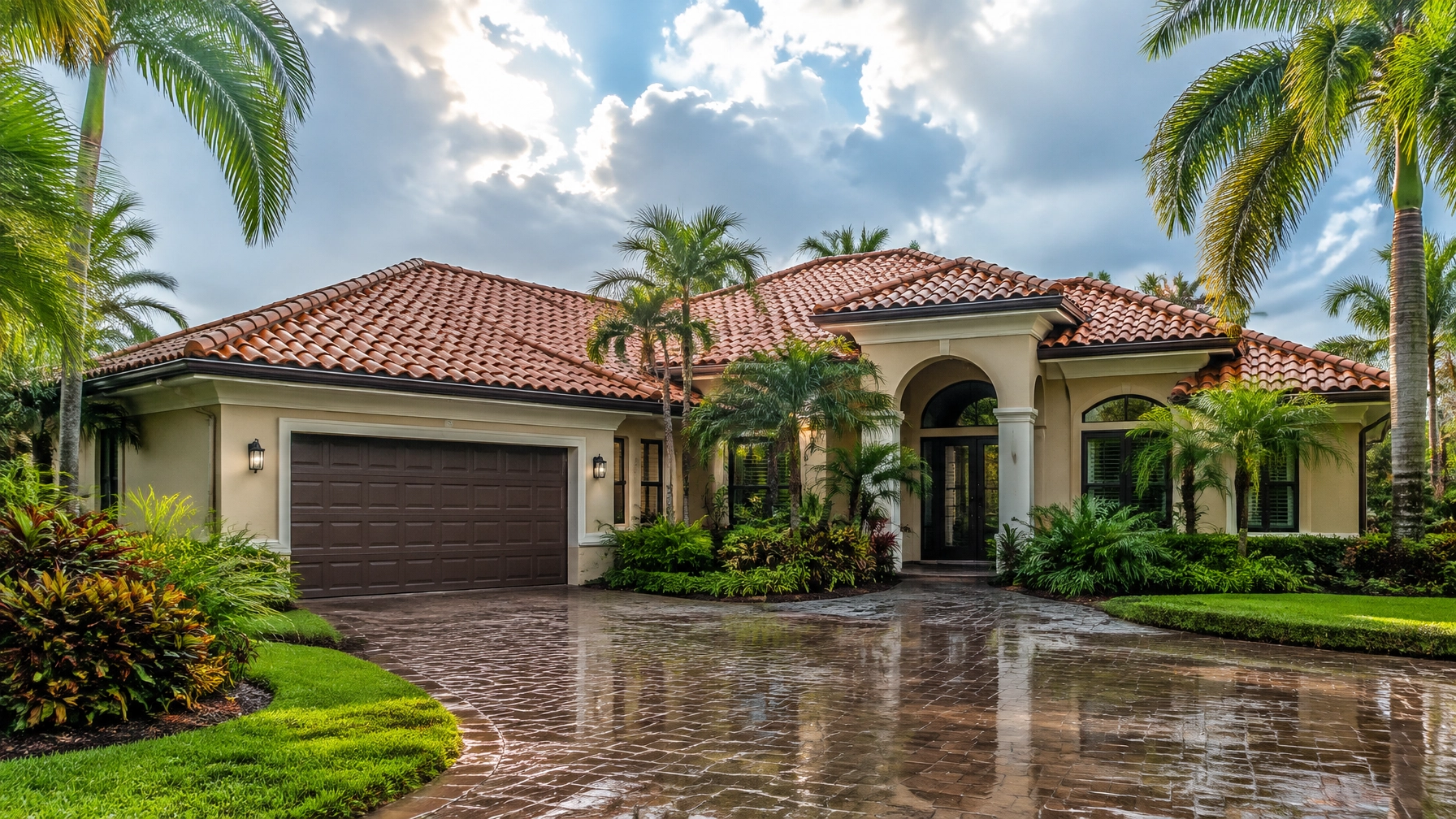
Miami is heading into a wet and unsettled Thursday, September 17, 2026. Scattered to numerous thunderstorms: some strong to severe: are expected across South Florida, with heavy downpours and localized street flooding possible.
Rain chances remain elevated throughout the day. Temperatures should reach the upper 80s to low 90s, while humidity pushes the feels-like temperature higher. Overnight lows will stay in the mid-to-upper 70s. East-northeast winds will be breezy, with gusts around 15–20 mph.
The wet pattern is not ending today. Rain chances are near 80% on Friday, September 18, and could climb as high as 90% by Sunday, September 20. Increasing tropical moisture may produce repeated downpours, especially in low-lying and urban areas with poor drainage.
According to the National Weather Service Miami forecast discussion, deep tropical moisture and recurring thunderstorms could create multiple rounds of heavy rain through the weekend.
A quiet hurricane season does not mean a quiet roof season
The 2026 Atlantic hurricane season has been historically tame so far. The satellite-era start has been unusually quiet, with only five named storms and zero hurricanes as of September 17. Strong El Niño conditions and record vertical wind shear have limited development.
Some forecast models, however, suggest that activity could increase later in September.
More importantly, Miami homeowners should not confuse a quiet named-storm season with low roof risk. In South Florida, ordinary tropical downpours, heat, salt air, algae, and everyday wind exposure can damage a roof long before a hurricane arrives.
Heavy rain tests the roof’s:
- Shingles, tiles, or metal panels
- Valleys and flashing
- Pipe penetrations and vents
- Underlayment
- Seals around skylights and roof-wall transitions
- Gutters and drainage paths
- Attic ventilation and roof decking
A roof can look acceptable from the street while its underlayment, fasteners, or flashing are already deteriorating.

Miami’s 175 mph HVHZ standard changes the replacement equation
Miami-Dade and Broward counties sit inside Florida’s High Velocity Hurricane Zone, or HVHZ. For typical Risk Category II residential construction, the design wind speed is 175 mph.
That does not mean a homeowner should expect every gust to reach 175 mph. It means the roof system, connections, products, and installation methods must be engineered and approved to resist the applicable extreme wind loads.
For a reroof or repair affecting more than 25% of a roof section within a 12-month period, current HVHZ requirements generally apply. Homeowners should expect requirements such as:
- Roofing products with a current Miami-Dade Notice of Acceptance, or an appropriate Florida Product Approval
- A secondary water barrier using self-adhering modified-bitumen underlayment
- Six-nail-per-shingle attachment where required by the approved system
- Ring-shank nails rather than ordinary smooth-shank fasteners
- At least three required inspections
- A completed HVHZ Uniform Roofing Application
- Engineering documentation and product approval numbers on the permit
The exact requirements can vary based on the roof section, existing construction, material, and scope of work. A local licensed contractor and the permitting department should confirm the details before work begins.
The additional cost is normal. HVHZ compliance can add approximately 10%–20% compared with roofing in lower-wind regions. That cost reflects stronger attachment, approved products, inspections, engineering, and installation requirements: not an arbitrary markup. Proper compliance can also help protect insurance eligibility.
What Hurricane Andrew still teaches Miami homeowners
Hurricane Andrew struck South Florida in 1992 and permanently changed how the region approaches roof construction.
Post-Andrew findings showed widespread roof-covering and roof-sheathing failures. Commonly cited local damage figures include approximately 90% of Dade County homes sustaining major roof damage and about 64% losing one or more roof-sheathing panels. Roof failure was one of the most common structural problems reported after the storm.
The storm exposed weaknesses in:
- Stapled roof sheathing
- Inadequate roof-to-wall connections
- Poorly attached shingles and tiles
- Vulnerable gable-end construction
- Weak garage doors and openings
- Insufficient roof-deck protection
The reforms that followed helped establish stronger requirements, including 5/8-inch plywood roof decks in many applications, prohibitions on staples for roof sheathing, improved fasteners, impact-resistant building-envelope components, and more rigorous product testing.
The lesson remains practical: a roof is a connected system. A premium surface material cannot compensate for weak decking, corroded fasteners, failing underlayment, or poor installation.
Salt air quietly shortens roof life
Coastal Miami-Dade homes face an additional threat: salt-laden air.
Salt deposits accelerate electrochemical corrosion on metal fasteners, flashing, vents, clips, and exposed hardware. Corrosion can begin beneath or around roof materials, where it is difficult to see from the ground.
Salt air can also contribute to faster granule loss on asphalt shingles. Once protective granules are lost, ultraviolet exposure becomes more damaging. Heat, humidity, algae, mold growth, and repeated storm stress add to the deterioration.
In South Florida, asphalt shingles often last approximately 12–22 years, rather than reaching the national lifespan advertised on the package. Homes close to the ocean may experience the shorter end of that range.
Watch for:
- Granules collecting in gutters
- Curling, cracked, or brittle shingles
- Dark algae streaks or moss-like growth
- Rust around flashing and fasteners
- Loose ridge caps
- Deteriorated sealants
- Water stains in the attic
- Repeated leaks after heavy rain
The hidden failure point is often the underlayment. It can degrade while the tile or shingle surface still appears intact. Once the underlayment loses its water-shedding ability, the next major downpour may reveal the problem.
Annual or biennial inspections are especially valuable in Miami. Ask the inspector to focus on corrosion, sealants, flashing, underlayment condition, attic ventilation, roof-deck moisture, and wind-uplift details: not just visible surface damage.

Miami roof replacement costs in 2026
For a typical Miami roof measuring 1,500–3,000 square feet, replacement pricing commonly falls between $12,000 and $48,000, depending on size, pitch, complexity, tear-off requirements, material, code upgrades, and structural repairs.
Estimated material ranges include:
| Roofing material | Typical Miami cost | Positioning |
|---|---|---|
| Architectural asphalt shingles | $6–$9 per sq. ft.; about $10,000–$24,000 total | Budget–Popular |
| Concrete or clay tile | $8–$28 per sq. ft.; about $18,000–$55,000+ total | Premium |
| Standing seam metal | $12–$25 per sq. ft.; about $22,000–$47,000 total | Premium–Longest Life |
Roofers measure in squares, with one roofing square equal to 100 square feet. A 2,000-square-foot roof equals approximately 20 squares before waste, valleys, hips, ridges, and other complexity adjustments.
Tile generally performs well in Miami’s heat and salt-air environment when properly installed. Standing seam metal can offer long service life, but fastener selection, coatings, clips, flashing, and corrosion resistance are critical. Architectural shingles remain the most familiar budget-to-midrange option, but homeowners should plan for a shorter realistic lifespan in coastal South Florida.
You can review general pricing factors with the 2026 roof cost calculator, or request a property-specific estimate for Miami, Florida.
What to do before the next downpour
Before this weekend’s wet pattern arrives:
- Check ceilings, attic framing, and insulation for fresh moisture.
- Look for clogged gutters, blocked downspouts, and standing water.
- Photograph visible roof damage from the ground.
- Do not climb onto a wet roof.
- Schedule an inspection if your roof is more than 15 years old, has repeated leaks, or shows corrosion.
- Start budgeting before a small defect becomes interior water damage.
A satellite estimate is a useful first step because it gives you roof size, pitch, complexity, and local pricing before scheduling contractor visits.
Get a Miami roof estimate in under 60 seconds
Get My Roof Estimate Now uses satellite-powered measurements to estimate roof size and complexity, often accurate to within inches. The service is free, requires no credit card, and does not require a contractor visit upfront.
You can compare low, middle, and high price ranges for different materials, then connect with verified, licensed, and insured local contractors when you are ready.
Get your free instant Miami roof replacement estimate in under 60 seconds: before the next round of heavy rain exposes a problem you cannot see from the ground.
Leave a Reply