Author: James Turner

  • Daily ROI Blitz #122: How a New Roof Boosts Home Value in Birmingham, AL (2026 Data)

    Daily ROI Blitz #122: How a New Roof Boosts Home Value in Birmingham, AL (2026 Data)

    Navigating the real estate landscape in the Magic City requires a sharp eye for high-return property improvements. For Birmingham homeowners, few capital upgrades deliver the dual benefit of immediate weather protection and substantial equity enhancement quite like a roof replacement.

    With Birmingham’s real estate market maintaining steady momentum: hovering around a median home price of approximately $210,000 with a balanced market and consistent 4% to 6% annual growth: property presentation and structural integrity are more critical than ever. Whether you are preparing to list your property or protecting a long-term investment, understanding the financial dynamics of a new roof is essential.

    In this edition of our Daily ROI Blitz, we break down the latest 2026 data on Birmingham roof replacement cost, analyze the new roof ROI Birmingham homeowners can expect, and examine how a proactive upgrade secures your asking price in competitive neighborhoods.


    Birmingham Real Estate & The 2026 Roofing Landscape

    Birmingham's housing market is characterized by steady demand across diverse neighborhoods, from historic Southside bungalows to sprawling suburban estates in Shelby and Jefferson counties. In a balanced market where well-priced homes in desirable areas can secure offers in as little as 10 days, buyers have little patience for deferred maintenance.

    A compromised or aging roof is often the single biggest red flag on a home inspection report. In Alabama's climate: marked by severe summer thunderstorms, heavy downpours, and occasional hail events: buyers and home inspectors scrutinize roof condition relentlessly. Installing a sturdy, modern roofing system eliminates inspection hurdles, provides immediate peace of mind, and positions your property as move-in ready.


    Birmingham Roof Replacement Costs: What to Expect for a 2,000 Sq Ft Home

    Before calculating return on investment, you must evaluate the initial capital requirement. For a typical single-family home in Birmingham with a standard 2,000-square-foot roof, pricing varies based on material selection, pitch, and structural complexity.

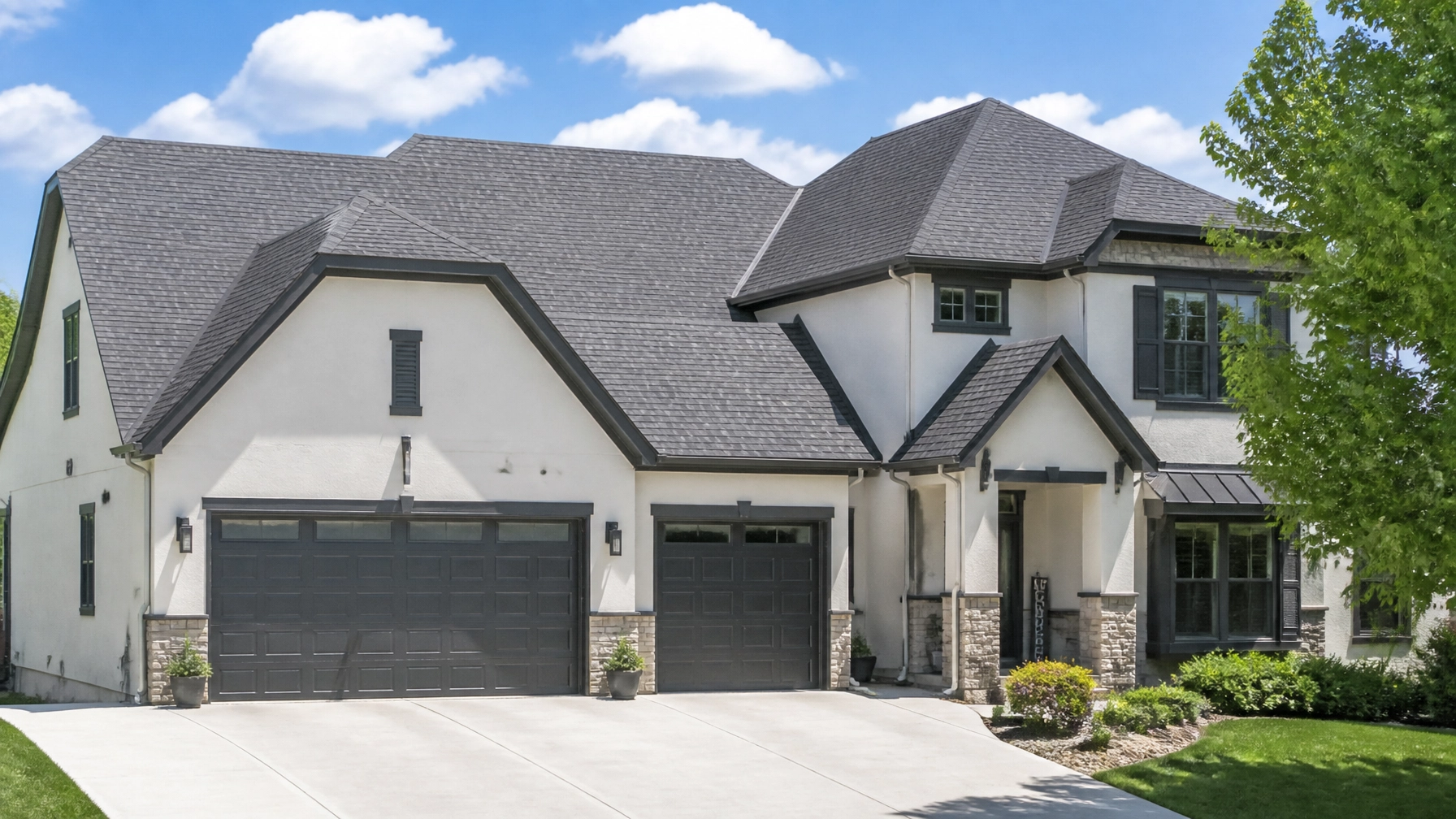
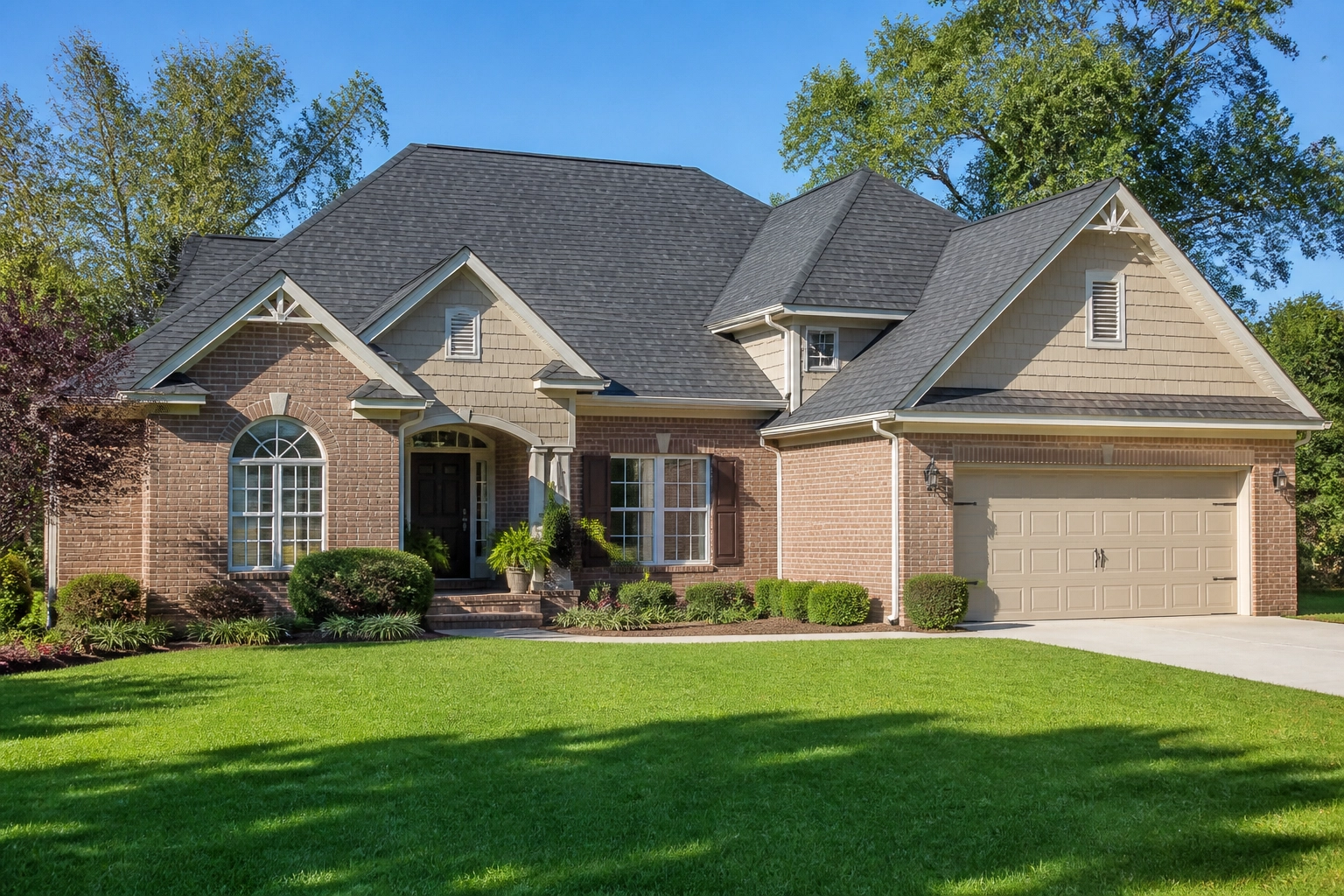
    Traditional colonial home in Mountain Brook AL with premium architectural shingles and pristine landscaping

    Citywide data for Birmingham indicates that standard roof replacements generally span $7,651 to $18,363, with a median investment of roughly $11,000 to $13,000 for standard architectural asphalt shingles. On a per-square-foot basis, homeowners typically see costs ranging from $3.50 to $8.00 per square foot installed.

    Here is how typical project pricing breaks down for a 2,000 sq ft Birmingham home:

    • Budget / 3-Tab Shingles ($7,500 – $9,500): Basic entry-level protection suited for rental properties or quick flips, though less favored by buyers seeking long-term durability.
    • Standard Architectural Shingles ($10,000 – $14,000): The gold standard for most Birmingham neighborhoods, offering dimensional depth, enhanced wind resistance, and strong aesthetic appeal.
    • Premium / Impact-Resistant Class 4 Shingles ($14,500 – $20,000+): Designed to withstand severe hail and high winds, often qualifying homeowners for significant insurance premium discounts.
    • Standing Seam Metal Roofing ($18,000 – $34,000+): A premium, ultra-durable option gaining popularity for its 50+ year lifespan and striking modern profile.

    Because Birmingham labor and material costs run slightly competitive with broader regional averages, obtaining precise, transparent pricing before signing with a contractor is vital. Technology like Get My Roof Estimate Now allows homeowners to skip the wait and generate instant estimates using satellite imagery.


    The Math: New Roof ROI in the Birmingham Market

    When evaluating financial returns, homeowners often ask: Does a new roof pay for itself at resale?

    According to regional real estate analytics for the East South Central U.S. Census division, roof replacements consistently command an approximate 81% cost recoupment at resale. In practical dollar terms, if you invest $12,000 in a new architectural shingle roof on a standard Birmingham home, you can typically expect roughly $9,500 to $10,000 of that investment to be immediately reflected in your home's appraised equity and resale value.

    However, percentage averages only tell part of the story. In Birmingham's diverse micro-markets, ROI fluctuates significantly depending on location and buyer expectations.


    Premium Neighborhood Focus: Mountain Brook and Vestavia Hills

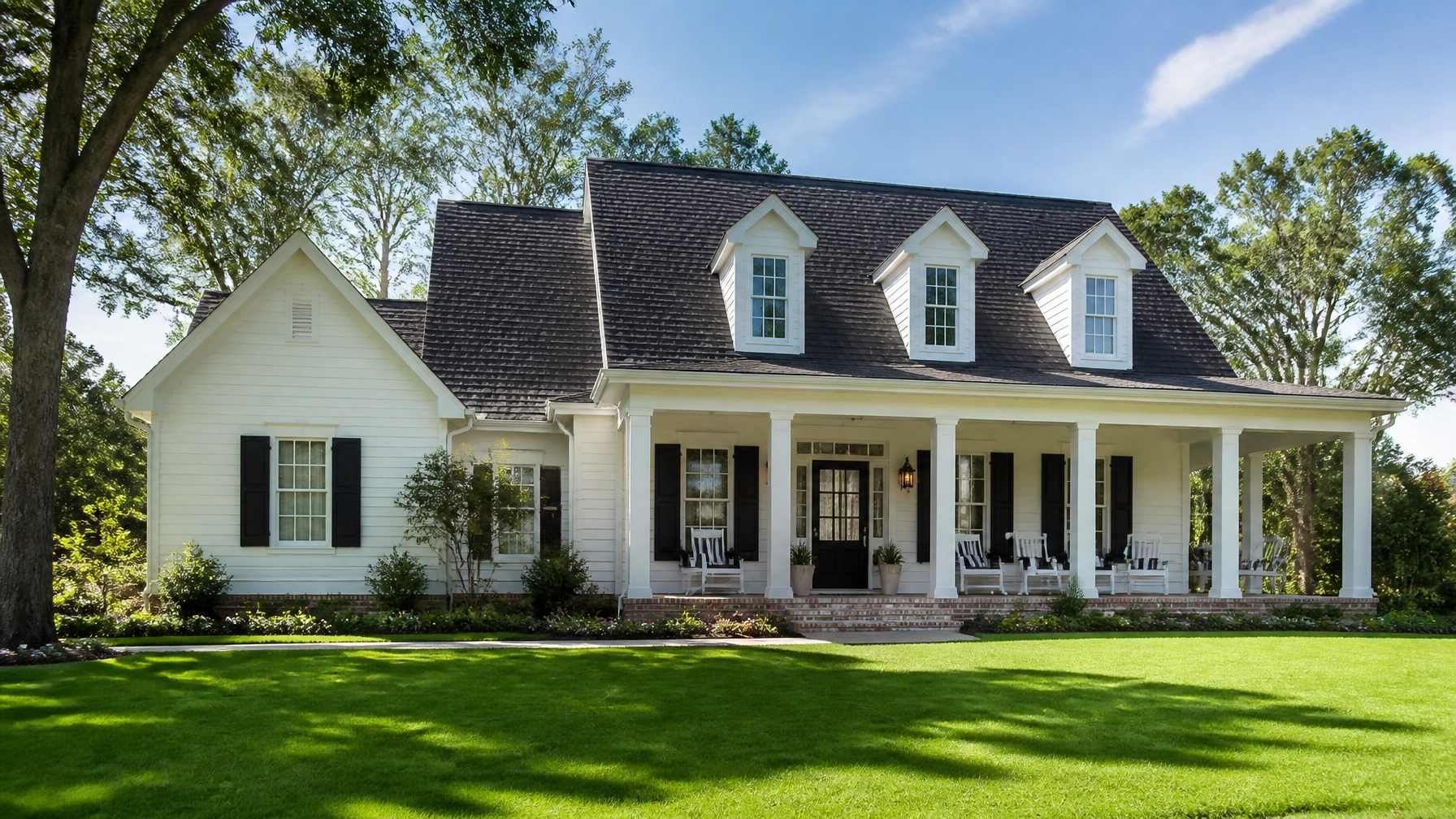
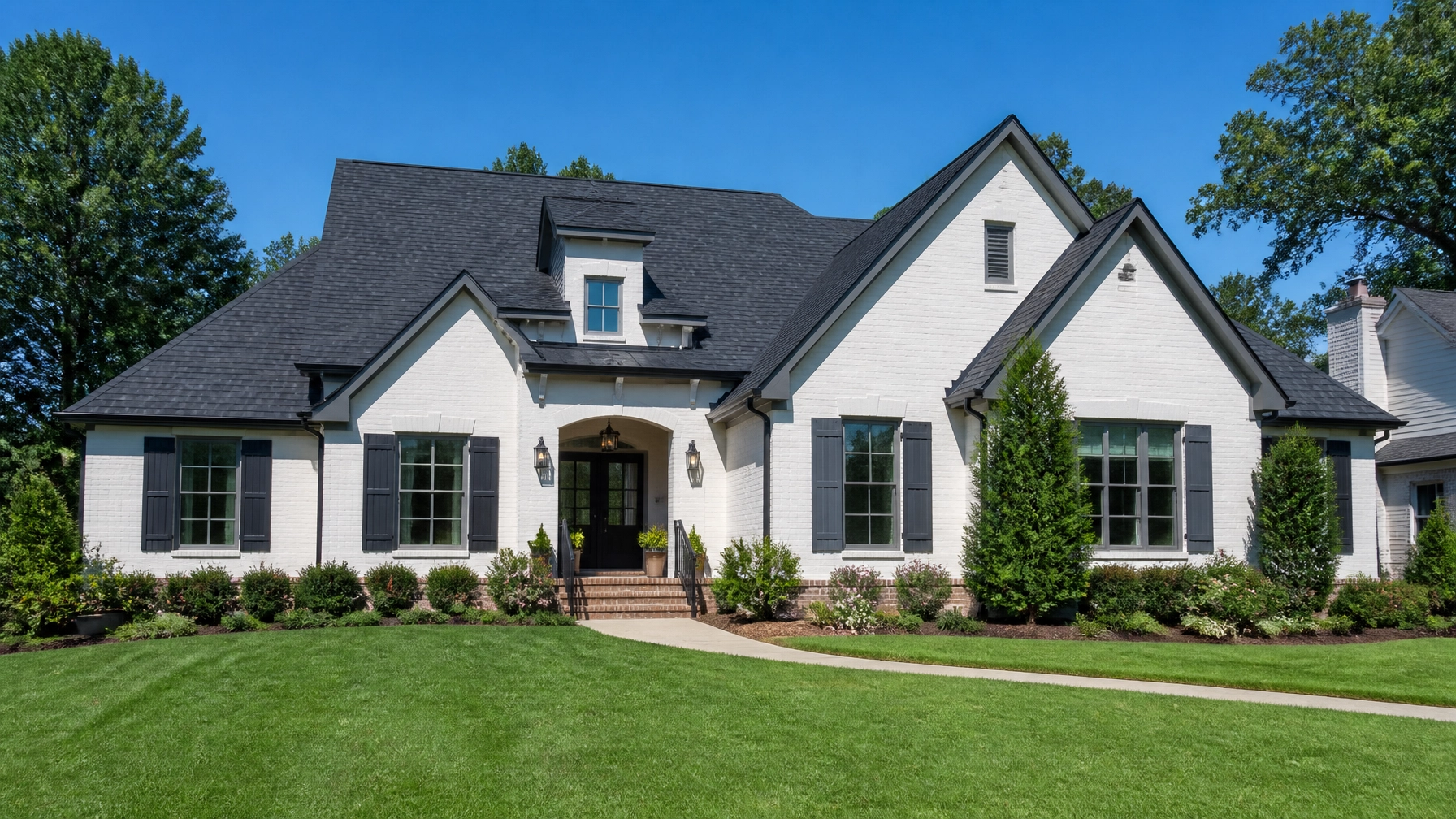
    Ranch-style home in Vestavia Hills AL featuring a clean roofline and durable roofing materials under clear blue skies

    In premier Birmingham sub-markets such as Mountain Brook and Vestavia Hills, buyer expectations for material quality and aesthetic perfection are exceptionally high. In these affluent enclaves, standard 3-tab shingles can actively detract from a property's perceived value.

    Local real estate reports indicate that in premium Mountain Brook and Vestavia Hills neighborhoods, roof replacement ROI surges to an impressive 80% to 95%. In these communities, homes priced over $500,000 require high-end architectural shingles, designer slate-look composites, or standing seam metal systems to match neighborhood standards. Failing to upgrade an aging roof in these areas often results in steep buyer concessions or prolonged days on market, directly undercutting your final sale price.


    Surviving Alabama Weather: Storms, Hail, and Insurance Value

    Alabama's geographic location exposes roofs to intense weather stress year-round. From spring supercells dropping golf-ball-sized hail to torrential summer downpours, local roofs take a beating.

    Insurance considerations heavily influence the roof replacement Birmingham Alabama home value equation:

    1. Assumable Warranties: Modern roofing systems come with transferable manufacturer warranties (often 30 to 50 years), serving as a powerful marketing tool for prospective buyers.
    2. Insurance Insurability: Insurers in Alabama increasingly penalize or drop homes with roofs older than 15 years. A brand-new roof guarantees smooth insurance underwriting, removing a major closing bottleneck.
    3. Class 4 Impact-Resistant Materials: Opting for impact-resistant shingles not only protects against recurring storm damage but can reduce annual homeowners insurance premiums by up to 20% in storm-prone Alabama counties.

    Curb Appeal and Speed-to-Sale in the Magic City

    First impressions dictate buyer behavior. When potential buyers pull up to a Birmingham property, the roof accounts for roughly 40% of the home's visible exterior facade.

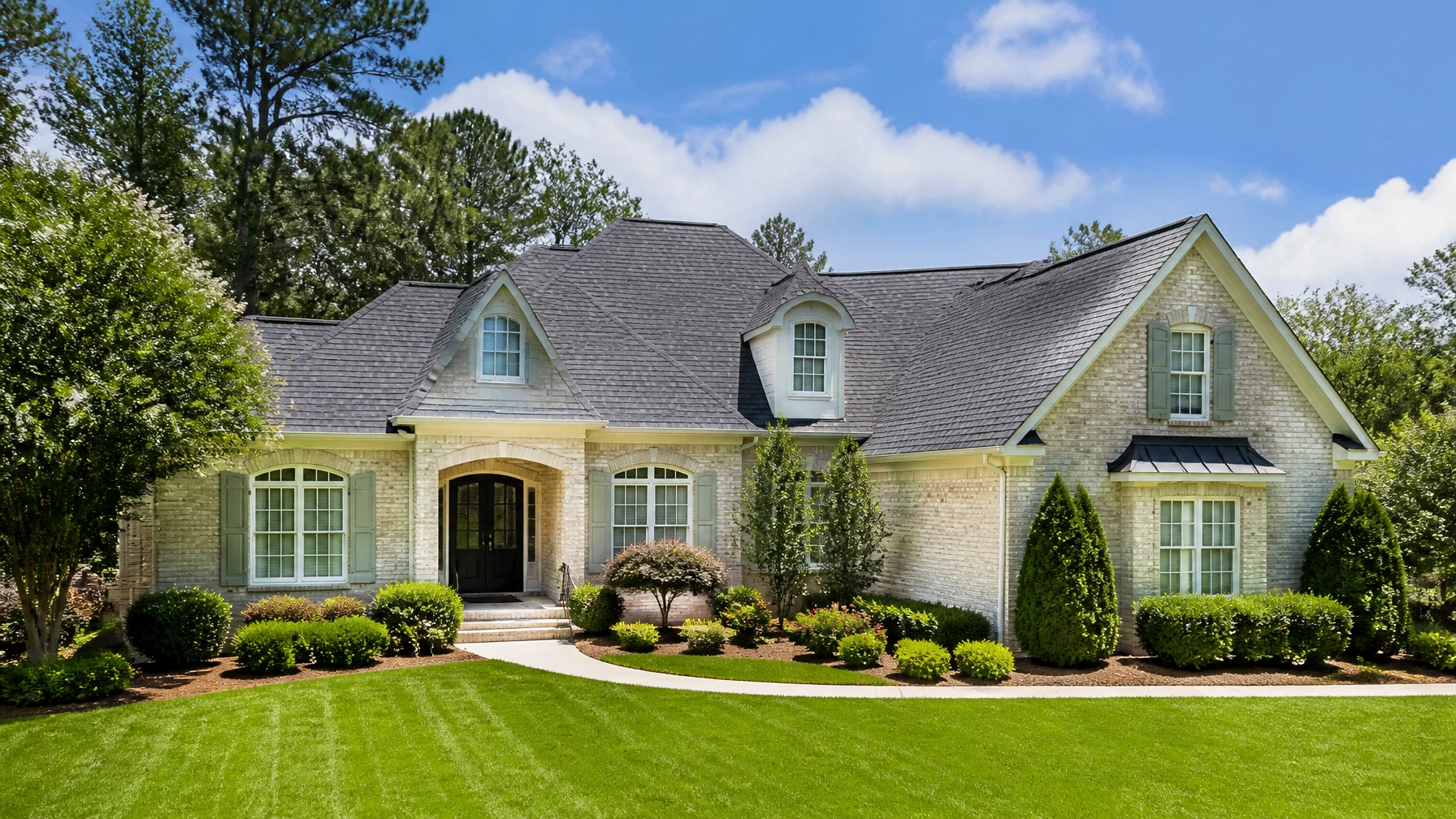
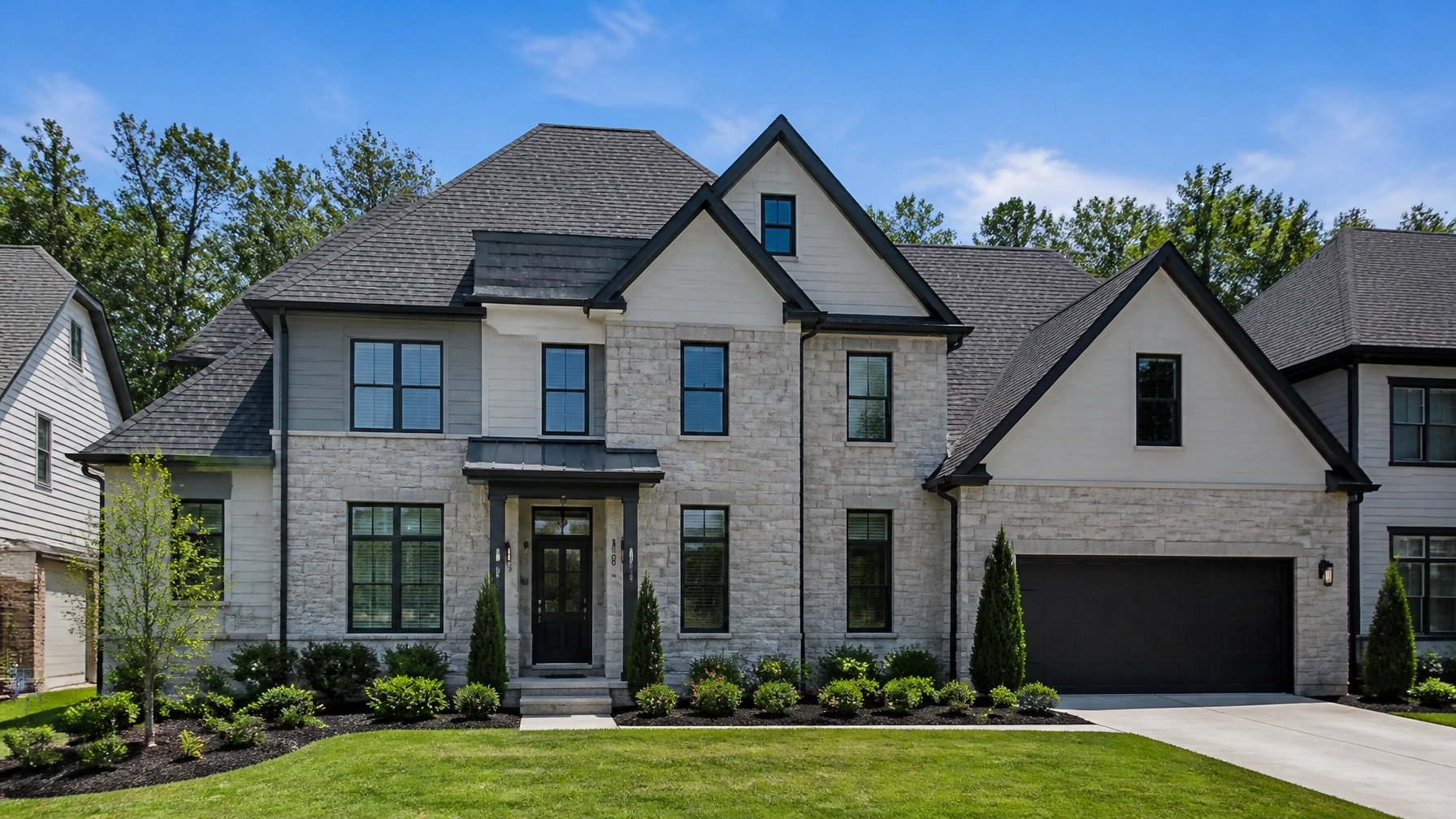
    Craftsman-style brick home in Birmingham AL with strong curb appeal, manicured landscaping, and a new roof in bright daylight

    A clean, architecturally cohesive roof signals that the entire property has been meticulously maintained. In a balanced Birmingham market where well-presented homes can transition from active to under contract in under two weeks, eliminating exterior deferred maintenance prevents lowball offers and inspection renegotiations.


    Plan Your Birmingham Roofing Project Today

    Investing in a new roof is one of the most substantial capital projects a homeowner will undertake, but with an 81% regional ROI and enhanced marketability in Birmingham, the financial logic is undeniable.

    Whether your property is located in the heart of Birmingham, Mountain Brook, or Vestavia Hills, knowing your exact measurements and material costs is the first step. Skip the endless scheduling calls and contractor sales pitches. Visit Get My Roof Estimate Now to receive your instant, satellite-powered roof replacement estimate in under 60 seconds.
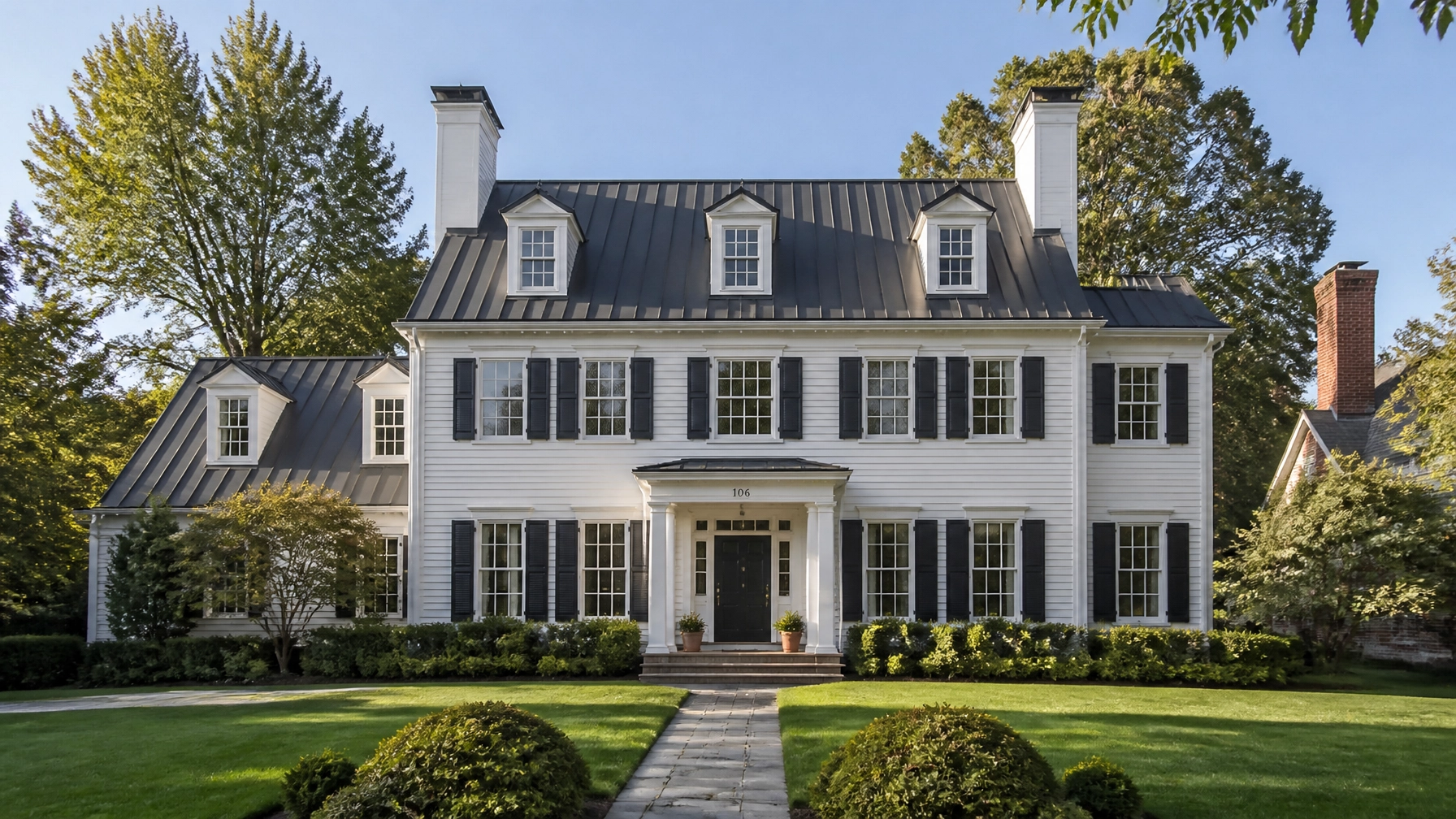

  • Synthetic Slate vs. Standing Seam Metal Roofing: The 2026 Richmond VA River City Material Showdown

    Synthetic Slate vs. Standing Seam Metal Roofing: The 2026 Richmond VA River City Material Showdown

    When upgrading a residential property in Virginia's capital, choosing the right premium roofing material is a major financial decision. For Richmond homeowners looking beyond standard asphalt shingles, two elite contenders dominate the conversation: synthetic slate (Premium) and standing seam metal (Popular / High-Performance).

    While property owners across the Mid-Atlantic and Southeast: whether tracking regional trends like 2026 roof replacement cost Charlotte NC or vetting a Charlotte NC roofing contractor for southern projects: frequently debate premium upgrades, Richmond's historic charm and humid subtropical climate demand a specialized approach.

    Whether you are comparing regional data points such as Charlotte roofing prices 2026 against local River City estimates, or calculating your precise roof cost Charlotte NC versus Virginia benchmarks, this in-depth showdown examines cost, durability, aesthetics, and long-term value to help you make an informed investment.


    Understanding Richmond's Climate and Roofing Demands

    Richmond, VA experiences a classic humid subtropical climate defined by hot, humid summers, brisk winters with occasional ice and snow accumulation, and severe spring or autumn thunderstorms packing high winds.

    Roofing materials in Central Virginia face a rigorous test:

    • Thermal Shock: Rapid temperature swings between scorching summer afternoons and sudden torrential downpours stress roofing components.
    • Moisture & Humidity: Extended humidity fosters algae, moss, and moisture retention on vulnerable surfaces.
    • Wind & Storms: High-velocity winds from passing weather systems demand robust uplift resistance.

    Both synthetic slate and standing seam metal excel far beyond traditional asphalt, but they achieve their performance through entirely different engineering methods.


    Architectural Harmony: Richmond Home Styles

    Richmond boasts a rich architectural heritage, featuring everything from 18th-century Colonials in the Fan District to mid-century Craftsman bungalows in Ginter Park and sprawling Ranch homes in Chesterfield and Henrico counties.

    Craftsman bungalow home in Richmond Virginia with a luxury synthetic slate roof

    1. Synthetic Slate (Aesthetic Elegance)

    • Best Suited For: Historic Colonials, Tudors, and upscale Craftsman bungalows where preserving authentic architectural heritage is paramount.
    • Visual Appeal: Crafted from engineered polymers or recycled rubber/plastic, synthetic slate replicates the chiseled edges, variegated color blending, and heavy profile of quarried stone without the crushing weight.

    2. Standing Seam Metal (Modern & Clean Lines)

    • Best Suited For: Contemporary builds, updated farmhouses, transitional styles, and Ranch homes.
    • Visual Appeal: Features clean, vertical interlocking metal panels with concealed fasteners, offering a sleek, sophisticated silhouette that complements both traditional and modern Richmond architecture.

    2026 Cost Breakdown: Synthetic Slate vs. Standing Seam Metal

    When budgeting for a full roof replacement on a typical 2,000-square-foot Richmond home, upfront investment is a primary consideration. When evaluating regional numbers: much like reviewing the 2026 roof replacement cost Charlotte North Carolina benchmarks: premium roofing materials represent a significant long-term capital investment.

    Ranch style home in Virginia with a durable black standing seam metal roof

    Standing Seam Metal Roofing (Popular / High-Durability)

    • Installed Cost (2026): Typically ranges from $9 to $16 per square foot, translating to $18,000 to $32,000 for an average 2,000 sq. ft. roof in Central Virginia.
    • Cost Drivers: Panel material (aluminum vs. steel vs. zinc), gauge thickness, Kynar 500 paint finish, and roof complexity (valleys, dormers, and pitch).
    • Value Proposition: Exceptional longevity with minimal upkeep.

    Synthetic Slate Roofing (Premium / Architectural)

    • Installed Cost (2026): Typically ranges from $12 to $25+ per square foot, translating to $24,000 to $50,000+ for a 2,000 sq. ft. roof depending on the manufacturer and profile thickness.
    • Cost Drivers: Brand tier, multi-width shingle packs, custom color palettes, and specialized underlayment requirements.
    • Value Proposition: High-end authentic slate appearance at a fraction of natural stone's weight and structural reinforcement cost.

    For a fast, accurate baseline tailored to your exact property dimensions without waiting for a contractor home visit, try our instant roof cost calculator to get real-time pricing in under 60 seconds.


    Durability and Weather Performance Head-to-Head

    Performance Factor Standing Seam Metal Synthetic Slate
    Lifespan 40 – 70+ years (Premium) 30 – 50+ years (High-End)
    Wind Resistance Up to 140–160 mph (Exceptional) 110–130 mph (Very Good)
    Fire Rating Class A (Highest possible) Class A (Most brands)
    Impact / Hail Class 4 impact resistance Class 4 impact resistance
    Maintenance Very low (Annual visual check) Low (Periodic inspection)

    Why Standing Seam Metal Wins on Longevity

    Standing seam metal panels are mechanically locked and thermally expanded to handle Richmond's extreme seasonal temperature shifts without cracking or warping. Because metal has virtually zero porosity, it completely resists water absorption, mold, and moss growth.

    How Synthetic Slate Holds Up

    High-quality synthetic slate tiles are engineered to resist freeze-thaw cycles and UV degradation. However, polymer-based materials can experience slight thermal expansion over decades, meaning premium brands require expert installation to prevent long-term stress.


    Long-Term Value and Cost-Per-Year Analysis

    Evaluating a roof investment requires looking beyond the initial invoice to calculate the annualized cost over the product's lifespan.

    • Standing Seam Metal: Spreading a $24,000 investment across 50+ maintenance-free years results in a remarkably low annual ownership cost, often paired with potential homeowner's insurance discounts for high wind- and impact-rated materials.
    • Synthetic Slate: While initial installation costs run higher, synthetic slate adds substantial resale value for luxury homes in neighborhoods like Windsor Farms or the Near West End, preserving historic aesthetics while delivering modern peace of mind.

    Macro shot showing synthetic slate tiles versus standing seam metal panels


    Summary: Which Material Should You Choose in Richmond?

    • Choose Standing Seam Metal if your primary goals are maximum lifespan (50+ years), superior wind uplift protection during severe storms, virtually zero maintenance, and modern energy efficiency.
    • Choose Synthetic Slate if your top priority is preserving historical architectural authenticity, achieving a high-end stone appearance, and avoiding the structural framing reinforcements required by natural slate.

    Plan Your Richmond Roof Replacement Today

    Navigating a major home improvement project does not have to be stressful. Whether you are comparing quotes or starting your research from scratch, Get My Roof Estimate Now leverages advanced satellite imagery technology to deliver precise, transparent roofing estimates in under 60 seconds: with zero credit card required and no high-pressure contractor visits upfront. Get your instant estimate today and connect with verified, licensed local professionals across Virginia.

  • Insurance Masterclass: How Kansas City MO Homeowners Can Get Their Roof Replacement Covered in 2026

    Insurance Masterclass: How Kansas City MO Homeowners Can Get Their Roof Replacement Covered in 2026

    Navigating a roof insurance claim in Kansas City can feel like walking through a minefield of shifting deductibles, contractor regulations, and strict policy timelines. Whether your home took a direct hit during the violent March 14-15, 2025 Missouri tornado outbreak (which spawned 12 tornadoes statewide) or you are dealing with the aftermath of a severe hail season: such as the 55 documented hail reports within 10 miles of downtown Kansas City: knowing your rights under Missouri law is the single most important factor in securing a fully covered roof replacement.

    If you are trying to understand your roof replacement cost and how your insurance policy should pay for it, this masterclass breaks down everything Jackson, Clay, and Platte County homeowners need to know in 2026.


    1. The Financial Reality: 2026 Kansas City Roofing Costs & Permits

    Before filing a claim or reviewing your insurance settlement offer, you need an accurate baseline of what materials and labor cost in the KC metro area. For a standard single-family home with an 1,800 to 2,000 square foot roof, a full replacement typically ranges from $8,500 to $15,000 for architectural asphalt shingles. Premium materials like metal standing seam or synthetic slate can easily push projects to $22,000–$35,000+.

    Furthermore, full roof replacements in Kansas City require proper municipal permitting.

    • Permit Fees: Ranging from $112 to $640 depending on the project valuation and scope.
    • Why It Matters for Insurance: Skipping the permit is a massive risk. Not only can it trigger municipal stop-work orders, but insurance adjusters and future homebuyers often require proof of code-compliant installation before releasing final recoverable depreciation funds. You can explore our blog for more regional cost breakdowns.

    Professional roofing contractor inspecting roof


    2. Missouri Insurance Demystified: Deductibles and State Statutes

    Understanding how Missouri policies structure payouts prevents unpleasant financial surprises when the contractor invoice arrives.

    Percentage Wind/Hail Deductibles

    Unlike traditional flat-rate deductibles ($500 or $1,000) found on auto or theft claims, most Missouri homeowners policies now feature percentage wind/hail deductibles. Ranging from 1% to 5% of your Coverage A (dwelling limit), a 2% deductible on a $350,000 home means you are responsible for the first $7,000 out of pocket.

    The Illegal Deductible Waiver Ban (R.S. Mo. §407.725)

    Beware of door-knock contractors offering to "absorb" or "waive" your deductible. Under R.S. Mo. §407.725, it is strictly illegal for a roofing contractor to offer rebates, discounts, or deductible absorption in insurance claim jobs. Doing so constitutes insurance fraud.

    However, this same statute provides a vital consumer protection: if your insurance company ultimately denies your claim or covers significantly less than expected, you have a 5-business-day right to cancel your roofing contract without penalty.

    Home Solicitation Sales Act (§407.700 – §407.720)

    For storm chasers who knock on your door immediately following a hail storm, Missouri law grants you an unconditional 3-business-day right to cancel any door-to-door contract, providing crucial breathing room to verify credentials.


    3. Licensing, Building Codes, and Contractor Vetting in KC

    Missouri has no mandatory statewide roofing contractor license, meaning anyone with a truck and a ladder can legally nail shingles across the state line. However, Kansas City enforces strict local contractor licensing through the City Planning & Development Department (reachable at 816-513-1500). Always verify that your contractor holds an active KC business license and proper general liability and workers' compensation insurance before signing.

    Building Codes & Local Amendments

    Missouri has no statewide building code; instead, individual municipalities adopt and amend standards. Kansas City enforces the International Residential Code (IRC) with specific local wind-load and ice-barrier amendments. Ensure your insurance estimate accounts for code upgrades (such as drip edges, ice and water shield, and proper decking ventilation), which insurers are often legally obligated to cover under "Law and Ordinance" endorsements.

    Class 4 impact-resistant architectural shingles


    4. Protecting Your Claim: Statutes, Deadlines, and Bad Faith

    Insurance companies operate on strict contractual timelines. If a carrier drags their feet or unfairly denies a valid storm claim, Missouri law provides powerful legal remedies.

    Contractual Suit-Limitation Clauses

    Check your policy's "Suit Against Us" section. Most insurance policies in Missouri contain a contractual suit-limitation clause requiring lawsuits to be filed within 1 to 2 years from the exact date of loss. This aggressively overrides the state's standard 5-year breach of contract statute of limitations, meaning you cannot wait years to dispute a denied claim.

    The Vexatious Refusal Statute (§375.420)

    If your insurer vexatiously (unjustifiably and unreasonably) refuses to pay your legitimate roof claim, Missouri Revised Statute §375.420 empowers courts to award:

    • Up to 20% of the first $1,500 of the loss, and 10% of the remaining amount in damages.
    • Full attorney fees incurred by the homeowner.
      This statute keeps major carriers honest and deters lowball settlement tactics.

    The Missouri Merchandising Practices Act (MMPA)

    When unscrupulous roofing companies or adjusters engage in deceptive trade practices, the MMPA provides homeowners a powerful private right of action. Courts can award actual damages, attorney fees, and punitive damages up to $500,000 or 5x actual damages for egregious fraud.


    5. Maximizing Your Payout and Lowering Future Premiums

    To ensure your roof insurance claim in Kansas City goes smoothly, follow these battle-tested steps:

    1. Get an Instant Baseline First: Before calling an adjuster or contractor, get an immediate, data-driven estimate using satellite technology in under 60 seconds at Get My Roof Estimate Now. Knowing your exact square footage gives you instant leverage.
    2. Upgrade to Class 4 Impact-Resistant Shingles: When replacing your roof after storm damage, ask your contractor to install UL 2218 Class 4 impact-resistant shingles. Major regional carriers in Missouri: including Shelter, State Farm, American Family, Allstate, Farmers, and USAA: offer substantial 10% to 30% annual premium discounts for Class 4 roofs.
    3. Explore Mitigation Grants: Look into programs like the Stronger Homes Act grants, which occasionally provide financial incentives for storm-resilient roof retrofits in tornado-prone Midwestern corridors.
    4. Document Every Interaction: Keep meticulous logs of adjuster visits, emails, phone calls, and contractor estimates.

    Modern Kansas City home with quality roof and siding


    Summary Checklist for Kansas City Homeowners

    Regulation / Factor What Kansas City Homeowners Need to Know
    Average Cost (1,800 sq ft) $8,500 – $15,000 for standard architectural asphalt
    City Permit Required? Yes ($112 – $640 fee range through KCMO Planning & Development)
    Contractor Licensing No state license; must verify local KCMO licensing (816-513-1500)
    Deductible Rules 1%–5% wind/hail deductibles; §407.725 bans contractor waivers
    Cancellation Rights 5 business days after insurance denial; 3 business days for door-knocks
    Legal Protections Vexatious Refusal (§375.420) & MMPA protect against bad faith
    Discount Opportunity 10%–30% insurance premium drop with Class 4 impact shingles

    By arming yourself with local data, understanding Missouri consumer statutes, and leveraging instant measurement technology, you can navigate your roof replacement with complete confidence and financial clarity.

  • Daily FAQ Blitz – Slot 5: AEO FAQ Quick Answers for Jacksonville, FL Businesses (2026)

    Daily FAQ Blitz – Slot 5: AEO FAQ Quick Answers for Jacksonville, FL Businesses (2026)

    Navigating international trade and logistics in Jacksonville, FL requires absolute precision, regulatory compliance, and robust supply chain security. For local importers, exporters, customs brokers, and warehousing operators leveraging JAXPORT and Foreign Trade Zone (FTZ) No. 64, understanding global trusted trader frameworks is essential.

    As global supply chains evolve in 2026, business leaders frequently ask about Authorized Economic Operator (AEO) status and how it intersects with U.S. programs like CTPAT (Customs Trade Partnership Against Terrorism). Whether you are managing containerized cargo at local port terminals or coordinating multinational shipments, this rapid-fire Q&A blitz delivers the exact answers you need to streamline your operations and reduce friction.


    1. What is an Authorized Economic Operator (AEO)?

    (Core Definition)
    An Authorized Economic Operator (AEO) is a globally recognized international customs certification status established under the World Customs Organization (WCO) SAFE Framework of Standards. It certifies that a business involved in the international movement of goods meets high standards of customs compliance, supply chain security, and financial solvency.

    • Global Scope (Essential): While the United States relies primarily on CTPAT, more than 90 countries worldwide implement formal AEO programs (such as the European Union AEO, Mexico’s OEA, and Canada’s PIP).
    • Dual Focus (Strategic): AEO programs generally evaluate both trade compliance (accurate record-keeping, proper tariff classification, timely duty payments) and physical security protocols.
    • Operational Payoff (Popular): Certified entities enjoy expedited cargo clearance, fewer physical and documentary inspections, and priority treatment during customs interventions abroad.

    Modern industrial warehouse and logistics distribution center in Jacksonville FL


    2. How Does AEO Compare to CTPAT for Jacksonville Businesses?

    (Comparison & Distinction)
    Because the United States does not have a standalone program labeled "AEO," Jacksonville businesses trading internationally often confuse AEO with CTPAT. While both are trusted trader initiatives, they have distinct jurisdictions and legal frameworks:

    Feature CTPAT (U.S. Standard) AEO (International Equivalent)
    Jurisdiction Managed by U.S. Customs and Border Protection (CBP) for U.S. imports/exports. Implemented by foreign customs authorities (e.g., EU, Mexico, UK) under WCO guidelines.
    Primary Focus Supply Chain Security: Strong emphasis on anti-terrorism, physical access control, and container integrity. Compliance & Security: Balances customs regulatory compliance with security measures.
    Legal Status Voluntary security partnership with CBP (not a formal statutory customs status). Often a formal legal status embedded directly in national or regional customs law.
    Jacksonville Impact Direct examination reduction and priority processing at JAXPORT terminals. Direct facilitation abroad (EU ports, Mexican borders); indirect upstream smoothing for imports.
    • Are they interchangeable? (Crucial): No. Having an EU AEO certificate does not exempt a Jacksonville importer from needing CTPAT for U.S.-bound cargo arriving at JAXPORT. Conversely, CTPAT certification does not automatically grant AEO status in European or Asian markets.
    • Mutual Recognition Agreements (MRAs): U.S. CBP has established MRAs with numerous AEO programs globally. Through these agreements, CTPAT members often receive equivalent risk-mitigation benefits when dealing with foreign customs authorities that recognize CTPAT as compatible with their local AEO standards.

    3. What Are the Benefits for JAXPORT and FTZ No. 64 Operators?

    (Regional Logistics Advantage)
    Jacksonville is a premier Southeastern logistics hub anchored by JAXPORT and Foreign Trade Zone (FTZ) No. 64. For businesses operating in this ecosystem, maintaining robust trusted trader credentials yields tangible operational advantages:

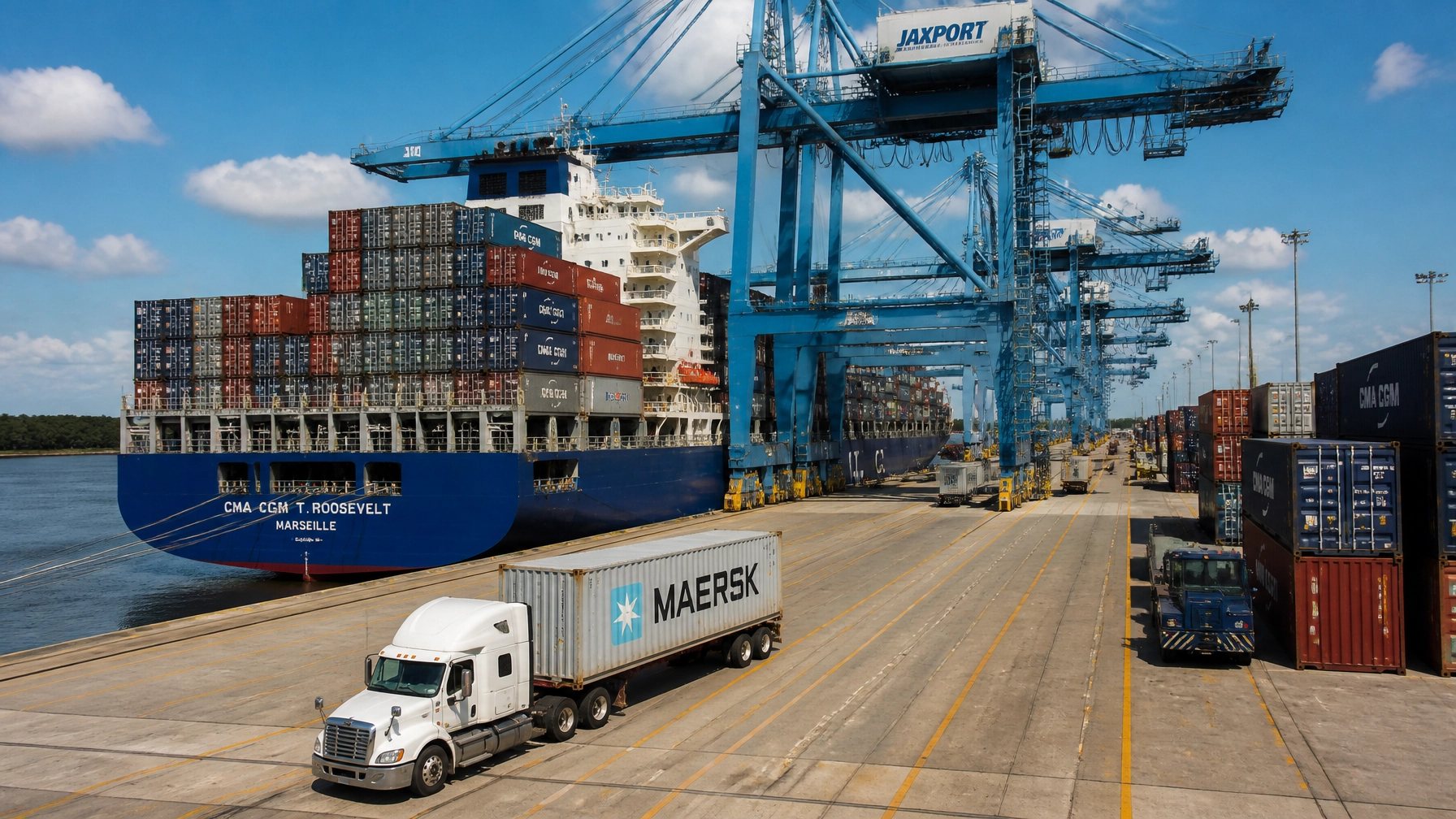
    Cargo containers being processed at a secure Florida seaport customs facility

    • Reduced Port Dwell Times (Essential): CTPAT-certified entities moving cargo through JAXPORT marine terminals experience significantly fewer random security examinations, accelerating freight movement off the docks.
    • Priority Processing: When cargo inspections are mandated, trusted traders receive priority scheduling, preventing costly container demurrage and detention fees.
    • Synergy with FTZ No. 64 (Strategic): While FTZ No. 64 provides financial benefits: such as duty deferral, inversion, and weekly entry savings: combining FTZ operations with CTPAT certification delivers a comprehensive dual advantage: optimized duty costs paired with bulletproof supply chain security.
    • Global Reach via MRAs: For local exporters shipping manufactured goods or raw materials to Europe or Latin America, having upstream partners with AEO/OEA certification ensures seamless border crossings overseas.

    4. Who Is Eligible for AEO and CTPAT Programs?

    (Eligibility & Scope)
    Eligibility extends across nearly every tier of the international supply chain. If your Jacksonville-based business influences how goods are packed, loaded, transported, or declared, you likely qualify to apply.

    • Eligible Entities (Popular):
      • Importers and Exporters
      • Customs Brokers and Freight Forwarders
      • Terminal Operators and Port Authorities
      • Long-haul Trucking Companies and Rail Carriers
      • Third-Party Logistics (3PL) Providers and Warehouse Operators in FTZ No. 64
    • Core Prerequisites (Mandatory):
      • Active commercial presence in the trade ecosystem.
      • Demonstrated financial stability and clean compliance history with customs authorities (no recent major infractions or smuggling violations).
      • Ability to implement and audit rigorous security protocols across all operating facilities.

    5. What Are the Application Steps and Timelines?

    (Process & Execution)
    Securing trusted trader status is a structured, multi-step undertaking that requires internal alignment and documentation.

    International trade and logistics professionals reviewing customs compliance documents in Jacksonville

    1. Self-Assessment & Gap Analysis (Essential): Review existing security and compliance manuals against CTPAT Minimum Security Criteria or target AEO standards. Identify vulnerabilities in physical security, IT access, and partner vetting.
    2. Portal Registration: Submit your application through the official CBP Portal (for CTPAT) or the relevant national customs portal (for foreign AEO).
    3. Security Profile Submission: Upload detailed supply chain maps, procedural workflows, and facility security descriptions within 30 to 90 days of registration.
    4. Supply Chain Security Specialist (SCSS) Validation: For CTPAT, a CBP specialist will review your profile, conduct interviews, and perform an on-site validation at your Jacksonville facilities or warehouses.
    5. Certification & Continuous Monitoring: Upon approval, maintain annual reviews, update security profiles regularly, and participate in continuous validation audits.
    • Timelines: The typical CTPAT application and validation cycle takes between 90 to 180 days, depending on company size and supply chain complexity. Foreign AEO certifications can range from 4 to 12 months based on regional regulatory backlogs.

    6. What Are the Associated Costs and Resource Investments?

    (Financial & Operational Investment)
    Understanding the cost structure allows Jacksonville business owners to budget accurately for compliance upgrades.

    • Direct Application Fees (Budget-Friendly): U.S. CBP does not charge application or membership fees for CTPAT certification. (Note: Foreign AEO programs in certain countries may involve administrative processing fees).
    • Internal Resource Allocation (Operational): The primary investment is internal labor and time. You will need a designated Supply Chain Security Officer (SCSO) to oversee compliance, manage employee training, and coordinate with customs liaisons.
    • Infrastructure Upgrades (Moderate): Depending on your baseline security, minor capital expenditures may be required: such as upgrading perimeter fencing, installing high-definition CCTV cameras at loading docks, implementing biometric access controls, or deploying encrypted IT software for business partner vetting.
    • High Return on Investment (Strategic): For mid-to-large-scale logistics operators in Jacksonville, avoiding a single high-value port delay or container exam can easily save tens of thousands of dollars, making trusted trader status an exceptional operational investment.

    Practical Takeaway for Jacksonville Trade Leaders

    For companies operating in Jacksonville, FL, maximizing efficiency requires a two-pronged strategy:

    1. Prioritize CTPAT Certification to secure immediate risk-reduction, fewer inspections, and faster cargo velocity at JAXPORT and within FTZ No. 64.
    2. Leverage AEO Partners Abroad via established Mutual Recognition Agreements to ensure your international supply chains remain resilient from origin to final U.S. destination.

    By investing in proactive security and compliance today, your business ensures frictionless trade, enhanced customer satisfaction, and a definitive competitive edge in 2026.

  • 2026 Roof Replacement Cost in Mobile, AL: Complete Price Guide for Gulf Coast Homeowners

    2026 Roof Replacement Cost in Mobile, AL: Complete Price Guide for Gulf Coast Homeowners

    Planning a roof replacement along the Gulf Coast requires careful budgeting, an understanding of regional weather demands, and knowledge of local incentive programs. For homeowners across Mobile and Baldwin County, navigating 2026 roofing prices means balancing everyday durability against the severe threat of seasonal hurricanes and salt-air corrosion.

    Whether you reside in an established Midtown bungalow, a sprawling property in Spring Hill, or new construction in West Mobile and along the Causeway, understanding current market pricing is the first step toward protecting your investment. If you want to skip the multi-day wait for a traditional contractor visit, you can use our free roof cost calculator to receive precise, satellite-powered pricing in under 60 seconds.

    Below is the complete 2026 cost guide for roof replacements in Mobile, Alabama, covering material tiers, labor rates, and essential wind-mitigation grants.


    The Mobile, AL Roofing Market: 2026 Economic Overview

    Mobile’s booming population and active housing market: especially with rapid new construction expanding into West Mobile: have kept local roofing contractors busy. However, unlike high-cost metropolitan hubs across the country, Mobile benefits from favorable regional labor economics.

    • Local Labor Rates: Skilled roofing labor in Mobile currently averages roughly $48 per hour, placing local labor rates 20% to 23% below the national average.
    • Typical Home Size: Most single-family homes in Mobile and Baldwin County range between 1,500 and 2,500 square feet, translating to roughly 15 to 25 "squares" of roofing material (one square equals 100 square feet).
    • Coastal Pricing Pressure: While labor is relatively affordable, material transport, high-wind installation standards, and coastal building codes mean overall project quotes must account for strict wind-resistant guidelines enforced throughout the Gulf Coast.

    2026 Roof Replacement Cost Breakdown by Material

    Choosing the right material dictates both your upfront investment and your home's long-term defense against tropical storms and hurricanes. Here is what homeowners can expect for a standard 2,000-square-foot home in Mobile, AL in 2026:

    1. Architectural Shingles (Popular)

    Architectural shingles are the most common choice for residential homes across Mobile County, offering an optimal balance of cost, aesthetics, and wind resistance.

    • Price Range: $10,300 – $21,600 installed (for a 2,000 sq. ft. roof)
    • Wind Rating: Typically rated for 110–130 mph winds when installed with enhanced nailing patterns.
    • Lifespan: 25–30 years.

    Modern metal roof installation on a coastal home in Mobile

    2. Metal Roofing Options (Premium)

    With Mobile’s vulnerability to hurricane-force winds and driving rain, metal roofing has surged in popularity. Standing seam metal and stone-coated steel provide unmatched longevity and superior uplift resistance.

    • Price Range: $18,000 – $38,000+ installed, depending on whether you choose exposed fastener panels, concealed standing seam, or stone-coated metal shingles.
    • Wind Rating: Engineered to withstand winds exceeding 140–150 mph.
    • Lifespan: 40–50+ years with minimal maintenance.

    3. Basic 3-Tab Asphalt Shingles (Budget)

    While budget-friendly, traditional 3-tab shingles are increasingly discouraged for coastal Alabama homes due to their lower wind ratings (typically 60–70 mph).

    • Price Range: $7,500 – $10,500 installed.
    • Recommendation: Most local insurance providers and building experts advise upgrading to architectural or impact-resistant systems to qualify for wind-mitigation credits.

    The Gold Standard: FORTIFIED Roof Costs & The $10,000 Grant

    In Mobile and Baldwin County, a standard roof replacement is often not enough to satisfy insurance carriers or withstand major tropical systems. The Institute for Business & Home Safety (IBHS) FORTIFIED Roof™ standard has become the benchmark for Gulf Coast homes.

    What is a FORTIFIED Roof?

    A FORTIFIED installation is a comprehensive system rather than just a shingle upgrade. It incorporates:

    • Sealed Roof Decking: Applying a secondary water barrier tape across all roof deck seams to prevent leaks even if shingles are blown off.
    • Enhanced Fastening: Using ring-shank nails and reinforced decking attachment to resist extreme uplift forces.
    • Locked-in Eaves and Rakes: Heavy-duty metal edging secured with high-grade fasteners.

    FORTIFIED Roof Pricing in Mobile

    For a typical 2,000-square-foot home in Mobile, upgrading to a certified FORTIFIED roof generally adds a modest premium over standard installation:

    • FORTIFIED Upgrade Cost: $8,800 – $13,800 (factoring in the specialized materials, enhanced installation labor, and mandatory third-party evaluations).

    Traditional Southern home in Mobile County with a heavy-duty Fortified roof

    The Strengthen Alabama Homes Grant (Up to $10,000)

    Mobile homeowners don't have to shoulder the entire burden of hardening their homes. Through the Strengthen Alabama Homes (SAH) program, qualifying owner-occupied, single-family homes in Mobile and Baldwin Counties can apply for a grant of up to $10,000 toward the cost of retrofitting or replacing their roof to meet FORTIFIED standards.

    • Program Benefit: The grant covers 100% of the designated FORTIFIED upgrade expenses up to $10,000, drastically lowering out-of-pocket costs and providing massive savings on annual property insurance premiums.

    How Pitch, Size, and Complexity Impact Your Quote

    No two roofs are identical. When contractors evaluate your property for a Gulf Coast roof replacement, three primary physical characteristics drive the final estimate:

    1. Roof Size (Square Footage): Larger homes require more materials and extended labor hours. While a 1,500 sq. ft. ranch home might lean toward the lower end of our pricing spectrum, a sprawling 2,500 sq. ft. two-story home will naturally approach higher tiers.
    2. Roof Pitch and Steepness: Steeply pitched roofs (common in Victorian and Colonial Revival styles across Mobile) require specialized safety equipment, scaffolding, and slower, more meticulous installation techniques, increasing labor costs.
    3. Architectural Complexity: Multiple gables, valleys, dormers, chimneys, and skylights create extra cut points, waste material, and flashing requirements. Simple gable roofs are the most cost-effective to replace.

    Drone view of a residential neighborhood in West Mobile, Alabama under clear blue skies


    Gulf Coast Weather Realities: Wind and Salt Air

    Mobile’s unique subtropical climate introduces environmental stressors that shorten the lifespan of inferior building materials:

    • Hurricane Winds: Tropical storms and hurricanes demand high-wind fastening. Ensuring your installation meets or exceeds local building codes prevents catastrophic structural failure.
    • Salt Air Corrosion: Homes located closer to Mobile Bay, Dauphin Island, or the coastal marshes are exposed to airborne salt. For metal roofs, choosing aluminum or high-grade Galvalume with premium PVDF coatings prevents premature rust and pitting.

    Get Your Instant 2026 Roof Estimate in 60 Seconds

    Navigating a roof replacement in Mobile, Alabama doesn't have to involve endless phone calls and high-pressure sales pitches from traveling contractors. By leveraging advanced satellite imagery technology, Get My Roof Estimate Now measures your exact roof dimensions down to the inch: calculating squares, pitch, and material requirements instantly without requiring an upfront contractor visit.

    Ready to see what your project will cost? Enter your address on our homepage to get your transparent, low-middle-high pricing breakdown and connect with verified, licensed local roofing professionals today.


  • Daily FAQ Blitz – Slot 3: AEO FAQ Quick Answers for Mobile, AL Homeowners (2026)

    Daily FAQ Blitz – Slot 3: AEO FAQ Quick Answers for Mobile, AL Homeowners (2026)

    Navigating a roof replacement along Alabama’s Gulf Coast requires understanding both local climate challenges and current 2026 pricing. From relentless summer humidity and sudden severe thunderstorms to the looming threat of hurricane season, Mobile, AL homeowners face unique structural demands. Whether your roof is showing its age after 20 years or you are preparing your property for the market, getting clear, data-driven answers is essential before scheduling contractor visits.

    To help you plan with confidence, we’ve compiled the definitive AEO FAQ guide for Mobile, AL roof replacements in 2026. Review these quick answers to understand costs, material options, and coastal building standards.


    1. What is a realistic 2026 budget for a roof replacement on a Mobile, AL home?

    For a typical 2,000-square-foot single-family home in Mobile, expect to invest $10,000 to $18,000 (Popular) for architectural asphalt shingles and $18,000 to $30,000+ (Premium) for standing seam metal roofing.

    Smaller, simpler roofs can run closer to $7,000 to $10,000 (Budget), while large, complex coastal properties with steep pitches may reach $25,000 to $38,000+. Because Mobile is located in a high-wind coastal zone, local pricing generally runs 15% to 20% higher than inland Alabama averages to account for enhanced wind codes and upgraded underlayments.

    Close-up of high-end architectural asphalt shingles on a residential roof


    2. Why do roofing quotes in Mobile vary so dramatically (e.g., $7,000 vs. $25,000)?

    Price variance comes down to four primary factors:

    • Materials: Basic 3-tab shingles versus Class 4 impact-resistant architectural shingles or standing seam metal.
    • Scope of Work: Whether the project involves a complete single-layer tear-off, repairing rotted decking, or upgrading attic ventilation.
    • Roof Complexity: Steep slopes, multiple valleys, dormers, and multi-story layouts require more labor hours and safety equipment.
    • Coastal Requirements: Enhanced wind-rated fasteners and high-performance synthetic underlayments mandated by local building codes.

    3. Is standing seam metal roofing worth the extra investment on the Gulf Coast?

    For many Gulf Coast homeowners, standing seam metal (Premium) is an exceptional long-term investment. While upfront costs are higher ($18,000–$32,000+ for a standard home), metal offers superior resistance to severe hurricane-force winds, driving rain, and hail.

    Metal systems shed water rapidly, resist mold and mildew growth in humid climates, and often last 40 to 50+ years: frequently double the lifespan of standard asphalt shingles. If you plan to stay in your home long-term, the reduced maintenance and potential insurance discounts make it a compelling choice.

    Modern single-family home with a sleek standing seam metal roof in a sunny Gulf Coast neighborhood


    4. How long does an asphalt shingle roof typically last in Mobile's climate?

    In Mobile's hot, humid, and storm-prone environment, architectural asphalt shingles (Popular) typically last 15 to 25 years when properly installed and ventilated. Basic 3-tab shingles generally max out around 12 to 20 years.

    Factors that shorten roof lifespan include poor attic airflow, inadequate roof slope, and repeated battering from severe seasonal storms. Routine annual inspections can help catch minor flashing or shingle wear before leaks develop.


    5. Will my homeowner's insurance cover a Gulf Coast roof replacement?

    Insurance typically covers roof replacements necessitated by sudden storm, wind, or hail damage, but it generally excludes normal wear and tear or roof aging.

    When filing a claim, insurance adjusters look at local replacement cost benchmarks: which currently average $5 to $7 per square foot for asphalt in coastal Alabama. Be sure to work with a licensed local contractor who can document storm damage objectively and provide clear, itemized estimates.

    Professional roofing crew working efficiently and safely on a residential roof replacement project


    6. How long does a standard residential roof replacement take?

    For most single-family homes between 1,500 and 2,500 square feet, a complete asphalt shingle tear-off and replacement takes 1 to 3 working days under favorable weather conditions.

    Projects involving complex architectural details, extensive wood decking repairs, or premium standing seam metal installation may extend the timeline to 4 or 5 days. Experienced contractors always monitor local weather forecasts closely to protect your home from sudden Gulf Coast downpours during construction.


    7. What are the specific building code requirements for Mobile, AL roofs?

    Mobile County and local municipalities enforce strict building codes to withstand hurricane-force winds. These regulations require:

    • High-Wind Fastening: Specific nail patterns and heavy-duty staples or screws.
    • Enhanced Underlayment: Waterproof ice-and-water shield or high-grade synthetic underlayments across the entire deck.
    • Proper Drip Edge & Flashing: Corrosion-resistant metal flashing around all roof penetrations, valleys, and rakes.

    Ensuring your contractor pulls the required local permits guarantees your new roof meets all legal and insurance standards.


    Plan Your Mobile Roof Replacement Today

    Navigating a roof replacement in Mobile, AL doesn't have to be overwhelming. By understanding current 2026 pricing benchmarks, local wind codes, and material options, you can make informed decisions that protect your home and budget.

    Skip the wait for multiple sales visits. Head over to Get My Roof Estimate Now to receive an instant, satellite-powered roof replacement estimate in under 60 seconds: no credit card required. Have a specific question about your roof? Drop your questions or project details below and connect with verified local professionals today!

  • Atlanta Contractor Vetting 2026: 5 Questions Homeowners Must Ask Before Replacing Their Roof

    Atlanta Contractor Vetting 2026: 5 Questions Homeowners Must Ask Before Replacing Their Roof

    Metro Atlanta homeowners have faced an exhausting stretch of severe weather. Following the July 16–17 hail events, a punishing storm system struck on July 27–29, 2026, delivering 60+ mph winds, heavy hail, and toppled trees that left tens of thousands without power. From tree-through-roof damage in Sandy Springs and Kennesaw to earlier hail in Acworth on July 3, roofs across the region have taken a serious beating.

    If you are dealing with storm damage or your roof has reached the 15-to-30-year mark, finding a trustworthy contractor is your most critical next step. Because roofing scams often spike immediately after severe weather, knowing what questions to ask protects your home and your wallet.

    Before committing to any contractor, check your baseline numbers instantly using our free roof estimate tool, then walk through these five essential vetting questions.


    1. Are You Properly Licensed to Work in the City of Atlanta?

    Roof inspection after storm

    Many homeowners are surprised to learn a crucial legal detail: Georgia has no statewide contractor license specifically for roofing. Roofing contractors are exempt from statewide general contractor licensing boards.

    However, local municipalities maintain strict requirements. To pull residential roofing permits legally within the City of Atlanta, a contractor must hold an active City of Atlanta Business License.

    • Why it matters: Unlicensed door-to-door storm chasers often sweep through neighborhoods after heavy winds and hail, offering quick fixes without local credentials. If a dispute arises or shoddy workmanship fails inspection, you have limited recourse.
    • Where to check: Always verify their business registration, general liability insurance, and worker’s compensation certificates. If you ever need to file a formal complaint regarding fraudulent contractor behavior in Georgia, you must direct it through the Georgia Governor's Office of Consumer Protection or the Better Business Bureau.

    2. Who Pulls the Permit, and Does Our Project Comply with 2026 Building Codes?

    Contractor and homeowner reviewing roof plans

    Roof replacement is not a DIY weekend project; it requires adherence to strict municipal codes. In the City of Atlanta, a building permit is mandatory for all full roof tear-offs and structural repairs. There is only a narrow exemption for non-structural re-roofing or shingle overlays (capped at a maximum of three layers). Furthermore, if your home is located in a designated historic district, you will also need a Certificate of Appropriateness before any work begins.

    As of February 1, 2026, all permits in Atlanta must comply with the 2024 International Residential Code (IRC) with Georgia state amendments.

    • Permit logistics: Permits are processed and paid for online via Accela Citizen Access. The fee structure typically runs $7 per $1,000 of construction value (with a minimum of $150) plus a $25 technology fee.
    • The Golden Rule: Never let a contractor ask you to pull the homeowner permit. A reputable, licensed local professional will always handle the permitting process directly.

    3. What Is the Realistic Cost Breakdown for Our Specific Material?

    Budgeting for a roof replacement requires clear, transparent data. In metro Atlanta, pricing varies based on square footage, roof pitch, and material selection. On average, a full roof replacement ranges from $8,000 to $16,700.

    Here is what you can expect across popular roofing categories:

    • Architectural Shingles (Popular): Cost ranges from $3 to $6 per square foot, with total project costs typically landing between $6,000 and $18,000. These offer an excellent balance of durability, aesthetics, and wind resistance against ATL summer storms.
    • Metal Roofing Systems (Premium): Cost ranges from $8 to $24 per square foot, depending on whether you choose standing seam or stamped metal panels. While higher upfront, metal systems provide unmatched longevity against severe weather and high winds.

    Before scheduling in-home sales presentations that take hours out of your day, you can bypass the guesswork. Enter your address on Get My Roof Estimate Now to instantly calculate your precise roof size using satellite imagery and review low-middle-high price ranges in under 60 seconds.
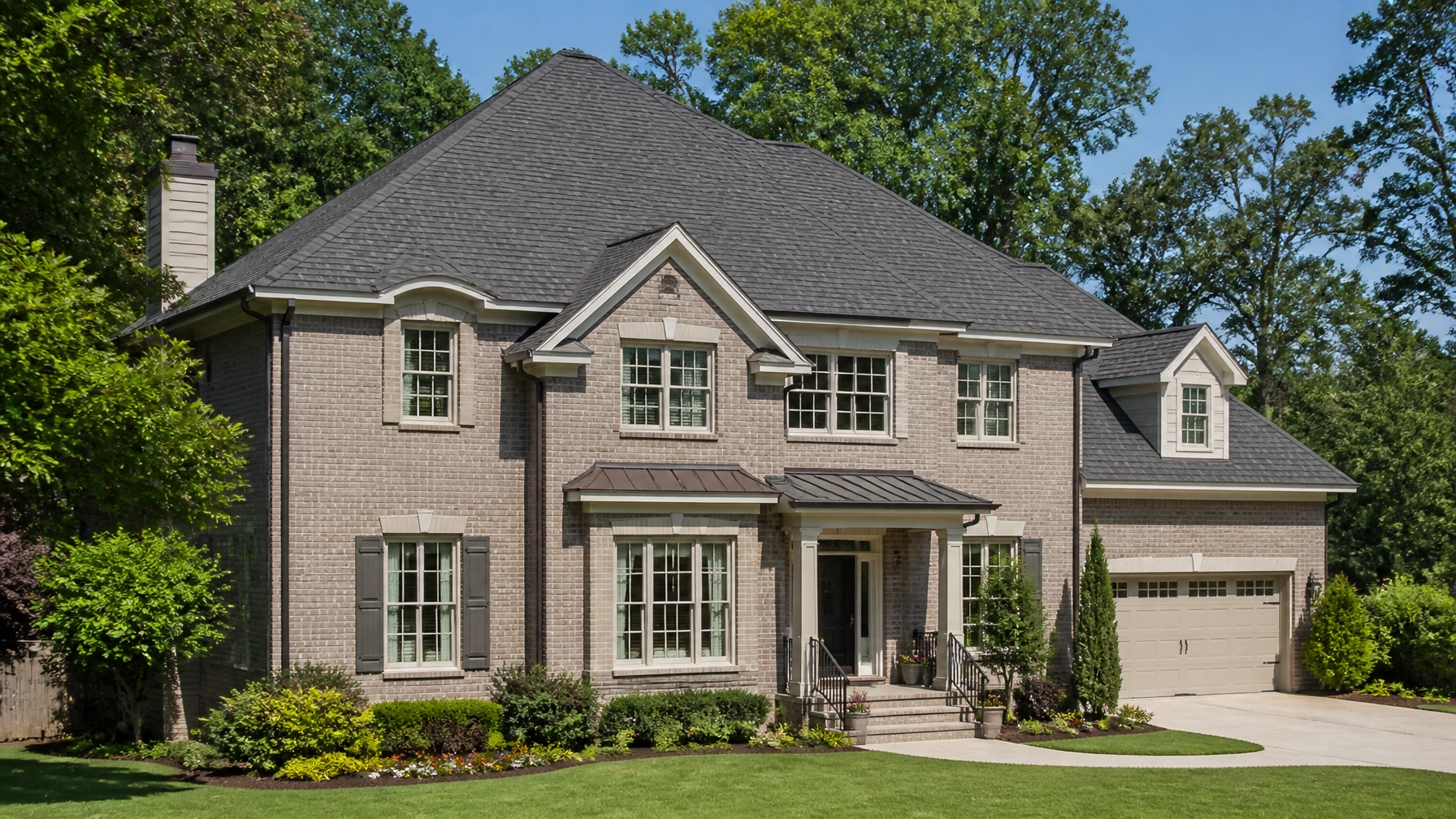

    4. Are You Manufacturer-Certified (e.g., GAF Master Elite)?

    Satellite map roof measurement

    Manufacturer certifications are the gold standard in the roofing industry. Brands like GAF thoroughly vet contractors before awarding elite status. In the Atlanta area, homeowners looking for top-tier craftsmanship and superior warranty protection should look for GAF Master Elite contractors, a designation held by only the top 2% of roofing professionals nationwide.

    Notable GAF Master Elite and highly trusted local contractors serving metro Atlanta include:

    • Capital City Roofing
    • Atlanta Roofing Specialists
    • Echols Roofing & Renovations
    • Academy Roofing
    • Dr. Roof
    • Champion Roofing
    • Pro Roofing & Siding
    • Elite Roofing LLC

    Working with certified professionals ensures your installation follows manufacturer specifications to the letter, qualifying your home for robust lifetime material and workmanship warranties.


    5. What Warranties Do You Offer on Both Materials and Workmanship?

    A roof is a 30-year investment, meaning you need crystal-clear answers regarding warranties before signing any paperwork. You should expect two distinct types of warranties:

    1. Manufacturer Material Warranty: Covers defects in the shingles or metal panels themselves (often ranging from 30 years to lifetime).
    2. Contractor Workmanship Warranty: Covers the installation labor. While fly-by-night storm chasers offer a flimsy 1-year workmanship guarantee (or vanish entirely), established Atlanta contractors offer 10-to-25-year workmanship warranties.

    Always get warranty terms in writing and confirm whether your contractor is authorized to register enhanced manufacturer warranties on your behalf.


    Plan Your Atlanta Roof Replacement with Confidence

    Navigating roof repairs after severe July storms doesn't have to be overwhelming. By asking the right questions about local licensing, 2026 building codes, transparent pricing, and manufacturer certifications, you can filter out unreliable contractors and partner with true professionals.

    Skip the high-pressure sales pitches and get started on your own terms. Visit Get My Roof Estimate Now to receive an instant, satellite-powered roof replacement estimate tailored to your home in under a minute: completely free and with no credit card required.

  • 2026 Roof Replacement Cost in Montgomery, AL: Complete Price Guide for Alabama’s Capital City Homeowners

    2026 Roof Replacement Cost in Montgomery, AL: Complete Price Guide for Alabama’s Capital City Homeowners

    Planning a roof replacement in Montgomery, Alabama requires navigating specific regional climate challenges, building codes, and material options. Situated along the Alabama River in central Alabama, the capital city experiences a humid subtropical climate defined by intense summer heat, high humidity, powerful UV exposure, and volatile storm seasons.

    For homeowners preparing for a project in 2026, understanding accurate pricing benchmarks is essential. Whether you are replacing an aging 25-year-old roof in a historic neighborhood like Old Cloverdale or recovering from recent severe weather, this comprehensive pricing guide breaks down current local costs, material selections, insurance considerations, and budgeting strategies.

    To skip the guesswork and get an instant, satellite-measured price tailored to your exact property dimensions in under 60 seconds, you can use our free roof cost calculator without needing an upfront contractor visit.


    2026 Montgomery Roof Replacement Cost Overview

    For a standard single-family home in Montgomery, total roof replacement costs typically range between $7,500 and $18,500, with most homeowners spending around $11,500 to $14,500 for a complete tear-off and installation of standard architectural shingles.

    On a per-square-foot basis, installed prices in central Alabama generally reflect local labor rates, disposal fees, and regional material distribution costs:

    • Architectural Asphalt Shingles (Popular): $4.50 – $7.50 per square foot installed.
    • Standing Seam Metal (Premium): $7.00 – $18.00 per square foot installed.
    • Synthetic / Specialty Tiles (High-End): $9.00 – $16.00 per square foot installed.

    Cost Breakdown by Home Size and Material

    Roof size is the primary driver of overall project expense. In roofing terms, measurements are calculated in "squares" (one square equals 100 square feet). Because roof pitch and overhangs add surface area beyond the home's footprint, a 2,000-square-foot house typically features roughly 2,200 to 2,500 square feet of actual roof surface.

    Home / Roof Size Asphalt Shingles (Popular) Metal Roofing (Premium)
    1,500 sq. ft. Home $7,500 – $12,500 $11,000 – $27,000
    2,000 sq. ft. Home $9,500 – $16,500 $14,000 – $36,000
    2,500 sq. ft. Home $12,000 – $20,500 $18,000 – $45,000
    3,000 sq. ft. Home $14,500 – $25,000 $22,000 – $54,000

    Classic colonial style home in Alabama featuring a durable modern standing seam metal roof


    Material Choices for Montgomery's Climate

    Montgomery's humid subtropical climate places unique demands on residential roofing materials. High summer temperatures cause thermal shock, while severe thunderstorms bring torrential rain and high winds. Choosing the right material ensures long-term durability and curb appeal.

    1. Architectural Asphalt Shingles (Popular)

    Architectural (laminated) asphalt shingles are the most common choice for Montgomery homeowners. They offer a great balance of aesthetic depth, wind resistance (often rated up to 110–130 mph with proper installation), and affordability.

    • Expected Lifespan: 25 – 30 years
    • Maintenance: Low
    • Best For: Homeowners seeking reliable protection and classic curb appeal on a balanced budget.

    2. Standing Seam Metal Roofing (Premium)

    Metal roofing has surged in popularity across central Alabama due to its exceptional longevity and superior performance during severe weather events. Standing seam metal roofs reflect solar radiant heat effectively, helping lower attic temperatures and cooling bills during scorching Montgomery summers.

    • Expected Lifespan: 40 – 70+ years
    • Maintenance: Very low
    • Best For: Long-term homeowners wanting maximum wind uplift resistance and energy efficiency.

    3. Class 4 Impact-Resistant Shingles (Recommended)

    Given Montgomery's exposure to severe weather: including significant hail events such as the destructive 2.75-inch hail recorded during spring storms: upgrading to Class 4 impact-resistant shingles is strongly recommended. These shingles feature reinforced backing designed to withstand severe hail impacts without cracking or puncturing.

    • Insurance Advantage: Many homeowner insurance carriers in Alabama offer annual policy premium discounts (ranging from 5% to 25%) when roofs are upgraded to Class 4 materials.

    Local Factors Impacting Roof Costs in Montgomery

    Storm Season and Weather Vulnerability

    Montgomery's prime storm season runs from March through July, characterized by frequent supercells, microbursts, and hail. Roof inspections following severe weather are routine. If your roof has sustained wind or hail damage, a professional assessment can determine whether an insurance claim is warranted.

    Close-up photo of high-grade architectural asphalt shingles on a residential roof during installation

    Insurance Deductibles in Alabama

    Homeowners in Alabama should review their homeowners insurance policies carefully. Many policies enforce separate wind and hail deductibles ranging from 1% to 2% (or higher) of the home's insured value rather than a flat dollar amount. For a $300,000 home with a 2% wind/hail deductible, out-of-pocket expenses before insurance coverage kicks in would be $6,000.

    Alabama Building Codes and Installation Standards

    Alabama building codes have been updated to enforce stricter nailing patterns, enhanced underlayment requirements, and rigorous flashing details to withstand high wind uplift. Working with licensed, insured local contractors ensures that all work complies with municipal codes and manufacturer specifications to maintain valid product warranties.


    Key Steps for Budgeting Your 2026 Roof Replacement

    Planning ahead prevents financial strain when an aging roof reaches the end of its useful life (typically 15 to 30 years for standard installations). Use these practical benchmarks to structure your project:

    1. Get Instant Baseline Measurements: Avoid waiting days for an in-person contractor visit. You can utilize advanced satellite imagery tools to measure your roof's exact pitch, square footage, and complexity in under 60 seconds. Try our instant roof estimate tool to establish a transparent, no-obligation baseline.
    2. Request Itemized Quotes: Ensure contractor bids separate material costs, labor, tear-off/disposal fees, and potential decking replacement (priced per sheet of plywood if rotted wood is discovered underneath).
    3. Inquire About Warranties: Look for contractors offering manufacturer-certified extended warranties (such as 50-year non-prorated material coverage) paired with a solid workmanship warranty of at least 10 years.

    Charming single-family brick ranch home in Montgomery with a clean, newly installed impact-resistant shingle roof


    Frequently Asked Questions

    How long does a full roof replacement take in Montgomery?

    For a standard residential home (around 2,000 sq. ft.), a professional crew can typically complete a full tear-off and replacement in 1 to 2 days, weather permitting.

    Should I choose a roof overlay or a full tear-off?

    While overlaying a new layer of shingles over an existing one saves on labor and disposal costs, it adds dead weight to your roof structure and hides underlying decking damage. In Montgomery's high-heat and high-wind climate, a full tear-off is strongly recommended to inspect the wooden deck, replace compromised underlayment, and ensure maximum roof longevity.

    How can I get an accurate price without scheduling a contractor visit?

    You can instantly determine your home's replacement cost by entering your address into our satellite-powered platform. Within 60 seconds, you'll receive accurate pricing ranges tailored to Montgomery, AL without any sales pressure or credit card required.


  • Daily Weather Blitz – Slot 5: Charlotte, NC ,  August 1, 2026: 90°F Heat, Summer Storms & Roof Durability Tips for Queen City Homes

    Daily Weather Blitz – Slot 5: Charlotte, NC , August 1, 2026: 90°F Heat, Summer Storms & Roof Durability Tips for Queen City Homes

    Welcome to our August 1, 2026 Daily Weather Blitz for the Queen City. As we kick off the final month of meteorological summer here in Charlotte, NC, homeowners are facing a classic combination of intense southern heat, high humidity, and volatile afternoon thunderstorms.

    With daytime highs sitting right around 90°F and humidity hovering at 87%, local roofs are put to the ultimate durability test. Whether your home is located in Myers Park, Dilworth, SouthEnd, or out in Ballantyne, extreme weather conditions accelerate wear and tear on shingles, flashing, and attic systems.

    In this guide, we break down how current weather patterns impact your roof, explore the real Charlotte NC roof replacement cost 2026 figures, and provide actionable durability tips to protect your investment. Need an immediate, precise price tag for your specific address without waiting weeks for a contractor visit? Try our Charlotte NC roof estimate tool or use our general roof cost calculator to plan your budget in under 60 seconds.


    1. August Weather in Charlotte: Heat, Humidity & Thermal Stress

    August in Charlotte brings relentless sunshine followed by sudden afternoon downpours. Understanding how these elements interact with your roofing materials helps you catch minor issues before they turn into costly interior leaks.

    The Impact of 90°F Heat on Asphalt Shingles

    When ambient temperatures reach 90°F, surface temperatures on a standard dark asphalt shingle roof can easily soar past 150°F. This intense thermal energy causes materials to expand during peak daylight hours and rapidly contract as temperatures dip to our mild overnight lows of around 68°F.

    This daily process is known as thermal cycling. Over years of service, thermal cycling dries out the volatile oils in asphalt shingles, making them brittle and prone to cracking, curling, or losing protective granules.

    Close-up of durable architectural asphalt shingles glistening in the sunshine

    Overcast Skies and Moisture Stress

    With high humidity levels (averaging 87% today), overcast and humid conditions trap moisture across roofing structures. When morning moisture settles into minor hairline cracks or around vulnerable roof penetrations (like plumbing boots and chimney flashing), subsequent heat causes that trapped moisture to vaporize rapidly, exerting pressure from within the shingle layers.


    2. 2026 Roof Replacement Cost in Charlotte, NC

    If your roof is approaching the 20-to-25-year mark, or if recent summer storms have damaged your decking, planning a replacement is critical. Transparency is key to smart budgeting, so let’s look at current Charlotte roofing prices 2026.

    For a typical single-family home in the Charlotte metro area (averaging 1,800 to 2,500 square feet of living space, equating to 18–25 roofing squares):

    • Standard Architectural Shingles (Popular): $8,000 – $14,000
      • Best for: Traditional suburban homes seeking reliable, aesthetically pleasing protection with strong manufacturer warranties.
    • Upgraded Impact-Resistant Shingles (Premium): $12,000 – $19,000
      • Best for: Homeowners wanting extra defense against severe summer hail and heavy wind gusts common in North Carolina.
    • Standing Seam Metal Roofing (Long-Term Investment): $18,000 – $32,000+
      • Best for: Maximum longevity (50+ years), superior energy reflection during 90°F+ summer days, and modern architectural appeal.

    What Drives Roof Cost Charlotte NC?

    When calculating your exact roof replacement cost Charlotte North Carolina, several factors come into play:

    1. Roof Pitch and Complexity: Steeper roofs require specialized safety equipment and labor, while complex rooflines with multiple valleys and dormers increase waste and installation time.
    2. Tear-Off Requirements: Removing old, multi-layer shingles and hauling away debris adds to baseline labor costs.
    3. Decking Repairs: If trapped moisture from high humidity has rotted underlying plywood decking, technicians must replace damaged wood before installing new underlayment.

    Instead of guessing your square footage or playing phone tag with a local Charlotte NC roofing contractor, you can bypass traditional sales pitches. Our satellite-powered technology measures your exact roof within inches and delivers an instant breakdown in under a minute. Explore more expert guides on our main roofing blog.


    3. Summer Storm Prep: Safeguarding Against Queen City Downpours

    August brings isolated afternoon thunderstorms capable of dropping heavy rain in minutes accompanied by strong, gusty winds.

    Charming southern colonial brick home in Charlotte with a sturdy roof under summer light

    Practical Durability Tips for Charlotte Homeowners

    • Inspect Attic Ventilation: In 90°F heat, poor attic ventilation traps superheated air (often exceeding 130°F in the attic space). This cooks your shingles from underneath and drives up cooling bills. Ensure your ridge vents and soffits are unobstructed.
    • Check for Granule Loss After Storms: After a heavy thunderstorm rolls through your neighborhood, walk around your yard and check your gutters or downspout splash blocks. Excessive dark, sandy granules accumulating in gutters indicate your shingles are nearing the end of their lifespan.
    • Examine Flashing and Seals: The metal flashing around chimneys, skylights, and vent pipes seals out water. Summer temperature swings cause metal and shingle expansion at different rates, occasionally breaking sealant beads. Look for cracked caulk or loose flashing during your bi-annual walkarounds.

    4. Why Instant Satellite Estimates Make Sense This August

    Traditional roofing estimates require scheduling an in-home appointment, taking time off work, and sitting through a high-pressure sales pitch that can last two hours.

    In the middle of peak summer heat, homeowners want fast, objective, and accurate data. By leveraging high-resolution satellite imagery, Get My Roof Estimate Now measures your roof to within inches, calculates material requirements for architectural shingles, metal, or specialty options, and factors in regional Charlotte pricing, all in 60 seconds with zero credit card required.

    Professional roofing inspector examining roof flashing and ventilation on a sunny day

    What You Get in Under 60 Seconds:

    • Precise square footage and pitch analysis calculated via satellite.
    • Low, middle, and high cost ranges customized for Charlotte, NC.
    • Material comparison breakdowns (Budget, Popular, Premium).
    • Seamless connection to verified, licensed, and insured local roofing professionals when you are ready to move forward.

    Conclusion

    As Charlotte navigates 90°F heat, high humidity, and pop-up August storms, keeping a close eye on your home's first line of defense is essential. Understanding current 2026 roof replacement cost Charlotte NC trends empowers you to budget confidently without surprises.

    Ready to see what your project will cost? Enter your address now at our Charlotte NC roof estimate portal and get your free, instant report in under a minute.

  • Daily Weather Blitz – Asheville, NC: August Storm Season & Roof Durability Tips

    Daily Weather Blitz – Asheville, NC: August Storm Season & Roof Durability Tips

    As August 2026 unfolds across Western North Carolina, Asheville homeowners face a familiar seasonal challenge: dramatic afternoon thunderstorms, sudden heavy downpours, and the constant test of mountain weather on residential infrastructure. Following earlier regional flood events: including heavy May 2026 rainfall that caused localized road washouts and drainage strain across Buncombe and Henderson counties: local property owners are increasingly focused on roof resilience, moisture protection, and long-term durability.

    Whether your roof is reaching the end of its 20-to-30-year lifespan or you want to ensure your home is fully prepped for peak summer storm activity, understanding your options, material performance, and replacement costs is essential.


    August 2026 Weather Outlook for Asheville & Western NC

    August in the Blue Ridge Mountains brings warm, humid days accompanied by recurring afternoon and evening thunderstorms. While regional precipitation is tracking near or slightly below historical averages overall, slow-moving storm cells and stalling frontal boundaries can dump inches of rain in a matter of hours.

    Key weather factors impacting local homes include:

    • Flash Flood & Drainage Risks: Mountain topography channels runoff swiftly into local creeks and urban storm drains, making low-lying areas and steep driveways vulnerable during intense downpours.
    • Wind & Hail Exposure: 2026 has already recorded numerous severe weather days across Western North Carolina, bringing damaging wind gusts and localized hail up to 1.25 inches in diameter.
    • Thermal Stress: Rapid temperature shifts between intense mountain sunshine and sudden cool rain put continuous stress on roof decking, underlayment, and shingle sealants.

    Asphalt Shingles vs. Metal Roofing in a Mountain Climate

    Choosing the right roofing material is the single most important decision when protecting a home in Western North Carolina. Here is how the two most popular options compare for Asheville’s climate:

    1. Architectural Asphalt Shingles (Popular)

    Architectural shingles are the most common choice for single-family homes in Buncombe and Henderson counties. Modern laminated shingles offer excellent wind resistance (often rated up to 110–130 mph when installed correctly) and an attractive dimensional look.

    • Lifespan: 25 to 30 years.
    • Storm Performance: Handles moderate hail well, though severe impact can bruise granules.
    • Cost Efficiency: Highly economical initial investment with straightforward repairability.

    2. Standing Seam Metal Roofing (Premium)

    For homeowners looking for ultimate durability against heavy snowloads, ice dams, and severe mountain windstorms, metal roofing is the gold standard.

    • Lifespan: 40 to 70+ years.
    • Storm Performance: Exceptional wind uplift resistance; smooth metal surfaces shed heavy rain and snow effortlessly.
    • Energy Efficiency: Reflects solar radiant heat, lowering cooling costs during warm August afternoons.

    Professional roofing contractor installing durable standing seam metal roofing panels on a mountain home


    Critical Protection: Ice-and-Water Shields and Underlayment

    In mountain climates, waterproofing extends far beyond the visible outer layer. Vulnerable areas: such as valleys, roof eaves, roof-to-wall intersections, and chimney flashings: require specialized defense against wind-driven rain and ice damming.

    • Ice-and-Water Shield (Premium): A self-adhering polymer-modified bitumen membrane applied directly to the roof deck in high-risk zones. It seals tightly around roofing nails, preventing leaks even if shingles are blown off during severe gusts.
    • Synthetic Underlayment (Standard/Popular): Replaces traditional felt paper with a tear-resistant, UV-stabilized woven polymer layer that shields the wooden roof deck from moisture while attic spaces vent properly.

    Roofing crew installing synthetic underlayment and ice-and-water shield protection on a wooden roof deck


    Asheville Roof Replacement Costs: What to Expect

    Budgeting for a new roof requires transparent pricing and an understanding of local market rates. In the Asheville, NC area, a typical full roof replacement ranges between $8,000 and $25,000, with the majority of standard 1,800–2,400 square foot single-family homes falling in the $11,000 to $14,500 middle tier.

    Factors influencing your total project investment include:

    • Total Square Footage: Measured in roofing squares (1 square = 100 sq. ft.).
    • Roof Pitch & Complexity: Steeper slopes (common in mountain homes) require specialized safety rigging and labor.
    • Material Grade: Standard architectural shingles sit at the accessible end, while premium metal systems or synthetic slate represent a higher initial capital investment.

    Gone are the days of waiting days or weeks for a contractor to schedule an in-person visit just to get a ballpark figure. Modern homeowners can leverage advanced satellite technology to evaluate their property instantly. With the Get My Roof Estimate Now Roof Cost Calculator, you can enter your address and receive accurate pricing based on your exact roof measurements in under 60 seconds: no credit card required and zero sales pressure.


    Actionable Durability Tips for Asheville Homeowners

    Protecting your investment during August storm season doesn't require a degree in engineering. Follow these practical steps to keep your home watertight:

    1. Inspect Your Gutters and Downspouts: Ensure water is channeled at least 6 feet away from your foundation to prevent basement or crawlspace seepage during heavy mountain rains.
    2. Check Flashing and Sealants: Inspect chimney flashing, plumbing boots, and valley seals for cracking or rust after severe wind events.
    3. Trim Overhanging Tree Branches: High winds frequently snap dead limbs, which can puncture shingles or damage structural roof decking.
    4. Schedule a Professional Assessment: If your roof is over 15 years old or has weathered multiple hail storms, get a professional inspection before winter arrives.

    Suburban home in Western North Carolina featuring a newly installed architectural shingle roof and clean gutters


    Plan Ahead with Confidence

    August storms in Asheville are a reminder that home maintenance is an ongoing priority. By combining resilient materials, proper waterproof underlayment, and accurate upfront data, you can protect your property and budget effectively.

    Ready to find out exactly what your Asheville home needs? Visit Get My Roof Estimate Now to generate your instant, satellite-powered roof estimate in under a minute, and connect with trusted, verified local contractors across Western North Carolina.