Author: James Turner

  • Richmond VA Roof Replacement FAQ: Quick Answers for Homeowners in 2026

    Richmond VA Roof Replacement FAQ: Quick Answers for Homeowners in 2026

    Navigating a roof replacement in Richmond, Virginia, doesn’t have to be a multi-week headache of scheduling contractor walkthroughs. In 2026, technology has moved faster than the traditional roofing industry, allowing homeowners to make data-backed decisions from their smartphones.

    Whether you are dealing with the aftermath of a James River storm or simply planning for your home's 20-year maintenance milestone, this guide provides the direct answers you need. We’ve compiled the most frequent questions from Richmond residents to help you budget, plan, and execute your project with confidence.


    1. How much does a new roof cost in Richmond, VA in 2026?

    The new roof cost Richmond VA 2026 homeowners are seeing typically ranges between $8,000 and $25,000. On a per-square-foot basis, you can expect to pay between $4.50 and $8.50 per square foot for a complete tear-off and replacement.

    Several factors drive your final invoice:

    • Roof Size (Total Square Footage): The larger the footprint, the more materials and labor required.
    • Material Selection:
      • Architectural Shingles (Popular): $4.50–$6.00 per sq. ft.
      • Metal Roofing (Premium): $9.00–$14.00 per sq. ft.
    • Pitch and Complexity: Steep roofs (high pitch) or those with multiple gables and dormers require more safety equipment and labor time.

    For an immediate figure tailored to your specific address, use our instant roof cost calculator.


    2. Does Richmond require a permit for roof replacement?

    Yes. The City of Richmond requires a building permit for all full roof replacements on residential structures. This process is managed through the city's Online Permit Portal (EnerGov/CSS).

    • The Cost: Expect permit fees to range from $100 to $400, often calculated based on the project valuation (approximately $152 base plus a percentage of the contract value).
    • The Requirement: To pull a permit, the Richmond VA roofing contractor must hold a valid Virginia DPOR (Department of Professional and Occupational Regulation) license.
    • Historic Districts: If you live in a designated Old & Historic District (like Church Hill or The Fan), you must also receive approval from the Commission of Architectural Review (CAR) before work begins.

    3. How long does a roof replacement take in Richmond?

    Efficiency is a priority for modern crews. Most residential roof replacements in the Richmond metro area take 1 to 3 days to complete.

    • Day 1: Material delivery and the "tear-off" process where old shingles are removed.
    • Day 2: Underlayment installation and new material application.
    • Day 3: Detail work (flashing, ridge vents) and final site cleanup.

    Weather is the only major variable. If a sudden Piedmont thunderstorm rolls through, your contractor will secure the roof with tarps and resume as soon as conditions are dry.

    Professional roofing crew installing shingles on a Richmond home


    4. What's the best time of year for roof replacement in Richmond?

    In Virginia, timing matters for both material performance and contractor availability.

    • Spring (March–May): Ideal temperatures for shingle "sealing." The mild weather ensures the adhesive strips on shingles bond correctly without the risk of winter brittleness.
    • Fall (September–November): The most popular window. You avoid the peak humidity of July and August while ensuring your home is tight before winter frosts.
    • Winter/Summer (Off-Peak): You may find better pricing during these months, but extreme heat can make shingles too soft to walk on, and extreme cold can prevent them from sealing immediately.

    5. Do I need a licensed contractor in Virginia?

    Absolutely. Under Virginia law, any construction project exceeding $1,000 requires a contractor to be licensed by the Virginia DPOR.

    When vetting pros, ask for their DPOR license number. Specifically:

    • Class C: Projects up to $10,000.
    • Class B: Projects up to $120,000 (standard for most Richmond roofs).
    • Class A: Projects over $120,000.

    Hiring an unlicensed contractor removes your legal protections and could lead to permit denials from the City of Richmond.


    6. How does satellite roof measurement work?

    The Virginia space economy 2026 isn't just about rockets; it's about the data they send back to Earth. At Get My Roof Estimate Now, we utilize cutting-edge satellite roof measurement Virginia technology to provide 90-95% accurate quotes without a single person climbing a ladder.

    Satellite technology measuring a roof in Richmond VA

    Here is how we do it in under 60 seconds:

    1. Address Input: You provide your Richmond street address.
    2. Imagery Retrieval: Our system pulls high-resolution satellite and aerial imagery.
    3. Digital Analysis: AI algorithms identify the roof facets, calculate the pitch (slope), and measure the exact square footage.
    4. Instant Pricing: We factor in Richmond's local labor rates and current material costs to give you a transparent price range.

    This satellite technology Richmond VA homeowners now have access to eliminates the high-pressure sales pitch in your living room.


    7. What roofing materials work best for Richmond's climate?

    Richmond faces high humidity, heavy pollen, and the occasional tropical depression. Your material choice should reflect these local stressors.

    • Architectural Shingles (Budget-Friendly): These are heavier and more wind-resistant than old-fashioned 3-tab shingles. Most modern versions are treated with copper granules to prevent the black "algae streaks" common in Virginia's humid summers.
    • Metal Roofing (Durability): Standing seam metal is increasingly popular in neighborhoods like West End and Midlothian. It reflects solar heat (lowering AC bills) and can last 50+ years, easily handling the heavy rainfall of Richmond springs.

    Comparison between architectural shingles and metal roofing


    8. Will my insurance cover roof replacement in Richmond?

    If your roof has been damaged by a specific event: such as a hailstorm or a fallen limb during a windstorm: your homeowners' insurance will likely cover the replacement cost, minus your deductible.

    • Covered: Sudden storm damage, hail impact, wind-driven rain.
    • Not Covered: "Wear and tear" or neglect. If your roof is 30 years old and simply leaking because it's past its prime, insurance will typically deny the claim.
    • Tip: Always get a professional inspection before filing a claim to ensure there is documented evidence of storm damage.

    9. How do I know if I need a new roof?

    Don't wait for a ceiling stain to take action. Look for these four red flags:

    • Age: If your roof is between 15 and 25 years old, it’s in the "replacement window."
    • Granule Loss: Check your gutters. If they are filled with "sand" (shingle granules), your roof has lost its UV protection.
    • Curling/Buckling: Shingles that are lifting at the edges are no longer shedding water effectively.
    • Internal Clues: Check your attic for light peeking through the boards or signs of moisture on the rafters.

    10. How do I find a reliable roofer in Richmond?

    To find a top-tier Richmond VA roofing contractor, follow this 4-step checklist:

    1. Verify DPOR: Check the Virginia DPOR website to ensure their license is active and they have no "final orders" (disciplinary actions).
    2. Check Local Reviews: Look for companies with consistent 4.5+ star ratings on Google and Yelp specifically from Richmond-area customers.
    3. Ask About Manufacturer Certifications: Contractors who are "Master Elite" or "Platinum" certified by manufacturers (like GAF or Owens Corning) can offer extended warranties that uncertified roofers cannot.
    4. Compare Estimates: Use our Virginia roof estimate tool to establish your baseline price before you even call a contractor.

    Get Your Instant Estimate Today

    Ready to find out exactly what your Richmond roof replacement will cost in 2026? Skip the wait and the sales pitch. Enter your address at getmyroofestimatenow.com and get your free, satellite-powered estimate in under 60 seconds.

  • Norfolk Contractor Vetting 2026: 5 Questions Coastal Virginia Homeowners Must Ask Before Replacing Their Roof

    Norfolk Contractor Vetting 2026: 5 Questions Coastal Virginia Homeowners Must Ask Before Replacing Their Roof

    Replacing a roof in Norfolk isn't just about curb appeal; it’s about survival. Between the relentless salt air from the Chesapeake Bay, high humidity levels, and the ever-present threat of Atlantic hurricane season, Norfolk homeowners face a unique set of variables that inland residents rarely encounter.

    In 2026, the roofing industry in Virginia has undergone a massive technological shift. The days of waiting two weeks for a Richmond VA roofing contractor to drive down with a ladder just to give you a "ballpark" figure are over. Today, data drives the market.

    At Get My Roof Estimate Now, we utilize the same advanced remote sensing tools fueling the Virginia space economy 2026. This allows us to provide a Virginia roof estimate with extreme precision in under 60 seconds. However, once you have your numbers, you still need to vet the boots on the ground.

    Here are the five critical questions you must ask any contractor before signing a contract for your Norfolk home.


    1. Can You Provide a Verified VA DPOR License and Coastal-Specific Insurance?

    In Virginia, the Department of Professional Occupation Regulation (DPOR) is the gold standard for licensing. Any contractor performing a roof replacement in Norfolk must hold a Class A or B license.

    However, for coastal Virginia, standard liability isn't enough. You need to ensure they have specific coverage for wind-driven rain and storm damage during the construction phase.

    • Actionable Tip: Don't just take their word for it. Check the DPOR website and ask for a COI (Certificate of Insurance) sent directly from their carrier to your email.

    2. What Is Your Experience With High-Wind and Salt-Air Mitigation?

    Norfolk falls into a specific wind-borne debris region. A roof installed to inland standards will fail prematurely in a coastal environment.

    • The Tech Connection: Sophisticated satellite roof measurement Virginia tools now allow contractors to see the exact pitch and orientation of your roof relative to prevailing storm tracks.
    • Key Detail: Ask if they use stainless steel or hot-dipped galvanized fasteners. Standard roofing nails will corrode in Norfolk's salt-heavy air within a decade, leading to shingle uplift.

    Close-up of premium architectural asphalt shingles and a section of standing seam metal roofing material.

    3. Which Manufacturer Certifications Do You Hold?

    Manufacturers like GAF, Owens Corning, and CertainTeed offer "Master Elite" or "Platinum" certifications to a tiny fraction of contractors. These aren't just badges; they are the only way you can access 50-year non-prorated warranties.

    • Context: For a Norfolk roof replacement, having a certified installer is the difference between a warranty that covers materials only and one that covers the entire system (labor and disposal included).

    4. What Are the Exact Specifics of Your Written Warranty?

    There are two types of warranties: the Manufacturer's Warranty (materials) and the Workmanship Warranty (labor).

    • Budget (Basic): 1-2 years workmanship.
    • Popular (Standard): 5-10 years workmanship.
    • Premium (Best): Lifetime or 25-year workmanship backed by the manufacturer.
    • The Norfolk Factor: Ensure the warranty specifically covers wind speeds up to 110 or 130 MPH, common during tropical storm events in Tidewater.

    5. Can You Provide References from Local Jobs in the Last 6 Months?

    A contractor might have 500 reviews, but if they are all from 2022, that’s a red flag. Labor markets shift, and crews change.

    • Norfolk Specifics: Ask for a reference in your specific neighborhood (e.g., Ghent, Larchmont, or Ocean View). Neighborhood-specific references prove the contractor understands local HOA requirements and municipal permitting in Norfolk.

    The Cost of a New Roof in Norfolk (2026 Benchmarks)

    Understanding the new roof cost Richmond VA 2026 and Norfolk 2026 is essential for budgeting. While Richmond prices are often slightly lower due to easier logistics, Norfolk homeowners pay a 5-10% premium for coastal-grade materials and stricter building codes.

    For a typical 1,800–2,500 square foot home in Norfolk, here is what you should expect to pay:

    Material Type Price Category Estimated Cost Range (Installed)
    Architectural Shingles Popular $9,500 – $16,500
    Standing Seam Metal Premium $18,000 – $28,000
    Synthetic Slate/Shake Luxury $22,000 – $35,000

    Factors like roof pitch, the number of existing layers to be removed, and the cost of plywood (decking) replacement will influence the final price.

    A sophisticated digital visualization of a residential roof in a Virginia neighborhood being measured using satellite technology.

    Why Satellite Technology is the New Standard in Virginia

    The Virginia space economy 2026 has brought NASA-grade data to the local home services market. Using satellite technology Richmond VA as a primary data hub, we can now map every facet of your roof without ever stepping foot on your property.

    Why does this matter for you?

    1. Accuracy: Our measurements are 95%+ accurate, eliminating the "hidden surprises" contractors often find during a manual measure.
    2. Speed: You get your instant roof estimate in 60 seconds.
    3. Transparency: You see exactly what we see. No inflated square footage or unnecessary waste factors.

    The use of satellite roof measurement Virginia tools isn't just about convenience; it's about providing an objective baseline for your project. When you go into a meeting with a contractor already knowing your roof’s square footage and the market rate for materials, you are in the driver's seat.

    A professional roofing crew wearing safety harnesses and branded uniforms working on a large residential home in Virginia.

    Final Advice: Don't Settle for a "Guesstimate"

    In the volatile 2026 economy, material prices can fluctuate monthly. Hiring a contractor who relies on outdated measurement methods or "hand-shaking" pricing is a recipe for a budget disaster.

    Demand data. Ask the five questions. And most importantly, verify your pricing before you invite a salesperson into your home.

    Ready to see what your Norfolk roof should actually cost?
    Get your instant, 60-second satellite roof estimate now.


  • 2026 Roof Replacement Cost in Richmond, VA: Pricing, Trends & Smart Planning Tips

    2026 Roof Replacement Cost in Richmond, VA: Pricing, Trends & Smart Planning Tips

    If you are a homeowner in the Richmond area, the summer of 2026 has likely put your roof to the test. Following the significant hail storms in May and the severe weather on July 21, 2026, which dropped 1.75-inch hail and up to 6 inches of rain across Central Virginia, many residents are now facing the reality of a roof replacement.

    Navigating the new roof cost Richmond VA 2026 landscape requires up-to-date data. Between rising material costs and a surge in demand following recent storms, pricing has shifted significantly from previous years. At Get My Roof Estimate Now, we use cutting-edge technology to provide you with transparency and speed, delivering an accurate estimate in under 60 seconds without the need for an initial contractor visit.

    2026 Richmond Roof Replacement Pricing Overview

    In 2026, the standard cost for a roof replacement in Richmond typically ranges between $9,500 and $21,000 for a mid-sized single-family home (approximately 2,200 to 2,400 square feet). This reflects a 4% to 8% cost hike compared to last year, driven by localized demand and general economic inflation.

    Material Price Breakdown (Per Square Foot)

    When budgeting, the material you choose is the primary driver of the final invoice. Here is what Richmond homeowners are currently seeing:

    Material Type Price Per Sq. Ft. Project Category
    3-Tab Shingles $4.50 – $6.50 (Budget)
    Architectural Shingles $5.00 – $11.00 (Popular / Standard)
    Metal Roofing $7.00 – $18.00 (Premium / Durable)
    Synthetic/Slate $15.00 – $30.00+ (Luxury / Historic)

    Detailed close-up of high-quality architectural shingles

    Neighborhood Specifics: From The Fan to Short Pump

    Richmond’s diverse architecture means that "one size fits all" pricing doesn't exist. Your specific neighborhood can influence the complexity and cost of your project.

    • The Fan & Museum District: These historic areas often feature steep pitches and complex rooflines. If you own a historic row house, you may face higher labor costs due to safety requirements and potential slate or copper detailing.
    • Short Pump & West End: Homes in these newer developments typically feature large roof footprints (3,000+ sq ft) with modern architectural shingles. A new roof cost Richmond VA 2026 for a larger home in Short Pump can easily reach the $18,000–$25,000 range.
    • Chesterfield & Midlothian: These suburban areas often have more accessible rooflines, which can help keep labor costs toward the lower end of the regional average.

    The Satellite Revolution: Why Measurements Matter

    One of the biggest shifts in the industry this year is the widespread adoption of satellite technology Richmond VA. Traditionally, a Richmond VA roofing contractor would have to climb a ladder and manually measure your roof with a tape measure, a process prone to human error.

    In 2026, the Virginia space economy 2026 has matured, bringing high-resolution orbital data directly to the home services sector. Tools like EagleView and RoofSnap now provide satellite roof measurement Virginia services that are 90-95% accurate.

    At Get My Roof Estimate Now, we leverage this technology to bypass the "wait and see" period. By entering your address, our system pulls satellite imagery to calculate your roof's square footage, pitch, and complexity instantly. This ensures that the estimate you receive is based on hard data, not a rough guess.

    Aerial view of a neighborhood with digital measurement overlays

    Impact of the July 2026 Storms

    The storm on July 21, 2026, was a turning point for many Richmond roofs. With 1.75-inch hail, the impact is often enough to bruise the underlying mat of a shingle, even if it isn't visible from the ground.

    Signs of Storm Damage to Look For:

    1. Granule Loss: Check your gutters and downspouts. If you see an accumulation of mineral granules that look like coarse sand, your shingles have likely lost their protective layer.
    2. Dents in Soft Metals: Look at your attic vents, gutters, or flashing. Dents in these surfaces are a clear indicator that the hail was large enough to damage the shingles as well.
    3. Water Spots: With the 6 inches of rain that followed the hail, any small puncture from the ice may have already started a slow leak. Check your ceiling and attic for new discoloration.

    If you suspect damage, we recommend documenting it immediately with photos and using an instant roof estimate tool to get a baseline for your insurance claim.

    Smart Planning Tips for Richmond Homeowners

    Replacing a roof is a significant investment. Follow these professional benchmarks to ensure a smooth process:

    • Get at least 3 quotes: Even with satellite accuracy, labor rates can vary between contractors. Ensure all quotes are "apples-to-apples" regarding material quality.
    • Verify Credentials: Always ensure your Richmond VA roofing contractor is licensed by the Virginia Department of Professional and Occupational Regulation (DPOR) and carries adequate general liability and workers' comp insurance.
    • Consider Metal for Longevity: While the upfront cost is higher ($7–$18/sq ft), metal roofs in the Virginia climate can last 50+ years and offer better resistance to the type of hail we saw in July 2026.

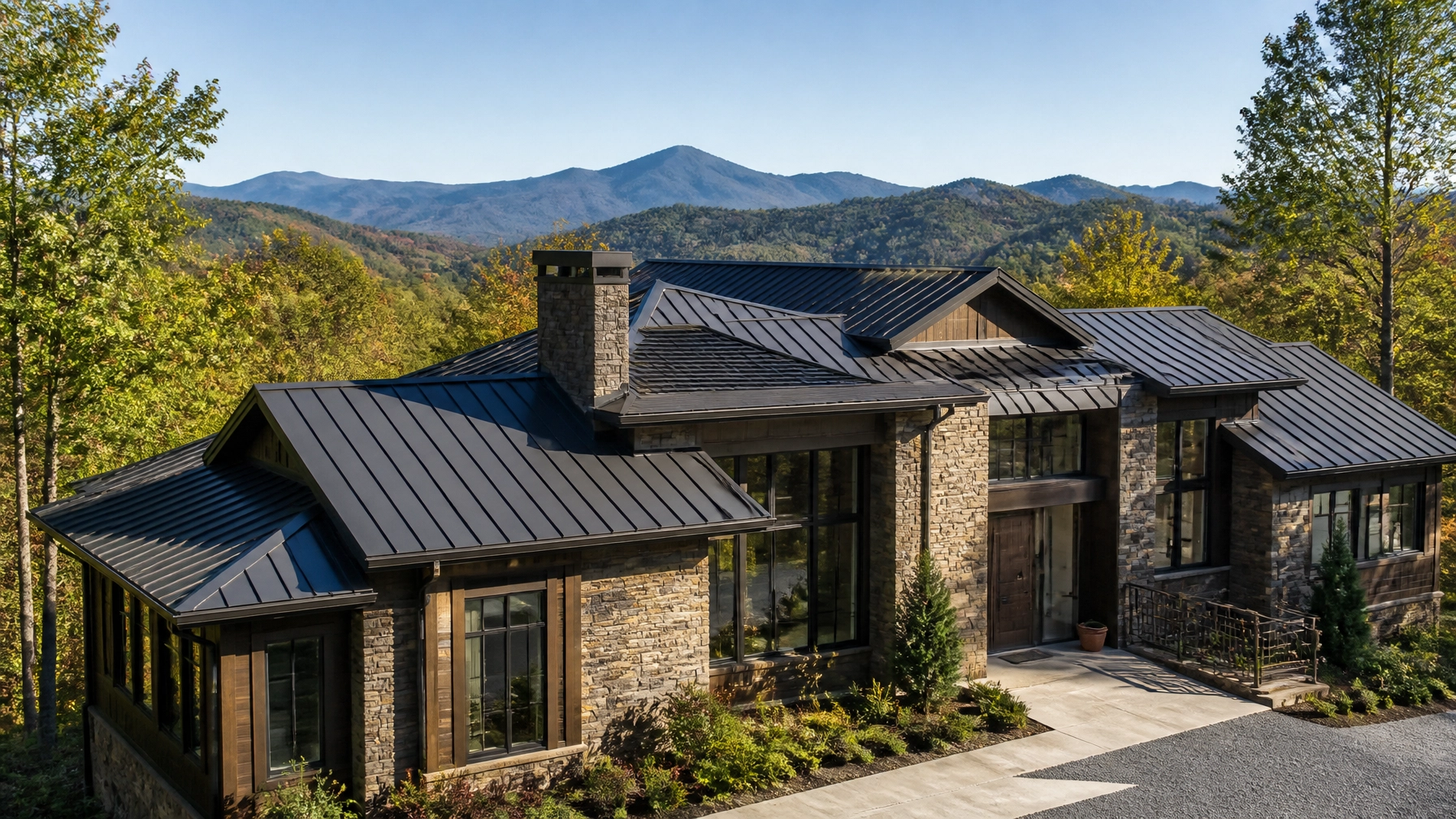
    Modern Richmond home with a sleek metal roof

    Why Use Get My Roof Estimate Now?

    The traditional way of getting a roof estimate is broken. You shouldn't have to wait days for a contractor to show up just to get a ballpark figure.

    Our service provides:

    • Instant Results: Get your estimate in under 60 seconds.
    • No Pressure: No credit card required and no upfront contractor visits.
    • Precision: We use the latest satellite roof measurement Virginia data to ensure our ranges are accurate to your specific home.
    • Vetted Professionals: We connect you with verified, local Richmond contractors who are ready to honor the estimates provided.

    Whether you are in a historic home in The Fan or a modern build in Chesterfield, knowing your numbers is the first step to a successful project.

    Ready to see your 2026 estimate? Click here to get your free instant roof estimate in 60 seconds.


  • Greensboro Contractor Vetting 2026: 5 Questions Triad Homeowners Must Ask Before Replacing Their Roof

    Greensboro Contractor Vetting 2026: 5 Questions Triad Homeowners Must Ask Before Replacing Their Roof

    Replacing a roof in Greensboro is no longer just about picking a color and writing a check. In 2026, the intersection of advanced roofing technology, evolving North Carolina building codes, and unpredictable Piedmont weather patterns requires a more sophisticated approach.

    Whether you are in a classic brick home in 27410 or a growing neighborhood in 27282, your roof is the primary defense against the Triad’s unique climate. From sudden summer hailstorms to the high-wind remnants of Atlantic hurricanes, the stakes for a quality installation are high.

    Before you sign a contract that could range from $8,000 to $25,000, you need to move beyond the "free estimate" trap. Traditional contractor visits are time-consuming and often high-pressure. You can now get an instant roof replacement estimate in under 60 seconds using our satellite-powered technology. However, once you have your data-driven pricing, vetting the professional who will execute the work is the final, critical step.

    Here are the five non-negotiable questions every Greensboro homeowner must ask in 2026.


    1. Are you licensed by the NCLBGC for this specific project value?

    In North Carolina, the North Carolina Licensing Board for General Contractors (NCLBGC) regulates roofing under a "Specialty Contractor – Roofing" classification.

    For 2026, it is vital to understand the licensing thresholds. While a license is generally required for construction projects exceeding $30,000 to $40,000, many Triad roofing projects (especially those involving premium materials or large square footage) will cross this line.

    • Why it matters: Hiring an unlicensed contractor for a high-value project removes your legal recourse if the job is botched.
    • The Follow-up: Ask for their license number and tier (Limited, Intermediate, or Unlimited). A "Limited" license caps the project value, so ensure they aren't overreaching on a large 27407 estate.

    2. How do you address Piedmont-specific weather impacts like hail and wind?

    Greensboro sits in a "weather pocket" where hail and wind storms are more frequent than in the coastal or mountain regions. A standard shingle may not cut it anymore.

    High-detail comparison of impact-resistant shingles and metal roofing materials

    • Impact-Resistant (Class 4) Shingles (Premium): These are engineered to withstand hailstones up to two inches.
    • Metal Roofing (Premium): Increasingly popular in zip codes like 27401, metal offers superior wind resistance and longevity.
    • Architectural Shingles (Popular): The Triad standard, providing a balance of cost and 130-mph wind ratings.

    Ensure your contractor is not just suggesting what they have in stock, but what the Piedmont climate demands. If they don't mention regional wind-uplift requirements, they aren't the right fit.


    3. Does your contract include the mandatory 3-day right to cancel?

    North Carolina has strict consumer protection laws (N.C.G.S. §75-23) regarding residential roofing work tied to insurance claims: common after Triad storm events.

    Under this law, you have a three-day right to cancel your contract after being notified by your insurance company that the claim is covered. Furthermore, it is illegal for a contractor in NC to waive or "absorb" your insurance deductible.

    • Red Flag: If a contractor in 27405 offers to "cover your deductible," they are asking you to participate in insurance fraud. Avoid them immediately.
    • Green Flag: A professional contract that explicitly outlines your rescission rights and requires you to pay your deductible.

    4. Can you provide a workmanship warranty that is separate from the manufacturer’s warranty?

    Most homeowners confuse the Manufacturer’s Warranty (which covers defects in the shingles themselves) with a Workmanship Warranty (which covers the installation).

    Professional roofing contractor using a tablet to show a satellite-based 3D roof model

    • Manufacturer (Material): Typically 25-50 years (e.g., GAF, Owens Corning).
    • Contractor (Labor): Usually 2-10 years.

    In the high-humidity environment of North Carolina, poor ventilation or improper flashing will lead to roof failure long before the shingles wear out. Demand a written workmanship warranty. At Get My Roof Estimate Now, we only connect you with verified local contractors who carry the necessary liability and workers' compensation insurance to back up their work.


    5. How do you guarantee measurement accuracy without a manual climb?

    The era of the "hand-measured" roof estimate is fading. Manual measurements are prone to human error, often leading to 10-15% over-ordering or mid-project price hikes when the contractor "discovers" more square footage.

    We utilize satellite imagery technology to provide measurements accurate to within inches (90-95% accuracy). This allows you to walk into a negotiation with a contractor already knowing your roof’s size, pitch, and complexity.

    Split-screen showing satellite roof measurements and a finished residential roof inspection

    • The Question: Ask the contractor: "Do you use aerial or satellite measurement reports?"
    • The Advantage: If their numbers differ significantly from your satellite-powered estimate, you have the data to ask why. Transparency is the best defense against hidden fees.

    Conclusion: Data Before Decisions

    Replacing your roof is a major investment in your home’s value and safety. In the Greensboro/Triad area, you cannot afford to guess. By asking these five questions, you shift the power dynamic from the contractor to the homeowner.

    Don't wait for a contractor to find time in their schedule to visit your home. Get My Roof Estimate Now provides:

    • Lightning-fast results: Accurate pricing in under 60 seconds.
    • Zero friction: No credit card and no initial house visit required.
    • Regional Accuracy: We factor in the specific labor and material costs for the Greensboro market.

    Ready to see your numbers? Get your instant Greensboro roof estimate here.

  • 2026 Roof Replacement Cost Columbia SC: Pricing Guide for Homeowners

    2026 Roof Replacement Cost Columbia SC: Pricing Guide for Homeowners

    Replacing a roof in Columbia, South Carolina, is a significant investment that requires balancing local building codes, intense climate factors, and current market volatility. As we move through 2026, homeowners in the Midlands are facing unique challenges, from rising material costs due to international tariffs to the high humidity that causes unsightly black streaks on shingles.

    If your roof is between 15 and 20 years old, or if you've recently experienced one of our signature South Carolina thunderstorms, understanding the current 2026 roof replacement cost in Columbia, SC is the first step toward protecting your home’s value.

    This guide provides a transparent breakdown of what you can expect to pay, how local regulations affect your project, and why the "Soda City" climate demands specific roofing materials.

    The Bottom Line: 2026 Roof Replacement Cost Columbia SC

    For a typical single-family home in the Columbia area, a roof replacement cost in 2026 ranges from $9,000 to $18,000.

    Depending on the size of your home and the complexity of your roof (e.g., steep pitches, multiple gables, or skylights), some projects may range from as low as $5,000 for small ranch starters to $25,000+ for large, premium estates. On average, most Columbia homeowners are seeing an all-in cost of approximately $16,300 for standard architectural shingles.

    Pricing Breakdown by Material (Per Square Foot)

    In the roofing industry, we measure by "squares" (a 100-square-foot area). In Columbia, your per-square-foot cost includes tear-off, disposal, materials, and labor:

    • Architectural Shingles (Popular): $4.75 – $7.50 per sq. ft.
    • Metal Roofing (Premium/Durable): $11.50 – $17.00 per sq. ft.
    • Tile or Slate (Luxury): $14.50 – $22.00 per sq. ft.

    To get an immediate, accurate number for your specific address without a contractor visit, you can use our instant roof cost calculator.


    Why Columbia Roofing Costs Are Changing in 2026

    The price of a new roof cost in Columbia, SC isn't just about the shingles. Several external factors are driving 2026 estimates:

    1. 2026 Material Tariffs: New trade policies have impacted the cost of imported raw materials used in asphalt shingles and metal panels, leading to a 5–8% increase in manufacturing costs compared to previous years.
    2. Labor Shortages: The demand for skilled roofing crews in the Midlands remains high, which has increased the hourly rates for certified installers.
    3. Inflationary Pressure: Transportation and fuel costs for delivering heavy roofing materials to Columbia neighborhoods like Forest Acres, Lexington, and Irmo have seen steady increases.

    Close-up of high-quality architectural shingles with algae-resistant granules


    The Columbia Climate Factor: Why Your Material Choice Matters

    Columbia is located in Climate Zone 3A. This means our roofs endure a "hot and humid" environment that is particularly brutal on standard building materials.

    1. Thermal Cycling and UV Exposure

    With Columbia's "famously hot" summers, your roof faces intense UV radiation. This causes asphalt to dry out and become brittle. While shingles in northern states might last 25–30 years, the lifespan of a roof in Columbia, South Carolina, is typically 18–22 years.

    2. Humidity and Algae Resistance (Gloeocapsa Magma)

    Have you noticed black streaks on your neighbor's roof? That isn't dirt; it’s an algae called Gloeocapsa magma that thrives in our humidity.

    • Expert Recommendation: When requesting Columbia SC roofing estimates, ensure your contractor specifies algae-resistant shingles. These contain copper granules that prevent algae growth for 10–25 years.

    3. Attic Ventilation

    Proper attic ventilation is critical in the Midlands. We recommend a 1/150 ventilation ratio (one square foot of vent area for every 150 square feet of attic floor). Without this, your attic will act like an oven, "cooking" your shingles from the inside out and voiding your manufacturer warranty.


    Navigating Columbia SC Building Codes & Permits

    A professional roof replacement in Columbia must follow the 2021 International Residential Code (IRC) with specific South Carolina amendments.

    Permit Requirements

    The City of Columbia and Richland County require a building permit for any full roof replacement.

    • Estimated Permit Cost: ~$250 (usually handled and bundled into the estimate by your contractor).
    • Why it matters: Skipping a permit can lead to massive headaches during a home sale or issues with insurance claims after a storm.

    Wind Speed Standards (115 MPH)

    Columbia is designated as a 115 mph design wind speed zone. To meet code, your roof must be installed to resist these forces:

    • Class H Shingles: While Class D is the minimum, Class H (rated for 150 mph) has become the 2026 standard for local homeowners seeking peace of mind.
    • The 6-Nail Rule: Standard installations use 4 nails per shingle. However, for high-wind specs in SC, 6 nails per shingle are required to ensure the roof stays anchored during severe thunderstorms or hurricane-fringe winds.

    Ranch home in South Carolina with a modern metal roof


    Material Comparison: Which is Right for You?

    Architectural Asphalt Shingles (The Budget-Friendly Standard)

    Architectural shingles are the most common choice in Columbia. They offer a great balance of cost and durability.

    • Pros: Affordable, wide range of colors, easy to repair.
    • Cons: Shorter lifespan in the SC heat (18–22 years).

    Metal Roofing (The Long-Term Investment)

    Metal is gaining massive popularity in 2026 due to its longevity and energy efficiency.

    • Pros: Can last 50+ years, reflects heat (lowering AC bills), and handles high winds exceptionally well.
    • Cons: Higher upfront cost (2x to 3x more than shingles).

    Synthetic & Tile (The Luxury Choice)

    For high-end homes in areas like Lake Murray or Shandon, synthetic slate or tile offers unparalleled curb appeal.

    • Pros: Extreme durability, fire-resistant, and aesthetically striking.
    • Cons: Requires a reinforced roof deck due to weight; highest price point.

    How to Get Accurate Columbia SC Roofing Estimates Without the Hassle

    Historically, getting a roof estimate involved taking time off work, waiting for a contractor to climb on your roof, and then sitting through a high-pressure sales pitch.

    At Get My Roof Estimate Now, we’ve eliminated that friction. Using advanced satellite imagery, we can measure your roof’s size, pitch, and complexity with 90-95% accuracy.

    Our 60-Second Process:

    1. Enter Your Address: We pull high-resolution satellite data of your home.
    2. Instant Measurement: Our AI calculates the exact "squares" needed.
    3. Transparent Pricing: You receive a "Low-Middle-High" price range based on current 2026 material costs in Columbia.
    4. Verified Connections: If you like the numbers, we connect you with licensed and insured local Columbia contractors.

    Satellite measurement technology interface for roof estimation


    Expert Tips for Columbia Homeowners in 2026

    • Timing is Everything: The best time to replace a roof in South Carolina is during the Spring or Fall. Avoid mid-summer if possible, as the extreme heat can make shingles too soft to walk on, potentially leading to installation scuffs.
    • Verify Insurance: Always confirm your contractor has both General Liability and Workers' Comp insurance. A cheap estimate often means they are cutting corners on coverage.
    • Check the Drip Edge: Ensure your estimate includes a new drip edge. This metal flashing prevents water from seeping under the shingles at the edges and rotting your fascia boards: a common issue in humid Columbia.

    Ready to Budget for Your New Roof?

    Don't guess at the cost of your home's most important protection. Whether you are in downtown Columbia, West Columbia, or Northeast, you can get a data-backed price in under a minute.

    Get My Roof Estimate Now – Instant & Free


  • Insurance Masterclass: How Little Rock Homeowners Can Get Their Roof Replacement Covered in 2026

    Insurance Masterclass: How Little Rock Homeowners Can Get Their Roof Replacement Covered in 2026

    If you live in Central Arkansas, the sound of hail on your roof isn't just noise: it’s the sound of a looming $15,000 expense. Following the severe hail and wind storms that swept through Little Rock on July 6–7, 2026, and the earlier systems in May, thousands of homeowners are currently navigating the complex world of insurance claims.

    Little Rock sits firmly in "Tornado Alley," and in 2026, the insurance landscape has changed. Between new state statutes and shifting policy language, getting your roof replacement covered requires more than just a phone call to your agent. This masterclass breaks down the specific Arkansas laws, local pricing benchmarks, and the step-by-step strategy to ensure your insurer pays what they owe.


    1. The 2026 Arkansas Insurance Landscape: Act 1201 and the "First 7 Years" Rule

    Arkansas law provides specific protections for homeowners, but it also gives insurers significant leeway that you must understand before filing.

    The Deadlines (Act 1201)

    Under Arkansas Act 1201, insurers are held to strict timelines to prevent "stalling" tactics.

    • 15 Days: The insurer must acknowledge your claim and provide necessary forms within 15 working days of notification.
    • 30 Days: Once you submit a "proof of loss," the insurer has 30 days to decide whether to accept or deny the claim.

    The "First 7 Years" Precedent

    As of 2026, Arkansas regulators have established a critical threshold for roof claims. If your roof is less than 7 years old, the state strongly supports Full Replacement Cost Value (RCV) settlements. If your roof is older than 7 years, many Arkansas policies now transition to an Actual Cash Value (ACV) or a "Roof Payment Schedule," which deducts for age and wear-and-tear.


    2. The "Matching" Problem: Why Arkansas is Different from Tennessee

    One of the biggest hurdles for Little Rock homeowners is the lack of a "matching law." Unlike Tennessee, where insurers are often legally required to replace an entire roof if a patch doesn't match, Arkansas has no such statute.

    If the July storms only damaged the north slope of your roof, your insurer may only offer to pay for that specific slope. If the shingles on the rest of your roof are faded or discontinued, you could end up with a "checkerboard" roof.

    Expert Tip: To fight this, look for "Like Kind and Quality" language in your policy. If a partial repair creates a significant aesthetic mismatch that lowers your home's value, you may have grounds to argue for a full replacement based on the "uniform appearance" clause.

    Macro shot of severe hail damage on asphalt shingles from the July 2026 Little Rock storms.


    3. Little Rock Roof Replacement Cost 2026: Pricing Benchmarks

    Before you speak to an adjuster, you need to know the market rate. Insurers use software like Xactimate, but their "unit prices" often lag behind the real-world costs of a Little Rock AR roofing contractor.

    Material Type Cost per Sq. Ft. (Installed) Typical Total (2,000 Sq. Ft. Roof) Context
    3-Tab Asphalt $3.40 – $4.50 $6,800 – $9,000 (Budget)
    Architectural Shingles $4.50 – $6.00 $9,000 – $12,000 (Popular)
    Standard Metal (Ribbed) $8.00 – $11.00 $16,000 – $22,000 (Mid-Range)
    Standing Seam Metal $12.00 – $21.00 $24,000 – $42,000 (Premium)

    Note: Costs factor in regional labor rates for Central Arkansas and 2026 material surcharges.


    4. The 2026 "Fortified Roof" Upgrade (Ark. Code § 23-88-608)

    New for January 1, 2026, Arkansas law now requires insurers to offer an optional FORTIFIED upgrade endorsement. If you opted into this rider before the July storms, your insurer must pay the additional cost to upgrade your roof to "Fortified" standards (enhanced wind and hail resistance) once a full replacement is triggered.

    While there is no direct state grant like Louisiana's "Fortify Homes" program, homeowners who upgrade to these standards in 2026 often qualify for 15-25% discounts on their annual homeowners' insurance premiums.


    5. Step-by-Step: How to Get Your Claim Approved in 60 Seconds

    The traditional way to get an estimate involves waiting days for three different contractors to visit your home. In 2026, that is unnecessary.

    1. Instant Measurement: Use satellite roof measurement Little Rock AR technology to get a precise report of your roof's square footage, pitch, and complexity in under 60 seconds.
    2. The Documentation Phase: Take photos of any visible leaks inside and granule loss in your gutters.
    3. The Adjuster Meeting: Never meet an insurance adjuster alone. Have your satellite report ready to prove the actual "squares" (100 sq. ft. units) required for the job.
    4. RCV vs. ACV Check: If your check seems low, verify if the insurer withheld "Recoverable Depreciation." You usually get this second check only after the work is completed and invoiced.

    A person holding a tablet showing a 3D satellite roof measurement report.


    6. ROI and Resale Value in Central Arkansas

    Homeowners often ask about the new roof ROI Little Rock AR sees in the current market. Because of the high frequency of storms in Pulaski County, a new roof is considered one of the highest-value upgrades you can make.

    • Asphalt Shingles: Typically see a 60-70% ROI at resale.
    • Metal Roofing: While the upfront cost is higher, the Little Rock AR roof replacement cost 2026 for metal is offset by its 50+ year lifespan and superior wind resistance. In 2026, homes with metal roofs are selling up to 5% faster in the Little Rock market due to buyer fear of future storm damage.

    7. Choosing the Right Little Rock AR Roofing Contractor

    Not all contractors are created equal. In the wake of the July 2026 storms, "storm chasers" from out of state have flooded the West Little Rock and North Little Rock areas.

    Red Flags to Avoid:

    • The "Free Roof" Pitch: Any contractor offering to "cover your deductible" is asking you to participate in insurance fraud (which is a felony in Arkansas).
    • No Physical Office: Ensure they have a local presence in Central Arkansas.
    • Pressure to Sign: Never sign a "contingency agreement" just to have them look at your roof.

    Professional roofing crew installing a high-end standing seam metal roof in a Little Rock suburb.

    Final Verdict: Don't Wait for the Next Storm

    The July 2026 storms were a wake-up call. Whether you are dealing with active leaks or just want to know your home's value, data is your best leverage against an insurance company.

    Get your instant, free roof replacement cost estimate using our satellite-powered technology today. Know your numbers in 60 seconds and take control of your home's protection.


  • Architectural Shingles vs. Standing Seam Metal Roofing: The 2026 Asheville NC Mountain Weather Material Showdown

    Architectural Shingles vs. Standing Seam Metal Roofing: The 2026 Asheville NC Mountain Weather Material Showdown

    For Asheville homeowners, selecting a roofing material isn't just about curb appeal: it’s a high-stakes decision against the elements. In the Blue Ridge Mountains, your roof faces a grueling cycle of heavy snow loads, rapid freeze-thaw transitions, and intense UV exposure at higher elevations.

    As of July 2026, the "Material Showdown" has two clear frontrunners: Architectural Shingles (Budget/Popular) and Standing Seam Metal (Premium/Performance). While both options offer modern protection, their long-term value and performance in mountain microclimates vary significantly.

    At Get My Roof Estimate Now, we use precision satellite imagery to provide instant roof estimates in under 60 seconds. Our data shows that for a typical 2,000-square-foot Asheville home, the choice between these two materials can represent a $15,000 to $20,000 difference in upfront investment.

    Here is how these materials stack up in the 2026 Asheville market.


    1. Architectural Shingles: The Budget-Friendly Standard

    Architectural shingles (also known as dimensional or laminate shingles) remain the most popular choice in Western North Carolina. Unlike the flat "3-tab" shingles of the past, architectural shingles are composed of multiple layers of asphalt and fiberglass, creating a contoured, wood-shake appearance.

    Why Asheville Homeowners Choose Them:

    • Initial Affordability: They offer the lowest entry price for a high-quality aesthetic.
    • Wind Resistance: Most 2026 architectural shingles are rated for winds up to 130 mph, which is critical for homes on exposed ridges.
    • Easy Repairs: If a limb falls during a winter storm, individual shingles can be replaced quickly and cheaply.

    The Mountain Weather Reality:

    In Asheville’s climate, architectural shingles have a realistic lifespan of 18 to 25 years. While they handle rain well, the granular surface can be prone to "scouring" during heavy ice storms, and the organic components in the asphalt eventually dry out under the intense mountain sun.

    Close-up of high-quality architectural shingles with thick dimensional texture


    2. Standing Seam Metal: The Permanent Mountain Solution

    Standing seam metal is widely considered the "gold standard" for mountain architecture. Unlike "exposed fastener" metal roofs (which use visible screws that can leak over time), standing seam systems feature interlocking panels with concealed fasteners.

    Why Asheville Homeowners Choose Them:

    • Snow Shedding: Metal roofs heat up quickly in the sun, allowing snow and ice to slide off safely rather than lingering and forming ice dams.
    • UV Resistance: High-end Kynar 500 finishes reflect solar radiation, keeping attics cooler and preventing the material from degrading at high altitudes.
    • Longevity: A properly installed standing seam roof in 2026 is a 50-to-70-year investment.

    The Investment Factor:

    The primary hurdle is the upfront cost. In the Asheville market, standing seam metal often costs 2x to 2.5x more than architectural shingles. However, for those planning to stay in their home for several decades, it is often the last roof they will ever buy.

    Standing seam metal roof installation showing clean vertical ribs and concealed fasteners


    3. The 2026 Cost Comparison: Asheville vs. Regional Benchmarks

    To understand the value of your investment, it helps to look at regional data. While Asheville's terrain often adds a labor premium due to steep pitches, the pricing trends follow the broader Carolinas market.

    For instance, when looking at a Columbia SC roof replacement cost 2026, homeowners in the Midlands typically see slightly lower labor rates, but material costs remain consistent. A standing seam metal roof Columbia SC installation averages between $7 and $12 per square foot for standard configurations. In Asheville, those same materials often sit at the higher end of that range ($10 to $16 per square foot) due to the logistical challenges of mountain deliveries and the specialized equipment needed for steep-slope safety.

    2026 Pricing Benchmarks (2,000 sq. ft. Roof)

    Feature Architectural Shingles (Budget) Standing Seam Metal (Premium)
    Est. Cost (Asheville) $9,000 – $16,000 $20,000 – $32,000+
    Est. Cost per Sq. Ft. $5 – $8 $10 – $16
    Lifespan 20 – 30 Years 50 – 70 Years
    Maintenance Moderate (Granule loss/Algae) Low (Periodic inspection)

    If you are a homeowner asking, "does a new roof increase home value Columbia SC" or Asheville, NC, the answer is a definitive yes. In 2026, a new roof is one of the highest-ROI home improvements you can make.


    4. ROI and Home Value: A Carolinas Perspective

    The Return on Investment (ROI) for a new roof remains strong across both North and South Carolina. Data from 2026 indicates that new roof ROI Columbia SC and Asheville markets currently sits between 65% and 75% for immediate resale value.

    However, the "Value Add" differs by material:

    • Architectural Shingles: These provide the best immediate ROI because they are the standard expectation for buyers. They make a home "move-in ready."
    • Standing Seam Metal: While the initial cost is higher, metal roofs command a premium in the mountain market. Buyers in Asheville value the "one-and-done" nature of metal, often allowing sellers to recoup a larger portion of the investment through a higher asking price.

    When searching for a Columbia SC roofing contractor or an Asheville specialist, always ask for a "Cost vs. Value" breakdown tailored to your specific zip code. Because we calculate costs based on satellite data, we can provide a hyper-local pricing range that accounts for your roof's exact complexity and size.

    Comparison visual showing architectural shingles vs standing seam metal on different home styles


    5. Which Material Wins the Asheville Showdown?

    The "winner" depends entirely on your financial horizon and your home’s specific exposure.

    • Choose Architectural Shingles if: You plan to sell your home within the next 10 years, you are working with a strict budget, or your roof has a very simple geometry where shingles can perform efficiently.
    • Choose Standing Seam Metal if: You live on an exposed ridge with high wind speeds, you deal with significant ice damming in the winter, or you want to maximize your home’s long-term sustainability and energy efficiency.

    Get Your Accurate Estimate in 60 Seconds

    Don't guess at your Columbia SC roof cost per square foot or your Asheville project budget. Use our advanced satellite technology to get a transparent, no-obligation estimate today. We factor in the local labor rates, material availability, and the specific pitch of your roof to give you the most accurate pricing in the industry.

    Click here to get your instant Asheville or Columbia roof estimate now.


  • Daily ROI Blitz #56: How a New Roof Boosts Home Value in Louisville, KY (2026 Data)

    Daily ROI Blitz #56: How a New Roof Boosts Home Value in Louisville, KY (2026 Data)

    For Louisville homeowners, 2026 has introduced a unique real estate landscape. While property values in the Bluegrass State continue to climb, the market has shifted. Buyers are more selective, inventory is rising, and the condition of a home’s exterior, specifically the roof, is now a primary negotiating lever.

    If your roof is approaching the 20-year mark or showing signs of wear from recent Kentucky storms, you’re likely asking: Is the investment worth it right now?

    The data says yes. In Louisville, a new roof is no longer just a maintenance task; it is a strategic financial move that protects your equity and accelerates your sale. This guide breaks down the 2026 roof replacement cost Louisville data and the specific Return on Investment (ROI) you can expect in today’s market.

    What Louisville Homeowners Are Paying in 2026

    Roofing costs have stabilized in 2026 following the volatility of previous years, but local factors in Jefferson County, such as labor availability and regional material transport, still dictate the final invoice.

    For a standard 2,000-square-foot home in Louisville, the typical investment for a full replacement currently ranges between $9,500 and $15,600. Across all home sizes and styles, the broader average Louisville roofing costs fall between $9,000 and $18,000.

    Material Breakdown (Budget to Premium)

    • Architectural Shingles (Popular): $9,500 – $14,000. These are the standard for Louisville suburbs like St. Matthews or Highlands, offering a 3D look and superior wind resistance.
    • Metal Roofing (Premium/Durable): $16,000 – $28,000. Gaining traction in 2026 for its 50-year lifespan and energy efficiency during humid Kentucky summers.
    • Class 4 Impact-Rated Shingles (Smart Investment): Often adds 10-15% to the cost but can significantly lower your annual homeowners' insurance premiums.

    A detailed, close-up photograph of high-quality architectural asphalt shingles in a

    The ROI Reality: What You Get Back at Sale

    In the current market, a new roof is one of the few home improvements that offers a direct, tangible return. In Louisville, the new roof ROI Louisville benchmark for 2026 sits between 60% and 70%.

    • Perceived Value Increase: A new roof adds approximately $8,000 to $18,000 in perceived value to a home during an appraisal or buyer walkthrough.
    • Speed of Sale: In a competitive market, homes with documented new roofs sell 15% to 20% faster than those with aging systems.
    • Negotiation Power: An old roof is often the first item a buyer uses to request a $15,000+ price reduction or a massive repair credit at closing. Replacing it upfront eliminates this hurdle.

    Louisville's 2026 Market: Why Curb Appeal Matters Now More Than Ever

    As of mid-2026, the Louisville median home price has reached approximately $284,000, representing a 5.4% year-over-year increase. While prices are up, so is the competition.

    Inventory in the Louisville metro area has surged by 50% compared to the spring of 2025. With more homes on the market, the "median days on market" has settled between 30 and 40 days.

    What does this mean for you? In 2024 or 2025, you might have sold a home with a 20-year-old roof because there were no other options. In 2026, buyers have choices. If your neighbor’s home has a fresh, architectural shingle roof and yours doesn't, their home will likely be the one under contract by day 10, while yours sits toward day 40.

    A professional real estate photo of a charming, renovated bungalow in Louisville with a new roof and a

    Material Matters: Picking the Right Roof for Louisville’s Weather

    Louisville weather is notoriously varied, from heavy spring rains and hail to sweltering July humidity. Your material choice should reflect these demands:

    1. Architectural Shingles: These remain the most cost-effective way to achieve high ROI. They handle the "freeze-thaw" cycles of Kentucky winters better than older 3-tab shingles.
    2. Metal Roofing: If you plan on staying in your home for 10+ years before selling, metal is the "gold standard." It reflects solar heat, lowering cooling costs in the summer, and is virtually impervious to the hail that often hits the Ohio Valley.
    3. Reflective Coatings: For flat-roofed additions or commercial-style residential properties, modern silicone coatings can extend roof life by 10-15 years at a fraction of replacement costs.

    How to Get Your Instant Louisville Roof Estimate

    Gone are the days of waiting two weeks for three different contractors to show up at your house just to get a ballpark figure.

    At Get My Roof Estimate Now, we use advanced satellite imagery to measure your roof's pitch, size, and complexity with 90-95% accuracy, remotely.

    • Speed: Get your estimate in under 60 seconds.
    • Transparency: See a low-middle-high price range based on current Louisville KY roof replacement cost 2026 data.
    • Convenience: No credit card, no home visit, and no pressure.

    If you’re planning a sale or just budgeting for the future, start with the data. Get your instant Louisville roof estimate here.

    A sleek, modern ranch-style home in a Louisville suburb featuring a high-end matte black metal roof.

    FAQ: Louisville Roofing in 2026

    What is the average 2026 roof replacement cost in Louisville?

    For most single-family homes (approx. 2,000 sq ft), expect to pay between $9,500 and $15,600. Factors like roof steepness and the number of layers to be removed will influence the final price.

    Does a new roof really help sell a house faster in Kentucky?

    Yes. Current 2026 data shows that Louisville homes with roofs less than 3 years old move 15-20% faster than the market average, as buyers are increasingly wary of taking on major "day one" expenses.

    Should I choose a local Louisville roofing contractor or a national company?

    We recommend verified, licensed, and insured Louisville roofing contractors who understand local building codes and the specific climate challenges of the region. Our platform connects you with these local pros after providing your estimate.

    Can a new roof lower my insurance in Louisville?

    Typically, yes. If you install Class 4 impact-resistant shingles or a metal roof, many Kentucky insurers offer discounts on your premiums because these materials are less likely to sustain damage during wind and hail storms.

  • How Satellite Technology Is Giving Richmond, VA a High-Tech Edge

    How Satellite Technology Is Giving Richmond, VA a High-Tech Edge

    Richmond, Virginia, has long been known for its deep history and classic Southern architecture. But as we move through 2026, the River City is rapidly reinventing itself as a hub for cutting-edge satellite technology. From the way homeowners maintain their properties to the state’s multi-billion dollar space initiatives, orbital data is no longer just for scientists: it’s a part of daily life in Central Virginia.

    The Roofing Revolution: Instant Satellite Estimates

    For Richmond homeowners, the most immediate impact of this "space race" is happening right on their own roofs. Traditionally, getting a roof replacement quote meant calling multiple contractors, waiting days for a site visit, and dealing with high-pressure sales pitches.

    Today, companies like Get My Roof Estimate Now are leveraging high-resolution satellite imagery to provide instant roof estimates in under 60 seconds. By using advanced satellite roof measurement Virginia homeowners can bypass the traditional hassle.

    • Accuracy (90-95%): Satellite technology allows for measurements precise to within inches, calculating square footage, pitch, and complexity without a human ever stepping on a ladder.
    • Transparency (No Hidden Fees): Homeowners receive low-middle-high price ranges for different materials, including popular architectural shingles (Popular) and premium metal roofing (Premium).
    • Speed (60 Seconds): The process is entirely digital, making the search for a Richmond VA roofing contractor faster and more efficient than ever before.

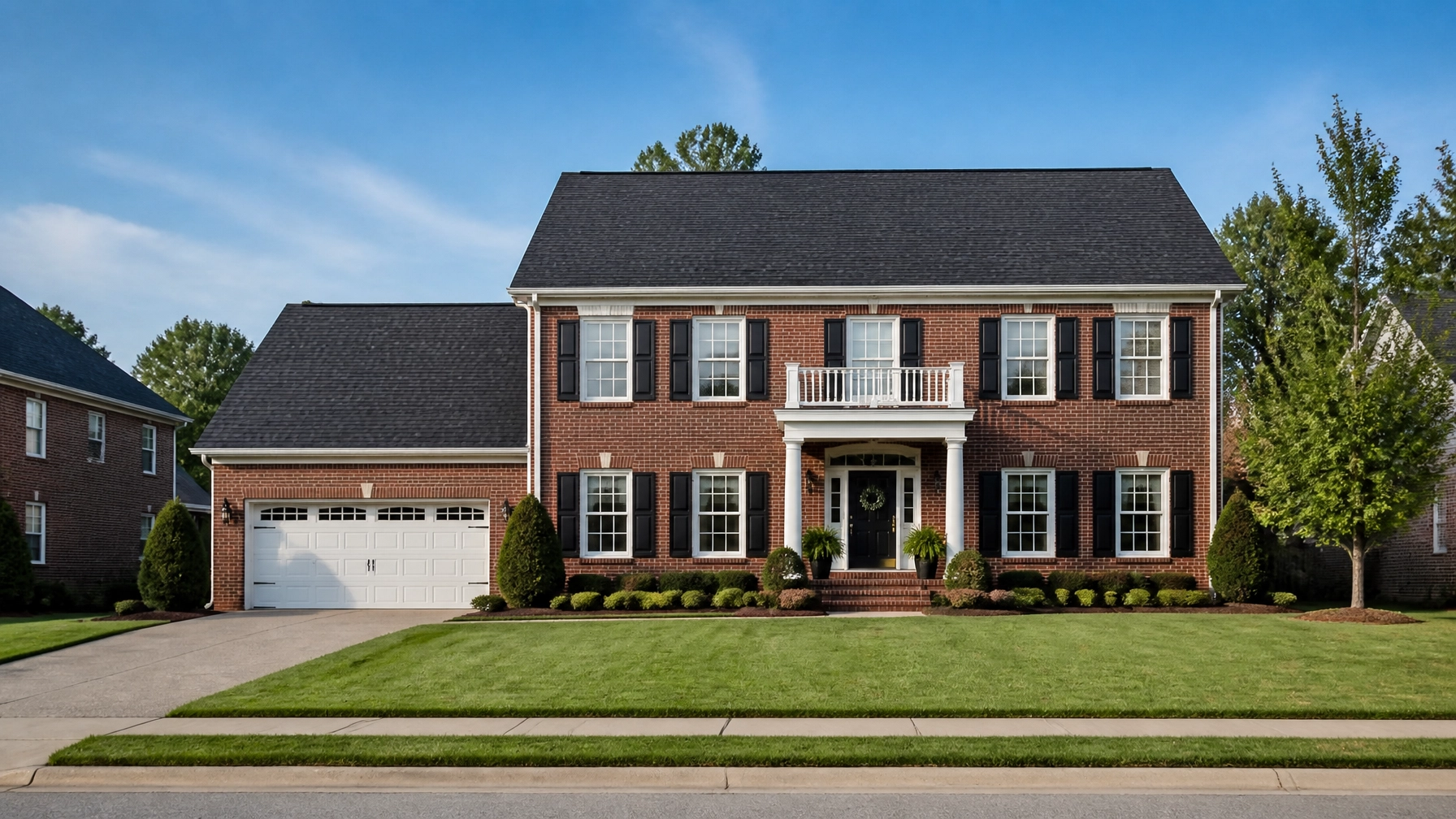
    Modern Richmond home with architectural shingles

    Virginia's Growing Space Economy 2026

    The impact goes far beyond residential roofing. Virginia is positioning itself as a global leader in the Virginia space economy 2026. Through initiatives like spaceNEXT and the Potomac Center for the New Space Economy, the Commonwealth is attracting billions in investment.

    Local innovators are leading the charge. Scout Space, based in Northern Virginia but expanding its reach across the state, is developing autonomous "space awareness" satellites. Meanwhile, NOVI Space is preparing to launch its GENIE™ constellation in early 2026. This smart-satellite network uses on-board AI to process geospatial data in orbit, delivering real-time intelligence that helps industries ranging from logistics to agriculture.

    Satellite measurement technology interface over a residential neighborhood

    Closing the Digital Divide: Connectivity for Central Virginia

    Beyond imagery and data, satellite technology is solving one of Virginia’s oldest problems: rural connectivity. Under the BEAD (Broadband Equity, Access, and Deployment) program, Virginia is using a mix of technologies to ensure 100% connectivity.

    For the hard-to-reach rural areas surrounding Richmond: pockets where fiber-optic cables are difficult to lay: satellite broadband providers like Starlink and Amazon Kuiper are stepping in. By 2026, thousands of previously unserved homes in Central Virginia will have high-speed access, enabling remote work and digital education for every resident, regardless of their zip code.

    Local Talent: Alexander Kaplan and Reusable Tech

    The human element of Richmond’s tech edge is equally impressive. Richmond native Alexander Kaplan is a prime example of local talent making a global impact. Currently a senior mechanical engineer at Lux Aeterna, Kaplan is helping develop the world’s first fully reusable satellite platform.

    Their first spacecraft, Delphi, is designed to survive atmospheric reentry and be refurbished for repeat missions. This shift from "disposable" to "reusable" satellites is expected to slash the cost of orbital data, eventually making services like satellite roof estimates even more precise and affordable for consumers back home in Richmond.

    Modern Virginia home with a sleek metal roof

    Conclusion: Future-Proofing the River City

    Richmond’s embrace of satellite technology is more than just a trend; it’s a fundamental shift in how the city operates. Whether it's a homeowner using satellite roof measurements to plan a renovation or the state government building a trillion-dollar space corridor, the future of the River City is looking up.

    For homeowners in Richmond, Midlothian, and Henrico, the message is clear: the technology to simplify your life is already in orbit. You can start by getting an instant roof estimate today and see exactly how 2026 technology is changing the game.

  • Daily Tech Blitz – Slot 4: Greenville’s Satellite Tech Edge Is Launching the Upstate Into the Space Economy

    Daily Tech Blitz – Slot 4: Greenville’s Satellite Tech Edge Is Launching the Upstate Into the Space Economy

    For decades, Greenville, South Carolina, was known as the "Textile Capital of the World." Today, the looms have been replaced by laboratories, and the manufacturing floor has moved to the final frontier. The Upstate is no longer just a hub for BMW and Michelin; it is rapidly becoming a cornerstone of the American space economy.

    As of July 2026, Greenville has officially secured its "Satellite Tech Edge," leveraging aerospace legacy and modern artificial intelligence to become a premier destination for space-tech startups. This shift isn't just about rockets and astronauts; it is about how satellite technology is being integrated into the everyday lives of South Carolina homeowners: from predicting weather patterns to providing instant, hyper-accurate [Satellite-Powered] roof estimates.

    The Forum That Defined the Future: "Venturing Beyond Earth"

    In April 2026, the local tech community gathered at ROAM Greenville ONE for the landmark forum, "Venturing Beyond Earth: The Future of Space and Entrepreneurship." This wasn't your typical networking event. It served as a declaration that Greenville is ready to lead the $1.8 trillion global space economy.

    The keynote speaker, Antonio Peronace, Executive Director of Space for Humanity, laid out a vision where space technology is democratized. He emphasized that the advancements happening right here in the Upstate are critical for the next decade of orbital infrastructure. The forum highlighted a key truth: you don’t need a launchpad in your backyard to be a leader in space. You need the brains, the data, and the engineering [Advanced Manufacturing] capabilities: all of which Greenville has in abundance.

    Local Innovators: Propelling the Upstate into Orbit

    Greenville’s satellite edge is driven by specific, high-stakes technology companies that have chosen the Upstate as their base of operations.

    IVO Ltd.: The End of Rocket Fuel?

    Headquartered right here in Greenville, IVO Ltd. is currently making waves across the global aerospace industry. They have developed the Quantum Drive, a pure electric propulsion system for satellites. Unlike traditional thrusters that require heavy, expensive chemical propellants, the Quantum Drive generates thrust using only electricity.

    Based on the theory of quantized inertia, this technology allows satellites to stay in orbit longer and maneuver more efficiently without the burden of fuel. For the industry, this means lower costs and longer mission lifespans. For Greenville, it means being the home of a revolutionary [Propulsion] technology that could redefine satellite deployment forever.

    Blue Eye Soft: Predicting the Unpredictable

    In nearby Greer, Blue Eye Soft is tackling one of the greatest threats to our digital world: space weather. Using sophisticated AI models, they predict solar flares and geomagnetic storms that can fry satellite electronics and disrupt GPS or power grids. Their technology provides satellite operators with the "early warning" needed to protect multi-billion dollar assets. By integrating AI with space data, Blue Eye Soft is ensuring that the satellite-enabled services we rely on: including the very tools we use to measure your home's roof: remain online and accurate.

    High-resolution satellite view of an Upstate South Carolina neighborhood with digital measurement overlays

    Building the Infrastructure: SCRA and the Talent Pipeline

    The surge in Greenville's tech sector is no accident. It is the result of a coordinated effort to build a "Space Ecosystem" in South Carolina.

    1. SCRA’s New Satellite Hub: The South Carolina Research Authority (SCRA) recently opened a specialized office in Greenville’s ONE Center. This facility is dedicated to supporting space-tech startups, providing the funding and lab space necessary to take a concept from the drawing board to the stars.
    2. The SC CubeSat Launch Program: Education is the foundation of this economy. The SC CubeSat program is currently engaging students in building and launching miniature satellites. This creates a direct talent pipeline [Workforce Development] from local universities into companies like IVO Ltd and Blue Eye Soft.
    3. The Lockheed Martin Legacy: With the F-16 production line firmly established at the South Carolina Technology & Aviation Center (SCTAC), the region already possesses the high-level aerospace certification and engineering culture required for space-grade hardware.

    How the Space Economy Hits Your Roof

    While satellite propulsion and space weather might sound like "future problems," the technology is already providing immediate, tangible benefits to Greenville homeowners. At Get My Roof Estimate Now, we utilize the same satellite imagery technology developed for these high-stakes missions to transform the roofing industry.

    Historically, getting a roof estimate meant waiting days for a contractor to show up with a ladder, climb on your house, and take manual measurements. It was slow, prone to human error, and often high-pressure.

    The Satellite Advantage [Precision]

    By leveraging high-resolution satellite imagery: maintained by the very infrastructure Blue Eye Soft protects: we can measure your roof’s size, pitch, and complexity with 90-95% accuracy in under 60 seconds.

    • Speed: No more scheduling appointments. We use satellite data to give you a quote while you’re still on our website.
    • Transparency: You see exactly what we see. Our measurements are calculated in "squares" (100 sq. ft. units), ensuring you only pay for the material your home actually needs.
    • Accuracy: Our technology factors in the unique architectural styles of the Upstate, from classic Colonials to modern ranch homes.

    A modern ranch-style home in Greenville featuring a new matte black metal roof

    Breaking Down the Costs: Greenville Roofing Benchmarks (2026)

    Understanding the value of your home is easier when you have the data. Here is how current material costs are trending in the Upstate market, factored by our satellite measuring tools:

    Material Type Price Range (Installed) Durability [Lifespan] Best For
    Architectural Shingles $4.50 – $6.50 / sq. ft. 25-30 Years [Budget-Friendly] Popular local choice for curb appeal.
    Metal Roofing $9.00 – $14.00 / sq. ft. 50+ Years [Premium] Modern aesthetics and extreme storm resistance.
    Synthetic/Composite $11.00 – $16.00 / sq. ft. 50 Years [Luxury] Mimics slate or cedar shake without the weight.

    Note: Prices vary based on roof pitch and the number of stories. A standard 2,000 sq. ft. roof in Greenville typically ranges from $9,000 to $13,000 for high-quality shingles.

    Conclusion: The Sky is the Limit for the Upstate

    Greenville’s Satellite Tech Edge is more than just a headline; it’s a fundamental shift in our local economy. From the propellantless drives of IVO Ltd. to the AI-driven weather predictions of Blue Eye Soft, the technology being developed in our backyard is making the world: and our homes: more efficient.

    As the space economy continues to expand, Greenville homeowners will remain at the forefront of this innovation. Whether it’s through the precision of satellite roof measurements or the resilience of new space-age materials, the future of home maintenance is being written in the stars.

    Ready to see what satellite technology can do for your home?

    Don't wait for a contractor to find a ladder. Use the same satellite tech powering the Greenville space economy to get a [Fast & Free] estimate in less than a minute.

    Get Your Instant Roof Estimate Now

    Close-up of premium architectural shingles showing high-quality installation and texture