Author: James Turner

  • St. Louis Contractor Vetting 2026: 5 Questions to Ask Before Replacing Your Roof in the Gateway City

    St. Louis Contractor Vetting 2026: 5 Questions to Ask Before Replacing Your Roof in the Gateway City

    Navigating the roofing market in St. Louis during 2026 requires more than just a few phone calls. With Missouri’s unique regulatory environment and the city's volatile weather patterns: ranging from high-humidity summers to sudden spring hailstorms: homeowners must be precise in their contractor selection. Whether you own a historic brick home in Soulard or a modern ranch in Chesterfield, the goal remains the same: an accurate estimate and a roof that lasts thirty years.

    In the Gateway City, the "standard" roof doesn't exist. The complexity of local architecture, combined with 2026 material costs, means a one-size-fits-all quote is likely a red flag. To protect your investment, you need to ask the right questions before any shingles are delivered to your driveway.

    Here are the five critical questions to ask every St. Louis roofing contractor in 2026.

    1. What is the total 2026 price range for my 2,000 sq. ft. roof?

    Transparency starts with the numbers. In 2026, St. Louis has seen a stabilization in material costs, but labor remains a premium. For a standard 2,000 sq. ft. residential roof (approximately 20–22 "squares" in industry terms), you should expect the following cost ranges based on current market data.

    2026 St. Louis Roof Material Comparison Table

    Material Type Estimated Cost per Sq. Ft. 2,000 Sq. Ft. Project Range Expected Lifespan
    Architectural Shingles (Popular) $7.00 – $10.50 $14,000 – $21,000 25 – 30 Years
    Standing Seam Metal (Premium) $15.00 – $28.00 $30,000 – $56,000 50 – 70 Years
    Metal Shingles/Panels (Mid-Range) $8.75 – $14.00 $17,500 – $28,000 40 – 50 Years
    Synthetic Slate/Cedar (Luxury) $18.00 – $32.00 $36,000 – $64,000+ 50+ Years

    The Red Flag: If a contractor provides a quote significantly below $12,000 for a full architectural shingle tear-off on a 2,000 sq. ft. home, ask where they are cutting costs. Usually, this involves using non-certified crews or skipping high-quality underlayment essential for St. Louis humidity.

    Detailed view of architectural asphalt shingles being installed with professional precision

    2. Who is responsible for pulling the St. Louis City or County permits?

    In Missouri, building permit rules are handled at the municipal level, and they are strictly enforced in St. Louis.

    • St. Louis City: A permit is mandatory if you are changing roofing materials (e.g., architectural shingles vs metal roofing) or if you are replacing more than 25% of the roof's sheathing.
    • St. Louis County & Suburbs: Municipalities like Florissant, St. Peters, or Kirkwood have their own fee structures, typically ranging from $150 to $500.

    The Contractor's Role: A reputable contractor will always pull the permit on your behalf and include the cost in the initial estimate. If a contractor asks you to pull the permit as the "owner-builder," it is often a tactic to avoid being held accountable for code violations or to hide a lack of local registration.

    3. Are you registered with the City of St. Louis and carry local insurance?

    Unlike many other states, Missouri does not have a statewide roofing contractor license. Regulation is decentralized. This makes vetting even more critical for St. Louis homeowners.

    You must verify:

    1. Local Registration: The contractor must be registered with the St. Louis City or County License Collector.
    2. Workers' Comp & General Liability: Demand a current certificate of insurance. St. Louis weather makes roofing a high-risk job; if a worker is injured on your property and the contractor isn't insured, you could be liable.
    3. Manufacturer Certifications: Look for "Master Elite" or "Preferred" status from manufacturers like GAF or Owens Corning. These certifications are often required to offer the high-end warranties that cover both materials and labor.

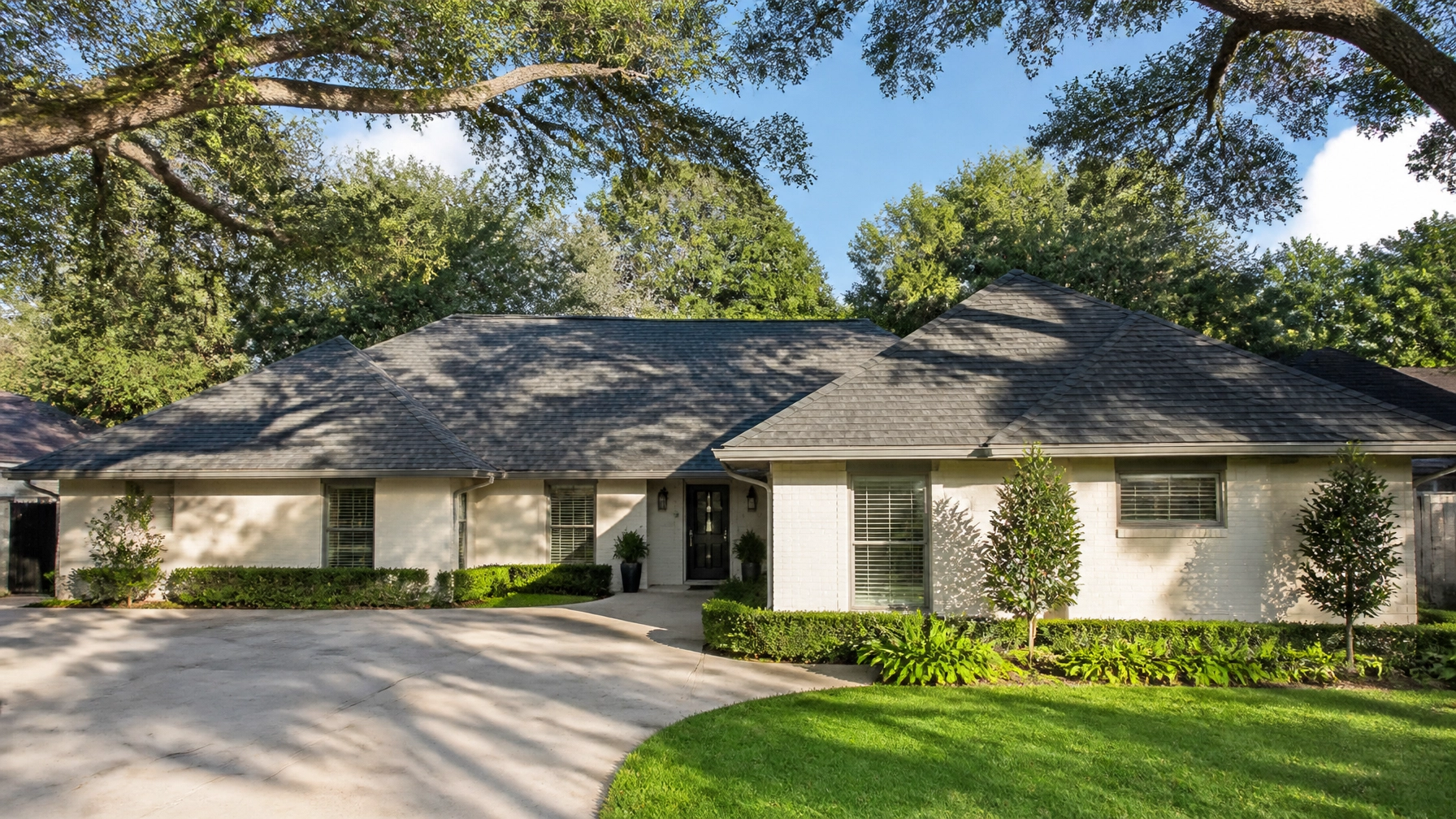
    A sleek modern ranch home in a St. Louis suburb featuring a high-end matte silver metal roof

    4. Does your estimate include a line-item breakdown for weather-specific upgrades?

    A "lump sum" estimate is a trap. In the Gateway City, your roof faces specific environmental threats: 100-degree humidity in July, freezing sleet in January, and severe spring hailstorms.

    Your estimate should explicitly list:

    • Drip Edge: Essential for preventing water from wicking back under the shingles during heavy Missouri downpours.
    • Ice and Water Shield: Critical in valleys and around chimneys to prevent leaks during freeze-thaw cycles.
    • Ventilation System: In St. Louis, poor attic ventilation will cook your shingles from the inside out during the humid summer, voiding your warranty.
    • Decking Replacement: The cost per sheet for any rotted plywood discovered during the tear-off.

    Pro Tip: Use satellite-powered measurements to verify the square footage listed on your estimate. If a contractor's "measured" area is 20% higher than your satellite report, they may be overcharging for waste.

    5. What is the difference between your workmanship warranty and the material warranty?

    This is where most St. Louis homeowners get confused.

    • Material Warranty: Provided by the manufacturer (e.g., "Limited Lifetime"). This only covers defects in the shingles themselves.
    • Workmanship Warranty: Provided by the St. Louis contractor. This covers leaks caused by improper installation.

    In 2026, the standard for a top-tier St. Louis roofer is a 10-year workmanship warranty. If they only offer 1 or 2 years, they aren't confident in their crew’s ability to withstand the St. Louis climate. Always ask if the warranty is transferable: a major selling point if you plan to move within the next decade.

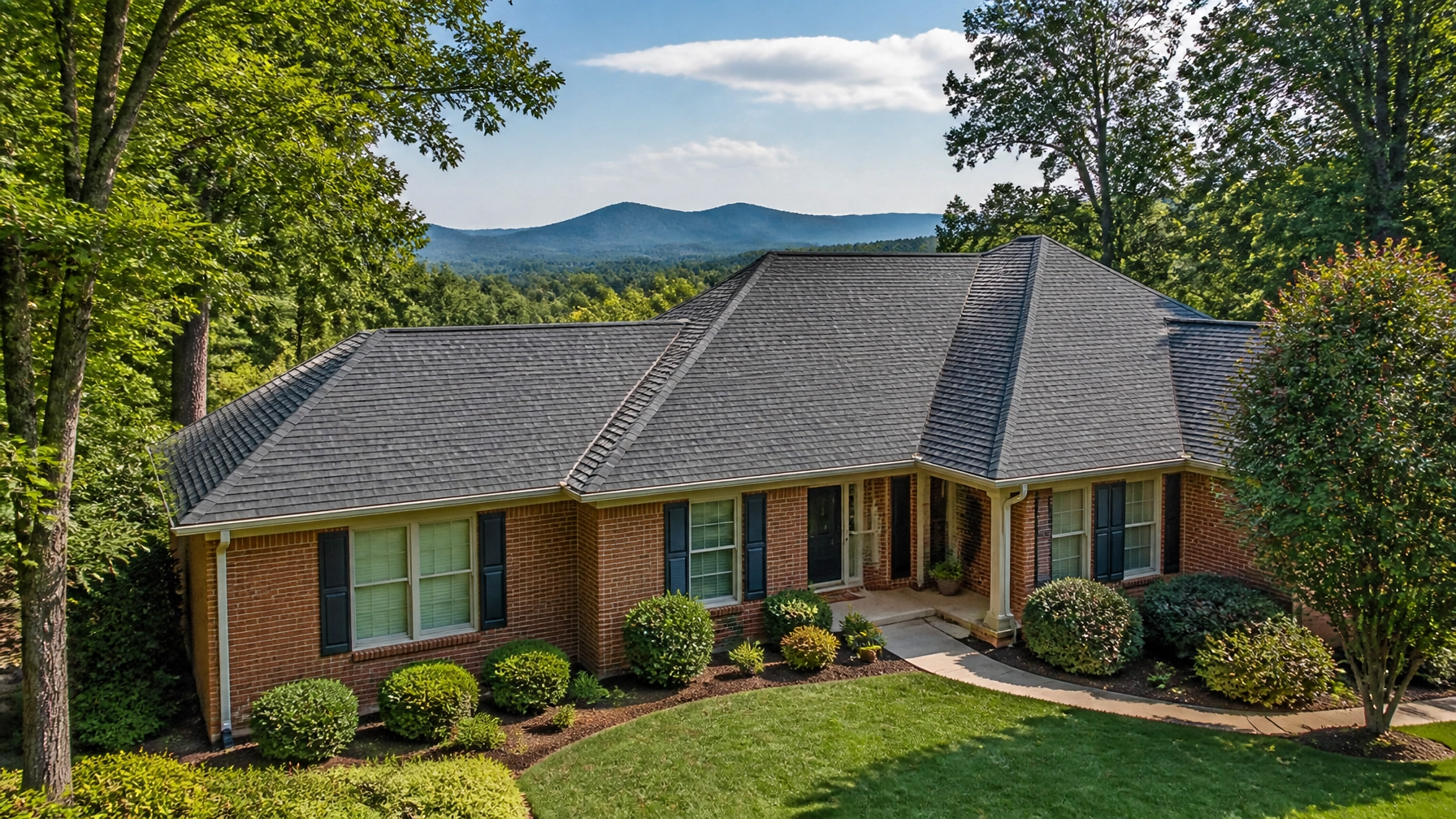
    Aerial view of a well-maintained St. Louis neighborhood showing a variety of professional roofing projects

    Avoid the "Storm Chaser" Red Flags

    St. Louis is a prime target for out-of-state "storm chasers" following hailstorms. Look for these local red flags:

    • Out-of-state license plates: A local contractor has a permanent physical address in the St. Louis metro area.
    • High-pressure door knocking: Reputable local firms usually stay busy through referrals and professional marketing.
    • Asking for the full payment upfront: Never pay more than a 10-33% deposit before materials arrive on your property.

    Get an Accurate St. Louis Estimate in 60 Seconds

    Don't wait for a salesman to visit your home just to get a ballpark price. At Get My Roof Estimate Now, we use advanced satellite imagery to calculate your roof's size, pitch, and complexity with 95% accuracy.

    Whether you are comparing 2026 roof replacement costs for architectural shingles vs metal roofing, our technology provides transparent, regional pricing for the St. Louis market instantly.

    Get Your Free Satellite Roof Estimate Now

    Contractor using a tablet to show a homeowner a 3D satellite-based roof measurement report


  • Roof Replacement in Baton Rouge, LA: 2026 FAQ Guide

    Roof Replacement in Baton Rouge, LA: 2026 FAQ Guide

    Baton Rouge homeowners face a unique set of challenges when it comes to maintaining a durable roof. Between the intense Gulf Coast humidity and the perennial threat of severe thunderstorms and tropical systems, your roof is your home's first line of defense. As we move through 2026, many residents in the Capital Region are finding that their 15- to 20-year-old roofs are reaching the end of their functional lifespan.

    Whether you are planning a proactive upgrade or dealing with the aftermath of a storm, understanding the current market landscape is essential. This guide provides direct, data-driven answers to the most common questions regarding roof replacement in Baton Rouge, LA, for 2026.

    What is the average 2026 roof replacement cost in Baton Rouge?

    For a standard single-family home in Baton Rouge, the 2026 roof replacement cost typically ranges from $8,000 to $18,000. Most homeowners with a 1,800 to 2,200-square-foot roof pay an average of $10,000 to $13,000 for high-quality architectural shingles.

    Prices vary based on the specific material you choose and the complexity of your roof’s design (pitch, valleys, and dormers). Below is a breakdown of current pricing benchmarks by category:

    • Architectural Shingles (Popular): $4.50 – $6.50 per square foot. Total cost: $9,000 – $15,000.
    • 3-Tab Asphalt Shingles (Budget): $3.50 – $4.50 per square foot. Total cost: $7,000 – $10,000.
    • Standing Seam Metal (Premium): $12.00 – $18.00 per square foot. Total cost: $24,000 – $40,000.
    • Impact-Resistant Shingles (Storm-Ready): $6.00 – $8.50 per square foot. Total cost: $12,000 – $19,000.

    Keep in mind that East Baton Rouge Parish now requires a mandatory reroofing permit (effective late 2025). You should budget approximately $150 to $300 for permit fees, which are often handled directly by your Baton Rouge roofer.

    Modern Louisiana ranch home with a new metal roof installation

    What are the Louisiana roofing license requirements for 2026?

    In Louisiana, roofing is strictly regulated to protect homeowners from "fly-by-night" operators. A valid Louisiana roofing license is required for any residential project exceeding $7,500 in total value (labor and materials).

    To ensure your project is compliant and insured, verify that your contractor holds the following:

    • LSLBC Registration: The contractor must be registered with the Louisiana State Licensing Board for Contractors (LSLBC) as a Home Improvement Contractor.
    • Specialty Classification: For commercial or high-value residential work, they may need a "Roofing and Sheet Metal" specialty license.
    • Insurance Coverage: They must carry active General Liability and Workers’ Compensation insurance. Without this, you as the homeowner could be held liable for on-site injuries.

    Always ask for a contractor’s license number and verify it on the LSLBC website before signing a contract.

    How do I find a reliable Baton Rouge LA roofing contractor?

    Finding a trustworthy Baton Rouge LA roofing contractor in a busy market requires a systematic approach. With the 2026 demand high, the best contractors often have a 3- to 6-week lead time.

    Follow these steps to vet your pro:

    1. Demand Local References: Ask for at least three recently completed projects in neighborhoods like Garden District, Mid City, or Shenandoah.
    2. Verify the Physical Address: Avoid contractors using only a P.O. box. A local office indicates a long-term commitment to the Baton Rouge community.
    3. Check for Certifications: Look for "Master Elite" or "Preferred" status from major manufacturers like GAF or Owens Corning. These certifications often allow the contractor to offer extended labor warranties.
    4. Instant Estimates First: Before scheduling multiple high-pressure sales visits, use a satellite roof estimate Baton Rouge LA service to establish your baseline budget. This allows you to walk into negotiations with a clear understanding of your roof's actual size and fair market price.

    What is the most common Baton Rouge storm damage roofing issue?

    Baton Rouge experiences heavy rainfall and high-wind events that put immense stress on roofing systems. The most frequent issues reported by local homeowners include:

    • Wind Lift: High-velocity winds can peel back shingle tabs, especially if the sealant strip has degraded over time.
    • Granule Loss: Hail: even small stones: can knock the protective granules off asphalt shingles, exposing the underlying bitumen to UV damage.
    • Flashing Failure: The expansion and contraction caused by Louisiana's heat often cause metal flashing around chimneys and vents to pull away, leading to "hidden" leaks during heavy downpours.
    • Debris Punctures: Fallen branches from live oaks or pecans frequently cause localized deck damage that requires immediate attention.

    If your roof is over 15 years old and has weathered a major storm cycle, a full roof replacement Baton Rouge LA is often more cost-effective than repeated, expensive repairs.

    Close-up of a professional roofer installing architectural shingles

    How does a satellite roof estimate work in Baton Rouge?

    Traditional estimates require a contractor to drive to your home, climb a ladder, and manually measure your roof: a process that can take days to schedule. A satellite roof estimate Baton Rouge LA eliminates this friction using advanced aerial imagery.

    Here is how the Get My Roof Estimate Now process works:

    1. Address Entry: You provide your Baton Rouge address.
    2. Satellite Analysis: Our technology pulls high-resolution satellite imagery to measure the square footage, pitch, and complexity of your roof.
    3. Instant Calculation: In under 60 seconds, we calculate the "squares" (100 sq. ft. units) of your roof and apply current 2026 Baton Rouge labor and material rates.
    4. Transparent Pricing: You receive a low-to-high price range for different materials (shingles vs. metal), allowing you to budget with 90-95% accuracy without talking to a salesman.

    This technology empowers homeowners to skip the hassle and get the data they need to make an informed decision instantly.

    Digital satellite roof measurement technology showing dimensions and pitch

    Summary: Ready for Your New Roof?

    Planning a roof replacement in Baton Rouge, LA, doesn't have to be a stressful, weeks-long ordeal. By understanding the Baton Rouge roof replacement cost 2026 benchmarks and ensuring your Baton Rouge roofer is fully licensed, you can protect your investment and your home.

    If you're ready to see what a new roof will cost for your specific home, don't wait for a contractor to call you back. Get your free, accurate, and instant estimate right now.

    Get My Instant Roof Estimate Now


  • Insurance Masterclass: How Portland Homeowners Can Get Their Roof Replacement Covered in 2026

    Insurance Masterclass: How Portland Homeowners Can Get Their Roof Replacement Covered in 2026

    Navigating a roof insurance claim in Portland is a unique challenge. Between the persistent moss growth of the Pacific Northwest and the specific consumer protection laws in Oregon, homeowners often find themselves caught between a leaking roof and a complex bureaucracy. In 2026, the stakes are higher as material costs stabilize at new peaks and insurance carriers tighten their inspection criteria.

    This masterclass breaks down exactly how to navigate the Oregon insurance landscape, leverage local statutes like ORS 742.270, and ensure your Portland home is protected without paying a dime more than your deductible.

    The 45-Day Rule: Oregon’s Investigation Timeline

    In Oregon, insurance companies are held to a strict timeline. Under state regulation, once you file a claim, the insurer must acknowledge it within 30 days. However, the most critical number for you to remember is 45 days.

    • The Rule: Your insurance company must complete its claim investigation within 45 days of receiving your notice of claim.
    • The Exception: If they cannot reasonably finish within that window, they must provide a written explanation and continue updating you every 45 days thereafter.

    If your adjuster is dragging their feet while rain pours into your attic, citing the 45-day investigation rule is your first line of defense to speed up the process.

    Understanding Oregon Statute ORS 742.270

    One of the most powerful tools in a Portland homeowner's arsenal is ORS 742.270. This law dictates how much time you have to actually complete the work after the insurance company cuts the first check.

    • 12-Month Minimum (Standard): For typical roof damage, Oregon law mandates that insurers must allow you at least 12 months from the date of the initial payment to repair or replace the roof.
    • 24-Month Minimum (Disasters): If the damage is related to a state-declared emergency (like a major storm or wildfire), that window extends to 24 months.
    • 6-Month Increments: If you face "unavoidable delays": which are common in Portland due to contractor backlogs or permitting wait times: the law requires the insurer to add time in 6-month increments, up to a maximum of 24 months for standard claims.

    This legal buffer is essential in Portland, where the rainy season can often halt roofing projects for months at a time.

    A close-up photo of roof shingles on a Portland home showing heavy moss and green algae growth.

    RCV vs. ACV: The "Fine Print" That Costs Thousands

    Before you file your claim, you must know which type of coverage you have. This single detail determines whether you pay your $1,000 deductible or a $10,000 bill.

    1. Replacement Cost Value (RCV) [Premium]: The gold standard. The insurance company pays to replace your roof at today's prices. They initially pay the Actual Cash Value, and once the work is finished, they release the "recoverable depreciation" to cover the full bill.
    2. Actual Cash Value (ACV) [Budget]: The insurance company only pays what your roof is worth right now. If your 20-year-old roof is at the end of its life, they will subtract 20 years of "wear and tear" from the payout. In Portland, where moss and rain accelerate aging, an ACV policy often leaves homeowners with a massive funding gap.

    The "Matching" Debate in Oregon

    Oregon does not have a "statutory matching rule." This means if a storm damages only the north slope of your roof, the insurance company might try to pay for just that section: even if the new shingles don't match the old, weathered ones. However, homeowners can successfully argue for a full replacement based on "like kind and quality" standards, especially if the original shingles are no longer manufactured.

    Portland Cost Benchmarks for 2026

    In the Portland metro area, roof replacement costs are influenced by steep pitches, multiple layers of old shingles, and high labor standards.

    Factor Budget (Asphalt) Popular (Architectural) Premium (Metal/Synthetic)
    Cost per Sq. Ft. $5.00 – $7.00 $8.00 – $12.00 $13.00 – $16.00+
    Total (2,000 sq ft) $10,000 – $14,000 $16,000 – $24,000 $26,000 – $32,000+
    Typical Lifespan 15-20 Years 25-30 Years 50+ Years

    Note: These estimates factor in the 2026 regional price adjustments for Multnomah, Washington, and Clackamas counties.

    A high-tech visualization of a residential roof in Portland being measured by satellite technology.

    The Portland Climate Factor: Why Claims Get Denied

    Insurance companies love to blame "maintenance issues" rather than "storm damage." In Portland, the biggest culprit is moss and algae.

    If moss has been allowed to grow unchecked, it can lift shingles and cause rot. An adjuster may argue that the leak was caused by your failure to maintain the roof, not a wind event. To counter this, you need objective data. This is where Get My Roof Estimate Now becomes a critical asset. Our satellite-powered reports provide a high-resolution "snapshot" of your roof's condition, helping you prove that the structural integrity was sound before the storm hit.

    Permits and Local Requirements

    Portland Permitting & Development (formerly the Bureau of Development Services) requires a building permit for any full roof replacement.

    • Permit Costs: Typically included in your contractor's bid and covered by insurance under "Ordinance or Law" coverage.
    • Sheathing Inspection: Portland code often requires an inspection of the roof deck (sheathing) before new shingles are laid. If your home was built before 1970, you likely have "spaced sheathing," which may need to be entirely replaced to meet 2026 code: another cost your insurance should cover if you have the right policy riders.

    A professional roofing crew installing a new dark grey shingle roof on a steep-pitched residential home in Portland.

    Using Satellite Estimates as Leverage

    When the insurance adjuster hands you their estimate, they are often using generalized software that may under-calculate the complexity of your Portland home: especially if you have a steep "Portland Pitch" or complex dormers.

    By using Get My Roof Estimate Now, you get a measurement report accurate to within inches.

    • Speed: Get your report in under 60 seconds.
    • Accuracy: We measure every facet, valley, and ridge using satellite imagery.
    • Leverage: If the insurance company says your roof is 20 "squares" but our satellite data shows it's 24, that 20% difference could mean $4,000 or more in your pocket to cover the actual cost of the job.

    Step-by-Step: Filing Your Portland Claim

    1. Safety First: Inspect from the ground. Look for missing shingles or granules in the gutters after a wind storm.
    2. Get an Independent Estimate: Visit getmyroofestimatenow.com to get an instant, objective measurement of your roof's size and replacement cost.
    3. File the Claim: Call your agent and provide the date of the loss.
    4. The Adjuster Meeting: Have your satellite estimate ready. This shows the adjuster you have professional data on your side.
    5. Review the Scope: Ensure the payout includes permit fees, debris removal, and tax.

    Don't let the insurance process overwhelm you. In 2026, technology is the homeowner's greatest ally. Get the data you need to hold your insurer accountable and ensure your Portland home stays dry for the next 30 years.

    Ready to see what your roof replacement should actually cost? Get your instant satellite estimate now.

  • Insurance Masterclass: How San Diego Homeowners Can Get Their Roof Replacement Covered in 2026

    Insurance Masterclass: How San Diego Homeowners Can Get Their Roof Replacement Covered in 2026

    Navigating a roof insurance claim in San Diego has changed significantly as we move through 2026. Between shifting California insurance regulations and the unique environmental stressors of America’s Finest City, homeowners need a modern playbook to ensure their biggest investment is protected.

    Whether you’re dealing with the aftermath of a Santa Ana wind event or your 20-year-old shingle roof is starting to fail under the intense SoCal sun, getting a full replacement covered by insurance is no longer a matter of luck: it’s a matter of data and timing.

    The San Diego "Triple Threat": Why Your Roof Fails Early

    San Diego’s climate is world-class, but it is surprisingly brutal on roofing materials. In 2026, adjusters are looking closer than ever at whether damage is "sudden and accidental" or simply "wear and tear."

    1. The Marine Layer (Corrosion): If you live in coastal communities like La Jolla, Del Mar, or Point Loma, the salt-heavy mist accelerates the degradation of flashing and fasteners.
    2. UV Degradation (Sun Exposure): With over 260 days of sunshine, San Diego roofs experience extreme thermal expansion. This "cooks" the oils out of asphalt shingles, making them brittle and prone to cracking.
    3. Santa Ana Winds: These high-velocity, offshore winds can exceed 60 MPH, lifting shingle tabs and creating "crease lines" that qualify as functional damage for an insurance claim.

    Close-up of high-quality architectural asphalt shingles on a San Diego roof

    California Insurance Laws: What You Need to Know in 2026

    The California insurance market has undergone a massive transformation. Understanding your rights under state law is the first step toward a successful claim.

    Proposition 103 & Rate Oversight

    While Prop 103 has long governed how rates are set, in 2026, its "prior approval" framework ensures that insurers can't arbitrarily hike your premiums just because you filed a legitimate weather-related claim.

    Wildfire Regulations (AB 888 & SB 547)

    For homeowners in "Wildland-Urban Interface" (WUI) zones: common in Scripps Ranch, Poway, and Rancho Bernardo: new laws are in effect.

    • Mandatory Class A Rating: As of January 1, 2026, most re-roofs in high-fire zones must use Class A fire-rated materials.
    • The Safe Homes Grant (AB 888): Low-to-moderate income San Diegans may be eligible for state grants to help cover the cost of upgrading to fire-resistant roofing.
    • Non-Renewal Moratoria: If a wildfire emergency is declared in your zip code, SB 547 prevents your insurer from dropping you for up to two years.

    The 10% Code Upgrade Rule

    Effective July 2026, all replacement-cost policies in California must include a minimum of 10% Ordinance or Law coverage. This is critical because it pays for the extra costs required to bring your new roof up to current San Diego building codes (like improved ventilation or fire hardening).

    RCV vs. ACV: The $15,000 Difference

    When reviewing your policy, look for these two acronyms. They determine how much money actually hits your bank account.

    • RCV (Replacement Cost Value) [Premium]: This is the gold standard. The insurance company pays the full cost to replace your roof at today's prices, minus your deductible. If a new roof costs $20,000, they pay the full $20,000 (after you pay your deductible).
    • ACV (Actual Cash Value) [Budget]: The insurer pays a "depreciated" amount. If your 20-year-old roof has a 30-year lifespan, they may only pay 33% of the value. In 2026, many carriers are forcing older roofs (20+ years) onto ACV policies.

    Pro Tip: Use our instant roof estimate tool to find your roof's "square" count. Knowing your exact size helps you spot when an insurance adjuster is low-balling your RCV payout.

    Modern home in a San Diego coastal area with a sleek metal roof

    2026 San Diego Roof Cost Benchmarks

    Before you file a claim, you need to know what a fair price looks like in San Diego County. Prices have stabilized in 2026, but California labor and disposal fees remain higher than the national average.

    Material Type Estimated Cost (Installed) Expected Lifespan San Diego Popularity
    Architectural Shingles $7.00 – $11.00 / sq. ft. 25-30 Years High (Most Common)
    Concrete Tile $11.00 – $17.00 / sq. ft. 50+ Years Very High (Spanish Style)
    Clay Tile $14.00 – $22.00 / sq. ft. 75+ Years Premium (Historic/Luxury)
    Standing Seam Metal $13.00 – $20.00 / sq. ft. 40-70 Years Growing (Coastal/Modern)

    Calculations based on a standard 2,000 sq. ft. roof. Total projects typically range from $14,000 to $44,000+ depending on material.

    The 5-Step San Diego Claim Process

    1. Independent Inspection: Do not call your insurance company first. Get an independent assessment to confirm there is "insurable damage" (missing shingles, hail bruising, or wind-lifted tabs).
    2. Get a Precise Measurement: Use satellite-powered technology to get a measurement accurate to within inches. Insurance adjusters often use "short" measurements to save the company money.
    3. File the Claim: Contact your carrier's claims department. Provide the date of the loss (e.g., a specific wind storm or wildfire event).
    4. The Adjuster Meeting: Have your measurement report and a licensed contractor present when the insurance adjuster arrives. This ensures they don't overlook "hidden" damage in valleys or flashing.
    5. Supplementing: If the initial check is too low, your contractor can "supplement" the claim by providing proof of local San Diego material costs and required code upgrades.

    Satellite imagery view of a San Diego roof with measurement overlays

    Why Satellite Tech is the Game-Changer in 2026

    Gone are the days of waiting two weeks for a contractor to lean a ladder against your house. At Get My Roof Estimate Now, we use advanced satellite imagery to analyze your roof’s size, pitch, and complexity in under 60 seconds.

    • 90-95% Accuracy: Our measurements are often more precise than hand-measuring.
    • Transparency: We provide low-middle-high price ranges so you know exactly where you stand before talking to an adjuster.
    • Verified Network: We connect you with licensed, insured San Diego contractors who specialize in insurance restoration.

    Final Thoughts for San Diego Homeowners

    A roof replacement in 2026 is a major financial event. By leveraging California’s consumer protection laws and modern satellite technology, you can navigate the insurance maze with confidence. Don't guess the size of your roof or the cost of your materials.

    Ready to see what your San Diego roof replacement should cost?

    Get your instant, free estimate in 60 seconds here. No credit card required. No salesperson visit needed. Just the data you need to get your claim covered.

  • Architectural Shingles vs. Metal Roofing: The 2026 Baton Rouge LA Material Showdown

    Architectural Shingles vs. Metal Roofing: The 2026 Baton Rouge LA Material Showdown

    Choosing between architectural shingles and metal roofing in Baton Rouge is no longer just an aesthetic decision, it is a financial and structural strategy. In 2026, Louisiana homeowners face a unique combination of soaring humidity, intensifying UV exposure, and the ever-present threat of hurricane-force winds.

    Furthermore, new state regulations (Acts 239 and 422) have overhauled how roofs are permitted and installed in East Baton Rouge Parish. If you are planning a Louisiana roof replacement, understanding the data-driven differences between these two materials is the first step toward protecting your investment.

    In this guide, we break down the 2026 costs, performance metrics, and ROI for a standard 2,000-square-foot home in the Capital City.


    The Baseline: 2026 Baton Rouge Roof Cost for a 2,000 SQ FT Home

    For a typical 2,000-square-foot residential roof (roughly 22–25 "squares" after accounting for pitch and waste), here is the current market pricing in Baton Rouge.

    Material Category Estimated Total Cost (2026) Cost Per Square Foot Primary Benefit
    Architectural Shingles (Popular) $10,000 – $16,000 $5.50 – $8.00 Lower upfront cost; traditional look.
    Ribbed/Corrugated Metal (Budget) $14,000 – $20,000 $7.00 – $10.00 Moderate durability; barn-style aesthetic.
    Standing Seam Metal (Premium) $20,000 – $30,000+ $10.00 – $14.00+ 50-year lifespan; ultimate wind resistance.

    Note: These figures include full tear-off, local permitting fees, and standard installation by a licensed Baton Rouge roofing contractor.


    Architectural Shingles: The Practical Standard

    Architectural (or dimensional) shingles remain the most common choice for Louisiana roof replacement. Unlike the flat 3-ply shingles of the past, modern architectural shingles are composed of multiple layers of asphalt and fiberglass, creating a thick, textured appearance that mimics wood shakes.

    Close-up of dimensional architectural shingles showing layered texture and algae-resistant granules.

    Why Baton Rouge Homeowners Choose Shingles:

    • Affordability: At an average of $13,000 for a standard home, shingles offer the lowest entry price for a full replacement.
    • Algae Resistance: Look for "StreakFighter" or copper-infused granules. This is critical in Baton Rouge's humid climate to prevent the black streaks caused by Gloeocapsa magma algae.
    • Easy Repairs: If a single section is damaged during a summer storm, shingles are significantly easier and cheaper to patch than metal panels.

    The Downside:

    The 15–20 year realistic lifespan in the South is shorter than in cooler climates. High UV exposure in Louisiana can eventually "bake" the asphalt, leading to granule loss and brittleness.


    Metal Roofing: The Hurricane-Resilient Powerhouse

    Metal is no longer reserved for industrial buildings or rural barns. In 2026, residential metal roofing has become a top-tier choice for those prioritizing home value new roof Baton Rouge upgrades.

    A modern Louisiana ranch home featuring a high-performance matte black standing seam metal roof.

    Standing Seam vs. Ribbed Panels

    If you are investing in metal, the type matters:

    1. Standing Seam (Premium): The fasteners are concealed under the panels. This is the gold standard for hurricane zones because there are no exposed screws that can back out or leak over time.
    2. Ribbed/Corrugated (Budget): These use exposed fasteners (screws with rubber washers). While cheaper, they require more maintenance to ensure the gaskets haven't dry-rotted in the Louisiana heat.

    Why Metal Wins in the Long Run:

    • Wind Rating: Many metal systems are rated for 140–170 mph winds, far exceeding the performance of standard shingles.
    • Heat Dissipation: Metal reflects solar radiant heat, which can reduce cooling costs by up to 25% during a Baton Rouge July.
    • Longevity: A 40–60 year lifespan means this might be the last roof you ever buy.

    The 2026 Regulatory Landscape: Permits and Licensing

    Navigating the legal requirements is mandatory for maintaining your Louisiana roof replacement ROI.

    1. East Baton Rouge Roof Permit

    As of August 1, 2025, Louisiana Act 239 requires a permit and a final inspection for all residential reroofing projects. In East Baton Rouge, your contractor must submit geotagged photos of the installation process to the MyGovernmentOnline portal to ensure code compliance.

    2. The $7,500 Rule (Act 422)

    Effective January 1, 2026, any roofing project valued at $7,500 or more must be performed by a contractor holding a specific Residential Roofing license or a Residential Construction license from the LSLBC.

    Pro Tip: Always ask for a copy of the contractor’s license and proof of workers' comp insurance before signing a contract.


    Decision Matrix: Which One Is Right For You?

    Choose Architectural Shingles If… Choose Metal Roofing If…
    You plan to sell your home within 5–7 years. You plan to stay in the home for 20+ years.
    You are on a strict budget under $15,000. You want to maximize your insurance discounts.
    Your HOA has strict traditional aesthetic rules. You want the highest possible storm resilience.
    You want the easiest, fastest installation. You want to lower your monthly Entergy bill.

    5 Critical Questions to Ask Your Roofing Contractor

    Before hiring any team for your Baton Rouge roof cost 2026 project, ensure they can answer these five questions:

    1. Are you licensed for residential roofing work over $7,500 per Act 422?
    2. Will you pull the East Baton Rouge roof permit and handle the mandatory inspections?
    3. Do you provide a written workmanship warranty in addition to the material warranty?
    4. What specific wind-speed rating is this material/installation method rated for?
    5. How do you handle "unforeseen" decking rot found after the tear-off?

    Get Your Accurate Estimate in 60 Seconds

    The traditional way of getting a roof estimate, calling three contractors, waiting for them to show up, and dealing with high-pressure sales pitches, is a thing of the past.

    At Get My Roof Estimate Now, we use advanced satellite imagery technology to measure your roof's size, pitch, and complexity with 95% accuracy.

    Our satellite-powered estimation tool providing an instant, transparent price range for a residential roof.

    • No Contractor Visit Needed: We measure your roof remotely.
    • Instant Results: Get your price range for shingles and metal in under a minute.
    • Transparent Pricing: We factor in current material costs and regional labor rates for the 225 area code.
    • Verified Network: We connect you with licensed, insured local pros ready to do the work.

    Ready to see your number? Get your instant Baton Rouge roof estimate here.


    FAQ: Baton Rouge Roofing 2026

    How much does a new roof add to home value in Baton Rouge?
    A new, code-compliant roof can recoup 60–80% of its cost in added home value. In Louisiana, it also makes the home significantly easier to insure, which is a major selling point for buyers.

    Does a metal roof make a house hotter?
    No. In fact, it's the opposite. Metal roofing with a "cool-roof" reflective coating reflects solar heat, whereas asphalt shingles absorb it and radiate it into your attic.

    What is the best month to replace a roof in Louisiana?
    The "sweet spot" is typically late autumn (October–November) or early spring (March–April) when humidity is lower and the risk of afternoon thunderstorms is reduced. However, reputable contractors work year-round.

    Can I install a new roof over my old shingles?
    While technically allowed by some codes, we highly recommend a full tear-off. You cannot inspect the wooden decking for rot or properly seal the roof for hurricane winds if you "recover" old shingles.

  • Architectural Shingles vs. Metal Roofing: The 2026 Chattanooga TN Material Showdown

    Architectural Shingles vs. Metal Roofing: The 2026 Chattanooga TN Material Showdown

    For Chattanooga homeowners, 2026 has brought a new set of challenges to the roofing market. Between shifting supply chain costs and the increasing frequency of intense Tennessee Valley weather, choosing the right material is no longer just an aesthetic decision: it’s a critical financial one. Whether you are overlooking Lookout Mountain or tucked away in North Shore, the choice between architectural shingles vs metal roofing will define your home's protection and value for the next several decades.

    In this Material Showdown, we break down the 2026 roof replacement cost in the Scenic City, compare the long-term ROI of the most popular materials, and look at how Hamilton County requirements impact your bottom line.

    The 2026 Chattanooga Material Comparison at a Glance

    The following data represents average local pricing for a typical 2,500-square-foot home in the Chattanooga metro area. While a Knoxville roofing contractor or a firm in Nashville might see slight variations, these figures reflect the current East Tennessee roof replacement market.

    Feature Architectural Shingles (Popular) Metal Roofing (Premium)
    Typical Cost (Installed) $10,000 – $20,000 $20,000 – $40,000
    Price per Square Foot $5.50 – $8.50 $8.00 – $16.00
    Lifespan 22 – 28 Years 45 – 60+ Years
    Maintenance Moderate Low
    Wind Resistance Up to 110-130 MPH Up to 140+ MPH
    ROI (Resale Value) High (~65-70%) Superior (~85-90%)

    Architectural Shingles: The Budget-Friendly Standard

    Architectural shingles (also known as dimensional or laminate shingles) remain the most common choice for a Tennessee roof replacement. Unlike the flat 3-tab shingles of the past, modern architectural shingles provide a textured, multi-dimensional appearance that mimics the look of wood shakes or slate.

    Close-up of high-quality architectural shingles showing texture and depth

    Pros (Budget & Aesthetics)

    • Lower Upfront Investment: In 2026, the Knoxville roof cost 2026 data aligns closely with Chattanooga, making shingles significantly more affordable for immediate budgeting.
    • Versatile Design: They complement almost any architectural style, from suburban ranch homes to historic downtown bungalows.
    • Ease of Repair: If a single shingle is damaged during a storm, it is relatively simple and inexpensive for a local contractor to replace it.

    Cons (Longevity & Climate)

    • Heat Vulnerability: Chattanooga’s extreme summer humidity and UV exposure can cause shingles to bake and lose granules faster than in cooler climates.
    • Storm Susceptibility: While rated for high winds, shingles can still be lifted or torn during the severe thunderstorms common in the Tennessee Valley.

    Metal Roofing: The Lifetime Investment

    If you plan on staying in your home for more than 15 years, metal roofing is often the more logical financial play. In 2026, we are seeing a significant uptick in metal installations across Hamilton County as homeowners prioritize durability and energy efficiency.

    Modern standing seam metal roof installation in dark bronze

    Pros (Performance & Efficiency)

    • Extreme Longevity: A metal roof installed today may very well be the last roof you ever buy.
    • Solar Reflectivity: Metal reflects solar radiant heat, which can reduce cooling costs by as much as 25% during Chattanooga’s sweltering July and August months.
    • Fire & Wind Resistance: Metal is non-combustible and offers the highest possible wind uplift ratings, providing peace of mind during tornado season.

    Cons (Initial Cost)

    • Higher Entry Point: The initial 2026 roof replacement cost for metal is roughly double that of shingles.
    • Specialized Labor: Not every contractor is equipped to install a standing seam metal roof correctly; you must vet for specialized experience.

    Local Factors: The Chattanooga Weather & Permit Reality

    Weather Patterns in the Tennessee Valley

    Chattanooga sits in a unique geographical bowl that traps humidity and creates localized storm cells. In 2026, we’ve seen an increase in "micro-bursts" and hail.

    • Humidity: Constant moisture can lead to algae growth (Gloeocapsa magma) on shingles, appearing as black streaks. Look for "algae-resistant" shingles if you choose asphalt.
    • Wind: With the occasional tornado-force winds passing through the region, ensuring your roof is installed to current IRC (International Residential Code) standards is non-negotiable.

    Navigating Permits in Hamilton County

    Whether you are in the city limits or unincorporated Hamilton County, a permit is typically required for any project involving a full tear-off.

    • Cost: A Knox County roof permit might vary, but in Chattanooga, expect to pay between $150 and $250 for a standard residential permit.
    • Inspection: Most permits require at least one final inspection to ensure the flashing and drip edges meet local safety codes. Always confirm your contractor has pulled the necessary paperwork before work begins.

    ROI Analysis: Which Material Wins?

    When calculating the return on investment, don't just look at the quote. Look at the "Cost Per Year" of service.

    1. Architectural Shingles: If a roof costs $15,000 and lasts 25 years, your cost is $600/year.
    2. Metal Roofing: If a roof costs $30,000 and lasts 60 years, your cost is $500/year.

    While metal is cheaper over the long run, the high barrier to entry makes shingles the practical choice for many. However, for those looking to maximize home resale value, metal roofs often recoup a higher percentage of their cost during a home sale, especially in premium Chattanooga neighborhoods.

    The 60-Second Solution: Get Your Accurate Estimate Now

    The biggest hurdle for most homeowners isn't choosing the material: it's getting an honest price without the high-pressure sales pitch. Traditionally, you’d have to schedule three different contractors to climb your roof, only to wait days for a quote.

    At Get My Roof Estimate Now, we’ve eliminated the wait. Our satellite-powered technology measures your roof’s size, pitch, and complexity with 90-95% accuracy.

    Satellite view and digital measurement report of a residential roof

    How it works:

    1. Enter Your Address: We use high-resolution satellite imagery to locate your property.
    2. Instant Calculation: Our AI analyzes your roof's "squares" and complexity.
    3. Choose Your Material: Instantly compare the costs for architectural shingles vs. metal roofing tailored to your specific home.
    4. No Obligations: Get your transparent price range in under 60 seconds: no credit card or contractor visit required.

    Ready to see where your home stands in the 2026 market? Click here to get your instant Chattanooga roof estimate now.

  • Architectural Shingles vs. Standing Seam Metal Roofing: The 2026 Tampa Bay Hurricane Season Material Showdown

    Architectural Shingles vs. Standing Seam Metal Roofing: The 2026 Tampa Bay Hurricane Season Material Showdown

    For homeowners in Tampa, St. Petersburg, and Clearwater, the question isn't if a major storm will test your roof, but when. As we enter the 2026 hurricane season, the stakes for roof replacement have never been higher. With rising material costs, shifting insurance regulations, and the increasing intensity of Gulf storms, choosing between architectural shingles and standing seam metal is the most critical financial and safety decision you will make for your home this year.

    At Get My Roof Estimate Now, we provide the data-driven clarity you need to move from uncertainty to a solid project plan in under 60 seconds. This showdown breaks down the 2026 reality of roofing in the Tampa Bay area, comparing the two most popular high-performance materials on the market today.

    The Tampa Bay Climate Challenge: Beyond Just Wind

    A roof in the Florida Suncoast doesn't just face wind; it faces a relentless three-front war:

    1. Extreme UV Radiation: The Florida sun degrades asphalt binders in standard shingles faster than in northern climates.
    2. High-Velocity Hurricane Zones (HVHZ): While Tampa isn't technically in the same HVHZ as Miami-Dade, local building codes in Hillsborough and Pinellas counties have tightened significantly for 2026.
    3. Salt Air Corrosion: For homes in coastal pockets like Tierra Verde or Davis Islands, salt spray is a silent killer for low-grade metal and standard shingle fasteners.

    Material Comparison: Head-to-Head

    When evaluating your next roof, look at the data: not the sales pitch. Here is how the two heavyweights compare in the 2026 market.

    Feature Architectural Shingles (Popular) Standing Seam Metal (Premium)
    Wind Rating Up to 130 MPH 160 – 180+ MPH
    Lifespan 20 – 25 Years 40 – 70 Years
    Material Build Multi-layered asphalt/fiberglass 24-26 gauge steel or aluminum
    Installation Time 1 – 2 Days 3 – 5 Days
    Maintenance Moderate (Algae/Granule loss) Minimal (Surface cleaning)
    Curb Appeal Traditional, Dimensional Modern, Sleek, Industrial

    Close-up of high-quality architectural shingles showing multi-dimensional texture

    The 2026 Price Tag: Tampa Bay Cost Breakdown

    Transparency is our priority. In 2026, we are seeing a stabilization in material costs, but labor in the Tampa-St. Pete corridor remains at a premium due to high demand for verified, licensed contractors.

    Architectural Shingles (Budget-Friendly / Performance)

    Architectural shingles remain the "sweet spot" for most Tampa homeowners. They offer a significant upgrade over traditional 3-tab shingles at a manageable price point.

    • Average Cost (2,000 sq ft home): $14,500 – $22,000
    • Cost per Square Foot: $5.50 – $8.75
    • Best For: Homeowners planning to stay in their home for 10–15 years or those working within a specific budget who still want hurricane-rated protection.

    Standing Seam Metal (High-End / Lifetime)

    Standing seam metal is the gold standard for hurricane protection. Unlike "exposed fastener" metal roofs (which are prone to leaks at the screw points), standing seam uses hidden clips that allow the metal to expand and contract without compromising the seal.

    • Average Cost (2,000 sq ft home): $28,000 – $48,000
    • Cost per Square Foot: $10.00 – $16.00+
    • Best For: Coastal properties, long-term investments, and homeowners looking to maximize their insurance premium discounts.

    Note: These estimates factor in standard tear-off, disposal, and current 2026 Florida building code requirements.

    Close-up of a standing seam metal roof installation on a modern home

    Satellite Accuracy: Why Your Estimate is Now Instant

    Gone are the days of waiting 3 to 5 days for a Tampa roofing contractor to climb your roof with a tape measure. In 2026, technology has eliminated the friction of the estimation process.

    Get My Roof Estimate Now utilizes advanced satellite imagery technology to scan your property with 90-95% accuracy. By entering your address, our system:

    1. Measures Total Area: Calculated in "squares" (100 sq ft units).
    2. Determines Pitch and Complexity: Accounts for steep slopes and intricate dormers that add to labor costs.
    3. Checks Local Constraints: Factors in regional labor rates for the Tampa Bay zip codes.

    This allows you to receive a satellite roof estimate in under 60 seconds, giving you the leverage to budget accurately before you ever speak to a salesperson.

    Satellite roof measurement technology visualization with digital data overlay

    Navigating Florida Insurance & Claims in 2026

    The legal landscape for Florida roofing changed dramatically following SB 2-D and subsequent legislation. If you are replacing your roof in 2026, you must be aware of two critical factors:

    1. The 25% Rule

    In Tampa and throughout Florida, the "25% Rule" remains a cornerstone of roof replacement. If more than 25% of a roof section is damaged by a covered peril (like a hurricane or a fallen oak tree), the entire section must be replaced to meet the current Florida Building Code. This often leads to a full roof replacement claim.

    2. Wind-Mitigation Credits

    Your choice of material directly impacts your annual insurance premium.

    • Standing Seam Metal often qualifies for the highest possible wind-mitigation credits, sometimes reducing the wind portion of your premium by 10% to 25%.
    • Impact-Rated (Class 4) Architectural Shingles are a mid-tier option that can earn a 5% to 15% discount.

    Insurance carriers in 2026 are increasingly strict. Many now refuse to insure homes with asphalt roofs older than 15 years, regardless of condition. Upgrading to metal often resets this "insurance clock" for 40+ years.

    2026 Hurricane Damage Protection Checklist

    Before the next tropical system enters the Gulf, every Tampa Bay homeowner should complete these five steps:

    • Conduct a Visual Inspection: Look for lifted shingles or "scoured" metal panels from the ground using binoculars.
    • Clear the Perimeter: Trim any overhanging branches (especially from Live Oaks) that could impact the roof during high winds.
    • Verify Your Estimate: Use a satellite roof estimate to know the current replacement value of your roof for your insurance files.
    • Check Flashing and Sealants: Pay close attention to "penetrations" like chimney flashings and vent pipes: these are the most common leak points in shingles.
    • Review Your Policy: Ensure you have "Replacement Cost Value" (RCV) rather than "Actual Cash Value" (ACV) coverage.

    A professional holding a tablet with a roof estimate report in front of a home

    Conclusion: The Final Verdict

    For the 2026 Tampa Bay homeowner, the choice depends on your timeline. If you are looking for a reliable, cost-effective solution that meets all current codes and offers solid protection, architectural shingles are the professional choice. However, if you view your home as a long-term asset and want the peace of mind that comes with near-invincibility against Gulf hurricanes, standing seam metal is the superior investment.

    Don't guess at your budget. Use our technology to see exactly where you stand.

    Get your free, instant satellite roof estimate in 60 seconds here.

  • Insurance Masterclass: How Oklahoma City Homeowners Can Get Their Roof Replacement Covered in 2026

    Insurance Masterclass: How Oklahoma City Homeowners Can Get Their Roof Replacement Covered in 2026

    Living in Oklahoma City means living in the crosshairs of Tornado Alley. With an average of 5.5 hail days per year and seasonal severe storms, your roof isn't just a design choice: it is your primary defense against catastrophic property loss.

    In 2026, the landscape for Oklahoma City roof replacement has shifted significantly. New state laws, specifically the 2026 Oklahoma Insurance Department (OID) reforms, have introduced some of the most homeowner-friendly protections in the country. However, navigating these reforms requires a technical understanding of your rights, current local pricing, and the specific deadlines that dictate whether your claim is approved or denied.

    This masterclass breaks down exactly what OKC homeowners need to know to secure a full roof replacement coverage in 2026.

    Oklahoma City Roof Replacement Costs: 2026 Benchmarks

    Before filing a claim, you must understand the current market value of a roof in the Oklahoma City metro area. Whether you are in Edmond, Moore, or The Village, pricing is dictated by material choice and your roof’s "square" count (one square equals 100 square feet). For a typical 2,000–2,500 square foot home, expect the following price ranges:

    • Architectural Shingles (Popular): $10,500 – $22,100.
    • Class 4 Impact-Resistant Shingles (Premium/High-ROI): $12,400 – $27,400.
    • Metal Roofing (Lifetime/Premium): $16,300 – $41,000.

    These figures account for 2026 labor rates and disposal fees in Oklahoma. If your estimate falls significantly below these ranges, proceed with caution; it may indicate a contractor is cutting corners on local building codes or insurance compliance.

    The 2026 "Roof Age Fairness" Reform (HB 2933)

    One of the most critical updates for 2026 is the Roof Age Fairness mandate. For years, insurers in Oklahoma could deny coverage or non-renew policies simply because a roof reached 15 years of age. That has changed.

    Under the new 2026 reforms:

    1. Roofs Under 15 Years: Insurers cannot deny, reduce, or refuse coverage solely based on the roof's age if it is under 15 years old.
    2. The "5-Year Useful Life" Rule: If your roof is 15+ years old, an insurer still cannot cancel your coverage if an independent inspection shows the roof has at least 5 years of useful life remaining.
    3. Aerial Imagery Limitations: Carriers can no longer use satellite or drone imagery as the sole basis to deny a claim or cancel a policy. A boots-on-the-ground physical inspection is now required before an adverse action can be taken against your policy based on roof condition.

    Close-up photo of Class 4 impact-resistant architectural shingles.

    Understanding Your Claims Timeline (HB 3495)

    Timing is the number one reason roof claims are denied in Oklahoma. The 2026 laws establish strict windows for filing and processing.

    The Filing Window

    • Visible Damage: If you can see the damage (missing shingles, obvious dents), you typically have between 30 and 180 days to file, depending on your specific policy language.
    • Hidden/Latent Damage (HB 3495): For damage not immediately visible to the untrained eye: such as hail bruising: Oklahoma law now mandates a 24-month window from the date of the storm to file a claim.

    The Resolution Timeline

    The 2026 reforms have accelerated how quickly carriers must act. If they miss these deadlines, they may be subject to regulatory penalties:

    • Acknowledgment: 14 days from the date of filing.
    • Decision: 30–45 days from the date of inspection.
    • Payment: Must be issued within 30 days of claim approval.
    • Max Resolution: Most claims must be fully resolved within 90 days.

    RCV vs. ACV: The Financial Impact

    When reviewing your policy, look for two acronyms: RCV (Replacement Cost Value) and ACV (Actual Cash Value).

    • RCV Policies: These pay the full cost to replace your roof at today’s prices (minus your deductible). Most RCV policies require the work to be completed within 6 months of the claim approval to release the final "depreciation" payment.
    • ACV Policies: These only pay the depreciated value of the roof based on its age. If you have a 15-year-old roof on an ACV policy, the insurance payout may only cover a small fraction of the replacement cost, leaving you with a massive out-of-pocket expense.

    Mandatory Discounts: The FORTIFIED Advantage

    In 2026, the Oklahoma Insurance Department now mandates that insurers offer premium discounts for homes built or retrofitted to IBHS FORTIFIED standards.

    Upgrading to Class 4 impact-resistant shingles (tested to withstand 2-inch hail) can save you between 15% and 28% on your annual premiums. In a high-premium market like Oklahoma City, these savings often pay for the material upgrade in less than three years. Furthermore, the Strengthen Oklahoma Homes Act offers grants of up to $10,000 for homeowners to upgrade their roofs to these higher safety standards.

    A beautiful modern Oklahoma home with a premium matte black metal roof.

    Legal Warning: The "Free Roof" Scam

    It is a common tactic in Oklahoma for contractors to offer to "cover," "waive," or "rebate" your insurance deductible. In 2026, this remains strictly illegal.

    Under Oklahoma law, a contractor who waives a deductible is committing insurance fraud. If an insurer discovers this arrangement, they are not required to honor the contractor’s estimate, and you could be held liable. Expect to pay your deductible: typically 1% to 2% of your home's insured value: out of pocket.

    Additionally, as of July 1, 2026, all residential roofing contractors must hold a specific Residential Roofing Endorsement from the Construction Industries Board (CIB). Always verify this endorsement before signing a contract.

    The Modern Solution: Satellite-Powered Accuracy

    The traditional method of getting a roof estimate: scheduling three different contractors to climb your roof and hand-measure: is obsolete. It’s time-consuming and often results in inconsistent pricing.

    At Get My Roof Estimate Now, we leverage advanced satellite imagery technology to provide Oklahoma City homeowners with an accurate roof estimate in under 60 seconds. Our measurements are accurate to within inches, factoring in your roof's pitch, complexity, and local OKC material costs.

    By using our technology, you enter the insurance negotiation with data-backed numbers. You’ll know exactly how many "squares" your roof requires before a contractor or adjuster even arrives.

    A homeowner in Oklahoma City viewing a satellite roof measurement report on their smartphone.

    Summary Checklist for OKC Homeowners

    1. Get Your Data: Use a satellite roof estimate to establish your roof's size and expected cost.
    2. Inspect After Storms: Even if you don't see damage, leverage the 24-month latent damage window to have a professional inspection.
    3. Verify the Endorsement: Ensure your contractor is licensed and holds the 2026 Residential Roofing Endorsement.
    4. Demand Your Rights: Reference the Homeowner Claims Bill of Rights (provided within 14 days of your claim) if your carrier is slow to respond.
    5. Upgrade for Savings: Ask about Class 4 shingles or FORTIFIED certification to lock in mandatory insurance discounts.

    Don't wait for the next storm to hit. Whether you are planning for a replacement or suspect recent hail damage, getting an accurate price range is the first step toward a successful claim.

    Get your free, instant Oklahoma City roof estimate here in 60 seconds.


  • 2026 Roof Replacement Cost in Atlanta, GA: Complete Price Guide for Georgia Homeowners

    2026 Roof Replacement Cost in Atlanta, GA: Complete Price Guide for Georgia Homeowners

    For Atlanta homeowners, 2026 marks a pivotal year for home maintenance. Whether you're dealing with the aftermath of a North Georgia summer storm or your 20-year-old shingles are finally reaching their limit, understanding the financial landscape of roof replacement is essential.

    In Atlanta, the average cost to replace a roof in 2026 typically ranges between $7,200 and $30,000. While that is a wide window, most local homeowners with a standard 2,000-square-foot home spend approximately $13,500 for a high-quality architectural shingle installation.

    This guide provides a transparent, data-driven look at the costs, regulations, and materials defining the Atlanta roofing market this year.

    The Cost Equation: Atlanta Roofing by the Numbers

    Roofing is traditionally measured in "squares" (a 10' x 10' area, or 100 square feet). Most homes in the Atlanta metro area, from the historic bungalows in Inman Park to the sprawling estates in Alpharetta, fall between 20 and 30 squares.

    Pricing per Square Foot

    • Low-End (Budget): $5.00 – $6.50 per sq. ft.
    • Mid-Range (Popular): $7.00 – $9.00 per sq. ft.
    • High-End (Premium): $10.00 – $18.00+ per sq. ft.

    The $8.00 per square foot midpoint is a reliable benchmark for budgeting a complete tear-off and replacement using modern materials.

    Atlanta Roof Replacement Cost Comparison (2026 Estimates)

    Material Category Typical Cost (per sq. ft.) Average Total (2,500 sq. ft. Roof) Durability / Lifespan
    Architectural Shingles $5.00 – $8.00 $12,500 – $20,000 25–30 Years
    Class 4 Impact-Resistant $6.50 – $9.50 $16,250 – $23,750 30+ Years
    Standing Seam Metal $8.00 – $14.00 $20,000 – $35,000 50+ Years
    Slate or Concrete Tile $10.00 – $18.00 $25,000 – $45,000+ 75+ Years

    Choosing the Right Material for the Georgia Climate

    Atlanta’s weather is uniquely demanding. Between the intense humidity of July and the sudden, violent hail storms that sweep through the Piedmont region, your choice of material is your first line of defense.

    Asphalt Shingles (The Standard)

    Architectural shingles remain the most popular choice for Georgia homeowners. They offer a balance of aesthetic appeal and affordability. In 2026, we are seeing a significant shift toward Class 4 Impact-Resistant shingles. While they carry a 15–20% price premium, they are designed to withstand 2-inch hailstones, which are becoming more common in North Georgia.

    Metal Roofing (The Investment)

    Close-up of a matte black standing seam metal roof

    Metal roofing has surged in popularity across the Atlanta suburbs. Modern standing seam metal systems provide superior heat reflection, which is a major advantage during Georgia’s 90-degree summer streaks. While the upfront cost is higher ($8–$14/sqft), the 50-year lifespan often makes it the last roof you'll ever buy.

    2026 Regulatory Changes: What Atlanta Homeowners Need to Know

    Georgia building codes and local Atlanta ordinances have evolved significantly over the last 24 months. These updates directly impact your project’s bottom line.

    2024 IBC Compliance

    As of 2026, all roof replacements in Georgia must strictly adhere to the 2024 International Building Code (IBC) standards. This includes:

    • Enhanced Wind Uplift Requirements: Contractors must use specific nailing patterns and high-wind underlayments to ensure roofs stay intact during severe storms.
    • Mandatory Ice and Water Shield: While Georgia isn't the North, new codes require better moisture barriers in valleys and around penetrations to fight the internal rot caused by high humidity.

    Atlanta's "Cool Roof" Ordinance

    The City of Atlanta has implemented a "Cool Roof" ordinance for certain residential and commercial structures. This requires roofs to meet specific Solar Reflectance Index (SRI) ratings. Choosing a "cool-rated" shingle can reduce your attic temperature by up to 30 degrees, leading to significant energy savings during the peak cooling months.

    The "Storm Discount": Insurance and Class 4 Shingles

    One of the best ways to offset the cost of a new roof in Georgia is through insurance premiums. Because Atlanta is situated in a high-risk corridor for wind and hail, many insurers: including State Farm, Allstate, and Liberty Mutual: now offer substantial discounts for impact-resistant materials.

    • Average Premium Discount: 15% to 35% annually.
    • The Math: If your annual homeowners insurance is $2,000, a Class 4 roof could save you $600 per year. Over a 10-year period, the roof partially pays for itself.

    Timing Your Project: When to Buy in Atlanta

    In Atlanta, roofing is a seasonal business. Labor costs and contractor availability fluctuate based on the month.

    • Peak Labor Costs (July–August): This is the busiest time for roofing crews. High demand and extreme heat often lead to higher quotes and longer wait times.
    • Best Time to Schedule (March–May & October–November): These windows offer the best weather for asphalt shingle adhesion and generally more competitive pricing from local Atlanta roofing contractors.

    Traditional Atlanta ranch home with a new dark gray shingle roof

    Factors That Shift the Price

    No two roofs in Georgia are identical. Beyond square footage, several variables will influence your final estimate:

    1. Pitch (Steepness): A steep roof requires extra safety equipment and more labor hours. If your roof is "non-walkable," expect a 15–20% increase in labor.
    2. Layers: If your home still has two layers of old shingles, the "tear-off" labor and disposal fees will increase.
    3. Decking Damage: In older Atlanta homes, it is common to find rotted plywood (decking) once the shingles are removed. Replacing these sheets usually costs between $85 and $120 per board.

    Get Your Atlanta Roof Estimate in 60 Seconds

    The traditional way of getting a roof estimate: calling three contractors, waiting for them to show up, and sitting through a 2-hour sales pitch: is outdated.

    At Get My Roof Estimate Now, we leverage advanced satellite imagery technology to provide Atlanta homeowners with accurate, transparent pricing in under a minute. Our system measures your roof's size, pitch, and complexity with 95% accuracy without ever setting foot on your property.

    Why use our satellite estimate?

    • Lightning Fast: Get your price range in 60 seconds, not days.
    • Zero Pressure: No sales reps in your living room.
    • Transparent Pricing: See the "Low-Middle-High" ranges based on current 2026 material costs in Atlanta.
    • Verified Contractors: Once you have your estimate, we can connect you with licensed, insured Georgia contractors ready to do the work.

    Contractor using a tablet with satellite measurement data for a roof estimate

    Conclusion

    A roof replacement is a significant investment for any Atlanta homeowner, but it is also the best way to protect your home's value and structural integrity. By choosing the right materials, such as Class 4 impact-resistant shingles or energy-efficient metal, and timing your project correctly, you can ensure long-term savings.

    Ready to see what a new roof will cost for your specific address? Start your instant satellite roof estimate here.

  • How to Vet a Roofing Contractor in Knoxville, TN (2026 Guide)

    How to Vet a Roofing Contractor in Knoxville, TN (2026 Guide)

    Replacing a roof in East Tennessee is a significant investment. With Knoxville’s unique climate: characterized by humid summers, frequent severe thunderstorms, and the occasional winter ice storm: your roof is your home’s primary defense system. However, the quality of that defense depends entirely on the contractor you hire.

    In 2026, the Knoxville roofing market is more crowded than ever. Between local staples and out-of-state "storm chasers" that arrive after a hail event, homeowners face a daunting task in separating experts from amateurs. This guide provides a data-driven framework for Knoxville contractor vetting, ensuring your home remains protected and your investment is secure.

    The First Step: Know Your Numbers (60 Seconds)

    Before you even pick up the phone to call a local company, you need a baseline. Traditionally, this meant waiting days for a contractor to show up, climb your roof, and give you a high-pressure sales pitch.

    At Get My Roof Estimate Now, we’ve eliminated that friction. Using advanced satellite imagery, we provide a satellite roof estimate Knoxville homeowners can rely on in under 60 seconds. Our technology measures your roof’s size, pitch, and complexity with 90-95% accuracy.

    By obtaining an instant Knoxville TN roof replacement cost estimate first, you enter the vetting process with leverage. You’ll already know if a contractor’s quote is "In-Range" or "Inflated."

    A close-up photograph of a professional roofing contractor showing a Knoxville homeowner a digital tablet displaying a satellite roof measurement report.

    1. Verify Tennessee State Licensing Requirements

    Tennessee has strict laws regarding construction and home improvement. While a simple handyman might offer to patch a few shingles, a full roof replacement Knoxville TN 2026 project requires professional oversight.

    The $25,000 Threshold (Crucial)

    In Tennessee, any contractor performing work where the total project value (labor and materials) is $25,000 or more must hold a valid state contractor license.

    • Small Jobs (Budget): For repairs under $25k, a contractor may only need a local business license or a Home Improvement License.
    • Full Replacements (Standard/Premium): Most full roof replacements for 2,000+ sq ft homes in Knoxville will exceed this $25k threshold, especially if you opt for high-end materials like metal or synthetic slate.

    Action Item: Visit the Tennessee Board for Licensing Contractors website. Search by the company name to ensure their license is active, in good standing, and has a monetary limit high enough to cover your project.

    2. Navigating Knoxville Roofing Permits & Codes

    Many homeowners assume the contractor handles everything behind the scenes. While a reputable pro will handle the paperwork, you are ultimately responsible for ensuring your home is compliant.

    The Knoxville ePlans Portal

    Most full roof replacements within the City of Knoxville require a permit.

    • Cost: Typically ranges from $75 to $150 (Standard Residential).
    • Timeline: Processing usually takes 1 to 3 business days via the Knoxville ePlans Portal (Accela Citizen Access).
    • The 25% Rule: In Knoxville, if you are replacing more than 25% of the roof area or changing the material type (e.g., Shingles to Metal), a permit is mandatory.

    Why it matters for 2026: If you skip the permit, you may face fines up to $500 per day. More importantly, if you ever experience future storm damage, your insurance provider may deny the claim if they find the previous roof was unpermitted or never underwent a final city inspection.

    A hyper-realistic photo of a modern residential roof being installed in a Knoxville neighborhood, showing clean lines and professional installation.

    3. Mandatory Insurance: Protecting Your Assets

    Never allow a crew on your property without verifying two specific types of insurance. A reputable Knoxville contractor should have these certificates ready to email or hand to you immediately.

    1. General Liability (Property Protection): This covers damage to your home. If a bundle of shingles falls through your skylight or a heavy truck cracks your driveway, this insurance pays for the repairs.
    2. Workers’ Compensation (Liability Protection): Roofing is dangerous. If a worker is injured on your property and the contractor doesn't have Workers’ Comp, you could be held liable for their medical bills.

    Pro Tip: Don't just take their word for it. Look at the expiration date on the Certificate of Insurance (COI). If it expires next week, ask for the updated version before the work begins.

    4. Understanding Knoxville TN Roof Replacement Cost (2026 Estimates)

    Transparency is key to a successful project. Based on current market data for the Knoxville area, here is what you should expect to see in a professional quote:

    Material Type Estimated Price Range (Standard 2,000 sq ft Roof) Performance Category
    Architectural Shingles $9,500 – $16,000 Popular / Reliable
    Standing Seam Metal $18,000 – $32,000 Premium / Long-Term
    Synthetic Slate/Tile $25,000 – $45,000+ Luxury / High-End
    Silicone Coatings $6,000 – $11,000 Maintenance / Flat Roofs

    Note: These prices factor in Knoxville's 2026 labor rates and disposal fees.

    A detailed, professional-grade photograph of a modern matte black standing seam metal roof on a contemporary Knoxville home.

    5. Five Essential Questions to Ask Every Contractor

    When you interview a local roofer, look for direct, matter-of-fact answers. Avoid anyone who uses high-pressure "sign today" tactics.

    1. "What is your TN State License Number?" (Verify this immediately).
    2. "Will you be pulling the permit through the Knoxville ePlans portal?" (If they say it’s not necessary for a full replacement, walk away).
    3. "Do you use subcontractors or your own employees?" (Knowing who is on your roof is vital for accountability).
    4. "Can you provide three local references from the last six months?" (A good roofer has happy customers in neighborhoods like Bearden, Farragut, or Halls).
    5. "What is the specific manufacturer warranty and your workmanship warranty?" (Differentiate between the shingles' life and the contractor's labor guarantee).

    6. Identifying "Storm Chaser" Red Flags

    Knoxville is no stranger to spring storms. In the wake of heavy weather, you will likely see an influx of out-of-state contractors knocking on doors. While some are legitimate, many are "storm chasers" who do quick, sub-par work and disappear before issues arise.

    Watch out for:

    • High-Pressure Sales: Demanding a signature "to lock in this price" or claiming they are "only in the area for two days."
    • Full Upfront Payment: Never pay 100% before the materials arrive and work begins. A standard deposit (10-33%) is normal; a full payment is a scam.
    • No Local Address: If their truck has out-of-state plates and their "office" is a PO box or a hotel suite, proceed with extreme caution.
    • "Free Roof" Offers: If a contractor claims they can "waive your deductible," be aware that this is insurance fraud in the state of Tennessee.

    A high-tech digital overlay of a satellite view of a residential Knoxville rooftop with precise measurement lines.

    Conclusion: Use Technology to Your Advantage

    The days of guessing your roof's price or relying solely on a contractor’s word are over. By combining the precision of satellite roof estimate Knoxville technology with a rigorous vetting process, you put yourself in the driver's seat.

    Start your project with clarity. Get your free, instant estimate today and see exactly what your Knoxville TN roof replacement cost should be before you ever invite a contractor to your home. Once you have the data, use this guide to find a licensed, insured, and permit-compliant professional who will treat your Knoxville home with the respect it deserves.