Author: James Turner

  • Daily FAQ Blitz – Slot 1: AEO FAQ Quick Answers for Ann Arbor, MI Homeowners (2026)

    Daily FAQ Blitz – Slot 1: AEO FAQ Quick Answers for Ann Arbor, MI Homeowners (2026)

    Categories: Ann Arbor, Michigan Roofing, Washtenaw County, AEO FAQ, Home Improvement, Roofing
    Tags: Ann Arbor roof replacement, Michigan roofing, Washtenaw County roofing, roof cost 2026, new roof ROI home value, storm damage, architectural shingles, metal roofing

    How much does a new roof cost in Ann Arbor in 2026?

    For a typical 2,000-square-foot roof area in Ann Arbor:

    • Architectural shingles (Popular): $9,000–$18,700
    • Most common architectural-shingle project: About $15,000
    • Installed architectural shingles: Approximately $4.50–$8.00 per square foot
    • Standing-seam metal (Premium): $14,000–$35,000+
    • Roofing measurement: One roofing square equals 100 square feet

    Your final price depends on roof size, pitch, complexity, material, tear-off requirements, decking condition, labor, and the ZIP code where the work is completed.

    For a property-specific number, use the free roof cost calculator or enter your address into Get My Roof Estimate Now. The satellite-powered estimate is free, requires no credit card, and typically returns results in about 60 seconds.

    What ZIP codes and areas does this guide cover?

    This guide applies to homeowners in:

    • 48103
    • 48104
    • 48105
    • 48108
    • 48109
    • Burns Park
    • Old West Side
    • Water Hill
    • Kerrytown
    • Downtown Ann Arbor
    • Scio Township
    • Pittsfield Township

    Ann Arbor’s mature tree canopy creates special maintenance concerns. Leaves, branches, moss, ice dams, freeze-thaw cycles, snow loads, hail, and severe thunderstorms all affect roof performance.

    Do I need a roof replacement permit in Ann Arbor?

    Yes, plan on a residential building permit for a full roof replacement through the City of Ann Arbor’s STREAM online portal.

    Important local rules include:

    • An owner-occupant may pull the permit only when completing the work personally.
    • If a contractor is performing the replacement, the permit should be pulled by a city-registered contractor.
    • Repairs covering less than 25% of the roof area may be exempt, depending on the scope and local interpretation.
    • Replacing more than two layers of shingles requires a full tear-off. Michigan generally limits roofs to a maximum of two shingle layers.
    • Work involving structural decking, roof framing, skylights, or a change in roof configuration may require additional review.

    Start with the City’s building permits page and the STREAM permitting portal. For homes outside city limits, the Washtenaw County Building Inspection Department handles permits and inspections in unincorporated areas.

    What if my home is in a historic district?

    Roof work can require additional approval in Ann Arbor historic districts.

    Properties in or near the Old West Side, Water Hill, and Burns Park area may need a Certificate of Appropriateness from the Ann Arbor Historic District Commission before exterior work begins.

    Ask the City or your contractor to confirm:

    • Whether the property is inside a local historic district
    • Whether the roof color, material, or profile is changing
    • Whether a Certificate of Appropriateness is required
    • Whether approval must come before the building permit

    Do not schedule tear-off until these requirements are confirmed.

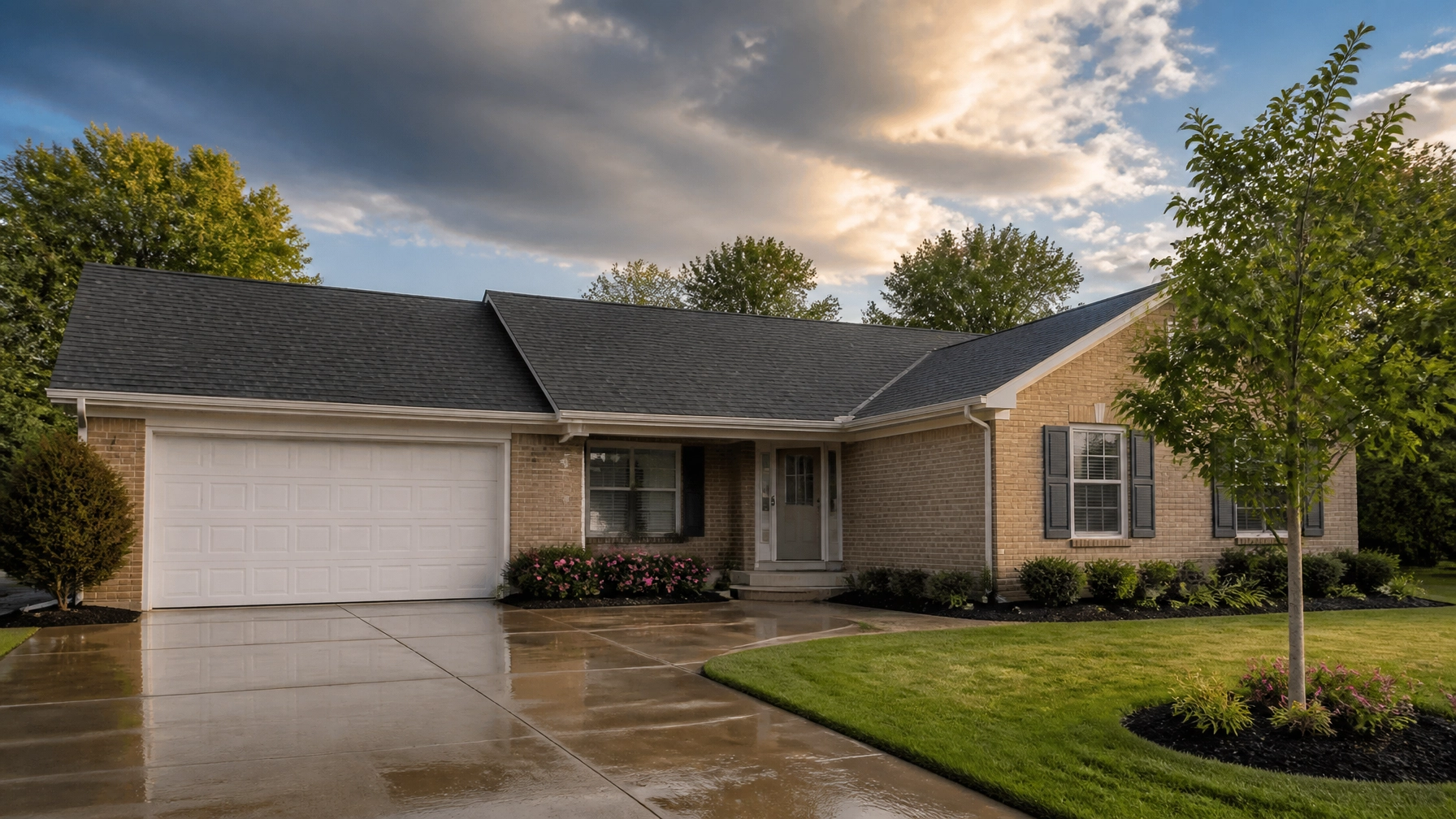
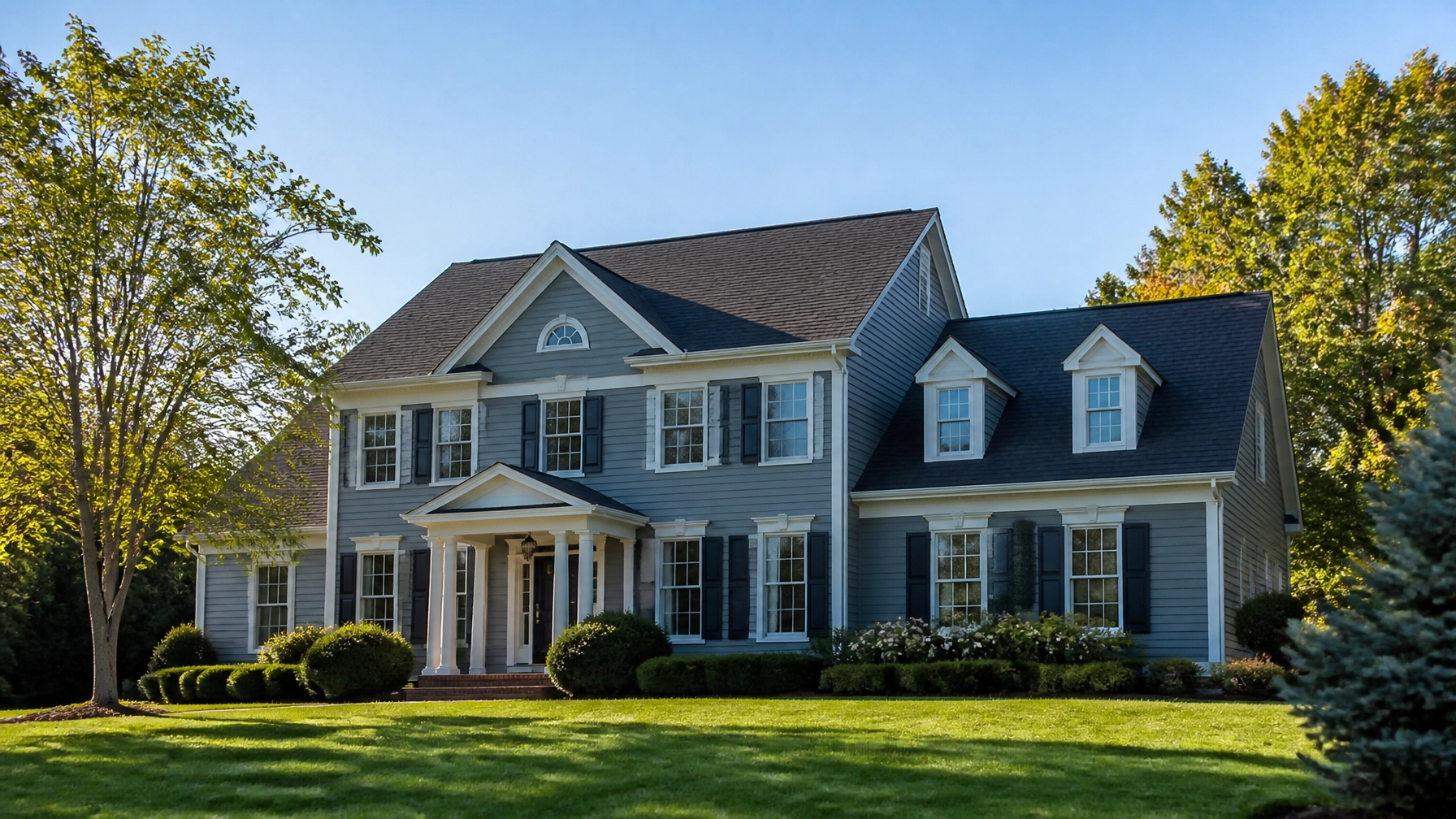
    Restored Ann Arbor bungalow with a new architectural shingle roof and mature trees

    What roofing license should an Ann Arbor contractor have?

    Michigan contractors performing residential roofing work generally need a Michigan LARA license.

    Look for either:

    • A Residential Builder license
    • A Residential Maintenance & Alteration Contractor license with a roofing classification

    Michigan LARA lists roofing as an approved Maintenance & Alteration trade. Verify the contractor through the Michigan LARA licensing information.

    Before signing, request:

    • Current license information
    • General liability insurance certificate
    • Workers’ compensation coverage, when applicable
    • Written scope of work
    • Material and workmanship warranty details
    • References from recent Washtenaw County projects

    What Michigan roof-code requirements matter most?

    Ann Arbor roofs must handle Great Lakes weather, including snow, ice, wind, and repeated freeze-thaw cycles.

    Key requirements and specifications include:

    • Ice-and-water barrier: Michigan Residential Code requires protection at eaves extending at least 24 inches past the interior wall line.
    • Wind classification: Asphalt shingles should meet the applicable ASTM D7158 wind classification and manufacturer installation requirements.
    • Ventilation: Balanced intake and exhaust ventilation helps reduce condensation and winter ice-dam risk.
    • Flashing: Chimneys, valleys, skylights, walls, and roof penetrations require properly installed flashing.
    • Tear-off: More than two existing shingle layers generally means removing the old roof before replacement.

    Ask the contractor to identify these items in the written estimate rather than accepting a single bundled price.

    What storm damage should Ann Arbor homeowners check in 2026?

    Ann Arbor experienced significant severe-weather context in 2026:

    • On April 15, 2026, an EF-1 tornado affected western Ann Arbor and Washtenaw County.
    • The broader storm produced a measured wind gust of approximately 70 mph near Ann Arbor.
    • Straight-line winds damaged metal roof panels at the University of Michigan’s Yost Ice Arena.
    • A March 6, 2026 hail event also makes a post-storm roof inspection worthwhile.

    The National Weather Service’s April 14–15, 2026 storm summary documents the tornado and related wind damage.

    Look for:

    • Missing, lifted, or creased shingles
    • Exposed underlayment
    • Dented vents, flashing, or gutters
    • Granules collecting in gutters
    • Damaged ridge caps
    • Fallen branches or punctures
    • Ceiling stains or attic moisture

    What should I do after hail or wind damage?

    1. Photograph visible damage from the ground.
    2. Prevent additional interior damage with temporary protection.
    3. Contact your insurance carrier promptly.
    4. Ask whether the roof is settled on ACV or RCV.
    5. Have a licensed, insured contractor inspect the roof.
    6. Keep all invoices, photos, adjuster reports, and temporary-repair receipts.
    7. Do not sign an assignment of benefits or storm contract without reading it carefully.

    A satellite estimate can help you understand the likely replacement range, but an insurance claim still requires documentation and an inspection.

    What is ACV versus RCV roof coverage?

    • ACV (Actual Cash Value): Replacement cost minus depreciation based on the roof’s age and condition.
    • RCV (Replacement Cost Value): The policy may pay the cost to replace the damaged roof with like kind and quality, subject to the deductible, limits, and policy terms.

    Some policies provide RCV for the home but ACV specifically for older roofs. Ask your insurer:

    • Is my roof settled at ACV or RCV?
    • Is there a roof-age limitation?
    • What is my wind or hail deductible?
    • Are cosmetic dents covered?
    • Does a Class 4 roof qualify for a premium credit?

    Can a Class 4 roof reduce insurance costs?

    Possibly. Class 4 materials tested under UL 2218 are designed to resist simulated hail impact better than lower-rated products.

    Michigan homeowners commonly see impact-resistant roof credits in the range of:

    • Typical: 10%–25%
    • Some carriers: Approximately 7%–35%

    Discounts are insurer-specific. Confirm the credit in writing before choosing a more expensive Class 4 material. Also ask whether the policy changes from RCV to ACV or excludes cosmetic hail damage.

    How long does an Ann Arbor roof last?

    Typical lifespan benchmarks are:

    • 3-tab shingles (Budget): 15–20 years
    • Architectural shingles (Popular): 20–30 years
    • Impact-resistant architectural shingles: Approximately 25–35 years
    • Standing-seam metal (Premium): 40–70+ years

    Ann Arbor snow, ice dams, tree debris, poor attic ventilation, and storm exposure can shorten these ranges. A roof inspection is especially useful when a shingle roof reaches 15 years or older.

    What affects roof replacement cost?

    The main cost drivers are:

    • Roof size: Larger roofs require more materials and labor.
    • Pitch: Steep roofs add safety equipment and labor time.
    • Complexity: Dormers, valleys, skylights, chimneys, and multiple roof planes increase labor.
    • Tear-off: Removing old roofing adds disposal and labor costs.
    • Decking repairs: Rot or storm-damaged sheathing raises the total.
    • Material: Architectural shingles cost less upfront than standing-seam metal.
    • Access: Multi-story homes, narrow lots, and mature trees can slow installation.
    • Ventilation and flashing: Upgrades improve performance but add scope.
    • Local labor: Ann Arbor and surrounding townships have different labor and permit costs.

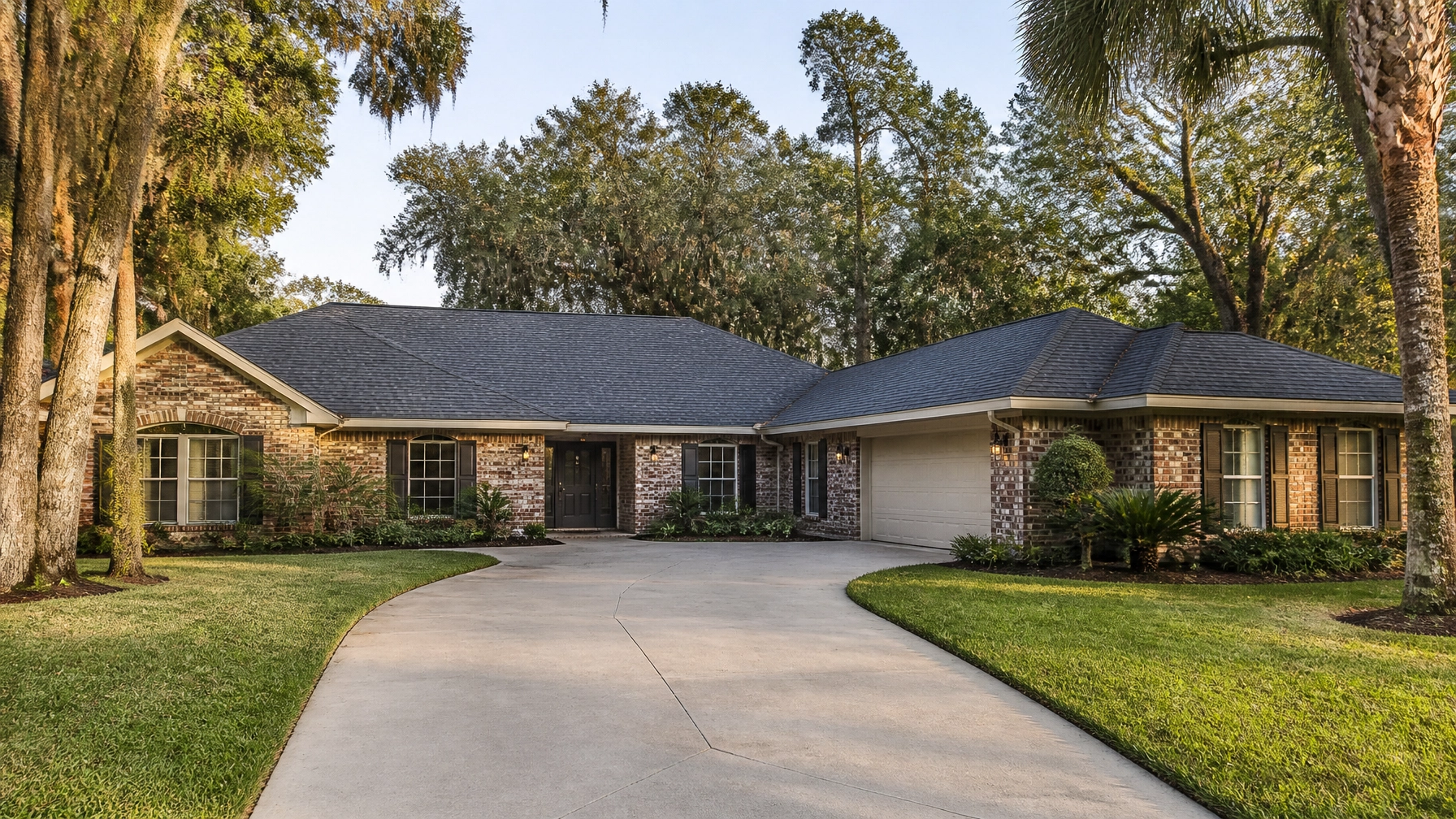
    Modern Ann Arbor-area home with a new standing-seam metal roof

    Does a new roof increase home value in Ann Arbor?

    A new roof supports roof replacement resale value, but it usually does not return every dollar as a direct price increase.

    Ann Arbor home values in 2026 commonly fall around $505,000–$536,000, depending on neighborhood, property type, condition, and data source.

    Typical resale context:

    • Asphalt roof replacement ROI: Approximately 60%–75%
    • Metal roofing: Can provide stronger long-term durability and appeal, but the higher upfront cost may produce a lower percentage ROI.
    • A new roof can prevent buyer concessions, inspection disputes, delayed closings, and insurance problems.

    For new roof ROI home value, asphalt shingles are usually the practical choice for Burns Park, Old West Side, Kerrytown, and comparable neighborhoods. Metal may be the better choice for long-term ownership, modern homes, or homeowners prioritizing durability.

    The best roof for home value is usually a properly installed material that fits the home’s architecture, neighborhood, and buyer expectations. Roof curb appeal matters, but a watertight, documented roof matters more.

    How accurate is a satellite roof estimate?

    Get My Roof Estimate Now uses satellite imagery to estimate:

    • Roof dimensions
    • Roof squares
    • Pitch
    • Roof complexity
    • Material quantities
    • Regional pricing

    The estimate is generally 90%–95% accurate, measured within inches for many properties. It is:

    • Free
    • Available without a credit card
    • Delivered in about 60 seconds
    • Designed to show low, middle, and high price ranges
    • Useful before scheduling contractor visits

    Start with the free satellite roof estimate. A contractor should still confirm hidden conditions such as decking damage, flashing failure, ventilation, and inaccessible roof sections.

    Ann Arbor roof replacement: key-numbers checklist

    • Architectural shingles: $9,000–$18,700 for a typical 2,000-square-foot roof
    • Most common shingle project: About $15,000
    • Architectural installed price: $4.50–$8.00 per square foot
    • Standing-seam metal: $14,000–$35,000+
    • City permit: Check STREAM for full replacement scope
    • Historic districts: Certificate of Appropriateness may be required
    • Ice barrier: At least 24 inches past the interior wall line
    • Roof layers: More than two usually requires tear-off
    • Contractor license: Michigan LARA Residential Builder or M&A Roofing classification
    • Class 4 insurance credit: Commonly 10%–25%, but carrier-specific
    • Architectural lifespan: 20–30 years
    • Standing-seam lifespan: 40–70+ years
    • Satellite estimate: Free, no credit card, about 60 seconds, 90%–95% accuracy
  • Daily Weather Blitz – Slot 4: Grand Rapids, MI ,  September 6, 2026: A Picture-Perfect 78°F Sunday With Low Humidity, a Warm & Sunny Labor Day & What the Furniture City’s Freeze-Thaw, Lake-Effect, and Autumn Storm Cycles Do to Your Roof’s Durability

    Daily Weather Blitz – Slot 4: Grand Rapids, MI , September 6, 2026: A Picture-Perfect 78°F Sunday With Low Humidity, a Warm & Sunny Labor Day & What the Furniture City’s Freeze-Thaw, Lake-Effect, and Autumn Storm Cycles Do to Your Roof’s Durability

    Grand Rapids gets a nearly perfect roofing day on Sunday, September 6, 2026: mostly sunny skies, low humidity, no expected precipitation, light northeast winds around 5–10 mph, and a high near 78°F. Overnight temperatures should fall near 57°F.

    Labor Day Monday stays comfortable, with mostly sunny conditions and temperatures warming to approximately 80°F. For current forecast updates, check the Grand Rapids forecast from AccuWeather.

    This calm weather is more than a reason to enjoy the holiday weekend. It is an ideal maintenance window before Grand Rapids moves into its more demanding roofing seasons: autumn storm lines, wet leaves, freeze-thaw cycling, lake-effect snow, ice dams, and long periods of cold.

    Why This September Weather Window Matters

    Roof work and inspections are easier when surfaces are dry, temperatures are moderate, and wind is light.

    Homeowners can use this weekend to:

    • Check shingles, flashing, vents, and gutters from ground level.
    • Schedule a professional roof inspection before winter.
    • Clear leaves and debris from valleys and drainage areas.
    • Review attic insulation and ventilation.
    • Compare roof replacement costs before emergency damage occurs.
    • Plan vehicle and home protection before road salt and freezing temperatures return.

    Grand Rapids’ seasonal swings can be hard on roofing systems. A roof may face warm September sun, heavy autumn rain, wet snow, subfreezing temperatures, and repeated thawing within a few months.

    The best time to prepare for winter is before the first freeze, not after the first leak.

    Grand Rapids Roofing Stress: Freeze-Thaw, Snow, and Ice Dams

    Freeze-thaw movement

    When water enters small cracks, seams, or unsealed flashing points, freezing temperatures cause that moisture to expand. Repeated expansion and contraction can contribute to:

    • Cracked or brittle shingles.
    • Failed sealant bonds.
    • Lifted shingle edges.
    • Loose flashing.
    • Deteriorated roof decking.
    • Water entry around chimneys, skylights, and roof penetrations.

    A standard asphalt roof may last roughly 15–25 years in a demanding Michigan climate. Better architectural and SBS-modified asphalt systems can perform toward the upper end of that range when properly installed and ventilated.

    Lake-effect snow

    Grand Rapids’ proximity to Lake Michigan contributes to heavy snow events and rapidly changing winter conditions. Snow accumulation adds weight, while wind can drive snow and moisture into vulnerable roof details.

    Steeper roofs and properly designed metal systems often shed snow more readily than rougher shingle surfaces. However, snow shedding must be planned carefully. Snow guards may be appropriate above walkways, entrances, and driveways.

    Ice dams

    Ice dams develop when heat escapes from the living space into the attic and warms the roof deck. Snow melts higher on the roof, flows toward colder eaves, and refreezes. The resulting ice barrier can force water beneath shingles.

    The most effective defenses work together:

    • Air-sealing attic penetrations.
    • Adequate attic insulation.
    • Continuous soffit intake ventilation.
    • Ridge or approved exhaust ventilation.
    • Ice-and-water shield at vulnerable eaves and valleys.
    • Properly sized and maintained gutters.

    Ventilation alone cannot correct a poorly insulated or leaky attic. The system must control heat, moisture, and airflow as a complete assembly.

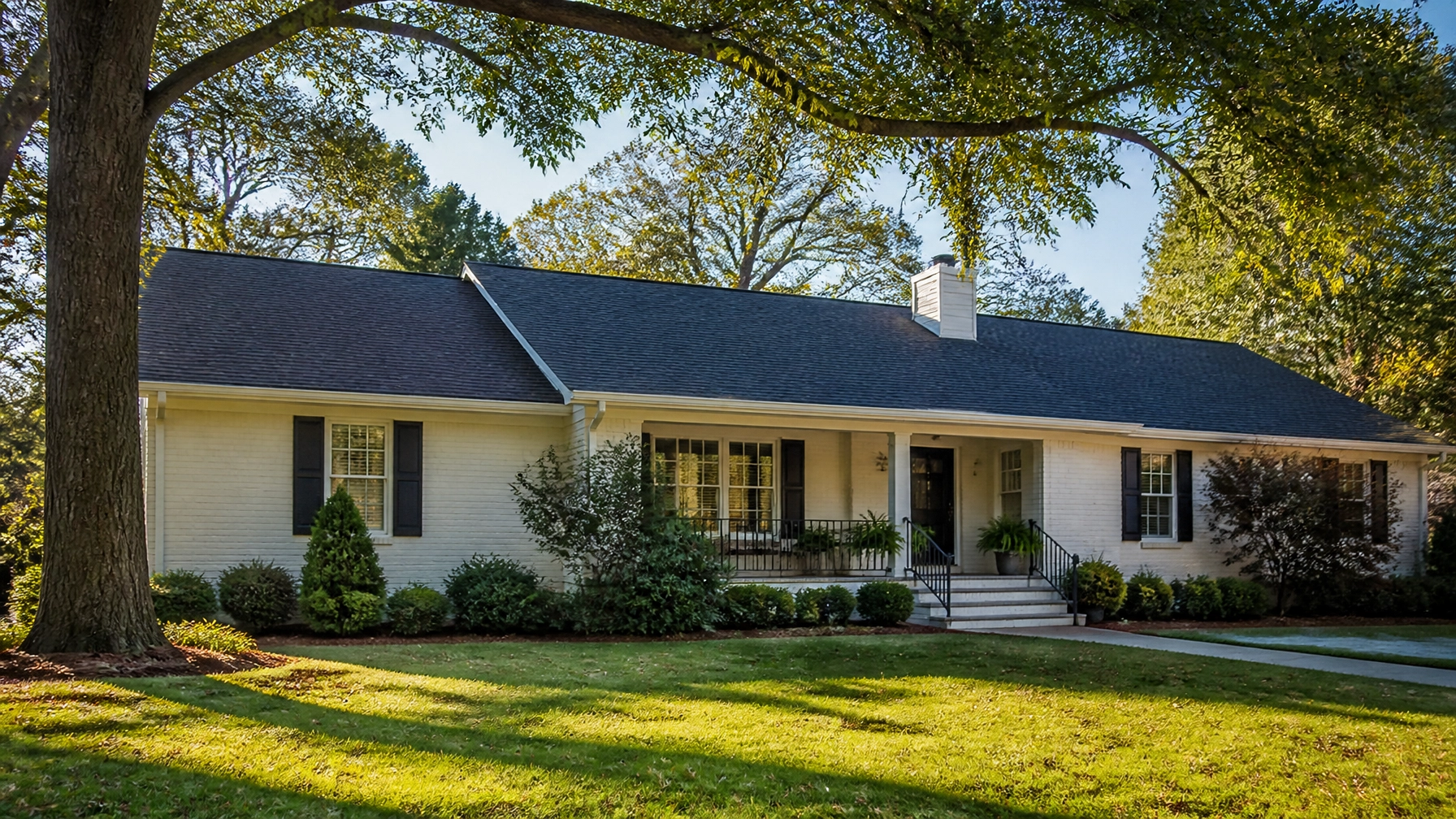
    Ranch-style Grand Rapids home with a new SBS-modified asphalt shingle roof and early autumn landscaping

    SBS-Modified Asphalt vs. Metal Roofing

    Choosing the best roof for home value depends on your budget, expected time in the home, neighborhood style, and maintenance priorities.

    SBS-modified asphalt shingles (Popular, flexible)

    SBS, styrene-butadiene-styrene, is a synthetic rubber modifier added to asphalt products. The result is a more flexible material that can better tolerate movement in cold conditions than basic asphalt.

    Potential advantages include:

    • Improved low-temperature flexibility.
    • Better resistance to cracking and fatigue.
    • Familiar shingle appearance.
    • Broad color and style selection.
    • Lower upfront cost than most metal systems.
    • Easier matching with surrounding homes.

    A properly installed SBS-modified asphalt system remains vulnerable to ice dams, poor ventilation, damaged flashing, and wind. Product quality does not replace correct installation.

    Standing-seam metal roofing (Premium, long-life)

    Standing-seam metal typically costs more but can last 50–70 years with proper installation and maintenance. It has concealed fasteners, fewer exposed joints, and strong resistance to rot, mildew, and granule loss.

    A metal roof can be a strong fit for homeowners who want:

    • Long service life.
    • Easy snow shedding.
    • Minimal recurring maintenance.
    • A modern or premium architectural appearance.
    • A roof that may be the last major replacement they need.

    The tradeoffs are clear. Metal roofing often costs $8–$16 per square foot installed, while asphalt commonly runs about $3–$7 per square foot, depending on product and project conditions. Metal also requires experienced installation, and panels can dent from large hail or falling branches.

    See the 2026 metal roofing guide for a comparison of standing seam, corrugated metal, and metal shingles.

    Modern Grand Rapids home with a durable standing-seam metal roof in a leafy Midwest neighborhood

    Ridge-to-Soffit Ventilation Is a Durability System

    A balanced ventilation system brings air in through soffit vents and exhausts warm, moist air through ridge vents or another properly designed outlet.

    For many attics, roofing professionals use a general starting point of approximately 1 square foot of net-free vent area per 150 square feet of attic floor, divided between intake and exhaust. Actual requirements depend on the home, roof geometry, local code, and manufacturer specifications.

    Also review insulation. In Grand Rapids, many homeowners target approximately R-49 to R-60 in the attic, while ensuring insulation does not block soffit airflow.

    Ask a contractor to verify:

    • Whether soffit vents are continuous and unobstructed.
    • Whether ridge vents are correctly installed.
    • Whether bathroom and kitchen exhaust fans terminate outdoors.
    • Whether attic access points are air-sealed.
    • Whether insulation is evenly distributed.
    • Whether ice-and-water shield protects eaves and valleys.

    Roof Replacement Cost, ROI, and Curb Appeal

    A typical roof replacement project may fall within the broad range of $8,000–$25,000, depending on roof size, pitch, complexity, material, tear-off requirements, repairs, and local labor.

    For planning purposes, the company’s roof cost calculator lists 2026 national averages of approximately $9,000–$22,000, with asphalt, metal, pitch, roof size, and tear-off affecting the result.

    Does a new roof improve home value?

    Usually, yes: but roof replacement ROI is not the same as receiving every dollar back at resale.

    A new roof can improve:

    • Buyer confidence.
    • Inspection results.
    • Curb appeal.
    • Insurance and maintenance conversations.
    • Time-to-sale potential.
    • Negotiating strength.

    National remodeling studies commonly place asphalt roof replacement cost recovery around the 60%–68% range, although local market conditions vary. Metal may offer greater longevity but often has a higher upfront cost and a lower immediate resale recovery percentage.

    That means the best roof replacement ROI may come from matching the roof to the property:

    • Budget: Architectural or SBS-modified asphalt for broad buyer appeal.
    • Popular: High-quality dimensional shingles with strong ventilation and flashing.
    • Premium: Standing-seam metal for long-term durability and distinctive curb appeal.

    If you are selling soon, a clean, professionally installed roof can protect resale value even when it does not produce a dollar-for-dollar return. Buyers rarely pay a premium for a roof they must replace immediately.

    September–October Grand Rapids Roof Maintenance Checklist

    Use this checklist during the dry fall window:

    Roof exterior

    • Look for missing, curled, cracked, or lifted shingles.
    • Check metal panels for loose fasteners, dents, or open seams.
    • Inspect flashing around chimneys, skylights, vents, and walls.
    • Remove leaves from valleys and roof-to-wall areas.
    • Trim branches that touch or overhang the roof.
    • Never walk on a steep or wet roof without proper equipment.

    Gutters and drainage

    • Clean gutters and downspouts before leaves accumulate.
    • Confirm downspouts discharge several feet away from the foundation.
    • Check for sagging sections or separated joints.
    • Look for excessive granules in gutter debris.
    • Consider leaf protection if maintenance is difficult.

    Attic and interior

    • Look for daylight around roof penetrations.
    • Check for damp insulation, staining, mold, or musty odors.
    • Confirm bathroom and kitchen fans vent outdoors.
    • Review insulation depth and air-sealing.
    • Watch for water marks after autumn rain.

    Vehicles and winter preparation

    Your roof is not the only system affected by Michigan’s seasonal shift. Road salt, freezing temperatures, and cold starts can damage vehicles and increase maintenance demands.

    Before winter:

    • Wash salt residue from wheel wells and undercarriages.
    • Inspect weather seals around doors and trunks.
    • Check battery health before repeated cold starts.
    • Verify tire tread and tire pressure.
    • Keep washer fluid rated for freezing temperatures.
    • Avoid parking beneath weak or heavily loaded branches.

    Ground-level fall maintenance view of a Grand Rapids home with clean gutters, downspouts, and early autumn leaves

    Get a Property-Specific Roof Estimate Before Winter

    National averages cannot account for every Grand Rapids roof. Your actual cost depends on measured roof area, pitch, valleys, dormers, penetrations, material choice, regional pricing, and whether the decking needs repair.

    Get My Roof Estimate Now uses satellite imagery to measure your roof and provide an instant, free estimate in about 60 seconds. The system evaluates roof size, pitch, and complexity and provides low-to-high pricing ranges without requiring a credit card.

    The measurements are designed for approximately 90%–95% accuracy and within inches, but a contractor should verify site conditions before construction. When you are ready, the service can also connect you with verified, licensed, and insured local contractors.
    Start with a free satellite roof estimate while Grand Rapids is still enjoying clear skies. A few minutes of planning now can help you avoid a winter emergency later.

  • Daily Weather Blitz – Slot 3: Bowling Green, KY : September 6, 2026: A Post-Front Cooldown in the Low 90s, a Quick Tuesday–Wednesday Heat Rebound & What Corvette City’s Wild Weather Swing Does to Your Roof’s Durability

    Daily Weather Blitz – Slot 3: Bowling Green, KY : September 6, 2026: A Post-Front Cooldown in the Low 90s, a Quick Tuesday–Wednesday Heat Rebound & What Corvette City’s Wild Weather Swing Does to Your Roof’s Durability

    Published: September 6, 2026
    Location: Bowling Green, Kentucky : Warren County, ZIP codes 42101–42104
    Categories: Weather, Durability, Bowling Green
    Tags: Bowling Green roofing, Kentucky weather, roof durability, storm damage, roof replacement, Warren County

    Bowling Green is moving from one weather extreme to another.

    Saturday, September 5, brought upper-90s heat, heat advisories, extreme heat warnings, and heat indices reaching approximately 109°F. A line of strong thunderstorms then crossed the area Saturday evening into overnight as a weak cold front moved through. The storms delivered needed rainfall, with some gusty winds.

    Today, Sunday, September 6, is cooler but still warm. Morning temperatures began near 78°F under clouds, fog, and stratus. Drier air is filtering in on north to northeast winds of 5–9 mph. The afternoon should turn mostly sunny with a high near 92°F, lower humidity, and no heat advisory. Tonight drops to approximately 65°F.

    According to the NWS Louisville forecast for Bowling Green, Labor Day Monday should be mostly sunny with a high near 91°F. The next heat rebound arrives quickly:

    • Tuesday: Sunny and hot, near 94°F
    • Wednesday: Sunny and hot, near 96°F
    • Thursday: A 40% chance of showers and thunderstorms, with temperatures falling back toward the upper 80s or low 90s

    The message for homeowners is straightforward: this is a good window for a safe, ground-level roof check before the next round of heat and storms.

    Why Bowling Green’s weather pattern matters to your roof

    Bowling Green sits near the northern edge of the region commonly called Dixie Alley, a corridor known for severe thunderstorms, tornadoes, hail, and damaging straight-line winds.

    Warren County has experienced destructive tornado activity, including during the December 2021 tornado outbreak. Late-summer storms can also produce microbursts and wind gusts exceeding 60 mph.

    That combination creates several roofing risks:

    • Wind uplift along shingle edges
    • Hail bruising and granule loss
    • Loose flashing around chimneys and vents
    • Failed sealant at roof penetrations
    • Water entry beneath lifted tabs
    • Clogged gutters after heavy rain and debris

    The storm line from Saturday may not have caused obvious damage from the ground. Small issues can remain hidden until the next heavy rain exposes them.

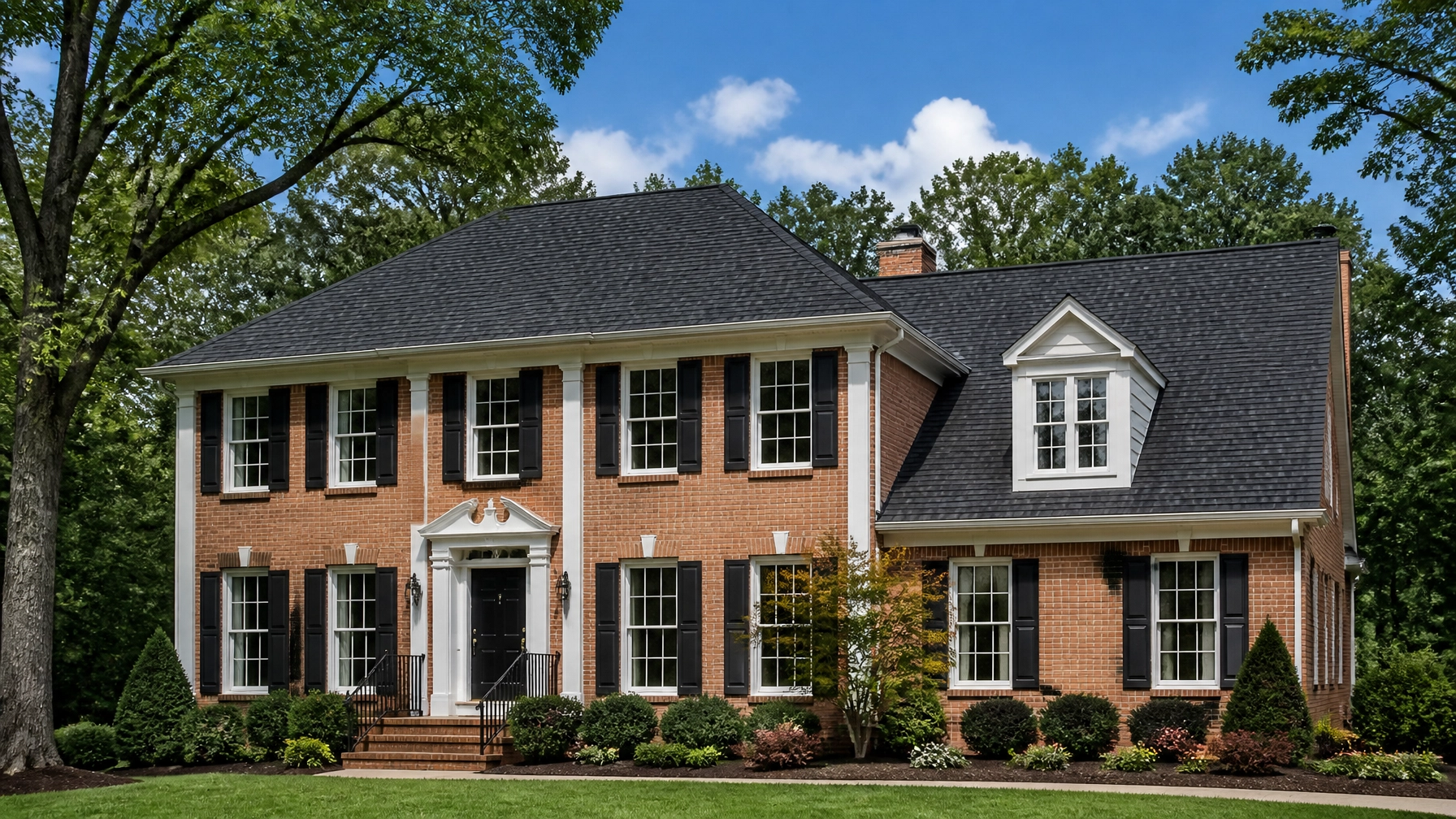
    Two-story Kentucky colonial home with a new architectural shingle roof and clean gutters

    Thermal cycling: from heat index 109°F to dry low-90s

    The sharp change from Saturday’s heat to Sunday’s cooler, drier conditions creates repeated expansion and contraction across the roof system.

    Asphalt shingles, underlayment, flashing, fasteners, and sealants do not all respond to temperature changes in exactly the same way. Over time, repeated thermal cycling can contribute to:

    • Shingle expansion and contraction
    • Granule loss
    • Brittle or fatigued sealant
    • Nail pops
    • Cracked flashing compounds
    • Loosened tabs and exposed fasteners

    One cooldown will not ruin a healthy roof. The concern is cumulative stress after years of repeated hot-cold transitions, especially when the roof has already experienced strong UV exposure, wind, or poor attic ventilation.

    The current pattern: upper-90s heat with feels-like temperatures in the 100s, followed by a low-90s cooldown and another mid-90s heatwave by Wednesday: is a useful reminder to evaluate your roof before small problems become water damage.

    Asphalt shingles and Bowling Green’s late-summer heat

    A roof’s published lifespan is not always its practical service life.

    A “30-year” architectural shingle may last close to that long under favorable conditions. In south-central Kentucky, however, repeated heat, humidity, storm exposure, and attic temperatures can shorten the replacement timeline. Many architectural shingle roofs begin showing meaningful wear around 18–25 years.

    Look for these warning signs:

    • Bare or thin-looking patches where granules are missing
    • Shingle edges that curl or lift
    • Cracked, brittle, or split shingles
    • Dark streaks or algae growth
    • Excessive granules in gutters
    • Sagging roof sections
    • Daylight visible in the attic
    • Water stains on ceilings or rafters

    UV exposure is especially hard on south- and west-facing roof slopes. These areas receive strong afternoon sun and may age faster than shaded sections.

    Humidity, algae, moss, and shaded roof slopes

    Bowling Green’s humid climate can support algae and moss growth, particularly in:

    • North-facing slopes
    • Shaded roof valleys
    • Areas beneath mature trees
    • Sections with poor drainage
    • Roofs that remain damp after rainfall

    Algae may appear as dark streaks. Moss is more structurally concerning because it can hold moisture against shingles and lift their edges as it grows.

    Do not pressure-wash asphalt shingles. High-pressure cleaning can remove protective granules and shorten roof life. A licensed roofing professional can recommend an appropriate cleaning or repair approach.

    Also keep gutters and downspouts clear. After Saturday’s rain and gusty storms, remove leaves and debris from ground level if it is safe to do so. Blocked gutters can push water behind fascia boards and into roof edges.

    What to check after Saturday’s storm line

    Do not climb onto the roof yourself. Use binoculars from the ground or ask a licensed contractor for an inspection.

    Pay particular attention to:

    • Missing shingles
    • Lifted or displaced tabs
    • Loose ridge caps
    • Damaged chimney flashing
    • Bent or detached vent covers
    • Missing pipe boot collars
    • Loose gutters or downspouts
    • Fallen branches contacting the roof
    • Shingle pieces or unusual granules around the home

    If you see active leaking, place a container under the leak and contact a roofing professional promptly. Avoid making permanent repairs before documenting the condition if you may file an insurance claim.

    Take clear photos of:

    1. The roof from each side of the property
    2. Gutters and downspouts
    3. Tree or branch impacts
    4. Interior ceiling stains
    5. Any loose, missing, or visibly damaged roofing materials

    Documenting pre-existing wear before the next storm can also make future insurance discussions clearer.

    Prepare now for winter freeze-thaw cycles

    The next weather concern is not only another thunderstorm. Fall is the time to prepare for winter moisture and freeze-thaw conditions.

    Water that enters small roof defects can freeze, expand, and worsen cracks. January freeze-thaw cycles may also contribute to flashing movement, damaged sealants, and ice buildup along poorly ventilated roof edges.

    Before winter, ask a professional to evaluate:

    • Attic insulation levels
    • Intake ventilation at soffits
    • Exhaust ventilation at the ridge or roof vents
    • Moisture or mold in the attic
    • Damaged underlayment
    • Flashing around penetrations
    • Gutter drainage and downspout discharge

    A balanced ventilation system helps reduce attic heat during summer and moisture accumulation during winter. It cannot correct every roofing problem, but it is an important part of a durable roof assembly.

    Modern Kentucky home with a new standing-seam metal roof in late-summer sunlight

    2026 Bowling Green roof replacement cost benchmarks

    For a typical Bowling Green home with 1,500–3,000 square feet of roof area, a complete replacement commonly falls between $8,000 and $25,000 in 2026.

    Your actual price depends on roof size, pitch, complexity, material, tear-off requirements, ventilation, accessibility, and any decking repairs.

    Architectural shingles (Popular)

    • Approximately $4.75–$10.50 per square foot installed
    • Around $7 per square foot is a common mid-range benchmark
    • A typical 2,000-square-foot replacement may run approximately $9,500–$17,500

    Class 4 impact-resistant shingles (Storm-focused upgrade)

    • Often add approximately $1,500–$3,500
    • May provide better resistance to hail impact
    • Can be worth considering given Kentucky’s hail and severe-wind history
    • Ask your insurer whether an impact-resistant roof may qualify for a discount

    Standing-seam metal (Premium)

    Standing-seam metal roofing costs more than standard asphalt shingles but offers long service life, strong wind performance when properly installed, and good solar reflectivity. It is a premium choice that should be evaluated against the home’s structure, appearance, budget, and expected ownership timeline.

    Use a roof cost calculator for a broad planning range, then confirm the scope with a licensed, insured local contractor.

    Bowling Green homeowner checklist

    Use this checklist during the post-storm cooldown:

    • Check the roof from the ground with binoculars
    • Look for lifted, missing, or cracked shingles
    • Inspect gutters for shingle granules
    • Check flashing and vents from a safe distance
    • Look for ceiling stains or attic moisture
    • Clear gutters and downspouts carefully
    • Photograph existing wear and storm damage
    • Schedule a professional inspection if anything looks abnormal
    • Review attic intake and exhaust ventilation
    • Compare replacement costs before the next storm season

    Get a Bowling Green roof estimate in 60 seconds

    You do not need to wait days for multiple contractor visits just to understand your project’s likely cost.

    Get a free, instant satellite roof estimate from Get My Roof Estimate Now. Enter your Bowling Green address and receive a property-specific price range based on roof size, pitch, complexity, material, and regional costs.

    The estimate is:

    • Free
    • Available in about 60 seconds
    • Based on satellite-powered roof measurements
    • Accurate to within inches in many cases, with approximately 90–95% measurement accuracy
    • Available without a credit card
    • Transparent, with no hidden fees

    Use the estimate to plan repairs, compare materials, prepare for winter, or decide whether it is time to connect with a verified, licensed, and insured local contractor.

    Ground-level residential roof inspection view showing shingles, flashing, and gutters after a storm

    The Saturday storm line and this week’s rapid temperature swings are not reasons to panic. They are practical reasons to inspect early, document what you find, and understand your replacement budget before the next severe-weather system arrives.

  • Daily FAQ Blitz – Slot 6: AEO FAQ Quick Answers for Jacksonville, FL Homeowners (2026)

    Daily FAQ Blitz – Slot 6: AEO FAQ Quick Answers for Jacksonville, FL Homeowners (2026)

    Jacksonville is Florida’s largest city by area and the center of Duval County’s consolidated city-county government. Roofing needs vary from older homes in Springfield, Riverside, Avondale, and Murray Hill to newer properties in Mandarin, Arlington, Deerwood, Bartram Park, and the Beaches communities. Homeowners may search by ZIP code, from 32202 and 32204 to 32223, 32224, 32250, 32256, and 32258, but the same core questions remain: cost, permits, storm resistance, timing, and contractor quality.

    These quick answers provide practical 2026 planning information for Jacksonville and the First Coast.

    1. How much does a roof replacement cost in Jacksonville in 2026?

    Quick answer: For a typical home with approximately 2,000 square feet of actual roof area, plan for these installed ranges:

    Roofing system Planning range Approximate cost per square foot
    Basic asphalt shingles (Budget) $8,000–$12,000 $4–$6
    Architectural shingles (Popular) $11,000–$18,000 $5.50–$9
    Impact-resistant shingles (Storm-focused) $12,000–$19,000 $6–$9.50
    Standing-seam metal (Premium) $20,000–$35,000 $10–$17.50

    One roofing square equals 100 square feet, so a 2,000-square-foot roof contains approximately 20 squares before waste and installation adjustments.

    These are planning ranges, not fixed bids. Price changes with:

    • Roof size and measured slope
    • Number of hips, valleys, dormers, and penetrations
    • Steepness and access
    • Tear-off and disposal requirements
    • Rotted decking or structural repairs
    • Underlayment, flashing, ventilation, and gutter work
    • Material selection and Florida compliance requirements
    • Local labor demand and project timing

    For a Jacksonville-specific starting point, review the local roof estimate page.

    2. How can Jacksonville homeowners get a free roof estimate fast?

    Quick answer: Enter your address into the Get My Roof Estimate Now tool. Satellite imagery measures the roof, applies local pricing, and produces a planning estimate in approximately 60 seconds.

    There is:

    • No contractor visit required upfront
    • No credit card requirement
    • No charge or obligation
    • No need to schedule several contractors just to get a ballpark number

    The estimate is designed for budgeting and comparison. A licensed roofer should still inspect the roof before finalizing a contract.

    3. How accurate are satellite roof measurements?

    Quick answer: Satellite measurements are typically approximately 90%–95% accurate for standard residential roofs. They can identify roof dimensions, sections, pitch indicators, and overall complexity without sending someone to the property.

    Satellite tools cannot reliably detect:

    • Hidden decking rot
    • Soft spots or structural deterioration
    • Active leaks beneath the roof covering
    • Failed flashing concealed by materials
    • Interior moisture damage
    • Installation defects that are not visible from above

    Use the estimate to plan your budget, then arrange an on-site inspection before signing a replacement agreement.

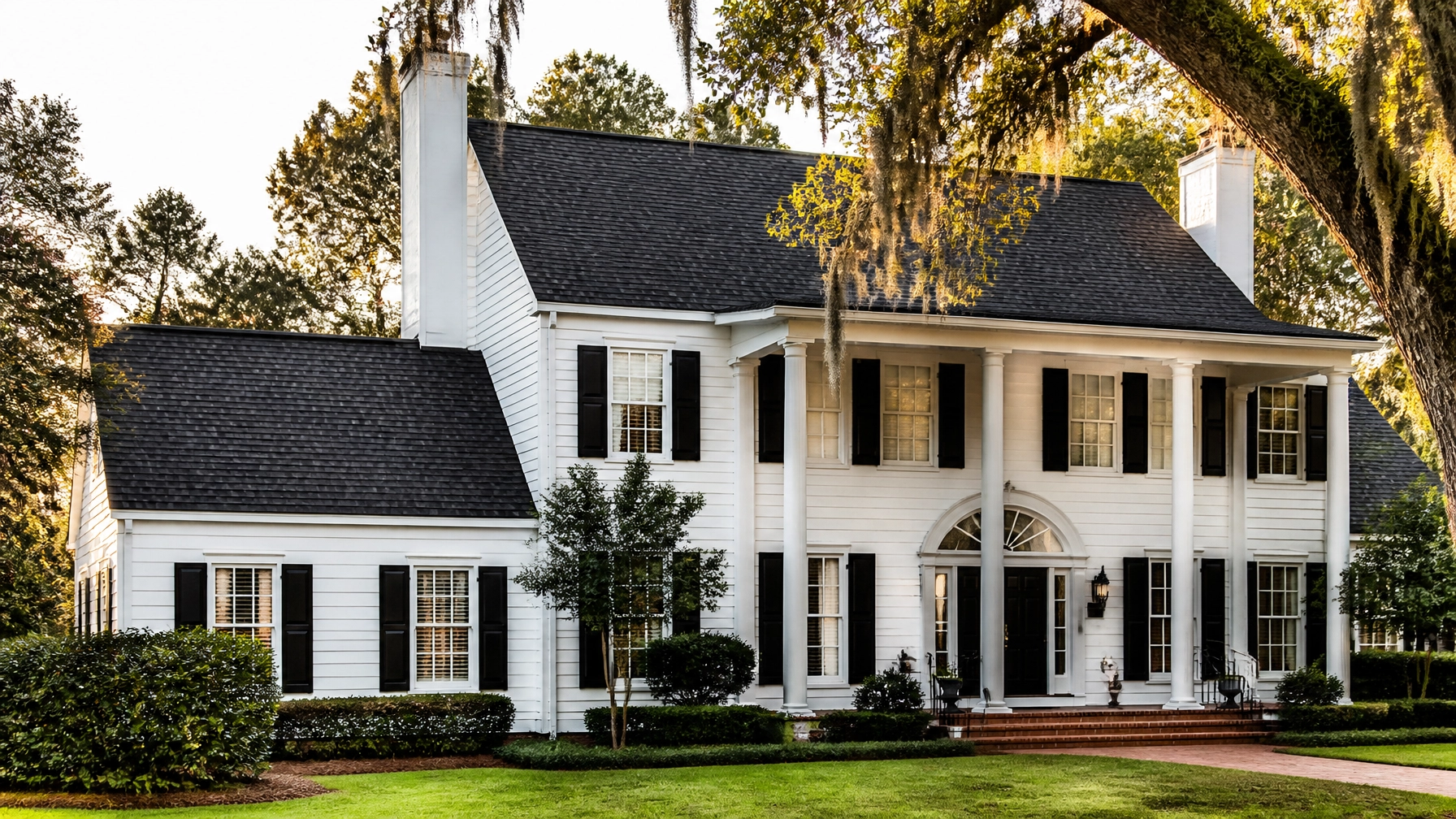
    Jacksonville Colonial-style home with a new architectural shingle roof

    4. Does Jacksonville require a roof replacement permit?

    Quick answer: Yes. Roof replacement work in Jacksonville generally requires a permit through the City of Jacksonville Building Inspection Division. Because Jacksonville and Duval County operate through a consolidated city-county structure, homeowners should confirm that the property falls within the applicable jurisdiction.

    The City requires electronic permit submission through JaxEPICS, and its Building Inspection Division enforces the Florida Building Code.

    Before work begins, ask:

    • Who will pull the permit?
    • Is the contractor registered to work in Jacksonville?
    • Which inspections are required?
    • Will the permit be posted at the property?
    • Who will confirm final inspection and permit closeout?

    Do not assume that a contractor’s verbal assurance is enough. Get permit responsibility in writing.

    5. How do I verify a Jacksonville roofing contractor?

    Quick answer: Check the contractor through Florida’s official DBPR license lookup, then verify insurance separately.

    Look for:

    • An active Florida roofing contractor license
    • A license name matching the company on the proposal
    • General liability insurance
    • Workers’ compensation coverage
    • Recent Jacksonville-area references
    • A written scope of work and payment schedule
    • Clear warranty terms

    Ask for a current certificate of insurance and contact the listed insurer to confirm coverage. A license search alone does not prove that insurance is active.

    6. Which roofing materials work best on the First Coast?

    Quick answer: Wind-rated architectural shingles, impact-resistant shingles, standing-seam metal, and tile can all work well in Jacksonville when properly selected and installed.

    For First Coast homes, focus on:

    • Wind-rated and impact-rated products
    • Corrosion-resistant fasteners and metal components
    • Proper synthetic or approved underlayment
    • Step flashing and wall flashing
    • Sealed pipe penetrations
    • Adequate attic ventilation
    • Correct edge, hip, ridge, and valley installation
    • Current Florida Product Approval documentation

    Coastal properties near Jacksonville Beach, Atlantic Beach, and Neptune Beach may need additional attention to salt exposure and corrosion. Tile can complement coastal and Mediterranean styles, while metal offers long service life and strong storm performance.

    No roof is hurricane-proof. Performance depends on the complete assembly, attachment method, roof geometry, and installation quality: not just the name of the material.

    7. Should I repair or replace my Jacksonville roof?

    Quick answer: Repair is usually reasonable when the roof is relatively young and damage is isolated. Replacement becomes more practical when damage is widespread, the roof is near the end of its service life, or repairs are becoming recurring expenses.

    Consider replacement when:

    • The roof is approximately 20 years old or older
    • Shingles are brittle, curling, or losing granules
    • Multiple slopes show wind damage
    • Leaks appear in several locations
    • Flashing and underlayment are failing
    • Repair costs approach a meaningful share of replacement cost
    • You are preparing to sell and need predictable roof condition

    A professional inspection should evaluate the roof covering, flashing, ventilation, decking, and attic: not just the most visible leak.

    8. What should I do after hurricane or storm damage?

    Quick answer: Stay off the roof, document visible damage from ground level, prevent additional water entry if safe, and notify your insurer.

    Recommended steps:

    1. Keep people away from damaged areas.
    2. Take ground-level photos and videos.
    3. Use temporary protection only if it can be done safely.
    4. Contact your insurance company and ask about claim procedures.
    5. Save receipts for emergency mitigation.
    6. Obtain a written inspection and repair estimate.
    7. Ask whether an OIR-B1-1802 wind-mitigation inspection could document qualifying features.
    8. Review whether your policy includes wind damage, deductibles, and exclusions.

    Homeowners insurance generally does not cover flood damage. Confirm flood coverage separately with your insurance agent.

    New standing-seam metal roof on a modern Jacksonville, Florida residence

    9. When is the best time to replace a Jacksonville roof?

    Quick answer: Start gathering estimates two to four months before your target installation date, especially if the roof is aging or storm season is approaching.

    Planning early gives you time to:

    • Compare materials and contractors
    • Resolve permit questions
    • Order specialty products
    • Address decking or ventilation issues
    • Avoid emergency scheduling after a major storm

    Summer and fall can bring heat, heavy rain, and tropical weather interruptions. If the roof is already leaking or visibly deteriorated, do not wait for an ideal calendar window.

    10. What should a Jacksonville roofing estimate and warranty include?

    Quick answer: A complete proposal should describe the work, materials, price, schedule, permits, cleanup, and warranty responsibilities.

    Verify that the estimate includes:

    • Measured roof area and number of squares
    • Tear-off and disposal
    • Decking replacement pricing or unit costs
    • Shingle, metal, or tile product name
    • Underlayment and flashing specifications
    • Ventilation work
    • Permit and inspection responsibility
    • Start date and estimated duration
    • Payment schedule
    • Cleanup and magnetic nail sweep
    • Change-order procedures
    • Manufacturer warranty
    • Contractor workmanship warranty
    • Any enhanced or system warranty requirements

    A manufacturer warranty covers qualifying product defects. A workmanship warranty covers installation labor. An enhanced system warranty may require approved components and certified installation. Ask who administers each warranty and what actions could void it.

    Jacksonville Roof Replacement Checklist

    • Measure your budget using the correct roof area: not just interior living space.
    • Remember that one roofing square equals 100 square feet.
    • Get an instant satellite estimate for your Jacksonville address.
    • Compare basic, architectural, impact-resistant, and metal options.
    • Ask for Florida Product Approval information.
    • Verify the contractor through Florida DBPR.
    • Confirm general liability and workers’ compensation insurance.
    • Ask who pulls the Jacksonville roofing permit.
    • Require a written scope, price, schedule, and change-order process.
    • Request manufacturer, workmanship, and enhanced warranty details.
    • Photograph storm damage from the ground.
    • Discuss wind-mitigation documentation with your insurer.
    • Schedule an on-site inspection before signing a final contract.
    • Plan several months ahead when possible.

    For a fast, no-cost starting point, enter your Jacksonville address at getmyroofestimatenow.com. Get a satellite-powered roof replacement estimate in about 60 seconds, then use it to plan your next conversation with a licensed local contractor.

    Category: Jacksonville Roofing & Home Improvement

    Tags: Jacksonville roofing, Jacksonville roof replacement cost 2026, Duval County roof permit, First Coast roofing, Florida roofing contractors, hurricane-resistant roofing, satellite roof estimate, 32223 roofing, Mandarin roofing, Jacksonville Beach roofing

  • Daily Tech Blitz – Slot 7: Greensboro’s Satellite Tech Edge Is Bringing Gate City Precision to Piedmont Triad Roofs

    Daily Tech Blitz – Slot 7: Greensboro’s Satellite Tech Edge Is Bringing Gate City Precision to Piedmont Triad Roofs

    On Friday, September 4, severe thunderstorms moved across Guilford County with wind gusts reaching 60 mph and quarter-sized hail. At peak, approximately 31,000 Duke Energy customers lost power. More than 77 downed-tree reports followed, while the Pear Street playground was destroyed and a pedestrian bridge at Bluford Park was damaged.

    As city crews continued clearing debris through Saturday, September 5, Greensboro homeowners faced a practical question: Did the storm damage my roof, and what would replacement cost?

    Modern satellite technology helps answer both questions faster.

    NOAA and National Weather Service systems help identify where severe weather is forming and where it is moving. High-resolution property imagery and artificial intelligence then help measure individual roofs. Together, those technologies are giving the Gate City a more precise way to understand storm risk, roof condition, and replacement costs.

    Greensboro Already Has a Satellite-Data Advantage

    The Piedmont Triad is not new to advanced mapping and remote sensing.

    GOES-R Tracks the Storm Before It Arrives

    NOAA’s GOES-R satellite system provides continuous coverage of North Carolina. Its instruments include:

    • The Geostationary Lightning Mapper (GLM), which monitors total lightning activity.
    • The Advanced Baseline Imager (ABI), which captures high-resolution visible and infrared imagery.
    • Targeted storm scans that can update as often as every minute.
    • Cloud, moisture, temperature, and convection data used by forecasters.

    The severe thunderstorm warnings issued for Guilford County relied on NOAA/NWS warning infrastructure, dual-polarization radar, and satellite-based convection monitoring. Satellite data does not independently measure every hailstone, but it helps forecasters identify rapidly strengthening storms. Radar then helps evaluate hazards such as damaging winds and quarter-sized hail.

    The result is earlier, more specific warning information for Greensboro, High Point, Jamestown, Pleasant Garden, Forest Oaks, and nearby communities.

    You can review local weather data through the National Weather Service Raleigh observations page and learn more about the GOES-R satellite program.

    N.C. A&T Is Building Local Remote-Sensing Expertise

    Greensboro’s technology edge also comes from its universities.

    North Carolina A&T State University, one of the nation’s leading historically Black universities and the largest HBCU in the United States, is home to advanced geospatial and remote-sensing research. Dr. Leila Hashemi Beni leads research focused on satellite imagery, machine learning, flood monitoring, water quality, and disaster management.

    In April 2023, N.C. A&T received a three-year, $1.5 million NASA DEAP Institute grant for flood-monitoring data science. The work combines satellite, drone, and geospatial data to help identify flood extent and impacts on built and natural environments.

    “Our team will design, develop, evaluate and deploy machine learning-based approaches to better detect flood extent and impacts to built and non-built environments,” said Dr. Leila Hashemi Beni. , N.C. A&T

    The same core idea applies to post-storm roof planning: collect remote data, interpret it with machine learning, and turn a large amount of information into a useful decision.

    UNC Greensboro Is Training the Digital-Earth Workforce

    UNC Greensboro adds another layer to the region’s capabilities.

    Its Geography, Environment, and Sustainability department offers Advanced Remote Sensing-Imaging through GES 459, GES 659, and GES 759. The university also offers a Post-Baccalaureate Certificate in Digital Earth Technologies.

    That coursework covers:

    • Digital image processing.
    • Scientific visualization.
    • Advanced geographic information systems.
    • Earth observation and environmental monitoring.
    • Remote-sensing applications.

    This matters because Greensboro is developing people who understand how to convert satellite imagery into actionable information, not simply view a map.

    Fiber, Smart Corridors, and Satellite Connectivity Extend the Reach

    Satellite information becomes more useful when it can move quickly between weather agencies, universities, utilities, city departments, and residents.

    Greensboro has approximately 200 miles of municipal fiber, with connections capable of speeds up to 40 Gbps. The network links traffic signals, city facilities, cameras, and data centers.

    The city’s smart-city program also includes an approximately 8-mile Smart Corridor effort testing tools such as:

    • Smart kiosks.
    • Connected water meters.
    • LED lighting.
    • Internet of Things sensors.
    • Traffic and mobility systems.

    Greensboro is also recognized as a US Ignite Smart Gigabit Community. Its connectivity work links the city’s universities and innovation centers. The US Ignite Greensboro profile describes how fiber infrastructure supports smart mobility, workforce development, and regional innovation.

    Satellite broadband, including low-Earth-orbit constellations, can complement that fiber network at the rural edge of the Triad. Fiber handles high-capacity fixed connections. Satellite broadband helps extend coverage where wired infrastructure is less available.

    PTI Connects Greensboro to Aerospace and Digital Manufacturing

    Piedmont Triad International Airport is another reason Greensboro is well positioned for satellite-driven technology.

    PTI is already associated with FedEx, Honda Aircraft, HAECO, Boom Supersonic, and a growing aerospace manufacturing base. In June 2026, JetZero broke ground on a planned $4.7 billion manufacturing campus at PTI for its Z4 blended-wing-body aircraft.

    That project reinforces the Triad’s position in aviation, advanced manufacturing, digital twins, artificial intelligence, and space-adjacent technology. The same regional ecosystem that supports aircraft production also supports better weather intelligence, property mapping, and infrastructure resilience.

    For homeowners, the practical takeaway is simple: Greensboro is a place where remote sensing is becoming part of everyday decision-making.

    What Satellite Roof Measuring Actually Does

    Weather satellites and roof-estimating imagery serve different purposes.

    • GOES-R satellites help monitor storm development across a broad region.
    • High-resolution property imagery shows a specific home and roof surface.
    • AI measurement tools interpret roof geometry, pitch, edges, valleys, and complexity.

    Get My Roof Estimate Now uses satellite imagery and AI to measure your roof in under 60 seconds. The system estimates:

    • Roof size in squares and square feet.
    • Roof pitch.
    • Roof sections and complexity.
    • Material quantities.
    • Regional pricing.
    • Low, middle, and high replacement ranges.

    Measurements are designed to be accurate within inches, with approximately 90–95% accuracy. The estimate is free, requires no credit card, and does not require a contractor visit upfront.

    After the September 4 storm, that gives Greensboro homeowners a fast way to plan before scheduling multiple inspections.

    Roofing crew installing architectural shingles on a two-story colonial home

    Greensboro Roof Replacement Benchmarks for 2026

    Most Greensboro homes have between 1,500 and 2,500 square feet of roof area. Your roof area may differ from your home’s interior square footage because pitch, overhangs, garages, porches, and additions affect the total.

    Roofing option Local 2026 planning range Context
    Architectural asphalt shingles $6,900–$16,300 Popular; approximately $4.50–$7.00 per sq. ft.
    Standing-seam metal $17,100–$36,300 Premium; can exceed $15 per sq. ft.
    Permit and inspection fees Approximately $146–$250 Confirm requirements with Greensboro or Guilford County

    Actual pricing depends on tear-off requirements, decking damage, roof pitch, valleys, skylights, chimneys, access, material selection, and contractor rates. Use the roof cost calculator for a general planning range, then use the free satellite estimate for property-specific pricing.

    Greensboro’s Climate Adds Roof Stress

    Greensboro’s humid subtropical climate creates several recurring roofing concerns:

    • Spring and summer thunderstorms.
    • Hail and downburst winds.
    • Freeze-thaw cycles during winter.
    • Moss and algae growth in shaded areas.
    • Moisture exposure around flashing, valleys, and roof penetrations.

    The Triad also experienced severe storms on June 22 and July 26, 2026. Repeated weather events can shorten the remaining life of older shingles, even when damage is not immediately visible.

    Modern Greensboro home with a standing-seam metal roof under a clear blue sky

    How to Check Your Roof After a Storm

    Do not climb onto a wet or damaged roof. Use this safer process instead.

    1. Inspect from the ground

    Look for:

    • Missing or lifted shingles.
    • Exposed underlayment.
    • Bent or detached flashing.
    • Granules collecting near downspouts.
    • Dents in vents, gutters, or metal components.
    • Tree limbs or debris resting on the roof.

    2. Check the attic

    From inside the attic, look for:

    • Daylight through the roof deck.
    • Damp insulation.
    • Water stains.
    • Active drips.
    • Musty odors.
    • Sagging decking.

    3. Photograph damage

    Take wide and close-up photographs from safe locations. Record the date, approximate time, and location of visible damage. Avoid disturbing debris until it has been documented.

    4. Get an instant planning estimate

    Enter your Greensboro address into Get My Roof Estimate Now. In under 60 seconds, you can review a roof measurement and replacement range based on your property’s size, pitch, complexity, material, and regional pricing.

    5. Schedule a professional inspection

    An instant estimate is a budgeting tool: not a substitute for a final inspection. A qualified, licensed, and insured roofing contractor should verify decking, flashing, ventilation, code requirements, and storm-related damage before work begins.

    Rooftop Solar Is Using the Same Remote-Measurement Principle

    Greensboro homeowners considering solar can also benefit from satellite-based site assessment.

    Modern tools use sub-meter optical imagery and artificial intelligence to evaluate:

    • Roof orientation.
    • Available roof area.
    • Shading from trees and nearby structures.
    • Roof pitch.
    • Potential panel placement.

    The principle is similar to roof estimating: measure the property remotely first, then use an in-person professional for final design and installation decisions.

    Greensboro Roof Estimate FAQ

    Can satellite imagery see storm damage?

    Satellite imagery can identify roof geometry and, in some cases, visible changes or debris. It is most useful for measuring the roof and identifying the storm’s geographic footprint. Hidden leaks, soft decking, and minor shingle damage still require an inspection.

    How fast can I get a Greensboro roof estimate?

    Get My Roof Estimate Now provides a property-specific estimate in under 60 seconds. There is no credit card requirement and no contractor visit needed upfront.

    Is a metal roof worth the higher cost?

    Standing-seam metal is a premium option with a typical installed cost of approximately $17,100–$36,300 for a Greensboro project in the stated range. It can offer long service life, strong weather performance, and energy benefits, but the higher initial cost and specialized installation should be considered.

    Ranch-style Greensboro home with a new roof viewed from an aerial satellite perspective

    What should I do if my roof is leaking?

    Move valuables away from the leak, place a container under active drips, document the damage, and contact a qualified roofing professional. Do not climb onto the roof during wet or unstable conditions.

    Does an estimate lock me into a contractor?

    No. The estimate is designed to give you information for budgeting and planning. If you choose to continue, the service can help connect you with verified, licensed, and insured local contractors.

    The Next Step Is Better Information

    The September 4 storm showed how quickly conditions can change across Guilford County. Greensboro’s satellite systems, university research, fiber infrastructure, and aerospace growth all point toward a more data-driven future.

    For homeowners, that future is already practical. Measure your roof, understand your options, and get a transparent replacement range in 60 seconds( before the next storm decides your timeline for you.)

  • Daily ROI Blitz – Slot 8: Augusta, GA New Roof ROI : How a Hail-Ready Replacement Adds Home Value in the CSRA in 2026

    Daily ROI Blitz – Slot 8: Augusta, GA New Roof ROI : How a Hail-Ready Replacement Adds Home Value in the CSRA in 2026

    For a typical 2,000-square-foot roof in Augusta, GA, a full replacement in 2026 commonly falls into these installed price ranges:

    • Architectural shingles (Popular): $10,000–$14,000
    • Class 4 impact-resistant shingles (Storm-focused): $12,000–$17,000
    • Synthetic roofing (Premium): $16,000–$28,000
    • Standing-seam metal (Premium): $20,000–$30,000+

    A new roof does not usually return 100% of its cost at resale. National asphalt-roofing benchmarks show approximately 61%–68% cost recovery. However, in Augusta’s buyer-leaning 2026 market, a roof replacement can do more than add measurable value. It can prevent inspection concessions, reduce buyer uncertainty, protect insurability, and improve your home’s first impression.

    The 2026 Augusta Roof ROI Example

    Assume a homeowner replaces a worn roof with a Class 4 impact-resistant shingle system:

    • Replacement cost: $14,000
    • Conservative value-recovery benchmark: 65%
    • Estimated recognized resale or appraisal value: $9,100

    $14,000 × 65% = $9,100

    That is the direct roof replacement ROI benchmark. The remaining value comes from risk reduction and marketability:

    • Fewer concerns during the buyer’s inspection
    • Lower likelihood of a roof-related seller credit
    • Better protection against hail and wind
    • A stronger insurance conversation
    • Cleaner curb appeal in listing photos

    A new roof is not a guaranteed dollar-for-dollar investment. It is a practical capital improvement that protects the home’s condition and helps avoid a larger discount later.

    Important: The $9,100 estimate should not be added to an additional $8,000–$20,000 “appraisal deduction avoided.” Those figures describe overlapping condition and negotiation effects, not separate guaranteed gains.

    Why a New Roof Adds Home Value in Augusta

    1. It reduces buyer risk

    A buyer looking at an older roof is not only thinking about leaks. They are calculating:

    • How soon replacement may be required
    • Whether insurance will cover the roof
    • Whether the lender will approve the property
    • Whether hidden decking or flashing damage exists
    • How much cash they need after closing

    That uncertainty can lead to a lower offer, a repair request, or a seller-paid credit. A documented, permitted roof replacement gives buyers a clearer cost picture.

    2. It improves appraisal and condition comparisons

    Appraisers do not typically add the full invoice amount to a home’s value. They compare your property with similar homes and account for overall condition.

    An aging roof can create a negative condition adjustment. Depending on roof age, visible deterioration, comparable sales, and market expectations, homeowners may face an effective value difference of roughly $8,000–$20,000 when a roof is clearly near the end of its useful life.

    A new roof helps remove that concern. The appraiser will still rely on local comparable sales, but the property is less likely to be viewed as deferred maintenance.

    3. It supports insurance readiness

    Augusta’s storm exposure makes roof documentation increasingly important. A newer roof, proper installation records, and impact-resistant materials may improve the insurance conversation. Discounts vary by carrier and policy, so homeowners should ask their insurer:

    • Does the company recognize Class 4 impact ratings?
    • Is a roof inspection required?
    • Are wind or hail deductibles different?
    • Will the insurer require a specific roof age?
    • What documentation is needed after replacement?

    A Class 4 rating does not make a roof hail-proof. It indicates stronger impact performance under standardized testing.

    Augusta’s 2026 Storm Context: Why Hail Resistance Matters

    The CSRA’s hot, humid summers bring frequent thunderstorms, heavy rain, lightning, wind, and occasional hail. In 2026, reported severe-weather activity around Augusta included hail events on August 6, 13, 14, 21, and 27.

    The August 14 event affecting the Augusta metro area included reports of quarter-sized hail and wind gusts up to 60 mph, including areas near Evans, Martinez, Grovetown, and Augusta. These conditions can damage older shingles, loosen flashing, and expose weak roof edges.

    Augusta’s climate also creates long-term roof stress:

    • Summer highs regularly reach the low to mid-90s
    • High humidity encourages algae and moisture problems
    • Heavy downpours test valleys, gutters, and flashing
    • Ultraviolet exposure accelerates shingle aging
    • Wind-driven rain can find small installation defects

    For homeowners with roofs 15–30 years old, storm season is a practical reason to evaluate replacement before a leak becomes an interior repair.

    New Class 4 impact-resistant shingle roof on an Augusta-area ranch home

    Best Roofing Materials for Home Value in the CSRA

    Architectural shingles (Popular)

    Typical cost: $10,000–$14,000 for a 2,000-square-foot roof

    Architectural shingles remain the most broadly accepted option in Augusta. They offer:

    • Strong buyer familiarity
    • Many color and profile choices
    • Good curb appeal
    • Straightforward repairs
    • The best balance of cost and resale value for many homes

    They are usually the safest choice when the goal is dependable roof replacement ROI without over-improving the property.

    Class 4 impact-resistant shingles (Storm-focused)

    Typical cost: $12,000–$17,000

    Class 4 shingles are designed to offer improved impact resistance compared with standard products. They make particular sense for homeowners concerned about hail or planning to remain in the home for several years.

    Benefits include:

    • More storm-focused performance
    • Similar appearance to traditional architectural shingles
    • Potential insurance advantages, depending on the carrier
    • Stronger selling points in post-storm markets

    Keep the product documentation, installation certificate, permit, and final inspection records. Those documents can help with future buyers, appraisers, and insurers.

    Standing-seam metal (Premium)

    Typical cost: $20,000–$30,000 or more

    Standing-seam metal offers long service life, concealed fasteners, strong weather resistance, and potential cooling benefits. It can last 50–70 years when properly installed.

    Metal roofing is most likely to support its higher price when:

    • The home has modern or distinctive architecture
    • The homeowner plans to stay 10 or more years
    • The roof design suits clean metal panel lines
    • The neighborhood supports premium exterior improvements

    It is not automatically the best roof for home value. Overbuilding can reduce ROI if nearby homes use standard shingles and buyers do not value the upgrade.

    Standing-seam metal roof on a modern Augusta-area home

    Synthetic roofing (Premium)

    Typical cost: $16,000–$28,000

    Synthetic slate or shake products can deliver a premium appearance with less weight than some natural materials. They can work well on distinctive homes, historic-style properties, and higher-value neighborhoods.

    The key is installation quality and visual compatibility. Buyers will pay more for a roof that looks appropriate for the home: not simply for the most expensive material.

    Roof Curb Appeal and Augusta Neighborhoods

    A roof is one of the largest visible surfaces on a home. Color, profile, ridge lines, valleys, gutters, and flashing all affect roof curb appeal home value.

    Local context matters:

    • Summerville Historic District: Confirm exterior requirements before selecting materials. Augusta states that exterior work in recognized historic districts may require a Certificate of Appropriateness.
    • West Augusta: Higher-value homes may support upgraded architectural shingles, synthetic materials, or standing-seam metal when the style fits.
    • National Hills: A clean, proportionate replacement can make a major difference in older ranch and split-level properties.
    • Forest Hills and Lake Aumond: Mature trees and established streetscapes favor durable materials with restrained colors.
    • Evans and Grovetown: Nearby Columbia County buyers may respond strongly to newer, storm-ready systems and documented installation quality.

    Current Augusta market data shows why presentation matters. Realtor.com reported approximately:

    • $219,000 median sold price
    • About $215,000 citywide median listing price
    • Roughly 65 median days on market
    • Approximately 1,340 active listings
    • A buyer-leaning market with homes selling near 99% of asking price

    Higher-value Augusta-area segments and listing benchmarks can reach approximately $316,000 or more, particularly in areas such as Summerville, West Augusta, Lake Aumond, and nearby Columbia County communities. In a market with more choices, a visibly tired roof becomes easier for buyers to use as leverage.

    Augusta-Richmond County Permit Details

    Augusta-Richmond County requires a permit for residential re-roofing. Before work begins, confirm that your contractor handles the permit and inspection process.

    Key points for 2026 planning include:

    • Augusta uses the 2024 International Residential Code framework with applicable Georgia amendments.
    • Drip edge is required for new roofing and re-roofing.
    • A roof with three or more layers cannot simply receive another layer. Expect tear-off when the existing assembly already has two layers.
    • A commonly cited residential roof permit amount is approximately $125, although current fees can depend on project value and required inspections.
    • Permit applications and status information are available through the Augusta CityView portal.

    Review the contractor’s written scope for tear-off, decking replacement, underlayment, ventilation, flashing, drip edge, disposal, permit fees, and final inspection.

    Synthetic roof replacement on a historic-style home in Augusta's Summerville area

    Get Your Augusta Roof Replacement ROI Starting Point

    The first step is knowing your roof’s actual size and complexity. A 2,000-square-foot living area does not always equal a 2,000-square-foot roof. Pitch, overhangs, valleys, dormers, garages, and multiple roof sections affect the measured area.

    Get a free Augusta roof estimate using satellite imagery. Enter your address and receive:

    • Roof measurements in approximately 60 seconds
    • Low, middle, and high replacement ranges
    • Material comparisons
    • Pricing based on roof size, pitch, complexity, and regional costs
    • No credit card and no upfront cost

    The estimate is typically 90%–95% accurate for planning, while a licensed contractor still needs to verify decking, flashing, ventilation, and storm damage in person.

    Bottom Line

    For an Augusta homeowner, a new roof can support home value in three ways: it recovers part of the installation cost, removes buyer and appraisal concerns, and improves the property’s appearance and storm readiness.

    For a typical 2,000-square-foot roof, plan on approximately $10,000–$30,000+, depending on material and complexity. Architectural shingles offer the broadest resale appeal. Class 4 shingles are a practical storm-focused upgrade. Metal and synthetic systems can make sense when the home, neighborhood, and long-term ownership plan justify the premium.

    Get your address-specific number in 60 seconds before scheduling contractor visits.

    Local and industry sources

  • Daily Weather Blitz – Slot 6: Memphis, TN : September 5, 2026: A 102°F Heat Advisory Day With 100–110°F Heat Indices, Isolated Pop-Up Storms & What a Bluff City September Scorcher Does to Your Roof’s Durability

    Daily Weather Blitz – Slot 6: Memphis, TN : September 5, 2026: A 102°F Heat Advisory Day With 100–110°F Heat Indices, Isolated Pop-Up Storms & What a Bluff City September Scorcher Does to Your Roof’s Durability

    Memphis is facing a serious late-summer heat event on Saturday, September 5, 2026. A Heat Advisory remains in effect until 8 PM, with afternoon temperatures near 102°F and heat index values between 100°F and 110°F. Skies will be partly cloudy, with isolated showers or a stray storm possible.

    The heat is expected to continue through Labor Day weekend.

    For homeowners in Shelby County: including Germantown, Collierville, Bartlett, and Cordova: this is more than a comfort issue. Repeated cycles of extreme heat, humidity, and sudden storms can accelerate roof aging. One hot day will not normally destroy a properly installed roof, but it can reveal weaknesses in shingles, flashing, sealants, attic ventilation, and roof decking.

    What Memphis’ September 5 Heat Means for Your Roof

    Roof surfaces become much hotter than the surrounding air. With a 102°F afternoon and full sun, dark asphalt shingles can reach approximately 150°F to 180°F at the surface.

    That heat creates several forms of stress:

    • Thermal expansion: Roofing materials expand when heated and contract as temperatures fall.
    • Seal failure: Aging caulk and roof cement can harden, shrink, or separate around penetrations.
    • UV damage: Solar exposure gradually breaks down asphalt binders, protective coatings, and some synthetic materials.
    • Attic heat load: Poor ventilation allows heat to build up beneath the roof deck.
    • Moisture stress: High humidity slows drying and raises the risk of condensation, mold, and mildew.

    The National Weather Service Memphis office reports that hot, humid conditions are continuing through the weekend, with heat indices reaching dangerous levels across the Mid-South. This type of weather makes preventive inspection worthwhile, especially if your roof is 15 years old or older.

    1. Watch for Thermal Expansion and Seal Failure

    Roof movement is normal. Problems occur when materials, fasteners, or flashing details cannot handle repeated movement.

    On asphalt shingle roofs, look for:

    • Curling or buckling shingle edges
    • Missing or loose granules in gutters
    • Cracked ridge caps
    • Lifted shingles
    • Exposed or deteriorated underlayment
    • Dark areas where shingles have lost their protective surface

    On metal roofs, inspect from the ground for visibly loose panels, displaced trim, or unusual waviness. Properly installed metal roofing is designed for expansion and contraction, but poorly detailed fasteners, clips, or seams can create long-term maintenance issues.

    The most common weak points are not always the field of the roof. They are often the details:

    • Pipe boots
    • Chimney flashing
    • Wall-to-roof intersections
    • Skylights
    • Valleys
    • Ridge vents
    • Drip edges
    • Areas around HVAC or satellite penetrations

    Do not climb onto a roof during a heat advisory. Roof surfaces can be dangerously hot, and a professional inspection is safer.

    New architectural shingle roof on a Tennessee-style colonial home with visible flashing and clean rooflines

    2. Check Flashing and Caulk Before Colder Weather

    Memphis’ hottest weather may be arriving now, but fall and winter will expose any weak roof details.

    Heat can make old sealants soft and flexible during the day, then cause them to contract as temperatures drop overnight. Eventually, cracked or separated caulk can allow water to enter around flashing.

    Before colder months, have a qualified roofing professional check:

    • Step flashing along walls and dormers
    • Chimney flashing and counterflashing
    • Valley metal or membrane
    • Plumbing vent boots
    • Skylight seals
    • Gutter apron and drip-edge flashing
    • Ridge and box vents
    • Exterior caulk joints

    A small flashing defect can become a much larger repair after several rain events. Water may travel beneath shingles and appear indoors far from the original entry point.

    3. Improve Attic Ventilation and Insulation

    Attic ventilation is one of the most important durability factors in a hot-humid climate.

    A balanced system needs both:

    • Intake ventilation, usually through unobstructed soffit vents
    • Exhaust ventilation, often through ridge, box, or powered vents

    If intake vents are blocked by insulation or exhaust ventilation is undersized, hot air can remain trapped beneath the roof deck. That increases cooling demand and adds stress to shingles, decking, rafters, and sealants.

    Insulation also matters. Proper attic insulation helps prevent conditioned air from escaping into the attic while reducing the amount of heat transferred into the living space.

    Ask an inspector to look for:

    • Blocked soffit vents
    • Missing insulation around the attic perimeter
    • Bathroom fans exhausting into the attic
    • Moisture staining on roof decking
    • Musty odors
    • Mold or mildew spots
    • Rusted fasteners or HVAC components

    Humidity from the Mississippi River corridor contributes to Memphis’ damp summer air. Humidity alone does not usually destroy a roof, but it amplifies ventilation and drainage problems. If moisture remains trapped in the attic, wood decay and mold risk increase over time.

    4. Understand Clay-Heavy Mid-South Soil and Roof Interactions

    Many homes in the Memphis area sit on clay-heavy Mid-South soils. Clay can expand when wet and shrink during prolonged dry periods. That movement can affect foundations, masonry, framing, and the way roof loads are transferred through the structure.

    This does not mean every foundation movement problem will damage a roof. However, roof and foundation systems are connected through the home’s framing.

    Watch for:

    • New cracks around doors and windows
    • Uneven floors
    • Doors that suddenly stick
    • Cracks in brick or exterior masonry
    • Separation where walls meet ceilings
    • New ceiling cracks near roof valleys or trusses
    • Visible sagging along a roofline

    These signs require more than a roof repair. A roofing contractor may identify symptoms, but a structural engineer or qualified foundation professional should evaluate suspected settlement or movement.

    Good drainage is important. Keep gutters clear, confirm downspouts discharge away from the foundation, and avoid concentrating runoff beside the home.

    Memphis-area ranch home with a dark metal roof after a summer pop-up storm

    5. Inspect After Isolated Pop-Up Storms

    Partly cloudy skies and isolated showers may offer brief relief from the heat, but pop-up storms can bring strong wind, intense rain, and occasional hail.

    After a storm, look for these warning signs from the ground:

    • Shingles in the yard
    • Fresh dark marks or exposed fiberglass
    • Bent or displaced gutter sections
    • Fallen branches touching the roof
    • Water stains on ceilings or upper walls
    • Damp attic insulation
    • New leaks around chimneys, vents, or skylights
    • Granules collecting heavily in downspouts
    • Debris lodged in valleys or gutters

    If you see a leak, place a container beneath the drip and document the damage with photographs. Do not make permanent repairs until the roof is dry and safe to access.

    A storm does not need to be officially severe to expose an aging roof. Wind-driven rain can enter through lifted shingles or failed flashing even when there is no obvious structural damage.

    Which Roof Material Handles Memphis Heat Best?

    There is no single “best roof for home value” for every Memphis property. The right choice depends on budget, home style, expected ownership period, energy priorities, and installation quality.

    Architectural asphalt shingles (Popular)

    Architectural shingles typically cost about $4–$7 per square foot installed and last approximately 25–30 years under suitable conditions. They offer strong curb appeal, broad color selection, and a practical balance of cost and durability.

    Lighter or reflective colors may reduce peak heat absorption. Algae-resistant shingles can also help limit dark streaking in humid conditions.

    Metal roofing (Premium)

    Metal roofing generally costs about $8–$16 per square foot installed but can last 40–70 years when correctly installed. Reflective metal systems may reduce cooling demand, and metal resists rot and mildew.

    The installation must account for thermal movement. Ask about concealed fasteners, proper clips, underlayment, flashing, and expansion details.

    How Roofing Can Affect Resale

    A well-maintained or recently replaced roof can support:

    • New roof ROI home value
    • Roof replacement resale value
    • Roof curb appeal home value
    • A stronger buyer perception during inspection
    • Fewer repair negotiations before closing

    Roof replacement ROI depends on material, workmanship, neighborhood expectations, and market conditions. A premium roof is not automatically the best investment if it exceeds what comparable homes support. The best return usually comes from selecting a durable, attractive system that fits the property and local market.

    Get a Memphis Roof Estimate Before Labor Day Heat Ends

    Get My Roof Estimate Now provides a free, satellite-powered roof estimate using your home’s address. The system measures roof size, pitch, and complexity, then provides a local pricing range in about 60 seconds: without requiring a contractor visit upfront or a credit card.

    The company’s national estimate data places typical replacement costs around $9,000–$22,000, while the Memphis service page lists local projects starting around $7,000. Your actual price will depend on roof size, material, pitch, accessibility, tear-off requirements, and damage.

    Start with a free Memphis roof estimate, then compare options using the roof estimate tool. You can also review the asphalt shingle guide and metal roofing guide.

    Planning now gives Memphis homeowners time to inspect, budget, and schedule qualified work before the weather turns colder.

    Sources

  • Daily ROI Blitz – Slot 5: Columbia, SC New Roof ROI : How a Hail-Ready Replacement Adds Home Value in the Midlands in 2026

    Daily ROI Blitz – Slot 5: Columbia, SC New Roof ROI : How a Hail-Ready Replacement Adds Home Value in the Midlands in 2026

    A Columbia, SC roof replacement typically costs $7,000–$18,500, with many homeowners paying about $11,500 for architectural shingles on a typical 2,000-square-foot roof. Broader 2026 market estimates place many projects between $9,000 and $22,000, depending on roof complexity, materials, decking, and labor.

    For resale planning, a midrange asphalt roof replacement may recover approximately 60%–68% of its cost in added home value. The commonly cited national benchmark is about 68%, but this is a regional planning estimate: not a guaranteed appraisal result.

    In Columbia’s hail-prone Midlands climate, the right replacement can also improve buyer confidence, curb appeal, insurability, and protection from future storms.

    Columbia, SC Roof ROI Snapshot for 2026

    Metric Columbia planning benchmark
    Typical local replacement range $7,000–$18,500
    Common architectural shingle project About $11,500
    Broader 2026 market range $9,000–$22,000
    Planning ROI benchmark Approximately 60%–68%
    Typical roof size 1,500–2,500 sq. ft.
    Architectural shingle lifespan 25–30 years
    Metal roof lifespan 40–70 years
    Storm season Spring through fall

    The local estimate range comes from Get My Roof Estimate Now’s Columbia roofing page. Your actual price depends on roof squares, pitch, valleys, dormers, accessibility, tear-off requirements, and concealed decking damage.

    Columbia’s 2026 Housing Market: Why Roof Condition Matters

    Columbia remains a relatively balanced market with modest appreciation. Recent market reports vary because they use different geographies and time periods.

    Market indicator Recent 2026 benchmark
    Columbia recent closed-sale median Approximately $241,500–$245,000
    Broader Greater Columbia median Approximately $283,290
    Columbia median list price Approximately $247,000–$250,000
    Typical sale-to-list relationship Near 100%

    Redfin’s Columbia market data, Zillow’s Columbia home values, and Realtor.com’s Richland County market report do not measure the market identically. Redfin’s recent figure is higher than some Zillow and Realtor.com measures because of differences in timing, property mix, and geography.

    That matters when estimating new roof ROI and home value. A $15,000 roof is a significant investment on a $200,000 property, but it may be a reasonable value-protection decision on a $390,000 home in an area such as Forest Acres or 29206.

    Columbia ZIP Codes and Home Value Context

    Local property values vary sharply across the Midlands:

    ZIP code Typical value benchmark
    29201 ~$245,000
    29203 ~$133,000
    29204 ~$189,000
    29205 ~$312,000
    29206 ~$391,000
    29209 ~$225,000
    29210 ~$199,000
    29212 ~$279,000
    29223 ~$223,000
    29229 ~$265,000

    The same roof upgrade can produce different resale results by neighborhood. A clean, high-quality replacement is especially important in Shandon, Heathwood, Wales Garden, Rosewood, Forest Hills, Five Points, Cottontown, Earlewood, Eau Claire, Spring Valley, Wildewood, and Forest Acres, where buyers often compare exterior condition closely.

    2026 Columbia Roof Replacement Costs for a 2,000-Square-Foot Roof

    Roofers measure roofing in squares. One square equals 100 square feet, so a 2,000-square-foot roof contains approximately 20 squares before waste and complexity adjustments.

    Roofing option Positioning Local planning range
    Architectural shingles Budget $8,000–$10,000
    Architectural shingles Popular $10,500–$13,500
    Architectural shingles Premium $13,500–$18,500
    Class 4 impact-resistant shingles Storm-focused $11,500–$16,000
    Standing-seam metal Premium longevity $19,000–$30,000

    These are planning ranges for a typical Columbia home with standard access. They exclude major structural repairs, extensive decking replacement, unusual roof geometry, and specialty historic-district requirements.

    Roof Replacement ROI: Practical Math

    The national asphalt-shingle ROI benchmark is near 68%, including the 2025 Fixr benchmark. South Carolina’s statewide benchmark is also near 68%, while localized reporting in parts of the state suggests a more conservative 50%–60% result.

    Use the range: not a single number: to plan.

    Example 1: Popular architectural roof

    • Project cost: $12,000
    • At 60% ROI: $7,200 in estimated resale value contribution
    • At 68% ROI: $8,160
    • Unrecovered project cost before other benefits: $3,840–$4,800

    Example 2: Hail-ready replacement

    • Project cost: $15,000
    • At 60% ROI: $9,000
    • At 68% ROI: $10,200

    A replacement can still be financially worthwhile even when it does not return every dollar at resale. Buyers may discount a home with an aging roof, request repairs, or use the roof’s remaining life as a negotiation point.

    ROI is also different when insurance covers approved hail or wind damage. If the insurer pays the covered replacement cost and the homeowner pays a deductible, the homeowner’s personal cash-on-cash result can be substantially stronger. Coverage depends on the policy, cause of damage, exclusions, deductible, and claim approval.

    Columbia colonial home with a new high-wind architectural shingle roof

    Why Hail Resistance Matters in the Midlands

    Columbia has a humid subtropical climate with approximately 44 inches of annual rain, summer highs near 88°F, and winter lows near 30°F. Heat, humidity, UV exposure, heavy rain, wind, and hail all affect roof performance.

    The 2026 storm season included damaging events reported around the Midlands, including:

    • March 12 severe weather
    • July 6 storms with wind and hail reports
    • July 28 hail activity, including reports averaging roughly 1.7 inches and maximums near 2 inches in affected areas
    • August 6 damaging storms
    • August 10 wind and hail activity

    Storm data can differ by reporting network and exact address. A regional hail map is not proof that a particular roof was damaged. After a storm:

    1. Photograph visible damage from the ground.
    2. Do not climb onto the roof.
    3. Check ceilings, attic areas, gutters, and downspouts for signs of impact or leaks.
    4. Request a professional inspection.
    5. Contact your insurer if damage appears storm-related.
    6. Ask for written documentation before authorizing work.

    Class 4 impact-resistant shingles are worth considering in Columbia. They may better resist hail impacts than standard products, and some insurers offer discounts. Confirm eligibility with your insurance carrier before choosing the upgrade.

    Permits and Columbia Roofing Code

    The City of Columbia requires a building permit for a full roof replacement. Minor repairs may qualify as maintenance and may be exempt, but homeowners should confirm before work begins.

    Important points include:

    Jurisdiction matters. A property inside the City of Columbia follows city procedures. A property in unincorporated Richland County follows county requirements. West Columbia and Cayce are generally associated with Lexington County jurisdiction.

    South Carolina follows the 2021 International Residential Code with state amendments. For the approximately 115-mph design wind speed used in this area, asphalt shingles should meet the required wind rating. A Class H product rated for 115 mph is a practical specification to discuss with your contractor. Installation must follow the manufacturer’s instructions, including the required six-nail fastening pattern where applicable.

    Confirm the exact requirements with the local building official before ordering materials.

    Best Roof for Home Value in Columbia

    For most Columbia homeowners, the best balance of roof replacement resale value, curb appeal, durability, and cost is a quality architectural shingle system.

    Architectural shingles (Popular)

    Best for:

    • Broad buyer appeal
    • Moderate upfront cost
    • Traditional and modern homes
    • 25–30-year expected service life
    • Easy color coordination with brick, siding, and stucco

    Class 4 impact-resistant shingles (Storm-focused)

    Best for:

    • Homes exposed to frequent hail
    • Owners planning to stay several years
    • Homeowners who may qualify for insurance savings
    • Buyers who value documented storm resistance

    Standing-seam metal (Premium)

    Best for:

    • Long-term ownership
    • Modern or low-slope architectural styles
    • Homeowners prioritizing longevity and energy performance

    Metal can last 40–70 years, but its higher upfront cost may not produce the same short-term resale ROI as a well-selected architectural shingle roof.

    Modern Columbia home with a charcoal standing-seam metal roof

    How to Maximize Roof Replacement ROI

    1. Measure before you budget. Roof size: not living area: drives material and labor costs. Get a satellite-based estimate first, then confirm details with a contractor.

    2. Choose a neighborhood-appropriate color. Charcoal, weathered wood, medium gray, and brown blends generally coordinate well with Midlands brick and siding.

    3. Upgrade strategically. Spend on impact resistance, ventilation, flashing, and high-wind installation before paying for cosmetic features buyers may not value.

    4. Verify the contractor. Use a licensed, insured roofing company and request a written scope, warranty details, disposal terms, decking allowance, and permit responsibility.

    5. Document the project. Keep the permit, paid invoice, product information, warranty, inspection records, and before-and-after photographs.

    6. Fix ventilation and flashing problems. A new roof cannot perform properly if attic moisture, chimney flashing, pipe boots, or drainage issues remain unresolved.

    7. Check insurance incentives. Ask whether Class 4 shingles or other upgrades qualify for a premium reduction.

    8. Avoid over-improving. A premium metal roof may be appropriate for a high-value custom home, but it may not make financial sense for every Columbia property.

    Frequently Asked Questions

    What is the typical roof replacement ROI in Columbia?

    Use 60%–68% as a planning range for a midrange asphalt replacement. National and statewide benchmarks near 68% are useful, but local resale results vary.

    Is a new roof worth it before selling?

    Usually, if the current roof is visibly worn, leaking, storm-damaged, or near the end of its expected life. A replacement can reduce buyer objections and improve exterior presentation, even if it does not return the full project cost.

    What is the most valuable roofing material for a Columbia home?

    For most properties, quality architectural shingles offer the strongest balance of cost, appearance, and buyer acceptance. Class 4 shingles are a strong upgrade where hail risk is a concern.

    Can I get a Columbia roof estimate without a contractor visit?

    Yes. Get My Roof Estimate Now uses satellite imagery to estimate roof size, pitch, and complexity. Results arrive in about 60 seconds, with no credit card required. A contractor visit is still appropriate for final condition, decking, flashing, and insurance documentation.

    How much does a 2,000-square-foot Columbia roof cost?

    Planning ranges run from approximately $8,000 for budget architectural shingles to $30,000 for premium standing-seam metal, with many homeowners choosing a $10,500–$13,500 architectural shingle system.

    Final Takeaway

    A new roof in Columbia is both a protection decision and a resale decision. For 2026 planning, budget approximately $7,000–$18,500 for many local replacements and use 60%–68% ROI as a realistic benchmark range.

    The best value usually comes from a properly permitted, high-wind architectural shingle system with strong installation details. In hail-exposed areas, Class 4 impact-resistant shingles may add meaningful protection and possible insurance benefits.

    Start with a property-specific number using the Columbia roof estimate tool or the roof cost calculator, then compare the result with written quotes from licensed and insured local contractors.

    Sources

  • Daily FAQ Blitz – Slot 2: AEO FAQ Quick Answers for Waco, TX Homeowners (2026)

    Daily FAQ Blitz – Slot 2: AEO FAQ Quick Answers for Waco, TX Homeowners (2026)

    Waco homeowners face a demanding roofing climate. Intense summer heat and UV exposure can age asphalt shingles faster, while spring thunderstorms bring hail, heavy rain, and damaging wind. Central Texas also has an occasional tornado risk.

    For 2026 planning, a typical Waco roof replacement may range from $6,500 to $25,000 or more, depending on roof size, pitch, material, tear-off requirements, decking repairs, and installation complexity. The answers below cover the questions homeowners ask most often.

    1. How much does roof replacement cost in Waco, TX, in 2026?

    Quick answer: A realistic 2026 planning range is approximately $6,500–$25,000+, with many standard asphalt shingle projects falling between $8,000 and $15,000.

    A transparent low-middle-high budget guide looks like this:

    • Low (basic): $6,500–$9,000
      • Smaller, simple roof
      • Basic asphalt shingles
      • Limited tear-off or decking work
    • Middle (popular): $9,000–$15,000
      • Typical Waco single-family home
      • Architectural shingles
      • Standard tear-off, ventilation, flashing, and cleanup
    • High (premium): $15,000–$25,000+
      • Larger or steeply pitched roof
      • Multiple roof sections, valleys, or dormers
      • Impact-resistant shingles, metal roofing, premium materials, or extensive decking repairs

    Current Waco pricing references commonly place standard asphalt shingles around $4–$6 per square foot installed, while broader project estimates vary by roof complexity. These are planning ranges, not a final contractor proposal.

    For a local starting point, see the Waco roof estimate page and compare material benchmarks in the asphalt shingles guide.

    Brick Colonial home in Waco, Texas with a new dimensional asphalt shingle roof

    2. Does Waco require a permit for residential roof replacement?

    Quick answer: Yes. Within Waco city limits, a typical residential roof replacement requires a permit through the City of Waco’s Inspection Services.

    The city identifies a Roofing permit for work involving items such as:

    • Shingles
    • Underlayment or felt
    • Flashing
    • Up to 32 square feet of roof decking

    If decking replacement exceeds 32 square feet, the project may need a Repairs & Alterations permit instead. The city’s published fee schedule lists a $125 roofing permit and a $200 residential repairs and alterations permit, but fees and project requirements should be confirmed before work begins.

    Permit requirements may differ outside city limits, including in unincorporated McLennan County. Check the City of Waco residential permit guidance or contact Waco Inspection Services at (254) 750-5612.

    3. How do I verify a Texas roofing contractor in 2026?

    Quick answer: Texas does not currently issue a statewide TDLR license specifically for roofing contractors. Verify local registration, insurance, references, and voluntary credentials instead.

    Before signing a contract, ask for:

    • Proof of general liability insurance
    • Workers’ compensation coverage or clear non-subscriber documentation
    • Local registration, if required for the project
    • Recent references from Waco-area customers
    • A written scope of work and payment schedule
    • Proof of any RCAT license or credential, which can be checked through the Roofing Contractors Association of Texas

    The Texas Department of Licensing and Regulation licenses certain regulated trades, such as electrical and HVAC work, but it does not function as a statewide roofing-license database. If a roofer claims to hold a TDLR roofing license, ask for the exact license type and verify the claim independently.

    Get the contractor’s insurance certificate directly from the carrier when possible. A business listing or verbal promise is not a substitute for current documentation.

    4. What should I do after hail, wind, or storm damage in Waco?

    Quick answer: Protect the property, document visible damage, and contact your insurer promptly: but do not assume every damaged roof needs full replacement.

    Waco’s spring and early-summer storms can produce:

    • Hail strikes and granule loss
    • Lifted or missing shingles
    • Damaged ridge caps and flashing
    • Wind-driven rain intrusion
    • Fallen branches
    • Gutter, siding, and window damage

    After a storm:

    1. Take photos from the ground and document the storm date.
    2. Check the attic and ceilings for water stains or active leaks.
    3. Use temporary protection if safe, such as a tarp installed by a professional.
    4. Contact your insurance carrier and ask about the claim deadline.
    5. Request a written scope of damage.
    6. Be cautious of door-to-door contractors who demand immediate signatures or large deposits.

    A roof can have hail damage without leaking immediately. Avoid climbing onto the roof yourself. A qualified roofer or adjuster can inspect areas that are difficult to see from the ground.

    Modern Central Texas home near Waco with a newly installed standing-seam metal roof

    5. What is the difference between ACV and RCV roof insurance coverage?

    Quick answer: Actual cash value (ACV) subtracts depreciation for age and wear. Replacement cost value (RCV) is based on the current cost to replace the damaged roof, subject to your deductible and policy terms.

    For example:

    • ACV: The insurer calculates today’s replacement cost, subtracts depreciation, and then applies your deductible.
    • RCV: The policy may cover the cost of comparable replacement at current prices, less your deductible. Some policies pay ACV first and release recoverable depreciation after completed repairs.

    The exact calculation depends on your policy, roof age, endorsements, deductible, and claim conditions. Review the loss-settlement section for terms such as:

    • “Actual cash value”
    • “Replacement cost”
    • “Roof payment schedule”
    • “Recoverable depreciation”
    • “Wind and hail deductible”

    The Texas Department of Insurance roof guidance explains the distinction. If the language is unclear, contact your insurer or the TDI Consumer Help Line at 800-252-3439.

    An estimate can help you understand the likely project size, but it does not determine insurance coverage or guarantee a claim payment.

    6. How long should a roof last in Central Texas?

    Quick answer: A practical Central Texas expectation for asphalt shingles is approximately 12–24 years, although material quality, installation, ventilation, maintenance, and storm exposure can change the result.

    Typical planning ranges include:

    • 3-tab shingles (Budget): About 10–18 years
    • Architectural shingles (Popular): About 15–24 years
    • Impact-resistant shingles (Storm-focused): About 18–28 years when properly installed and not severely damaged by hail

    Manufacturer warranties may state longer periods, but warranty ratings are not the same as guaranteed service life. Waco’s heat, strong UV exposure, hail, wind, and temperature swings can move a roof toward the lower end of its expected range.

    Inspect more closely when you notice:

    • Curling, cracking, or brittle shingles
    • Missing granules in gutters
    • Exposed underlayment
    • Damaged flashing
    • Repeated leaks
    • Dark or uneven roof sections
    • A roof approaching 15–20 years old

    For additional material comparisons, review the 2026 asphalt shingle guide.

    Single-story Waco-area home with a new impact-resistant architectural shingle roof

    7. How can I get a free roof replacement estimate without an upfront contractor visit?

    Quick answer: Enter your Waco property address into Get My Roof Estimate Now.

    The satellite-powered process is designed to:

    1. Locate your property.
    2. Measure the roof’s approximate size, sections, pitch, and complexity.
    3. Apply local Waco pricing data.
    4. Show low-middle-high replacement ranges.
    5. Compare material options such as asphalt shingles, metal, synthetic roofing, and coatings.

    Results are available in about 60 seconds. The estimate is free, requires no credit card, and uses satellite measurements reported at approximately 90%–95% accuracy for planning purposes.

    This is a fast budgeting tool: not a substitute for a final on-site inspection. A contractor must still confirm decking condition, ventilation, flashing, code requirements, and storm damage before work begins. When you are ready, the service can also help connect you with verified local roofing professionals.

    Start with a no-pressure estimate at getmyroofestimatenow.com. You can compare transparent pricing before scheduling contractor visits or requesting formal bids.

    Helpful Waco and Texas Resources

  • 2026 Roof Replacement Cost in Fort Worth, TX: Cowtown Pricing, Hail-Season Planning & Permit Tips

    2026 Roof Replacement Cost in Fort Worth, TX: Cowtown Pricing, Hail-Season Planning & Permit Tips

    Fort Worth homeowners should budget $9,000–$16,000 for a typical 2,000-square-foot architectural or Class 4 shingle roof replacement in 2026. A standing-seam metal roof commonly costs $20,000–$32,000, while premium synthetic roofing can reach $19,000–$40,000 or more.

    These figures assume approximately 20 roofing squares. One square equals 100 square feet of roof surface: not home floor area. Final pricing depends on the roof’s actual measured size, pitch, tear-off requirements, decking condition, material selection, labor, and complexity.

    2026 Fort Worth Roof Replacement Cost at a Glance

    The following ranges represent installed pricing for a generally accessible 2,000-square-foot roof in Fort Worth. They include common labor and standard installation components but exclude major structural repairs.

    Roofing material Installed price per sq. ft. Installed price per square Approx. total for 2,000 sq. ft.
    3-tab asphalt shingles (Budget) $3.50–$5.00 $350–$500 $7,000–$10,000
    Architectural shingles (Popular) $4.00–$7.00 $400–$700 $8,000–$14,000
    Class 4 impact-resistant shingles (Storm-ready) $5.00–$8.00 $500–$800 $10,000–$16,000
    Standing-seam metal (Premium) $10.00–$16.00 $1,000–$1,600 $20,000–$32,000
    Synthetic slate or composite (Premium) $9.50–$16.00+ $950–$1,600+ $19,000–$32,000+

    A complex roof with multiple layers, steep slopes, dormers, skylights, chimneys, or widespread decking damage can exceed these ranges.

    For a broader comparison, use the roof cost calculator or request a property-specific satellite estimate.

    Fresh architectural shingle roof on a Fort Worth-area ranch home

    What Changed in 2026 Roofing Prices?

    There is no single nationwide material-price increase that applies to every Fort Worth roofing quote. Instead, 2026 pricing reflects several continuing pressures:

    • Asphalt and petroleum costs: Shingle manufacturing and transportation remain sensitive to oil-related costs.
    • Steel pricing: Standing-seam metal prices vary with steel costs, coatings, gauge, and supply.
    • Freight and delivery: Fuel, regional distribution, and jobsite access affect material charges.
    • Storm demand: Hail events can quickly increase labor demand and contractor scheduling pressure.
    • Local labor rates: Fort Worth and the broader DFW market continue to experience strong construction demand.
    • Product availability: Premium colors, Class 4 products, and specialty metal profiles may carry longer lead times or higher prices.

    The practical 2026 lesson is to compare itemized proposals, not just headline totals. A low bid may exclude starter strips, ridge ventilation, flashing replacement, disposal, permits, or decking allowances.

    How Roof Size, Tear-Off, and Pitch Affect the Estimate

    Roof size and waste

    Roofers calculate materials using squares. A 2,000-square-foot roof usually represents about 20 squares, but the contractor may order more material for valleys, hips, ridges, and cut waste.

    Satellite measurement provides a useful starting point by calculating roof planes, size, pitch, and complexity. An in-person contractor inspection is still important for close-up damage, flashing, ventilation, and decking conditions.

    Tear-off and disposal

    Removing old roofing commonly adds approximately $1–$3 per square foot, depending on the number of layers and site conditions.

    Tear-off pricing generally includes:

    • Removing shingles, underlayment, and existing flashing
    • Loading and hauling debris
    • Disposal fees
    • Exposing the roof deck for inspection
    • Installing new underlayment and roof coverings

    If the existing roof has multiple layers, a full tear-off may be necessary for proper installation and code compliance.

    Decking repairs

    Rotten, cracked, or water-damaged plywood and OSB are usually billed separately. Ask contractors to state:

    • The price per sheet of replacement decking
    • Whether labor is included
    • How much decking is included in the base estimate
    • How additional damage will be documented and approved

    Pitch and complexity

    Steep roofs require additional safety equipment, slower installation, and more labor. Multiple ridges, valleys, dormers, skylights, chimneys, and roof-to-wall transitions also increase the amount of flashing and detail work.

    A simple ranch roof may fall near the lower end of the range. A steep two-story Colonial with multiple roof sections may approach the upper end.

    Which Roof Is Best for Fort Worth Weather?

    Fort Worth roofs must withstand intense UV exposure, summer heat, strong wind, and recurring hail. The best roof for home value depends on your budget, expected ownership period, architectural style, and storm exposure.

    Architectural shingles (Popular)

    Architectural shingles offer the strongest balance of appearance, cost, availability, and resale appeal for many Fort Worth homes. They provide more dimension than 3-tab shingles and are available in colors that complement brick, stone, stucco, and siding.

    Class 4 shingles (Storm-ready)

    Class 4 impact-resistant shingles are designed to perform better under impact testing than standard products. They are worth comparing in a hail-prone area, but ask your insurer whether the product qualifies for any discount. Discounts vary by carrier, policy, roof age, and documentation.

    Standing-seam metal (Premium)

    Standing-seam metal costs more upfront but may last 40–70 years with proper installation. It can reflect solar heat, resist rot and insects, and provide a clean look on modern, contemporary, and select traditional homes.

    Metal is not immune to large hail. Dents can occur, so review the product’s impact rating, finish warranty, and repair options before choosing it.

    Synthetic slate or composite (Premium)

    Synthetic roofing can create a high-end appearance without the weight and maintenance demands of natural slate. It may improve curb appeal on upscale or architecturally distinctive properties, but the higher initial cost does not always produce a dollar-for-dollar resale return.

    Fort Worth Colonial home with a new impact-resistant shingle roof

    Fort Worth and Tarrant County Permit Considerations

    Permit requirements depend on your exact jurisdiction and scope of work.

    Inside Fort Worth city limits, the city’s roofing guidance generally distinguishes between shingle-only work and structural roof work:

    • Shingle-only replacement on a one- or two-family dwelling, with no decking replacement, may be exempt from a building permit.
    • Replacing decking, sheathing, rafters, ridge boards, trusses, or other structural components generally requires a permit.
    • New construction, additions, and major structural alterations require permitting.
    • Permitted work must receive the required inspection before the permit can be closed.

    Review the City of Fort Worth residential permit information and the city’s residential roofing FAQ.

    If the property is in Arlington, Mansfield, Benbrook, another municipality, or unincorporated Tarrant County, different requirements may apply. The Tarrant County Engineering Services permit page is the correct starting point for properties outside a city’s jurisdiction.

    Ask the contractor in writing:

    1. Is a permit required for this scope?
    2. Who will apply for it?
    3. What inspections are required?
    4. Will the permit be closed after final inspection?

    Historic districts and neighborhood overlays may have additional requirements.

    How to Verify a Fort Worth Roofing Contractor

    Texas does not issue a statewide roofing contractor license. That makes local registration, insurance, experience, and documentation especially important.

    Before signing, verify:

    • Active Fort Worth contractor registration, when applicable
    • General liability insurance
    • Workers’ compensation coverage or a compliant alternative
    • Recent Fort Worth or Tarrant County references
    • A physical business address and verifiable phone number
    • Written warranty terms
    • A detailed proposal with materials and allowances
    • Optional RCAT certification

    Do not rely on a certificate handed to you without checking it. Contact the insurance carrier listed on the certificate to confirm that coverage is active.

    Hail Claims, Deductibles, and Documentation

    Fort Worth’s spring storm season creates a recurring risk of hail and wind damage. If you suspect a storm claim:

    • Photograph damaged shingles, vents, gutters, downspouts, siding, and windows.
    • Record the storm date and keep weather-related documentation.
    • Avoid permanent repairs before notifying your insurer, except for emergency leak protection.
    • Save invoices for tarping or temporary repairs.
    • Request a written inspection report and itemized estimate.
    • Confirm your wind and hail deductible before assuming insurance will cover the replacement.
    • Keep all adjuster, contractor, and insurer communications.

    A 1% or 2% deductible is based on the policy’s dwelling coverage limit. On a $350,000 home, a 2% deductible would be $7,000. Never sign an insurance-related agreement you do not understand.

    Seasonal Pricing and Timing in Fort Worth

    • Spring: High hail risk and increasing demand. Schedule early if your roof is aging.
    • Summer: Roofing crews are busy, and extreme heat can affect work hours and scheduling.
    • Fall: Favorable installation weather, but demand can remain strong from homeowners preparing for winter.
    • Winter: Potentially more scheduling flexibility, but cold fronts and weather delays can affect installation.

    The best time to budget is before a leak or storm. Planning in advance gives you time to compare materials and contractors without making a rushed decision.

    Maintenance Tips for a Longer-Lasting Roof

    At least twice a year: and after major storms: check:

    • Missing, lifted, cracked, or bruised shingles
    • Granules collecting in gutters
    • Damaged pipe boots, flashing, and vents
    • Clogged gutters and downspouts
    • Attic moisture, stains, or poor ventilation
    • Tree limbs touching the roof

    Keep tree branches trimmed, maintain drainage, and address small problems before summer heat and hail season magnify them.

    Modern Fort Worth home with a standing-seam metal roof

    Roof Curb Appeal, Resale Value, and ROI

    A new roof can improve more than weather protection. It can also influence:

    • First impressions from the street
    • Buyer confidence during inspection
    • Listing photography
    • The likelihood of repair credits
    • Insurance discussions
    • Overall exterior appearance

    The connection between roof curb appeal and home value is strongest when the replacement matches the home’s architecture. Charcoal architectural shingles often suit brick ranches and Colonials. Standing-seam metal can complement modern homes. A poorly matched premium roof may not produce the same benefit.

    For roof replacement resale value, focus on documented quality rather than overbuilding. A clean, recently installed roof with transferable warranties and permits can reduce buyer concerns. The roof replacement ROI is not guaranteed and will vary by neighborhood, material, timing, and market conditions, but avoiding a major inspection issue can protect negotiating power.

    Get a Fort Worth Roof Estimate in About 60 Seconds

    Start with an address-specific budget before scheduling contractor visits. Get My Roof Estimate Now uses satellite imagery to measure roof size, pitch, and complexity, then provides low, middle, and high replacement ranges for different materials.

    The estimate is free, requires no credit card, and takes about 60 seconds. It is a planning tool: not a contract: and can help you compare local proposals with greater confidence.

    Frequently Asked Questions

    How much does a new roof cost in Fort Worth in 2026?

    For a typical 2,000-square-foot roof, expect approximately $7,000–$16,000 for asphalt shingles, $20,000–$32,000 for standing-seam metal, and $19,000–$40,000 or more for premium synthetic roofing.

    Does Fort Worth require a permit for roof replacement?

    A shingle-only replacement without decking work may be exempt for certain one- and two-family homes. Decking or structural replacement generally requires a permit. Confirm the scope with Fort Worth Development Services or the applicable local jurisdiction.

    Are Class 4 shingles worth considering in Fort Worth?

    They can be. Fort Worth’s hail exposure makes impact resistance worth comparing, especially for homeowners planning to stay several years. Ask your insurer about eligibility for any wind or hail discount.

    Does Texas require roofers to have a state license?

    Texas does not issue a statewide roofing license. Verify local registration, insurance, references, and optional RCAT certification before hiring.

    How accurate is a satellite roof estimate?

    Satellite measurements can provide a useful starting point for roof size, pitch, and complexity. A final contractor quote should still confirm visible conditions such as decking, flashing, ventilation, and storm damage.