Author: James Turner

  • Daily FAQ Blitz – Slot 5: AEO FAQ Quick Answers for Corpus Christi, TX Homeowners (2026)

    Daily FAQ Blitz – Slot 5: AEO FAQ Quick Answers for Corpus Christi, TX Homeowners (2026)

    Corpus Christi homeowners replacing a roof may encounter the term AEO, but it has nothing to do with roofing. AEO means Authorized Economic Operator, an international customs and trade designation for companies in global supply chains. It is not a roofing certification, contractor license, or building permit.

    For a typical Corpus Christi home in 2026, a full architectural shingle replacement commonly runs about $12,000–$22,000, while a standing-seam metal roof often costs $20,000–$35,000 or more. Coastal wind requirements, tear-off, roof complexity, and TDI compliance can affect the final price.

    What does AEO mean?

    AEO stands for Authorized Economic Operator.

    It is a customs and trade designation for companies that meet supply-chain security and compliance standards. AEO programs are used internationally to help customs authorities identify trusted businesses involved in importing, exporting, manufacturing, logistics, and transportation.

    AEO does not describe:

    • A roofing contractor’s qualifications
    • A Texas roofing license
    • A City of Corpus Christi permit
    • A windstorm inspection
    • A roof material rating

    Is AEO a roofing certification?

    No. AEO is not a roofing certification.

    A Corpus Christi roofing contractor does not need AEO status to replace a residential roof. Homeowners should focus on credentials and documentation that actually relate to roofing work, including:

    • Local business registration
    • General liability insurance
    • Workers’ compensation coverage
    • A detailed written contract
    • Required building permits
    • Windstorm compliance documentation
    • Current state licensing, when required under Texas law

    Get a free roof estimate in Corpus Christi before contacting contractors. You can see an address-specific price range without scheduling a site visit first.

    What is the U.S. equivalent of AEO?

    The closest U.S. equivalent is CTPAT, or the Customs Trade Partnership Against Terrorism.

    CTPAT is administered by U.S. Customs and Border Protection. It applies to eligible companies that participate in international supply chains and agree to meet specific security requirements.

    A Corpus Christi shipping company, exporter, freight provider, or energy business may care about CTPAT. A homeowner replacing a roof does not need CTPAT or AEO status.

    Why does AEO or CTPAT matter in Corpus Christi?

    The distinction is especially relevant in Corpus Christi because the city has a major international energy and shipping economy.

    The Port of Corpus Christi moved approximately 203.4 million tons of cargo in 2025, including roughly:

    • 127.4 million tons of crude oil
    • 18.6 million tons of liquefied natural gas, or LNG

    The Port also operates a foreign-trade zone and supports businesses connected to international commerce. That makes customs security programs such as CTPAT important for local companies moving cargo through the port.

    For residential roofing, however, the relevant local issues are wind ratings, permits, inspections, materials, and building codes, not AEO status.

    Does Texas require a roofing contractor license in 2026?

    Texas has historically not required a statewide roofing license, but that is changing.

    House Bill 3344, passed during the 89th Legislature, creates a new statewide regulatory framework for reroofing contractors administered by the Texas Department of Licensing and Regulation, or TDLR.

    The 2026 transition includes:

    • Rules and procedures established during 2026
    • State reroofing license issuance beginning no earlier than June 1, 2026
    • Additional enforcement provisions taking effect September 1, 2026
    • A public licensing system planned for contractor verification

    Because the framework is still being implemented, Corpus Christi homeowners should ask each contractor for proof of current compliance and verify the latest requirements with TDLR or the City.

    You can review the official Texas House Bill 3344 text.

    What should I ask a Corpus Christi roofer for?

    Before signing a roofing contract, request:

    • Proof of local business registration
    • General liability insurance certificate
    • Workers’ compensation coverage
    • Current TDLR reroofing license, if applicable to the contractor and work date
    • RCAT membership, if claimed
    • A detailed written contract
    • Permit responsibility in writing
    • Windstorm inspection responsibility in writing
    • Material brand, product evaluation, and wind rating
    • Warranty terms for both materials and workmanship

    RCAT membership is voluntary. It can be a useful industry credential, but it is not the same as a government license or permit.

    Does Corpus Christi require a roof replacement permit?

    Yes. A roof replacement generally requires a building permit inside Corpus Christi city limits.

    The City of Corpus Christi uses its online Dynamic Portal for permit applications, document uploads, fees, inspections, and permit cards.

    For roofing and siding permits, the City lists these submission requirements:

    • Residential Building Permit Application, Form 1003
    • A detailed scope of work identifying the roofing method and materials
    • A completed Texas Department of Insurance WPI-1 form from the windstorm engineer or inspector responsible for the project

    Check the City’s current Residential Remodels and Repairs requirements before work begins. Forms, fees, and portal instructions can change.

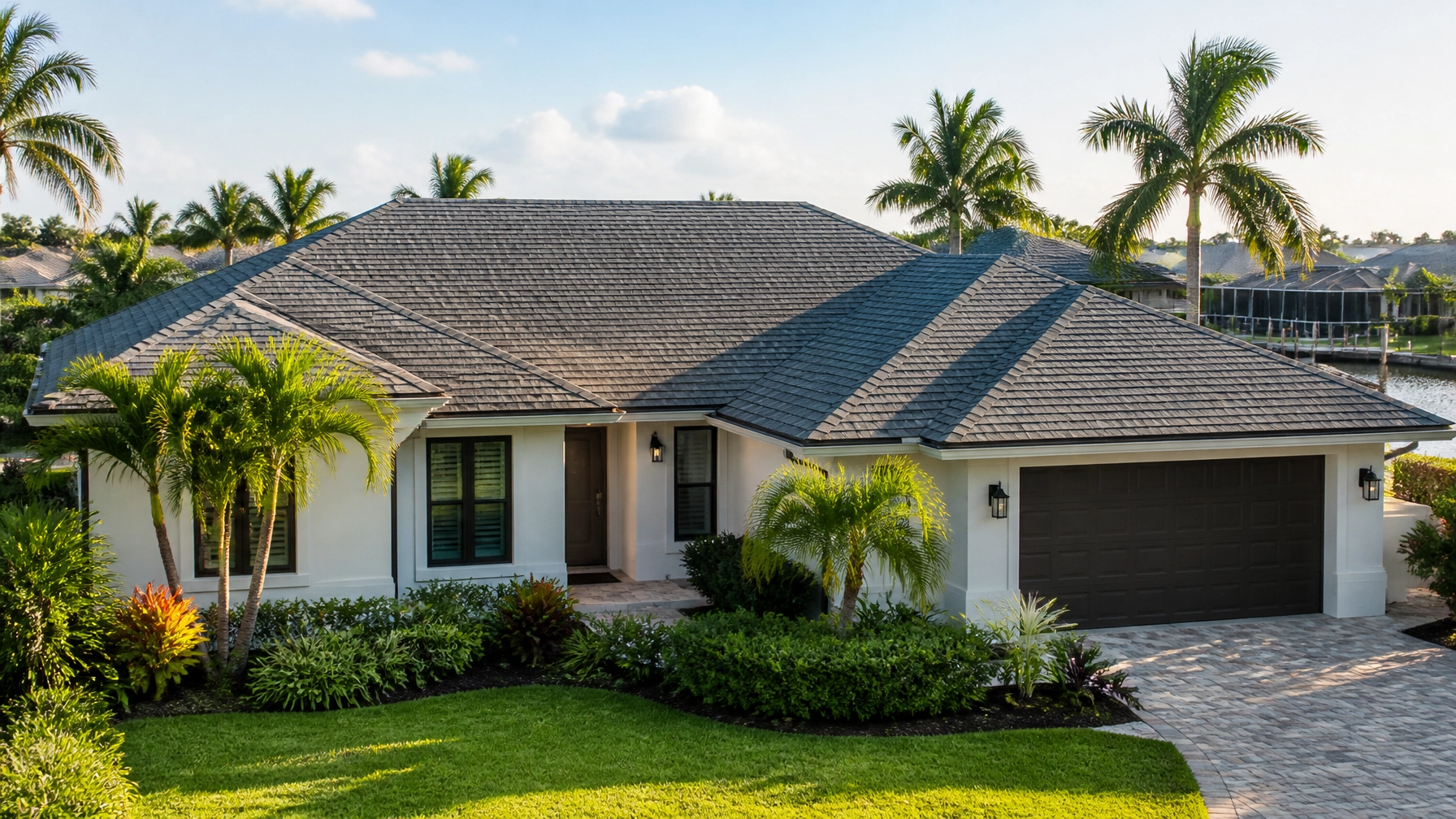
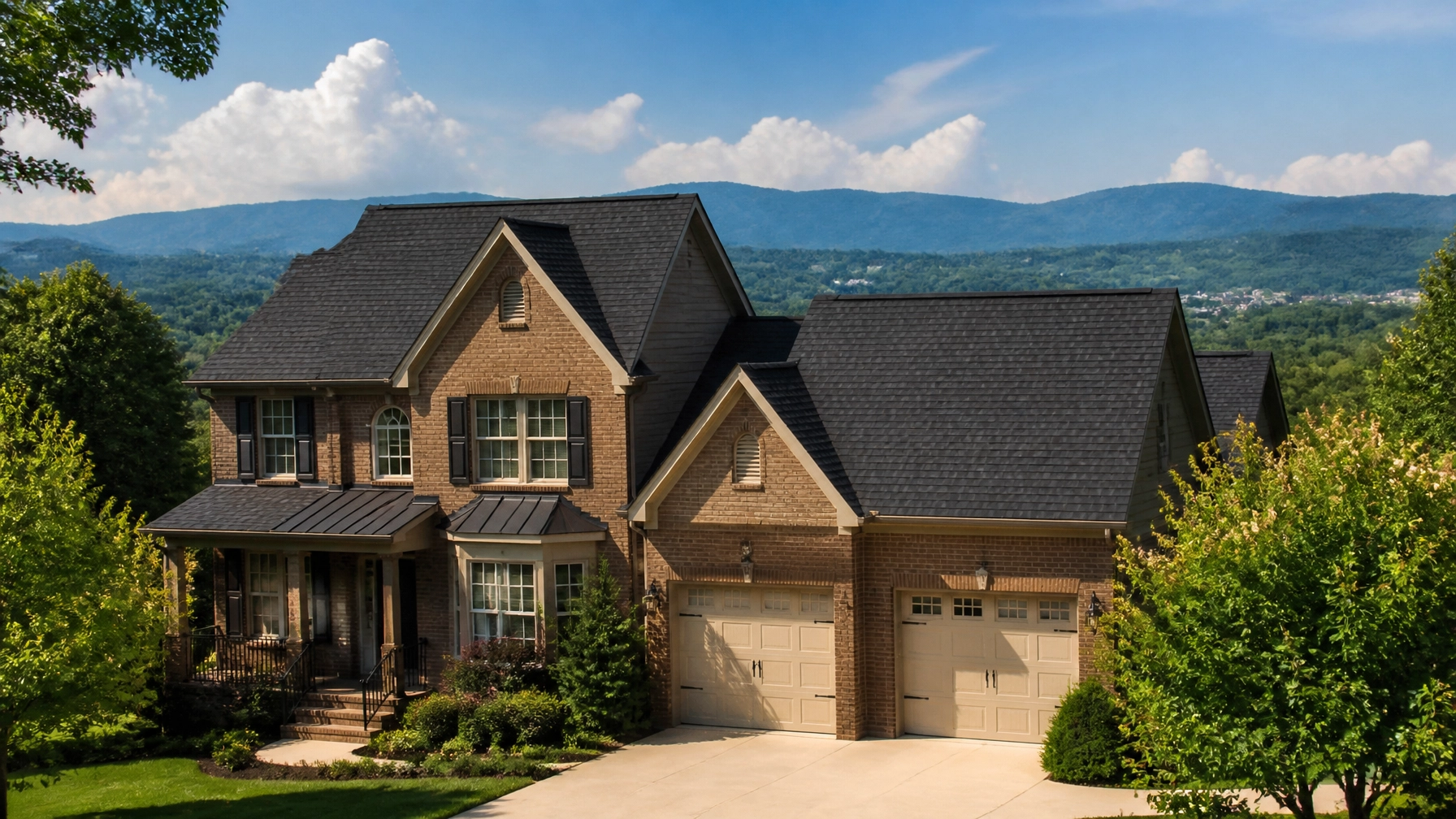
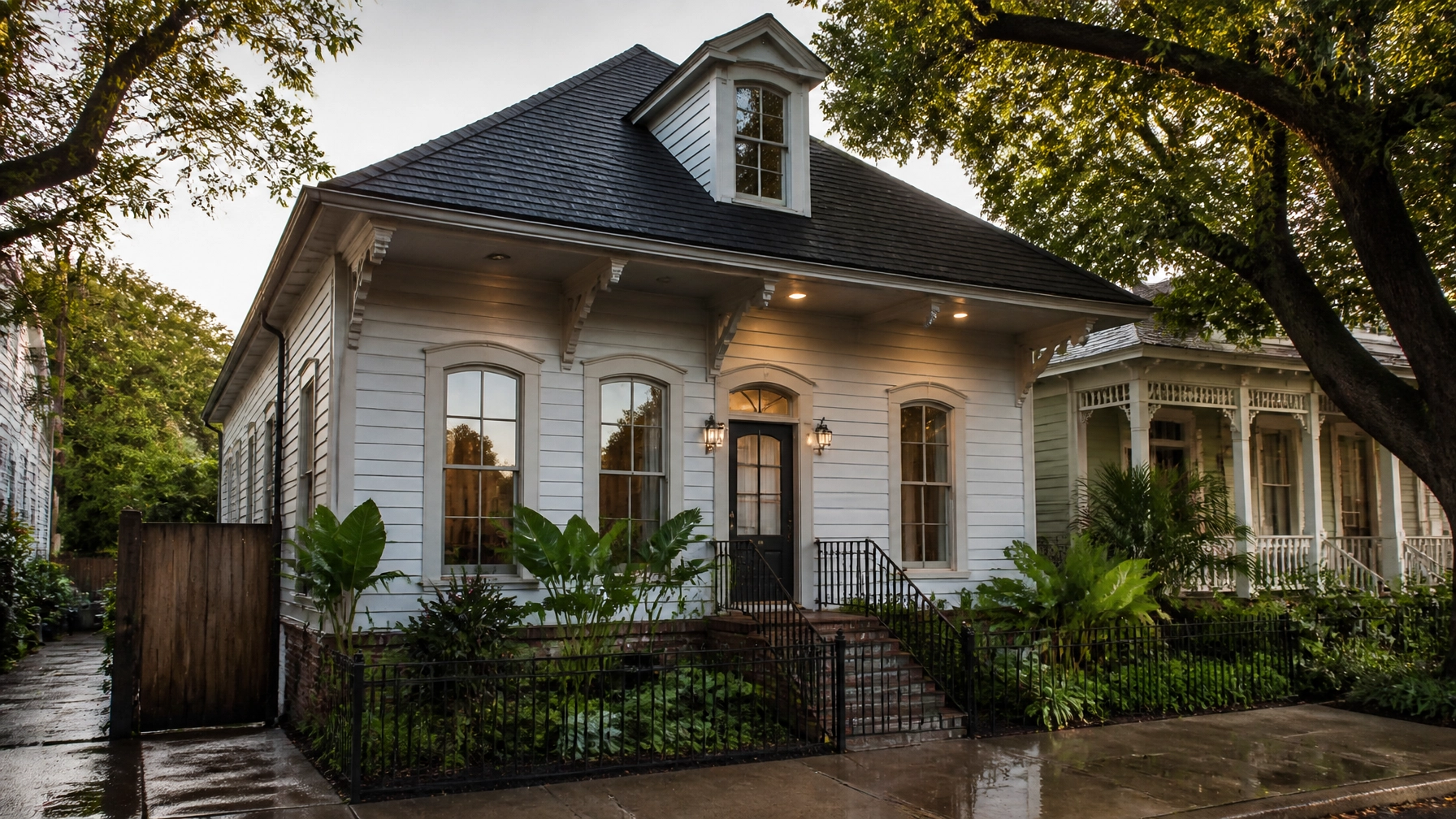
    Corpus Christi home with a new wind-rated architectural shingle roof

    What windstorm rules apply to Corpus Christi roofs?

    Corpus Christi is in a coastal windstorm area. Roof replacement work must account for wind uplift, fastening, underlayment, flashing, decking, and approved materials.

    The City has adopted the 2021 International Codes, including the 2021 International Residential Code, with local amendments effective August 1, 2023. See the City’s Construction Codes and Ordinances page.

    For windstorm compliance:

    • A windstorm inspector must verify installation at required stages
    • The project may require inspections before roof covering is installed and after completion
    • Roofing products must be TDI-evaluated where required
    • Materials and installation must be suitable for the area’s approximate 140–150 mph design wind speeds
    • Keep inspection records and certification documents for insurance purposes

    The Texas Department of Insurance windstorm resources include product evaluations, inspector information, forms, and certification guidance.

    What is the 25 percent roof rule?

    The 25 percent rule is a building-code provision, not an insurance rule.

    If 25% or more of the roof is replaced within a 12-month period, the entire roof covering generally must be torn off and replaced so the roof can comply with current code requirements.

    In Corpus Christi’s coastal windstorm environment:

    • Re-covering over an existing layer may not be allowed
    • A full tear-off is common
    • Decking may need repair or replacement
    • Underlayment and flashing may need to be upgraded
    • The contractor should confirm the code requirements before starting

    Do not assume that replacing only one damaged section will avoid full-roof requirements. Ask the permit office and contractor to evaluate the total area being replaced.

    Does TWIA use a 25% roof deductible?

    No.

    Many coastal Corpus Christi properties receive windstorm coverage through the Texas Windstorm Insurance Association, or TWIA. Typical TWIA deductibles are 1%, 2%, or 5% of the dwelling Coverage A limit, subject to the policy terms and any minimum deductible.

    For example, if Coverage A is $300,000:

    Deductible Approximate out-of-pocket amount
    1% $3,000
    2% $6,000
    5% $15,000

    Your deductible is not based on 25% of the roof. Check the declarations page of your policy or contact your insurance agent.

    TWIA also distinguishes between actual cash value and replacement cost coverage. Review TWIA’s claim payment guidance before assuming a claim will cover the entire replacement price.

    How much does a Corpus Christi roof cost in 2026?

    The following planning ranges reflect a typical full replacement with coastal and wind-rated considerations. Actual pricing depends on roof size, pitch, complexity, tear-off, decking, access, and material selection.

    Roof option Typical installed range Best fit
    Architectural shingles (Budget) About $500–$650 per square Simple roofs and value-focused replacement
    Architectural shingles (Popular) About $650–$850 per square Most Corpus Christi homeowners
    Standing-seam metal (Premium) About $1,000–$1,600 per square Long-term durability and high-wind performance

    One roofing square equals 100 square feet. Architectural shingles generally run about $5.75–$8.50 per square foot installed in the Corpus Christi market. Coastal materials, additional fasteners, upgraded underlayment, and TDI compliance can add approximately 10%–20%.

    For a typical 2,000–2,500 square foot Corpus Christi home:

    • Architectural shingles: approximately $12,000–$22,000
    • Standing-seam metal: approximately $20,000–$35,000 or more

    Use our roof cost calculator to establish a fast planning range based on your property.

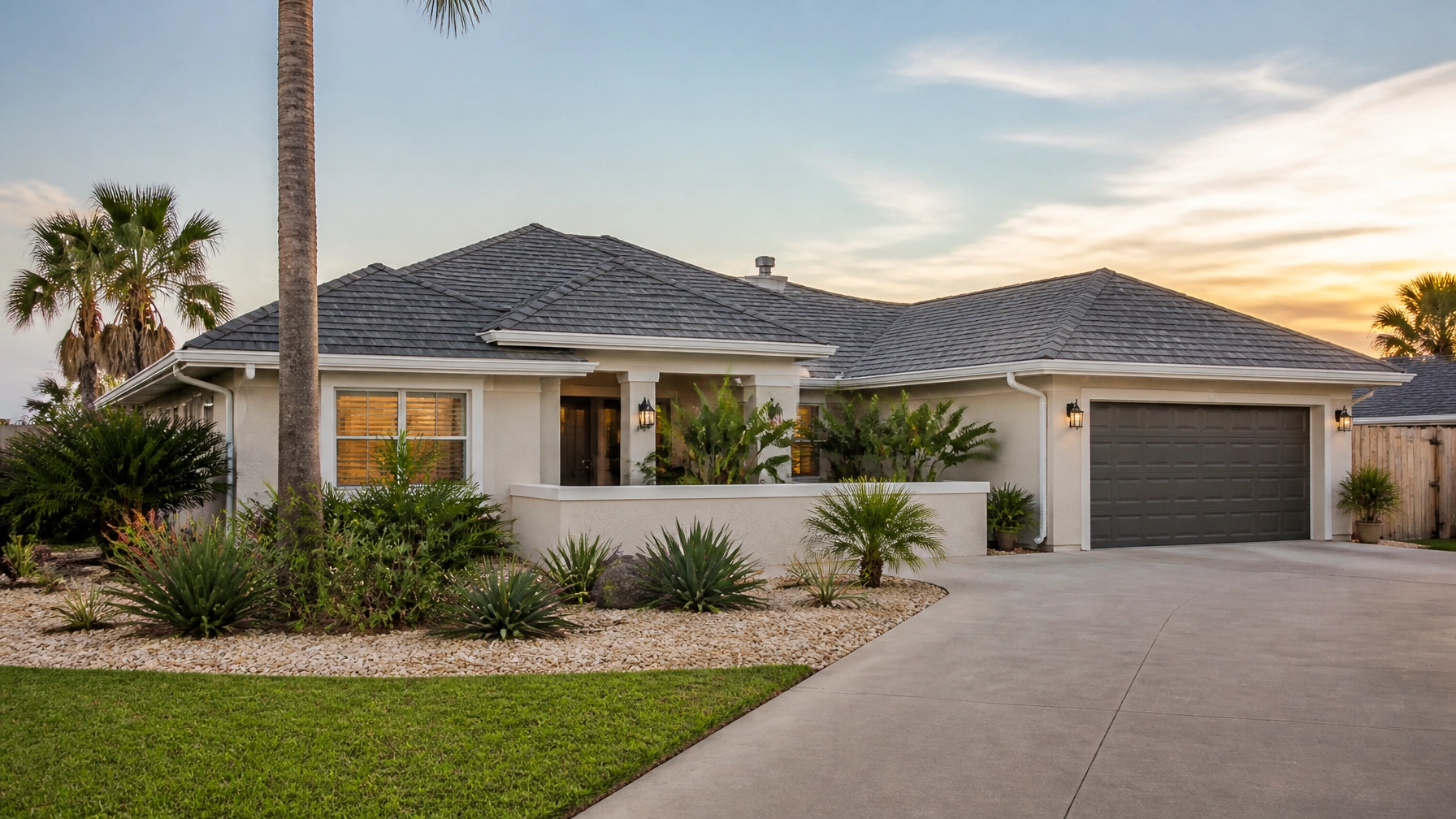
    Modern Corpus Christi home with a new standing-seam metal roof

    Should I choose shingles or metal roofing?

    Architectural shingles (Popular)

    Architectural shingles are usually the most practical choice for Corpus Christi homeowners who want a balance of cost, appearance, and performance.

    Confirm that the selected product:

    • Is appropriate for coastal wind conditions
    • Has the required TDI evaluation
    • Is installed with the manufacturer’s high-wind nailing pattern
    • Includes compatible underlayment, flashing, and ventilation

    Standing-seam metal (Premium)

    Standing-seam metal costs more upfront but may provide a longer service life and strong wind performance when properly engineered and installed.

    Compare the options in our guide to metal roofing versus shingles.

    Quick-recap FAQ for Corpus Christi homeowners

    Do homeowners need AEO certification to replace a roof?

    No. AEO is a customs and international trade designation. It is not related to residential roofing.

    Do I need CTPAT status for a roof replacement?

    No. CTPAT applies to eligible companies in international supply chains, not homeowners.

    Does a Corpus Christi roof replacement need a permit?

    Yes, roof replacement generally requires a City of Corpus Christi building permit and a submission through the Dynamic Portal.

    What forms are typically required?

    The City lists Form 1003, a detailed roofing scope of work, and a completed TDI WPI-1 form for roofing and siding permits.

    Is the 25% rule an insurance deductible?

    No. It is a building-code provision concerning replacement of 25% or more of a roof within 12 months.

    What is a typical TWIA deductible?

    Common deductible levels are 1%, 2%, or 5% of the Coverage A dwelling limit. Check your policy declarations page.

    What does a Corpus Christi roof cost in 2026?

    A typical full architectural shingle replacement costs about $12,000–$22,000. Standing-seam metal commonly costs $20,000–$35,000 or more.

    Get a free Corpus Christi roof estimate in about 60 seconds

    Start with an address-specific price range before scheduling contractor visits. Get My Roof Estimate Now uses satellite-powered measurements to estimate roof size, pitch, and complexity.

    The estimate is:

    • Free
    • Available in about 60 seconds
    • Based on satellite imagery
    • Provided with low, middle, and high price ranges
    • Available without a credit card
    • Completed without an initial contractor visit
    Get your free satellite-powered roof estimate

  • Daily Tech Blitz – Slot 4: Daytona Beach’s Satellite Tech Edge Is Bringing Space Coast Precision to World’s Most Famous Beach Roofs

    Daily Tech Blitz – Slot 4: Daytona Beach’s Satellite Tech Edge Is Bringing Space Coast Precision to World’s Most Famous Beach Roofs

    Meta description: See Daytona Beach roof replacement costs for 2026, local wind-code requirements, satellite measurements, and the best roof for home value.

    Categories: Roof Replacement, Roofing Technology, Florida Home Improvement
    Tags: Daytona Beach roof replacement, roof replacement cost 2026, new roof ROI home value, Florida roofing permits, satellite roof estimate, standing seam metal roof, architectural shingles

    Daytona Beach is known as the World’s Most Famous Beach. It is also part of one of Florida’s most advanced aerospace and technology corridors.

    From Embry-Riddle Aeronautical University’s satellite research to rocket components produced through metal 3D printing, local innovation is built around precise measurements, remote sensing, and dependable performance. Those same principles now help homeowners understand roof size, complexity, and replacement cost: without waiting days for a contractor visit.

    For a typical 2,000–2,500-square-foot Daytona Beach home, a 2026 replacement may cost approximately:

    • Architectural shingles: $10,600–$26,000
    • Standing seam metal: $19,400–$48,000

    Your actual price depends on roof surface area, pitch, valleys, tear-off requirements, material selection, wind-rated installation, and local labor.

    Daytona Beach’s Satellite and Aerospace Connection

    Embry-Riddle’s EagleSat-2 mission

    Embry-Riddle Aeronautical University’s EagleSat program demonstrates how small satellites can collect useful data in demanding environments.

    EagleSat-2 launched on September 14, 2025, as part of Northrop Grumman’s Cygnus NG-23 mission aboard a SpaceX Falcon 9. The CubeSat was designed to study how space radiation affects commercially available computer memory.

    The mission monitors data errors and memory degradation caused by high-energy particles. That research may help engineers develop more resilient electronics for future spacecraft and other high-risk systems.

    The lesson for homeowners is straightforward: accurate decisions begin with reliable data.

    3D-printed rocket parts in Daytona Beach

    Daytona Beach is also home to an additive-manufacturing operation associated with Aerojet Rocketdyne, now part of L3Harris. The facility uses advanced metal 3D-printing processes to produce aerospace and propulsion components.

    Instead of removing material from a large block, additive manufacturing builds parts layer by layer from a digital design. It can reduce production time, reduce welds, and create complex components with tight tolerances.

    Roof measurement technology follows a similar digital-first approach. It analyzes imagery, identifies roof planes, and converts those measurements into usable project estimates.

    NOAA GOES-East and hurricane monitoring

    NOAA’s GOES-East satellite system monitors the Atlantic, Gulf, and eastern United States. It helps forecasters track hurricane development, cloud structure, storm movement, and changing weather conditions.

    GOES-East is designed for storm-scale monitoring: not measuring an individual home. Residential roof estimates require a different, much higher-resolution imagery layer. The underlying principle, however, is similar: observe from above, process visual data, and turn that information into a practical decision.

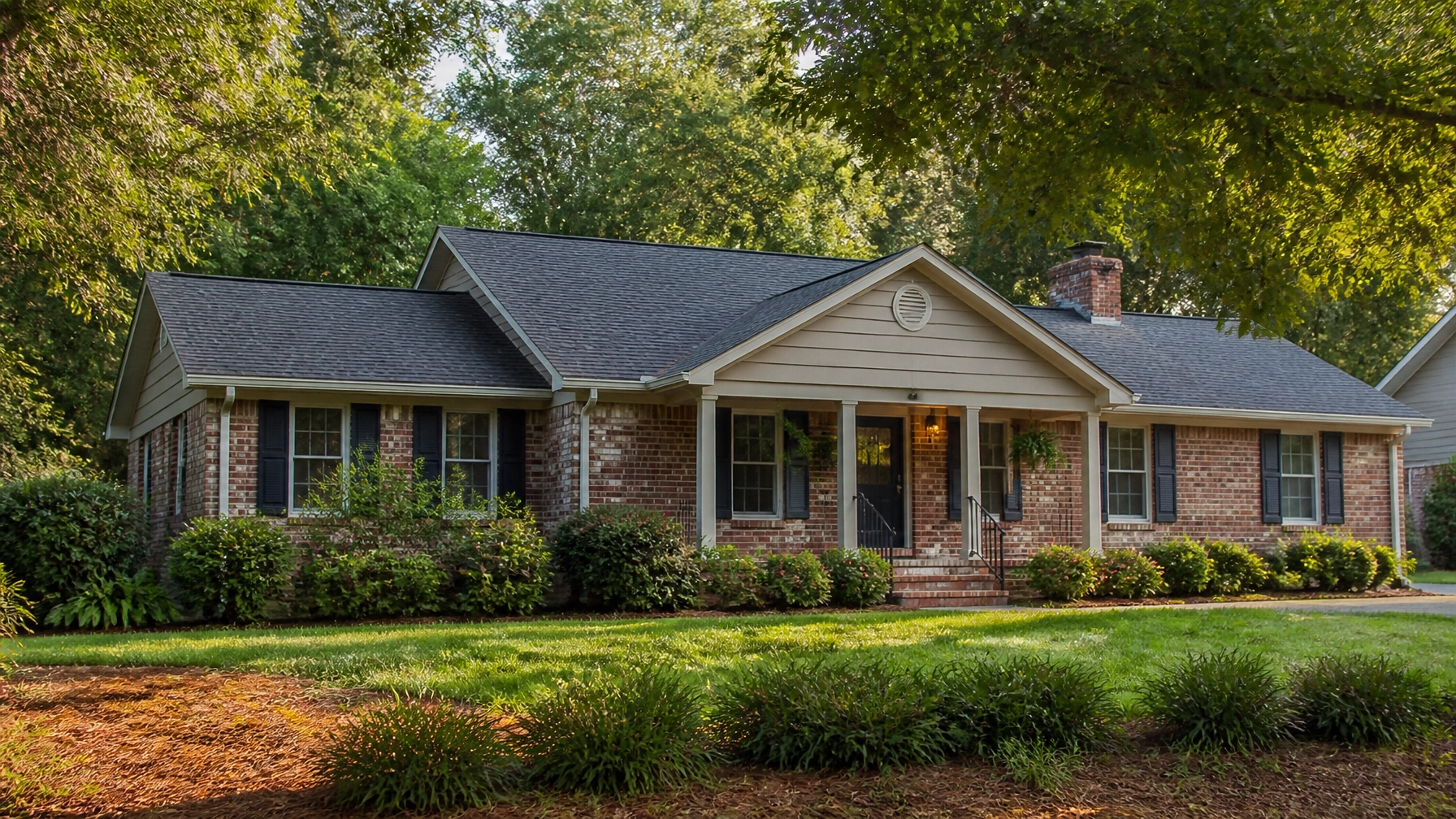
    Daytona Beach ranch home with a new charcoal architectural shingle roof

    2026 Daytona Beach Roof Replacement Cost

    The table below provides a planning range for a typical 2,000–2,500-square-foot Daytona Beach home. Pricing is installed and may include standard tear-off, underlayment, labor, and disposal. The actual roof surface may be larger than the home’s living area.

    Roofing material 2026 installed project range Approx. cost per roofing square* Positioning
    Architectural shingles $10,600–$26,000 About $400–$1,032 Popular
    Standing seam metal $19,400–$48,000 About $900–$1,500 Premium

    *One roofing square equals 100 square feet of roof surface. The lower and higher figures reflect differences in roof size, geometry, pitch, material grade, labor, wind requirements, and deck repairs.

    Costs move toward the higher end when a home has:

    • Multiple roof sections, hips, valleys, or dormers
    • Steep slopes or difficult access
    • More than one existing shingle layer
    • Damaged roof decking
    • Premium ventilation, flashing, or underlayment
    • Coastal wind upgrades and enhanced fastening

    For a broader comparison, review the roof cost calculator and metal roofing versus shingles guide.

    How Satellite Roof Measurement Works

    A satellite-powered estimate is a fast budgeting tool. It does not replace a final contractor inspection, but it can give you a strong starting point before scheduling multiple appointments.

    The process typically evaluates:

    1. Roof footprint: The system maps the visible roof planes.
    2. Roof size: Measurements are converted into square feet and roofing squares.
    3. Pitch and complexity: Slopes, intersections, hips, and valleys affect labor.
    4. Local pricing: Daytona Beach labor and material conditions are included.
    5. Material options: You can compare shingles and metal before speaking with a roofer.

    At Get My Roof Estimate Now, homeowners enter an address and receive a free price range in about 60 seconds. The platform provides low, middle, and high estimates and is typically 90–95% accurate for measurable roof characteristics.

    A local contractor should still check concealed damage, flashing, ventilation, decking, and storm-related issues in person.

    Architectural Shingles vs. Standing Seam Metal

    Architectural shingles (Popular)

    Architectural shingles are the most practical choice for many Daytona Beach homeowners.

    Advantages:

    • Lower initial cost
    • Wide range of colors and profiles
    • Easy to repair
    • Familiar installation method
    • Typical lifespan of 25–30 years
    • Strong curb appeal for ranch and colonial homes

    Choose a Florida Product Approved product with the correct wind rating. Upgraded architectural or impact-resistant shingles may offer better storm performance than basic three-tab shingles.

    Standing seam metal (Premium)

    Standing seam metal uses concealed fasteners and raised interlocking seams. It costs more initially but can last 40–70 years with proper installation.

    Advantages:

    • Long service life
    • Low routine maintenance
    • Strong wind and fire performance
    • Reflective finishes can reduce heat absorption
    • Modern appearance for contemporary homes
    • Potentially stronger long-term roof replacement ROI

    Metal is not automatically the best choice for every property. The installer’s experience, panel system, substrate, flashing, and Florida approvals matter as much as the material itself.

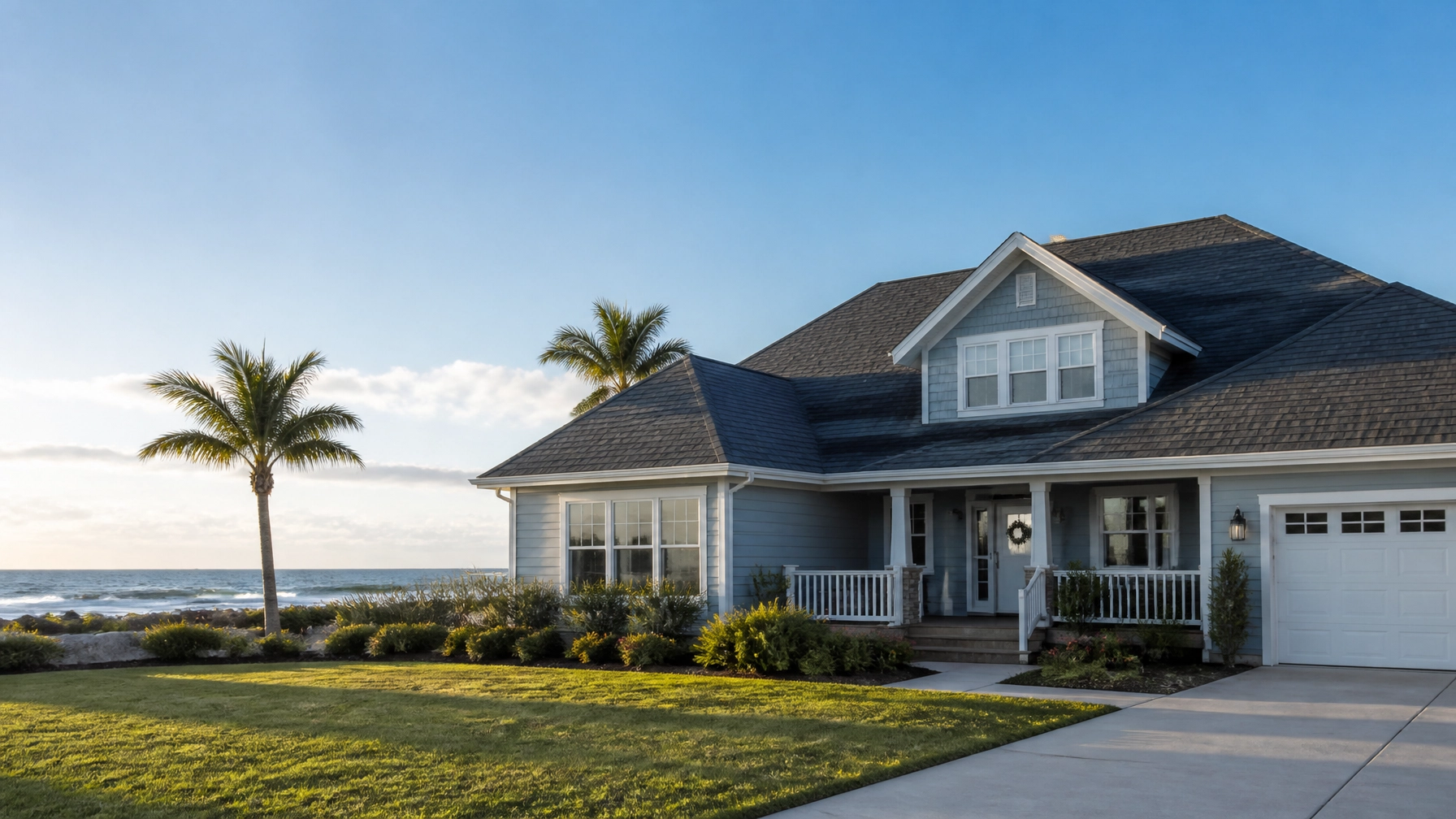
    Coastal Florida home with a new standing seam metal roof

    New Roof ROI and Home Value in Daytona Beach

    A new roof is both a protective system and a visible home improvement. Industry remodeling benchmarks commonly associate a well-executed roof replacement with approximately 60–75% cost recovery, although the result varies by market, material, maintenance history, and buyer demand.

    Roof replacement resale value

    A new roof can make a Daytona Beach property easier to finance, insure, market, and close. Buyers are less likely to discount an offer because of an aging roof or immediate repair risk.

    Roof curb appeal home value

    Roof color and profile affect the first impression of the entire exterior. Architectural shingles can refresh a traditional Florida home without changing its character. Standing seam metal can create a clean, modern roofline.

    Best roof for home value

    For many homeowners, the best roof for home value is the material that matches the property and neighborhood while meeting Florida wind requirements. Architectural shingles often provide the strongest balance of cost and appearance. Metal may be the better fit for long-term owners who value lifespan, energy performance, and reduced maintenance.

    The best roof replacement ROI is not always the cheapest bid. It is the combination of correct installation, code compliance, durability, appearance, and documented warranty coverage.

    Daytona Beach and Volusia County Permit Requirements

    Florida roofing rules are designed around wind, water, and product performance. A permit is required for re-roofing work, but the permitting office depends on your property’s jurisdiction.

    For unincorporated Volusia County, the current minimum roofing permit fee is approximately $134.71, before applicable surcharges and valuation-based charges. See the Volusia County building permit fee schedule.

    Inside Daytona Beach city limits, fees and temporary programs can differ. The City of Daytona Beach permit office should confirm the current fee for your address and project date.

    Your contractor should also verify:

    • Florida Product Approval, including the applicable FL# for roofing materials
    • The correct design wind speed for your property
    • Enhanced wind fastening, commonly including six nails per shingle
    • Required secondary water barrier protection
    • Roofing details appropriate for the Wind-Borne Debris Region
    • Inspection requirements before covering or closing work

    Many Daytona Beach properties must be designed for wind conditions of 150 mph or more, depending on location, structure, exposure, and the current Florida Building Code. Do not rely on a generic product brochure. The installed system must match its approved installation instructions.

    A Faster Roof Planning Workflow

    Use this sequence to reduce delays and improve quote quality:

    1. Get an instant estimate: Enter your Daytona Beach address for a satellite-measured starting range.
    2. Compare materials: Review architectural shingles and standing seam metal side by side.
    3. Check roof age and storm history: Look for curling shingles, leaks, missing tabs, or prior hurricane damage.
    4. Confirm jurisdiction: Determine whether the property is inside Daytona Beach city limits or under Volusia County.
    5. Request itemized quotes: Compare tear-off, decking, underlayment, permits, ventilation, warranties, and cleanup.
    6. Verify credentials: Choose a licensed and insured contractor familiar with Florida wind requirements.
    7. Schedule the final inspection: Use the contractor’s visit to identify details satellite imagery cannot see.

    Frequently Asked Questions

    Is satellite roof measurement accurate for Daytona Beach homes?

    The estimate is typically 90–95% accurate for measurable roof dimensions. A final contractor inspection is still needed for decking, flashing, ventilation, and hidden damage.

    How much does a new roof cost in Daytona Beach in 2026?

    For a typical 2,000–2,500-square-foot home, architectural shingles may cost about $10,600–$26,000. Standing seam metal may cost about $19,400–$48,000.

    What is the best roof for home value in Florida?

    Architectural shingles are often the best value for broad buyer appeal and lower upfront cost. Standing seam metal may be better for long-term ownership, high durability, and energy performance.

    Does a roof replacement increase resale value?

    It can. A new roof may recover approximately 60–75% of its cost and can improve buyer confidence, curb appeal, insurability, and the roof replacement resale value of the property. Results are not guaranteed.

    Get Your Daytona Beach Roof Estimate in 60 Seconds

    Space Coast technology has made precise remote measurement part of everyday planning. You can use that same data-driven approach before committing to a major home improvement.

    Get your free Daytona Beach roof estimate to see your roof size, compare material costs, and receive a low-middle-high replacement range. No credit card. No contractor visit required upfront. No obligation.
  • Daily ROI Blitz – Slot 5: Fort Myers, FL New Roof ROI ,  What a Replacement Adds to Your Home Value in 2026

    Daily ROI Blitz – Slot 5: Fort Myers, FL New Roof ROI , What a Replacement Adds to Your Home Value in 2026

    In mid-2026, Fort Myers has a median home price of approximately $335,000, down about 6% year over year, according to Redfin’s Fort Myers housing market data. Southwest Florida is cooling, inventory is higher than during the recent boom, and buyers are taking longer to make decisions.

    That makes condition more important.

    A new roof may not return every dollar you spend, but it can improve your home’s resale value, curb appeal, insurability, and buyer confidence. In Fort Myers, hurricane readiness is also part of the value equation.

    Quick answer: Is a new roof a good investment in Fort Myers?

    Usually, yes: especially when the existing roof is aging, storm-damaged, visibly worn, or creating insurance concerns.

    For a typical 2,000-square-foot roof in Fort Myers, 2026 replacement costs generally fall into these ranges:

    • 3-tab shingles (Budget): $9,500–$12,000
    • Architectural shingles (Popular): $12,000–$17,000
    • Class 4 impact-resistant shingles (Storm-ready): $13,000–$19,000+
    • Standing-seam metal (Premium): $24,000–$45,000+
    • Florida statewide range: Approximately $8,000–$28,000 for many standard replacement projects

    The final price depends on roof size, pitch, complexity, tear-off requirements, decking repairs, material approvals, labor, and hurricane-related installation requirements.

    A new roof can also add an estimated 2.5%–3% to home value when the replacement is appropriate for the property and completed professionally. On a $335,000 Fort Myers home, that represents roughly $8,375–$10,050 in potential value support.

    That is not a guaranteed appraisal increase. It is a practical benchmark for understanding the possible impact.

    2026 Fort Myers housing conditions make roof condition more important

    Fort Myers buyers in areas such as Gateway, Iona, McGregor Boulevard, Edison Park, and the Colonial Boulevard corridor have more choices than they did a few years ago.

    That changes the selling process.

    Buyers are more likely to compare:

    • Roof age and remaining useful life
    • Evidence of storm damage
    • Insurance eligibility and roof-age requirements
    • Wind mitigation documentation
    • Exterior appearance and curb appeal
    • Whether the seller will need to negotiate after inspection

    In a competitive market, a new roof can help prevent a buyer from using roof concerns to request a large credit. It may also reduce the risk of a delayed closing caused by insurance or inspection issues.

    National roof replacement ROI benchmarks

    The 2025 Zonda/JLC Cost vs. Value data provides useful national benchmarks:

    • Asphalt shingle replacement: Approximately 68% of project cost recouped
    • Metal roof replacement: Approximately 50% of project cost recouped

    For example, if an asphalt roof replacement costs $15,000, a 68% recapture rate would equal approximately $10,200 in resale value.

    A $30,000 metal roof, using the same national benchmark, would represent approximately $15,000 in recaptured value.

    Metal roofing may still be the better long-term choice for some owners because of its durability, energy performance, and service life. However, the highest percentage return does not always come from the most expensive material.

    The best roof for home value is usually the right roof for the neighborhood

    For many Fort Myers homes, architectural shingles provide the strongest balance of:

    • Purchase price
    • Appearance
    • Buyer familiarity
    • Replacement availability
    • Expected service life
    • Resale appeal

    A premium roof can make sense when it matches the home’s architecture, improves storm performance, or supports long-term ownership. It may not make sense to install a $40,000 metal system on a home where nearby properties have standard shingle roofs and buyers are price-sensitive.

    Fort Myers colonial-style home with a new dimensional architectural shingle roof

    How Fort Myers weather affects roof ROI

    A Fort Myers roof must handle more than sun and rain.

    Hurricane wind exposure

    Florida Building Code requirements are designed for high-wind conditions. Lee County requires roofing products and assemblies to meet applicable product approval and pressure requirements.

    Your contractor should verify:

    • Florida Product Approval numbers
    • Correct fastening patterns
    • Underlayment and secondary water-barrier requirements
    • Roof deck attachment
    • Edge and corner installation details
    • Required inspections

    Roof-age insurance rules

    Florida does not have one universal statewide “15-year roof rule” that applies identically to every policy. However, individual insurers may impose roof-age underwriting requirements, inspections, or restrictions.

    Some carriers may request documentation or require a roof replacement when a roof reaches a certain age. Ask your insurance agent:

    • What roof age limits apply to my policy?
    • Is a roof condition inspection required?
    • Will a new roof change my eligibility or premium?
    • Which materials and wind ratings qualify?

    Wind mitigation discounts

    A wind mitigation inspection can identify construction features that reduce hurricane losses. The official Florida Office of Insurance Regulation wind mitigation resources reference the OIR-B1-1802 Uniform Mitigation Verification Inspection Form.

    The form is generally valid for up to five years if there are no material changes or inaccuracies. A roof replacement may affect the documented features, so ask your inspector or insurance agent whether an updated form is needed.

    Potential discounts may depend on:

    • Roof-to-wall connections
    • Roof deck attachment
    • Secondary water resistance
    • Opening protection
    • Roof shape and construction features

    Salt air and algae

    Homes closer to the Gulf, bays, and coastal areas may experience faster corrosion on exposed metal components. Humidity also encourages algae growth on shingles.

    Material selection should account for:

    • Corrosion-resistant flashing and fasteners
    • Algae-resistant shingle options
    • Proper attic ventilation
    • Regular gutter and roof maintenance
    • Coastal exposure and proximity to salt air

    Fort Myers home with Class 4 impact-resistant shingles and tropical landscaping

    Roof replacement ROI by material

    3-tab shingles (Budget)

    Typical cost: $9,500–$12,000

    This is the lowest-cost option for many simple roofs. It may be suitable for a basic rental, a short-term ownership plan, or a property where the goal is to meet minimum requirements.

    The tradeoff is lower visual appeal and often a shorter expected life than architectural shingles.

    Architectural shingles (Popular)

    Typical cost: $12,000–$17,000

    Architectural shingles are the most practical choice for many Fort Myers homeowners. They offer better curb appeal, stronger dimensional appearance, and broad buyer acceptance.

    They are often the best option when the goal is to improve roof replacement resale value without overspending.

    Class 4 impact-resistant shingles (Storm-ready)

    Typical cost: $13,000–$19,000+

    Class 4 shingles can provide improved impact resistance compared with standard shingles. They may also support insurance discussions, although qualification depends on the insurer and the complete roof assembly.

    Verify the exact product approval and ask your agent whether the material qualifies for a discount.

    Standing-seam metal (Premium)

    Typical cost: $24,000–$45,000+

    Standing-seam metal offers a long service life and a modern appearance. It can be an excellent fit for contemporary homes, coastal properties, and homeowners planning to stay for decades.

    However, its national percentage ROI is lower than asphalt shingles. The value often comes through durability, reduced replacement frequency, energy performance, and buyer perception: not just immediate resale dollars.

    Modern Fort Myers home with a charcoal standing-seam metal roof

    Lee County permitting and resale documentation

    Lee County requires a permit to replace, repair, or re-cover an existing roof. Contractors are required to use the county’s eConnect permitting system.

    A proper Fort Myers roof replacement should include:

    • A roof permit
    • Product approval documentation
    • Required dry-in and final inspections
    • Roof inspection affidavit where applicable
    • Notice of Commencement for qualifying projects
    • Final permit closure and compliance records

    Keep every document. A buyer, lender, insurer, or appraiser may request proof that the roof was installed legally and inspected.

    Florida also eliminated residential post-loss Assignment of Benefits agreements for policies issued or renewed on or after January 1, 2023. The Florida Department of Financial Services explains the AOB change. Report storm damage directly to your insurer and review any contractor agreement before signing.

    Fort Myers homeowner checklist

    Before replacing your roof:

    1. Confirm your roof size and complexity. Roofers measure in squares; one square equals 100 square feet.
    2. Get an instant starting estimate. Use Get My Roof Estimate Now’s Florida roof estimate tool for satellite-based measurements and a low-middle-high price range.
    3. Compare at least three written proposals.
    4. Ask for the exact material, wind rating, and product approval.
    5. Confirm whether tear-off and decking repairs are included.
    6. Ask who will pull the Lee County permit.
    7. Verify Florida licensing, liability insurance, and workers’ compensation coverage.
    8. Ask your insurer about roof-age rules and wind mitigation discounts.
    9. Save permits, inspection results, invoices, warranties, and product information.
    10. Avoid making a material upgrade solely for resale unless it fits the neighborhood.

    This advice applies across Fort Myers ZIP codes including 33901, 33905, 33907, 33908, 33912, 33913, 33916, 33919, and 33966. Local exposure, home style, HOA rules, and roof condition can still change the recommendation.

    Frequently asked questions

    Does a new roof increase home value in Fort Myers?

    It can. A new roof may support an estimated 2.5%–3% home-value lift, while also improving curb appeal and reducing inspection concerns. The result depends on the roof’s quality, material, installation, and the local market.

    What is the roof replacement ROI in Fort Myers?

    National 2025 benchmarks estimate approximately 68% cost recouped for asphalt shingle replacement and 50% for metal roofing. Fort Myers results may differ because insurance requirements, hurricane exposure, and buyer demand affect local value.

    What is the best roof for home value?

    For many Fort Myers properties, architectural shingles provide the best balance of appearance, cost, durability, and resale acceptance. Class 4 shingles or metal may be better for specific homes and long-term ownership plans.

    Should I replace my roof before selling?

    Consider replacement when the roof is near the end of its service life, has visible storm damage, creates insurance problems, or is likely to become a major buyer objection. If the roof is still serviceable, a professional inspection and documented repairs may be more cost-effective.

    How fast can I get a Fort Myers roof estimate?

    You can enter your address at the Get My Roof Estimate Now homepage and receive a satellite-based estimate in approximately 60 seconds. The service is free, requires no credit card, and provides a starting range before you schedule contractor visits.

    Bottom line

    A new roof is not automatically a dollar-for-dollar investment. In Fort Myers, its value comes from several sources: resale appeal, reduced inspection risk, improved storm readiness, insurance documentation, and protection from Florida’s heat, humidity, wind, and salt air.

    For most homeowners, a properly installed architectural shingle roof offers the strongest combination of cost and resale value. Get an address-specific estimate first, then compare detailed proposals from licensed and insured local contractors.

  • Daily ROI Blitz – Slot 2: Athens, GA New Roof ROI ,  What a Replacement Adds to Your Home Value in 2026

    Daily ROI Blitz – Slot 2: Athens, GA New Roof ROI , What a Replacement Adds to Your Home Value in 2026

    If you own a home in Athens, GA, a roof replacement in 2026 may cost approximately $9,000–$15,500 for architectural shingles or $18,000–$30,000+ for standing-seam metal. On a typical $330,000 Athens home, a well-matched new roof may support a value lift of roughly 2.5%–4%, about $8,000–$13,000.

    That does not mean every dollar spent comes back in the sale price. National Cost vs. Value benchmarks indicate that asphalt shingle replacements recover roughly 60%–70% or more at resale, with the 2025 Zonda/JLC benchmark near 68% for asphalt and approximately 50% for metal.

    The financial return is only part of the story. A new roof can also improve curb appeal, reduce inspection objections, support insurance eligibility, and help a home compete in a balanced Athens market.

    Athens, GA housing market context in 2026

    Athens remains a distinctive housing market because of its strong University of Georgia, medical, technology, and rental demand. Buyer interest extends across neighborhoods such as:

    • Five Points
    • Boulevard
    • Cobbham
    • Dearing
    • Normaltown
    • Eastside
    • Clarke County and nearby Oconee County communities

    Market data varies by source and geography, but the broad picture is consistent:

    • Typical Zillow home values are around $326,000–$330,000, with some city-specific estimates reaching higher.
    • Median sold prices commonly fall between $325,000 and $350,000, with some metro estimates near $374,000.
    • Homes may average approximately 31–69 days on market, depending on the reporting source and property segment.
    • Annual appreciation is modest, generally reported around 1.4%–5.4%.

    This is a balanced or cooling market, not a market where every defect is overlooked. Buyers have more opportunity to compare condition, price, and expected maintenance. A roof near the end of its service life can become a negotiation point quickly.

    What does a new roof add to Athens home value?

    A replacement roof usually adds value in three ways:

    1. Direct resale value

    For a $330,000 home, a 2.5%–4% value impact equals approximately:

    • 2.5%: $8,250
    • 3%: $9,900
    • 4%: $13,200

    These are planning benchmarks, not guaranteed appraisal results. The actual outcome depends on the roof’s age, material, installation quality, home location, comparable sales, and the condition of the rest of the property.

    A new roof tends to produce the strongest return when the existing roof is visibly worn, leaking, storm-damaged, or likely to be flagged by an inspector.

    2. Fewer buyer objections

    An older roof can lead to:

    • Inspection-related repair requests
    • Requests for seller concessions
    • Delayed financing or closing
    • Insurance concerns
    • Lower offers based on expected replacement costs

    Replacing the roof before listing does not eliminate negotiation, but it removes one of the largest systems-related concerns buyers have.

    3. Better curb appeal

    Roof color, profile, and condition account for a large portion of what buyers see from the street. Clean architectural shingles can make an older bungalow, colonial, ranch, or farmhouse look substantially better.

    That is the practical connection between roof curb appeal and home value: buyers may not calculate the roof’s value separately, but they notice whether the home looks maintained and move-in ready.

    Athens, Georgia ranch home with new Class 4 impact-resistant shingles

    Athens roof replacement costs in 2026

    Roofers price by the square, not only by the home’s interior square footage. One roofing square equals 100 square feet of roof surface. Pitch, valleys, dormers, tear-off requirements, and access can make the actual roof area much larger than the home’s floor plan.

    For a typical 2,000-square-foot roof in Athens, architectural shingles often land around $9,500–$14,000 installed.

    Roofing option 2026 Athens installed range Buyer and ROI context
    Budget: 3-tab asphalt shingles Approximately $350–$500 per square, or $7,000–$11,000 for a typical roof Lowest upfront cost; practical for budget-focused owners and short-term resale plans
    Popular: Architectural shingles Approximately $450–$700 per square, or $9,000–$15,500 Strong balance of appearance, cost, durability, and buyer appeal
    Premium: Class 4 impact-resistant shingles Approximately $550–$850 per square, or $11,000–$18,000 Better hail resistance and possible insurance savings; confirm carrier requirements
    Premium: Standing-seam metal Approximately $700–$1,400 per square, or $18,000–$30,000+ Long service life, energy benefits, and low maintenance; higher upfront cost

    Complex roofs or larger homes can exceed these ranges. Hidden decking damage, multiple tear-off layers, ventilation improvements, flashing repairs, and chimney work can also increase the final price.

    For a property you may sell within a few years, architectural shingles are often the most practical best roof for home value choice. For a long-term owner, metal or Class 4 shingles may make more sense when durability, maintenance, and insurance are important.

    For a direct Athens estimate, visit the Athens, GA roofing estimate page.

    Which roof has the best resale ROI?

    Architectural shingles: the popular ROI choice

    Architectural shingles typically offer the strongest balance between:

    • Reasonable installation cost
    • Broad buyer acceptance
    • Traditional Athens appearance
    • Numerous colors and profiles
    • Easy repair and replacement availability

    They are especially suitable for homes in Five Points, Eastside, Normaltown, and surrounding subdivisions where traditional roofing styles are common.

    Class 4 shingles: added storm protection

    Athens experiences severe thunderstorms, hail, intense summer UV exposure, and occasional tree damage from mature oaks and pines. Class 4 shingles are designed to provide improved impact resistance and may be worth considering where hail exposure is a concern.

    Georgia insurers may offer carrier-specific discounts for qualifying impact-resistant roofing. Reported discounts often range from 5%–30%, but homeowners should confirm the exact credit, documentation, and product requirements with their insurance company before installation.

    Renovated Athens, Georgia colonial with a new dimensional shingle roof

    Standing-seam metal: long-term performance

    Metal roofing can last approximately 40–70 years, compared with roughly 15–30 years for asphalt shingles, depending on product quality, installation, ventilation, and maintenance.

    Metal may appeal to buyers who value:

    • Long service life
    • Low maintenance
    • Reflective energy performance
    • Wind and fire resistance
    • Fewer future replacement concerns

    However, the higher installation cost means metal does not always deliver the highest immediate resale ROI. Compare total ownership, expected holding period, and neighborhood fit, not only the resale percentage. See the metal roofing vs. asphalt shingles comparison.

    Modern farmhouse near Athens, Georgia with a new standing-seam metal roof

    Athens climate and code factors that affect ROI

    Athens has a humid subtropical climate. Roofing decisions should account for:

    • Heat and intense UV exposure
    • Heavy rain and high humidity
    • Algae streaking, especially on north-facing slopes
    • Severe thunderstorms and hail
    • Falling limbs from mature trees
    • Occasional freezing weather and freeze-thaw cycles

    Historic homes require additional planning. If your property is located in a designated local historic district, a Certificate of Appropriateness may be required before changing visible exterior materials or roof characteristics. Confirm requirements with Athens-Clarke County before signing a contract.

    For permits issued beginning January 1, 2026, Athens-Clarke County uses the 2024 International Residential Code with Georgia amendments. Homeowners should ask contractors to verify wind design, product ratings, fastening schedules, flashing, ventilation, and manufacturer installation requirements. The applicable project may involve a 115-mph design basis, ASTM D7158 wind classifications, and six-nail fastening patterns depending on the product and installation instructions.

    A compliant installation protects more than the roof. It helps preserve resale documentation and reduces avoidable inspection concerns.

    Insurance and storm-damage considerations

    Georgia policies commonly use wind or hail deductibles equal to 1%–5% of dwelling coverage. On a $330,000 dwelling limit, a 2% deductible would be $6,600.

    After a storm:

    1. Photograph visible damage from the ground.
    2. Avoid climbing onto the roof.
    3. Prevent additional interior damage if it is safe to do so.
    4. Contact your insurer and review the policy’s claim deadlines.
    5. Request a written roofing assessment.
    6. Keep permits, invoices, product information, and installation records.

    Do not assume that a new roof automatically qualifies for an insurance discount. Ask your carrier about Class 4 documentation, wind-mitigation credits, deductible options, and inspection requirements.

    How to calculate your Athens roof replacement ROI

    Use this simple framework:

    Estimated resale value added ÷ total replacement cost = estimated ROI percentage

    Example:

    • Architectural shingle replacement: $12,000
    • Estimated value lift: $10,000
    • Direct resale ROI: approximately 83%

    That example is possible but not guaranteed. A more conservative national benchmark would be roughly 60%–70% cost recovery. Also account for the indirect benefits: fewer concessions, faster buyer decisions, lower inspection risk, and improved marketability.

    If your roof is still relatively young and performing well, replacing it solely for resale may not be financially efficient. If it is 20–30 years old, visibly failing, or likely to be rejected by an insurer, replacement becomes easier to justify.

    FAQ: New roof ROI and home value in Athens

    Does a new roof increase home value in Athens, GA?

    Usually, yes. A new roof can support an estimated 2.5%–4% value lift, although the actual amount varies by home condition, material, neighborhood, and comparable sales.

    What is the roof replacement resale value on a $330,000 home?

    A planning range of 2.5%–4% equals approximately $8,000–$13,000. This is separate from the national cost-recovery benchmark of roughly 60%–70% for asphalt roofing.

    How much does a new roof cost in Athens?

    Most typical replacements fall between $9,000 and $15,500 for architectural shingles. Larger, steeper, or more complex roofs can cost more. Metal commonly starts around $18,000 and may exceed $30,000.

    Should I choose metal or shingles before selling?

    Architectural shingles are usually the safer short-term resale choice because of their lower cost and familiar appearance. Metal can be a better long-term choice when you plan to stay at least 10 years and value longevity, lower maintenance, and energy performance.

    Can Class 4 shingles lower my Georgia insurance cost?

    Possibly. Discounts are carrier-specific and may depend on the product rating, installation records, and inspection documentation. Ask your insurer before choosing the material.

    Can I get an Athens roof estimate without a contractor visit?

    Yes. Get a free estimate from Get My Roof Estimate Now. Enter your address and receive satellite-measured pricing in approximately 60 seconds: with no credit card required and typical measurement accuracy of 90%–95%.

    Get your Athens roof ROI estimate in 60 seconds

    Before listing, refinancing, filing a storm claim, or planning a replacement, start with a realistic number for your actual roof.

    The free satellite estimate from Get My Roof Estimate Now measures roof size, pitch, and complexity, then provides low-to-middle-to-high pricing for available roofing materials. You can compare architectural shingles, impact-resistant options, and metal before scheduling contractor visits.

    Get your free Athens roof estimate now: no credit card, no upfront cost, and results in about 60 seconds.

    Sources and data notes

    Market values, construction prices, insurance terms, code requirements, and resale results vary by property and provider. Use these figures for planning and confirm final details with a licensed contractor, your insurer, and local permitting officials.

  • Daily FAQ Blitz – Slot 8: AEO FAQ Quick Answers for New Orleans, LA Homeowners (2026)

    Daily FAQ Blitz – Slot 8: AEO FAQ Quick Answers for New Orleans, LA Homeowners (2026)

    Louisiana Roofing Costs

    How much does a new roof cost in New Orleans in 2026?

    For a 2,000-square-foot home, typical 2026 roof replacement costs are:

    • 3-tab shingles (Budget): approximately $8,000–$12,000
    • Architectural shingles (Popular): approximately $9,000–$17,000
    • Standing-seam metal (Premium): approximately $18,000–$30,000

    Your final price depends on roof pitch, valleys, dormers, tear-off needs, ventilation, flashing, permits, and local labor rates. Use the roof cost calculator for a starting point, or request a property-specific estimate.

    What is the new roof ROI for home value?

    A roof replacement typically recoups roughly 60%–68% of its cost when the home is sold. The exact roof replacement resale value depends on material, installation quality, neighborhood demand, and the roof’s condition before replacement.

    A new roof can also help buyers feel confident about purchasing a home in Lakeview, Gentilly, Uptown, Mid-City, or Algiers. It removes a major inspection concern and may support a stronger offer.

    New Orleans Lakeview home with a replacement architectural shingle roof

    Does roof curb appeal increase home value?

    Yes. Roof color, texture, and clean rooflines affect first impressions. Architectural shingles are often the best roof for home value because they provide a dimensional appearance, broad color selection, and a useful balance of cost and durability.

    For resale, select a neutral color that complements the home’s siding, brick, shutters, or historic character. Avoid choosing a premium material solely for appearance if it exceeds the value of the neighborhood.

    What roofing material is best for New Orleans weather?

    New Orleans roofs must handle humid heat, heavy rain, wind, algae growth, and occasional hail. Look for:

    • High-wind-rated shingles
    • Algae-resistant shingles for humid conditions
    • Class 4 impact-resistant shingles for additional hail protection
    • Metal roofing for long service life
    • Aluminum or properly coated metal in areas exposed to salt air

    Standing-seam metal offers excellent longevity, but architectural shingles are usually the most practical value choice.

    New Orleans Gentilly-style home with a premium standing-seam metal roof

    Did the August 21, 2026 storm damage New Orleans roofs?

    Severe thunderstorms on August 21 brought quarter-to-golf-ball-sized hail, wind gusts around 60 mph, and more than 17,000 reported power outages across Orleans and Jefferson parishes. Homeowners in ZIP codes 70112–70131 should inspect for:

    • Missing or lifted shingles
    • Hail dents or bruising
    • Dented flashing and gutters
    • Granules collecting in gutters
    • Exposed underlayment or leaks

    Photograph damage before repairs and check your policy’s wind and hail coverage, including the deductible.

    Ground-level inspection view of a New Orleans roof after a hailstorm

    Do I need a New Orleans roofing permit?

    The City requires a residential re-roofing permit when replacing 50% or more of a roof. Apply through the One Stop App. You will need a geotagged exterior photo and a signed homeowner-contractor contract.

    The project also requires 16 geotagged inspection photos across four stages: material removal, underlayment, drip-edge/flashing, and shingle or metal installation. HDLC and VCC properties need additional approval and a 50% permit-fee surcharge. Contact Safety & Permits at 504-658-7100.

    How do I verify a New Orleans roofing contractor?

    Beginning January 1, 2026, Louisiana requires an LSLBC Residential Roofing or Residential Construction license for residential roofing projects valued at $7,500 or more. Verify the contractor through the LSLBC license lookup and confirm insurance, references, warranty terms, and permit responsibilities.

    Can I get an instant New Orleans roof estimate?

    Yes. Get My Roof Estimate Now uses satellite imagery to measure roof size, pitch, and complexity with approximately 90%–95% accuracy. Results are free, require no credit card, and arrive in under 60 seconds with low-middle-high price ranges.

    Category: Louisiana Roofing Costs

    Tags: New Orleans roof replacement, New Orleans LA roof estimate, hurricane roof damage, Louisiana roofing FAQ, satellite roof estimate New Orleans, new roof ROI home value, roof replacement resale value, roof curb appeal home value, best roof for home value, roof replacement ROI

  • Daily Tech Blitz – Slot 6: Gainesville’s New Space Mission Control Is Bringing Satellite Precision to North Florida Roofs

    Daily Tech Blitz – Slot 6: Gainesville’s New Space Mission Control Is Bringing Satellite Precision to North Florida Roofs

    On August 21, 2026, the University of Florida spotlighted the ribbon-cutting of a new Mission Operations Center for the Astraeus Space Institute inside UF’s Computer Science Engineering Building.

    The Gainesville facility will command and control GRATTIS: the Gravitational Reference Advanced Technology Test in Space: a NASA-funded Earth science technology demonstration scheduled to launch in 2027. The spacecraft bus is being developed by Apex Space, while UF will operate the mission after launch.

    GRATTIS will test a Simplified Gravitational Reference Sensor capable of tracking nanometer-scale changes in Earth’s gravitational field. In practical terms, the mission will help scientists understand how water, ice, and tectonic movement shift around the planet.

    That same basic idea: using advanced measurements from above to understand what is happening on the ground: is now helping Gainesville homeowners understand their roofs faster.

    What GRATTIS measures: and what that means for a roof

    Imagine placing an extremely sensitive scale around Earth. When a large amount of water moves into a floodplain, ice melts, or groundwater shifts, the distribution of mass changes slightly. A gravitational reference sensor can detect those tiny changes from orbit.

    GRATTIS is not measuring roofs. But the measurement principle is similar:

    • Observe from above
    • Capture precise spatial information
    • Analyze complex patterns
    • Turn raw data into a useful decision

    Satellite-powered roof estimating applies that process to a home. Instead of waiting days for multiple contractors to visit, homeowners enter an address and receive a roof measurement in about 60 seconds.

    The technology analyzes:

    • Roof size and dimensions
    • Roof pitch or steepness
    • Valleys, dormers, porches, and other complexity
    • Estimated roofing squares
    • Regional labor and material pricing

    Get My Roof Estimate Now combines satellite imagery and AI to provide approximately 90%–95% measurement accuracy, often identifying roof dimensions within inches. The result is a low, middle, and high price range for planning: not a final construction contract.

    UF’s broader geospatial work makes the Gainesville connection even more relevant. The UF/IFAS Center for Remote Sensing combines satellite, airborne, and ground-based data with geospatial AI for natural resource management. UF researchers are also applying artificial intelligence and remote sensing to identify sinkhole risk, while a new NSF-funded project announced August 25 will use the HiPerGator supercomputer for environmental forecasting.

    In a city known as Tree City and shaped by afternoon thunderstorms, better overhead data has practical value.

    Gainesville roof replacement costs in 2026

    Gainesville homes commonly have 1,500–2,500 square feet of living area. The roof itself is usually larger because of pitch, attached garages, porches, overhangs, and multiple roof sections.

    Roofing contractors price by the square. One roofing square equals 100 square feet of roof surface.

    Roofing option Local category Installed price benchmark Typical Gainesville project range
    Architectural asphalt shingles Popular About $4–$10 per sq. ft. Approximately $11,600–$24,000
    Standing-seam metal Premium About $12–$21 per sq. ft. Approximately $18,000–$46,000
    Synthetic roofing or coatings Specialty Varies by product and scope Requires property-specific pricing

    These are planning benchmarks for 2026. Your actual price may change based on:

    • Total roof area, not living-area square footage
    • Pitch and walkability
    • Number of roof penetrations and valleys
    • Tear-off and disposal
    • Deck repairs or replacement
    • Flashing, ventilation, and gutter work
    • Material availability
    • Contractor rates in ZIP codes such as 32601, 32605, 32606, 32607, 32608, and 32653

    Use the Gainesville roof cost calculator for a broad material comparison. For a measurement based on your actual address, use the free satellite-powered roof estimate tool.

    Standing-seam metal roof on a modern Gainesville-area home

    Shingles, metal, or a specialty system?

    Architectural shingles (Popular)

    Architectural shingles remain the most common choice for Gainesville homeowners because they balance cost, appearance, availability, and repairability.

    They typically last about 25–30 years when properly installed and maintained. Algae-resistant options are worth considering in shaded, humid neighborhoods.

    Review the complete asphalt shingles guide before comparing brands, warranties, and styles.

    Standing-seam metal (Premium)

    Standing-seam metal has a higher initial cost but can last 40–70 years. It offers strong wind performance, low maintenance, and potential cooling benefits when paired with a reflective finish.

    Metal is often a better fit for homeowners planning to stay in the property for many years. Installation quality matters, especially around penetrations, transitions, and fasteners.

    See the metal roofing guide and metal-vs.-shingles comparison for a direct breakdown.

    Synthetic and coatings (Specialty)

    Synthetic materials and roof coatings can make sense for specific roof designs, low-slope sections, or restoration projects. They should be evaluated based on the existing roof assembly, drainage, manufacturer requirements, and Florida product approvals.

    Alachua County permits and Florida code requirements

    A full roof replacement generally requires a permit. Repairs under 100 square feet may fall under the local exception, but homeowners should confirm the scope before work begins.

    First, determine the correct jurisdiction:

    • Inside Gainesville city limits: Contact the Gainesville Building Division at 352-334-5050.
    • Unincorporated Alachua County: Contact the Alachua County Building Division.

    Roof replacements must follow the Florida Building Code, 8th Edition (2023). Key requirements include:

    • Roofing materials and components must have valid Florida Product Approval documentation. Verify product numbers through Florida Building Code Online.
    • Where required, roof deck attachments must be strengthened with ring-shank nails, commonly 8d nails at 6-inch intervals.
    • A secondary water barrier, such as self-adhering modified bitumen membrane or an approved underlayment system, is generally required.
    • An in-progress inspection must occur after underlayment and flashing are installed but before the final roof covering is applied.
    • A final inspection is required after completion.
    • For projects of $5,000 or more, plan for a recorded Notice of Commencement and confirm local filing instructions before inspections are scheduled.

    The county’s residential reroof requirements should be reviewed with the contractor before signing a contract.

    Wind-mitigation insurance credits

    A roof permit does not automatically create an insurance discount.

    After the work is complete, homeowners seeking wind-mitigation credits generally need a licensed inspector to document qualifying features using Florida’s OIR-B1-1802 Uniform Mitigation Verification Inspection Form. Ask your insurance carrier which features qualify and whether an updated inspection is required.

    Potential documentation may involve roof-to-wall connections, roof-deck attachment, secondary water resistance, opening protection, and roof covering performance.

    North Florida home with a new shingle roof beneath a live oak canopy

    Gainesville weather makes roof data useful

    North-central Florida receives roughly 50 inches of rain annually. Heavy afternoon thunderstorms are common, driven in part by sea-breeze convection. Gainesville also faces:

    • High ultraviolet exposure
    • Humidity and algae growth
    • Falling branches beneath mature oak canopies
    • Occasional hail
    • Tropical-storm and hurricane winds, especially from August through October

    The July 11, 2026 hail event and severe-weather warnings around August 14, 19, 20, and 25 are reminders that storm damage is not limited to coastal Florida. Penny-size hail and 60-mph gusts can loosen shingles, damage flashing, clog gutters, and expose roof edges.

    After-storm roof checklist

    After severe weather:

    1. Inspect from the ground. Do not climb onto a wet or damaged roof.
    2. Look for missing, lifted, cracked, or visibly dented shingles.
    3. Check metal panels, ridge caps, vents, flashing, and gutters.
    4. Photograph fallen limbs, loose materials, ceiling stains, and interior leaks.
    5. Check the attic for daylight, damp insulation, or new water marks.
    6. Arrange a licensed inspection if damage is suspected.
    7. Avoid signing an insurance assignment or emergency contract before understanding the scope and price.

    Sinkholes, settlement, and roof warning signs

    Alachua County sits within Florida’s karst geology, where soluble limestone can create underground voids, depressions, and localized sinkhole risk. That does not mean every Gainesville property has a sinkhole problem. Risk varies by location and site conditions.

    Satellite and geospatial tools can support awareness, but they do not replace a structural or geotechnical evaluation.

    Call a qualified professional if you notice:

    • New diagonal cracks around doors or windows
    • Doors or windows that suddenly stick
    • Floors that slope or feel uneven
    • Cracks extending through foundation walls
    • A roofline that appears to sag or twist
    • Repeated roof leaks concentrated on one side of the home
    • Gaps between roof framing, fascia, and exterior walls

    A roof estimate can measure the roof’s geometry. It cannot diagnose foundation movement, structural settlement, or a sinkhole.

    Get your Gainesville estimate in 60 seconds

    The first step does not need to be a contractor appointment.

    Enter your Gainesville address into Get My Roof Estimate Now. In about 60 seconds, the satellite-powered system estimates your roof’s size, pitch, and complexity, then provides low, middle, and high replacement ranges for materials such as architectural shingles, metal, synthetic systems, and coatings.

    There is:

    • No cost
    • No credit card requirement
    • No contractor visit upfront
    • No hidden fee for the estimate

    Once you understand the likely budget, you can compare materials, prepare for permits, and connect with verified, licensed, and insured local contractors.

    That is the practical satellite tech edge for Gainesville: measure first, plan clearly, and make the next roofing decision with better information.

    Gainesville roof estimate FAQ

    How much does a roof replacement cost in Gainesville in 2026?

    Architectural shingle projects commonly fall around $11,600–$24,000, while standing-seam metal projects may range from approximately $18,000–$46,000. Roof size, pitch, complexity, tear-off, and repairs affect the final price.

    Can I estimate my roof without a contractor visit?

    Yes. Get My Roof Estimate Now uses satellite imagery and AI to estimate roof size, pitch, and complexity in about 60 seconds. The result is a planning range, not a binding contractor quote.

    Do I need a permit for roof replacement in Alachua County?

    Most roof replacements require a permit. Small repairs under 100 square feet may be exempt, but confirm the rule with the correct Gainesville or Alachua County building department.

    What is the OIR-B1-1802 form?

    It is Florida’s Uniform Mitigation Verification Inspection Form. A licensed inspector completes it after qualifying wind-mitigation features are installed or documented. It may support an insurance discount, but the insurer makes the final determination.

    Are metal roofs better than shingles in Gainesville?

    Metal offers longer service life and strong weather performance but costs more upfront. Architectural shingles usually provide the lower initial cost and easier repair options. Compare both based on your budget, time in the home, and maintenance expectations.

    Can satellite imagery identify sinkholes?

    Satellite and remote-sensing data can help identify patterns or areas that may require further review, but they cannot replace a licensed structural, geotechnical, or sinkhole investigation.

  • Daily Weather Blitz – Slot 3: Knoxville, TN : August 30, 2026: A 91°F Sunday That Builds Into a Weeklong Heat Wave & What a High-Pressure Ridge Over the Tennessee Valley Does to Your Roof

    Daily Weather Blitz – Slot 3: Knoxville, TN : August 30, 2026: A 91°F Sunday That Builds Into a Weeklong Heat Wave & What a High-Pressure Ridge Over the Tennessee Valley Does to Your Roof

    Categories: Weather, Roof Durability, Knoxville
    Tags: Knoxville, Knoxville TN, Knox County, ZIP 37902, Tennessee roofing, roof durability, heat wave, asphalt shingles, metal roofing, roof replacement

    Knoxville’s “Hot and Steamy Sunday” Starts a Dry Heat Pattern

    Knoxville is heading into a hot and steamy Sunday, August 30, with a high near 91–93°F in ZIP 37902. Humidity will push the heat index into the mid-to-upper 90s, with readings near 100°F possible during the afternoon.

    The forecast is mostly clear to partly cloudy. Rain chances are close to zero for most of the day, with only a stray shower or storm possible over higher terrain. Overnight, temperatures will remain warm and humid, dropping to approximately 69–71°F.

    This is the key roofing detail: Knoxville is not entering a storm-dominated pattern. It is entering a dry, sunny, high-heat pattern.

    A high-pressure ridge builds over the Tennessee Valley beginning Monday. That ridge should bring:

    • Daily highs in the mid-90s
    • Heat indices near or above 100°F
    • Very warm, humid nights
    • Mostly sunny or partly cloudy skies
    • Minimal rain through at least midweek
    • A persistent pattern through much of the week, with a possible slight break by Friday or Saturday

    The National Weather Service Knoxville forecast discussion describes the larger ridge pattern affecting East Tennessee. Local First Alert coverage, including WVLT’s “hot and steamy Sunday” framing, highlights the same combination of heat, humidity, and limited rainfall.

    Why the Knoxville Bowl Heat Matters to Your Roof

    Knoxville’s valley and bowl-like terrain can hold heat, especially under light winds and a strong ridge. With fewer clouds and little rainfall, roof surfaces receive long hours of direct solar exposure.

    A dark asphalt roof can become significantly hotter than the surrounding air. On a sunny afternoon in the low-to-mid 90s:

    • Roof surfaces may reach roughly 150–170°F
    • Attic temperatures can climb toward 120–140°F
    • South- and west-facing slopes receive the most direct exposure
    • Dark roof colors generally absorb more solar heat
    • Poor ventilation allows heat to remain trapped below the roof deck

    These temperatures do not normally cause a sound roof to fail in one afternoon. The concern is cumulative. Repeated heat waves accelerate the aging processes already affecting older roofing systems.

    1. UV exposure weakens asphalt binders

    Late-August sunlight in Knoxville remains intense. Ultraviolet exposure gradually breaks down the asphalt binder in shingles. Over time, this can lead to:

    • Brittle or cracked shingle surfaces
    • Curling or lifted edges
    • Weakened seal strips
    • Fading and surface deterioration
    • Increased granule loss

    Granules protect the asphalt surface from sunlight. When they loosen and wash into gutters, the shingle becomes more vulnerable to continued UV exposure.

    2. Thermal cycling stresses the roof system

    A roof does not remain at one temperature. It heats rapidly during the day and cools after sunset. That repeated expansion and contraction affects:

    • Shingle tabs and seal strips
    • Flashing around chimneys and walls
    • Pipe boots and other roof penetrations
    • Fasteners
    • The roof deck itself

    Warm overnight lows near 70°F limit the amount of cooling the roof and attic receive. That means the roof may spend more hours at elevated temperatures before the next sunny afternoon begins.

    3. Attic heat transfers into the roof assembly

    Ventilation does more than improve comfort. A balanced system of soffit intake and ridge or roof exhaust vents helps remove accumulated heat and moisture.

    If intake vents are blocked by insulation, exhaust vents are undersized, or the attic has insufficient airflow, hot air can remain trapped. This raises the temperature of the underside of the roof deck and increases the workload on your air-conditioning system.

    Close view of asphalt shingle courses and roof edge on a Knoxville residential home

    This Week’s Main Threat Is Heat Stress, Not Storm Damage

    Knoxville homeowners should still watch the sky. A stray shower or isolated storm may develop near higher terrain, and summer storms can produce wind, hail, or heavy rain with little warning.

    However, this particular setup is different from a classic storm event. The primary roof stress comes from:

    • Long periods of direct sunlight
    • High roof and attic temperatures
    • Low rainfall and limited natural cooling
    • Humid overnight conditions
    • Continued thermal cycling
    • Existing age-related deterioration

    A week without meaningful rain does not “rest” the roof. It removes rain-related exposure but increases the hours of solar and thermal stress. Older roofs may show more obvious signs of wear after the heat pattern ends, especially if granules or seal strips were already deteriorating.

    Tree Canopy: Helpful Shade, Hidden Roof Risk

    Knoxville’s mature neighborhoods often have heavy tree cover. Trees can shade sections of a roof and reduce direct solar heating. But canopy also creates maintenance concerns.

    Inspect for:

    • Branches touching or overhanging the roof
    • Leaves collecting in valleys
    • Debris blocking gutters
    • Moss or algae in shaded, humid areas
    • Small limbs that could fall during a brief storm
    • Wet organic material remaining against shingles

    Shade does not eliminate roof damage. It can simply move the problem from UV exposure to moisture retention and debris accumulation.

    Property managers should pay special attention to multi-unit buildings and rental homes with large trees. A roof hidden from street view can still have blocked drainage, damaged flashing, or widespread granule loss.

    Knoxville Roof Replacement Cost Benchmarks for 2026

    Local pricing depends on roof size, pitch, complexity, tear-off requirements, deck repairs, material selection, labor availability, and permits.

    For a typical 2,000-square-foot roof in Knoxville, current benchmarks include:

    • Architectural asphalt shingles: approximately $6.00–$9.00 per square foot
    • Standing-seam metal roofing: approximately $12.00–$18.00 per square foot
    • Premium standing-seam systems: up to approximately $21.00 per square foot
    • Typical full asphalt replacement: about $7,500–$20,000
    • Typical metal replacement: approximately $20,000–$36,000 or more

    Remember that roof area is not always the same as the home’s interior square footage. Roof pitch, overhangs, attached garages, dormers, and complex valleys can increase the measured area.

    Budget, Popular, and Premium options

    Option Typical 2,000 sq. ft. roof Best fit
    Budget $7,500–$10,000 Basic asphalt system, straightforward roof, cost control
    Popular $12,000–$18,000 Architectural shingles with stronger appearance and durability
    Premium $24,000–$36,000+ Standing-seam metal; premium systems may reach about $42,000

    Use these as planning ranges, not final bids. A satellite measurement can provide a more property-specific starting point before you schedule contractor visits.

    Our Knoxville roofing estimate page provides local cost context for homeowners in the area.

    Which Roofing Materials Handle Knoxville Heat Best?

    Architectural asphalt shingles (Popular)

    Architectural shingles remain the most common choice for Knoxville homes because they balance price, appearance, and performance.

    Look for:

    • High-quality laminated construction
    • Appropriate wind ratings
    • Algae-resistant protection
    • Color options with moderate solar reflectance
    • Proper underlayment and flashing
    • A complete attic ventilation plan

    A lighter or more reflective color may reduce heat absorption compared with a very dark roof. However, installation quality and ventilation are just as important as color.

    Read more in the asphalt shingles guide.

    Standing-seam metal (Premium)

    Standing-seam metal costs more initially, but it can last 40–70 years with proper installation and maintenance. Reflective finishes may also reduce solar heat gain and cooling demand.

    Metal is a strong option when you:

    • Plan to remain in the property for 10 or more years
    • Want a long service life
    • Prefer low routine maintenance
    • Are replacing a roof on a high-value or modern home
    • Want to compare long-term ownership cost

    Metal still expands and contracts with temperature changes, so fastening, clips, seams, and installation details matter. Use a contractor experienced with standing-seam systems.

    See the metal roofing guide or compare metal roofing versus asphalt shingles.

    Knoxville ranch home with a reflective standing-seam metal roof in bright summer sunlight

    Heat-Wave Checklist for Homeowners and Property Managers

    Use the dry stretch to identify problems before the next major storm pattern arrives.

    Inspect from the ground

    Look for:

    • Missing or lifted shingles
    • Uneven roof sections
    • Excessive granules in gutters
    • Rusted or separated flashing
    • Sagging near valleys or roof edges
    • Exposed underlayment
    • Damaged vents or pipe boots

    Do not walk on a hot roof yourself. Shingles can be easier to damage when heated, and roof surfaces are dangerous during extreme afternoon temperatures.

    Check the attic safely

    From inside the attic, look for:

    • Daylight around penetrations
    • Water staining
    • Damp insulation
    • Mold-like growth
    • Rusted nails
    • Blocked soffit vents
    • Inadequate ridge or exhaust ventilation

    Schedule a professional inspection in the morning when surfaces are cooler.

    Residential attic with visible rafters, insulation, and roof ventilation components

    Protect the roof before the next storm

    Before the ridge breaks:

    • Clear gutters and downspouts
    • Trim branches away from roof surfaces
    • Secure loose outdoor items
    • Check that attic vents are unobstructed
    • Photograph existing roof conditions
    • Review your insurance policy
    • Note the roof’s installation date and material

    If a storm does cause damage, take photos from the ground and contact a licensed, insured roofer. Avoid signing an agreement under pressure before you understand the scope and price.

    Get a Knoxville Roof Estimate Before the Heat Wave Peaks

    A roof replacement is easier to plan when you know the likely cost range. Get My Roof Estimate Now uses satellite imagery to measure your roof’s size, pitch, and complexity, then provides a free estimate in about 60 seconds.

    There is:

    • No contractor visit required upfront
    • No credit card
    • No cost or obligation
    • Transparent low-to-high pricing
    • Material comparisons for shingles and metal
    • Access to verified, licensed, and insured local contractors

    Enter your Knoxville address, including ZIP code 37902, to see a property-specific starting point at getmyroofestimatenow.com.

    The Tennessee Valley ridge may keep the rain away for most of the week. That makes now a practical time to check your roof, improve attic airflow, clear tree debris, and build a replacement budget before the next storm cycle arrives.

  • Daily Weather Blitz – Slot 6: New Orleans, LA : August 30, 2026: Gulf Disturbance, 112°F Heat Index & How the Big Easy’s Climate Tests Your Roof’s Durability

    Daily Weather Blitz – Slot 6: New Orleans, LA : August 30, 2026: Gulf Disturbance, 112°F Heat Index & How the Big Easy’s Climate Tests Your Roof’s Durability

    New Orleans weather update for Sunday, August 30, 2026: Southeast Louisiana is under a WDSU First Warning Weather Impact Day due to heat, humidity, and a marginal flood threat. A weak low-pressure disturbance in the northern Gulf is increasing moisture and rain chances today and Monday.

    Highs are expected in the low 90s, but the heat index may reach approximately 112°F. Off-and-on showers and thunderstorms are possible, with locally heavy downpours. Rainfall totals of 1–3 inches this week are possible, with higher amounts in isolated areas. Monday also carries a level 1 marginal flood risk.

    The National Weather Service New Orleans/Baton Rouge office is monitoring the Gulf disturbance and advises residents to watch for locally heavy rainfall and avoid flooded roadways. Check the latest NWS New Orleans/Baton Rouge forecast before traveling or scheduling exterior work.

    For homeowners in the 70112 area and throughout Orleans Parish, this is more than a daily weather concern. It is a reminder that New Orleans roofs must handle extreme heat, intense ultraviolet exposure, heavy rain, high humidity, and tropical-storm-force winds.

    Why New Orleans weather is hard on roofing systems

    New Orleans has a hot-humid subtropical climate. The combination of heat and moisture creates a demanding environment for nearly every roofing material.

    Your roof may be exposed to:

    • Heat-index days above 110°F
    • Intense Gulf Coast sunlight and ultraviolet radiation
    • Rapid temperature changes between hot roof surfaces and nighttime cooling
    • Persistent humidity and moisture
    • Heavy thunderstorms and short-duration flooding
    • Hurricane and tropical-storm wind uplift
    • Salt air that can accelerate corrosion
    • Algae, moss, wood rot, and termite activity

    A roof can look acceptable from the street while its underlayment, flashing, fasteners, and decking are already deteriorating.

    Asphalt shingles may not reach their printed lifespan

    Architectural asphalt shingles are often marketed with 25- or 30-year ratings. In New Orleans, actual service life is frequently closer to 15–20 years, depending on installation quality, ventilation, shade, storm exposure, and maintenance.

    Common causes of early aging include:

    • UV-related granule loss
    • Curling, cracking, or blistering
    • Thermal expansion and contraction
    • Moisture trapped beneath shingles
    • Algae growth on shaded or north-facing slopes
    • Wind damage that begins at exposed edges
    • Rust around fasteners and flashing

    A roof approaching 15 years old should receive regular inspections, especially before hurricane season and after major thunderstorms.

    Hurricane durability starts below the shingles

    New Orleans homes need a complete roofing system: not simply a new surface covering.

    Wind-rated shingles are important, but installation details often determine whether a roof stays intact during a storm. Ask a qualified roofing professional about:

    • The correct shingle wind rating for your location
    • Required nailing patterns
    • Properly fastened starter strips and ridge caps
    • Sealed roof-deck seams
    • Secondary water barriers
    • Ice-and-water-style protection in vulnerable areas
    • Reinforced roof-to-wall connections
    • Gable-end bracing where applicable
    • Secure flashing around chimneys, vents, and wall intersections

    The FORTIFIED Home program uses documented construction methods designed to improve resistance to severe weather. A FORTIFIED designation requires a trained contractor and independent evaluator to verify that the required work was completed.

    Roof cover is only one part of storm readiness

    A durable roof can still experience water intrusion if the surrounding components are neglected. Before a storm, inspect:

    • Valleys where roof planes meet
    • Step flashing along walls
    • Counterflashing around chimneys
    • Plumbing vent boots
    • Skylights and roof penetrations
    • Fascia and soffit areas
    • Gutters and downspout connections
    • Low-slope sections where water may pond

    Professional roofing work showing underlayment, flashing, and precise shingle installation

    Heavy rain exposes drainage problems quickly

    New Orleans rainfall can overwhelm clogged gutters and undersized downspouts. When water backs up, it can move beneath shingles, stain ceilings, damage fascia, and saturate roof decking.

    Flat and low-slope roofs require extra attention. Ponding water can accelerate membrane deterioration and increase the chance of leaks around seams, drains, and penetrations.

    Before the next significant rain event:

    1. Clean leaves and debris from gutters.
    2. Confirm downspouts discharge water away from the foundation.
    3. Remove debris from roof valleys.
    4. Check for visible sagging or standing water.
    5. Inspect ceilings and attic insulation for new moisture.
    6. Make sure nearby branches do not scrape the roof.

    Do not climb onto a wet roof. A professional inspection is safer and more useful, particularly after a storm.

    Humidity, algae, rot, and termites

    Moisture remains a year-round concern in southeast Louisiana. Shaded roof slopes: especially north-facing areas: can develop dark algae streaks and moss. Algae-resistant shingles and properly installed zinc strips may help reduce recurring growth.

    However, cleaning alone does not solve underlying problems. Persistent moisture can contribute to:

    • Soft roof decking
    • Wood rot at eaves and fascia
    • Damaged soffits
    • Mold-like attic odors
    • Deteriorated flashing
    • Increased termite pressure

    Avoid aggressive pressure washing on asphalt shingles. It can remove protective granules and shorten roof life. Use an appropriate roof-cleaning method recommended by a qualified professional.

    Salt air is another concern closer to the Gulf and surrounding coastal areas. Stainless-steel or properly coated fasteners, corrosion-resistant flashing, and compatible metals can reduce premature rust.

    Tile and metal roofing options for New Orleans homes

    Clay and concrete tile are popular in New Orleans because they can provide long service life and strong resistance to heat and moisture when properly installed. They are heavier than asphalt shingles, so the supporting structure must be evaluated before replacement.

    Standing seam metal roofing is also gaining attention in hurricane-prone areas. Its concealed fasteners, long service life, and resistance to algae can make it a practical premium option. Installation quality remains critical, particularly around seams, edges, penetrations, and roof-to-wall transitions.

    Raised New Orleans home with a standing-seam metal roof, gutters, and storm-ready roofline

    2026 New Orleans roof replacement costs

    For a typical New Orleans single-family home, a reasonable 2026 roof replacement budget is approximately $9,000–$22,000. Many local projects fall within a broader $8,000–$25,000 range for homes measuring roughly 1,500–2,500 square feet.

    A roofing square equals 100 square feet of roof area. Pricing depends on the actual roof size, pitch, complexity, tear-off requirements, material, ventilation, code requirements, and storm-hardening upgrades.

    Roofing material Typical 2026 price Approximate project range Context
    Architectural asphalt shingles (Popular) $3.50–$8.00 per sq. ft. or $350–$800 per square $6,000–$16,000 Common value-focused option
    Standing seam metal (Premium) $7.00–$15.00 per sq. ft. or $700–$1,500 per square $12,000–$35,000 Longer-lasting, higher upfront investment

    Other cost factors include:

    • Multiple roof planes and valleys
    • Steep or difficult-to-access sections
    • Historic-district requirements
    • Rotted decking or fascia
    • Improved ventilation
    • Gutter replacement
    • FORTIFIED construction details
    • Tile removal or structural reinforcement
    • Premium corrosion-resistant fasteners

    Use the company’s roof cost calculator to establish an early budget before collecting contractor bids.

    Fortify Homes grants and insurance considerations

    The Louisiana Fortify Homes Program has offered lottery-based grants of up to $10,000 for eligible homeowners upgrading to an IBHS FORTIFIED Roof standard. The 2026 registration period is closed, but homeowners should monitor the Louisiana Department of Insurance Fortify Homes page for future rounds.

    Eligibility requirements can include:

    • A primary residence
    • A Louisiana homestead exemption
    • Active homeowners insurance with wind coverage
    • An eligible location
    • Certified contractor and evaluator documentation

    Do not assume the grant will cover an entire replacement, and do not begin work expecting retroactive reimbursement. Confirm current rules before signing a contract.

    Louisiana also requires insurers to offer wind-mitigation discounts. A properly documented FORTIFIED roof may help qualify for insurance savings, although the exact credit depends on the policy and insurer. Ask your insurance company what documentation is required.

    Roof condition affects resale value

    Roof work is not only a repair expense. It can influence buyer confidence, inspection results, insurance availability, and negotiating power.

    Homeowners researching new roof ROI and home value should focus on the condition and remaining life of the roof rather than expecting a dollar-for-dollar return. A roof replacement can improve:

    • Roof replacement resale value by reducing a major buyer concern
    • Roof curb appeal and home value through cleaner lines and updated materials
    • The home’s position among buyers searching for the best roof for home value
    • Insurance readiness and storm-resistance documentation
    • The likelihood of avoiding a large price concession at closing

    In Louisiana, roof condition and storm readiness can directly affect resale discussions and insurance premiums. A well-documented replacement may be more valuable than a purely cosmetic upgrade.

    Rain flowing through clean gutters on a storm-ready New Orleans residential roofline

    New Orleans roof checklist for today

    Before the next round of showers or storms:

    • Photograph visible roof damage from the ground.
    • Look for loose, missing, or lifted shingles.
    • Clear gutters and downspouts.
    • Trim branches touching the roof.
    • Check the attic for water stains after heavy rain.
    • Record your roof’s installation year.
    • Save prior inspection reports and repair invoices.
    • Review wind and flood coverage with your insurer.
    • Avoid temporary patchwork if water is actively entering the home.
    • Schedule a professional inspection if the roof is 15 years old or older.

    Get a free New Orleans roof estimate in 60 seconds

    You do not need to wait for multiple contractor visits just to learn whether a replacement fits your budget.

    Get My Roof Estimate Now uses satellite imagery to measure your roof’s size, pitch, and complexity. In about 60 seconds, you can receive a free estimate with approximately 90–95% measurement accuracy, low-to-high pricing ranges, and material options.

    There is:

    • No cost
    • No credit card required
    • No obligation
    • No upfront contractor visit

    The estimate can help you budget for architectural shingles, metal roofing, or Fortify-style storm upgrades. When you are ready to move forward, the service can connect you with verified, licensed, and insured local contractors.

    For a New Orleans roof facing another hot, wet, and windy season, accurate information is the first step toward a stronger plan.

  • 2026 Roof Replacement Cost in Abilene, TX: Complete Price Guide for Key City Homeowners

    2026 Roof Replacement Cost in Abilene, TX: Complete Price Guide for Key City Homeowners

    Replacing a roof in Abilene typically costs $8,000–$17,000 for a 20-square home with architectural shingles in 2026. Local contractor pricing for architectural shingles runs about $430–$850 per roofing square, or $4.30–$8.50 per square foot installed.

    Across all materials and roof designs, total replacement costs can range from approximately $4.38 to $28.90 per square foot. Your final price depends on roof size, pitch, complexity, tear-off requirements, storm-resistant materials, and local labor availability.

    This guide covers current Abilene pricing, neighborhood considerations, permit requirements, storm protection, material choices, and ways to get an accurate estimate before scheduling contractor visits.

    Abilene Roof Replacement Costs at a Glance

    Project type 2026 installed price Typical use
    Architectural shingles (Popular) $4.30–$8.50/sq. ft. Most single-family homes
    Class 4 impact-resistant shingles (Enhanced) About $5.40–$8.64/sq. ft. Hail-prone properties
    Standing-seam metal (Premium) About $8.00–$16.00/sq. ft. Long service life and energy efficiency
    All materials and complexities About $4.38–$28.90/sq. ft. Includes premium materials and complex roofs

    Roofing contractors generally price by the square, with one square equal to 100 square feet of roof surface. A 2,000-square-foot roof is therefore approximately 20 squares, although the home’s roof area may be larger than its living area because of slopes, overhangs, and attached garages.

    Architectural Shingle Cost in Abilene

    Architectural shingles remain the most common choice for homeowners in Wylie, South Overton, Ambassador/Elmdale, and along the Buffalo Gap Road corridor.

    At $430–$850 per square, approximate project totals are:

    • 15 squares: $6,450–$12,750
    • 20 squares: $8,600–$17,000
    • 25 squares: $10,750–$21,250
    • 30 squares: $12,900–$25,500

    These figures generally include installation and standard roofing materials. A written proposal should confirm whether the price also includes:

    • Tear-off and disposal
    • Underlayment
    • Ice and water protection where specified
    • Drip edge and flashing
    • Ridge caps and ventilation
    • Pipe boots
    • Permit and inspection fees
    • Replacement of damaged roof decking

    The lower end is more common for a straightforward ranch roof with easy access. The upper end may reflect steep slopes, multiple valleys, dormers, difficult access, full tear-off, upgraded ventilation, or post-storm demand.

    Why Abilene Prices Increased in 2026

    Roof replacement costs are approximately 4%–8% higher in 2026 than in the prior year in many Texas markets. Several factors affect Abilene pricing:

    • Material and transportation costs
    • Higher insurance and contractor operating costs
    • Skilled labor availability
    • Demand after hail and high-wind events
    • Code-related fastening and ventilation upgrades
    • Increased interest in Class 4 impact-resistant shingles

    The June 8, 2026 hail and wind storm near the Abilene area also highlighted the importance of checking roof condition promptly after severe weather. Even when damage is not visible from the ground, hail can weaken shingle surfaces, ridge caps, vents, and flashing.

    Two-story Texas home in Abilene with a new dimensional architectural shingle roof

    Material Comparison for Abilene Homes

    Architectural Shingles (Popular)

    Architectural shingles offer the best balance of upfront cost, appearance, and repairability.

    Advantages:

    • Lowest typical replacement cost
    • Wide selection of colors and profiles
    • Familiar appearance in established neighborhoods
    • Easier spot repairs than many premium systems
    • Generally strong resale appeal

    Standard architectural shingles may be suitable for many properties, but homeowners should ask about wind ratings and impact performance. In Abilene’s heat, hail, and wind conditions, a higher-grade product may provide better long-term value.

    West Texas home with a new Class 4 architectural shingle roof

    Class 4 Impact-Resistant Shingles (Enhanced)

    Class 4 shingles are designed to resist impact better than standard products. They are often considered for homes in West Texas and other parts of Hail Alley.

    Ask whether the selected product has documented impact testing and whether it may qualify for an insurance discount. A Class 4 rating does not make a roof hail-proof, but it can improve resistance to certain hail impacts.

    Class 4 options commonly cost more because of:

    • Heavier shingle construction
    • Enhanced reinforcement
    • Higher material pricing
    • Additional installation specifications

    Standing-Seam Metal Roofing (Premium)

    Standing-seam metal is a premium option with a typical installed cost of approximately $8–$16 per square foot. It can last 40–70 years when properly installed and maintained.

    Metal roofing may be a good fit if you:

    • Plan to stay in the home for 10 years or longer
    • Want lower long-term replacement frequency
    • Value heat-reflective performance
    • Prefer minimal routine maintenance
    • Want a modern or distinctive roof profile

    Metal usually costs about 2–3 times more upfront than basic shingles. However, its lifespan, reduced maintenance, potential energy savings, and storm performance can improve its long-term value.

    For a direct comparison of costs, durability, and efficiency, review this metal roofing vs. asphalt shingles comparison.

    Abilene Climate and Roof Design Considerations

    Abilene roofs face several conditions that should be included in the planning process:

    • Intense West Texas sun and heat
    • Repeated thermal expansion and contraction
    • Hail exposure
    • High-wind events
    • Dry conditions followed by sudden heavy rain
    • Debris impact from nearby trees and storms

    When replacing a roof, ask the contractor to document the proposed installation standard. Wind-rated shingles should meet applicable testing standards such as ASTM D7158 or ASTM D3161, depending on the product.

    Proper fastening is equally important. Many high-wind installations require six-nail fastening, rather than a reduced fastening pattern. The contractor should also explain how starter strips, ridge caps, flashing, and roof penetrations will be secured.

    The City of Abilene has adopted the 2021 International Building Code with local amendments. Your contractor should verify current requirements before work begins.

    Permit Requirements in Abilene

    A roof permit is required in Abilene when replacing more than 5 squares, or more than 500 square feet. The City explains that one square equals 100 square feet, or approximately three bundles of shingles.

    The City of Abilene Building Inspections FAQ is the best place to confirm current requirements. Applications and contractor information are handled through the city’s MyGov portal.

    Abilene requirements include:

    • Contractor registration with the city
    • A minimum $75,000 surety bond
    • A $150,000 bond if the city filed a claim against the contractor’s bond within the prior three years
    • Compliance with applicable insurance requirements
    • Required inspections before the roof system is fully covered

    Texas does not issue a statewide roofing contractor license. That does not mean a roofer can operate without credentials. Confirm that the contractor is registered with Abilene and carries general liability insurance and workers’ compensation coverage.

    Never assume a permit is included. Your contract should state who will pull the permit, pay the fee, schedule inspections, and provide final documentation.

    Insurance and Storm-Damage Costs

    Texas wind and hail deductibles are often 1%–2% of Coverage A, the dwelling coverage limit on your homeowners policy. For example, a $300,000 Coverage A limit could produce a $3,000–$6,000 wind or hail deductible.

    Before filing a claim:

    1. Photograph damage from the ground.
    2. Photograph damaged gutters, vents, siding, and outdoor equipment.
    3. Record the storm date.
    4. Avoid making permanent repairs before documentation.
    5. Review your policy’s wind and hail provisions.
    6. Get an independent roof assessment.

    Do not allow a contractor to exaggerate damage or promise claim approval. A reputable contractor should provide a clear scope of work without pressuring you to file.

    Roof Replacement ROI in Abilene

    A new roof can support resale value, especially in neighborhoods where buyers are comparing homes with different roof ages.

    Reasonable 2026 planning ranges are:

    • Asphalt shingles: approximately 60%–75% cost recovery
    • Metal roofing: up to approximately 80% in hot Texas markets

    The actual return depends on the home’s condition, neighborhood, roof quality, buyer demand, and whether the old roof created inspection or insurance concerns.

    A new roof may also help by:

    • Reducing repair concessions during a sale
    • Improving inspection results
    • Supporting stronger curb appeal
    • Reducing near-term maintenance concerns
    • Improving buyer confidence in older homes

    Classic Texas red-brick home with a freshly installed roof and strong curb appeal

    For properties near the Sayles Boulevard Historic District, material color and architectural appearance may be especially important. Always consider neighborhood character and any applicable local restrictions before selecting a highly modern roofing system.

    Get an Accurate Abilene Roof Estimate in 60 Seconds

    Online averages are useful for budgeting, but your roof’s actual size and geometry matter more than the home’s interior square footage.

    Get My Roof Estimate Now uses satellite imagery to measure roof size, pitch, and complexity. You can receive a free estimate in about 60 seconds, with no contractor visit upfront, no credit card, and no hidden fees.
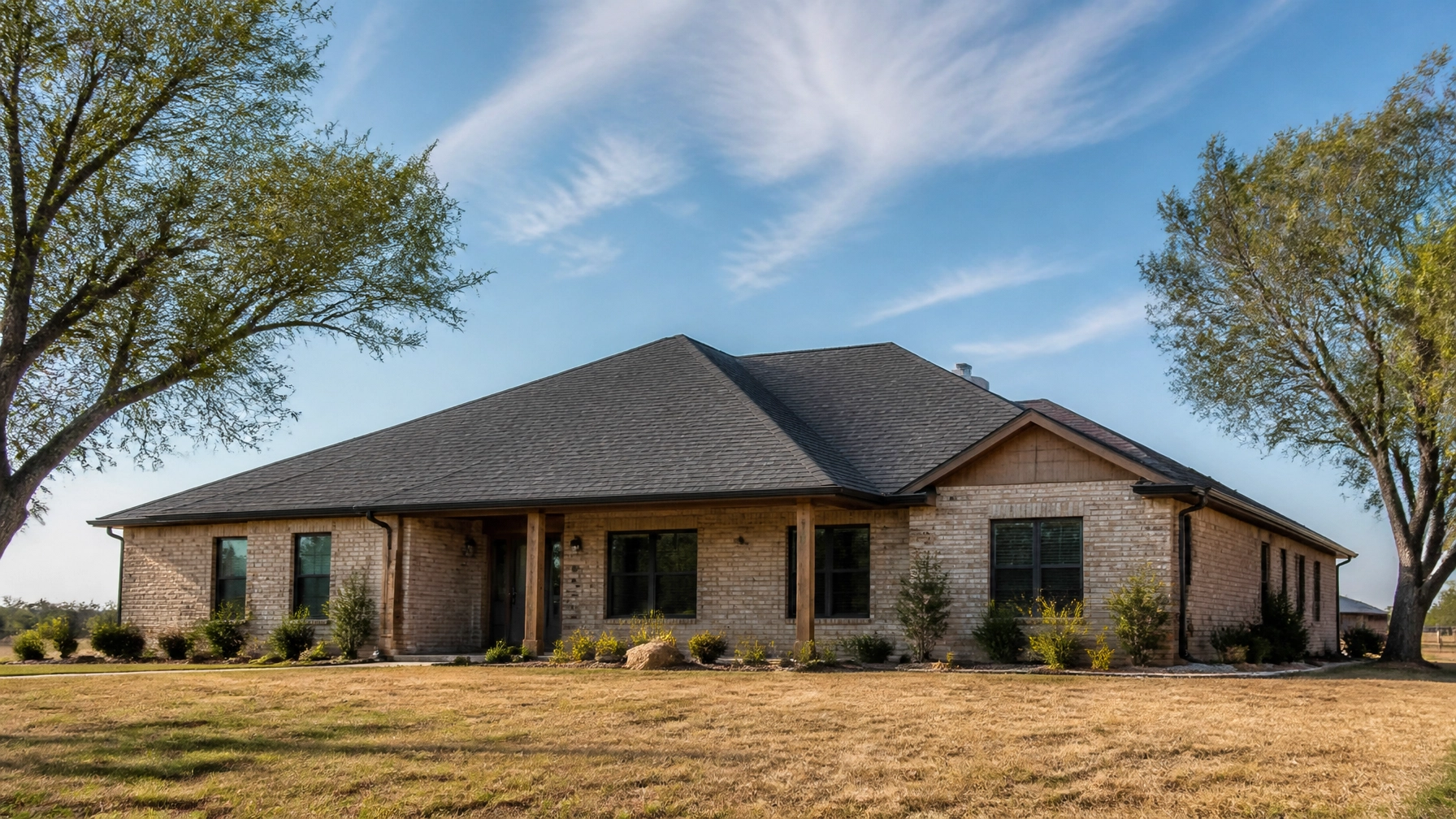
    You can also use the roof cost calculator to compare materials and regional pricing.

    Frequently Asked Questions

    How much does a new roof cost in Abilene in 2026?

    Most architectural shingle replacements cost approximately $8,000–$17,000 for a 20-square roof. Smaller, simple roofs may cost less, while large or complex roofs with impact-resistant materials can cost substantially more.

    Is $430–$850 per square a normal Abilene roofing price?

    Yes. That range is reasonable for installed architectural shingles in Abilene. The lower end typically reflects a simple roof and standard materials. The higher end may include Class 4 shingles, full tear-off, code upgrades, steep pitch, complex roof geometry, or storm-related demand.

    Do I need a permit to replace my Abilene roof?

    Yes, if the project replaces more than 5 squares. Confirm the current process with Abilene Building Inspections and make sure the contractor handles the MyGov application and inspections.

    Are Class 4 shingles worth the extra cost?

    They may be worth considering in Abilene because of hail exposure. Ask your insurer whether a Class 4 product qualifies for a discount, and compare the added material cost with the potential durability benefit.

    How long do asphalt shingles last in Abilene?

    A quality asphalt roof may last 15–30 years, but heat, hail, wind, ventilation, installation quality, and maintenance can shorten or extend its practical service life.

    Should I choose metal or shingles?

    Choose architectural shingles when upfront cost, traditional appearance, and easier repairs are priorities. Consider standing-seam metal when long service life, lower maintenance, energy efficiency, and storm performance matter more. Compare both options using a property-specific estimate before deciding.

    How quickly can I get a roof replacement estimate?

    You can get a free satellite-based estimate in approximately 60 seconds at getmyroofestimatenow.com. The estimate uses your property’s roof measurements rather than a generic home-size average.

  • Daily FAQ Blitz – Slot 1: AEO FAQ Quick Answers for Columbia, SC Homeowners (2026)

    Daily FAQ Blitz – Slot 1: AEO FAQ Quick Answers for Columbia, SC Homeowners (2026)

    For most Columbia, SC homeowners, a full roof replacement in 2026 costs approximately $8,000–$25,000. A typical 2,000-square-foot home often falls near $11,800–$16,000 for architectural shingles, while standing-seam metal commonly reaches $22,000–$40,000.

    A typical Columbia-area roof measures about 1,500–2,500 square feet, or 15–25 roofing squares. For planning, use 18–22 squares as a practical benchmark. One roofing square equals 100 square feet.

    Columbia roofs must handle hot, humid summers, intense UV exposure, severe thunderstorms, hail, high winds, tornado risk, and tropical-storm remnants. Ventilation, flashing, underlayment, wind ratings, and impact resistance matter as much as the visible roofing material.

    Columbia, SC Roof Replacement Cost Snapshot for 2026

    Roofing option Installed price benchmark Approximate cost on a 2,000-square-foot roof Best fit
    Architectural shingles (Popular) $430–$1,025 per square About $11,800–$16,000 Most homeowners seeking value and curb appeal
    Class 4 impact-resistant shingles (Storm-ready) $600–$1,150 per square Varies by roof size and system Homes exposed to frequent hail or wind
    Corrugated/exposed-fastener metal (Budget metal) Varies by panel and installation Less than standing seam in most cases Homeowners seeking metal performance at a lower entry cost
    Standing-seam metal (Premium) $800–$2,100 per square About $22,000–$40,000 Long-term ownership and premium durability
    Overall planning range Depends on size, pitch, complexity, and repairs Approximately $8,000–$25,000 for many homes Initial budgeting before contractor quotes

    Your final cost may change because of roof pitch, dormers, valleys, tear-off, decking repairs, ventilation upgrades, flashing, accessibility, material availability, and local labor rates. Use the roof cost calculator for a general benchmark, or get a satellite-measured estimate for your specific address.

    New charcoal architectural shingle roof on a Columbia SC Colonial home

    1. How much does roof replacement cost in Columbia, SC, in 2026?

    A Columbia roof replacement typically costs $8,000–$25,000, with architectural shingle projects commonly landing around $11,800–$16,000 for a 2,000-square-foot roof.

    Key pricing factors include:

    • Architectural shingles: About $430–$1,025 per square installed.
    • Standing-seam metal: About $800–$2,100 per square installed.
    • Class 4 shingles: Roughly $600–$1,150 per square.
    • Roof size: Larger roofs require more materials and labor.
    • Pitch and complexity: Steep slopes, valleys, skylights, and multiple roof sections increase labor.
    • Existing roof condition: Rotten decking, damaged flashing, and poor ventilation add costs.
    • Tear-off and disposal: Removing the old roof is usually priced separately or included in the project scope.

    A low, middle, and high estimate is more useful than one unsupported number. Compare each quote using the same scope of work.

    2. How large is a typical Columbia roof?

    Most Columbia single-family roofs measure approximately 1,500–2,500 square feet, or 15–25 roofing squares.

    For initial planning:

    • A small ranch home may have 15–18 squares.
    • A typical 1,800–2,200-square-foot roof may use 18–22 squares.
    • A larger or more complex home may reach 23–25 squares or more.
    • Roof area is not always the same as the home’s interior living area.
    • Pitch, overhangs, attached garages, and roof sections affect the measured total.

    A satellite measurement can identify roof sections, approximate pitch, and complexity without an initial contractor visit.

    3. What roofing material is best for Columbia’s heat, humidity, and storm climate?

    Architectural shingles are the best overall value for many Columbia homeowners; metal and impact-resistant shingles are stronger upgrade options for specific priorities.

    Look for a complete roofing system that includes:

    • Ventilation: Helps reduce attic heat and moisture buildup during humid summers.
    • UV and heat resistance: Important under strong Midlands sun.
    • Wind-rated shingles or panels: Severe thunderstorms and tornado risk make wind performance important.
    • Synthetic underlayment: Adds water resistance beneath the visible roof covering.
    • Impact-resistant options: Useful in areas with recurring hail.
    • Proper flashing: Protects chimneys, walls, valleys, skylights, and roof penetrations.
    • Algae-resistant shingles: Helpful in warm, humid conditions.

    Architectural shingles usually provide the strongest balance of cost, appearance, availability, and resale appeal. Standing-seam metal offers long service life and a modern appearance but has a higher initial investment. Compare metal roofing and shingles before choosing.

    4. Are impact-resistant shingles worth the extra cost in Columbia?

    Class 4 impact-resistant shingles can be worth the added cost when hail exposure, roof longevity, or storm resilience is a priority, but savings are not guaranteed.

    Consider them when:

    • Your roof has experienced hail damage.
    • You live in an area with frequent severe thunderstorms.
    • You plan to remain in the home for many years.
    • You want additional protection against impact damage.
    • Your insurer offers a qualifying discount.

    Ask your insurance company whether a discount is available before paying for the upgrade. Class 4 shingles are not hailproof, and installation quality still matters. Compare the upgrade price with your expected ownership period and deductible exposure.

    5. Do I need a permit for roof replacement in Columbia?

    Yes. The City of Columbia generally requires a building permit for a full roof replacement.

    For a City of Columbia property:

    • A $25 non-refundable plan review fee applies.
    • The final building permit fee is based on construction valuation.
    • A typical combined re-roof permit total may be approximately $150–$325.
    • Minor repairs are generally exempt, although structural repairs may require approval.
    • Confirm current requirements with City of Columbia Planning & Development at 803-545-3420.

    Homes outside city limits may fall under Richland County or Lexington County permitting. Your written contract should state who will obtain the permit and schedule inspections.

    6. What license and insurance should a Columbia roofing contractor have?

    A residential roofer performing qualifying work should be registered with the South Carolina Residential Builders Commission in the Roofing specialty classification and carry appropriate insurance.

    South Carolina’s residential specialty registration:

    • Applies to residential roofing work exceeding $500 in labor and materials.
    • Requires at least one year of residential roofing experience within the past five years.
    • Does not require a roofing exam for this registration.
    • Can be verified through SC LLR.

    Also request:

    • General liability insurance.
    • Workers’ compensation coverage.
    • A written, itemized scope of work.
    • Local Columbia or Midlands references.
    • Material and workmanship warranty details.
    • Permit responsibility in writing.
    • Payment terms that do not require the entire project cost upfront.

    7. Is a new roof worth the investment for Columbia homeowners?

    A new roof can improve protection, appearance, saleability, and buyer confidence, but it usually does not return every dollar spent at resale.

    The 2025 Cost vs. Value benchmark reports approximately:

    • 68% recouped for asphalt shingle replacement.
    • About 50%–55% recouped for metal roofing.

    Actual results vary by neighborhood, market conditions, roof quality, and buyer expectations. A new roof may also reduce the risk of inspection objections and improve roof curb appeal and home value.

    For homeowners preparing to sell, architectural shingles often provide the strongest balance of cost and visible improvement. For long-term owners, metal may make sense when durability and reduced replacement frequency outweigh the higher upfront cost.

    In short, the best roof for home value is usually the one that fits the neighborhood, protects the structure, looks well installed, and matches your ownership timeline. That is the practical approach to roof replacement ROI.

    Modern Columbia SC home with a standing-seam metal roof

    8. How do insurance claims work after Columbia hail or wind damage?

    Document the damage quickly, report it according to your policy, and avoid permanent repairs until the insurer has had a reasonable opportunity to inspect.

    Columbia-area hail and wind events were reported on June 18, 2026, and additional storm damage occurred around July 11, 2026, including impacts in the Richland and Lexington County area. After a storm:

    • Photograph missing shingles, dents, branches, leaks, and interior staining from the ground.
    • Use a tarp or emergency repair only when needed to prevent further damage.
    • Keep receipts for temporary repairs.
    • Report the claim according to your policy deadline. Many policies commonly allow 12 months, while some allow up to 24 months.
    • Ask whether your policy uses actual cash value or replacement cost coverage.
    • Review your declarations page for wind, hail, named-storm, or hurricane deductibles.
    • South Carolina hurricane or named-storm deductibles are commonly 1%–5% of Coverage A, not 1%–5% of the repair bill.
    • Many policies trigger the deductible after a National Weather Service hurricane or tropical-storm watch or warning and keep it active for up to 72 hours after the event expires. Your policy language controls.

    A roofer can help identify visible damage, but the insurer and policy determine coverage. Do not let a contractor pressure you to sign an unclear assignment of benefits or claim document.

    What to Do After Columbia Storm Damage

    Columbia South Carolina home with visible storm-related roof damage after a thunderstorm

    1. Check safety first. Stay away from downed power lines and unstable trees.
    2. Inspect from the ground. Look for missing shingles, exposed underlayment, damaged flashing, and fallen branches.
    3. Prevent additional damage. Use a qualified professional for emergency tarping or temporary repairs.
    4. Take clear photos and video. Record the roof, gutters, siding, windows, ceilings, and attic areas.
    5. Call your insurer. Confirm the claim deadline, deductible, inspection process, and required documentation.
    6. Get an independent roof estimate. A satellite estimate gives you a quick planning benchmark before an in-person inspection.
    7. Compare written scopes. Make sure each contractor includes the same materials, tear-off, ventilation, flashing, cleanup, and warranty terms.
    8. Verify the contractor. Check SC registration, insurance, references, and local experience before signing.

    Get a Columbia Roof Estimate in 60 Seconds

    You can get a free starting point without scheduling multiple contractor visits. Get My Roof Estimate Now uses satellite imagery to measure your roof and estimate pricing for Columbia-area properties.

    The process provides:

    • A satellite-measured roof size and complexity estimate.
    • Approximately 90%–95% accuracy for most properties.
    • Low, middle, and high replacement ranges.
    • Pricing for architectural shingles, metal, synthetic roofing, and other options.
    • No credit card requirement.
    • No upfront cost.
    • Connections to verified, licensed, and insured local contractors.

    Start with your address, review the estimate, and use the information to plan your next step.

    WordPress category: South Carolina Roofing Costs

    Tags: Columbia SC roof replacement, Columbia SC roof estimate, South Carolina hail roof damage, hurricane deductible South Carolina, Midlands SC roofing FAQ, satellite roof estimate Columbia