Author: James Turner

  • Looking for a New Roof in Raleigh? 10 FAQ Answers You Should Know

    Looking for a New Roof in Raleigh? 10 FAQ Answers You Should Know

    If you own a home in the City of Oaks, you know that our weather is anything but predictable. From sweltering 95-degree July afternoons to the remnants of coastal hurricanes and sudden spring hailstorms, your roof takes a beating. Whether you’ve noticed a few stray shingles in your yard after a storm or you’re simply planning for the future, getting clear answers on roofing costs and processes in Raleigh shouldn’t be a headache.

    At Get My Roof Estimate Now, we specialize in cutting through the noise. We use advanced satellite technology to provide instant roof estimates without the need for a high-pressure sales visit.

    To help you navigate your next project, we’ve compiled the 10 most frequent questions Raleigh homeowners ask in 2026.


    1. What is the average cost of a roof replacement in Raleigh in 2026?

    For a standard single-family home in Raleigh, most full roof replacements currently range between $8,000 and $15,000.

    If you are installing architectural shingles (the most popular choice in the Triangle), you can expect to pay roughly $3.40 to $5.90 per square foot. For a typical 2,000-square-foot roof, the "sweet spot" for a professional installation, including labor, materials, and disposal, is often right around $10,000 to $12,000. Larger homes or those with complex rooflines (multiple gables and steep pitches) can easily climb toward $20,000 or more.

    2. Which roofing material is best for the North Carolina climate?

    In Raleigh, you need a material that can handle high humidity and intense UV exposure.

    • Architectural Shingles (Popular): These are the gold standard for North Carolina. They offer a layered, dimensional look and are rated for higher wind speeds than traditional 3-tab shingles.
    • Metal Roofing (Premium): Increasingly popular in neighborhoods like North Hills and Five Points, metal roofs reflect heat better than asphalt, which can lower your cooling bills during a hot Raleigh summer. They also last 50+ years.
    • Synthetic Slate (High-End): These provide the aesthetic of traditional slate without the massive weight, making them great for custom homes.

    Close-up of high-quality charcoal grey architectural asphalt shingles showing texture

    3. How long does a typical roof replacement take?

    The physical installation for most residential roofs in Raleigh takes 1 to 2 days.

    The process involves tearing off the old layers, inspecting the wood decking for rot, installing new underlayment and flashing, and finally laying the new shingles. While the "hammering" part is fast, the prep work, securing permits and ordering materials, usually takes 1 to 2 weeks of lead time.

    4. Do I really need a contractor to come to my house for an estimate?

    In the past, yes. Today, no. Using satellite imagery accurate to within inches, we can measure your roof’s size, pitch, and complexity remotely.

    Our satellite-powered technology allows you to receive a transparent price range in under 60 seconds. This eliminates the need to schedule multiple 2-hour "consultations" with sales reps just to get a ballpark figure for your budget.

    Satellite view concept of a Raleigh neighborhood with digital measurement overlays

    5. How can I tell if I need a repair or a full replacement?

    This is the "million-dollar" question for homeowners. Generally:

    • Repair if: The roof is less than 12 years old and damage is localized (e.g., a single leak around a vent pipe or a few shingles lost in a windstorm).
    • Replace if: Your roof is 15–20 years old, you see widespread curling or "balding" (loss of granules), or you’ve had recurring leaks in multiple areas. In Raleigh, if the cost of a repair exceeds 25% of the total replacement cost, a full replacement is usually the smarter financial move.

    6. Does homeowner’s insurance cover roof replacement in Raleigh?

    It depends on the cause of the damage.

    • Covered: Damage from "perils" like hail, fallen trees, or high winds (common during our hurricane season).
    • Not Covered: General wear and tear or neglect.
      If a recent storm hit your zip code and you see shingles on the lawn, you should file a claim immediately. We recommend getting an accurate estimate first so you know exactly what the replacement value should be before the adjuster arrives.

    7. What are the permitting requirements in Raleigh/Wake County?

    Yes, a building permit is required for a roof replacement in the City of Raleigh and most of Wake County. This ensures that the work is inspected and meets the North Carolina Residential Building Code.

    Most professional contractors will pull these permits for you. Budget roughly $150 to $500 for permit and inspection fees, which are typically bundled into your total project quote.

    Modern Raleigh home featuring a sleek standing-seam metal roof

    8. How does Raleigh’s humidity and tree canopy affect my roof?

    Raleigh is known for its beautiful oak and pine trees, but they are a roof's worst enemy.

    • Debris: Pine needles and oak leaves trap moisture in your roof valleys, leading to rot.
    • Algae: Our high humidity often leads to "Gloeocapsa magma": those dark, ugly streaks on your shingles.
      To protect your investment, ensure your roof has proper attic ventilation to exhaust humid air and keep the decking dry.

    9. How long do roofs realistically last in the Triangle area?

    While manufacturers might offer 30-year warranties, the reality of the North Carolina climate is different. Due to our extreme heat-thaw cycles and storm frequency, most asphalt roofs in Raleigh reach the end of their functional life between 15 and 22 years. If your roof was installed before 2010, it is likely nearing the end of its reliable service life.

    10. How can I get an accurate estimate in under 60 seconds?

    Skip the wait. At Get My Roof Estimate Now, we provide a low-middle-high price range based on your specific address. Our system factors in local Raleigh labor rates, material costs for 2026, and your roof's exact dimensions captured via satellite.

    Ready to see your number?
    Click here to get your instant Raleigh roof estimate now.


    Summary Checklist for Raleigh Homeowners:

    • Estimate Range: $8k – $15k for standard asphalt.
    • Material Choice: Architectural shingles are best for value; Metal for longevity.
    • Permits: Always ensure your contractor pulls a Wake County/Raleigh building permit.
    • Timeline: 1-2 days for installation once the crew is on-site.

    Whether you're in Downtown Raleigh, Cary, or Wake Forest, knowing the facts helps you avoid overpaying and ensures your home stays protected for the next two decades.

  • How to Choose the Best Roof Replacement Contractor in Mobile (Compared)

    How to Choose the Best Roof Replacement Contractor in Mobile (Compared)

    If you own a home in Mobile, Alabama, you know that your roof is your primary line of defense against the Gulf Coast’s unpredictable weather. From hurricane-force winds to the intense humidity of the Deep South, a roof in Mobile works harder than almost anywhere else in the country.

    However, after a major weather event, a different kind of storm arrives: storm chasers. These out-of-state contractors descend upon neighborhoods in the Port City, offering "free roofs" and promising to "handle your insurance." While some might be legitimate, many are fly-by-night operations that leave homeowners with substandard work and no warranty protection.

    Choosing the best roof replacement contractor in Mobile requires more than just picking the lowest bid. It requires a strategic approach to vetting, a clear understanding of 2026 market pricing, and the ability to spot red flags before you sign a contract. This guide breaks down exactly how to compare local professionals against storm-chasing opportunists.

    Spotting the Storm Chaser: The Major Red Flags

    In 2026, the technology for roof inspections has evolved, but the old-school high-pressure sales tactics remain the same. If a contractor knocks on your door in Spring Hill or West Mobile after a heavy storm, look for these immediate warning signs:

    • Out-of-State Plates: Check the trucks. If the contractor is claiming to be "local" but their fleet has tags from Ohio, Florida, or Texas, they are likely following the storm path and won’t be here when your roof leaks in six months.
    • The "Free Roof" Pitch: Be extremely wary of anyone promising to "waive" or "cover" your insurance deductible. In Alabama, this is not just unethical: it can lead to insurance fraud complications for the homeowner.
    • Pressure for Immediate Sign-Off: Reputable Mobile roofers are often booked out for weeks. If a contractor tells you that you must sign today to secure a "special price" or a "spot on the list," they are using high-pressure tactics to prevent you from doing your due diligence.
    • No Physical Office: A cell phone number and a Gmail address are not enough. A legitimate local contractor will have a physical presence in the Mobile or Baldwin County area.

    The Vetting Comparison: Local Professionals vs. Storm Chasers

    When you are comparing quotes, use this table to categorize the companies you are talking to.

    Feature Local Mobile Professional (Recommended) Out-of-State Storm Chaser (Risk)
    Licensing Holds an active Alabama Home Builders License. Often works under a temporary or "borrowed" license.
    Insurance Full General Liability and Workers' Comp (AL-specific). Minimal coverage; often lacks local Workers' Comp.
    Permits Pulls permits through the City of Mobile or County. May try to bypass permits or ask you to pull them.
    References Provides 5+ recent jobs in your specific neighborhood. Vague references or photos from other states.
    Estimate Method Uses satellite-powered measurements for accuracy. Quick "eyeball" estimates or hand-measured (prone to error).
    Longevity Established in the community for 5+ years. Pops up after a storm; disappears once the season ends.

    Satellite technology showing precise digital roof measurements for a Mobile residence.

    2026 Mobile Roofing Costs: The Data-Driven Reality

    To avoid being overcharged by an opportunist or under-quoted by a low-quality contractor, you need to know the current market rates. In 2026, roofing costs in Mobile are approximately 15–20% higher than the Alabama statewide average due to the stringent wind-mitigation requirements for coastal zones.

    Here is what you can expect to pay for a standard 2,500-square-foot home in Mobile this year:

    1. Architectural Asphalt Shingles (Popular)

    • Price Range: $12,000 – $26,000
    • Context: This is the most common choice for Mobile homeowners. It provides excellent wind resistance (up to 130 mph) and comes in a variety of styles that complement historic and modern homes alike.

    2. Standing Seam Metal (Premium)

    • Price Range: $20,000 – $38,000+
    • Context: Ideal for those looking for a "lifetime" roof. Metal is increasingly popular in coastal Alabama for its superior hurricane performance and energy efficiency.

    3. Roof Coatings or Repairs (Budget)

    • Price Range: $3,000 – $8,000
    • Context: Used primarily for minor storm damage or extending the life of a flat roof section. Be cautious: storm chasers often recommend full replacements when a simple repair would suffice.

    Note: These ranges include tear-off, disposal, and standard underlayment. Prices vary based on roof pitch (steepness) and the number of valleys or dormers.

    The Alabama Compliance Checklist: 4 Must-Haves

    Before any work begins, you must verify that the contractor meets Alabama's specific legal requirements. Failure to do this could leave you liable for injuries on your property or result in a roof that doesn't meet the Fortified Roof™ standards often required for insurance discounts in Mobile.

    1. Alabama Home Builders Licensure Board (HBLB): For any residential roofing project over $10,000, the contractor must hold a license from the HBLB. Ask for their license number and verify it on the official state portal.
    2. General Liability Insurance: Ensure they carry at least $1,000,000 in coverage. This protects your home from damage caused by the crew during the installation.
    3. Workers' Compensation: This is non-negotiable. If a worker is injured on your roof and the contractor doesn't have insurance, you (the homeowner) could be held responsible for the medical bills.
    4. Local Building Permits: The City of Mobile requires permits for roof replacements. A legitimate contractor will handle the paperwork and schedule the required inspections.

    A professional crew installing high-wind rated architectural shingles on a coastal home.

    Why Accurate Estimates Stop Scams in Their Tracks

    One of the most common ways homeowners get "trapped" by a contractor is through the initial estimate. A storm chaser might give you a low-ball "ballpark" figure, only to hit you with thousands of dollars in "unforeseen" costs once the old shingles are removed.

    At Get My Roof Estimate Now, we eliminate this friction. Our satellite-powered measurement technology is accurate to within inches. By using high-resolution imagery, we can calculate your roof's square footage, pitch, and complexity without anyone stepping foot on your property.

    Within 60 seconds, you receive a transparent, data-backed estimate that serves as your baseline. When you eventually interview local contractors, you already know the fair market price. If their bid is significantly higher or suspiciously lower than your satellite estimate, you know to ask more questions.

    Conclusion: Take Control of Your Mobile Roof Replacement

    Replacing your roof is a significant financial investment: usually ranging from $12,000 to $26,000 in the Mobile area. Don't leave that investment to chance by hiring the first person who knocks on your door after a storm.

    Instead, prioritize transparency and technology. Start by getting an instant roof estimate to understand your numbers. Then, use our vetting checklist to find a verified, licensed, and local Mobile professional who will stand by their work long after the storm clouds have cleared.

    A professional contractor providing a transparent digital estimate to a Mobile homeowner.

    Ready to see what your new roof should cost? Get your 60-second estimate now.


  • How to Estimate Your Houston Roof Replacement Cost in 2026 (Including the 8% Hike)

    How to Estimate Your Houston Roof Replacement Cost in 2026 (Including the 8% Hike)

    Replacing a roof in Houston has always been a strategic necessity, thanks to the Gulf Coast's relentless humidity and seasonal hurricane threats. However, in 2026, the financial landscape for homeowners has shifted. If you’ve been sitting on an estimate from 2024 or 2025, it’s time to recalibrate.

    Driven by a combination of manufacturer price increases (averaging 5–8%), new tariffs on raw materials, and a tightening local labor market, the cost of a new roof in the Bayou City has climbed. This guide breaks down the current 2026 pricing and shows you how to get a professional-grade estimate in under a minute without inviting a salesperson to your kitchen table.

    The 2026 "Price Surge": Why Costs Are Up 8%

    In early 2026, major roofing manufacturers: including GAF, Owens Corning, and CertainTeed: implemented across-the-board price hikes. When you factor in the rising costs of petroleum-based products (shingles) and the 60% tariff-driven increase in metal components, Houston homeowners are looking at an average total project increase of 8% compared to last year.

    For a typical 2,500-square-foot roof that might have cost $12,000 in 2025, that 8% hike translates to an extra $960. While that might sound frustrating, transparency is your best defense. Knowing the numbers before you call a contractor prevents "sticker shock" and ensures you aren't overpaying for materials.

    Houston Roof Replacement: 2026 Cost Breakdown by Material

    In Houston, the material you choose is the single biggest variable in your final bill. Here is how the 2026 market currently looks for different tiers of roofing:

    1. Asphalt Shingles (Budget & Popular)

    Asphalt remains the go-to choice for Houston neighborhoods from Katy to Sugar Land.

    • 3-Tab Shingles (Budget): These are the most affordable but have the lowest wind resistance: a risky move in hurricane-prone areas.
      • 2026 Estimated Cost: $4.30 – $5.40 per sq. ft.
    • Architectural Shingles (Popular): These offer better aesthetics and higher wind ratings (up to 130 mph).
      • 2026 Estimated Cost: $5.40 – $8.10 per sq. ft.

    Detailed close-up of high-quality architectural shingles being installed.

    2. Metal Roofing (Premium)

    With the intense Texas sun and hail risk, metal is surging in popularity. While the upfront cost is higher, the longevity (50+ years) and energy efficiency often justify the investment.

    • Standing Seam Metal: The gold standard for Houston roofs.
      • 2026 Estimated Cost: $10.00 – $15.50 per sq. ft.

    3. Specialty Materials (High-End)

    For luxury homes in River Oaks or Memorial, materials like synthetic slate or clay tile are common.

    • 2026 Estimated Cost: $16.00 – $25.00+ per sq. ft.

    Factors Unique to Houston Roofs

    Beyond the 8% market hike, several local variables will influence your specific estimate:

    • Hurricane Readiness: Texas building codes in coastal counties often require specific nailing patterns and hurricane straps. In 2026, many Houston-area insurers are requiring these upgrades to maintain coverage.
    • Pitch and Complexity: A flat ranch-style roof in Pasadena is cheaper to replace than a steep-pitched, multi-gabled home in The Woodlands. Steep roofs require more safety equipment and slower labor, increasing the price per "square."
    • The "Tear-Off" Factor: If your current roof has two layers of shingles, the labor cost to remove them increases. In Houston, disposing of old asphalt shingles now carries higher environmental fees in 2026.

    A modern Houston home featuring a sleek matte black standing seam metal roof.

    How to Calculate Your "Roofing Squares"

    Roofers don't talk in square feet; they talk in "squares." One square equals 100 square feet of roof surface.

    • 1,500 sq. ft. home: Often requires ~18-22 squares of roofing.
    • 2,500 sq. ft. home: Often requires ~28-32 squares of roofing.

    Traditionally, getting these measurements meant waiting days for a contractor to climb a ladder with a tape measure. In 2026, we’ve moved past that.

    The 60-Second Solution: Satellite-Powered Accuracy

    The days of "ballpark" guesses are over. At Get My Roof Estimate Now, we use high-resolution satellite imagery to measure your roof's area, pitch, and complexity to within inches.

    Our technology provides:

    1. Instant Results: You get a full estimate in under 60 seconds.
    2. Zero Pressure: No salesperson, no phone calls, and no credit card required.
    3. Accuracy: Our measurements are 90-95% accurate, giving you the same data the pros use.
    4. Local Pricing: We factor in the specific 2026 Houston material costs and regional labor rates.

    Digital interface showing a satellite-measured roof with an instant cost estimate.

    Verified Houston Contractors: The Final Step

    An estimate is only as good as the team that executes it. Once you have your accurate price range from our Texas roof cost calculator, we can connect you with verified, licensed, and insured local Houston contractors.

    These aren't just random names from a phone book; they are vetted professionals who understand Houston's unique climate challenges and building codes. By walking into the conversation with a satellite-verified estimate, you’re in the driver’s seat. You know the material costs, you know the labor ranges, and you’re protected from the 8% hike inflation.

    Ready to see your 2026 Houston roof cost?

    Don't let market uncertainty stall your home maintenance. Whether you're in Katy, Cypress, or Pearland, you can find out exactly what your new roof should cost right now.

    Get Your Free Satellite Roof Estimate in 60 Seconds →

  • 7 Mistakes You’re Making with Houston Roofing (And How to Spot a Storm Chaser)

    7 Mistakes You’re Making with Houston Roofing (And How to Spot a Storm Chaser)

    In Houston, a roof isn't just a design choice: it's your home’s primary defense against the Gulf Coast’s humidity, brutal summer heat, and the inevitable storm season. Whether it’s a sudden hailstorm in Katy or a hurricane sweeping through the Bayou City, Houston homeowners are often forced into the roofing market under high-pressure conditions.

    Unfortunately, where there is storm damage, there are "storm chasers." These transient contractors flood the Greater Houston area after every major weather event, looking for quick signatures and insurance checks before disappearing. To protect your investment, you need to navigate the process with data and a skeptical eye.

    Here are the seven most common mistakes Houston homeowners make when replacing their roofs: and how to identify a predatory contractor before you sign.


    1. Falling for the “Free Deductible” Scam (Legal Mistake)

    In Texas, if a roofer offers to "waive," "eat," or "cover" your insurance deductible, they are asking you to participate in insurance fraud. Under Texas House Bill 2102, it is illegal for a contractor to offer to pay a policyholder’s deductible.

    • The Trap: A contractor tells you they can "over-invoice" the insurance company or give you a "marketing credit" that cancels out your $2,000 or $5,000 deductible.
    • The Risk: You could face legal penalties, and your insurance claim could be denied.
    • The Reality: Legitimate Houston roofers will always require you to pay your deductible. If a bid looks "too free" to be true, it’s a major storm-chaser red flag.

    2. Hiring "Out-of-Towners" Without a Local Paper Trail

    Storm chasers are high-volume, low-quality outfits that travel from state to state following weather patterns. They often rent local office space for a month or use a P.O. Box to look local.

    • How to Spot Them: Check their license plates. If you see trucks with out-of-state tags (often from the Midwest or neighboring states) canvassing your neighborhood in Sugar Land or The Woodlands, be wary.
    • The Problem: These companies provide "tailgate warranties": meaning your warranty expires the moment their truck’s tailgate leaves your driveway. If your roof leaks two years from now, they will be 1,000 miles away.
    • The Solution: Demand to see a physical Houston address that has existed for more than five years. Use tools like Get My Roof Estimate Now to connect with verified, licensed, and insured local contractors who have a permanent stake in the community.

    Contractor inspecting a residential roof with a clipboard

    3. Prioritizing the Lowest Bid Over Scope (Budget Mistake)

    In 2026, the average cost for a full asphalt shingle replacement in Houston ranges from $8,000 to $20,000, with many mid-sized homes falling in the $9,000 to $16,000 bracket. If you receive a bid that is 30-40% lower than the others, something is missing.

    • Where They Cut Corners:
      • Tear-off: They might try to shingle over your old roof (forbidden by many local codes and bad for Houston heat).
      • Underlayment: Using cheap felt instead of high-quality synthetic underlayment.
      • Flashing: Reusing old, rusted flashing instead of installing new drip edges and valley metal.
    • Data Benchmark: Expect to pay $4–$7 per square foot for a professional shingle installation in Houston. Anything significantly lower usually indicates unsupervised labor or "builder-grade" materials that won't survive a Category 2 hurricane.

    4. Ignoring Houston’s Humidity and Ventilation Needs

    Houston’s climate is unique. High humidity and 100-degree days can cook your shingles from the inside out if your attic isn't breathing correctly.

    • The Mistake: Homeowners often focus on the shingles and ignore the ventilation system.
    • The Consequence: Poor ventilation voids your shingle warranty and can cause your roof decking to warp or rot. It also drives up your AC bills.
    • What to Ask: Ensure your estimate includes a specific plan for Intake (soffit vents) and Exhaust (ridge vents or solar fans). A "storm chaser" will rarely take the time to calculate your attic’s net free vent area.

    Close up of high-quality architectural shingles and a ridge vent

    5. Skipping the Permit Process

    Many Houston-area municipalities and HOAs require a building permit for a full roof replacement. Permit fees typically range from $80 to $1,200 depending on the scope of the project.

    • The Mistake: Letting a contractor convince you that "you don't need a permit" to save money.
    • The Risk: If you don't have a permit, you may have trouble selling your home later. Furthermore, an unpermitted roof might not be recognized by your insurance company during a future claim.
    • Pro Tip: A reputable contractor handles the permitting for you. If they ask you to pull the permit as a "homeowner," they are likely trying to avoid local licensing requirements or background checks.

    6. Not Getting a Written Material Guarantee

    There is a massive difference between a "Standard" (Budget) shingle and a "Premium" (Storm-Resistant) shingle. In Houston, you should aim for shingles with high wind-resistance ratings (Class 4 Impact Resistance is preferred for hail-prone areas).

    • The Mistake: Signing a contract that simply says "Asphalt Shingles."
    • What You Need: A detailed line-item estimate that specifies the manufacturer (e.g., GAF, Owens Corning, CertainTeed), the specific product line, and the warranty length.
    • The Technology Edge: You can use our roof cost calculator to see how different material choices: like architectural shingles vs. metal: impact your bottom line before you ever speak to a salesperson.

    7. Waiting for a Manual Quote in a Digital Age

    The old way of getting a roof estimate involved calling three contractors, waiting for them to show up (if they did), and sitting through three 90-minute sales pitches.

    • The Mistake: Wasting weeks on manual appointments when you could have data in seconds.
    • The Modern Way: In 2026, satellite technology is more accurate than a guy with a tape measure. At Get My Roof Estimate Now, we use high-resolution satellite imagery to measure your roof's size, pitch, and complexity within inches.
    • The Result: You get an accurate Texas roof estimate in under 60 seconds. This gives you a "fair price" benchmark to use against any contractor who knocks on your door.

    Satellite imagery view of a suburban roof used for automated estimates


    Summary Checklist for Houston Homeowners

    Factor What to Look For Red Flag
    Deductible You pay it in full. Contractor offers to "waive" it.
    Location Verified local Houston office. Out-of-state plates/PO Box only.
    Permits Contractor pulls municipal permits. Contractor says they aren't needed.
    Pricing $8k–$20k (Typical Shingle). $5k bid for a large home.
    Technology Satellite-verified measurements. "Eyeball" estimates or "guesstimates."

    Protect Your Home in 60 Seconds

    Don't let a storm chaser dictate the price of your home's safety. Whether you’re in Harris, Fort Bend, or Montgomery County, start with an objective, data-backed estimate.

    Get your instant, free Houston roof estimate here. No credit card, no waiting: just the facts.

  • 2026 Roof Replacement Cost in Charlotte, NC: What Homeowners Can Expect

    2026 Roof Replacement Cost in Charlotte, NC: What Homeowners Can Expect

    Navigating a roof replacement in the Queen City is a significant financial and structural decision. Whether you are in a historic home in Myers Park, a modern build in Ballantyne, or a classic ranch in Dilworth, understanding the market shifts of 2026 is critical.

    In 2026, Charlotte homeowners are facing a unique intersection of rising material costs and high demand for specialized labor. While the average cost for a roof replacement in Charlotte currently ranges between $8,000 and $15,000, complex projects and premium materials can easily push those figures toward the $30,000+ mark.

    At Get My Roof Estimate Now, we provide instant, free roof replacement cost estimates using precision satellite technology. By entering your address, you can bypass the traditional two-week wait for a contractor visit and receive an accurate quote in under 60 seconds.

    The 2026 Market: Why Charlotte is Different

    Charlotte’s humid subtropical climate and frequent severe weather patterns: including summer thunderstorms and the occasional hurricane-related wind event: dictate specific roofing requirements. In 2026, regional labor rates in the Charlotte-Mecklenburg metro area remain higher than the North Carolina state average, reflecting the city's rapid growth and the demand for licensed, insured professionals.

    Primary Cost Drivers in Charlotte

    • Material Selection: The most significant variable. Asphalt remains popular, but metal is gaining market share due to its 50-year lifespan.
    • Roof Complexity: Multiple gables, steep pitches, and dormers increase labor hours and material waste.
    • Square Footage: Measured in "squares" (one 10' x 10' area), the physical size of your roof is the baseline for all pricing.
    • Local Labor Rates: Metro Charlotte contractors typically command a premium compared to rural NC builders.

    Detailed Breakdown by Roofing Material

    Choosing the right material is a balance of aesthetics, budget, and long-term durability. Here is what Charlotte homeowners are paying in 2026 for a standard 2,000-square-foot roof.

    A modern ranch-style house in Charlotte with a matte black standing seam metal roof

    Asphalt Shingles (Budget & Popular)

    Asphalt shingles remain the standard for the majority of Charlotte residential properties.

    • 3-Tab Shingles (Budget): $8,200 – $12,100. These are the entry-level option, offering basic protection with a 20-25 year lifespan.
    • Architectural Shingles (Most Popular): $9,700 – $14,300. These provide a dimensional look, better wind resistance (essential for NC storms), and a 30-year warranty.
    • Impact-Resistant Shingles (Premium): $11,100 – $16,400. Specifically designed to withstand hail and debris, often qualifying homeowners for insurance discounts.

    Metal Roofing (Premium & Long-Lasting)

    Metal is no longer just for rural barns; it has become a staple of modern Charlotte architecture.

    • Corrugated Metal Panels: $12,000 – $17,600. An affordable way to get the metal look and durability.
    • Standing Seam Metal: $19,000 – $27,900. The gold standard for residential metal roofing. With no exposed fasteners, it offers the highest level of leak protection and curb appeal.

    Luxury Materials (Investment Grade)

    For high-end homes in areas like Eastover or Quail Hollow, luxury materials offer unmatched longevity.

    • Synthetic Slate: $17,000 – $25,100.
    • Clay/Concrete Tile: $18,600 – $34,900.
    • Natural Slate: $42,600 – $62,700+.

    Cost per Square Foot: The Charlotte Benchmark

    To help you budget accurately, we have categorized the current 2026 price ranges per square foot (installed) including labor and materials.

    Roof Size (Sq Ft) Architectural Shingles Standing Seam Metal Luxury/Slate
    1,200 $5,800 – $8,600 $11,400 – $16,700 $25,000+
    1,600 $7,800 – $11,400 $15,200 – $22,300 $34,000+
    2,000 $9,700 – $14,300 $19,000 – $27,900 $42,000+
    3,000 $14,600 – $21,500 $28,500 – $41,800 $63,000+

    Note: These figures are estimates. For a precise calculation based on your actual roof dimensions, use our satellite-powered measurement tool.

    High-detail shot of architectural asphalt shingles being installed

    Labor, Permits, and Hidden Factors

    In Charlotte, labor typically accounts for 50% to 60% of the total project cost. Because roofing is a high-risk trade, licensed contractors in Mecklenburg County must carry substantial insurance and follow strict North Carolina building codes.

    1. Tear-Off and Disposal

    Removing your old roof is a labor-intensive process. In 2026, most Charlotte contractors charge between $1,000 and $3,000 for the tear-off and haul-away of a single layer of shingles. If your home has multiple layers of old roofing, these costs can double.

    2. Decking Repairs

    Once the old shingles are removed, the contractor may find rotted plywood (decking). This is common in older Charlotte neighborhoods with heavy tree canopies that trap moisture. Expect to pay roughly $75 – $125 per sheet for replacement decking.

    3. Ventilation Upgrades

    Proper attic ventilation is non-negotiable in the NC heat. Upgrading to ridge vents or solar-powered attic fans can add $500 – $1,500 to the project but will significantly extend the life of your new roof and lower cooling costs.

    The Modern Solution: Satellite-Powered Accuracy

    The traditional method of getting a roof estimate is outdated. Homeowners often have to schedule visits with multiple contractors, wait for them to climb a ladder, and then wait days for a written quote.

    Get My Roof Estimate Now changes that. Our technology uses high-resolution satellite imagery to measure your roof's size, pitch, and complexity with 90-95% accuracy.

    Top-down satellite view of a Charlotte neighborhood with digital measurement overlays

    Why Use Our Instant Estimate?

    • Zero Pressure: No sales reps sitting at your kitchen table for two hours.
    • Speed: Results in under 60 seconds.
    • Transparency: We provide low, middle, and high price ranges based on current 2026 market data.
    • Verified Network: We connect you with local, licensed, and insured Charlotte contractors who can execute the job at the price quoted.

    Preparing for Your 2026 Replacement

    If your roof is between 15 and 30 years old, or if you have noticed missing shingles or interior leaks after a North Carolina storm, now is the time to plan. A new roof is not just a repair; it is a significant contributor to your home's resale value and energy efficiency.

    1. Check your current roof age. Most asphalt roofs in Charlotte begin to fail after 18-22 years.
    2. Determine your budget. Decide between the immediate savings of asphalt or the long-term ROI of metal.
    3. Get your baseline numbers. Use our online calculator to see your square footage and estimated price range.
    4. Vet your contractor. Ensure they are familiar with local materials and have a strong reputation in the Charlotte area.

    Frequently Asked Questions (FAQ)

    How much does a new roof cost in Charlotte, NC?

    For most standard homes, the cost is between $8,000 and $15,000 for architectural shingles. Metal roofs typically cost between $18,000 and $30,000.

    Does homeowners insurance cover roof replacement in Charlotte?

    If the replacement is due to a "sudden and accidental" event like hail or wind damage from a storm, insurance often covers the cost minus your deductible. It does not cover general wear and tear or age-related failure.

    How long does a roof replacement take?

    Most residential roof replacements in Charlotte are completed in 1 to 2 days, depending on the weather and the size of the home.

    Why are costs higher in 2026 compared to previous years?

    Inflation affecting raw materials (petroleum for shingles, steel for metal) and a shortage of skilled labor in the growing Charlotte market have contributed to a 5-10% annual increase in roofing costs over the last few years.


  • How to Get Insurance to Pay for Your Roof in Nashville: The Proven 5-Step Framework

    How to Get Insurance to Pay for Your Roof in Nashville: The Proven 5-Step Framework

    Nashville homeowners know that "Music City" rhythm isn't just about the guitars on Broadway: it’s about the drumbeat of hail on your shingles. Between the volatile spring storms and the unpredictable wind events we’ve seen in early 2026, your roof takes a beating.

    If you’ve recently walked your lawn and found "roof rocks" (shingle granules) in your gutters or seen your neighbors getting new roofs, you’re likely sitting on a claim. But here is the reality: insurance companies are in the business of assessing risk, not handing out checks. To get your roof replaced for just the cost of your deductible, you need a data-driven strategy.

    At Get My Roof Estimate Now, we’ve helped thousands of homeowners navigate this process using satellite precision. Here is our proven 5-step framework to ensure your Nashville insurance claim gets approved and paid in full.


    Step 1: The 60-Second Damage Assessment (Satellite Style)

    Before you call your agent and risk a "non-pay" claim on your record, you need to know if the numbers make sense. Many homeowners make the mistake of filing a claim for $2,000 worth of repairable damage when they have a $2,500 deductible.

    The first step isn't climbing a ladder: it’s using technology. Use our Instant Roof Cost Calculator to get a baseline for what a full replacement costs for your specific Nashville address.

    Our system uses high-resolution satellite imagery to measure your roof's square footage, pitch, and complexity within inches. In under 60 seconds, you’ll have a professional-grade estimate. If our tool shows a replacement cost of $18,000 (Typical for a 2,500 sq. ft. Nashville home) and you see visible storm damage, you have a high-value claim worth pursuing.

    Why Nashville Homeowners Start Here:

    • Accuracy (95%+): No "ballpark" guesses.
    • Speed: Get your data in under a minute.
    • Transparency: Know the market rate before an adjuster lowballs you.

    Step 2: Document "Functional" Damage (The Evidence)

    A macro close-up of a hail

    Insurance companies distinguish between cosmetic damage (it looks ugly) and functional damage (the roof's lifespan is shortened). In Tennessee, insurers are looking for specific evidence from the 2026 storm cycle: like the significant wind and hail events of May 6–7.

    What to Document:

    1. Hail Bruises (Budget/Common): These look like dark, soft spots on your shingles where granules have been knocked off.
    2. Creased Shingles (Critical): High Nashville winds can lift shingles, causing a horizontal crease across the top. This ruins the seal.
    3. Soft Metal Dents: Check your roof vents, gutters, and flashing. If the metal is dented, the shingles are almost certainly damaged too.
    4. Interior Leaks: Take photos of any ceiling staining or dampness in your attic.

    Pro Tip: Do not attempt to "clean up" the roof or yard before taking photos. The debris is your best proof of the storm's severity.


    Step 3: Understand the Tennessee Claim Window

    In Tennessee, most homeowner policies operate on a one-year window from the date of the loss (the storm) to file a claim. While the state's statute of limitations for property damage is technically three years (TN Code §28-3-105), your specific insurance contract usually dictates a much tighter deadline.

    If you were hit by the early 2026 storms, the clock is already ticking.

    Nashville-Specific Variables:

    • Deductibles: Many Tennessee policies have a separate "Wind/Hail" deductible, often 1% to 2% of the home's total insured value, rather than a flat $1,000.
    • ACV vs. RCV: Know your policy type. Actual Cash Value (ACV) pays you the depreciated value (bad for old roofs). Replacement Cost Value (RCV) pays you what it actually costs to buy a new roof today (the goal).

    Step 4: The Adjuster Meeting Masterclass

    A professional contractor in Nashville using a tablet with satellite roof imagery to discuss a claim with a homeowner.

    Once you file the claim, the insurance company will send an adjuster. This is the most critical 30 minutes of the entire process. Never let an adjuster walk your roof alone.

    You want a verified, local Nashville contractor on that roof at the same time as the adjuster. Why? Because adjusters are human: they miss things. A professional contractor will point out:

    • Code Requirements: Nashville building codes may require a "drip edge" or specific underlayment that the adjuster might leave off the initial estimate.
    • Matching Issues: If your shingles are discontinued and cannot be matched, Tennessee insurance practices often dictate that the entire slope (or the whole roof) must be replaced to maintain uniformity.
    • Collateral Damage: Pointing out damage to window screens, siding, and fencing that should be part of the same claim.

    If you don't have a contractor yet, we can connect you with verified, licensed professionals in Nashville who specialize in insurance restoration.


    Step 5: Supplement for the Full Payout (The "Final Boss")

    Rarely is the first check you receive from the insurance company enough to cover the full cost of a quality roof replacement. This is where "supplementing" comes in.

    Your contractor will submit a detailed, line-item supplement to the insurance carrier. This document includes "unforeseen" costs discovered during the project, such as:

    • Rotten plywood decking that needs replacement.
    • Updated flashing requirements.
    • Proper ventilation upgrades (Popular for Nashville's humid summers).

    RCV Payout Structure:

    1. First Check (ACV): The depreciated value minus your deductible.
    2. The Work: Your contractor completes the roof.
    3. Final Check (Recoverable Depreciation): Once the insurer receives a final invoice and proof of completion, they release the remaining funds to cover the total project cost.

    Nashville Roofing: Materials that Matter

    When you finally get that approval, don't just "replace" your roof: upgrade it. Given Nashville's weather profile, we recommend looking at:

    • Architectural Shingles (Popular): Better wind resistance (up to 130 mph) than old 3-tab shingles.
    • Metal Roofing (Premium): Increasingly popular in East Nashville and Belle Meade for its longevity and hail resistance.
    • Impact-Resistant Shingles (Smart): Class 4 shingles can often lower your Nashville insurance premiums by up to 20%.

    A modern Nashville ranch-style home featuring a sleek bronze standing seam metal roof, illustrating a high-end replacement option.

    Conclusion: Take the First Step in 60 Seconds

    Getting insurance to pay for your roof in Nashville isn't about luck; it's about being the most informed person in the room. Don't wait for a leak to tell you that last season's hail did permanent damage.

    Stop guessing and start measuring.

    Enter your address into our Satellite-Powered Estimator right now. Within a minute, you’ll have the accurate, professional data you need to talk to your insurance agent with total confidence.

    It’s free, it’s instant, and it’s the smartest way to protect your Nashville home.


  • Roof Replacement Cost in Charlotte: 10 Questions Answered in 5 Minutes

    Roof Replacement Cost in Charlotte: 10 Questions Answered in 5 Minutes

    If you own a home in the Queen City, you know that a roof isn’t just about curb appeal: it’s your first line of defense against North Carolina’s unpredictable weather. From humid summer afternoons to the occasional tropical storm remnants, your roof takes a beating.

    If your roof is hitting the 15-to-20-year mark, you’re likely asking the same questions as thousands of other Charlotte homeowners. How much will this actually cost in 2026? How long will it take? And how do I avoid the headache of five different contractors trekking through my yard just for a "ballpark" number?

    At Get My Roof Estimate Now, we use satellite imagery to give you those answers in 60 seconds. But before you get your instant estimate, let’s break down the 10 most critical questions regarding roof replacement in Charlotte.


    1. What is the average cost of a roof replacement in Charlotte in 2026?

    For a standard single-family home in Mecklenburg County, the current average cost for a full roof replacement ranges between $9,700 and $14,300 (Popular: Architectural Shingles).

    If you are looking at premium materials like metal, that range shifts to $19,000–$28,000 (Premium: Standing Seam). These figures include professional labor, material disposal, and high-quality underlayment.

    2. How much does it cost per square foot?

    In Charlotte, roofing is typically measured in "squares" (a 10' x 10' area). On a per-square-foot basis, here is what you should budget:

    • Architectural Shingles (Budget/Popular): $4.50 – $7.00 per sq. ft.
    • Corrugated Metal (Mid-Range): $6.00 – $9.00 per sq. ft.
    • Standing Seam Metal (Premium): $10.00 – $14.00 per sq. ft.

    Detailed close-up of high-quality architectural shingles in a weathered wood finish

    3. Which roofing material is best for the North Carolina climate?

    While Architectural Asphalt Shingles remain the most popular choice due to their balance of cost and durability, Metal Roofing is seeing a surge in Charlotte.
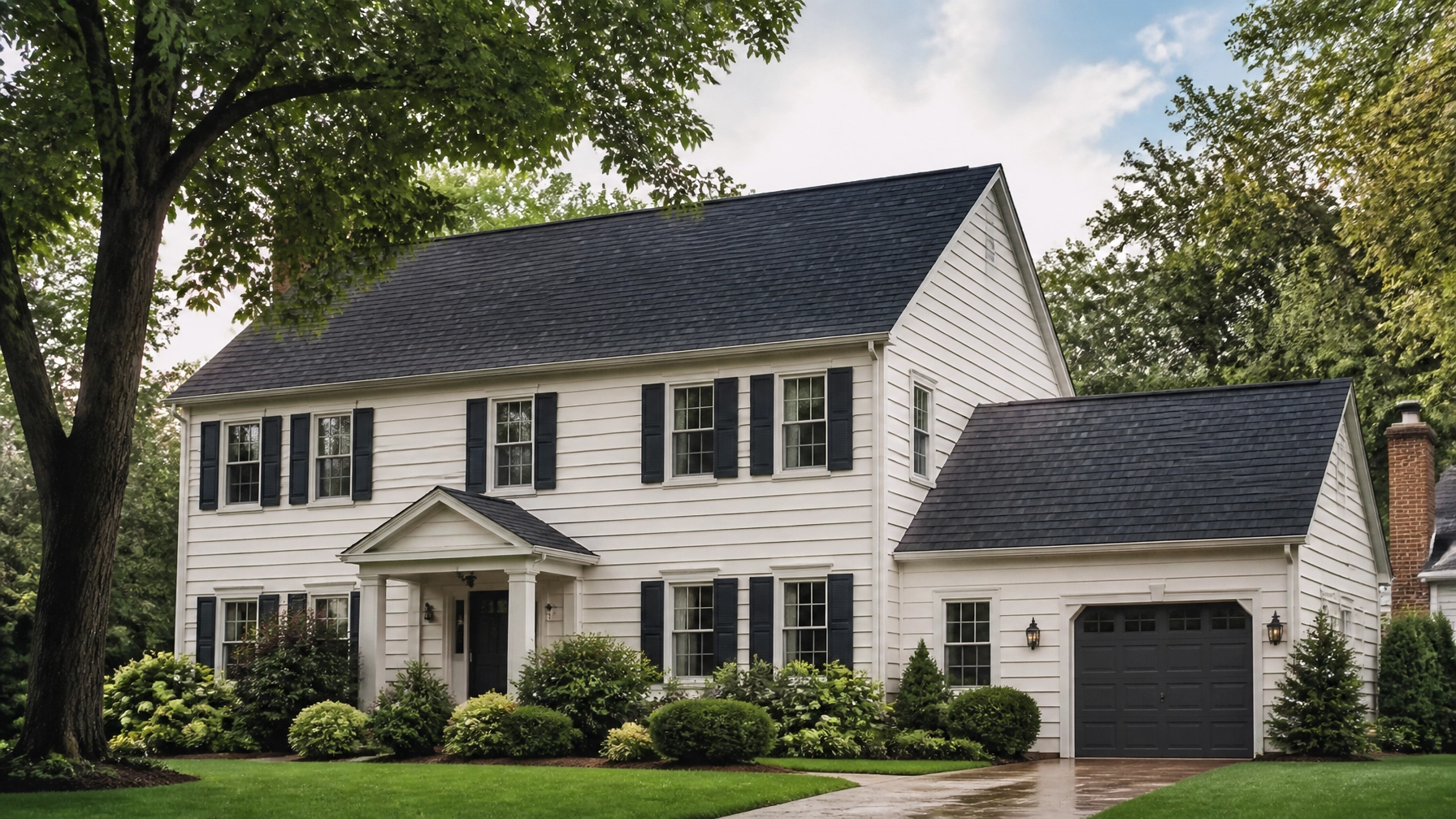
    • Asphalt Shingles: Excellent for standard residential homes; they handle the NC heat well and offer a 25–30 year lifespan.
    • Metal: Ideal if you plan on staying in your home for 40+ years. Metal reflects solar heat, which can lower your Duke Energy cooling bills during Charlotte’s sweltering July and August.

    4. How much are building permits in Mecklenburg County?

    You cannot skip the permit. In Charlotte, the building permit fee is calculated based on the project value.

    • Base fee: $59.70 for the first $3,000.
    • Additional: $12.19 per every $1,000 thereafter.

    For a typical $10,000 roof replacement, expect to pay approximately $145 in permit fees. Most licensed contractors will handle the filing for you, but it's important to verify this is included in your transparent pricing.

    5. Does a new roof actually increase my home's value in Charlotte?

    Yes. Real estate data for the Charlotte metro area consistently shows that a new roof provides one of the highest Returns on Investment (ROI) for home improvements. On average, you can expect to recoup 60% to 70% of the cost in increased home value. In a competitive market like Ballantyne or Plaza Midwood, a 20-year-old roof can be a deal-breaker for buyers.

    Modern Charlotte ranch-style home featuring a sleek matte black metal roof

    6. How long does the actual installation take?

    For most homes between 1,500 and 3,000 square feet, the physical replacement takes 1 to 2 days.

    • Day 1: Tear-off of old materials and inspection of the wooden decking.
    • Day 2: Installation of new underlayment, flashing, and shingles/panels.
    • Note: Complex roofs with multiple gables or steep pitches may take an extra day.

    7. What factors can push my estimate higher?

    Not every 2,000-square-foot roof costs the same. Three main "complexity factors" can increase your price:

    1. Pitch (Steepness): If the roof is too steep to walk on safely, contractors must use specialized equipment and harnesses, increasing labor costs.
    2. Decking Damage: If the plywood underneath your shingles is rotted from a previous leak, it must be replaced at roughly $75–$100 per sheet.
    3. Layers: If you already have two layers of shingles, the labor to "tear off" and dispose of the extra weight is higher.

    8. When is the best time of year to replace a roof in NC?

    Spring (March–May) and Fall (September–November) are the peak seasons in Charlotte. The mild temperatures are ideal for the shingles to "seal" properly.

    • Pro Tip: If you want the best pricing, try scheduling in the Winter. Many local contractors offer off-season discounts to keep their crews busy during the colder months.

    9. How do I know if I need a full replacement or just a repair?

    If your roof is under 12 years old and you only see a few missing shingles after a storm, a repair is likely sufficient. However, if you see granule loss (bald spots on shingles), curling edges, or if you’ve had multiple leaks in different areas, it’s time for a full replacement.

    Repairing a 20-year-old roof is often "throwing good money after bad."

    10. How can I get an accurate estimate without a contractor visit?

    The traditional way to get a quote involves calling three companies, waiting for them to show up (if they do), and sitting through three 45-minute sales pitches.

    We’ve changed that. By using high-resolution satellite imagery, we can measure your roof's square footage, pitch, and complexity within inches of accuracy.

    A technology interface showing satellite measurement of a residential roof in Charlotte

    The 60-Second Process:

    1. Enter your address: We pull the satellite data for your specific Charlotte property.
    2. Select your material: Compare costs for architectural shingles vs. metal instantly.
    3. Get your range: Receive a low, middle, and high-end price range based on current Charlotte labor and material rates.

    No credit card, no waiting, and no pressure.

    Final Thoughts for Charlotte Homeowners

    Replacing your roof is a significant investment, typically ranging from $10,000 to $25,000 for most Charlotte homes. Knowledge is your best tool to ensure you aren't overpaying. By understanding the local permit costs, material differences, and the power of satellite technology, you can go into the process with confidence.

    Ready to see what your specific roof will cost?

    Get Your Free Satellite Roof Estimate Now →


  • Houston Roofing: 7 Mistakes You’re Making with Contractor Vetting (And How to Fix Them)

    Houston Roofing: 7 Mistakes You’re Making with Contractor Vetting (And How to Fix Them)

    Houston homeowners face a unique set of challenges when it comes to maintaining their properties. Between the oppressive humidity of July and the sudden, violent hail storms that can sweep through Harris County, your roof is under constant assault. When damage inevitably occurs, the pressure to find a contractor is immense.

    However, the "Space City" roofing market is a wild west. Unlike many other states, Texas does not require a state-level license for roofing contractors. This regulatory gap, combined with the frequent influx of "storm chasers" after a weather event, makes contractor vetting a high-stakes game.

    If you are currently looking for a roof estimate in Texas, avoiding these seven critical mistakes could save you thousands of dollars and years of structural headaches.


    1. Falling for the "Immediate Inspection" Door-Knocker (Storm Chasers)

    In Houston, the sound of a doorbell ringing 24 hours after a hail storm is rarely a friendly neighbor. It is usually a "storm chaser." These are out-of-state contractors who follow weather patterns, descending on neighborhoods to sign as many contracts as possible before moving to the next city.

    The Mistake: Believing that because they are "already in the neighborhood," you are getting a deal or faster service.
    The Fix: Never hire a contractor who initiates contact via door-knocking. A reputable Houston roofer has an established local presence and enough word-of-mouth business that they don't need to hunt for leads in a truck. Look for a permanent Houston business address and a local (713, 281, or 832) area code that has been active for more than a single season.

    2. Overlooking the "Texas Licensing Loophole"

    Most homeowners assume that if a contractor is "licensed and insured," they have been vetted by the state. In Texas, this is a dangerous assumption.

    The Mistake: Not asking for specific proof of insurance because you assume they are "licensed."
    The Fix: Since Texas has no state roofing license requirement, you must verify their voluntary certifications and, more importantly, their insurance. Demand to see a current General Liability policy and Workers’ Compensation insurance. Without these, if a worker falls off your roof in Katy or Sugar Land, you could be held liable for their medical expenses and lost wages.

    A professional roofing contractor performing a detailed inspection on a Houston residence.

    3. Comparing "Apples to Oranges" in Vague Estimates

    When you receive three different quotes, you might be tempted to look straight at the bottom line. However, a $10,000 quote and a $14,000 quote might be for entirely different levels of protection.

    The Mistake: Accepting a "handshake deal" or a one-page estimate that lacks detail.
    The Fix: Ensure every quote includes a breakdown of materials. In Houston’s heat, you need more than just shingles. Your estimate should explicitly list:

    • Shingle Type: (e.g., Architectural Shingles vs. 3-Tab).
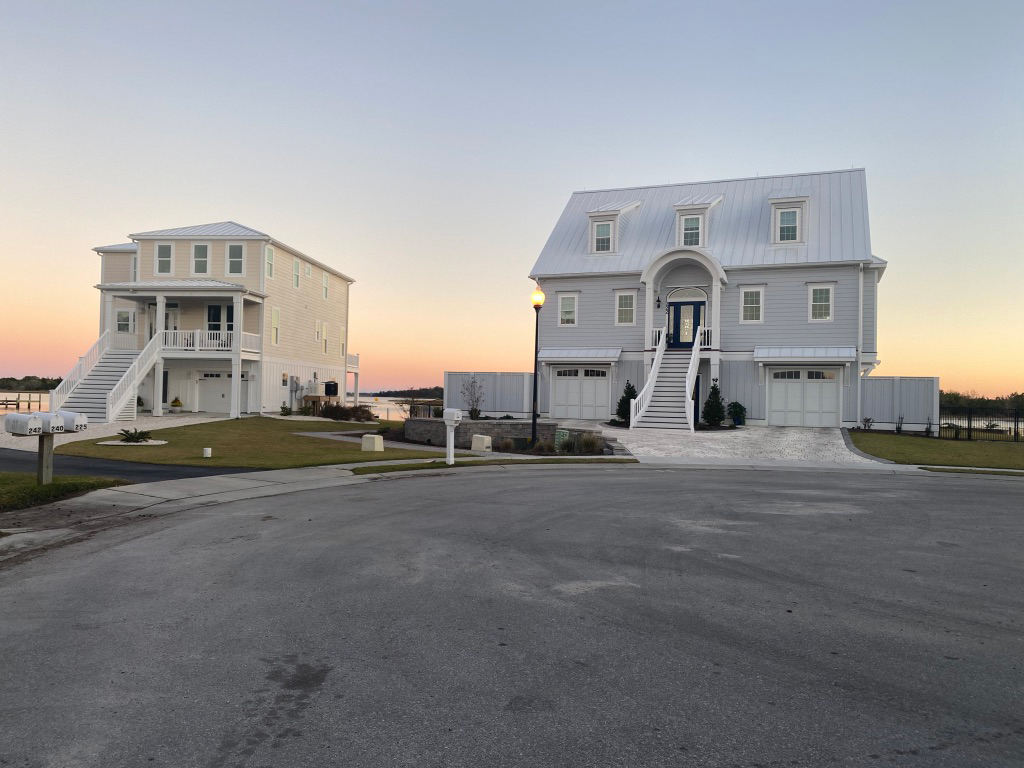
    • Underlayment: Is it felt paper or a high-performance synthetic?
    • Ventilation: Are they installing ridge vents to combat Houston’s humidity?
    • Drip Edge: Essential for preventing wood rot during heavy Gulf downpours.

    4. Skipping the Digital First Look (The Tech Advantage)

    The traditional method of vetting contractors involves scheduling 3-4 different people to drive to your house, climb a ladder, and give you a high-pressure sales pitch in your living room. This is a massive waste of your time and often leads to "estimate inflation."

    The Mistake: Thinking you need a contractor on-site just to get a ballpark price.
    The Fix: Use modern technology to set the baseline. At Get My Roof Estimate Now, we use high-resolution satellite imagery to provide an instant roof cost estimate in under 60 seconds. Our measurements are accurate to within inches, allowing you to know exactly what your roof should cost before you ever speak to a salesman. This puts the power back in your hands.

    Satellite technology providing precise, automated roof measurements for a transparent estimation process.

    5. Ignoring Manufacturer Certifications

    A contractor can be "good at roofing" but still void your warranty on day one. Most major shingle manufacturers (like GAF, Owens Corning, or CertainTeed) require specific installation techniques to honor their long-term warranties.

    The Mistake: Hiring a general handyman or an uncertified crew.
    The Fix: Ask the contractor if they are "Factory Certified." For example, GAF "Master Elite" contractors are among the top 2% of roofers nationwide. These certifications mean the manufacturer has vetted the contractor's credit, insurance, and quality of work. If a certified contractor installs your roof, you often get access to "Golden Pledge" or "Platinum" warranties that cover both materials and labor for 25+ years.

    6. Falling for the "Lowest Bid" Trap

    We all want to save money, but a roof is a 20-30 year investment. In the Houston market, a bid that is significantly lower than others is usually a red flag for one of three things: sub-par materials, uninsured labor, or a contractor who plans to "find" expensive problems once your roof is already torn off.

    Current 2026 Houston Market Benchmarks:

    • Basic Asphalt (Budget): $3.50 – $6.50 per sq. ft. (~$7,000–$13,000 total)
    • Architectural Shingles (Popular): $4.25 – $6.40 per sq. ft. (~$8,500–$16,000 total)
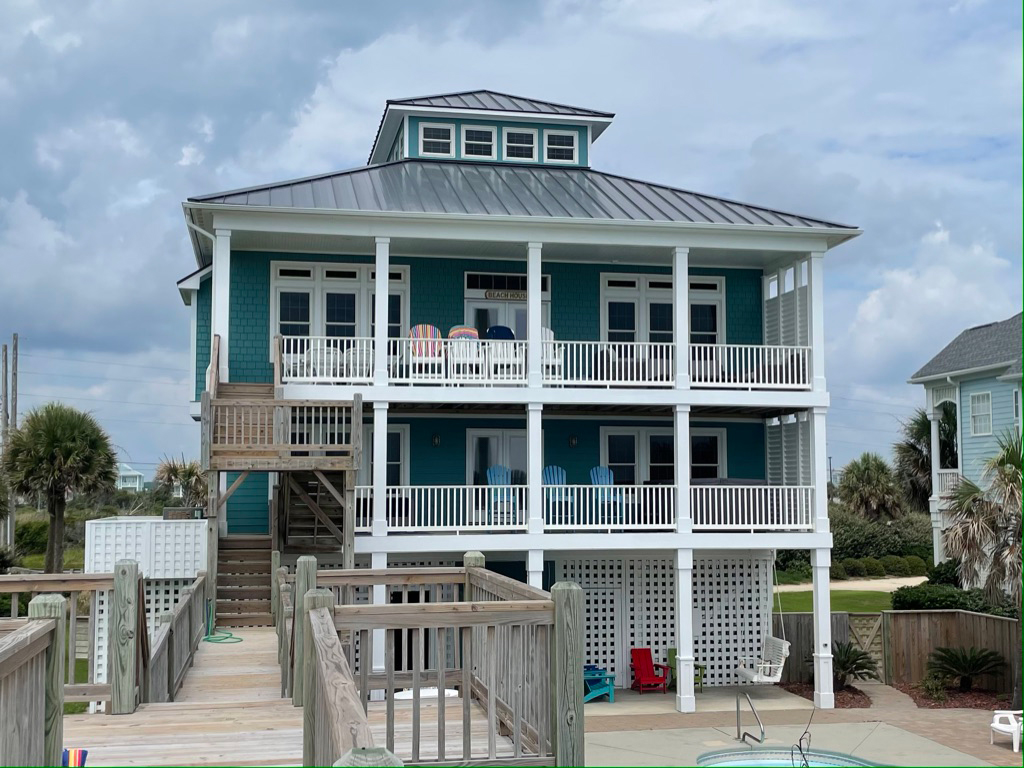
    • Metal Roofing (Premium): $7.00 – $14.00+ per sq. ft. (~$16,000–$30,000+ total)

    The Fix: If a quote for a 2,000 sq. ft. roof comes in at $5,000, walk away. They are likely skipping the tear-off of old shingles or using "seconds" (defective materials).
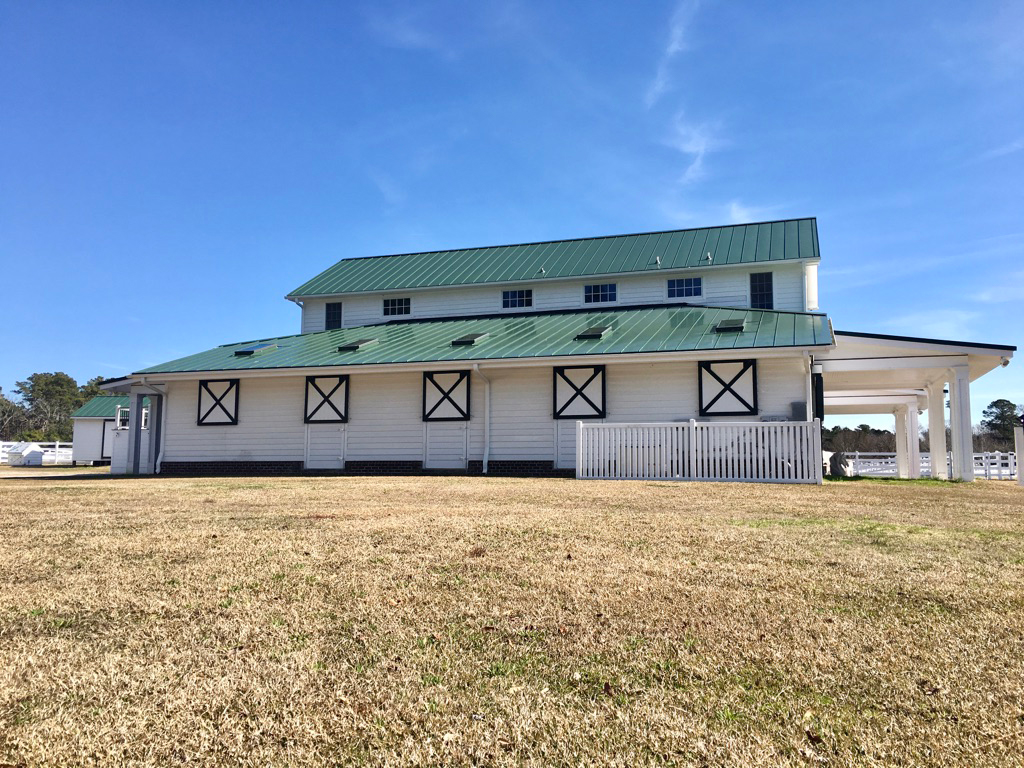
    A stack of high-quality architectural shingles ready for installation on a Houston home.
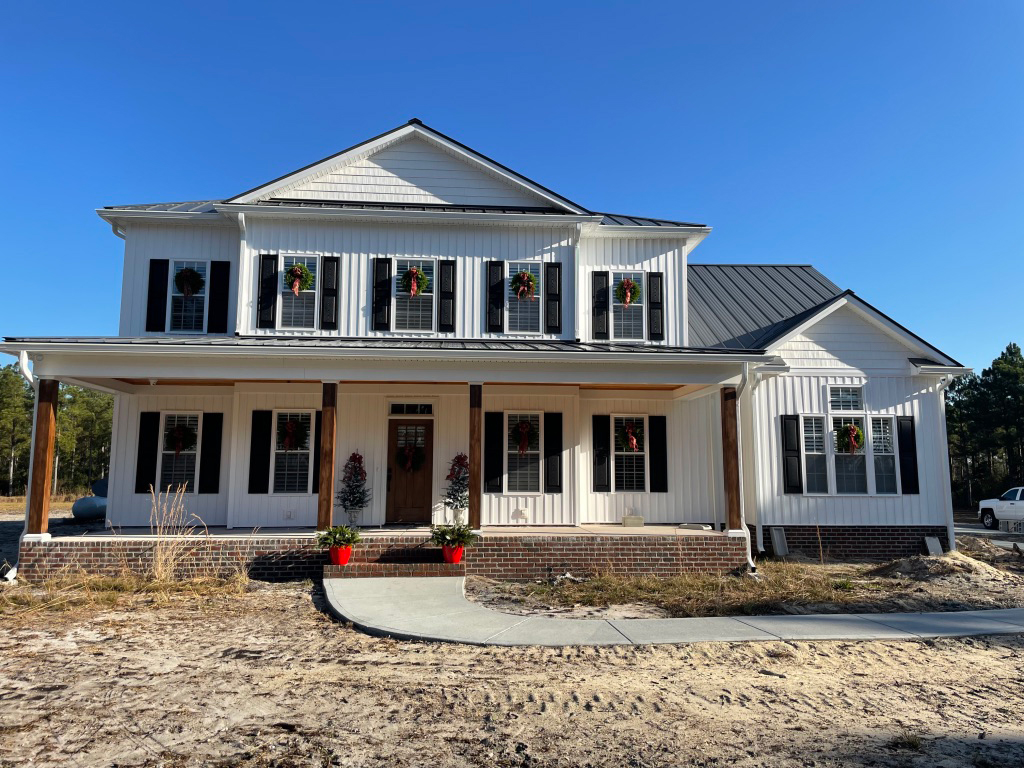
    7. Signing Over Your Insurance Check Too Early

    The most common "storm chaser" scam involves the insurance claim process. A contractor may offer to "pay your deductible" (which is illegal in Texas as of 2019 under HB 2102) or ask you to sign a "Direction to Pay" form.

    The Mistake: Signing a contract that gives the roofer total control over your insurance proceeds before work begins.
    The Fix: Never pay more than a small deposit (usually 10-25%) upfront for materials. A reputable Houston roofing company has enough credit with local suppliers to start the job without taking your entire insurance check first. Only release the final payment once the job is 100% complete, the site is clean, and you have a lien waiver in hand.


    The Better Way: Transparency in 60 Seconds

    Vetting contractors in Houston doesn't have to be a full-time job. The key to avoiding these mistakes is information. When you know the size of your roof, the material costs, and the fair market range for your specific ZIP code, you cannot be scammed.

    By starting with a satellite-powered estimate, you bypass the initial high-pressure sales cycle. You get an objective, data-driven report that serves as your benchmark. Whether you’re in The Woodlands, Pearland, or Downtown Houston, we give you the tools to budget accurately and talk to contractors like an expert.

    Ready to see what your new roof should actually cost?
    Get your free, instant estimate here.


  • How to Estimate Your Charlotte Roof Replacement Cost in Under 60 Seconds

    How to Estimate Your Charlotte Roof Replacement Cost in Under 60 Seconds

    If you own a home in the Queen City, you know that the North Carolina weather doesn't play favorites. Between the heavy humidity of July and the sudden, violent summer storms that roll through Mecklenburg County, your roof is under a constant state of assault. Whether your current roof is pushing its 20-year limit or you’ve recently spotted shingles in your yard after a storm, the first question is always the same: How much is this going to cost?

    Traditionally, getting that answer meant calling three contractors, waiting days for them to show up, and sitting through three separate high-pressure sales pitches. At Get My Roof Estimate Now, we’ve eliminated that friction. Using advanced satellite imagery and current 2026 Charlotte labor data, you can now get a pinpoint-accurate estimate in under 60 seconds without a single ladder leaning against your house.

    The 2026 Charlotte Roofing Landscape

    Roofing costs in Charlotte have shifted over the last two years. Labor shortages and material logistics in the Southeast have pushed prices higher, but transparency is now more accessible than ever. For a standard 2,000-square-foot home in neighborhoods like Ballantyne, Myers Park, or Steele Creek, here is what you should realistically budget for a full replacement in 2026.

    2026 Charlotte Pricing Benchmarks (2,000 sq. ft. Home)

    Material Category Typical Cost Range (Installed) Primary Benefit
    Architectural Shingles (Popular) $9,000 – $14,000 Best value-to-durability ratio
    Metal Roofing (Premium) $14,000 – $24,000 Lifetime durability & heat reflection
    Synthetic Slate/Tile (Smart) $17,000 – $25,000 High-end look with less weight
    Natural Slate (Luxury) $30,000 – $60,000+ 100-year lifespan & prestige

    Why Satellite Tech is Better Than a Tape Measure

    The old way of measuring a roof, climbing up with a tape measure, is prone to human error. If a contractor misses the pitch (the steepness) or fails to account for a complex valley, your "ballpark" estimate can swing by thousands of dollars once the actual contract is signed.

    Satellite visualization of a roof being measured with digital accuracy

    Our instant roof cost calculator uses high-resolution satellite data to measure your roof's square footage, pitch, and complexity to within inches. By factoring in Charlotte-specific zip code data (like 28202, 28277, or 28210), we provide a localized price that reflects current North Carolina disposal fees, permit costs, and local labor rates.

    The "60-Second" Process:

    1. Enter Your Address: We pull the satellite profile of your specific home.
    2. Verify the Footprint: Confirm the boundaries of your roof.
    3. Select Your Material: Toggle between asphalt, metal, or synthetic options to see live price changes.
    4. Get Your Range: Receive a Low-Middle-High price range based on verified local contractor data.

    Choosing the Right Material for the Charlotte Climate

    Charlotte’s climate presents two main challenges: high UV exposure and rapid temperature swings. Your choice of material should balance your budget with these environmental factors.

    Comparison of architectural shingles and standing-seam metal roofing

    1. Architectural Shingles (Budget-Friendly / Popular)

    These are not the flat, "3-tab" shingles of the 1990s. Modern architectural shingles provide a dimensional look and are rated for winds up to 130 mph, critical for those Atlantic-born storm systems that reach inland.

    • Average Charlotte Cost: $4.50 – $7.00 per sq. ft.
    • Lifespan: 25–30 years.

    2. Metal Roofing (Premium / Energy Efficient)

    Metal is surging in popularity across the Charlotte suburbs. It reflects solar radiant heat, which can reduce cooling costs by up to 25% during a sweltering NC August. While the upfront cost is higher, the "standing seam" variety is virtually leak-proof.

    • Average Charlotte Cost: $11.00 – $18.00 per sq. ft.
    • Lifespan: 50+ years.

    3. Synthetic Slate (Smart / Aesthetic)

    For homeowners in communities with strict HOA guidelines or those seeking a luxury aesthetic without the structural reinforcement natural slate requires, synthetic options are the "smart" play. They offer the look of natural stone at a fraction of the weight and cost.

    • Average Charlotte Cost: $8.50 – $12.50 per sq. ft.
    • Lifespan: 40–50 years.

    Factors That Shift Your Charlotte Estimate

    While our technology is 90-95% accurate, three main variables on your specific property will determine if you land at the low or high end of our estimated range.

    1. Roof Pitch (The Steepness Factor)

    A "walkable" roof is cheaper to replace. If your home has a steep pitch (typical in some Tudor or Victorian styles in Dilworth), labor costs increase because contractors must use specialized safety equipment and move more slowly.

    2. Number of "Squares"

    In the roofing industry, a "square" is a 10×10 area (100 square feet). Most Charlotte homes range from 15 to 35 squares. Our satellite measurements calculate this instantly so you aren't paying for "estimated" waste material you don't need.

    3. Layers and Decking

    If your current roof has two layers of shingles (a common find in older Charlotte homes), the tear-off labor and disposal fees will increase. Additionally, if the wooden "decking" underneath has rot from North Carolina’s high humidity, those boards will need to be replaced at an extra cost per sheet.

    Modern ranch-style home in a Charlotte suburb with a new metal roof


    Moving From Estimate to Installation

    An estimate is just the first step. Once you have your data-backed price range, you need a professional to execute. We don't just give you numbers; we connect you with verified, licensed, and insured local Charlotte contractors who honor our pricing models.

    By skipping the traditional "sales appointment" phase, you enter negotiations with the upper hand. You already know what the materials cost. You already know the size of your roof. You are no longer guessing; you are buying with authority.

    Ready for your 60-second estimate?

    Don't wait for a leak to find you. Whether you're in Huntersville, Matthews, or downtown Charlotte, get the transparent pricing you need to plan your 2026 home improvement.

    Get Your Free Charlotte Roof Estimate Now →


    Frequently Asked Questions (Charlotte Edition)

    Q: Do I need a permit for a roof replacement in Charlotte?
    A: Yes. In Mecklenburg County, a building permit is required for any roof replacement that involves more than just minor repairs. A licensed contractor will typically handle the permitting process for you.

    Q: Does Charlotte weather affect when I should replace my roof?
    A: Ideally, roofing is done in the spring or fall. However, modern materials allow for year-round installation in North Carolina. Avoid scheduling during peak hurricane season (late summer) if your roof is already compromised.

    Q: Will a new roof lower my homeowners' insurance in NC?
    A: Often, yes. Many insurers offer "impact-resistant" or "new roof" discounts, especially if you upgrade from basic shingles to metal or high-grade architectural shingles.

    Q: How accurate is a satellite estimate?
    A: Our technology is accurate to within inches, typically providing a 90-95% accurate measurement of your roof's surface area. It eliminates the guesswork common with hand-measurements.

  • How to Get Insurance to Pay for Your New Orlando Roof (The Simple Way)

    How to Get Insurance to Pay for Your New Orlando Roof (The Simple Way)

    Living in Orlando means enjoying the theme parks and the sunshine, but it also means dealing with the harsh reality of Florida weather. Between the tropical storms, afternoon hail, and intense UV rays, your roof takes a beating every single year. If your roof is over 15 years old or you’ve recently weathered a major storm, you’re likely looking at a replacement cost between $12,000 and $25,000.

    The good news? If that damage was caused by a "covered peril" (like a hurricane or windstorm), your insurance company might be responsible for the bill. The bad news? Insurance companies aren't in the business of giving away free roofs. To get them to pay, you need a data-driven strategy and a clear understanding of Florida’s unique insurance laws.

    At Get My Roof Estimate Now, we help Orlando homeowners skip the guesswork. Before you even call your agent, you can get a satellite-powered roof estimate in under 60 seconds to understand the true scope of your project.


    1. Understand the "Event" Rule (Why Age Isn’t Enough)

    The most common mistake Orlando homeowners make is thinking that insurance pays for a roof just because it’s old. In Florida, "wear and tear" is not a covered expense.

    To get a claim approved, you must prove that a specific event caused the damage. This usually includes:

    • Wind Damage: Shingles that have been lifted, creased, or blown off entirely.
    • Hail Damage: Punctures or significant granule loss caused by ice pellets.
    • Impact Damage: A fallen oak tree branch during a summer squall.

    If your roof is simply "balding" due to 20 years of Florida sun, insurance will likely deny the claim. However, if that 20-year-old roof just sat through a tropical storm, those old shingles are much more likely to fail: creating a legitimate claim for replacement.

    Close-up of storm damage on a shingle roof showing lifted, creased shingles and granule loss.

    2. Leverage Florida’s "25% Rule"

    This is the most powerful tool in an Orlando homeowner’s arsenal. Under the Florida Building Code, if more than 25% of a roof system is damaged within a 12-month period, the entire roof must be replaced to meet current safety standards.

    For example, if a storm damages one large slope of your roof (representing 30% of the total area), the insurance company cannot simply "patch" that section. They are legally required to pay for a full replacement to ensure the entire system is up to code. This is why having an accurate measurement of your roof’s total "squares" (100 sq. ft. sections) is vital.

    3. Respect the One-Year Deadline

    Florida law changed recently, and the clock is ticking faster than ever. As of 2026, you generally have one year from the date of loss to file a property insurance claim. If you wait 14 months after a hurricane to report a leak, your carrier is legally allowed to deny the claim regardless of how much damage there is.

    Pro-Tip: If you suspect damage after a storm, don't wait for a leak. Leaks can take months to manifest inside your home, but the structural damage happens instantly.

    4. Document Everything (The Smart Way)

    Insurance adjusters rely on "Proof of Loss." If you provide them with blurry photos and a vague description, they will likely offer a "patch" settlement. To get a full replacement, you need professional-grade documentation.

    What you need:

    • Date of Loss: Identify the specific storm date (using weather data apps).
    • High-Resolution Photos: Close-ups of creased shingles and wide shots of the entire roof.
    • Satellite Measurements: Using tools like our Florida roof cost calculator provides an objective, third-party measurement of your roof's size, pitch, and complexity.

    A professional roofing contractor using a tablet with satellite imagery to measure a roof accurately.

    5. The Step-by-Step Claim Masterclass

    If you believe your Orlando home has storm damage, follow this exact sequence to maximize your chances of a paid replacement:

    Step 1: Get an Instant Estimate

    Before calling your insurance company, get a free satellite estimate. This gives you a "ballpark" price range (Budget, Popular, and Premium tiers). Knowing that your roof should cost $18,000 prevents you from accepting a $4,000 "repair" check from an adjuster.

    Step 2: Professional Inspection

    Hire a local Orlando roofing contractor to perform a "damage assessment." They "speak insurance" and can identify technical failures (like fractured fiberglass mats in your shingles) that the naked eye might miss.

    Step 3: File the Claim

    Call your insurance company with your policy number and the specific date of the storm. Tell them you have a professional contractor's report indicating storm damage.

    Step 4: The Adjuster Meeting

    The insurance company will send an adjuster to your home. Always have your roofing contractor present during this meeting. Your contractor will ensure the adjuster sees every bit of damage and doesn't overlook the "25% rule" requirements.

    Step 5: Review the Estimate

    The insurance company will send a "Scope of Loss." Compare this directly to your initial estimate. If they missed items: like high-wind starter shingles or required ridge vent upgrades: your contractor can file a "supplement" to get those costs covered.

    A roofing crew installing new charcoal grey architectural shingles on an Orlando home.

    6. ACV vs. RCV: Know Your Payout

    In 2026, many Florida policies have moved toward Actual Cash Value (ACV) for older roofs.

    • RCV (Replacement Cost Value): The gold standard. Insurance pays the full cost to replace the roof (minus your deductible).
    • ACV (Actual Cash Value): Insurance pays the "depreciated" value. If your 15-year-old roof is at the end of its life, they may only pay 20% of the replacement cost.

    Check your policy for a "Roof Payment Schedule" endorsement. If you have an ACV policy, you will need to budget for a larger out-of-pocket expense, even if the claim is approved.

    7. The Hurricane Deductible Factor

    In Orlando, most policies have a separate Hurricane Deductible, typically ranging from 2% to 5% of your home's total insured value. If your home is insured for $400,000 and you have a 2% deductible, you are responsible for the first $8,000 of the roof cost.

    It is illegal in the state of Florida for a contractor to "waive" your deductible. Any contractor offering to do so is committing insurance fraud, which can jeopardize your entire claim.


    Conclusion: Take Control of Your Roof Replacement

    Getting insurance to pay for your new Orlando roof doesn't have to be a battle. By using modern technology, documenting damage immediately, and understanding the 25% rule, you can ensure your home is protected without draining your savings.

    Ready to see what your roof replacement should cost before you talk to an agent? Get your 60-second satellite roof estimate now. It’s fast, free, and provides the transparency you need to handle your insurance claim with confidence.