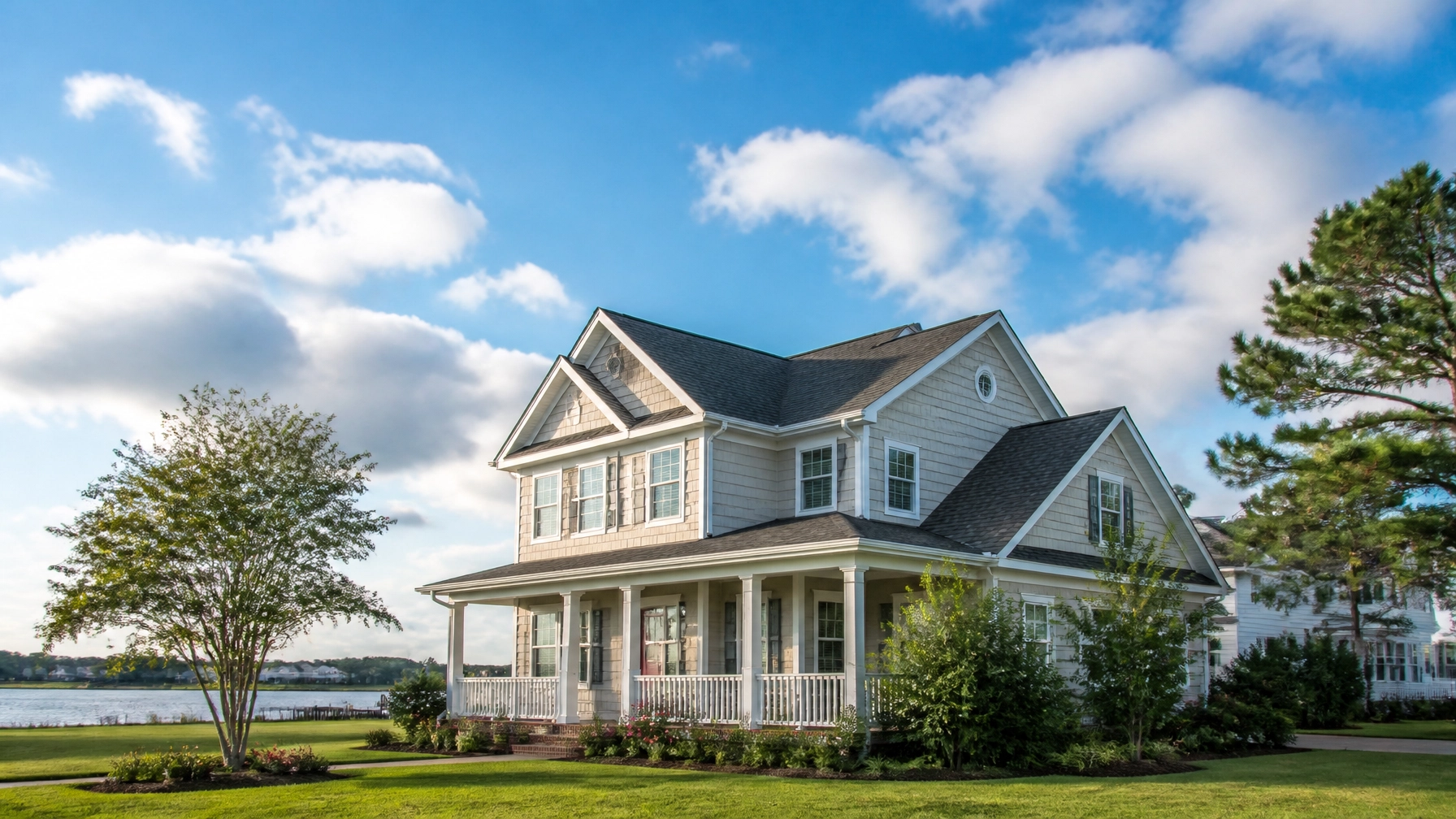
Author: James Turner

  • Charlotte Roof Replacement Cost Explained in Under 3 Minutes

    Charlotte Roof Replacement Cost Explained in Under 3 Minutes

    If you live in the Queen City and your roof is pushing 20 years, you’re likely dreading the "contractor dance." You know the one: spending hours on the phone, waiting for three different guys to show up in trucks, and then waiting another week to get a quote that’s twice what you expected.

    In 2026, Charlotte homeowners are moving faster. Whether you’re in Myers Park, Ballantyne, or NoDa, you need numbers: and you need them now. This guide breaks down exactly what a roof replacement costs in Charlotte, NC, right now, using real-market data and satellite-accurate pricing.

    The 60-Second Price Snapshot

    If you don’t have three minutes, here is the bottom line. For a standard 2,000-square-foot roof in Charlotte, expect the following price ranges:

    Material Type Cost Per Sq. Ft. (Installed) Typical Total Project Lifespan
    Architectural Shingles (Popular) $4.50 – $7.00 $9,000 – $15,000 25-30 Years
    Standing Seam Metal (Premium) $11.00 – $15.00 $19,000 – $28,000 50-70 Years
    Corrugated Metal (Budget Metal) $7.50 – $10.00 $12,000 – $18,000 40-50 Years

    Note: These figures include the full "tear-off" of your old roof, disposal fees, and labor.

    Ready for a precise number for your specific address? Skip the guesswork and get your instant roof estimate here in under a minute.


    Deep Dive: Material Choices in the Charlotte Market

    Charlotte’s climate: characterized by humid summers, heavy spring thunderstorms, and the occasional tropical remnant: demands specific roofing performance.

    1. Architectural Asphalt Shingles (The Local Standard)

    By far the most common choice in Mecklenburg County, architectural shingles (also called dimensional or laminate shingles) provide a 3D appearance that mimics wood shakes.

    • Why they win: They offer the best balance of curb appeal and cost-efficiency.
    • 2026 Cost: Expect to pay $4.50 to $7.00 per square foot.
    • Total for 2,000 sq. ft.: ~$11,500.

    Close-up of high-quality architectural asphalt shingles showing multi-dimensional texture and layers

    2. Metal Roofing (The Lifetime Investment)

    Metal roofing has surged in popularity across North Carolina. While the upfront cost is significantly higher, its ability to reflect solar heat can reduce Charlotte cooling bills by up to 25%.

    • Standing Seam (Premium): Features hidden fasteners and the sleekest look. Expect $11.00+ per sq. ft.
    • Corrugated (Popular): Exposed fastener systems that are more affordable but require slightly more maintenance over time.
    • Total for 2,000 sq. ft.: ~$22,000 (Standing Seam).

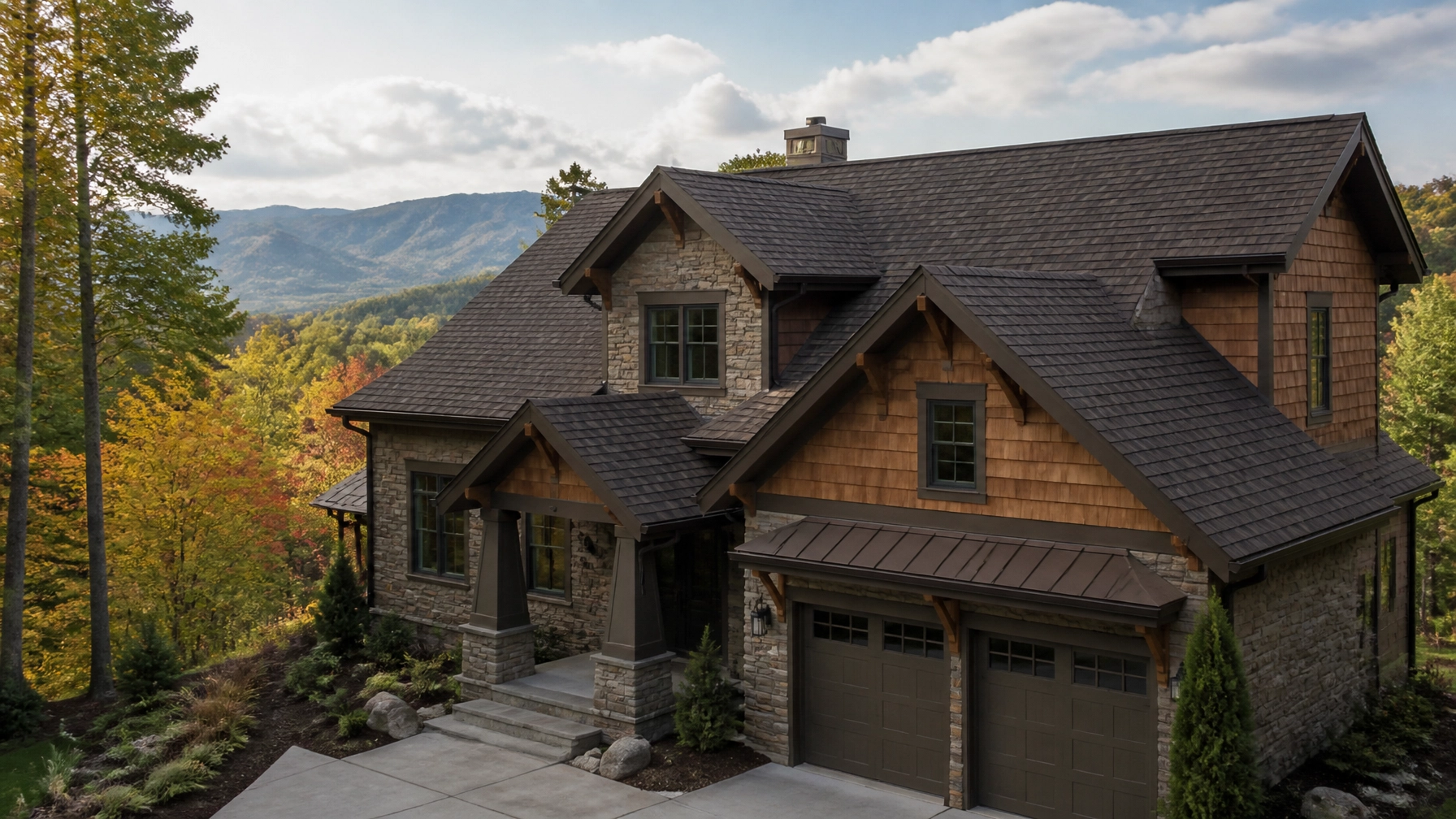
    Upscale Charlotte home with a sleek standing seam metal roof in a matte bronze finish


    Factors That Shift Your Charlotte Quote

    A "standard" 2,000-square-foot roof estimate is a great starting point, but three specific variables often drive the price up or down in the local market:

    Roof Complexity & Pitch

    A simple "up and over" gable roof on a ranch-style home in Matthews will always cost less than a steep-pitched Victorian in Dilworth.

    • Steep Pitch: If the roof is too steep to walk on without safety harnesses (usually a 7/12 pitch or higher), labor costs increase by 15-20%.
    • Complexity: Every valley, dormer, and chimney requires flashing and additional labor. A complex roof uses more waste material, adding 10-15% to the total.

    The "Tear-Off" Factor

    In North Carolina, building codes generally allow for two layers of shingles. However, most reputable Charlotte contractors recommend a full tear-off down to the wood decking.

    • One Layer Removal: Standard.
    • Two Layer Removal: Adds roughly $1,000–$2,000 in labor and disposal (dumpster) fees due to the added weight and time.

    Decking Repairs (The "Hidden" Cost)

    You won't know the condition of your roof's "deck" (the plywood or OSB sheets) until the old shingles are removed.

    • The Price: Current Charlotte market rates for replacing rotten decking are roughly $85–$120 per sheet. On an older home with leak history, budget an extra $500–$1,000 for unforeseen wood replacement.

    The Technology Advantage: Why Satellite Estimates Work

    Traditional roofing companies spend thousands on sales commissions and gas to send people to your driveway. Those costs are baked into your quote.

    At Get My Roof Estimate Now, we use high-resolution satellite imagery to measure your roof's square footage, pitch, and complexity with 95% accuracy. By eliminating the "on-site visit" for the initial quote, we provide a transparent, no-pressure baseline that helps you budget immediately.

    Homeowner holding a tablet showing a satellite roof measurement dashboard with an instant price estimate

    1. Enter your address: We pull the satellite data for your specific Charlotte lot.
    2. Choose your material: Toggle between Budget (3-tab), Popular (Architectural), or Premium (Metal).
    3. See your price: Get a low-middle-high range based on real local labor rates.

    Check your address in North Carolina now.


    Charlotte Roof Replacement FAQ (Quick Answers)

    Do I need a permit for a roof replacement in Charlotte?

    Yes. Within Charlotte city limits and Mecklenburg County, a residential roofing permit is required. Most licensed contractors will handle the "pulling" of this permit, which typically costs between $100 and $250 depending on the project value.

    What is the best time of year to replace a roof in NC?

    Spring and Fall are the peak seasons due to mild temperatures. While you can replace a roof in the summer, the extreme heat can make asphalt shingles "scar" easily during installation. Winter is also viable in Charlotte, as long as temperatures are above 40°F so the shingle adhesive can seal properly.

    How long does the actual installation take?

    For most standard homes in Charlotte (1,500–3,000 sq. ft.), the physical replacement takes one to two days. Larger or more complex projects may take three days.

    Will insurance cover my roof replacement?

    If your roof was damaged by a specific storm event (like a hailstorm or high winds from a tropical storm remnant), insurance may cover the replacement minus your deductible. However, insurance does not cover roofs that have simply reached the end of their natural lifespan due to "age and wear."

    Summary for Charlotte Homeowners

    Don't let the lack of information stall your home maintenance. A new roof is one of the highest-ROI home improvements you can make in the Charlotte real estate market, often recovering over 60% of its cost in home value.

    Stop guessing and start planning. Get your free, satellite-powered roof estimate in under 60 seconds.

  • 7 Mistakes You’re Making When Hiring a Roofer in Charleston (And How to Spot Storm Chasers)

    Charleston homeowners face a unique set of challenges. Between the intense humidity, salt-heavy Atlantic air, and the ever-present threat of hurricane season, your roof is your home's first and most critical line of defense. However, when the sky turns grey and the winds pick up, a different kind of threat emerges: storm chasers.

    In 2026, the roofing industry in South Carolina has seen a surge in out-of-state contractors who follow storms like a GPS, looking for quick payouts and even quicker exits. Hiring the wrong person doesn't just cost you money; it can compromise the structural integrity of your home for decades.

    If you are currently planning a replacement or dealing with recent damage, avoid these seven critical mistakes that Charleston homeowners make when hiring a roofing contractor.

    1. Hiring Based on a Knock at the Door (The Storm Chaser Red Flag)

    The most common mistake is hiring the first person who shows up on your porch after a thunderstorm or hurricane. These "storm chasers" often have out-of-state license plates and high-pressure sales tactics. They aren't interested in a long-term relationship with the Charleston community; they want your insurance check.

    How to spot them:

    • Out-of-state plates: Check their trucks. If they aren't registered in SC, ask why.
    • Pressure for "Same Day" signatures: They will tell you that you’ll lose your spot in line if you don’t sign immediately.
    • Vague local address: If they claim to be local, ask for the address of their physical office in Charleston or Mount Pleasant. A hotel room doesn't count.

    2. Failing to Verify SC Licensing and Insurance

    In South Carolina, roofing contractors must be licensed through the South Carolina Department of Labor, Licensing and Regulation (LLR). Many homeowners assume a "business license" is enough. It isn't. You need to verify their specialty contractor license for roofing.

    Furthermore, never take their word for insurance. Ask for a Certificate of Insurance (COI) that lists both General Liability and Workers' Compensation. Without Workers' Comp, if a crew member falls off your roof in West Ashley, you could be held liable for their medical expenses.

    A professional roofing crew installing new shingles on a high-pitched roof in a coastal neighborhood, showing safety harnesses and proper technique, hyper-realistic

    3. Signing an "Assignment of Benefits" (AOB) Form Too Early

    This is a sophisticated trap. An AOB form essentially hands over your rights as the policyholder to the contractor. This allows them to bill the insurance company directly and take full control of the claim. While it sounds convenient, it often leads to legal disputes, inflated costs, and leaves you with zero leverage if the work is substandard.

    Pro Tip: Never sign an AOB just to get an estimate. Use a transparent service like the Get My Roof Estimate Now calculator to see what your project should cost before you ever talk to an adjuster or a door-knocker.

    4. Falling for the "Lowest Bid" Trap

    We understand: a new roof is a massive investment. In Charleston, the average cost for a 2,000 sq. ft. asphalt shingle roof in 2026 typically ranges from $8,500 to $15,500 (Standard), while premium materials like standing seam metal can exceed $25,000 (Premium).

    If a contractor gives you a quote that is thousands of dollars lower than the others, they are cutting corners. Usually, this means:

    • Using low-grade 3-tab shingles instead of architectural shingles.
    • Reusing old, rusted flashing instead of replacing it.
    • Hiring unskilled, uninsured labor.
    • Skipping the required ice and water shield in critical valleys.

    5. Overlooking Coastal-Specific Needs (Salt Air & High Wind)

    Charleston isn't the Midwest. Our roofs take a beating from salt spray and high-velocity winds. A major mistake is hiring a roofer who uses "standard" installation methods that aren't rated for high-wind zones.

    In 2026, building codes in coastal SC require specific fastening patterns (often 6 nails per shingle instead of 4) and specialized underlayments. If your contractor doesn't mention "high wind-load requirements" or "salt-resistant flashing," they aren't the right fit for the Lowcountry.

    A detailed close-up of high-quality architectural asphalt shingles being installed with stainless steel fasteners to resist salt-air corrosion, hyper-realistic

    6. Accepting a "One-Line" Estimate

    Transparency is non-negotiable. If your estimate simply says "Replace roof: $12,000," run. A professional Charleston roofing estimate should be line-itemized. You need to see exactly what you are paying for to ensure there are no hidden fees later.

    A proper estimate must include:

    • Tear-off: Removal and disposal of old layers.
    • Decking repair: Cost per sheet for replacing rotten plywood (common in humid Charleston).
    • Underlayment: Brand and type (synthetic vs. felt).
    • Drip Edge & Flashing: New metal for eaves and chimneys.
    • Ventilation: Installation of ridge vents or solar fans.
    • Warranty: Both manufacturer (materials) and workmanship (labor).

    7. Waiting for Contractor Visits to Start Your Budget

    The old way of getting a roof estimate involved taking time off work, waiting for a salesman to show up, and sitting through a two-hour high-pressure pitch. Many homeowners wait until they are in an emergency situation to start this process.

    In 2026, technology has eliminated the need for the "first visit." Using satellite imagery, we can measure your roof’s pitch, square footage, and complexity with 95% accuracy in under 60 seconds. This allows you to enter the negotiation phase with hard data, knowing exactly what the fair market price is for your specific address.
    A homeowner in a modern Charleston kitchen using a laptop to view a satellite-powered roof estimate, showing a 3D model of their home, bright and airy setting

    Charleston Roofing Costs: 2026 Market Update

    To help you budget effectively, here are the current price ranges for the Charleston/Tri-County area:

    Material Type Price Category Est. Cost Range (2,000 sq. ft.)
    Architectural Shingles Popular $9,000 – $14,000
    Premium Shingles Mid-Range $13,500 – $19,000
    Standing Seam Metal High-End $22,000 – $38,000
    Synthetic Slate/Tile Luxury $40,000+

    Note: These prices factor in the 2026 local labor rates in South Carolina, which currently average between $20 and $45 per hour for skilled roofing trades.

    How to Protect Your Home Right Now

    Don't let a storm chaser dictate the terms of your home's protection. Whether you are in Downtown, Daniel Island, Summerville, or Goose Creek, the process should be transparent and fast.

    1. Get an independent estimate: Use our instant satellite estimator to find your price range in 60 seconds.
    2. Verify the contractor: Check the SC LLR portal for their license.
    3. Ask for local references: Call 3 homeowners in your specific zip code who had work done in the last 12 months.
    4. Demand a written contract: No handshake deals.

    Your roof is too important to leave to chance. By avoiding these seven mistakes, you ensure that your Charleston home remains a safe, dry sanctuary for your family, regardless of what the Atlantic throws your way.

    Ready to see your number? Get your instant, free roof estimate here.

  • How to Calculate Your 2026 Charlotte Roof Replacement Cost in 60 Seconds

    How to Calculate Your 2026 Charlotte Roof Replacement Cost in 60 Seconds

    If you are a homeowner in Charlotte, North Carolina, looking at your roof and wondering how much it’s going to cost to replace in 2026, you aren’t alone. The Queen City is growing fast, and so are the costs of labor and materials. In the roofing industry, a standard 4% to 8% annual price hike is the new normal.

    Waiting for a contractor to drive to your home in Ballantyne or Huntersville just to give you a "ballpark" figure is a thing of the past. Today, you can use satellite technology to get a 95% accurate estimate in less time than it takes to brew a pot of coffee.

    At Get My Roof Estimate Now, we provide instant, transparent pricing based on the exact dimensions of your home. This guide breaks down the 2026 Charlotte roofing market, material costs, and how our roof cost calculator gives you the data you need to budget with confidence.


    The 2026 Charlotte Roofing Market: What’s Changed?

    Charlotte’s climate is unique. We deal with high humidity, sudden summer thunderstorms, and the occasional winter ice storm. By 2026, these environmental factors, combined with increased demand for licensed and insured labor, have pushed average replacement costs higher than previous years.

    The Inflation Factor

    Current data suggests that material supply chains and labor shortages will drive a 6% average cost increase for Charlotte roofing projects throughout 2026. This means a project that cost $10,000 in early 2025 could easily reach $10,600 or more just twelve months later.

    Local Factors for Queen City Homeowners

    • Storm Damage History: With Charlotte’s history of hail and wind damage, insurance-grade replacements are at an all-time high.
    • Building Codes: North Carolina building codes continue to evolve, requiring specific underlayment and flashing standards that add slight premiums to the total cost but significantly extend roof life.
    • Property Styles: From the bungalows of Plaza Midwood to the sprawling estates of Myers Park, roof complexity varies wildly in Charlotte, impacting the final price.

    2026 Charlotte Roof Replacement Cost Projections

    To give you an accurate starting point, we’ve calculated the projected price ranges for a standard 2,000-square-foot roof in Charlotte for 2026. Note that these figures include a 6% inflation adjustment and are broken down by material tier.

    Material Category Category Descriptor 2026 Estimated Range (Charlotte)
    Asphalt Shingles Popular $9,010 – $19,080
    Metal Roofing Premium $15,900 – $31,800
    Cedar Shake Luxury $21,200 – $42,400
    Tile (Clay/Concrete) Ultra-Premium $21,200 – $53,000
    Slate Investment $31,800 – $63,600+

    Note: Estimates based on a 20-square roof (2,000 sq. ft.) with standard complexity.

    Satellite measurement technology and smartphone interface showing instant roofing estimate


    Breaking Down Material Choices (2026 Updates)

    Choosing the right material is the biggest factor in your total investment. In Charlotte, we see two dominant trends: the classic appeal of architectural shingles and the rising popularity of durable metal roofing.

    1. Asphalt Shingles (The Popular Choice)

    Asphalt remains the go-to for 80% of Charlotte homeowners. In 2026, the shift is away from basic "3-tab" shingles toward Architectural Shingles (Laminate).

    • Pros: Cost-effective, 25-50 year warranties, high wind resistance.
    • 2026 Pricing: Expect to pay between $4.50 and $7.50 per square foot fully installed.

    2. Metal Roofing (The Premium Choice)

    With more intense summer heat in North Carolina, metal roofs are gaining traction for their energy efficiency.

    • Pros: Reflects solar heat, lasts 50+ years, fire-resistant.
    • 2026 Pricing: Expect $8.00 to $16.00 per square foot depending on whether you choose corrugated panels or standing seam.

    Comparison between architectural asphalt shingles and a sleek metal roof


    How to Get an Estimate in 60 Seconds Using Satellite Tech

    Traditionally, getting a roof quote was a multi-day ordeal:

    1. Call 3-5 contractors.
    2. Wait for them to show up (if they show up).
    3. Have a stranger walk on your roof.
    4. Wait 48 hours for a handwritten quote.

    Get My Roof Estimate Now has eliminated this friction. We utilize advanced satellite imagery and AI-powered measurement tools to analyze your roof from space.

    The 4-Step Instant Process:

    1. Enter Your Address: We pull high-resolution satellite imagery of your Charlotte property.
    2. Verify Your Perimeter: Our tech automatically identifies your roof's ridges, valleys, and edges.
    3. Choose Your Materials: Select from Budget, Popular, or Premium options.
    4. Receive Your Estimate: In under 60 seconds, you get a transparent, data-backed price range tailored to Charlotte’s labor rates.

    Our system is accurate to within inches, achieving a 90-95% accuracy rate without anyone ever stepping foot on your lawn.


    Factors That Influence Your Local Charlotte Quote

    While our technology provides a highly accurate estimate, three main technical factors can push you toward the high or low end of our projected ranges:

    1. Roof Pitch (The Steepness)

    Flat or low-pitch roofs are standard. However, many Charlotte homes in neighborhoods like Dilworth feature steep, ornate rooflines. Steep roofs require more safety equipment and slower labor, which increases the "per square" cost.

    2. Tear-Off vs. Overlay

    Our estimates assume a full tear-off of your old roof. While some codes allow for a second layer of shingles (overlay), we strongly recommend against it in North Carolina’s humid climate, as it traps heat and moisture, shortening the life of your new roof.

    3. Roof Complexity and Accessibility

    If your home has multiple dormers, chimneys, or skylights, the labor intensity goes up. Additionally, if your home is in a tight urban lot where a dumpster or material lift is hard to place, accessibility fees may apply.

    Professional roofing crew installing shingles on a ranch-style home in Charlotte


    Connecting with Verified Charlotte Contractors

    Once you have your instant estimate from our blog, the next step is execution. We don't just give you a number and leave you hanging. We connect you with a network of verified local contractors.

    Every contractor in our network is:

    • Licensed: Fully compliant with North Carolina Licensing Board for General Contractors.
    • Insured: Carrying high-limit General Liability and Workers' Comp.
    • Vetted: We check recent local reviews and history in the Charlotte metro area (including ZIP codes 28202, 28210, 28277, and 28269).

    2026 Charlotte Roofing FAQ

    Q: Is 2026 a good year to replace my roof?
    A: With inflation trending at 6% annually, replacing your roof earlier is almost always more cost-effective than waiting. Material costs rarely decrease over time.

    Q: Does my Charlotte estimate include a warranty?
    A: Yes, our verified contractors offer both manufacturer warranties on the materials and labor warranties on the installation.

    Q: How long does a typical installation take?
    A: For most homes in Charlotte (under 3,000 sq. ft.), a professional crew can complete the tear-off and installation in 1 to 2 days.


    Conclusion: Take Control of Your Home Budget Today

    A roof is the most significant investment you will make in your home's exterior. In 2026, Charlotte homeowners shouldn't be left guessing about costs. By leveraging satellite technology and real-time local data, you can move from "guessing" to "planning" in exactly one minute.

    Ready to see your number? Get your instant Charlotte roof estimate now.


  • 7 Mistakes You’re Making with Houston Roofers: How to Spot Storm Chasers and Get an Accurate Roof Replacement Cost

    7 Mistakes You’re Making with Houston Roofers: How to Spot Storm Chasers and Get an Accurate Roof Replacement Cost

    Houston is a tough place to own a roof. Between the brutal August humidity, the sudden spring hailstorms, and the constant threat of hurricane season, your roof is under a 24/7 assault. But here is the real kicker: Texas is one of the few states that does not require a state license for roofing contractors.

    This "Wild West" environment makes the Greater Houston area a magnet for "storm chasers": out-of-state contractors who follow the weather, knock on doors, and disappear before their shoddy workmanship starts leaking.

    If you are planning a roof replacement in 2026, you need more than just luck. You need data. At Get My Roof Estimate Now, we use satellite-powered technology to give you the truth about your roof's size and cost in under 60 seconds. Before you sign anything, avoid these seven critical mistakes that Houston homeowners make every day.


    1. Assuming a "License" Means They’re Regulated by the State

    This is the single biggest misconception in Texas. If a roofer tells you they are "State Licensed," they are likely misrepresenting a voluntary trade association membership or a basic business license.

    Because the Texas Department of Licensing and Regulation (TDLR) does not license roofers, anyone with a ladder and a truck can call themselves a professional.

    • The Fix: Instead of looking for a state license, look for local Houston registration, proof of General Liability insurance, and a permanent physical address in the Houston area (look for 713, 281, or 832 area codes).

    2. Falling for the "We'll Pay Your Deductible" Scam

    After a big storm in Katy, Sugar Land, or The Woodlands, you’ll hear this a lot: "Don't worry about the cost; we'll waive your insurance deductible."

    Stop right there. Under Texas law (specifically Texas Insurance Code Chapter 707), it is illegal for a contractor to waive, rebate, or "eat" an insurance deductible.

    • The Risk: You could be participating in insurance fraud.
    • The Fix: A legitimate roofer will insist that you pay your deductible. If they offer to cover it, they are likely cutting corners on materials or labor to make up the difference.

    Close-up of premium architectural shingles being installed on a Houston roof

    3. Hiring "Storm Chasers" Without a Local Track Record

    When a hailstorm hits Harris County, out-of-state plates start appearing in every neighborhood. These are "Storm Chasers." They are masters of the high-pressure door-knock. They want you to sign a "Contingency Agreement" immediately so they can handle your claim.

    • The Problem: Once the work is done and they’ve moved on to the next storm in another state, who do you call when your roof leaks six months later?
    • The Fix: Always verify a roofer’s local history. Ask for three references from projects completed in Houston more than two years ago to see how their work holds up to our climate.

    4. Not Factoring in Houston’s Specific Material Needs

    A roof in Ohio doesn't face the same problems as a roof in Houston. Our high humidity and heat lead to rapid algae growth (those ugly black streaks) and shingle "blistering."

    • Mistake: Buying the cheapest 3-tab shingles (Budget).
    • The Fix: In 2026, most Houston homeowners should opt for Architectural Shingles (Popular) with built-in algae resistance (like Copper-infused granules) and high wind ratings for hurricane season. Check out our material cost breakdown to see the difference.

    5. Skipping the City of Houston Building Permit

    Many fly-by-night contractors will try to skip the permitting process to save time and money. In the City of Houston, a permit is required for most full roof replacements.

    • Why it matters: A permit triggers a city inspection. This is your only third-party verification that the roof was actually installed to code.
    • The Fix: Ensure the contract explicitly states that the roofer is responsible for pulling the permit and passing the final inspection.

    Satellite measurement technology showing a precise roof estimate calculation

    6. Signing a "Contingency" Agreement Before Getting an Estimate

    Storm chasers love to get you to sign a document that says, "If your insurance approves the claim, we get the job." This locks you into a contract before you even know what the price or the scope of work will be.

    • The Fix: Never sign anything until you have a detailed, line-item estimate. Use our roof cost calculator first so you know exactly what the fair market price is before you ever talk to an adjuster.

    7. Relying on Vague "Ballpark" Quotes

    If a roofer looks at your house from the curb and says, "Looks like about $10,000," walk away. Houston roofs vary wildly in complexity, pitch, and "squares" (100 sq. ft. areas).

    • The Tech Solution: We use satellite imagery to measure your roof to within inches. Our technology factors in the specific pitch and complexity of your Houston home to give you a real estimate in 60 seconds.

    2026 Houston Roof Replacement Cost Guide

    Based on current 2026 data for the Houston metropolitan area, here is what you can expect to pay for a standard 2,000 sq. ft. roof (roughly 25–30 "squares" including waste).

    Material Type Estimated Total Cost (Houston 2026) Price Per Square (Installed) Best For:
    Architectural Shingles $8,500 – $14,500 $450 – $650 Popular: High durability, algae resistant.
    Metal (Standing Seam) $18,000 – $35,000 $900 – $1,400 Premium: Hurricane-ready, 50+ year life.
    Stone-Coated Steel $22,000 – $38,000 $1,100 – $1,600 Premium: Luxury look with metal strength.
    Basic 3-Tab Shingles $6,500 – $9,000 $350 – $450 Budget: Minimum protection, shorter lifespan.

    Regional Price Factors in Houston:

    • Steep Pitch: If your roof is steep (common in newer heights/modern builds), add 15-20% to labor.
    • Tear-off: Standard Houston tear-off and disposal for a single layer usually costs $1,500 – $2,500 and is included in the totals above.
    • Wood Rot: Expect to pay $75 – $120 per sheet for any OSB/Plywood decking that needs replacement due to leaks.

    A trustworthy local Houston roofing contractor truck in a residential neighborhood

    How to Get an Accurate Estimate Right Now

    Don't wait for a contractor to show up at your door. Whether you are in Memorial, Clear Lake, or Cypress, you can get a transparent, data-driven estimate today.

    Our satellite-powered tool provides:

    1. Instant Accuracy: Measurements within 95% accuracy using aerial data.
    2. No Pressure: Get your numbers in 60 seconds without a salesperson sitting on your sofa.
    3. Local Context: Pricing adjusted for Houston material costs and labor rates.

    Ready to see your number? Get your instant Houston roof estimate here.


  • The Ultimate Guide to 2026 Roof Replacement Cost in Houston: Everything You Need to Plan Your Budget

    The Ultimate Guide to 2026 Roof Replacement Cost in Houston: Everything You Need to Plan Your Budget

    Replacing a roof in Houston is more than just a home improvement project; it is a critical investment in your property’s structural integrity and resale value. In 2026, Houston homeowners are facing a unique set of variables, from fluctuating material costs to specialized labor requirements driven by the Texas climate.

    Whether you are in Katy, Sugar Land, or The Heights, understanding the current market rates is essential for accurate budgeting. At Get My Roof Estimate Now, we leverage advanced satellite imagery to provide instant, accurate pricing in under 60 seconds. This guide breaks down exactly what you can expect to pay for a roof replacement in Houston this year, removing the guesswork and high-pressure sales tactics of the past.

    The Houston Market in 2026: A Data-Driven Overview

    As of July 2026, the average cost for a full roof replacement in Houston typically ranges between $8,000 and $15,000 for standard residential properties using architectural shingles. On a per-square-foot basis, most Houston homeowners are seeing installed prices between $4.50 and $11.00, depending heavily on material choice and roof complexity.

    The "Houston Heat" remains a primary driver for material selection. Homeowners are increasingly opting for "Cool Roof" technologies and high-reflectivity shingles to combat rising energy costs. Furthermore, with the city's proximity to the Gulf, wind-resistance ratings are no longer a luxury: they are a necessity for local building codes and insurance compliance.

    Why Your Estimate Starts with Satellite Accuracy

    The traditional method of waiting days for a contractor to climb a ladder and manually measure your roof is obsolete. Our roof cost calculator utilizes high-resolution satellite data to measure your roof's size, pitch, and complexity within inches. This technology ensures that the baseline estimate you receive is 90-95% accurate before a single contractor sets foot on your property.

    Satellite imagery view of a Houston home with digital measurement overlays

    2026 Houston Roof Replacement Costs by Material

    The material you choose is the single largest variable in your total project cost. Below is a breakdown of the most common materials used in the Houston area for 2026.

    Architectural Asphalt Shingles (Popular)

    Estimated Cost: $4.50 – $7.00 per sq. ft.
    Architectural shingles, also known as dimensional shingles, are the standard for Houston residential roofing. They offer a balance of aesthetic appeal, durability, and cost-effectiveness.

    • Best for: Most single-family homes in suburban developments.
    • Lifespan: 25–30 years.
    • Key Advantage: Superior wind resistance compared to older 3-tab models.

    3-Tab Asphalt Shingles (Budget)

    Estimated Cost: $3.00 – $5.00 per sq. ft.
    While once the industry standard, 3-tab shingles are becoming less common in Houston due to their lower wind ratings. They remain the most affordable option for homeowners on a strict budget.

    • Best for: Rental properties or temporary fixes.
    • Lifespan: 15–20 years.
    • Key Advantage: Lowest upfront cost.

    Standing Seam Metal (Premium)

    Estimated Cost: $10.00 – $16.00 per sq. ft.
    Metal roofing has surged in popularity in Houston for 2026. Its ability to reflect solar heat makes it an excellent choice for the Texas climate, often leading to significant savings on cooling bills.

    • Best for: Modern architectural styles and homeowners planning to stay in their house for 40+ years.
    • Lifespan: 50+ years.
    • Key Advantage: Exceptional durability and energy efficiency.

    Synthetic Slate or Tile (Designer)

    Estimated Cost: $9.50 – $15.50 per sq. ft.
    Synthetic materials provide the high-end look of natural slate or clay tile without the extreme weight or cost. These products are engineered for impact resistance, making them ideal for areas prone to hail.

    • Best for: Luxury homes and HOA-restricted neighborhoods requiring specific aesthetics.
    • Lifespan: 40–50 years.
    • Key Advantage: Lightweight and virtually maintenance-free.

    Close-up of newly installed architectural asphalt shingles

    Cost Breakdown by Home Size

    Roofing is measured in "squares," where one square equals 100 square feet. A typical 2,500-square-foot roof consists of 25 squares. Below are the estimated total project costs (including labor, materials, and disposal) for common Houston home sizes in 2026.

    Home Size (Approx. Roof Area) Architectural Shingles (Popular) Standing Seam Metal (Premium)
    1,500 sq. ft. (Small) $6,750 – $10,500 $15,000 – $24,000
    2,500 sq. ft. (Average) $11,250 – $17,500 $25,000 – $40,000
    3,500 sq. ft. (Large) $15,750 – $24,500 $35,000 – $56,000

    Factors That Influence Your Houston Estimate

    While material and size are the primary drivers, several local factors can push your estimate toward the higher or lower end of these ranges.

    1. Roof Pitch and Complexity

    A "flat" or low-slope roof is easier and safer to work on. If your Houston home has a steep pitch (greater than 6:12) or multiple dormers, valleys, and chimneys, expect labor costs to increase. Steep roofs require specialized safety equipment and more time to install shingles correctly.

    2. Number of Layers (Tear-Off)

    Houston building codes generally allow for two layers of shingles, but most experts recommend a full tear-off. Removing two existing layers of shingles increases labor time and disposal fees at the local landfill.

    3. Decking Condition

    The "deck" is the wooden surface your shingles are nailed to. In the humid Houston climate, hidden wood rot is common. If your contractor discovers damaged decking during the tear-off, replacing these sheets typically costs $85 to $120 per plywood sheet.

    4. Ventilation Upgrades

    Proper attic ventilation is critical for extending the life of your roof and keeping your home cool. In 2026, many Houston homeowners are upgrading to ridge vents or solar-powered attic fans, which can add $500 to $1,500 to the total project cost.

    Modern ranch-style Houston home with a sleek standing seam metal roof

    Navigating the Houston Permit and Insurance Process

    In Houston, a roof replacement requires a building permit from the city. Most reputable contractors will include the permit fee (typically $150–$300) in their total estimate.

    If you are replacing your roof due to storm damage: a common occurrence in Texas: your insurance company may cover a significant portion of the cost. However, it is vital to have an accurate, professional estimate in hand before filing a claim. Our Texas-specific estimate tools provide the documented data you need to ensure your insurance payout reflects current 2026 market rates.

    How to Get an Accurate Estimate in 60 Seconds

    The days of calling five different contractors and waiting a week for quotes are over. Get My Roof Estimate Now has streamlined the process:

    1. Enter Your Address: We use satellite imagery to identify your specific roofline.
    2. Confirm Details: Our AI calculates the square footage and pitch.
    3. Choose Your Material: Select from architectural shingles, metal, or premium synthetic options.
    4. Receive Your Quote: Get a transparent, data-backed price range instantly.

    Once you have your estimate, we can connect you with verified, licensed, and insured local Houston contractors who are ready to honor those price ranges.

    Conclusion

    Planning for a roof replacement in Houston in 2026 doesn't have to be a stressful experience. By understanding that the average architectural shingle roof sits around $4.50–$7.00 per square foot, you can set a realistic budget for your home. Remember to factor in the specific needs of the Houston climate: prioritizing wind resistance and thermal reflection will save you money and headaches in the long run.

    Ready to see exactly what your Houston roof will cost? Get your instant estimate here and take the first step toward a safer, more beautiful home.

  • How to Get Insurance to Pay for Your Houston Roof Replacement

    How to Get Insurance to Pay for Your Houston Roof Replacement

    Houston homeowners face a unique set of challenges when it comes to maintaining their properties. Between the seasonal hurricane threats from the Gulf and the sudden, violent hailstorms that roll through Harris County, your roof is constantly under fire. When damage occurs, the financial burden of a replacement, which typically ranges from $8,000 to $25,000 in the Houston metro area, can be overwhelming.

    Getting your insurance company to cover the cost of a new roof is not about "luck"; it is about following a precise, data-driven process. In Texas, the laws are specific, and the window for filing a claim is often shorter than you think. This masterclass will guide you through the exact steps to secure a full roof replacement coverage, ensuring you don't leave thousands of dollars on the table.

    The Reality of Houston Storm Damage

    In Houston, most roof insurance claims stem from two major perils: Wind (Hurricanes/Tropical Storms) and Hail.

    • Hail Damage (Functional): Large hail can fracture the shingle mat, knock off protective granules, and expose the underlying asphalt. This isn't just a "cosmetic" issue; it significantly shortens the lifespan of your roof and leads to leaks.
    • Wind Damage (Sudden): High-speed gusts can lift shingles, break their adhesive seals, or blow them off entirely. Once the seal is broken, the roof is compromised.

    The key to a successful claim is proving Functional Damage. Most modern Texas policies now exclude "cosmetic-only" damage. To get a full replacement, you must demonstrate that the roof’s ability to shed water has been compromised.

    Step 1: Decode Your Texas Insurance Policy

    Before you pick up the phone, you must understand what you are actually entitled to. Texas insurance policies have undergone significant changes in recent years, specifically regarding roof coverage.

    RCV vs. ACV (The Value Factor)

    • Replacement Cost Value (RCV) [Premium]: This is the gold standard. RCV pays to replace your roof with brand-new materials at current market prices, minus your deductible.
    • Actual Cash Value (ACV) [Budget]: This policy only pays for the depreciated value of your roof. If your 20-year-old roof is damaged, the insurance company will deduct its age from the payout, often leaving homeowners with a massive out-of-pocket gap.

    The Texas Deductible Law (HB 2102)

    As of 2019, Texas law (House Bill 2102) makes it illegal for contractors to "waive" or "absorb" your insurance deductible. You are legally required to pay your deductible. In Houston, wind and hail deductibles are typically 1% to 2% of your home's total insured value. On a $400,000 home, a 2% deductible means you are responsible for the first $8,000.

    A professional roofing contractor using a tablet with satellite imagery to verify roof measurements

    Step 2: Get an Accurate, Independent Estimate

    Do not rely solely on the insurance adjuster's initial assessment. Adjusters often use "bulk" pricing models that may not reflect the actual labor and material costs in Houston.

    Before filing, use a tool like our Instant Roof Estimate to get a baseline. Our satellite-powered technology provides measurements accurate to within inches (90-95% accuracy) and factors in local Houston material costs for:

    • Architectural Shingles [Popular]
    • Metal Roofing [Premium]
    • Synthetic/Slate [Luxury]

    Having a transparent, data-backed estimate in hand before the adjuster arrives puts you in a position of authority. You can compare our Roof Cost Calculator results directly against their quote.

    Step 3: Document Everything Immediately

    The burden of proof lies with you. After a storm event, follow this checklist:

    1. Note the Date: Insurance claims require a specific "Date of Loss." Use local weather reports to confirm when the hail or wind event occurred.
    2. Photos from the Ground: Take wide-angle shots of your home and close-ups of any visible damage from a distance. Do not climb your roof, it is dangerous and can lead to further damage that the insurer might blame on you.
    3. Check the "Collateral": Look at your gutters, window screens, and AC unit fins. If these metal surfaces have dings or dents, it is high-level proof that large hail hit your property.

    Step 4: File the Claim and Manage the Adjuster

    Once you file your claim, the insurance company will send an adjuster to inspect the property. This is the most critical stage of the process.

    • Be Present: You (or your trusted contractor) should be there when the adjuster arrives.
    • Point Out Specifics: Don't assume the adjuster will see everything. Point out the collateral damage and any leaks you’ve noticed inside the home.
    • Demand a Full Inspection: Ensure they look at every slope of the roof, not just the one that "looks the worst."

    In Texas, under the Prompt Payment of Claims Act, insurers have strict timelines. They must acknowledge your claim within 15 days and, once they accept it, they must pay within 5 business days. You can find more details on your rights at the Texas Department of Insurance (TDI).

    A Houston neighborhood where a crew is finishing a high-quality residential roof replacement

    Step 5: Handling Denials or Low-Ball Offers

    If your claim is denied or the payout is too low to cover a quality replacement, do not panic. This is a common part of the "negotiation" phase.

    1. Request the Full Report: See exactly what they excluded and why.
    2. Ask for a Re-Inspection: If your contractor found damage the adjuster missed, you are entitled to a second look, often with a different adjuster or a supervisor.
    3. File an Appeal: Use your independent satellite estimate to show the discrepancy in square footage or material costs.

    Why Accuracy Matters in Houston

    Houston is a massive market, and pricing varies by zip code. A roof in The Woodlands might have different permit requirements and labor costs than one in Sugar Land or Pearland. Our Texas Roof Estimate tool accounts for these regional nuances.

    Material Type Estimated Houston Cost (per sq) Expected Lifespan
    3-Tab Shingle [Budget] $350 – $450 15-20 Years
    Architectural Shingle [Standard] $450 – $600 25-30 Years
    Standing Seam Metal [Premium] $900 – $1,400 50+ Years

    Note: Prices include labor, materials, and disposal for a standard pitch roof in the Houston area.

    The "Storm Chaser" Red Flag

    After a major storm, "storm chasers" from out of state often flood Houston neighborhoods, knocking on doors and promising "free" roofs.

    • The Risk: These companies often disappear before the warranty period ends.
    • The Solution: Only work with verified, licensed, and insured local contractors. Our platform connects you with vetted professionals who understand Houston's specific building codes and wind-uplift requirements.

    A homeowner in a modern Houston home using their phone to view a transparent roof replacement estimate

    Conclusion: Take Control of Your Roof Replacement

    Waiting for an insurance company to tell you what your roof is worth is a mistake. By utilizing advanced satellite imagery and local cost data, you can walk into the claims process with total transparency.

    Don't spend weeks waiting for contractor visits. Get the information you need to budget, plan, and negotiate effectively.

    Ready to see what your Houston roof replacement should actually cost?
    Get your instant, free estimate in 60 seconds here.


    Frequently Asked Questions (FAQ)

    1. How long do I have to file a roof claim in Houston?
    Most Texas policies require you to file within one year of the storm event, though some may extend up to two years. It is always best to file as soon as damage is discovered to prevent "wear and tear" denials.

    2. Can my insurance company drop me for filing a roof claim?
    In Texas, an insurance company generally cannot cancel your policy solely for filing a single claim for weather-related damage. However, they may choose not to renew your policy at the end of the term or increase your premiums.

    3. What if my insurance payout is lower than my contractor's estimate?
    This is common. It usually happens because of "Supplementing." Your contractor can submit a supplement to the insurance company for items they missed, such as updated local building codes, permit fees, or specialized flashing.

    4. Does insurance cover a roof that is 20 years old?
    Yes, but the type of coverage matters. If you have an ACV policy, you will receive very little. If you have RCV, they will pay for the replacement, but some insurers may require a higher deductible for roofs over 15 years old.

    5. Do I need a permit for a roof replacement in Houston?
    Yes. The City of Houston and surrounding municipalities (like Katy or Pasadena) require building permits for roof replacements to ensure the work meets windstorm and safety codes.

  • How to Estimate Your Charlotte Roof Replacement Cost in Under 60 Seconds

    How to Estimate Your Charlotte Roof Replacement Cost in Under 60 Seconds

    If you own a home in Charlotte, North Carolina, you know that the local climate: from humid summers to sudden severe storms: can take a massive toll on your roof. When those shingles start curling or you spot a leak after a thunderstorm, the first question is always: "How much is this going to cost?"

    Traditionally, getting that answer was a headache. You’d have to call three different contractors, wait days for them to show up, and sit through hour-long sales pitches just to get a ballpark figure. In 2026, that process is officially obsolete.

    At Get My Roof Estimate Now, we’ve revolutionized the process. By leveraging advanced satellite imagery, we provide homeowners with an accurate roof replacement estimate in under 60 seconds. No site visits, no high-pressure sales, and zero cost.

    The Reality of Charlotte Roofing Costs in 2026

    Charlotte’s housing market remains one of the most dynamic in the Southeast. Whether you’re in a classic bungalow in Plaza Midwood or a sprawling estate in Ballantyne, your roof is your first line of defense. Based on current 2026 data, the average cost for a roof replacement in Charlotte typically ranges from $8,500 to $24,000 for asphalt shingles.

    However, "average" doesn't help you budget for your specific home. Costs vary wildly based on material choice, roof complexity, and local labor rates.

    Breaking Down the Numbers: Cost Per Square

    In the roofing industry, we measure by the "square." One square equals 100 square feet of roof surface. Here is the current 2026 pricing benchmark for the Charlotte metro area, including both labor and materials:

    • Asphalt Shingles (Popular): $450 – $1,200 per square
    • Metal Roofing (Premium): $800 – $1,800+ per square
    • Tile or Slate (Luxury): $1,500 – $3,000+ per square

    For a standard 2,000-square-foot roof (20 squares), an architectural shingle replacement often lands between $12,000 and $15,000. If you’re opting for a high-end standing seam metal roof, expect that figure to jump closer to $25,000–$35,000.

    Close-up of high-quality architectural asphalt shingles showing texture and durability

    How the 60-Second Estimate Works

    You might wonder how a computer can estimate your roof more accurately than a guy with a ladder. The answer lies in high-resolution satellite technology and AI-driven spatial analysis.

    When you enter your Charlotte address into our roof cost calculator, our system pulls up-to-date satellite imagery of your property. We don't just guess the size; we measure the:

    1. Total Surface Area: Precise to within inches.
    2. Roof Pitch (Steepness): Steeper roofs require more safety equipment and labor time, which increases cost.
    3. Complexity: We identify valleys, dormers, and chimneys that require extra flashing and detail work.
    4. Local Market Data: We factor in current Charlotte labor rates and material supply chain costs for 2026.

    Within a minute, you receive a transparent price range categorized by material type (Budget, Popular, and Premium). This allows you to make an informed decision before ever speaking to a contractor.

    Choosing the Right Material for North Carolina Weather

    Charlotte homeowners have unique needs. Our humidity and storm patterns mean your material choice isn't just about aesthetics: it's about longevity.

    1. Architectural Shingles (The Standard)

    These are the most common choice in neighborhoods like South Park and Dilworth. They offer a "layered" look that mimics wood shakes but provides superior wind resistance. In 2026, most architectural shingles are rated for 110–130 mph winds, which is essential for our hurricane-season gusts.

    2. Standing Seam Metal (The Investment)

    Increasingly popular in modern Charlotte builds and renovated farmhouses, metal roofs are the gold standard for durability. While the upfront cost is higher, they can last 50+ years and are highly energy-efficient, reflecting the intense North Carolina summer sun to lower your cooling bills.

    Modern Charlotte ranch-style home with a sleek black standing seam metal roof

    3. Synthetic Slate or Tile (The Aesthetic)

    If you love the look of historic Myers Park estates but want to avoid the weight and maintenance of real stone, synthetic options are a great middle-ground. They provide a high-end look with significantly lower structural requirements.

    Key Factors That Influence Your Charlotte Estimate

    When you use our tool at getmyroofestimatenow.com, the estimate accounts for several variables that a simple "square footage" calculation misses:

    • Tear-Off Costs: Are there two layers of old shingles? Removing multiple layers increases labor and disposal fees.
    • Decking Condition: If our satellite analysis or your history suggests old wood rot, the estimate will factor in potential plywood replacement.
    • Accessibility: Is your home a tight fit in a historic neighborhood, or is there plenty of room for a debris container? Logistics matter.
    • Permitting: Charlotte (Mecklenburg County) has specific building codes and permit fees that we incorporate into our regional pricing.

    A professional using satellite imagery tech to provide an accurate roof measurement

    Frequently Asked Questions (Charlotte FAQ)

    How accurate is a satellite roof estimate?

    Our satellite-powered measurements are accurate to within 90-95% of an on-site measurement. This is more than enough to provide a reliable budget range for planning and insurance purposes.

    Do I need to be home for the estimate?

    No. Because we use remote sensing technology, you don't need to schedule an appointment or take time off work. You can get your estimate while sitting in traffic on I-77 or at your favorite local brewery.

    Are the contractors licensed in North Carolina?

    Yes. If you choose to move forward after your estimate, we connect you with verified, licensed, and insured local Charlotte contractors. In NC, roofing contractors must follow specific licensing board requirements, and we ensure every partner meets those standards.

    Is there a "best time" to replace a roof in Charlotte?

    While roofing happens year-round in NC, the spring and fall are the busiest seasons. Winter can often provide slight discounts on labor, provided the temperature is high enough for shingle adhesives to seal properly (usually 40°F and rising).

    Does this estimate include a warranty?

    Our estimates provide pricing for professional installation which typically includes both a manufacturer’s material warranty and a contractor’s workmanship warranty.

    Stop Guessing and Start Planning

    Roofing shouldn't be a mystery. Whether you're preparing to sell a home in University City or just finished dealing with a hail storm in Steele Creek, you deserve to know what a fair price looks like.

    Don't spend your weekend waiting for three different contractors to show up. Take 60 seconds right now to get the data you need to protect your biggest investment.

    Ready for your instant quote?
    Get Your Free Charlotte Roof Estimate Now


  • 7 Mistakes You’re Making When Vetting Jacksonville Roofers (and How to Avoid Storm Chasers)

    7 Mistakes You’re Making When Vetting Jacksonville Roofers (and How to Avoid Storm Chasers)

    Living in Jacksonville, Florida, means your roof is the first line of defense against Atlantic hurricanes, tropical storms, and the blistering heat of the First Coast. By 2026, roofing costs and local building codes have shifted significantly, making the stakes higher than ever.

    When a major storm rolls through Duval County, it’s not just the rain you have to worry about: it’s the "storm chasers." These out-of-state contractors follow weather patterns, knock on doors, and vanish as soon as the check clears.

    If you’re planning a roof replacement or dealing with storm damage, you cannot afford to hire the wrong person. Here are the seven critical mistakes homeowners make when vetting Jacksonville roofers and how you can spot a professional from a mile away.

    1. Ignoring the "Out-of-State" Plate (The Storm Chaser Red Flag)

    One of the easiest ways to spot a storm chaser is to look at their truck. While some legitimate regional companies operate across state lines, a truck with Georgia, Alabama, or North Carolina plates parked in your driveway right after a Nor'easter is a major red flag.

    Storm chasers aren't local. They don't have a physical office in Jacksonville, and they won't be around in three years when your flashing starts to leak.

    • The Risk: No local accountability.
    • The Fix: Ask for their physical Jacksonville office address. If it’s a P.O. Box or a virtual office, move on.

    2. Falling for the "Free Roof/No Deductible" Trap

    If a roofer tells you they can "waive your deductible" or "work the numbers" so your roof is essentially free, walk away immediately. In the State of Florida, this is considered insurance fraud.

    Legitimate contractors in 2026 will never offer to cover your deductible. It is a legal requirement for the homeowner to pay it. Any contractor willing to lie to an insurance company is a contractor willing to lie to you about the quality of materials being used on your home.

    • The Risk: Legal repercussions and insurance claim denial.
    • The Fix: Budget for your deductible. Use an instant roof cost calculator to get a realistic idea of the project's total value so you aren't lured by "too good to be true" offers.

    Close-up of high-quality architectural shingles showing layered texture and professional installation

    3. Signing an Assignment of Benefits (AOB) Without Review

    For years, Florida was the "Wild West" for Assignment of Benefits (AOB) abuse. While legislation has tightened, some contractors still push homeowners to sign over their insurance claim rights entirely.

    An AOB gives the roofer the power to deal with your insurance company directly: and to keep the money. You lose control over the project and the payout.

    • The Risk: You lose your legal standing to sue the insurer or control the quality of the repair.
    • The Fix: Never sign an AOB under pressure. Read every line of the contract. A reputable roofer will work with you and your adjuster, not as you.

    4. Accepting a Quote Without a Valid DBPR License Check

    In Florida, every roofing contractor must be licensed by the Department of Business and Professional Regulation (DBPR). Mistakenly, many homeowners assume that because a contractor has a "business license," they are qualified to roof a house.

    A "handyman" license is not a roofing license. In Jacksonville, you need a Certified Roofing Contractor (CCC) license to perform major work.

    • The Risk: Unlicensed work can lead to fines, failed inspections, and zero warranty protection.
    • The Fix: Ask for their license number and verify it on the MyFloridaLicense website. Ensure the status is "Active."

    5. Failing to Verify the Permit in Duval County

    In Jacksonville, a permit is required for any roof replacement. A common tactic used by low-budget or fly-by-night operations is to "skip the permit" to save you $300–$500.

    Do not do this.

    Without a permit, the city won't inspect the work. If the city doesn't inspect the work, you have no proof that the roof meets the 2026 Florida Building Code for wind resistance.

    • The Risk: Your insurance company may refuse to renew your policy if they discover unpermitted work.
    • The Fix: Ensure the contractor pulls the permit in their name, not yours. This makes them legally responsible for the work.

    Aerial satellite view of a house roof with digital measurement lines and dimensions for an accurate estimate

    6. Ignoring the 2026 Jacksonville Material Standards

    Roofing in 2026 isn't just about shingles; it's about "Impact Ratings" and "Secondary Water Barriers." Jacksonville homeowners are increasingly opting for Class 4 impact-rated shingles or standing seam metal roofs to lower their insurance premiums.

    If a contractor is quoting you the cheapest 3-tab shingles, they are doing you a disservice.

    • The Budget Choice: Architectural Shingles ($8,500 – $18,000 for a standard 2,000 sq. ft. home).
    • The Popular Choice: Impact-Rated Shingles ($12,000 – $22,000).
    • The Premium Choice: Standing Seam Metal ($20,000 – $35,000+).

    Choosing the wrong material for the Florida climate will lead to premature failure and higher long-term costs.

    7. Relying on "Guestimates" Instead of Satellite Data

    The traditional way of getting a roof estimate involves waiting three days for a contractor to show up, climb a ladder, and scribble a number on a piece of paper. This is outdated, inefficient, and often inaccurate.

    Manual measurements often lead to "price creep": where the contractor suddenly finds "extra squares" halfway through the job.

    • The Risk: Unexpected mid-project cost increases.
    • The Fix: Use modern technology. Get My Roof Estimate Now uses satellite imagery to provide measurements accurate to within inches. We calculate the exact pitch, waste factor, and size of your Jacksonville roof in 60 seconds.

    Professional roofer showing a digital estimate on a tablet to a homeowner couple in front of their house

    How to Avoid the "Chase" and Hire with Confidence

    The secret to a successful roof replacement in Jacksonville is transparency. You should know exactly what your roof costs before you ever talk to a high-pressure salesperson.

    By using our instant estimate tool, you bypass the initial "vetting" headaches. You get a data-driven price range based on current Jacksonville market rates ($8,500 – $25,000 depending on complexity). Once you have your baseline price, you are in the driver's seat.

    Don't let a storm chaser dictate your budget. Use technology to protect your home and your wallet. For more tips on navigating the Florida roofing market, check out our latest blog posts.

    Quick Summary for Jacksonville Homeowners:

    1. Check the Plates: Demand local contractors with a Duval County presence.
    2. Verify the CCC: Use the DBPR portal to confirm their roofing license.
    3. No Deductible Waiving: Avoid anyone suggesting insurance fraud.
    4. Get a Satellite Estimate: Don't rely on manual "guestimates."

    Your roof is too important to leave to chance. Take 60 seconds today to see what a fair, accurate estimate looks like for your home.

  • Dallas 2026 Roof Replacement Cost Explained in Under 3 Minutes

    Dallas 2026 Roof Replacement Cost Explained in Under 3 Minutes

    If you are a homeowner in the Dallas-Fort Worth metroplex, you already know that your roof is your first line of defense against North Texas weather. Between the scorching summer heat and the inevitable spring hail storms, the question isn’t if you’ll need a new roof, but when: and more importantly, how much it will cost.

    As we move through 2026, Dallas roofing costs have stabilized, but they remain 5–10% higher than the Texas state average due to high demand and specific regional requirements for storm resilience. At Get My Roof Estimate Now, we use satellite imagery to bypass the old-school "wait two weeks for a contractor" model. Here is the direct, data-backed breakdown of what you can expect to pay for a roof replacement in Dallas right now.

    The Quick 2026 Dallas Cost Guide

    For most Dallas homeowners, a full roof replacement in 2026 falls between $10,000 and $28,000. The final price is dictated by your square footage and chosen material.

    Home Size (Approx. Sq Ft) Roof Squares Asphalt Shingles (Popular) Metal Roofing (Premium)
    1,500 sq ft 15–18 $9,000 – $13,000 $16,500 – $22,000
    2,000 sq ft 20–23 $11,500 – $15,500 $19,500 – $28,700
    3,000 sq ft 30–35 $14,500 – $22,000 $29,000 – $45,000

    Note: A "Square" in roofing terminology equals 100 square feet of roof surface.

    A technical satellite-style top-down view of a Dallas residential neighborhood with a digital measurement grid overlaid on a rooftop.

    Breaking Down Material Options

    Your material choice is the largest variable in your estimate. In Dallas, homeowners typically choose between three main categories based on budget and longevity.

    1. Asphalt Shingles (Budget to Mid-Range)

    This remains the most common choice for Dallas rooftops due to its balance of cost and performance.

    • 3-Tab Shingles (Budget): These are the entry-level option. Expect to pay $350–$450 per square. While affordable, they offer the least wind resistance: a risky move in the DFW wind belt.
    • Architectural Shingles (Popular): Also known as dimensional shingles, these are the Dallas standard. They cost $450–$650 per square and offer superior aesthetics and a 30-year lifespan.
    • Impact-Resistant / Class 4 (Smart Investment): Specifically designed to withstand hail, these shingles cost $550–$750 per square. Many Dallas insurance providers offer significant premium discounts for Class 4 roofs, often allowing the material to pay for itself within 5 years.

    2. Metal Roofing (Premium)

    Metal is surging in popularity across North Texas for homeowners looking for a "permanent" solution.

    • Corrugated Metal (Utility): Often used for barns or modern-industrial homes, costing $650–$900 per square.
    • Standing-Seam Metal (High-End): The gold standard for durability and curb appeal. These roofs cost $900–$1,400 per square. They reflect solar heat, which can slash your Dallas summer cooling bills by up to 20%.

    Comparison close-up of charcoal architectural shingles versus a matte black standing-seam metal roof.

    Labor vs. Materials: Where Your Money Goes

    In Dallas, a roof replacement isn't just about the shingles. The total investment is split almost down the middle between high-quality materials and skilled labor.

    • Materials (45–55% of total): This includes the shingles or metal panels, underlayment (the water-resistant layer), flashing (metal bits around chimneys and valleys), and ventilation components.
    • Labor (40–50% of total): This covers the professional removal of your old roof (tear-off), the installation of the new system, and the cleanup. In 2026, labor rates in Dallas average $2.50–$5.00 per square foot depending on the complexity of your roof’s pitch.
    • Disposal & Permits (5% of total): Dallas and surrounding cities like Plano or Irving require specific permits, and heavy debris disposal fees are factored into your professional quote.

    A professional roofing crew installing new shingles on a Dallas home during a clear, sunny day.

    Why Dallas Prices Vary: The "Hail Factor"

    If you’ve received multiple quotes, you might notice they vary even for the same house. This is because "complexity factors" play a major role in the Dallas market:

    1. Pitch (Steepness): A roof you can’t walk on requires specialized safety equipment and more man-hours, increasing labor costs by 15–30%.
    2. Layers: If your home has two layers of old shingles, the "tear-off" labor and disposal fees will double.
    3. The Hail Premium: After a major storm hits areas like North Richland Hills or Mesquite, labor demand spikes. Using a technology-first service like our Roof Cost Calculator allows you to lock in transparent pricing based on current market data, rather than "storm-chaser" inflated rates.

    Get an Accurate Dallas Estimate in 60 Seconds

    The traditional way of getting a roof estimate is broken. You shouldn't have to take a half-day off work to wait for a salesperson to climb a ladder and give you a high-pressure pitch.

    At Get My Roof Estimate Now, we use high-resolution satellite technology to measure your roof’s exact size, pitch, and complexity from above. By eliminating the manual inspection, we provide instant Texas roof estimates that are 90–95% accurate.

    A luxury Dallas estate featuring a complex, bronze standing-seam metal roof during the golden hour.

    Ready to see your number?

    Don’t guess your budget for 2026. Use our 100% free tool to get a transparent, no-obligation estimate for your Dallas home in under a minute. No credit card, no hassle: just the data you need to protect your home.

    Get Your Instant Estimate Now


  • The Ultimate Guide to Insurance-Paid Roof Replacement in Charlotte: Everything You Need to Succeed

    The Ultimate Guide to Insurance-Paid Roof Replacement in Charlotte: Everything You Need to Succeed

    Charlotte homeowners are no strangers to the volatile weather of the Piedmont. Between the high-wind "clippers" in the winter and the intense afternoon hail storms of the summer, your roof takes a beating. While a standard roof replacement in the Queen City can cost anywhere from $8,000 to $25,000, many homeowners don't realize they could be eligible for a full replacement paid for by their insurance company.

    If your roof is over 15 years old or you’ve recently experienced a storm, you are likely sitting under a major financial asset: or a major liability. This guide provides a professional, data-driven roadmap to navigating the insurance claim process in Charlotte, ensuring you maximize your coverage and protect your home’s value.

    Understanding the "Storm Window" in North Carolina

    In North Carolina, the law is generally on the side of the homeowner when it comes to storm damage. However, insurance companies are businesses, and their goal is to minimize payouts. To succeed, you need to understand the specifics of your coverage and the timing of your claim.

    1. Identifying Legitimate Storm Damage

    Insurance covers "sudden and accidental" damage. It does not cover "wear and tear" or "neglect." In Charlotte, the two primary culprits are wind and hail.

    • Hail Damage (Hidden Danger): Hail doesn't always cause a leak immediately. It knocks the protective granules off your shingles, exposing the asphalt mat to UV rays. Over 6–12 months, those spots will brittle and crack. (Documentation: Look for "bruising" or dark circular spots on shingles).
    • Wind Damage (Immediate Risk): High winds in Mecklenburg County can lift shingle tabs, breaking the sealant bond. Even if the shingle isn't missing, a "creased" shingle is functionally failed. (Documentation: Look for lifted edges or shingles folded back).

    Close-up of hail damage on asphalt shingles showing granule loss and bruising.

    The Policy Breakdown: What Will They Actually Pay?

    Before you file a claim, you must know your "numbers." Not all policies are created equal, and the difference can cost you thousands of dollars out of pocket.

    RCV vs. ACV (The Most Important Distinction)

    • Replacement Cost Value (RCV – Premium): This is the gold standard. The insurance company pays the full cost to replace the roof at today’s prices, minus your deductible. They typically send two checks: one for the depreciated value (ACV) and a second "recoverable depreciation" check once the work is completed.
    • Actual Cash Value (ACV – Budget): This policy only pays the depreciated value of the roof. If you have a 20-year-old roof with a 30-year lifespan, they may only pay 33% of the replacement cost. You are responsible for the rest.

    Deductibles in Charlotte

    Most Charlotte policies have a standard deductible (often $1,000 or $2,500). However, be aware of Wind/Hail Deductibles. Some North Carolina policies have a percentage-based deductible (e.g., 1% or 2% of the home's total insured value) specifically for storm damage. On a $400,000 home, a 2% deductible is $8,000: suddenly, that "free" roof isn't so free.

    The 7-Step Claim Process for Charlotte Homeowners

    Navigating a claim requires precision. Follow this professional sequence to minimize the risk of denial.

    Step 1: Preliminary Inspection (The 60-Second Check)

    Before calling your agent, get a ballpark idea of your roof's scale and current replacement value. Use our instant roof cost calculator to see what a retail replacement would cost. If our satellite-powered estimate says $15,000 and your deductible is $1,000, filing a claim makes financial sense.

    Step 2: Professional Roofer Assessment

    Call a licensed Charlotte roofing contractor before the insurance company. Why? Because once you file a claim, it’s on your record: even if the adjuster finds $0 in damage. A professional roofer will provide a damage report and tell you if the damage meets the "threshold" for a full replacement.

    Step 3: Filing the Claim

    Contact your insurance provider’s claims department. Provide the Date of Loss (the specific storm date) and the types of damage found (hail, wind, or both). In North Carolina, you generally have up to 3 years to file a claim after a storm event, but "prompt notice" (within 30-60 days) is always preferred by adjusters.

    Step 4: The Adjuster Meeting

    The insurance company will send an adjuster to inspect the roof. Ensure your roofing contractor is present for this meeting. The adjuster works for the insurance company; your roofer works for you. Your roofer will point out damaged areas the adjuster might "miss" and ensure the scope of work is accurate.

    A professional roofing contractor using satellite measurement technology to verify roof dimensions in a Charlotte neighborhood.

    Step 5: Reviewing the Scope of Loss

    You will receive a document detailing what the insurance company is willing to pay for. This is often written in Xactimate (industry-standard software). If the insurer missed items like drip edge, flashing, or ridge vents, your contractor will file a Supplement. This is a request for additional funds to cover the actual cost of the repair according to local Charlotte building codes.

    Step 6: Material Selection and Installation

    Once the funds are approved, you choose your materials.

    • Architectural Shingles (Popular): Standard for most Charlotte suburbs. Durable and aesthetic.
    • Metal Roofing (Premium): Increasingly popular for ranch-style homes in areas like Myers Park or South Park for their 50+ year lifespan.
    • Synthetic Slate (Luxury): High-end look without the weight.

    Step 7: Final Invoicing and Depreciation Release

    After the roof is installed, your contractor sends a final invoice to the insurance company. If you have an RCV policy, the insurer then releases the "Recoverable Depreciation" check. This final payment covers the remaining balance of the project.

    Avoiding Common Pitfalls: Why Claims Get Denied

    Insurance companies look for any reason to deny a claim. In the Charlotte market, these are the most common "red flags":

    1. Pre-existing Wear: If your roof is 30 years old and falling apart due to age, they may argue the storm didn't cause the failure: the lack of maintenance did.
    2. Delayed Filing: Waiting two years after a storm makes it harder to prove the damage happened on that specific date.
    3. Partial Repair Offers: Adjusters may offer to "patch" 10 shingles. However, in NC, if the shingles are no longer manufactured or cannot be matched, you may be entitled to a full replacement under "Matching Laws."
    4. Unlicensed Contractors: Never work with "storm chasers" who knock on your door after a hail event without a local office or license. They often vanish before the warranty work is needed.

    Leveraging Technology for Accuracy

    At Get My Roof Estimate Now, we eliminate the guesswork. Traditional contractors might take two weeks to get you a quote. We use high-resolution satellite imagery to provide an instant, 90-95% accurate estimate in under 60 seconds.

    Whether you are preparing for an insurance adjuster or just budgeting for a future project, knowing your roof's "squares" (100 sq. ft. units) and complexity from the start puts the power back in your hands.

    A wide-angle shot of a high-end metal roof replacement completed on a ranch-style home in Charlotte, NC.

    Conclusion: Take Action Before the Next Storm

    A compromised roof is a ticking time bomb for your home’s interior. In Charlotte, where humidity and heavy rain are constant, even minor hail damage can lead to mold, rot, and structural issues.

    Don't wait for a leak to start. Your first step is information. Get your free, satellite-powered roof estimate today to see the true value of your replacement. With that data in hand, you'll be ready to succeed in your insurance-paid roof replacement.


    Charlotte Roofing Resources