Author: James Turner

  • Daily Tech Blitz – Slot 6: Chattanooga’s Satellite Tech Edge Is Bringing Orbital Precision to Scenic City Roofs

    Daily Tech Blitz – Slot 6: Chattanooga’s Satellite Tech Edge Is Bringing Orbital Precision to Scenic City Roofs

    Chattanooga homeowners planning a roof replacement in 2026 can now get a reliable starting price without waiting days for multiple contractor visits.

    A typical Chattanooga roof measures approximately 1,600–2,400 square feet. For many single-family homes, a practical replacement budget is $8,500–$22,000, depending on roof size, pitch, complexity, tear-off requirements, materials, and local labor.

    Typical installed planning ranges include:

    • Architectural shingles (Popular): $3.50–$6.50 per square foot
    • Metal roofing (Premium): $7.00–$12.00 per square foot

    The technology behind fast roof estimates is becoming more advanced, too. Chattanooga’s established fiber, smart-grid, GIS, and remote-sensing ecosystem makes the Scenic City a natural place for satellite-powered property analysis.

    Why Chattanooga Is a Strong Market for Geospatial Roofing Technology

    Chattanooga is known as the “Gig City” for good reason. EPB launched its fiber-optic network in 2009 and later expanded it into one of the nation’s most advanced automated electric grids.

    According to EPB’s official history, its network now supports community-wide high-speed fiber service, smart-grid operations, and advanced energy technology. EPB also reports that its fiber infrastructure serves a roughly 600-square-mile area and supports billions of data points from connected meters and grid equipment.

    The U.S. Department of Energy’s EPB smart-grid case study describes a system built around:

    • Approximately 170,000 smart meters
    • Fiber-based two-way communications
    • Automated distribution switches
    • Sensor-equipped circuits
    • Real-time outage and system monitoring

    That infrastructure does not mean a roof estimator directly accesses private utility data. Instead, it demonstrates Chattanooga’s broader technical advantage: the city has experience collecting, moving, mapping, and analyzing large amounts of location-based information quickly.

    That same foundation is useful for modern property measurement.

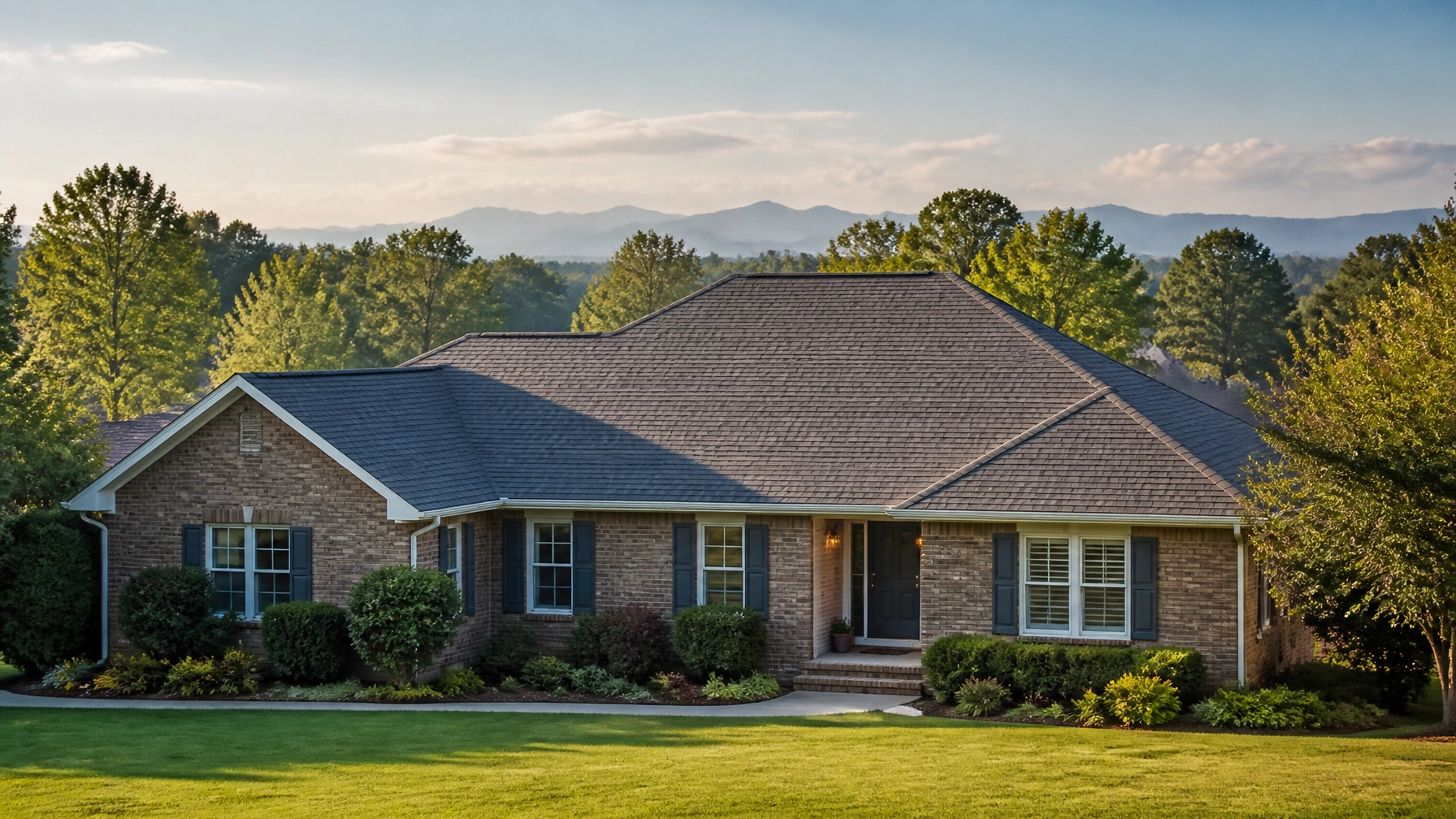
    New Chattanooga ranch home with a dimensional architectural shingle roof after a rainy afternoon

    UTC Research Is Expanding Chattanooga’s GIS and Remote-Sensing Capabilities

    The University of Tennessee at Chattanooga adds another important layer to the local technology ecosystem.

    The university’s Center for Urban Informatics and Progress, or CUIP, works with advanced sensors and real-time urban data. Its projects have involved technologies such as LiDAR, radar, environmental sensors, cameras, and traffic-monitoring systems.

    UTC also recently launched the Center for Applied Geospatial Data Science. The center builds on UTC’s long-running Interdisciplinary Geospatial Technology Lab, with expertise in:

    • Geographic information systems, or GIS
    • Remote sensing
    • Spatial analysis
    • Cartography
    • Cloud-based mapping platforms
    • Geospatial artificial intelligence, or geoAI

    Some local discussions refer broadly to a “Center for Smart and Secure Cities.” At UTC, that mission is represented through connected work across CUIP, geospatial research programs, city data initiatives, and regional technology partnerships.

    For roofing, the practical connection is straightforward: satellite images can be treated as measurable geographic data rather than just photographs.

    How Satellite-Powered Roof Estimating Works

    A satellite-based roof estimate uses imagery, property location data, and automated analysis to develop a roof measurement before a contractor visits the property.

    The process typically evaluates:

    1. Roof footprint
      The system identifies the roof’s actual outline instead of assuming it matches the home’s living area.

    2. Roof planes
      Different sections of the roof are separated to account for hips, ridges, valleys, and extensions.

    3. Pitch and slope
      Steeper roofs generally require additional labor, safety equipment, and installation time.

    4. Complexity
      Dormers, skylights, chimneys, multiple valleys, and unusual rooflines can affect material quantities and labor.

    5. Material options
      Pricing can be modeled for architectural shingles, metal roofing, synthetic products, and other systems.

    6. Regional pricing
      Chattanooga labor, disposal, permitting, and material conditions are different from those in another Tennessee market.

    Get My Roof Estimate Now uses satellite-powered measurements and AI-assisted analysis to deliver a property-specific planning range in under 60 seconds. Measurements are designed to be accurate to within inches, generally achieving approximately 90–95% accuracy for estimate preparation.

    The result is not a substitute for a final inspection. It is a faster, more informed starting point.

    Chattanooga Roof Replacement Cost Benchmarks for 2026

    For Chattanooga homeowners, a typical roof replacement project often falls between $8,500 and $22,000.

    That range is broad because a 1,600-square-foot simple gable roof is not priced like a 2,400-square-foot home with steep slopes, multiple valleys, and several penetrations.

    Architectural Shingles (Popular)

    Architectural shingles remain the most common choice for Chattanooga homeowners because they balance cost, appearance, availability, and durability.

    Planning range: $3.50–$6.50 per square foot installed

    For a roof measuring 1,600–2,400 square feet, that produces a basic material-and-installation benchmark of approximately:

    • 1,600 square feet: $5,600–$10,400
    • 2,000 square feet: $7,000–$13,000
    • 2,400 square feet: $8,400–$15,600

    The final project can be higher after tear-off, decking repairs, ventilation upgrades, flashing, permits, and disposal are included.

    Architectural shingles are a practical fit for many Chattanooga homes, including ranches, colonials, and traditional brick residences. Learn more in the 2026 asphalt shingles guide.

    Metal Roofing (Premium)

    Metal roofing carries a higher upfront cost but offers longer service life and strong resistance to moisture, fire, insects, and many common weather stresses.

    Planning range: $7.00–$12.00 per square foot installed

    For the same roof sizes, the benchmark becomes approximately:

    • 1,600 square feet: $11,200–$19,200
    • 2,000 square feet: $14,000–$24,000
    • 2,400 square feet: $16,800–$28,800

    Standing-seam systems generally sit toward the upper end of the range. Exposed-fastener panels or metal shingles may fall lower, depending on the product and installation requirements.

    Review the metal roofing guide before comparing quotes.

    Modern Chattanooga residence with a premium dark standing-seam metal roof and wooded Appalachian hills

    Chattanooga Weather Makes Roof Measurement Important

    Chattanooga has a humid subtropical climate with hot summers, high humidity, and mild winters. The area is commonly associated with approximately 52 inches of annual rainfall, although current NOAA climate normals reported by the National Weather Service are closer to 55 inches.

    The Appalachian valley setting also creates changing weather patterns. Seasonal storm systems can bring:

    • Heavy, wind-driven rainfall
    • Strong thunderstorms
    • Hail
    • High winds
    • Rapid temperature changes
    • Prolonged humidity

    These conditions increase the importance of accurate roof geometry. Proper measurements help estimate the amount of underlayment, flashing, ridge materials, valley protection, ventilation, and replacement roofing required.

    They also help homeowners compare materials objectively instead of choosing based only on a contractor’s rough visual guess.

    Chattanooga and Knoxville Prices Should Not Be Treated as Identical

    Homeowners sometimes search for:

    • “2026 roof replacement cost Knoxville”
    • “Roof replacement cost in Knoxville Tennessee”
    • “Knoxville roof replacement 2026”
    • “Metal roof cost Knoxville TN”
    • “Architectural shingle roof cost Knoxville”

    Those searches are understandable because Chattanooga and Knoxville share parts of the East Tennessee market. However, they are not the same pricing area. Contractor availability, labor rates, roof access, local demand, disposal costs, and regional travel can all affect the final number.

    A Knoxville benchmark may provide general context, but a Chattanooga address should be used for a Chattanooga estimate. The Get My Roof Estimate Now cost calculator can provide a broad planning range, while the company’s free satellite estimate tool is designed to use the property’s actual location and roof shape.

    Southern colonial Chattanooga home with a newly replaced architectural shingle roof and finished flashing

    What to Check Before Ordering a Roof

    Use the instant estimate as a budgeting tool, then confirm the project details with a qualified roofing professional.

    Before signing a contract, ask about:

    • Exact roof area in squares
    • Roof pitch and difficult-access areas
    • Number of existing roofing layers
    • Decking inspection and repair costs
    • Underlayment and flashing specifications
    • Ridge and soffit ventilation
    • Manufacturer and workmanship warranties
    • Permit and disposal charges
    • Contractor licensing and insurance
    • Payment schedule and change-order terms

    A clear estimate should separate known costs from possible additional work. Be cautious when a quote provides only one unexplained total.

    Get a Chattanooga Roof Estimate in 60 Seconds

    Chattanooga’s technology infrastructure has made high-speed data processing part of everyday life. Satellite roof estimating applies that same broader idea to a common homeowner problem: getting accurate replacement pricing without scheduling several preliminary visits.

    Enter your Chattanooga address to receive a free, no-credit-card-required estimate based on roof size, pitch, complexity, material selection, and regional pricing. You can compare architectural shingles and metal roofing, review low-to-high cost ranges, and decide when it makes sense to schedule an inspection.

    The estimate is instant. The decision remains yours.

    Frequently Asked Questions

    How much does a roof replacement cost in Chattanooga in 2026?

    A typical Chattanooga roof replacement costs approximately $8,500–$22,000 in 2026. The final price depends on roof size, pitch, complexity, materials, tear-off, decking repairs, ventilation, and local labor.

    What is the typical roof size in Chattanooga?

    Many Chattanooga single-family homes have roofs measuring approximately 1,600–2,400 square feet. Roof area can differ substantially from interior living space, so satellite measurement is more useful than estimating from the home’s listed square footage.

    How much do architectural shingles cost in Chattanooga?

    Architectural shingles generally cost about $3.50–$6.50 per square foot installed as a planning benchmark. Complex rooflines, steep pitches, tear-off, and structural repairs can increase the total.

    How much does a metal roof cost in Chattanooga?

    Metal roofing generally costs approximately $7.00–$12.00 per square foot installed. Standing-seam metal is usually more expensive than basic exposed-fastener panels or metal shingles.

    Can satellite imagery measure my roof accurately?

    Satellite imagery and AI-assisted analysis can measure roof dimensions, planes, pitch indicators, and complexity for a fast planning estimate. Get My Roof Estimate Now targets approximately 90–95% accuracy, with measurements designed to be accurate to within inches. A final contractor inspection is still recommended before installation.

    Is a satellite roof estimate free?

    Yes. Get My Roof Estimate Now provides a free estimate with no credit card required. Homeowners can enter an address and receive a pricing range in under 60 seconds.
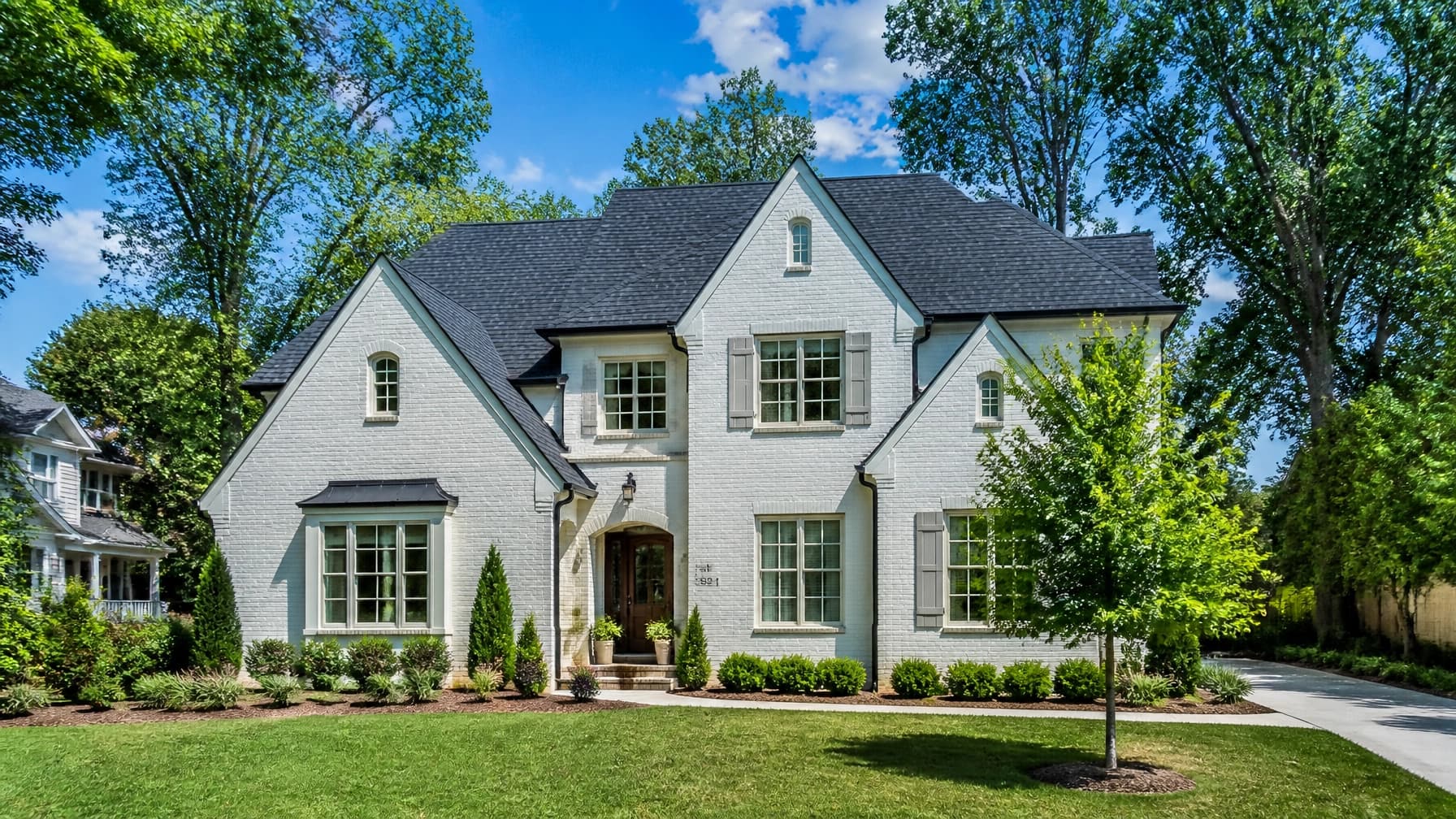
  • Daily Weather Blitz – Charlotte, NC: Extreme Heat, Storms, and What They Mean for Your Roof

    Daily Weather Blitz – Charlotte, NC: Extreme Heat, Storms, and What They Mean for Your Roof

    Charlotte homeowners should prepare for a demanding stretch of summer weather beginning Friday, August 14, 2026.

    The National Weather Service has issued a Heat Advisory for Charlotte and Mecklenburg County from noon to 8 p.m. Friday. Forecast highs are in the mid-to-upper 90s, with heat index values reaching approximately 105–111°F depending on the exact time and location. Scattered thunderstorms are also possible, bringing brief heavy rain, lightning, and gusty winds.

    The heat continues through the weekend, followed by a forecast high near 100°F on Monday, well above Charlotte’s typical mid-August normal and close to record-level territory.

    For your roof, this weather is not automatically an emergency. However, extreme heat and sudden summer storms can expose weaknesses in older roofing systems. Here is what Charlotte homeowners should know.

    Charlotte Weather Outlook: Friday Through Monday

    According to the National Weather Service Charlotte forecast:

    • Friday, August 14: Mostly sunny and hot, with a high near 98°F and heat index values as high as 109°F
    • Friday evening: Partly cloudy, warm, and humid
    • Saturday: High near 97°F with heat index values potentially reaching 111°F
    • Saturday night: A chance of showers and thunderstorms
    • Sunday: Mostly sunny and hot, near 97°F
    • Monday: Sunny and hot, near 100°F

    Some local forecasts may show heat index readings ranging from 105°F to 117°F based on humidity, surface conditions, and neighborhood location. Treat the official advisory as the controlling guidance, especially if you plan to work outdoors.

    How Extreme Heat Affects Charlotte Roofs

    1. Roofing materials expand and contract

    Roofing materials respond to heat. Asphalt shingles, metal flashing, pipe boots, sealants, and synthetic membranes expand during the hottest part of the day and contract as temperatures drop at night.

    One hot afternoon will not normally damage a properly installed roof. The concern is repeated exposure over many summers. Constant expansion and contraction can contribute to:

    • Cracked or brittle shingles
    • Loose flashing
    • Failed sealants around vents and chimneys
    • Lifted shingle edges
    • Premature granule loss
    • Gaps around roof penetrations

    Dark asphalt shingles absorb more solar heat than lighter-colored materials. On a sunny day with air temperatures in the upper 90s, exposed roof surfaces can become significantly hotter than the surrounding air.

    2. Attic temperatures rise

    A roof does not work alone. Your attic ventilation system helps control heat and moisture beneath the roof deck.

    During a heat event, inadequate ventilation can allow attic temperatures to climb sharply. That can increase strain on your air-conditioning system and contribute to:

    • Higher cooling costs
    • Hot upstairs rooms
    • Premature aging of roof decking
    • Moisture buildup when hot attic air meets cooler surfaces
    • Warped or deteriorated insulation

    A balanced system typically includes intake ventilation near the eaves and exhaust ventilation at the ridge or upper roof area. Adding vents without correcting the overall airflow pattern may not solve the problem.

    3. Shingles can become softer during installation

    Extreme heat also affects roofing work. Asphalt shingles are designed to seal through warmth and sunlight, but very hot surfaces can make them soft and easier to scuff or deform.

    That is one reason roofing crews often schedule work earlier in the morning during Charlotte’s hottest summer days. Homeowners should avoid walking on a roof during a Heat Advisory. Hot shingles can be damaged by foot traffic, and the risk of slips, burns, dehydration, and heat illness increases quickly.

    Architectural asphalt shingles being installed on a residential roof in Charlotte

    How Scattered Thunderstorms Can Expose Roof Problems

    Friday’s storms are expected to be scattered rather than widespread. That means one part of Charlotte may receive heavy rain while another neighborhood remains dry.

    Where storms develop, homeowners may see:

    • Brief heavy rainfall
    • Lightning
    • Strong wind gusts
    • Small hail or wind-driven debris
    • Overflowing gutters
    • Water intrusion around weak flashing or penetrations

    Storm damage is not always obvious from the ground. A shingle may be lifted without completely blowing off. Wind can also loosen ridge caps, damage chimney flashing, or move debris beneath shingle edges.

    After the storm passes, perform a ground-level inspection. Look for:

    • Shingles in the yard
    • New dark spots or exposed underlayment
    • Bent or detached gutters
    • Broken tree limbs on or near the roof
    • Water stains on ceilings or upper walls
    • Damp insulation or a musty attic odor

    Do not climb onto the roof during or immediately after a thunderstorm. If you see visible damage, photograph it safely from the ground and contact a licensed roofing professional.

    Five Roof-Preparation Steps to Take Now

    1. Clear gutters and downspouts

    Heavy summer rain can overwhelm gutters that are packed with leaves, pine needles, or roof granules. Clear blockages and confirm that downspouts direct water several feet away from the foundation.

    2. Trim branches near the roof

    Overhanging branches can scrape shingles, drop debris into valleys, and break during thunderstorms. Trim branches that touch the roof or hang directly above it, using a qualified tree professional when needed.

    3. Check visible flashing

    From the ground, inspect flashing around chimneys, skylights, and roof-to-wall transitions. Look for bent metal, missing sections, or cracked sealant. These are common leak points during wind-driven rain.

    4. Inspect the attic

    Look for daylight through the roof deck, damp insulation, water stains, or signs of mold. Also check whether attic vents are blocked by insulation or debris.

    5. Document the roof before storms arrive

    Take clear photos of the roof, gutters, exterior walls, and attic. Pre-storm documentation can help you compare conditions after a storm and organize an insurance claim if damage occurs.

    Should You Replace Your Roof Before the Heat Gets Worse?

    A roof nearing the end of its service life may struggle more during repeated heat and storm cycles. Consider getting a replacement estimate if your roof is:

    • 15–30 years old
    • Showing widespread granule loss
    • Curling, cracking, or missing shingles
    • Leaking in multiple locations
    • Sagging or showing damaged decking
    • Repeatedly repaired after storms
    • Part of a home you plan to sell soon

    Do not wait for a major leak to start planning. Small exterior problems can become interior water damage after one heavy storm.

    Charlotte Roof Replacement Costs in 2026

    For Charlotte homeowners, a full roof replacement commonly falls between $8,500 and $25,000, depending on roof size, pitch, complexity, material, tear-off requirements, and decking repairs.

    For a standard home with approximately 2,000 square feet of roof area, current local benchmarks include:

    Roof Category Material Typical 2026 Charlotte Range
    Budget 3-tab asphalt shingles $6,500–$9,000
    Popular Architectural shingles $9,500–$15,500
    Premium Standing seam metal $18,000–$35,000
    Luxury Synthetic tile or slate-style roofing $30,000–$55,000+

    These are planning ranges, not guaranteed quotes. A steep roof, multiple roof sections, dormers, valleys, difficult access, or rotten decking can increase the final price.

    You can review more pricing details in the Charlotte roof estimate guide or use the 2026 roof cost calculator.

    Architectural Shingles vs. Metal Roofing for Charlotte Heat

    Architectural shingles (Popular)

    Architectural shingles typically cost about $4–$7 per square foot installed and last approximately 25–30 years with proper installation and maintenance.

    They are a practical choice for many Charlotte homes because they offer:

    • Moderate upfront cost
    • Broad color and style selection
    • Good curb appeal
    • Straightforward repairs
    • Wide contractor availability

    Impact-resistant shingles may be worth considering in areas with frequent hail or strong thunderstorms. Review the asphalt shingles guide for additional material comparisons.

    Metal roofing (Premium)

    Metal roofing generally costs about $8–$16 per square foot installed and can last 40–70 years depending on the system and installation quality.

    Metal may be a better long-term fit if you:

    • Plan to stay in your home for decades
    • Want stronger resistance to wind and weather
    • Prefer reflective materials that can reduce solar heat gain
    • Want to minimize future replacement cycles

    Standing seam systems cost more but use concealed fasteners and raised seams for improved weather protection. See the metal roofing guide for cost and performance details.

    Modern Charlotte home with a bronze standing seam metal roof

    A Note on Knoxville Roofing Searches

    Roofing prices are local. If you are comparing markets outside North Carolina, searches such as “2026 roof replacement cost knoxville,” “roof replacement cost in knoxville tennessee,” and “knoxville roof replacement 2026” refer to a different labor, material, and weather market.

    The same applies to “metal roof cost knoxville tn” and “architectural shingle roof cost knoxville.” Always use an address-specific estimate for the property you actually own rather than applying Charlotte pricing — or any other city’s pricing — to your home.

    Get a Roof Estimate Before the Next Storm

    The current Charlotte weather pattern is a useful reminder to plan before damage becomes urgent.

    Get My Roof Estimate Now uses satellite imagery to measure your roof’s size, pitch, and complexity. Enter your address and receive a free, transparent replacement range in about 60 seconds. No credit card is required, and no contractor visit is needed upfront.

    The estimate can help you compare architectural shingles, metal roofing, synthetic materials, and other options before speaking with a licensed, insured local contractor.

    Start your free satellite roof estimate.

    Frequently Asked Questions

    Can extreme heat damage a good roof?

    A short heat event usually will not damage a properly installed roof. Repeated high temperatures can accelerate aging, especially on older roofs with brittle shingles, poor ventilation, failed sealants, or existing storm damage.

    Is it safe to inspect my roof during a Heat Advisory?

    No. Avoid climbing on the roof during extreme heat or thunderstorms. Inspect from the ground and use a licensed professional for close evaluation.

    Is metal roofing better than asphalt in Charlotte summers?

    Metal roofing reflects more solar heat and generally lasts longer. Architectural shingles cost less upfront and remain a practical option for most homeowners. The better choice depends on your budget, roof design, expected ownership period, and storm concerns.

    How accurate is an instant satellite roof estimate?

    Get My Roof Estimate Now’s satellite-powered measurements are typically 90–95% accurate for roof dimensions. An in-person contractor inspection is still needed to confirm hidden decking damage, flashing conditions, and other details that satellite imagery cannot show.

    Satellite imagery interface measuring a residential roof for a fast replacement estimate

  • Daily ROI Blitz #208: How a New Roof Boosts Home Value in Grand Rapids, MI (2026 Data)

    Daily ROI Blitz #208: How a New Roof Boosts Home Value in Grand Rapids, MI (2026 Data)

    A new roof is one of the most visible improvements you can make before selling a Grand Rapids home. In 2026, local homes commonly fall within a $270,000–$340,000 price range, while roof replacement costs vary sharply by material and roof complexity.

    Here is the practical ROI picture:

    • Architectural shingle roof: $7,500–$16,500
    • Metal roof: $15,000–$28,000
    • Estimated resale cost recovery: approximately 65%–80%
    • Potential recovered value: roughly $4,875–$22,400, depending on project size and material
    • Best timing: before leaks, failed inspections, or urgent winter damage

    The roof may not return every dollar at resale. However, it can protect your asking price, reduce buyer objections, and help your home compete in neighborhoods such as Eastown, Heritage Hill, and East Grand Rapids.

    Planning a roof project? Get a free, satellite-measured price range for your address in about 60 seconds at Get My Roof Estimate Now.

    Grand Rapids Housing Market Context for 2026

    Grand Rapids remains a competitive Midwest housing market. Depending on the source, property type, and measurement period, current city and metro data place typical home prices in the low $300,000s.

    • City and metro median benchmarks generally cluster around $300,000–$310,000
    • Broader Kent County and single-family home figures can reach the $330,000–$340,000 range
    • A realistic working range for many homeowners is $270,000–$340,000

    See current market snapshots from Redfin’s Grand Rapids housing market report and Zillow’s Grand Rapids home value data.

    A new roof matters more in a market where buyers compare homes closely. An aging roof can lead to:

    • Inspection-related repair demands
    • Seller-paid credits
    • Appraisal concerns
    • Insurance questions
    • Longer time on market
    • Price reductions before closing

    A newer roof gives buyers one less major system to negotiate.

    2026 Roof Replacement Cost in Grand Rapids

    The exact 2026 roof replacement cost Grand Rapids homeowners pay depends on roof size, pitch, number of roof sections, material, tear-off requirements, and local labor.

    Architectural Shingles (Popular)

    The typical architectural shingle roof cost Grand Rapids homeowners should budget for is approximately:

    $7,500–$16,500

    This range fits many single-family homes with standard roof designs. Architectural shingles are popular because they offer:

    • Strong curb appeal
    • Multiple color and texture options
    • Good performance in snow and wind
    • Lower upfront cost than metal
    • A service life often around 25–30 years, depending on product and installation

    Homes with dormers, valleys, steep sections, attached garages, or multiple roof planes will usually fall toward the upper end.

    Metal Roofing (Premium)

    The metal roof cost Grand Rapids MI homeowners see in 2026 typically falls between:

    $15,000–$28,000

    Metal roofing costs more initially, but it can offer a longer service life, often 40–70 years depending on the system and maintenance. It may also suit homeowners who plan to remain in the property for many years.

    Benefits can include:

    • Long-term durability
    • Resistance to repeated freeze-thaw exposure
    • Excellent snow-shedding potential
    • Low maintenance
    • A distinctive modern or premium appearance

    Metal is not automatically the best resale investment for every home. In historic neighborhoods, the material should complement the property’s architecture and local design expectations.

    Grand Rapids ranch home with a new gray architectural shingle roof

    How Much Resale Value Can a New Roof Add?

    For 2026 planning purposes, a reasonable Grand Rapids resale recovery range is 65%–80% of the roof investment.

    That does not mean the roof creates a guaranteed dollar-for-dollar increase in appraised value. Instead, the return usually comes from a combination of direct value and avoided costs.

    Roof project Typical cost 65%–80% potential resale recovery
    Architectural shingles $7,500–$16,500 $4,875–$13,200
    Metal roofing $15,000–$28,000 $9,750–$22,400

    For a $300,000 home, recovering 65%–80% of a $12,000 shingle replacement equals approximately $7,800–$9,600 in measurable resale value. The remaining benefit may show up as fewer concessions, stronger buyer confidence, and a smoother transaction.

    Why the ROI Can Be Better Than the Appraisal Number

    A roof’s value is not limited to what an appraiser adds to a comparable-sales analysis. It can also help you avoid financial losses.

    For example, suppose a buyer identifies an aging roof during inspection. They may request:

    • A full replacement before closing
    • A credit of $10,000 or more
    • A lower purchase price
    • A repair escrow
    • A delayed closing

    Replacing the roof before listing can make your home easier to market as move-in ready.

    Grand Rapids Weather Makes Roof Condition More Important

    West Michigan roofs face conditions that can shorten the life of poorly installed or poorly ventilated systems.

    Heavy Winter Snow Loads

    Grand Rapids receives significant winter snow, including lake-effect events. Snow adds weight to the roof structure, especially when it becomes compacted or wet.

    The National Weather Service in Grand Rapids recommends keeping roof snow loads as low as practical and using a roof rake from the ground when appropriate. Homeowners should not climb onto a snow-covered roof or remove ice with sharp tools.

    During replacement, ask whether the contractor will inspect for:

    • Damaged decking
    • Sagging framing
    • Moisture intrusion
    • Weak areas around valleys and roof transitions

    Ice Dam Prevention

    Ice dams form when heat escapes into the attic, melts snow on the upper roof, and causes water to refreeze at colder eaves.

    A replacement project is an opportunity to improve the entire roof system with:

    • Ice-and-water protection at eaves and valleys
    • Proper underlayment
    • Adequate attic insulation
    • Air sealing around penetrations
    • Balanced soffit and ridge ventilation
    • Correct flashing around chimneys, walls, and skylights

    A new roof will not solve an ice dam problem if warm attic air continues to escape. Ventilation and insulation must work together.

    Freeze-Thaw Cycles

    Repeated freezing and thawing can stress flashing, sealants, roof edges, and areas where water collects. Small installation defects can become larger problems after several Michigan winters.

    Ask for an estimate that clearly identifies:

    • Tear-off and disposal
    • Replacement decking allowances
    • Ice-and-water membrane
    • Flashing replacement
    • Ventilation upgrades
    • Permit and inspection costs
    • Workmanship warranty

    Colonial Grand Rapids home with a dark standing-seam metal roof

    Neighborhood-Specific ROI Considerations

    Eastown

    Eastown includes a mix of older homes, compact lots, and distinctive architectural details. A clean architectural shingle roof can improve curb appeal without overpowering the original design.

    Focus on matching:

    • Roof color to brick, siding, or wood trim
    • Shingle profile to the home’s scale
    • Flashing details around older dormers
    • Ventilation improvements that remain visually discreet

    Heritage Hill

    Heritage Hill properties may have historic character, complex rooflines, and preservation considerations. Before selecting a material, confirm whether neighborhood or local requirements affect visible exterior changes.

    A high-quality roof installation can be especially valuable here because buyers often pay close attention to craftsmanship and architectural consistency.

    East Grand Rapids

    EGR homes frequently sit in a higher-value segment than the citywide median. Buyers may expect premium materials, careful detailing, and a finished appearance that fits the neighborhood.

    For these properties, a roof replacement may protect value by keeping the home competitive with other well-maintained listings. Premium metal roofing can work well on some designs, while architectural shingles may offer the better balance of cost and appearance on traditional homes.

    Historic Grand Rapids Michigan home with a new slate-gray architectural shingle roof

    Should You Choose Shingles or Metal?

    Use this quick comparison:

    Architectural Shingles (Popular)

    Choose architectural shingles when you want:

    • Lower initial cost
    • Broad style compatibility
    • Easier replacement and repair
    • Strong resale appeal without a premium-material budget

    They are usually the practical choice for homeowners preparing to sell within the next few years.

    Metal Roofing (Premium)

    Consider metal when you want:

    • A longer expected service life
    • Strong snow-shedding performance
    • A distinctive appearance
    • Less frequent replacement over decades

    Metal can make financial sense for a long-term homeowner, but the higher price may not produce a proportionally higher resale return if the home’s neighborhood does not support the premium.

    Get Your Grand Rapids Roof Estimate Before Listing

    The best first step is to understand your property-specific numbers. Roof size and complexity can vary dramatically between two homes with the same interior square footage.

    The Get My Roof Estimate Now roof cost calculator explains how size, pitch, materials, tear-off, and location affect pricing. For a more specific result, use the company’s satellite-powered estimate tool.

    You can receive:

    • Roof measurements based on satellite imagery
    • Low, middle, and high replacement ranges
    • Architectural shingle and metal pricing
    • Material and labor factors
    • Results in approximately 60 seconds
    • No credit card and no upfront cost

    The estimate is a planning tool, not a final contractor proposal. A licensed roofer should still verify decking, flashing, ventilation, and hidden damage in person.

    Bottom Line: Is a New Roof Worth It in Grand Rapids?

    For many Grand Rapids homeowners, yes: particularly when the existing roof is near the end of its service life.

    In 2026, use these benchmarks:

    • Home value range: $270,000–$340,000
    • Architectural shingle replacement: $7,500–$16,500
    • Metal roof replacement: $15,000–$28,000
    • Potential resale recovery: 65%–80%
    • Local priorities: snow loads, ice dams, ventilation, freeze-thaw protection, and neighborhood fit

    A new roof is rarely a guaranteed profit center. Its stronger advantage is value protection. It can reduce negotiation risk, support buyer confidence, improve curb appeal, and help your home stand out when competing listings have older roofing.

    Get your free Grand Rapids roof estimate in about 60 seconds.

    Frequently Asked Questions

    What is the roof replacement cost in Grand Rapids, Michigan, in 2026?

    Most homeowners should use $7,500–$16,500 as a planning range for architectural shingles and $15,000–$28,000 for metal roofing. Roof size, pitch, complexity, tear-off, ventilation, and decking repairs can change the final price.

    What is the resale ROI of a new roof in Grand Rapids?

    A reasonable 2026 planning range is 65%–80% of the replacement cost. The roof may also prevent inspection credits, price reductions, and closing delays.

    Is metal roofing worth the cost in Grand Rapids?

    Metal roofing can be worthwhile for long-term ownership and snow-prone conditions. However, the best resale choice depends on the home’s architecture, neighborhood, buyer expectations, and project budget.

    How can I get a Grand Rapids roof replacement estimate quickly?

    Enter your property address into the free satellite roof estimate tool. You can receive an address-specific price range in about 60 seconds with no credit card required.

  • Daily ROI Blitz #207: How a New Roof Boosts Home Value in Wilmington, NC (2026 Data)

    Daily ROI Blitz #207: How a New Roof Boosts Home Value in Wilmington, NC (2026 Data)

    A new roof in Wilmington, NC, can support 65%–80% resale ROI when the material, installation, and price fit the property. For a local home valued around $330,000–$390,000, that can translate into approximately $5,200–$14,400 in recovered value for an architectural shingle roof or $10,400–$24,800 for a standing seam metal roof.

    Those figures are planning benchmarks: not a guaranteed appraisal increase. The actual result depends on roof condition, neighborhood, buyer expectations, project quality, insurance requirements, and the timing of the sale.

    Still, the financial case is clear: in coastal Wilmington, a new roof is not only a cosmetic improvement. It can remove a major buyer objection, reduce inspection negotiations, and make a home easier to insure and market.

    Wilmington Home Values in 2026: The Benchmark

    For this Daily ROI Blitz, we are using a $330,000–$390,000 median-value planning range for Wilmington-area homes. Values vary considerably by property size, flood exposure, age, upgrades, and location.

    For current market context, homeowners can review market data from:

    A roof replacement typically represents about 2%–9% of the home’s value in this range. That is a meaningful investment, but it is also a highly visible improvement that buyers understand immediately.

    What buyers notice first

    A buyer may not know the age of your HVAC system or recognize upgraded attic ventilation. They will notice:

    • Missing, curling, or discolored shingles
    • A visibly aged roofline
    • Storm damage
    • Sagging areas
    • Stains around roof penetrations
    • A seller credit listed for roof replacement

    A documented new roof changes that conversation. Instead of asking, “How much will I have to spend after closing?” buyers can focus on the home’s layout, location, and condition.

    Renovated Wilmington historic-style home with new architectural shingles

    2026 Wilmington Roof Replacement Costs

    Your roof’s size, pitch, complexity, material, tear-off requirements, and local labor rates determine the final price. Wilmington’s coastal conditions can also influence material and installation specifications.

    Architectural shingles (Popular): $8,000–$18,000

    Architectural shingles remain the most practical choice for many Wilmington homeowners.

    The range generally reflects:

    • Standard to premium shingle systems
    • Roofs with approximately 1,500–3,000 square feet of roof area
    • One or more layers of tear-off
    • Underlayment, flashing, ventilation, and disposal
    • Local labor and permit costs

    Architectural shingles offer:

    • Lower upfront cost
    • Broad buyer acceptance
    • Multiple colors and profiles
    • Easier repair and replacement
    • Strong resale appeal without a premium-material price

    In a coastal market, do not compare bids on shingle brand alone. Confirm the proposed system includes appropriate wind ratings, fastening, underlayment, edge details, flashing, and ventilation.

    Standing seam metal (Premium): $16,000–$31,000

    Standing seam metal roofing costs more because of the material, fabrication, labor, and installation details.

    The benefits include:

    • Long service life
    • Strong wind performance when properly engineered and installed
    • Reduced vulnerability to algae and organic growth
    • A distinctive premium appearance
    • Lower replacement frequency over a long ownership period

    For properties near Wrightsville Beach or other areas with heavier salt-air exposure, ask about coating systems, compatible fasteners, flashing metals, and corrosion resistance. Metal roofing is not automatically maintenance-free. Poor detailing or incompatible components can still create problems.

    Use the Get My Roof Estimate Now roof cost calculator for a general material and roof-size comparison. For a property-specific starting point, the satellite estimate is more useful than a national average.

    Resale ROI: Architectural Shingles vs. Metal

    Using the Wilmington planning range of 65%–80% resale ROI, the potential recovered value looks like this:

    Roof system Typical 2026 cost Planning ROI Potential recovered value
    Architectural shingles $8,000–$18,000 65%–80% $5,200–$14,400
    Standing seam metal $16,000–$31,000 65%–80% $10,400–$24,800

    These are simple calculations based on the project cost. They do not account for financing, insurance savings, avoided repairs, or the cost of delaying the work.

    Which roof has the better ROI?

    Architectural shingles usually win on near-term percentage ROI. They require less capital and align with buyer expectations across most Wilmington neighborhoods.

    Standing seam metal can make more sense when:

    • You plan to own the home for many years
    • The property has a higher-end design
    • Storm exposure is a primary concern
    • You want to reduce the likelihood of another full replacement
    • The roof’s appearance will differentiate the listing
    • The contractor has strong experience with coastal metal installations

    Metal roofing may not return every dollar at resale. Its value often comes from durability, reduced maintenance, storm resilience, and buyer confidence: not only from the final sale price.

    How Wilmington’s Coastal Climate Changes the Calculation

    Wilmington roofs deal with more than ordinary rain and sunshine.

    Humidity and moisture

    High humidity can contribute to:

    • Algae streaking
    • Mildew and organic growth
    • Moisture accumulation in poorly ventilated attics
    • Faster deterioration of underlayment and wood decking
    • Corrosion around exposed metal components

    A roof replacement should include a review of attic ventilation, flashing, pipe boots, valleys, and areas where water may collect.

    Hurricanes and high winds

    Wilmington is exposed to Atlantic tropical weather. The National Weather Service Wilmington office and the National Hurricane Center provide official storm forecasts and preparedness guidance.

    For a new roof, ask the contractor about:

    • Wind-rated shingles or panels
    • Nail placement and fastening patterns
    • Deck attachment
    • Drip edges and perimeter protection
    • Hip and ridge cap installation
    • Underlayment and leak barriers
    • Local code and permit requirements

    A roof that looks good from the street can still be vulnerable if the installation system is incomplete.

    Salt air near the coast

    Salt-laden air can accelerate corrosion, particularly on fasteners, flashing, vents, gutters, and exposed metal components. The closer the home is to the water, the more important material compatibility and routine inspection become.

    This is one reason standing seam metal requires careful product selection. The panel itself may perform well, but the entire roof assembly must be designed for the environment.

    Neighborhood-Specific ROI Considerations

    Historic Downtown

    Historic Downtown properties may have older structures, tight lots, and more complicated rooflines. Dormers, valleys, chimneys, and limited staging space can increase labor costs.

    A new roof can be especially valuable before listing because buyers may expect repairs on older homes. Preserve the architectural character while confirming any local requirements that apply to the property.

    Landfall

    Landfall homes often have larger footprints, more complex roof geometry, and higher buyer expectations. Premium shingles or standing seam metal may fit the property better than a basic roofing system.

    Here, installation quality and visual consistency matter. A roof that looks out of place can reduce the benefit of an otherwise strong renovation.

    Mayfaire

    Homes near Mayfaire are often newer and located in planned communities. Check HOA rules before selecting a color, profile, or metal finish.

    For resale, a clean architectural shingle roof may provide the best balance between cost, appearance, and buyer familiarity.

    Wrightsville Beach adjacent

    Homes near Wrightsville Beach face stronger salt-air and wind exposure. Corrosion-resistant components, storm-rated installation, and regular maintenance deserve extra attention.

    A new roof can help reduce buyer concerns, but it does not replace a full inspection of flood risk, insurance requirements, or structural condition.

    Luxury Wilmington-area coastal home with standing seam metal roof

    Use a Satellite Estimate Before Scheduling Contractor Visits

    The fastest way to establish a realistic budget is to start with your actual property data.

    Get My Roof Estimate Now uses satellite imagery to estimate:

    • Roof size in squares
    • Roof pitch
    • Roof complexity
    • Material quantities
    • Local pricing differences
    • Low, middle, and high replacement ranges

    The process takes about 60 seconds, requires no credit card, and gives you a free starting point before you schedule in-person inspections.

    The estimate is designed for budgeting and comparison. A licensed contractor still needs to verify conditions that satellite imagery cannot see, including decking, flashing damage, attic moisture, hidden leaks, and code-related requirements.

    Close architectural view of a new hurricane-rated roofing system on a Wilmington home

    The Daily ROI Blitz Decision

    For most Wilmington homeowners planning to sell within a few years, architectural shingles are the practical ROI choice:

    • Lower project cost
    • Broad market acceptance
    • Stronger near-term percentage recovery
    • Easier comparison for buyers and appraisers
    • Lower risk of a large roof-related concession

    For long-term ownership or premium coastal properties, standing seam metal may offer greater lifetime value through durability and storm performance.

    Before committing, get your address-specific estimate, compare at least two or three written contractor proposals, and verify licensing, insurance, materials, warranties, permits, and wind-related installation details.

    A new roof does not guarantee a higher sale price. But in Wilmington’s humid, hurricane-exposed market, a properly installed roof can protect the home, strengthen buyer confidence, and recover a meaningful portion of the investment.

    Sources and Methodology

    The 2026 cost ranges in this article combine the company’s current roofing-cost benchmarks with Wilmington-specific project factors. ROI percentages are planning estimates for local resale analysis and should not be treated as an appraisal or guaranteed return.

    For broader remodeling benchmarks, review the 2025 Cost vs. Value Report and the National Association of REALTORS® Remodeling Impact information.

    When you are ready to see what your Wilmington roof may cost, start with a free satellite-powered roof estimate.

  • Daily Weather Blitz – Slot 4: Birmingham, AL : August 14, 2026: Heat Advisory, 105°F+ Index & How the Magic City’s Climate Tests Your Roof’s Durability

    Daily Weather Blitz – Slot 4: Birmingham, AL : August 14, 2026: Heat Advisory, 105°F+ Index & How the Magic City’s Climate Tests Your Roof’s Durability

    Birmingham is facing another demanding summer day. A Heat Advisory is in effect, with afternoon temperatures near 97°F and heat indices reaching approximately 105–109°F. The heat is expected to continue through the weekend, while isolated afternoon showers and thunderstorms may bring damaging wind, frequent lightning, hail, and sudden heavy rain.

    For homeowners, this weather is more than uncomfortable. Repeated heat, humidity, and storm exposure can shorten a roof’s effective service life: especially when ventilation, flashing, gutters, or older shingles already have problems.

    This guide explains how Birmingham’s climate affects roof durability, what to inspect after today’s weather, and what homeowners should know about Birmingham roof replacement cost in 2026.

    Birmingham’s August Weather Creates a Three-Part Roofing Challenge

    The current pattern combines three conditions that test residential roofing systems:

    • Extreme heat: Air temperatures in the upper 90s and roof-surface temperatures that can climb much higher
    • High humidity: Warm, moisture-rich air that slows drying and increases attic moisture concerns
    • Isolated severe storms: Sudden wind, lightning, hail, and intense rain that can expose existing weaknesses

    According to the National Weather Service Birmingham forecast discussion, Central Alabama’s heat risk is expected to remain major to extreme through the weekend. The forecast calls for heat indices of 105–110°F, with a 20%–50% chance of showers and storms in parts of the area.

    A roof does not fail because of one hot afternoon. Problems usually develop through repeated cycles of expansion, moisture exposure, and storm stress.

    How Extreme Heat Ages Birmingham Roofs

    Asphalt shingle stress (Popular)

    Dark asphalt shingles absorb significant solar radiation. On sunny summer afternoons, the roof surface can become much hotter than the outdoor air.

    That heat can gradually cause:

    • Loss of protective granules
    • Brittle or cracked shingle surfaces
    • Curling or lifted edges
    • Deterioration of the asphalt seal strips
    • Faster breakdown of exposed caulk and roof cement
    • Increased stress around vents, chimneys, and skylights

    Daily expansion and nighttime contraction also place stress on flashing, fasteners, and roof-to-wall transitions. Birmingham’s warm nights provide less cooling between hot days, so the roof may not fully reset before the next heat cycle begins.

    Shingles installed 15–30 years ago are especially vulnerable. If your roof is within that age range, the current heat wave is a good reason to begin planning rather than waiting for a visible leak.

    Poor attic ventilation increases the load

    A properly designed attic ventilation system allows hot air and moisture to escape. Blocked soffit vents, insufficient ridge ventilation, or compressed insulation can trap heat beneath the roof deck.

    That trapped heat may contribute to:

    • Higher roof-deck temperatures
    • Premature shingle aging
    • Warped or weakened decking
    • Moisture accumulation
    • Condensation around fasteners and ductwork
    • Higher attic and cooling loads

    Ventilation cannot repair an old roof, but it can help a new roofing system perform closer to its expected service life.

    Residential roof inspection showing architectural shingles, flashing, and gutters after a Birmingham summer storm

    Humidity and Heavy Rain Can Turn Small Defects Into Leaks

    Birmingham’s humid climate creates a persistent moisture challenge. When a roof has a small flashing gap or damaged shingle, repeated humidity and rainfall can keep the surrounding materials damp.

    Pay particular attention to:

    • Chimney flashing
    • Plumbing vent boots
    • Skylight edges
    • Valleys where roof planes meet
    • Wall-to-roof intersections
    • Fascia and soffit areas
    • Areas below clogged gutters

    Heavy rain can find openings that remain unnoticed during dry weather. A minor leak may first appear as a ceiling stain, musty attic odor, damp insulation, or darkened roof decking.

    Do not assume a dry ceiling means the roof is healthy. Water can travel along rafters and insulation before becoming visible inside the home.

    What Isolated Storm Activity Can Do to a Roof

    A summer storm can affect several roofing components at once.

    Wind damage

    Strong gusts can lift or loosen shingles, particularly when the adhesive strip has aged or the original installation was incomplete. Wind can also damage:

    • Ridge caps
    • Drip edges
    • Roof vents
    • Metal flashing
    • Fascia
    • Gutters and downspouts

    After a storm, inspect from the ground. Look for missing shingles, irregular lines, exposed underlayment, and debris concentrated in roof valleys or gutters.

    Hail damage

    Hail can bruise asphalt shingles and remove granules even when the damage is difficult to see from the yard. On metal roofs, hail may create dents or damage protective coatings.

    After suspected hail, avoid climbing onto the roof. A licensed roofing professional can document damage and distinguish cosmetic marks from conditions that affect weather resistance.

    Lightning and falling debris

    Lightning can damage electrical systems, attic components, and nearby trees. Branches may puncture shingles or damage flashing without creating an immediate interior leak.

    If a storm drops limbs near the roof, have the area checked promptly: even if no water is visible inside.

    Practical Birmingham Roof Protection Checklist

    Use this checklist before and after the current heat wave.

    Before the next storm

    • Clear leaves and debris from gutters.
    • Confirm downspouts discharge away from the foundation.
    • Check that soffit vents are not blocked.
    • Trim branches that hang over the roof.
    • Secure loose outdoor items that could become airborne.
    • Review your homeowner’s insurance policy and storm-damage procedures.
    • Photograph the roof and exterior for baseline documentation.

    After a storm

    From the ground, look for:

    • Missing, cracked, curled, or lifted shingles
    • Damaged ridge caps
    • Dented metal panels
    • Loose flashing
    • Sagging gutters
    • Fallen branches
    • New water stains in ceilings or walls

    In the attic, look for damp insulation, daylight through the roof deck, musty smells, or dark moisture marks.

    Do not perform roof work during extreme heat, lightning, or wet conditions. If a repair is needed, schedule an inspection during the coolest safe part of the day.

    Birmingham Alabama colonial home with a premium standing-seam metal roof and strong summer curb appeal

    Birmingham Roof Replacement Cost in 2026

    The cost of a roof replacement in Birmingham depends on roof size, pitch, material, complexity, tear-off requirements, decking repairs, and local labor rates.

    For broad planning, the Get My Roof Estimate Now roof cost calculator lists these 2026 national planning ranges:

    Roofing material Typical installed range Category
    3-tab asphalt shingles $3–$5 per sq. ft. Budget
    Architectural shingles $4–$7 per sq. ft. Popular
    Designer shingles $8–$12+ per sq. ft. Premium
    Metal roofing $8–$16 per sq. ft. Premium/value

    Local Birmingham pricing can vary. A typical residential replacement may fall near $9,000–$22,000, but a large, steep, complex, or storm-damaged roof may cost more.

    Roof replacement cost in Birmingham, Alabama: what changes the price?

    The most important cost factors are:

    • Roof size: Roofing is measured in squares. One square equals 100 square feet of roof surface.
    • Pitch: Steep roofs require additional safety equipment and labor.
    • Complexity: Dormers, valleys, multiple rooflines, and skylights increase installation time.
    • Tear-off: Removing an existing roof adds labor and disposal costs.
    • Decking condition: Rotten or weakened wood must be replaced.
    • Material choice: Metal and premium shingles generally cost more upfront.
    • Storm timing: Contractor availability and material demand can affect pricing.

    For the most accurate result, use your actual roof dimensions rather than your home’s interior living area.

    What About Metal Roof Cost in Birmingham, AL?

    A metal roof can be attractive for homeowners focused on long-term durability, storm resistance, and lower maintenance.

    Typical 2026 planning ranges include:

    • Exposed-fastener metal (Budget): approximately $7–$11 per sq. ft. installed
    • Standing-seam metal (Premium): approximately $13–$18 per sq. ft. installed in many Birmingham-area projects

    The final metal roof cost in Birmingham, AL depends on panel type, finish, roof geometry, underlayment, removal of the existing roof, flashing details, and whether the decking needs repair.

    Metal roofing is not automatically damage-proof. Correct fastening, properly designed flashing, adequate ventilation, and professional installation all matter. A lower-quality installation can still experience leaks or wind-related problems.

    Clean residential attic with visible soffit and ridge ventilation designed for hot, humid Birmingham summers

    Get a Property-Specific Roof Estimate in 60 Seconds

    Online averages are useful for early budgeting, but they cannot account for your home’s exact roof size, pitch, or complexity.

    Get My Roof Estimate Now uses satellite imagery to measure your roof and provide a free estimate based on the property. The process:

    1. Enter your Birmingham address.
    2. Review satellite-powered roof measurements.
    3. Compare estimated pricing for different materials.
    4. See low, middle, and high project ranges.
    5. Decide whether to connect with a verified local contractor.

    The estimate is free, requires no credit card, and takes about 60 seconds. Measurements are designed to be accurate within inches, typically reaching approximately 90%–95% accuracy before an on-site contractor confirms project conditions.

    The Bottom Line for Birmingham Homeowners

    Today’s heat advisory is a timely reminder that Birmingham roofs face more than one type of weather stress. Extreme heat accelerates surface aging. Humidity increases moisture concerns. Sudden storms test shingles, flashing, gutters, and roof structure.

    Inspect your property from the ground, keep drainage paths clear, and address small defects before they become interior damage. If your roof is approaching 15–30 years old: or if a recent storm exposed problems: get a property-specific estimate now.

    Understanding your roof replacement Alabama costs in advance gives you more options, better budgeting control, and time to choose the right material before an emergency forces the decision.

    Sources

  • Daily FAQ Blitz – Slot 6: AEO FAQ Quick Answers for Huntsville, AL Homeowners (2026)

    Daily FAQ Blitz – Slot 6: AEO FAQ Quick Answers for Huntsville, AL Homeowners (2026)

    Huntsville homeowners can generally expect to pay $10,000–$18,000 for an architectural shingle roof replacement in 2026. A comparable metal roof commonly runs $18,000–$28,000. Across common single-family projects, the broader replacement range is approximately $7,500–$25,000 or more.

    Your actual price depends on the roof’s measured size, pitch, number of roof sections, material, tear-off requirements, decking condition, and local labor. The fastest way to establish a property-specific budget is to use a satellite-measured estimate before scheduling contractor visits.

    Huntsville’s hot summers, heavy rain, hail-producing thunderstorms, and occasional high-wind events also make material selection important. The answers below cover the questions homeowners ask most often.

    Huntsville Roof Replacement Costs at a Glance

    For a home with approximately 2,000 square feet of roof area, current 2026 planning benchmarks are:

    • Architectural shingles (Popular): $10,000–$18,000
    • Impact-resistant architectural shingles (Storm upgrade): $14,000–$24,000+
    • Basic metal roofing (Long-life): $18,000–$28,000
    • Standing-seam metal roofing (Premium): $22,000–$36,000+
    • Typical installed architectural shingle pricing: about $439–$700 per roofing square
    • Typical installed metal pricing: about $777–$1,800 per roofing square

    One roofing square equals 100 square feet of actual roof surface. Roof surface area is usually larger than the home’s interior floor area because it includes slopes, overhangs, and multiple roof planes.

    These are planning ranges, not contractor quotes. Hidden conditions such as rotten decking, multiple shingle layers, or damaged flashing can change the final price.

    Frequently Asked Questions for Huntsville Homeowners

    How much does a roof replacement cost in Huntsville, AL, in 2026?

    A full roof replacement in Huntsville typically costs $10,000–$18,000 for architectural shingles and $18,000–$28,000 for standard metal roofing.

    Smaller, simple roofs may fall below these ranges. Large homes with steep pitches, dormers, valleys, multiple stories, or structural repairs can exceed them.

    The largest cost factors are:

    • Total roof area in squares
    • Roof pitch and height
    • Number of ridges, hips, valleys, and penetrations
    • Existing roof layers and tear-off requirements
    • Decking repairs
    • Material and warranty level
    • Ventilation, flashing, and storm-resistance upgrades

    Use the free roof replacement estimate tool to see a Huntsville-specific low, middle, and high price range in about 60 seconds.

    What does an architectural shingle roof cost in Huntsville?

    Architectural shingles generally cost $10,000–$18,000 for a typical 2,000-square-foot roof in Huntsville.

    Architectural shingles are the most common upgrade from basic three-tab shingles because they offer:

    • A dimensional appearance
    • More color and style choices
    • Better wind performance than entry-level shingles
    • A typical service life of 25–30 years
    • Lower upfront cost than metal roofing

    Budget architectural packages may land near the lower end of the range. Premium or impact-resistant products can move the project toward $18,000–$24,000 or more, especially when the roof is large or complex.

    Two-story Colonial home in Huntsville with a new weathered-gray architectural shingle roof

    Are architectural shingles a good choice for Huntsville weather?

    Yes. Architectural shingles are a practical choice for many Huntsville homes, particularly when installed with the correct underlayment, flashing, ventilation, and fastening pattern.

    Huntsville experiences:

    • Intense summer heat
    • Heavy rainfall
    • Humidity
    • Strong thunderstorms
    • Occasional hail and wind damage

    Homeowners concerned about storm exposure can compare standard architectural shingles with Class 4 impact-resistant shingles. Impact-rated products typically cost more but may provide improved hail resistance. Ask your insurance company whether a qualifying roof could affect your premium.

    A shingle system is only as reliable as its installation. Request the shingle brand, product line, wind rating, warranty terms, and installation specifications in writing.

    How much more does a metal roof cost than architectural shingles?

    Metal roofing usually costs 50%–80% more upfront than architectural shingles for the same roof size.

    For a 2,000-square-foot roof:

    • Architectural shingles: approximately $10,000–$18,000
    • Standard metal roofing: approximately $18,000–$28,000
    • Premium standing-seam metal: approximately $22,000–$36,000+

    Metal costs more because of the panels, trim, specialized labor, flashing, and installation details. However, a properly installed metal roof can last 40–70 years, compared with approximately 15–30 years for many asphalt shingle systems.

    Review the full metal roofing versus asphalt shingles comparison before choosing based only on the initial price.

    Is metal roofing a good investment in Huntsville?

    Metal roofing can make sense for homeowners who plan to stay in the property for at least 10 years and value longevity, low maintenance, and energy performance.

    Potential advantages include:

    • Longer expected service life
    • Strong wind performance when properly fastened
    • Class A fire resistance for many systems
    • Reflective finishes that can reduce heat gain
    • Fewer full replacements over a long ownership period
    • Recyclable material at the end of its service life

    Metal is not automatically the best choice for every home. It requires experienced installation, careful detailing around chimneys and vents, and a design that fits the home’s appearance. It also has a higher upfront cost and can show cosmetic dents after severe hail.

    Modern Huntsville home with a premium dark bronze standing-seam metal roof

    Are metal roofs louder during Huntsville rainstorms?

    Not necessarily. Modern metal roofs are typically installed over solid roof decking, underlayment, and attic insulation. These layers reduce sound transmission significantly.

    A metal roof installed directly over open framing may sound louder during heavy rain. Ask the contractor how the system will be installed and whether the existing decking will remain part of the assembly.

    Can satellite imagery measure my Huntsville roof accurately?

    Satellite imagery can measure most residential roofs with approximately 90%–95% accuracy, often identifying roof dimensions within inches.

    The system evaluates:

    • Roof length and width
    • Individual roof planes
    • Pitch or slope
    • Hips, ridges, and valleys
    • Approximate roof complexity
    • Estimated roofing squares

    Aerial-style view of a Huntsville home showing roof planes, valleys, and roof pitch

    Satellite measurement is useful for budgeting because it gives you a fast, consistent starting point without an initial roof visit. It cannot always identify concealed conditions such as:

    • Rotten decking
    • Hidden leaks
    • Improper prior repairs
    • Attic ventilation problems
    • Multiple shingle layers
    • Damaged flashing beneath roofing materials

    For that reason, treat an instant estimate as a planning benchmark. A contractor should confirm the scope before installation.

    How long does a satellite roof estimate take?

    A satellite-powered estimate typically takes about 60 seconds.

    The process is simple:

    1. Enter your Huntsville property address.
    2. Confirm the correct home and roof view.
    3. Let the system analyze roof size, pitch, and complexity.
    4. Review low, middle, and high replacement prices.
    5. Compare material options, including shingles and metal.

    The estimate is free, requires no credit card, and does not obligate you to hire a contractor.

    Does the estimate show architectural shingle and metal prices separately?

    Yes. A useful estimate should separate material options so you can compare the project fairly.

    For example, you should be able to review:

    • Architectural shingle pricing
    • Premium or impact-resistant shingle pricing
    • Metal roofing pricing
    • Material quantities
    • Low, middle, and high project ranges
    • Local labor and regional price differences

    This is more useful than receiving one unexplained number. Review the roof cost calculator for additional material comparisons.

    What roof size is used to calculate my Huntsville estimate?

    Roofing estimates use the actual roof surface area, measured in roofing squares. One square equals 100 square feet.

    A home advertised as 2,000 square feet may have a roof measuring 2,200–3,000 square feet, depending on:

    • Roof pitch
    • Overhangs
    • Number of stories
    • Attached garages
    • Porches and additions
    • Roof shape and complexity

    This is why using house square footage alone can produce an inaccurate budget. A satellite measurement provides a better starting point.

    Should Huntsville homeowners consider a FORTIFIED roof?

    Homeowners in storm-prone areas should ask contractors about FORTIFIED roof upgrades. These systems may include enhanced nailing, sealed roof decks, stronger edge details, and improved water-resistance measures.

    Alabama homeowners can review the Strengthen Alabama Homes program to check current eligibility, application requirements, and available assistance. Program rules and funding can change, so confirm the details before including a grant in your budget.

    How many roofing estimates should I get?

    Get an instant satellite estimate first, then compare it with two or three written contractor proposals.

    Each proposal should identify:

    • Roof area and number of squares
    • Material brand and product line
    • Tear-off and disposal
    • Decking replacement price
    • Underlayment and flashing
    • Ventilation work
    • Permit responsibilities
    • Labor warranty
    • Total price and payment schedule

    A satellite estimate helps you identify whether a contractor’s proposal is within a reasonable Huntsville range. It is not a replacement for checking the contractor’s license, insurance, references, and written warranty.

    Get a Huntsville Roof Estimate in 60 Seconds

    Whether your roof is 15 years old, damaged by a recent storm, or being evaluated before a home sale, start with reliable measurements and current local pricing.

    Get your free Huntsville roof estimate to compare architectural shingles and metal roofing with no credit card and no upfront contractor visit.

    Quick Takeaways

    • Plan on $10,000–$18,000 for many Huntsville architectural shingle replacements.
    • Plan on $18,000–$28,000 for many standard metal roof replacements.
    • Metal generally costs 50%–80% more upfront but can last substantially longer.
    • Architectural shingles remain the most practical balance of cost, appearance, and durability for many homes.
    • Satellite measurements are approximately 90%–95% accurate and produce results in about 60 seconds.
    • Confirm concealed conditions, permits, warranties, and storm-resistance upgrades with a licensed, insured contractor.

  • Daily FAQ Blitz – Slot 5: AEO FAQ Quick Answers for Montgomery, AL Homeowners (2026)

    Daily FAQ Blitz – Slot 5: AEO FAQ Quick Answers for Montgomery, AL Homeowners (2026)

    Montgomery, Alabama homeowners planning a roof replacement in 2026 usually want three answers first: How much will it cost? How accurate is an online estimate? What happens next?

    For a typical Montgomery single-family home, a full roof replacement commonly falls within these planning ranges:

    • Basic asphalt shingles (Budget): $6,000–$9,000
    • Architectural shingles (Popular): $9,000–$15,000
    • Standing-seam or quality metal (Premium): $18,000–$28,000+
    • Most common overall project range: approximately $8,000–$25,000

    Your actual price depends on roof size, pitch, design complexity, material, tear-off requirements, decking condition, labor, and local project conditions.

    For a property-specific starting point, use the Montgomery, AL roof estimate page.

    Montgomery, AL Roof Replacement FAQs for 2026

    1. How much does a new roof cost in Montgomery, Alabama, in 2026?

    A typical Montgomery roof replacement costs approximately $7,000–$15,000 for asphalt shingles and $18,000–$28,000 or more for metal roofing.

    Smaller, simple roofs may cost less. Large homes, steep roofs, roofs with multiple valleys, or projects requiring extensive decking repairs can exceed these ranges.

    A practical 2026 planning budget for an average 1,500–2,000-square-foot home is:

    • Architectural shingles (Popular): $9,000–$15,000
    • Metal roofing (Premium): $18,000–$28,000+
    • Synthetic roofing: often $16,000–$32,000
    • Roof coating: approximately $6,000–$7,500 when appropriate for the roof system

    These are planning ranges, not binding contractor quotes.

    2. What is the average cost per square foot for roofing in Montgomery?

    Installed asphalt roofing in the Montgomery area often runs around $4–$6 per square foot, depending on shingle quality, labor, tear-off, roof access, and project details.

    Metal roofing commonly costs approximately $10–$14 per square foot for many residential systems. Premium standing-seam metal, specialty finishes, difficult roof access, or additional underlayment can increase the price.

    Roofers usually price by the roof area, not the home’s interior floor area.

    3. What is a roofing square?

    A roofing square equals 100 square feet of roof surface.

    For example:

    • 1,500 square feet of roof area = 15 squares
    • 2,000 square feet of roof area = 20 squares
    • 2,500 square feet of roof area = 25 squares

    The roof surface is often larger than the home’s footprint because pitch and overhangs add area. This is why an online estimate should measure the roof itself rather than rely only on the home’s listed living area.

    Aerial view of a Montgomery, Alabama home with a newly installed roof

    4. How does satellite roof estimation work?

    A satellite-powered roof estimate uses aerial imagery and automated analysis to evaluate your property. The system identifies roof planes and estimates:

    • Roof size
    • Roof pitch
    • Roof shape
    • Roof complexity
    • Approximate material requirements
    • Local pricing conditions

    With Get My Roof Estimate Now, you enter your Montgomery address, confirm the correct property, and receive a low-middle-high replacement range in about 60 seconds.

    No contractor visit is needed to receive the initial estimate, and no credit card is required.

    5. How accurate is a satellite roof estimate?

    Satellite-based estimates are typically 90%–95% accurate for roof measurements when the roof is visible and the imagery is clear.

    They are especially useful for:

    • Initial budgeting
    • Comparing asphalt and metal roofing
    • Estimating material quantities
    • Deciding whether replacement is financially realistic
    • Preparing for contractor conversations

    However, satellite imagery cannot confirm hidden conditions. It may not show:

    • Rotten decking
    • Soft roof areas
    • The number of existing shingle layers
    • Hidden flashing problems
    • Attic ventilation issues
    • Active leaks beneath the roofing materials

    Use the online estimate as a strong planning benchmark. A licensed roofing contractor should verify the roof’s condition before finalizing a contract.

    6. Is the online roof estimate really free?

    Yes. The instant estimate is free, requires no credit card, and does not create an obligation to hire a contractor.

    The tool provides an address-specific pricing range based on satellite measurements, roof characteristics, material options, and regional pricing. You can use the result to compare bids and plan your budget.

    7. What information do I need to get a Montgomery roof estimate?

    You usually need only your property address.

    The system uses the address to locate the home and analyze the roof from aerial imagery. You do not need to measure the roof yourself or schedule an initial contractor visit.

    For the most useful comparison, review pricing for several materials, such as:

    • Architectural asphalt shingles
    • Metal roofing
    • Synthetic roofing
    • Coatings, where suitable

    8. What factors increase roof replacement costs in Montgomery?

    Several variables can move a project outside the average range:

    • Roof size: More squares require more materials and labor.
    • Pitch: Steep roofs need additional safety equipment and take longer to install.
    • Complexity: Valleys, dormers, skylights, chimneys, and multiple roof sections add labor and flashing.
    • Tear-off: Removing one or more existing roof layers adds disposal and labor costs.
    • Decking repairs: Damaged plywood or OSB must be replaced before new roofing is installed.
    • Material choice: Metal generally costs much more upfront than asphalt.
    • Permit and disposal costs: Ask whether these are included.
    • Storm-related demand: Local demand can rise after wind or hail events.

    A written quote should identify which of these items are included and which are charged separately.

    New architectural shingle roof on a traditional Southern Colonial home

    9. Are architectural shingles or metal roofing better for a Montgomery home?

    The better choice depends on your budget, expected ownership period, appearance goals, and long-term plans.

    Architectural shingles (Popular) are usually the practical choice when:

    • Upfront cost matters
    • You want broad color and style options
    • You may sell the home within several years
    • You prefer familiar repair and replacement methods

    Metal roofing (Premium) may make sense when:

    • You plan to stay in the home for 10 years or longer
    • Long service life is a priority
    • You want low routine maintenance
    • You value reflective, energy-conscious roofing
    • You prefer a modern or distinctive appearance

    Metal typically costs about 1.5–2.5 times as much as architectural shingles upfront, but it can last significantly longer. Review the metal roofing versus asphalt shingles comparison before choosing.

    10. Can a satellite estimate replace an in-person roof inspection?

    No. It can replace the initial visit needed for a ballpark estimate, but it should not replace a final inspection.

    Satellite measurements are strong for calculating visible roof dimensions. An in-person inspection is still needed to evaluate:

    • Decking
    • Flashing
    • Ventilation
    • Shingle layers
    • Moisture damage
    • Structural concerns
    • Installation details

    The most efficient process is to use satellite pricing first, then invite one or more licensed contractors to verify the scope.

    11. How many roofing quotes should Montgomery homeowners get?

    Compare at least two or three written quotes before signing a contract.

    Each quote should clearly state:

    • Roof area or number of squares
    • Material brand and product type
    • Underlayment
    • Starter shingles and ridge caps
    • Flashing and ventilation
    • Tear-off and disposal
    • Permit responsibility
    • Decking repair pricing
    • Workmanship warranty
    • Payment schedule

    Avoid choosing solely on the lowest price. An unusually low quote may exclude tear-off, ventilation, permits, or necessary repairs.

    New standing-seam metal roof on a modern Montgomery, Alabama home

    12. Does Montgomery usually require a roofing permit?

    Many roof replacement projects in Montgomery require a permit, although requirements can vary by project location and scope.

    Ask the contractor:

    • Who obtains the permit?
    • Is the fee included?
    • Is an inspection required?
    • Who handles final sign-off?

    A professional quote should identify permit responsibilities instead of leaving them unclear.

    13. Can storm damage reduce my out-of-pocket roof cost?

    Possibly. If wind or hail damage is covered by your homeowners insurance policy, insurance may pay for eligible replacement costs after your deductible.

    Before filing a claim:

    1. Photograph visible damage from the ground.
    2. Review your policy and deductible.
    3. Contact your insurer promptly.
    4. Avoid signing an assignment-of-benefits agreement without understanding it.
    5. Ask the contractor for a detailed scope of work.

    Alabama homeowners may also want to review current information about the Strengthen Alabama Homes program. Eligibility, funding, and contractor requirements can change, so verify current rules directly before budgeting around a grant.

    What should Montgomery homeowners do next?

    Start with an address-specific estimate before scheduling several contractor visits. It gives you a fast benchmark for roof size, material choices, and realistic 2026 pricing.

    Get your free Montgomery roof estimate in about 60 seconds. It is satellite-measured, free to use, and shows low-middle-high pricing without a credit card or upfront contractor visit.

    Sources and useful links

  • Daily FAQ Blitz – Slot 2: AEO FAQ Quick Answers for Lansing, MI Homeowners (2026)

    Daily FAQ Blitz – Slot 2: AEO FAQ Quick Answers for Lansing, MI Homeowners (2026)

    Lansing homeowners planning a roof project in 2026 should generally budget $9,000–$18,000 for a standard asphalt replacement. Most mid-range architectural shingle projects fall between $12,000 and $16,000. Metal roofing costs more, with typical projects ranging from $15,000 to $44,000, depending on the system, roof size, and installation complexity.

    This guide answers the most common questions about lansing roof replacement 2026 pricing, materials, winter weather concerns, and instant estimates. Prices are planning ranges for full replacement, including installation, but your exact cost depends on your measured roof area: not simply your home’s living area.

    For an address-specific starting point, use the free Lansing roof estimate tool. It measures roof size, pitch, and complexity from satellite imagery and returns pricing in about 60 seconds.

    2026 Lansing Roof Replacement Cost at a Glance

    For a typical Lansing-area roof with average complexity:

    • Architectural asphalt shingles (Popular): $3.75–$9 per square foot installed
    • Typical architectural shingle project: $12,000–$16,000 for a standard home
    • Metal roofing (Premium): $7–$22 per square foot installed
    • Typical metal roofing project: $15,000–$44,000
    • Common full-replacement budget: $9,000–$18,000 for asphalt roofing
    • Recommended contingency: Add 10%–15% for decking repairs, permits, or hidden damage

    Lansing’s snow, ice, freeze-thaw cycles, and spring moisture make proper underlayment, flashing, ventilation, and ice-dam protection especially important.

    Freshly installed architectural shingles on a Midwest ranch home

    Lansing Roofing FAQs for 2026

    1. What is the average roof replacement cost in Lansing, Michigan, in 2026?

    Quick answer: Most Lansing homeowners should expect $9,000–$18,000 for a full asphalt roof replacement, with many standard architectural shingle projects costing $12,000–$16,000.

    The roof replacement cost in Lansing Michigan varies based on:

    • Roof size, measured in roofing squares
    • Pitch and accessibility
    • Number of valleys, dormers, skylights, and chimneys
    • Tear-off requirements
    • Decking or structural repairs
    • Shingle brand and warranty level
    • Local labor and disposal costs

    One roofing square equals 100 square feet of roof surface. A 2,000-square-foot home may have more than 2,000 square feet of actual roof area because pitch, overhangs, garages, and multiple roof sections increase the measured surface.

    Local 2026 pricing benchmarks support a typical mid-range Lansing project in the $12,000–$16,000 range. See additional regional context from this Lansing roofing cost guide and local construction pricing data.

    2. How much does an architectural shingle roof cost in Lansing?

    Quick answer: Architectural shingles cost approximately $3.75–$9 per square foot installed, with a typical standard-home project around $12,000–$16,000.

    The architectural shingle roof cost Lansing homeowners see depends heavily on roof complexity. A simple ranch roof may fall near the lower end. A steep Colonial roof with multiple dormers, valleys, and difficult access can move toward the upper end.

    Architectural shingles are the most common replacement choice because they offer:

    • Better curb appeal than basic 3-tab shingles
    • Typical service life of roughly 25–30 years
    • Broad color and style selection
    • Strong value for Michigan’s climate
    • Easier repairs and broader contractor availability

    For Lansing winters, confirm that the proposal includes ice and water protection at vulnerable eaves and valleys, high-quality underlayment, metal flashing, and balanced attic ventilation.

    Review the asphalt shingle roofing guide before comparing contractor proposals.

    3. What is the metal roof cost in Lansing, MI, in 2026?

    Quick answer: Metal roofing costs about $7–$22 per square foot installed, with typical Lansing projects ranging from $15,000 to $44,000.

    The wide range reflects major differences between metal systems:

    • Exposed-fastener panels (Budget): Lower upfront cost
    • Metal shingles (Popular upgrade): Traditional appearance with longer service life
    • Standing-seam metal (Premium): Clean appearance, concealed fasteners, and high durability
    • Stone-coated steel (Premium): Textured appearance with strong weather resistance

    A smaller, simple roof may fall close to $15,000. A large or complex roof using standing seam metal can approach or exceed $44,000.

    Metal roofing can make sense for Lansing homeowners who plan to stay in the property for many years. Quality systems may last 40–70 years and require less routine maintenance than asphalt shingles. However, the higher initial investment should be compared with your ownership timeline, financing costs, and long-term goals.

    Use this metal roofing versus shingles comparison to review lifespan, maintenance, and cost differences.

    Dark standing-seam metal roof on a modern Lansing-area ranch home

    4. Why do Lansing roof replacement estimates vary so much?

    Quick answer: Roof size, pitch, complexity, tear-off work, material choice, and hidden deck damage create most price differences.

    Two homes with similar living areas can have very different roofing costs. The most important variables are:

    • Roof size: More squares require more materials and labor.
    • Pitch: Steep roofs require additional safety equipment and slower installation.
    • Complexity: Dormers, hips, valleys, skylights, and chimneys increase cutting and flashing work.
    • Tear-off: Removing multiple layers adds labor, disposal, and time.
    • Deck condition: Soft or rotted plywood must be replaced after the old roofing is removed.
    • Ventilation: Ridge vents, soffit intake, and attic improvements may add cost but help protect the new system.
    • Site access: Tight driveways, landscaping, attached garages, or limited staging areas can affect labor.

    Older homes in Lansing, East Lansing, and nearby established neighborhoods may also require additional flashing or decking work. Ask every contractor for an itemized proposal that separates materials, labor, tear-off, disposal, permits, and possible repairs.

    5. Should Lansing homeowners replace a roof before winter?

    Quick answer: If the roof is near the end of its life or showing active damage, schedule an evaluation before winter rather than waiting for a leak.

    A roof does not automatically need replacement because winter is approaching. However, delaying can increase risk when you notice:

    • Curling, cracked, or missing shingles
    • Granules collecting in gutters
    • Water stains on ceilings or walls
    • Sagging roof sections
    • Ice-dam history
    • Repeated repairs
    • A roof that is 20 years old or older

    Spring through fall is generally the most practical installation window in Lansing. Cold temperatures, snow, and ice can delay work and affect how some asphalt shingles seal. Emergency work may still be possible, but planning early gives you more time to compare contractors and materials.

    Before accepting a proposal, confirm that the roofing system addresses Michigan conditions with proper ice protection, flashing, and ventilation.

    6. How can I get an accurate Lansing roof estimate without a contractor visit?

    Quick answer: Enter your address into Get My Roof Estimate Now and receive a free, satellite-measured price range in about 60 seconds.

    The online estimate uses satellite imagery to calculate:

    • Roof size in square feet and roofing squares
    • Pitch and slope
    • Roof shape and complexity
    • Regional material and labor pricing
    • Low, mid-range, and high replacement scenarios
    • Pricing for architectural shingles and metal roofing

    The service is free, requires no credit card, and does not obligate you to hire a contractor. Measurements are typically accurate within approximately 90%–95%, or within inches for many standard residential roofs. A contractor should still complete an in-person inspection before construction because satellites cannot confirm every condition beneath the existing roofing.

    Use the free roof estimate homepage or the roof cost calculator to begin.

    Homeowner reviewing a satellite roof estimate beside a newly replaced home

    How to Compare Lansing Roofing Quotes

    Once you have an initial budget, compare at least two or three written proposals. Each quote should clearly identify:

    • Roofing material, brand, style, and color
    • Number of roofing squares
    • Tear-off and disposal scope
    • Underlayment and ice-barrier details
    • Flashing and ventilation work
    • Decking repair pricing
    • Permit responsibility
    • Material and workmanship warranties
    • Payment schedule and completion timeline

    Be cautious with bids that are dramatically lower than the local range. They may exclude tear-off, ventilation, disposal, permits, or deck repairs.

    Get Your Lansing Roofing Budget in 60 Seconds

    The best first step in 2026 roof replacement cost Lansing planning is knowing your actual roof size and complexity. Get a free, no-obligation estimate using your Lansing address, review architectural shingle and metal options, and use the results to compare local contractor proposals.

    Get My Free Lansing Roof Estimate

  • Insurance Masterclass: How Knoxville TN Homeowners Can Get Their Roof Replacement Covered in 2026

    Insurance Masterclass: How Knoxville TN Homeowners Can Get Their Roof Replacement Covered in 2026

    A full roof replacement in Knoxville typically costs $8,000–$25,000 for a standard 1,500–3,000 square-foot roof in 2026. Architectural shingles generally fall toward the lower and middle portions of that range. Metal roofing, steep pitches, complex rooflines, multiple tear-offs, and decking repairs can push the total higher.

    Homeowners insurance may cover much of that cost when the damage resulted from a covered event such as wind, hail, lightning, or a falling tree. It usually does not cover normal aging, poor maintenance, or gradual deterioration.

    The key is building a well-documented claim and understanding your Tennessee policy before deadlines expire.

    Important: Insurance coverage depends on your policy, endorsements, exclusions, deductible, and the cause of loss. This article is general information, not legal or insurance advice.

    1. Confirm that the damage is potentially covered

    Insurance typically covers sudden and accidental damage, not the natural end of a roof’s service life.

    Potentially covered Knoxville roof losses include:

    • Hail bruising or cracking shingles
    • Wind-lifted, creased, or missing shingles
    • Damage from fallen limbs
    • Torn or displaced flashing
    • Storm-created openings that cause interior water damage
    • Structural damage from a covered severe-weather event

    Common exclusions or limitations include:

    • Roof deterioration from age
    • Granule loss caused by ordinary wear
    • Moss, algae, or long-term moisture damage
    • Poor installation or deferred maintenance
    • Cosmetic damage excluded by a specific endorsement
    • Damage below your policy deductible

    A roof that is 20 years old may still be covered after a severe hailstorm: but the insurer may calculate the payment differently than it would for a newer roof.

    2. Understand ACV versus RCV coverage

    Your declarations page and policy endorsements should tell you whether your roof is insured on an Actual Cash Value (ACV) or Replacement Cost Value (RCV) basis.

    ACV coverage (Depreciated)

    ACV generally equals the estimated replacement cost minus depreciation for age and condition.

    For example:

    • Estimated roof replacement: $16,000
    • Depreciation: $7,000
    • Deductible: $2,000
    • Initial claim payment: approximately $7,000

    The figures above are only an illustration. Your insurer’s calculation will depend on the policy and adjuster’s estimate.

    With ACV-only coverage, the insurer generally does not pay back withheld depreciation after the roof is replaced.

    RCV coverage (Full replacement cost)

    RCV coverage generally allows you to recover the cost of replacing the damaged roof with comparable materials, subject to policy limits and conditions.

    The usual payment structure is:

    1. The insurer issues an initial ACV payment.
    2. You complete the approved work.
    3. You submit the contractor’s final invoice and proof of completion.
    4. The insurer releases eligible recoverable depreciation.

    RCV policies often require repairs within a specific period. Some policies use one year from the date of loss; others provide different deadlines or extensions. Read the exact wording before scheduling work.

    3. Know Tennessee’s claim deadlines

    Tennessee has general legal time limits, but your insurance policy may impose a much shorter deadline.

    Tennessee statutory periods

    For a written contract, Tennessee’s general statute of limitations is commonly described as six years under Tenn. Code Ann. § 28-3-109. A property-damage tort claim against a third party may generally have a three-year period under § 28-3-105.

    Those are background legal rules: not a reason to delay an insurance claim.

    The policy deadline usually matters more

    Many Tennessee homeowners policies include a “Suit Against Us” or similar provision limiting the time to sue the insurer. A common limitation is approximately one year from the date of loss, although the actual policy language controls.

    Your policy may also require:

    • Prompt notice after the storm
    • A sworn proof of loss within a stated period
    • Repairs within a deadline to recover depreciation
    • Supplemental documentation before the claim limitation expires

    The clock often begins on the storm date, not the date you discover the damage or receive the insurer’s final decision.

    If your storm occurred months ago, review the policy immediately. If you are near a deadline or disputing a denial, consult a Tennessee insurance-coverage attorney.

    For additional background on Tennessee property-damage deadlines, review the Tennessee property damage statute overview.

    4. Build a strong wind and hail documentation file

    Do not rely only on the adjuster’s inspection. Create your own organized record.

    Before repairs or cleanup

    From the ground, photograph and record:

    • Every visible roof slope
    • Missing, lifted, or creased shingles
    • Dents in gutters, downspouts, vents, and flashing
    • Damaged siding, windows, screens, fences, or sheds
    • Fallen limbs and debris impact points
    • Interior ceiling stains or attic moisture
    • Any temporary tarp or emergency protection

    Do not climb onto the roof yourself. A professional inspection is safer and can identify damage that is not visible from the ground.

    Add storm evidence

    Keep records showing:

    • Date and approximate time of the storm
    • Hail, wind, or severe-thunderstorm alerts
    • National Weather Service or NOAA information
    • Local news reports
    • Photos from nearby properties, when available
    • Statements from neighbors who experienced the same event

    Also save your policy, declarations page, prior roof invoices, maintenance records, contractor reports, receipts, emails, claim letters, and a call log.

    Separate emergency mitigation from permanent work

    You have a responsibility to prevent additional damage. Reasonable temporary measures may include tarping an opening, removing a dangerous fallen limb, or protecting interior areas from water.

    Photograph the condition before and after temporary work. Keep every receipt. Do not authorize a full replacement before understanding the insurer’s inspection and approval process unless emergency conditions require immediate action.

    Knoxville colonial home with a new architectural shingle roof after storm damage

    5. Follow the Tennessee roof insurance claim process

    Use this sequence to keep the claim moving.

    Step 1: Inspect safely

    After the weather clears, perform a ground-level inspection and arrange a qualified roofing inspection.

    Step 2: Notify the insurer promptly

    Call or submit the claim through your insurer’s approved channel. Request:

    • Claim number
    • Adjuster’s name and contact information
    • Required proof-of-loss forms
    • Policy deadlines
    • Inspection date
    • Explanation of ACV or RCV payment terms

    Step 3: Get a detailed roof estimate

    A useful estimate should identify:

    • Roof squares and measured area
    • Tear-off and disposal
    • Underlayment and ice/water protection
    • Flashing and ventilation
    • Decking replacement allowances
    • Material type and grade
    • Labor and permit costs
    • Applicable taxes
    • Warranty terms

    Use the insurer’s estimate as a starting point, not automatically as the final cost.

    Step 4: Compare the adjuster’s scope with the contractor’s scope

    Differences may involve missing valleys, flashing, ridge vents, steep-slope labor, code-required components, or damaged decking. Ask the contractor to document each difference with photographs and line-item pricing.

    Step 5: Complete approved repairs and submit final documents

    For an RCV policy, submit the final invoice, paid receipt, permit closeout if applicable, and completion photographs. Ask specifically about recovering depreciation and the deadline for requesting it.

    6. Knoxville permit requirements matter

    If your home is inside Knoxville city limits, a major reroof commonly falls under a residential alteration or repair permit.

    City guidance generally indicates that a permit may be required when:

    • More than approximately 25% of the roof is replaced
    • You change roofing material, such as shingles to metal
    • Rafters, trusses, decking, or other structural components are altered
    • The work goes beyond a minor like-for-like repair

    Small repairs, such as replacing a limited number of shingles, may not require a building permit. Confirm the requirement for your specific project before work begins.

    Knoxville’s building permit information is available through the City of Knoxville Plans Review & Inspections Division and the city’s permit fast-fact guides.

    A permit fee may be based on project valuation, with local guidance reporting a 0.55% building permit fee and a $50 minimum. Confirm current fees directly with the city. If your property is in unincorporated Knox County, contact Knox County Codes Administration instead.

    Use a properly licensed and insured contractor. Tennessee contractor licensing information is available through the Tennessee Board for Licensing Contractors.

    7. Establish a realistic Knoxville replacement budget

    For most standard Knoxville homes with 1,500–3,000 square feet of roof area, a practical 2026 planning range is $8,000–$25,000.

    Typical categories include:

    • Architectural shingles (Popular): approximately $9,000–$22,000, depending on size and complexity
    • Basic metal panels (Durable): approximately $8,000–$25,000
    • Standing-seam metal (Premium): often $20,000–$45,000 or more
    • Decking repairs: additional cost when wood beneath the roof is deteriorated
    • Complex rooflines: added labor for steep pitches, dormers, valleys, and multiple levels

    Insurance normally pays for comparable replacement: not an elective upgrade. If you choose premium metal instead of the covered shingle system, you may pay the difference unless your policy includes applicable matching, ordinance-and-law, or upgrade coverage.

    Modern Knoxville home with a new standing-seam metal roof

    8. Get a precise roof measurement before negotiating

    Insurance discussions are easier when you know the roof’s approximate size, pitch, and complexity.

    Get My Roof Estimate Now uses satellite imagery to measure your roof and provide a price range in under 60 seconds. The service is free, requires no credit card, and shows low, middle, and high pricing for different materials.
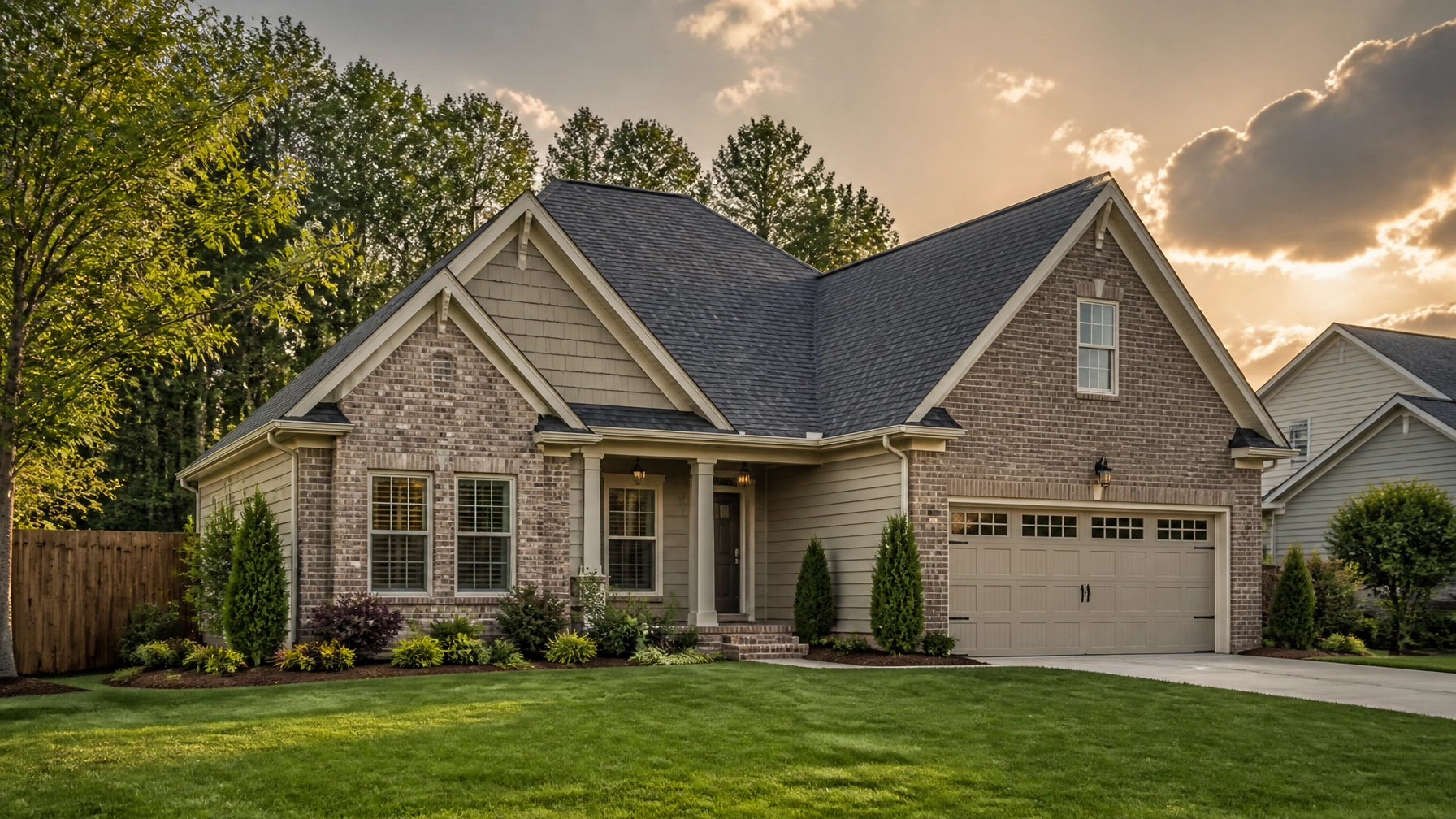
    The measurement is typically 90–95% accurate, making it a useful budgeting and comparison tool. It is not a substitute for a close visual inspection, especially when the claim involves hidden decking damage, flashing failure, or storm-created openings.

    Use the estimate to:

    • Check whether an adjuster’s roof area appears reasonable
    • Understand your likely out-of-pocket exposure
    • Compare shingle and metal options
    • Identify questions before meeting contractors
    • Create a documented starting point for your project budget

    You can also review the company’s metal versus shingles comparison before selecting a replacement material.

    Final Knoxville claim checklist

    Before closing your roof project, confirm that you have:

    • Reviewed ACV or RCV coverage
    • Reported the loss promptly
    • Recorded wind and hail damage safely
    • Saved storm evidence and all receipts
    • Compared the adjuster’s scope with a detailed estimate
    • Confirmed Knoxville or Knox County permit requirements
    • Verified contractor license and insurance
    • Tracked the policy’s proof-of-loss and suit deadlines
    • Submitted final invoices for recoverable depreciation
    • Kept copies of every claim document

    A well-organized claim gives you the clearest path to receiving the benefits your policy provides. Start with an accurate roof measurement, document the damage carefully, and let the policy: not pressure: drive your next decision.

    Completed residential roof replacement with detailed flashing and clean roof craftsmanship

    Frequently asked questions

    Will homeowners insurance pay for an old roof in Tennessee?

    It may pay when a covered event caused the damage. However, age, roof condition, exclusions, deductible, and ACV versus RCV terms can significantly affect the payment.

    How long do I have to file a roof claim in Tennessee?

    Report damage promptly. Many policies include a suit limitation of about one year from the date of loss, plus separate deadlines for proof of loss and RCV recovery. Check your policy immediately.

    Can I replace my roof before the insurance inspection?

    Take photographs first and notify the insurer. Emergency mitigation is different from permanent replacement. Avoid removing all evidence before the insurer has a reasonable opportunity to inspect unless immediate safety or water intrusion requires it.

    Does Knoxville require a permit for a roof replacement?

    A major reroof commonly requires a permit, especially when replacing more than approximately 25%, changing materials, or modifying structural components. Confirm with the city or county office for your property.

    How fast can I estimate my Knoxville roof replacement cost?

    Get My Roof Estimate Now provides a satellite-measured estimate in under 60 seconds. It is free, requires no credit card, and gives a useful price range before an in-person contractor inspection.

  • Daily Weather Blitz – Slot 5: Lexington, KY : August 14, 2026: 103–107°F Heat Index, Dangerous Afternoon Heat & How Horse Country Climate Tests Your Roof’s Durability

    Daily Weather Blitz – Slot 5: Lexington, KY : August 14, 2026: 103–107°F Heat Index, Dangerous Afternoon Heat & How Horse Country Climate Tests Your Roof’s Durability

    Lexington and Fayette County are facing a dangerous afternoon heat pattern today, August 14, 2026. Daytime temperatures are expected to reach approximately 93–96°F, while humidity pushes the afternoon heat index into the 103–107°F range.

    The hottest conditions are likely during the afternoon. Pop-up thunderstorms may develop later in the day and continue into the evening, bringing heavy rain, sudden wind gusts, lightning, and localized hail.

    For homeowners in the Bluegrass region, this combination is more than uncomfortable. Repeated heat, humidity, intense sunlight, and summer storms can shorten a roof’s service life: especially when small problems are already present.

    Today’s Lexington Weather at a Glance

    The National Weather Service forecast for the Lexington area calls for very hot conditions, high humidity, and a chance of showers or thunderstorms. Conditions can vary across Fayette County, particularly between open horse-farm areas, wooded suburban edges, and more densely developed neighborhoods.

    Plan for:

    • Daytime highs: Approximately 93–96°F
    • Afternoon heat index: Approximately 103–107°F
    • Humidity: High and oppressive
    • Storm timing: Pop-up showers and thunderstorms during the afternoon and second half of the day
    • Primary storm risks: Heavy rain, lightning, localized hail, and strong wind gusts
    • Evening conditions: Still warm and humid, with storms possible

    Check the National Weather Service Lexington forecast before beginning outdoor work. A roof inspection or repair should be postponed if thunderstorms are nearby.

    How Lexington’s Climate Tests a Roof

    Lexington does not have the same climate as coastal Kentucky or the Deep South, but the Bluegrass region still produces significant seasonal stress. Roofs must handle hot summer sun, humid air, freezing winter temperatures, heavy rain, wind, and occasional hail.

    That repeated exposure affects several roof components.

    1. UV Exposure and Shingle Granule Loss

    Asphalt shingles absorb substantial solar heat during clear summer afternoons. Darker shingles can become significantly hotter than the surrounding air temperature.

    Over time, ultraviolet exposure and heat can contribute to:

    • Loose or missing granules in gutters and downspouts
    • Blistering or surface wear
    • Cracked, brittle, or curling shingles
    • Exposed fiberglass mat
    • Fading and loss of protective surface coatings

    Granules help protect the asphalt layer from sunlight and weather. When they begin washing away, the shingle becomes more vulnerable to accelerated aging.

    The risk is higher on roof sections with direct southern or western exposure, particularly where nearby trees do not provide afternoon shade.

    2. Thermal Cycling and Roof Movement

    A roof can heat rapidly during the day and cool quickly after sunset or during a passing storm. This repeated expansion and contraction is called thermal cycling.

    Thermal cycling places stress on:

    • Shingle seals
    • Fasteners
    • Flashing
    • Pipe boots
    • Ridge caps
    • Metal transitions
    • Sealants around chimneys and wall intersections

    One hot afternoon will not normally destroy a sound roof. The concern is cumulative stress over many seasons. A small opening around flashing can become a recurring leak once materials shrink, expand, or lose flexibility.

    3. Attic Heat Buildup

    An attic with inadequate insulation, blocked soffit vents, or poorly balanced ventilation can become substantially hotter than the outdoor temperature.

    Excess attic heat can:

    • Increase cooling demand
    • Dry out roofing materials
    • Stress the roof deck
    • Reduce shingle flexibility
    • Contribute to premature sealant failure
    • Increase the risk of moisture condensation when humid air enters the attic

    A durable roof system needs more than an exhaust vent. Intake and exhaust ventilation should be properly balanced, and the ceiling plane should be air-sealed so conditioned air does not leak into the attic.

    In some homes, a radiant barrier or other roof-side heat-control strategy can reduce radiant heat transfer. A qualified roofing or insulation professional should evaluate whether the existing attic assembly, local code, and manufacturer requirements support that upgrade.

    4. Humidity, Moisture, and Mold Risk

    Lexington’s summer humidity can expose weaknesses that are not visible from the ground. Moisture may enter through roof penetrations, damaged flashing, missing shingles, or wind-driven rain.

    Inside the attic, look for:

    • Dark staining on roof decking
    • Musty odors
    • Rusted nails or metal connectors
    • Damp insulation
    • Mold-like spotting
    • Water marks near valleys, chimneys, and bathroom exhaust penetrations

    Bathroom fans should exhaust outdoors: not into the attic. Air leaks around recessed lights, plumbing penetrations, and ductwork should also be sealed appropriately.

    Ventilation can help moderate attic temperatures when correctly designed, but it should not be treated as the only moisture-control strategy. Air sealing, insulation, proper underlayment, and effective drainage are equally important.

    Lexington Kentucky ranch home with new gray architectural shingles and visible soffit and ridge ventilation

    Summer Thunderstorms Bring More Than Rain

    Afternoon and evening storms around Lexington can develop quickly. A storm that appears distant may still produce damaging wind or hail in a specific neighborhood.

    Pay close attention to these roof risks:

    Hail Damage

    Hail may leave:

    • Bruised or soft areas on shingles
    • Circular impact marks
    • Cracked shingle surfaces
    • Damaged ridge caps
    • Dented metal vents and flashing

    Hail damage is not always obvious immediately. It may weaken the shingle and allow leaks to appear during the next heavy rain.

    Wind Damage

    Strong gusts can lift or loosen shingles, particularly along:

    • Rakes and eaves
    • Roof edges
    • Hips and ridges
    • Areas near large dormers
    • Previous repair locations

    Missing shingles should be addressed promptly. A temporary patch may reduce immediate water entry, but a professional should confirm whether surrounding shingles and underlayment were also affected.

    Trees Along Horse-Farm and Suburban Edges

    Lexington’s mature tree canopy is one of the area’s defining features. It also creates roofing hazards during storms.

    Large limbs can fall onto roof surfaces, while smaller branches can scrape shingles and clog gutters. Heavy foliage can also keep roof areas damp longer after rainfall, encouraging algae growth and hiding damaged areas from view.

    Homeowners should trim branches that contact or overhang the roof. Trees with dead limbs or visible structural problems should be evaluated by an arborist.

    Practical Roof-Durability Steps for Lexington Homeowners

    Use this checklist before and after the summer storm season:

    • Inspect attic ventilation: Confirm soffit intakes are not blocked by insulation, paint, or debris. Check that exhaust ventilation is correctly installed and balanced.
    • Review insulation and air sealing: Seal ceiling-plane penetrations and verify insulation is not damp or uneven.
    • Consider a radiant barrier: Ask a qualified professional whether a radiant barrier or reflective roof assembly makes sense for your attic.
    • Choose impact-resistant materials: Class 4 impact-resistant shingles can provide improved resistance to hail compared with standard products. They are not hail-proof, but may be worth evaluating in storm-prone areas.
    • Check flashing and sealants: Examine chimneys, skylights, plumbing vents, valleys, and wall transitions for cracked sealant or lifted metal.
    • Clean gutters and downspouts: Confirm that water can drain away from the roof and foundation.
    • Schedule post-storm inspections: Look for missing granules, lifted shingles, dents, exposed underlayment, and water stains after severe weather.
    • Trim nearby trees: Remove dead limbs and keep branches from rubbing against the roof.
    • Plan roof work during cooler hours: Roofing materials and attic spaces become difficult and unsafe to work in during peak afternoon heat. Early-morning work is generally more practical, subject to weather and contractor scheduling.

    Lexington Roof Replacement Cost Ranges for 2026

    Roof replacement pricing in Fayette County depends on roof size, pitch, complexity, material selection, tear-off requirements, ventilation upgrades, permits, and structural repairs.

    For a typical Lexington-area single-family home, realistic planning ranges are:

    • $7,500–$14,500 (Budget): Basic asphalt or 3-tab shingle replacement on a relatively straightforward roof
    • $8,500–$18,000 (Popular): Architectural shingles with improved dimensional appearance, warranties, and durability
    • $16,000–$28,000 (Premium): Metal roofing, including higher-end panels, upgraded flashing, and more specialized installation

    These are planning ranges, not firm bids. A steep roof, multiple valleys, dormers, chimney details, extensive tear-off, or damaged decking can raise the final cost.

    Our roof cost calculator explains how size, pitch, material, location, and tear-off affect pricing. You can also compare asphalt shingles with metal roofing before requesting contractor quotes.

    Modern Lexington Kentucky home with a matte bronze standing-seam metal roof after a summer thunderstorm

    Get a Lexington Roof Estimate in 60 Seconds

    If your roof is 15–30 years old, has visible granule loss, or was exposed to today’s storm activity, start with a clear replacement budget.

    Get My Roof Estimate Now uses satellite imagery to measure your roof’s size, pitch, and complexity. Enter your Lexington or Fayette County address and receive a free estimate in about 60 seconds: without a credit card or an initial contractor visit.

    You will see low-to-high pricing based on material options and regional costs, along with a path to connect with verified, licensed, and insured local contractors.

    Roof inspector reviewing a Lexington Kentucky residential roof after a summer thunderstorm

    Bottom Line

    Today’s 103–107°F heat index is a reminder that Lexington roofs operate under intense summer stress. Heat and UV exposure age shingles. Humidity increases moisture concerns. Pop-up thunderstorms add wind, hail, heavy rain, and tree-related damage.

    The best approach is proactive:

    1. Monitor attic heat and moisture.
    2. Maintain ventilation, insulation, and air sealing.
    3. Keep flashing, sealants, gutters, and trees in good condition.
    4. Inspect the roof after severe weather.
    5. Get an instant, property-specific estimate before a minor issue becomes an emergency.

    For a free satellite-powered estimate tailored to your Lexington-area home, visit getmyroofestimatenow.com.