Author: James Turner

  • Looking For a Mobile Roofing Contractor? Here Are 10 Red Flags for Spotting Storm Chasers

    In the wake of a Gulf Coast storm, the sound of chainsaws and hammers is a common occurrence in Mobile, Alabama. While many local contractors are ready to help you rebuild, a different breed of "professional" often arrives alongside the rain clouds: the storm chaser. These are out-of-state roofing companies that follow weather patterns, descending on neighborhoods to exploit homeowners in high-stress situations.

    Hiring a mobile roofing contractor shouldn’t feel like a gamble. Whether you are in Midtown, West Mobile, or Spring Hill, knowing how to distinguish a legitimate local professional from a predatory storm chaser is essential for protecting your home and your wallet. At Get My Roof Estimate Now, we believe transparency is the best defense. Before you sign any "emergency" paperwork, use our 60-second roof cost calculator to get an objective, satellite-verified baseline of what your project should actually cost.

    Here are the 10 critical red flags you need to watch for when vetting a mobile roofing contractor.

    1. Unsolicited Door-to-Door Solicitation

    Legitimate, established roofing companies in Mobile generally don’t need to knock on doors to find work, especially after a storm. Their schedules are usually packed with referrals and returning customers. If someone knocks on your door claiming they "just finished a neighbor's roof" and noticed damage on yours, proceed with extreme caution. This is the primary tactic used by storm chasers to find vulnerable leads.

    2. High-Pressure "Today Only" Tactics

    A favorite tool of the storm chaser is artificial urgency. They might claim that your insurance claim window is closing or that their special "discounted material rate" is only available if you sign a contract right now. Roofing is a significant investment: typically ranging from $8,000 to $25,000 for a standard 2,000-square-foot home. Any contractor who refuses to give you 24–48 hours to review a quote is likely hiding something.

    Close-up of wind-damaged architectural shingles on a residential roof, showing lifted edges and missing granules.

    3. Offering to "Cover" Your Insurance Deductible

    This is perhaps the biggest red flag in the industry. In Alabama, and most other states, it is illegal for a contractor to pay, waive, or "absorb" a homeowner’s insurance deductible. This practice is considered insurance fraud. If a contractor offers to "write off" your deductible in exchange for putting a sign in your yard or "referring neighbors," they are involving you in a fraudulent scheme that could jeopardize your entire claim.

    4. Out-of-State License Plates and Phone Numbers

    Check the trucks. If the contractor is claiming to be local but has plates from Ohio, Florida, or Texas, they are likely a mobile crew that travels across the country following storm damage maps. While some legitimate companies expand during disasters, a lack of a local (251) area code or a permanent physical office in the Mobile area makes it nearly impossible to hold them accountable if your roof leaks six months from now.

    5. Demanding Full Payment Upfront

    Never pay for a roofing project in full before the materials are on-site and the work has begun. A reputable contractor may ask for a modest deposit (typically 10-33%) to cover material costs, but a demand for the full amount upfront: especially in cash: is a sign that the "contractor" might disappear before the first shingle is pulled.

    6. Vague or "Open-Ended" Contracts

    Storm chasers often use simplified "authorization forms" that they claim are just for "talking to your insurance company." In reality, these are often binding contracts. A professional roofing estimate should be itemized and include:

    • Total Squares: The total area being covered (measured in 100-sq-ft "squares").
    • Material Specifics: Are they using Architectural Shingles (Popular) or 3-Tab (Budget)?
    • Scope of Work: Does it include a full tear-off, or are they just doing an overlay?
    • Warranties: Clear documentation for both manufacturer materials and workmanship.

    7. Lack of Alabama Licensing and Insurance

    Mobile homeowners must be diligent about verification. In Alabama, residential roofing projects exceeding $10,000 typically require an Alabama Home Builder License. Ask to see their license number and verify it through the Alabama Home Builders Licensure Board. Furthermore, if they cannot provide a current Certificate of Insurance (General Liability and Workers’ Comp), you could be legally responsible if a worker is injured on your property.

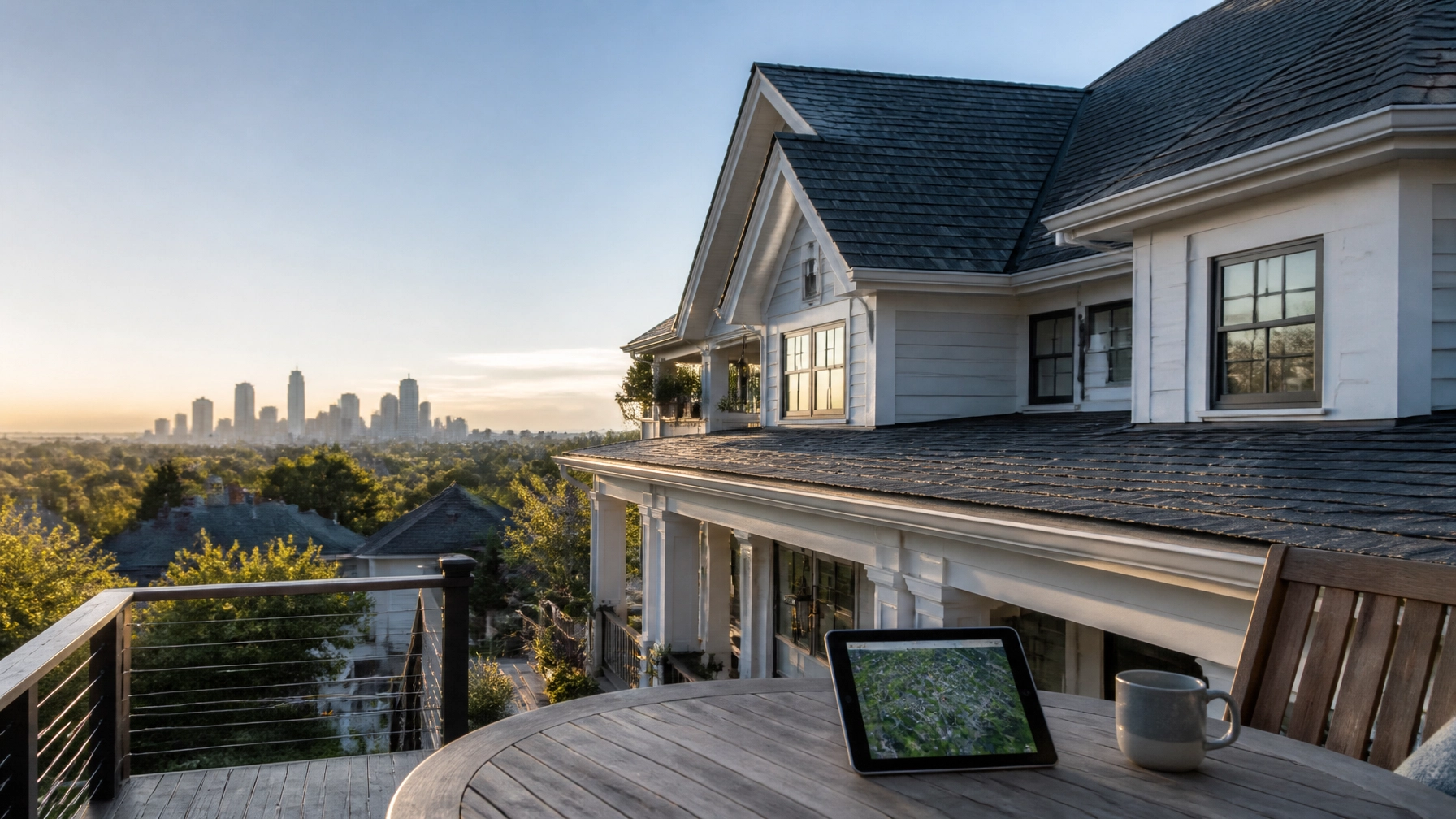
    A reputable local contractor using a tablet to show a homeowner a transparent, data-driven roof estimate with satellite imagery.

    8. Unusually Low "Too Good to Be True" Bids

    If the market average for a new architectural shingle roof in Mobile is roughly $4.50 to $6.50 per square foot, and a contractor quotes you $2.50, be wary. To hit that price, they are likely cutting corners on underlayment, reusing old flashing, or employing unskilled labor. Use an instant roof estimate tool to get an accurate price range based on current material costs in the Southeast.

    9. Resistance to Local Permits

    The City of Mobile requires permits for most roofing replacements to ensure the work meets high-wind coastal building codes. If a contractor tells you a permit "isn't necessary" or asks you to pull the permit as a "homeowner-builder," they are likely trying to avoid city inspections or lack the proper credentials to pull a permit themselves.

    10. They Claim to be "Insurance Adjusters"

    A roofer is not an insurance adjuster. While a good contractor can meet with your adjuster to point out damage, they cannot legally represent you in the negotiation of your claim unless they are a licensed public adjuster. Be skeptical of any contractor who says they can "handle everything" with the insurance company without your involvement.


    How to Protect Your Mobile Home

    Mobile is a high-wind zone, and your roof is your first line of defense against the next hurricane season. Don't let the stress of storm damage lead to a poor investment.

    Step 1: Get Your Own Data

    Before talking to any door-knockers, get an objective measurement. Our technology uses high-resolution satellite imagery to calculate your roof's size, pitch, and complexity with 90-95% accuracy. In under 60 seconds, you’ll know exactly how many "squares" your roof is and what a fair price looks like for:

    • Architectural Shingles (Popular): $9,000 – $13,000 (for an average 2,000 sq ft roof)
    • Metal Roofing (Premium): $20,000 – $28,000 (for an average 2,000 sq ft roof)

    Step 2: Vet the Contractor

    Ask for a local physical address. Check their Google reviews. A legitimate company like those in our vetted network will have a history of serving the Mobile area.

    Step 3: Compare Estimates

    Once you have your satellite-powered estimate from Get My Roof Estimate Now, compare it to the contractor's quote. If their square footage or pricing is wildly different from our data, ask them to explain the discrepancy.

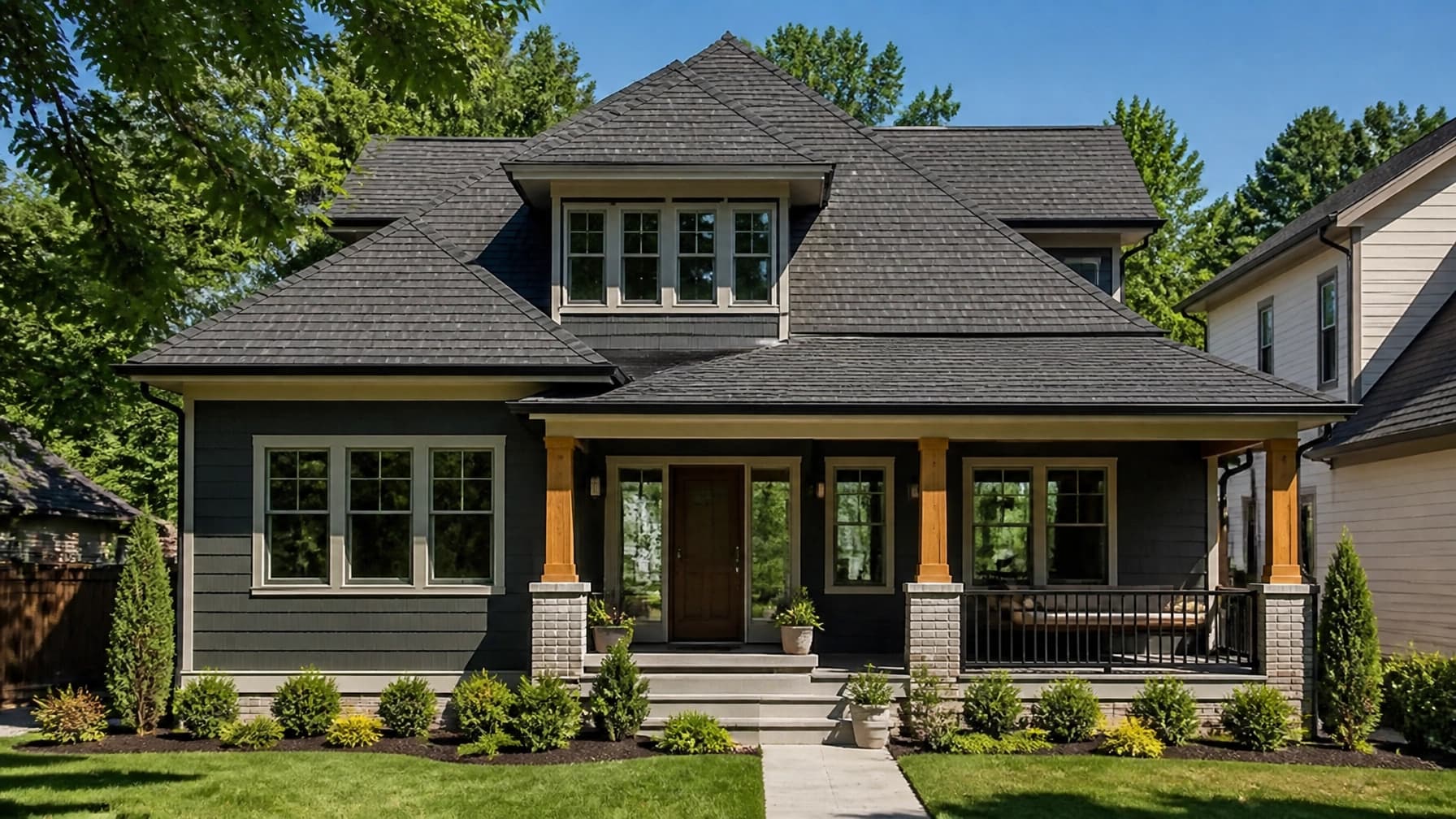
    A finished residential roof in Mobile, AL, featuring high-quality architectural shingles and professional flashing, boosting the home's curb appeal.

    The Port City Standard

    Mobile homeowners deserve better than storm-chaser tactics. By leveraging modern technology, you can skip the high-pressure sales pitches and get the facts first. Whether you're dealing with hail damage in Saraland or age-related wear in Daphne, start your roofing journey with a clear, honest number.

    Ready to see what your new roof should actually cost? Get your instant Mobile, AL roof estimate here.

  • 2026 Detroit Roof Pricing Explained in Under 3 Minutes (With the 8% Hike Factor)

    2026 Detroit Roof Pricing Explained in Under 3 Minutes (With the 8% Hike Factor)

    If you’re a homeowner in Detroit or the surrounding Metro area, you’ve likely noticed that the cost of everything: from a coney dog to a new car: has shifted. Roofing is no exception. As we move through 2026, the Detroit roofing market has seen a specific 8% hike in project costs compared to just a year ago.

    Whether you’re in a classic brick bungalow in University District or a sprawling ranch in West Bloomfield, understanding the "why" and "how much" of your roof replacement is essential for budgeting. At Get My Roof Estimate Now, we use advanced satellite imagery to give you an instant roof cost estimate in under 60 seconds, but we also want you to understand the data behind the numbers.

    Here is the breakdown of 2026 Detroit roof pricing, explained in under three minutes.

    The Detroit 2026 Price Bands

    Pricing for a roof in Detroit isn't one-size-fits-all. It depends on your square footage, material choice, and the complexity of your roofline. Below are the current market averages for a standard 2,000-square-foot home in Southeast Michigan.

    Category Material Type Price Range (Installed) Best For
    Budget 3-Tab Asphalt Shingles $9,500 – $11,500 Short-term fixes, rentals
    Popular Architectural Shingles $12,000 – $15,500 Standard residential durability
    Premium Standing Seam Metal $22,000 – $34,000 Lifetime protection, modern look
    Luxury Synthetic Slate/Cedar $35,000+ High-end historic restorations

    Note: These figures include the 2026 8% hike factor, which accounts for increased logistics costs and specialized Michigan-grade underlayments.

    Why the 8% Hike? Understanding Detroit’s 2026 Market

    You might be wondering why quotes are higher this year. It isn't just "inflation" as a buzzword; it’s a combination of three specific regional factors:

    1. Supply Chain Adjustments: While material availability has stabilized, the cost of transporting heavy shingles and metal panels to the Midwest has risen. Fuel surcharges and driver shortages have added a baseline 3-4% to material deliveries.
    2. Labor Specialization: Michigan’s climate: with its brutal freeze-thaw cycles: requires specific installation techniques. Contractors are paying higher wages to retain crews certified in "Ice and Water Shield" applications and high-wind fastening patterns.
    3. Updated Building Codes: 2026 has seen stricter enforcement of energy efficiency and ventilation codes in Wayne and Oakland counties. More ventilation (ridge vents and soffit updates) means slightly higher labor and material costs, but better long-term energy savings for you.

    Roofing professionals installing high-grade shingles on a Michigan home.

    Factors That Swing Your Detroit Estimate

    While the table above provides a baseline, your specific address in Detroit carries unique variables.

    The "Michigan Roof" Complexity

    Detroit homes, particularly those built in the early to mid-20th century, often feature steep pitches and multiple "valleys" (where two roof planes meet).

    • Simple Roofs (Ranch style): Easier to measure and faster to shingle. (Budget-friendly)
    • Complex Roofs (Tudor or Colonial): These require more flashing, more cutting, and more safety equipment. (Premium-priced labor)

    Tear-Off vs. Overlay

    In 2026, we almost exclusively recommend a full tear-off. While an "overlay" (putting new shingles over old ones) might save you 15-20% upfront, it’s a gamble in Michigan. Trapped moisture between layers can lead to deck rot during the winter. A full tear-off allows contractors to inspect the plywood decking and ensure your home is structurally sound.

    The "Snow Load" Variable

    Because Detroit averages over 40 inches of snow annually, your roof needs to be reinforced. The 2026 pricing reflects the inclusion of heavy-duty underlayments and drip edges that prevent "ice damming": a common cause of interior water damage in Southeast Michigan homes.

    Material Breakdown: What Should You Choose?

    Architectural Shingles (The Detroit Standard)

    These are the most common choice for Detroit homeowners. They offer a "3D" look that mimics wood shakes and come with 30-to-50-year warranties. In 2026, they remain the best balance between cost and curb appeal.

    Metal Roofing (The "Buy It Once" Choice)

    Metal roofing has surged in popularity in Metro Detroit. While the upfront cost is nearly double that of shingles, a metal roof can last 50-70 years. It sheds snow effortlessly, reducing the risk of ice dams. If you plan on staying in your home for 20+ years, metal is often the more economical choice in the long run.

    A modern Detroit-area ranch home featuring a sleek, durable metal roof.

    How Satellite Technology Saves You Money

    The old way of getting a roof estimate involved calling three different contractors, waiting for them to show up with a ladder, and sitting through an hour-long sales pitch.

    At Get My Roof Estimate Now, we’ve eliminated that friction. Using high-resolution satellite imagery, we measure your roof’s square footage, pitch, and orientation with 90-95% accuracy.

    • Speed: You get your estimate in 60 seconds.
    • Transparency: No hidden "contractor fees" or high-pressure sales tactics.
    • Accuracy: We factor in regional Detroit pricing and the current 8% hike automatically.

    By knowing your number before you talk to a pro, you’re in the driver’s seat. You can browse our latest blog posts to learn more about how to vet local Michigan contractors once you have your estimate.

    Planning Your 2026 Replacement: Timing is Everything

    If you want to beat the peak-season rush, timing matters.

    • Spring/Summer (Peak): Highest demand, highest prices. Contractors are often booked 4-6 weeks out.
    • Late Fall/Early Winter (Value): Some Detroit contractors offer "fill-in" discounts to keep their crews busy during the shoulder seasons. If the weather holds, you can often save 5% on labor by scheduling in November.

    Satellite measurement technology vs. real-world application.

    The Final Word: Don't Wait for the Leak

    A roof is your home’s first line of defense. In Detroit, a small leak in October becomes a major structural issue by March once the snow piles up and the ice dams form.

    According to data from sources like NerdWallet, the return on investment (ROI) for a new roof remains one of the highest in home improvement, often recouping 60-70% of its value upon the sale of the home. In a competitive market like Metro Detroit, a new roof is often the difference between a "Sold" sign and a home that sits on the market.

    Ready to see your number?
    Don't let the 8% hike catch you off guard. Get your transparent, satellite-powered estimate right now.

    👉 Get Your Free Detroit Roof Estimate in 60 Seconds


  • Contractor Vetting 101: A Mobile Homeowner’s Guide to Spotting Storm Chasers

    Contractor Vetting 101: A Mobile Homeowner’s Guide to Spotting Storm Chasers

    Living on the Gulf Coast means we’re no strangers to the occasional high-wind event or tropical storm. When the clouds clear and the debris is hauled away in Mobile, Alabama, a different kind of storm follows: the "storm chasers." These are out-of-state roofing crews that descend on coastal neighborhoods, preying on stressed homeowners with high-pressure tactics and "too good to be true" offers.

    At Get My Roof Estimate Now, we believe homeowners deserve transparency and speed without the sales pitch. Vetting a contractor shouldn't feel like a part-time job. This guide breaks down exactly how to spot a predator and how to use modern technology to take control of your roof replacement timeline.

    The Anatomy of a Storm Chaser: 5 Red Flags

    A storm chaser’s goal is volume, not quality. They want to sign as many contracts as possible, collect the insurance money, and move to the next city before the first leak appears. Look out for these warning signs:

    1. The Unsolicited Door Knock: If a roofer shows up at your door in Midfild or Spring Hill without an appointment, be wary. Professional local contractors are usually busy enough with referrals; they don't need to knock on every door in the zip code.
    2. The "Free Roof" or Deductible Waiver: If they offer to "eat" your deductible or promise a free roof through insurance, walk away. In Alabama, this is often considered insurance fraud. It’s a major legal risk for you and a sign the contractor is cutting corners elsewhere.
    3. Out-of-State License Plates: Check the trucks. If the plates are from Ohio, Texas, or Florida after a Mobile storm, you’re dealing with a chaser. When your roof leaks two years from now, that company will be long gone.
    4. Extreme Urgency: "I have a crew in the area right now, but only if you sign this 'authorization' today." This is a tactic to lock you into a contract before you can get a second opinion or use our roof cost calculator.
    5. Cash Upfront: No reputable roofer in Mobile will ask for the full payment before a single shingle is delivered. A reasonable deposit (typically 10-33%) is standard, but never pay the full balance upfront.

    Professional overhead satellite image of a residential roof with data overlays

    The Alabama Checklist: Documentation is Non-Negotiable

    Before you let anyone step onto your roof, they must pass the "Paperwork Test." Alabama has specific regulations to protect homeowners, and any legitimate local pro will have these documents ready to share.

    1. Alabama Home Builders Licensure Board (HBLB)

    In Alabama, any roofing project over $2,500 requires a license from the HBLB. Ask for their license number and verify it on the official state portal. If they claim they "work under someone else's license," that is a massive red flag.

    2. Insurance Verification (Budget: $0, Value: Priceless)

    Don't just take their word for it. Have the contractor’s insurance agent email you the certificates directly. If a worker falls off your roof and the contractor doesn't have Workers' Compensation, you, the homeowner, could be held liable.

    3. Local Permits in Mobile

    The City of Mobile requires building permits for most roof replacements. A legitimate contractor will pull the permit in their name, not yours. If they ask you to pull the "homeowner permit," they are likely unlicensed or trying to avoid accountability.

    Understanding the Costs: 2026 Mobile, AL Price Ranges

    Don't let a storm chaser inflate your claim. Knowing the ballpark figures for a standard 2,000-square-foot roof in the Mobile area allows you to spot a scam immediately.

    Material Type Estimated Cost (Per Sq. Ft.) 2,000 Sq. Ft. Project Total
    Architectural Shingles (Popular) $4.50 – $6.50 $9,000 – $13,000
    Standing Seam Metal (Premium) $10.00 – $14.00 $20,000 – $28,000
    Synthetic/Composite (Premium) $8.00 – $16.00 $16,000 – $32,000
    Roof Coatings (Budget) $3.00 – $3.75 $6,000 – $7,500

    Note: These ranges factor in current 2026 material costs and local labor rates for the Southeast. Complexity, pitch (steepness), and the number of stories will affect your final quote.

    Close-up section of a sleek charcoal grey standing seam metal roof

    Skip the Sales Pitch: Get a Satellite-Powered Estimate

    The old way of getting a roof estimate involved waiting three days for a contractor to show up, hearing a 45-minute sales pitch, and then receiving a quote that felt more like a negotiation than a service.

    At Get My Roof Estimate Now, we’ve digitized the process. Using high-resolution satellite imagery, we measure your roof’s size, pitch, and complexity with 90-95% accuracy, all within 60 seconds.

    • No Contractor Visit Needed Upfront: Get your numbers before you ever talk to a salesperson.
    • Transparent Pricing: We provide low-middle-high price ranges based on real-time material costs.
    • Verified Local Pros: We connect you with licensed and insured contractors in the Mobile area who have already been vetted for quality.

    The 60-Second Vetting Checklist

    If you are currently talking to a contractor, ask these four questions. If they hesitate, show them the door.

    1. "Can you provide three local references from projects in Mobile within the last six months?" (Chasers won't have local history).
    2. "Will you be pulling the permit under your company’s name?" (The answer must be 'Yes').
    3. "What is your Alabama Home Builders License number?" (Verify it immediately).
    4. "What specific manufacturer warranty is included with these materials?" (A pro will know their product inside and out).

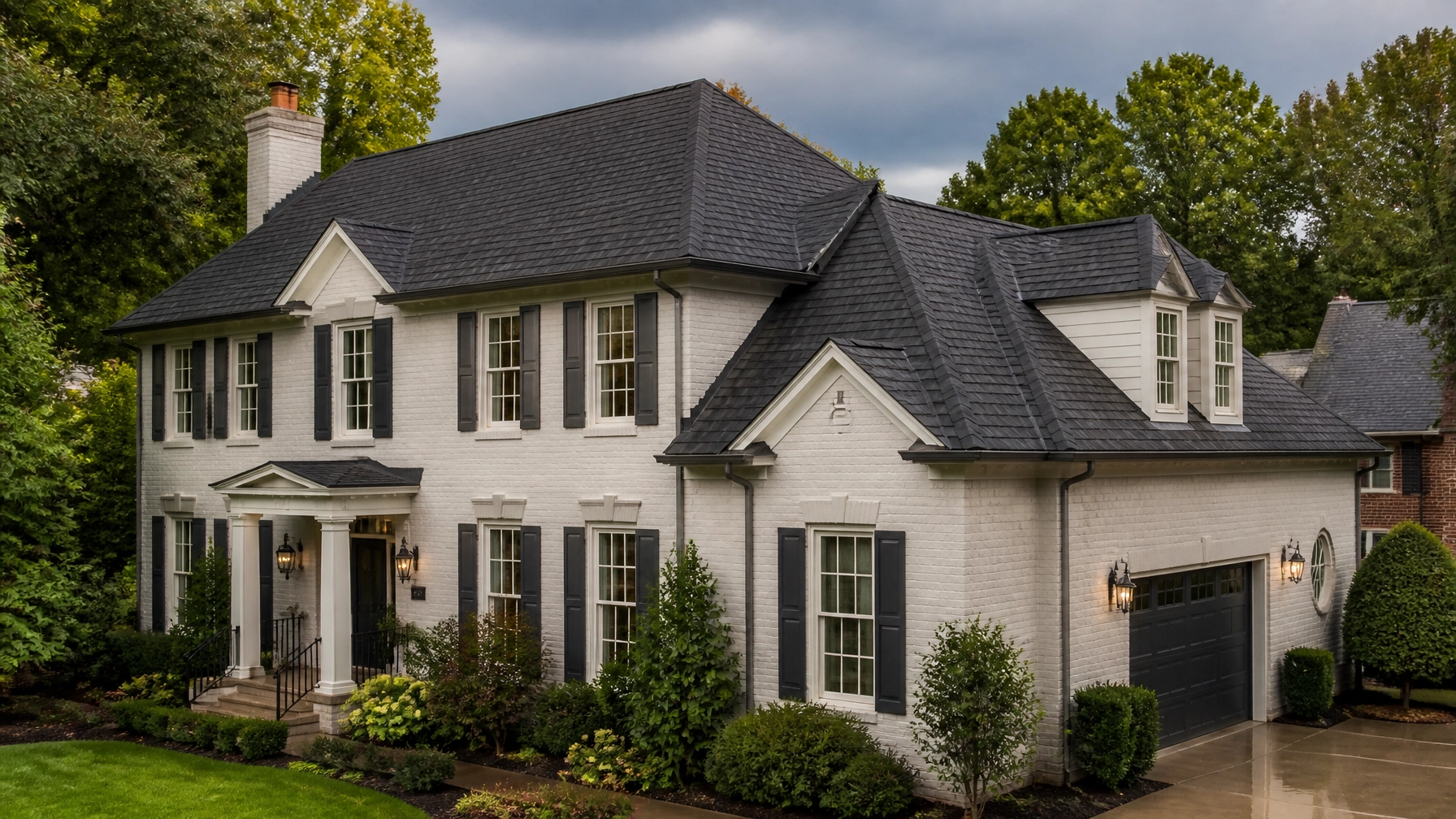
    Professional roofing crew working on a southern-style colonial home

    Final Thoughts for Mobile Homeowners

    Storm damage is stressful enough without the added risk of a bad contractor. By arming yourself with data and insisting on proper documentation, you protect your home’s value and your bank account. Use our satellite-powered tools to establish your baseline budget, and only work with contractors who respect your time and your property.

    Don't let a storm chaser take advantage of your situation. Stay local, stay informed, and get your estimate in 60 seconds or less.

  • The Ultimate Guide to Orlando Roof Replacement Cost: Everything You Need to Budget for 2026

    The Ultimate Guide to Orlando Roof Replacement Cost: Everything You Need to Budget for 2026

    If you are looking at your roof and seeing curling shingles or dark streaks, you aren’t alone. In Orlando, the combination of intense UV exposure and the annual hurricane season means roofs work harder here than almost anywhere else in the country. As we move into 2026, many Orlando homeowners are finding that the "ballpark prices" they heard a few years ago no longer apply.

    In this guide, we provide a direct, data-driven breakdown of what you can expect to pay for a roof replacement in the City Beautiful this year. Whether you’re in Lake Nona, Winter Park, or Dr. Phillips, the pricing variables remain the same: size, material, and complexity.

    The Quick Answer: Orlando Roof Costs in 2026

    For a standard 2,000-square-foot home in Orlando, a full roof replacement typically costs between $11,000 and $30,000.

    The "sweet spot" for most homeowners: choosing high-quality architectural shingles: lands around $14,500 to $18,000. If you are upgrading to premium materials like metal or concrete tile (common in Spanish-style Orlando architecture), your budget will likely exceed $25,000.

    2026 Price Estimates by Material (2,000 Sq. Ft. Roof)

    Material Price Range (Total) Cost Per Sq. Ft. (Installed) Category
    3-Tab Shingles $9,000 – $12,500 $4.50 – $6.25 Budget
    Architectural Shingles $11,000 – $18,500 $5.50 – $9.25 Popular
    Standing Seam Metal $22,000 – $38,000 $11.00 – $19.00 Premium
    Concrete Tile $24,000 – $45,000 $12.00 – $22.50 Luxury
    Clay Tile $38,000 – $55,000+ $19.00 – $27.50 Luxury

    Why 2026 Pricing is Different in Central Florida

    Roofing costs are not static. In the last 24 months, several factors have influenced the Orlando market specifically:

    1. Stricter Building Codes: The Florida Building Code (FBC) continues to evolve. In 2026, requirements for secondary water barriers (underlayment) and specific nail patterns to meet higher wind-speed ratings are standard. These safety measures add about 5-8% to the labor and material cost compared to previous years but significantly lower your insurance premiums.
    2. Insurance Mandates: Many Florida insurance carriers are now refusing to renew policies for roofs over 15 years old. This has led to a surge in demand, which keeps local labor rates steady and competitive but rarely "cheap."
    3. Material Innovation: Modern shingles are now engineered with "cool roof" technology specifically for the Orlando sun, reflecting more UV rays to lower your AC bills.

    Close-up photography of high-quality architectural asphalt shingles installed on a roof.


    Breakdown of Popular Roofing Materials in Orlando

    Choosing the right material is a balance between your current budget and how long you plan to stay in the home.

    1. Architectural Shingles (The Popular Choice)

    Estimated Cost: $11,000 – $18,500
    This is the gold standard for Orlando homes. Unlike the flat 3-tab shingles of the past, architectural shingles are multi-layered, giving them a dimensional look and a much higher wind rating (usually up to 130 mph). They are designed to handle the rapid expansion and contraction caused by Orlando’s daily summer thunderstorms.

    • Pros: Cost-effective, 25-30 year lifespan, excellent curb appeal.
    • Cons: Not as durable as metal or tile in extreme hurricane-force winds.

    2. Metal Roofing (The Premium Upgrade)

    Estimated Cost: $22,000 – $38,000
    Metal roofs have seen a massive spike in popularity across Central Florida. Homeowners are realizing that while the upfront cost is higher, the longevity (40-70 years) and energy efficiency are unmatched. A "cool" metal roof can reduce cooling costs by up to 25% during those 95-degree July afternoons.

    • Pros: Hurricane resistant (up to 150+ mph), fire resistant, environmentally friendly.
    • Cons: Higher initial investment, can be noisy during heavy rain if not insulated properly.

    3. Concrete and Clay Tile (The Luxury Aesthetic)

    Estimated Cost: $24,000 – $55,000
    Common in neighborhoods like Baldwin Park or Celebration, tile roofs offer a timeless look. They are incredibly durable but also very heavy. If you are switching from shingles to tile, you may need a structural engineer to verify your home can handle the weight.

    • Pros: Virtually fireproof, lasts 50+ years, high resale value.
    • Cons: Most expensive option, fragile (walking on them can crack tiles), heavy.

    A hyper-realistic photo of a Mediterranean-style home in Orlando, Florida, featuring a new orange concrete tile roof.


    5 Factors That Will Swing Your Estimate

    When you use our roof cost calculator, we look at more than just square footage. Here are the technical variables that professional Orlando roofers factor into their quotes:

    1. Roof Pitch (Steepness)

    A flat or low-slope roof is easy to walk on. A steep roof (common in Tudor or Victorian-style homes) requires specialized safety equipment and significantly more time. Labor costs for steep roofs can be 20% to 50% higher than standard pitches.

    2. Number of Layers

    Florida code typically allows for only two layers of shingles. However, most reputable contractors recommend a "tear-off" down to the wood deck. If you already have two layers, the labor to remove and dispose of that extra weight will add roughly $1,000 to $2,500 to your bill.

    3. Plywood and Decking Repairs

    You won't know the true state of your roof until the old shingles are gone. In Orlando’s humid climate, "soft spots" or rotted plywood are common. Replacing a sheet of 4×8 plywood typically costs $80–$120 per sheet in 2026.

    4. Accessibility

    If your home is in a tight downtown Orlando lot where a dumpster cannot be placed close to the house, the extra labor to move debris will be reflected in the price.

    5. Skylights and Chimneys

    Every "penetration" in the roof is a potential leak point. Flashing these areas correctly takes precision. Expect to pay $300–$600 per skylight or chimney for proper sealing and integration.


    The Tech Advantage: How to Get an Estimate in 60 Seconds

    The traditional way to get a roof quote is a headache: you call three contractors, wait for them to show up (if they do), and sit through an hour-long sales pitch.

    At Get My Roof Estimate Now, we’ve eliminated that friction. Using high-resolution satellite imagery, we can measure your roof’s size, pitch, and complexity with 90-95% accuracy without ever stepping foot on your property.

    By entering your address into our system, you get:

    • Instant Pricing: Accurate ranges based on current Orlando material and labor rates.
    • Transparency: No hidden fees or "salesman surcharges."
    • Vetted Contractors: If you like the estimate, we can connect you with licensed, insured, and verified local Orlando roofing professionals.

    A ranch-style suburban home in Central Florida with a sleek, modern silver standing-seam metal roof.


    Orlando Homeowner Checklist for 2026

    Before you sign a contract, ensure your roofer meets these Florida-specific requirements:

    • Florida State License: Verify their license through the Florida Department of Business and Professional Regulation (DBPR).
    • Workers' Comp & Liability: In Florida, if a worker is injured on your property and the contractor isn't insured, you could be liable.
    • Hurricane Strapping: Ask if they will check and reinforce your roof-to-wall connections. This can often lead to significant discounts on your Florida homeowners insurance.
    • Manufacturer Certifications: Look for GAF Master Elite or Owens Corning Platinum Preferred status. This ensures the contractor is trained to install specific systems and can offer extended warranties.

    Final Thoughts

    A new roof is a significant investment, but in a city like Orlando, it's also your home’s primary defense against the elements. By budgeting for 2026 prices and using modern tools to verify your estimates, you can avoid overpaying and ensure your home stays dry for the next two decades.

    Ready to see what your roof should cost? Get your instant Orlando roof estimate here. It takes less than a minute, and no credit card is required.


  • The Ultimate Guide to Charlotte Roof Insurance Claims: Everything You Need to Succeed

    The Ultimate Guide to Charlotte Roof Insurance Claims: Everything You Need to Succeed

    If you live in Charlotte, you know the routine: a humid afternoon suddenly turns into a severe thunderstorm with hail the size of golf balls. Between April and September, Mecklenburg County sees an average of over 40 hail events annually. When those storms hit, your roof takes the brunt of the impact.

    Navigating a roof insurance claim in the Queen City can feel like a full-time job. Between decoding policy language and fighting for a fair payout, many homeowners settle for less than they deserve. This guide is your "Masterclass" on how to navigate the process, leverage modern technology, and ensure your insurance company pays for your new roof.

    Step 1: Immediate Post-Storm Assessment (The Evidence Phase)

    Insurance companies in North Carolina require proof that damage was caused by a specific, sudden event rather than general wear and tear. After a major storm hits areas like Myers Park, Ballantyne, or Dilworth, your first priority is documentation.

    • Exterior Visuals: Walk your perimeter. Look for missing, lifted, or "creased" shingles. If you have metal accents, check for dents.
    • Collateral Damage: Check your "soft metals." Dents in gutters, downspouts, window screens, or your AC unit are "smoking guns" for insurance adjusters. They prove the hail was large enough to cause structural damage to the roof.
    • Interior Signs: Inspect your attic and top-floor ceilings for water stains or peeling paint (Potential Leaks).
    • The Date: Note the exact date and time of the storm. NC insurers often cross-reference claims with local weather radar data.

    Close-up of hail damage on architectural shingles in Charlotte

    Step 2: Get Your Instant Benchmark Estimate

    Before calling your insurance company, you need to know what a full replacement actually costs in today's market. Many adjusters use outdated pricing software that doesn't account for the recent 15-25% spike in material costs.

    At Get My Roof Estimate Now, we provide a free roof replacement estimate in under 60 seconds. Our technology uses satellite imagery to measure your roof's size, pitch, and complexity with 95% accuracy.

    Current Charlotte Roofing Price Tiers (2026 Update)

    • Budget: $6,300 – $9,000 (3-Tab Shingles, basic underlayment)
    • Popular: $9,000 – $14,000 (Architectural Shingles, the Charlotte standard)
    • Premium: $18,000 – $28,000+ (Metal Roofing, Designer Shingles, or Slate)

    Having an accurate estimate in your hand before the adjuster arrives gives you the upper hand. If their initial offer is thousands below the market rate, you have the data to push back immediately.

    Satellite imagery measurement tool for accurate roofing estimates

    Step 3: Understanding Your Policy (ACV vs. RCV)

    In North Carolina, the type of policy you have determines how much money ends up in your pocket. Check your declarations page for these two acronyms:

    1. RCV (Replacement Cost Value): This is the gold standard. The insurance company pays what it actually costs to replace the roof today. They typically pay in two installments: an initial check (minus your deductible) and a second check (the "recoverable depreciation") once the work is finished.
    2. ACV (Actual Cash Value): This is a "Budget" style policy. They pay the depreciated value of the roof. If your roof is 15 years old, they will subtract 50-70% of the payout because of its age. You will likely have a significant out-of-pocket gap to bridge.

    Pro Tip: Look for a "Wind or Hail Deductible." In coastal-adjacent states like North Carolina, some policies have a separate, higher deductible (often 1-2% of the home's value) specifically for storm damage.

    Step 4: The Adjuster Meeting (Don't Go It Alone)

    Once you file the claim, the insurance company will send an adjuster to inspect the property. Never let an adjuster get on your roof alone.

    You should have a trusted Charlotte roofing contractor present during this meeting. A professional roofer speaks "adjuster language" and can point out technical nuances like:

    • Hail Bruising: Soft spots in the shingle mat that aren't visible from the ground.
    • Wind Uplift: Compromised adhesive seals that make the roof vulnerable to the next storm.
    • Code Requirements: Mecklenburg County building codes often require specific upgrades (like Drip Edge or Ice and Water Shield) that adjusters frequently "forget" to include in the initial scope.

    You can find more tips on selecting a contractor in our Roofing Blog.

    Step 5: Choosing the Right Materials for the Charlotte Climate

    If your claim is approved, you have a unique opportunity to upgrade your home’s protection and curb appeal.

    • Architectural Shingles (Popular): These are the most common choice in Charlotte neighborhoods like South End or NoDa. They offer a 30-year lifespan and can withstand winds up to 130 mph.
    • Metal Roofing (Premium): Increasingly popular in North Carolina for its longevity (50+ years) and energy efficiency. It reflects the intense summer sun, often lowering cooling costs by 10-25%.
    • Impact-Resistant Shingles (High-Performance): These shingles are specifically designed to withstand hail. Installing these may actually qualify you for a permanent discount on your homeowners insurance premiums.

    Modern Charlotte home with a premium charcoal metal roof

    Final Thoughts: Transparency is Key

    A roof replacement is a major investment, typically ranging from $9,000 to $22,000 for an average Charlotte home. The insurance process is designed to be technical, but it doesn't have to be overwhelming.

    By using satellite technology to get your estimate upfront, you eliminate the guesswork and ensure you aren't leaving money on the table.

    Quick Charlotte Claims Checklist:

    • Identify Damage: Check for missing shingles and gutter dents.
    • Get Your Benchmark: Use our 60-second estimator.
    • File Promptly: Most NC policies have a 1-year window to file.
    • Consult a Pro: Verify your contractor is licensed via the NC Licensing Board.
    • Review the Scope: Ensure all local Mecklenburg County codes are included.

    Ready to see what your new roof should cost? Enter your address here and get your satellite-powered estimate in 60 seconds.


  • 7 Mistakes You’re Making with Your Atlanta Roof Replacement Budget (and How to Fix Them)

    If you’re a homeowner in the Atlanta metro area, you know that our weather is anything but predictable. From the sweltering 90-degree humidity of July to the sudden hail and high-wind thunderstorms that roll through from March to August, your roof takes a beating.

    In 2026, the average cost for a roof replacement in Atlanta ranges from $8,000 to $21,000, with most homeowners landing right around $13,500 for high-quality architectural shingles on a standard 2,000 sq. ft. home. However, many Atlanta residents end up paying 20% to 30% more than necessary because of avoidable budgeting blunders.

    At Get My Roof Estimate Now, we use satellite imagery to provide instant, accurate pricing, so we’ve seen exactly where budgets go off the rails. Here are the seven most common mistakes Atlanta homeowners make when planning their roof replacement, and how to fix them before you sign a contract.


    1. Estimating by Floor Space, Not "Squares"

    The biggest mistake starts before the first shingle is even ordered. Many homeowners look at their home’s 2,000-square-foot footprint and assume they need 2,000 square feet of roofing material.

    The Fix: Roofing is measured in "squares" (one square = 100 square feet). Because of the roof’s pitch (steepness), overhangs, and complexity, a 2,000 sq. ft. floor plan often requires 28 to 32 squares of material.

    2. Ignoring Georgia’s Specific Wind & Hail Codes

    Atlanta isn't just hot; it’s a wind-prone corridor. Georgia building codes have specific requirements for "fastening patterns", basically, how many nails go into each shingle. If your roofer cuts corners here to save on labor and material costs, you risk your roof blowing off in the next spring storm, and your insurance might deny the claim.

    The Fix: Ensure your quote specifically mentions compliance with current Georgia wind uplift requirements. In 2026, many Atlanta jurisdictions also require Class 4 Impact-Resistant shingles (Premium) for certain insurance discounts.

    • Cost Impact: While these shingles add roughly $1,500–$3,000 to the budget, they can lower your annual insurance premiums by 15-25%.

    Comparison of high-quality architectural shingles versus basic 3-tab shingles, showing the thicker profile and better durability of the architectural option.

    3. The "Wait-and-See" Labor Cost Surge

    Atlanta’s labor market is highly seasonal. If you wait until you have an active leak during the rainy season (March–May), you will pay a premium. Contractors are busier, material demand is higher, and emergency repair fees kick in.

    The Fix: Budget for a replacement in the "shoulder seasons", late fall or early winter.

    • The Pro Move: Use a free instant roof estimate to lock in a budget range while your roof is still functional. Proactive planning allows you to vet contractors without the pressure of a bucket in your living room.

    4. Reusing Old Metal Flashing (The Penny-Pincher’s Trap)

    Flashing is the metal trim around your chimney, dormers, and valleys. Many low-bid contractors will offer to "inspect and reuse" old flashing to keep the quote low. In Atlanta's humid subtropical climate, old flashing is often the first point of failure.

    The Fix: Always budget for all-new flashing and drip edges.

    • Why it matters: Reusing $200 worth of old metal can lead to a $5,000 interior ceiling repair when a leak develops two years after your new roof is installed.

    5. Not Budgeting for the Decking "Discovery"

    When your old roof is torn off, there’s a chance the wood underneath (the decking) is rotted. Most standard estimates assume the decking is in good condition. If it’s not, you’ll face an "unexpected" bill for $80–$120 per sheet of plywood.

    The Fix: Set aside a 10% contingency fund specifically for decking repairs.

    • Data Point: On an average Atlanta home built in the 1990s, expect to replace at least 2–4 sheets of decking due to humidity-related wood rot near the eaves and valleys.

    A professional roofing crew installing new shingles on a suburban Atlanta home, demonstrating proper safety equipment and the technical process of a full tear-off.

    6. Picking the Cheap Shingle (ROI Failure)

    It’s tempting to choose 3-tab shingles (Budget) to save $2,000–$4,000 today. However, in the Atlanta heat, 3-tab shingles often fail within 12–15 years. Architectural shingles (Popular) are designed to last 25–30 years and significantly improve your home’s resale value.

    The Fix: Look at the "Cost per Year" rather than the total check.

    • 3-Tab: $9,000 / 15 years = $600/year
    • Architectural: $13,500 / 30 years = $450/year
    • The more expensive roof is actually the cheaper long-term investment.

    7. Failing to Use Satellite Measurement Tech

    Traditional contractors will drive to your house, climb a ladder, and manually measure with a tape. This takes time, introduces human error (which leads to "surprise" material shortages and costs), and often involves high-pressure sales tactics.

    The Fix: Use modern technology to verify your roof size.

    • Our Method: We use high-resolution satellite imagery accurate to within inches. This eliminates the guesswork and ensures the price we give you is based on the actual geometry of your home.

    An illustration showing satellite technology measuring a residential roof with precision lines and data overlays, highlighting the accuracy of modern roofing estimates.


    Atlanta Roofing Quick Facts & Costs (2026)

    Project Factor Typical Atlanta Range Context
    Average Project Cost $8,000 – $21,000 Total replacement (Labor + Materials)
    Material: Asphalt Shingle $3.50 – $7.00 / sq. ft. [Budget to Popular]
    Material: Metal (Standing Seam) $12.00 – $18.00 / sq. ft. [Premium]
    Permit Fees (City of Atlanta) ~$175 Based on project valuation
    Tear-off & Disposal $1,200 – $3,000 Standard 2,000 sq. ft. roof
    Labor Rates (Metro ATL) $75 – $95 / hour Higher in Buckhead/Midtown

    Frequently Asked Questions (FAQ)

    How long does a roof replacement take in Atlanta?
    Most standard residential roof replacements in the Atlanta area take 1 to 2 days. Larger, more complex roofs (over 3,500 sq. ft.) or those requiring significant structural repair may take 3 to 4 days.

    Is a permit required for a new roof in Atlanta?
    Yes. In the City of Atlanta and most surrounding counties like Fulton, Cobb, and Gwinnett, a building permit is required for a full roof replacement. Reputable contractors will handle the permit application and include the fee in your total estimate.

    When is the best time to replace my roof in Georgia?
    The best time is generally late autumn (October–November) or early spring (February–March). These windows avoid the extreme summer heat (which can damage new shingles during installation) and the peak of the spring storm season.

    Does insurance cover my roof replacement?
    If your roof has sustained damage from a specific event, such as a hail storm or a fallen tree during a thunderstorm, homeowners insurance typically covers the cost (minus your deductible). However, insurance does not cover roofs that have simply reached the end of their natural lifespan due to age.

    Get Your Accurate Atlanta Estimate Today

    Don't rely on guesswork or outdated manual measurements. Get a professional, satellite-powered roof estimate for your Atlanta home in under 60 seconds. No credit card required, no high-pressure sales: just the data you need to budget with confidence.
    Get My Free Estimate Now

  • How to Choose the Best Charleston Roofer (and Avoid Storm Chaser Scams)

    Charleston homeowners are no strangers to the "Lowcountry Lean": the resilience required to live in a city defined by its beauty and its vulnerability to the Atlantic. But after a major wind event or a summer hail storm, a different kind of threat arrives in the Holy City: the storm chaser.

    These out-of-state contractors descend on neighborhoods from Mount Pleasant to West Ashley, promising "free roofs" and high-pressure contracts. Choosing the wrong roofer doesn't just result in a poor-quality install; it can lead to insurance fraud, voided warranties, and legal headaches.

    In this guide, we break down exactly how to vet a Charleston roofing contractor and use data-driven pricing to ensure you aren't being overcharged.

    The "Storm Chaser" Playbook: 3 Red Flags to Watch For

    Storm chasers are professional sales organizations that follow weather patterns. They aren't roofers; they are recruiters who hire the cheapest possible labor to slap on a roof before they disappear to the next storm zone.

    1. The Unsolicited Knock

    If a contractor is at your door within 48 hours of a storm claiming they "noticed damage from the street," be on high alert. Reputable Charleston roofers are usually backed up with calls from existing customers after a storm. They don't need to go door-to-door.

    2. The "Free Roof" or "Deductible Assistance"

    In South Carolina, it is illegal for a contractor to offer to "waive" or "pay" your insurance deductible. This is considered insurance fraud. If a contractor suggests they can hide the deductible in their estimate, they are asking you to participate in a crime.

    3. Out-of-State Plates and Paperwork

    Check the trucks. If the area code on the side of the van isn't 843 or 854, or if the license plates are from Ohio or Florida, you are likely dealing with a transient crew. Ask for their physical office address: a P.O. Box or a "virtual office" in North Charleston isn't enough.

    Close-up photography of high-quality architectural asphalt shingles in a charcoal grey tone, demonstrating the texture and durability required for coastal wind resistance.

    Real Data: What Does a Roof Cost in Charleston, SC?

    Transparency is the best defense against a scam. Storm chasers often inflate their prices to the absolute maximum of what they think your insurance company will pay. By knowing the market rate, you can spot a predatory quote immediately.

    In the Charleston market, roof replacement costs generally fall into these brackets based on a standard 2,000–2,500 square foot roof:

    Category Material Type Price Range (Installed) Context
    Budget 3-Tab Shingles $7,000 – $9,500 Basic protection, shorter lifespan.
    Popular Architectural Shingles $10,000 – $16,000 Best value, high wind resistance.
    Premium Standing Seam Metal $22,000 – $45,000 Coastal longevity, hurricane-ready.

    On a per-square basis (a "square" is 100 square feet), expect to pay between $450 and $850 for quality shingles in South Carolina. If a quote is significantly higher without a clear explanation for complexity or premium materials, it’s a red flag.

    You can get an instant roof estimate for your specific address in about 60 seconds using our satellite imagery tool. Having this number in hand before you talk to a contractor shifts the power back to you.

    The Local Vetting Checklist

    Before you sign any "Assignment of Benefits" (AOB) or contract, verify these four items:

    1. SC Residential Specialty Contractor License

    In South Carolina, roofing contractors must be licensed through the SC Labor, Licensing and Regulation (LLR). Ask for their license number and verify it on the LLR website. A "handyman" or an unlicensed contractor cannot legally perform work over $200 in SC.

    2. Coastal-Specific Insurance

    Standard liability isn't enough. Ensure they have:

    • General Liability Insurance: (Minimum $1 million).
    • Workers’ Comp: To protect you if a worker is injured on your property.
    • Wind/Hail Endorsements: Specific to coastal regions like Charleston.

    3. Manufacturer Certification

    Top-tier roofers are often "Master Elite" (GAF) or "Platinum Preferred" (Owens Corning). These certifications mean the manufacturer has vetted the contractor’s financials and workmanship. It also allows them to offer extended warranties that uncertified "storm chasers" cannot.

    4. Knowledge of Charleston Building Codes

    Charleston has strict codes regarding wind uplift and hurricane strapping. A local expert will know that homes in "V-zones" (flood zones) or near the coast have different requirements than a home in Summerville.

    A modern coastal home in the Charleston area featuring a durable standing seam metal roof in a silver finish, designed to withstand high winds and salt air.

    Why "Instant" Beats "In-Person" for Vetting

    The traditional way to get a roof quote involves scheduling 3-4 contractors to visit your home. This gives high-pressure salesmen 45 minutes of your time to "close" you.

    By using Get My Roof Estimate Now, you bypass the sales pitch entirely. Our technology uses high-resolution satellite imagery to measure your roof's:

    • Square Footage: Accurate to within inches.
    • Pitch & Complexity: We factor in how many peaks and valleys you have.
    • Local Labor Rates: We use current Charleston-area data to provide a real price.

    This allows you to vet contractors based on their reputation and expertise, rather than being forced to rely on them for basic pricing information.

    Don't Let Your Roof Become a Coastal Casualty

    Living in the Lowcountry means being proactive. If you suspect storm damage: or if your roof is simply approaching the 20-year mark: don't wait for a knock on the door.

    Take 60 seconds to find out what your investment should actually look like. Use our free tool to get your baseline number, then call a trusted, local Charleston roofer to handle the rest.

    Professional roofing crew installing a new shingle roof on a traditional residential home, showcasing a clean worksite and proper safety equipment.

    Summary for Charleston Homeowners:

    • Avoid: Anyone who knocks on your door after a storm or offers to pay your deductible.
    • Verify: SC LLR License, local physical address, and manufacturer certifications.
    • Price: Expect $4-$8 per square foot for shingles in the 29401, 29403, and 29407 zip codes.
    • Tool: Use satellite measurements to get an accurate estimate before talking to a salesman.

  • 7 Mistakes You’re Making with Your 2026 Miami Roof Estimate (and How to Fix Them)

    7 Mistakes You’re Making with Your 2026 Miami Roof Estimate (and How to Fix Them)

    Getting a roof estimate in Miami isn't what it used to be. As we move into 2026, the combination of stricter building codes, rising material costs, and a tightening insurance market has turned a "simple quote" into a complex financial decision. In Miami-Dade County, your roof isn't just a cover for your home; it’s a high-performance system designed to survive 175-mph winds and six months of torrential rain.

    If you’re looking at a roof replacement in Miami this year, you’re likely seeing numbers between $10,000 and $28,000 for standard shingles, and upwards of $45,000 for premium metal or tile systems. But the price tag is only half the story. Most homeowners are making critical errors during the estimation phase that lead to failed inspections, denied insurance claims, and thousands in "hidden" costs later on.

    Here are the seven most common mistakes Miami homeowners make with their 2026 roof estimates, and exactly how you can avoid them.

    1. Ignoring HVHZ and NOA Requirements

    Miami-Dade is the heart of the High Velocity Hurricane Zone (HVHZ). This isn't just a label; it’s a legal designation that mandates the strictest roofing standards in the United States.

    A common mistake is accepting a "general" estimate that uses standard Florida building materials. In Miami, every single component of your roof, from the shingles and tiles to the nails and underlayment, must have a Miami-Dade Notice of Acceptance (NOA).

    The Fix: When you get an estimate, demand to see the NOA numbers for the specific products the contractor plans to use. If a roofer tells you "Florida Product Approval" is enough, they aren't qualified for Miami work. Using non-NOA materials can lead to a failed final inspection, meaning you might have to tear the whole thing off and start over.

    2. Choosing the Lowest Bid Without a Detailed Scope

    In a high-demand market like Miami, "budget" contractors often lure homeowners with low-ball estimates. These estimates are usually vague, missing critical details like decking replacement costs or flashing upgrades.

    • Budget Tier ($10,000 – $14,000): Often covers 3-tab shingles and basic felt underlayment (Risky).
    • Popular Tier ($17,000 – $22,000): Typically includes architectural shingles, high-quality underlayment, and all permits (Standard).
    • Premium Tier ($28,000+): Covers designer shingles, metal, or concrete tile with advanced warranties (Best Protection).

    The Fix: Never sign a contract that simply says "Replace Roof." Your estimate should be an itemized list including tear-off, disposal, underlayment type, drip edge, flashing, and a "per-sheet" price for plywood decking repairs. At Get My Roof Estimate Now, we provide transparent pricing breakdowns so you know exactly where your money is going before a contractor ever steps foot on your property.

    Mediterranean-style Miami home with a fresh terracotta tile roof

    3. Letting the Contractor Skip the Permit

    With the 2026 backlog of construction in South Florida, some contractors may suggest "saving time" by starting without a permit or asking you, the homeowner, to pull the permit. This is a massive red flag.

    If you pull the permit, you are legally responsible for the work. If the contractor skips the permit entirely, you have no official record of the roof's age or code compliance. This will come back to haunt you when you try to sell your home or renew your insurance.

    The Fix: The contractor must always pull the permit. It ensures that city inspectors will visit your home to verify that the roof meets HVHZ standards. No permit means no proof of protection.

    4. Overlooking the "Secondary Water Barrier"

    In Miami, it’s not a matter of if a hurricane hits, but when. The 2026 Florida Building Code places a heavy emphasis on the Secondary Water Barrier (SWB). This is a self-adhered underlayment that sticks directly to the wood deck. If your shingles blow off during a storm, the SWB is the only thing keeping your house dry.

    Many estimates skip this or use cheaper "staple-down" felt to keep the price low.

    The Fix: Ensure your estimate specifically mentions "self-adhered underlayment" or "peel-and-stick." While it adds about $1,000 to $2,500 to the total cost, it can save you tens of thousands in interior water damage and significantly lower your insurance premiums.

    Modern Miami house featuring a sleek standing-seam metal roof

    5. Misunderstanding the "25% Rule"

    Many Miami homeowners try to save money by doing a large repair instead of a full replacement. However, Florida law (the 25% Rule) states that if you repair more than 25% of a roof area within a 12-month period, the entire roof must be brought up to current code.

    The Fix: If your roof is over 15 years old and has significant damage, a partial repair is often a waste of money. Most insurance companies in 2026 won't even renew policies for asphalt roofs older than 15 years in South Florida. Use our Roof Cost Calculator to see if a full replacement fits your budget better than a series of expensive patches.

    6. Waiting Until a Leak Occurs

    The worst time to get a roof estimate is when water is dripping into your living room. In Miami’s rainy season, roofing crews are booked weeks in advance. Emergency repairs and "rush" replacements come with a 20-30% price premium.

    Furthermore, a leaking roof often means the wood decking underneath is rotting. What started as a $15,000 shingle job can quickly turn into a $20,000 job once the "hidden" wood damage is uncovered.

    The Fix: Be proactive. If your roof is nearing the end of its lifespan (15-20 years for shingles, 25-30 for tile), get an estimate now. Our satellite technology allows you to get an accurate pricing range in under 60 seconds without the pressure of a salesperson sitting at your kitchen table.

    Clean architectural shingle roof on a classic Miami ranch home

    7. Failing to Get a Wind Mitigation Inspection

    The biggest mistake happens after the roof is finished. Most Miami homeowners forget to order a new Wind Mitigation Inspection after the replacement. This document proves to your insurance company that your new roof has the latest hurricane straps, secondary water barriers, and HVHZ-compliant fasteners.

    The Fix: A Wind Mitigation Inspection costs about $150, but in Miami, it can slash your annual homeowners' insurance premium by 30% to 50%. Tell your contractor you want the "Final Inspection" paperwork and a Wind Mitigation report as part of the closing package.

    Summary of 2026 Miami Roofing Costs

    Material Type Estimated Cost (2,000 sq. ft.) Expected Lifespan Benefit
    Architectural Shingles $12,000 – $19,000 18–25 Years Cost-effective, Popular
    Concrete Tile $22,000 – $38,000 30–50 Years Classic Miami Look
    Standing Seam Metal $25,000 – $45,000 40–70 Years Best Wind Resistance
    TPO (Flat Roofs) $8 – $15 per sq. ft. 15–20 Years Modern, Energy Efficient

    The Bottom Line

    Miami roofing is a specialized field. Between the heat, the salt air, and the hurricane risks, you cannot afford to cut corners. By avoiding these seven mistakes, you ensure your home stays protected and your investment holds its value.

    Ready to see what a code-compliant, hurricane-ready roof will cost for your specific address? Don't wait for the next storm.

    Get your free, instant satellite roof estimate for your Miami home here.

    Colonial-style Miami house with a reflective white metal roof

    Frequently Asked Questions (FAQ)

    How much does a new roof cost in Miami in 2026?
    For a standard 2,000 sq. ft. home, expect to pay between $10,000 and $28,000 for shingles. Tile and metal roofs typically range from $25,000 to $45,000+ depending on complexity and material quality.

    Do I really need a permit for a roof repair in Miami?
    Yes. In Miami-Dade County, any significant roofing work requires a permit to ensure it meets the High Velocity Hurricane Zone (HVHZ) building codes.

    What is the best roofing material for South Florida?
    Metal roofing and concrete tiles are highly recommended for their longevity and wind resistance. However, high-quality architectural shingles are the most popular choice for balancing cost and protection.

    How long does it take to get a roof estimate?
    Traditionally, it takes 3-5 days to schedule a contractor visit. With Get My Roof Estimate Now, you can get a satellite-powered estimate in under 60 seconds.

    Will a new roof lower my insurance in Miami?
    Yes, significantly. A new roof that meets 2026 HVHZ standards, specifically with a secondary water barrier and proper hurricane clips, can result in substantial "Wind Mitigation" discounts on your policy.

  • The Ultimate Guide to Nashville Roof Insurance: Everything You Need to Succeed

    The Ultimate Guide to Nashville Roof Insurance: Everything You Need to Succeed

    If you live in Nashville, you know the drill. One minute it’s a beautiful 75-degree afternoon in Germantown, and the next, a wall of gray clouds is dumping golf-ball-sized hail over Davidson County. For homeowners, that sound of ice hitting the roof isn't just loud, it's expensive.

    Navigating the world of roof insurance in Middle Tennessee can feel like trying to drive through the I-40/I-65 split during rush hour: confusing, high-stakes, and full of people trying to cut you off. But here’s the truth: your homeowners insurance is a product you pay for every month. When a storm hits, you aren't "getting lucky" if they pay for a new roof, you are simply receiving the benefit you’ve already bought.

    This masterclass will show you exactly how to handle the Nashville insurance claim process, from the first hailstone to the final shingle.

    1. The Nashville "Storm Reality" (April – September)

    Nashville sits in a unique "humid subtropical" zone that makes it a magnet for severe weather. Between April and September, the risk of severe thunderstorms and tornadoes spikes. These events bring two main enemies to your roof: Hail and High Winds.

    • Hail (The Impact): Even small hail can knock the protective granules off your shingles. Once those granules are gone, the underlying asphalt is exposed to the sun, leading to rapid deterioration and leaks.
    • Wind (The Lift): Nashville’s frequent wind gusts can "crease" shingles or lift them entirely, breaking the sealant bond that keeps your home watertight.

    Pro Tip: If you see "bruises" or dark spots on your shingles after a storm, that’s hail damage. If you see shingles that look like they’ve been folded back, that’s wind damage. Both are typically covered by standard Tennessee homeowners policies.

    A close-up photograph of asphalt shingles showing significant hail damage with circular indentations and granule loss.

    2. Deciphering Your Policy: RCV vs. ACV

    Before you file a claim, you need to know what kind of coverage you have. This is the single biggest factor in how much money stays in your pocket versus how much you have to pull from your savings.

    Replacement Cost Value (RCV) – [Premium/Popular]

    Most modern policies in Nashville are RCV. This means the insurance company pays to replace your roof with a brand-new one of "like kind and quality" at today’s prices.

    • How it works: They send an initial check (the depreciated value), and once the work is finished, they send a second check for the "recoverable depreciation."
    • Your cost: Typically just your deductible.

    Actual Cash Value (ACV) – [Budget]

    Some older or "budget" policies only cover the depreciated value of the roof.

    • How it works: If your 20-year-old roof is destroyed, they only pay what a 20-year-old roof is worth today.
    • Your cost: Your deductible PLUS the thousands of dollars in depreciation.

    The Nashville Rule: Check your "Declarations Page." If you see "ACV" listed under your roof coverage, be prepared for a higher out-of-pocket cost.

    3. The 5-Step Claim Masterclass

    Timing is everything. In Tennessee, most policies require you to file a claim within one year of the "Date of Loss" (the day the storm happened). Wait too long, and your claim will be denied automatically.

    Step 1: Document Everything

    Immediately after a storm, take photos of your yard (if there’s hail on the ground), your gutters (look for dents), and any leaks inside.

    Step 2: Get a Professional Baseline

    Don't call the insurance company first. Get an objective measurement of your roof's size and potential cost. Using a service like our instant roof estimate tool gives you a data-backed price range based on satellite imagery. This ensures that when the insurance adjuster gives you a number, you already know if it’s too low.

    Step 3: File the Claim

    Call your insurer’s claims department. Provide the date of the storm and a brief description of the damage. They will assign an "Adjuster" to visit your home.

    Step 4: The Adjuster Meeting

    Never let an adjuster walk your roof alone. Have a trusted local roofing contractor there to meet them. Your contractor will point out "hail hits" and "wind creases" that the adjuster might "miss."

    Step 5: Review the Scope of Work

    The insurance company will send you a "Statement of Loss." This is a line-by-line breakdown of what they are paying for. Ensure they included things like:

    • Ice and Water Shield (Required by Nashville building codes)
    • Drip Edge
    • Ventilation upgrades

    A Nashville homeowner using a tablet to view an instant satellite-powered roof estimate, showing a satisfied expression.

    4. Nashville Roofing Costs: What to Expect

    If you are paying out-of-pocket or dealing with a high deductible, here is what the Nashville market looks like in 2026. Prices in Davidson County are slightly higher than in rural Tennessee due to labor demand and permit requirements.

    Tier Material Estimated Cost (2,000 sq. ft. roof) Expected Lifespan
    Budget 3-Tab Shingles $7,500 – $9,500 15-20 Years
    Popular Architectural Shingles $11,500 – $14,500 25-30 Years
    Premium Standing Seam Metal $20,000 – $28,000 50+ Years

    Note: These estimates factor in the humid Nashville climate, which requires high-quality underlayment to prevent algae growth.

    5. Avoiding the "Storm Chaser" Trap

    After a big storm in neighborhoods like East Nashville or Sylvan Park, you’ll see trucks with out-of-state plates knocking on doors. These are "storm chasers." They do the work fast, take the insurance money, and disappear.

    The Checklist for a Real Nashville Pro:

    1. State License: Verify them with the Tennessee State Board for Licensing Contractors.
    2. Local Address: Do they have a physical office in Middle Tennessee?
    3. Insurance: Ask for a current Certificate of Liability and Workers’ Comp.
    4. No Pressure: If they pressure you to sign a "contingency agreement" before you’ve even seen an estimate, walk away.

    How "Get My Roof Estimate Now" Simplifies the Process

    We started Get My Roof Estimate Now because we were tired of the "waiting game." Traditionally, you’d have to call three contractors, wait for them to show up, and wait another week for a quote, all before you even talked to insurance.

    With our satellite technology, we can measure your Nashville roof with 95% accuracy and give you a full price breakdown in under 60 seconds.

    Why this matters for your insurance claim:

    • Transparency: You get an objective "Third-Party" cost estimate to compare against the insurance adjuster’s numbers.
    • Speed: You can decide if a claim is even worth filing (is the damage higher than your deductible?) in one minute.
    • No Pressure: We provide the data; you decide how to use it.

    A modern suburban home in Tennessee featuring a sleek, charcoal-colored standing seam metal roof and high curb appeal.

    Final Thoughts for Music City Homeowners

    Your roof is the most important structural element of your home. In a city where the weather changes as fast as the setlist at a Broadway honky-tonk, you can't afford to guess.

    Whether you’re in Franklin, Brentwood, or right in the heart of Nashville, being proactive after a storm is the key to a successful insurance claim. Use the technology available to you, vet your contractors, and don't take "no" for an answer if you know your roof is damaged.

    Ready to see what a new roof would cost for your Nashville home?
    Get your free, 60-second satellite roof estimate right here.


  • Charlotte Roof Replacement Cost Explained in Under 3 Minutes

    Charlotte Roof Replacement Cost Explained in Under 3 Minutes

    If you own a home in the Queen City, you know that our weather: from humid summer afternoons to sudden spring hailstorms: takes a heavy toll on your roof. When it’s time for a replacement, the first question is always: "How much is this going to cost me?"

    In Charlotte, NC, most homeowners spend between $6,000 and $22,000 for a full roof replacement. For a typical 2,000-square-foot roof using popular architectural shingles, the average price lands right around $9,000 to $14,000.

    At Get My Roof Estimate Now, we believe you shouldn't have to wait days for a contractor to show up just to get a ballpark figure. We use satellite imagery to provide instant roof estimates in under 60 seconds with 90-95% accuracy.


    The Charlotte Quick-Reference Cost Guide

    Roofing costs are calculated in "squares" (a 10×10 foot area, or 100 square feet). In the Charlotte market, prices are currently stable but reflect regional labor rates and material availability.

    1. Cost by Material Category

    Your choice of material is the single biggest factor in your final bill.

    Category Material Type Price Per Sq. Ft. (Installed) Total (2,000 Sq. Ft. Roof)
    Budget 3-Tab Asphalt Shingles $3.50 – $4.50 $7,000 – $9,000
    Popular Architectural Shingles $4.50 – $6.50 $9,000 – $13,000
    Premium Standing Seam Metal $10.00 – $16.00 $20,000 – $32,000
    Luxury Natural Slate or Tile $15.00 – $30.00+ $30,000 – $60,000+

    Close-up of high-quality architectural asphalt shingles

    2. Cost by Roof Size

    Not all homes are created equal. Use these ranges based on the actual surface area of your roof (which is often 20-30% larger than your home's interior square footage due to pitch and overhangs).

    • 1,500 Sq. Ft. Roof: $6,000 – $9,000 (Budget) | $12,000 – $18,000 (Premium)
    • 2,000 Sq. Ft. Roof: $8,000 – $12,000 (Budget) | $16,000 – $30,000 (Premium)
    • 2,500 Sq. Ft. Roof: $10,000 – $15,000 (Budget) | $20,000 – $40,000 (Premium)

    Why Charlotte Estimates Vary: The 4 "Hidden" Variables

    While square footage and material are the foundations of your estimate, four local factors can push your price toward the higher end of the range.

    1. Roof Pitch (The "Steepness" Factor)

    Charlotte’s historic neighborhoods, like Dilworth or Elizabeth, feature many homes with steep pitches. If your roof is too steep to walk on without safety harnesses, labor costs increase significantly. Steep roofs (8/12 pitch or higher) require more time and specialized equipment.

    2. Complexity and Waste

    A simple "up and over" ranch-style roof in Matthews will always cost less than a complex roof with multiple dormers, valleys, and chimneys in Ballantyne. More valleys mean more flashing and more material waste, which adds to the bottom line.

    3. Tear-Off Layers

    North Carolina building codes generally allow for two layers of shingles. However, most experts recommend a full tear-off to inspect the decking beneath. If your home currently has two layers of old shingles, expect to pay an additional $100 to $200 per square for the extra labor and disposal fees.

    4. Local Permits and Inspections

    Mecklenburg County requires permits for roof replacements. A reputable Charlotte contractor will handle the paperwork, but permit fees (usually based on the project value) will be factored into your total cost.

    Modern ranch-style home in Charlotte with a sleek black metal roof


    The Charlotte Climate Factor: Shingles vs. Metal

    Choosing a material isn't just about looks; it's about performance in the Piedmont region.

    • Architectural Shingles (The Gold Standard): These are the most common choice in Charlotte. They offer excellent wind resistance (up to 130 mph) and handle our high humidity well. Look for shingles with "Algae Resistance" to prevent those unsightly black streaks common in the South.
    • Metal Roofing (The Lifetime Investment): With Charlotte's intense summer sun, metal roofs reflect heat better than asphalt, potentially lowering your AC bills by 10-25%. They also stand up better to the hail that occasionally rolls through Mecklenburg County.

    Get a Precise Estimate in 60 Seconds: No House Call Needed

    The traditional way to get a roof estimate involves scheduling appointments, waiting for contractors to show up, and dealing with high-pressure sales pitches in your living room.

    Get My Roof Estimate Now changes that. We use advanced satellite imagery to measure your roof's exact dimensions, pitch, and complexity from above.

    1. Enter Your Address: We locate your home via satellite.
    2. Instant Measurement: Our tech calculates the "squares" with 90-95% accuracy.
    3. Transparent Pricing: You receive a detailed low-middle-high price range based on current Charlotte labor and material rates.

    No credit card is required, and you’ll have the data you need to budget for your project instantly.

    Satellite imagery measurement of a residential roof in Charlotte


    Charlotte Roofing FAQ: Quick Answers

    How much does a roof permit cost in Charlotte, NC?

    In Mecklenburg County, permit fees are typically tiered based on the total cost of the project. Most residential roof permits fall between $100 and $300. Your contractor should include this in their written quote.

    What is the best time of year to replace a roof in Charlotte?

    Spring (March-May) and Fall (September-November) are the peak seasons. The mild temperatures are ideal for shingle adhesion. While summer is possible, extreme heat can make shingles too soft to work on during midday.

    Does homeowners insurance cover roof replacement in Charlotte?

    If your roof was damaged by a specific event: like the hail storms common in the Piedmont or high winds from a tropical system: insurance may cover the cost minus your deductible. Normal wear and tear or "age-out" is generally not covered.

    How long does a typical roof replacement take?

    For most 1,500 to 2,500 sq. ft. homes in Charlotte, a professional crew can complete the tear-off and installation in 1 to 2 days, weather permitting.


    Ready to see your number?

    Don't guess what your new roof will cost. Get an accurate, satellite-powered estimate right now.

    Get Your Free Charlotte Roof Estimate Now