Category: Uncategorized

  • Daily Tech Blitz – Slot 7: How Satellite Tech Is Giving New Orleans an Edge

    Daily Tech Blitz – Slot 7: How Satellite Tech Is Giving New Orleans an Edge

    New Orleans is a city defined by its past: iron lace balconies, centuries-old live oaks, and the steady flow of the Mississippi. But as of July 2026, the Big Easy is quickly becoming the "Big Tech" of the South. From the Northshore to the heart of the French Quarter, satellite technology is no longer just something we watch on the news; it is actively reshaping how we protect our homes, manage our infrastructure, and plan for the future.

    For the modern homeowner, this "Satellite Edge" translates to more than just better GPS. It means precision, transparency, and a level of data-driven home maintenance that was impossible just five years ago. At Get My Roof Estimate Now, we’ve integrated this orbital power to give you an instant, accurate look at your home’s most critical defense: your roof.

    The Covington Powerhouse: Globalstar’s New Era

    The epicenter of this tech revolution isn’t in Silicon Valley; it’s right across the lake. In March 2025, Globalstar opened its state-of-the-art Satellite Operations Control Center (SOCC) in Covington, LA. This 10,000-square-foot facility didn't just bring 75 high-tech jobs to the region; it signaled that Louisiana is a permanent player in the global space economy.

    The stakes were raised even higher in April 2026, when Amazon announced its $11.6 billion acquisition of Globalstar. This move effectively bridges the gap between massive cloud computing and local satellite infrastructure. For New Orleans residents, this means more stable communication networks and a surge in local tech investment that trickles down to every service industry in the city: including home construction and roofing services.

    Watching the Delta from Space: The NISAR Mission

    While Covington handles the communication, the sky above the Mississippi River Delta is busy with scientific observation. In November 2025, the NASA-ISRO NISAR mission began capturing high-resolution radar imagery of our local landscape.

    An aerial, high-resolution view of the Mississippi River Delta near New Orleans, captured from a low-orbit perspective to monitor land movement and flood risk.

    This mission provides critical data on land deformation and subsidence: factors that every New Orleans homeowner knows all too well. By understanding how the ground moves under our feet, we can better predict how structures: and their roofs: will perform over time. This level of environmental precision allows companies to offer more tailored solutions for the unique challenges of the Gulf Coast.

    Closing the Digital Divide: SpaceX and the BEAD Grant

    Connectivity is the backbone of the "Satellite Edge." Through Louisiana’s BEAD (Broadband Equity, Access, and Deployment) grant, the state partnered with SpaceX to bring high-speed satellite broadband to 10,635 previously unserved homes.

    This isn't just about faster streaming. For homeowners in outlying parishes or areas with aging infrastructure, this connectivity allows them to access advanced digital tools like our roof cost calculator. You can now sit on your porch in a rural stretch of Plaquemines Parish and get a professional-grade roof estimate in under a minute: something that used to require a week of phone calls and contractor site visits.

    Precision Roofing: Measuring from 300 Miles Up

    At Get My Roof Estimate Now, we utilize the same high-resolution satellite imagery that is powering the New Orleans tech boom. We don't need to climb a ladder to tell you what your roof needs.

    A modern New Orleans roof being analyzed by a digital interface overlay, illustrating satellite-powered measurement technology with 90-95% accuracy.

    Why Satellite Estimates Win (Every Time)

    • Accuracy (Professional Grade): Our measurements are accurate to within inches (90-95% accuracy), factoring in the complex pitches and gables common in New Orleans architecture.
    • Speed (60 Seconds): You receive your pricing in less time than it takes to brew a pot of chicory coffee.
    • Transparency (No Hidden Fees): We provide a clear breakdown of costs based on your specific zip code and roof complexity.
    • Zero Pressure: No contractor visits your home until you are ready to move forward with a verified local pro.

    Navigating NOLA’s Roof Material Options

    The "Satellite Edge" also helps us calculate material costs with extreme local precision. Whether you’re protecting a historic Shotgun house or a modern suburban build in Metairie, the choice of material is your biggest budget factor.

    Material Type Category Best For Estimated Price Range
    Architectural Shingles (Popular) Standard residential homes; great wind resistance. $8,000 – $15,000
    Standing Seam Metal (Premium) Longevity and extreme storm protection. $18,000 – $35,000+
    Synthetic Slate/Tile (Luxury) Historic aesthetics with modern durability. $25,000 – $50,000
    Roof Coatings (Budget) Extending the life of existing flat roofs. $3,000 – $7,000

    Note: These ranges factor in regional New Orleans pricing, which can vary based on roof pitch and the number of "squares" (100 sq ft sections) measured by our satellite tech.

    The Future is Overhead

    As the Mississippi River Delta continues to be monitored by NISAR and as Globalstar/Amazon expands its Covington footprint, New Orleans is proving that a city built on water can thrive through the stars. Homeowners who embrace this technology save time, avoid the "contractor runaround," and make smarter financial decisions.

    A professional roofing crew installing a new standing-seam metal roof on a New Orleans home, using satellite-generated site plans for precision.

    If your roof is 15-30 years old, or if you’ve recently dealt with the wear and tear of a Gulf Coast storm season, don't wait for a ladder. Use the same satellite edge that Amazon and NASA are leveraging to protect your home.

    Ready to see what the satellites see? Get your instant New Orleans roof estimate here in 60 seconds or less.
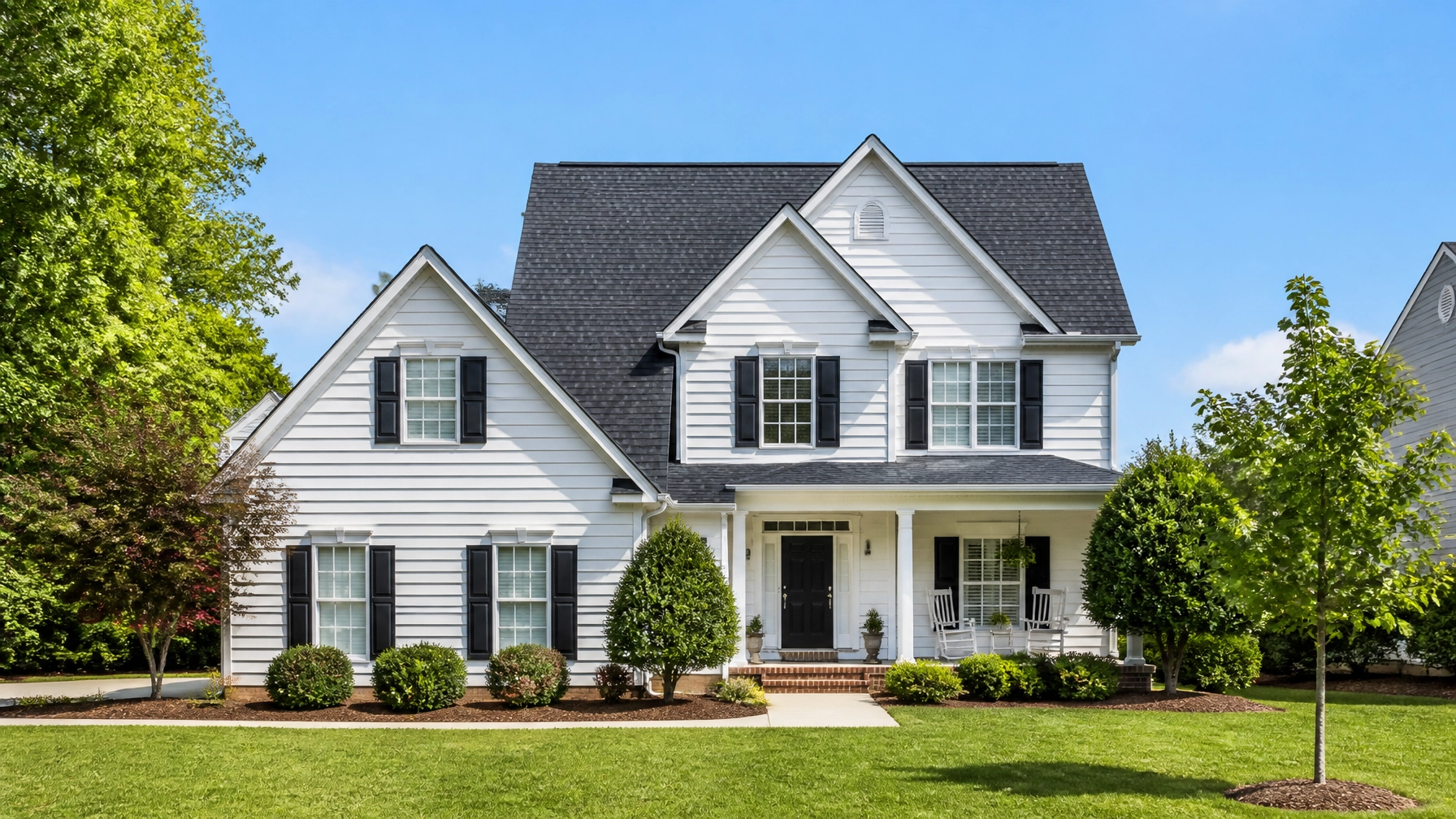
  • 2026 Roof Replacement Cost in Columbia, SC: Complete Pricing Guide for Midlands Homeowners

    2026 Roof Replacement Cost in Columbia, SC: Complete Pricing Guide for Midlands Homeowners

    For homeowners in the Midlands, a roof replacement is a significant but necessary investment. In 2026, the typical cost for a roof replacement in Columbia, SC ranges between $9,000 and $18,000 for a standard single-family home. While the regional average often sits comfortably between $12,000 and $16,000, your final price depends on specific variables like material choice, roof complexity, and current labor rates.

    At Get My Roof Estimate Now, we eliminate the guesswork. Using advanced satellite imagery, we provide instant roof estimates accurate to within inches, giving you a professional-grade budget in under 60 seconds: without a single contractor visit.


    2026 Pricing Breakdown by Material (Columbia, SC)

    Roofing costs in Columbia are often measured "per square" (a 100-square-foot area). In 2026, you can expect to pay between $4.50 and $10.25 per square foot installed, depending on the material grade.

    1. Architectural Asphalt Shingles (Popular)

    • Cost Range: $9,000 – $18,000
    • Average Project: $13,500
    • Pros: Most popular choice in South Carolina due to its balance of cost and durability. These shingles provide a dimensional look and superior wind resistance compared to older 3-tab versions.

    2. Standing Seam Metal Roofing (Premium)

    • Cost Range: $18,000 – $35,000+
    • Pros: Extremely durable, energy-efficient, and fire-resistant. Metal is becoming increasingly popular in the Midlands for its ability to reflect South Carolina’s intense summer heat.

    3. Luxury / Designer Shingles (Premium)

    • Cost Range: $15,000 – $22,000
    • Pros: Mimics the look of slate or wood shakes with the ease of asphalt maintenance.

    Close-up of high-quality architectural asphalt shingles showing deep texture and charcoal color.


    Key Factors Influencing Your Columbia Roof Estimate

    Not every 2,000-square-foot home costs the same. Several local factors unique to the Columbia climate and South Carolina building codes will impact your final quote:

    • Midlands Climate Impact: Columbia is known for its intense humidity and heat. This environment accelerates the growth of algae and moss. We recommend Algae-Resistant (AR) shingles, which include copper granules to prevent those unsightly black streaks.
    • Storm and Hail Exposure: Our region is prone to severe thunderstorms and occasional hail. Opting for Impact-Rated (Class 4) shingles can sometimes lower your homeowner’s insurance premiums in SC.
    • Roof Pitch and Complexity: A simple "ranch-style" roof with two flat planes is much cheaper to replace than a multi-story home with steep pitches, dormers, and valleys.
    • Decking Condition: If the wood underneath your shingles (the decking) is rotted from previous leaks, expect to pay $75–$120 per sheet of plywood for replacement.
    • Waste and Disposal: Tearing off two or more layers of old shingles increases labor and disposal fees significantly.

    Trusted Roofing Contractors in Columbia, SC

    When you are ready to move from a satellite estimate to a physical installation, it is vital to work with verified, licensed, and insured local professionals. Here are some of the most reputable names in the Midlands for 2026:

    1. Complete Roofing Systems: A GAF Certified Plus contractor with a BBB A+ rating, known for detailed 2026 pricing transparency.
    2. Sands Roofing & Construction: A TAMKO Diamond Elite contractor serving Columbia, Lexington, and Irmo. They offer a wide range of residential services from $8,500 to $28,000.
    3. Cola City Roofing: Local experts specializing in both architectural asphalt and premium standing seam metal installations.
    4. Rennison Roofing: A GAF Master Elite contractor with a long-standing reputation for high-quality workmanship and comprehensive warranties in the Columbia area.

    Modern farmhouse home with a durable, dark charcoal standing seam metal roof.


    How to Save on Your 2026 Roof Replacement

    Replacing a roof is a major expense, but Columbia homeowners can use these strategies to manage costs:

    • Schedule During Off-Peak Seasons: Aim for late winter or mid-summer. Most contractors are busiest in the spring and fall; booking during their "slow" periods can sometimes net you a 5-10% discount.
    • Get Multiple Bids: Never settle for the first quote. Use our instant calculator as your baseline, then compare it against 2-3 local contractor bids.
    • Check Insurance Eligibility: If your roof was damaged by a recent Midlands storm or hail event, your replacement might be covered by insurance. Have a professional inspector check for "unobservable" wind or hail damage before paying out of pocket.
    • Invest in Energy Efficiency: Compare metal vs. shingles to see how reflective roofing can lower your SCE&G/Dominion Energy bills during the brutal Columbia summers.

    Get Your 60-Second Columbia Roof Estimate

    Don't wait weeks for a contractor to show up just to give you a ballpark number. Technology has changed the way we buy roofs. By using satellite data, we can calculate your roof's exact size, pitch, and material needs instantly.

    Digital satellite view concept showing accurate roof measurements for a residential home.

    Ready to find out exactly what your 2026 roof replacement cost in Columbia, SC will be?

    Click Here to Get Your Free Estimate in 60 Seconds


  • Insurance Masterclass: How Greenville SC Homeowners Can Get Their Roof Replacement Covered in 2026

    Insurance Masterclass: How Greenville SC Homeowners Can Get Their Roof Replacement Covered in 2026

    Navigating the landscape of roof insurance in the Upstate has become significantly more complex in 2026. For homeowners in Greenville, SC: particularly across the 29607 zip code and surrounding areas: the combination of shifting insurance regulations and rising material costs has made transparency more valuable than ever.

    Replacing a roof is a major financial event. In Greenville, the average residential roof measures approximately 2,119 square feet (roughly 21.33 squares). For a standard 2,000 sq ft home using architectural shingles, you can expect a replacement cost between $9,000 and $15,000.

    If you are facing a replacement due to storm damage, getting that project covered by insurance requires a tactical approach. This 2026 Masterclass breaks down the local Greenville market data, the legal protections available to South Carolinians, and the modern technology that ensures you don’t overpay.

    The Greenville Roofing Market in 2026: By the Numbers

    Before filing a claim, you must understand the current market benchmarks. Greenville is considered a Tier 1 (baseline) market in the Upstate, but localized demand frequently impacts lead times and pricing.

    2026 Pricing Benchmarks

    • Asphalt Shingles (Budget/Popular): Approximately $6.28 per sq ft installed. For a typical Greenville home, the total range is $9,000–$16,000.
    • Metal Roofing (Premium): Expect a significant jump to $14,000–$28,000. While the upfront cost is higher, the longevity is superior for South Carolina’s humid climate.
    • Class 4 Impact-Rated Shingles (Smart Investment): Totaling $11,000–$19,000, these can often trigger insurance premium discounts in SC.

    Local Regulatory Requirements

    In South Carolina, any roofing project exceeding $5,000 requires a contractor to be licensed by the state. Additionally, Greenville homeowners must factor in permit fees, which typically range from $100 to $400 depending on the specific scope of work.

    Detailed close-up of high-quality architectural shingles being installed on a roof

    Understanding the South Carolina Insurance Shift

    Since late 2025, we have observed a significant coverage shift in Upstate SC insurance renewals. Carriers are increasingly moving older roofs (typically those 15+ years old) toward Actual Cash Value (ACV) coverage rather than Replacement Cost Value (RCV).

    Deductibles: Named Storm vs. All-Perils

    Homeowners in the Greenville area need to be acutely aware of their deductible structures:

    • Named Storm Deductibles: These often apply to hurricanes or major tropical events and are calculated as a percentage (2–5%) of your home's total dwelling coverage. If your home is insured for $400,000, a 2% deductible means you pay $8,000 out of pocket.
    • Non-Named Storm/All-Perils: These are typically flat deductibles ranging from $1,000 to $5,000.

    The Legislation Protecting You

    South Carolina provides some of the strongest consumer protections for policyholders in the Southeast. If you are struggling with a claim, keep these statutes in mind:

    • SC Code 38-59-40: Insurers must pay a valid claim within 90 days. If they unreasonably refuse or delay payment, they may be liable for your attorney fees.
    • SC Code 38-59-20: This statute prohibits unfair claim practices, such as failing to acknowledge communication or misrepresenting policy provisions.
    • Statute of Limitations: You generally have 3 years from the date of the property loss to file a lawsuit in South Carolina.

    Step-by-Step: The Greenville Insurance Claim Process

    Roughly 40% of recent roofing work in the Upstate is insurance-driven. To ensure your claim is among the successful majority, follow this sequence:

    1. Independent Inspection First

    Do not call your insurance company first. Start with an independent inspection. Using satellite-powered measurement technology, we can provide a measurement accurate to within inches without anyone ever setting foot on your property. This gives you a data-backed baseline before an adjuster arrives.

    2. Documentation and Photos

    Take timestamped photos of the exterior of your home and any visible shingle damage or interior leaks. Documentation is the currency of a successful claim.

    3. Filing the Claim

    Notify your carrier. Be prepared for an adjuster visit, but ensure you have your own contractor or professional estimate ready to present. Standard HO-3 policies in SC cover wind damage, but the burden of proof often lies with the homeowner.

    Modern metal roofing being installed on a ranch-style Greenville home

    When to Schedule Your Replacement

    Lead times in Greenville currently sit at 4–8 weeks, though these can double following major hail events. To avoid the rush and ensure the best labor availability, aim for these "Goldilocks" windows:

    • Spring: February through April.
    • Fall: September through November.

    Avoid the peak of summer if possible, as extreme heat can make asphalt shingle installation more difficult and lead times for the best crews are longest during these months.

    The Advantage of Satellite Accuracy

    The traditional method of getting a roof estimate: waiting days for a contractor to show up with a ladder: is obsolete in 2026.

    At Get My Roof Estimate Now, we leverage advanced satellite imagery to analyze your roof’s size, pitch, and complexity remotely.

    • Accuracy: 90-95% accurate measurements within inches.
    • Speed: Receive your comprehensive estimate in under 60 seconds.
    • Transparency: We provide low-middle-high price ranges for architectural shingles, metal, and coatings.

    For homeowners in Greenville (29607), this means you enter your address and instantly know if that $15,000 insurance payout is actually enough to cover a quality replacement.

    Satellite view of a Greenville neighborhood showing digital roof measurement overlays

    Conclusion: Take Control of Your Roof Replacement

    A roof replacement in Greenville is a significant investment, but with the right data, it doesn't have to be a hassle. Whether you are dealing with a 20-year-old roof reaching the end of its life or recent storm damage, transparency is your best tool.

    Don't wait for a contractor to call you back. Use our Roof Cost Calculator to get your free, instant estimate today. No credit card required, no high-pressure sales: just the facts you need to protect your home.

  • Daily ROI Blitz #12: How a New Roof Boosts Home Value in Atlanta, GA (2026 Data)

    Daily ROI Blitz #12: How a New Roof Boosts Home Value in Atlanta, GA (2026 Data)

    In the competitive 2026 Atlanta real estate market, curb appeal is no longer a luxury: it is a baseline requirement. As home prices in metro Atlanta continue to stabilize, savvy homeowners are looking for high-impact renovations that deliver immediate financial returns.

    Welcome to Daily ROI Blitz #12. Today, we are analyzing the specific financial impact of a roof replacement in the Atlanta metro area. Whether you are in a classic Virginia-Highland bungalow or a sprawling Buckhead estate, the data is clear: a new roof is one of the most effective ways to protect your equity and maximize your home's resale value.

    The Atlanta 2026 Roof Replacement Breakdown

    Understanding the numbers is the first step toward a smart investment. In 2026, roofing costs in Atlanta have seen a moderate increase due to material inflation, but the return on investment (ROI) has scaled accordingly.

    The Cost Realities

    For a typical single-family home in Atlanta, a full roof replacement generally ranges from $5,500 to $16,000.

    • Average Mid-Range Project: $9,000–$15,000.
    • Luxury/Complex Projects: $20,000–$35,000+.

    While these figures represent the upfront investment, the true "net cost" is significantly lower once you factor in the immediate boost to your home's market value.

    The Return on Investment (ROI)

    Recent 2026 data indicates that Atlanta homeowners can expect a typical ROI of 60–80% of the project cost recouped at the time of resale. However, certain Georgia-specific reports from the Georgia Association of Realtors show that in high-demand pockets, a new roof can yield up to a 108% ROI, effectively paying for itself and then some.

    On average, a new roof adds roughly $12,000 to $15,000+ in immediate resale value to an Atlanta property.

    A sharp, detailed close-up shot of high-quality architectural asphalt shingles installed on a residential roof in Atlanta.

    Neighborhood Impact: From Buckhead to Virginia-Highland

    ROI isn't uniform across the city. Your specific zip code dictates how much a buyer is willing to pay for the peace of mind that a new roof provides.

    • Upscale Neighborhoods (Buckhead, Virginia-Highland, Morningside): In these high-stakes markets, premium materials like metal roofing or heavy-duty architectural shingles are the standard. In these areas, a high-end roof replacement can yield an 85%+ ROI. Buyers here have zero tolerance for "fixer-upper" issues and will pay a premium for a turnkey exterior.
    • Suburban Growth Corridors (Alpharetta, Marietta, Sandy Springs): Standard architectural shingles (Popular) offer the best balance of cost and ROI. Buyers in these areas are often families looking for long-term stability and lower maintenance costs.

    A luxury estate in the Buckhead neighborhood of Atlanta, featuring a white brick exterior and a sophisticated new matte black metal roof.

    The Hidden Financial Benefits: Insurance and Energy

    The financial gain of a new roof isn't limited to the final sale price. Atlanta homeowners see immediate cash flow benefits through two primary channels:

    1. Insurance Premium Discounts (5–20%)

    Georgia insurers are increasingly proactive about mitigating risk. A roof older than 15-20 years is a liability in a state prone to sudden convective storms and high winds. By installing a modern, impact-rated roofing system, most Atlanta homeowners qualify for 5–20% discounts on their annual homeowners insurance premiums.

    2. Annual Energy Savings ($375–$750)

    Atlanta's heat is legendary. Older, dark shingles absorb thermal energy, forcing your HVAC system to work overtime. By switching to reflective, "cool roof" architectural shingles, you can save between $375 and $750 annually in cooling costs. Over a few years, these savings significantly offset the initial installation price.

    The Cost of Waiting: The "Old Roof" Penalty

    If you are planning to sell your home in the next 12-24 months, delaying your roof replacement is a high-risk gamble. In the current 2026 market:

    • Appraiser Adjustments: A failing or end-of-life roof can trigger a $4,000 to $12,000 downward adjustment by a professional appraiser.
    • The 3–5% Resale Hit: Homes with aging roofs often sit on the market longer and eventually sell for 3–5% less than comparable properties with new roofing. On a $500,000 Atlanta home, that is a $15,000 to $25,000 loss: far more than the cost of the roof itself.
    • Inspection Friction: Buyers today are research-oriented. A "roof near end of life" on an inspection report is the #1 reason for deal cancellations or aggressive "repair credit" demands at the closing table.

    Strategic Planning: When and What to Install

    To maximize your ROI, you must be strategic about the "When" and the "What."

    The "When" (Spring is King)

    The best time to replace your roof in Georgia is between March and May. Completing the project in the spring allows you to list your home during the peak summer buying season with a fresh, warrantied roof. It also avoids the peak summer heat which can complicate labor and shingle sealing.

    The "What" (Material Selection)

    • Architectural Shingles (Value): The "Standard" for ROI. They provide the look of cedar or slate at a fraction of the cost and are the most popular choice for Atlanta suburban homes.
    • Metal Roofing (Premium): Offers the highest long-term value and durability. While the upfront cost is higher, the "lifetime" nature of the product is a massive selling point for luxury buyers.
    • Synthetic/Coatings (Niche): Best for specific architectural styles or extending the life of a flat roof section.

    Get an Accurate Estimate in 60 Seconds

    The traditional way of getting a roof estimate: calling three contractors, waiting for them to show up, and sitting through a sales pitch: is obsolete.

    At Get My Roof Estimate Now, we use advanced satellite imagery to measure your roof with 90-95% accuracy. We factor in your specific Atlanta zip code, roof pitch, and material choice to provide a transparent, no-obligation price range in under a minute.

    A high-tech digital interface overlaying a satellite image of an Atlanta neighborhood showing precise roof measurements.

    Don't guess your home's equity. Know your numbers before you talk to a contractor or a realtor.

    Get Your Free, Instant Atlanta Roof Estimate Now


  • Satellite Tech Edge: New Orleans’ $11.6B Aerospace Surge and the Future of Precision Mapping

    Satellite Tech Edge: New Orleans’ $11.6B Aerospace Surge and the Future of Precision Mapping

    The aerospace landscape in Greater New Orleans is undergoing a seismic shift. While the region has long been associated with the heavy industrial might of NASA’s Michoud Assembly Facility, a new era of digital infrastructure is taking root across the lake in Covington. Anchored by a staggering $11.6 billion acquisition and cutting-edge radar missions monitoring the Mississippi River Delta, satellite technology in New Orleans is no longer just about space exploration: it is about the data-driven future of infrastructure, connectivity, and precision services for homeowners.

    At Get My Roof Estimate Now, we understand that the same satellite technology revolutionizing global communications is also the backbone of modern home services. The precision required to launch a satellite is the same precision we use to measure your roof within inches.

    The Covington Connection: Amazon’s $11.6B Globalstar Play

    The biggest news in the New Orleans aerospace sector is Amazon’s massive $11.6 billion deal to acquire Globalstar, headquartered in Covington, LA. This acquisition effectively transforms the Northshore into a strategic hub for Amazon’s "Leo" network (Project Kuiper).

    The move isn't just a corporate takeover; it’s an infrastructure expansion. The deal includes the integration of Globalstar’s Satellite Operations Control Center (SOCC), which will manage a fleet of Low Earth Orbit (LEO) satellites designed to provide direct-to-device (D2D) connectivity.

    Key Impacts of the Deal:

    • Economic Surge: The expansion is projected to create 75 new local tech jobs in the Covington area, specializing in satellite operations and network management.
    • Global Connectivity: By 2028, these Covington-managed satellites will power emergency and communication features for millions of devices, including the iPhone and Apple Watch.
    • Infrastructure Reliability: The integration provides a redundant, space-based communication layer that remains functional even when terrestrial towers fail during extreme weather events.

    A modern residential home in Covington, LA, featuring a newly installed architectural shingle roof.

    Precision Monitoring: The NASA-ISRO NISAR Mission

    While Amazon focuses on communications, NASA and the Indian Space Research Organisation (ISRO) are deploying the NISAR mission to tackle one of Louisiana’s most pressing issues: subsidence.

    The Mississippi River Delta is sinking, and its floodwalls are under constant pressure. The NISAR satellite uses advanced L-band and S-band radar to map the Earth’s surface deformation with millimeter-level accuracy. For the Greater New Orleans area, this means real-time data on the stability of levees, roads, and residential foundations.

    This level of precision mapping is the "Satellite Tech Edge." It allows engineers to predict where infrastructure might fail before it happens. In the same vein, we utilize high-resolution satellite imagery to identify the "health" and dimensions of your roof without ever setting foot on a ladder.

    Bridging the Digital Divide: BEAD and SpaceX

    Broadband Equity, Access, and Deployment (BEAD) funding is currently being deployed across Louisiana to ensure no parish is left behind. While fiber-optic cable is the primary focus for high-density areas, satellite tech remains the only viable solution for the state's most remote regions.

    In a significant push for connectivity, 10,635 rural locations across Louisiana are slated to receive high-speed broadband via SpaceX’s Starlink network as part of the BEAD initiative. This ensures that even in the deepest parts of the wetlands or the furthest reaches of the timberlands, residents have access to the same digital tools as those in the CBD: including our instant roof cost calculator.

    Close-up of a residential roof with a digital grid overlay showing satellite precision measurement technology.

    From Orbit to Your Roof: Why Precision Matters

    Homeowners in New Orleans, Covington, and Metairie are all too familiar with the volatility of Gulf Coast weather. When it’s time for a roof replacement, the old method of manual measurements is slow, prone to human error, and often requires multiple contractor visits.

    By leveraging the same satellite technology New Orleans is now a hub for, we provide a 60-second estimation process that is 90-95% accurate. We calculate based on:

    1. Total Square Footage: Measured in "squares" (100 sq. ft. areas).
    2. Roof Pitch: Analyzing the steepness from multiple angles.
    3. Complexity: Factoring in dormers, valleys, and chimneys.

    Local Roofing Material Breakdown (Greater New Orleans)

    Material Type Price Range (1,500 – 3,000 sq. ft.) Best For
    Architectural Shingles (Popular) $8,500 – $14,000 Standard suburban homes, cost-effective, high wind resistance.
    Standing Seam Metal (Premium) $18,000 – $32,000 Maximum durability, reflects heat, long-term ROI.
    Synthetic Slate/Shake (Luxury) $25,000 – $45,000 Historic aesthetics with modern durability and lower weight.
    Roof Coatings (Budget) $3,000 – $7,000 Extending the life of a flat roof (common in New Orleans doubles).

    For a deeper dive into which material suits your home best, see our comparison of metal vs. shingles.

    A residential home in a New Orleans suburb with a modern, high-quality standing seam metal roof.

    The Real-World Benefit for NOLA Homeowners

    The aerospace surge in New Orleans isn't just about high-tech jobs and satellites in the sky; it's about the democratization of data. When companies like Amazon invest billions in the region’s satellite infrastructure, it drives down the cost and increases the availability of the very data we use to help you budget for your home repairs.

    Why Satellite Estimates are the Future:

    • Speed: Get your quote in under 60 seconds.
    • Transparency: No high-pressure sales tactics or hidden "discovery fees" during the visit.
    • Accuracy: We use current-year satellite data to ensure our pricing models reflect local Louisiana material and labor costs.
    • Zero-Friction: No credit cards, no appointments, no hassle.

    Conclusion

    New Orleans is no longer just a port city or a tourist destination; it is a critical node in the global satellite network. From the $11.6 billion Globalstar deal in Covington to the 10,635 rural homes gaining broadband via the BEAD program, the Satellite Tech Edge is here to stay.

    At Get My Roof Estimate Now, we are proud to be part of this technological frontier, using precision mapping to make home maintenance faster, more transparent, and more accurate for every Louisianian.

    Ready to see the Satellite Tech Edge in action?
    Enter your address here and get your free, instant roof estimate in less than 60 seconds.

  • Daily Tech Blitz: New Orleans’ Satellite Tech Edge Is Reshaping the Big Easy

    Daily Tech Blitz: New Orleans’ Satellite Tech Edge Is Reshaping the Big Easy

    New Orleans has long been defined by its history, jazz, and resilient spirit. But as of July 2026, a new narrative is taking hold across the "Silicon Bayou." From the high-tech corridors of Covington to the manufacturing bays of New Orleans East, satellite technology is no longer just a concept for NASA: it’s an economic engine and a practical tool for every homeowner in the Crescent City.

    The Big Easy is currently at the center of a massive technological shift. With multibillion-dollar acquisitions and the manufacturing of the world’s next space station happening in our own backyard, the same satellite precision powering global communications is now being used to simplify home maintenance. At Get My Roof Estimate Now, we are at the forefront of this movement, utilizing high-resolution satellite imagery to provide instant, accurate roof replacement costs for New Orleans homeowners in under 60 seconds.

    The $11.6 Billion Shift: Amazon’s Acquisition of Globalstar

    In April 2026, the tech world was shaken by Amazon’s landmark $11.6 billion acquisition of Covington-based Globalstar. This move isn't just a corporate headline; it’s a massive endorsement of the technical talent in the greater New Orleans region. Globalstar, a pioneer in satellite communications, is now the cornerstone of Amazon’s "direct-to-cell" initiative.

    By integrating Globalstar’s LEO (Low Earth Orbit) constellation with Amazon’s global network, the region is becoming a hub for next-generation connectivity. For local residents, this means more than just better cell service in dead zones. It’s about job creation. Hundreds of high-tech engineering and operations roles are being anchored at the Globalstar control center in Covington, diversifying the local economy away from traditional sectors and toward the stars.

    Building the Future: Starlab at the Michoud Assembly Facility

    While Covington handles the signal, New Orleans East is handling the steel. Vivace International Corporation, operating out of the legendary Michoud Assembly Facility, has taken on a monumental task: manufacturing the primary structure for Starlab.

    As the International Space Station nears the end of its lifecycle, Starlab is positioned as its commercial successor. This private space station is being built right here in New Orleans. The project has already spurred the creation of hundreds of specialized manufacturing and aerospace jobs, cementing Michoud’s status as the "World’s Largest Toolbox."

    High-resolution satellite view over the Gulf Coast, symbolizing New Orleans' tech connectivity

    From Orbit to Your Rooftop: Satellite Technology New Orleans

    What does a space station or an $11.6 billion satellite merger have to do with your home? Everything.

    The same high-resolution imagery and precision tracking used by space agencies are the backbone of our service. Traditionally, getting a roof estimate in New Orleans was a week-long ordeal. You’d call multiple contractors, wait for them to show up (if they showed up), and then wait days for a written quote.

    In a city where storm damage and high humidity can turn a small leak into a major structural issue overnight, waiting is a luxury homeowners don't have. Get My Roof Estimate Now leverages this "Daily Tech Blitz" by using satellite measurements accurate to within inches (90-95% accuracy).

    How It Works in 60 Seconds:

    1. Enter Your Address: We pull high-res satellite data of your specific home.
    2. AI Measurement: Our technology calculates the exact square footage, pitch, and complexity of your roof.
    3. Instant Quote: You receive a transparent, tiered price range based on current local labor and material costs.

    No contractor visits. No high-pressure sales calls. Just data-driven transparency.

    The NOLA Reality: Why Precision Matters

    New Orleans homeowners face unique challenges. The combination of intense Gulf Coast humidity and the constant threat of tropical systems means that local roofs often have a shorter lifespan (typically 15-20 years) compared to the national average.

    Precision is critical because material costs in the South vary wildly based on current supply chain availability and storm demand. Using our roof cost calculator, you can see how different materials: from architectural shingles to premium metal: affect your bottom line in real-time.

    A digital overlay of satellite measurement lines on a residential roof, highlighting precision technology

    Data-Driven Estimates: New Orleans Roofing Costs (2026)

    To give you an idea of what to expect, we’ve broken down the current pricing benchmarks for a typical 2,000-square-foot roof in the New Orleans metro area.

    Category Material Type Estimated Price Range Best For
    Budget 3-Tab Asphalt Shingles $8,500 – $11,000 Rental properties or short-term fixes.
    Popular Architectural Shingles $12,000 – $18,500 Most homeowners (higher wind resistance).
    Premium Standing Seam Metal $22,000 – $35,000+ Maximum durability and energy efficiency.

    Note: These ranges factor in regional labor rates and current material surcharges. For a custom quote for your specific address, get an instant estimate here.

    Maximizing Your Investment: New Roof ROI New Orleans

    Is a new roof worth it? In the Big Easy, the answer is a resounding yes. According to recent real estate data, the New Orleans roof replacement home value increase is one of the highest in the country for exterior renovations.

    Why the ROI Is Higher in NOLA:

    • Insurance Stability: Following the insurance crisis of recent years, many Louisiana carriers will no longer cover homes with roofs older than 15 years. A new roof can be the difference between getting coverage or being forced into the state’s insurer of last resort.
    • Energy Efficiency: Modern "Cool Roof" technology and high-quality underlayments can reduce attic temperatures by up to 30 degrees during a New Orleans summer, leading to significant utility savings.
    • Resale Confidence: Potential buyers are wary of older roofs given our hurricane history. A certified new roof often yields an ROI of 65% to 80% at the time of sale.

    A modern New Orleans home with a sleek silver metal roof, showcasing durability and curb appeal

    Comparing Your Options: Shingles vs. Metal

    Choosing the right material is the biggest decision a homeowner will make. Given our climate, we often recommend comparing the long-term benefits of metal vs. shingles.

    • Architectural Shingles (Popular): These are the standard for most New Orleans neighborhoods. They offer excellent wind resistance (up to 130 mph) and come in various styles that match classic Southern architecture.
    • Metal Roofing (Premium): While the upfront cost is higher, metal roofs are essentially "lifetime" products in New Orleans. They offer superior protection against hail and high-velocity hurricane winds, and they reflect solar heat, which is vital in our climate.

    Conclusion: Embracing the Future of Home Care

    The tech blitz in New Orleans is about more than just satellites in orbit; it’s about making life on the ground easier, safer, and more transparent. Whether it’s Amazon investing in Covington or Vivace building the next space station at Michoud, the Big Easy is proving its worth as a global tech player.

    At Get My Roof Estimate Now, we are proud to bring this same level of innovation to your front door. You don't need a telescope to see the future of home improvement: you just need 60 seconds and a smartphone.

    Ready to see what the tech blitz means for your home? Get your instant, satellite-powered roof estimate now.


  • Daily Weather Blitz – Slot 5: Birmingham, AL : July 15, 2026: Heat, Humidity & What It Means for Your Home

    Daily Weather Blitz – Slot 5: Birmingham, AL : July 15, 2026: Heat, Humidity & What It Means for Your Home

    Welcome to Day 5 of our Daily Weather Blitz. Today, we’re focusing on "The Magic City": Birmingham, Alabama.

    If you stepped outside this morning in Jefferson County, you already felt it. As of mid-morning, July 15, 2026, the temperature is sitting at a mild-sounding 78°F, but with 86% humidity, the "feels like" index is already pushing 86°F. With a high of 84°F expected and a UV Index of 8 (Very High), the sun is doing more than just making you sweat: it’s actively taxing your home’s first line of defense: the roof.

    In Birmingham’s humid subtropical climate, your roof isn't just a cover; it’s a high-performance shield under constant atmospheric pressure. Here is what today’s weather means for your home’s durability and what you need to watch for as we head into a weekend where the heat index is forecasted to top 100°F.

    The Humidity Factor: Moisture’s Silent Siege

    With humidity hovering at 86%, Birmingham homes are currently sitting in a virtual steam room. For roofing materials, high humidity is a catalyst for two main issues: organic growth and material expansion.

    In Central Alabama, high relative humidity (consistently above 70%) creates the perfect breeding ground for Gloeocapsa magma: the bacteria responsible for those unsightly black streaks on asphalt shingles. These streaks aren't just an aesthetic problem; they hold moisture against the shingle surface, preventing it from drying properly after our frequent afternoon showers. Over time, this moisture retention can lead to premature granule loss and wood rot in the decking beneath.

    UV Radiation: The "Invisible" Roof Aging Machine

    Today's UV Index of 8 is classified as "Very High." While you’re reaching for the SPF 50, your roof is absorbing a relentless bombardment of ultraviolet radiation.

    • Asphalt Shingles (Budget to Popular): UV rays break down the asphalt oils that keep shingles flexible. In Birmingham, where summer sun is intense, shingles can reach surface temperatures of 150°F to 170°F. This causes the asphalt to become brittle. Once the oils are gone, the shingles crack and lose their protective granules.
    • Metal Roofing (Premium): Metal systems are significantly more resilient to UV. High-quality metal roofing uses "cool roof" coatings that reflect a majority of this radiation back into the atmosphere, keeping the material stable and the home cooler.

    Comparison showing a traditional asphalt shingle roof and a modern standing seam metal roof in a Birmingham neighborhood.

    The Afternoon Thunderstorm Test

    The forecast for today includes "slight rain showers" with "thundery showers possible." This is the classic Birmingham summer pattern. These quick, heavy bursts of rain test your roof’s structural integrity and drainage capacity.

    When 1-2 inches of rain falls in a 30-minute window, your gutters and valleys must move hundreds of gallons of water instantly. If your gutters are clogged with debris or your shingles are "bruised" from previous hail events, this is when small leaks become major interior damage.

    Pro Tip: If you see "granule sand" in your downspouts after today's rain, your shingles are likely reaching the end of their functional life. You can check your roof's current health and get an instant roof estimate in under 60 seconds using our satellite technology.

    Why Attic Ventilation is Your Roof’s Life Support

    In a climate like Birmingham’s, your roof is only as good as the ventilation beneath it. Without proper airflow, an attic can easily hit 140°F+ on a day like today.

    Close-up of a professional ridge vent installation on a shingle roof, ensuring proper attic ventilation.

    A "baked" attic does two things:

    1. Cooks the shingles from the bottom up: Extreme heat trapped in the attic accelerates the degradation of the shingle's internal structure.
    2. Increases cooling costs: Your AC has to work twice as hard to fight the heat radiating through your ceiling.

    A balanced ventilation system: using soffit vents for intake and ridge vents for exhaust: is mandatory for Birmingham homes. If your upstairs rooms feel significantly hotter than your downstairs today, your ventilation is likely failing you.

    Asphalt vs. Metal: The Birmingham Verdict

    In this region, the material you choose dictates your maintenance schedule:

    • Asphalt Shingles: Expected lifespan in Alabama is typically 20–25 years (even for 30-year rated products) due to the extreme heat and humidity. They are cost-effective upfront but require more frequent inspections for algae and wind damage.
    • Metal Roofing: These systems often last 40–70 years in the South. They are virtually immune to the algae streaks common in Birmingham and handle the expansion/contraction of 100-degree days much better than asphalt.

    A Birmingham home after a typical summer thunderstorm, with a wet roof reflecting the afternoon sun.

    5 Practical Durability Tips for Birmingham Homeowners

    1. Bi-Annual Gutter Clears: Ensure your gutters are 100% clear before the heavy summer storm season peaks in late July and August.
    2. Inspect the "Flashings": Check the metal around chimneys and vents. Heat causes these to expand and contract, which can pull them away from the roof and create entry points for water.
    3. Trim the Trees: Overhanging branches provide shade that encourages algae growth and can act as "whips" during a thunderstorm. Keep them at least 10 feet away.
    4. Check Your Attic Insulation: Ensure your insulation isn't blocking your soffit vents. Air needs to flow freely to keep the roof deck cool.
    5. Get a Baseline Estimate: Don't wait for a leak. Know what a replacement costs today so you can budget for the future.

    Ready to see where your roof stands?

    The weather isn't getting any cooler, and the humidity isn't going anywhere. Protecting your Birmingham home starts with accurate information.

    At Get My Roof Estimate Now, we use advanced satellite imagery to measure your roof's size, pitch, and complexity to within inches. No contractor visits, no high-pressure sales calls. Just the data you need in 60 seconds.

    Get your free, instant Birmingham roof estimate here.


  • Atlanta GA Roof Replacement FAQ: Quick Answers for Metro Atlanta Homeowners (2026)

    Atlanta GA Roof Replacement FAQ: Quick Answers for Metro Atlanta Homeowners (2026)

    Atlanta, Georgia, is more than just the "Capital of the South." From the historic Craftsman bungalows in Inman Park and Grant Park to the sprawling modern estates in Alpharetta and Marietta, our city's housing stock is as diverse as its residents. However, owning a home in the "City in a Forest" comes with specific roofing challenges. The combination of intense heat, high humidity, and the occasional violent spring thunderstorm means your roof works harder here than in many other parts of the country.

    If you are noticing missing shingles, leaks after a heavy downpour, or your roof is simply approaching the 20-year mark, you need fast, accurate answers. At Get My Roof Estimate Now, we use advanced satellite imagery technology to provide you with a transparent roof replacement estimate in under 60 seconds: no contractor visit required.

    Below are the most frequently asked questions from Metro Atlanta homeowners regarding roof replacement in 2026.


    1. What is the average roof replacement cost in Atlanta, GA, in 2026?

    For a standard 2,000-square-foot home in Metro Atlanta, the average cost for a full roof replacement in 2026 typically ranges between $9,000 and $15,000 for architectural asphalt shingles.

    Costs fluctuate based on several "Complexity Factors":

    • Roof Size (Squares): Measured in 100-square-foot units. A 2,000 sq. ft. roof is roughly 20 squares.
    • Pitch (Steepness): Steeper roofs require more safety equipment and labor, increasing the price.
    • Layers: If your home has two layers of old shingles, the "tear-off" labor cost will increase significantly.
    • Material Choice: Moving from asphalt to metal or tile can double or triple your investment.

    2026 Price Ranges for a 2,000 Sq. Ft. Atlanta Roof:

    • Budget (3-Tab Shingles): $7,800 – $9,500
    • Popular (Architectural Shingles): $8,200 – $16,800
    • Premium (Standing Seam Metal): $20,000 – $29,000
    • Ultra-Premium (Slate or Tile): $30,000 – $45,000+

    Close-up of high-quality architectural asphalt shingles showing multi-dimensional texture.

    2. Are roofing permits required in Atlanta/Georgia?

    Yes. In the City of Atlanta and most surrounding counties (Fulton, DeKalb, Cobb, Gwinnett), a building permit is required for a full roof replacement.

    • Cost: Permit fees typically range from $150 to $400, depending on your specific municipality and the total value of the project.
    • Responsibility: A reputable, licensed roofing contractor should handle the permit application for you.
    • Why it matters: Skipping a permit can lead to fines, issues when you try to sell your home, and may even give your insurance company a reason to deny future claims.

    Always ensure your contractor is registered with the Georgia Secretary of State and carries both General Liability and Workers' Compensation insurance.

    3. Does homeowners insurance cover roof replacement in Atlanta?

    In Atlanta, homeowners insurance typically covers roof replacement if the damage was caused by a sudden, accidental event: such as hail, high winds during a thunderstorm, or a fallen oak tree branch.

    • What’s Not Covered: General "wear and tear" or lack of maintenance. If your roof is 25 years old and simply leaking because the shingles have reached the end of their lifespan, insurance likely won't pay for it.
    • RCV vs. ACV: Check your policy. Replacement Cost Value (RCV) covers the full cost to replace the roof at today's prices. Actual Cash Value (ACV) only pays what the roof is worth today (depreciated value based on age).
    • The "Hail Belt": Atlanta sits in a region prone to hail. If a storm hits your neighborhood, have your roof inspected immediately. Even small hail can bruise shingles, leading to premature failure.

    4. How long does a roof replacement take in Atlanta?

    For most standard residential homes (1,500 to 3,000 square feet), a full roof replacement usually takes 1 to 3 days.

    • Day 1: Tear-off of old materials and inspection of the wooden decking. Any rotten wood is replaced.
    • Day 2: Installation of underlayment, flashing, and new shingles/metal.
    • Day 3: Final trim work, cleanup, and inspection.

    Complexity (multiple chimneys, steep gables) and weather (Atlanta's unpredictable afternoon thunderstorms) can extend this timeline. Our satellite-powered measurements ensure your contractor arrives with the exact amount of material needed, preventing delays.

    Satellite-powered roof measurement technology overlaying a residential rooftop with digital lines.

    5. What roofing materials are best for Atlanta's climate?

    Atlanta’s climate features intense UV exposure, high humidity, and heavy rain. Choosing the right material is a balance of aesthetics, budget, and durability.

    Material Type Longevity Best For… Atlanta 2026 Price Context
    Architectural Shingles 25-30 Years Most residential homes Popular – Best value for money.
    Standing Seam Metal 50+ Years Modern homes / Energy efficiency Premium – Excellent for heat reflection.
    Synthetic/Slate 50+ Years Historic homes (Buckhead/Inman Park) Ultra-Premium – Highest curb appeal.
    Class 4 Impact Resistant 30 Years Hail-prone areas Strategic – Can lower insurance premiums.

    Expert Tip: If you choose shingles, ensure they are "Algae Resistant" (AR). Atlanta’s humidity often leads to unsightly black streaks (Gloeocapsa magma) on roofs.

    6. How does Atlanta's red clay and humidity affect roofing?

    While we love our "Georgia Red Clay," it doesn't directly damage your roof. However, the humidity that often accompanies our climate is a significant factor.

    • Accelerated Aging: High humidity and "wet heat" can cause asphalt shingles to lose granules faster than they would in a drier climate. This can shorten the lifespan of a "30-year" shingle to about 20-22 years in the South.
    • Mold and Algae: The humid Metro Atlanta air promotes the growth of moss and algae, especially on North-facing slopes or roofs shaded by the city's many trees.
    • Ventilation is Key: Because of the heat, your attic can reach 150°F+ in July. Without proper intake and exhaust ventilation, that heat "bakes" your shingles from the inside out, causing them to curl and crack prematurely.

    A modern suburban ranch-style home in Marietta with a newly installed matte black standing seam metal roof.

    Get Your Atlanta Roof Estimate in 60 Seconds

    Planning a roof replacement doesn't have to start with three different contractors climbing on your house and taking up your entire Saturday.

    At Get My Roof Estimate Now, we’ve simplified the process. Using high-resolution satellite imagery accurate to within inches, we calculate your roof’s size, pitch, and complexity instantly.

    1. Enter your Atlanta address.
    2. Select your preferred material (Shingle, Metal, etc.).
    3. Receive a localized price range based on current 2026 Georgia labor and material costs.

    Ready to see what a new roof will cost for your home?
    Get Your Free Instant Estimate Here


  • Daily Weather Blitz – Tampa, FL: July 15, 2026 – Beating the Heat & UV on Your Roof

    Daily Weather Blitz – Tampa, FL: July 15, 2026 – Beating the Heat & UV on Your Roof

    Today in Tampa, Florida, the atmosphere is a heavy mix of intense radiation and high-octane humidity. While the overcast skies might suggest a break from the sun, don’t be fooled. We are tracking a high of 96°F (35.3°C) with a punishing UV Index of 8.85.

    For homeowners in Hillsborough County, these aren't just uncomfortable numbers: they are the primary drivers of premature roof failure. On a day like today, your roof isn't just sitting there; it’s under a chemical and physical assault. At Get My Roof Estimate Now, we use satellite technology to measure thousands of roofs in the Southeast, and we see the same pattern: Tampa roofs age up to 30% faster than those in the North.

    Here is your July 15, 2026, weather breakdown and what it means for your home’s most important defense system.

    Today’s Weather Impact Profile (Tampa, FL)

    • High Temperature: 96°F (Surface temperatures on dark shingles can exceed 160°F).
    • UV Index: 8.85 (Very High).
    • Precipitation: 30% chance of afternoon thunderstorms (Thermal shock risk).
    • Humidity: High (Accelerated organic growth and moisture trapping).

    1. The "Invisible Enemy": UV Photodegradation

    Even with 15th of July overcast skies, UV rays penetrate the cloud cover and hit your roof with significant force. Asphalt shingles are a complex mixture of fiberglass, mineral granules, and petroleum-based oils called maltenes. These oils are what keep your shingles flexible and "sticky" enough to hold onto their protective granules.

    When the UV index hits nearly 9.0, it triggers a process called photodegradation. The UV radiation breaks the chemical bonds in the asphalt, causing those essential oils to evaporate (volatilization).

    The Result:

    • Brittleness (High Risk): Your shingles lose their ability to flex.
    • Granule Loss (Immediate): As the asphalt dries out, it loses its grip on the mineral granules. If you see "sand" in your gutters today, your roof is shedding its UV armor.
    • Accelerated Aging: A single week of this intense exposure can equal a month of wear in milder climates.

    Macro close-up of aging shingles showing UV-induced granule loss and brittleness


    2. Thermal Shock: The Afternoon Thunderstorm Cycle

    Tampa’s forecast today includes a 30% chance of afternoon thunderstorms. While the rain provides a temporary cooling sensation for you, it can be brutal for your roof.

    Throughout the morning, the 96°F air temperature drives your roof surface temperature toward 150°F–170°F. This causes the materials (wood decking, metal flashings, and asphalt shingles) to expand. When a sudden Florida downpour hits, the temperature of those materials can drop 60 degrees in less than 10 minutes.

    This rapid contraction is known as thermal shock. Over time, this constant "breathing" stresses the seals around your chimneys, vents, and fasteners. Eventually, the seals break, and that’s when the leaks start.


    3. Humidity and the Ventilation Crisis

    High humidity combined with the intense heat creates a pressure cooker inside your attic if it isn't properly ventilated. In Tampa, poor attic ventilation is the #1 cause of "cooked" shingles.

    If your attic cannot breathe, the trapped heat bakes the shingles from the underside while the sun bakes them from the top. This "double-sided" heating accelerates the curling and cupping of shingles, often voiding manufacturer warranties. Furthermore, the high humidity can lead to mold and mildew growth on the plywood decking, compromising the structural integrity of the entire system.

    Action Tip: Check your ridge vents and soffits. If your second floor feels significantly hotter than your first, your ventilation is likely failing.

    Interior of an attic showing modern ventilation and solar-powered fans to combat Florida heat


    4. The Financial Reality: Tampa Roofing Costs in 2026

    In 2026, the cost of labor and materials in Florida remains higher than the national average due to strict building codes and high demand. Waiting until a leak appears usually results in emergency repair costs and potential interior damage.

    Based on our real-time cost data for the Tampa-St. Petersburg-Clearwater area, here is what you can expect to pay for a standard 2,000 sq. ft. roof replacement:

    Material Type Price Range (Installed) Durability Rating
    Architectural Shingles (Popular) $9,000 – $13,000 Good (15-20 years in FL)
    Standing Seam Metal (Premium) $20,000 – $28,000 Excellent (40-70 years)
    Concrete/Clay Tile (Premium) $22,000 – $35,000 Excellent (50+ years)
    Roof Coatings (Budget) $6,000 – $8,000 Short-term (5-10 years)

    Note: These ranges factor in regional labor rates and current material surcharges for the 2026 season.


    5. Beating the Heat: Materials That Last in Florida

    If your roof is 15–20 years old, today’s heat might be the "last straw." When considering a replacement, Tampa homeowners should look for materials specifically engineered for high-UV environments.

    Reflective "Cool" Shingles (Popular Choice)

    Modern architectural shingles now come with "cool roof" technology. These granules are designed to reflect a higher percentage of the sun's rays, keeping the roof surface: and your attic: significantly cooler. This can reduce energy bills by up to 15% during peak summer months.

    Standing Seam Metal (Premium Choice)

    Metal is the gold standard for Florida. It reflects heat, handles thermal expansion flawlessly, and is almost entirely immune to UV photodegradation. While the upfront cost is higher, the "cost per year" is significantly lower than asphalt.

    Coastal Florida home featuring a high-reflectivity white metal roof


    6. Your 60-Second Summer Checklist

    Don't wait for a ceiling stain to take action. Use this weather blitz as a reminder to perform a quick visual health check:

    1. Check the Gutters: Are they full of shingle granules? (Sign of UV failure).
    2. Inspect the Edges: Are your shingles curling up at the corners? (Sign of thermal stress).
    3. Monitor the Attic: Is there a musty smell or visible light through the boards?
    4. Get a Baseline: Know your numbers before you talk to a contractor.

    Stop Guessing. Get an Accurate Estimate in 60 Seconds.

    Most Tampa homeowners dread the "contractor dance": scheduling three different visits just to get a ballpark price. We’ve eliminated that hassle.

    Using high-resolution satellite imagery, Get My Roof Estimate Now can calculate your roof's size, pitch, and complexity with 95% accuracy in under a minute.

    • Zero Cost: No credit card required.
    • Instant Results: Get your low-middle-high price range in 60 seconds.
    • Verified Pros: If you're ready, we connect you with licensed, insured Tampa contractors.

    Click here to get your instant Tampa roof estimate now.


    Categories: Weather, Durability, Tampa
    Tags: Tampa Roofing, Florida Weather, Roof Cost 2026, UV Damage, Asphalt Shingles

  • Louisville Weather Today: Heat, Humidity & How Kentucky Summers Test Your Roof

    Louisville Weather Today: Heat, Humidity & How Kentucky Summers Test Your Roof

    Today is Wednesday, July 15, 2026, and if you’re stepping outside in Louisville, you’re feeling the full weight of a Kentucky summer. We are currently facing a high of 92°F, but with our signature Ohio Valley humidity, the heat index is pushing a staggering 100°F.

    While you’re cranking the A/C, your roof is performing a much more difficult job. It is sitting directly under a high UV index, absorbing solar radiation that can push surface temperatures of dark shingles up to 150°F or more. In the "River City," our weather isn't just a topic of conversation; it is the primary factor in the lifespan of your home's most important defense system.

    At Get My Roof Estimate Now, we track these local weather patterns because they directly dictate when you’ll need to search for a Louisville KY roof replacement cost. Kentucky roofs age differently than those in the desert or the deep south. Here is how today’s heat: and the coming seasons: impact your home’s durability.

    The Triple Threat: Heat, Humidity, and High UV

    Today’s mostly sunny skies might look pleasant, but for an aging asphalt roof, they are a source of "thermal shock." When your roof heats up to 150°F during the afternoon and then cools down rapidly during a late-day thunderstorm (a common Kentucky summer occurrence), the materials expand and contract violently.

    • UV Degradation (Constant): The ceramic granules on your shingles are there to reflect UV rays. As heat levels rise, these granules loosen and wash away. Once the underlying asphalt is exposed, it dries out, becomes brittle, and cracks.
    • The Humidity Trap (Severe): Louisville’s humidity doesn’t just make you sweat; it trapped moisture in your attic. Without proper attic ventilation, that moisture can rot your roof decking from the inside out.
    • Morning Fog (Occasional): Today’s patchy morning fog introduced surface moisture that, when combined with rapid afternoon heating, can accelerate the growth of blue-green algae (those black streaks you see on older roofs).

    Detailed close-up of Class 4 impact-resistant architectural shingles designed for durability

    By the Numbers: Why Louisville is Tough on Roofs

    Louisville homeowners often wonder why a "30-year shingle" sometimes only lasts 22 years in our area. The data explains why:

    1. Annual Rainfall: Louisville averages 43 inches of rain per year, significantly higher than the national average.
    2. Storm Frequency: We experience 15 to 20 severe storm days annually, many of which involve high winds and hail.
    3. Future Outlook: Climate projections show that by 2050, the 100-year 24-hour rainfall event in our region will increase by ~24% (jumping from 7.8 to 9.6 inches). Your roof drainage system needs to be ready for heavier downpours.
    4. The Freeze-Thaw Cycle: This is the silent killer. Louisville sees over 60 days a year where the temperature swings across the freezing mark. This cycle causes water to enter small cracks, freeze, expand, and tear the shingles apart. Local data suggests these cycles degrade roofs 20-40% faster than in milder coastal climates.

    Louisville KY Roof Replacement Cost: 2026 Price Guide

    If your roof has weathered 15+ Kentucky summers, you are likely planning for a replacement. In 2026, transparency is key to budgeting. Based on satellite-verified measurements and local labor rates, here is what you can expect for a typical 2,000 sq. ft. home in the Louisville metro area:

    Material Type Estimated Cost Range (Installed) Expected Lifespan in KY Context
    Standard Architectural $11,000 – $16,000 22–28 Years (Popular/Reliable)
    Class 4 Impact-Resistant $13,000 – $18,000 25–30+ Years (Resilient/Insurance Discounts)
    Standing Seam Metal $20,000 – $36,000 40–60+ Years (Premium/Lifetime)
    Basic 3-Tab Shingles $8,500 – $11,000 12–18 Years (Budget/Not Recommended)

    Note: Costs vary based on roof pitch, complexity, and specific zip code data. You can get a tailored price for your specific address in under 60 seconds using our roof cost calculator.

    Strengthening Your Home’s Resilience

    When dealing with Louisville storm damage roof issues, "standard" isn't always enough. To combat the 92°F heat and the coming winter freezes, consider these upgrades:

    1. Class 4 Impact-Resistant Shingles (Resilient)

    These are engineered to withstand hail up to 2 inches in diameter. In Kentucky, many insurance providers offer a 10% to 28% discount on premiums for homes with Class 4 roofs, making the slightly higher upfront cost a smart financial move.

    2. Metal Roofing (Premium)

    A matte black or bronze standing seam metal roof is the ultimate defense against the Ohio Valley climate. It is virtually immune to the freeze-thaw cycle and reflects significantly more solar heat than asphalt, potentially lowering your cooling bills during these 90-degree July weeks.

    A modern residential standing seam metal roof in matte bronze, offering maximum weather protection

    3. Attic Ventilation (Critical)

    If your attic isn't breathing, your shingles are "baking" from both sides. Ensure you have a balanced system of intake (soffit vents) and exhaust (ridge vents) to move that humid 100°F heat out of your home.

    Protecting Your Louisville Roof Replacement Home Equity

    A new roof isn't just an expense; it’s an investment in your Louisville roof replacement home equity. In a competitive real estate market like ours: from the Highlands to St. Matthews and out to Prospect: a certified, weather-resilient roof is a major selling point.

    To ensure your investment lasts, follow this seasonal checklist:

    • Trim Overhanging Branches: High winds from summer storms can turn a heavy branch into a roof-destroying projectile. Keep trees 6-10 feet away from the roofline.
    • Clean the Gutters: With 43 inches of rain annually, your gutters must be clear. Clogged gutters lead to water backing up under the shingles at the eave, causing rot.
    • Annual "Walk-Around": You don't need to get on a ladder. Use binoculars to look for lifted shingles or "balding" areas where granules have washed away after a storm.

    A suburban Louisville neighborhood street showing various roof styles on a bright, hazy summer day

    Get Your Estimate in 60 Seconds

    The slight chance of storms later this week is a reminder that the window for preventive maintenance is always closing. Don't wait for a leak to find out your roof is failing.

    Whether you are looking for a baseline budget or are ready to connect with a verified local contractor, we can help. We use advanced satellite imagery to measure your roof's exact size and pitch, providing you with a transparent, accurate estimate without the high-pressure sales visit.

    Click here to get your instant, free roof estimate now.

    How is your roof handling the Louisville heat today? Have you noticed any storm damage after our recent spring rains? Let us know in the comments below or share this post with a neighbor who is planning a home project this summer!