Category: Uncategorized

  • New Roof ROI in Greenville, SC: How Much Value Does a Roof Replacement Add in 2026?

    New Roof ROI in Greenville, SC: How Much Value Does a Roof Replacement Add in 2026?

    As we move through 2026, the Greenville-Spartanburg area has solidified its position as one of the top relocation destinations in the United States. For homeowners in the Upstate, this growth brings a unique set of opportunities and challenges. While Greenville’s median home value now sits comfortably between $327,000 and $370,000, with a steady 2–5% year-over-year appreciation, the market has transitioned into a more balanced state.

    In this environment, buyers are more discerning. They aren’t just looking for a house near Falls Park or the Swamp Rabbit Trail; they are looking for a sound investment. If you are a homeowner in Greenville County, where the homeownership rate stands at an impressive 68.9%, you might be asking: Is a new roof worth the investment in today’s market?

    The short answer is yes. In 2026, a roof replacement is no longer just a maintenance task; it is a strategic financial move that protects your equity and accelerates your sale.

    The Hard Data: Cost vs. ROI in the Upstate

    When calculating the return on investment (ROI) for a new roof in Greenville, SC, it’s essential to lead with the numbers. In the current market, the data shows a clear advantage for homeowners who upgrade before they list.

    1. Typical Replacement Costs (Budget/Standard)

    For a standard 2,000-square-foot home in the Greenville area, a full roof replacement using architectural shingles (Popular) typically ranges from $8,500 to $15,000. This range accounts for the varying complexities of roof pitches and the specific labor rates currently seen across the Upstate.

    2. Immediate Home Value Increase (Value-Add)

    Industry data for 2026 indicates that a new roof adds roughly $12,000 to $15,000 in immediate home value. Because the roof is the most visible and critical protective element of a home, buyers are willing to pay a premium for the peace of mind that comes with a "move-in ready" exterior.

    3. ROI Percentages (Recoup)

    Homeowners can expect to recoup approximately 60–70% of their investment at resale. While this might seem lower than a 1:1 return, it doesn’t account for the "marketability factor." In a market with rising inventory, a home with a 20-year-old roof will often sit on the market 30–45 days longer than a competitor with a new installation, eventually leading to price cuts that far exceed the cost of the roof itself.


    Neighborhood Spotlight: ROI Across Greenville

    Greenville is not a monolith. The value added by a new roof can shift depending on whether you are nestled in a historic neighborhood or a booming suburb.

    Augusta Road & Downtown (Premium)

    In high-demand areas like Augusta Road or near Downtown Greenville, home values often exceed the city median. In these neighborhoods, a high-quality roof is a baseline expectation. A failing roof here can be a dealbreaker, often resulting in heavy repair credits during the inspection phase. Installing architectural shingles: which offer a multi-dimensional look: maintains the aesthetic integrity of these prestigious properties.

    Simpsonville & Travelers Rest (Growth)

    In rapidly growing areas like Simpsonville and Travelers Rest, the competition is fierce among new builds. If you own an older home (15–20 years) in these regions, you are competing directly with "new construction" warranties. A new roof in Greenville, SC allows your older property to compete on level ground with the new developments popping up near the foothills.

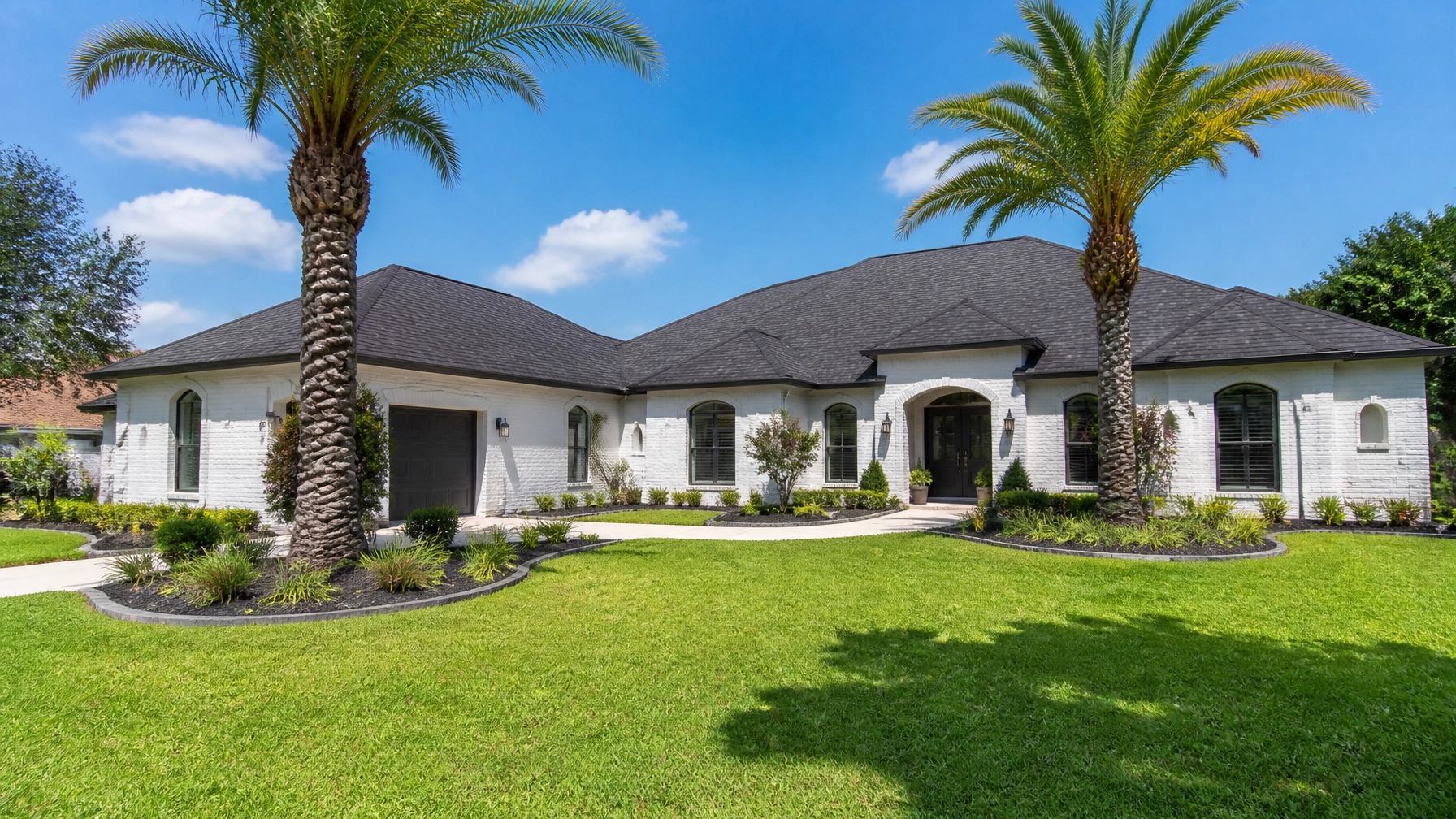
    A modern Ranch-style home in Simpsonville, SC, showcasing satellite-powered roof measurement technology.


    Why Architectural Shingles are the 2026 Gold Standard

    In 2026, the most popular choice for Greenville homeowners remains the architectural shingle. Also known as dimensional or laminate shingles, they have surpassed traditional 3-tab shingles for several reasons:

    • Superior Durability: Designed to withstand the unpredictable Upstate weather, from humid summers to the occasional winter ice storm.
    • Enhanced Aesthetics: They provide a thick, textured appearance that mimics wood shakes or slate, significantly boosting curb appeal.
    • Warranty Strength: Most manufacturers offer 30-year to lifetime warranties on these materials, which is a massive selling point for potential buyers.
    • Cost-Effectiveness: They sit in the "sweet spot" of pricing: more affordable than metal or synthetic slate but significantly more valuable than basic asphalt.

    Close-up of high-quality architectural shingles, showing the multi-dimensional layering and texture.


    The Hidden Benefits: Insurance and Buyer Confidence

    Beyond the pure roof ROI in Greenville, there are two critical factors that often go overlooked: insurance premiums and buyer psychology.

    1. Insurance Savings

    In 2026, insurance companies have become increasingly strict about roof age. Many providers in South Carolina are now refusing to cover roofs older than 15–20 years or are significantly increasing premiums for aging systems. A new roof can lower your annual homeowners insurance premiums by 5–15%, providing immediate cash flow benefits even if you aren't selling today.

    2. Elimination of "Inspection Dread"

    The #1 reason real estate deals fall through in the Upstate is the inspection report. An old roof is a "red flag" that triggers a deeper look into the attic, decking, and structural integrity. By working with a verified Greenville SC roofing contractor to replace the roof beforehand, you eliminate this hurdle entirely. You provide the buyer with a transferrable warranty and a clean bill of health, which translates into firm, high-value offers.


    The 60-Second Solution: Technology Meets Roofing

    Traditionally, getting a roof replacement home value Greenville assessment required scheduling multiple contractors to visit your home, climb your roof, and deliver a quote days later. In 2026, that process is obsolete.

    At Get My Roof Estimate Now, we leverage advanced satellite imagery technology to provide you with an accurate estimate in under 60 seconds. Our measurements are accurate to within inches, factoring in your roof's size, pitch, and complexity without ever needing an on-site visit.

    Why Homeowners Choose Our Technology:

    • Speed: Get your pricing while you're still on your first cup of coffee.
    • Transparency: No hidden fees or "sales pressure." Just clear, data-driven pricing based on local Greenville market rates.
    • Accuracy: 90–95% accuracy using high-resolution satellite data.
    • Verified Network: We connect you with licensed, insured, and vetted local contractors who know the Upstate climate.

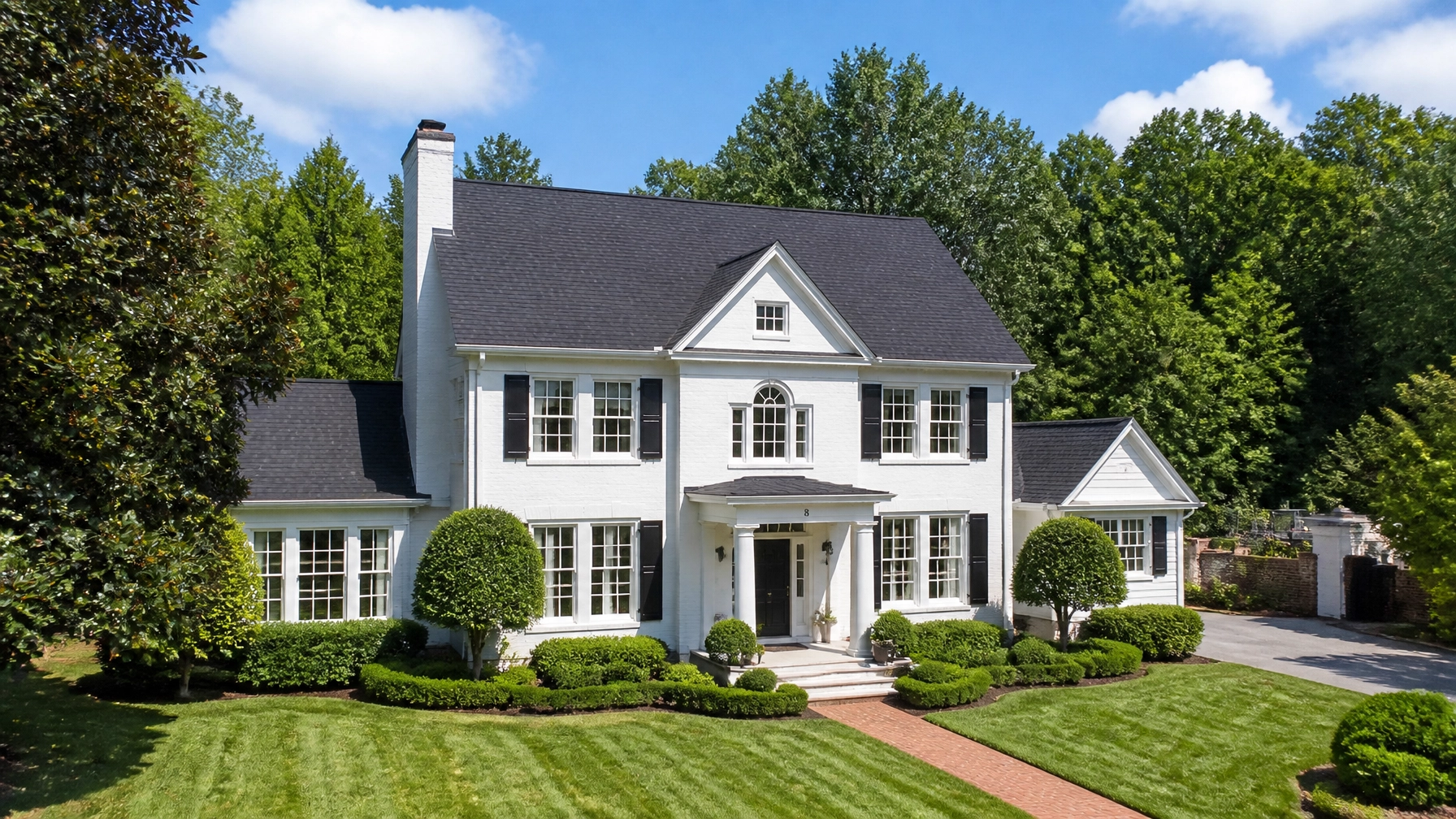
    A charming Craftsman-style home in Travelers Rest, SC, featuring a new roof and high curb appeal.


    Conclusion: Is 2026 the Year for Your New Roof?

    As Greenville continues to evolve into a premier national hub, the quality of your home’s exterior has never been more important. With a Greenville SC roof replacement cost that averages $8,500–$15,000 for architectural shingles, and a recoup value of up to 70%, the investment is one of the safest bets you can make in the current real estate market.

    Whether you are preparing to list your home near the Swamp Rabbit Trail or simply want to protect your family in Simpsonville, don't wait for a leak to take action. Understanding your home's value starts with understanding your roof's cost.

    Ready to see what a new roof will cost for your home?
    Don't waste time with manual measurements. Get your instant, free roof replacement estimate in 60 seconds using our satellite-powered technology.
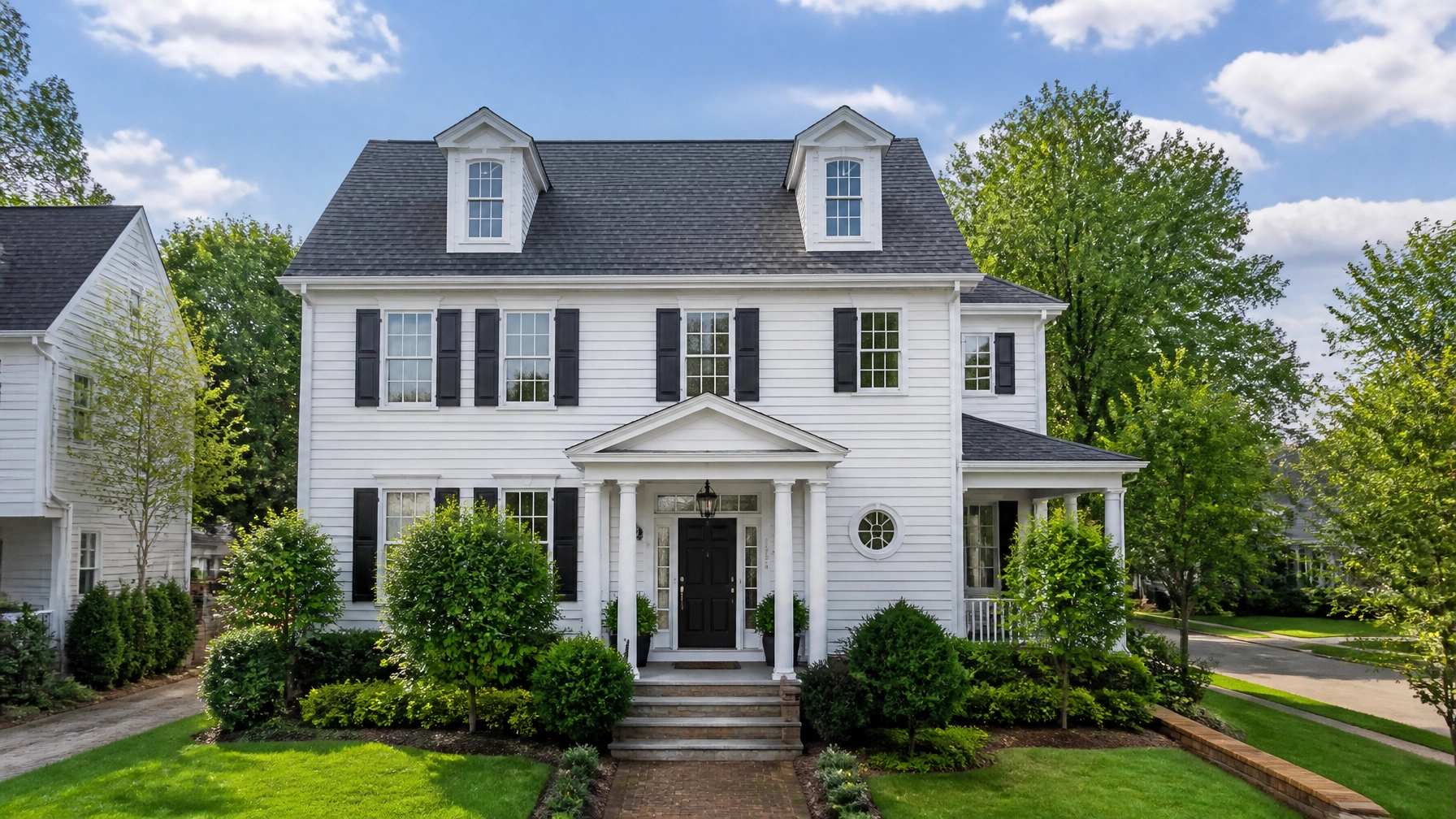
    Get My Free Estimate Now


  • Daily Weather Blitz: Nashville, TN : How Summer Storms Test Your Roof & Home

    Daily Weather Blitz: Nashville, TN : How Summer Storms Test Your Roof & Home

    Today is Tuesday, July 14, 2026, and the Nashville "heat dome" is in full effect. While the Music City is known for its vibrant energy, local homeowners know that July brings a specific set of challenges for residential infrastructure.

    With a forecasted high of 88°F and a low of 72°F, today’s conditions are textbook for a Middle Tennessee summer. However, the real story lies in the 87% humidity and the 30% chance of afternoon thunderstorms. These aren't just "pop-up showers": they are tactical tests for your home's first line of defense: your roof. When the heat index climbs into the mid-90s and then drops rapidly during a downpour, your roofing materials experience significant thermal shock and moisture stress.

    At Get My Roof Estimate Now, we track these patterns because they directly dictate the average cost of new roof installations and the overall longevity of building materials in the South.

    The Nashville Climate: A Hostile Environment for Roofing

    Nashville sits in a humid subtropical climate. For a roof, this means a relentless cycle of UV degradation, high-moisture saturation, and the occasional freeze-thaw cycle in winter.

    Humidity and Algae Growth

    At 87% humidity, moisture doesn't just sit on your roof; it permeates. This environment is a breeding ground for Gloeocapsa magma, the blue-green algae responsible for those unsightly black streaks. Beyond aesthetics, these streaks absorb more heat, further baking your shingles and shortening their lifespan. If you are seeing these streaks, it’s a sign that your roofing granules are losing their protective properties.

    Thermal Expansion and Contraction

    Today’s mid-90s heat index will cause your roof deck and shingles to expand. When a 30% chance thunderstorm hits this afternoon, the sudden drop in temperature causes rapid contraction. Over 15 to 20 years, this "breathing" creates micro-tears in lower-quality materials like 3-tab shingles.

    Nashville Roofing Data: Materials & Lifespan

    In the Nashville market, durability is a data-driven choice. While the initial roof replacement cost is a factor, the "cost per year of life" is the metric that smart homeowners prioritize.

    Material Type Nashville Lifespan Performance Category
    3-Tab Asphalt Shingles 15–20 Years Budget
    Architectural Shingles 20–30 Years Popular
    Metal Roofing 40–70 Years Premium
    Synthetic/Composite 30–50 Years Specialty

    In 2026, we are seeing a significant shift toward Architectural Shingles (Popular). They are heavier and more dimensional than 3-tab options, providing better wind resistance during Tennessee’s frequent storm season.

    Detailed view of dimensional architectural shingles

    Understanding the Average Cost of New Roof in Nashville (2026)

    Budgeting for a roof replacement in the Nashville area requires an understanding of the roofing price per square foot. For a standard single-family home (approximately 2,000 to 2,500 square feet), owners should anticipate the following price brackets based on current market data:

    1. 3-Tab Asphalt Shingles (Budget): $4.00 – $5.00 per square foot. Expect a total roofing cost per square (100 sq. ft.) of $400 to $500 installed.
    2. Architectural Shingles (Value): $5.00 – $7.00 per square foot. This is the Nashville standard for durability and curb appeal.
    3. Metal Roofing (Premium): $12.00 – $20.00+ per square foot. While the upfront roof replacement cost is higher, the lifespan often covers two or three asphalt cycles.

    To get an exact figure for your specific property, use our free roof estimate online. Our satellite technology provides a detailed quote in under 60 seconds by measuring your roof's pitch and complexity from space.

    5 Practical Durability Tips for Nashville Homeowners

    To combat the 87% humidity and the threat of summer storms, follow this professional maintenance checklist.

    1. Optimize Attic Ventilation

    Your roof doesn't just face the sun; it faces the heat rising from your attic. In Nashville’s mid-90s heat index, a poorly ventilated attic can reach 150°F+. This literally "cooks" the shingles from the inside out. Ensure your ridge vents and soffit vents are unobstructed to allow for maximum airflow.

    2. Schedule Biannual Inspections

    Don't wait for a leak to appear in your living room. A professional inspection every spring and fall can identify small issues: like loose shingles or backed-up gutters: before they become a $20,000 emergency.

    Roofing contractor performing a professional inspection

    3. Choose Architectural over 3-Tab

    While 3-tab shingles have a lower initial roof replacement cost, they are significantly more prone to wind uplift. In Nashville, where summer storms can bring sudden, high-velocity gusts, the extra $1.00–$2.00 per square foot for architectural shingles is an insurance policy for your peace of mind.

    4. Maintain Proper Flashing

    Flashing is the metal material used to direct water away from critical areas like chimneys, dormers, and valleys. In Nashville’s humid climate, rust or sealant failure can lead to slow, hidden leaks. Check these seals every summer.

    5. Keep Gutters Clear

    Today’s 30% chance of storms means heavy rain in a short window. If your gutters are clogged with debris from Nashville’s lush tree canopy, water will back up under your shingles. This causes wood rot at the roof's edge (the eave) and can damage your foundation.

    Well-maintained gutters and flashing on a Nashville residence

    Why Accuracy Matters: Use a Satellite-Powered Roof Cost Estimator

    The traditional way of getting a roof replacement quote involves waiting days for a contractor to show up with a ladder. In 2026, that's an unnecessary delay.

    By using a roof cost estimator that utilizes high-resolution satellite imagery, you get an objective measurement of your home. We calculate the exact roofing cost per square based on the actual geometry of your house. This transparency prevents "estimate creep" and gives you the leverage you need when talking to local contractors.

    Summary: Preparing for the Remainder of the Season

    As we move through July, Nashville homeowners should remain vigilant. Today’s high humidity and storm potential are just a preview of the humid subtropical stresses your home will face over the coming months.

    If your roof is over 15 years old, today is the day to assess its condition. Whether you are looking for the average cost of new roof options or just want to see how different materials like metal or synthetic shingles stack up, the data is at your fingertips.

    Don't let a summer storm catch you off guard. Get your free roof estimate online today and take control of your home’s durability.


  • Is Your Charlotte Roofing Estimate a Scam? 5 Steps How to Spot a Storm Chaser

    Is Your Charlotte Roofing Estimate a Scam? 5 Steps How to Spot a Storm Chaser

    If you live in the Queen City, you know that North Carolina weather is anything but predictable. After the heavy hail and wind events that swept through neighborhoods like Ballantyne, Myers Park, and Dilworth in March 2026, the familiar sound of door-knockers has returned to Charlotte.

    While many local roofing companies are legitimate businesses helping homeowners recover, storm season also brings out "storm chasers": unlicensed, out-of-town contractors looking to make a quick buck and vanish. These predatory crews often leave homeowners with shoddy workmanship, voided warranties, or worse, an empty bank account and a leaking roof.

    As an industry leader in satellite-powered roof estimates, we believe transparency is your best defense. Before you sign any paperwork or hand over a check, follow these five steps to determine if your Charlotte roofing estimate is a legitimate deal or a sophisticated scam.


    Step 1: Analyze the "In the Neighborhood" Pitch

    The most common hallmark of a storm chaser is the unsolicited visit. They often claim they were "just working on your neighbor’s house" and noticed damage on your roof from the street.

    The Red Flags (Budget)

    • Out-of-State Plates: Check the trucks. If they are sporting plates from outside of North Carolina or South Carolina, they likely followed the storm cell from hundreds of miles away.
    • High Pressure: If the salesperson insists you must sign a "contingency agreement" immediately to lock in a price or a spot on the schedule, walk away.

    The Professional Reality

    A reputable Charlotte contractor typically works based on referrals or digital inquiries. At Get My Roof Estimate Now, we believe you should have all the data before a contractor ever sets foot on your property. Our technology allows you to calculate your roof cost in 60 seconds using high-resolution satellite imagery, giving you a neutral baseline price to compare against any door-to-door pitch.

    High-quality architectural asphalt shingles installed on a Charlotte residence


    Step 2: Decode the "Free Roof" Insurance Promise

    One of the most dangerous scams currently circulating in North Carolina involves the promise of a "free roof." Scammers will tell you they can waive your insurance deductible or "handle everything" so you pay zero out of pocket.

    The Regulatory Truth

    In North Carolina, it is technically illegal for a contractor to pay, waive, or "absorb" a homeowner’s insurance deductible. This practice is considered insurance fraud. The North Carolina Insurance Commissioner has issued multiple warnings regarding contractors who promise to cover deductibles by inflating the claim.

    What to Look For (Popular)

    • Deductible Offsets: If the estimate includes a "marketing sign allowance" or "referral fee" that exactly matches your $1,000 or $2,500 deductible, this is a red flag.
    • Direct Insurance Negotiation: While a roofer can provide documentation of damage, they cannot legally act as your public adjuster in NC unless they are licensed as one.

    Step 3: Verify the North Carolina License (The $30,000 Rule)

    In Charlotte, many homeowners are surprised to learn that not every roofer is required to have a state-level license for smaller jobs. However, there is a very specific legal threshold you must know.

    The $30,000 Threshold

    According to the North Carolina Licensing Board for General Contractors (NCLBGC), any project where the total cost of labor and materials exceeds $30,000 requires a licensed General Contractor. Given that premium roofing materials or larger homes in the Charlotte metro area can easily exceed this amount, verifying a license is critical.

    Verification Step Action Required
    Check the Board Visit the NCLBGC website and search for the company name.
    Verify Insurance Demand a Certificate of Insurance (COI) for both General Liability and Workers' Comp.
    Call the Agent Don't just look at the paper; call the insurance agent listed on the COI to ensure the policy is active.

    Professional contractor explaining an estimate to a Charlotte homeowner


    Step 4: Critique the "Handwritten" Estimate vs. Professional Data

    A storm chaser’s estimate is often vague, missing key details that protect you if the job goes wrong. If your estimate looks like a grocery list scribbled on a carbon-copy form, it’s a scam.

    What a Professional Estimate Must Include (Technical)

    • Exact Square Footage: Not just a "ballpark" number.
    • Material Specifications: Brand, color, and grade (e.g., Owens Corning Duration vs. generic "3-tab shingles").
    • Drip Edge & Flashing: Specific mention of replacing rusted or damaged flashing.
    • Ventilation: A plan for ridge vents or solar fans to meet NC building codes.
    • Clean-up & Disposal: A guarantee that all nails and old debris will be removed via a magnetic sweep.

    By using an instant roof estimate tool, you receive a digital report based on precise measurements accurate to within inches. This "Gold Standard" measurement prevents contractors from "padding" the square footage to increase their profit margin.


    Step 5: Audit the Payment Schedule (The 10% Rule)

    The quickest way to spot a scam is by looking at the deposit request. Storm chasers survive on "front-loading" their contracts.

    The Scam Schedule (Premium)

    • 50% to 100% Upfront: A contractor asking for half the money (or the full insurance check) before materials arrive on your driveway is a massive risk. In many cases, they take the money and move to the next storm-damaged city.

    The Charlotte Standard

    A reputable local roofer will typically ask for:

    1. 10% to 20% Deposit: To put you on the schedule and cover administrative costs.
    2. 50% Upon Material Delivery: Once the shingles and dumpster are physically at your house.
    3. Final Balance: Only after the roof passes inspection and the yard is clean.

    Laptop showing satellite-powered roofing estimate technology


    2026 Charlotte Roof Replacement Cost Benchmarks

    To help you spot a scam, we’ve compiled the current average costs for roof replacement in the Charlotte, NC metro area for mid-2026. If your estimate is significantly lower or higher than these ranges without a technical explanation, proceed with caution.

    Material Type Cost Per Square (100 sq. ft.) Average Total (2,500 sq. ft. Roof) Category
    Architectural Shingles $450 – $650 $11,250 – $16,250 Popular
    Standing Seam Metal $900 – $1,400 $22,500 – $35,000 Premium
    Synthetic Slate/Shake $1,200 – $1,800 $30,000 – $45,000 Luxury
    Roof Coating (Flat) $300 – $500 $7,500 – $12,500 Budget

    Note: Prices include tear-off, disposal, and standard labor. Complexity (pitch, height) can add 10-20% to these figures.


    Conclusion: Use Technology to Protect Your Home

    Storm chasers rely on your lack of information. They hope you don't know your roof's actual size or the fair market value for materials in North Carolina.

    Before you let a stranger on your roof, get your own data. Visit Get My Roof Estimate Now and enter your Charlotte address. In under 60 seconds, you’ll have a transparent, satellite-verified price range that you can use to vet any contractor who comes to your door.

    Don't let a storm chaser turn a weather event into a financial disaster. Stay informed, stay local, and always get your estimate first.


  • ACV vs RCV: The 2026 Insurance Shift That Could Cost You $10k

    ACV vs RCV: The 2026 Insurance Shift That Could Cost You $10k

    If you’re a homeowner in Richmond, Virginia, the rules of the game just changed. As of March 2026, a major shift in how insurance carriers and lenders handle roof coverage has gone into effect. If you haven't checked your policy lately, you could be sitting on a "coverage gap" that will cost you over $10,000 the next time a storm rolls through the James River valley.

    At Get My Roof Estimate Now, we’re seeing more Richmond homeowners get hit with massive out-of-pocket bills because they didn't understand the difference between RCV and ACV.

    Here is the breakdown of the 2026 insurance landscape and how to make sure you aren't the one footing a five-figure bill for a new roof.

    The 2026 Rule Change: What Happened?

    For years, most mortgage lenders (specifically those backed by Fannie Mae and Freddie Mac) required homeowners to carry Replacement Cost Value (RCV) coverage. This meant if your roof was destroyed, the insurance company paid for a brand-new roof at today’s prices.

    On March 18, 2026, the Federal Housing Finance Agency (FHFA) updated its standards. Lenders are now permitted to accept Actual Cash Value (ACV) coverage specifically for roofs.

    The result? Many insurance companies are now defaulting older roofs to ACV policies to lower their risk. While this might save you a few dollars on your monthly premium, it creates a massive financial liability when it's time for a replacement.

    ACV vs. RCV: The "15-Year Cliff"

    Understanding these two terms is the difference between a $2,500 deductible and a $12,500 repair bill.

    • RCV (Replacement Cost Value): This is the Premium option. It covers the full cost to replace your roof with new materials at 2026 market rates. If a new roof costs $16,000, and your deductible is $2,000, the insurer pays $14,000. Simple.
    • ACV (Actual Cash Value): This is the Budget or "Depreciated" option. It pays what your roof is worth today, not what it costs to buy a new one. The insurer takes the replacement cost and subtracts "depreciation" based on the age of your roof.

    The "Age Trap"

    In 2026, we are seeing the "15-Year Cliff" become industry standard. If your roof is over 15 years old, many carriers are automatically converting your policy from RCV to ACV. For an asphalt shingle roof: the most popular choice in Richmond: this is where the math gets ugly.

    High-quality architectural shingles showing the texture and durability expected in 2026

    2026 Roof Replacement Costs in Richmond, VA

    To understand the risk, you need to know what roofs actually cost in the Richmond metro area right now. Based on our latest satellite data and local contractor benchmarks, here are the current price ranges for a typical 2,000 sq. ft. home:

    Material Type Estimated 2026 Cost (Richmond, VA) Category
    Architectural Shingles $10,000 – $18,000 Popular
    Standing Seam Metal $22,000 – $38,000 Premium
    Synthetic/Slate $30,000 – $55,000 Luxury

    Costs have risen due to labor shortages and material inflation. A project that cost $12,000 in 2022 is easily hitting the $16,000 mark in 2026.

    Case Study: The $10,000 Richmond Gap

    Let’s look at a real-world scenario for a homeowner in the West End or Midlothian with a 16-year-old roof.

    1. The Event: A severe hail storm causes significant damage.
    2. The Quote: A local Richmond contractor provides a roof estimate for a full replacement at $16,000.
    3. The Policy: The homeowner is on an ACV policy because the roof passed the 15-year mark.
    4. The Calculation: The insurance adjuster determines the roof has 50% depreciation left.
      • $16,000 (Replacement Cost)
      • minus $8,000 (Depreciation)
      • minus $2,000 (Deductible)
    5. The Payout: The insurance company sends a check for $6,000.

    Your Out-of-Pocket Cost: $10,000.

    If that same homeowner had an RCV policy, their out-of-pocket cost would have been just their $2,000 deductible. That is a $8,000 "surprise" that most Richmond families haven't budgeted for.

    A modern Richmond home with a premium metal roof, which requires even more careful insurance planning

    How to Protect Your Home and Your Bank Account

    You don't have to be a victim of the 2026 insurance shift. Follow these direct steps to secure your investment:

    1. Audit Your Declarations Page

    Look for the words "Actual Cash Value" or "Roof Surfacing ACV Endorsement." If you see these, you are only covered for the depreciated value of your roof. Call your agent immediately and ask what it would cost to switch back to RCV.

    2. Know Your Roof's "True Age"

    Insurance companies use the permit date or the date of the last full replacement. If you aren't sure how old your roof is, you are at risk.

    3. Get an Instant, Independent Estimate

    Don't wait for an insurance adjuster to tell you what your roof is worth. Use a roof cost calculator to get an objective, third-party measurement of your home.

    Why Richmond Homeowners Use Get My Roof Estimate Now

    The old way of getting a roof estimate involved calling three contractors, waiting two weeks for them to show up, and dealing with high-pressure sales pitches.

    In 2026, technology has changed the game. We use high-resolution satellite imagery to measure your roof's size, pitch, and complexity with 95% accuracy: all in under 60 seconds.

    • Fast: Get your estimate in less than a minute.
    • Free: Zero cost, no credit card required.
    • Accurate: Measurements are precise to within inches.
    • Transparent: We provide low, middle, and high price ranges so you can budget effectively.

    Whether you are planning a replacement or just want to make sure your insurance coverage is adequate, knowing your numbers is the first step.

    Satellite technology providing accurate roof measurements for a precise estimate in 60 seconds

    Final Thoughts for Richmond Homeowners

    The shift toward ACV policies is a quiet one, but the financial impact is loud. If your roof is approaching that 15-year mark, you are entering the danger zone.

    Don't let a $10,000 gap catch you by surprise. Check your policy, understand your replacement costs, and use our satellite-powered technology to get the data you need today.

    Ready to see what your Richmond roof is worth in today's market? Get your instant estimate here.

  • Struggling for a New Roof? 5 Insurance Claim Secrets for Austin Homeowners

    Struggling for a New Roof? 5 Insurance Claim Secrets for Austin Homeowners

    If you live in Austin, you know that hail season isn't just a weather event: it’s an annual stress test for your home. Central Texas is notorious for "hail alleys" that can turn a 30-year roof into a liability in under 10 minutes.

    However, filing an insurance claim for a roof replacement in Austin has become significantly more complex over the last few years. Between evolving state laws and fine-print policy shifts, many homeowners find themselves footing a $10,000 bill they expected their insurer to cover.

    At Get My Roof Estimate Now, we help thousands of homeowners navigate the initial stages of roof replacement in Texas using high-precision satellite technology. Before you call your agent, you need to know these five insurance secrets that could save: or cost: you thousands.


    1. The "Free Roof" is Now a Felony (HB 2102)

    For years, some roofing contractors in Austin lured homeowners by promising to "waive" or "eat" the insurance deductible. As of September 1, 2019, this is officially illegal under Texas House Bill 2102.

    It is now a Class B misdemeanor for a contractor to pay, waive, or rebate a deductible. Even more critical for you: insurers now have the right to withhold the final payment of your claim until you provide proof (like a canceled check or bank statement) that you paid your full deductible to the contractor.

    If a contractor offers you a "no-deductible" deal today, they aren't just being nice: they are involving you in insurance fraud. Always plan to pay your deductible out of pocket, and ensure it's factored into your budget using an instant roof cost calculator.


    2. The 1% vs. 2% Deductible Trap

    Most Austin homeowners assume they have a flat $1,000 or $2,500 deductible. While that might apply to a fire or theft claim, Texas policies frequently use a percentage-based deductible for Wind and Hail.

    • Scenario (Budget): A home insured for $400,000 with a 1% hail deductible means you pay $4,000 out of pocket.
    • Scenario (Premium): If that same policy has a 2% deductible (common in high-risk zones), your out-of-pocket jumps to $8,000.

    Before filing a claim, check your "Declarations Page" for a separate Wind/Hail percentage. If your roof replacement cost is $12,000 and your deductible is $8,000, you are only receiving $4,000 from the insurer. In some cases, it may not even be worth the claim on your record.

    Professional roofing contractor discussing insurance claim details with an Austin homeowner


    3. ACV vs. RCV: Why Your 15-Year-Old Roof Might Be Worth Zero

    The most common reason claims are "underpaid" is the distinction between Actual Cash Value (ACV) and Replacement Cost Value (RCV).

    • RCV (Popular): The gold standard. The insurer pays the full cost to replace the roof at today's prices (minus your deductible).
    • ACV (Budget): The insurer pays the depreciated value of the roof.

    The Secret: Many Texas insurers are quietly switching older roofs (typically 10-15+ years old) to ACV-only policies via a "Roof Surface Material" endorsement. If you have a 20-year-old roof and an ACV policy, the insurer might only cut you a check for 20% of the replacement cost, leaving you to cover the remaining 80%. Always verify your "Roof Settlement Schedule" before the storm hits.


    4. Functional vs. Cosmetic Damage

    Austin’s frequent hailstorms often cause "cosmetic" dents in metal roofs or soft metals like gutters and vents. Insurers are increasingly adding Cosmetic Damage Exclusions to policies.

    If the hail dents your metal roof but doesn't "affect the roof's ability to shed water," the insurer may deny the claim entirely. To win this battle, you need proof of Functional Damage: meaning the hail actually fractured the shingle mat or compromised the integrity of the material.

    Close-up of functional hail damage on asphalt shingles showing granule loss and mat fracture


    5. Satellite Data is Your Best Defense

    When an adjuster visits your home, they are looking at the roof from a ground-level or ladder perspective. They might miss subtle damage or miscalculate the total square footage.

    The secret to a smooth claim is arriving with data. At Get My Roof Estimate Now, we use advanced satellite imagery to provide measurements accurate to within inches.

    By having an independent, satellite-powered estimate in hand before the adjuster arrives, you set the benchmark for the "scope of work." If the adjuster says your roof is 25 squares but our satellite data shows 30 squares, you have the objective proof needed to dispute the estimate and ensure you aren't shortchanged on materials.

    Satellite view of an Austin home with digital measurement overlays for precise roof estimation

    Summary Checklist for Austin Homeowners

    • Verify Policy Type: Is your roof covered for RCV or ACV?
    • Check Deductibles: Do you have a 1% or 2% Wind/Hail percentage?
    • Document Everything: Take photos of your roof before storm season.
    • Get an Independent Estimate: Use technology to get a neutral price range before involving the insurer.
    • Obey the Law: Never ask a contractor to cover your deductible.

    Getting a new roof in Austin shouldn't be a gamble. By understanding the fine print of Texas insurance and leveraging modern measurement technology, you can protect your home's value without the traditional headache.

    Ready to see what your roof actually costs? Get your instant, 60-second satellite estimate here.


  • Why Insurers are Flagging 15-Year-Old Roofs in 2026 (And What to Do)

    Why Insurers are Flagging 15-Year-Old Roofs in 2026 (And What to Do)

    If you live in Virginia Beach and your roof was installed around 2010 or 2011, you might have recently received a frustrating letter from your home insurance carrier. In 2026, the insurance landscape has shifted dramatically. What used to be a "30-year roof" is now being treated by insurers as a high-risk liability once it hits the 15-year mark.

    At Get My Roof Estimate Now, we’re seeing a surge in homeowners across the Hampton Roads area: from Pungo to Oceanfront: who are being told their policies won't be renewed or that their coverage is being slashed.

    This isn't just a trend; it's the new standard for underwriting in coastal Virginia. Here is exactly why this is happening and what you need to do to protect your home and your wallet.

    The Invisible "15-Year Rule" in Virginia Beach

    Technically, there is no state law in Virginia that forces you to replace a 15-year-old roof. However, insurance companies are private entities, and they are tightening their "internal underwriting guidelines."

    By 2026, many major carriers operating in Virginia Beach have implemented strict age thresholds. Once an asphalt shingle roof hits 15 to 20 years, it is flagged. Insurers view these roofs as ticking time bombs for leaks, especially with the increased frequency of coastal storms and hurricane-force winds we see in the Atlantic.

    Why 15 Years?

    • Material Degradation: While shingles are marketed as lasting 30 years, UV exposure and coastal salt air in Virginia Beach often accelerate wear by year 15.
    • Risk Mitigation: Insurers want to avoid "maintenance claims": damage that happens simply because the roof is old, rather than from a specific storm event.
    • Market Hardening: Following several years of high claim payouts nationally, insurers are looking for any reason to reduce their exposure to risk.

    A modern residential ranch-style house in a Virginia Beach coastal neighborhood with a new charcoal-colored standing seam metal roof.

    The RCV vs. ACV Trap

    The biggest danger for Virginia Beach homeowners isn't necessarily losing coverage: it's having the type of coverage changed without realizing it.

    Most standard policies offer Replacement Cost Value (RCV). This means if a storm destroys your roof, the insurance company pays to give you a brand-new one (minus your deductible).

    However, many carriers are now slipping endorsements into renewals that convert roofs over 15 years old to Actual Cash Value (ACV).

    • RCV (Premium): Pays for a new roof at today’s prices.
    • ACV (Budget): Pays only what your old, depreciated roof is worth.

    If a storm hits and you have an ACV policy on a 17-year-old roof, you might only receive a check for $3,000 for a project that actually costs $14,000. That $11,000 gap is your responsibility.

    Current 2026 Roofing Costs in Virginia Beach, VA

    To budget effectively, you need to know what a replacement actually costs in today’s market. Based on our data-driven satellite measurements and local contractor pricing in Virginia Beach, here are the benchmarks for a typical 2,000 sq. ft. home:

    Material Type Price Category Estimated Cost Range (Installed) Average Per Sq. Ft.
    Architectural Shingles Popular $10,000 – $16,000 $4 – $6
    Metal (Standing Seam) Premium $18,000 – $36,000 $9 – $15
    Metal (Shingles/Ribbed) Mid-Range $14,000 – $22,000 $7 – $11
    Synthetic/Composite High-End $22,000 – $40,000 $11 – $20

    Note: These ranges factor in Virginia Beach’s specific labor rates, disposal fees, and the higher-grade underlayments required for coastal wind zones.

    Detailed close-up shot of high-quality architectural asphalt shingles showing the texture and layered dimension.

    AEO FAQ: Quick Answers for Virginia Beach Homeowners

    Can I get insurance with a 20-year-old roof in Virginia Beach?

    It is becoming increasingly difficult. Some carriers will write a new policy, but they will likely require a professional inspection first and may exclude wind and hail damage entirely or move you to an ACV payout structure.

    Does a metal roof last longer in a coastal environment?

    Yes. While architectural shingles (Budget) are excellent, a Standing Seam Metal Roof (Premium) offers significantly better resistance to the salt spray and high winds of Virginia Beach. Most insurers offer better rates for metal roofs because they are far less likely to fail during a hurricane.

    How much does it cost to replace a roof in Virginia Beach in 2026?

    For a standard single-family home, expect to pay between $10,000 and $16,000 for asphalt shingles. If you are upgrading to metal to avoid future insurance headaches, the range is typically $18,000 to $36,000. You can get a precise roof estimate for Virginia in 60 seconds using our satellite tool.

    My insurance company sent a "Proof of Roof" notice. What do I do?

    This usually means they want a licensed roofer to certify the roof has at least 5 years of life left. If the roofer finds significant granular loss or curling, you’ll likely need a replacement to maintain your coverage.

    A traditional brick two-story home in Virginia with a brand new roof featuring weathered wood colored shingles.

    Why You Shouldn't Wait for the "Non-Renewal" Notice

    Waiting until your insurance company drops you is a high-risk strategy. Once you have a "non-renewal" on your record for a poor-condition roof, it becomes much harder (and more expensive) to find a new carrier.

    By being proactive, you can:

    1. Shop for the best rates: You have the leverage when your roof is new.
    2. Avoid ACV depreciation: Ensure you keep Full Replacement Cost coverage.
    3. Choose your contractor: Don't be forced into a rush job because your policy expires in 10 days.

    Get Your Accurate Estimate in 60 Seconds

    In the past, getting a roof estimate meant calling three contractors, waiting for them to show up, and sitting through three hours of high-pressure sales pitches.

    Get My Roof Estimate Now changed that. Using high-resolution satellite imagery, we measure your roof's size, pitch, and complexity with 90-95% accuracy: without anyone ever stepping foot on your property.

    • Step 1: Enter your Virginia Beach address.
    • Step 2: Our AI analyzes the satellite data in under a minute.
    • Step 3: Receive a transparent, multi-tier price range (Budget to Premium).
    • Step 4: Get connected to verified, licensed, and insured local contractors if you’re ready to move forward.

    No credit card required. No hassle. Just the data you need to make an informed decision for your home.

    A coastal craftsman home in Virginia Beach with a new light grey architectural shingle roof and high curb appeal.

    Conclusion

    If your roof is crossing that 15-year threshold in 2026, the clock is ticking. Don't let your insurance company dictate the terms of your home's protection. Take control by knowing your numbers and exploring your replacement options today.

    Ready to see what a new roof will cost for your specific home?
    Use our Instant Roof Cost Calculator now.


  • 7 Mistakes You’re Making When Spotting Grand Rapids Storm Chasers (And How to Fix Them)

    7 Mistakes You’re Making When Spotting Grand Rapids Storm Chasers (And How to Fix Them)

    Grand Rapids weather is notoriously unpredictable. From heavy winter snow loads to the intense wind and hail storms that sweep across Lake Michigan, your roof takes a beating. In the wake of these storms, a specific type of predatory contractor emerges: the "storm chaser." These companies follow weather patterns, descending on West Michigan neighborhoods to sell quick, low-quality roof replacements before vanishing to the next state.

    While most homeowners believe they can spot a "fly-by-night" operation, storm chasers have become increasingly sophisticated. They use high-pressure sales tactics, polished marketing, and even local-looking phone numbers to blend in. If you aren't careful, you could end up with a lien on your property, a voided insurance claim, or a roof that leaks within 24 months.

    Here are the seven most common mistakes Grand Rapids homeowners make when vetting contractors, and the data-driven steps you need to take to protect your home.

    1. Trusting "Licensed and Insured" Without Verifying LARA

    (Critical / Legal)

    Most homeowners ask, "Are you licensed?" and stop there. A storm chaser will always say yes. The mistake is failing to verify this through the Michigan Department of Licensing and Regulatory Affairs (LARA).

    In Michigan, a residential builder or a residential maintenance and alteration contractor must be licensed to perform roofing work over $600. Storm chasers often use "borrowed" licenses from other contractors or present out-of-state credentials that hold no legal weight in Grand Rapids.

    The Fix: Request the contractor’s specific Michigan license number. Go to the LARA license verification portal and ensure the name on the license matches the company name on their business card and truck. If the license is expired or listed under a different individual, terminate the conversation immediately.

    2. Falling for the "Free Roof" via Deductible Waiving

    (Illegal / High Risk)

    If a contractor tells you they will "cover your deductible" or offers a "free roof," they are inviting you to participate in insurance fraud. Per Michigan law, it is illegal for a contractor to pay, waive, or rebate an insurance deductible.

    Storm chasers use this hook (Budget-Friendly) to lure homeowners who are worried about the out-of-pocket costs of a storm claim. To "cover" that $1,000 or $5,000 deductible, the contractor will typically use sub-standard materials or omit critical components like ice and water shields, a necessity in the 616 area code.

    Close-up of high-quality architectural shingles being installed on a roof in Grand Rapids.

    The Fix: Understand that a legitimate roof replacement in Grand Rapids typically ranges from $8,000 to $25,000 depending on square footage and material choice. If a deal sounds too good to be true, it’s likely because they are cutting corners that will cost you thousands in future repairs.

    3. Letting the Contractor "Pull the Permit" as Owner-Builder

    (Compliance / Red Flag)

    In the City of Grand Rapids, a building permit is required for reroofing. A major red flag occurs when a contractor asks you to pull the permit as an "owner-builder."

    Storm chasers do this because they are either unlicensed in Michigan or have a history of failed inspections that would prevent them from pulling a permit themselves. By having you pull the permit, they shift all legal and safety liability onto you. If the work doesn't meet code, you are responsible for the fines and the cost of the fix.

    The Fix: Demand that the contractor pull all necessary permits. A verified local pro will handle the paperwork and the city inspections as part of their standard service.

    4. Ignoring Out-of-State License Plates and 800-Numbers

    (Popular / Common Sense)

    Storm chasers are transient. They follow the hail. While they might set up a temporary "satellite office" in a Grand Rapids coworking space, their vehicles often tell a different story.

    Mistakenly assuming that a professional-looking truck equals a local company is a common error. Look for Michigan plates and a local (616) or (269) area code. If the truck has plates from Texas, Florida, or Ohio and the phone number is a generic 1-800 line, you are likely dealing with a company that will be 500 miles away by the time your first leak appears.

    The Fix: Prioritize contractors with a physical brick-and-mortar presence in West Michigan. Ask for a local address that isn't a P.O. Box or a UPS Store.

    5. Signing a "Contingency Agreement" to Get an Estimate

    (Legal Trap / High Pressure)

    One of the most aggressive storm-chaser tactics is the "Contingency Agreement." They offer a free inspection and then ask you to sign a document that "merely gives them permission to talk to your insurance adjuster."

    In reality, these documents are often binding contracts that legally obligate you to use that contractor if the insurance claim is approved. If you change your mind, they may try to charge you a "cancellation fee" of 10-20% of the total claim value.

    A digital roof estimate being displayed on a smartphone using satellite technology.

    The Fix: Never sign anything before you have a detailed, line-item estimate in your hand. At Get My Roof Estimate Now, we provide instant, satellite-powered estimates in under 60 seconds without you ever having to sign a contract or meet a salesman at your door. This allows you to know your numbers before you even call your insurance company.

    6. Not Verifying "Inches-Accurate" Measurements

    (Technical / Accuracy)

    Storm chasers often "eyeball" a roof or use crude ground-based measurements. This leads to "supplementing" later, where the contractor constantly goes back to your insurance company for more money because they "discovered" the roof was larger or more complex than they thought. This delays your project and creates friction with your insurer.

    The Fix: Rely on modern technology. We use high-resolution satellite imagery to measure your roof's square footage, pitch, and complexity with 90-95% accuracy. When you have an accurate measurement, you get an accurate price. No surprises, no hidden fees, and no "Oops, we forgot to order enough shingles" halfway through the job.
    7. Skipping the Local Reference Check

    (Social Proof / Reliability)

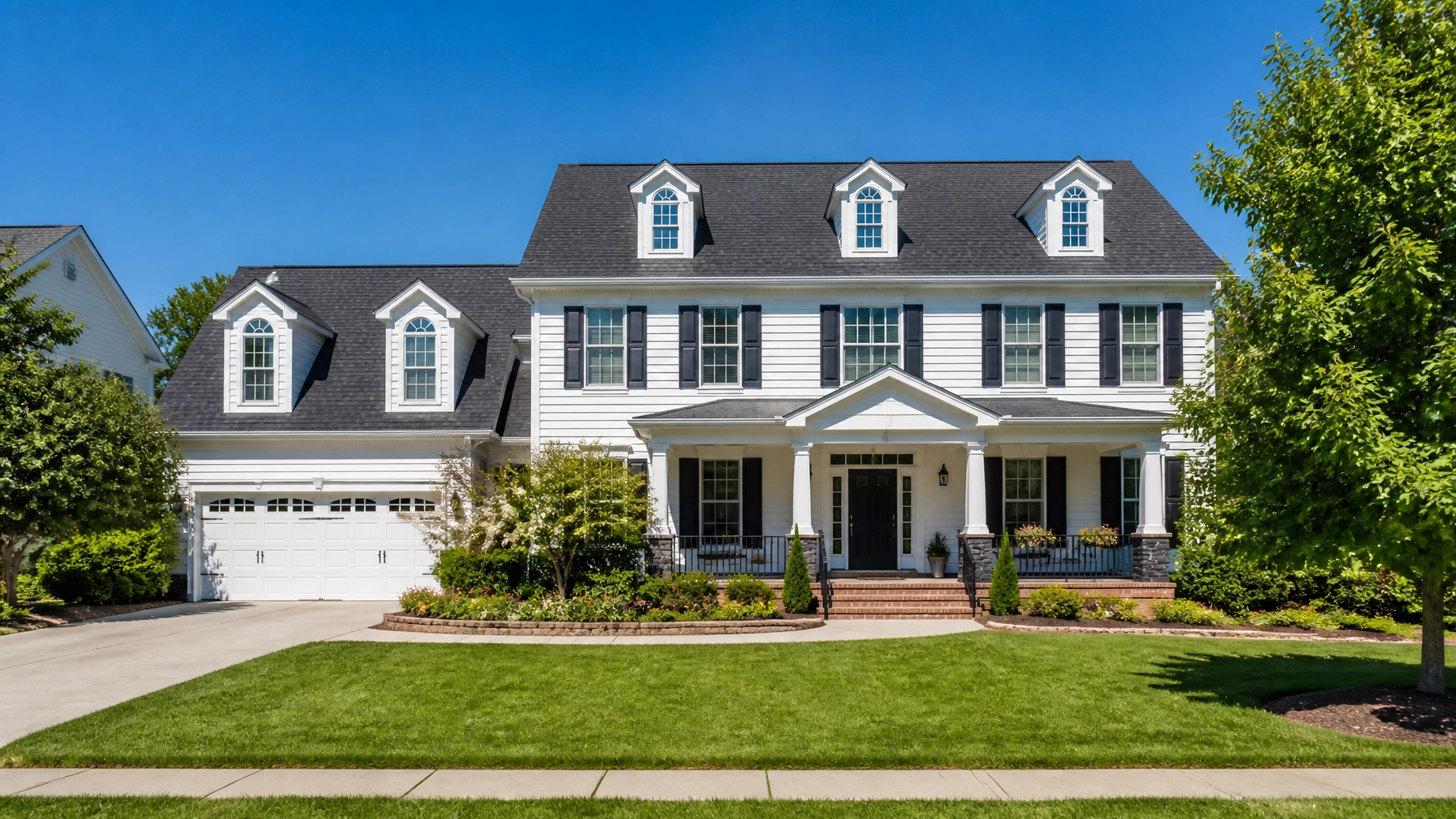
    A storm chaser can easily buy fake online reviews, but they can't fake a neighbor's house. Homeowners often make the mistake of trusting a digital star rating without asking for a list of recent projects in their specific Grand Rapids neighborhood (e.g., East Grand Rapids, Heritage Hill, or Ada).

    The Fix: Ask for three addresses of roofs they replaced in the last six months within 10 miles of your home. Drive by them. Does the roof look clean? Is the flashing properly installed around the chimney? If they can't provide local references, they haven't been in town long enough to earn your trust.

    A neighborhood view of homes in West Michigan showing various architectural styles.

    How to Get a Legitimate Estimate in 60 Seconds

    The best way to avoid the stress of storm chasers is to take control of the process yourself. You don't need to wait for a door-knocker to tell you what your roof is worth.

    Using our automated roofing calculator, you can enter your address and receive a professional-grade estimate based on:

    • Satellite Data: Real-world measurements of your specific roofline.
    • Material Choice: Compare costs for Architectural Shingles (Popular), Metal (Premium), or Synthetic options.
    • Regional Pricing: Data-driven costs specific to the Grand Rapids and West Michigan labor market.

    Stop guessing and start planning. Whether you’re dealing with recent storm damage or just planning for the future, get the transparency you deserve without the high-pressure sales pitch.

    Get Your Free Grand Rapids Roof Estimate Now →


  • Average Cost of a New Roof in Houston, TX (2026 Pricing Guide)

    Average Cost of a New Roof in Houston, TX (2026 Pricing Guide)

    If you live in the Greater Houston area, you know that your roof is your first line of defense against scorching Texas heat and the annual threat of Gulf Coast storms. As of July 2026, many Houston homeowners are finding that their roofs: installed in the mid-2000s or after major past weather events: are finally reaching the end of their lifespan.

    But what does a roof replacement actually cost in Houston today? The short answer is that most homeowners are spending between $9,000 and $18,000 for a standard single-family home. However, that range can shift dramatically based on whether you choose traditional shingles or modern metal systems.

    At Get My Roof Estimate Now, we’ve simplified the process. Instead of waiting days for a contractor to drive out to Harris County, we use high-resolution satellite imagery to provide you with an instant roof estimate in under 60 seconds.

    In this guide, we’ll break down the specific 2026 pricing benchmarks for Houston, TX, so you can budget with confidence.


    2026 Houston Roof Pricing At-A-Glance

    In Houston, roofing costs are typically calculated "by the square." One roofing square equals 100 square feet of roof surface area. For a typical 2,000-square-foot roof (20 squares), here is what you can expect to pay in the current market:

    Material Type Cost Per Square (Installed) Total Project (2,000 sq. ft.) Category
    3-Tab Asphalt Shingles $375 – $575 $7,500 – $11,500 (Budget)
    Architectural Shingles $450 – $750 $9,000 – $15,000 (Popular)
    Standing Seam Metal $1,000 – $1,600 $20,000 – $32,000 (Premium)
    Stone-Coated Steel $1,200 – $1,800 $24,000 – $36,000 (Premium)

    Breaking Down the Materials: What's Right for Houston?

    Choosing a material isn't just about the upfront price; it's about how that material handles the 100-degree humidity and the high-wind requirements of the Texas coast.

    1. Architectural Asphalt Shingles (Popular)

    Architectural shingles (also known as dimensional shingles) are the standard for Houston residential roofing in 2026. They are thicker than basic 3-tab shingles and offer better wind resistance: crucial for hurricane season.

    • 2026 Price Range: $4.50 – $7.50 per square foot.
    • Lifespan: 22–28 years in Houston’s climate.
    • Benefit: Excellent curb appeal and multi-dimensional look that mimics wood shakes.

    Close-up of premium architectural asphalt shingles showing texture and layering.

    2. Metal Roofing (Premium)

    While the initial investment is higher, metal roofing has surged in popularity across Texas. It reflects solar radiant heat, which can reduce cooling costs by up to 25% during Houston’s brutal summers.

    • 2026 Price Range: $9.00 – $15.00+ per square foot.
    • Lifespan: 40–70 years.
    • Benefit: Highest wind rating and fire resistance; often qualifies for significant homeowner insurance discounts in TX.

    Modern residential home with a sleek standing-seam metal roof in charcoal finish.

    3. 3-Tab Asphalt Shingles (Budget)

    If you are preparing a home for sale or are on a strict budget, 3-tab shingles remain the most affordable option. However, be aware that they have lower wind ratings (usually up to 60-70 mph), which may be a concern in storm-prone areas of the Gulf.

    • 2026 Price Range: $3.75 – $5.75 per square foot.
    • Lifespan: 15–18 years.
    • Benefit: Lowest entry cost for a full replacement.

    4 Factors That Specifically Affect Houston Roofing Costs

    Your neighbor's roof might look like yours, but their quote could be $2,000 higher. Here’s why:

    1. Windstorm Insurance Requirements (TWIA)

    For homes in specific coastal zones near Houston (like portions of Galveston or Brazoria counties), roofs must meet strict "Windstorm" building codes to remain eligible for insurance through the Texas Windstorm Insurance Association (TWIA). This often requires specialized fasteners and extra inspections, adding roughly $500–$1,200 to the total project.

    2. Roof Pitch and Complexity

    Houston has many ranch-style homes with simple "up and over" rooflines. However, if your home is a two-story Colonial with multiple dormers, valleys, and a steep pitch (anything over 6:12), labor costs will increase. Steep roofs require extra safety equipment and more time to navigate.

    3. Tear-Off vs. Overlay

    In 2026, most local building codes and professional contractors recommend a full "tear-off." While adding a second layer of shingles over the old ones is cheaper upfront, it traps heat: which shortens the life of the new shingles: and adds significant weight to your home’s structure. A full tear-off in Houston usually adds $1,500–$3,000 to the quote but is the only way to inspect the decking for rot.

    4. Solar and Attic Ventilation

    With energy costs rising, more Houstonians are opting for "Cool Roof" technology and improved ridge venting during their replacement. Upgrading your ventilation system is a technical necessity that usually costs between $600 and $1,500 but pays for itself in lower A/C bills.


    Labor Costs in Houston, TX

    Labor is a significant portion of your roofing bill, typically accounting for 40% to 60% of the total project cost. In 2026, the average labor rate for a professional roofing crew in Houston ranges from $2.00 to $6.00 per square foot.

    Unlike other parts of the country where winter stops construction, Houston roofers work year-round. However, the most expensive time to hire a roofer is immediately following a major storm event when demand spikes. For the best rates, homeowners usually schedule replacements during the "shoulder" months of early spring or late fall.


    Why Use Satellite Imagery for Your Estimate?

    The traditional way of getting a roof estimate is outdated. It involves calling 3-4 contractors, waiting for them to show up (if they do), and having someone climb onto your roof with a tape measure.

    At Get My Roof Estimate Now, we use advanced satellite tech to do the work in seconds. Our measurements are accurate to within inches, allowing us to factor in your roof's exact pitch and complexity without ever stepping foot on your property.

    Conceptual visualization of a house being measured for a roof estimate using satellite imagery technology.

    This methodology allows us to provide:

    • Transparency: You see the same data the pros see.
    • Speed: Get your Texas roof estimate in 60 seconds.
    • No Pressure: You get the data first, so you can budget before talking to a contractor.

    Ready to Get Your Houston Roof Estimate?

    Don't guess what your roof will cost. Whether you are in Sugar Land, Katy, The Woodlands, or downtown Houston, the market is moving fast.

    If your roof is over 20 years old or you’ve noticed missing shingles after the last round of Texas thunderstorms, it's time to get a baseline price.

    Click here to get your instant, free roof estimate now.

    Check out more resources on our roofing blog to learn about material pros and cons and how to choose the right contractor in your local zip code.

  • 7 Mistakes You’re Making with Charlotte Roof Insurance Claims (and How to Fix Them)

    7 Mistakes You’re Making with Charlotte Roof Insurance Claims (and How to Fix Them)

    Navigating a roof insurance claim in the Queen City can feel like driving through Uptown during rush hour: confusing, high-stakes, and full of potential wrong turns. Whether you were hit by a spring hailstorm in Myers Park or high winds in Ballantyne, getting your insurance company to pay for a full roof replacement requires more than just "having damage." It requires a strategy.

    In North Carolina, insurance companies are tightening their requirements. If you walk into a claim without the right data, you risk a flat-out denial or an underpayment that leaves you thousands of dollars out of pocket.

    Here are the seven most common mistakes Charlotte homeowners make when filing roof insurance claims and the professional steps you need to take to fix them.

    1. Calling the Insurance Company Before a Professional Inspection

    (Mistake: Premature Filing)

    Most homeowners see a few shingles in their yard after a storm and immediately dial their insurance agent. This is a tactical error. When you call the insurer first, they send an adjuster whose job is to look for reasons to not pay for a full replacement. If they find "minimal damage" or "wear and tear," that record stays on your file even if a later contractor finds legitimate storm damage.

    The Fix: Get an independent, professional assessment first. You need a detailed report that identifies specific wind or hail hits. At Get My Roof Estimate Now, we provide satellite-powered measurements that are 90-95% accurate, giving you the exact dimensions of your roof before you even talk to a contractor or adjuster. Knowing your roof's "squares" (100 sq. ft. sections) and complexity helps you verify the adjuster's eventual report.

    2. Missing the "Contractual Deadline" for NC Claims

    (Mistake: Procrastination)

    North Carolina insurance policies often have a "suit-limitation" or "reporting deadline" clause. While some states allow years to file, many NC policies require you to report a loss within 180 days to 1 year of the storm event. If you wait until your roof starts leaking eighteen months later, your claim will likely be denied based on the calendar alone, regardless of how much damage exists.

    Close-up of residential asphalt shingle roof showing clear hail impact craters and wind damage

    The Fix: Check your policy's "Declarations Page" immediately. Charlotte is prone to severe weather patterns in both Spring and late Summer. If a major storm passes through your zip code, check your roof within 30 days. Don’t wait for a leak; by the time water hits your ceiling, the reporting window for the storm that caused the damage might have already closed.

    3. Describing Damage as "Age" or "Leaks"

    (Mistake: Incorrect Terminology)

    Insurance companies do not cover "old roofs." They cover "sudden and accidental physical loss." If you tell the claims representative, "My roof is 20 years old and it's starting to leak," you have essentially handed them a denial on a silver platter. They will classify this as "maintenance" or "wear and tear," which are standard exclusions in North Carolina policies.

    The Fix: Use precise, fact-based language. Focus on the peril (the storm event). Instead of "it's leaking," the correct terminology is "functional damage caused by wind/hail on the date of [Storm Date]." Be specific about the storm date: insurers cross-reference your claim against meteorological data for your specific Charlotte zip code.

    4. Not Understanding ACV vs. RCV Payouts

    (Mistake: Financial Miscalculation)

    There are two primary ways insurance pays for roofs in North Carolina:

    • Actual Cash Value (ACV) [Budget]: The insurer pays for the roof's value minus depreciation. If your 20-year-old roof is destroyed, they may only give you 20% of the cost to replace it.
    • Replacement Cost Value (RCV) [Standard/Premium]: The insurer pays the full cost to replace the roof with new materials of like kind and quality (minus your deductible).

    The Fix: Before filing, confirm which coverage you have. If you have an ACV-only policy on a 25-year-old roof, filing a claim might result in a check so small it won't even cover your deductible. Using our online estimator allows you to see the current market price for a full replacement (usually between $10,000 and $25,000 for average Charlotte homes), so you can calculate if an ACV payout is even worth the claim.

    Top-down satellite view of a North Carolina home with digital measurement wireframes overlaying the roof

    5. Signing "Contingency Agreements" with Storm Chasers

    (Mistake: Legal Entrapment)

    After a major hail event in neighborhoods like Steele Creek or Huntersville, "storm chasers" (out-of-state contractors) often flood the area. They often ask you to sign a "contingency agreement" or "assignment of benefits" (AOB) before they even get on your roof. This document often legally binds you to use them for the work if the claim is approved: meaning you can't shop for a better or more reputable local company.

    The Fix: Never sign a contract before your insurance company has issued a written approval and a line-item estimate. A reputable local Charlotte contractor will provide a free inspection and wait for the insurance company's "Scope of Loss" before asking you to sign a construction contract. We recommend only working with verified, licensed, and insured local contractors who have a permanent physical address in the Carolinas.

    6. Accepting the First "Low-Ball" Estimate

    (Mistake: Passive Acceptance)

    Initial insurance estimates in Charlotte are notoriously low. Adjusters often miss "line items" like:

    • Code Upgrades: Modern building codes may require drip edges or specific underlayment that your old roof didn't have.
    • Waste Factor: They may estimate the exact square footage but fail to account for the 10-15% of material lost during cutting and installation.
    • Soft Metals: They might overlook damage to gutters, flashing, or attic vents.

    The Fix: Compare the insurance company’s estimate against a "Market Price" baseline. Our instant roof estimate tool uses satellite imagery to provide an objective measurement of your roof's size and complexity in under 60 seconds. If the insurance adjuster says your roof is 25 squares but our satellite data shows 30 squares, you have the data-driven proof needed to request a "supplement": which is an additional payment from the insurer to cover the discrepancy.

    Professional roofing contractor on a ladder using a tablet to document roof conditions on a ranch-style house

    7. Ignoring the "Brittle Test" and NC Matching Laws

    (Mistake: Settling for a Patch Job)

    Insurers often try to pay for a "repair" (replacing a few shingles) instead of a "replacement" (the whole roof). However, in North Carolina, if your shingles are old and "brittle," they cannot be repaired. If a contractor tries to lift an old shingle to slide a new one in and the old shingle cracks, the roof fails the "Brittle Test." Furthermore, if the specific shingle brand or color on your home is discontinued, North Carolina's "matching" principles often dictate that the insurer must replace the entire slope or the entire roof to maintain a uniform appearance.

    The Fix: Have your contractor perform a Brittle Test in front of the adjuster. If the shingles break, demand a full replacement. If your shingles are discontinued, provide the adjuster with the manufacturer's letter stating the material is no longer available. This is often the "silver bullet" that turns a $500 repair into a $15,000 replacement.

    Get Your Data Before You File

    The secret to a successful Charlotte roof claim isn't luck: it's documentation. Don't go into a negotiation with an insurance giant using guesswork.

    Start by getting your accurate, satellite-powered roof measurements and a professional price range. At Get My Roof Estimate Now, we provide the transparency you need to budget for your project and hold your insurance company accountable.

    Get your free 60-second roof estimate here.

    Newly replaced charcoal architectural shingle roof on a luxury Charlotte suburban home at sunset

  • ACV vs RCV: The 2026 Insurance Shift That Could Cost You $10k

    ACV vs RCV: The 2026 Insurance Shift That Could Cost You $10k

    If you live in Charlotte, North Carolina, and your roof is more than 10 years old, you might be sitting on a $10,000 ticking time bomb.

    It’s not the shingles that are the problem, it’s the paperwork. As we move through 2026, the insurance landscape in the Carolinas has shifted dramatically. Major carriers are quietly moving homeowners from Replacement Cost Value (RCV) policies to Actual Cash Value (ACV) coverage.

    For the average homeowner in neighborhoods like Myers Park or Ballantyne, this "small" change in policy wording can be the difference between a $1,000 deductible and a $12,000 out-of-pocket disaster when the next big hailstorm rolls through.

    At Get My Roof Estimate Now, we believe transparency is the best tool a homeowner has. Today, we’re breaking down the ACV vs. RCV debate, why 2026 is a pivotal year for your policy, and how you can protect your bank account before the next storm season.

    The Core Difference: RCV vs. ACV

    Understanding these two acronyms is the first step in protecting your investment. While they both provide "coverage," the way they calculate your payout is worlds apart.

    1. Replacement Cost Value (RCV) – The Gold Standard (Premium)

    RCV is exactly what it sounds like. If your roof is damaged by a covered peril (like wind or hail), the insurance company pays to replace it at today’s prices.

    • The Formula: Payout = Full Replacement Cost – Your Deductible.
    • The Benefit: If it costs $18,000 to put a new roof on your home today, and you have a $1,000 deductible, the insurance company eventually pays out $17,000. Your roof stays new, and your savings stay intact.

    2. Actual Cash Value (ACV) – The Depreciation Trap (Budget)

    ACV is where things get tricky. Instead of paying for a new roof, the insurance company pays for what your old roof was worth the second before the storm hit.

    • The Formula: Payout = Full Replacement Cost – Depreciation – Your Deductible.
    • The Risk: Insurers calculate "depreciation" based on age and wear. If your 15-year-old roof has 50% depreciation, they cut your payout in half before they even look at your deductible.

    Close-up of weathered and aging asphalt shingles showing granule loss and curling, representing a roof subject to ACV depreciation.

    Why 2026 is a Turning Point for Charlotte Homeowners

    Why are we talking about this now? Because the "standard" policy is disappearing.

    In late 2025 and throughout 2026, North Carolina insurance carriers have faced a surge in claims due to increased storm frequency and rising material costs. To keep premiums from skyrocketing even further, many companies have started automatically converting roofs that reach a certain age (typically 10–15 years) from RCV to ACV at the time of policy renewal.

    The $10,000 Math Problem

    Let’s look at a real-world scenario for a 2,500-square-foot home in Charlotte with an architectural shingle roof.

    • Total Replacement Cost in 2026: $16,000
    • Roof Age: 14 years
    • Deductible: $1,500

    Scenario A: RCV Policy
    The insurer calculates the $16,000 cost. You pay your $1,500 deductible. The insurer covers the remaining $14,500.

    Scenario B: ACV Policy
    The insurer calculates the $16,000 cost but applies 55% depreciation because of the roof's age ($8,800).
    $16,000 – $8,800 (Depreciation) – $1,500 (Deductible) = $5,700 payout.

    In Scenario B, you are responsible for the $10,300 gap. That is the "ACV Shift" that is catching thousands of North Carolinians off guard this year.

    How to Check Your Policy Today (A Step-by-Step Guide)

    Don't wait for a leak to find out what kind of coverage you have. Pull out your "Declarations Page" (the summary at the front of your policy) and look for these red flags:

    1. Search for "Roof Payment Schedule": This is a newer tactic. Even if your policy says "Replacement Cost," an endorsement or schedule might limit the payout based on the age of the roof.
    2. Look for "Actual Cash Value" under the Loss Settlement section: If you see "ACV" specifically mentioned for the roof, you are in the "Depreciation Trap."
    3. Check for "Recoverable Depreciation": In an RCV policy, the insurer often sends two checks. The first is for the ACV amount. Once the work is finished, they send the "recoverable depreciation" check. If your policy says depreciation is non-recoverable, you have an ACV policy.

    The Charlotte Climate Factor

    In Charlotte, we don't just deal with rain. We deal with high-velocity wind and the occasional heavy hailstorm that can shred a 15-year-old roof in minutes.

    Because Charlotte is a high-loss area for insurers, carriers are being much stricter here than in other parts of the country. If you haven't reviewed your policy since 2023, there is a high probability that your "Replacement Cost" coverage has been modified or capped.

    A split-screen showing a satellite view of a house with digital measurement overlays and a smartphone displaying a professional roof estimate for Charlotte, NC.

    How Technology Saves You Time and Money

    In the past, knowing your roof’s value meant calling three contractors, taking time off work for appointments, and waiting weeks for quotes.

    At Get My Roof Estimate Now, we use advanced satellite imagery technology to change the game.

    • Accuracy: Our measurements are accurate within inches.
    • Speed: You get a comprehensive estimate in under 60 seconds.
    • No Pressure: You get the data you need to talk to your insurance agent or plan your budget without a salesperson sitting in your living room.

    Knowing the actual cost of your roof replacement before you talk to your insurance agent allows you to ask the right questions: "If I have a total loss today, what is the exact dollar amount you will pay out based on my current depreciation?"

    Frequently Asked Questions (AEO Quick Answers)

    What is the difference between ACV and RCV in 2026?

    RCV (Replacement Cost Value) pays the full cost to replace your roof today, minus your deductible. ACV (Actual Cash Value) pays the replacement cost minus depreciation for age and wear, which can result in thousands of dollars in out-of-pocket costs for the homeowner.

    Why is my insurance company switching me to ACV?

    Many carriers in North Carolina and the Southeast are switching older roofs (10+ years) to ACV at renewal to reduce their financial liability and keep premiums from rising even faster.

    Can I change my ACV policy back to RCV?

    In many cases, yes, but it will likely come with a higher premium or require a roof inspection to prove the roof is in excellent condition. Some carriers may refuse RCV on roofs older than 15 years.

    How do I calculate roof depreciation?

    Insurers generally calculate depreciation by dividing the replacement cost by the life expectancy of the roof. For example, if a $15,000 roof is 10 years old and expected to last 20 years, the depreciation is 50% ($7,500).

    Is it worth paying more for an RCV policy?

    For most Charlotte homeowners, yes. The small increase in annual premiums is usually much lower than the $5,000–$12,000 out-of-pocket gap you might face with an ACV policy during a claim.

    Preparing for the Future

    If you find out you’re on an ACV policy, don't panic: plan.

    1. Get an Instant Estimate: Use our Roof Cost Calculator to see what a new roof would cost for your specific address.
    2. Contact Your Agent: Ask about the "Roof Payment Schedule" and if you can upgrade to RCV.
    3. Start a "Roof Fund": If you must stay on ACV, you need to save the "depreciation gap" so you aren't caught off guard when a storm hits.

    A professional roofing contractor and a homeowner looking up at a roof while holding a tablet showing roofing materials in a North Carolina neighborhood.

    At Get My Roof Estimate Now, we're helping homeowners across North Carolina navigate these complex changes with simple, data-driven tools. Whether you’re planning a replacement or just checking your insurance coverage, having the right numbers is the best way to stay protected.

    Don’t wait for the next storm to do the math. Get your instant, satellite-powered roof estimate now and see where you stand.