Category: Uncategorized

  • 2026 Miami Roof Replacement Cost: AEO FAQ Quick Answers for Homeowners

    2026 Miami Roof Replacement Cost: AEO FAQ Quick Answers for Homeowners

    Replacing a roof in Miami isn’t just a home improvement project: it’s a structural fortification. Because Miami-Dade County is classified as a High-Velocity Hurricane Zone (HVHZ), the rules, materials, and costs differ significantly from the rest of Florida and the United States.

    In 2026, homeowners must navigate strict Miami-Dade Notice of Acceptance (NOA) requirements, mandatory secondary water barriers, and high-wind engineering standards. Whether you are planning for a planned replacement or dealing with storm damage, transparency on pricing and local codes is essential.

    At Get My Roof Estimate Now, we provide instant satellite-powered roof estimates in under 60 seconds, factoring in the unique complexities of Miami-Dade’s HVHZ requirements.


    Quick Answers: 2026 Miami Roofing Costs

    For a standard single-family home in Miami, expect a total investment between $8,500 and $24,000 for mid-range materials. Premium materials like standing-seam metal or high-end clay tile for larger estates can easily exceed $55,000.

    2026 Price Per Square Foot (Installed)

    Material Type Estimated Cost Per Sq. Ft. Project Category
    Asphalt Shingles $5.50 – $9.50 Budget-Friendly / Popular
    TPO / Modified Bitumen $7.00 – $13.00 Flat Roof / Modern
    Standing Seam Metal $10.50 – $25.00 Premium / High-Durability
    Concrete or Clay Tile $13.00 – $28.00 Mediterranean / Luxury

    Note: These prices include the 10–25% "HVHZ Premium" required for specialized labor, NOA-approved fasteners, and secondary water barriers.


    Deep Dive: Miami Material Choices & Comparisons

    1. Asphalt Shingles (Budget & Popular)

    Asphalt shingles remain the most common choice due to their balance of cost and performance. However, in Miami, you cannot use "standard" shingles. They must be rated for high-wind resistance and carry a specific Miami-Dade NOA.

    • Best for: Standard ranch and colonial-style homes.
    • Lifespan: 15–20 years in the Florida sun.
    • Cost Factor: Lowest upfront investment, but higher insurance premiums compared to metal.

    Hyper-realistic close-up photograph of architectural asphalt shingles being installed on a roof

    2. Metal Roofing (Premium & Long-Term)

    Metal is surging in popularity across South Florida. It offers superior wind uplift resistance and reflects solar heat, lowering cooling costs.

    • Best for: Modern architecture and homeowners staying in their homes for 20+ years.
    • Lifespan: 40–70 years.
    • Cost Factor: Higher initial cost (up to $25/sqft) but significantly lowers long-term maintenance and insurance costs.

    3. Concrete & Clay Tile (Luxury & Aesthetic)

    The "Miami Look" is often defined by barrel tiles. While beautiful, they are the heaviest material and require a reinforced roof deck.

    • Best for: Mediterranean-style luxury homes.
    • Lifespan: 30–50 years.
    • Cost Factor: Very high. Labor is intensive, and the materials themselves are premium.

    The Miami-Dade HVHZ Difference: What Homeowners Must Know

    Operating within a High-Velocity Hurricane Zone means your contractor cannot take shortcuts. Every component of your roof must be engineered to withstand wind speeds of 175–200 mph.

    The 25% Rule

    Under the Florida Building Code, if more than 25% of your roof area is damaged or being repaired within a 12-month period, the entire roof must be brought up to the current HVHZ code. This often turns a "simple repair" into a full replacement.

    Mandatory Secondary Water Barrier (SWR)

    In Miami, a "peel-and-stick" secondary water barrier is required across the entire roof deck. This self-adhering membrane ensures that even if your shingles or tiles blow off during a hurricane, your home remains watertight.

    Miami-Dade NOA (Notice of Acceptance)

    Every product used: from the nails to the vents: must have a valid NOA. This is a document proving the product has passed rigorous TAS 100/101/102 testing for wind and impact. If your contractor uses materials without an NOA, your permit will be rejected, and your insurance may be voided.

    Modern minimalist Miami home with a flat roof featuring a white TPO membrane


    Permit & Inspection Requirements

    In 2026, roofing permits in Miami-Dade typically cost between $450 and $1,200. The process involves three critical inspection phases:

    1. Sheathing/Deck Inspection: Verifies that the roof deck is nailed with ring-shank nails at the required 6-inch spacing.
    2. Dry-In / Underlayment: Confirms the secondary water barrier is installed correctly.
    3. Final Inspection: Validates the finished product and NOA compliance.

    Get Your Accurate Miami Estimate in 60 Seconds

    The traditional way to get a roof quote involves scheduling multiple contractors, waiting for "on-site" inspections, and dealing with high-pressure sales pitches. In Miami’s fast-paced market, you don't have time for that.

    At Get My Roof Estimate Now, we use advanced satellite imagery to measure your roof’s size, pitch, and complexity with 95% accuracy.

    • No Credit Card Required: The estimate is 100% free.
    • Zero Pressure: Get your numbers first, then decide.
    • Local Experts: We connect you with verified, licensed Miami-Dade contractors who understand HVHZ codes.

    Get Your Instant Miami Roof Estimate Now →


    Frequently Asked Questions (AEO FAQ)

    How much does it cost to replace a 2,000 sq. ft. roof in Miami?

    In 2026, a 2,000 sq. ft. roof with architectural shingles costs between $11,000 and $19,000. If choosing clay tile or metal, the cost typically ranges from $26,000 to $50,000.

    Does insurance cover roof replacement in Miami?

    If the damage is caused by a "covered peril" like a hurricane or hail, insurance may cover the replacement minus your deductible. Note that many Florida policies now have a "Hurricane Deductible" (typically 2-5% of the home's value) rather than a flat dollar amount.

    Can I install a new roof over my old one in Miami?

    No. In the HVHZ (Miami-Dade and Broward), a "roof-over" is not permitted. The old roofing material must be completely removed to allow for a deck inspection and the installation of a secondary water barrier.

    How long does a roof replacement take in Miami?

    A standard residential roof replacement usually takes 3 to 5 days of active labor. However, the permitting process in Miami-Dade can take 2 to 4 weeks depending on the municipality.

    Modern Miami residential home featuring a charcoal gray standing seam metal roof


    Conclusion: Budgeting for 2026

    Roofing in Miami is more expensive than in other Florida cities like Orlando, but the investment pays off in safety and insurance discounts. By choosing HVHZ-compliant materials and verified contractors, you protect your home against the inevitable next storm.

    Don't guess on your budget. Use our satellite technology to get a transparent, data-driven quote today.


    Tags: Miami Roof Replacement, HVHZ Roofing, Miami-Dade NOA, 2026 Roofing Costs Florida, AEO FAQ Roofing.
    Category: Florida Roofing Guides, Homeowner Resources.

  • 2026 Roof Replacement Cost in Raleigh, NC: Complete Pricing Guide for Homeowners

    2026 Roof Replacement Cost in Raleigh, NC: Complete Pricing Guide for Homeowners

    Homeownership in the Research Triangle is more valuable than ever in 2026. As Raleigh continues its rapid growth, maintaining your property’s structural integrity: specifically your roof: is no longer just about aesthetics; it’s a critical financial investment. With the influx of new residents and the expansion of tech hubs across Wake County, the demand for a reliable Raleigh NC roofing contractor has surged, leading to shifting material costs and labor availability.

    If you are planning a roof replacement in Raleigh, NC, you need more than a ballpark figure. You need data-driven insights into 2026 pricing, local permitting requirements, and the specific material performance required for our unique North Carolina climate. This guide provides a transparent breakdown of what you can expect to pay this year.

    2026 Raleigh Roofing Price Overview

    Roofing costs are primarily calculated by the "square": a 100-square-foot area. In 2026, Raleigh homeowners are seeing a stabilization in material costs after the volatility of previous years, though labor remains a significant factor due to high demand in the region.

    Material Type Estimated Project Cost Cost Per Square (Installed)
    Architectural Shingles (Popular) $8,000 – $16,000 $800 – $900
    Metal Roofing (Premium) $10,000 – $28,000 $600 – $2,100
    Synthetic / Specialty (High-End) $22,000 – $45,000+ $1,200 – $2,500

    Note: These ranges reflect typical 1,500 to 3,000 sq. ft. roofs. Extremely large or complex custom builds will exceed these benchmarks.

    Material Breakdown: Choosing the Right Shield for Your Home

    Architectural Shingles (Budget & Most Popular)

    Architectural shingles (also known as dimensional or laminate shingles) remain the top choice for Raleigh neighborhoods like Brier Creek, North Hills, and Hedingham. They offer a balance of durability and cost-efficiency.

    • Cost Range: $8,000 – $16,000
    • Why they work: They are designed to withstand the heavy summer thunderstorms common in central NC and provide a 25- to 50-year lifespan when properly maintained. In 2026, the local Raleigh NC roofer market is highly competitive for shingle installations, often leading to better warranty offerings for homeowners.

    Close up of high-quality architectural shingles

    Metal Roofing (Premium & Durable)

    With the increase in modern architectural designs across downtown Raleigh and the surrounding suburbs, metal roofing has seen a massive uptick in adoption.

    • Cost Range: $10,000 – $28,000
    • Why they work: Metal roofs are highly reflective, which is a major advantage during Raleigh’s humid July and August months, significantly reducing cooling costs. While corrugated metal panels sit at the lower end of the price spectrum, standing seam metal systems: where fasteners are hidden: represent the premium tier for maximum longevity and wind resistance.

    Modern home with a sleek black standing seam metal roof

    Synthetic and Composite Materials (Elite)

    For homeowners in luxury communities like Hayes Barton or Old Belz, synthetic slate or cedar shakes offer the prestige of natural materials without the maintenance headaches. These materials are engineered to be lightweight yet virtually indestructible against the hail occasionally seen in Wake County.

    Critical Cost Factors for Raleigh Homes

    While material choice is the largest variable, several other factors will influence your final quote from a Raleigh NC roofing contractor:

    1. Roof Size: The total square footage of your roof (which is always larger than your home's living square footage) is the baseline.
    2. Roof Pitch (Steepness): Raleigh features many historic homes and modern "A-frames" with steep pitches. Steeper roofs require more safety equipment and specialized labor, increasing the cost.
    3. Complexity: Does your roof have multiple dormers, chimneys, skylights, or valleys? Every transition point requires extra flashing and labor, adding to the total.
    4. Tear-off Layers: If you have multiple layers of old shingles, the labor cost to remove and dispose of them will be higher. North Carolina building codes typically limit the number of shingle layers allowed on a residential structure.

    Local Regulations and Licensing in Wake County

    Navigating the legal requirements is a step you cannot skip. In Raleigh, the City of Raleigh Development Services or Wake County (if you are in an unincorporated area) oversees roofing permits.

    • Permit Fees: For a standard residential roof replacement in Raleigh, NC, you should budget approximately $175 for the building permit. Most reputable contractors will include this fee and the administrative task of pulling the permit in their initial proposal.
    • Licensing Rules: In North Carolina, any construction project exceeding $40,000 requires the contractor to hold a North Carolina General Contractor license. While most shingle replacements fall below this, large metal or synthetic projects often cross this threshold. Always verify that your chosen Raleigh NC roofer is properly licensed and insured to protect your investment.

    Raleigh Weather: Dealing with Storm Damage

    Raleigh sits in a region prone to severe weather. From the remnants of Atlantic hurricanes to sudden spring hail storms, your roof takes a beating.

    Raleigh NC storm damage roofing claims are a common part of local homeownership. If you suspect your roof has been compromised by hail (look for "bruises" or granule loss) or wind (missing or lifted shingles), your first step should be a professional inspection.

    Insurance Claim Tips for 2026:

    • Document Early: Take photos of your property immediately after a storm.
    • Avoid Storm Chasers: After a major event, out-of-state contractors often flood Raleigh. Stick with a local, verified contractor who understands North Carolina’s specific code requirements.
    • Full Replacement vs. Repair: In many cases, if more than 25-30% of a roof slope is damaged, insurance may cover a full replacement.

    Contractor inspecting a roof for storm damage in a Raleigh neighborhood

    The Research Triangle Growth Factor

    The "Triangle" (Raleigh, Durham, Chapel Hill) remains one of the fastest-growing regions in the United States. This growth has led to a tighter labor market for skilled trades. When planning your project, we recommend scheduling at least 4-6 weeks in advance. The busiest seasons for roofing in Raleigh are typically Spring (March–May) and Fall (September–November) when the weather is most conducive to roof installations.

    Get an Accurate Raleigh NC Roof Estimate in 60 Seconds

    The traditional way of getting a roof estimate: calling three different contractors, waiting for them to show up, and sitting through a high-pressure sales pitch: is outdated.

    At Get My Roof Estimate Now, we leverage advanced satellite roof estimate Raleigh NC technology to provide you with a precise cost breakdown without the wait.

    • 90-95% Accuracy: Our satellite imagery measures your roof's size, pitch, and complexity within inches.
    • Zero Pressure: Get your numbers first so you can budget effectively.
    • Local Connection: Once you have your estimate, we can connect you with verified, licensed, and insured local contractors who are ready to honor those price ranges.

    Whether you are in Cary, Apex, Garner, or downtown Raleigh, you can get a transparent, data-backed estimate today.

    Final Thoughts for Raleigh Homeowners

    A roof is your home's primary defense against the elements. While the Raleigh NC roof replacement cost 2026 might seem significant, it is a 20- to 50-year investment that protects your family and your equity. By understanding the local pricing benchmarks and leveraging modern tools like satellite estimates, you can move forward with confidence.

    Ready to see what your new roof will cost? Get your instant estimate here.

  • Daily Tech Blitz – Slot 8: How Tampa Is Becoming Florida’s Satellite Tech Powerhouse

    Daily Tech Blitz – Slot 8: How Tampa Is Becoming Florida’s Satellite Tech Powerhouse

    Tampa is shedding its image as just a tourist and retirement destination. Today, it’s rapidly emerging as the "Silicon Coast," specifically carving out a niche as Florida’s satellite and aerospace technology powerhouse. While Cape Canaveral handles the launches, the Tampa Bay region: stretching from St. Pete to Myakka City: is where the infrastructure, intelligence, and defense systems for the next generation of space travel are being built.

    From massive antenna farms to offshore launch platforms, here is how the 813 and 727 area codes are leading the charge into the final frontier.

    The Starlink Gateway: 40 Antennas in Myakka City

    The backbone of modern satellite tech is connectivity. SpaceX has recently moved to strengthen its Starlink network in Florida by filing plans for a significant ground station in Myakka City, just east of Tampa. This isn't just a small outpost; the plans call for a fenced 0.73-acre compound housing approximately 40 satellite antennas.

    This facility acts as a "gateway," bridging the gap between the satellites orbiting in space and the fiber-optic internet backbones on the ground. For Florida homeowners, this infrastructure is critical. Beyond faster gaming or streaming, these ground stations provide essential emergency resiliency. In hurricane-prone areas like Tampa, satellite connectivity can maintain communication lines when traditional ground-based towers fail.

    Project Manta: Launching from the Port

    While land-based launch pads at the Cape are reaching capacity, Tampa is looking to the water. Project Manta is a high-stakes collaboration between St. Pete-based startup Seagate Space, Space Florida, and the Port Tampa Bay shipyard.

    The project is developing a modular, semi-submersible offshore launch platform. Think of it as a floating spaceport that can be positioned anywhere in the Gulf or Atlantic. Built right here at Tampa Ship, these platforms are designed to support small-launch providers like Firefly Aerospace and Vaya Space. By moving the launch pad offshore, companies can bypass the "traffic jams" at traditional spaceports and execute missions with unprecedented flexibility.

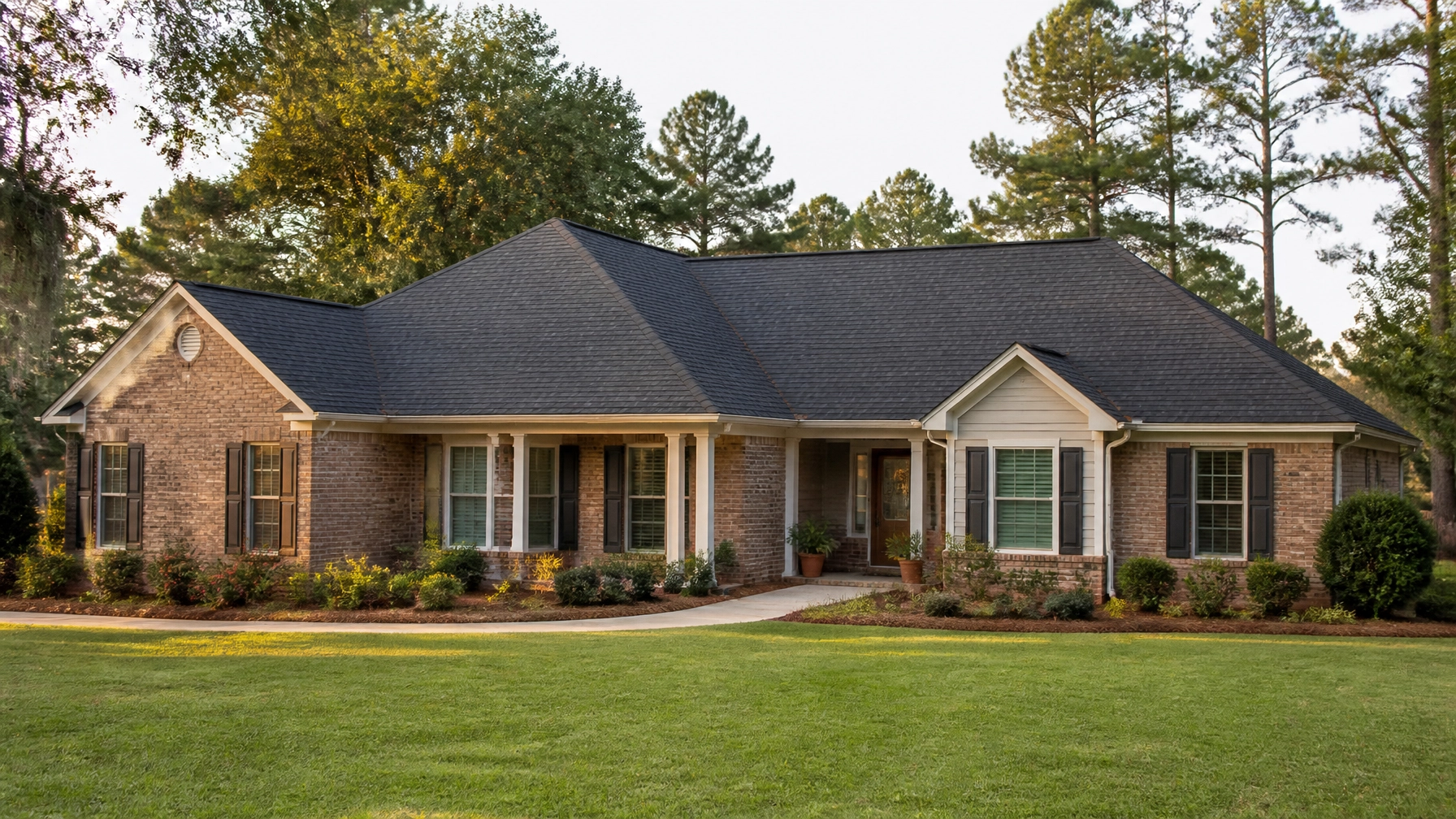
    A classic Florida ranch-style home in Tampa featuring a new light-gray architectural shingle roof.

    Manufacturing the Future: Collins Aerospace and GuardianSat

    The technical expertise in the region is also attracting massive capital. Collins Aerospace (an RTX business) is currently executing a $26.5 million expansion of its Largo facility. This investment specifically targets the manufacturing of commercial aviation radars and multi-domain satellite communications hardware. The expansion is expected to bring over 100 high-tech jobs to the area, cementing Largo's role in global aerospace supply chains.

    Meanwhile, in the heart of Tampa, GuardianSat is solving one of the most complex problems in space: orbital debris. They are developing autonomous satellite defense systems that allow high-orbit satellites to detect and avoid collisions with space junk or hostile threats. Their patented technology provides "spherical awareness," essentially giving satellites a 360-degree self-defense system to ensure the multi-million dollar assets that provide our GPS and weather data stay safe.

    Why Satellite Tech Matters for Your Home

    For the average Tampa resident, this "Tech Blitz" isn't just about rockets and radars: it’s about smarter, faster services. Satellite technology allows for innovations that bypass the traditional hassles of home maintenance.

    For example, when ground-based infrastructure is damaged during a storm, satellite connectivity keeps you online. When you need to scale broadband to rural parts of Florida, satellite constellations do it without the need for thousands of miles of invasive ground construction.

    A modern metal roof installation on a luxury home in St. Petersburg, showing precision and high-quality materials.

    Precision Engineering from Space to Shingles

    The same satellite precision that GuardianSat uses to track orbital debris is also revolutionizing how you take care of your home. At Get My Roof Estimate Now, we leverage advanced satellite imagery technology to provide homeowners with the most accurate roof estimates in Florida without ever sending a contractor to your driveway.

    Using satellite-powered measurements accurate to within inches, we can calculate your roof's size, pitch, and complexity in under 60 seconds. This technology allows us to provide transparent pricing across various material tiers:

    • Budget: Standard 3-tab shingles for a cost-effective replacement.
    • Popular: Architectural shingles that offer superior durability and curb appeal.
    • Premium: Standing seam metal roofs or synthetic materials for maximum longevity.

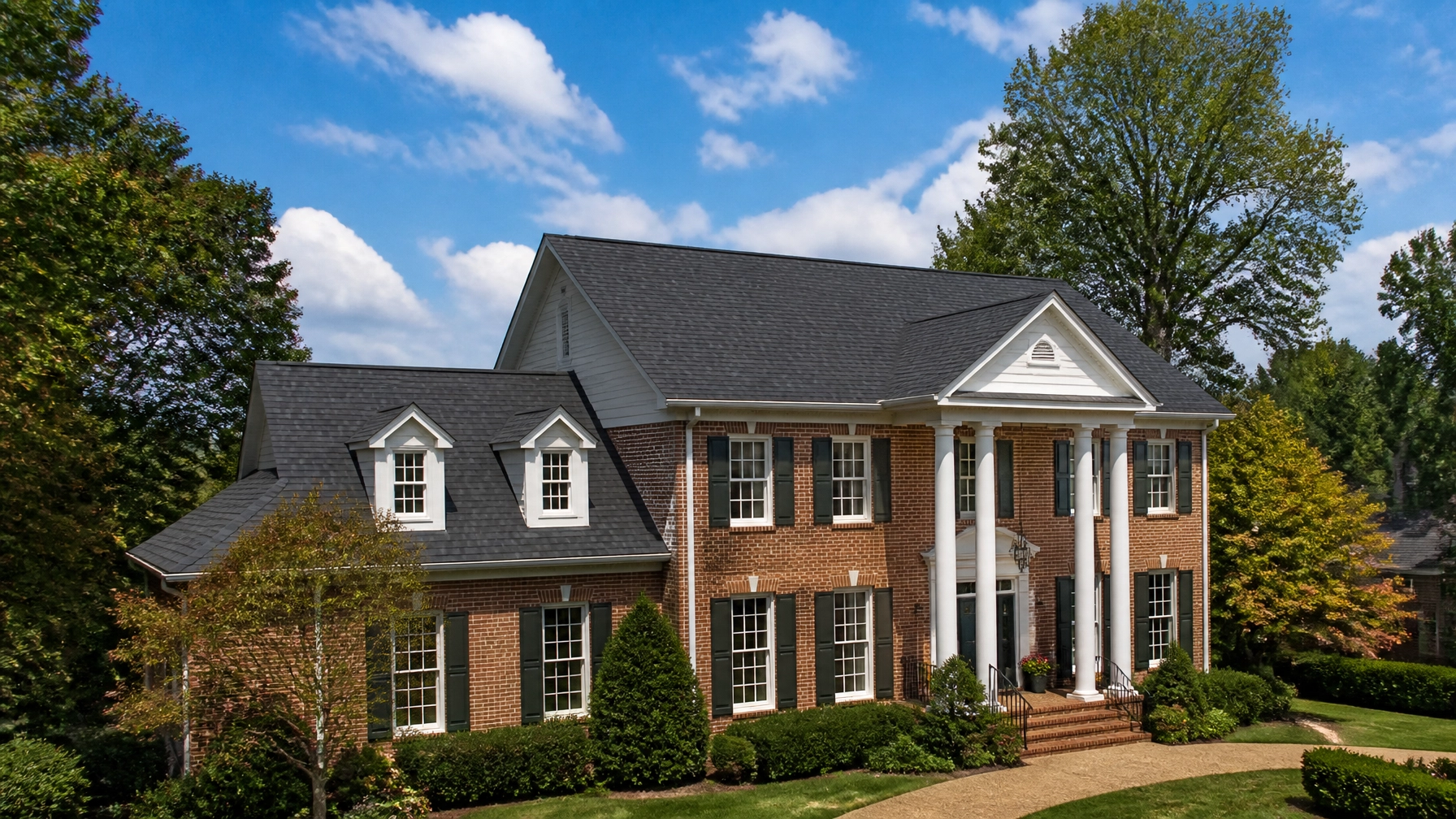
    A beautiful two-story colonial home with a dark charcoal architectural shingle roof, reflecting high-end residential roofing quality.

    Tampa’s rise as a satellite tech powerhouse isn't just a win for the local economy; it’s a win for the efficiency of every homeowner in the Bay Area. Whether it's launching rockets from Port Tampa Bay or getting a fast, free roof estimate from the comfort of your couch, the future is officially looking up.

  • Daily Tech Blitz – Slot 5: How Miami Is Becoming a Satellite Tech Powerhouse

    Daily Tech Blitz – Slot 5: How Miami Is Becoming a Satellite Tech Powerhouse

    Miami is no longer just the "Magic City" of tourism and nightlife. In July 2026, it officially cemented its status as a global leader in the "Satellite Tech Edge." While the world looks to Silicon Valley for software, the aerospace industry is looking at Miami for the next generation of orbital hardware and data.

    This isn't just about rockets. For homeowners in Florida and across the U.S., this technology is hitting closer to home than ever before, literally. From the satellites tracking hurricanes with pinpoint accuracy to the imagery we use at Get My Roof Estimate Now to calculate your roof replacement cost in 60 seconds, the "Satellite Tech Blitz" is here.

    The Milestone: City Labs and the World’s First Commercial Nuclear Satellite

    On July 7, 2026, a historic launch took place. Miami-based City Labs successfully deployed the BOHR CubeSat aboard SpaceX’s Transporter-17 mission. This wasn't a standard satellite; it is the world’s first commercially built nuclear-powered spacecraft.

    The BOHR (Betavoltaic Orbital High-Reliability) CubeSat uses a tritium-powered betavoltaic battery. Unlike the massive reactors you might imagine, this battery (branded as NanoTritium™) captures electrons from the natural decay of tritium to create a continuous, always-on micro-power source.

    Why this matters for the industry:

    • Reliability: It functions independently of sunlight, meaning it doesn't need to face the sun to generate power for its experimental payload.
    • Regulatory First: This mission created the first FAA licensing pathway for commercial nuclear spacecraft, opening the door for a new class of long-life satellites.
    • Innovation: It proves that Miami is capable of producing deep-tech hardware that rivals national space agencies.

    Miami’s Growing Satellite Ecosystem

    The BOHR launch is just one piece of a much larger puzzle. Miami is currently home to a dense cluster of startups and established players revolutionizing how we interact with space.

    • Mission Space: This Miami-linked firm is deploying proprietary satellite payloads combined with AI to monitor space weather. This intelligence is critical for protecting the satellite constellations that provide your GPS and internet.
    • ESpace Networks (Neuron): Having recently secured a $10M Series A, this team is optimizing satellite connectivity for "moving things": specifically cruise ships and aviation: ensuring seamless internet even in the middle of the Atlantic.
    • Terran Orbital: While their manufacturing footprint spans Florida, their integration with Miami’s tech hub provides the hardware backbone (small satellite manufacturing) for many regional initiatives.
    • Geo Think Tank: A local hub for geospatial intelligence, helping translate raw satellite data into actionable insights for urban planning and disaster response.

    A hyper-realistic close-up of a high-quality metal roof on a Florida ranch-style home, showcasing the durability and modern aesthetic preferred in storm-prone regions.

    Florida’s $1M Orbital Data Storage Pilot

    One of the most forward-thinking moves from the state is a new $1M pilot program exploring orbital data storage. The goal is simple: disaster recovery.

    By storing critical state data: including property records and emergency protocols: on satellites in orbit, Florida ensures that even if a catastrophic storm hits ground-based data centers, the information remains safe and accessible from above. It is the ultimate "cloud" backup, located hundreds of miles above the hurricane's reach.

    GOES-19: The New Watchman for Hurricane Alley

    For Miami residents, the most immediate impact of satellite tech is seen during hurricane season. The GOES-19 satellite is now fully operational, providing high-resolution, real-time tracking of storm systems in the Atlantic.

    GOES-19 allows meteorologists to see storm structures with incredible detail, predicting intensity changes faster than ever before. This extra lead time saves lives and allows homeowners to secure their properties (and their roofs) before the first bands of wind arrive.

    How Satellite Tech Powers Your Next Roof Estimate

    At Get My Roof Estimate Now, we don't just watch the satellite industry; we use it every day. The same high-resolution imagery that tracks storms is used by our proprietary technology to measure your home.

    Traditional roofing estimates require a contractor to drive to your house, climb a ladder, and spend an hour measuring with a tape. We’ve eliminated that friction.

    The 60-Second Process:

    1. Enter Your Address: We pull high-resolution satellite imagery of your specific property.
    2. Instant Analysis: Our AI identifies your roof’s size, pitch (slope), and complexity (valleys, dormers, chimneys).
    3. Accurate Pricing: We calculate the "squares" of your roof and apply current local labor and material rates.
    4. Transparent Ranges: You get a low-middle-high price range (e.g., $10,000–$22,000) based on different materials like architectural shingles or metal.

    A professional residential roofing project featuring clean lines and high-quality materials, illustrating the accuracy of satellite-powered estimates.

    Real Numbers for Florida Homeowners

    Miami's unique climate requires specific roofing choices. When using our online estimate tool, you'll see a breakdown of costs based on standard Florida configurations:

    • Architectural Shingles (Popular): $5.50 – $7.50 per square foot. These are the most common choice for Florida's suburban homes, offering a balance of cost and wind resistance.
    • Metal Roofing (Premium): $12.00 – $18.00 per square foot. Often favored in Miami for its longevity and high wind rating (up to 140+ mph).
    • Roof Coatings (Budget): A cost-effective way to extend the life of a flat or low-slope roof without a full replacement.

    Precision Matters

    Our satellite-powered measurements are accurate to within inches (90-95% accuracy). This precision allows us to give you a quote that is transparent and free of "hidden fees" often associated with manual measurements.

    Whether you are in Miami, Virginia Beach, or Las Vegas, the technology developed in hubs like Miami is making home maintenance faster and more honest.

    Why Homeowners Choose Satellite Estimates:

    • No Pressure: Get your numbers without a salesperson in your living room.
    • Speed: Go from "I wonder what a new roof costs" to a full budget in under a minute.
    • Verification: We connect you to licensed and insured local contractors who have already seen your satellite report.

    A modern Florida residence with a high-durability roof, showcasing the result of a well-planned replacement using satellite-guided estimates.

    Conclusion

    Miami’s evolution into a satellite powerhouse isn't just a win for the aerospace industry; it’s a win for every homeowner. From the nuclear-powered innovation of City Labs to the enhanced hurricane tracking of GOES-19, satellite technology is providing the data we need to build safer, more resilient homes.

    Ready to see what the "Satellite Tech Edge" can do for your home? Get your instant roof estimate in 60 seconds here.


  • Daily FAQ Blitz – Slot 3: AEO FAQ Quick Answers for Greenville, SC Homeowners (2026)

    Daily FAQ Blitz – Slot 3: AEO FAQ Quick Answers for Greenville, SC Homeowners (2026)

    If you live in the Upstate, you know that Greenville is growing faster than ever. From the revitalized downtown to the expanding suburbs in Greer and Travelers Rest, homeowners are constantly looking for ways to maintain their property value. In 2026, one of the most significant investments you’ll face is a roof replacement.

    Navigating the local market for a Greenville SC roofing contractor can be overwhelming. Between fluctuating material costs, local building codes, and the frequent storm patterns of South Carolina, you need quick, data-driven answers.

    This installment of our Daily FAQ Blitz is designed for "Answer Engine Optimization" (AEO): providing direct, authoritative responses to the questions Greenville homeowners are asking right now. Whether you're dealing with hail damage from a recent storm or planning a proactive upgrade, here is everything you need to know about roof replacement in Greenville, SC in 2026.


    1. What is the average Greenville SC roof replacement cost in 2026?

    For a standard single-family home in Greenville County (approximately 2,000 to 2,500 square feet), a full roof replacement using architectural asphalt shingles currently ranges between $10,000 and $16,000.

    Cost Breakdown by Category:

    • Budget (Standard Shingles): $8,500 – $11,000. These are typically 3-tab shingles with basic underlayment.
    • Popular (Architectural Shingles): $11,500 – $15,500. This is the "sweet spot" for most Greenville homeowners, offering better wind resistance and a multi-dimensional look.
    • Premium (Metal or Designer Shingles): $18,000 – $35,000+. Standing seam metal is increasingly popular in the Upstate due to its 50+ year lifespan.

    Per-square-foot pricing for asphalt in the Greenville market is currently sitting at $3.50 to $6.00 per square foot installed. Factors such as roof pitch (steepness), the number of layers to be torn off, and the complexity of the roofline (valleys, dormers, chimneys) will dictate where you fall in that range.

    Close-up of premium architectural asphalt shingles being installed on a roof in Greenville, SC

    2. Do I need a licensed Greenville SC roofer, and what are the requirements?

    Yes. In South Carolina, any residential construction project exceeding $5,000: which includes almost all full roof replacements: requires a contractor to hold a South Carolina South Carolina roofing license issued by the SC Department of Labor, Licensing and Regulation (LLR).

    Specifically, you should look for a contractor with a Residential Builder License. This ensures the company is bonded, insured, and has met the state's standards for competency and safety. Working with an unlicensed "handyman" for a full roof replacement can void your material warranties and leave you liable for any on-site injuries.

    Always ask your Greenville SC roofing contractor for their LLR license number before signing a contract. You can verify their status instantly on the SC LLR website.

    3. How does the Upstate SC climate affect my roofing material choice?

    Greenville has a humid subtropical climate, which means your roof faces two primary enemies: intense humidity and seasonal storms.

    • Humidity & Algae: High humidity in the summer leads to "Gloeocapsa magma," the black streaks you often see on older roofs. In 2026, most local homeowners opt for algae-resistant shingles (Popular) that use copper granules to prevent staining.
    • Hail and Wind: The Upstate is prone to severe thunderstorms that can produce significant hail. If you live in an area frequently hit by storms, consider Impact-Rated (Class 4) Shingles (Premium). While they cost 10-20% more, they can often lead to discounts on your South Carolina homeowners insurance premiums.
    • Thermal Expansion: With temperatures swinging from freezing winters to 90°F+ summers, your roof expands and contracts. Metal roofing (Premium) handles these cycles exceptionally well compared to basic asphalt.

    Ranch-style home in the Upstate South Carolina region with a newly installed standing seam metal roof in matte black

    4. How do I handle Greenville SC storm damage roofing insurance claims?

    Greenville homeowners frequently deal with wind and hail damage. If you suspect your roof was compromised during a storm, the process in 2026 is highly standardized:

    1. Instant Assessment: Use a satellite roof estimate in Greenville, SC to understand your roof's current size and potential replacement cost before calling an adjuster.
    2. Professional Inspection: Have a local Greenville SC roofer perform a physical inspection to document "bruised" shingles (hail) or lifted tabs (wind).
    3. File the Claim: Provide your insurance company with the date of the storm and the roofer’s report.
    4. The "Full Replacement" Rule: In South Carolina, if a significant portion of the roof is damaged and the materials cannot be reasonably matched, insurers are often required to pay for a full replacement (minus your deductible), rather than a patch job.

    5. What are the building code and permit requirements in Greenville County?

    You cannot legally replace a roof in Greenville without a permit. Most reputable contractors include the permit fee (typically $100 to $300) in their total estimate.

    Key code requirements for roof replacement in Greenville, SC include:

    • Drip Edge: Now mandatory under the International Residential Code (IRC) to prevent water from wicking back into the fascia and roof deck.
    • Attic Ventilation: Your contractor must ensure the roof has adequate intake (soffit) and exhaust (ridge or box vents) to prevent heat buildup, which can cook shingles from the inside out.
    • Underlayment: Synthetic underlayment has largely replaced traditional felt paper in 2026 due to its superior tear resistance and moisture protection.

    Why Technology is Changing the Way Greenville Gets Estimates

    The traditional way of getting a roof quote: calling three contractors, waiting for them to show up, and sitting through an hour-long sales pitch: is becoming obsolete. Homeowners in the Upstate value their time.

    At Get My Roof Estimate Now, we use advanced satellite roof estimate technology to measure your home with 95% accuracy in under 60 seconds. By analyzing high-resolution aerial imagery, we can calculate the exact "squares" (100 sq ft units) of your roof, its pitch, and its complexity without ever stepping onto your property.

    Top-down satellite imagery view of a suburban neighborhood in Greenville, South Carolina with digital measurement overlays

    The Benefits of a Satellite Estimate:

    • Zero Pressure: You get the data you need to budget before you ever talk to a contractor.
    • Transparent Pricing: We provide low-middle-high ranges based on real-time material costs in the Greenville market.
    • Instant Results: No more waiting for "the roof guy" to call you back.

    Ready to get your Greenville roof replacement cost for 2026?

    Don't guess on your biggest home investment. Whether you are in downtown Greenville, Simpsonville, or Easley, you can get a professional, accurate estimate right now.

    Click here to get your instant, free roof estimate in 60 seconds.


  • Nashville Heat & Storms: How Weather Impacts Your Home’s Durability in 2026

    Nashville Heat & Storms: How Weather Impacts Your Home’s Durability in 2026

    July 2026 has arrived in Nashville with a vengeance. For the past three weeks, Middle Tennessee has been locked under a persistent "heat dome," pushing heat indices into the 100°F to 110°F range daily. This isn't just a comfort issue for residents; it’s a structural stress test for every home in the region.

    When you combine this extreme thermal load with the sudden, violent afternoon thunderstorms characteristic of Nashville’s summer, your roof is under constant assault. At Get My Roof Estimate Now, we’ve seen how these conditions accelerate material aging and expose hidden vulnerabilities.

    Understanding how the current 2026 weather patterns impact your home’s durability is the first step in protecting your largest investment. Whether you are currently dealing with a leak or planning for a future replacement, the data-driven reality of Tennessee weather requires a proactive approach.

    The 160°F Roof: Understanding Thermal Stress in 2026

    While the local news reports an air temperature of 95°F, your roof surface is experiencing something far more extreme. In direct sunlight, dark asphalt shingles can easily reach temperatures of 140°F to 160°F. This phenomenon, often discussed when evaluating Charlotte NC roofing materials heat resilience, is equally critical for Nashville homeowners.

    How Heat Destroys Materials

    • Expansion and Contraction: Roofing materials expand when heated and contract when the sun goes down or a sudden storm hits. This "thermal shock" can cause shingles to crack, fasteners to back out, and sealants to fail.
    • Granule Loss: Extreme heat makes the asphalt in shingles more fluid, which can lead to accelerated loss of the protective ceramic granules. Once these granules are gone, the underlying asphalt is exposed to direct UV rays, leading to rapid degradation.
    • Attic Ventilation Failure: If your attic isn't properly ventilated, that 110°F heat index translates to 150°F+ attic temperatures. This "bakes" your shingles from the inside out, effectively cutting the lifespan of a 30-year roof in half.

    Close-up of high-quality architectural asphalt shingles under intense sunlight

    Nashville’s Storm Season: Hail, Rain, and Microbursts

    The 2026 summer has been defined by "wet microbursts": intense downdrafts that bring localized damaging winds and torrential rain within a matter of minutes. For those looking for Charlotte NC storm season roofing tips, the advice remains the same: your roof is your primary shield against water intrusion.

    Impact of Severe Weather

    • Wind Uplift: High-velocity winds can catch the edges of shingles that have been softened by the day's heat. Once a shingle is lifted, the waterproof seal is broken, making the roof vulnerable to "wind-driven rain" that bypasses standard flashing.
    • Hail Damage: Even small hail can cause significant damage when shingles are already hot and soft. These impacts create "bruises" in the shingle mat, leading to immediate or delayed leaks.
    • Gutter Overload: 2026's heavy rainfall patterns often exceed the capacity of standard gutter systems. When gutters overflow, water backs up under the eave shingles, leading to fascia rot and interior ceiling damage.

    Implementing Charlotte NC severe weather home protection strategies: such as upgrading to impact-resistant (Class 4) shingles: is becoming the new standard for Nashville residents who want to avoid frequent insurance claims.

    Material Durability: What Works in 2026?

    Choosing the right material is no longer just about aesthetics; it’s about engineering your home to survive the climate. When we look at Charlotte NC roof durability standards, we see a clear shift toward high-performance materials.

    Material Type Heat Performance (Reflectivity) Storm Resilience (Wind/Hail) Expected Lifespan (TN/NC)
    Architectural Shingles (Popular) Moderate High (130 mph) 22–28 Years
    Class 4 Impact Shingles (Smart) Moderate Very High (Hail Resistant) 28–35 Years
    Standing Seam Metal (Premium) Excellent (Cool Roof) Extreme (140+ mph) 40–60 Years
    Synthetic Slate/Tile (Luxury) High Very High 50+ Years

    Standing Seam Metal: The 2026 Gold Standard

    For homeowners planning to stay in their homes long-term, metal roofing has become the "rising star" of 2026. Its ability to reflect solar radiation significantly reduces cooling costs during 110°F heatwaves. Furthermore, its interlocking panels provide the best defense against the microburst winds frequently seen in the Nashville area.

    Modern ranch-style home with a charcoal gray standing seam metal roof

    Planning Your Replacement: The 2026 Cost Reality

    If your roof is between 15 and 30 years old, the 2026 weather patterns are likely exposing its age. When budgeting for a project, many homeowners look at the North Carolina roof replacement cost 2026 as a benchmark. In Nashville, similar factors apply: roof size, pitch (steepness), and material choice are the primary cost drivers.

    Traditionally, getting an accurate price meant scheduling three different contractors to visit your home, walk your roof, and provide a quote days later. In 2026, technology has eliminated that friction.

    Instant Satellite Accuracy

    At Get My Roof Estimate Now, we use advanced satellite imagery to measure your roof with 90-95% accuracy: all within 60 seconds. Our system calculates your roof’s "squares" (100 sq. ft. sections), factors in the complexity of your peaks and valleys, and provides a transparent price range based on current Nashville market rates.

    Satellite imagery showing precision roof measurements and digital overlays

    Practical Tips for Nashville Homeowners in July 2026

    1. Check Your Attic Temperature: If your attic feels significantly hotter than the outside air during the day, your ventilation is failing. This will destroy your shingles.
    2. Inspect After Every Storm: Use binoculars to look for "shiny" spots on your roof (missing granules) or shingles that appear slightly lifted.
    3. Clear Gutter Debris: With the frequency of 2026 storms, even a small amount of debris can cause a total system failure during a downpour.
    4. Get a Baseline Estimate: Even if you aren't ready to buy today, knowing your roof's "replacement number" is essential for long-term financial planning.

    The 60-Second Solution

    The era of waiting for a contractor to show up is over. If you're concerned about how the current Nashville heat and storms are affecting your home, you need data, not a sales pitch.

    Visit getmyroofestimatenow.com today. Enter your address, and in under a minute, you’ll receive a comprehensive estimate covering multiple material options: from budget-friendly architectural shingles to premium metal systems. No credit card required, no high-pressure visits: just the information you need to protect your home in 2026.


  • Architectural Shingles vs. Synthetic Roofing: The 2026 Knoxville TN Material Showdown

    Architectural Shingles vs. Synthetic Roofing: The 2026 Knoxville TN Material Showdown

    For Knoxville homeowners, the decision to replace a roof is often a reaction to East Tennessee’s volatile weather: ranging from heavy humidity and summer thunderstorms to the inevitable freeze-thaw cycles of winter. In 2026, the local market has shifted. Homeowners are no longer just asking "how much?", but rather "how long will it last?"

    Choosing between Architectural Shingles (Popular) and Synthetic Roofing (Premium) is the most common crossroads for residents in zip codes like 37919 (Bearden) and 37922 (West Knoxville). One offers the industry standard for reliability and budget-friendliness, while the other provides a "forever roof" aesthetic with unmatched durability.

    This guide breaks down the technical specifications, 2026 pricing, and regional requirements for a Tennessee roof replacement in the Knox County area.


    The East Tennessee Climate Challenge

    Knoxville sits in a unique geographic pocket. While we avoid the coastal hurricanes of the South, we face a specific set of environmental stressors that degrade roofing materials faster than the national average:

    1. Freeze-Thaw Cycles: Knoxville winters frequently bounce between freezing nights and mild days. This expansion and contraction can cause standard asphalt shingles to crack or lose granules over time.
    2. High Humidity: Our humid subtropical climate promotes the growth of gloeocapsa magma (black algae), which streaks roofs and traps heat.
    3. Hail and Wind: Spring storm cells moving through the Tennessee Valley can bring localized hail and wind gusts exceeding 60 mph, testing the impact resistance of any material.

    When hiring a Knoxville roofing contractor, these are the variables they must account for during the installation of a new system.


    Material 1: Architectural Shingles (The Budget-Friendly Standard)

    Architectural shingles, also known as dimensional or laminate shingles, are the most common choice for a Tennessee roof replacement. Unlike old-fashioned 3-tab shingles, architectural shingles are composed of multiple layers of asphalt and fiberglass, creating a three-dimensional look that mimics natural wood shake.

    Close-up of Architectural Shingles

    Pros

    • Cost-Effective: By far the most affordable high-quality option in the 2026 market.
    • Easy Repairs: Because they are so common, finding matching shingles for minor storm repairs is simple.
    • Wind Resistance: Most modern architectural shingles are rated for winds up to 110–130 mph.

    Cons

    • Shorter Lifespan: In the Knoxville climate, expect 22–28 years of functional life, despite 30-year "lifetime" warranties.
    • Granule Loss: Over time, the protective ceramic granules wash away, leaving the asphalt mat vulnerable to UV damage.

    Material 2: Synthetic Roofing (The Premium Alternative)

    Synthetic roofing: often made from advanced polymers, recycled rubber, and plastic: is designed to perfectly replicate the look of hand-split cedar shakes or natural slate. For homeowners in high-end Knoxville neighborhoods, this is the go-to for maximizing curb appeal and long-term durability.

    Close-up of Synthetic Slate Tiles

    Pros

    • Extreme Durability: Most synthetic products carry a Class 4 Impact Rating (the highest possible), making them virtually "hail-proof" in East Tennessee storms.
    • Longevity: These systems are engineered to last 50+ years, often outlasting the homeowner’s tenure in the house.
    • Lightweight: Unlike real slate, which can require structural reinforcement of the roof deck, synthetic slate is light enough for any standard Knoxville home.

    Cons

    • High Initial Investment: The upfront cost can be 2x to 3x higher than architectural shingles.
    • Specialized Labor: Not every contractor is certified to install polymer systems like DaVinci or EcoStar.

    2026 Knoxville Roof Cost Comparison

    The following table outlines the 2026 roof replacement cost for a typical 2,000 square foot (20 square) home in Knox County. These figures include tear-off, disposal, underlayment, and standard labor.

    Feature Architectural Shingles (Budget) Synthetic Slate/Shake (Premium)
    Est. Total Cost (2,000 sq ft) $11,500 – $18,500 $26,000 – $48,000+
    Price per Square (Installed) $575 – $925 $1,300 – $2,400
    Expected Lifespan 25 Years 50+ Years
    Maintenance Need Moderate (Cleaning/Inspection) Very Low
    Algae Resistance Standard (10-15 years) High (Integrated)
    Warranty 30-Year Limited 50-Year / Lifetime

    Note: Pricing varies based on roof pitch and complexity. To get a precise number for your specific address in under 60 seconds, use our Instant Roof Estimate tool.


    Navigating Knox County Roof Permits

    In Knoxville, roofing isn't just about shingles; it’s about compliance. Whether you live within the City of Knoxville limits or in the surrounding Knox County jurisdiction, a permit is required for any reroofing project.

    Contractor inspecting a Knoxville roof

    Knox County Roof Permit Facts:

    • Permit Fees: In 2026, the typical Knox County roof permit fee ranges from $150 to $300 for residential properties. For high-value synthetic projects, the fee may scale up to $600 depending on the total contract value.
    • Required Inspections: Most local codes require at least a final inspection to ensure the flashing and ventilation meet current Tennessee building standards.
    • Licensed Contractors: Tennessee state law requires any roofing project over $25,000 (which includes most synthetic installs) to be performed by a contractor with a state-issued BC-21 (Roofing) license.

    Failing to pull a permit can lead to major headaches when you eventually try to sell your home in 37901 or 37919, as home inspectors will flag unpermitted work.


    ROI and Resale Value in Knoxville

    When considering architectural shingles vs metal roofing or synthetic options, you must look at the Return on Investment (ROI).

    In the Knoxville real estate market, a new roof typically recoups 60–70% of its value immediately upon installation. However, synthetic roofing offers a unique "marketing edge." If you are planning to sell a home in Sequoyah Hills or Northshore, a synthetic slate roof can be a massive selling point, as buyers appreciate the "maintenance-free" aspect of a 50-year material.

    On the other hand, for a standard rental property or a starter home in Fountain City, architectural shingles are the smarter financial move, as they provide the necessary protection without over-improving the property for the neighborhood.

    New roof in a Knoxville neighborhood


    Verdict: Which Material Should You Choose?

    • Choose Architectural Shingles if: You are on a budget, plan to move within the next 10-15 years, or have a standard ranch or colonial home that doesn't require a "statement" roof.
    • Choose Synthetic Roofing if: You plan on staying in your home long-term (20+ years), want the best possible protection against hail and wind, or have a luxury home where the aesthetic of slate or wood shake is essential to the architectural style.

    Frequently Asked Questions (FAQ)

    1. What is the average Knoxville roof cost in 2026?

    The average cost for a standard 2,000 sq ft home with architectural shingles is approximately $14,500. However, factors like steepness and the number of layers to be removed can push this higher.

    2. Is synthetic roofing worth the extra cost?

    If you factor in the "cost per year," synthetic is often cheaper. While it costs 2.5x more upfront, it lasts 2x as long and requires fewer repairs, saving you money over a 50-year period.

    3. How long does a Tennessee roof replacement take?

    A standard architectural shingle roof usually takes 1–2 days. A complex synthetic slate installation can take 4–7 days due to the precision required for the interlocking tiles.

    4. Do I need to replace my gutters when I get a new roof?

    It is highly recommended. Combining your roof replacement with new gutters (and gutter guards) ensures your drainage system can handle the heavy rainfall typical of East Tennessee.


    Ready for an Accurate Quote?

    Don't wait for a contractor to show up three hours late just to give you a ballpark number. Use our satellite-powered technology to get a 95% accurate estimate in 60 seconds.

    Get My Instant Knoxville Roof Estimate Now →

  • DIY vs Pro Roof Replacement in Columbia SC: What South Carolina Homeowners Know About the 2026 Cost of Going Solo

    DIY vs Pro Roof Replacement in Columbia SC: What South Carolina Homeowners Know About the 2026 Cost of Going Solo

    In the current 2026 Columbia real estate market, homeowners are facing a critical decision. With inflation stabilizing but labor costs remaining high, the gap between a DIY roof and a professional installation has never been more scrutinized. For many in Richland and Lexington counties, the allure of saving $10,000 by "going solo" is strong.

    However, the reality of a Columbia SC roof replacement cost in 2026 involves more than just shingles and nails. From strict South Carolina permitting laws to the high-wind design standards required by our local climate, the "cheap" option often carries hidden risks that can tank your home’s value.

    Before you climb that ladder, here is the data-driven breakdown of what it actually takes to replace a roof in Columbia today.

    The Cost Breakdown: DIY vs. Professional (2026 Estimates)

    In Columbia, a typical roof replacement for a 2,000 sq. ft. home ranges from $4,998 to $24,990, depending on materials and complexity. Labor currently accounts for 40% to 60% of the total project cost.

    Factor DIY (Solo) Professional (Contractor) Category
    Material Costs $4,000 – $6,000 $5,000 – $7,000 (Budget)
    Labor Costs $0 (Your Time) $5,000 – $11,000 (Variable)
    Tool/Dumpster Rental $1,500 – $2,500 Included (Hidden)
    Permit Fees $100 – $350 Included (Mandatory)
    Total Estimated Cost $5,600 – $8,850 $10,100 – $18,350 (Project Total)

    Note: Professional costs include high-performance architectural shingles and full disposal.

    The "Hidden" Costs of Going Solo

    While the DIY price tag looks attractive, it rarely includes the variables that pros handle by default. In 2026, Columbia homeowners are seeing deck repair costs of $75 to $110 per sheet of plywood. A DIYer who uncovers rot during a tear-off often finds their "budget" project spiraling as they lack the wholesale material accounts or the speed to dry-in the home before a typical South Carolina afternoon thunderstorm hits.

    Professional roofing crew installing shingles with safety harnesses in South Carolina

    The Legal Trap: Permits and the "Owner-Builder" Rule

    One of the most misunderstood aspects of roof replacement in Columbia SC 2026 is the legal requirement for permitting. In the City of Columbia and unincorporated Richland County, you cannot simply start hammering.

    1. License Requirements: Any residential project over $5,000 requires a South Carolina residential builders license.
    2. The Homeowner Affidavit: As a homeowner, you can technically pull your own permit as an "owner-builder," but it comes with a major catch. You must sign a legal disclosure stating you will occupy the home and will not sell or rent the property for at least two years.
    3. Liability: When you pull a permit as the owner-builder, you assume all liability. If a friend helping you falls off the roof, your standard homeowner’s insurance may not cover the medical costs, and you have no workers' comp protection.

    If you are planning to sell your home soon to capitalize on the Columbia home value new roof boost, the DIY route is legally blocked. Licensed contractors are the only ones who can pull permits for homes that are intended for the market.

    Columbia Climate Standards: 115 MPH Wind Design

    Columbia isn't just hot; it’s a high-wind zone. Following the 2021 IRC (International Residential Code) compliance standards, roofs in our region must be designed to withstand 115 mph wind speeds.

    Professional contractors in Columbia utilize specific nailing patterns (often 6 nails per shingle rather than the standard 4) and specialized underlayments to meet these codes. If a DIY roof is not installed to these exact specifications, it will fail a local building inspection, and more importantly, it may void your manufacturer warranty.

    Most premium shingle manufacturers, such as GAF or Owens Corning, require installation by a certified professional to honor their 25-year or lifetime warranties. A DIY error: even a small one like improper flashing: can lead to a denied claim after the next major storm.

    Comparison of architectural shingles and standing seam metal roofing materials

    Resale Value and ROI: The 2026 Real Estate Reality

    Does a new roof add value? In the Columbia SC real estate 2026 market, the answer is a resounding yes: but only if it’s documented.

    • Professional ROI: A professionally installed asphalt shingle roof typically sees a 60–70% ROI at resale. For metal roofs, that number can jump to 75%.
    • The DIY Discount: Buyers in 2026 are more savvy than ever. During the inspection phase, a "homeowner-installed" roof is a massive red flag. Without a transferable workmanship warranty from a reputable local company, buyers often demand a price reduction that far exceeds the money you saved by doing it yourself.

    A new roof from a verified, insured contractor isn't just a repair; it’s a marketing asset. It provides the "Curb Appeal" that closes deals in neighborhoods from Shandon to Lexington.

    Modern ranch-style home in Columbia, SC with a new matte black metal roof

    Conclusion: Get Your Data Before You Decide

    The choice between DIY and a professional team often comes down to how much you value your time, your safety, and your home’s future equity. While the initial savings of $6,000 might seem significant, the loss of warranty, the 2-year "no-sell" restriction, and the physical risk make it a high-stakes gamble.

    Before you make a decision, you need an accurate starting point. You don't need to wait for three different contractors to visit your home just to get a ballpark figure.

    At Get My Roof Estimate Now, we provide instant, satellite-powered roof estimates in under 60 seconds. Our technology measures your roof's size, pitch, and complexity with 90-95% accuracy using high-resolution imagery.

    Get your free Columbia SC roof estimate in 60 seconds here.

    Know your numbers. Protect your investment. Choose the smart path for your Columbia home.


  • How to Vet a Greenville SC Roofing Contractor in 15 Minutes (2026 Checklist)

    How to Vet a Greenville SC Roofing Contractor in 15 Minutes (2026 Checklist)

    Replacing a roof is one of the most significant investments you will make in your home. In 2026, the average Greenville SC roof replacement cost ranges from $9,000 to $15,000 for a standard single-family home. With that much capital on the line, you cannot afford to hire the wrong crew.

    The Greenville market is currently flooded with "storm chasers" and high-pressure sales teams, especially following the recent upstate weather patterns. However, you don’t need hours of research to find a reliable Greenville SC roofing contractor. By following this 15-minute vetting checklist, you can filter out the amateurs and ensure your home is protected by a licensed professional.

    The 2026 Greenville Roofing Market: Current Benchmarks

    Before you pick up the phone, you need to understand the local landscape. Material costs and labor rates in South Carolina have stabilized, but the demand for a qualified Greenville SC roofer remains high.

    • Standard Shingle Replacement (Popular): $9,000 – $12,500.
    • Premium Architectural Shingles (High-End): $12,500 – $15,000.
    • Metal Roofing (Premium): $18,000 – $28,000+.

    If a bid comes in significantly lower than $9,000 for a full roof replacement Greenville SC, it is an immediate red flag. Low-ball bids often indicate a lack of proper insurance, unlicensed labor, or the use of sub-par materials that won't survive a South Carolina summer.

    Minute 1-5: The Mandatory License Check

    In South Carolina, licensing isn't a suggestion: it's the law. A legitimate contractor must hold a valid Greenville South Carolina roofing license through the South Carolina Department of Labor, Licensing and Regulation (LLR).

    How to Verify in 60 Seconds

    1. Navigate to verify.llronline.com.
    2. Search by the company name or the individual owner's name.
    3. Confirm the License Type:
      • Residential Specialty Contractor (Roofing): Required for residential projects. These contractors must have at least one year of experience and pass specific trade exams.
      • General Contractor: Required if the project exceeds $10,000 (which most 2026 roof replacements do) or if the work is commercial.
    4. Check Status: Ensure the license is "Active." If you see "Lapsed" or "Suspended," hang up the phone immediately.

    A detailed close-up shot of a professional roofing installation in progress in Greenville, SC.

    Minute 6-8: Manufacturer Certifications & Insurance

    A license proves they are legal; certifications prove they are experts. The top three manufacturers in the U.S. have rigorous certification programs. If a Greenville SC roofing contractor holds one of these, they have been vetted by the material manufacturers themselves:

    • GAF Master Elite (Premium): Only 2% of roofers nationwide hold this status.
    • Owens Corning Platinum Preferred (High-End): Indicates high standards for installation and financial stability.
    • CertainTeed Select ShingleMaster (Popular): Guarantees the crew has passed extensive shingle technology testing.

    The Insurance Requirement:
    Ask for a Certificate of Insurance (COI) sent directly from their agent. A reputable Greenville SC roofer will have no problem providing this. You are looking for two specific coverages:

    1. General Liability: Protects your property if a tree falls or a leak occurs during the job.
    2. Workers’ Compensation: Essential in SC. If a worker is injured on your property and the contractor doesn't have this, you could be held liable.

    Minute 9-11: Identifying "Storm Chaser" Red Flags

    Greenville is a prime target for out-of-state "storm chasers" after heavy weather. Dealing with Greenville SC storm damage roofing requires a local expert who understands Greenville County building codes and permitting.

    Warning Signs of an Unreliable Contractor:

    • Door Knocking: Reputable local companies are usually busy enough with referrals. If they are knocking on your door after a hail storm, proceed with extreme caution.
    • High-Pressure "Today Only" Pricing: If the price jumps up or down based on you signing a contract right now, they are using sales tactics, not project data.
    • Lack of a Physical Office: If their truck has an out-of-state plate or their "office" is a PO Box, they may disappear before your warranty claim arises.
    • Handling the Deductible: It is illegal in South Carolina for a contractor to offer to "waive" or "pay" your insurance deductible. This is insurance fraud.

    A Greenville SC roofer inspecting a brick ranch-style home for storm damage using a tablet.

    Minute 12-15: Level the Playing Field with a Satellite Estimate

    The most common way homeowners get overcharged is by not knowing their roof's actual measurements. Traditionally, you had to wait days for a contractor to climb a ladder and measure. In 2026, technology has changed the game.

    Before you invite a contractor to your home, get a satellite roof estimate Greenville SC. At GetMyRoofEstimateNow.com, we use high-resolution satellite imagery to calculate your roof's square footage, pitch, and complexity within 90-95% accuracy.

    How this helps you vet:

    When a contractor presents a bid, you can compare their "squares" (100 sq. ft. sections) to your satellite data. If your satellite report says you have 25 squares, but the contractor is bidding for 32 squares, they are likely padding the materials list or overestimating waste. Having this data upfront signals to the Greenville SC roofing contractor that you are an informed homeowner who cannot be easily misled.

    Get an instant roof estimate for your Greenville home here.

    The Greenville Vetting Checklist Summary

    Task Duration Goal
    Verify License 2 Mins Check verify.llronline.com for "Active" status.
    Check Insurance 3 Mins Request COI for Liability and Workers' Comp.
    Confirm Certification 2 Mins Look for GAF, Owens Corning, or CertainTeed badges.
    Scan for Red Flags 3 Mins Avoid door-knockers and deductible-waiving offers.
    Get Satellite Data 1 Min Get your Get My Roof Estimate Now report.
    Compare Bids 4 Mins Cross-reference contractor squares with satellite data.

    Split-screen showing a top-down satellite roof estimate and a finished residential roof in Greenville, SC.

    Local Greenville Resources

    Conclusion

    Hiring a Greenville SC roofing contractor doesn't have to be a weeks-long process of trial and error. By spending 15 minutes on the steps above, you can confidently select a professional who is licensed, insured, and fairly priced.

    Don't start your project in the dark. Use our satellite roof estimate technology today to get the data you need to negotiate like an expert. Whether you are dealing with Greenville SC storm damage roofing or just planning for the future, transparency is your best protection.

  • Daily Tech Blitz – Slot 7: Charleston’s Satellite Tech Edge Is Launching the Holy City Into Orbit

    Daily Tech Blitz – Slot 7: Charleston’s Satellite Tech Edge Is Launching the Holy City Into Orbit

    For decades, Charleston, South Carolina, has been defined by its steeples, cobblestone streets, and historic charm. But as of July 2026, the "Holy City" is being redefined by something much higher: a sophisticated satellite technology ecosystem that is quietly turning the Lowcountry into a global aerospace powerhouse.

    The transition from a tourism-heavy economy to a high-tech "Silicon Harbor" didn't happen overnight. It is the result of strategic investments by industry giants like Boeing, the expansion of statewide Starlink connectivity, and a new wave of startups pushing the boundaries of physics-based satellite analysis. For homeowners in the Charleston metro area, this technological surge isn't just about space exploration: it’s about the precision technology that now powers everyday services, from urban planning to getting an instant roof replacement estimate.

    Anubis Labs: Seeing Beneath the Surface

    At the heart of Charleston’s current tech blitz is Anubis Labs. Recently establishing its headquarters at the Charleston Tech Center, Anubis Labs isn't your typical data firm. While many satellite companies rely on "black-box" AI to guess what they are looking at, Anubis utilizes deterministic, physics-based processing of satellite radar data to understand what lies beneath the Earth’s surface.

    By interpreting subsurface structures, materials, and fluids, Anubis Labs provides critical data for infrastructure, energy, and national programs. Their decision to anchor in Charleston was calculated, driven by the proximity to NIWC Atlantic and a burgeoning talent pool.

    “Charleston has quietly built one of the most interesting technology communities on the East Coast : and we're glad to be part of it,” said Brett Egloff, Founder and CEO of Anubis Labs.

    This high-level satellite analysis is the gold standard for accuracy. When we talk about "satellite-powered measurements" for residential projects, we are drawing from the same lineage of precision that companies like Anubis Labs use to map subsurface minerals.

    The July 7 Launch: College of Charleston Reaches Orbit

    The momentum reached a fever pitch on July 7, 2026. At 3:00 a.m. ET, SpaceX’s Transporter-17 mission roared into the sky from Vandenberg Space Force Base, carrying a piece of Charleston’s future. Onboard was a CubeSat payload designed and built by students and faculty at the College of Charleston, in collaboration with local imaging firm Pensievision.

    This wasn't just a science project; it was a mission-critical deployment of ultraviolet (UV) imaging systems.

    • The Goal: To observe nearby star systems and characterize radiation environments that might host habitable planets.
    • The Tech: A two-part mission that began with a testbed on the International Space Station (ISS) in April 2026, culminating in the July 7 orbital launch.
    • The Local Edge: Pensievision, a Charleston-based leader in 3D imaging tech, provided the hardware engineering expertise to move these instruments from the lab to the vacuum of space.

    For Charleston residents, this launch represents a coming-of-age for the local tech scene. The same imaging principles used to analyze distant star systems by Pensievision are mirrored in the high-resolution aerial photography we use to calculate the exact pitch and square footage of your home’s roof.

    Modern Charleston home with a new architectural shingle roof

    The Backbone: Boeing and Starlink

    While startups and universities push the envelope, the bedrock of Charleston's aerospace ecosystem remains Boeing South Carolina. As the only site in the world where the 787 Dreamliner is manufactured from fabrication to delivery, Boeing has created a "Big Bang" effect. This ecosystem now supports over 70 aerospace-related businesses and hundreds of local suppliers.

    Complementing this physical manufacturing is the invisible infrastructure of Starlink. In 2026, Starlink’s satellite broadband has become the primary redundancy for Charleston’s aerospace suppliers and rural contractors. It ensures that even in the event of coastal storms or fiber outages, the data flow: including the high-bandwidth imagery required for modern roofing services: remains uninterrupted.

    Precision from Above: How Satellite Tech Changed Roofing

    The "Satellite Tech Edge" isn't just for aerospace engineers; it’s for the homeowner on Daniel Island or in West Ashley who needs a new roof but doesn't have two weeks to wait for contractor bids. At Get My Roof Estimate Now, we leverage the same satellite-driven accuracy seen in Charleston's tech corridor to provide 95% accurate measurements in under 60 seconds.

    Traditional roofing estimates involve a contractor climbing a ladder, pulling a tape measure, and often "eyeballing" the waste factor. Our technology eliminates this human error by utilizing:

    1. High-Resolution Satellite Imagery: Capturing multiple angles of your roof to determine complexity.
    2. Advanced Pitch Calculation: Identifying the steepness of the roof (which affects labor costs).
    3. Local Material Indexing: Factoring in current Charleston supply chain costs for shingles and metal.

    Satellite view of a residential roof with digital measurement overlays

    Charleston Roofing Cost Guide: 2026 Data

    Understanding the local market is essential for budgeting. Based on our 2026 data for the Charleston, SC region, here is what homeowners should expect for a standard 2,000–2,500 square foot roof replacement.

    Material Type Estimated Price Range Best For…
    Architectural Shingles (Popular) $8,500 – $14,500 Standard residential homes; storm resistance.
    Standing Seam Metal (Premium) $19,000 – $32,000 Coastal homes; maximum longevity; hurricane durability.
    Synthetic/Composite (Luxury) $22,000 – $40,000 Historic aesthetics with modern durability.
    Silicone Coating (Budget/Maintenance) $4,000 – $7,500 Extending the life of a flat or low-slope roof.

    Key Factors Influencing Charleston Estimates:

    • Complexity: Roofs with multiple dormers, valleys, or a high pitch (steepness) require more labor and safety equipment.
    • Accessibility: Historic downtown Charleston properties with limited street access may see a "logistics premium."
    • Permitting: Charleston County and local municipalities have specific codes, especially regarding wind-load requirements for coastal zones.

    The Benefit of Instant Estimates

    Why does the satellite tech edge matter to you? Efficiency. In the time it takes to grab a coffee at a local King Street cafe, you can have a complete breakdown of your roof replacement costs.

    • Zero Pressure: No salesman in your living room for three hours.
    • Total Transparency: Know the material costs before you ever call a contractor.
    • Verified Network: Once you have your estimate, we connect you with licensed, insured Charleston contractors who are ready to honor that pricing.

    A classic Charleston historic home with a premium metal roof

    Conclusion: A Future Built on Data

    Charleston is no longer just a city of history; it is a city of the future. From the College of Charleston’s CubeSat orbiting 300 miles above to the physics-based subsurface mapping of Anubis Labs, the "Holy City" is proving that technology and tradition can thrive together.

    For homeowners, this means more power, more data, and less guesswork. Whether you are dealing with the aftermath of a coastal storm or simply planning for the next 20 years of home maintenance, the satellite tech edge is here to help.

    Ready to see what the tech can do for your home? Get your instant, satellite-powered roof estimate in under 60 seconds. No credit card, no waiting, just accurate data.

    Get My Instant Charleston Roof Estimate →