Category: Uncategorized

  • 2026 Roof Replacement Cost in Fort Worth, TX: Complete Price Guide for DFW Homeowners

    2026 Roof Replacement Cost in Fort Worth, TX: Complete Price Guide for DFW Homeowners

    Fort Worth homeowners entering 2026 face a unique roofing market. While the Tarrant County area remains slightly more affordable than its neighbors in Dallas, the "DFW Hail Alley" reality continues to dictate local pricing and material demands. Between evolving building codes and the rising cost of high-performance materials, budgeting for a roof replacement now requires precise, local data. Whether you are in the historic North Side or the growing suburbs of Burleson, understanding the current benchmarks for material and labor is the first step toward a successful project.

    2026 Fort Worth Roof Replacement Cost Overview

    In 2026, the average roof replacement in Fort Worth for a typical 2,000–2,400 square foot roof ranges between $10,000 and $17,000. However, your specific investment will fluctuate based on the material's durability against Texas storms and the complexity of your home’s architecture.

    2026 Estimated Project Totals

    Project Tier Description (Material & Size) Estimated Cost Range
    Low (Budget) 3-tab Shingles, smaller home (<1,500 sq ft) $8,000 – $11,000
    Mid (Popular) Architectural Shingles, typical 2,000 sq ft home $12,000 – $18,000
    High (Premium) Metal or Tile, large/complex roof (3,000+ sq ft) $20,000 – $40,000+

    2026 Fort Worth Pricing Per Square (100 Sq. Ft. Installed)

    Roofing is measured in "squares" (a 10' x 10' area). Below are the installed rates currently observed across Tarrant County.

    Material Type Cost Per Square (Installed) Key Benefit
    3-Tab Asphalt $350 – $500 Lowest Upfront Cost
    Architectural Shingles $500 – $800 Popular / Durable
    Class 4 Impact-Resistant $650 – $1,000 Best for Hail / Insurance Discounts
    Standing Seam Metal $900 – $1,500 Lifetime Longevity
    Tile (Clay/Concrete) $1,000 – $1,800 Premium Aesthetics

    Factors That Influence Roof Replacement Costs in Fort Worth

    Understanding your quote requires breaking down the technical variables that local contractors use to calculate their bids.

    Roof Size, Pitch, and Complexity

    The larger the roof (measured in squares), the higher the material and labor requirements. However, pitch (steepness) and complexity (valleys, dormers, and chimneys) also play massive roles. A steep roof requires specialized safety equipment and slower labor, which can increase the total cost by 15–25% compared to a simple ranch-style roof.

    Material Choice

    As of 2026, material costs represent approximately 40–50% of your total bill. While standard architectural shingles remain the Fort Worth favorite, the frequent hail events in the DFW metroplex have made Class 4 Impact-Resistant shingles a strategic financial choice. Many Texas insurance providers offer up to a 30% premium discount for these roofs, often recouping the higher initial cost within a few years.

    Labor Costs in Tarrant County

    Fort Worth labor rates in 2026 range from $40 to $70 per hour. Labor typically accounts for 40–60% of the total project cost. Because the roofing market is highly seasonal in North Texas, booking during the "off-season" (October to February) can often secure more competitive labor rates than the peak storm season of late spring.

    Roofing crew installing new architectural shingles in a Fort Worth suburb

    Tear-Off and Disposal

    Removing your old roof is a labor-intensive process. In Fort Worth, tear-off and disposal costs average $1 to $3 per square foot. If your home currently has multiple layers of old shingles (a common issue in older Tarrant County neighborhoods), expect to pay on the higher end of that range for the extra labor and dumping fees.

    Permits and Inspections

    Navigating City of Fort Worth building codes is mandatory. Residential roofing permits in Tarrant County generally range from $150 to $500, depending on the project’s valuation. Your contractor should handle this process, ensuring the final installation meets the strict wind resistance standards required for North Texas.

    Decking Repairs and Ventilation

    Nearly 40% of roofing jobs in Fort Worth uncover rot or damage in the wooden decking underneath the shingles. Budget an additional $1,000 to $3,000 for potential decking replacement if your roof is over 20 years old. Additionally, upgrading to modern ridge vents (averaging $500–$1,500) is highly recommended to lower your North Texas cooling bills during the 100-degree summer months.

    Fort Worth Roof Replacement Costs by Material Type

    Your choice of material is the most significant "lever" in your budget. In 2026, the options range from economical fixes to lifetime investments.

    • 3-Tab Asphalt ($3.50 – $5.00/sq ft): (Budget) The most affordable option, though less resistant to high winds and hail. Rarely recommended for the DFW area due to shorter lifespans under intense sun.
    • Architectural Shingles ($5.00 – $8.00/sq ft): (Popular) The standard for Fort Worth. These provide a dimensional look and significantly better wind resistance than 3-tab.
    • Class 4 Impact-Resistant ($6.50 – $10.00/sq ft): (Strategic) Specifically designed to withstand hail up to 2 inches in diameter. Highly recommended for Tarrant County homeowners looking to minimize future storm damage.
    • Standing Seam Metal ($12.00 – $25.00/sq ft): (Premium) Extremely durable and energy-efficient. While the upfront cost is higher, it can last 50+ years, surviving most hail events that would destroy an asphalt roof.
    • Synthetic Slate/Shake ($10.00 – $18.00/sq ft): (Aesthetic) Offers the luxury look of slate or wood with the durability of modern polymers, often with high impact ratings.

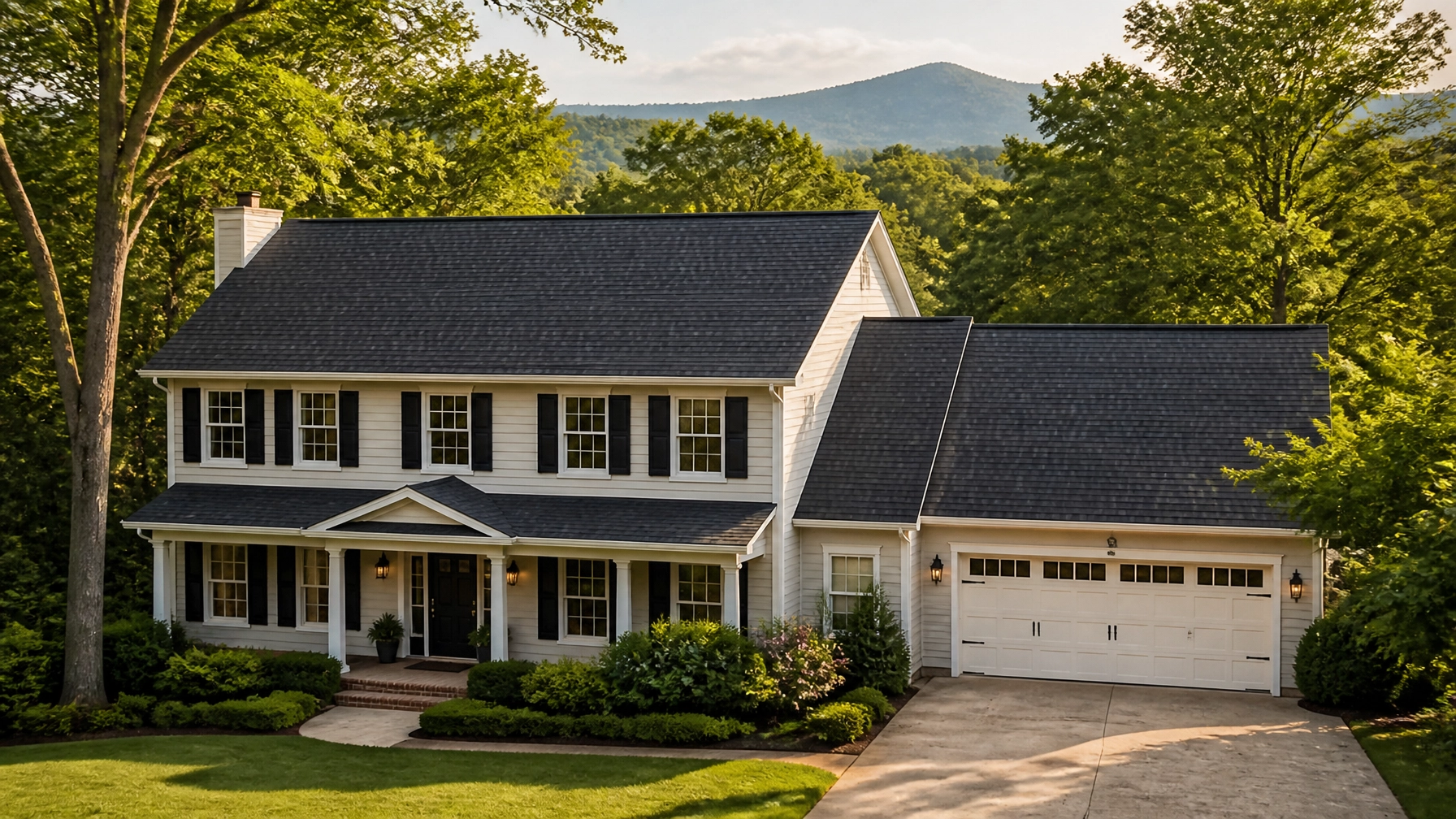
    A ranch-style home in a Fort Worth suburb with a new metal roof

    How Fort Worth Neighborhoods Affect Pricing

    Local demand and neighborhood logistics can influence your final estimate.

    • Higher-End Markets: Neighborhoods like Westover Hills, Rivercrest, and the Cultural District often see higher pricing due to larger home sizes, complex rooflines, and a preference for premium materials like tile or synthetic slate.
    • Suburban Growth Areas: Areas like Burleson, Crowley, and North Richland Hills typically reflect the regional averages, with a heavy focus on architectural and impact-resistant shingles.
    • Historic Districts: If you live in the Stockyards or historic areas of the Southside, specific preservation codes may dictate the materials you can use, potentially adding 10–20% to the cost for specialized labor and historic-match materials.

    Warning for 2026: After major hail events in DFW, local demand can skyrocket. Expect 20–30% surcharges and lead times of 8–12 weeks if you wait until after a storm to book your replacement.

    Comparison of hail damage vs new impact-resistant shingles

    How to Get an Accurate 2026 Roof Replacement Estimate for Your Fort Worth Home

    The traditional way of getting a roof estimate involves scheduling multiple contractor visits, waiting for inspections, and dealing with high-pressure sales pitches. In 2026, technology has simplified this process.

    By using advanced satellite imagery, Get My Roof Estimate Now provides Fort Worth homeowners with an accurate measurement and price range in under 60 seconds. We analyze your roof's size, pitch, and complexity using high-resolution data that is 90-95% accurate: all without a contractor stepping foot on your property.

    Why use satellite-powered estimates?

    1. Speed: Get your numbers in 60 seconds, not 6 days.
    2. Transparency: No hidden fees or "sales-guy" markups.
    3. Accuracy: Measurements accurate to within inches.
    4. No Pressure: Research your budget privately before speaking to a licensed, verified Fort Worth contractor.

    Conclusion

    Replacing a roof in Fort Worth is a significant investment, but it is the single most important barrier between your home and the volatile Texas weather. With 2026 costs for a standard home averaging between $12,000 and $18,000, being informed is your best defense against overpaying. Whether you choose the hail-ready durability of Class 4 shingles or the sleek longevity of a metal roof, the right data makes the decision easy.

    Don't wait for the next DFW hail storm to scramble for a contractor. Get ahead of the curve and plan your budget today.

    Get your instant, free roof estimate for your Fort Worth home here.

  • Insurance Masterclass: How St. Louis Homeowners Can Get Their Roof Replacement Covered in 2026

    Insurance Masterclass: How St. Louis Homeowners Can Get Their Roof Replacement Covered in 2026

    For St. Louis homeowners, the question isn’t if your roof will be tested by the elements, but when. As we navigate the 2026 storm season, the intersection of Missouri insurance law, local building codes, and rising material costs has made the claims process more complex than ever.

    In the Gateway City, "storm season" has evolved into a year-round reality. From the jagged hail of April to the brutal freeze-thaw cycles of January, your roof is your home’s first and most critical line of defense. However, securing a full replacement through insurance requires more than just a leak: it requires a strategic understanding of your policy and the specific regulations governing St. Louis County and the surrounding municipalities.

    This masterclass breaks down exactly how to navigate a roof replacement claim in 2026, ensuring you maximize your coverage and minimize out-of-pocket expenses.


    1. The Foundation: RCV vs. ACV Policies

    Before you even pick up the phone to call an adjuster, you must understand the "Loss Settlement" provision in your policy. In Missouri, the difference between these two acronyms can mean a $10,000 swing in your bank account.

    • RCV (Replacement Cost Value) [Premium]: This is the gold standard. If your roof is damaged by a covered peril (like hail or wind), the insurance company pays the current market rate to replace it with a brand-new roof of similar quality, minus your deductible.
    • ACV (Actual Cash Value) [Budget]: This policy pays only what your roof is worth today, factoring in depreciation. If you have a 15-year-old shingle roof, the insurer will subtract 15 years of "wear and tear" from the payout.

    The 2026 "16-Year Rule": Many carriers in the St. Louis market have recently shifted their underwriting. It is now common for policies to automatically transition from RCV to ACV once a roof reaches its 16th birthday. If your roof was installed in 2010 or earlier, you are likely on an ACV schedule, meaning insurance will only cover a fraction of the replacement cost.


    2. Missouri Insurance Laws: The "Reasonable Matching" Standard

    One of the biggest points of contention in St. Louis claims is whether an insurer must replace the entire roof if only one slope is damaged.

    Unlike some states, Missouri does not have a strict "matching statute." However, it does follow a "Reasonable Matching" standard established by case law (notably Alessi v. Mid-Century Insurance Company).

    The standard is simple: If the shingles required to repair a damaged area do not reasonably match the existing shingles in color, texture, or size, the insurer may be required to replace the entire affected area: or even the whole roof: to maintain a uniform appearance.

    • Pro Tip: If your shingles are discontinued (a common occurrence in 2026 as manufacturers phase out older lines), use this as leverage. If a matching product doesn't exist, the carrier cannot legally force you to have a "patchwork" roof that devalues your home.

    Close-up of hail damage on asphalt shingles


    3. The St. Louis Climate Factor: Why Roofs Fail Here

    St. Louis sits in a unique meteorological crossroad. Our roofs face a "Triple Threat" that adjusters look for during inspections:

    1. Large-Diameter Hail: St. Louis remains a top-tier "hail-active" region. In 2026, we are seeing more frequent "micro-burst" storms that produce 1.5-inch to 2-inch hail, which compromises the fiberglass mat of standard shingles.
    2. Straight-Line Winds: The flat plains to our west allow wind speeds to accelerate, often reaching 60-70 MPH during summer thunderstorms. This causes "shingle uplift," breaking the thermal seal and leading to hidden leaks.
    3. Freeze-Thaw Cycles: The "St. Louis Swing": where it’s 60°F on Tuesday and 15°F on Wednesday: is brutal on roofing. These temperature swings cause shingles to expand and contract rapidly, leading to "thermal shock" and premature cracking.

    4. Building Codes and the "25% Rule"

    St. Louis County and most surrounding municipalities adhere to the International Residential Code (IRC). A critical provision for insurance claims is IRC Section R105.2, often called the "25% Rule."

    The Rule: If more than 25% of a roof’s total surface area is damaged or needs repair within a 12-month period, the entire roofing system must be brought up to the current 2026 building code.

    What this means for your claim: If an adjuster admits that 30% of your roof has hail damage, they cannot simply pay for a 30% repair. Because of the 25% Rule, the law requires a full replacement to meet code. This often triggers "Ordinance or Law" coverage in your policy, which pays for necessary upgrades like:

    • Drip Edge: Now required on all eaves and rakes.
    • Ice-and-Water Shield: Essential for preventing leaks from ice dams during Missouri winters.
    • Enhanced Ventilation: Ensuring your attic temperature doesn't cook your shingles from the inside out.

    5. 2026 Cost Benchmarks for St. Louis

    Pricing has stabilized since the volatility of the early 2020s, but labor costs in the St. Louis metro area remain higher than the national average due to strict licensing and insurance requirements.

    For a standard 2,000 sq. ft. home (approximately 20 squares), here are the current price ranges:

    Material Type Estimated Cost (Total) Price Category
    Architectural Shingles $9,500 – $13,000 [Popular]
    Class 4 Impact-Resistant $12,000 – $16,000 [Premium/Value]
    Standing Seam Metal $22,000 – $32,000 [Ultra-Premium]

    Note: These estimates include tear-off, disposal, materials, and labor. Complexity (steep pitch) and height (2+ stories) will increase these figures.


    6. The Class 4 Advantage: Preparing for 2027

    A major legislative shift is coming to Missouri. Beginning January 1, 2027, new laws will mandate insurance discounts for homeowners who upgrade to IBHS FORTIFIED Standards or use Class 4 Impact-Resistant shingles.

    While the law officially kicks in next year, many savvy St. Louis homeowners are making the switch in 2026.

    • The Benefit: Class 4 shingles are UL 2218 rated to withstand a 2-inch steel ball dropped from 20 feet.
    • The ROI: Most major carriers in Missouri currently offer a 15–25% premium discount for Class 4 roofs. Over the life of the roof, the upgrade often pays for itself through insurance savings alone.

    Installation of Class 4 impact-resistant shingles


    7. Step-by-Step: The St. Louis Claims Process

    Navigating a claim shouldn't be a full-time job. Follow this streamlined 2026 workflow:

    1. The 60-Second Inspection: Before calling a contractor, use GetMyRoofEstimateNow.com to get an instant, satellite-powered measurement of your roof. Knowing your square footage and complexity upfront prevents "lowball" estimates from adjusters.
    2. File the Claim: Contact your agent within 12 months of the storm date. In Missouri, filing after the one-year mark can lead to a statutory denial.
    3. The Adjuster Meeting: Have your verified measurement data ready. Ensure they check for "collateral damage": dents in gutters, downspouts, and AC units: which prove the severity of the hail.
    4. Review the Estimate: Check for "line item" accuracy. Does it include the permit fees ($50–$300 in St. Louis)? Does it account for the 25% Rule code upgrades?
    5. Beware the "Deductible Rebate": Under Missouri Law (Section 376.1250), it is illegal for a roofing contractor to pay, waive, or "absorb" your insurance deductible. Any contractor offering to "hide" your deductible is committing insurance fraud and puts your claim at risk.

    8. Why Technology is Your Best Ally

    The traditional way of getting a roof estimate: calling three contractors, waiting for them to show up, and having them climb your roof with a tape measure: is dead.

    At Get My Roof Estimate Now, we use high-resolution satellite imagery to provide measurements accurate to within inches. We factor in St. Louis-specific material costs and regional labor rates to give you a transparent, zero-pressure price range in under a minute.

    Whether you're preparing for an insurance claim or budgeting for a proactive replacement, data is your most powerful tool.

    Sleek modern metal roof in a St. Louis neighborhood

    Ready to see where your roof stands?

    Don't guess at your replacement costs. Get an instant, accurate estimate based on your home's exact footprint.

    Get Your Free 60-Second Estimate Now


  • Daily Weather Blitz – Slot 7: Mobile, AL – Heat, Humidity & Hurricane Readiness

    Daily Weather Blitz – Slot 7: Mobile, AL – Heat, Humidity & Hurricane Readiness

    Mobile, AL | July 18, 2026 – Today’s weather report is a stark reminder of why roofing in the Port City is a high-stakes investment. As of 10:00 AM, Mobile is under a thick layer of overcast humidity with a thermometer reading of 98°F. However, the real story is the heat index, which is currently peaking at a staggering 107°F.

    With a 30% chance of scattered thunderstorms this afternoon and a tropical disturbance currently hovering off the Florida coast (30% development probability), Mobile homeowners are once again facing the dual threats of extreme thermal expansion and potential wind events. Sunday's forecast warns of wind gusts between 40-60 mph: speeds that can easily lift compromised shingles and expose your home to water damage.

    In this environment, your roof isn't just a covering; it's a structural shield. Today’s Daily Weather Blitz explores how the Gulf Coast climate dictates the lifespan of your roof and why a Mobile roof replacement in 2026 is shifting toward high-tech, high-durability standards.

    The Gulf Coast Triple Threat: Heat, Humidity, and Hurricanes

    Mobile’s geography provides a unique set of challenges that can shave 5–10 years off the manufacturer’s expected lifespan of standard roofing materials.

    1. Thermal Shock and UV Degradation (Budget: Standard, Impact: High)

    At a 107°F heat index, roof surface temperatures can soar above 150°F. This extreme heat causes the asphalt in shingles to become brittle, leading to "baking out" the essential oils that keep shingles flexible. When the inevitable afternoon thunderstorm hits, the rapid cooling causes thermal shock: expanding and contracting the materials so quickly they begin to crack and shed granules.

    2. The Humidity Trap: Mold and Algae (Maintenance: Critical)

    Mobile's notorious humidity is a breeding ground for Gloeocapsa magma, the black algae that causes those unsightly streaks on older roofs. Beyond the cosmetic damage, these organisms feed on the limestone filler in shingles, effectively eating your roof from the outside in. For any new roof ROI Mobile considerations, investing in copper-infused or algae-resistant shingles is no longer optional; it’s a requirement for maintaining curb appeal and structural integrity.

    3. Wind and Water Intrusion (Safety: Essential)

    With hurricane season running through November, the "sealed roof deck" has become the industry benchmark in Alabama. Traditional roofs rely solely on shingles for waterproofing. If a 60-mph gust strips a shingle, the underlying felt paper often fails immediately. A sealed roof deck ensures that even if you lose shingles during a storm, the home remains dry.

    Contractor installing a sealed roof deck with ring-shank nails

    The FORTIFIED Gold Standard: Why it Matters in 2026

    If you are researching a Mobile roof replacement, you have likely heard the term "FORTIFIED." This is a voluntary construction standard developed by the Insurance Institute for Business & Home Safety (IBHS) specifically designed to strengthen homes against severe weather.

    Technical Benchmarks for a FORTIFIED Roof:

    • Ring-Shank Nails: Smooth-shank nails pull out like a thumb tack under pressure. Ring-shank nails act like a screw, providing double the uplift resistance.
    • Sealed Roof Deck: Specialized tape or high-performance underlayment is applied to every seam in the roof decking.
    • Enhanced Drip Edge: Metal flashing at the edges must be overlapped and fastened specifically to prevent wind from getting under the roof’s "skin."
    • Impact Resistant Shingles Alabama (Class 4): While shingles are rated for wind, "Impact Resistance" (IR) refers to hail and debris. Class 4 shingles are tested to withstand the impact of a 2-inch steel ball dropped from 20 feet without cracking.

    Financial Strategy: The $10,000 Strengthen Alabama Homes Grant

    The most significant advantage for Mobile homeowners in 2026 is the Strengthen Alabama Homes (SAH) grant program. This state-funded initiative provides up to $10,000 for homeowners to upgrade their primary residence to the FORTIFIED standard.

    The Math: Roof Replacement Cost Mobile AL

    A typical 2,000-square-foot roof replacement in Mobile generally ranges between $8,800 and $13,800, depending on material choice (Architectural vs. Metal).

    • Standard Project Cost: $11,000
    • SAH Grant Contribution: $10,000
    • Homeowner Out-of-Pocket: $1,000 (plus evaluation fees)

    This grant significantly boosts your Alabama roofing ROI. Not only is the upfront cost drastically reduced, but many insurance providers in Alabama offer mandatory discounts for homes with a FORTIFIED designation, often ranging from 20% to 50% off the wind portion of the premium.

    Comparison of an old algae-streaked roof vs a new algae-resistant roof

    Material Selection for the 2026 Mobile Market

    When choosing materials, prioritize these three categories based on your long-term goals:

    Material Type Focus Best For
    Architectural Shingles (Popular) Cost-effective, wind-rated up to 130mph. Standard residential upgrades and grant-funded projects.
    Impact-Resistant Shingles (Premium) Hail resistance, highest insurance discounts. Homeowners looking for the absolute maximum new roof ROI Mobile.
    Standing Seam Metal (Elite) 50+ year lifespan, superior heat reflection. Long-term owners who want to lower cooling costs by up to 20%.

    Maximizing Your Alabama Roofing ROI

    A new roof is one of the few home improvements that offers a near-100% return on investment when factoring in insurance savings and home valuation. In the Mobile market, a home with a "FORTIFIED" certificate is significantly more liquid than a standard home, as buyers are increasingly wary of rising insurance premiums and storm risks.

    To calculate your specific potential costs, use our Roof Cost Calculator to get a baseline before you even call a contractor.

    A durable metal roof on a ranch-style home under a dramatic storm sky

    Get Your Estimate in 60 Seconds

    The traditional method of getting a roof estimate: scheduling three different contractors to climb your house over two weeks: is outdated. In the current 2026 market, technology allows for precision without the wait.

    At Get My Roof Estimate Now, we utilize high-resolution satellite imagery to measure your roof's square footage, pitch, and complexity to within inches of accuracy. We provide you with a comprehensive price range covering:

    1. Budget-friendly Architectural options.
    2. High-performance impact resistant shingles Alabama standards.
    3. Premium Metal roofing systems.

    Don't let the 107°F heat index and the threat of tropical disturbances catch you off guard. Take control of your home’s protection today.

    Get Your Instant Free Roof Estimate Now


  • Chattanooga Contractor Vetting 2026: 5 Questions to Ask Before You Replace Your Roof

    Chattanooga Contractor Vetting 2026: 5 Questions to Ask Before You Replace Your Roof

    Replacing a roof in Chattanooga is more than a home maintenance chore: it is a significant financial investment that averages between $9,000 and $35,000 depending on your material choices. Whether you are living in the historic streets of St. Elmo, the windy heights of Signal Mountain, or a quiet cul-de-sac in Hixson, hiring the wrong contractor can lead to permit delays, legal liabilities, or structural failure.

    In 2026, the Tennessee roofing market is strictly regulated. To protect your home and your wallet, you must move beyond "gut feelings" and use data-driven vetting. Before you sign a contract or pay a deposit, ask these five critical questions to ensure your contractor is qualified to work in Hamilton County.


    1. "Which Tennessee State License do you hold for this specific project value?"

    Tennessee is a "threshold state," meaning the type of license required depends entirely on the dollar amount of your contract. In Chattanooga (Hamilton County), there are two primary tiers you must verify:

    • Home Improvement License ($3,000 – $24,999): Required for residential remodeling and roofing projects within this price range. This is an administrative license designed for consumer protection on smaller jobs. (Budget to Mid-Range)
    • Contractor License ($25,000+): If your roofing project: including labor and materials: exceeds $25,000, the contractor must hold a full State Contractor License. Specifically, look for classifications like BC-21 (Roofing), BC-A (Residential), or BC (General). (Premium/Large Scale)

    Red Flag: A contractor attempting to "split" a $30,000 project into two smaller contracts to stay under the $25,000 threshold is violating state law. Verify their status directly through the TN Department of Commerce & Insurance (TDCI) Verify Public Search.

    Detailed view of high-quality architectural shingle installation

    2. "Will you be pulling a Residential Modification Permit with the City of Chattanooga or Hamilton County?"

    Roofing permits are mandatory for full replacements in our region. The jurisdiction depends on your exact address:

    • Inside Chattanooga City Limits: Permits are managed by the Land Development Office. Expect a "Residential Modification Permit" fee ranging from $60 to $250 for a standard reroof.
    • Unincorporated Hamilton County: Permits are handled by the Hamilton County Building Inspections office at 4005 Cromwell Road.

    A reputable contractor will handle the permitting process for you. If they ask you to pull the permit as a "homeowner-builder," they are often trying to avoid showing proof of insurance or a valid license to the city.

    3. "How does your team handle the specific environmental demands of my Chattanooga neighborhood?"

    Chattanooga’s topography creates micro-climates that affect roof longevity. Your contractor should have a plan for:

    • Signal Mountain & Lookout Mountain (High Wind/Ice): These areas face higher wind speeds and more frequent "freeze-thaw" cycles. Ask about high-wind shingle ratings (ASTM D7158 Class H) and enhanced ice and water shield membranes.
    • St. Elmo & North Shore (Historic Requirements): If you are in a designated historic district, the Chattanooga Historic Zoning Commission may have specific requirements regarding material types and colors.
    • East Ridge & Hixson (High Humidity): To prevent the black streaks caused by algae (Gloeocapsa magma), ask for shingles with copper-infused granules (Algae Resistance).

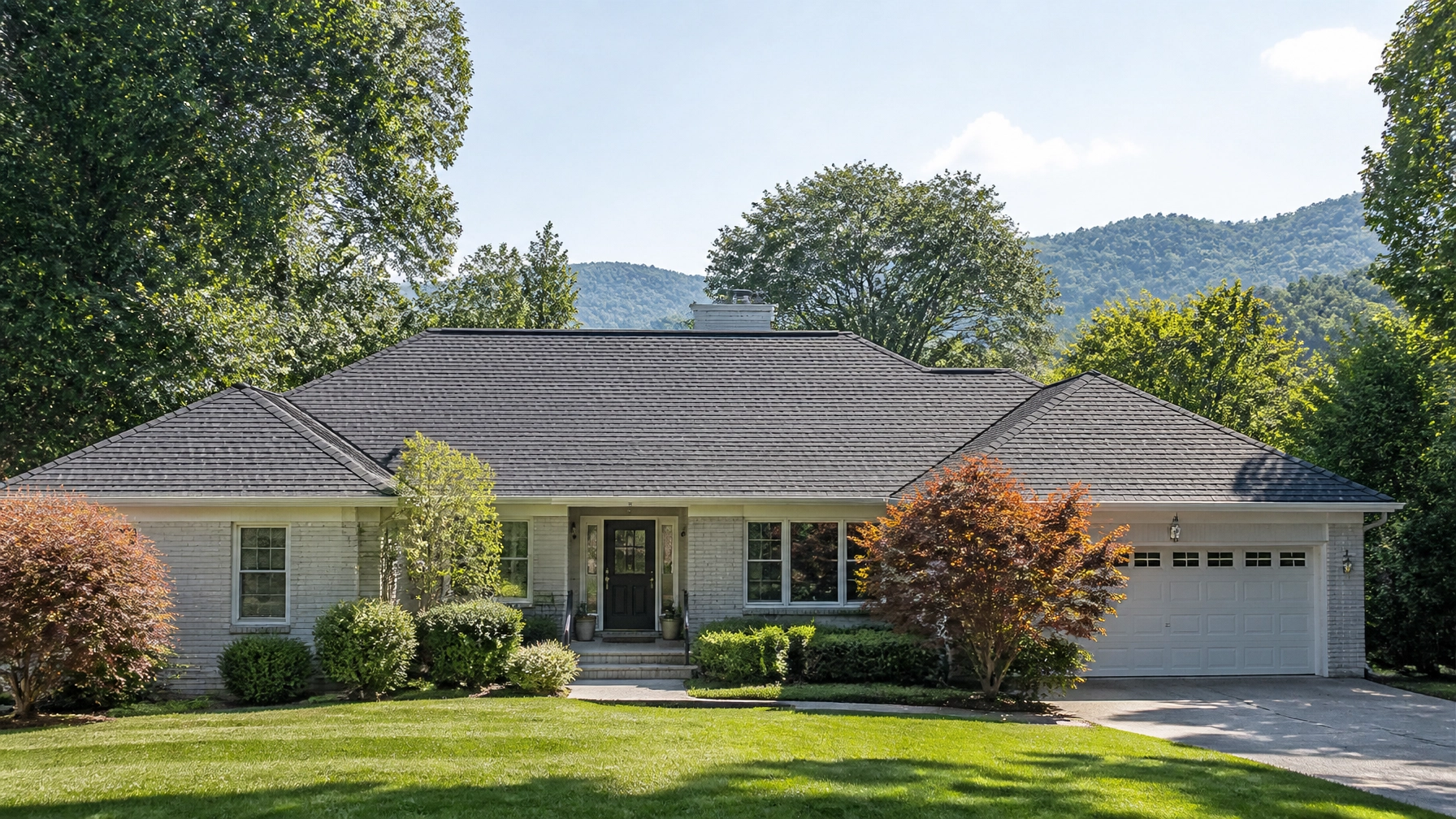
    Modern ranch-style home on Signal Mountain with a standing seam metal roof

    4. "Can you provide a COI (Certificate of Insurance) specifically for Workers’ Comp and General Liability?"

    General Liability protects your property if a tree limb falls on your garage during the tear-off. Workers’ Compensation protects you from being sued if a roofer is injured on your property.

    In Tennessee, even small roofing companies are required to carry insurance. Do not accept a verbal "we're covered." Request a COI sent directly from their insurance agent to your email. This ensures the policy is active and hasn't been cancelled for non-payment.

    5. "Are your measurements based on manual 'eyeballing' or satellite-powered precision?"

    The days of a contractor walking your roof with a rusty tape measure are over. Manual measurements are prone to human error, often leading to 10-15% "fluff" in quotes to cover mistakes.

    At Get My Roof Estimate Now, we use advanced satellite imagery technology to measure your roof’s square footage, pitch, and complexity to within inches. This allows us to provide an instant, transparent estimate in under 60 seconds: without anyone ever stepping foot on your property.

    Visualization of satellite technology measuring a residential roof for accuracy


    2026 Chattanooga Roofing Cost Benchmarks

    For a standard 2,000 sq. ft. home in the Chattanooga area, here is what you should expect to see on your professional estimate:

    Material Type Estimated Cost Range Classification
    Standard Asphalt Shingles $9,000 – $12,500 (Budget)
    Architectural Shingles $11,500 – $14,500 (Popular)
    Exposed Fastener Metal $15,000 – $25,000 (Durable)
    Standing Seam Metal $22,000 – $38,000 (Premium)

    Note: Prices include tear-off, disposal, materials, and labor. Factors like steep pitches (Signal Mountain) or multiple stories can increase these base rates by 10-20%.

    Stop Guessing. Start Estimating.

    Vetting contractors is easier when you already know what the job should cost. Before you start the interview process, get your baseline data.

    Enter your address at getmyroofestimatenow.com and receive your satellite-verified roof replacement estimate in less than 60 seconds. No credit card required. No salesperson on your doorstep. Just the facts you need to hire with confidence.

  • Daily ROI Blitz #34: How a New Roof Boosts Home Value in Atlanta, GA (2026 Data)

    Daily ROI Blitz #34: How a New Roof Boosts Home Value in Atlanta, GA (2026 Data)

    In the 2026 Atlanta real estate market, "curb appeal" has evolved from a cosmetic buzzword into a critical financial metric. With a median home price holding steady at approximately $429,000, the market has shifted toward a balanced environment where buyers are increasingly selective. In neighborhoods ranging from Buckhead to Marietta, homes are currently spending an average of 45 to 55 days on the market.

    For homeowners looking to sell: or simply protect their investment: the condition of the roof is often the deciding factor between a quick closing and a grueling negotiation. In this edition of the ROI Blitz, we analyze the 2026 data for Atlanta, GA, to determine exactly how much value a new roof adds to your Georgia home.

    The 2026 Numbers: Atlanta Roof Replacement ROI

    According to recent regional housing data, a professional Atlanta roof replacement remains one of the highest-yielding home improvements. While many interior renovations (like kitchens or baths) can be subjective, a roof is a functional necessity that provides immediate peace of mind to a buyer.

    • Average Cost (Atlanta): $8,500 – $18,000 (Based on a typical 2,000 sq. ft. home).
    • Direct Value Increase: ~$15,000 on average.
    • ROI Percentage: 60% – 70% for architectural shingles.
    • Secondary Benefit: Reduction in "Days on Market" (DOM) by an average of 12%.

    In a market where inventory has risen to roughly 4 months of supply, a home with a 20-year-old roof is often viewed as a "liability." By replacing it before listing, you aren't just adding value; you're removing a major hurdle that often leads to $20,000+ price concessions during the inspection phase.

    Modern residential street in an Atlanta suburb showing high curb appeal

    Breaking Down the Costs: Atlanta 2026

    Roofing costs in Georgia are influenced by material availability, labor demand, and roof complexity. For a standard residential project in the metro area, homeowners typically choose between three tiers:

    1. Standard Shingles (Budget): $8,500 – $11,000. Practical but offers the lowest ROI at resale.
    2. Architectural Shingles (Popular): $11,000 – $15,000. The gold standard for Atlanta homes, offering superior wind resistance and a 30-year lifespan.
    3. Premium/Metal (High-End): $18,000+. Often seen in modern renovations or luxury estates, providing a "lifetime" solution.

    To get a precise figure for your specific property without the hassle of a site visit, you can use our instant roof cost calculator.

    The "Hail Belt" Strategy: Impact-Resistant Shingles

    Atlanta sits firmly within a region prone to severe thunderstorms and occasional hail. In 2026, savvy homeowners are opting for Class 4 Impact-Resistant (IR) shingles.

    While the upfront cost for IR shingles is roughly 15-20% higher than standard architectural options, the long-term Georgia roofing ROI is significantly bolstered by insurance savings. Many Georgia insurers offer premium discounts of 5% to 20% for homes equipped with UL 2218 Class 4 rated roofs.

    Close-up of Class 4 impact-resistant architectural shingles showing durable texture

    Why Impact-Resistant Matters in GA:

    • Insurance Credits: Lower annual premiums for the life of the roof.
    • Resale Marketing: Highlighting a "Hail-Resistant Roof" in a Zillow listing attracts risk-averse buyers.
    • Durability: Less likely to require a full replacement after a typical Georgia spring storm.

    When to Replace: The Atlanta Timing Window

    Timing is everything for your budget. In Atlanta, the peak roofing season typically runs from late spring through summer. However, the best time to schedule a replacement is between Fall and early Spring.

    During these "off-peak" months, contractor availability is higher, and material prices are often more stable. Furthermore, replacing your roof in the winter ensures your home is "market-ready" for the frantic Atlanta spring buying season that typically kicks off in March.

    Speed and Accuracy: The Tech-Forward Approach

    The traditional method of getting a roof estimate: calling three contractors, waiting for them to show up, and sitting through three hours of sales pitches: is obsolete.

    At Get My Roof Estimate Now, we utilize advanced satellite imagery to measure your roof's size, pitch, and complexity with 95% accuracy. We can provide a comprehensive roof estimate for your Atlanta home in under 60 seconds.

    Satellite imagery measurement interface for an Atlanta home roof

    How it works:

    • Step 1: Enter your Atlanta address.
    • Step 2: Our AI analyzes satellite data to calculate your roof's "squares."
    • Step 3: Receive a transparent, multi-tier price range (Budget, Popular, Premium).
    • Step 4: Connect with verified, licensed, and insured local Atlanta contractors if you're ready to move forward.

    Conclusion: Protecting Your Atlanta Investment

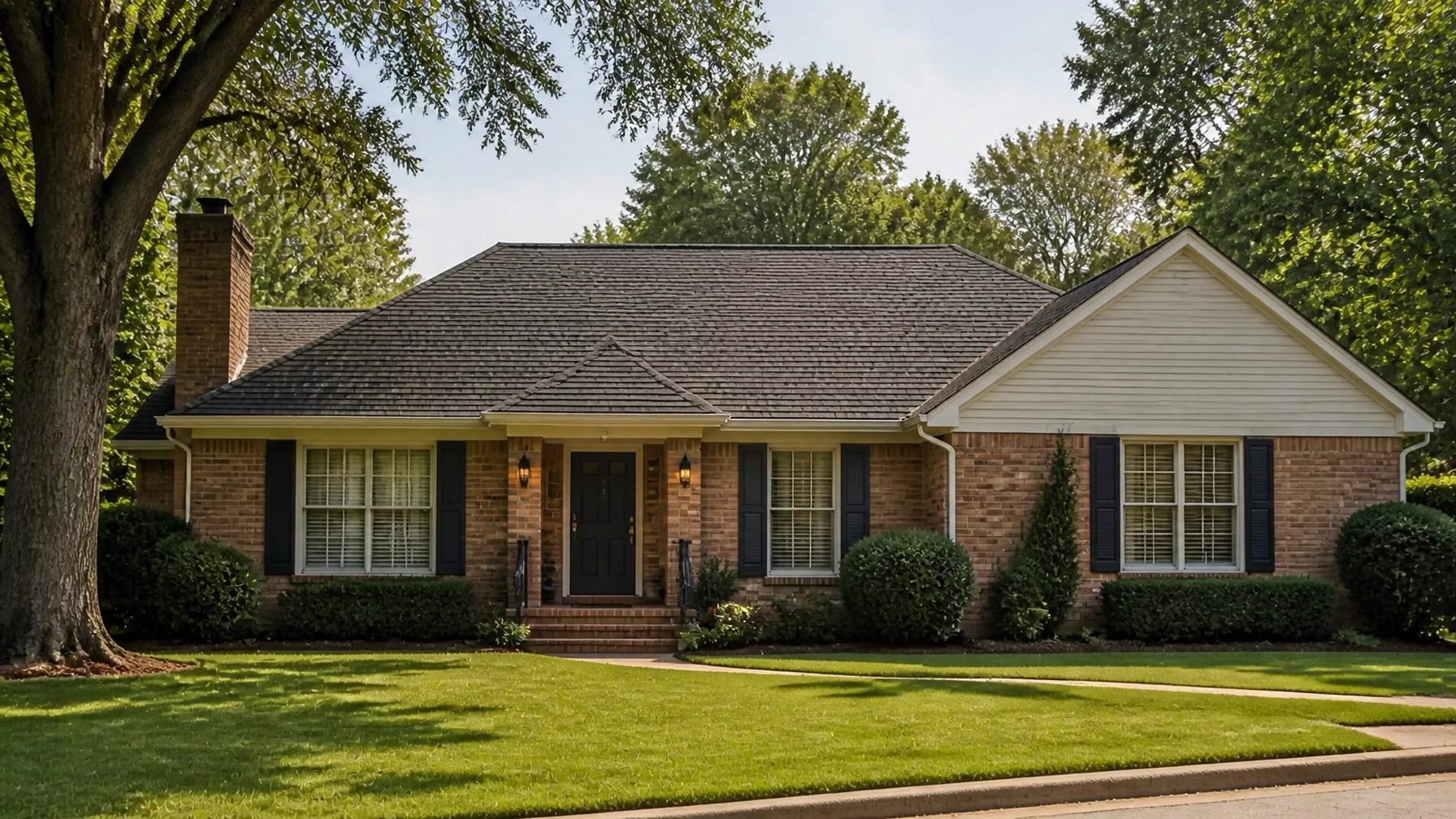
    A new roof is more than just a repair; it’s a strategic financial move in the 2026 Atlanta market. Whether you are in a classic brick ranch or a new-construction colonial, ensuring your roof is up to date is the most effective way to protect your home's equity and guarantee a smoother sale.

    Don't guess on your home's value. Get your free, instant roof estimate today and see how much a new roof can add to your bottom line.

  • Daily Weather Blitz – Slot 5: Jacksonville, FL : Heat, Storm Season & Building Material Durability (July 18, 2026)

    Daily Weather Blitz – Slot 5: Jacksonville, FL : Heat, Storm Season & Building Material Durability (July 18, 2026)

    Jacksonville homeowners woke up to a thick blanket of morning fog this Saturday, July 18, 2026, but the transition to a high-intensity weather day was rapid. By mid-morning, the "Bold City" began baking under a high of 95°F, with a UV index of 8.7 (Very High) and a staggering heat index ranging from 100°F to 107°F.

    While the radar shows a 0% chance of rain for the immediate window, local meteorologists are closely monitoring a Gulf low with a 30% chance of tropical development. This combination of extreme heat, relentless UV radiation, and the looming threat of the 2026 storm season presents a significant challenge to the structural integrity of your home.

    In this edition of the Daily Weather Blitz, we’re breaking down how Jacksonville’s unique climate: defined by 74% average humidity and corrosive salt air: impacts your building materials and what you can do to protect your Jacksonville home value in 2026.

    The Jacksonville Triple Threat: Why Materials Fail

    In Northeast Florida, your home’s exterior isn't just a shell; it’s a frontline defense system. The environmental stressors in Duval County are aggressive, often accelerating the aging process of standard materials by 5–7 years compared to inland states.

    1. Thermal Shock (The Expansion Cycle): With a low of 74°F and a heat index over 100°F today, your roof surface can reach temperatures exceeding 150°F. When a scattered afternoon thunderstorm eventually hits, the rapid temperature drop causes materials to contract violently. This "thermal shock" leads to split shingles and compromised sealants.
    2. UV Degradation (The Invisible Burn): Today’s 8.7 UV index is technically "Very High." Relentless UV radiation breaks down the molecular bonds in asphalt shingles and exterior paint, leading to "chalking," brittleness, and granule loss.
    3. Salt Air Corrosion: For those in Neptune Beach or Atlantic Beach, the salt spray is a constant abrasive. It eats through standard fasteners and can significantly shorten the lifespan of non-corrosive metal components.

    Roofing Material Recommendations: Engineering for 130mph Winds

    When considering a Jacksonville roof replacement, the local building code is your baseline. Most residential structures in the area require a wind load rating of 130 mph. However, with tropical development being monitored in the Gulf, "meeting code" should be the minimum, not the goal.

    Impact-Resistant Shingles (Popular / Mid-Range)

    Modern impact-resistant shingles in Jacksonville are designed with a Class 4 rating, meaning they can withstand heavy debris strikes and high-velocity winds. These are typically architectural shingles that utilize a modified bitumen (rubberized) technology to stay flexible during the heat of July.

    • Estimated Cost (2026): $13,000–$19,000 for a standard 2,250 sq. ft. home.
    • ROI Factor: High. Many insurance providers offer premium discounts for Class 4 rated roofs.

    Close-up of durable architectural asphalt shingles designed for high-wind resistance

    Standing Seam Metal Roofing (Premium / High-Durability)

    If you are looking for the best South Florida roofing ROI, metal is the gold standard. Standing seam panels have no exposed fasteners, eliminating the primary point of entry for water during a hurricane.

    • Estimated Cost (2026): $18,000–$30,000.
    • Durability: Metal reflects solar heat (lowering cooling costs by up to 25%) and can last 50+ years, even in salt-heavy environments.

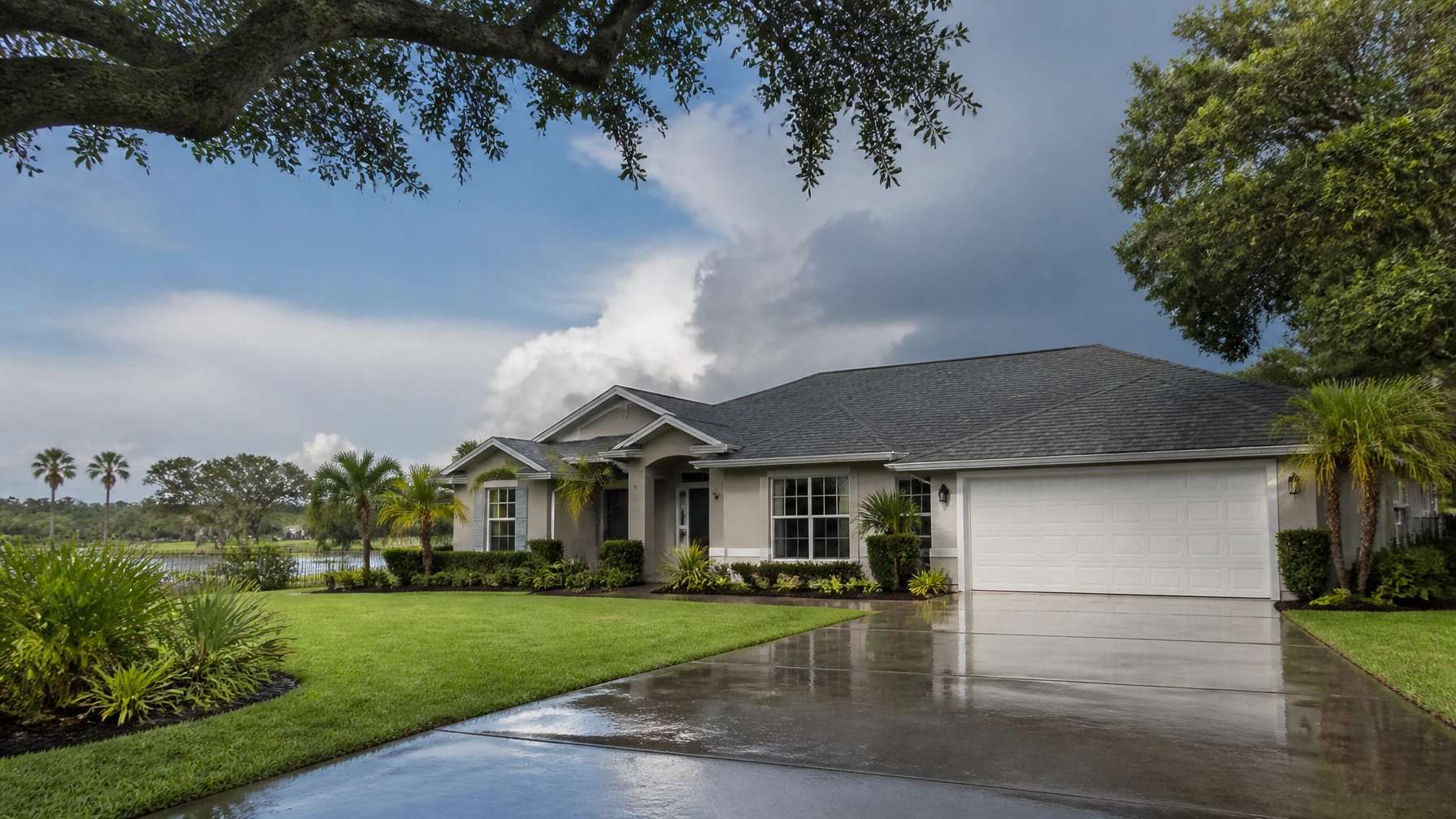
    Modern coastal home in Jacksonville with a high-performance standing seam metal roof

    Exterior Protection: Beyond the Roof

    While the roof takes the brunt of the heat, your siding and sealants are equally vulnerable to today's 74% humidity levels.

    • Elastomeric Coatings for Stucco: In Jacksonville, stucco is common but prone to hairline cracks. In the current 95°F heat, these cracks expand. We recommend high-build elastomeric paint. This coating is flexible; it stretches and contracts with the house, providing a waterproof barrier that standard acrylic paint cannot match.
    • Attic Ventilation: Today's 107°F heat index means your attic could easily reach 140°F without proper airflow. Ensure your ridge vents and soffit vents are clear of debris. Proper ventilation prevents shingles from "cooking" from the inside out and reduces the load on your HVAC system.

    Detailed view of a residential ridge vent and soffit system for optimal attic ventilation

    2026 Storm Prep Tips for Homeowners

    With a 30% tropical development chance in the Gulf, now is the time for a quick audit of your home's exterior:

    1. Check the Drip Edge: Ensure your roof's drip edge is securely fastened. This is often the first point of failure in high-wind gusts.
    2. Inspect Sealants: Check the caulking around windows and doors. The high UV index we’re seeing today causes these to dry out and crack, leading to leaks during horizontal rain.
    3. Audit the "Squares": Use a roof cost calculator to understand the size of your roof in "squares" (100 sq. ft. sections). Knowing your roof's scale helps you get accurate material quotes before a storm hits.

    What is Your Roof Worth?

    The roof replacement cost in Jacksonville has seen a steady increase due to material demand and updated 2026 safety protocols. A new, wind-rated roof is one of the highest-impact upgrades for Jacksonville home value in 2026, often recouping 60–70% of its cost during a home sale.

    Waiting for a leak to appear during a tropical storm is a high-risk strategy. In the current market, transparency and speed are your best tools. Traditionally, getting a quote required scheduling multiple contractors to walk your roof: a process that could take weeks.

    At Get My Roof Estimate Now, we’ve eliminated the friction. Using high-resolution satellite imagery, we can measure your roof’s pitch, complexity, and size with 95% accuracy in under 60 seconds.

    Ready to see where you stand?
    Get your instant Jacksonville Florida roofing estimate here. No credit card, no contractor visits, just the data you need to protect your home.


  • Daily ROI Blitz #35: How a New Roof Boosts Home Value in Chattanooga, TN (2026 Data)

    Daily ROI Blitz #35: How a New Roof Boosts Home Value in Chattanooga, TN (2026 Data)

    In the competitive Chattanooga real estate market of 2026, curb appeal is no longer just a suggestion: it is a financial strategy. As homeowners in Hamilton County look for ways to maximize equity, one investment consistently outshines the rest. In our 35th edition of the Daily ROI Blitz, we are breaking down why a roof replacement in Chattanooga offers some of the highest returns on investment (ROI) in the Southeastern United States.

    With median home values in Chattanooga now hovering between $322,000 and $356,000, and the city experiencing a steady 3-6% year-over-year appreciation, the stakes for maintenance are higher than ever. If your roof is approaching the 20-year mark, you aren't just looking at a repair; you’re looking at a significant value-add opportunity.

    The Chattanooga Numbers: ROI Breakdown

    Nationally, a new roof typically yields a return of 60% to 81%. However, Chattanooga-specific data from the latest 2026 Cost vs. Value reports shows that local homeowners are hitting the top of that range, averaging an 81% ROI.

    Why the local boost? It comes down to two factors: lower labor costs and high buyer demand for "move-in ready" homes.

    • Average Roof Replacement Cost (Chattanooga): ~$10,500 – $11,752
    • Average Resale Value Added: ~$21,012
    • Labor Advantage: Chattanooga labor costs are approximately 13% below the national average, meaning you pay less for the same high-quality installation, directly padding your ROI.

    Homes equipped with a certified new roof are currently spending just 34–36 days on the market, often selling at or above the asking price. In neighborhoods like North Chattanooga and Signal Mountain, where appreciation is hitting 5%+, a documented new roof is often the deciding factor in a multi-offer situation.

    Material Choices: Balancing Budget and Performance

    Selecting the right material is critical for both immediate protection and long-term resale value. Chattanooga’s humid subtropical climate and susceptibility to Tennessee Valley storms require durable solutions.

    Detailed close-up of premium architectural asphalt shingles in dark slate grey.

    1. Architectural Shingles (Popular)

    • Cost: $4.50 – $6.50 per sq. ft.
    • Best For: Most suburban family homes in Ooltewah and East Brainerd.
    • The ROI Factor: These shingles provide the "dimensional" look buyers love while keeping the initial investment low.

    2. Designer Shingles (Premium)

    • Cost: ~$8.60 per sq. ft.
    • Best For: Historic homes in North Chattanooga or luxury properties.
    • The ROI Factor: They mimic the look of slate or wood shake, drastically increasing the aesthetic value of high-end homes without the extreme cost of natural materials.

    3. Metal Roofing (Lifetime)

    • Cost: $9.00 – $14.00 per sq. ft.
    • Best For: Mountain properties in Signal Mountain or Lookout Mountain.
    • The ROI Factor: While the upfront cost is higher, the durability against hail and severe weather is a massive selling point for buyers looking for a "permanent" solution.

    A modern mountain-style home on Signal Mountain featuring a sleek matte black metal roof.

    Local Neighborhood Watch: Where Value Grows Fast

    The ROI of a new roof is amplified in Chattanooga’s high-growth pockets. Here is how local trends are shaping up in 2026:

    • North Chattanooga: With a 13.3% appreciation rate in recent years, this area remains the city's crown jewel. A new roof here isn't just maintenance; it’s a prerequisite for the premium pricing buyers expect.
    • Signal Mountain & Lookout Mountain: The exposure to higher winds and mountain weather makes a certified, warrantied roof a top priority for home inspectors and buyers alike.
    • Ooltewah & East Brainerd: These family-oriented suburbs are seeing steady 3-4% growth. A fresh roof makes these 1,500–3,000 sq. ft. homes stand out in a sea of similar listings.

    Furthermore, Tennessee’s lack of state income tax continues to attract out-of-state buyers. These buyers are often looking for high-quality, low-maintenance homes, making a new roof a powerful marketing tool.

    The Weather Factor: Protecting Your Equity

    Chattanooga homeowners face a unique set of meteorological challenges. The Tennessee Valley is a corridor for severe thunderstorms, frequent hail, and intense humidity.

    1. Hail Risk: 2026 has seen a continuation of volatile spring weather. A roof that has weathered 15+ years of Hamilton County storms likely has granular loss or hidden bruising.
    2. Humidity & Algae: The "Scenic City" is beautiful but damp. Choosing shingles with copper-infused granules helps prevent the black streaks (Gloeocapsa magma) that can tank your curb appeal and perceived home value.

    A high-resolution satellite-view photograph showing how advanced technology measures a Chattanooga home for a roof estimate.

    Get Your Estimate in 60 Seconds: No Contractor Visit Needed

    Traditionally, getting a roof estimate meant taking time off work, waiting for a contractor to show up with a ladder, and sitting through a high-pressure sales pitch. In 2026, technology has changed the game.

    At Get My Roof Estimate Now, we leverage high-resolution satellite imagery to provide Chattanooga homeowners with an accurate roofing quote in under a minute.

    • Accuracy: Our measurements are accurate to within inches (90-95% accuracy).
    • Speed: Enter your address and get your price range in 60 seconds.
    • Transparency: We provide low-middle-high price ranges based on the size, pitch, and complexity of your specific roof.
    • Zero Pressure: No credit card required, and no upfront contractor visits.

    Whether you are planning to sell your home in Ooltewah or simply want to protect your investment in North Chattanooga, knowing your numbers is the first step.

    A charming ranch-style home in Ooltewah, TN, with a fresh light grey shingle roof and high curb appeal.

    Conclusion: Is it Worth it?

    The data for 2026 is clear: A new roof in Chattanooga is one of the safest financial moves a homeowner can make. With an 81% ROI and a significant reduction in Days on Market (34-36 days), the "cost" of a roof is actually an investment in your home's equity.

    Don't wait for a leak to find out what a new roof will cost. Use our roof cost calculator or get an instant satellite-powered estimate today to see how much value you can add to your Chattanooga property.


  • 2026 Roof Replacement Cost in Dallas, TX: Complete Price Guide for DFW Homeowners

    2026 Roof Replacement Cost in Dallas, TX: Complete Price Guide for DFW Homeowners

    Navigating a roof replacement in the Dallas-Fort Worth metroplex is a high-stakes decision. As we move through 2026, labor costs in North Texas and fluctuating material prices have stabilized, but the geographical reality of "Hail Alley" remains the primary driver of the local roofing market. Whether you are dealing with the aftermath of a spring storm or planning a proactive upgrade to a 20-year-old roof, understanding the current financial landscape is critical.

    In 2026, the typical cost for a roof replacement on a 2,000 sq. ft. home in Dallas ranges from $9,000 to $16,000 for standard architectural shingles. However, project totals can span from $6,800 to over $24,500 depending on material choice, roof complexity, and local permitting requirements.

    2026 Dallas Roof Replacement Pricing by Home Size

    The size of your home is the most significant factor in your baseline estimate. In the roofing industry, we measure roofs in "squares" (one square equals 100 square feet of roof surface). Note that your roof's surface area is always larger than your home’s heated square footage due to overhangs and pitch.

    Home Size (Approx. Sq Ft) Estimated Cost (Architectural Shingles) Price Category
    1,200 – 1,500 $7,000 – $11,000 (Budget-Friendly)
    1,800 – 2,200 $9,000 – $14,500 (Average DFW Home)
    2,500 – 3,000 $12,000 – $20,000 (Large/Premium)
    3,500+ $22,000+ (Estate/Custom)

    Data based on current 2026 Dallas, TX market averages including tear-off, disposal, and installation.

    Material Selection: Balancing Cost and Hail Protection

    In Dallas, your material choice isn't just about aesthetics: it's a financial strategy. Because North Texas experiences some of the most frequent hail activity in the United States, homeowners are increasingly opting for Impact-Resistant (IR) materials.

    1. 3-Tab Asphalt Shingles (Budget)

    Cost: $3.50 – $5.00 per sq. ft. installed.
    These are the most affordable option but are rarely recommended for Dallas due to their lower wind resistance (60-70 mph) and minimal hail protection. They have a shorter lifespan of 15–20 years.

    2. Architectural Shingles (Popular)

    Cost: $5.00 – $8.00 per sq. ft. installed.
    Also known as dimensional shingles, these are the standard for most DFW neighborhoods. They offer a layered, textured look and better wind resistance (up to 130 mph).

    3. Class 4 Impact-Resistant Shingles (High Value)

    Cost: $6.50 – $10.00 per sq. ft. installed.
    The Dallas Advantage: While Class 4 shingles cost roughly 15–25% more than standard architectural shingles, they are designed to withstand 2-inch hail stones. Most Texas insurance providers offer premium discounts ranging from 5% to 28% for homes with a verified Class 4 roof. In many cases, the upgrade pays for itself through insurance savings within 3–5 years.

    Close up of Class 4 impact-resistant roofing shingles installation

    4. Standing Seam Metal (Premium/Modern)

    Cost: $12.00 – $25.00 per sq. ft. installed.
    Metal roofing is a growing trend in Dallas for its longevity (50+ years) and energy efficiency. It reflects solar radiant heat, which can reduce cooling costs during brutal Texas summers by 10–25%.

    5. Clay or Concrete Tile (Luxury)

    Cost: $1,000 – $1,600 per square ($10.00 – $16.00 per sq. ft.).
    Common in Mediterranean-style homes in areas like Highland Park or Preston Hollow. These are heavy and may require additional structural reinforcement, which adds to the total cost.

    Sleek standing seam metal roof on a Dallas ranch-style home

    The "Dallas Factors": What Influences Your Final Quote?

    Beyond size and material, several regional variables will impact your Texas roof estimate.

    Hail Damage and Insurance Claims

    In Dallas, most roof replacements are triggered by storm damage. If your roof has documented hail or wind damage, your insurance company may cover the replacement cost. However, be aware of your Wind/Hail Deductible. Most North Texas policies have shifted from flat-fee deductibles to a percentage-based system (typically 1% to 2% of your home’s insured value).
    Example: If your home is insured for $400,000, a 2% deductible means you pay $8,000 out-of-pocket before insurance covers the rest.

    The "Two-Layer" Rule

    Texas building codes generally allow a maximum of two layers of shingles. If your home currently has two layers, a full "tear-off" is mandatory. Removing a second layer of shingles typically adds $1,000 to $3,000 to the labor and disposal costs.

    Permits and Licensing

    Unlike many other states, Texas does not have a state-level roofing license requirement. This makes it vital to work with contractors who are verified, insured, and familiar with local municipal codes. Most cities in the DFW area: including Dallas, Plano, and Irving: require a building permit for a full roof replacement. Your estimate should always include these permit fees.

    Timing Your Replacement: The Dallas Climate Window

    Timing matters for both cost and installation quality.

    • Best Time (Spring & Fall): Moderate temperatures allow shingles to seal properly and provide the best working conditions for crews. However, this is also peak hail season, so contractor schedules fill up fast.
    • Summer Challenges: High heat in July and August can make asphalt shingles too soft to walk on during mid-day, often leading to split shifts or longer project timelines.
    • Winter Benefits: While you can roof in the winter, specialized "cold-weather" installation techniques may be needed to ensure the adhesive strips on the shingles bond correctly.

    Get an Accurate Dallas Estimate in 60 Seconds

    The traditional way of getting a roof estimate involves waiting days for a contractor to visit your home, climb a ladder, and provide a handwritten quote. At Get My Roof Estimate Now, we’ve eliminated the friction.

    Using advanced satellite imagery technology, we can measure your roof's square footage, pitch, and complexity with 90-95% accuracy in under a minute. By entering your Dallas address into our system, you receive a transparent price range based on current 2026 local labor and material rates: no credit card or contractor visit required.

    Satellite imagery measurement of a Dallas residential roof

    Why Use Our Instant Estimator?

    • Accuracy: Satellite measurements accurate to within inches.
    • Transparency: See the price difference between Budget, Popular, and Premium materials instantly.
    • Speed: Go from "I wonder what it costs" to a budget-ready estimate in 60 seconds.
    • Verified Network: We connect you with licensed and insured Dallas contractors once you're ready to move forward.

    Conclusion

    A roof replacement in Dallas is a significant investment, but with the right data, it doesn't have to be a stressful one. By prioritizing impact-resistant materials like Class 4 shingles, you can protect your home from the next North Texas storm while lowering your annual insurance premiums.

    Ready to see what your 2026 roof replacement will cost? Get your instant, free estimate now and take the guesswork out of your home improvement planning.


  • Daily ROI Blitz #14: How a New Roof Boosts Home Value in Louisville, KY (2026 Data)

    Daily ROI Blitz #14: How a New Roof Boosts Home Value in Louisville, KY (2026 Data)

    In the Louisville real estate market of July 2026, the equation for selling a home has changed. We are no longer in the "anything goes" era of 2021. Today’s market is shifting toward a healthy balance, and for homeowners in the Derby City, that means the condition of your home’s most critical system, the roof, is now a primary driver of your final sale price and speed to close.

    With inventory up nearly 30% year-over-year across Jefferson County, buyers are becoming more selective. They aren't just looking at floor plans; they’re looking at liability. A roof that survived the May 2026 hailstorm or the severe wind events of June 18, 2026, might still be standing, but if it shows signs of wear, it’s a massive red flag for modern buyers.

    At Get My Roof Estimate Now, we track these trends alongside real-time material costs. If you are planning to sell or simply looking to protect your investment, here is the 2026 data on how a new roof impacts your Louisville home value.

    The Louisville Market Snapshot: Why Quality Matters in 2026

    The Louisville market remains resilient, but the days of multiple offers on "fixer-uppers" are fading. Current data shows a market that rewards sellers who provide "move-in ready" confidence.

    • Median Home Price: $270,000 – $295,000 (Varies by neighborhood).
    • Inventory Levels: Up 28-30% compared to last year.
    • Days on Market (DOM): 22–37 days on average.
    • Price Adjustments: Nearly 20% of active listings have seen price cuts in the last 60 days.

    In this "balanced" environment, an old roof is often the first thing a buyer uses to negotiate a lower price. In Louisville, where homes typically sell for 95-97% of the asking price, a solid roof helps you stay closer to that 100% mark.

    High-detail architectural shingles showing texture and quality

    The ROI Breakdown: Putting a Dollar Value on Your Roof

    One of the most common questions we hear is: "Will I get my money back?" In Louisville, the answer is a resounding "mostly," but the real value is found in the friction it removes from the sale.

    1. Cost Recapture (Direct ROI)

    For a typical Louisville home, a full roof replacement using architectural shingles (Popular) ranges from $11,000 to $16,000. Data from recent 2026 sales suggests a 60% to 70% cost recapture at the time of resale.

    2. Added Resale Premium

    Beyond just recouping the cost, a new roof can add approximately $15,000 in perceived value to a listing. Why? Because it eliminates the buyer's fear of a $15,000 expense hitting them two years after move-in. It turns a "future problem" into a "current asset."

    3. Speed of Sale

    In a market where inventory is growing, speed is profit. Homes with new roofs in the Louisville metro area are currently selling 15% to 20% faster than those with roofs older than 15 years. Every month your home sits on the market is another mortgage payment, utility bill, and tax assessment you have to cover.

    Louisville’s Climate: The Silent Roof Killer

    Louisville sits in a humid subtropical climate, which is particularly brutal on roofing materials. Our weather patterns create a "perfect storm" for accelerated wear:

    • Temperature Swings: Rapid shifts between humid 90-degree summer days and freezing winter nights cause shingles to expand and contract (thermal shock).
    • Heavy Rainfall: Consistent precipitation can lead to moss and algae growth on North-facing roof planes.
    • Freeze-Thaw Cycles: Louisville's winter isn't just cold; it fluctuates. Water gets into small cracks, freezes, expands, and tears shingles apart.
    • 2026 Storm Events: The May 2026 hailstorm brought quarter-size hail to downtown and surrounding suburbs, while the June 18 severe weather event saw wind gusts high enough to lift aging shingles.

    If your roof was already 15-20 years old, these recent events likely pushed it past the point of repair.

    Ranch-style home in Kentucky showing a clean new roofline

    Breaking Down Material Choices (2026 Pricing)

    When replacing your roof, you have several options that impact both your budget and your ROI.

    • Architectural Shingles (Popular): The standard for Louisville. Offers the best balance of cost ($11k-$16k) and durability. Designed to withstand the wind and hail common in the Ohio Valley.
    • Metal Roofing (Premium): Increasingly popular in neighborhoods like Highlands or East End. Costs are higher ($20k+), but the lifespan and energy efficiency can be a major selling point for eco-conscious buyers.
    • Synthetic/Composite (Elite): Mimics the look of slate or wood shake. High ROI in luxury markets where aesthetic is everything.
    • Roof Coatings (Budget): A viable option for flat roofs or specific commercial-to-residential conversions, though often not recommended for steep-slope residential resale.

    Buyer Psychology: Reducing the "Objection Factor"

    In 2026, buyers are savvy. They have access to the same weather data and market trends as the professionals. When a buyer walks through a home with a 20-year-old roof, they see more than just old shingles; they see:

    1. Insurance Headaches: Many insurers in Kentucky are now refusing to write new policies for homes with roofs older than 15-20 years.
    2. Lender Hurdles: For FHA or VA loans, a roof that doesn't have at least 2-3 years of life remaining can stall the entire appraisal process.
    3. Stress: Most buyers are stretching their budgets to cover current interest rates. The last thing they want is a major construction project in their first year of ownership.

    By replacing the roof proactively, you move your home from the "Maybe, if they drop the price" category to the "Must-have" category.

    Close-up of hail damage on a residential roof showing missing granules

    How Technology is Changing the Estimate Game

    Traditionally, getting a roof estimate in Louisville meant calling three different contractors, waiting for them to show up, and sitting through three 45-minute sales pitches.

    Get My Roof Estimate Now has eliminated that friction. We use advanced satellite imagery to measure your roof with 90-95% accuracy, down to the inch.

    • Instant Results: Get your price range in under 60 seconds.
    • Transparent Pricing: No hidden fees or "let me call my manager" tactics.
    • Accuracy: We calculate for size, pitch, and complexity without ever stepping on your lawn.
    • Verification: We connect you with local, licensed, and insured Louisville contractors who have already been vetted for quality.

    Whether you are in St. Matthews, Fern Creek, or Old Louisville, you can find out exactly what a new roof will cost you before you even talk to a contractor.

    Conclusion: Is it Time for a Replacement?

    If your roof is approaching the 20-year mark, or if you were in the path of the May or June 2026 storms, waiting to replace it could cost you thousands in lost home value. In a Louisville market where inventory is rising and buyers are looking for reasons to say "no," a new roof is the ultimate "yes."

    Don't guess at your home's value or your renovation costs. Use the tool that Louisville homeowners trust to get the data they need to make smart investment decisions.

    Get Your Instant Louisville Roof Estimate in 60 Seconds Here

    Aerial view of a Louisville neighborhood showing varied roof styles

  • Insurance Masterclass: How Greensboro Homeowners Can Get Their Roof Replacement Covered in 2026

    Insurance Masterclass: How Greensboro Homeowners Can Get Their Roof Replacement Covered in 2026

    For Greensboro homeowners, 2026 has introduced a complex landscape for roof insurance claims. Between evolving state laws and a shifting climate in the Piedmont Triad, securing a full roof replacement coverage requires more than just a phone call to your agent. It requires data, local knowledge, and an understanding of the 2026 regulatory environment.

    As of June 1, 2026, North Carolina homeowners saw an average insurance rate increase of 7.5%. Simultaneously, many major insurers are transitioning from Replacement Cost Value (RCV) to Actual Cash Value (ACV) policies for roofs older than 15 years. This shift means the "out-of-pocket" cost for Greensboro residents is higher than ever if they don't navigate the claim process with precision.

    In this masterclass, we break down exactly how to manage your roof replacement claim in Greensboro this year.

    The Piedmont Triad Weather Challenge

    Greensboro’s geographic position makes it a hotspot for specific types of roof damage. Unlike the coastal regions that face hurricanes, the Triad is defined by rapid freeze-thaw cycles in the winter and violent spring/summer wind and hail storms.

    • Hail Impact: Even small hail can bruise shingles, leading to granule loss and eventual leaks.
    • Wind Damage: The "Gate City" often experiences high-velocity winds that lift shingles, breaking the sealant bond.
    • Freeze-Thaw: Water trapped in minor cracks expands during Greensboro’s fluctuating winter temperatures, widening gaps in your roof’s defense.

    Close-up of hail damage on asphalt shingles showing granule loss and indentations.

    Navigating the 2026 North Carolina Insurance Shift

    The insurance market in North Carolina has tightened significantly. Carriers are now prioritizing "Roof Age" as the primary factor for coverage. If your roof was installed between 1996 and 2011, you are likely in a high-risk category where insurers may attempt to pay only the depreciated value (ACV) rather than the full replacement cost (RCV).

    Understanding NC Senate Bill 124 (Session Law 2024-11)

    A critical protection for Greensboro residents is the recently enacted SB 124. This law offers a vital safety net: Homeowners have a five-business-day right to cancel a roofing contract without penalty if their insurance claim is denied.

    This law prevents "storm chasers" from locking you into a high-cost contract before you know if your insurance will cover the work. Under NC law, a contractor cannot collect payment or start work during this five-day window following a denial.

    The "Matching Law" Trap in North Carolina

    One of the most frustrating aspects of NC insurance is the lack of a statutory "matching law." This means insurers are only legally required to repair the damaged portion of a roof, even if the new shingles don't match the old ones in color or texture.

    The Pro Strategy: If your shingles are discontinued, you can argue for a full replacement based on "uniformity of appearance" and local building codes. To win this argument, you need documented proof that the existing materials are no longer manufactured: a service a professional local contractor can provide.

    Why Satellite Data is Your Best Defense

    The biggest mistake homeowners make is filing a claim without knowing their roof’s exact dimensions. Insurers often use "aerial estimates" that can under-calculate your roof’s square footage by 10% or more.

    At Get My Roof Estimate Now, we provide satellite-powered measurements accurate to within inches. By having a free instant estimate in hand before the adjuster arrives, you establish a data-driven benchmark for the total "squares" (100 sq. ft. units) required for the job. This prevents the insurer from "short-sheeting" your claim.

    Digital interface showing precise 3D satellite roof measurements for a Greensboro neighborhood.

    Greensboro Building Codes and Claim "Upgrades"

    When filing a claim, ensure your insurer includes "Law and Ordinance" coverage. This covers the cost of bringing your roof up to current Greensboro building codes.

    1. Permits: The City of Greensboro requires a building permit for all full roof tear-offs. This cost should be included in your claim.
    2. Ice and Water Shield: While not strictly mandated by state code for the Piedmont (unlike the NC mountains), many manufacturers require it for warranty. If your previous roof lacked it, you should push for its inclusion as a "required best practice" for the Triad's freeze-thaw cycles.
    3. Drip Edge: Modern codes require a metal drip edge to protect the fascia and decking; older Greensboro homes often lack this, and its installation should be covered by your insurance during a full replacement.

    2026 Cost Benchmarks for Greensboro, NC

    Pricing in the Triad has stabilized in 2026, but material costs remain higher than pre-2020 levels. Here is what you should expect for a standard 2,000-square-foot home (approximately 20–25 squares):

    Material Type Cost Per Square (Installed) Total Estimate (2,000 sq ft)
    Architectural Shingles (Popular) $450 – $600 $9,000 – $13,500
    Metal Roofing (Premium) $950 – $1,400 $19,000 – $28,000
    Synthetic/Slate (Luxury) $1,200 – $1,800 $24,000 – $36,000

    Note: Prices include tear-off, disposal, materials, and labor.

    Vetting Your Greensboro Contractor

    After a storm, Greensboro is often flooded with out-of-state "storm chasers." Protect your investment by verifying the following:

    • NC General Contractors License: Required for any project over $30,000, but highly recommended for all roofing.
    • Physical Triad Address: Ensure they have an office in Greensboro, High Point, or Winston-Salem.
    • Insurance: Request a COI (Certificate of Insurance) showing both General Liability and Workers' Comp.

    Professional roofing crew installing blue synthetic underlayment on a Greensboro home.

    Step-by-Step Guide to a Greensboro Roof Claim

    Following this sequence maximizes your chances of a full, fair payout.

    1. Verify Damage: After a storm, look for missing shingles or leaks. Do not climb the roof yourself; use binoculars or a professional inspection.
    2. Get a Satellite Estimate: Visit getmyroofestimatenow.com to get an instant, objective measurement of your roof’s size and a neutral price range.
    3. File the Claim: Contact your insurance carrier. Provide the date of the storm and the type of damage (hail/wind).
    4. The Adjuster Meeting: Have your satellite estimate and a trusted local contractor present when the adjuster arrives to ensure all damage is documented.
    5. Review the Scope: Compare the insurer's "Scope of Work" to your independent estimate. If there is a discrepancy in the number of "squares," use your satellite data to dispute the findings.
    6. Sign and Install: Once the claim is approved, choose your materials. Remember your 5-day right to cancel under SB 124 if things go south.

    Getting a new roof in Greensboro doesn't have to be a battle with your insurance company. By using technology to get accurate measurements and staying informed on North Carolina's 2026 insurance laws, you can ensure your home is protected without overpaying.

    Ready to see what your roof should cost? Get your instant satellite roof estimate in 60 seconds.