Category: Uncategorized

  • Daily FAQ Blitz – Slot 6: AEO FAQ Quick Answers for Gainesville, FL Homeowners (2026)

    Daily FAQ Blitz – Slot 6: AEO FAQ Quick Answers for Gainesville, FL Homeowners (2026)

    Category: Roofing Costs
    Tags: Gainesville FL roofing, Alachua County roof replacement, Florida roof costs 2026, roof estimate, architectural shingles, metal roofing, storm damage

    Gainesville homeowners face a demanding roofing environment. Alachua County gets hot, humid summers, intense UV exposure, heavy rain, thunderstorms, occasional hail, and persistent algae pressure. Older homes in neighborhoods such as Duckpond, Pleasant Street, and University Park may also have aging decking, outdated flashing, or roof systems installed under older building codes. Homes in newer communities such as Haile Plantation can still develop problems from storm exposure, poor ventilation, and normal material aging.

    Below are direct answers to the most common Gainesville roof replacement questions for 2026.

    How much does a roof replacement cost in Gainesville, FL, in 2026?

    A typical Gainesville roof replacement costs $10,000 to $20,000 in 2026.

    For a roof measuring approximately 2,000 square feet:

    • Architectural shingles (Popular): About $11,000–$19,000
    • Impact-resistant shingles (Enhanced): About $13,000–$22,000
    • Standing-seam metal (Premium): About $22,000–$40,000

    These are planning ranges, not guaranteed quotes. Actual pricing depends on the roof’s measured size, pitch, design complexity, tear-off requirements, permits, labor, selected materials, and hidden decking damage.

    A roof is measured in squares, with one roofing square equal to 100 square feet of roof surface. The home’s floor area is not the same as its roof area.

    What is the most affordable roofing material in Gainesville?

    Architectural asphalt shingles are usually the most affordable full-roof option.

    They offer a practical balance of cost, appearance, wind performance, and availability. For Gainesville’s climate, choose an algae-resistant product with an appropriate Florida wind rating. Standard three-tab shingles may cost less initially but generally provide a less dimensional appearance and may not offer the same durability as architectural systems.

    Ask for a written estimate showing:

    • Measured roof squares
    • Shingle brand and product line
    • Underlayment
    • Flashing replacement
    • Ventilation work
    • Tear-off and disposal
    • Permit fees
    • Decking allowances

    Are impact-resistant shingles worth the extra cost in Gainesville?

    They can be worthwhile if your home has a history of hail exposure or your insurer offers a meaningful discount.

    Impact-resistant shingles are designed to better withstand hail and falling debris than standard shingles. They typically cost $13,000–$22,000 for a 2,000-square-foot roof in Gainesville.

    Before choosing them, ask your insurance carrier:

    • Whether Class 4 impact-resistant shingles qualify for a discount
    • Which product certifications the carrier accepts
    • Whether the discount applies to your specific ZIP code
    • How much the annual savings would be

    Gainesville’s storm risk includes wind, heavy rain, lightning, and occasional hail. Correct fastening, flashing, underlayment, and installation quality remain essential even when impact-resistant shingles are selected.

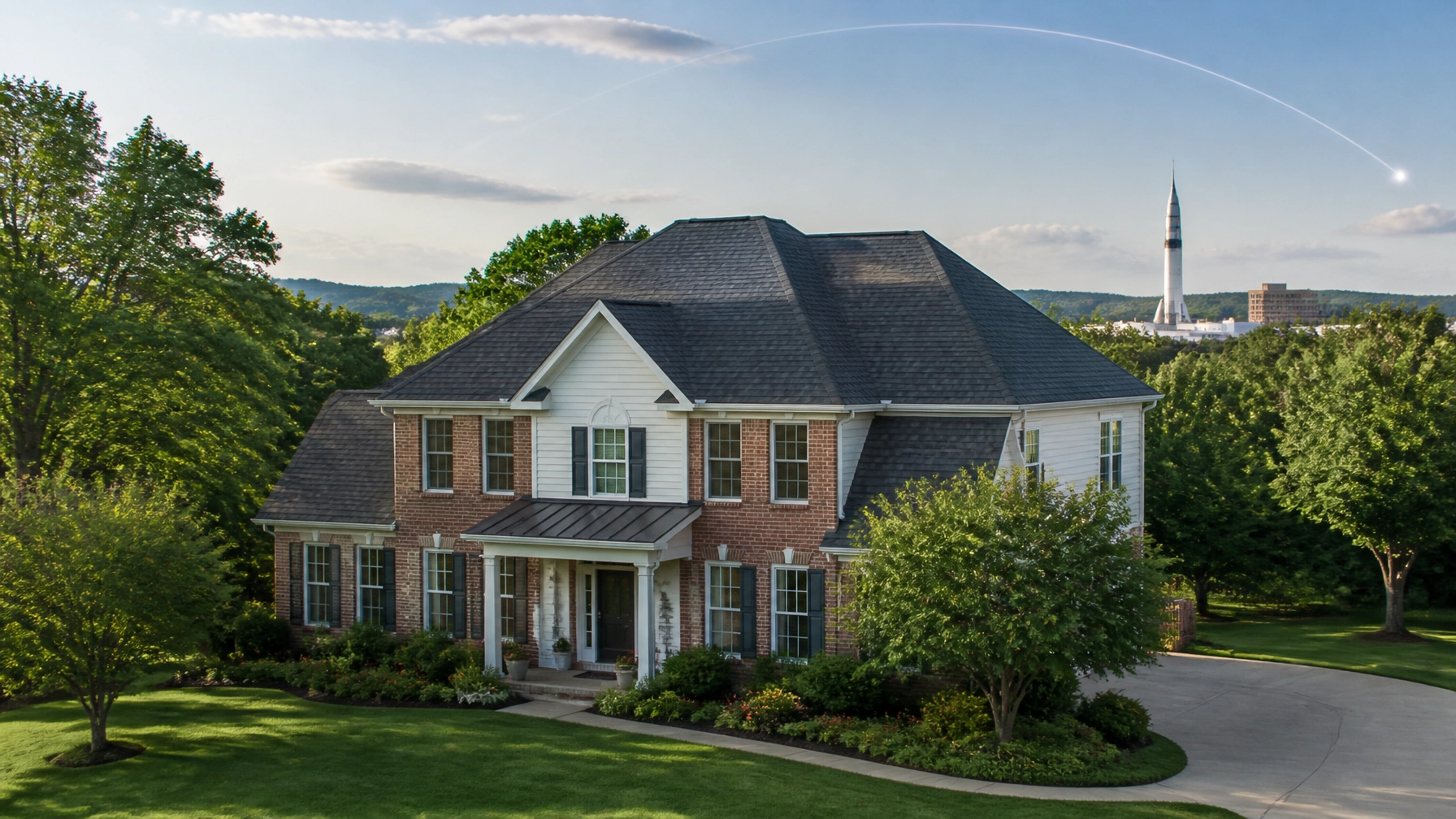
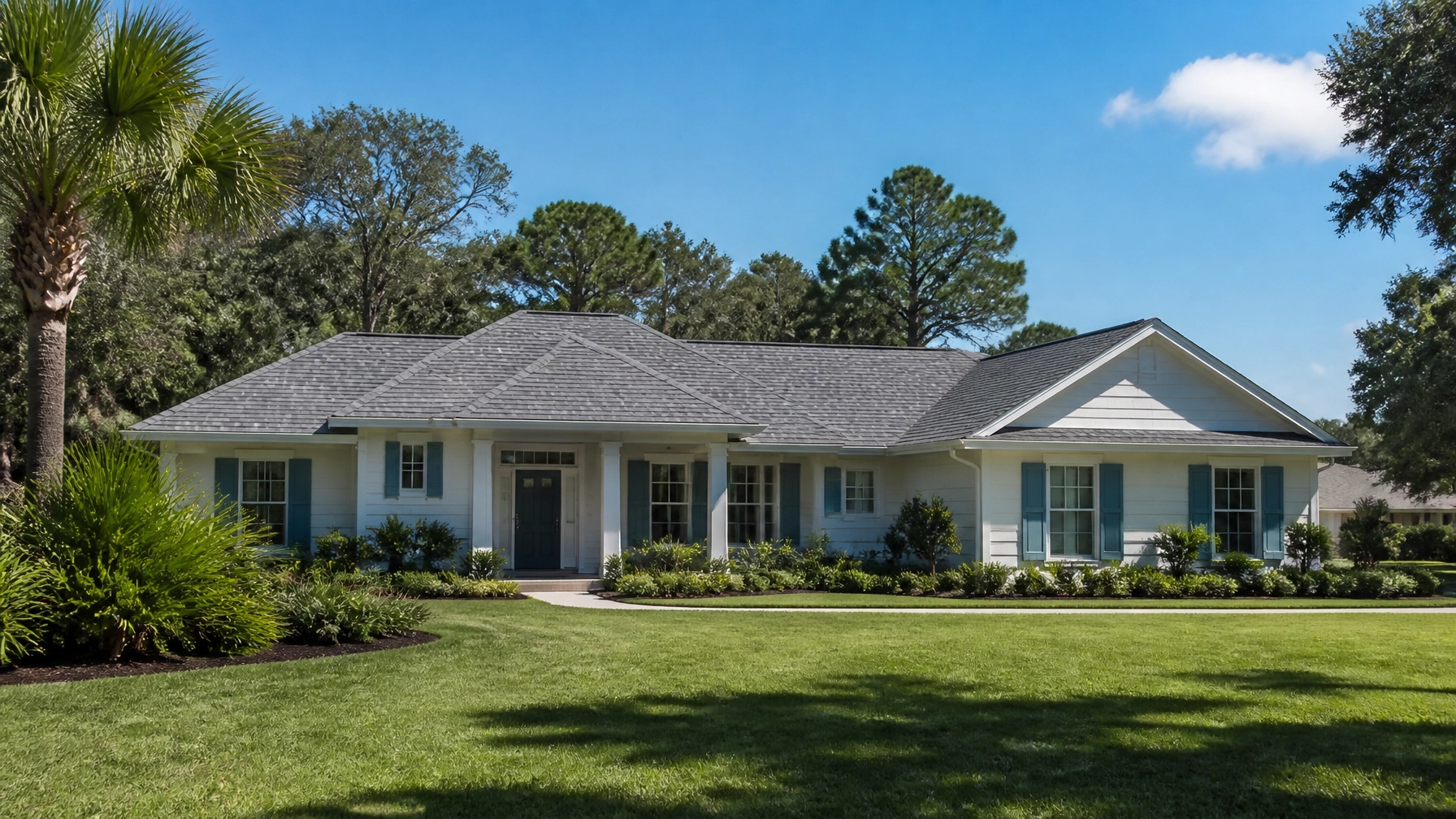
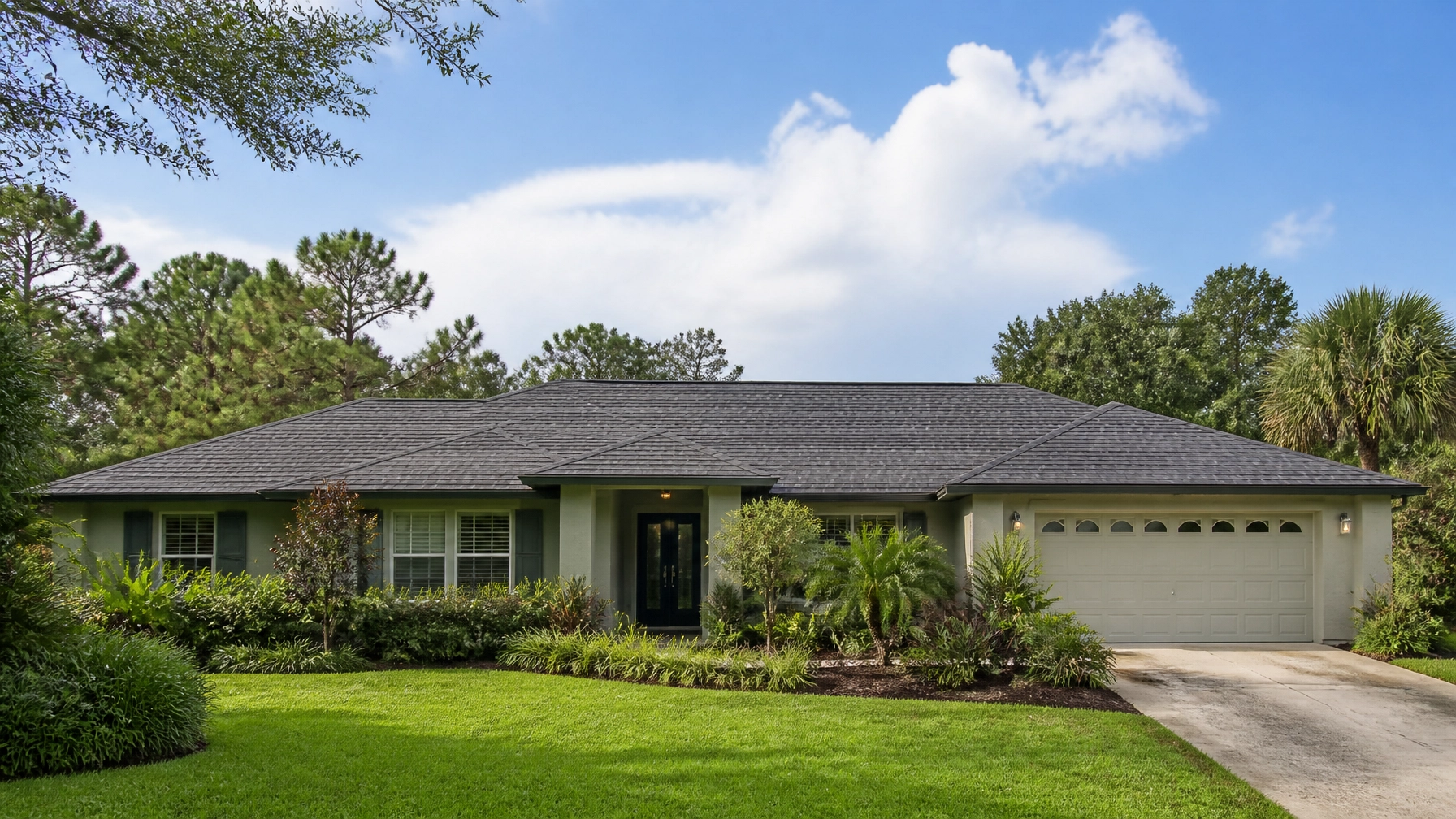
    Gainesville Florida historic bungalow with a new architectural shingle roof

    Is standing-seam metal roofing a good choice for Gainesville homes?

    Standing-seam metal is a strong long-term option, but it requires a higher upfront investment.

    A Gainesville standing-seam metal roof generally costs $22,000–$40,000 for a typical 2,000-square-foot roof. The price rises with complex rooflines, premium coatings, difficult access, tear-off, and structural or decking repairs.

    Advantages include:

    • Potential service life of 40–70 years or more
    • Strong resistance to algae staining
    • Good performance when properly engineered for wind
    • Reflective finishes that may reduce heat absorption
    • Fewer replacement cycles over a long ownership period

    Metal may make sense if you plan to remain in the home for decades, want a low-maintenance system, or are replacing a roof on a modern home in Haile Plantation or another neighborhood with clean architectural lines.

    What factors affect the final roof replacement price?

    The biggest cost factors are:

    1. Measured roof size: More squares require more materials and labor.
    2. Pitch: Steep roofs require additional safety equipment and labor.
    3. Complexity: Valleys, dormers, hips, gables, skylights, and multiple sections add installation time.
    4. Tear-off: Removing one or more existing roof layers increases labor and disposal costs.
    5. Decking damage: Rot or water-damaged plywood is usually discovered after the old covering is removed.
    6. Flashing and ventilation: Chimney flashing, wall flashing, pipe boots, ridge vents, and soffit ventilation may need replacement or upgrades.
    7. Permits and inspections: Gainesville and Alachua County roof replacement projects normally require permitting.
    8. Material choice: Architectural shingles, impact-resistant products, coatings, and metal systems have different material and labor costs.
    9. Local conditions: Regional labor rates, disposal costs, and storm-season demand can affect pricing.

    A reliable estimate should separate included work from allowances and clearly identify potential additional charges.

    Do I need a roofing contractor license in Florida?

    Yes. Roof replacement should be performed by a properly licensed Florida roofing contractor.

    Florida roofing contractors commonly hold a state-certified or registered roofing contractor license. Before signing a contract, verify the contractor through the Florida Department of Business and Professional Regulation license search.

    Also request proof of:

    • General liability insurance
    • Workers’ compensation coverage
    • Written warranty terms
    • Recent local references
    • Permit responsibility

    A satellite estimate helps you understand likely project costs, but it does not replace an onsite contractor inspection once you are ready to hire.

    Does Gainesville require a permit for roof replacement?

    Yes. Most roof replacements require a permit.

    If the property is inside Gainesville city limits, confirm requirements with the City of Gainesville Building Division.

    For properties outside city limits in unincorporated Alachua County, review the Alachua County residential reroofing information.

    Permits and inspections help verify items such as:

    • Approved roofing materials
    • Deck condition and fastening
    • Underlayment and dry-in installation
    • Flashing details
    • Proper shingle or panel fastening
    • Compliance with current Florida Building Code requirements

    Permit rules can vary by jurisdiction and project scope. Confirm current requirements before work begins.

    How does roof age affect Florida homeowners insurance?

    A 15-year roof is not automatically required to be replaced by law, but roof age can affect underwriting and inspection requirements.

    Florida insurance rules and carrier guidelines may require an inspection for older roofs. An authorized inspection may document the roof’s remaining useful life. Many insurers pay close attention to shingle roofs approaching or exceeding 15–20 years, particularly when there are visible defects, prior claims, or maintenance concerns.

    If your insurer raises a roof-age issue:

    • Ask for the request in writing.
    • Review your policy and renewal notice.
    • Arrange an inspection from an authorized professional.
    • Ask whether the report must state remaining useful life.
    • Compare the cost of repair, replacement, or a higher-durability material.

    Insurance rules and company practices change. For a current consumer overview, review Florida’s roof-age insurance guidance.

    What should I do after hail or storm damage?

    Take these steps:

    1. Check for immediate hazards from fallen branches, exposed wiring, or unstable roof materials.
    2. Document visible damage with photos and video from the ground.
    3. Prevent additional interior damage with temporary measures if safe.
    4. Contact your insurance carrier and ask about the claim process.
    5. Avoid signing an agreement under pressure.
    6. Verify contractor licensing and insurance before allowing roof access.
    7. Request a written scope of work and compare it with the adjuster’s report.
    8. Keep receipts for emergency repairs and temporary protection.

    Do not climb onto the roof after a storm. Hail bruising, lifted shingles, damaged flashing, and concealed leaks may require a professional inspection.

    How long does a Gainesville roof last?

    Typical Florida roof lifespans are:

    • Architectural asphalt shingles: Approximately 15–25 years in many real-world conditions
    • Impact-resistant shingles: Often similar or somewhat better, depending on product and installation
    • Standing-seam metal: Approximately 40–70 years or more

    Intense UV, attic heat, humidity, algae, poor ventilation, storm exposure, and installation quality all affect service life. A manufacturer’s “30-year” label is not a guarantee that the roof will last 30 years in Gainesville’s climate.

    Should I repair or replace my roof?

    Repair may make sense when damage is isolated and the roof is otherwise in good condition.

    Replacement is more likely appropriate when:

    • The roof is near the end of its expected service life.
    • Leaks occur in multiple areas.
    • Shingles are curling, brittle, missing, or losing granules.
    • There is widespread algae-related deterioration.
    • The roof has multiple previous repairs.
    • Decking or flashing problems are extensive.
    • Insurance or resale requirements make replacement practical.

    A few missing shingles on a newer roof may be repairable. Repeated leaks across an older roof often make replacement the more predictable financial choice.

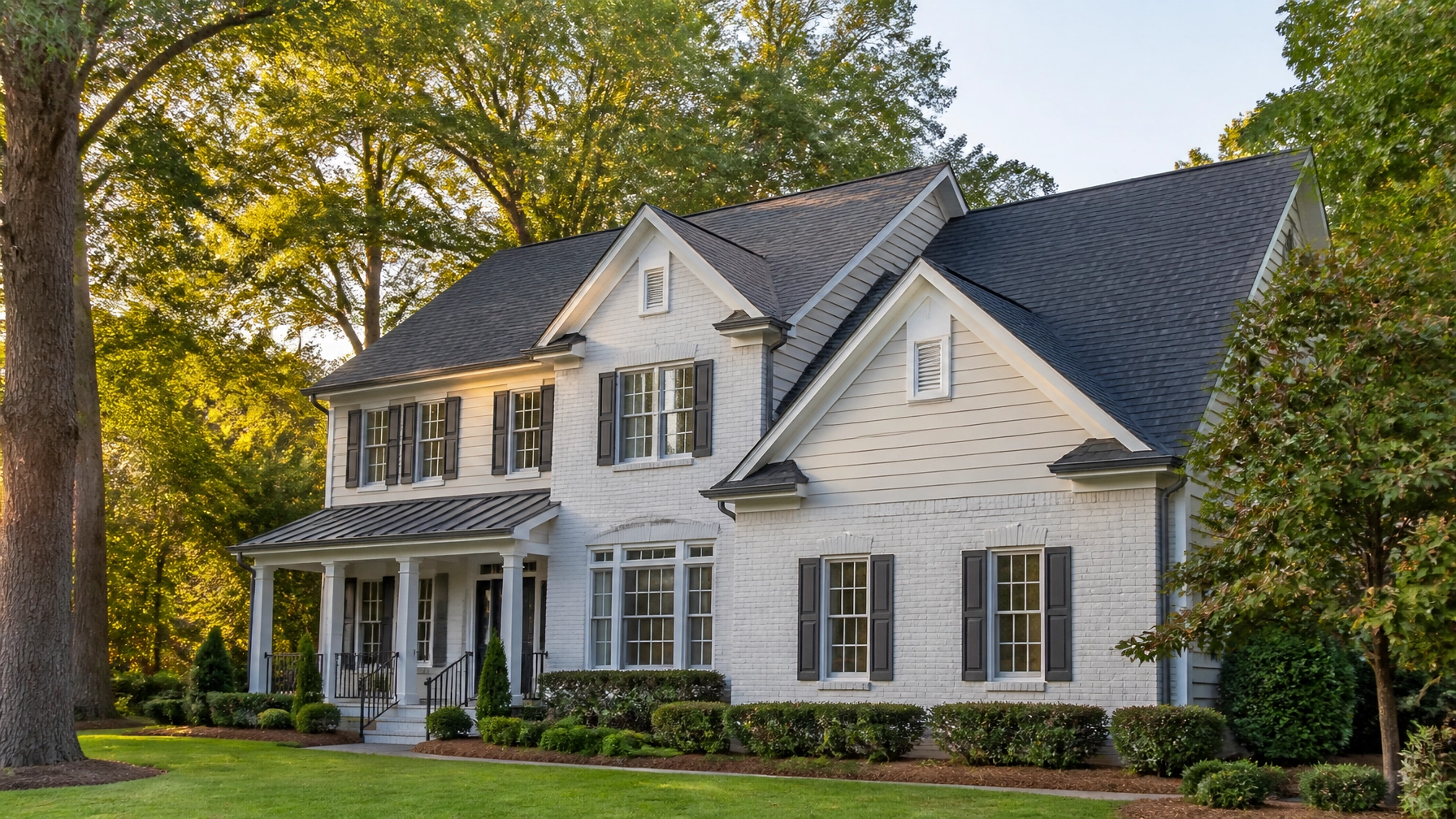
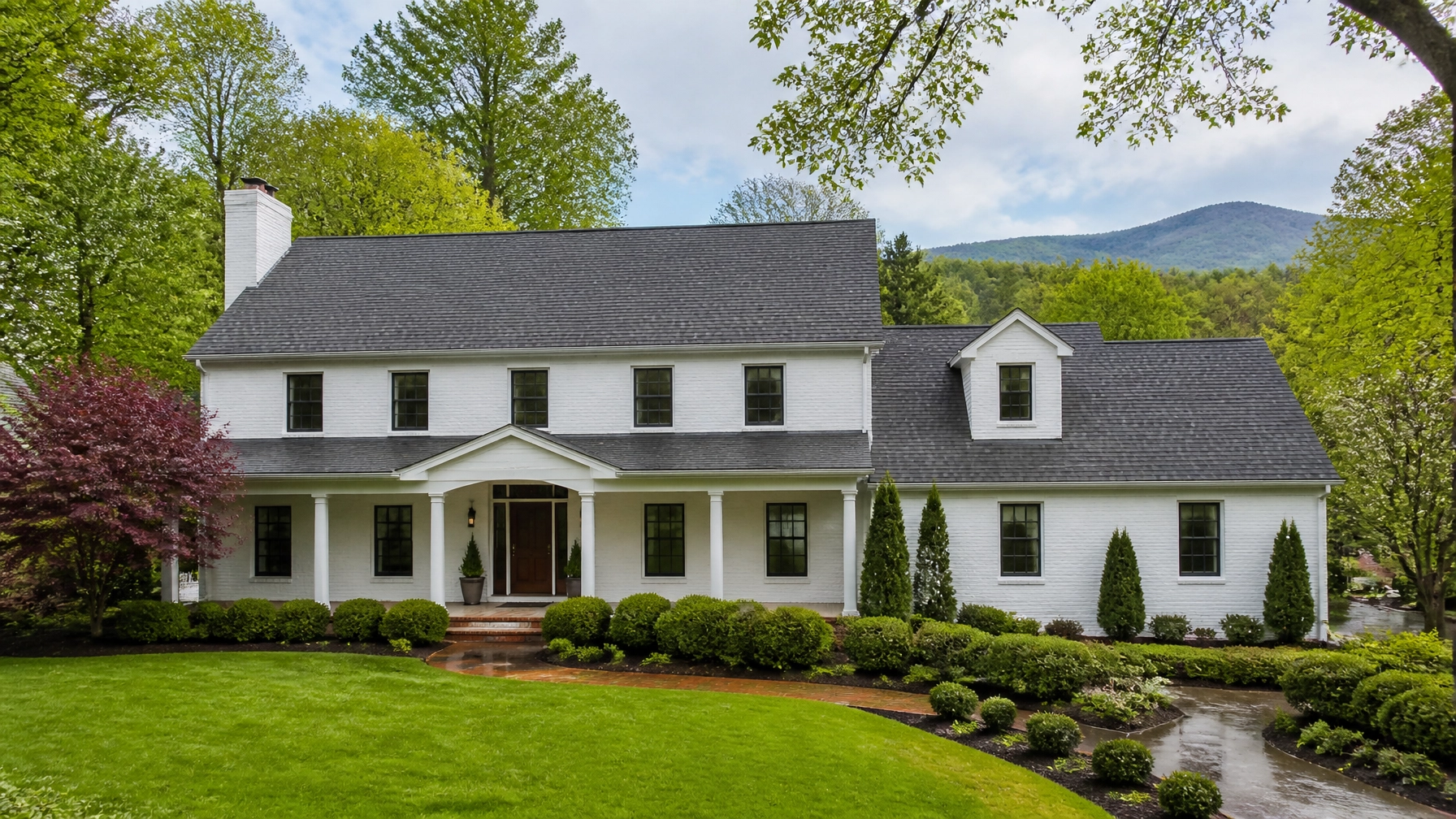
    Gainesville area colonial home with a new impact-resistant shingle roof

    How can I get a free Gainesville roof estimate in under 60 seconds?

    Use GetMyRoofEstimateNow.com to enter your property address.

    The satellite-powered system evaluates roof measurements such as:

    • Roof size
    • Pitch
    • Roofline complexity
    • Sections and slopes
    • Regional pricing conditions

    You receive a free low-to-middle-to-high replacement range in about 60 seconds, with no credit card required. The estimate can help you budget before scheduling contractor visits. It is a planning tool, not a final construction contract or structural inspection.

    You can also compare broader planning information with the company’s roof cost calculator.

    Gainesville roof replacement checklist

    Before requesting proposals, confirm the following:

    • I know whether my property is inside Gainesville city limits.
    • I have an approximate roof age and material history.
    • I checked the roof from the ground for visible damage.
    • I requested a satellite-powered estimate.
    • I asked about algae-resistant and high-wind-rated materials.
    • I checked whether impact-resistant shingles qualify for insurance savings.
    • I verified each contractor’s Florida license.
    • I requested proof of insurance.
    • I confirmed who pulls the permit.
    • I asked how hidden decking damage is priced.
    • I compared warranties, ventilation, flashing, and cleanup: not only the total price.

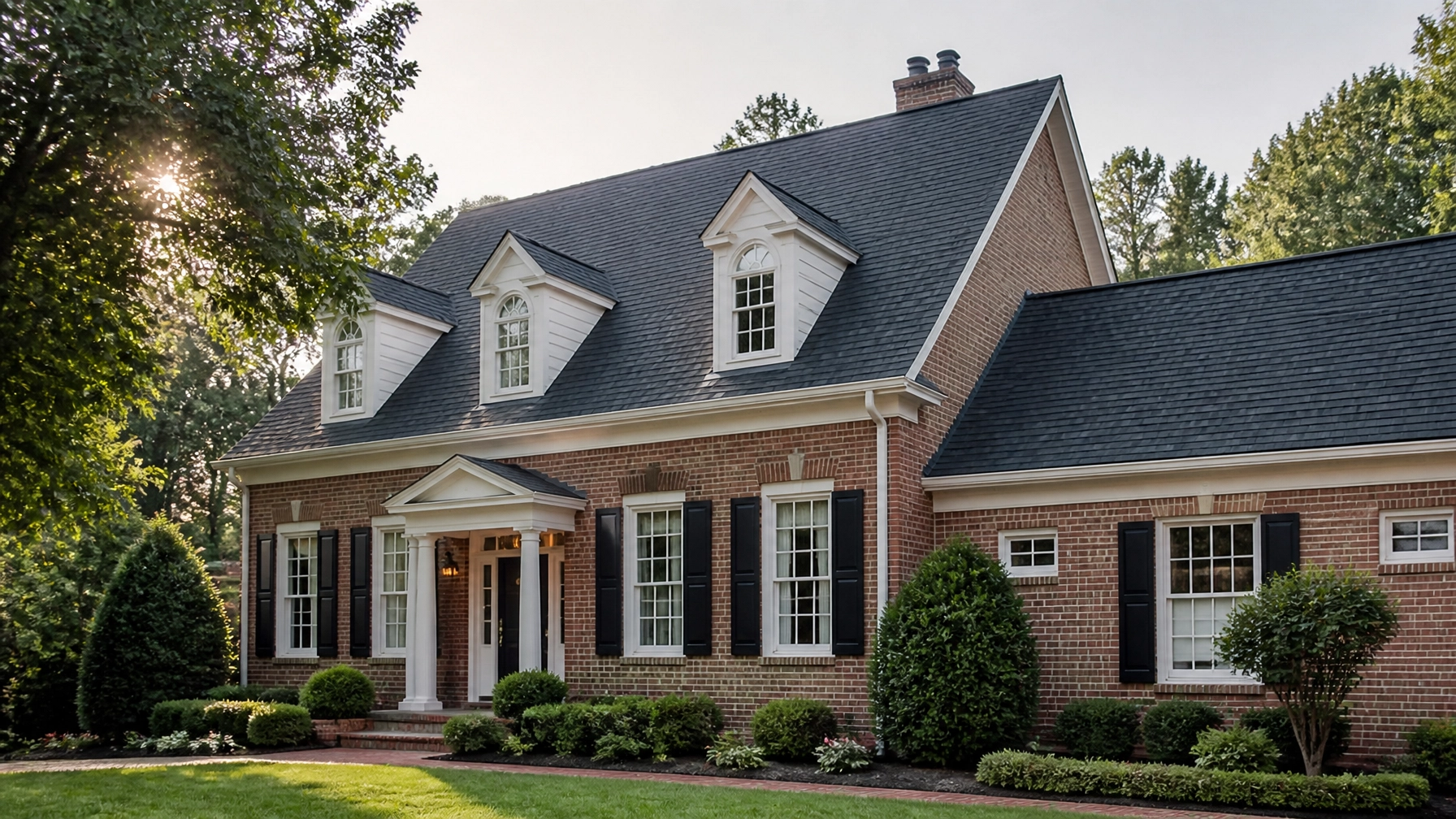
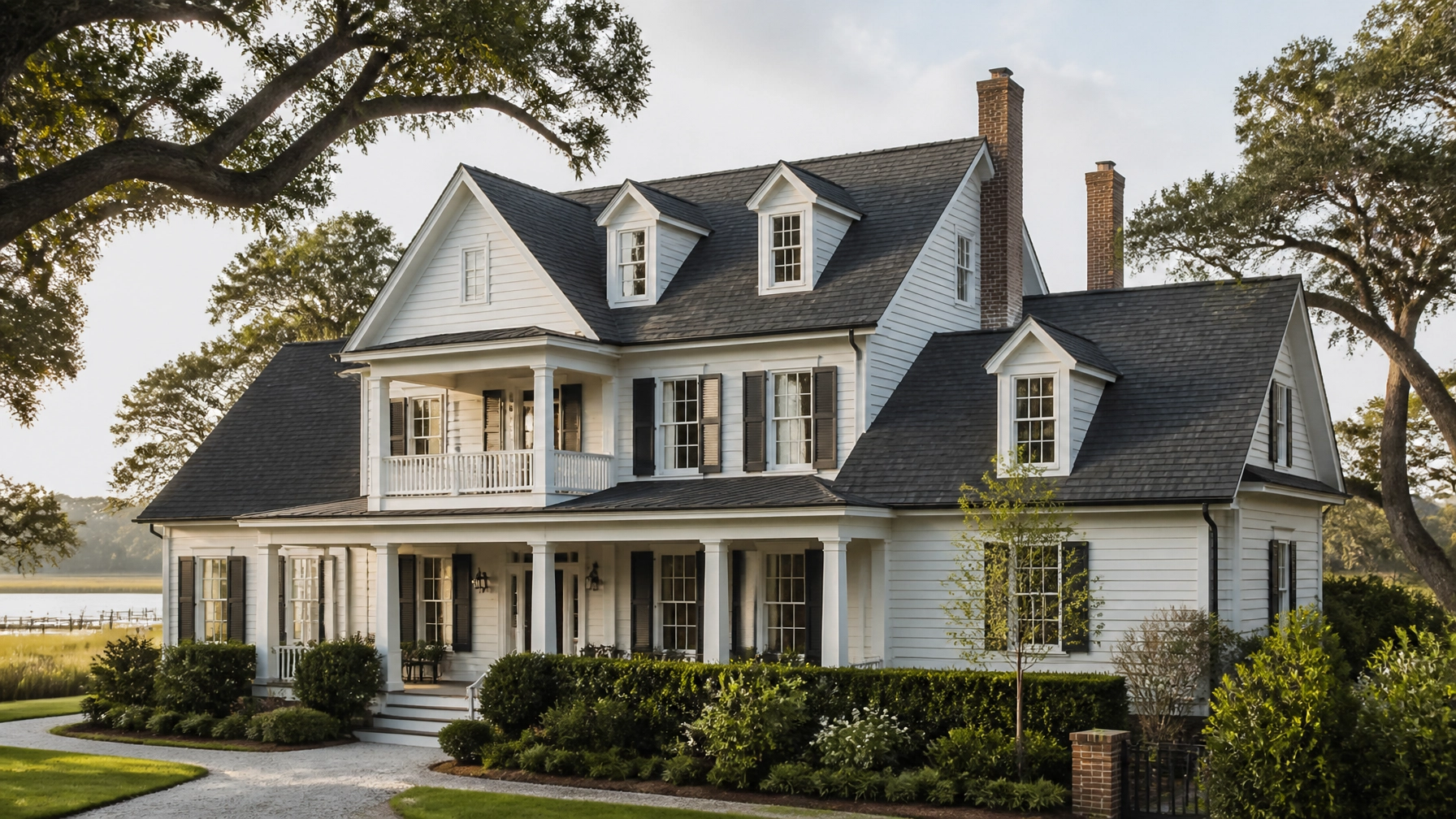
    Modern Gainesville Florida home with a new standing-seam metal roof

    Final answer: What should Gainesville homeowners do first?

    Start with an accurate roof measurement and a realistic budget range. For 2026, plan on $10,000–$20,000 for a typical Gainesville replacement, with premium impact-resistant and standing-seam metal systems costing more.

    Get your free satellite-powered estimate at GetMyRoofEstimateNow.com. It takes less than 60 seconds, requires no credit card, and gives you useful pricing information before you invite contractors to your home.
  • Daily Tech Blitz – Slot 6: Austin’s Satellite Tech Edge Is Turning Space Data Into Smarter Roof Decisions

    Daily Tech Blitz – Slot 6: Austin’s Satellite Tech Edge Is Turning Space Data Into Smarter Roof Decisions

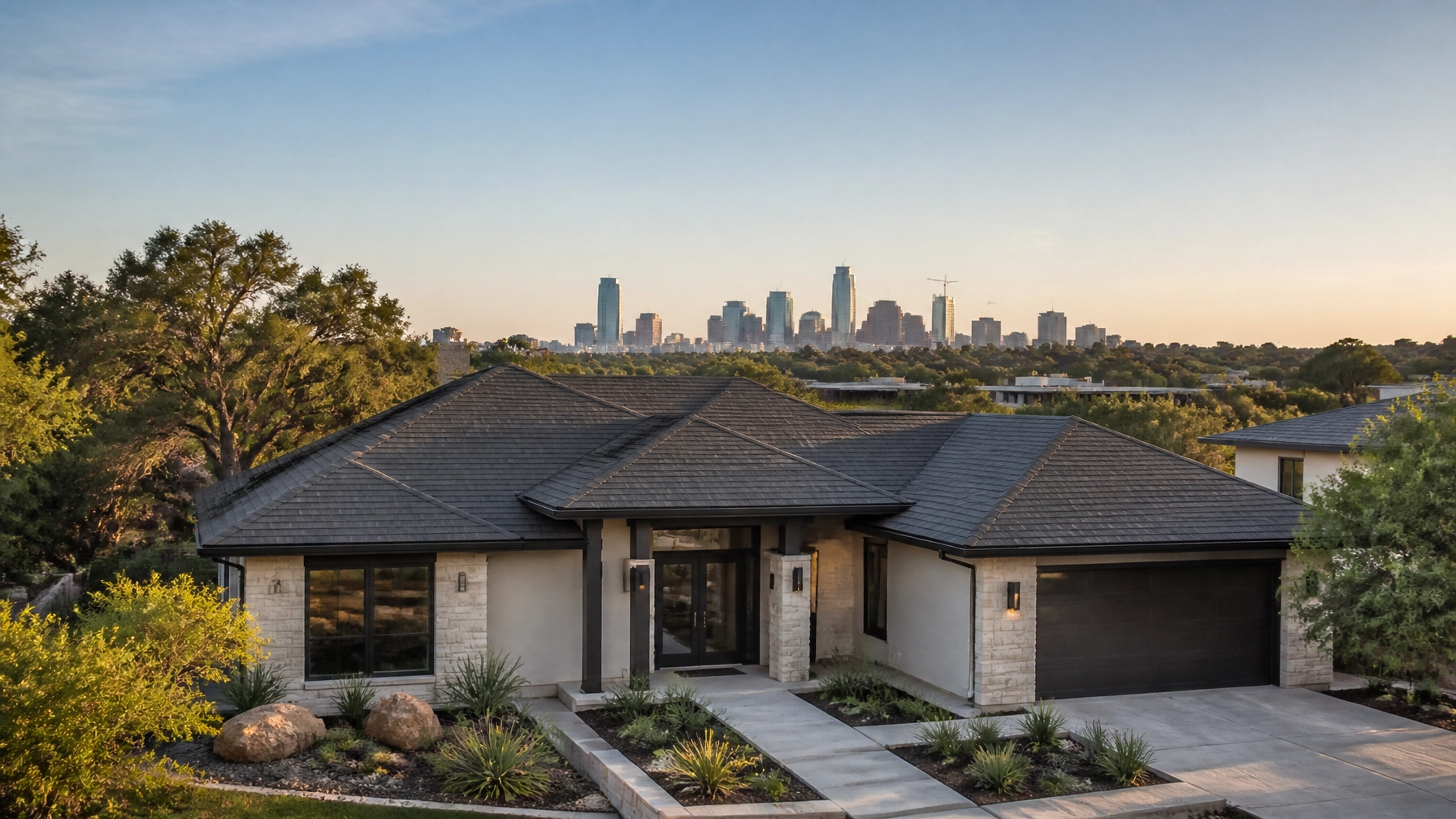
    Austin’s space-technology ecosystem is expanding quickly: and the benefits are moving closer to home.

    For homeowners, the most practical result is not a rocket launch. It is faster access to useful property information: roof dimensions, roof complexity, material comparisons, storm-planning data, and a realistic replacement-cost range.

    In 2026, a typical U.S. roof replacement costs about $9,000–$22,000. Asphalt shingles generally run about $3–$7 per square foot, while metal roofing costs approximately $8–$16 per square foot. Actual pricing depends on roof size, pitch, design complexity, materials, local labor, tear-off requirements, permits, and hidden structural repairs.

    Austin homeowners in areas such as 78704, 78745, 78759, and 78750 can now begin that budgeting process without waiting for several contractor appointments. Satellite-powered measurement provides a fast starting point: especially after a storm or before listing a home for sale.

    Austin’s “Satellite Tech Edge” Is Becoming a Real Economic Advantage

    Austin is already known for software, semiconductors, advanced manufacturing, and aerospace innovation. Its satellite sector adds another layer: companies developing communications hardware, spacecraft, Earth-observation systems, and onboard computing.

    One major development is CesiumAstro’s expansion in the Austin area. In January 2026, the Texas governor’s office announced the company’s planned more-than-$500 million Texas investment and the creation of more than 500 jobs over five years. Reporting on the Texas Space Commission’s support has described up to $10 million directed toward CesiumAstro’s Element satellite technology expansion.

    The Element platform is focused on high-throughput communications using software-enabled phased-array technology. In plain terms, phased-array systems can electronically direct and reshape communication beams without physically moving an antenna. That supports more flexible, targeted, and resilient data links.

    This matters for roof estimates because property intelligence depends on more than simply taking a picture. Useful systems must:

    • Capture or access detailed Earth imagery.
    • Identify the correct property and roof boundaries.
    • Interpret multiple roof planes and angles.
    • Move data through reliable communications systems.
    • Convert measurements into a clear result homeowners can understand.

    Austin’s growing satellite ecosystem is helping advance the infrastructure behind those capabilities.

    What NASA’s 2026 Small-Spacecraft Report Says About the Technology

    NASA’s 2026 State-of-the-Art of Small Spacecraft Technology report highlights several developments that are relevant to faster Earth-based property intelligence.

    The report describes a new generation of small spacecraft that are increasingly:

    • Autonomous
    • Data-rich
    • Powerful
    • Maneuverable
    • Capable of processing information onboard

    The report also includes updated sections on:

    • SmallSat avionics and onboard processing
    • Spacecraft autonomy
    • Free-space optical communications
    • Earth-observation capabilities
    • Relative navigation and multi-spacecraft operations

    The important shift is that satellites are becoming better at deciding what data matters, processing it closer to where it is collected, and transmitting useful information more efficiently.

    That is known as edge processing. Instead of sending every piece of raw data to a ground system for interpretation, onboard computing can filter, compress, classify, or prioritize information first.

    For homeowners, the direct translation is simple: property data can move more quickly from imagery to an actionable result.

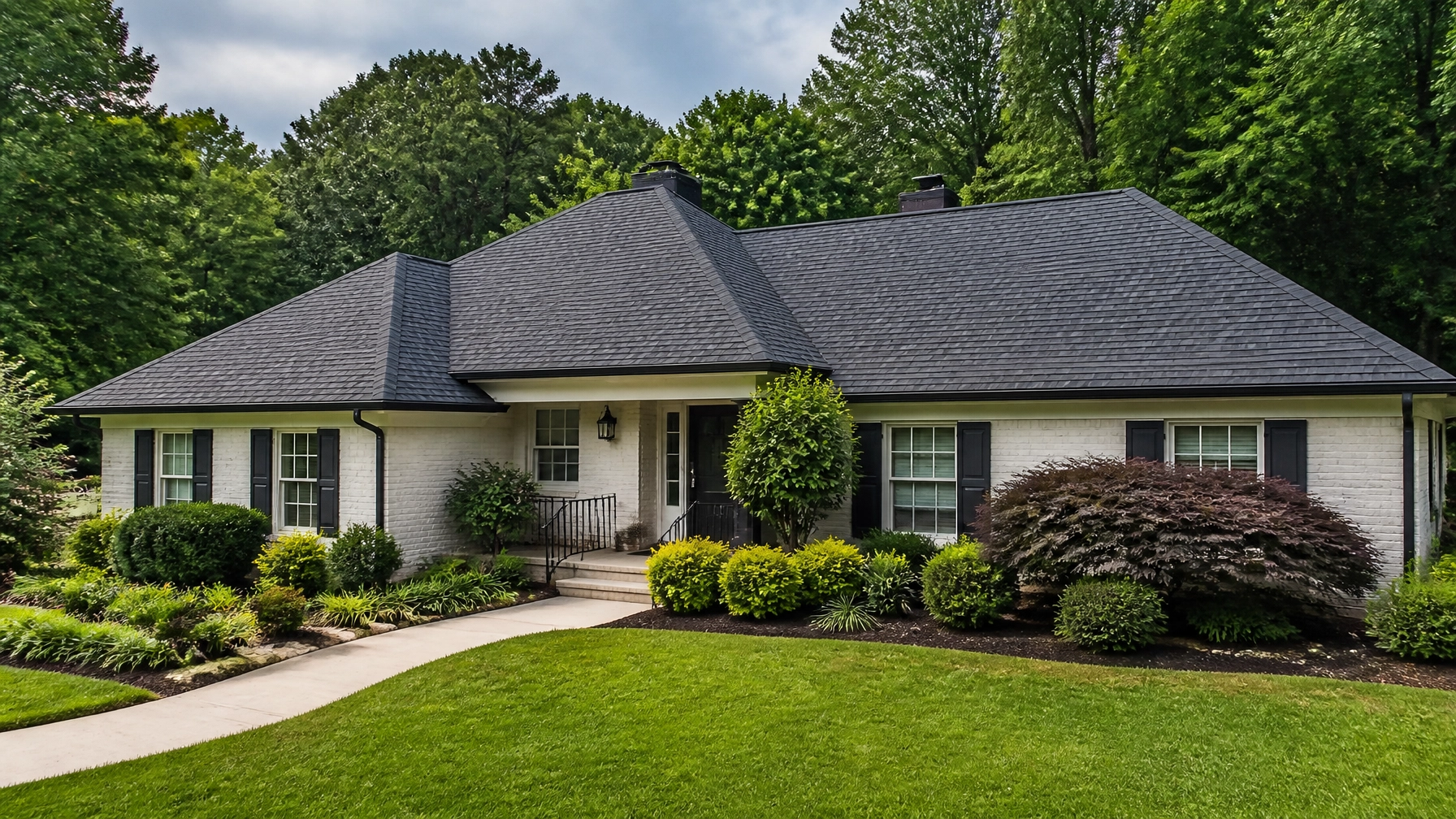
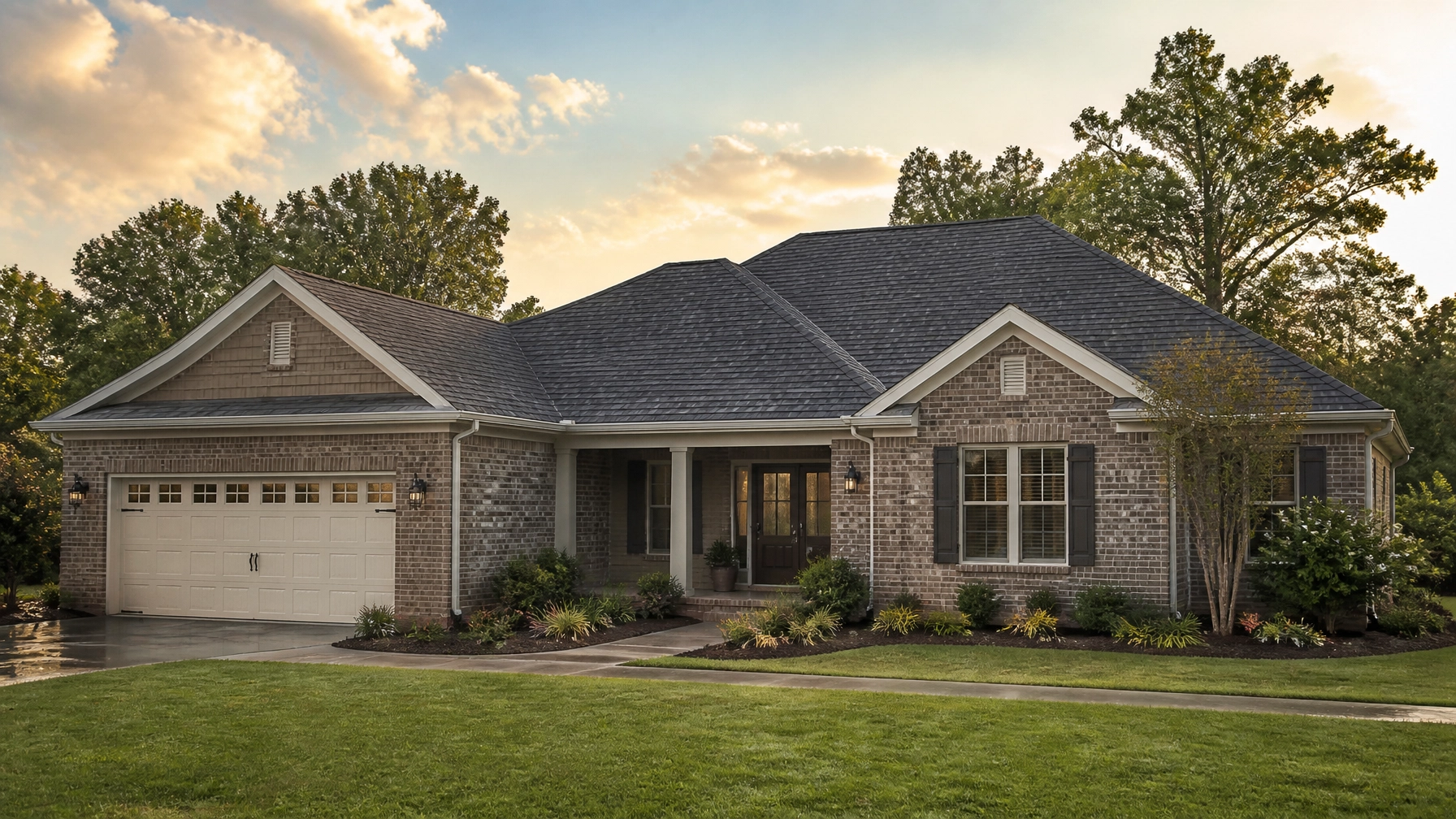
    Austin area ranch home with a clearly visible new architectural shingle roof after a storm

    Starling Shows Why Resilient Communication Matters

    NASA’s Starling mission provides another useful example.

    Starling uses four CubeSats to test autonomous coordination, formation flying, spacecraft-to-spacecraft communications, and distributed decision-making. CesiumAstro provided the crosslink radios and antennas used in the mission’s Mobile Ad-hoc Network experiment.

    The satellites demonstrated that spacecraft could communicate with one another and continue routing information even when one spacecraft’s direct connection to the ground was unavailable.

    That concept: resilience through connected systems: is important beyond space missions. Property intelligence also depends on a reliable chain:

    1. Imagery must be available.
    2. Measurements must be processed.
    3. Data must reach the estimating system.
    4. The result must be delivered quickly.
    5. Homeowners must be able to act on it.

    The NASA update from August 17, 2026 also describes Starling’s use of onboard cameras, object catalogs, and autonomous navigation. The mission improved orbit information for more than 200 objects during a three-day period without direct intervention from operators on the ground.

    That does not mean a roof-estimate platform uses Starling hardware or NASA systems. It demonstrates the broader direction of the industry: more capable sensors, smarter onboard processing, and faster movement from raw data to useful information.

    How Satellite-Powered Roof Measurement Helps Austin Homeowners

    A roof estimate starts with geometry.

    Most homeowners do not know their roof’s exact area. County records may list the home’s living area, but that is not the same as the roof area. Roof overhangs, multiple levels, porches, garages, valleys, dormers, and steep sections can all increase the actual roofing surface.

    Roofing professionals measure in squares:

    • 1 roofing square = 100 square feet
    • A 2,000-square-foot home does not necessarily have a 2,000-square-foot roof.
    • A complex roof may require substantially more material than a simple rectangle.

    A satellite-based estimating system can analyze the property’s visible roof structure and generate a measurement based on:

    • Roof footprint
    • Individual roof planes
    • Estimated pitch
    • Roofline complexity
    • Valleys and intersections
    • Attached structures that appear to be part of the roof system

    At Get My Roof Estimate Now, homeowners enter their address and receive a property-specific replacement-cost range in about 60 seconds. The platform uses satellite imagery to estimate roof size and complexity, then factors in material options and regional pricing.

    The result can show low, middle, and high ranges for choices such as:

    • Architectural shingles (Popular)
    • Basic asphalt shingles (Budget)
    • Metal roofing (Premium or long-term value)
    • Synthetic roofing
    • Roof coatings where appropriate

    The service is free, requires no credit card, and does not require a contractor visit upfront. Homeowners can get a free satellite roof estimate or review the roof cost calculator.

    Austin Roof Pricing: What the Technology Can and Cannot Tell You

    Satellite measurement is useful because it improves the starting point. It does not replace a complete roofing inspection.

    A satellite view can usually help estimate visible geometry. It cannot reliably confirm every condition underneath the roofing system.

    It may not identify:

    • Rotten roof decking
    • Active leaks hidden below shingles
    • Attic ventilation problems
    • Loose flashing
    • Moisture damage
    • Subtle hail bruising
    • Interior ceiling damage
    • Structural movement
    • Installation defects that are not visible from above

    For that reason, a satellite estimate should be treated as a budgeting and planning tool, not a final construction contract or insurance determination.

    Our measurement technology is designed to provide highly useful property-specific data, often targeting accuracy within inches and approximately 90%–95% measurement accuracy depending on imagery quality, roof visibility, and property conditions. That is different from guaranteeing a final project price or diagnosing every roof defect.

    A contractor should still verify the roof in person before work begins. The on-site assessment can confirm deck condition, flashing, ventilation, code requirements, tear-off needs, and storm-related damage.

    Austin colonial-style home with a new dark bronze standing-seam metal roof

    Why This Helps After an Austin Storm

    Central Texas homeowners regularly plan around high heat, intense sun, wind, hail, and severe thunderstorms. After a storm, contractor demand can rise quickly.

    That creates a practical problem: homeowners may need a fast budget range before they can decide whether to file an insurance claim, schedule an inspection, or plan temporary protection.

    A satellite estimate can help with the early steps:

    1. Start from the ground. Photograph visible damage without climbing onto the roof.
    2. Use satellite measurement for a replacement-cost range.
    3. Check your insurance policy and contact your carrier if appropriate.
    4. Schedule an in-person inspection.
    5. Compare written scopes of work from licensed and insured contractors.

    Austin-area home after a severe thunderstorm with limited visible shingle damage and an emergency tarp

    The technology can help homeowners move faster, but it should not be used to exaggerate damage or support an unsupported insurance claim.

    A Faster Way to Plan Before Selling

    Roof condition also affects home-sale preparation.

    If your Austin roof is 15–30 years old, buyers or inspectors may ask about its remaining life. Getting a fast replacement-cost range can help you evaluate whether to:

    • Replace the roof before listing.
    • Adjust the asking price.
    • Offer a credit.
    • Complete targeted repairs.
    • Provide buyers with clearer documentation.

    The estimate also helps sellers compare materials. For example, metal roofing typically costs more upfront but can last 40–70 years. Architectural shingles generally offer a lower initial cost and broad design flexibility.

    The Practical Takeaway for Austin Homeowners

    Austin’s satellite technology edge is not only about spacecraft. It is about making large amounts of information faster, more accessible, and more useful.

    High-resolution Earth observation helps map property geometry. Onboard processing supports quicker data decisions. Resilient communications keep information moving. Autonomous systems demonstrate how complex data networks can operate with less delay and less manual intervention.

    For a homeowner, the benefit is direct: a free, satellite-powered roof replacement estimate in about 60 seconds: before scheduling contractor visits.

    Use it to establish a realistic budget, compare materials, prepare for storm recovery, or plan a home sale. Then have a qualified roofing professional verify the roof’s condition before making a final decision.

    Sources and References

  • Daily Tech Blitz – Slot 3: Huntsville’s Satellite Tech Edge Is Putting Rocket City Roofs on the Orbital Map

    Daily Tech Blitz – Slot 3: Huntsville’s Satellite Tech Edge Is Putting Rocket City Roofs on the Orbital Map

    Meta description: Huntsville’s NASA and geospatial technology ecosystem is changing how homeowners measure roof size, compare materials, and plan 2026 replacement costs in under 60 seconds.

    Huntsville is known as the Rocket City because its technology reaches far beyond the neighborhood.

    NASA Marshall Space Flight Center tests spacecraft for extreme heat, cold, vibration, and vacuum. Redstone Arsenal supports national space and defense missions. GEOHuntsville connects government, industry, and universities around geospatial intelligence and artificial intelligence.

    Now, the same basic idea: using advanced data to understand what is happening on the ground: is making roof planning faster for Huntsville homeowners.

    Instead of waiting days for multiple contractors to visit, homeowners in ZIP codes such as 35801, 35802, 35803, 35805, 35806, 35810, and 35816 can use satellite-powered measurements to get a roof replacement price range in about 60 seconds.

    Why Huntsville Has a Satellite Tech Edge

    Huntsville’s space legacy is not limited to rockets. NASA Marshall also supports Earth science, remote sensing, disaster response, and small-satellite missions.

    StarBurst: Extreme Testing at Marshall

    NASA’s StarBurst SmallSat is a gamma-ray observatory designed to detect short gamma-ray bursts, including events associated with neutron star mergers. The mission completed demanding thermal and vibration testing at Marshall as it prepares for a targeted 2027 launch.

    That testing is not a roofing application. However, it demonstrates the level of engineering discipline present in Huntsville:

    • Testing systems under extreme temperature conditions
    • Simulating launch vibration
    • Measuring performance before deployment
    • Using precise data to reduce uncertainty

    Those same principles matter when estimating a roof. Accurate measurements, clear assumptions, and regional cost data produce a more useful starting point than a generic national average.

    Starling and FALCON: Autonomous Navigation Without GPS

    On August 17, 2026, NASA’s Starling mission demonstrated FALCON, an autonomous navigation capability that allows a swarm of small satellites to navigate in low Earth orbit without relying on GPS. The system uses star-tracker cameras and known space objects as references.

    The practical lesson is simple: modern systems can make reliable decisions by combining imagery, reference points, and automated analysis.

    Roof estimating applies a similar concept at ground level. Satellite imagery provides the visual reference. Automated analysis identifies roof sections. Regional pricing data converts those measurements into a realistic replacement range.

    GEOHuntsville and Commercial Geospatial Intelligence

    The GEOHuntsville ecosystem adds another layer. Its March 26, 2026 summit focused on the intersection of geospatial technology, space, and artificial intelligence.

    Companies and organizations connected to Huntsville’s geospatial cluster include:

    • Ursa Space Systems
    • Radiance Technologies
    • LGND AI
    • Leidos
    • Polaris Sensor Technologies
    • Resolution LLC
    • GeoCue
    • 1st Edge

    Commercial SAR providers such as Ursa Space can use radar imagery to detect changes through clouds and at night. High-resolution optical imagery, artificial intelligence, and location data can support disaster response, infrastructure planning, and property analysis.

    For homeowners, this technology is becoming practical in one specific way: measuring the roof before a contractor arrives.

    Huntsville ranch home with a new impact-resistant architectural shingle roof

    From Storm Mapping to Roof Measurement

    The National Weather Service office in Huntsville uses satellite and aerial imagery, including NDVI difference mapping, to help confirm tornado tracks and structural damage.

    Recent local weather history explains why this matters:

    • A May 20, 2025 EF-2 tornado affected portions of the Huntsville area.
    • Severe weather outbreaks occurred on March 7 and March 16, 2026.
    • Hail up to approximately 1.5 inches and more than 80 damage reports were recorded during the March events.
    • Additional hail events occurred on March 9, April 27, and July 9, 2026.

    NDVI is primarily useful for identifying vegetation loss. It does not reliably show granular hail damage on shingles. However, broader storm mapping can help identify neighborhoods that may need closer roof inspections.

    Satellite roof estimating serves a different purpose. It uses imagery and automated analysis to determine:

    • Roof surface area
    • Roof sections and planes
    • Approximate pitch
    • Valleys, ridges, and complexity
    • Material quantities
    • Local labor and material pricing

    The result is not an insurance determination or a final contractor proposal. It is a fast, data-based planning estimate.

    How a Satellite Roof Estimate Works in Huntsville

    1. Enter Your Address

    The system locates the property using high-resolution aerial or satellite imagery. You do not need to climb on the roof or schedule an initial contractor visit.

    2. Measure the Roof in Squares

    Roofing contractors use squares, not just square feet.

    • One roofing square equals 100 square feet.
    • A typical Huntsville roof may measure approximately 18–26 squares.
    • A 2,000-square-foot roof equals about 20 squares before adjustments for pitch, waste, and complexity.

    3. Analyze Pitch and Complexity

    A simple ranch roof generally costs less to replace than a roof with multiple dormers, valleys, skylights, steep sections, or difficult access.

    Steeper and more complex roofs require:

    • More labor
    • Additional safety equipment
    • More flashing and underlayment
    • Greater material waste
    • Longer installation time

    4. Apply Huntsville Pricing

    The estimate uses regional costs rather than a generic national average. It can show low, middle, and high ranges for materials such as:

    • Architectural shingles
    • Class 4 impact-resistant shingles
    • Metal roofing
    • Synthetic roofing
    • Roof coatings

    The platform’s roof measurements are typically 90–95% accurate for most properties, with results delivered in under 60 seconds. The estimate is free, requires no credit card, and can connect homeowners with verified, licensed, and insured local contractors if they want an in-person quote.

    Huntsville 2026 Roof Replacement Cost Benchmarks

    For a typical 1,800–2,600-square-foot roof, Huntsville homeowners should plan for approximately $8,500–$20,000 or more, depending on material, roof design, tear-off requirements, and hidden deck damage.

    Roofing option Planning range Installed cost per square Best fit
    Architectural shingles (Budget) $8,500–$12,500 Approximately $385–$400 Cost-conscious replacement with a standard roof design
    Impact-resistant shingles (Popular) $10,000–$16,500 Approximately $400–$425 Huntsville homes exposed to hail and severe weather
    Premium metal roofing (Premium) $17,000–$28,000+ Approximately $845–$1,100+ Long-term ownership, high durability, and strong weather performance

    Labor alone commonly contributes approximately $150–$300 per square. A steep roof, multiple layers of old roofing, damaged decking, chimneys, skylights, and difficult access can move a project above these ranges.

    Modern Huntsville home with a standing-seam metal roof after replacement

    Storm-Resilient Roofing for Madison County

    Huntsville has a humid subtropical climate with high summer heat, heavy humidity, severe spring storms, tornado risk, hail, and periodic freeze-thaw conditions.

    When comparing materials, focus on the complete roof system: not just the visible shingle or panel.

    Choose Impact Resistance

    Class 4 impact-resistant shingles are worth evaluating in Madison County. They are designed to perform better against hail than standard shingles and may qualify for insurance discounts, depending on the insurer and policy.

    Ask for:

    • The actual impact rating
    • Manufacturer documentation
    • Applicable insurance requirements
    • Wind warranty terms
    • Workmanship coverage

    Consider Metal for Long-Term Durability

    A properly installed metal roof can last 40–70 years. It can also provide strong wind resistance, Class A fire performance, and improved solar reflectivity.

    Metal is not immune to dents from large hail. The panel type, gauge, finish, and installation quality all matter. Standing-seam and stone-coated steel systems are different products with different performance characteristics.

    Inspect After Every Major Storm

    After hail or high winds:

    • Photograph visible damage from the ground.
    • Check gutters for excessive shingle granules.
    • Look for missing, lifted, or cracked shingles.
    • Inspect attic ceilings for new stains.
    • Do not climb onto the roof yourself.
    • Contact your insurer promptly if damage is suspected.
    • Ask a licensed roofer for a documented inspection.

    Roof Replacement, Home Value, and Resale

    A new roof is both a protective system and a visible home improvement. Huntsville’s median home price was approximately $317,000–$345,000 in August 2026, making roof condition an important factor for buyers and sellers.

    Industry benchmarks commonly estimate that a roof replacement may recoup roughly 60%–81% of its cost at resale. That is a benchmark, not a guarantee. Actual results depend on the roof material, neighborhood, installation quality, buyer demand, and the condition of the rest of the home.

    Here is how the investment usually affects value:

    • New roof ROI home value: A sound roof reduces buyer uncertainty and can prevent price concessions.
    • Roof replacement resale value: Buyers are more comfortable purchasing a home without an immediate major capital expense.
    • Roof curb appeal home value: Coordinated shingle color, clean flashing, and a sharp roofline improve the first impression.
    • Best roof for home value: Architectural or impact-resistant shingles are often the practical fit for many Huntsville homes. Metal may be the better choice for long-term owners seeking durability and energy performance.
    • Roof replacement ROI: The strongest return usually comes from selecting a durable, neighborhood-appropriate system and installing it correctly: not automatically choosing the most expensive material.

    A new roof will not guarantee a higher sale price. It can, however, make the property easier to market and reduce objections during inspection.

    Traditional Madison County ranch home with a new Class 4 impact-resistant roof after a storm

    Check Your Huntsville Roof Cost in 60 Seconds

    You do not need to wait for three contractors just to learn whether your project may cost $10,000 or $25,000.

    Use the free Get My Roof Estimate Now tool to see:

    • Your estimated roof size
    • Roofing squares
    • Low, middle, and high replacement pricing
    • Material comparisons
    • Huntsville-area cost adjustments

    You can also use the roof cost calculator to compare materials and plan your budget.

    There is no credit card requirement, no upfront contractor visit, and no obligation to hire anyone.

    Frequently Asked Questions

    How accurate is a satellite roof estimate?

    Satellite-powered estimates are typically 90–95% accurate for most homes. They measure roof dimensions, sections, pitch, and complexity from imagery. A contractor still needs to confirm conditions such as decking damage, flashing deterioration, ventilation, and hidden leaks.

    How fast can I get a Huntsville roof estimate?

    You can receive a preliminary price range in under 60 seconds after entering your property address.

    Does the estimate cost anything?

    No. The estimate is free, and no credit card is required.

    Do I need a contractor visit first?

    No. The satellite estimate is designed to give you an initial budget before scheduling an in-person inspection. A contractor visit is still recommended before signing a replacement contract.

    Can satellite imagery prove hail damage for insurance?

    Not by itself. Satellite imagery may help identify storm-affected areas, but small hail impacts and granular damage often require close visual inspection, photographs, and insurance documentation. Do not assume coverage without reviewing your policy.

    Does Huntsville require a roofing permit?

    The City of Huntsville generally requires permits for full roof replacements and certain structural repairs within city limits. Permit requirements can differ in unincorporated Madison County. Confirm the jurisdiction and ask your contractor or the City of Huntsville Inspection Department before work begins.

    Sources and Further Reading

    Categories: Huntsville AL, Roofing Technology, Roof Replacement, Home Value, Satellite Technology, NASA, Roof Replacement ROI, Hail Damage, Storm-Resistant Roofing

    Tags: Huntsville roofing costs 2026, Rocket City roofing, satellite roof estimate, roof cost calculator, Madison County hail damage, Class 4 shingles, metal roofing Huntsville, new roof ROI home value, roof replacement resale value, roof curb appeal home value

  • New Roof ROI in Raleigh, NC: How Roof Replacement Can Increase Home Value

    New Roof ROI in Raleigh, NC: How Roof Replacement Can Increase Home Value

    A new roof can improve a Raleigh home’s marketability, protect its condition, and support resale value. But roof replacement is not an automatic dollar-for-dollar investment.

    For most Raleigh homeowners in 2026, a typical replacement costs approximately:

    • Architectural asphalt shingles (Popular): $10,000–$14,000 for a standard 2,000-square-foot roof
    • Standing-seam metal (Premium): $16,000–$25,000
    • Broader Raleigh replacement range: about $7,500–$20,000, depending on size, pitch, material, and roof complexity

    National remodeling data indicates that asphalt roof replacement recovers approximately 68% of its cost at resale, while metal roofing recovers about 50% on average. Those are national benchmarks: not guarantees for Raleigh.

    The practical takeaway is simple: a new roof may not return its full installation cost, but it can prevent larger resale discounts, improve buyer confidence, and make your home easier to sell.

    Raleigh’s 2026 housing market makes condition more important

    Raleigh remains a desirable market, but buyers have more time and choices than they did during the peak selling years.

    According to Realtor.com’s Raleigh market data, August 2026 indicators include:

    • Median listing price: $454,250
    • Median sold price: $454,000
    • Active listings: 3,322
    • Median days on market: 57
    • Typical sale-to-list ratio: approximately 99%

    Zillow’s Raleigh housing data reports an average home value of $435,237 as of July 31, 2026, with values down approximately 2% year over year.

    These sources measure different things. Realtor.com focuses heavily on active listings and recent transactions, while Zillow’s Home Value Index tracks estimated property values. Together, they describe a Raleigh market that is active but more balanced.

    That matters for roofing. When buyers can compare several homes, visible deferred maintenance becomes easier to penalize. A home with a new, clean roof can stand out against similar properties with aging shingles, stains, missing tabs, or visible storm damage.

    Fresh architectural shingle roof on a Raleigh ranch-style home after a summer storm

    What does a new roof cost in Raleigh?

    The roof’s measured area: not the home’s interior square footage: is the starting point for pricing. Contractors measure roofing in squares, with one square equal to 100 square feet of roof surface.

    For a typical Raleigh home with approximately 2,000 square feet of roof area, reasonable 2026 planning ranges are:

    Roof system Raleigh planning range Positioning
    3-tab asphalt shingles $7,000–$12,000 Budget
    Architectural asphalt shingles $9,500–$15,000 Popular
    Premium or designer shingles $14,000–$20,000+ Premium
    Standing-seam metal $16,000–$25,000 Premium
    Complex or high-end metal systems $25,000–$30,000+ Specialty

    Our Raleigh roof estimate page uses a broader local range of $7,500–$20,000, with approximately $12,500 as a common planning figure for architectural shingles on a typical home.

    Your actual cost can move substantially based on:

    • Roof size and number of squares
    • Pitch and required safety equipment
    • Valleys, dormers, chimneys, and roof penetrations
    • Tear-off and disposal requirements
    • Rotten decking or structural repairs
    • Material grade and warranty
    • Labor availability and seasonal demand
    • Permit and code requirements

    For additional material details, compare our guides to asphalt shingles, metal roofing, and metal versus shingles.

    National roof replacement ROI statistics

    The most useful national benchmark comes from the 2025 Cost vs. Value data compiled by Zonda and published through Remodeling and JLC reporting.

    The reported national averages are:

    • Asphalt shingle replacement

      • Average project cost: $31,871
      • Average resale value added: $21,501
      • Cost recouped: approximately 67.5%, commonly rounded to 68%
    • Metal roof replacement

      • Average project cost: $51,865
      • Average resale value added: $25,972
      • Cost recouped: approximately 50%

    See the published figures in this 2025 roof replacement ROI summary.

    These national projects may be larger, more expensive, or different in scope than a typical Raleigh replacement. Therefore, do not apply the percentages as a guaranteed Raleigh resale calculation.

    Instead, use them to understand the general pattern:

    1. A quality roof replacement often recovers a meaningful portion of its cost.
    2. Asphalt shingles generally produce stronger short-term cost recovery.
    3. Metal roofing may make more sense for long-term ownership, energy performance, durability, or buyer preference.
    4. The best financial result depends on installing the right roof for the home: not simply choosing the most expensive material.

    How roof condition affects resale value

    Roof condition influences more than the appearance of a listing. It affects the buyer’s estimate of future ownership costs.

    An aging roof may lead buyers to:

    • Request a price reduction
    • Ask for a repair credit
    • Require repairs before closing
    • Delay an offer while obtaining inspections
    • Avoid the property altogether
    • Question the condition of other major systems

    A roof near the end of its useful life can also create appraisal and financing complications. Lenders and appraisers generally want the property to be safe, sound, and weather-tight. A roof with active leaks, severe deterioration, or very limited remaining life may require corrective work before a transaction can close, particularly with certain government-backed loan programs.

    That does not mean every older roof reduces value by a fixed percentage. The impact depends on:

    • The roof’s actual condition
    • Remaining service life
    • Comparable homes in the neighborhood
    • The buyer’s loan type
    • Whether the seller provides inspection and maintenance records
    • Current inventory and negotiation conditions

    A roof replacement can therefore protect value even when it does not produce a full dollar-for-dollar return.

    New roof ROI and buyer confidence

    A new roof gives buyers something valuable: fewer immediate unknowns.

    Buyers often associate a new roof with:

    • Lower near-term maintenance risk
    • Better protection from Raleigh’s heavy rain and thunderstorms
    • Fewer inspection surprises
    • Better insurability
    • More predictable ownership costs
    • Stronger overall maintenance history

    This is where new roof ROI home value becomes broader than a resale-price calculation. The return may include a stronger offer, fewer concessions, a shorter negotiation, or reduced risk of a deal falling apart.

    A seller with a roof that is 20 to 25 years old may still sell successfully. However, the buyer will likely account for the replacement cost somewhere in the transaction. Replacing the roof before listing allows the seller to control the material, installation quality, documentation, and presentation.

    Modern Raleigh home with a new standing-seam metal roof and clean contemporary roofline

    Roof curb appeal and home value

    The roof covers a large portion of a home’s visible exterior. Its color, profile, condition, and alignment influence first impressions from the street and listing photographs.

    That makes roof curb appeal home value a practical consideration. A clean architectural shingle roof can make an older home look more maintained without changing its floor plan. On a modern or high-end property, standing-seam metal may reinforce the home’s architectural style.

    For the strongest visual result:

    • Choose a color that complements siding, brick, stone, and trim
    • Match the material to the home’s architectural style
    • Avoid over-upgrading beyond neighborhood expectations
    • Confirm HOA requirements before ordering materials
    • Use algae-resistant products suited to Raleigh’s humid climate
    • Replace visibly damaged flashing, vents, and gutters at the same time
    • Keep tree limbs trimmed away from the roof

    The goal is not to create the most expensive roof on the street. It is to create a roof that looks appropriate, durable, and well maintained.

    What is the best roof for home value in Raleigh?

    For many Raleigh homeowners, architectural asphalt shingles are the best roof for home value because they balance cost, appearance, availability, and expected service life.

    They are usually the strongest choice when:

    • You may sell within the next several years
    • Your neighborhood primarily uses asphalt shingles
    • You want predictable installation costs
    • You need broad buyer appeal
    • You prefer a 25- to 30-year product category

    Metal roofing can be a better fit when:

    • You plan to remain in the home for 10 years or longer
    • You value a 40- to 70-year service life
    • You want lower maintenance and strong weather performance
    • The home’s design supports a metal roof
    • You are comfortable with a higher initial investment

    Neither material guarantees a particular increase in resale value. Installation quality, ventilation, flashing, drainage, and documentation matter as much as the product name.

    Get a Raleigh roof estimate before calling contractors

    Before scheduling several contractor appointments, start with a property-specific budget.

    Get My Roof Estimate Now uses satellite imagery to estimate roof size, pitch, and complexity. Raleigh homeowners can enter an address and receive low-middle-high pricing ranges in under 60 seconds.

    The estimate is:

    • Free
    • Available without a credit card
    • Based on satellite-powered roof measurements
    • Typically accurate to approximately 90–95%
    • Useful for comparing asphalt, metal, and other material options
    • Available before an in-person contractor visit

    It is not a final construction quote. A licensed contractor still needs to verify decking, flashing, ventilation, access, and hidden damage. But it gives you a realistic starting point and helps you evaluate proposals with less guesswork.

    Raleigh homeowner reviewing a satellite roof measurement on a tablet from the ground

    Practical roof replacement tips for Raleigh homeowners

    1. Replace based on condition and timing

    If your roof is leaking, has widespread shingle loss, or is near the end of its expected life, waiting may increase both repair costs and resale risk.

    2. Compare complete project scopes

    A low quote may exclude decking repairs, ventilation, flashing, permits, or disposal. Ask every contractor to explain what is included.

    3. Verify licensing and insurance

    Use the North Carolina Licensing Board for General Contractors’ license search to verify the contractor’s status and classification. Request current certificates of insurance before signing.

    4. Confirm Raleigh permit requirements

    The City of Raleigh’s residential permit guidance lists roofing under residential alterations and repairs. Ask your contractor or the city to confirm the requirements for your address and project scope.

    5. Keep your replacement records

    Save the contract, material information, warranty documents, permit records, photos, and final invoice. These records can support buyer confidence and simplify future insurance or resale questions.

    Bottom line: Is a new roof worth it in Raleigh?

    A new roof can increase home value, but the return varies by material, project scope, timing, installation quality, and market conditions.

    For most Raleigh homes:

    • Architectural shingles offer the most balanced cost-to-marketability profile.
    • Metal roofing offers greater longevity but usually requires more time to recover its higher upfront cost.
    • A failing roof can reduce buyer confidence and create negotiation or financing problems.
    • A new roof may protect value even when it does not recover 100% of its cost.
    • Current national ROI statistics should be treated as benchmarks, not guarantees.

    Start with a free, satellite-powered estimate for your address. Then use the number to compare materials, plan your budget, and request focused quotes from verified local contractors.

    Frequently asked questions

    Does a new roof increase home value in Raleigh?

    It can. A new roof may improve curb appeal, reduce buyer concerns, support a smoother inspection, and help protect the home from condition-based discounts. The actual resale effect depends on the roof material, neighborhood, comparable sales, and market timing.

    What is the average roof replacement ROI?

    The 2025 national Cost vs. Value figures report approximately 68% cost recovery for asphalt shingle replacement and approximately 50% for metal roofing. These are national averages and should not be treated as a guaranteed Raleigh return.

    Is asphalt or metal roofing better for resale value?

    Architectural asphalt shingles are often the better short-term value because they cost less and are familiar to most buyers. Metal roofing may be better for long-term ownership, durability, energy performance, and certain architectural styles.

    Can I get a roof replacement estimate without a contractor visit?

    Yes. Get My Roof Estimate Now provides a free satellite-powered estimate in under 60 seconds. The result is a planning estimate; a contractor must verify the roof in person before construction.

    Sources

  • Daily Weather Blitz – Slot 1: Louisville, KY : August 21, 2026: Calm Before the Storm & What Kentucky’s Wild Weather Means for Your Roof

    Daily Weather Blitz – Slot 1: Louisville, KY : August 21, 2026: Calm Before the Storm & What Kentucky’s Wild Weather Means for Your Roof

    Louisville starts Friday, August 21, with a relatively calm weather pattern: a high near 87°F, an overnight low around 67°F, some morning fog, and mostly dry conditions. A pop-up afternoon downpour is possible, but there are no extreme heat or severe storm alerts in effect at this time.

    That calm may not last. Stronger storms are possible Saturday afternoon, August 22, as a cold front moves through the region. For Louisville homeowners, Friday is a practical window to check the roof, clear drainage systems, and identify small problems before wind and hail put them to the test.

    Louisville’s 3-Day Weather Outlook

    Forecast conditions can change quickly, especially near a cold front. Check the latest guidance from the National Weather Service Louisville office before doing outdoor work.

    Date Expected conditions Roofing takeaway
    Friday, August 21 Warm and mostly dry; high near 87°F, low around 67°F; patchy morning fog; small chance of an afternoon downpour Best available inspection and preparation window
    Saturday, August 22 Warm and humid with stronger afternoon storms possible as a cold front crosses the region Secure loose items and avoid roof access during storms
    Sunday, August 23 Cooler and generally more settled behind the front, with a lower storm risk than Saturday Safe time to document any new damage from the front

    Why Kentucky Weather Is Hard on Roofs

    Louisville roofs face more than one type of weather stress. Severe thunderstorms can bring:

    • Hail ranging from pea-size to quarter-size or larger
    • Wind gusts of 60 mph or more
    • Tornadoes and localized wind damage
    • Heavy, wind-driven rain
    • Falling branches and debris

    The National Weather Service’s Kentucky storm warnings routinely identify 60-plus-mph wind gusts and hail as threats capable of damaging roofs, siding, and trees.

    A roof does not need to look visibly destroyed to have a problem. Wind can lift shingle edges, hail can bruise the fiberglass mat beneath the surface, and heavy rain can enter through compromised flashing. Damage may remain hidden until the next storm or until a ceiling stain appears indoors.

    Louisville’s May 16 Hail Event

    Louisville also experienced a notable hail event on May 16, 2026, when quarter-size hail: approximately 1 inch in diameter: was reported across downtown and portions of the metro area. Radar indicated that isolated areas may have seen even larger hail.

    The event is documented in regional hail reporting, including the 2026 weekend hail summary from Hail.org. If your Louisville property was in or near that storm path, look for damage even if the roof did not leak immediately.

    Louisville Kentucky ranch home with a new impact-resistant architectural shingle roof, clean gutters, and visible roof valleys

    What Humidity, Heat, and Freeze-Thaw Cycles Do

    Storms cause immediate damage. Kentucky’s changing seasons create the long-term vulnerability that makes storm damage more likely.

    Thermal cycling

    Roofing materials expand in hot sun and contract as temperatures fall. Repeated expansion and contraction can contribute to:

    • Curling or cracking shingles
    • Split sealant around vents and flashing
    • Loosened fasteners
    • Deteriorating pipe boots
    • Weakened shingle bonds

    Humidity and attic moisture

    Louisville’s humid summers can create moisture problems when attic ventilation is inadequate. Excess heat and moisture may accelerate shingle aging, damage roof decking, and encourage mold growth.

    A balanced ventilation system typically includes properly placed intake and exhaust ventilation. A roofing professional should confirm that soffit vents, ridge vents, or other ventilation components are functioning as part of the entire roof system.

    Freeze-thaw stress

    During winter, water can enter small cracks or weak joints. When that water freezes, it expands. Repeated freeze-thaw cycles can widen defects in shingles, flashing, masonry, and sealants.

    By the time the next severe thunderstorm arrives, an older roof may be less resistant to hail impact and wind uplift than it was when first installed.

    Friday Roof Checklist Before Saturday’s Front

    Stay on the ground unless you are a trained roofing professional. Use binoculars for difficult areas, and schedule a professional inspection for anything questionable.

    1. Check for hail bruising and granule loss

    Look for:

    • Dark, soft-looking circular marks
    • Exposed or discolored areas on shingles
    • Cracked or fractured shingle surfaces
    • Excess granules in gutters or at downspout outlets
    • Missing, lifted, or displaced shingles

    Hail bruising may not be obvious from the yard. Do not press on suspected damage yourself or walk across the roof.

    2. Inspect flashing and valleys

    Roof valleys carry concentrated water flow. Flashing around valleys, chimneys, skylights, walls, and plumbing penetrations is especially important before heavy rain.

    Watch for:

    • Gaps or lifted metal
    • Cracked sealant
    • Rust or corrosion
    • Damaged rubber boots
    • Leaves and debris blocking valleys

    3. Clear gutters and downspouts

    A storm-ready roof needs a storm-ready drainage system. Remove leaves, sticks, and sediment. Confirm that downspouts discharge water several feet away from the foundation where possible.

    During heavy rain, clogged gutters can overflow behind fascia boards or against exterior walls.

    4. Trim overhanging branches

    Dead or weakened limbs can break during 60-mph wind gusts. Trim branches that touch the roof or hang directly over roof slopes, gutters, and parked vehicles.

    For large trees or limbs near power lines, use a qualified tree professional.

    5. Check attic ventilation

    From the attic, look for:

    • Damp insulation
    • Musty odors
    • Water stains
    • Darkened roof decking
    • Daylight around penetrations
    • Blocked soffit vents

    Attic ventilation will not prevent every storm problem, but it helps control heat and moisture that shorten roof life.

    6. Review your roof’s age

    Asphalt shingle roofs commonly last approximately 20 to 30 years, depending on material quality, installation, ventilation, maintenance, and local exposure. If your roof is 15 to 20 years old: or older: an inspection and replacement estimate can help you plan before an emergency.

    Consider Impact-Resistant Roofing

    Homeowners in hail-prone areas may want to compare impact-resistant shingles.

    • Class 3 (Popular): Improved resistance compared with standard shingles
    • Class 4 (Premium): The highest UL 2218 impact-resistance classification commonly discussed for asphalt roofing

    Class 3 and Class 4 shingles are not hail-proof. They can still be damaged by severe or unusually large hail. However, their construction may provide better resistance to repeated impact than basic products.

    Ask your contractor whether impact-resistant materials fit your roof design, budget, insurance requirements, and local building standards. Also confirm whether your insurer offers any discount; eligibility varies by company and policy.

    Wind-Rated Installation Matters

    A strong shingle is only one part of storm performance. Installation quality matters just as much.

    Ask for details about:

    • Manufacturer-approved nailing patterns
    • High-wind installation requirements
    • Starter strip and ridge-cap installation
    • Underlayment and ice-barrier placement
    • Drip edge and flashing replacement
    • Fastener type and placement
    • Decking inspection before new roofing is installed

    Improperly placed nails can reduce wind resistance, even when premium shingles are used.

    Modern Louisville Kentucky home with a standing seam metal roof, storm-ready gutters, and trimmed branches before a weather front

    Louisville Roof Replacement Cost in 2026

    For a typical 1,700-square-foot roof in Louisville, current replacement planning ranges are approximately $8,100 to $19,400, with an average near $13,000.

    Your roof is measured in squares, with one square equal to 100 square feet of roofing material. The home’s floor area and roof area are not always the same. Pitch, overhangs, multiple slopes, valleys, and attached sections can all increase the measured roof area.

    Typical material categories include:

    • Architectural shingles (Popular): Approximately $8,100–$13,500 for many standard replacement projects
    • Metal roofing (Premium): Approximately $13,000–$19,400 or more, depending on panel type and installation complexity
    • Synthetic roofing (Premium): Often priced between architectural shingles and higher-end metal systems, depending on the product
    • Roof coatings (Budget, where appropriate): Usually more relevant to compatible low-slope systems than standard steep-slope shingle roofs

    The final price can change based on:

    • Roof size and pitch
    • Roof complexity
    • Tear-off and disposal
    • Rotten decking
    • Flashing replacement
    • Ventilation improvements
    • Material availability
    • Local labor rates
    • Permit and code requirements

    For a broader explanation of satellite measurements, material pricing, and roof squares, review the 2026 roof replacement cost guide.

    Overhead-angled view of a Louisville Kentucky suburban roof showing valleys, ridge vents, flashing, and prepared gutters

    Get Your Roof’s Starting Price Before Storm Season

    A contractor visit is still valuable for confirming hidden conditions, but you do not need to wait days for a basic replacement budget.

    With Get My Roof Estimate Now, you can enter your Louisville address and receive a free satellite-powered roof estimate in about 60 seconds.

    The tool evaluates roof size, pitch, and complexity, then provides low-middle-high pricing for material options. Estimates are free, require no credit card, and create a practical starting point before speaking with verified, licensed, and insured local contractors.

    Friday may be quiet. Kentucky weather can change quickly. Use the calm window to inspect, prepare, and understand your options before Saturday’s front arrives.

    Get your instant free roof estimate now.

  • Daily FAQ Blitz – Slot 8: AEO FAQ Quick Answers for Greenville, SC Homeowners (2026)

    Daily FAQ Blitz – Slot 8: AEO FAQ Quick Answers for Greenville, SC Homeowners (2026)

    How much does a new roof cost in Greenville, SC, in 2026?

    For a typical 2,000-square-foot Greenville-area home, budget approximately $9,000–$16,000 for an architectural asphalt shingle replacement. Larger, steeper, or more complex roofs can reach $18,000–$24,000+.

    Typical installed ranges include:

    • Architectural shingles (Popular): $9,000–$16,000
    • Impact-resistant shingles (Storm upgrade): $10,000–$18,000
    • Standing-seam metal (Premium): $14,000–$28,000+
    • Low-slope roofing systems: $8,000–$14,000+

    Your exact price depends on roof size, pitch, complexity, tear-off requirements, materials, and local labor.

    What is the best roof for Upstate South Carolina weather?

    For most Greenville homeowners, impact-resistant architectural shingles offer the best balance of cost, appearance, and protection. They are designed to handle Upstate heat, humidity, heavy rain, wind, and occasional hail.

    Standing-seam metal roofing (Premium) is a strong long-term option for homeowners who want a 40–70-year service life and excellent wind resistance. Metal costs more upfront, but it can reduce replacement frequency.

    Greenville colonial home with an impact-resistant architectural shingle roof

    What are signs of hail or storm damage?

    After a Greenville thunderstorm, inspect your roof from the ground. Look for:

    • Missing, lifted, cracked, or bruised shingles
    • Dark circular marks caused by hail impacts
    • Exposed underlayment or roof decking
    • Damaged vents, gutters, flashing, or skylights
    • Granules collecting in gutters or downspouts
    • Water stains on ceilings or attic rafters

    Do not climb onto the roof after a storm. Photograph visible damage safely and contact your insurance carrier and a qualified roofing professional.

    Storm damage visible on a Greenville County residential roof

    How accurate is a satellite roof estimate?

    A satellite-powered estimate is typically 90–95% accurate for roof measurements, including size, pitch, and basic complexity. It is an efficient way to establish a realistic budget before scheduling contractor visits.

    However, satellite imagery cannot confirm hidden rot, soft decking, concealed flashing problems, or interior water damage. Treat the result as a strong planning range, not a final construction contract.

    Do I need a permit for roof replacement in Greenville County?

    Usually, yes. Requirements depend on whether your home is in unincorporated Greenville County or inside the City of Greenville. Greenville County directs building-permit information through its Building Safety and Code Enforcement department. City properties should check the City of Greenville permit guidance.

    Ask your contractor who will obtain the permit, schedule inspections, and verify current code requirements. Greenville County also has separate requirements for roofing businesses.

    Does a new roof increase home value?

    A new roof can improve new roof ROI home value, buyer confidence, and roof curb appeal home value. Recent Cost vs. Value data commonly places asphalt roof replacement ROI around 60–70%, although the result varies by neighborhood, roof quality, and market conditions. A clean, newer roof can also improve roof replacement resale value and reduce inspection objections.

    For many homeowners, architectural asphalt shingles are the best roof for home value because they provide strong curb appeal without the upfront cost of premium materials. Read the JLC Cost vs. Value roofing data for broader benchmarks.

    How can I get a fast Greenville roof estimate?

    Enter your property address into Get My Roof Estimate Now. Our satellite technology measures your roof and provides low-middle-high replacement pricing in about 60 seconds.

    The estimate is free, requires no credit card, and creates no obligation. You can also review material options and connect with verified, licensed, and insured local contractors.

    Get your free Greenville, SC satellite roof estimate now →

    Category: South Carolina Roofing Costs
    Tags: Greenville roof replacement, Greenville SC roof estimate, Upstate SC storm damage, South Carolina roofing FAQ, roof replacement ROI Greenville, satellite roof estimate Greenville

  • 2026 Roof Replacement Cost in Pensacola, FL: What City of Five Flags Homeowners Should Budget

    2026 Roof Replacement Cost in Pensacola, FL: What City of Five Flags Homeowners Should Budget

    In 2026, most Pensacola homeowners should budget approximately $11,000–$18,000 for a 2,000-square-foot architectural asphalt shingle roof. A comparable standing-seam metal roof typically costs $24,000–$40,000 or more.

    Properties closer to the Gulf: including Pensacola Beach, Perdido Key, and the Gulf Breeze area: can cost 10%–25% more because of wind exposure, salt-air corrosion, limited contractor availability, material handling, and more demanding installation requirements.

    These figures describe the roof surface area, not the home’s interior square footage. Roof pitch, complexity, tear-off requirements, decking repairs, permits, and Florida code upgrades can move the final price significantly.

    Quick 2026 Pensacola Roof Replacement Costs

    Roof type Typical installed cost for 2,000 sq. ft. Planning category
    Architectural asphalt shingles $11,000–$18,000 Popular
    Standing-seam metal $24,000–$40,000+ Premium
    Impact-resistant shingles $12,000–$19,000 Enhanced protection
    Synthetic roofing $14,000–$22,000 Premium alternative
    Roof coating system $6,000–$12,000 Specialty application

    A roof with multiple valleys, dormers, skylights, roof-to-wall intersections, or difficult access may cost more than a simple ranch-style roof of the same size.

    Pensacola Roofing Cost Per Square

    Roofers price materials and labor by the square. One roofing square equals 100 square feet of roof area.

    The following ranges are useful for comparing written estimates in Pensacola and Escambia County:

    Roofing material Typical 2026 cost per square Best fit
    3-tab asphalt shingles $350–$550 Budget
    Architectural asphalt shingles $550–$900 Popular
    Impact-resistant shingles $600–$950 Storm-focused
    Standing-seam metal $1,200–$2,000 Premium
    Synthetic roofing $700–$1,100 Long-life alternative
    Roof coatings $300–$600 Restoration/specialty

    These are installed planning ranges. A contractor may quote tear-off, underlayment, flashing, ventilation, permits, and decking repairs separately.

    For a more general comparison, use the roof cost calculator, then confirm your property’s actual roof size with a satellite-based measurement.

    Why Florida Adds to the Roof Replacement Price

    Pensacola roofs face a different operating environment than roofs in inland markets. Florida Building Code requirements and Gulf Coast weather conditions affect both materials and labor.

    140 mph wind requirements

    Pensacola-area reroofing must account for Florida’s high-wind construction standards, including planning around a 140 mph wind zone. This can require:

    • High-wind nail patterns
    • Approved fasteners and underlayment
    • Stronger drip-edge and flashing installation
    • Enhanced roof-deck attachment
    • Hurricane-rated hip and ridge caps
    • Manufacturer-approved installation methods

    The labor may look similar from the ground, but the installation details are more demanding than a standard low-wind reroof.

    Secondary water barrier

    For 2026 budgeting, homeowners should assume a secondary water barrier is required on permitted reroofing work. This sealed layer helps limit water intrusion if wind damages or removes the primary roof covering.

    Ask each contractor to identify the secondary water barrier in writing. The estimate should explain:

    • Which membrane or seam-sealing system will be used
    • Whether it covers the full deck or deck seams
    • How it will be inspected
    • Whether the cost is included or listed as an upgrade

    Gulf Coast exposure

    Homes near the water can experience:

    • Salt-air corrosion around fasteners, flashing, vents, and metal panels
    • Intense ultraviolet exposure and heat
    • Algae and mildew growth in humid conditions
    • Wind-driven rain
    • Hurricane and tornado risk
    • Faster aging of lower-grade roofing products

    Standing-seam metal can be a strong long-term option, but coastal homeowners should verify the panel’s coating, fastener system, corrosion resistance, and wind rating. Metal is not automatically maintenance-free in a salt-air environment.

    Standing-seam metal roof on a Gulf Coast home

    Pensacola and Escambia County Permits

    A full roof replacement requires a permit. Inside city limits, permitting is handled through City of Pensacola Building Inspections. Outside the city, homeowners should check Escambia County Building Services.

    Escambia County identifies re-roofs greater than two squares as work requiring a permit. Typical Pensacola roofing permit and inspection costs are approximately $150–$500, depending on the project and jurisdiction.

    Your contractor will generally manage the following:

    1. Submit the roofing permit application.
    2. Provide contractor license and project information.
    3. File a Notice of Commencement when required.
    4. Schedule required inspections.
    5. Close the permit after final approval.

    For most roof replacements, the project value exceeds $5,000. Escambia County states that a recorded Notice of Commencement is required for work costing $5,000 or more. The document generally must be notarized, recorded with the Escambia County Clerk, and supplied to the permitting authority.

    Typical inspections may include:

    • Roof-deck condition and nailing
    • Secondary water barrier and dry-in installation
    • Underlayment and flashing
    • Final roof covering, vents, drip edge, and penetrations

    Do not allow a crew to cover the deck before the required inspection. If the inspector cannot verify nailing or the secondary water barrier, the contractor may have to expose completed work.

    Historic Pensacola Homes May Need Extra Planning

    Neighborhood character matters in areas such as the North Hill Preservation District and other older Pensacola neighborhoods.

    Visible roofing materials and colors may be subject to architectural review or local preservation requirements. This is particularly important for homes with:

    • Original rooflines
    • Decorative gables
    • Historic porches
    • Distinctive dormers
    • Visible roof planes facing the street

    A historically appropriate architectural shingle color may be acceptable where a bright metal finish is not. Before signing a contract, confirm whether your property is in a preservation district and whether approval is needed for the proposed material or color.

    Historic Pensacola-style home with a new architectural shingle roof

    Neighborhood-by-Neighborhood Cost Context

    Roof replacement pricing can vary across the Pensacola area even when two homes have similar floor plans.

    • East Hill: Older homes, mature landscaping, and complex rooflines can increase access and flashing work.
    • North Hill: Preservation considerations may affect visible colors and materials.
    • Cordova Park: Larger homes and more complicated roof designs can increase square count and labor.
    • Scenic Heights: Sloped lots and varied home styles may affect staging and access.
    • West Pensacola: Older roof decks and storm-related wear can add repair allowances.
    • Ferry Pass: Larger suburban properties may have more roof area and multiple penetrations.
    • Pensacola Beach and Perdido Key: Gulf exposure, salt air, wind loading, and logistics can add the 10%–25% coastal premium.
    • Gulf Breeze: Waterfront and elevated wind exposure can require careful fastening, corrosion-resistant components, and premium installation details.

    Insurance and Wind Mitigation Considerations

    A new roof may improve insurability, but it does not automatically guarantee a lower premium. Ask your insurance agent what documentation is needed before work begins.

    Important items include:

    • A Florida wind mitigation inspection
    • The OIR-B1-1802 Uniform Mitigation Verification Inspection Form
    • Photos of roof-deck attachment and secondary water resistance
    • Permit approval and final inspection records
    • Manufacturer documentation for rated materials
    • Written records of storm damage

    Florida’s updated OIR-B1-1802 form became effective April 1, 2026. The Florida Office of Insurance Regulation wind mitigation resources explains the inspection process and available documentation.

    Wind mitigation features may qualify for discounts on the wind portion of your policy. However, the discount is separate from your hurricane deductible. Many Florida policies use a hurricane deductible of approximately 2%–5% of the dwelling coverage amount.

    If a storm has damaged your roof:

    • Photograph damage before temporary repairs.
    • Protect the home from further water intrusion.
    • Notify your insurer promptly.
    • Keep receipts for emergency work.
    • Avoid signing an assignment of benefits or broad contract without understanding it.
    • Do not replace the roof solely because a contractor says it may be storm-damaged; document the condition and follow your policy requirements.

    Best Time to Replace a Pensacola Roof in 2026

    The busiest period is often the months surrounding hurricane activity, when storm claims increase and contractors become heavily scheduled.

    For better scheduling flexibility, consider booking during fall or winter, outside the peak hurricane season. For fall 2026, homeowners should still expect labor and material conditions to vary based on:

    • Regional storm activity
    • Shingle and metal panel availability
    • Manufacturer production schedules
    • Local contractor backlogs
    • Fuel and delivery costs

    If your roof is near the end of its service life, do not wait until the next storm creates an emergency. Planning ahead gives you more time to compare materials, verify contractors, and address permit requirements.

    Roofer installing shingles over underlayment on a Florida home

    How to Plan Your Roof Replacement

    Use this checklist before requesting final bids:

    1. Start with a satellite-accurate measurement.
      Get the roof’s approximate squares, pitch, and complexity before discussing materials.

    2. Compare at least three written quotes.
      Each quote should identify the material, tear-off, underlayment, secondary water barrier, flashing, ventilation, permits, inspections, cleanup, and warranty.

    3. Verify the contractor.
      Confirm an active Florida roofing license, general liability insurance, and workers’ compensation coverage.

    4. Check manufacturer certifications.
      Certifications may affect warranty eligibility and installation quality.

    5. Ask about code compliance.
      Confirm high-wind fastening, hurricane-rated caps, deck repairs, and inspection scheduling.

    6. Do not wait for interior damage.
      Water stains often mean the roof system has already allowed moisture inside. A proactive replacement is easier to schedule and budget.

    Get a Free Pensacola Roof Replacement Estimate

    You can get a property-specific starting point before scheduling contractor visits. Enter your address at Get My Roof Estimate Now for a free satellite roof measurement and estimate in about 60 seconds.

    There is:

    • No cost
    • No credit card required
    • No contractor visit upfront
    • No hidden fees
    • A pricing range based on roof size, pitch, complexity, materials, and regional costs
    • An option to connect with verified, licensed, and insured local contractors

    Use the estimate to plan your budget, compare written bids, and decide whether an asphalt, impact-resistant, synthetic, coating, or metal roof makes sense for your Pensacola home.

    Pensacola Roof Replacement FAQ

    What is the average roof replacement cost in Pensacola in 2026?

    For a 2,000-square-foot roof, architectural asphalt shingles typically cost about $11,000–$18,000. A standing-seam metal roof commonly costs $24,000–$40,000 or more. Beach and Gulf-front properties may cost 10%–25% more.

    How much does a metal roof cost in Pensacola?

    A standing-seam metal roof generally costs $1,200–$2,000 per square, or approximately $24,000–$40,000+ for 20 squares. Roof complexity, coastal corrosion protection, wind requirements, and panel specifications affect the final price.

    What is the cost per square for a new roof?

    Typical 2026 installed pricing ranges from $350–$550 per square for 3-tab shingles, $550–$900 for architectural shingles, and $1,200–$2,000 for standing-seam metal.

    How accurate is a satellite roof measurement?

    Satellite-powered measurements are typically accurate to approximately 90%–95%, often within inches for roof dimensions. A contractor should confirm field conditions, decking, flashing, and hidden damage before finalizing a contract.

  • 2026 Roof Replacement Cost in Greenville, SC: Complete Price Guide for Swamp Rabbit Trail Homeowners

    2026 Roof Replacement Cost in Greenville, SC: Complete Price Guide for Swamp Rabbit Trail Homeowners

    A roof replacement in Greenville, South Carolina, typically costs $9,000–$16,000 for architectural shingles or $20,000–$32,000 for standing-seam metal on a home with approximately 2,000 square feet of roof area.

    For most homeowners, the common architectural shingle project falls between $9,500 and $15,000 in 2026. Your final price depends on roof size, pitch, complexity, tear-off requirements, material selection, storm damage, and local labor availability.

    This guide explains current Upstate pricing, 2026 material increases, hail damage considerations, permits, licensing, insurance, and the potential new roof ROI and resale value for Greenville-area homes.

    2026 Greenville Roof Replacement Cost at a Glance

    Roofing material Installed cost per sq. ft. Typical 2,000 sq. ft. roof
    Architectural shingles (Popular) $4.50–$8.00 $9,000–$16,000
    Architectural shingles, common range About $4.75–$7.50 $9,500–$15,000
    Class 4 impact-resistant shingles Usually above standard architectural shingles Varies by brand and roof
    Standing-seam metal (Premium) $10–$16 $20,000–$32,000

    Roofing contractors measure in squares, not just square feet. One roofing square equals 100 square feet. A 2,000-square-foot roof equals approximately 20 squares before accounting for waste, hips, valleys, and cutting.

    These figures are practical budgeting ranges, not formal bids. A steep roof with multiple dormers may cost more than a larger, simple ranch roof.

    What Is Driving Greenville Roofing Prices in 2026?

    Roofing prices increased during 2026 because of both manufacturer adjustments and commodity costs.

    The industry saw:

    • Approximately 4%–8% asphalt roofing increases earlier in 2026
    • Another 6%–9% increase effective June 1, 2026
    • Higher costs for steel, aluminum, flashing, fasteners, drip edge, and metal trim
    • Continued labor and transportation cost pressure

    Steel and aluminum tariffs have a more direct effect on standing-seam metal roofing. They also affect asphalt shingle systems because every roof still uses metal components such as flashing, vents, drip edge, and fasteners.

    When comparing quotes, ask:

    • Is the material price locked?
    • How long is the estimate valid?
    • Are tariff or material escalation charges possible?
    • Does the price include tear-off and disposal?
    • Are permits, ventilation, flashing, and cleanup included?

    Our Roof Cost Calculator can provide a starting range based on roof size, material, pitch, location, and tear-off requirements.

    Architectural Shingles: The Most Common Greenville Choice

    Architectural shingles remain the most popular option in neighborhoods such as Augusta Road, North Main, Simpsonville, Greer, Travelers Rest, and Mauldin.

    At $4.50–$8.00 per square foot installed, they offer a practical balance of:

    • Lower upfront cost
    • Wide color and style selection
    • Straightforward repairs
    • Familiar installation methods
    • Strong compatibility with Greenville’s traditional home styles

    A typical 2,000-square-foot roof costs $9,000–$16,000, although many standard projects land closer to $9,500–$15,000.

    The estimate may increase when the roof requires:

    • Multiple layers of old shingles removed
    • Replacement roof decking
    • Extensive flashing work
    • New ventilation
    • Repairs around chimneys or skylights
    • Work on steep slopes
    • Complex valleys, hips, and dormers

    Class 4 Impact-Resistant Shingles

    Greenville homeowners concerned about hail should compare standard architectural shingles with Class 4 impact-resistant shingles.

    Class 4 products use modified construction designed to better withstand impact from hail and other debris. They are not hail-proof, but they may reduce damage risk compared with standard products.

    Before choosing them, ask your insurance company:

    • Whether the specific product qualifies for a discount
    • Whether the roof must be inspected or documented
    • Whether the discount applies to the entire policy
    • How the product affects replacement-cost coverage

    The price premium can make sense for homeowners who plan to stay in the property, especially if the roof is exposed to open terrain or has already experienced storm damage.

    Renovated ranch home near Augusta Road with a new architectural shingle roof

    Standing-Seam Metal: Premium Cost, Long Service Life

    Standing-seam metal roofing costs approximately $10–$16 per square foot installed in the Greenville area.

    For a 2,000-square-foot roof, that equals roughly $20,000–$32,000. Complex roofs, premium finishes, difficult access, and extensive trim work can push the total higher.

    Standing-seam metal may be the best roof for home value when the material fits the home’s architecture and neighborhood. It offers:

    • Long service life
    • Strong resistance to wind and weather
    • Low routine maintenance
    • Distinctive curb appeal
    • Good performance on modern, contemporary, and farmhouse-style homes

    The drawbacks are the higher initial investment and greater sensitivity to steel and aluminum pricing. A metal estimate should clearly identify panel gauge, finish, underlayment, trim, fasteners, ventilation, and whether the system is installed over the existing roof or after tear-off.

    Hail Season: What Greenville Homeowners Should Watch

    Greenville and the Upstate can experience hail from March through October, with the greatest severe-weather concern often occurring from March through June. Strong spring thunderstorms and supercell storms can produce damaging hail, high winds, and heavy rain.

    After a storm, look for:

    • Missing, lifted, or cracked shingles
    • Dark circular impact marks
    • Exposed fiberglass mat
    • Excessive granules in gutters or downspout splash areas
    • Dented vents, flashing, gutters, or soft metal
    • Water stains in attics or ceilings
    • New leaks around valleys, chimneys, and roof penetrations

    Granule loss deserves careful attention. Some loose granules are normal after installation, but sudden accumulation after a hailstorm can indicate surface damage. Do not rely on a ground-level inspection alone. Hail marks may be subtle and can be confused with manufacturing defects or normal aging.

    Take photos from the ground, save the storm date, and contact your insurance carrier before authorizing major repairs. Avoid contractors who promise that insurance will automatically pay or ask you to sign an assignment without explaining it.

    Residential roof showing subtle granule loss after a Greenville-area hailstorm

    South Carolina Licensing and Greenville County Permits

    South Carolina roofing work is regulated through the South Carolina Department of Labor, Licensing and Regulation (SCLLR) and its Residential Builders Commission.

    A contractor may operate under:

    • A South Carolina residential builder license, or
    • A Residential Specialty Contractor registration in the Roofing classification

    South Carolina does not use a generic standalone “state roofing license” in the same way some states do. However, a contractor performing regulated residential roofing work must have the appropriate state credential. Roofers working above the roof deck are limited in scope; structural decking and framing work may require a licensed residential builder.

    Greenville County also requires roofing businesses to obtain an annual county roofing permit. The reported fee is $50 per year, with documentation that may include:

    • A copy of the SCLLR license
    • Proof of liability insurance
    • Workers’ compensation documentation, when applicable
    • Identification and business information

    This county roofing permit is separate from a project-specific building permit.

    If the home is inside the City of Greenville, confirm building permit requirements through the City of Greenville Building Permit Center. If the property is in unincorporated Greenville County, check with Greenville County Building Safety.

    Ask your contractor who will pull the permit and whether inspections are required.

    Ice-and-Water Shield Requirements at the Eaves

    South Carolina roofing code includes requirements for ice barriers at eaves in areas designated as having a history of ice forming along the eaves and causing water backup.

    In practice, the local building department and current code edition determine how the requirement applies to your property. When required, an ice-and-water shield generally extends from the eave upward to at least 24 inches inside the exterior wall line. Steeper roofs may require greater coverage.

    Even where local code does not require full eave coverage, contractors may recommend ice-and-water shield at:

    • Eaves
    • Valleys
    • Around chimneys
    • Skylights
    • Roof-to-wall transitions
    • Low-slope sections

    Ask for the underlayment specification in writing. The installation must also follow the shingle manufacturer’s instructions and local inspection requirements.

    Does a New Roof Increase Home Value?

    A roof is one of the largest visible surfaces on a house. It can represent approximately 40% of the visible exterior facade, making roof curb appeal a major part of a buyer’s first impression.

    For Greenville metro properties commonly valued around $375,000–$450,000, a clean, modern roof can support buyer confidence and reduce objections during inspection.

    Typical planning benchmarks include:

    • Asphalt roof replacement ROI: approximately 60%–70%
    • Metal roof replacement ROI: approximately 65%–75%

    These are not guaranteed returns. Actual roof replacement resale value depends on material quality, installation, neighborhood expectations, remaining roof life, and the condition of the rest of the home.

    A new roof can help by:

    • Improving roof curb appeal and home value
    • Removing a major inspection concern
    • Supporting a cleaner appraisal presentation
    • Helping buyers budget with greater confidence
    • Improving marketability before listing

    The best roof for home value is usually one that matches the architectural style and price range of nearby homes. A quality architectural shingle roof may provide the strongest cost-to-value balance for many Greenville properties. Metal can offer stronger long-term appeal when it complements the home rather than appearing overbuilt for the neighborhood.

    Modern Greenville-area home with premium standing-seam metal roofing

    Get a Greenville Roof Estimate in 60 Seconds

    You do not need to schedule multiple contractor visits just to learn your roof’s approximate replacement cost.

    Get My Roof Estimate Now uses satellite imagery to measure your roof’s size, pitch, and complexity. The free estimate typically takes less than 60 seconds and requires no credit card.

    You receive:

    • Property-specific roof measurements
    • Low, middle, and high pricing ranges
    • Material comparisons for shingles and metal
    • Regional Greenville pricing
    • A transparent starting point for contractor conversations

    The estimate is not a substitute for an on-site inspection when storm damage or structural problems are present. It is a fast way to understand your likely budget before requesting detailed bids from verified local professionals.

    For a 2026 roof replacement in Greenville, start with accurate measurements, compare complete proposals, verify licensing and insurance, and ask questions about materials, permits, warranties, and price-lock terms.

    Sources: South Carolina Residential Builders Commission, Greenville County roofing permit requirements, City of Greenville permit information, and South Carolina roof assembly code guidance.

  • 2026 Roof Replacement Cost in Wilmington, NC: Complete Price Guide for Port City Homeowners

    2026 Roof Replacement Cost in Wilmington, NC: Complete Price Guide for Port City Homeowners

    For a typical 2,000-square-foot roof in Wilmington, NC, plan on approximately:

    • Architectural shingles (Popular): $12,000–$18,000, with many projects near $11,500–$16,000
    • Corrugated metal (Durable): $15,000–$25,000
    • Standing-seam metal (Premium): $20,000–$35,000+
    • Asphalt shingles: about $4.50–$8.50 per square foot
    • Metal roofing: about $7–$15+ per square foot

    These are planning ranges for 2026 replacement projects in New Hanover County. Your final price depends on roof measurements, pitch, complexity, decking condition, material selection, and coastal installation requirements.

    Why Wilmington Roofs Cost More

    Wilmington is a Port City with conditions that place additional demands on roofing systems. Homes near Landfall, Wrightsville Beach, Carolina Beach, and the Intracoastal Waterway face more exposure to:

    • Salt air and corrosion
    • High humidity and moisture
    • Algae and moss growth
    • Heavy rain and wind-driven water
    • Hurricane-season wind and debris

    The applicable 2021 North Carolina Residential Code includes high-wind requirements, with wind provisions based on adopted wind tables and, where engineered design is used, ASCE 7 calculations. Contractors may need enhanced nailing patterns, wind-rated shingles, stronger underlayment, corrosion-resistant fasteners, and upgraded flashing.

    Material pricing is another factor. Major roofing manufacturers increased residential roofing prices by roughly 4%–8% or more during 2026, with additional distributor increases possible.

    New architectural shingle roof on a Wilmington NC ranch home

    Roofing Materials: Which Option Fits?

    Architectural Shingles (Popular)

    Architectural shingles offer the best balance of cost, appearance, and performance for many Wilmington homeowners. Consider algae-resistant versions to reduce black streaks in humid neighborhoods. Class 4 impact-resistant shingles may provide stronger resistance to hail and debris, although availability and insurance discounts vary.

    Standing-Seam Metal (Premium)

    Standing-seam metal typically costs more upfront but can last 40–70 years with proper installation. It is a strong option for beach-adjacent homes and homeowners planning to stay long term.

    Corrugated Metal (Durable)

    Corrugated metal costs less than standing seam and provides good durability. Proper coatings, fasteners, and flashing are essential in salt-air environments.

    Synthetic Roofing and Coatings (Specialty)

    Synthetic slate or shake can provide a premium appearance with lower weight. Roof coatings may extend the life of some low-slope or metal systems, but they are not a substitute for replacement when decking or structural components are failing.

    Permits and Code Requirements

    New Hanover County manages building permits through the COAST online permitting system. A simple re-roof using similar materials may not require a building permit when there is no structural work. However, expect permitting requirements when roof decking is disturbed or replaced, framing is modified, or the roof design changes.

    Ask your contractor to identify:

    • Required wind rating
    • Fastener and nailing schedule
    • Underlayment and water-barrier details
    • Flashing and ventilation work
    • Decking replacement allowances

    Modern Wilmington-area home with a standing-seam metal roof

    Cost-Saving Tips for 2026

    • Request an insurance review promptly after documented storm damage.
    • Schedule work during less busy seasons when crews may have greater availability.
    • Set aside a 5%–15% contingency for hidden decking damage.
    • Choose algae-resistant shingles to reduce future cleaning and maintenance.
    • Avoid storm chasers requesting large deposits or pressuring you to sign immediately.
    • Verify the contractor’s North Carolina license through the NC Licensing Board for General Contractors.
    • Compare itemized estimates rather than choosing only the lowest bid.

    Local companies homeowners may research include Flores & Foley Roofing, Certified Contractors Inc., Storm Guard of Wilmington, D. Thomas Roofing, Southern Premier Roofing of NC, and Skywalker Roofing. Confirm current licensing, insurance, warranty terms, and local references before hiring.

    Return on Investment

    A quality asphalt roof replacement may recover approximately 60%–75% of its cost at resale. A well-installed metal roof may recover up to 80%, depending on the material, neighborhood, buyer demand, and overall project quality. This can matter when preparing to sell in Wilmington, Leland, or surrounding coastal communities.

    Get a Free Wilmington Roof Estimate

    You do not need to schedule multiple contractor visits just to understand your budget. Use our roof cost calculator to receive a free, satellite-powered estimate in about 60 seconds.

    We measure your roof’s size, pitch, and complexity, then provide transparent low-to-high pricing for shingles, metal, synthetic materials, and coatings: without a credit card or upfront cost. Start with your address and get the information you need to plan your next step.

    New light-gray roof on a coastal Carolina residential home

  • Daily FAQ Blitz – Slot 2: AEO FAQ Quick Answers for Memphis, TN Homeowners (2026)

    Daily FAQ Blitz – Slot 2: AEO FAQ Quick Answers for Memphis, TN Homeowners (2026)

    Memphis homeowners face a roofing market shaped by storm exposure, humidity, labor costs, and a wide mix of older single-family homes. In Shelby County, architectural shingle replacement typically costs $325–$600 per roofing square. For a common 25-square roof, that equals approximately $8,100–$15,000, while most complete projects fall between $7,500 and $16,000.

    These are planning ranges, not final contractor bids. Roof pitch, valleys, chimneys, tear-off requirements, decking, ventilation, and material selection can move the final price.

    Memphis Roof Replacement: The 7 Quick Answers

    1. How much does a roof replacement cost in Memphis in 2026?

    Quick answer: Architectural shingle replacement costs approximately $325–$600 per roofing square in Memphis. A typical 25-square roof costs about $8,100–$15,000, and most homeowners should budget $7,500–$16,000 for a complete project.

    One roofing square equals 100 square feet of roof surface. The roof: not the home’s living area: is what contractors measure.

    Your price may increase when the roof has:

    • A steep pitch or multiple stories
    • Valleys, dormers, skylights, or chimneys
    • Multiple existing roofing layers
    • Rotted decking or structural damage
    • Difficult access for workers and material delivery
    • Required flashing, ventilation, or code upgrades

    Use the Memphis roof estimate tool to see a satellite-measured low, middle, and high price range for your specific address.

    Memphis Colonial home with a new architectural shingle roof

    2. Does Memphis or Shelby County require a permit for a single-family roof replacement?

    Quick answer: A standard single-family roof replacement in Memphis and Shelby County generally does not require a building permit unless roof deck repair or replacement is involved.

    If the contractor discovers damaged decking, structural repairs, or other work beyond replacing the roof covering, apply through the Develop 901 Citizen Portal. Confirm the exact requirements before work begins because project scope and jurisdiction can affect permitting.

    Ask your contractor to put the following in writing:

    • Whether the project requires a permit
    • Who is responsible for submitting it
    • Whether decking is included as an allowance or unit price
    • Which inspections apply
    • Whether the permit will be closed after completion

    A contractor who asks the homeowner to pull a permit for the contractor’s own work is a warning sign. The responsible party should understand local requirements and handle the process correctly.

    3. What license should a Memphis roofing contractor have?

    Quick answer: Tennessee requires a state contractor license for projects totaling $25,000 or more. For residential projects from $3,000 to $24,999, a Tennessee Home Improvement license applies in opt-in counties, including Shelby County.

    Roofing contractors working in Shelby County must also register with the Office of Construction Code Enforcement.

    Before signing a contract, verify:

    • The Tennessee license or home improvement license
    • Shelby County roofing registration
    • General liability insurance
    • Workers’ compensation coverage when applicable
    • A current business name and physical contact information
    • Written warranty terms

    You can review Tennessee licensing requirements through the state’s Home Improvement licensing page and Contractor licensing page.

    The contract amount matters. A contractor should not divide one roofing project into smaller contracts to avoid licensing requirements.

    4. What type of roof is best for Memphis storms?

    Quick answer: Choose a roof system designed for high wind, hail, heavy rain, and rapid weather changes: not shingles alone.

    Memphis experiences tornadoes, severe thunderstorms, large hail, and damaging straight-line winds. Recent events included:

    • April 2–5, 2025: A multi-day severe weather event that produced 35 tornadoes
    • May 20, 2025: Storms with large hail and damaging winds
    • June 7, 2025: Damaging winds reaching up to 75 mph

    For a durable Memphis installation, ask about:

    • Wind-rated architectural shingles
    • Impact-resistant shingles where available and cost-effective
    • High-quality starter strips
    • Properly installed ridge caps
    • Synthetic underlayment
    • Ice-and-water protection in vulnerable areas
    • Updated flashing around penetrations
    • Balanced intake and exhaust ventilation

    Modern Memphis-area home with a standing-seam metal roof

    A strong roof system depends on installation details. Even premium shingles can fail when fasteners, edges, valleys, ridge caps, or ventilation are installed incorrectly.

    5. Will Tennessee insurance pay for a full roof replacement if shingles cannot be matched?

    Quick answer: Tennessee uses a “line of sight” or reasonably uniform appearance standard, rather than relying on a strict color-matching rule. If replacement shingles cannot produce a reasonably uniform appearance, the claim may involve more than a small patch.

    Your policy still controls coverage. Replacement Cost Value (RCV) policies are more likely to provide full replacement-cost benefits when the roof is covered and the shingles cannot be reasonably matched. Actual Cash Value policies may subtract depreciation.

    After storm damage:

    1. Photograph the roof and surrounding property with time and date documented.
    2. Photograph missing shingles, hail marks, exposed underlayment, dents, and interior water stains.
    3. Report the damage to your insurer promptly.
    4. Request a written scope from the adjuster.
    5. Ask whether the proposed repair will leave a visibly mismatched roof.
    6. Compare the insurer’s scope with a detailed roofing estimate.

    Do not make permanent repairs before documenting the damage, except for emergency steps needed to prevent further water intrusion. A licensed roofer can help identify visible damage, but the insurer determines coverage under the policy.

    6. How accurate is a satellite roof estimate?

    Quick answer: A satellite estimate can measure roof dimensions with approximately 90%–95% accuracy and produce low, middle, and high replacement ranges in about 60 seconds.

    Satellite technology can identify important pricing variables, including:

    • Roof size in squares
    • Roof pitch
    • Roof shape and complexity
    • Roof sections and approximate material needs
    • Regional pricing differences
    • Cost ranges for architectural shingles, metal, synthetic roofing, and coatings

    It cannot reliably detect hidden conditions such as:

    • Concealed decking rot
    • Structural problems
    • Hidden flashing damage
    • Soft spots beneath the roofing
    • Multiple layers that must be removed
    • Moisture damage inside the roof assembly

    Use an instant estimate as a fast budgeting and comparison tool. A contractor should complete an in-person inspection before finalizing the scope and contract price.

    You can also review general assumptions in the roof cost calculator.

    Finished Memphis brick ranch home with a storm-ready new roof

    7. Should I repair or replace my roof, and how should I compare estimates?

    Quick answer: Repair isolated damage on a roof under approximately 15 years old. Consider replacement for roofs 20 or more years old, roofs with widespread failures or multiple layers, or repairs costing more than about half of replacement.

    A repair may make sense when:

    • Only one small area is affected
    • The shingles are otherwise in good condition
    • There is no decking or structural damage
    • The repair will restore the roof for several more years

    Replacement is usually more practical when leaks keep returning, shingles are failing across multiple slopes, or the roof is near the end of its expected life.

    For any project, get at least three written estimates and compare them line by line. Each estimate should identify:

    • Roof size and number of squares
    • Tear-off and disposal
    • Shingle brand, type, and color
    • Underlayment and ice-and-water protection
    • Starter strips and ridge caps
    • Flashing replacement
    • Ventilation work
    • Decking price per sheet or square foot
    • Permit responsibility
    • Labor warranty and manufacturer warranty
    • Payment schedule and total price

    Be cautious of:

    • A price far below the other written estimates
    • Cash-only demands
    • Pressure to sign immediately
    • Missing material specifications
    • Large upfront payments
    • No proof of license or insurance
    • A contractor asking you to pull the permit

    A satellite estimate gives you a useful Memphis-specific benchmark before contractor visits. Start your free roof estimate with no credit card and no obligation.