Category: Uncategorized

  • How to Choose the Best Charleston Roofing Contractor: The Ultimate Guide to Avoiding Scams

    Living in the Lowcountry means your roof is your first line of defense against everything from blistering July humidity to the intense wind speeds of hurricane season. In Charleston, a roof isn't just an aesthetic choice; it’s a structural necessity that protects your biggest investment.

    However, because Charleston is a high-demand market frequently hit by severe weather, it has become a primary target for "storm chasers": unlicensed, out-of-state contractors who follow the clouds to exploit homeowners.

    Choosing the right contractor can be the difference between a roof that lasts 30 years and a $15,000 mistake that leaks during the next tropical depression. This guide provides the data-driven benchmarks and vetting strategies you need to hire with confidence and avoid the common scams currently circulating in the Tri-County area.

    The "Storm Chaser" Warning: How to Spot a Lowcountry Scam

    After a major storm hits the Charleston peninsula or Mount Pleasant, you will likely see trucks with out-of-state plates roaming neighborhoods. These are often "storm chasers." While not all are inherently fraudulent, they typically lack a long-term commitment to our community. If your roof fails in two years, they will be long gone, and your "lifetime warranty" will be worthless.

    Red Flags to Watch For:

    • The Unsolicited Knock: Legitimate, high-quality Charleston roofers are usually booked weeks in advance. If someone knocks on your door claiming they "just finished a job down the street" and noticed damage on your roof, be extremely skeptical.
    • The "Free Roof" Pitch: If a contractor claims they can get you a "free roof" by "covering your deductible," walk away. In South Carolina, this is often a form of insurance fraud. You are legally responsible for your deductible.
    • High-Pressure Deadlines: Scammers use "today-only" pricing to force a signature before you can do your research. A professional estimate should be valid for at least 30 days.
    • The "Assignment of Benefits" (AOB): Never sign a document that gives a contractor the right to collect your insurance money directly. You should always maintain control of the funds.

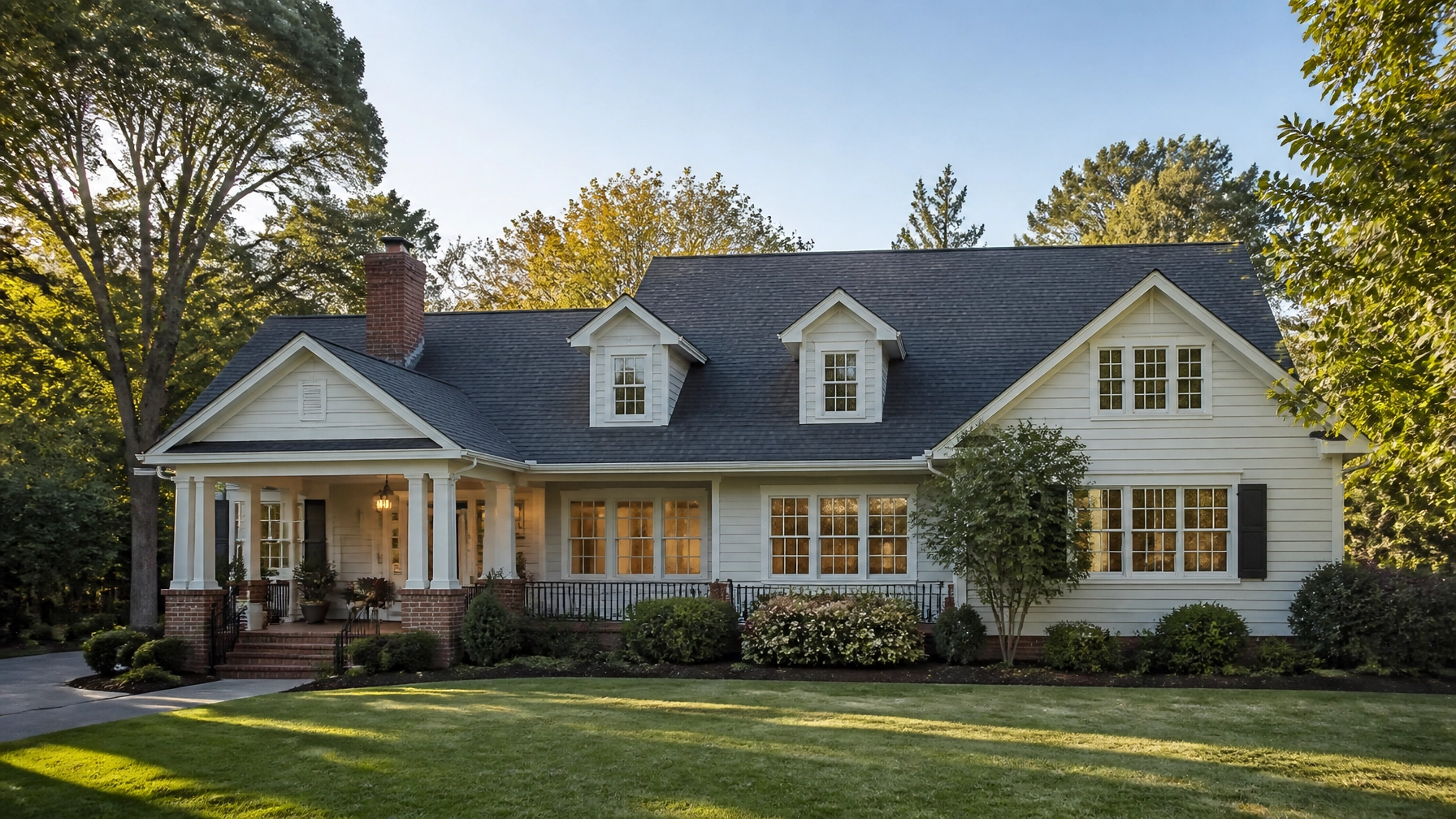
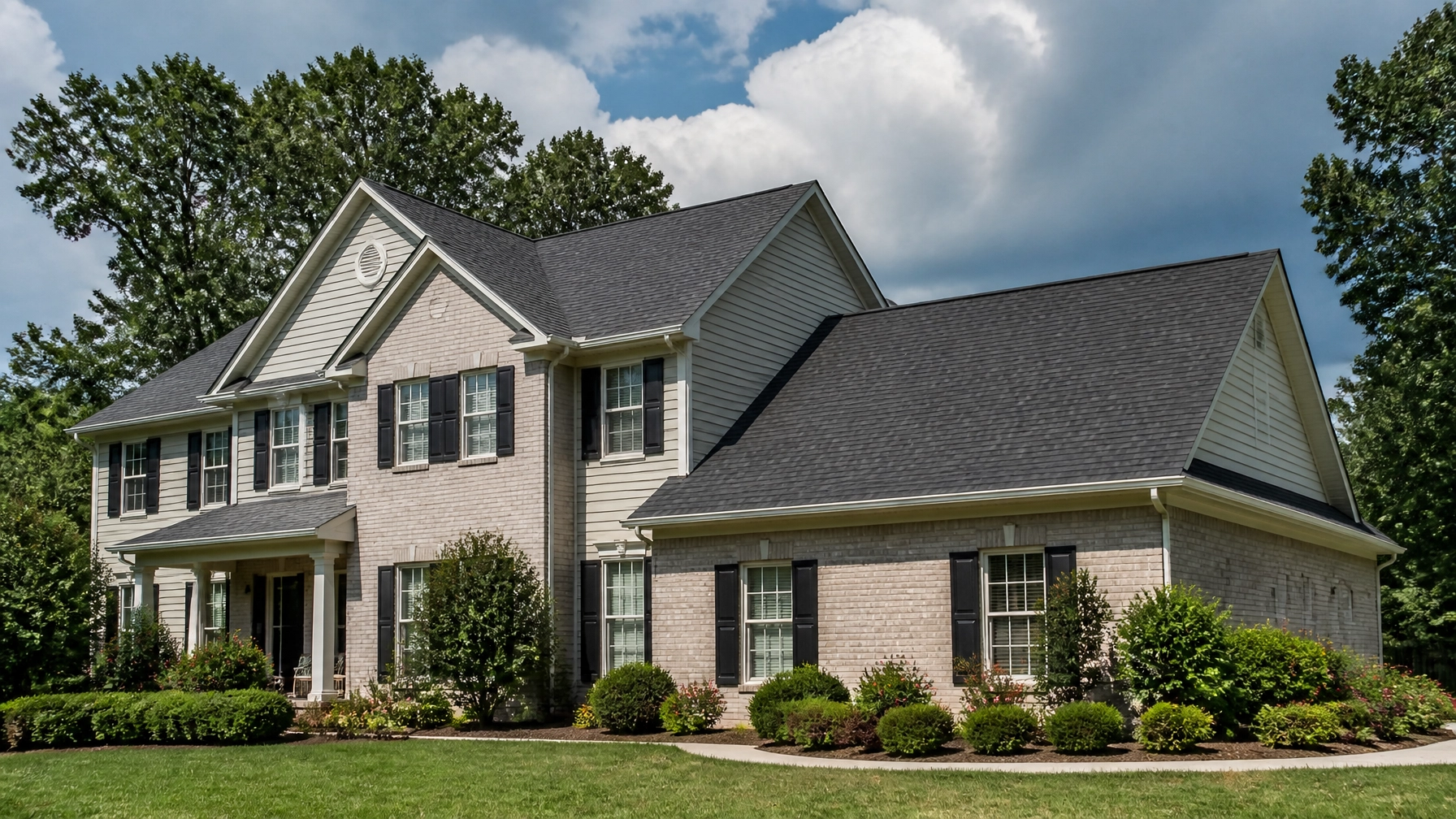
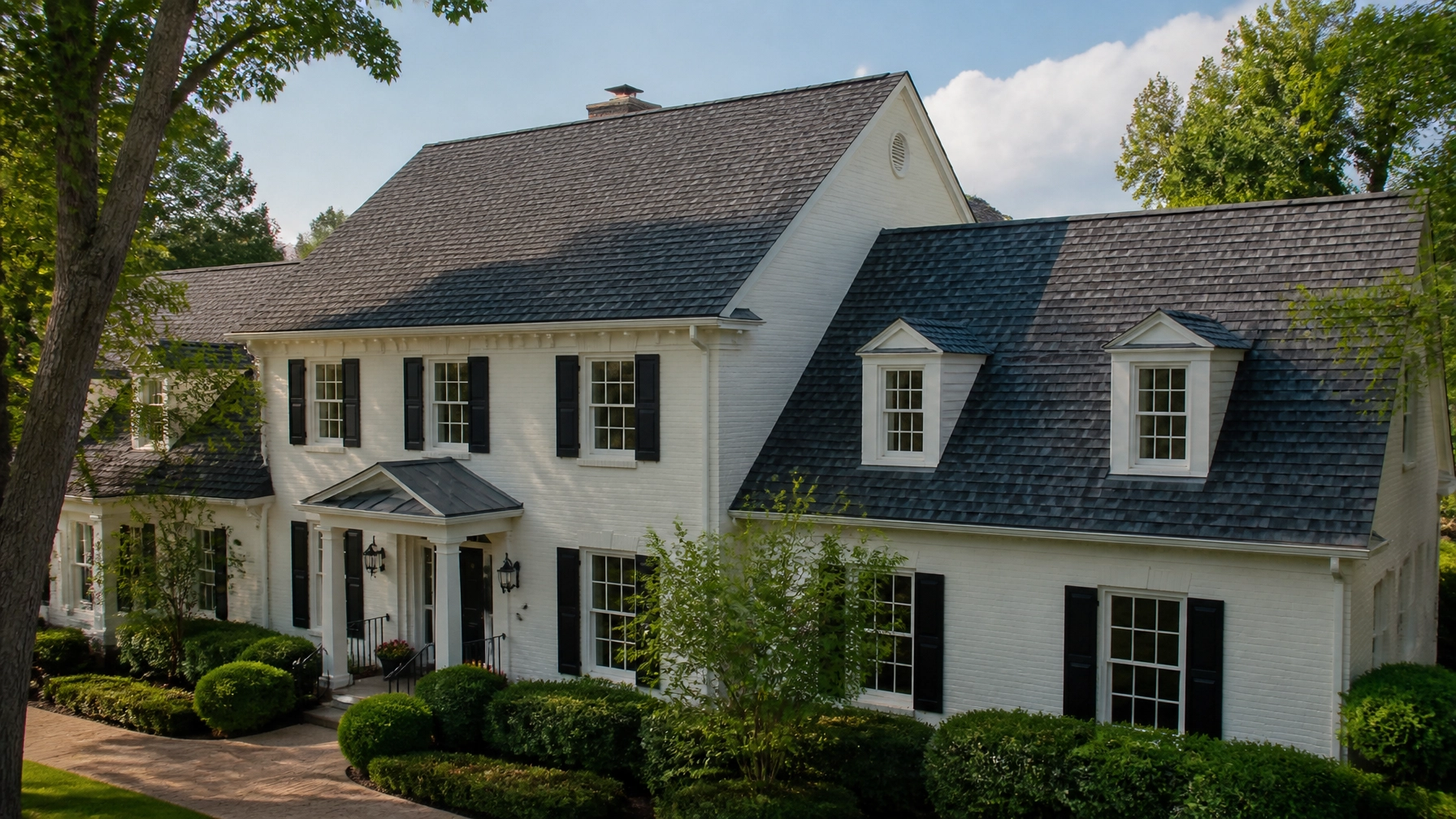
    A professional roofing crew installing premium shingles on a classic Charleston colonial-style home with white columns and a wraparound porch

    The 5-Point Vetting Checklist for Charleston Homeowners

    Before you let anyone on your roof, you must verify their credentials. Don't take their word for it; verify the data yourself using South Carolina's official resources.

    1. Verify the SC Contractor License

    In South Carolina, roofing contractors must be licensed through the South Carolina Contractor’s Licensing Board or registered as a Residential Specialty Contractor.

    2. Demand Proof of Insurance

    A "tailgate contractor" may have a truck, but do they have coverage?

    • General Liability: Protects your home if a crew member drops a bundle of shingles through your skylight.
    • Workers’ Compensation: This is the big one. If a worker falls off your roof and the contractor isn't insured, you could be held liable for their medical bills.
    • Instruction: Ask for a "Certificate of Insurance" (COI) sent directly from their insurance agent to your email.

    3. Check for a Permanent Local Address

    Ask for their physical office address. A P.O. Box is not a local business. A local roofer should have a yard where they store materials and a physical office where you can find them if something goes wrong. If they are operating out of a hotel room in North Charleston, keep looking.

    4. Review Recent Lowcountry References

    Ask for three references of roofs they completed in the last six months within your specific zip code (e.g., 29401, 29464, or 29483).

    • Pro Tip: Drive by the homes. Do the roofs look clean? Is the flashing around the chimneys neat?

    5. Get a Detailed Written Contract

    Never accept a "handshake deal" or a one-page invoice. A professional Charleston roofing contract should include:

    • Specific material brands and colors (e.g., Architectural Shingles (Popular)).
    • Exact scope of work (tear-off vs. overlay).
    • Permit responsibility (the contractor should always pull the permit).
    • Start and end dates.
    • A clear lien waiver.

    Understanding Charleston Roofing Costs in 2026

    Transparency in pricing is the best way to avoid being overcharged. Based on current 2026 market data for the Charleston metro area, here are the realistic price ranges you should expect for a standard 2,000 to 2,500-square-foot roof.

    Material Type Estimated Cost Range (Charleston 2026) Best For
    3-Tab Asphalt Shingles (Budget) $8,500 – $12,000 Rental properties or budget-conscious repairs.
    Architectural Shingles (Popular) $12,000 – $18,500 Most single-family homes; 130mph wind rating.
    Standing Seam Metal (Premium) $22,000 – $38,000 Coastal homes; maximum hurricane resistance.
    Synthetic Slate/Tile (Luxury) $40,000+ Historic District aesthetics with modern durability.

    Note: Prices vary based on roof pitch, height, and the number of layers being removed. For an instant, address-specific price, you can use our Satellite Roof Cost Calculator.

    A high-resolution close-up of architectural shingles and professional copper flashing on a modern residential roof

    Why Modern Tech is the Best Defense Against Scams

    Historically, getting a roof estimate meant waiting days for a contractor to show up, climb your roof (potentially causing damage), and give you a handwritten "guesstimate." This manual process is where many scams begin: contractors might intentionally exaggerate damage or mismeasure your roof to pad their margins.

    At Get My Roof Estimate Now, we’ve eliminated this friction by using advanced satellite imagery.

    The Satellite Advantage:

    • 95% Accuracy: Our technology measures your roof's square footage, pitch, and complexity from space, accurate to within inches.
    • 60-Second Results: You don't have to wait for a salesperson. Enter your address, and you get an instant estimate based on current Charleston material and labor rates.
    • No Pressure: Since the measurement is remote, there's no salesperson sitting at your kitchen table for two hours trying to "close the deal."
    • Transparent Benchmarking: Use our instant quote as a baseline. If a local contractor quotes you $10,000 more than our satellite measurement suggests, you know to ask for a detailed explanation of their costs.

    Local Regulations and Permits in Charleston

    The South Carolina Building Code has strict requirements for roof assemblies, particularly in high-wind regions like Charleston.

    1. Wind Ratings: Shingles installed in Charleston must generally meet high wind resistance standards (often ASTM D3161 or D7158).
    2. Drip Edge: This is a metal flashing installed at the edges of the roof to direct water away from the fascia. It is often a code requirement here.
    3. Permitting: In the City of Charleston and Charleston County, a permit is required for any roof replacement. A contractor who asks you to pull the permit is likely unlicensed or trying to avoid an inspection.

    A homeowner using a tablet to view a 3D satellite measurement model of their home's roof to get a fast and accurate replacement estimate

    Summary: How to Hire Like a Pro

    To ensure your Charleston home is protected, follow this streamlined path:

    1. Get a Baseline: Use our Roof Estimate tool to find out exactly how many "squares" your roof is and what it should cost in 2026.
    2. Contact Locals: Call 3-4 established Charleston roofing companies with active SC licenses.
    3. Compare Apples to Apples: Ensure every bid is for the same material (e.g., GAF Timberline HDZ or Owens Corning Duration).
    4. Verify Insurance: Don't just take their word; see the certificate.
    5. Check the Permit: Ensure the contractor pulls the permit with the city or county before work begins.

    By combining modern satellite technology with traditional due diligence, you can navigate the Charleston roofing market without falling victim to high-pressure sales or storm-chaser scams.

    Ready to see what your new roof should actually cost? Get your instant satellite-powered estimate in under 60 seconds here.

  • 2026 Charlotte Roof Replacement Cost: How to Handle the New 8% Price Hike

    2026 Charlotte Roof Replacement Cost: How to Handle the New 8% Price Hike

    If you have been keeping an eye on the Charlotte housing market, you know that prices aren’t just rising for the homes themselves, the maintenance costs are following suit. Heading into mid-2026, Charlotte homeowners are facing a new reality: a steady 8% increase in roof replacement costs compared to last year.

    Whether you are in a classic ranch in Madison Park or a large colonial in Myers Park, the price of "putting a roof over your head" has shifted. This 8% hike is driven by a combination of North Carolina labor shortages and a spike in petroleum-based material costs (affecting those popular asphalt shingles).

    At Get My Roof Estimate Now, we believe transparency is the antidote to "sticker shock." This guide breaks down exactly what you can expect to pay in Charlotte this year, why prices are climbing, and how you can use satellite-powered technology to get an accurate price without the traditional three-week wait for a contractor visit.

    The 2026 Charlotte Cost Breakdown (Quick Look)

    In 2026, the average roof replacement in the Charlotte metro area ranges from $7,000 to $35,000+. This wide range is determined primarily by the "square footage" of your roof (measured in 100-square-foot "squares") and the material you choose.

    Material Type Estimated Cost (2026) Best For…
    3-Tab Shingles (Budget) $7,000 – $9,500 Short-term fixes/Rentals
    Architectural Shingles (Popular) $9,700 – $16,000 Most Charlotte Suburbs
    Standing Seam Metal (Premium) $22,000 – $38,000 Modern Homes / Longevity
    Synthetic/Composite (Luxury) $30,000 – $55,000 High-end Estates

    Note: These estimates assume a standard 2,000 to 2,500 square foot roof surface.

    Why is Charlotte Seeing an 8% Hike?

    You might be wondering why prices jumped so sharply this year. There are three primary "pressure points" hitting the Charlotte market specifically:

    1. Labor Demand in the Queen City: Charlotte is one of the fastest-growing cities in the U.S. New construction is pulling skilled labor away from the residential replacement market, driving up the hourly rates for certified roofers.
    2. Petroleum & Logistics: Asphalt shingles are a byproduct of oil. As global energy prices fluctuated in early 2026, shingle manufacturers passed those costs onto the homeowner.
    3. Local Permitting and Codes: Charlotte-Mecklenburg Building Services updated several safety requirements late last year, increasing the time (and cost) required for proper inspections and debris disposal.

    Close-up of high-quality architectural asphalt shingles in a weathered wood color

    Material Breakdown: Choosing the Right Shield

    Selecting a material is the single biggest decision affecting your final bill. In Charlotte’s humid subtropical climate, you need a material that can handle intense summer sun and the occasional heavy thunderstorm.

    1. Architectural Shingles (Popular)

    These are the "standard" for 2026 Charlotte homes. They are thicker than basic 3-tab shingles and offer a dimensional look that boosts curb appeal.

    • 2026 Cost: $4.85 – $7.15 per square foot.
    • Pros: 30+ year lifespan, excellent wind resistance, high ROI for home resale.

    2. Standing Seam Metal (Premium)

    Increasingly popular in neighborhoods like Dilworth and Sedgefield, metal roofs offer a modern aesthetic and can last 50+ years.

    • 2026 Cost: $11.00 – $18.00 per square foot.
    • Pros: Fire-resistant, energy-efficient (reflects heat), and immune to the algae growth often seen on North Carolina shingle roofs.

    A modern ranch-style home in Charlotte with a sleek standing seam metal roof

    The "Charlotte Factor": Local Variables That Affect Pricing

    Your neighbor’s roof might have cost $10,000, but yours might be $15,000 for the exact same square footage. Why?

    • The Pitch (Steepness): Charlotte has a mix of flat-roofed modern builds and steep-pitched traditionals. If a roof is too steep for workers to walk on without specialized harness rigs, labor costs increase by 15-20%.
    • The "Tear-Off" Factor: If your home has two layers of old shingles, the labor to remove and dispose of them effectively doubles.
    • Accessibility: If your home is in a tight urban lot with no driveway access for a dumpster, expect to pay a "complexity fee" for manual debris hauling.

    A professional roofing crew installing gray architectural shingles on a Charlotte home

    How to Avoid the "Hike" and Save Money

    While the 8% market hike is a reality, there are ways to ensure you don’t overpay.

    1. Get a Data-Backed Estimate First: Don't let a salesperson give you a "ballpark" figure after a quick walk-around. Use our instant roof cost calculator which uses satellite imagery to measure your roof within 95% accuracy.
    2. Off-Season Scheduling: If your roof isn't leaking, consider scheduling your replacement for late autumn or early winter. Many Charlotte contractors offer slightly better rates when the "storm season" rush dies down.
    3. Verify Your Contractor: Always ensure your contractor is licensed in North Carolina and carries both General Liability and Workers' Comp insurance. A "cheap" un-insured roofer could cost you six figures in liability if an accident occurs on your property.

    The Future of Roofing: Satellite Estimates in 60 Seconds

    The traditional way of getting a roof estimate is broken. You call three contractors, wait two weeks for them to show up, and then spend hours listening to sales pitches.

    At Get My Roof Estimate Now, we’ve simplified the process for Charlotte homeowners. By entering your address, our AI-powered satellite technology calculates the exact dimensions, pitch, and complexity of your roof. Within 60 seconds, you receive a transparent, multi-tiered pricing report.

    • No credit card required.
    • No salesman on your doorstep.
    • Accurate 2026 local pricing.

    Satellite view of a residential roof with digital measurement overlays

    Final Thoughts for Charlotte Homeowners

    A roof replacement is a significant investment, often ranging between $8,000 and $25,000 for most single-family homes in the Queen City. With the 2026 price hike in effect, the best strategy is to be informed. Know your measurements, understand your material options, and use technology to your advantage.

    Ready to see what the 8% hike looks like for your specific address?

    Get your free, instant satellite roof estimate here in under 60 seconds.


    Frequently Asked Questions (FAQ)

    How long does a roof replacement take in Charlotte?

    For a standard 2,500 sq. ft. home, a professional crew can typically complete the tear-off and installation in 1 to 2 days, weather permitting.

    Do I need a permit for a roof replacement in Charlotte?

    Yes. Within Charlotte city limits and Mecklenburg County, a residential roofing permit is required to ensure the work meets local building codes and wind resistance standards.

    Will homeowners insurance cover the 2026 price hike?

    If your roof was damaged by a covered peril (like a Charlotte hail storm), insurance typically covers the "Replacement Cost Value" (RCV), which should reflect current 2026 market rates, including recent hikes.

    Is a metal roof worth the extra cost in North Carolina?

    If you plan on staying in your home for more than 15 years, yes. Metal roofs handle the NC humidity and high-heat summers much better than shingles, leading to lower cooling bills and zero algae streaks.

  • Nashville Roof Cost Secrets Revealed: What Door-Knocking ‘Experts’ Don’t Want You to Know

    Nashville Roof Cost Secrets Revealed: What Door-Knocking ‘Experts’ Don’t Want You to Know

    If you live in Middle Tennessee, you know the drill. A spring storm rolls through, hail rattles the windows, and by noon the next day, your neighborhood is crawling with "roofing experts." They come in shiny trucks with out-of-state plates, wearing high-visibility vests, and they all have the same "unbelievable" news: Your roof is shot, but I can get the insurance company to pay for everything.

    In Nashville, the "storm chaser" industry is a billion-dollar machine. These door-knockers aren't necessarily looking to build a long-term relationship with you; they're looking for a quick insurance payout. They rely on high-pressure tactics and a lack of local cost transparency to secure contracts.

    At Get My Roof Estimate Now, we believe Nashville homeowners deserve better. We believe in data, not sales pitches. Before you sign anything on your porch, you need to know the actual secrets of Nashville roofing costs and how to spot a scam before it costs you your deductible: or your home’s structural integrity.

    The "Free Roof" Myth: How the Scam Works

    The most common phrase heard on Nashville doorsteps is: "I can get you a free roof." In reality, there is no such thing. In Tennessee, a homeowner is legally responsible for their insurance deductible. If a contractor offers to "waive" or "cover" your $1,000 or $2,500 deductible, they are likely asking you to participate in insurance fraud, or they are cutting massive corners on labor and materials to "find" that money in the budget.

    Storm chasers often use "Assignment of Benefits" (AOB) forms. These documents effectively sign over your legal rights to the insurance claim directly to the contractor. Once signed, the contractor is in the driver’s seat, and you lose control over the project and the funds.

    Professional roofing crew installing shingles on a Nashville ranch home

    Real Nashville Roofing Costs: 2026 Data

    Stop guessing and start budgeting. Based on current 2026 market data, a full roof replacement in the Nashville metro area typically ranges from $10,000 to $25,000+. For most standard single-family homes (1,800 to 2,500 square feet of roof surface), you should expect a ballpark figure in the mid-teens to low $20,000s.

    Here is how the Nashville market breaks down by material category:

    • Asphalt Shingles (Budget to Popular): This is the most common choice in areas like Franklin, Murfreesboro, and Hendersonville.
      • Cost Range: $4.50 – $7.00 per square foot installed.
      • Total Price: $9,500 – $18,000 for an average home.
    • Architectural Shingles (Popular to Premium): Heavier, more durable, and better for wind resistance during Tennessee’s unpredictable storm seasons.
      • Cost Range: $6.00 – $9.00 per square foot installed.
      • Total Price: $15,000 – $24,000.
    • Metal Roofing (Premium): Increasingly popular in East Nashville and rural Davidson County for its longevity and "modern farmhouse" aesthetic.
      • Cost Range: $12.00 – $22.00 per square foot installed.
      • Total Price: $25,000 – $55,000+.

    If a door-knocker gives you a quote that is significantly lower than these ranges, they are likely using "tailgate" crews: uninsured, day-labor teams that lack the training to install a roof to manufacturer specifications. If the quote is significantly higher without a premium material upgrade, they are likely padding the bill for the insurance company.

    The Secret Weapon: Satellite-Powered Accuracy

    The biggest secret in the roofing industry? You don't need a contractor to climb your roof to get an accurate price. In fact, most pros are moving toward the same technology we provide.

    At Get My Roof Estimate Now, we use high-resolution satellite imagery to measure your roof’s square footage, pitch (steepness), and complexity (hips, valleys, and dormers) to within 90-95% accuracy.

    Satellite imagery showing digital measurement of a residential roof

    By using our roof cost calculator, you can get a transparent, unbiased price range in under 60 seconds. This allows you to:

    1. Verify Claims: See if the "damage" reported by a door-knocker aligns with actual replacement costs.
    2. Budget Instantly: Know exactly what you're looking at before talking to a bank or insurance adjuster.
    3. Filter Contractors: When you already know your roof is 28 squares and should cost roughly $16,000, you can instantly spot a contractor who tries to quote you for 35 squares at $22,000.

    How to Vet a Nashville Roofer Like an Industry Insider

    Don't let the shiny truck fool you. Use this checklist to vet any contractor who steps onto your property:

    1. Check the Tennessee License Monetary Limit

    Tennessee requires a state contractor’s license for any project over $25,000. However, the type of license and the monetary limit are what matter. A contractor might have a license but only be "cleared" for jobs up to $10,000. If your roof replacement is $26,000 and their limit is $20,000, they are operating illegally on your job. You can verify this on the Tennessee Board for Licensing Contractors website.

    2. Demand Local References (Not Just Pictures)

    Storm chasers have folders full of photos of roofs they "built." Ask for three addresses within 15 miles of your home that were completed over a year ago. Go look at them. A brand-new roof always looks good; a roof after a Nashville winter and a humid summer tells the real story.

    3. Proof of General Liability AND Workers' Comp

    Insurance is non-negotiable. If a worker falls off your roof and the contractor doesn't have Workers' Comp, you: the homeowner: could be held liable for their medical bills. Ask for a Certificate of Insurance (COI) that lists you as the "certificate holder" for the duration of the project.

    Roofing material samples showing architectural shingles and metal roofing

    4. Look for the "Golden Triangle" of Credentials

    Look for contractors who are "Manufacturer Certified" (like GAF Master Elite or Owens Corning Platinum Preferred). These designations mean the manufacturer has vetted their financials, their longevity, and their installation quality. It also allows them to offer extended labor warranties that a standard storm chaser cannot provide.

    Material Secrets: Why Your Choice Matters in Tennessee

    Nashville's climate is brutal on roofs. We have extreme heat in July, ice storms in February, and high-wind tornadic activity in the spring.

    • Architectural Shingles (Popular): These are the gold standard for Nashville. They feature a multi-dimensional look and are rated for winds up to 130 mph.
    • Impact-Resistant (IR) Shingles (Premium): If you live in an area prone to hail (like Sumner or Williamson County), ask about Class 4 IR shingles. Many Nashville insurance providers offer a discount on your premiums if you install these.
    • Synthetic Slate/Shake (Premium): For historical homes in Belle Meade or the Gulch, synthetic options provide the look of high-end materials without the weight or the maintenance.

    Professional roofing estimate on a clipboard with 'Licensed & Insured' text

    Conclusion: Take Back Control of Your Roof

    The era of the high-pressure door-knocker is over: if you choose to end it. You no longer have to wait for a contractor to "find time" to come to your house, only to receive a hand-scribbled quote that feels like a guess.

    By using satellite technology and real-time market data, you can arm yourself with the facts. Before you sign that "free roof" authorization, spend 60 seconds on our site. Get your instant roof estimate, understand your home's unique dimensions, and approach the replacement process with the authority of an expert.

    Your home is your biggest investment. Don't let a "storm chaser" treat it like a quick commission. Get the facts, get the data, and get your roof done right.


  • Average Cost of New Roof in Nashville: 2026 Price Comparison Guide

    Average Cost of New Roof in Nashville: 2026 Price Comparison Guide

    If you are a homeowner in Nashville looking at your roof and seeing granular loss, curled edges, or storm damage from last night’s Middle Tennessee thunderheads, you aren’t alone. As of June 2026, the roofing market in the Music City has stabilized after years of volatility, but prices remain at a premium due to high demand and specialized labor costs.

    Replacing a roof is one of the most significant investments you’ll make in your home. In Nashville, the average cost for a full roof replacement in 2026 typically ranges between $12,000 and $30,000. While that is a wide bracket, the final number depends on three critical factors: your roof’s square footage, the material you choose, and the complexity of your home’s architecture.

    At Get My Roof Estimate Now, we eliminate the guesswork. Using advanced satellite imagery, we can provide you with an instant roof estimate accurate to within 90-95% in under 60 seconds. No high-pressure sales visits, just the data you need to budget effectively.

    2026 Nashville Roofing Price Breakdown by Material

    The material you select is the largest variable in your total project cost. In the Nashville climate, where we deal with high humidity, intense summer heat, and occasional severe storms, your choice affects both your upfront investment and your long-term maintenance.

    1. 3-Tab Asphalt Shingles (Budget)

    These are the most affordable option on the market. While they provide basic protection, they have a shorter lifespan (15-20 years) and lower wind resistance.

    • Average Cost: $4.00 – $6.00 per square foot.
    • Typical Project Total: $8,000 – $12,500.

    2. Architectural Shingles (Popular)

    The gold standard for Nashville suburbs like Franklin and Brentwood. These shingles are thicker, more durable, and offer a multi-dimensional look that significantly boosts curb appeal.

    • Average Cost: $6.00 – $10.00 per square foot.
    • Typical Project Total: $15,000 – $25,000.

    Close-up of premium architectural asphalt shingles in a weather-wood color

    3. Metal Roofing (Premium / Modern)

    Standing seam metal roofs have seen a massive surge in popularity in 2026, especially in neighborhoods like East Nashville and 12 South. They offer extreme longevity (50+ years) and superior energy efficiency.

    • Average Cost: $10.00 – $18.00+ per square foot.
    • Typical Project Total: $22,000 – $45,000.

    Calculating Cost by Roof Size

    Roofers measure projects in "squares." One square equals 100 square feet of roof surface. Note that your roof's surface area is always larger than your home’s living square footage due to overhangs and the pitch (slope) of the roof.

    Home Size (Approx. Sq Ft) Estimated Roof Area (Squares) Estimated Cost (Architectural Shingles)
    1,500 sq ft 18 – 22 Squares $11,000 – $16,000
    2,500 sq ft 28 – 35 Squares $17,000 – $26,000
    3,500 sq ft 40 – 50 Squares $25,000 – $40,000

    Pro Tip: Nashville homes with steep pitches (above 6:12) will incur higher labor costs due to the safety equipment and additional time required for the crew to navigate the roof.

    Modern Nashville residential home featuring a sleek, matte black standing seam metal roof

    Local Nashville Factors Influencing Your 2026 Quote

    Nashville isn't just any market; it has specific local requirements that can impact your bottom line.

    Permitting and Codes

    In 2026, Davidson County requires a residential building permit for any roof replacement involving more than 25% of the surface area. For projects under $25,000, homeowners can technically pull a "self-permit," but most reputable local contractors handle this process for you. Permit fees in Nashville are valuation-based, meaning the more expensive your roof, the higher the permit fee (usually including a $25 zoning fee plus a percentage of the project value).

    The "Storm Tax"

    Nashville is prone to severe weather. In 2026, many homeowners are opting for Impact-Resistant (Class 4) Shingles. While these cost about 10-20% more upfront, they can lead to significant discounts on your Tennessee homeowners insurance premiums, often paying for themselves within 5-7 years.

    Labor Shortages

    Despite the tech advancements, roofing remains a labor-intensive trade. In Nashville, labor currently accounts for roughly 30-40% of your total quote. High demand for licensed, insured, and verified contractors means that peak seasons (Spring and Fall) may see a 10% premium on labor costs compared to winter months.

    Why Speed and Accuracy Matter

    The traditional way of getting a roof estimate is outdated. You call three contractors, wait a week for them to show up, spend two hours listening to sales pitches, and then wait another three days for a quote that might be scribbled on a napkin.

    Get My Roof Estimate Now has modernized this process. By leveraging satellite imagery and local 2026 pricing data for the Nashville-Davidson-Murfreesboro area, we provide:

    • Instant Transparency: Know your price before you talk to a human.
    • No Obligation: Get the data you need to budget without the pressure.
    • Verified Contractors: Once you have your estimate, we can connect you with licensed local pros who are ready to honor that pricing.

    Two-story colonial brick home in a Nashville suburb showing a newly replaced roof

    Final Verdict for Nashville Homeowners

    If your roof is over 20 years old, 2026 is the year to act. With material costs stabilizing but labor remaining tight, waiting another year could see prices climb as the Nashville population continues to explode.

    For a standard 2,000-square-foot home in Nashville using high-quality architectural shingles, expect to pay approximately $18,500. If you want the modern aesthetic and lifetime durability of metal, budget closer to $32,000.

    Don't guess your home's value or your project's cost. Get a precise, data-driven number in the next 60 seconds.

    Get Your Free Satellite Roof Estimate Now


  • How to Get Insurance to Pay for Your New Roof in Grand Rapids

    How to Get Insurance to Pay for Your New Roof in Grand Rapids

    If you are a homeowner in Grand Rapids, you know that West Michigan weather is unforgiving. From lake-effect snow and ice dams in the winter to severe thunderstorms and hail in the spring, your roof is under constant assault. When the damage becomes significant, the question isn’t just about the cost: it’s about who is going to pay for it.

    Replacing a roof in Grand Rapids is a major financial investment. For a standard single-family home, you can expect costs to range from $4.00 to $7.00 per square foot for asphalt shingles (Budget/Popular) and up to $14.00 per square foot for premium metal systems (Premium). Navigating an insurance claim is often the only way to protect your home's value without draining your savings.

    This guide is your masterclass on how to successfully get your insurance company to foot the bill for a full roof replacement in Kent County.

    1. Identify the Cause: Sudden vs. Gradual Damage

    Insurance companies do not pay for "old roofs." They pay for "damaged roofs." To get a claim approved in Michigan, you must prove that the damage was caused by a specific, sudden event.

    Covered Events (The "Big Three")

    • Wind Damage: High winds in Grand Rapids can reach 50+ MPH during summer storms. This lifts shingles, breaks the adhesive seals, or blows them off entirely. If you see "creased" shingles or missing tabs, this is a clear insurance trigger.
    • Hail Damage: Hail doesn't have to be golf-ball-sized to cause damage. Even smaller stones can "bruise" the matting of your shingles, causing immediate granule loss that leads to leaks within 12–24 months.
    • Impact Damage: Fallen tree limbs from Michigan oaks and maples are common during spring storms. Any structural impact is typically covered under standard homeowners policies.

    Non-Covered Events (Maintenance)

    • Granule Loss from Age: If your shingles are simply "bald" due to being 25 years old, insurance will likely label this as "wear and tear."
    • Algae/Moss: The black streaks common in humid Michigan summers are aesthetic issues, not functional failures.

    Close-up of hail damage on an asphalt shingle roof, showing circular bruising and missing granules. Realistic macro photography for a home inspection report.

    2. The 60-Second Reality Check: Know Your Numbers

    Before calling your agent, you need to know what you are asking for. Insurance adjusters use specialized software to estimate costs, but they often lowball the initial offer. You should enter the process with your own data.

    Using the Get My Roof Estimate Now calculator, you can get an instant, satellite-powered estimate of your roof's size and replacement cost.

    Grand Rapids 2026 Pricing Benchmarks:

    • Asphalt Shingles (Architectural): $12,000 – $18,000 for an average home.
    • Metal Roofing (Standing Seam): $22,000 – $35,000+.
    • Complexity Factors: If your home is a steep-pitched Victorian in Heritage Hill, expect a 20-30% "complexity surcharge" due to labor and safety requirements.

    3. Step-by-Step: The Grand Rapids Insurance Masterclass

    Step 1: Document Immediately

    After a storm, walk your property. Look for shingles in the yard, dented gutters, or "splatter marks" on your fence (a key indicator of hail). Take date-stamped photos of everything. In Michigan, you generally have one year from the date of discovery to file a claim, but sooner is always better.

    Step 2: Get a Professional Inspection

    Do not call your insurance company first. Call a reputable local roofing contractor to perform a "storm damage assessment." A professional roofer can find damage that isn't visible from the ground. They will provide a report that you can hand directly to the insurance adjuster.

    Step 3: File the Claim

    Contact your insurance provider (e.g., State Farm, Farm Bureau, Progressive) and provide the date of the storm. Use the specific terminology: "I have sudden wind and hail damage and would like to file a claim for a roof inspection."

    Step 4: The Adjuster Meeting

    The insurance company will send an adjuster to your home. Ensure your roofing contractor is present. The adjuster works for the insurance company; your contractor works for you. They will "speak the same language" and ensure the adjuster doesn't overlook compromised flashing or valley damage.

    A professional roofing contractor and an insurance adjuster standing on a residential roof in a Michigan neighborhood, discussing damage. They are wearing safety gear and looking at a clipboard. High-quality residential roofing photography.

    4. Understanding Your Payout: RCV vs. ACV

    This is where most Grand Rapids homeowners get confused. Your policy type determines how much cash you actually receive.

    • Replacement Cost Value (RCV): This is the gold standard. The insurance company pays for the full cost of a brand-new roof (minus your deductible). They usually send a first check for the "Actual Cash Value" and a second check for the "Recoverable Depreciation" once the job is finished.
    • Actual Cash Value (ACV): If you have an older roof or a "Budget" policy, they may only pay the depreciated value. If your 20-year-old roof is destroyed, they might only pay 20% of the replacement cost.

    Expert Tip: Always check if your policy has a "Roof Payment Schedule" or "ACV Endorsement" for roofs over 15 years old. This is increasingly common in Michigan for 2026.

    5. The "25% Rule" and Michigan Building Codes

    In Grand Rapids, building codes often dictate that if more than 25% of a roof slope is damaged, the entire slope must be replaced to ensure structural integrity and moisture protection. Furthermore, if your roof has multiple layers of shingles, Michigan code requires a full "tear-off" down to the decking before a new roof is installed. Insurance is generally required to pay for these "Code Upgrades" if you have Law and Ordinance coverage.

    6. Avoiding "Storm Chasers" in West Michigan

    After a big storm hits the 616 area code, "storm chasers" from out of state often flood the market. They knock on doors promising a "free roof."

    How to spot a pro vs. a chaser:

    • License: Ensure they have a valid Michigan Residential Builders License.
    • Location: Do they have a physical office in Grand Rapids, Wyoming, or Kentwood?
    • Pressure: A professional will guide you through the Get My Roof Estimate Now process to establish a baseline before signing any contracts.

    A modern ranch-style home in Grand Rapids with a new standing seam metal roof in a dark charcoal color. Professional architectural photography, showing curb appeal.

    Summary Checklist for Grand Rapids Homeowners

    1. Check for Damage: Look for missing shingles or dents in siding.
    2. Estimate Cost: Use our satellite estimate tool to see what a fair price looks like.
    3. Find a Partner: Hire a licensed Michigan roofer for a damage report.
    4. File & Attend: File the claim and make sure your roofer is there when the adjuster arrives.
    5. Review the Scope: Compare the insurance estimate to your contractor's estimate. If they don't match, ask for a "Supplement."

    Don't let the insurance companies dictate your home's safety. By arming yourself with data and professional representation, you can ensure your Grand Rapids home stays protected for the next 30 years.


  • Nashville Roof Replacement Cost: 5 Questions Answered in Under 3 Minutes

    Nashville Roof Replacement Cost: 5 Questions Answered in Under 3 Minutes

    Replacing a roof in Nashville is a significant financial decision that often comes with more questions than answers. Whether you’re dealing with the aftermath of a Middle Tennessee storm or simply preparing your home for resale in a competitive market like East Nashville or Green Hills, you need data: not sales pitches.

    In 2026, the average roof replacement in Nashville typically ranges from $15,000 to $30,000, with high-end materials or complex structures exceeding $40,000. To help you navigate this process efficiently, we’ve condensed the most critical information into five direct answers.

    Here is everything you need to know about Nashville roof replacement costs, materials, and regulations in under three minutes.


    1. What is the actual cost of a roof in Nashville in 2026?

    Cost is the primary concern for any homeowner. In the Nashville-Davidson County area, prices have stabilized but remain slightly higher than the Tennessee state average due to labor demand and local logistics.

    Roofers measure projects in "squares": a 10×10 foot area (100 square feet). A typical Nashville home (2,000–2,500 square feet) requires approximately 25 to 30 squares of material once you account for pitch and waste.

    Material Type Estimated Cost Per Square (Installed) Total Project Range (Average Home)
    Architectural Shingles (Popular) $850 – $1,050 $20,000 – $30,000
    Corrugated Metal (Budget Metal) $700 – $1,200 $17,500 – $35,000
    Standing Seam Metal (Premium) $1,000 – $1,600+ $25,000 – $45,000+
    Synthetic/Composite (Luxury) $900 – $1,400 $22,500 – $42,000

    The Bottom Line: For a standard single-family home with architectural shingles, expect a baseline bid of approximately $25,600. This "all-in" price includes the tear-off of your old roof, disposal fees, underlayment, and labor. To get a precise number for your specific address, use our 60-second roof cost calculator.


    2. Which materials perform best in Middle Tennessee's climate?

    Nashville’s weather is characterized by intense summer heat, high humidity, and volatile spring storm seasons. Your material choice shouldn't just be about aesthetics; it’s about durability against 90-degree days and potential hail.

    • Architectural Asphalt Shingles (Standard): These are the most common choice in Nashville. They offer a multi-dimensional look and are rated for much higher wind speeds than traditional 3-tab shingles. Look for Class 4 Impact Resistance to potentially lower your homeowners' insurance premiums in storm-prone areas.
    • Metal Roofing (Durability): Metal has exploded in popularity across Middle Tennessee. It reflects solar heat, keeping your attic cooler during Nashville's humid July afternoons. While the upfront cost is higher, the lifespan (40–70 years) far exceeds asphalt (20–25 years).
    • Algae-Resistant Options (Maintenance): Because of the humidity, many Nashville roofs develop unsightly black streaks (Gloeocapsa magma). Ensure your shingles feature copper-lined granules or "StainGuard" technology to maintain curb appeal.

    Macro view of architectural asphalt shingles showing the granular texture and layered design for durability


    3. Do I need a permit for a roof replacement in Nashville?

    Navigating local bureaucracy can be a headache, but for most Nashville homeowners, the news is good.

    According to Metro Nashville Codes and Building Safety, replacing an existing roof on a one- or two-family dwelling is generally considered "normal maintenance" and does not require a building permit.

    However, a permit is mandatory if:

    • You are changing the structural layout of the roof (e.g., adding a dormer or changing the pitch).
    • You are replacing structural supports or load-bearing timbers.
    • The work is part of a larger addition or major rehabilitation project.
    • The home is located in a specific Historic Overlay District where material changes must be approved by the Metro Historic Zoning Commission.

    If you are unsure, you can contact Metro Codes at 615-862-6500 or email codes@nashville.gov to confirm your specific requirements.


    4. How long does the replacement process take?

    In the roofing industry, speed often equates to less disruption for your family. There are two "timelines" to consider: the estimation phase and the physical construction phase.

    • The Estimate (Instant): Traditional contractors require an on-site visit, often taking 3–7 days to get a quote to your inbox. With satellite-powered technology, you can receive an accurate roof estimate in under 60 seconds.
    • The Installation (1–3 Days): For a standard 2,500 sq. ft. home, a professional crew can typically complete a shingle tear-off and replacement in one to two days, weather permitting. Metal roofs or complex tile systems may take three to five days due to the precision required for flashing and panels.

    A modern farmhouse in Middle Tennessee featuring a premium standing seam metal roof for maximum longevity


    5. How can I avoid overpaying for a Nashville roof?

    The most common way homeowners overpay is by accepting a single bid without a benchmark. To protect your budget, follow these professional guidelines:

    • Get a Baseline First: Before inviting contractors to your home, use a transparent pricing tool to understand the market rate for your roof's square footage.
    • Verify Credentials: Nashville has seen an influx of "storm chasers" after major weather events. Ensure your contractor is licensed in Tennessee and carries both general liability and workers' compensation insurance.
    • Ask About "The Decking": A low-ball bid might exclude the cost of replacing damaged plywood (decking). Ask for a "price per sheet" for decking replacement upfront so you aren't surprised by a high change order mid-project.
    • Use Satellite Tech: Avoid the human error of manual tape-measurements. Satellite imagery provides accuracy within inches, ensuring you only pay for the materials actually required for your roof's size and pitch.

    High-tech satellite imagery overlay used to calculate precise roof measurements and costs instantly

    Ready to get your Nashville roof estimate?

    You shouldn't have to wait days for a ballpark figure. Whether you're in Murfreesboro, Franklin, or right in the heart of Music City, our technology provides the transparency you need to make an informed decision.

    Get your free, instant roof estimate now.


  • 7 Mistakes Houston Homeowners Make When Hiring a Roofer (And How to Spot Storm Chasers)

    7 Mistakes Houston Homeowners Make When Hiring a Roofer (And How to Spot Storm Chasers)

    Living in Houston means dealing with more than just the occasional humidity. Between the relentless Gulf Coast heat, sudden hailstorms, and the ever-present threat of hurricane season, your roof works harder than almost any other part of your home. When it’s time for a replacement, the stakes are high: not just for your wallet, but for your home’s structural integrity.

    In 2026, the average roof replacement cost in Houston ranges from $8,000 to $15,000 for standard shingles and can climb well over $30,000 for premium metal systems. With that kind of investment, you can't afford a hiring mistake. Unfortunately, Houston's active weather also makes it a magnet for "storm chasers": contractors who follow the clouds to exploit vulnerable homeowners.

    Here are the 7 most common mistakes Houston homeowners make when hiring a roofer and how you can spot a scam before you sign.

    1. Falling for the "Free Deductible" Scam

    This is arguably the most common mistake in Texas. A contractor knocks on your door after a storm and tells you they can "waive," "absorb," or "cover" your insurance deductible. It sounds like a great deal, but in the State of Texas, it is illegal.

    Under Texas law (specifically HB 2102), roofing contractors are prohibited from paying, waiving, or rebating a homeowner’s insurance deductible. If a roofer offers this, they are asking you to participate in insurance fraud.

    • The Trap: The contractor inflates the estimate to the insurance company to cover the cost of your deductible.
    • The Risk: You could face legal consequences, and the contractor is likely cutting corners on materials or labor to make the math work.
    • The Fix: Always plan to pay your deductible. If a roofer suggests otherwise, show them the door.

    2. Overlooking the Texas Windstorm Certification (WPI-8)

    If you live in Harris County or other coastal counties, your roof must meet specific windstorm building codes to remain insurable through the Texas Windstorm Insurance Association (TWIA).

    • The Mistake: Hiring a roofer who doesn't understand or follow the Texas Department of Insurance (TDI) requirements for windstorm inspections.
    • The Consequence: If you don't have a WPI-8 certificate for your new roof, you may find it impossible to get windstorm insurance coverage later, or you'll have to pay for expensive "after-the-fact" certifications.
    • The Fix: Ensure your contractor is familiar with TWIA requirements and provides documentation that they have scheduled a qualified inspector (either a TDI inspector or a Texas-licensed professional engineer) to certify the work.

    Close-up of high-quality architectural shingles showing texture and durability

    3. Ignoring the "Local" in Local Contractor

    After a major Houston hail event, trucks with out-of-state license plates flood neighborhoods like Katy, Pearland, and The Woodlands. These are "storm chasers."

    • The Mistake: Hiring a contractor based on a door-to-door pitch without verifying their local office.
    • The Problem: Once the "storm season" ends, these crews vanish. If your roof develops a leak six months later, that "lifetime warranty" they gave you is worthless because the company no longer exists in Texas.
    • How to Spot Them: Check for a permanent Houston-area address (not a P.O. box or a "virtual office"). Ask for local references from at least two years ago, not just two weeks ago.

    4. Choosing the Wrong Material for the Gulf Coast

    Houston’s climate is unique. We have extreme UV exposure and high humidity that promotes algae growth.

    • The Mistake: Opting for the cheapest 3-tab shingles (Budget) to save money upfront.
    • The Reality: Standard 3-tab shingles are often only rated for 60-70 mph winds: hardly enough for a Texas thunderstorm, let alone a hurricane.
    • The Solution:
      • Architectural Shingles (Popular): These offer better wind resistance (up to 130 mph) and have a "high-definition" look.
      • Metal Roofing (Premium): If you plan on staying in your home long-term, metal roofs are increasingly popular in Houston because they reflect heat (lowering AC bills) and are incredibly durable.
      • Algae-Resistant Shingles: Ensure your shingles have copper granules (like StreakFighter technology) to prevent those ugly black streaks caused by Houston's humidity.

    Modern Houston home featuring a matte black standing seam metal roof

    5. Paying Too Much Upfront

    A common tactic for fly-by-night operations is to ask for a large deposit: sometimes 50% or more: before any materials are delivered.

    • The Mistake: Handing over a large check before work begins.
    • The Risk: The contractor uses your money to finish a job for another homeowner, or worse, they disappear entirely.
    • Professional Standard: In the roofing industry, a small deposit (10-25%) or no money down until materials arrive is standard. You should never pay the final balance until the job is completed and you’ve received a lien waiver.

    6. Not Verifying General Liability & Workers’ Comp

    Texas does not require a state-level license for roofing contractors. This makes the Houston market a "wild west" for unqualified labor.

    • The Mistake: Assuming every roofer has insurance.
    • The Nightmare Scenario: If a worker falls off your roof and the contractor doesn't have Workers' Compensation, you as the homeowner could be held liable for their medical bills.
    • The Fix: Ask for a current Certificate of Insurance (COI). Don't just take their word for it; call the insurance agency on the certificate to verify the policy is active.

    7. Skipping the Independent Estimate

    Most homeowners make the mistake of having a contractor be the first person to tell them what their roof costs. This gives the contractor total control over the pricing narrative.

    • The Mistake: Relying solely on a contractor's manual measurement (which can be "padded" by 10-15%).
    • The Modern Way: Use technology to your advantage. At Get My Roof Estimate Now, we use advanced satellite imagery to measure your roof's size, pitch, and complexity with 95% accuracy.
    • The Benefit: In under 60 seconds, you get a transparent, data-driven price range based on current Houston market rates. You'll know exactly how many "squares" (100 sq. ft. sections) your roof is before a contractor even sets foot on your property.

    Satellite technology overlay showing digital measurements of a residential roof

    How to Protect Your Houston Home

    Roofing doesn't have to be a high-pressure experience. By avoiding these common pitfalls and using data to verify your costs, you put yourself in the driver's seat.

    Standard Price Benchmarks for Houston (2026):

    • Asphalt Shingles: $3.50 – $6.50 per square foot (Installed).
    • Metal Roofing: $7.00 – $14.00 per square foot (Installed).
    • Complexity Factor: Expect higher prices for steep pitches (above 6:12) or multiple dormers and valleys.

    Ready to see what a fair price looks like for your home? Don't wait for a door-knocker to tell you. Get your instant roof estimate today. It takes less than a minute, requires no credit card, and uses the same satellite tech the pros use.


  • 2026 Charlotte Roof Replacement Cost Explained in Under 3 Minutes

    2026 Charlotte Roof Replacement Cost Explained in Under 3 Minutes

    If you are a homeowner in the Queen City looking at a roof that has seen better days, you don't have time for a three-week "estimate dance" with five different contractors. In 2026, the Charlotte real estate market is faster than ever, and roofing technology has finally caught up.

    Whether you are in a classic brick colonial in Myers Park, a sprawling ranch in Ballantyne, or a modern build in NoDa, understanding your replacement cost is the first step to protecting your investment. This guide breaks down the current 2026 market rates for Charlotte, NC, so you can budget with confidence in less time than it takes to grab a coffee at South End.

    The Quick Answer: What is the Average Cost in Charlotte?

    For most Charlotte homeowners, a full roof replacement in 2026 ranges between $8,000 and $25,000.

    The "sweet spot" for a standard 2,000-square-foot home using high-quality architectural shingles typically lands between $9,700 and $14,300. This includes full tear-off, disposal, and professional installation.

    2026 Price Benchmarks by Home Size

    • Small Home / Townhouse (approx. 1,500 sq. ft.): $6,000 – $10,500
    • Average Suburban Home (approx. 2,500 sq. ft.): $12,000 – $18,000
    • Large Executive Home (approx. 4,000+ sq. ft.): $20,000 – $45,000+

    Note: These figures are baseline averages for the Charlotte-Concord-Gastonia metro area. Factors like roof pitch, number of stories, and specific material choice will shift these numbers.

    Why Charlotte Roofing Costs Changed in 2026

    Charlotte’s climate and rapid expansion have created a unique roofing landscape. The "Carolina Humidity" and intense summer sun take a toll on traditional materials, leading many homeowners to upgrade to more durable systems.

    Furthermore, local building codes in Mecklenburg County have updated their standards for ventilation and ice/water shielding, adding a slight premium to the labor and material costs compared to five years ago. However, the rise of satellite-powered measurement technology has actually helped stabilize prices by reducing the overhead costs for contractors, a saving that is often passed down to the homeowner.

    Macro photo of high-definition architectural shingles

    Breaking Down Costs by Material

    Your choice of material is the single largest variable in your final invoice. In Charlotte, we categorize these into three primary tiers:

    1. Architectural Shingles (Popular & Reliable)

    Cost: $5.00 – $7.50 per sq. ft. installed
    By far the most common choice in zip codes like 28277 and 28269, architectural (or "laminated") shingles offer a dimensional look and superior wind resistance. In 2026, many of these shingles come with 30-to-50-year warranties and are designed to mimic the look of wood shakes or slate.

    • Best for: Most residential homes, homeowners looking for the best ROI, and HOA compliance.

    2. Standing Seam Metal (Premium & Durable)

    Cost: $11.00 – $22.00 per sq. ft. installed
    Metal roofing has surged in popularity across North Carolina. While the upfront cost is nearly double that of shingles, the lifespan of 50–70 years makes it a "one-and-done" investment. In 2026, we see a lot of matte black and charcoal metal roofs on modern farmhouse designs in the Plaza Midwood area.

    • Best for: Long-term homeowners, energy efficiency seekers, and modern architectural styles.

    3. Synthetic Slate & Designer Tiles (Luxury)

    Cost: $20.00 – $35.00+ per sq. ft. installed
    For high-end estates in Southview or Foxcroft, synthetic materials provide the look of heavy slate or Spanish tile without the extreme weight that requires structural reinforcement. These systems are virtually indestructible against North Carolina hailstorms.

    • Best for: Luxury homes and unique architectural requirements.

    Sleek black standing seam metal roof on a modern home

    The "Hidden" Factors Influencing Your Estimate

    When you use a roof cost calculator, the technology accounts for variables that an untrained eye might miss. These include:

    Roof Pitch (The Steepness Factor)

    If your roof is steep enough that a contractor needs specialized safety harnesses and "chicken ladders," the labor cost increases. A 4/12 pitch (walkable) is much cheaper than a 12/12 pitch (steep) found on many Victorian-style homes in Charlotte.

    Complexity and Penetrations

    Every time a roof has a valley, a dormer, a chimney, or a skylight, the labor goes up. These areas require meticulous flashing and waterproofing. A simple "up-and-over" gable roof is significantly more affordable than a complex hip roof with multiple levels.

    Tear-Off and Disposal

    In 2026, North Carolina environmental regulations regarding shingle disposal have tightened. Your estimate will include the cost of a dumpster and the labor to strip your old roof down to the wooden decking (sheathing). If the underlying wood is rotted, expect to pay roughly $75–$120 per 4×8 sheet of plywood replaced.

    How to Get an Accurate Estimate in 60 Seconds

    The traditional way to get a roof estimate involved calling three contractors, waiting for them to show up (if they did), and then waiting another week for a paper quote.

    At Get My Roof Estimate Now, we’ve eliminated that friction. Using high-resolution satellite imagery, we can measure your roof’s square footage, pitch, and complexity within inches of accuracy.

    1. Enter your Charlotte address.
    2. Confirm your home’s footprint.
    3. Receive a transparent price range based on current 2026 labor rates and material costs.

    No credit card, no home visit, and no high-pressure sales calls. Just the data you need to make an informed decision for your home.

    A classic ranch-style home in a Charlotte suburb with a new light-grey roof

    Local Logistics: Permits and Neighborhoods

    Every neighborhood in Charlotte has its own personality: and its own rules.

    • HOA Restrictions: If you live in a master-planned community in University City or Steele Creek, your HOA likely has strict rules on shingle color (often "Weathered Wood" or "Charcoal" only). Always check your bylaws before signing a contract.
    • Permitting: A roofing permit is required for most replacements in Mecklenburg County. A reputable contractor will handle this for you, but the cost (usually $100–$300) is factored into your final estimate.
    • Storm Damage: Charlotte is no stranger to "Pop-up" thunderstorms. If you are replacing your roof due to hail or wind damage, your estimate may be covered by insurance. Having a data-backed estimate from our tool gives you a solid benchmark when talking to your adjuster.

    Summary Checklist for Charlotte Homeowners

    Before you sign a contract for a 2026 roof replacement, ensure you have checked the following:

    • Accurate Measurement: Do you know your roof's "square" count (1 square = 100 sq. ft.)?
    • Verified Contractor: Are they licensed and insured specifically for North Carolina?
    • Transparent Pricing: Does the quote include tear-off, disposal, and new underlayment?
    • Warranty: Is there a manufacturer's material warranty and a contractor's workmanship warranty?

    A new roof is a major investment, but it doesn't have to be a major headache. By leveraging 2026 technology, you can move from "I think I need a roof" to "I have a budget and a plan" in under three minutes.

    Ready to see what your Charlotte home's roof will cost today? Get your instant estimate here.


  • The Ultimate Guide to Getting a Free Roof in Atlanta: Everything You Need to Succeed

    The Ultimate Guide to Getting a Free Roof in Atlanta: Everything You Need to Succeed

    For homeowners in Atlanta, the roof is the most critical line of defense against the unpredictable Georgia weather. From blistering summer heat to sudden, violent hailstorms and high-velocity winds, your roof takes a beating year-round. When it comes time for a replacement, the sticker shock can be intense, most Atlanta roof replacements range from $12,000 to $28,000 depending on the square footage and material complexity.

    However, many Atlanta residents are sitting on a "free" roof without even knowing it. In the roofing industry, a "free" roof typically refers to a full replacement covered by your homeowners insurance policy, where your only out-of-pocket cost is your deductible.

    This guide is your masterclass in navigating the Georgia insurance landscape. We will break down how to move from a storm-damaged roof to a brand-new installation using professional, data-driven strategies that ensure your claim is approved and your home is protected.

    Is a "Free" Roof Actually Possible?

    The short answer is yes, but it requires a specific set of circumstances. Insurance companies do not pay for roofs that have simply reached the end of their natural lifespan due to "wear and tear." To get a roof paid for by insurance in Atlanta, you must demonstrate that the damage was caused by a "covered peril."

    In Georgia, the most common covered perils include:

    • Hail Damage: Impact marks that bruise the shingle matting and cause premature granule loss.
    • Wind Damage: Shingles that have been lifted, creased, or completely torn off during a storm.
    • Falling Debris: Damage caused by downed pine trees or heavy branches common in the "City in a Forest."

    When a claim is approved, the insurance company covers the total cost of the replacement minus your deductible. For many homeowners with a $1,000 or $2,500 deductible, getting a $20,000 roof for that small fraction is the closest thing to "free" in the home improvement world.

    A close-up comparison of a hail-damaged roof with missing granules versus a perfectly installed new architectural shingle roof.

    Step 1: The Atlanta Storm Audit

    Before filing a claim, you need evidence. Atlanta has seen significant storm activity over the last 24 months, particularly in areas like Buckhead, Sandy Springs, and Marietta. Insurance carriers typically require a specific "Date of Loss" to process a claim.

    If you suspect damage, do not climb onto your roof yourself. Use a professional tool like our instant roof cost calculator to get a baseline measurement of your home, then look for these ground-level signs:

    1. Gutter Granules: Large amounts of shingle grit in your downspouts after a heavy rain.
    2. Dented Metal: Look at your mailbox, soft metal roof vents, or even your car for pea-sized to golf-ball-sized dents.
    3. Missing Shingles: Visible "patches" of darker underlayment where shingles have blown away.

    Step 2: Understanding Your Policy (RCV vs. ACV)

    Not all insurance policies are created equal. Before you call your agent, you must know which type of coverage you have. This single factor determines whether you get a high-quality replacement or a massive bill.

    • Replacement Cost Value (RCV): This is the gold standard (Premium). If your roof is damaged, the insurance company pays the full cost to replace it at today’s market prices.
    • Actual Cash Value (ACV): This is the budget version (Economy). The insurance company depreciates the value of your roof based on its age. If you have a 20-year-old roof with ACV coverage, they may only pay 25% of the replacement cost, leaving you to cover the rest.

    In Georgia, many older policies are being converted to ACV without homeowners realizing it. Check your declarations page for "Roof Surface Endorsements."

    Step 3: The 60-Second Precision Measurement

    The biggest point of friction in insurance claims is the "scope of work." Adjusters often underestimate the square footage (the number of "squares") or the complexity of the roof's pitch.

    This is where Get My Roof Estimate Now changes the game. Using satellite imagery technology, we provide measurements accurate to within inches. By entering your address into our system, you receive a professional report in under 60 seconds that you can hand to your insurance adjuster. When you lead with data, it becomes much harder for an insurance company to "lowball" the estimate.

    A modern brick ranch-style home in an Atlanta suburb showcasing a newly installed charcoal metal roof.

    Step 4: The Insurance Masterclass Process

    To succeed in getting your roof covered, follow this professional checklist:

    1. Professional Inspection

    Hire a local Atlanta contractor who specializes in insurance restoration. They should provide a photo-documented report showing clear evidence of storm damage.

    2. Filing the Claim

    Contact your insurance company’s claims department directly. Provide the date of the storm and the type of damage (wind/hail). Mention that you already have a professional inspection report and a satellite-verified measurement of your roof.

    3. The Adjuster Meeting

    The insurance company will send an adjuster to verify the damage. Crucial Tip: Ensure your roofing contractor is present during this meeting. A seasoned contractor knows how to point out "marginal" damage that an adjuster might otherwise overlook.

    4. Reviewing the Scope

    Once the adjuster approves the claim, they will issue a "Scope of Loss." This document lists every item they are paying for, from shingles to drip edge. Compare this against your Get My Roof Estimate Now report to ensure they didn't miss any "squares" or specialized ridge vents.

    5. Supplementing

    If the insurance estimate is lower than the actual cost of materials in the Atlanta market, your contractor can submit a "supplement." This is a request for additional funds based on local building codes or discovered damage during the tear-off phase.

    Atlanta Building Codes and "Ordinance or Law"

    Georgia building codes (specifically the 2018 IRC) have strict requirements for roof installations. For example, in many parts of Metro Atlanta, a "re-roof" (layering new shingles over old ones) is no longer allowed if there are already two layers. Additionally, drip edges and specific flashing are often required by code even if they weren't on your original roof.

    If your policy includes Ordinance or Law coverage, the insurance company is required to pay for these code-required upgrades. This can add thousands of dollars in value to your "free" roof replacement.

    A professional roofing crew installing new shingles on a residential home, emphasizing high-quality craftsmanship.

    Avoiding the "Storm Chaser" Scams

    After a major storm in Georgia, "storm chasers" often flood the neighborhood. These are out-of-state companies that follow hail maps. To ensure your roof replacement is successful and warrantied:

    • Verify Licensing: Ensure they are a licensed contractor in the State of Georgia.
    • Check Reviews: Look for long-standing reputations in the Atlanta area.
    • The Deductible Trap: Beware of any contractor who claims they can "waive your deductible." In Georgia, this is insurance fraud. A reputable contractor will never ask you to participate in a fraudulent scheme to avoid your legal deductible.

    Final Decision: Technology vs. Tradition

    The traditional way to get a roof estimate involves waiting days for multiple contractors to show up, climb your roof, and give you varying price points. By the time you get the numbers, the "storm window" for your insurance claim might have closed.

    At Get My Roof Estimate Now, we empower Atlanta homeowners with the data they need immediately. Whether you are planning a budget for a future replacement or need an accurate measurement to fight an insurance denial, our satellite-powered estimates provide the transparency you deserve.

    Ready to see what your Atlanta roof is worth? Get your instant, free roof estimate in 60 seconds here.


  • Charleston Roof Replacement Cost Explained in Under 3 Minutes

    Charleston Roof Replacement Cost Explained in Under 3 Minutes

    If you’re a homeowner in Charleston, Mount Pleasant, or Summerville, you know the coastal environment is tough on a roof. Between the intense humidity, salt air, and hurricane-force winds, your roof works overtime. If it’s been 15 to 20 years since your last replacement, or if a recent storm left its mark, you need numbers, and you need them now.

    For 2026, a full roof replacement in the Charleston area typically ranges between $14,000 and $20,000 for high-quality architectural shingles and $18,000 to $35,000+ for metal.

    At Get My Roof Estimate Now, we’ve eliminated the week-long wait for a contractor to show up with a ladder. Using satellite imagery, we can calculate your roof's size, pitch, and cost in under 60 seconds. Click here to get your instant Charleston roof estimate.

    Quick Answers: Charleston Roofing FAQ

    Before we dive into the technical details, here are the fast facts for South Carolina homeowners:

    • How much does a roof cost per square in Charleston? Expect to pay $350–$475 per square (Budget to Mid-range) for architectural shingles and $700–$1,200 per square (Premium) for standing seam metal.
    • What is the "Coastal Tax"? Charleston building codes (IBC/IRC) require roofs to withstand 130–150 mph winds. This means extra nails, hurricane straps, and secondary water barriers, which can add 10-15% to labor and material costs compared to inland cities.
    • Is a permit required? Yes. Most jurisdictions in Charleston County require a permit for full replacements to ensure the roof meets modern hurricane standards.
    • How long does it take? Most residential roof replacements in the Lowcountry are completed in 1 to 2 days, depending on weather and roof complexity.

    Standing seam metal roof on a coastal home

    Breaking Down the Costs by Material (2026 Pricing)

    The material you choose is the biggest variable in your final invoice. In the Charleston market, we categorize materials into three main tiers based on performance and budget.

    1. Architectural Asphalt Shingles (Popular & Reliable)

    Architectural shingles (also called dimensional or laminate shingles) are the standard for most homes in the Lowcountry. They offer a great balance of aesthetic appeal and wind resistance.

    • Cost per Square: $350 – $475 (Installed)
    • Total Cost (2,000 sq. ft. roof): $14,000 – $20,000
    • Why choose this? They are rated for high winds (up to 130 mph) and come with 25-to-30-year warranties. They handle the Charleston heat well and are the most budget-friendly compliant option.

    2. Standing Seam Metal Roofing (Premium & Coastal-Ready)

    Metal roofs are becoming the gold standard for homes on Daniel Island and the barrier islands like Isle of Palms.

    • Cost per Square: $700 – $1,200 (Installed)
    • Total Cost (2,000 sq. ft. roof): $25,000 – $38,000+
    • Why choose this? Metal offers superior hurricane protection, high solar reflectivity (keeping your AC bill lower), and a lifespan of 50+ years. It’s a "once-in-a-lifetime" roof.

    3. Synthetic or Specialty Slate (Luxury & High-End)

    For historic homes or luxury properties, synthetic slate or wood shakes provide a high-end look without the weight or maintenance issues of natural materials.

    • Cost per Square: $1,000 – $1,600+ (Installed)
    • Total Cost (2,000 sq. ft. roof): $30,000 – $55,000
    • Why choose this? Best for maintaining historical curb appeal while meeting modern 150 mph wind codes.

    A classic Charleston ranch-style home with a new roof

    The Charleston Factors: Why Pricing Varies Locally

    Roofing in Charleston isn't the same as roofing in Columbia or Greenville. There are three specific regional factors that impact your estimate.

    1. High-Wind Building Codes

    Because Charleston is in a high-wind/hurricane-prone zone, the South Carolina Building Code mandates specific installation techniques.

    • Fastening Patterns: Instead of the standard 4-nail pattern used inland, Charleston roofs often require a 6-nail pattern to prevent shingle uplift during storms.
    • Ring-Shank Nails: Contractors must use 8d ring-shank nails for the roof deck (sheathing) to ensure the entire structure stays attached to the rafters under extreme pressure.

    2. Secondary Water Barriers (S.W.B.)

    In coastal regions, wind-driven rain can be forced under your shingles. Code often requires or strongly recommends a secondary water barrier: a specialized underlayment that seals the roof deck. This is a critical line of defense during a tropical storm, but it does add to the material cost.

    3. Roof Complexity and Pitch

    Charleston architecture is diverse. A flat-roofed ranch in West Ashley is far cheaper to roof than a multi-story Victorian in the French Quarter with steep pitches, dormers, and multiple valleys. Each "cut" and "valley" requires more labor and specialized flashing, driving the price toward the higher end of our ranges.

    How Satellite Technology Saves You Money

    Historically, getting a roof estimate meant calling 3-4 contractors, waiting for them to drive to your house, and then waiting another 3 days for a PDF quote.

    At Get My Roof Estimate Now, we use advanced satellite imagery to measure your roof within inches of accuracy (90-95%).

    • No Contractor Visits: We don't need to step foot on your property to give you an accurate range.
    • Transparency: You see the same data we do. No hidden "coastal fees" added at the last second.
    • Speed: You get your numbers in 60 seconds. This allows you to budget for your project immediately, rather than waiting weeks.

    Try our satellite-powered estimator today.

    Roof replacement in progress on a Charleston home

    Financial Assistance: The SC Safe Home Program

    If you are upgrading your roof to meet hurricane standards, you might be eligible for the SC Safe Home Mitigation Grant Program. This program provides grants of up to $5,000 to help South Carolina homeowners pay for:

    • Strengthening roof deck attachments.
    • Installing secondary water barriers.
    • Upgrading to high-wind rated shingles or metal.

    For many Charleston homeowners, this grant can offset a significant portion of the "coastal upgrade" costs required by modern codes.

    Summary: What to Expect

    If you own a typical 2,200-square-foot home in Charleston:

    • Budgeting for Shingles? Set aside $15,000 – $18,500.
    • Upgrading to Metal? Plan for $28,000 – $34,000.

    Don't let the process overwhelm you. Whether you are dealing with storm damage or just being proactive, the first step is accurate data. Visit our blog for more tips on choosing materials, or jump straight to our calculator to see what your specific roof will cost in today's market.