Category: Uncategorized

  • Insurance Masterclass: How Pensacola FL Homeowners Can Get Their Roof Replacement Covered in 2026

    Insurance Masterclass: How Pensacola FL Homeowners Can Get Their Roof Replacement Covered in 2026

    A typical 2,000-square-foot architectural shingle roof replacement in Pensacola costs approximately $9,500–$16,000 in 2026. A covered wind or hurricane claim may pay most of that amount: but your settlement depends on your policy, roof age, deductible, damage documentation, and whether your coverage is replacement cost value (RCV) or actual cash value (ACV).

    Pensacola homeowners face a particularly active insurance environment. Hurricane Ivan produced the highest recorded storm tide at the Pensacola gauge in 2004. Hurricane Sally produced the third-highest in 2020, with a water level of 5.6 feet above mean higher high water, according to NOAA. Gulf tropical systems, high premiums, inspections, and non-renewals remain part of the 2026 planning process.

    What Insurance Usually Covers: and Excludes

    Homeowners insurance generally covers sudden, accidental damage caused by a covered peril, such as:

    • Hurricane or windstorm damage
    • Hail damage, if included in the policy
    • A tree or other object striking the roof
    • Wind-driven rain entering through a storm-created opening
    • Fire or certain other listed events

    Insurance usually does not cover:

    • Normal wear and tear
    • Algae, weathering, or gradual deterioration
    • Poor maintenance
    • Pre-existing damage
    • Installation defects
    • Flood damage, which generally requires separate flood insurance
    • A roof replacement performed only because the roof is old

    The key question is not simply, “How old is my roof?” It is: What caused the damage, and what does my policy say about that cause and the roof’s age?

    Florida’s 15-Year Roof Rule in 2026

    Florida Statute §627.7011 limits how insurers use roof age during underwriting.

    For a roof under 15 years old, an insurer generally may not refuse to issue or renew a homeowners policy solely because of age.

    For a roof that is 15 years old or older, the insurer must allow the homeowner to obtain an inspection by an authorized inspector before requiring replacement based only on age. If the inspection shows at least five years of remaining useful life, the insurer generally cannot refuse renewal solely because of age.

    This rule does not guarantee RCV coverage. It also does not prevent an insurer from acting on genuine problems such as:

    • Active leaks
    • Missing or badly damaged shingles
    • Deteriorated flashing
    • Structural concerns
    • Insufficient remaining useful life
    • Unresolved code or maintenance issues

    Private insurers may still apply stricter underwriting standards. Citizens Property Insurance, Florida’s state-backed insurer of last resort, also has inspection and roof documentation requirements. Review Citizens’ roof rule guidance if your private-market options are limited.

    ACV vs. RCV: The Difference Can Be Thousands

    Your declarations page or roof endorsement may specify whether the roof is covered at RCV, ACV, or under a limited roof-payment schedule.

    RCV (Popular)

    Replacement Cost Value pays the reasonable cost to replace damaged property with similar materials, subject to policy limits, exclusions, and deductible. Depreciation is generally recoverable when you complete the work and submit documentation.

    ACV (Common on Older Roofs)

    Actual Cash Value equals replacement cost minus depreciation for age and condition.

    Example

    Assume:

    • Covered roof replacement cost: $13,000
    • Roof age: 18 years
    • Depreciation: $7,000
    • Hurricane deductible: $6,000

    Under ACV:

    • Replacement cost: $13,000
    • Less depreciation: $7,000
    • ACV payment before deductible: $6,000
    • Less deductible: $6,000
    • Estimated insurance payment: $0

    Under RCV:

    • Replacement cost: $13,000
    • Less deductible: $6,000
    • Initial payment may be based on the insurer’s claim process
    • Recoverable depreciation may be paid after completion and proof of replacement

    The actual calculation depends on your policy, adjuster estimate, depreciation rules, and Coverage A limit. Ask your insurer in writing whether your roof is covered at ACV or RCV before signing a replacement contract.

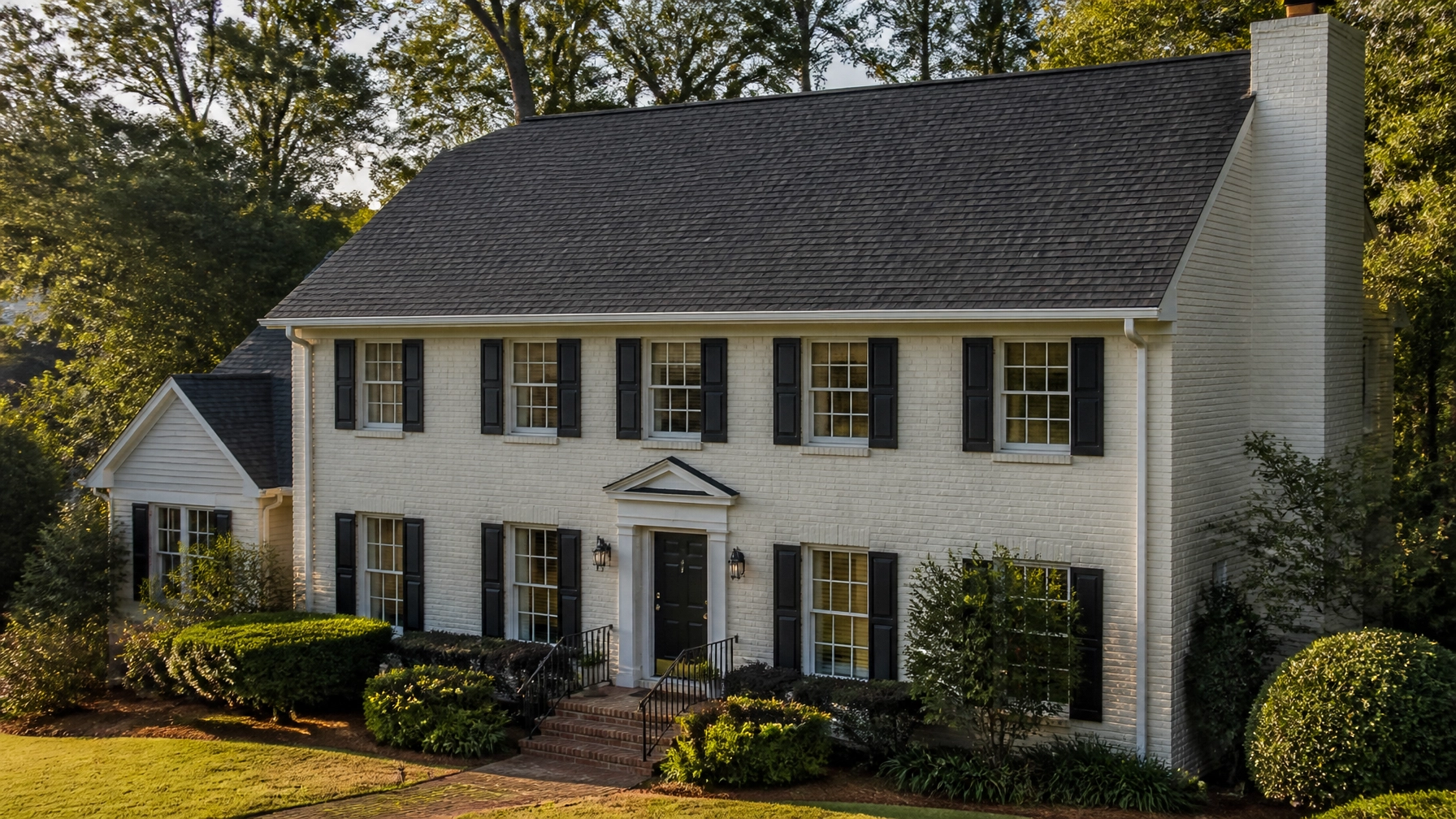
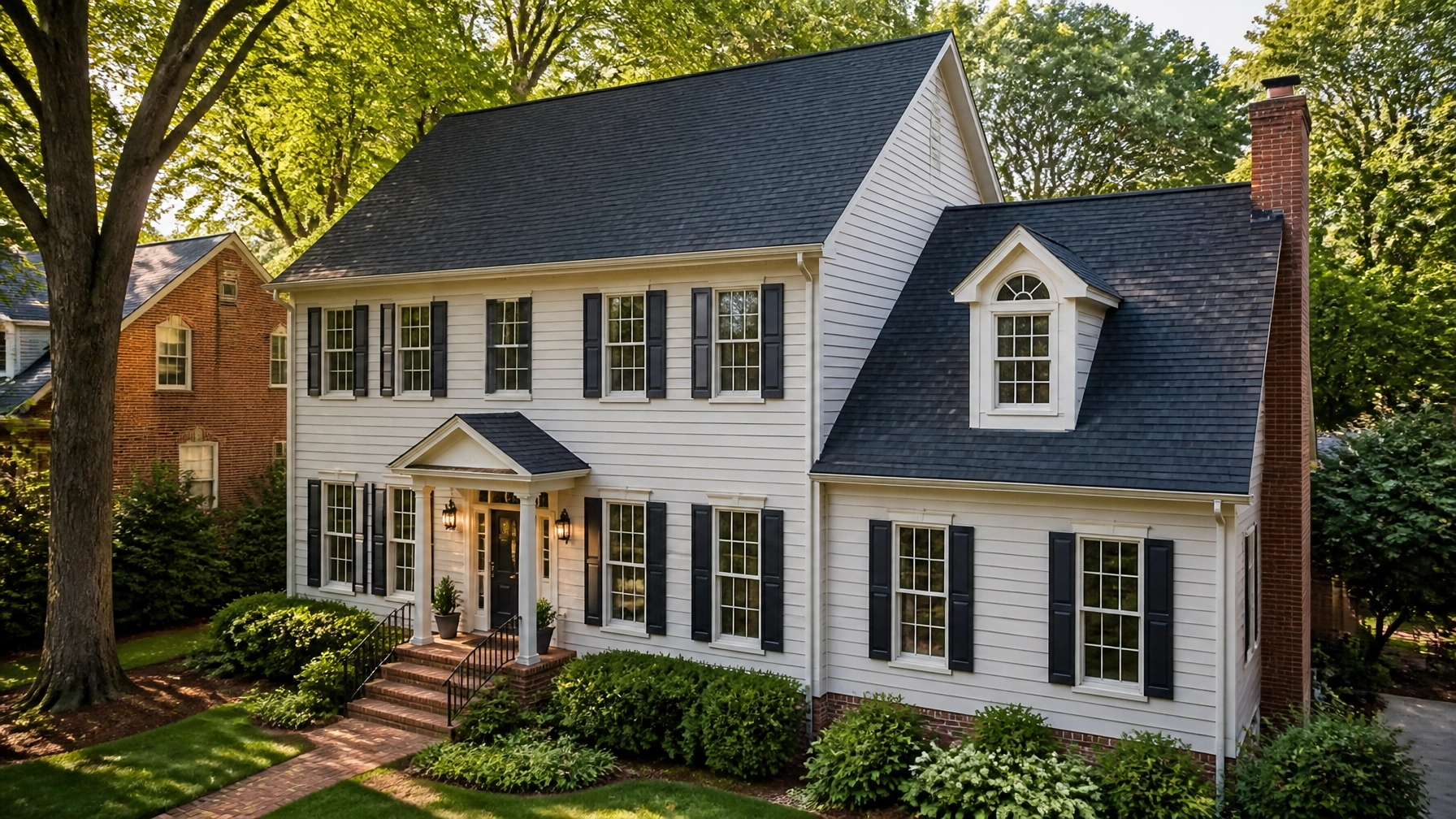
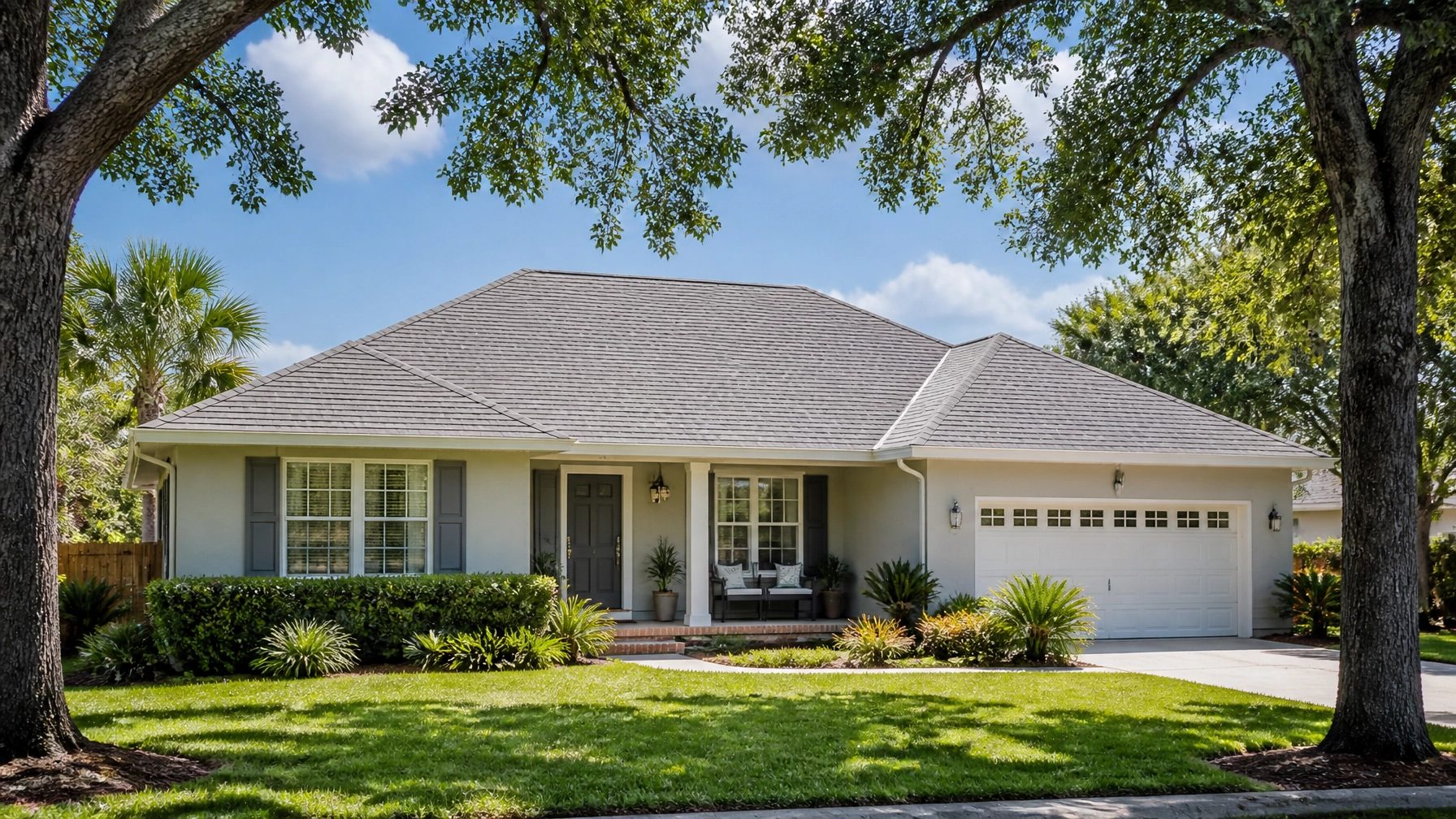
    New architectural shingle roof on a Florida colonial home

    Hurricane Deductibles: Check the Exact Trigger

    Florida law requires insurers to make hurricane deductible options available, including $500, 2%, 5%, and 10% of Coverage A, subject to statutory conditions. See Florida Statute §627.701.

    A common Pensacola policy uses a 2% hurricane deductible.

    If Coverage A is $300,000:

    $300,000 × 2% = $6,000 hurricane deductible

    That percentage is based on the dwelling limit: not the amount of roof damage.

    Hurricane vs. Named Storm

    A statutory hurricane deductible generally applies during the legally defined hurricane period tied to a National Hurricane Center hurricane warning. A broader named-storm deductible may apply to a named tropical storm or hurricane, depending on the policy language.

    Do not assume the terms mean the same thing. Check your declarations page and deductible endorsement for:

    • “Hurricane” or “named storm” wording
    • Deductible percentage
    • Dollar amount
    • Whether it applies once per calendar year or per occurrence
    • Covered wind and water exclusions

    Pensacola Roof Replacement Costs in 2026

    For a typical 2,000-square-foot roof using architectural shingles, use this as a planning range: not a guaranteed contractor quote.

    Roof option Pensacola planning range Context
    Architectural shingles $9,500–$16,000 Popular, practical replacement
    Premium or impact-resistant shingles $11,000–$18,000+ Higher material and installation cost
    Standing-seam metal $20,000–$30,000+ Premium, long-life option
    Synthetic roofing $16,000–$32,000+ Premium appearance and material
    Tear-off and disposal Often additional Depends on layers and roof access
    Decking repairs Variable Added when damaged wood is found

    Cost changes with roof pitch, valleys, dormers, penetrations, stories, tear-off layers, code upgrades, material availability, and structural repairs.

    You can compare national and regional benchmarks with the Get My Roof Estimate Now roof cost calculator, or get a property-specific estimate from the satellite-powered estimate tool.

    The 25% Rule: Patch or Replace?

    Florida’s roofing rules can make partial repairs complicated.

    Traditionally, repairing more than 25% of a roof area or roof section within 12 months could trigger current-code requirements for the entire roof or section. However, Florida’s newer statutory exception generally limits that result when the existing roof was built, repaired, or replaced in compliance with the 2007 Florida Building Code or a later edition.

    Your contractor and building department should determine:

    • Whether the roof’s original permit can be located
    • Which code edition applied
    • Whether the work involves more than 25% of a roof section
    • Whether only the damaged portion must meet current code
    • Whether a partial repair will match the existing system
    • Whether the insurer is estimating repair or full replacement

    A small patch may be appropriate when damage is isolated and the roof is otherwise sound. Full replacement becomes more practical when damage is widespread, the roof is near the end of its service life, materials cannot be matched, or repairs approach the cost of replacement.

    Do not let a contractor claim that “the 25% rule automatically means the whole roof is free.” Code requirements and insurance coverage are separate decisions.

    Measure Before You File a Claim

    Before contacting your insurer, establish a realistic replacement benchmark.

    Get My Roof Estimate Now uses satellite imagery to estimate:

    • Roof area in square feet and roofing squares
    • Pitch and roof complexity
    • Material-based replacement pricing
    • Low, middle, and high local ranges

    The system is typically 90–95% accurate, with results in approximately 60 seconds, at no cost and without a credit card. It is a budgeting tool, not a substitute for an insurer’s field inspection or a contractor’s final scope.

    A baseline estimate helps you identify whether a contractor’s proposed scope is reasonable and gives you a better understanding of the potential deductible gap.

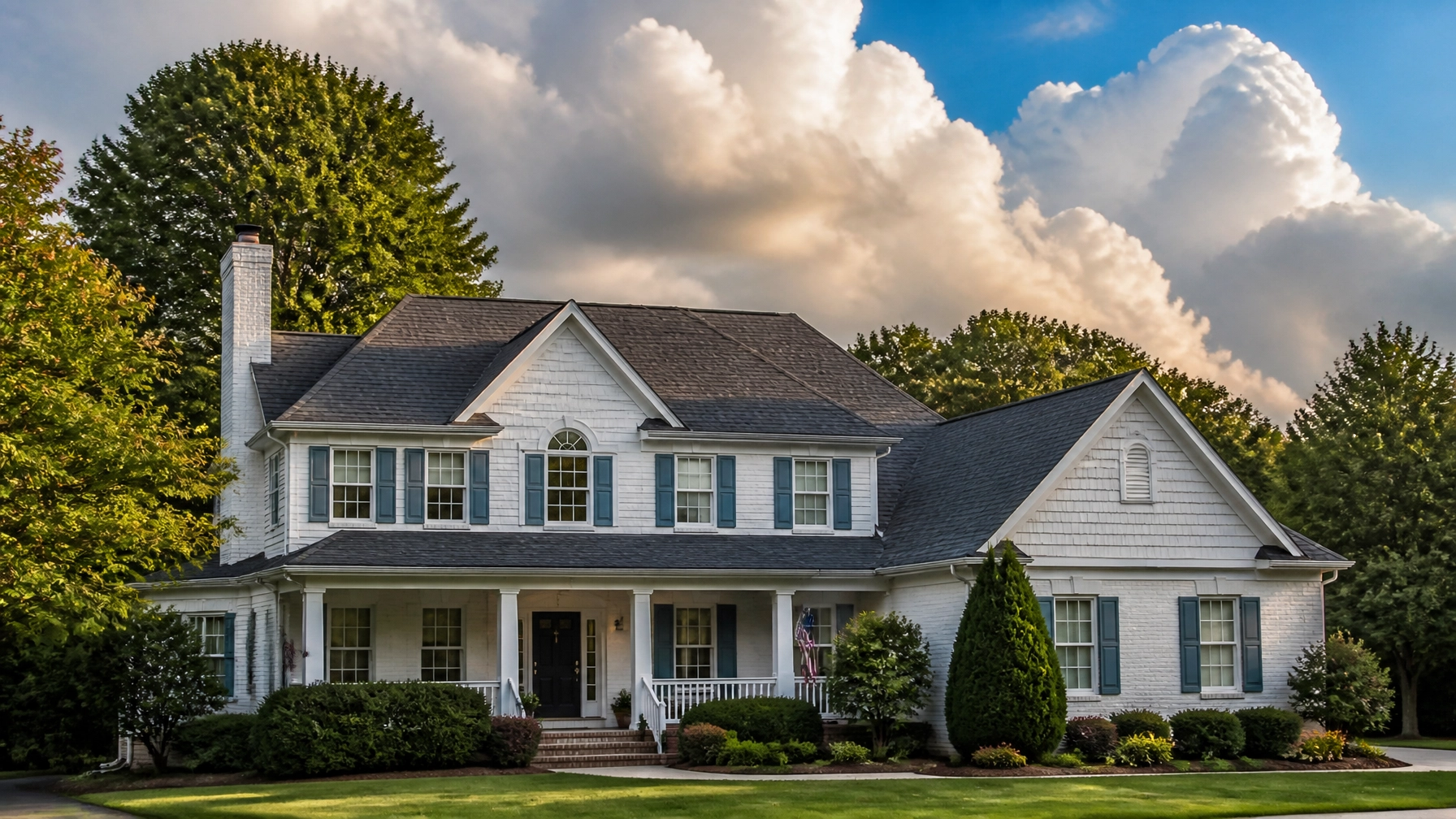
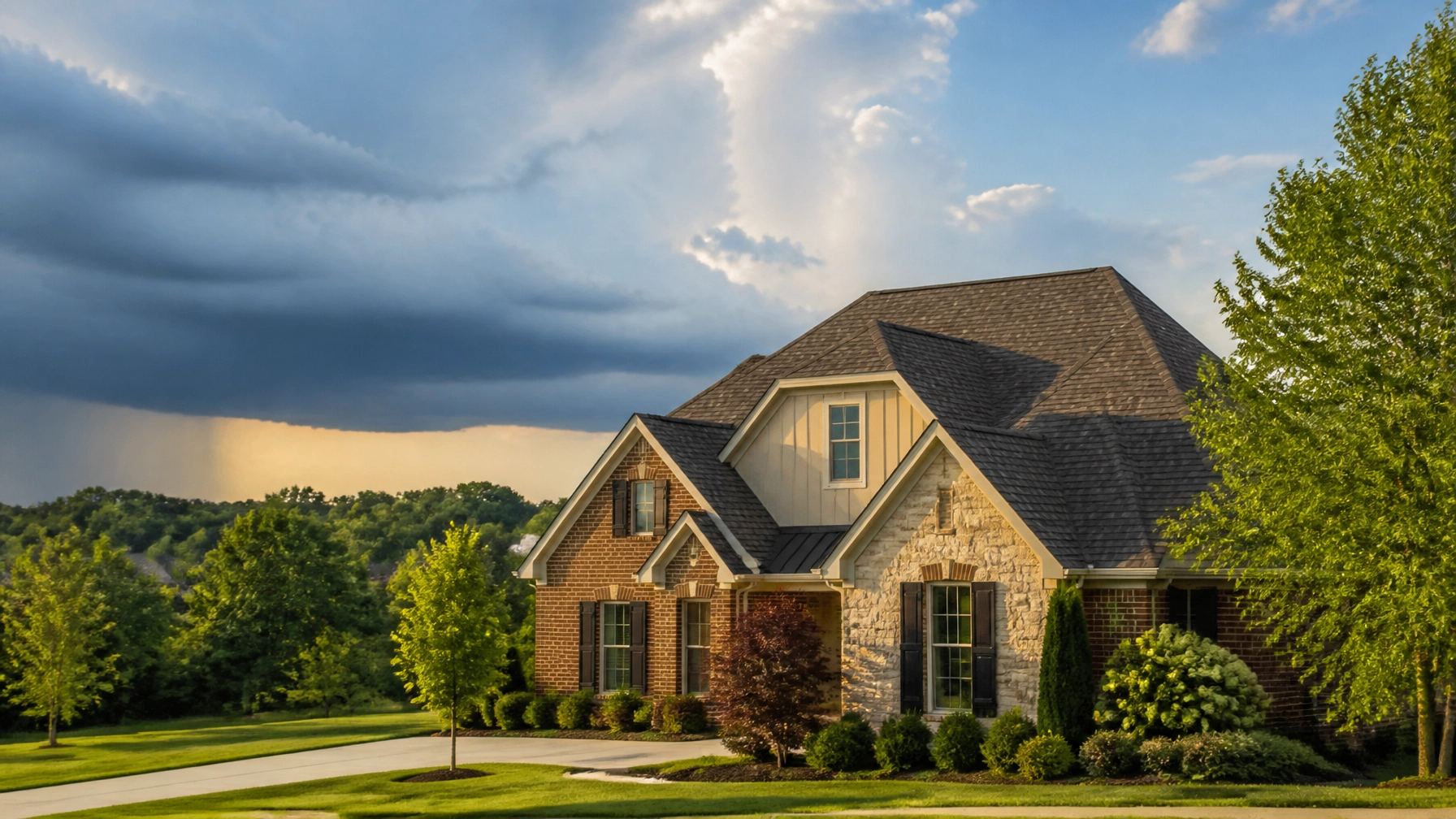
    Modern coastal Florida home with a new metal roof

    Step-by-Step: Filing a Pensacola Roof Claim

    1. Review your policy first. Confirm covered perils, roof settlement type, exclusions, deadlines, and deductibles.
    2. Document the condition. Photograph missing shingles, lifted edges, exposed underlayment, dents, interior stains, attic moisture, gutters, and fallen branches.
    3. Document the storm. Record the date, approximate time, wind or hail conditions, nearby damage, and any emergency repairs.
    4. Prevent additional damage. Use temporary, reasonable protection such as tarping. Keep receipts.
    5. Report the claim promptly. Use your insurer’s official phone number or online portal.
    6. Request the adjuster’s estimate. Ask for a written explanation of covered damage, depreciation, deductible, and excluded items.
    7. Get licensed contractor inspections. Obtain two or three itemized scopes, including decking, flashing, ventilation, underlayment, permits, and disposal.
    8. Compare scope: not only price. A low bid may omit code work or necessary accessories.
    9. Submit supplements carefully. Provide photos, measurements, invoices, permits, and contractor findings.
    10. Do not sign away claim rights casually. Have an insurance professional or attorney review an assignment of benefits or broad authorization.

    Florida’s one-way attorney-fee rules have changed. The 2022 reforms and later legislation removed the general automatic right for a prevailing property-insurance policyholder to recover attorney fees under the former statute. Small claims court does not create a special exception. Each side generally pays its own attorney unless another law, contract provision, or valid offer-of-judgment rule applies. Review the Florida Senate summary of the 2022 property insurance reforms before assuming litigation costs will be shifted.

    Permits and Contractor Licensing in Escambia County

    A full replacement or re-roof generally requires a permit. Escambia County specifically lists re-roofs over two squares: more than 200 square feet: as a permit category. Start with the official Escambia County permitting page.

    • Unincorporated Escambia County: contact Escambia County Building Services.
    • Inside Pensacola city limits: contact City of Pensacola Inspection Services.
    • Confirm who will pull the permit.
    • Keep the permit and final inspection records for your insurer and future resale.

    Verify the roofer through the official Florida DBPR license search. Confirm that the license is active and matches the contractor and business name. Also request certificates for general liability and workers’ compensation insurance.

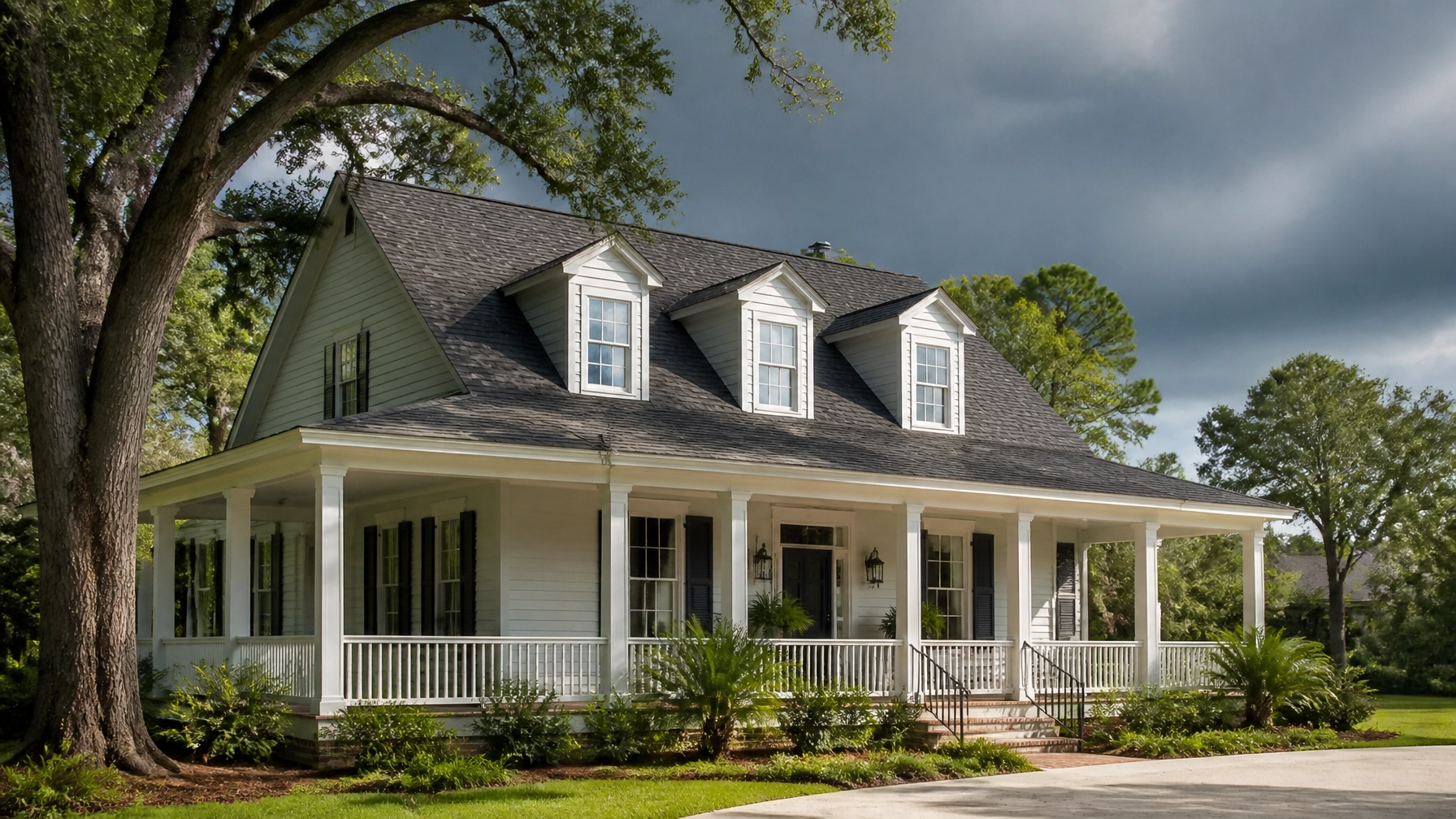
    Roof inspection and storm documentation at a Pensacola residence

    Avoid Storm-Chaser Traps

    After a Gulf Coast storm, unverified crews may arrive quickly. Be cautious if a contractor:

    • Demands a large cash deposit
    • Promises a “free roof” or deductible waiver
    • Pressures you to sign immediately
    • Says insurance must pay the exact quoted price
    • Refuses to show a license or insurance certificate
    • Wants you to inflate the claim
    • Cannot provide a local address or references

    A deductible waiver can violate policy terms and may create serious claim problems. You are responsible for your deductible.

    Pensacola Roof Claim Checklist

    • Locate your declarations page and policy endorsements
    • Confirm ACV or RCV roof coverage
    • Calculate your hurricane deductible from Coverage A
    • Check hurricane versus named-storm wording
    • Photograph exterior, attic, ceilings, gutters, and nearby storm damage
    • Save emergency repair receipts
    • Get a satellite-based cost benchmark
    • Report the claim promptly
    • Obtain two or three itemized contractor scopes
    • Verify DBPR license and insurance
    • Confirm Escambia County or City of Pensacola permit jurisdiction
    • Keep the adjuster estimate, permit, final invoice, and inspection records

    Start with a free, satellite-measured roof estimate from Get My Roof Estimate Now. In about 60 seconds, you can see a transparent local price range before you speak with an adjuster or contractor.
  • Daily ROI Blitz #221: How a New Roof Boosts Home Value in Atlanta, GA (2026 Data)

    Daily ROI Blitz #221: How a New Roof Boosts Home Value in Atlanta, GA (2026 Data)

    For Atlanta homeowners, a roof replacement in 2026 costs about $7,200–$26,500, with many standard projects landing between $12,000 and $16,000. The average replacement is approximately $13,500 for a typical home with architectural shingles.

    The resale payoff is also meaningful. A realistic roof replacement ROI is about 55%–61% when the work is completed professionally and the new roof improves the home’s condition, appearance, and inspection profile.

    That means a $13,500 roof may contribute roughly $7,425–$8,235 in resale value, before considering avoided repair credits, improved buyer confidence, or a faster sale.

    Atlanta Roof Replacement ROI at a Glance

    2026 Atlanta benchmark Typical figure
    Budget replacement (basic shingles) About $7,200–$10,000
    Popular replacement (architectural shingles) About $12,000–$16,000
    Premium replacement (metal, designer shingles, complex roof) About $18,000–$26,500+
    Average replacement cost Approximately $13,500
    National cost reference About $4–$11 per sq. ft.
    Estimated resale ROI Approximately 55%–61%
    Potential value added on a $13,500 roof About $7,425–$8,235

    The national $4–$11 per square foot reference from NerdWallet provides useful context, but Atlanta pricing depends on the actual roof: not just the home’s interior square footage.

    Roofers measure projects in squares. One roofing square equals 100 square feet of roof area. A 2,000-square-foot home may have more than 2,000 square feet of roofing after accounting for pitch, overhangs, garages, porches, and multiple roof sections.

    Why Atlanta Weather Affects Roof Value

    Atlanta’s humid subtropical climate puts steady stress on roofing systems. The city receives roughly 50 inches of rain annually, with hot summers, high humidity, thunderstorms, hail, and occasional tornado-related wind damage.

    These conditions affect both roof life and resale value.

    The main Atlanta roofing factors

    • Heavy rainfall: Exposes weak flashing, worn pipe boots, and aging underlayment.
    • Severe thunderstorms: Can loosen shingles or damage ridge caps and vents.
    • Hail: May bruise shingles without creating obvious ground-level damage.
    • Heat and humidity: Accelerate material aging and can contribute to algae growth.
    • Tree debris: Atlanta’s mature neighborhoods often have branches that scrape or puncture roofing.
    • Ventilation problems: Trapped attic heat and moisture can shorten shingle life and contribute to wood rot.

    A recent roof gives buyers confidence that the home is better protected against these local risks. It also reduces the chance that an inspection will uncover active leaks or end-of-life materials.

    How a New Roof Increases Home Value

    A new roof does not always add its full dollar cost to the sale price. However, it can improve your home’s market position in several ways.

    1. It reduces buyer objections

    An aging roof is one of the first major systems buyers evaluate. If the roof is 15–30 years old, buyers may assume they will soon face a large expense: even if there is no visible leak.

    That concern can lead to:

    • Lower offers
    • Requests for seller concessions
    • Inspection-related repair demands
    • Delayed financing or insurance approval
    • Buyers walking away from the transaction

    A documented replacement removes much of that uncertainty.

    2. It improves the listing presentation

    Roofing covers a large portion of a home’s visible exterior. Clean architectural shingles or a well-installed metal roof can improve curb appeal immediately.

    For Atlanta homes in neighborhoods such as Buckhead, Virginia-Highland, Decatur, Midtown, and surrounding suburbs, the right roof color and material should complement the home’s architecture. A fresh roof can make brick, siding, trim, and landscaping look newer without changing the structure.

    3. It supports a stronger inspection report

    A roof replacement completed with proper flashing, ventilation, and underlayment can make the inspection process easier. Keep the following documents:

    • Final contractor invoice
    • Permit information
    • Product warranties
    • Workmanship warranty
    • Before-and-after photos
    • Proof of insurance
    • Maintenance records

    These documents help demonstrate that the roof was replaced professionally rather than patched temporarily.

    4. It can improve insurability

    Insurance requirements vary by company and policy. Some insurers may scrutinize older roofs or request documentation after storm damage. A newer roof may make the home easier to insure, although it does not guarantee a lower premium.

    Always confirm coverage and discount rules directly with your insurance provider.

    ROI Math for a $13,500 Atlanta Roof

    Here is a practical 2026 example:

    • Replacement cost: $13,500
    • Conservative resale value recovered at 55%: $7,425
    • Stronger resale value recovered at 61%: $8,235
    • Estimated unrecovered cost: $5,265–$6,075

    This produces a direct roof replacement ROI of approximately 55%–61%.

    The calculation is:

    Value added ÷ replacement cost × 100 = ROI

    For example:

    $7,830 ÷ $13,500 × 100 = 58% ROI

    The exact result depends on your neighborhood, home condition, roof material, workmanship, buyer demand, and how soon you sell. A roof replacement completed primarily to sell may have a different payoff than one installed to provide 20 years of protection.

    Material Choices and Resale Value

    Architectural shingles (Popular)

    Architectural shingles are the most common value-focused choice in Atlanta. They offer a dimensional appearance, broad color selection, and a balance between cost and durability.

    Best for: Homeowners who want strong curb appeal and broad buyer acceptance without paying premium material prices.

    A well-installed architectural shingle roof typically fits the expectations of buyers in many Atlanta neighborhoods and often provides the most predictable resale value relative to its cost.

    Metal roofing (Premium)

    Standing-seam and other metal roofing systems can last significantly longer than standard shingles. They also provide a clean, modern appearance and may reflect more solar heat.

    Best for: Homeowners planning to stay long term, modern homes, or properties where durability and energy performance are priorities.

    Metal may not return its full installation cost at resale, especially if buyers in the neighborhood expect asphalt shingles. Its value is often strongest when the material matches the home’s design and surrounding property standards.

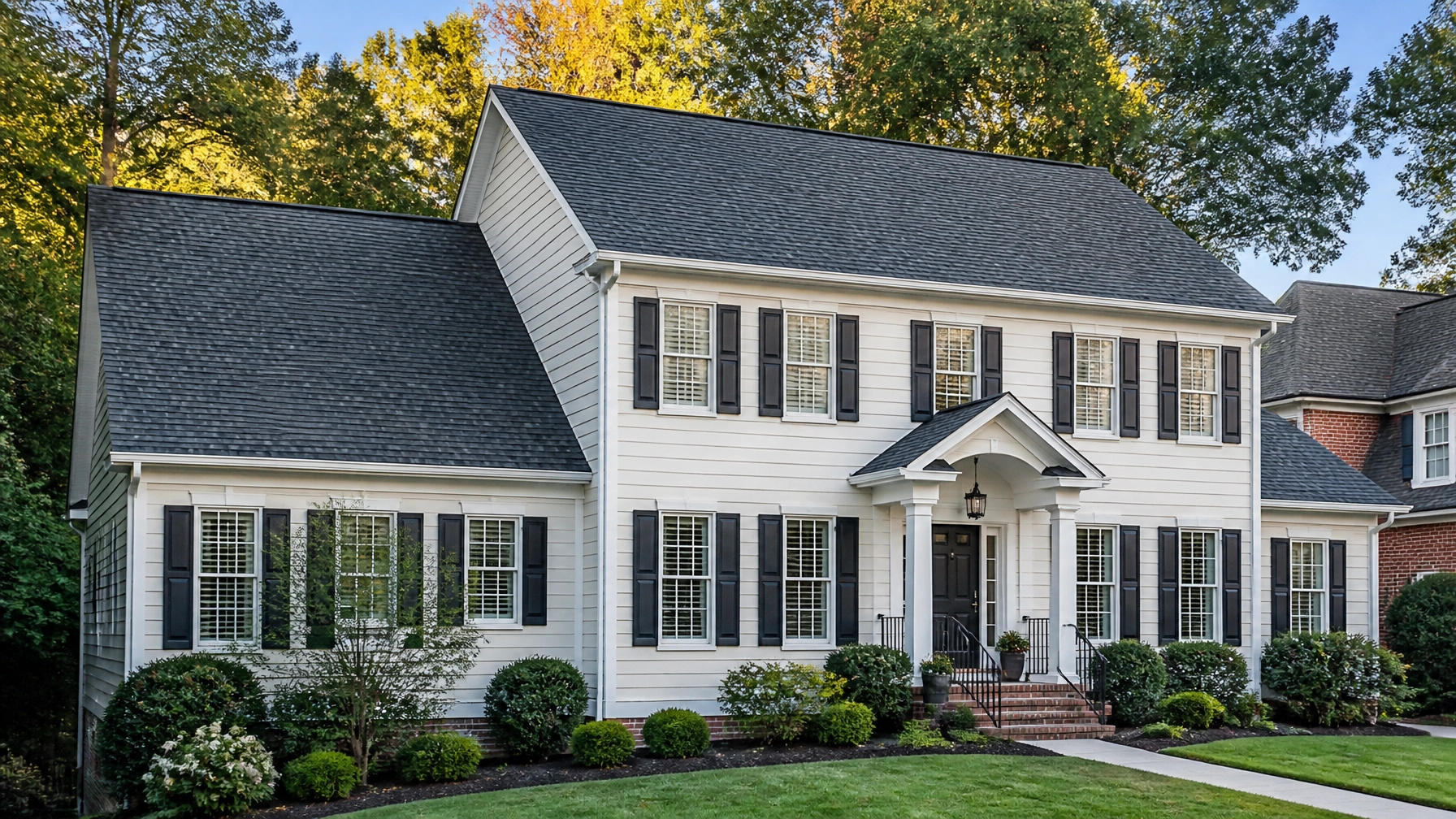
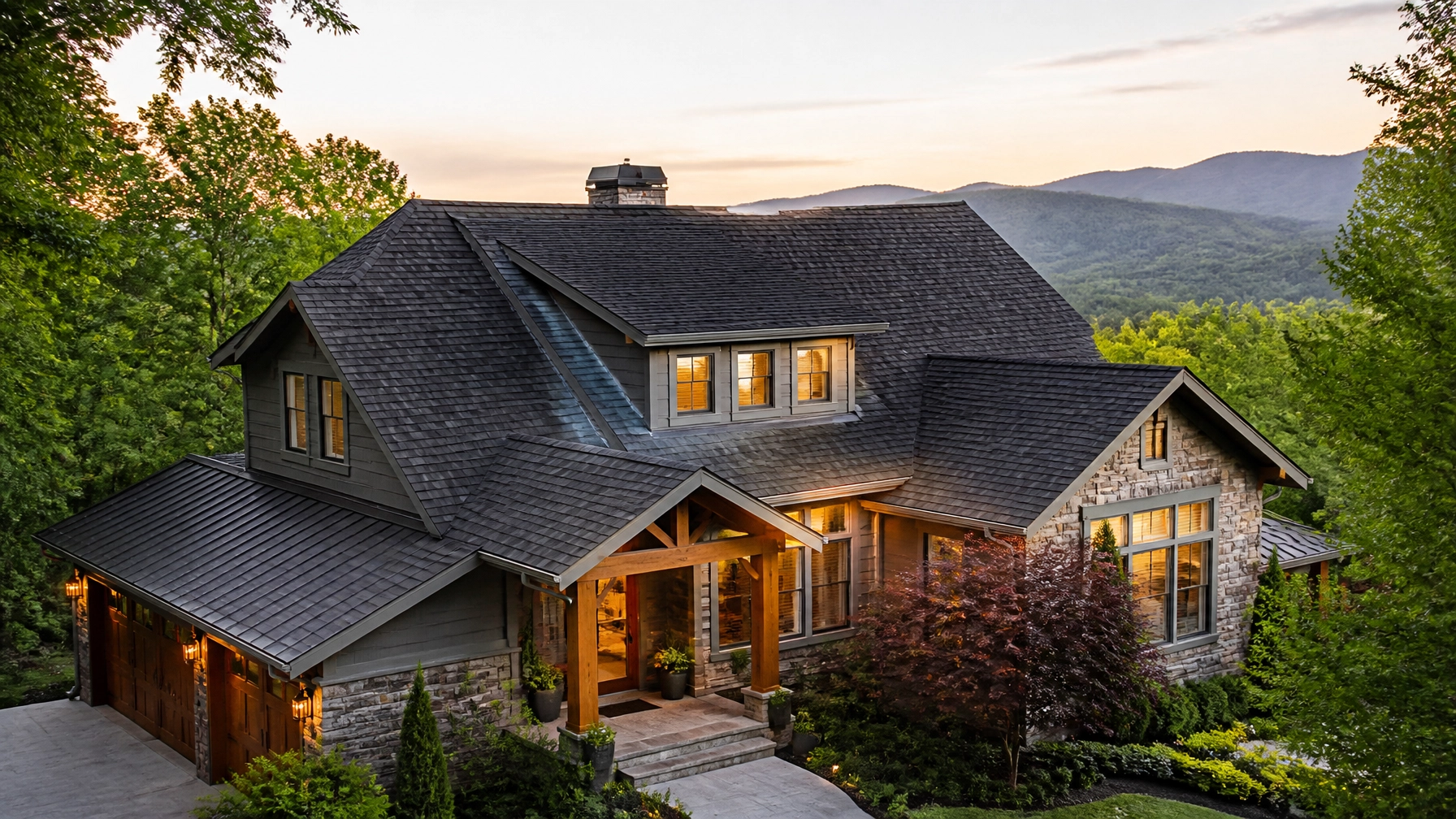
    Atlanta Colonial home with a new dimensional architectural shingle roof after a storm

    Designer shingles or synthetic materials (Premium)

    Designer shingles and synthetic slate can deliver a high-end look at a lower weight than natural slate. They may be appropriate for larger homes or properties with distinctive architectural details.

    Best for: Homeowners prioritizing appearance, specialty design, or premium exterior upgrades.

    These materials can support resale value when they complement the rest of the home. Over-improving beyond neighborhood expectations, however, may reduce the percentage of cost recovered.

    What Drives Atlanta Roof Replacement Cost?

    Your estimate can change substantially based on several variables:

    • Roof size: More squares require more materials, labor, and disposal.
    • Pitch: Steeper roofs need additional safety equipment and slower installation.
    • Complexity: Valleys, dormers, skylights, chimneys, and multiple rooflines add labor.
    • Tear-off layers: Removing two or more existing layers increases disposal and labor costs.
    • Decking condition: Rotten or water-damaged wood may need replacement.
    • Material selection: Metal, designer shingles, and synthetic products cost more than basic shingles.
    • Ventilation: Ridge vents, soffit vents, and intake improvements may be necessary.
    • Flashing and drainage: Chimneys, walls, valleys, gutters, and penetrations require careful detailing.
    • Local labor demand: Storm activity can increase scheduling pressure and pricing.

    The $4–$11 per-square-foot national benchmark is useful for planning, but a roof with complex geometry may cost more than a simple gable roof of the same measured area.

    How to Improve Your Roof’s ROI

    Before replacement

    1. Measure the roof accurately. Start with a satellite-based estimate so you know the approximate size and price range.
    2. Compare materials by ownership period. A premium roof may make sense if you plan to stay for 15–20 years.
    3. Check HOA requirements. Some communities limit approved colors or roofing materials.
    4. Review insurance documentation. Ask whether impact-resistant materials affect your policy.
    5. Get written scopes of work. Make sure removal, flashing, ventilation, permits, cleanup, and warranties are listed.

    During replacement

    • Confirm the contractor is licensed and insured.
    • Ask how hidden decking damage will be priced.
    • Verify manufacturer installation requirements.
    • Photograph the roof deck before new materials are installed.
    • Confirm that permits and inspections are handled where required.

    Before listing the home

    • Clean gutters and downspouts.
    • Provide warranty and permit documents.
    • Keep receipts for materials and labor.
    • Ask your agent to compare recent homes with new roofs.
    • Avoid claiming a specific value increase without comparable-market support.

    Modern Atlanta home with a premium matte-black standing-seam metal roof

    Get an Atlanta Roof Estimate in 60 Seconds

    Before scheduling contractor visits, get a data-backed starting point for your property.

    The Atlanta roof estimate page uses satellite imagery to evaluate roof size, pitch, and complexity. You can receive a free estimate in about 60 seconds, with no credit card and no upfront contractor visit.

    You can also start a free roof estimate for your address and review Budget, Popular, and Premium options. The result is a planning range: not a final construction contract: but it gives you useful information before comparing verified, licensed, and insured local contractors.

    FAQ: Atlanta Roof Replacement ROI

    Does a new roof increase home value in Atlanta?

    Yes. A new roof can improve buyer confidence, curb appeal, inspection results, and insurability. A realistic direct resale ROI for a professionally completed Atlanta roof replacement is approximately 55%–61%, although individual results vary.

    Is $13,500 a realistic roof replacement cost in Atlanta?

    Yes. Approximately $13,500 is a reasonable average for a typical Atlanta home using architectural shingles. Actual projects may range from about $7,200 to $26,500, depending on size, material, pitch, complexity, and hidden damage.

    What is the best roofing material for resale?

    Architectural shingles are usually the safest Popular choice because they are familiar, attractive, and widely accepted. Metal or designer materials can add appeal when they match the home and neighborhood, but they carry higher upfront costs.

    Should I replace my roof before selling?

    Replace it before selling if the roof is near the end of its service life, has active damage, or is likely to become a major inspection issue. If the roof is still in serviceable condition, compare the replacement cost with likely buyer credits and price reductions.

    Can I get a roof estimate without a contractor visit?

    Yes. Get My Roof Estimate Now uses satellite imagery to estimate roof size, pitch, and complexity. You can receive a free price range in approximately 60 seconds, then decide whether an in-person contractor inspection is necessary.

    How accurate is a satellite roof estimate?

    Satellite-powered measurements are generally designed to be approximately 90%–95% accurate, often within inches for key roof dimensions. The final contractor quote may change if an inspection finds decking damage, ventilation problems, or other conditions that cannot be confirmed from above.

    Close-up of architectural shingles, ridge cap, flashing, and gutter details on an Atlanta-area home

  • 2026 Roof Replacement Cost in Columbia, SC: Complete Price Guide for Midlands Homeowners

    2026 Roof Replacement Cost in Columbia, SC: Complete Price Guide for Midlands Homeowners

    If you are planning a roof replacement in Columbia, SC, budget approximately $9,000–$18,000 for a standard single-family home with architectural asphalt shingles in 2026.

    For a typical 2,000-square-foot home, a current HomeCostCalc benchmark adjusted for Columbia’s approximately 13% lower-than-national-average pricing estimates about $16,170 total, or roughly $8 per square foot. Your actual price will depend on roof size: not just living area: along with pitch, roofline complexity, tear-off requirements, decking condition, material choice, and local labor.

    This guide breaks down the average roof replacement cost in Columbia, SC, including Midlands-specific pricing for Richland and Lexington County homeowners.

    2026 Columbia Roof Replacement Cost at a Glance

    Project type Typical 2026 cost
    Standard architectural asphalt replacement $9,000–$18,000
    1,500 sq. ft. home with architectural shingles $9,000–$13,000
    Typical 2,000 sq. ft. architectural replacement About $16,170
    2,500 sq. ft. complex roofline $16,000–$22,000
    Standing seam metal replacement $22,000–$50,000+
    Permit and inspections About $100–$350 in many local situations

    Complete Roofing Systems’ Columbia roof replacement cost guide similarly places standard architectural asphalt projects in the $9,000–$18,000 range.

    Cost by Home Size and Roofing Material

    The table below provides practical planning ranges for architectural asphalt shingles and standing seam metal.

    Approximate home size Architectural asphalt Standing seam metal
    1,000 sq. ft. $7,000–$10,500 $13,000–$19,000
    1,500 sq. ft. $9,000–$13,000 $17,000–$25,000
    2,000 sq. ft. $12,000–$18,000 $22,000–$34,000
    2,500 sq. ft. $15,000–$22,000 $28,000–$42,000
    3,000 sq. ft. $18,000–$26,000 $35,000–$50,000

    These figures are planning ranges, not bids. A compact ranch roof may cost less than a similarly sized home with multiple valleys, dormers, skylights, or intersecting roof sections.

    Low, Mid, and High Roof Cost Scenarios

    HomeCostCalc data produces a broad range for Columbia-area roof replacement projects:

    • Low scenario: $10,149
    • Mid scenario: $16,570
    • High scenario: $115,678

    The high figure is an outlier rather than a normal price for a standard Columbia home. It may reflect an unusually large, complex, premium-material, or heavily damaged roofing project. For most Midlands homeowners, the $10,000–$20,000 range is a more practical starting point for a typical architectural shingle replacement.

    Roofing Is Priced by the “Square”

    Roofers usually price roofing materials and labor by the square. One roofing square equals 100 square feet of roof surface.

    The roof surface is larger than the home’s interior living area because it includes slopes, overhangs, and waste from cutting materials.

    Typical estimates include:

    • A 1,500 sq. ft. home: approximately 17–20 roofing squares
    • A 2,000 sq. ft. home: approximately 22–26 roofing squares
    • A 2,500 sq. ft. home: often 27–34 squares, depending on design

    A satellite measurement is useful because it calculates the actual roof plane instead of relying only on the home’s listed square footage.

    2026 Installed Price per Roofing Square

    The following benchmarks show approximate installed pricing by material:

    Roofing material Installed benchmark per square
    3-tab asphalt shingles (Budget) $75–$95
    Architectural asphalt shingles (Popular) $100–$145
    CertainTeed premium shingles (Premium) $130–$170
    R-panel metal (Budget metal) $220–$350
    Standing seam metal (Premium metal) $400–$650

    These per-square figures should be treated as material and installation benchmarks. Final project pricing may also include tear-off, disposal, underlayment, flashing, ventilation, permits, decking repairs, waste, mobilization, and contractor overhead.

    For a broader material comparison, review the asphalt shingles guide and metal roofing guide.

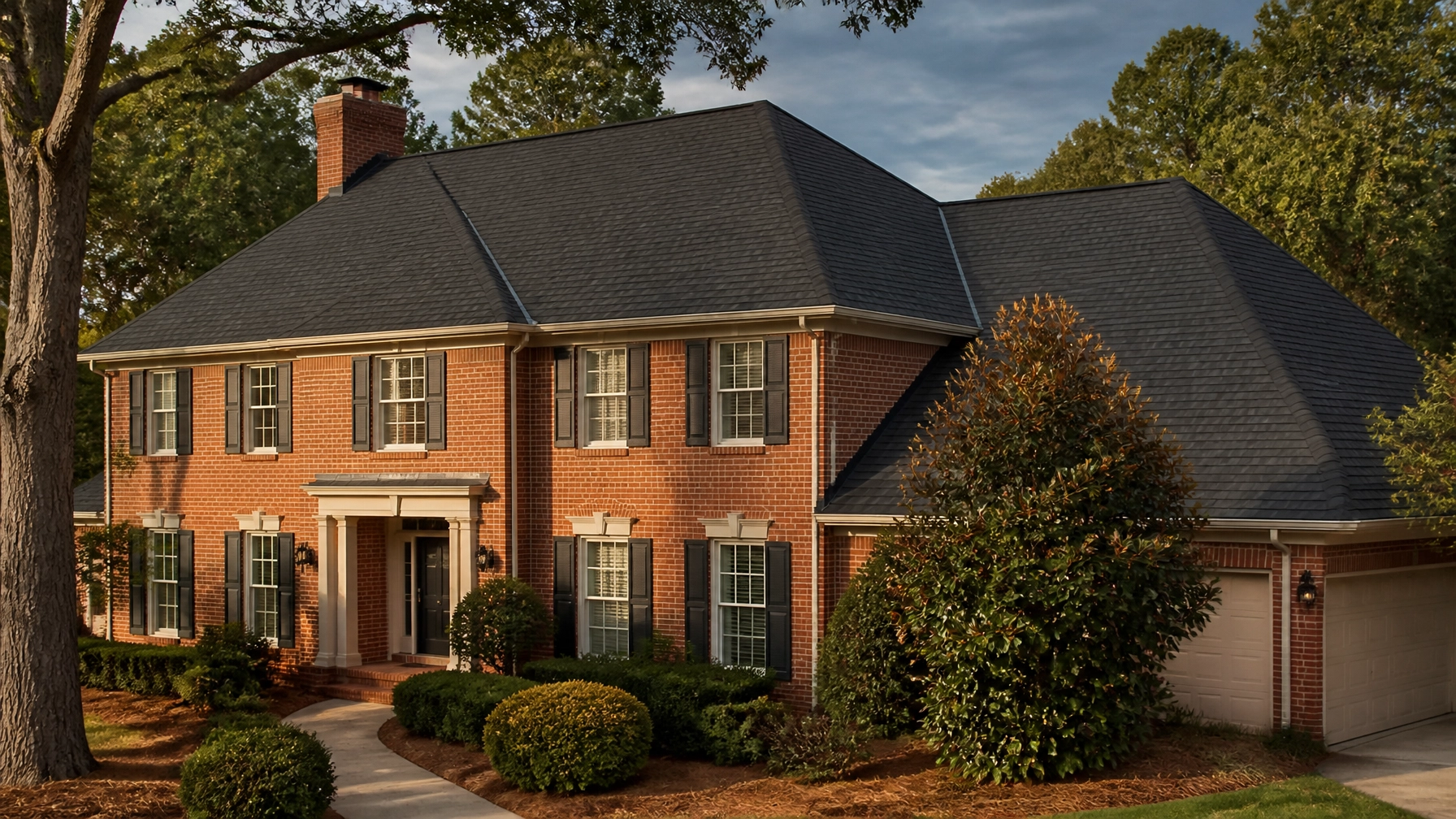
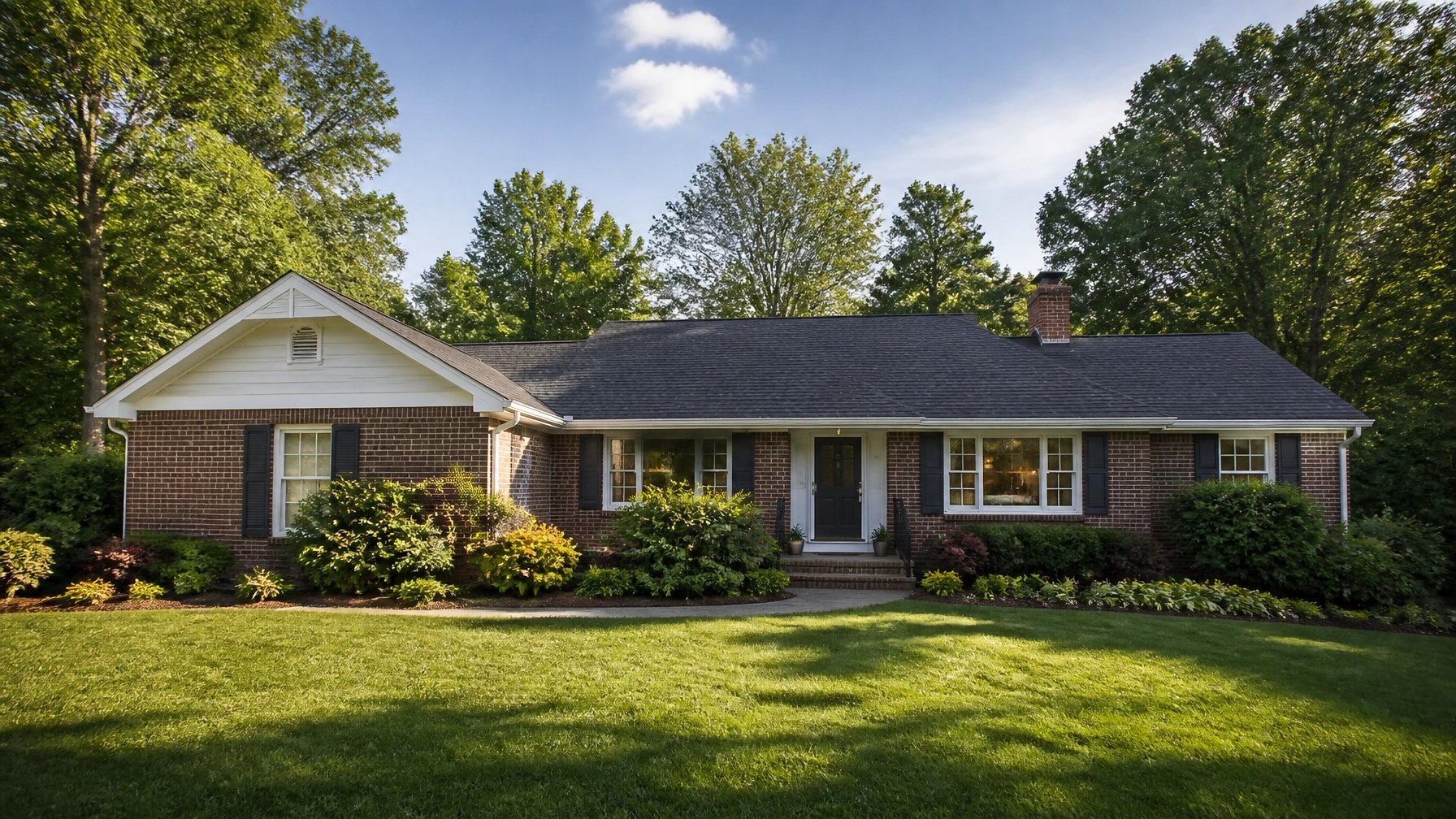
    New charcoal architectural shingle roof on a Columbia SC ranch home

    What Makes a Columbia Roof Replacement More Expensive?

    1. Roofing material

    Architectural shingles are the most common choice because they balance appearance, performance, and price. In Columbia’s hot and humid climate, algae-resistant and impact-resistant shingles may be worth considering.

    Typical Midlands lifespans are:

    • 3-tab asphalt: 15–18 years
    • Architectural asphalt: 22–28 years
    • Metal roofing: 40–70 years

    Standing seam metal costs substantially more upfront but offers longer service life, reflective performance, and strong resistance to rain and wind.

    2. Labor

    Labor typically represents 40%–60% of the total project cost. Columbia roofer labor averages approximately $42 per hour, with a loaded rate near $50 per hour after insurance, payroll costs, equipment, and overhead.

    The statewide roofer wage mean is approximately $20.95 per hour, about 19% below the national average. That helps keep Columbia below national roofing prices, although contractor availability and project complexity can still move a quote higher.

    3. Roof pitch and complexity

    A roof with a pitch of 7/12 or steeper may add approximately 15%–25% to the project. Steep roofs require additional safety equipment, slower installation, and more labor.

    Other cost-increasing features include:

    • Multiple roof levels
    • Dormers and skylights
    • Chimneys and complicated flashing
    • Numerous valleys and penetrations
    • Limited access for material delivery
    • Two-story or three-story sections

    4. Decking damage

    Once old shingles are removed, contractors can inspect the roof deck. Rotten or weakened decking may need replacement at approximately $75–$110 per sheet.

    A professional estimate should explain whether decking repairs are included, excluded, or billed as an allowance.

    5. Tear-off versus overlay

    An overlay installs new shingles over an existing layer. It can save approximately $800–$1,500 by reducing tear-off and disposal work.

    However, overlays can:

    • Hide damaged decking
    • Reduce the ability to inspect flashing
    • Create an uneven finished surface
    • Void or limit some manufacturer warranties
    • Be restricted by local code if multiple layers already exist

    A full tear-off is generally the better long-term approach when the existing roof is near the end of its life.

    Detailed view of architectural shingles, valleys, ridge vent, and flashing on a Midlands home

    Why Roof Replacement Costs Are Rising in 2026

    Roofing prices are approximately 15%–25% higher than in 2024. Several factors are contributing:

    • Owens Corning, GAF, and CertainTeed implemented shingle price increases of approximately 6%–10% in early 2025
    • Steel and aluminum tariffs of approximately 25% are affecting metal panels, flashing, and accessories
    • A continuing skilled-labor shortage is increasing installation costs
    • Storm-related demand can limit contractor availability

    Getting a price range before your roof becomes an emergency can give you more flexibility in material selection and installation timing.

    Columbia Weather and Roof Replacement Timing

    Columbia receives approximately 49 inches of rain each year, along with hot, humid summers and mild winters. The area typically experiences one freeze month, but extended heat and moisture still place stress on roofing materials.

    Richland and Lexington counties also experience approximately two to four significant hail events per year across the region. Hail, wind, algae growth, UV exposure, and heavy rain can all shorten shingle life.

    The best installation windows are:

    • March through May: generally optimal temperatures and weather
    • October through November: comfortable installation conditions
    • June through August: less favorable because of peak heat
    • Late fall and winter: some contractors offer 10%–15% discounts, depending on demand and weather

    A roof does not have to be replaced during the busiest spring season. Ask contractors about scheduling, material availability, and weather protection if you plan a winter installation.

    Permits and Contractor Requirements in Richland and Lexington Counties

    A full roof replacement generally requires a building or roofing permit in the Columbia area.

    Permit costs are commonly estimated at $100–$350, although fees can vary by project valuation and municipality. City of Columbia or other local jurisdiction fees may differ.

    South Carolina residential work is governed under the 2021 South Carolina Residential Code, and contractor licensing is required for residential roofing work valued above $5,000. Confirm that the contractor is properly licensed and insured before signing an agreement.

    How to Get a More Accurate Roof Replacement Estimate

    Online averages are useful for budgeting, but they cannot measure your actual roof or identify every cost variable.

    With Get My Roof Estimate Now, you can enter your address and receive a free satellite-based estimate in about 60 seconds. The system analyzes your roof’s size, pitch, and complexity, then provides low-to-middle-to-high pricing for material options.

    There is:

    • No cost
    • No credit card requirement
    • No contractor visit needed upfront
    • No hidden fees

    The estimate can help you compare architectural shingles, premium materials, and metal roofing before arranging contractor appointments. When you are ready, the service can also connect you with verified, licensed, and insured local contractors.

    Modern Columbia SC home with a new standing seam metal roof

    Final Takeaway: New Roof Cost in Columbia, SC

    For most homeowners, the new roof cost in Columbia, SC will fall between $9,000 and $18,000 for a standard architectural asphalt replacement in 2026. A typical 2,000-square-foot home may land near $16,170, while standing seam metal can cost $22,000–$34,000 for the same general home size.

    Use the estimate as a planning benchmark, then verify:

    • Actual roof squares
    • Tear-off requirements
    • Decking condition
    • Roof pitch and complexity
    • Material and warranty details
    • Permit responsibility
    • Contractor licensing and insurance

    Start with a property-specific, satellite-based estimate so you know what your Columbia roof may cost before spending time on multiple contractor visits.

    Sources and Local References

  • Daily Weather Blitz: Charlotte, NC – Storm-Ready Roofing Amid August Heat and Pop-Up Storms

    Daily Weather Blitz: Charlotte, NC – Storm-Ready Roofing Amid August Heat and Pop-Up Storms

    Charlotte homeowners are facing a demanding August roofing pattern: afternoon temperatures in the upper 90s, heat indexes reaching approximately 105°F or higher, and scattered thunderstorms capable of producing heavy rain and sudden wind gusts.

    The National Weather Service’s Charlotte forecast and local reporting indicate that the current pattern is hotter than Charlotte’s typical August average high of approximately 88°F. The combination of intense sun, high humidity, and quick-moving storms puts extra stress on aging shingles, flashing, roof decking, and attic systems.

    A roof replacement in Charlotte typically costs $6,000–$22,000, with many homeowners paying around $9,000 for architectural shingles on a typical 2,000-square-foot roof. Your actual price depends on roof size, pitch, complexity, material, tear-off requirements, and hidden structural damage.

    Before the next downpour, use this checklist to make your roof more heat-resilient and storm-ready.

    Why Charlotte’s August Weather Is Hard on Roofs

    Charlotte’s humid subtropical climate already exposes roofs to significant heat, moisture, and seasonal storm activity. This August, the stress is amplified by:

    • Air temperatures in the mid- to upper-90s
    • Heat indexes above 100°F during the afternoon
    • Intense ultraviolet exposure from prolonged sunshine
    • Scattered afternoon and evening thunderstorms
    • Brief but powerful wind gusts
    • Heavy downpours that test flashing and drainage
    • Humidity that can encourage algae growth and attic moisture

    Heat causes roofing materials to expand. Evening storms then cool the roof rapidly. Repeated expansion and contraction can accelerate aging in older shingles, loosen vulnerable flashing, and expose small weaknesses that may become active leaks during wind-driven rain.

    No roof is completely stormproof. However, proper installation, suitable materials, sound ventilation, and routine inspections can significantly improve performance.

    1. Check Aging Shingles Before Storms Arrive

    Roofs between 15 and 30 years old deserve particular attention during a hot, stormy summer. Asphalt shingles can lose flexibility and protective granules as they age. Once that happens, intense sunlight and wind-driven rain can cause problems more quickly.

    From the ground, look for:

    • Missing, cracked, curled, or lifted shingles
    • Dark or uneven patches
    • Excess granules in gutters or downspouts
    • Exposed underlayment or roof decking
    • Sagging areas along the roofline
    • Damaged ridge caps
    • Shingles that appear loose after recent wind

    Do not climb onto the roof yourself, especially during extreme heat or after a storm. A roof surface can be dangerously hot, and wet shingles become slippery. Use binoculars for a ground-level review or arrange a professional inspection.

    If your roof is older and showing multiple warning signs, begin budgeting for replacement before a storm forces an emergency decision.

    2. Improve Attic Ventilation for Extreme Heat

    A properly ventilated attic helps manage both heat and moisture. The basic goal is balanced airflow:

    • Intake ventilation through soffits or eaves
    • Exhaust ventilation through ridge vents or other approved outlets
    • Adequate insulation to limit heat transfer into living spaces
    • Clear airflow paths that are not blocked by insulation

    During a hot August afternoon, a poorly ventilated attic can become substantially hotter than the outside air. That heat transfers through the roof deck and can increase cooling demand inside the home. It also places additional thermal stress on shingles and roof components.

    Moisture is the second concern. After thunderstorms, humid air can enter the attic through gaps, ductwork, or air leaks. Without proper airflow, condensation can contribute to mold, wood deterioration, and insulation problems.

    Ventilation should be designed as a complete system. Adding a powered fan without adequate intake ventilation may not solve the problem and can sometimes pull conditioned air from the living space. Have a qualified roofing professional evaluate the entire attic assembly.

    Close-up of impact-resistant architectural shingles and roof ventilation on a Charlotte ranch home

    3. Consider Impact-Resistant Roofing Materials

    Charlotte experiences frequent summer thunderstorms, and stronger cells may include hail as well as gusty winds. Impact-resistant shingles can provide an added layer of protection against hail strikes and flying debris.

    Common roofing choices for Charlotte include:

    Architectural Shingles (Popular)

    Architectural shingles are the most common replacement option for local homes. They offer:

    • Broad color and style selection
    • Typical service lives of approximately 25–30 years
    • Good curb appeal
    • Lower initial cost than metal or slate
    • Compatibility with many residential roof designs

    Impact-resistant versions are designed and tested to withstand greater impact than standard shingles. Ask the contractor which impact rating applies to the product and whether your insurer offers any discount for qualifying materials.

    Metal Roofing (Premium)

    Metal roofs can last approximately 40–70 years when properly installed. They also reflect more solar energy than many darker asphalt roofs and can provide strong resistance to wind and rain.

    Standing-seam metal is a popular premium option, while exposed-fastener panels may offer a lower initial cost. Installation quality is critical around penetrations, valleys, eaves, and transitions.

    Slate or Tile (Luxury)

    Slate and tile offer long service lives and distinctive appearance, but they cost more and may require additional structural evaluation. Not every home is designed to support the weight of these materials.

    Material selection should account for roof pitch, structural capacity, neighborhood requirements, budget, and expected service life: not just appearance.

    Modern Charlotte home with a standing-seam metal roof after a summer shower

    4. Inspect Flashing Before Heavy Downpours

    Flashing directs water away from the roof’s most vulnerable transitions. It should be checked carefully before a period of repeated thunderstorms.

    Key areas include:

    • Chimneys
    • Wall intersections
    • Roof valleys
    • Skylights
    • Plumbing penetrations
    • Vent pipes
    • Dormers
    • Eaves and rake edges
    • Areas around satellite mounts or other equipment

    Look for flashing that is bent, lifted, rusted, separated, or covered with failing sealant. Caulk alone is not a permanent substitute for correctly integrated flashing.

    During replacement, flashing should be installed as part of the full roofing system. The underlayment, step flashing, counterflashing, and shingles must overlap correctly so water is directed downhill and away from the structure.

    A small flashing defect may remain unnoticed during ordinary rain but cause an interior leak when wind pushes water sideways during a thunderstorm.

    Ground-level roofing inspection showing chimney flashing, valleys, pipe boots, and clean gutters after a storm

    5. Keep Gutters, Valleys, and Downspouts Clear

    Heavy summer rain exposes drainage problems quickly. Leaves, pine needles, and roof granules can block gutters or downspouts, allowing water to back up beneath the roof edge.

    Before the next storm:

    • Remove debris from gutters
    • Confirm downspouts discharge several feet away from the foundation
    • Check for sagging or separated gutter sections
    • Look for standing water near the home
    • Make sure roof valleys are free of leaves and branches
    • Trim branches that scrape the roof or could fall during high winds

    If you notice water stains, peeling paint, damp attic insulation, or musty odors, arrange an inspection promptly. Delayed repairs allow moisture to spread into decking, framing, insulation, and interior finishes.

    6. Schedule Roofing Work Around Heat and Storm Risk

    When heat indexes approach or exceed 100°F, rooftop and attic work becomes more hazardous. Roofing crews should schedule strenuous work during cooler morning hours whenever practical and follow heat-safety procedures.

    Homeowners should also avoid conducting their own roof inspections during the hottest part of the day. A roof can retain intense solar heat even when the air temperature begins to fall.

    Thunderstorms require another safety rule: stop roof work when thunder is heard or lightning is visible. Crews should secure loose materials, tools, underlayment, and debris before storms approach. A sudden gust can turn lightweight roofing materials into dangerous airborne objects.

    Check the NWS heat safety guidance before planning outdoor maintenance, and follow local warnings during heat advisories or severe-weather alerts.

    Get a Charlotte Roof Estimate in 60 Seconds

    You do not need to begin with a stressful contractor visit just to understand your roof’s potential replacement cost.

    The Get My Roof Estimate Now Charlotte roofing estimator uses satellite imagery to measure your roof’s size, pitch, and complexity. In about 60 seconds, you can receive a free estimate with no credit card and no obligation.

    The estimate can help you:

    • Set a realistic replacement budget
    • Compare architectural shingles, metal, synthetic, or coating options
    • Decide whether repair or replacement deserves further review
    • Prepare for a professional inspection
    • Compare low, middle, and high pricing ranges
    • Plan before storm damage creates an emergency

    Once you know your approximate project cost, you can compare Charlotte roofing companies and request detailed, written proposals from licensed and insured local contractors.

    Final Charlotte Roofing Checklist

    Before the next hot afternoon storm, confirm that:

    • Your roof has no visibly missing or lifted shingles
    • Flashing around chimneys, valleys, and penetrations appears intact
    • Gutters and downspouts are clear
    • Attic intake and exhaust ventilation are working together
    • Nearby branches are trimmed away from the roof
    • You know the approximate age of your roof
    • You have documented existing conditions with ground-level photos
    • You have a current replacement cost estimate

    Charlotte’s August heat and pop-up storms are a practical reminder that roof problems are easier: and usually less expensive: to address before water enters the home. Start with a fast, free satellite estimate, then use a qualified local inspection to confirm the roof’s condition and determine the right next step.

  • Insurance Masterclass: How Raleigh NC Homeowners Can Get Their Roof Replacement Covered in 2026

    Insurance Masterclass: How Raleigh NC Homeowners Can Get Their Roof Replacement Covered in 2026

    A storm-damaged roof may qualify for insurance coverage in 2026: but coverage depends on the cause of damage, your policy language, your roof’s age, and your deductible.

    For a typical 2,000-square-foot Raleigh home with architectural shingles, plan for approximately $9,500–$16,000 for a complete replacement. Your insurance may cover eligible storm damage after the deductible, but it may not pay for ordinary aging, poor maintenance, or excluded perils.

    This guide explains how Raleigh and Wake County homeowners can document damage, understand RCV versus ACV coverage, avoid storm-chaser scams, and build a stronger claim.

    Important: Insurance policies differ. This article provides general information, not legal, insurance, or claims advice. Confirm your coverage with your insurance agent and carrier.

    Raleigh’s 2026 Roof Replacement Cost Benchmark

    Roof pricing depends on more than the home’s interior square footage. Contractors price the actual roof surface, measured in roofing squares. One square equals 100 square feet of roof area.

    A typical Raleigh replacement using architectural asphalt shingles may cost:

    • Budget: $9,500–$11,500
    • Popular: $11,500–$14,000
    • Premium: $14,000–$16,000 or more

    The final price can increase with:

    • Steep roof pitch
    • Multiple roof planes and valleys
    • Skylights, chimneys, and dormers
    • Rotten decking
    • Difficult access
    • Premium underlayment or ventilation
    • Multiple layers requiring tear-off
    • Code-related upgrades
    • Material and labor changes

    Use the Get My Roof Estimate Now roof cost calculator to get an instant, no-credit-card estimate based on your address. Satellite imagery measures roof size, pitch, and complexity in under 60 seconds, typically within approximately 90–95% accuracy.

    That estimate does not replace an insurer’s adjustment or a contractor’s final scope. It gives you a practical pricing benchmark before you make decisions.

    Recently replaced architectural shingle roof on a Raleigh ranch home

    Is Wind or Hail Damage Covered in Wake County?

    Most homeowners policies cover sudden damage from covered wind and hail events. They generally do not cover:

    • Normal wear and tear
    • Old shingles reaching the end of their service life
    • Long-term leaks caused by deferred maintenance
    • Pre-existing damage
    • Flood or rising water
    • Damage excluded by a specific endorsement

    The North Carolina Department of Insurance homeowners guidance recommends confirming whether windstorm and hail are included in your policy or excluded by endorsement.

    Wake County has a meaningful history of wind and hail exposure. NOAA’s Storm Events Database recorded 71 events in Wake County during 2025, including:

    • May 5, 2025: Hail reports of up to 1 inch near Raleigh-area locations
    • June 25, 2025: Thunderstorm winds recorded at approximately 50 knots: about 58 mph: in parts of Wake County
    • Repeated thunderstorm wind events throughout the year

    Straight-line winds and hail are among the leading causes of roof damage in the Raleigh area. Hail can bruise shingles and remove protective granules. Wind can lift shingle edges, damage ridge caps, loosen flashing, and expose underlayment.

    A roof can look acceptable from the ground and still have functional damage.

    RCV vs. ACV: The Difference That Can Change Your Payout

    The most important insurance question is whether your roof is settled at Replacement Cost Value (RCV) or Actual Cash Value (ACV).

    Replacement Cost Value (RCV) (More Protection)

    RCV coverage is designed to pay the cost to replace damaged property with comparable new materials, subject to your policy limits and deductible.

    Many RCV claims work in two stages:

    1. The insurer issues an initial payment based on the covered damage, often less depreciation.
    2. After approved repairs are completed, the homeowner submits invoices and receives eligible recoverable depreciation.

    RCV does not mean the insurer pays every roofing upgrade. It generally applies to covered damage and comparable materials under the policy.

    Actual Cash Value (ACV) (Depreciated Protection)

    ACV equals replacement cost minus depreciation.

    For an older roof, depreciation can be substantial. If a 20-year-old roof is damaged, an insurer may determine that the roof has limited remaining useful life. The claim payment may be much lower than the price of a new roof.

    Look for these terms in your declarations page and endorsements:

    • “Replacement cost”
    • “Actual cash value”
    • “Roof surfacing loss settlement”
    • “Windstorm or hail loss settlement”
    • Roof-age limitations
    • Functional damage exclusions
    • Recoverable depreciation

    Do not rely on a contractor’s interpretation of your policy. Ask your carrier or licensed agent to explain the exact language.

    Wind and Hail Deductibles in North Carolina

    Your policy may have more than one deductible:

    • Base deductible: A flat amount, such as $1,000
    • Wind or hail deductible: A separate flat amount or percentage
    • Named-storm deductible: Often a percentage of dwelling coverage
    • Hurricane deductible: May apply only under specific storm or declaration conditions

    A percentage deductible is based on your dwelling coverage: not the roof estimate.

    For example:

    • Dwelling coverage: $350,000
    • Wind or named-storm deductible: 2%
    • Potential deductible: $7,000

    Before filing a claim, confirm:

    1. Which deductible applies to your damage
    2. Whether hail and wind use separate deductibles
    3. Whether the event qualifies as a named storm
    4. Whether your deductible is based on Coverage A
    5. Whether your roof is subject to ACV treatment

    What About the 2027 North Carolina Homeowners Program?

    The North Carolina Rate Bureau’s 2027 Homeowners Policy Program revisions put additional attention on windstorm and hail provisions.

    In eligible coastal areas, a homeowners policy may exclude windstorm or hail if the required rejection form is signed. The homeowner may then need separate wind and hail coverage through the North Carolina Insurance Underwriting Association.

    Wake County is inland and is not treated like North Carolina’s coastal wind pool territory. However, the broader 2027 policy changes are a reminder to review:

    • Wind and hail exclusions
    • Special deductibles
    • Roof-age restrictions
    • ACV roof endorsements
    • Separate windstorm coverage requirements

    Your 2026 declarations page is the controlling document for a current claim.

    How to Document a Roof Claim Correctly

    Good documentation can make a claim easier to evaluate. It cannot create coverage where none exists, but it helps establish what happened and when.

    Before the Storm

    If your roof is in reasonable condition, create a basic record:

    • Photograph each roof slope from the ground
    • Photograph flashing, gutters, vents, and skylights
    • Save your installation invoice
    • Record the roof installation date
    • Keep repair and maintenance records
    • Save prior inspection reports

    After the Storm

    Do not climb onto a damaged or wet roof. Instead:

    • Photograph fallen branches, siding damage, gutters, and outdoor property
    • Photograph ceiling stains or water intrusion from inside
    • Record the storm date and approximate time
    • Save local weather alerts and NOAA records
    • Protect the home from further damage with temporary measures
    • Keep receipts for emergency mitigation
    • Do not discard damaged materials until the insurer approves disposal

    Notify your insurance carrier promptly. Ask for a claim number, adjuster contact information, inspection date, and explanation of your deductible.

    Roof inspection following hail and straight-line wind damage in Raleigh

    Get an Estimate Before You Talk Numbers

    A satellite-powered estimate gives you an independent baseline before a contractor or adjuster presents a number.

    With Get My Roof Estimate Now, homeowners can:

    • Enter their Raleigh address
    • Receive a free estimate in under 60 seconds
    • See roof measurements based on satellite imagery
    • Compare architectural shingles, metal, synthetic materials, and coatings
    • Review low, middle, and high price ranges
    • Estimate material costs based on roof size and complexity

    This information is useful when reviewing an insurer’s scope. If the estimate says your roof has several complex sections but the claim scope lists a simple roof area, ask questions.

    The goal is not to inflate the claim. It is to understand the work being priced.

    Raleigh Permit Requirements and Project Costs

    Permit requirements can depend on the project scope and location.

    North Carolina law generally exempts certain nonstructural roof replacements under $40,000 from state building permit requirements. However, local rules and enforcement can differ, and structural repairs typically require permitting.

    For a project inside Raleigh city limits, confirm requirements through the City of Raleigh permits page and the Permit and Development Portal.

    A practical budgeting range is:

    • General North Carolina guidance: approximately $50–$250
    • Typical Raleigh residential re-roof estimate: often near $128 when a permit is required
    • Complex or structural work: potentially higher

    If you act as your own contractor, Raleigh may require an Owner Exemption Affidavit. Most homeowners should let the licensed roofing contractor handle permit questions, applications, and inspections.

    Verify the Contractor Before Signing

    North Carolina roofing contractors may hold a general contractor license under the residential or roofing classification, depending on the work and contract value.

    Use the NC Licensing Board for General Contractors license search to confirm:

    • Active license status
    • Company name
    • Roofing or residential classification
    • License limitation appropriate for the project
    • Qualifier connected to the business
    • Expiration date or disciplinary history

    Also request:

    • Current general liability certificate
    • Workers’ compensation information
    • Written scope of work
    • Material specifications
    • Warranty terms
    • Payment schedule
    • Permit responsibilities

    Avoid Storm-Chaser Red Flags

    Be cautious if a contractor:

    • Arrives unsolicited immediately after a storm
    • Pressures you to sign the same day
    • Cannot provide a verifiable North Carolina license
    • Wants full payment upfront
    • Promises a “free roof”
    • Says you do not need to speak with your insurer
    • Offers to waive, rebate, or secretly pay your deductible

    Deductible-waiver arrangements can create insurance fraud and claim-denial risks. Your deductible is your responsibility unless your insurer explicitly states otherwise under the policy.

    Raleigh Roof Replacement and Home Value

    A new roof can improve curb appeal, buyer confidence, inspection results, and marketability. It may also prevent a buyer from requesting a large repair credit.

    If you are researching new roof home value Charlotte, roof replacement ROI Charlotte, or roof resale value North Carolina, be careful with city-specific figures. Raleigh and Charlotte have different labor markets, housing stock, storm exposure, and buyer preferences.

    The same caution applies to searches for average roof replacement cost Charlotte NC or roof replacement Charlotte NC. Charlotte pricing should not be used as a direct substitute for a Raleigh estimate.

    For a Raleigh homeowner, the strongest value comes from:

    • A properly permitted project when required
    • A licensed and insured contractor
    • Good ventilation and flashing
    • Quality installation
    • Transferable manufacturer warranties
    • Complete invoices and inspection records
    • Documentation of insurance-approved repairs

    Your 2026 Action Plan

    Use this sequence:

    1. Check your policy: Confirm RCV or ACV, roof-age limitations, exclusions, and deductibles.
    2. Document the damage: Photograph from safe locations and record the storm date.
    3. Get an independent estimate: Use satellite measurements to establish a pricing benchmark.
    4. Notify your carrier: Ask for claim instructions and the applicable deductible.
    5. Compare scopes: Review the insurer’s scope against actual roof complexity.
    6. Verify contractors: Check the NCLBGC license database and insurance certificates.
    7. Confirm permits: Use Raleigh’s official portal or ask the contractor to handle permitting.
    8. Keep records: Save contracts, invoices, photos, receipts, and correspondence.

    A roof claim is easier to manage when you know your policy, understand your roof’s actual size, and work from documented facts. Start with a free, instant estimate at getmyroofestimatenow.com, then use the information to ask better questions before committing to a repair or replacement.

  • Insurance Masterclass: How Augusta GA Homeowners Can Get Their Roof Replacement Covered in 2026

    Insurance Masterclass: How Augusta GA Homeowners Can Get Their Roof Replacement Covered in 2026

    A full roof replacement in Augusta, Georgia, typically costs:

    • Architectural shingles (Popular): $8,000–$16,000
    • Premium asphalt shingles (Premium): $12,000–$19,000
    • Metal roofing (Long-term): $17,000–$30,000+

    Your insurance may cover most of that cost when a sudden, covered event: such as wind or hail: damages the roof. But approval depends on your policy, roof age, deductible, documentation, and whether the damage is storm-related rather than ordinary deterioration.

    This guide explains how Augusta and Richmond County homeowners can evaluate damage, file a stronger claim, and avoid common insurance and contractor mistakes in 2026.

    Important: Insurance coverage depends on your individual policy, endorsements, limits, and claim facts. This article is educational: not legal, insurance, or claims-adjusting advice.

    Step One: Know Whether Your Roof Is Covered

    Most Georgia homeowners policies cover sudden damage caused by a covered peril, including:

    • Hail impact
    • Wind damage
    • Tornado damage
    • A fallen tree
    • Lightning-related fire
    • Water intrusion resulting from a covered opening

    A roof that is simply old, brittle, stained, or worn out is usually not covered. Insurance is designed for sudden and accidental losses: not predictable replacement due to age.

    For example:

    Potentially covered (Storm-related)

    • Hail bruising that damages shingle mats
    • Wind-lifted, missing, or creased shingles
    • A tree limb puncturing the roof
    • Storm damage to flashing that causes a covered opening
    • Wind damage that exposes underlayment or decking

    Commonly denied (Maintenance-related)

    • Normal granule loss
    • Curling or cracking caused by age
    • Algae stains
    • Long-term leaks from neglected flashing
    • Rot or structural deterioration
    • Poor installation or defective workmanship
    • Damage that existed before the reported storm

    Hail damage is not always obvious from the ground. A roof can look intact while having fractured matting, bruised shingles, or compromised seals. A professional inspection and clear photographs are important before you decide whether to file.

    RCV vs. ACV: The Difference Can Be Thousands

    The most important policy question is whether your roof is settled at Replacement Cost Value (RCV) or Actual Cash Value (ACV).

    Replacement Cost Value (RCV) (More protective)

    RCV coverage pays the cost to replace the damaged roof with similar materials, without subtracting depreciation for age and wear.

    Many RCV claims are paid in two stages:

    1. Initial payment: The insurer pays the roof’s ACV, minus your deductible.
    2. Recoverable depreciation: After the replacement is complete, the insurer releases the remaining depreciation when you submit the final invoice and required documentation.

    If the approved replacement cost is $14,000 and your deductible is $2,000, the total insurance payment may ultimately be approximately $12,000, subject to policy limits and claim adjustments.

    Actual Cash Value (ACV) (Higher out-of-pocket risk)

    ACV coverage subtracts depreciation based on the roof’s age, condition, and expected service life.

    A 17-year-old asphalt roof may have significant depreciation. Even if the replacement costs $14,000, the insurer may value the existing roof at substantially less before applying the deductible.

    Some Georgia insurers attach roof-specific endorsements that settle wind or hail damage on an ACV basis after the roof reaches a certain age. Your declarations page may include language such as:

    • “Actual Cash Value Loss Settlement”
    • “Actual Cash Value Loss Settlement: Windstorm or Hail: Roof Surfacing”
    • A roof age schedule
    • An endorsement such as HO 04 81 or a similar form

    Review the Georgia Office of Insurance and Safety Fire Commissioner homeowner guide and ask your agent specifically how your roof is settled: not just how the rest of the dwelling is insured.

    Deductibles: Flat, Wind/Hail, and Named Storm

    Your claim payment is reduced by the deductible that applies to the cause of loss.

    Standard deductible (Flat)

    A standard deductible is a fixed dollar amount, commonly $1,000–$2,500. It may apply to several covered losses, depending on your policy.

    Wind/hail deductible (Commonly 1%–2%)

    Many Georgia policies use a separate wind/hail deductible. It may be:

    • A flat amount
    • 1%–2% of your Coverage A dwelling limit
    • A higher percentage under certain policies

    For example, if your dwelling is insured for $350,000:

    • 1% deductible: $3,500
    • 2% deductible: $7,000

    That deductible applies even when the claim is approved.

    Named-storm deductible (Policy-specific)

    A named-storm deductible may apply only when damage results from a formally named storm and the policy’s trigger is met. It is different from a standard wind/hail deductible.

    A regular summer thunderstorm or isolated hailstorm may trigger the wind/hail deductible. A named tropical storm or hurricane may trigger the named-storm deductible instead. Do not assume one applies until your insurer confirms it in writing.

    Contractors cannot legally waive, absorb, or “cover” your deductible. An offer to eliminate your out-of-pocket responsibility is a serious warning sign.

    Augusta’s 25% Replacement Rule and Current Building Codes

    Augusta–Richmond County requires a building permit for residential re-roofing. Start with the official Augusta permit requirements page and confirm the current process with the License & Inspection Department.

    The commonly referenced 25% replacement rule means that replacing more than 25% of a roof covering within a defined period: often 12 months: can trigger current-code requirements for the affected roof system. In practical terms, a small repair may not be treated like a full replacement, while a large insurance-approved repair may require upgraded installation across a broader area.

    Your project may need to address:

    • Drip edge at eaves and rakes
    • Proper underlayment
    • Decking condition
    • Flashing and penetrations
    • Shingle fastening patterns
    • Wind-uplift resistance
    • Ventilation and manufacturer installation requirements

    Augusta specifically references a Roofing: Drip Edge Form. Historic districts and floodplain properties may require additional approvals.

    Insurance may pay for code-required upgrades only when your policy includes sufficient ordinance or law coverage. Do not assume the insurer will automatically pay for every code upgrade. Ask the adjuster to identify which code items are included in the estimate and which are excluded.

    Roofing inspection showing drip edge and underlayment on an Augusta home

    Augusta Roof Replacement Pricing in 2026

    Insurance estimates should be compared with realistic local replacement costs.

    Architectural shingles (Popular): $8,000–$16,000

    This is the most common value-focused replacement option for Augusta homes. Architectural shingles typically cost about $4–$7 per square foot installed and generally last 25–30 years when properly installed.

    Premium asphalt shingles (Premium): $12,000–$19,000

    Designer, impact-resistant, and heavier architectural shingles cost more but may provide improved appearance, durability, and hail resistance. Confirm whether impact-resistant materials qualify for any policy discount before choosing them.

    Metal roofing (Long-term): $17,000–$30,000+

    Corrugated metal, metal shingles, and standing-seam systems vary significantly. Metal can last 40–70 years, but the higher upfront cost is not always fully covered if the existing roof was asphalt and the policy pays for like kind and quality.

    Use the Get My Roof Estimate Now roof cost calculator for general material and regional benchmarks. For a property-specific measurement, use the company’s free satellite-powered estimate tool.

    Your Insurance Claim Filing Playbook

    1. Verify the roof before filing

    Enter your Augusta address into Get My Roof Estimate Now. In approximately 60 seconds, satellite imagery can estimate roof size, pitch, and complexity to within inches in many cases.

    This is not a substitute for a physical damage inspection or an insurer’s decision. It gives you a fast baseline for:

    • Roof area in squares
    • Roof sections and complexity
    • Material cost ranges
    • Low-middle-high replacement pricing
    • Whether a contractor’s measurement appears reasonable

    Satellite-style verification of a residential roof in Augusta, Georgia

    2. Document the loss

    Gather:

    • Photos and videos of visible damage
    • The date and approximate time of the storm
    • Local weather or hail reports
    • Pre-storm roof photographs
    • Roof installation records
    • Repair invoices and maintenance history
    • Interior leak photographs
    • Satellite estimate and contractor measurements

    Do not climb onto the roof. Use a licensed professional for close inspection.

    3. Report the claim promptly

    Call your insurer or file through its online portal. Provide facts, not conclusions:

    • What happened
    • When it happened
    • What damage you observed
    • Whether water entered the home
    • Whether temporary protection was installed

    Prevent further damage with reasonable emergency measures, such as tarping an opening. Keep receipts. Avoid permanent repairs or signing an assignment of benefits before the insurer has had a reasonable opportunity to inspect.

    4. Attend the adjuster inspection with a qualified roofer

    Ask a licensed, insured roofer to attend the inspection. The roofer can point out:

    • Hail bruising
    • Wind creases
    • Exposed underlayment
    • Damaged flashing
    • Code-required components
    • Decking or ventilation concerns

    The adjuster determines coverage. The contractor explains the roof’s condition and replacement scope.

    5. Compare the written estimate

    Check whether the insurer’s estimate includes:

    • Tear-off and disposal
    • Correct roof squares
    • Starter shingles and ridge caps
    • Drip edge
    • Underlayment
    • Flashing
    • Ventilation
    • Permit and inspection costs
    • Decking replacement allowance
    • Applicable sales tax
    • Recoverable depreciation
    • Ordinance or law items

    If the scope is incomplete, submit a line-by-line supplement with photographs, measurements, code references, and the contractor’s estimate.

    Questions to Ask Before You Sign

    Ask your insurance adjuster

    • Is my roof settled at RCV or ACV?
    • Does a roof-age endorsement change the settlement?
    • Which deductible applies: standard, wind/hail, or named storm?
    • Is depreciation recoverable?
    • What is my deadline to complete repairs?
    • Does ordinance or law coverage apply?
    • Which code upgrades are included?
    • What documentation is required for the final payment?

    Ask your roofer

    • Are you licensed, bonded, and insured for work in Augusta–Richmond County?
    • Who pulls the permit?
    • Will you provide a written scope and material specifications?
    • Will you attend the adjuster inspection?
    • How will you document hidden damage?
    • What workmanship warranty is included?
    • Do you accept the insurance estimate without asking me to waive my deductible?

    Storm Chaser Red Flags

    Be cautious when a contractor:

    • Arrives uninvited immediately after a storm
    • Pressures you to sign the same day
    • Uses an out-of-state address or temporary phone number
    • Promises guaranteed insurance approval
    • Offers to waive your deductible
    • Requests a large deposit before inspection
    • Demands an assignment of benefits
    • Refuses to provide certificates of insurance
    • Provides a vague, handwritten estimate
    • Discourages you from contacting your insurer

    A legitimate roofer should welcome a written scope, permit verification, insurance documentation, and a second opinion.

    The Bottom Line for Augusta Homeowners

    A covered roof replacement claim is built on four facts:

    1. The damage was caused by a covered, sudden event.
    2. Your policy provides RCV or enough ACV coverage for the project.
    3. The applicable deductible is financially understood.
    4. The estimate reflects the actual roof size, materials, labor, and Augusta code requirements.

    Start with an instant satellite verification, document the roof carefully, review your declarations page, and involve a qualified local roofer during the adjuster inspection. That process gives you the information needed to make a sound decision: whether your claim is approved, partially approved, or denied.

    New premium metal roof on a modern Augusta, Georgia home

  • 2026 Roof Replacement Cost in Charlotte, NC: Complete Price Guide for Queen City Homeowners

    2026 Roof Replacement Cost in Charlotte, NC: Complete Price Guide for Queen City Homeowners

    Updated August 17, 2026

    For most Charlotte homeowners, a full roof replacement costs approximately $6,000–$22,000 in 2026. A typical 2,000-square-foot roof with architectural asphalt shingles usually falls between $10,500 and $16,500, while premium metal roofing commonly costs $16,000–$30,000 or more.

    Your actual price depends on roof size, pitch, design complexity, material selection, tear-off requirements, wood damage, permits, and current contractor demand.

    This guide explains the average roof replacement cost in Charlotte, NC, local weather considerations, material choices, resale value, and how to get a fast starting estimate without scheduling a contractor visit.

    2026 Charlotte Roof Replacement Cost at a Glance

    The following ranges represent typical planning budgets for Charlotte-area single-family homes. They are not binding contractor bids.

    Roofing option Typical installed cost Best fit
    3-tab asphalt shingles (Budget) $6,500–$8,500 Basic replacement with a simple roof design
    Architectural asphalt shingles (Popular) $10,500–$16,500 Most Charlotte homes and resale-focused projects
    Designer asphalt shingles (Premium) $14,000–$22,000+ Higher curb appeal and upgraded appearance
    Standing-seam or residential metal (Premium) $16,000–$30,000+ Long service life and greater storm durability
    Slate or specialty roofing (Luxury) Custom pricing Historic, luxury, or architecturally specific homes

    The company’s Charlotte roofing estimate page lists a broader local range of $6,000–$22,000, with many homeowners paying around $9,000 for architectural shingles on a typical roof. Larger, steeper, or more complex roofs can exceed that range.

    Charlotte ranch home with a new charcoal architectural shingle roof

    How Roofers Calculate Charlotte Pricing

    Roofers measure a roof in squares, not just the home’s interior square footage. One roofing square equals 100 square feet of roof surface.

    A 2,000-square-foot home may have more than 2,000 square feet of actual roof area because of:

    • Roof pitch and slope
    • Overhangs and eaves
    • Multiple roof levels
    • Dormers and extensions
    • Valleys and hips
    • Garages and attached additions

    A simple ranch roof may require fewer labor hours than a colonial or multi-level home with numerous valleys, skylights, and penetrations.

    For general planning, installed architectural shingle prices in Charlotte often fall around $4–$7 per square foot. Metal roofing is more commonly $7–$15 per square foot, depending on the panel system, metal gauge, finish, flashing, and installation details.

    You can also compare material and regional assumptions with the company’s roof cost calculator.

    What Is Included in a Roof Replacement Estimate?

    A professional written estimate should identify each major cost category. Ask whether the following items are included:

    • New shingles, panels, or other selected roofing material
    • Underlayment and leak-barrier protection
    • Drip edge and flashing
    • Ridge cap and ventilation components
    • Installation labor
    • Removal and disposal of old roofing
    • Permit and inspection fees
    • Cleanup and magnetic nail sweep
    • Replacement of damaged decking or wood
    • Workmanship warranty

    Labor commonly represents roughly 40%–60% of an asphalt roof replacement. Steep pitches, difficult access, multiple layers, and weather delays can increase the labor portion.

    A contingency of 10%–15% is reasonable when the roof’s decking, flashing, or ventilation cannot be fully evaluated before tear-off.

    Charlotte-Specific Factors That Affect Cost

    Humidity and algae growth

    Charlotte’s humid subtropical climate creates conditions that can encourage algae streaking and moisture-related wear. Algae-resistant architectural shingles may cost slightly more than basic products, but they can maintain a cleaner appearance for longer.

    Proper attic ventilation is also important. Heat and moisture trapped below the roof deck can shorten shingle life and contribute to premature deterioration.

    Hail and severe thunderstorms

    Charlotte homeowners regularly deal with spring and summer thunderstorms, high winds, heavy rain, and hail. Storm damage can affect shingles, gutters, vents, flashing, and skylights.

    If you suspect recent damage:

    1. Photograph visible issues from the ground.
    2. Do not climb onto the roof.
    3. Contact your insurance carrier if damage appears storm-related.
    4. Request a professional inspection.
    5. Compare written scopes before authorizing work.

    Insurance generally covers sudden storm damage according to the policy. It usually does not cover normal aging, deferred maintenance, or deterioration.

    Seasonal demand

    Spring and fall are often comfortable installation seasons in Charlotte. After major storms, local crews may become heavily booked and material availability can tighten.

    Planning before peak storm demand may provide more scheduling flexibility. However, a roof with active leaks should not be delayed simply to wait for a preferred season.

    Neighborhood and home design

    Roofing prices can vary across Charlotte and nearby communities such as Matthews, Huntersville, Concord, Gastonia, and Mooresville. Older homes in Dilworth, Elizabeth, Myers Park, or Plaza Midwood may require more careful work around additions, mature landscaping, historic details, or irregular roof lines.

    HOA rules may also limit shingle colors, profiles, or visible metal roofing in some newer communities.

    New standing-seam metal roof on a modern Charlotte-area home

    Which Roofing Material Is Best for Charlotte?

    Architectural shingles (Popular)

    Architectural shingles are the most common choice for Charlotte homeowners because they balance appearance, cost, and performance.

    Typical advantages include:

    • Broad color selection
    • Installed cost that fits many budgets
    • Expected service life of approximately 25–30 years under suitable conditions
    • Easier matching with common brick, siding, and colonial home styles
    • Strong buyer familiarity at resale

    Impact-resistant shingles (Storm-focused)

    Impact-resistant shingles can provide additional protection against hail. They may cost more initially, and any potential insurance discount depends on your carrier and policy. Ask for documentation showing the product’s rating before assuming a discount.

    Metal roofing (Premium)

    Metal roofing typically costs more upfront but can last substantially longer than asphalt shingles. Standing-seam systems also offer a clean appearance and may reflect more solar heat.

    Metal is worth evaluating when you:

    • Plan to remain in the home for many years
    • Prefer a longer service life
    • Want a modern or premium appearance
    • Are replacing a roof with complex flashing details
    • Want to compare long-term maintenance costs

    Slate and specialty roofing (Luxury)

    Natural slate can suit premium or historic homes, but it requires specialized installation and structural evaluation. It should be priced as a custom project rather than compared directly with standard asphalt shingles.

    Roof Replacement ROI and Charlotte Home Value

    A new roof can support resale value, but it should not be treated as a guaranteed dollar-for-dollar investment.

    The 2025 Zonda Cost vs. Value Report emphasizes that exterior replacement projects continue to perform strongly because buyers respond to curb appeal and reduced near-term maintenance concerns. However, the published summary does not provide a single guaranteed 2026 return for every Charlotte roof.

    For planning purposes, industry benchmarks often place asphalt roof replacement recovery in a broad 60%–70% range, depending on the market, project quality, material choice, and condition of the old roof.

    For example, a $12,000 replacement might contribute approximately $7,200–$8,400 in perceived resale value under a market-average assumption. Actual results vary.

    The strongest benefits may appear during the sale process rather than as a direct appraisal increase:

    • Fewer inspection objections
    • Less buyer concern about immediate repairs
    • Better listing photographs and curb appeal
    • Reduced likelihood of repair concessions
    • More confidence from buyers comparing similar homes

    In other words, new roof home value in Charlotte is partly financial and partly about marketability. A new roof can help a home compete, especially when nearby listings still have visibly aging roofing.

    The best roof replacement ROI in Charlotte usually comes from installing a durable, attractive system that fits the neighborhood rather than overspending on a material buyers may not value equally.

    How to Compare Charlotte Roofing Quotes

    Before selecting a contractor, request at least two or three written proposals. Each quote should use the same basic scope so you can compare accurately.

    Check for:

    • Specific product manufacturer and product line
    • Number of roofing squares
    • Tear-off and disposal details
    • Underlayment and flashing specifications
    • Ventilation plan
    • Decking repair pricing
    • Permit responsibility
    • Start and completion expectations
    • Workmanship warranty
    • Proof of insurance
    • North Carolina license information when required

    The North Carolina Licensing Board for General Contractors provides consumer information and a contractor search tool. The Board notes that a North Carolina general contractor license is required when the total project is valued at $40,000 or more. Licensing requirements do not replace the need to verify insurance, references, permits, and written contract terms.

    Get a Charlotte Roof Estimate in 60 Seconds

    You do not need to schedule several contractor appointments just to learn whether your roof may cost $9,000 or $20,000.

    Get My Roof Estimate Now uses satellite imagery to measure your roof’s size, pitch, and complexity. Enter your Charlotte address and receive a free estimate in about 60 seconds.

    There is:

    • No cost
    • No credit card requirement
    • No contractor visit needed upfront
    • No hidden fees
    • No obligation to move forward

    Use the result as a practical budgeting benchmark, then request an in-person inspection and detailed written proposal before construction begins.

    Sources and Further Reading

  • Daily Weather Blitz – Slot 5: Nashville, TN : August 16, 2026: 111°F Heat Index & How Music City Weather Tests Your Roof’s Durability

    Daily Weather Blitz – Slot 5: Nashville, TN : August 16, 2026: 111°F Heat Index & How Music City Weather Tests Your Roof’s Durability

    Nashville is experiencing a serious summer stress test today.

    An Extreme Heat Warning remains in effect until 7:00 p.m. CDT on Sunday, August 16. Temperatures are expected to reach approximately 99–101°F, while the heat index climbs to roughly 105–111°F. Skies will stay mostly sunny, and the chance of rain is near zero today.

    That combination matters for your roof. Intense sun heats roofing materials for hours, then afternoon and evening thunderstorms return Monday and Tuesday. The repeated cycle of extreme heat, humidity, wind, heavy rain, and possible hail can expose weaknesses that are easy to miss from the ground.

    For the latest official information, check the National Weather Service Nashville forecast office.

    Nashville weather forecast: August 16–20

    Here is the current weather pattern and its roofing relevance:

    • Sunday, August 16 : Extreme heat: Mostly sunny, near 99–101°F, with a heat index around 105–111°F. Rain chances are near zero.
    • Monday, August 17 : Storm risk returns: Scattered afternoon and evening thunderstorms are expected. Some storms may become strong to severe, with damaging winds and heavy downpours. The greatest risk for stronger storms is east of Interstate 65.
    • Tuesday, August 18 : More heat and storms: Temperatures remain in the mid-to-upper 90s, with additional scattered thunderstorm chances.
    • Wednesday, August 19 : Continued summer stress: Heat and humidity remain elevated, with another chance for afternoon or evening storms.
    • Thursday, August 20 : Pattern change: A meaningful cold front should bring lower temperatures, highs in the 80s, and gradually lower humidity into the weekend.

    The key point is timing: today’s extreme heat is followed quickly by storm exposure. Your roof may move from maximum solar heating to wind-driven rain in less than 24 hours.

    Why extreme heat affects Nashville roofs

    A roof does not stay at the outdoor air temperature. Under direct summer sun, dark asphalt shingles can become dramatically hotter than the surrounding air. The Abbott Consulting technical report on asphalt shingle thermal cracking explains that asphalt shingles expand when heated and contract as they cool.

    The report estimates that asphalt shingles have a thermal expansion coefficient of approximately 0.0001 inches per inch per degree Fahrenheit. A typical 36-inch shingle can experience approximately one-quarter inch of theoretical movement during a 70-degree temperature change if it were free to move.

    On a roof, shingles are not free-floating. They are:

    • Nailed to the roof deck
    • Bonded to adjacent shingles through sealant strips
    • Installed over underlayment and flashing
    • Connected around vents, chimneys, valleys, and roof edges

    That restraint creates stress. Repeated expansion and contraction may not cause immediate failure, but it contributes to long-term fatigue: especially on roofs that are already 15 to 30 years old.

    Common heat-related problems

    Granule loss (Early warning)

    The ceramic granules on asphalt shingles protect the asphalt coating from ultraviolet radiation and weather exposure. When granules loosen, the underlying asphalt receives more direct sun and begins to age faster.

    Look for:

    • Granules collecting in gutters or downspouts
    • Shiny or unusually smooth patches on shingles
    • Discolored areas where the surface has worn away
    • Exposed fiberglass matting
    • Excessive granules near roof valleys and downspout outlets

    Some granule loss is normal on a new roof, but widespread or increasing loss on an older roof deserves attention.

    Curling, cracking, or buckling (Damage indicators)

    Heat cycling can make aging shingles brittle. As the material expands during the day and contracts overnight, existing weak points may grow into:

    • Hairline cracks
    • Split tabs
    • Raised or curled corners
    • Buckled shingle courses
    • Cracks around fasteners
    • Openings at ridge caps and roof transitions

    These defects can remain dry during a sunny day but become leak paths during the next heavy storm.

    Sealant fatigue (Wind concern)

    Shingle seal strips help hold tabs down after the adhesive activates in warm weather. Over time, heat, ultraviolet exposure, dirt, and age can weaken that bond.

    A roof with loose or poorly sealed tabs is more vulnerable when Monday’s thunderstorms bring strong wind gusts. Wind can enter beneath raised edges and progressively lift or tear shingles away.

    Close inspection of asphalt shingles showing realistic surface wear and subtle granule loss on a Nashville-area home

    How Monday and Tuesday storms can expose weak points

    Nashville’s summer storms are often short-lived, but a brief storm can still produce intense roof loading.

    Damaging winds (High-priority risk)

    Strong thunderstorm winds can affect:

    • Shingle tabs and ridge caps
    • Drip edges and rake edges
    • Ridge vents
    • Pipe flashing
    • Chimney flashing
    • Gutters and downspouts
    • Detached branches that strike the roof

    Older shingles, poorly fastened accessories, and roofs with pre-existing curling are usually more vulnerable than newer, properly installed systems.

    After Monday’s storms, check your yard for shingles or fragments. However, do not climb onto the roof yourself. Damage is often located on steep or wet surfaces where falls are a serious risk.

    Hail impacts (Hidden damage)

    Hail damage is not always obvious. A roof may look intact from the driveway while individual shingles have:

    • Bruised impact spots
    • Circular areas of granule loss
    • Cracks in the fiberglass mat
    • Exposed asphalt
    • Damaged ridge caps or vents

    Hail can also damage gutters, siding, skylights, window screens, and outdoor equipment. If Nashville experiences hail, photograph visible exterior damage from the ground and arrange a professional inspection.

    Heavy rain (Drainage and flashing test)

    Heavy downpours test more than the shingle surface. They also test the entire water-shedding system.

    Pay special attention to:

    • Valleys
    • Skylights
    • Chimneys
    • Dormers
    • Wall intersections
    • Plumbing penetrations
    • Areas beneath roof-mounted equipment
    • Gutters overflowing near the foundation

    Clogged gutters can cause water to back up beneath roof edges. Inadequate attic ventilation can also trap heat and moisture, adding stress to the roof deck and underlayment.

    Practical ways to improve roof durability in Nashville

    You do not have to wait for visible leaks before checking your roof. These steps can reduce weather-related problems.

    1. Inspect from the ground today (Low effort)

    Use binoculars to look for:

    • Missing shingles
    • Lifted tabs
    • Curling or buckling
    • Dark spots
    • Damaged flashing
    • Sagging gutters
    • Missing ridge-cap sections

    Do not walk on hot, steep, or wet shingles. Asphalt can soften in extreme heat, and wet roofs become especially dangerous after storms.

    2. Clean and test drainage (Preventive)

    Before the next major downpour:

    • Remove leaves and debris from gutters
    • Confirm that downspouts discharge away from the foundation
    • Check for sagging or separated gutter sections
    • Clear debris from roof valleys if it can be reached safely
    • Trim branches that overhang the roof

    If your roof is difficult to access, hire a qualified professional rather than taking unnecessary risks.

    3. Check attic ventilation and insulation (Efficiency)

    A balanced ventilation system helps release excess attic heat and moisture. Typical components include intake ventilation at the eaves and exhaust ventilation near the ridge.

    A roofing professional can evaluate:

    • Soffit and ridge vent performance
    • Blocked insulation at intake vents
    • Moisture staining on the roof deck
    • Mold or mildew growth
    • Improper bathroom exhaust termination
    • Excessive attic temperatures

    Ventilation will not eliminate summer heat, but it can help reduce heat buildup and moisture-related deterioration.

    4. Document the roof before storms arrive (Insurance-ready)

    Take clear, ground-level photos of each roof slope, gutters, vents, siding, and nearby trees. Save them with the date.

    If damage occurs, also record:

    • The date and approximate time of the storm
    • Photos of fallen branches or displaced shingles
    • Water stains or active leaks
    • Damaged gutters and exterior features
    • Any emergency repairs

    Avoid signing a contract with a door-to-door contractor immediately after a storm. Verify licensing, insurance, references, and the scope of work first.

    5. Get a current replacement budget (Planning step)

    If your roof is approaching the end of its expected service life, weather events can turn a planned project into an emergency. A current estimate helps you understand whether repair, replacement, or continued monitoring makes the most financial sense.

    Get a free roof replacement estimate from Get My Roof Estimate Now using satellite-powered measurements. The process requires no credit card and can provide pricing in about 60 seconds, including low-to-high ranges based on roof size, pitch, complexity, materials, and regional costs.

    Nashville colonial home with a wet, intact shingle roof after a summer thunderstorm

    When to schedule a professional roof inspection

    Schedule an inspection after the roof is safe and dry if you notice:

    • Water stains on ceilings or upper walls
    • Missing or lifted shingles
    • Granules appearing heavily in gutters
    • Cracked or displaced flashing
    • Sagging roof areas
    • A new leak around a chimney, skylight, or vent
    • Tree limbs contacting the roof
    • Visible hail marks or bruised shingles

    Do not assume a roof is fine because there is no immediate leak. Some storm damage weakens the roof surface without allowing water inside until the next heavy rain.

    A professional inspection should include the roof covering, flashing, vents, gutters, attic space, and visible roof-deck conditions. If replacement is likely, request a written scope and compare material options such as architectural shingles, metal roofing, synthetic materials, or protective coatings.

    Roofing professional inspecting shingles, flashing, and a ridge vent on a Nashville-area home

    The Nashville roofing takeaway

    Today’s 111°F heat index is a health hazard for people: and a reminder that Nashville roofs endure serious summer exposure. The combination of intense sun, elevated roof temperatures, humidity, and rapid-fire thunderstorms can accelerate:

    • Thermal expansion and contraction
    • Granule loss
    • Shingle cracking and curling
    • Sealant deterioration
    • Wind uplift risk
    • Hail-related surface damage
    • Flashing and drainage failures

    The best time to identify roof weaknesses is before the storm, not after water reaches the attic. Complete a safe ground-level check today, prepare your drainage system, monitor Monday and Tuesday’s weather, and schedule a professional inspection if you see warning signs.

    The cold front expected Thursday may bring cooler air and lower humidity, but it will not reverse damage that has already occurred. Use the break in the heat to review your roof’s condition and establish a clear replacement budget before the next Nashville weather cycle arrives.

    Weather conditions can change quickly. Follow the latest alerts from the National Weather Service Nashville office and never inspect a roof during lightning, high winds, or active rain.

  • Daily Weather Blitz – Slot 2: Charleston, SC : August 16, 2026: Heat Advisory, Afternoon Storms & How the Lowcountry’s Climate Tests Your Roof’s Durability

    Daily Weather Blitz – Slot 2: Charleston, SC : August 16, 2026: Heat Advisory, Afternoon Storms & How the Lowcountry’s Climate Tests Your Roof’s Durability

    Charleston homeowners should plan for a demanding roof day today, August 16, 2026. A Heat Advisory is in effect from 11 AM to 8 PM, with temperatures near 93–97°F and heat-index readings above 100°F: potentially around 108–112°F in parts of the Lowcountry.

    Scattered afternoon and evening thunderstorms may bring strong wind gusts, intense lightning, and heavy localized rainfall. Check the latest updates from the National Weather Service Charleston office and local Charleston weather coverage before working outdoors or scheduling a roof inspection.

    This combination of prolonged heat, salt air, humidity, and sudden storms exposes weak points in a roofing system. It also makes today a useful reminder: Charleston roofs need more than attractive shingles. They need a storm-ready design.

    Charleston’s Weather Is Hard on Roofing Systems

    Lowcountry weather can shorten the effective life of a roof in several ways:

    • Intense sun and heat: Repeated heating and cooling can stress shingles, flashing, sealants, and roof penetrations.
    • High humidity: Moisture supports algae growth and can contribute to attic condensation when ventilation is poorly designed.
    • Salt air: Coastal air accelerates corrosion on exposed fasteners, flashing, vents, and roof-to-wall connectors.
    • Thunderstorm winds: Gusts can lift shingles, loosen drip edges, and expose the underlayment.
    • Heavy localized rain: Short, intense downpours quickly test valleys, pipe boots, skylights, chimneys, and gutters.
    • Storm debris: Branches and airborne debris can puncture or fracture roofing materials.

    Heat alone does not mean your roof needs replacement. However, if your roof is 15–30 years old, has storm damage, or shows visible wear, today’s conditions justify a closer look.

    2026 Charleston Roof Replacement Costs

    For Charleston homeowners planning a replacement in 2026, a realistic starting range is approximately $11,000–$20,000 for architectural asphalt shingles on a typical single-family home.

    Standing-seam metal is a higher-cost option. Many Charleston projects fall around $24,000–$45,000 or more, although a smaller, simple roof may begin closer to $20,000.

    Roofing system Charleston planning range Category
    Architectural asphalt shingles $11,000–$20,000 Popular
    Impact-resistant shingles Usually above standard architectural shingles Storm upgrade
    Standing-seam metal $24,000–$45,000+ Premium
    Coastal resilience upgrades Varies by roof size and scope Protection investment

    These are planning ranges, not a final contractor proposal. Your actual cost depends on:

    • Roof size, measured in squares
    • Roof pitch and height
    • Number of valleys, ridges, and roof sections
    • Tear-off and disposal requirements
    • Rotted or damaged decking
    • Flashing, chimney, skylight, and ventilation work
    • Coastal corrosion requirements
    • High-wind and FORTIFIED installation details
    • Local labor and permit costs

    Architectural shingles remain the most popular value choice. They generally cost about $4–$7 per square foot installed and can last approximately 25–30 years with proper installation and maintenance. Standing-seam metal typically costs more but may last 40–70 years and reflect more solar heat. See the asphalt shingles guide and metal roofing guide for additional comparisons.

    Charleston colonial-style home with a new charcoal architectural shingle roof

    Storm-Ready Roofing: What Charleston Homeowners Should Specify

    A resilient roof is a complete system. The shingle or metal panel is only the outer layer.

    1. Consider an IBHS FORTIFIED Roof

    The IBHS FORTIFIED Roof standard strengthens the roof against high winds and wind-driven rain. Key elements may include:

    • Enhanced roof-deck attachment using ring-shank nails and approved fastening patterns
    • A sealed roof deck that helps limit water entry if shingles are damaged
    • Reinforced drip edges and starter strips
    • High-wind-rated roofing materials
    • Stronger roof-to-wall connections
    • Corrosion-resistant hardware in coastal environments

    FORTIFIED is not simply a brand of shingle. It is an installation and verification standard. Ask a qualified contractor which FORTIFIED level applies to your home and whether an IBHS-certified evaluator must inspect the work.

    2. Choose Impact-Resistant or Class 4 Shingles Carefully

    Impact-resistant shingles can improve protection from hail and flying debris. A Class 4 rating generally refers to testing under standards such as UL 2218 or FM 4473.

    However, Class 4 alone does not automatically make a roof FORTIFIED. If you want a FORTIFIED designation or hail-related upgrade, confirm that the product and installation meet the current IBHS requirements. Ask for documentation rather than relying only on marketing language.

    3. Use Coastal-Appropriate Fasteners

    Standard interior-grade hardware is not suitable for every coastal application. Ask for:

    • Corrosion-resistant roofing nails
    • Marine-grade or equivalent coastal-rated screws and fasteners
    • Corrosion-resistant flashing fasteners
    • Properly protected hurricane clips, straps, and connectors
    • Fasteners compatible with the selected metal roofing material

    The closer your home is to saltwater, the more important material compatibility and corrosion resistance become.

    4. Seal the Roof Deck

    A sealed roof deck creates a secondary water barrier beneath the roof covering. Depending on the design, approved approaches may include:

    • A fully adhered membrane
    • Sealed roof-deck seams with approved tape and underlayment
    • Other methods recognized by the applicable FORTIFIED guidance

    This protection matters during a storm. If wind removes part of the shingle layer, sealed decking can reduce the chance that rain immediately enters through panel seams.

    5. Evaluate Hurricane Straps and Roof-to-Wall Connections

    Roof coverings can perform well while the larger roof structure remains vulnerable. Hurricane straps or clips connect rafters or trusses to the wall top plate and help resist uplift.

    Have a contractor evaluate:

    • Existing roof-to-wall connections
    • Connector corrosion
    • Access to framing
    • Nail quantity and placement
    • Whether upgrades are practical during replacement

    The right solution depends on the home’s age, framing, local code requirements, and selected resilience designation.

    Flood-Conscious Attic Ventilation Matters

    Charleston homes need ventilation that manages heat and moisture without creating additional water-entry points.

    A storm-conscious ventilation plan should include:

    • Properly balanced intake and exhaust ventilation
    • High-mounted, well-flashed exhaust vents where appropriate
    • Securely fastened ridge vents or other approved systems
    • Intake vents protected from wind-driven rain and blockage
    • Vent penetrations elevated and sealed where flood exposure or heavy rain is a concern
    • Clear soffits and insulation baffles so air can move continuously
    • No reliance on powered fans to compensate for inadequate intake ventilation

    Ventilation will not make an old roof new again, but it can help reduce attic heat buildup, condensation, and premature material aging. A contractor should inspect the attic, insulation, decking, and ventilation together.

    Modern Charleston coastal home with a reflective standing-seam metal roof

    SC Safe Home Resilient Mitigation Award

    South Carolina homeowners may also want to investigate the SC Department of Insurance SC Safe Home program.

    The Resilient Mitigation Award can provide up to:

    • $7,500 for a qualifying non-matching grant
    • $6,000 for a qualifying matching grant

    Roof retrofits generally must meet both SC Safe Home retrofit guidance and applicable IBHS FORTIFIED Roof requirements. Funding availability, application windows, income rules, documentation, and award conditions can change. Confirm current eligibility directly with the state before selecting a contractor or starting work.

    Do not assume that any new roof qualifies. Ask whether the proposed scope, materials, inspection process, and certification documents satisfy the program’s current requirements.

    What to Check After Today’s Storms

    When conditions are safe and the roof is dry, inspect from the ground. Do not climb onto a hot or wet roof.

    Look for:

    • Missing, lifted, or creased shingles
    • Exposed underlayment or roof decking
    • Bent or detached metal edging
    • Damaged vents or pipe boots
    • New ceiling stains or attic moisture
    • Granules collecting heavily in gutters
    • Fallen branches or punctures
    • Sagging roof sections
    • Gutter overflow or detached downspouts

    Photograph visible damage from a safe location. If you suspect an insurance claim, notify your carrier promptly and avoid permanent repairs until the damage is documented, except for reasonable emergency measures to prevent additional interior damage.

    Lowcountry ranch home with a new impact-resistant roof after a summer storm

    Get a Charleston Roof Estimate in 60 Seconds

    Before scheduling multiple contractor visits, get a data-based starting point at Get My Roof Estimate Now.

    Enter your address and the platform uses satellite imagery to estimate:

    • Roof size and squares
    • Roof pitch
    • Roof complexity
    • Regional material and labor pricing
    • Low, middle, and high replacement ranges
    • Costs for asphalt shingles, metal, synthetic roofing, and coatings

    The estimate is free, requires no credit card, and is typically available in under 60 seconds. Measurements are designed to be approximately 90–95% accurate, but an in-person contractor must still confirm decking, flashing, ventilation, structural conditions, and storm damage.

    Use the instant estimate to budget intelligently, compare materials, and decide whether a standard replacement or a stronger coastal system makes sense for your Charleston home.

    Sources

  • 2026 Roof Replacement Cost in Asheville, NC: Complete Price Guide for Land of the Sky Homeowners

    2026 Roof Replacement Cost in Asheville, NC: Complete Price Guide for Land of the Sky Homeowners

    For most Asheville, NC homeowners, a 2026 roof replacement costs approximately $10,000–$16,500 for a typical 2,000-square-foot home with architectural shingles. A more complex roof, steep mountain pitch, extensive decking damage, or premium materials can push the project well above that range.

    Asheville’s Land of the Sky climate creates specific roofing challenges. Freeze-thaw cycles, heavy rain, mountain wind gusts, occasional snow loads, ice dams at higher elevations, and humidity-driven algae or moss all affect material selection and installation costs.

    Asheville Roof Replacement Cost by Material

    Roofing material 2026 installed cost Typical position
    Architectural shingles $5.05–$7.50 per sq. ft. Popular
    Standing-seam metal $10–$16 per sq. ft. Premium
    Synthetic slate or shake Often $10–$18+ per sq. ft. Premium
    Roof coating Often $2–$5 per sq. ft. Repair or extension option

    Roofers measure in squares, with one square equal to 100 square feet. Your roof surface may be larger than your home’s floor area because of slopes, overhangs, garages, porches, and multiple roof sections.

    Use the Get My Roof Estimate Now roof cost calculator for a general benchmark, or request a property-specific satellite estimate.

    Asheville-area ranch home with a new standing-seam metal roof after heavy rain

    What Increases Roofing Cost in Buncombe County?

    Your final Asheville roofing cost depends on more than square footage. Common price factors include:

    • Roof pitch: Steep roofs require additional safety equipment, labor, and installation time.
    • Complexity: Dormers, valleys, skylights, chimneys, and multiple rooflines increase flashing and cutting work.
    • Decking condition: Rot, soft sheathing, or storm-related structural damage must be repaired before new roofing is installed.
    • Mountain access: Narrow driveways, steep lots, limited staging areas, and longer material handling can increase labor costs.
    • Tear-off and disposal: Removing old roofing adds labor and disposal charges.
    • Ventilation and flashing: Ridge vents, drip edge, pipe boots, and chimney flashing may need upgrades.

    A written estimate should separate roofing materials, tear-off, decking repairs, ventilation, flashing, permits, cleanup, and warranty coverage.

    Materials for Asheville’s Mountain Climate

    Architectural shingles (Popular): A quality architectural shingle system is the most common choice for Asheville homes. Look for algae-resistant products and installation details designed for wind uplift. GAF, Owens Corning, and CertainTeed all offer widely used product lines.

    Standing-seam metal (Premium): Metal roofing typically costs more upfront but can last 40–70 years. Its concealed fasteners, long panels, snow-shedding ability, and resistance to rot and moss make it attractive for homeowners planning to stay long term. Review the metal roofing guide before comparing bids.

    Synthetic slate or shake (Premium): These materials can deliver a historic or upscale appearance with less weight than natural slate. They may be a good fit for distinctive homes, but installation expertise and local permitting should be confirmed.

    Roof coatings (Budget or maintenance option): Coatings may extend the service life of some low-slope or compatible roofs. They are not a substitute for full replacement when shingles are deteriorated, the deck is damaged, or leaks are widespread.

    Traditional Asheville mountain colonial with a new weathered-gray architectural shingle roof

    Hurricane Helene Considerations in 2026

    Hurricane Helene struck Western North Carolina in September 2024, and recovery is still settling in across Asheville and Buncombe County in 2026. Some homes continue to show wind-driven rain intrusion, displaced shingles, damaged flashing, or hidden decking problems.

    If you are filing a Helene-related insurance claim:

    1. Photograph exterior and interior damage before work begins.
    2. Keep inspection reports, adjuster documents, and contractor estimates.
    3. Ask whether the contractor provides claim documentation support.
    4. Do not sign over insurance benefits without understanding the contract.
    5. Avoid storm chasers and anyone offering to “waive” your deductible.

    Eligible homeowners should also review Buncombe County Helene recovery resources.

    Choosing an Asheville Roofing Contractor

    Get at least three written quotes. Confirm that each roofer is licensed where required, fully insured, and experienced with mountain homes. Manufacturer certifications from GAF, Owens Corning, or CertainTeed can indicate product-specific training, but they do not replace your own license and insurance checks.

    For projects totaling $40,000 or more, North Carolina generally requires a licensed general contractor. Verify credentials through the North Carolina Licensing Board for General Contractors.

    If your home includes a sunroom, historic features, or sits within a local historic district, ask about permitting before signing. Roof replacements may require additional review when exterior appearance or structural elements change.

    Ways to Reduce Your 2026 Roofing Cost

    • Compare multiple detailed quotes: not just the lowest total.
    • Schedule during less busy periods when qualified crews have availability.
    • Repair ventilation and flashing during replacement to avoid repeat labor.
    • Ask about financing and manufacturer warranty upgrades.
    • Use satellite measurements to budget before scheduling contractor visits.

    Get a free, no-credit-card-required roof replacement estimate in about 60 seconds at getmyroofestimatenow.com. Satellite-powered measurements evaluate roof size, pitch, and complexity so you can plan with a clearer Asheville-specific price range before contacting contractors.