Blog

  • How to Get a Charlotte Roof Estimate in 60 Seconds (No Contractor Visit Required)

    How to Get a Charlotte Roof Estimate in 60 Seconds (No Contractor Visit Required)

    If you’re a homeowner in Charlotte, North Carolina, you know the routine. You suspect your roof is aging: maybe it’s been 20 years since the last replacement, or a nasty summer storm just rolled through Meck County: and you need a price. Traditionally, that meant spending your Saturday morning waiting for three different guys in trucks to show up, climb your gutters, and spend an hour trying to upsell you on "lifetime" gutters before finally giving you a handwritten quote.

    We’re changing that. In 2026, technology has finally caught up to the roofing industry. You can now get an accurate, professional-grade roof estimate for your Charlotte home in under a minute: without ever talking to a salesman or clearing your schedule for a site visit.

    The Reality of Roofing Costs in Charlotte (2026 Update)

    Before we dive into how the technology works, let’s talk numbers. Charlotte’s housing market continues to expand, and with it, the demand for high-quality roofing materials. Whether you're in a classic bungalow in Plaza Midwood or a sprawling colonial in Ballantyne, your costs are driven by three main factors: square footage, material type, and the complexity of your roofline.

    Based on current 2026 market data, here is what Charlotte homeowners are actually paying for full roof replacements:

    Material Category Typical Total Range (Avg. Home) Context
    Basic 3-Tab Asphalt $8,200 – $9,500 (Budget)
    Architectural Shingles $9,500 – $16,000 (Popular)
    Metal Roofing (Standing Seam) $18,000 – $35,000+ (Premium)
    Premium (Slate or Synthetic) $25,000 – $50,000 (Luxury)

    On average, a typical 2,000-square-foot roof in Charlotte will land somewhere between $9,000 and $13,000 for a high-quality asphalt shingle installation.

    Close-up of high-quality architectural shingles in earth tones, popular in Charlotte, NC neighborhoods

    How Satellite Imagery Replaced the Tape Measure

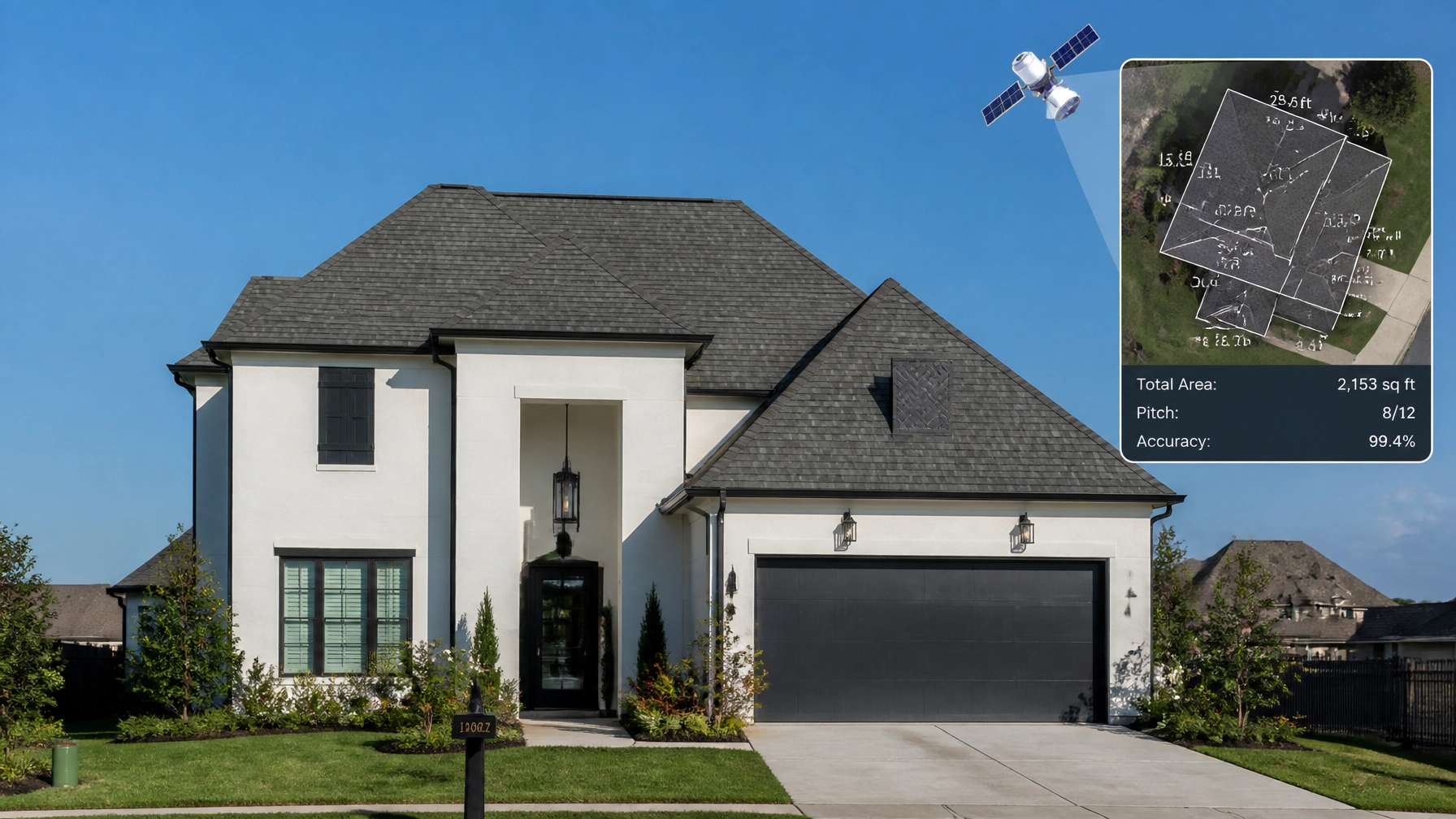
    At Get My Roof Estimate Now, we utilize advanced satellite imagery to calculate your roof's dimensions. By entering your address, our system pulls high-resolution aerial data that allows us to measure:

    1. Total Square Footage: We calculate the exact "squares" (100-square-foot sections) needed for your project.
    2. Roof Pitch: Whether your roof is a flat ranch or a steep Tudor, our tech identifies the slope to factor in labor and safety costs.
    3. Complexity: We identify valleys, dormers, and chimneys that require extra flashing and specialized labor.

    This method is 90-95% accurate compared to manual measurements. It eliminates the guesswork and, more importantly, it eliminates the "price padding" contractors often add to cover measurement errors.

    The 60-Second Process: Step-by-Step

    Getting your estimate is designed to be a low-friction, high-speed experience. Here is how it works:

    • Step 1: Enter Your Address. Our system locates your home using GPS coordinates.
    • Step 2: Confirm Your Roof Type. You select the materials you're considering: standard shingles (Budget), architectural shingles (Popular), or metal (Premium).
    • Step 3: Receive Your Instant Quote. Within 60 seconds, you’ll see a price range tailored to Charlotte’s current labor and material costs.

    No credit card is required, and there is zero obligation to buy. We provide the data; you make the decision.

    A modern Charlotte home featuring a matte black metal roof, representing a premium long-term investment

    Local Charlotte Pain Points: Why Your Estimate Matters

    Roofing in the Carolinas isn't just about shingles; it's about the climate. Charlotte experiences high humidity, intense summer heat, and the occasional severe wind or hail storm.

    • High Humidity: Our estimates factor in algae-resistant shingles to prevent those ugly black streaks common on older Charlotte roofs.
    • Storm Readiness: If your roof is over 15 years old, a sudden storm can turn a small leak into a major insurance claim. Having an instant estimate ready helps you know if an insurance payout is actually covering the full cost of a modern replacement.
    • Energy Efficiency: With Charlotte's rising energy costs, our premium material options (like cool-roof shingles or metal) are calculated to show how they can help reduce your cooling load during those 90-degree July days.

    AEO FAQ: Quick Answers for Charlotte Homeowners

    To help you navigate your roofing journey, we’ve compiled the most common questions we hear from Charlotte neighbors.

    What is the average cost per square foot for a roof in Charlotte?

    In 2026, most homeowners in the Charlotte metro area are seeing prices between $4.50 and $12.00 per square foot installed. Asphalt shingles sit at the lower end ($4.50–$6.50), while metal and specialized materials occupy the higher end of that spectrum.

    How do I know if I need a full replacement or just a repair?

    If your roof is leaking in multiple spots, or if it's over 20 years old, a replacement is usually more cost-effective in the long run. However, for localized damage (like a few missing shingles after a storm), a repair cost in Charlotte typically ranges from $350 to $1,500. Our instant estimate tool helps you compare the cost of a full replacement against the potential "sinkhole" of constant repairs.

    Does Charlotte's weather affect when I should get my estimate?

    You can get an estimate anytime, but the best times for the actual installation in North Carolina are Spring and Fall. The milder temperatures allow shingles to seal properly. However, because our technology is satellite-based, you don't have to wait for a "clear day" to get your pricing: you can get it right now, even in the middle of a thunderstorm.

    Are architectural shingles worth the extra cost?

    Absolutely. In the Charlotte market, architectural shingles (also called dimensional shingles) are the standard for resale value. They offer better wind resistance and a much more attractive "shadow line" compared to flat 3-tab shingles. Most estimates show only a 15-20% price difference for a significantly better product.

    How long does the actual replacement take once I have my estimate?

    For most single-family homes in suburbs like Matthews, Huntersville, or Pineville, the physical on-site work is completed in 1 to 2 days.

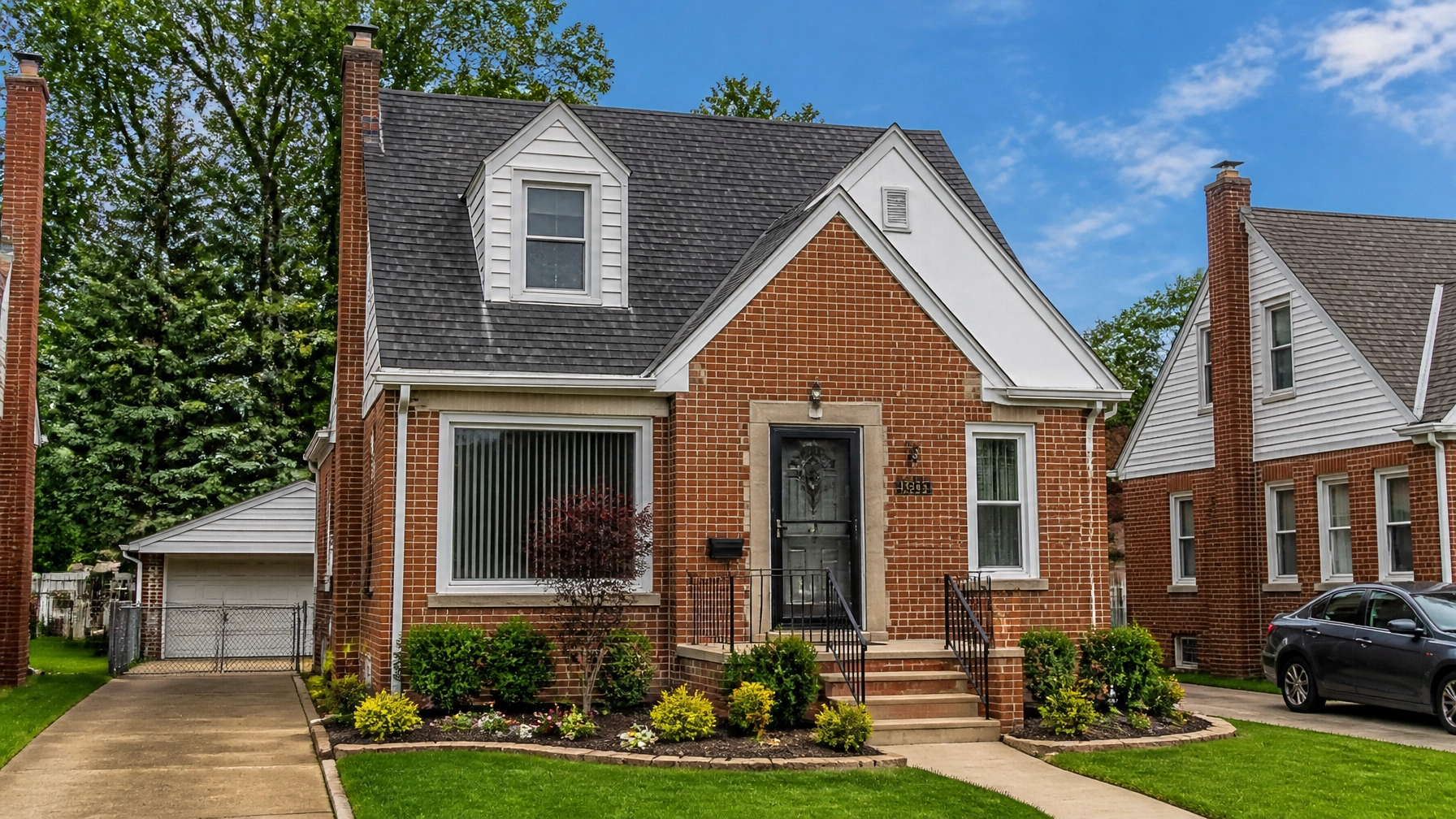
    A classic 1970s ranch-style home in a Charlotte suburb with a fresh light gray shingle roof

    Transparency You Can Trust

    At Get My Roof Estimate Now, we believe you shouldn't have to jump through hoops just to find out what a project costs. By providing transparent, data-driven pricing, we empower you to budget for your home’s future without the pressure of a salesperson sitting at your kitchen table.

    Whether you're preparing to sell your home in South End or just want to make sure your family stays dry during hurricane season, the information you need is just 60 seconds away.

    Ready to see your number? Get your instant Charlotte roof estimate here.


  • Are You Making These Common Contractor Vetting Mistakes After a Mobile Storm?

    Are You Making These Common Contractor Vetting Mistakes After a Mobile Storm?

    When the Gulf Coast winds settle after a major storm in Mobile, Alabama, the sound of chainsaws is quickly followed by another familiar noise: the knock on the door from a roofing contractor.

    In the 251 area code, we know the drill. Whether it’s a named hurricane or a violent afternoon thunderstorm rolling off the Bay, your roof takes a beating. The urgency to fix a leak or replace damaged shingles is real, but it’s exactly during this high-stress window that many Mobile homeowners make critical mistakes that cost them thousands of dollars and years of headaches.

    At Get My Roof Estimate Now, we see it every season. Homeowners are caught between the pressure of insurance deadlines and the confusing pitches of "storm chasers" who disappear as soon as the check clears.

    If you’re currently looking at a damaged roof, stop. Before you sign a single document, make sure you aren't falling into these common contractor vetting traps.

    Mistake #1: Hiring a "Tail-Light Warranty" Roofer (Storm Chasers)

    After a significant weather event, Mobile becomes a magnet for out-of-state crews. These are often referred to as "storm chasers." They follow the hail and wind from Texas to Florida, setting up temporary shops in local motels.

    The mistake isn't necessarily that these crews are bad at laying shingles; the mistake is that they have no local accountability. Once they finish the neighborhood, they move to the next storm zone. If your roof starts leaking six months from now, that "5-year labor warranty" they gave you is worthless because their phone number is disconnected and their truck is in another state.

    How to avoid it:

    • Check the Address: A legitimate Mobile roofer should have a physical office or yard in Mobile or Baldwin County: not just a P.O. Box or a generic "virtual office."
    • Ask for the HBLB License: In Alabama, any residential roofing project over $2,500 requires a license from the Alabama Home Builders Licensure Board (HBLB). If they can't produce an HBLB number, walk away.

    A close-up, high-detail photo of professional roofing installation showing the craftsmanship of architectural shingles.

    Mistake #2: Falling for the "Free Deductible" Pitch

    This is perhaps the most dangerous mistake a homeowner can make. A contractor might tell you, "I'll take care of your deductible so you have zero out-of-pocket costs."

    It sounds like a win-win, right? In reality, it’s often a red flag for insurance fraud. In Alabama, and most other states, it is illegal for a contractor to "waive" or pay a homeowner’s insurance deductible. To do so, they usually have to submit a falsified invoice to the insurance company.

    The Risk:
    If the insurance company discovers the discrepancy, you (the homeowner) could be held liable for fraud. Beyond the legal risk, a contractor willing to cheat an insurance company is likely willing to cut corners on your roof to make up for the "free" money they gave you.

    • Pro-tip: Legitimate contractors will help you navigate the claim process, but they will never offer to cover your deductible. They expect the homeowner to pay their portion of the contract as legally required.

    Mistake #3: Accepting a Bid Without a Digital Benchmark

    In the old days, you had to wait 3 to 5 days for a contractor to show up, climb a ladder, and give you a price. In that time, a storm chaser could have already pressured you into a contract.

    One of the biggest mistakes today is not using technology to get an immediate, objective price range before talking to sales reps. This is where many Mobile homeowners overpay. Without a baseline, how do you know if that $18,000 quote is fair or a "storm surcharge"?

    The Solution:
    Before you even pick up the phone, use a tool like our Roof Cost Calculator. Using high-resolution satellite imagery, we can measure your roof's square footage, pitch, and complexity with 90-95% accuracy. Within 60 seconds, you’ll have a price range for different materials:

    • Budget (3-Tab Shingles): Standard protection, shorter lifespan.
    • Popular (Architectural Shingles): High wind resistance (crucial for Mobile), better aesthetics.
    • Premium (Metal or Synthetic): Maximum durability for coastal environments.

    Having this "instant estimate" in your hand gives you the upper hand when vetting contractors. If their bid is 40% higher than the satellite data suggests, you know to ask why.

    A modern coastal home in Mobile, Alabama with a high-pitched light gray metal roof designed for durability.

    Mistake #4: Not Verifying Alabama-Specific Requirements

    Alabama has specific laws meant to protect you, but they only work if you check them.

    The $10,000 Bond Requirement
    Did you know that licensed residential roofers in Alabama must maintain a $10,000 roofer’s license surety bond? This bond exists to provide some financial recourse if the contractor violates local building codes or fails to complete the work according to the contract.

    The City of Mobile Business License
    A state license is the first step, but a contractor also needs a City of Mobile business license to pull permits in city limits. If a contractor tells you that "permits aren't necessary for a simple reroof," they are likely trying to hide their lack of local credentials. In Mobile, a permit is required for any major roofing work, and that permit ensures a city inspector checks the final product to see if it meets wind-load requirements.

    Mistake #5: Choosing the Lowest Bid (The "Cheap" Trap)

    We get it: a new roof is a significant investment, typically ranging from $8,000 to $25,000 for most Mobile homes (1,500–3,000 sq. ft.). It’s tempting to go with the guy who quotes you $3,000 less than everyone else.

    However, in the roofing world, a "low-ball" bid usually means one of three things:

    1. Lower Grade Materials: Using 3-tab shingles instead of architectural shingles that can actually handle 130mph Gulf winds.
    2. No Insurance: They aren't paying for Workers’ Compensation or General Liability. If a worker falls off your roof, you could be the one getting sued.
    3. No Sub-Roofing Work: They plan to shingle right over rotted decking without replacing it, which leads to structural failure in just a few years.

    The Strategy:
    Look for the "middle-high" range. You want a contractor who provides a fair price that includes quality materials, proper permits, and full insurance coverage.

    A professional roofer handing a folder to a homeowner in a Mobile, AL neighborhood, representing trust and local business.

    Your Mobile Contractor Vetting Checklist

    To keep things simple, use this checklist before you hire anyone to touch your roof in the 251:

    • HBLB License: Does the contractor hold a current Alabama Home Builders Licensure Board "Roofer" or "Unlimited" license?
    • Local Office: Do they have a physical presence in the Mobile area that has existed for more than 12 months?
    • Insurance Certificates: Can they provide a current COI (Certificate of Insurance) for both General Liability and Workers' Comp? (Don't just take their word for it: call the agent on the form to verify).
    • Detailed Contract: Does the contract list specific brands? (e.g., "Owens Corning Duration Shingles" instead of just "shingles").
    • Satellite Benchmark: Have you gotten an independent estimate to verify the square footage and price? Get your instant estimate here.

    Conclusion: Don't Let Storm Stress Lead to Poor Decisions

    Replacing a roof in Mobile is about more than just aesthetics; it's about protecting your biggest asset from the next hurricane season. Don't let the pressure of a storm lead you into a contract with a storm chaser or an unlicensed "handyman."

    Take 60 seconds right now to get an accurate, satellite-powered estimate. It’s free, requires no credit card, and gives you the data you need to vet contractors like a pro.

    Ready to see what your roof should actually cost?
    Get My Roof Estimate Now – Instant & Free

    Check out more of our guides on our blog to stay informed about the latest in roofing technology and local pricing trends.

  • 2026 Atlanta Roof Replacement Cost Explained in Under 3 Minutes

    2026 Atlanta Roof Replacement Cost Explained in Under 3 Minutes

    Replacing a roof in Atlanta is no longer the guessing game it used to be. In 2026, homeowners in the metro area: from the historic streets of Buckhead to the growing suburbs of Marietta and Alpharetta: are facing a new economic landscape. Between a projected 4–8% hike in material costs and a tightening labor market, knowing your numbers before you call a contractor is the only way to protect your budget.

    At Get My Roof Estimate Now, we leverage satellite imagery to give you an accurate, transparent price in under 60 seconds. You don't need a ladder, and you certainly don't need to wait a week for a salesperson to visit your driveway.

    Here is everything you need to know about Atlanta roof replacement costs in 2026.

    The Atlanta "Quick-Look" 2026 Price Ranges

    If you are looking for the "too long; didn't read" version, here is how the Atlanta market is pricing out per roofing square (a 10-foot by 10-foot area, or 100 square feet):

    • Architectural Shingles (Popular): $450 – $750 per square
    • 3-Tab Asphalt (Budget): $375 – $525 per square
    • Standing Seam Metal (Premium): $1,000 – $1,500 per square
    • Designer/Synthetic Slate (Luxury): $1,400 – $2,200+ per square

    For a standard 2,000-square-foot roof in Georgia, most homeowners are seeing total project invoices land between $12,000 and $22,000 for a full tear-off and replacement with quality architectural shingles.

    1. Why Costs Are Rising: The 2026 "Material Squeeze"

    Close-up, high-detail photograph of high-quality architectural asphalt shingles on a residential roof.

    As of early 2026, major manufacturers like GAF, CertainTeed, and Owens Corning have implemented price increases across their entire residential lines. In the Atlanta market, these hikes are averaging 5–8%.

    Why the jump? It’s a combination of rising petroleum prices (which affect asphalt production), transportation costs to the Southeast, and increased demand for storm-resistant materials.

    Key Material Categories in Atlanta:

    • Architectural Shingles (The Standard): This is the go-to choice for 80% of Atlanta homes. They offer a 30-year to 50-year life expectancy and are designed to withstand the high humidity and heavy summer thunderstorms common in North Georgia.
    • Metal Roofing (The Growth Leader): We are seeing a massive surge in metal roof installations in zip codes like 30327 and 30075. While the upfront cost is nearly double that of asphalt, the 50+ year lifespan and energy efficiency in the Georgia heat make it a smart long-term investment.
    • Low-Slope/TPO: Common for modern homes in the West End or flat-roof additions, TPO costs have seen a 12–15% increase due to raw material shortages in 2025.

    2. The Labor Factor: Atlanta's "Complexity" Premium

    Labor in Atlanta isn't just about the hourly rate; it's about the "complexity" of your roofline. In 2026, labor rates in Georgia are ranging from $2.50 to $7.00 per square foot depending on several objective factors:

    • Roof Pitch (Steepness): Atlanta is known for its beautiful, steep-pitched Tudor and Craftsman homes. If your roof is too steep to walk on without ropes and harnesses (anything over a 6/12 pitch), expect a "steep charge."
    • Stories: A one-story ranch in Decatur is significantly cheaper to roof than a three-story luxury home in Sandy Springs. The height requires more staging, safety equipment, and time.
    • Tear-Off Layers: Georgia code typically allows for two layers of shingles, but we always recommend a full tear-off. If your home currently has two layers, the labor cost for disposal and removal will increase by 15–20%.

    3. Measuring in "Squares" (The Pro Way)

    Contractors don't use simple floor-plan square footage. They use "Squares."
    1 Square = 100 Square Feet of actual roof surface area.

    Because of the pitch and overhangs, a 2,000 sq. ft. home often has 25 to 30 squares of roofing material. This is where most homeowners get confused. Our roof cost calculator solves this by using satellite data to measure the exact slope and area, ensuring you aren't paying for "ghost squares" or over-ordered materials.

    4. Local Pain Points: What Atlanta Homeowners Need to Watch For

    A residential ranch-style home in Georgia with a sleek, standing seam metal roof in a matte black finish.

    Every region has its specific roofing enemies. In Atlanta, there are three you need to account for in your 2026 estimate:

    1. High Humidity & Algae: If your roof has black streaks, it's likely Gloeocapsa Magma (algae). In 2026, we recommend only using shingles with "StreakFighter" or "StainGuard" technology. It adds a small premium but preserves your curb appeal.
    2. Storm Season: Atlanta sits in a prime spot for severe spring storms. If your zip code (e.g., 30318, 30312) has a history of hail, ask for Class 4 Impact Resistant shingles. They can often lower your homeowners' insurance premiums significantly.
    3. The "Pine Needle" Effect: If you live in a heavily wooded area like Chastain Park, your valley flashings need to be heavy-duty. Debris buildup leads to water damming and early roof failure.

    5. Get an Accurate Estimate in 60 Seconds

    A hyper-realistic photo of a modern suburban home in Atlanta being scanned by a satellite overlay interface.

    In the past, getting a roof quote meant taking a half-day off work to meet a contractor who might: or might not: show up. Then, you'd wait three days for a PDF that might be 20% higher than your neighbor's.

    Get My Roof Estimate Now has eliminated that friction. Our technology uses high-resolution satellite imagery to:

    • Calculate exact measurements (95% accuracy).
    • Analyze roof pitch and complexity remotely.
    • Factor in current Atlanta labor rates and material price hikes.
    • Provide a low-middle-high price range so you can budget according to your needs.

    Summary Table: 2026 Atlanta Estimating Guide

    Factor Budget (3-Tab) Popular (Architectural) Premium (Metal/Slate)
    Cost per Square $375 – $525 $450 – $750 $1,000 – $2,200
    Lifespan 15-20 Years 25-40 Years 50+ Years
    Best For Rentals/Quick Sale Primary Residences Forever Homes
    Complexity Impact Low Medium High

    Conclusion: Don't Wait Until the Leak Starts

    Roofing prices in Georgia are not going down. With the 4–8% material hike already in effect for 2026, the best time to lock in a price is now. Whether you are in Gwinnett, Cobb, or Fulton county, knowing your "number" gives you the power to negotiate with contractors and plan your finances without the stress of the unknown.

    Ready to see what your Atlanta roof should actually cost?

    Get your instant, free estimate here in under 60 seconds.


    Frequently Asked Questions (FAQ)

    Q: How much does a 2,500 sq ft roof cost in Atlanta in 2026?
    A: For a 2,500 sq ft home (typically 30-35 squares of roofing), a standard architectural shingle replacement will range from $15,500 to $24,500 depending on pitch and complexity.

    Q: Does my zip code affect the price?
    A: Indirectly, yes. Permit fees vary by municipality (e.g., City of Atlanta vs. unincorporated DeKalb), and logistics/staging costs can be higher in dense urban areas like Midtown or Inman Park.

    Q: Are there 2026 roofing tax credits in Georgia?
    A: While federal solar tax credits are well-known, some energy-efficient "Cool Roof" materials (like certain metal roofs or high-reflectivity shingles) may qualify for local utility rebates or federal energy efficiency credits. Always check with your tax professional.

    Q: Why is Get My Roof Estimate Now more accurate than a manual estimate?
    A: Human error is common in manual tape-measurements, especially on steep or multi-faceted roofs. Our satellite technology removes the guesswork, measuring every ridge, hip, and valley to within inches.

  • Roofing Contractor Vetting 101: A Mobile Homeowner’s Guide to Dodging Scams After a Storm

    Roofing Contractor Vetting 101: A Mobile Homeowner’s Guide to Dodging Scams After a Storm

    For homeowners in Panama City, Florida, a major storm isn’t just a weather event; it’s the start of a high-stakes race. As the winds die down, a different kind of storm arrives: the "storm chasers." These out-of-state contractors descend on Bay County, knocking on doors and promising lightning-fast repairs. While some are legitimate, many are looking to exploit the chaos.

    If you own a mobile or manufactured home, the stakes are even higher. These structures require specialized knowledge regarding weight loads and wind-uplift codes. One bad roofing job can compromise the entire structural integrity of your home. To help you navigate this, we’ve put together the definitive guide to vetting contractors and dodging the common scams that plague the Panhandle after a hurricane.

    The Immediate Red Flags: Identifying "Storm Chasers"

    In the roofing industry, a "storm chaser" is a contractor who follows extreme weather to find work. They often lack a permanent local presence and vanish as soon as the final check clears. Here is what to watch for in the first 48 hours:

    • The Unsolicited Knock: Reputable Panama City roofers are usually backed up for months after a storm. If someone is knocking on your door offering a "free inspection" or "immediate opening," be skeptical.
    • Out-of-State Plates: Look at the trucks. If they have tags from Michigan or Ohio, they likely don't know Florida’s specific (and strict) building codes for high-velocity hurricane zones (HVHZ).
    • High-Pressure Tactics: Phrases like "I only have one slot left" or "The price is only good for today" are classic sales psychological tricks. A professional roofer will provide a detailed quote and give you time to review it.
    • The "Free Roof" Pitch: In Florida, it is illegal for a contractor to offer to "cover your deductible." This is considered insurance fraud. If a roofer promises you a brand-new roof for $0 out of pocket by manipulating the claim, walk away immediately.

    The Vetting Checklist: Verification over Trust

    Never take a contractor's word for their credentials. In Florida, the barrier to entry for "handymen" is low, but the requirements for roofing are high. Use this checklist to verify every candidate:

    1. Verify the DBPR License

    Every roofer in Florida must be licensed by the Department of Business and Professional Regulation (DBPR). Ask for their license number and verify it on the DBPR website. Ensure the license is "Active" and registered specifically for roofing, not just general contracting or residential specialty.

    2. Proof of Insurance (General Liability & Workers’ Comp)

    A roofer without insurance is a massive liability for you. If a worker falls off your mobile home roof and the contractor doesn't have Workers' Compensation, you could be held liable for their medical bills.

    • General Liability: Protects your property from damage during the job.
    • Workers' Comp: Protects the workers and you from injury lawsuits.
    • Pro Tip: Don't just look at a paper certificate. Call the insurance agent listed to confirm the policy is currently in force.

    3. Local Permanent Address

    A "local" roofer should have more than just a Panama City area code on a cell phone. Ask where their physical office is located. Check if they have been operating in the Florida Panhandle for at least 3-5 years. Local contractors have a reputation to maintain; storm chasers don't.

    Close-up of a high-quality roofing installation in Florida.

    Mobile Home Specifics: Why the Wrong Roofer is Dangerous

    Mobile and manufactured homes aren't just smaller houses; they are engineered differently. Most have lighter framing and specific weight limits.

    Roof-Overs vs. Re-Roofs

    When vetting a contractor for your mobile home, ask them specifically about "roof-overs."

    • Roof-Over (Budget/Popular): This involves installing a new layer of roofing (often metal or TPO) over the existing roof. It's cost-effective but adds weight.
    • Full Replacement (Premium/Durable): This involves stripping the old material, inspecting the decking, and installing a new system.

    If a contractor tries to install a heavy architectural shingle roof (Popular) on a manufactured home not rated for that weight, they can cause the ceiling to bow or the walls to buckle. Ensure they are factoring in the Florida Building Code for Manufactured Homes, which has specific requirements for wind-uplift and tie-downs.

    The Modern Alternative: Instant, Transparent Estimating

    The traditional way of getting a roof estimate is broken. You call three contractors, wait two weeks for them to show up, and then receive three wildly different prices with no explanation.

    At Get My Roof Estimate Now, we’ve eliminated the guesswork. Using advanced satellite imagery technology, we can measure your roof’s size, pitch, and complexity with 90-95% accuracy in under 60 seconds.

    • No Contractor Visit Needed: You get your ballpark pricing instantly, allowing you to budget before you ever talk to a salesperson.
    • Transparency First: We provide low-middle-high price ranges for different materials, from standard shingles (Budget) to standing seam metal (Premium).
    • Vetted Local Pros: Once you have your estimate, we can connect you with licensed, insured, and verified local contractors in Panama City who actually know how to handle Florida storms.

    You can get started right now with our Roof Cost Calculator.

    A sleek new standing seam metal roof on a coastal Florida home.

    Comparing Material Costs in Panama City (2026 Estimates)

    Based on current data for the Florida Panhandle, here is what you can expect for a standard 2,000-square-foot roof:

    Material Type Estimated Cost Range Longevity Best For
    Architectural Shingles (Popular) $10,000 – $14,000 15-20 Years Most residential homes
    Metal Roof-Over (Mobile Home) $8,500 – $12,500 25-30 Years Manufactured housing
    Standing Seam Metal (Premium) $18,000 – $26,000 50+ Years Maximum storm protection
    TPO Membrane (Budget) $7,000 – $10,000 15-20 Years Flat or low-slope roofs

    Note: Prices vary based on roof pitch and the number of stories.

    Contract Essentials: Don't Sign Without These

    Once you've vetted the contractor and used our Florida Roof Estimate tool, the final step is the contract. A legitimate contract should never be a one-page "handshake" agreement. It must include:

    1. Detailed Scope of Work: Exactly what is being removed and what is being installed.
    2. Specific Materials: Brand names and colors (e.g., Owen’s Corning Duration Shingles in Onyx Black).
    3. Permit Responsibility: The contractor must pull the permit. If they ask you to pull an "owner-builder" permit, they are likely unlicensed or trying to avoid liability.
    4. Termination Clause: What happens if the work isn't done?
    5. Payment Schedule: Never pay more than 10-25% upfront. The bulk of the payment should be made only after the final inspection is passed by the city or county.

    A manufactured home with a newly installed white TPO roof.

    Final Thoughts for Panama City Homeowners

    Storm recovery is stressful, but choosing a roofer shouldn't be. By utilizing satellite-powered technology and following a strict vetting process, you can protect your home and your wallet. Don't let a "door knocker" rush you into a bad decision.

    Whether you need a full replacement for a ranch-style home or a specialized roof-over for a manufactured home, start with data. Get your instant estimate in 60 seconds and take control of your roofing project today.


    Frequently Asked Questions

    Q: How accurate are satellite roof estimates?
    A: Our technology is 90-95% accurate. It factors in the square footage, pitch, and facets of your roof to provide a transparent price range based on current local material and labor costs in Florida.

    Q: Should I wait for my insurance adjuster before getting an estimate?
    A: No. Having an independent, accurate estimate from Get My Roof Estimate Now gives you leverage. You’ll know exactly what the job should cost so you can ensure your insurance payout is fair.

    Q: Is metal roofing better for mobile homes in Florida?
    A: Often, yes. Metal roof-over systems are lightweight, durable, and offer excellent wind resistance, which is critical in storm-prone areas like Panama City.

    Q: What is a "Notice to Owner" (NTO)?
    A: In Florida, subcontractors or material suppliers might send you an NTO. This isn't a bill; it's a legal notice that they are providing materials for your job. To protect yourself, always ask your main contractor for a "Lien Release" before making the final payment.


  • 7 Mistakes You’re Making with Greensboro Roof Estimates (and How to Fix Them)

    7 Mistakes You’re Making with Greensboro Roof Estimates (and How to Fix Them)

    If you’re a homeowner in the Gate City, you know that a roof isn’t just a roof: it’s your primary defense against North Carolina’s unpredictable weather. Between the heavy spring thunderstorms, the humid summer afternoons, and the occasional winter ice storm, your Greensboro roof works hard.

    As we move through 2026, the roofing industry has shifted. Material costs have stabilized but remain significantly higher than they were five years ago, and technology has changed the way we get pricing. Yet, many Greensboro homeowners are still using 2015 logic to get 2026 estimates. This leads to budget overruns, scheduling delays, and: worst of all: hiring the wrong contractor for the job.

    At Get My Roof Estimate Now, we see thousands of data points on Greensboro roof replacements. We’ve identified the top seven mistakes local homeowners are making right now and, more importantly, how you can fix them to ensure your home stays protected without overpaying.


    1. Waiting Days for a "Drive-By" Estimate

    The biggest mistake you can make in 2026 is thinking you need to be home on a Tuesday at 2:00 PM just so a contractor can climb a ladder and measure your roof with a tape measure.

    In the past, this was the only way. You’d call three guys, wait a week for them to show up, and then wait another three days for a scribbled quote on the back of a business card. In Greensboro, where contractors are currently backed up due to high demand in neighborhoods like Lindley Park and Hamilton Lakes, this process is painfully slow.

    The Fix: Use satellite technology. We use high-resolution aerial imagery to measure your roof's size, pitch, and complexity to within inches. You can get an instant roof estimate in under 60 seconds without ever talking to a salesperson. This gives you a baseline price before you even start vetting local crews.

    Satellite imagery overlay showing technical roof measurements for a Greensboro residence

    2. Confusing "Floor Square Footage" with "Roof Squares"

    We hear it all the time: "My house is 2,000 square feet, so why am I being quoted for 2,800 square feet of roofing?"

    A "square" in roofing terminology is a 10-foot by 10-foot area (100 square feet). Your roof's surface area is always larger than your home's living space because of the "pitch" (the angle) and the "overhangs" (the eaves). A steep-pitched roof on a 2,000-square-foot Greensboro ranch could easily require 30 squares of material.

    The Fix: When looking at estimates, focus on the price per square. In 2026, the typical Greensboro benchmark for a standard architectural shingle roof is between $400 and $900 per square, depending on the complexity. If you see a quote that doesn't specify the number of squares being installed, it’s a red flag.

    3. Ignoring Local 2026 Price Benchmarks

    Inflation and supply chain shifts in the mid-2020s have changed the "going rate" for a roof in the Piedmont Triad. Relying on what your neighbor paid in 2021 is a recipe for sticker shock.

    Currently, for a full roof replacement in Greensboro, NC, here are the 2026 benchmarks:

    • Budget (3-Tab Shingles): $350 – $600 per square.
    • Popular (Architectural Shingles): $400 – $900 per square.
    • Premium (Standing Seam Metal): $800 – $1,300+ per square.
    • Luxury (Synthetic Slate/Tile): $500 – $1,200 per square.

    The Fix: Use a roof cost calculator that utilizes current-year regional data. A mid-sized home (around 2,000 sq ft) in Greensboro is currently seeing total project costs between $10,500 and $16,500 for high-quality architectural shingles. If your quote is significantly lower than $8,000 for a full replacement, ask yourself where the contractor is cutting corners.

    Close-up of premium architectural shingles versus modern standing seam metal roofing panels

    4. Skipping the "Underlayment & Decking" Discussion

    Many homeowners focus solely on the color and style of the shingles. However, the most expensive surprises happen under the shingles. Greensboro’s high humidity can cause roof decking (the wood boards) to rot if ventilation is poor.

    If a contractor gives you an estimate without mentioning the price per sheet for plywood replacement, you’re in trouble. Most estimates assume the decking is "good to go," but once the old shingles are torn off, they might find rot that adds $1,000 to your bill instantly.

    The Fix: Ensure your estimate includes a "Price per Sheet" for OSB or Plywood replacement. Also, insist on Synthetic Underlayment (the waterproof layer). In 2026, old-school felt paper is outdated; synthetic layers provide far better protection against the North Carolina rain.

    5. Misjudging Shingle Lifespan in NC Humidity

    North Carolina is part of the "Humidity Belt." This means we deal with blue-green algae (those ugly black streaks on roofs). A common mistake is buying the cheapest shingle available, which may not have the copper granules needed to prevent algae growth.

    Furthermore, Greensboro can experience high-wind events. If your estimate doesn't specify the wind rating of the shingle, you might find yourself losing tabs during the next hurricane-remnant storm that blows through the Triad.

    The Fix: Look for "Algae Resistant" (AR) shingles and high-wind ratings (up to 130 mph). Spending an extra 5-10% upfront on a Class 4 impact-resistant shingle can often lower your homeowners' insurance premiums in NC, paying for itself over time.

    6. The "Lowest Bidder" and Insurance Trap

    It’s tempting to go with the guy who gives you a price that’s $3,000 lower than everyone else. But in the roofing world, "cheap" usually means the contractor is skimping on two things: Insurance and Ventilation.

    If a worker gets hurt on your property and the contractor doesn't have Workers' Comp, guess who is liable? You. If they don't have General Liability, and a sudden Greensboro downpour soaks your interior during the install, you’re paying for the drywall.

    The Fix: Demand proof of insurance (Workers' Comp and Liability) and verify their North Carolina contractor license. We only connect homeowners with verified, licensed, and insured local contractors, so you don't have to play detective.

    A modern Greensboro ranch home featuring a brand-new, durable silver-gray metal roof

    7. Not Preparing for the "Tear-Off" Reality

    Finally, homeowners often forget to ask about the "tear-off." Some contractors might suggest a "layover" (putting new shingles over old ones) to save money. In 2026, this is almost always a bad idea in North Carolina. It traps heat, adds massive weight to your home’s structure, and voids most manufacturer warranties.

    The Fix: Always opt for a full tear-off down to the decking. This allows the crew to inspect for wood rot and ensures your new 30-year or 50-year warranty is actually valid. Make sure the estimate specifically includes debris removal and site cleanup: including a magnetic sweep for nails in your driveway and lawn.


    The Bottom Line for Greensboro Homeowners

    Replacing your roof is likely the most expensive maintenance task you’ll face this decade. Don't go into it blind. The 2026 market moves fast, but the tools at your disposal are better than ever.

    By avoiding these seven mistakes: starting with accurate, satellite-powered measurements: you can save thousands of dollars and weeks of stress. Whether you're in Summerfield, High Point, or downtown Greensboro, your first step should be getting a transparent, no-obligation price range.

    Ready to see what your Greensboro roof should cost?
    Get your instant 60-second roof estimate here and take the guesswork out of your home improvement project.

  • How to Get Insurance to Pay for Your New Roof in Charlotte (5-Step Masterclass)

    How to Get Insurance to Pay for Your New Roof in Charlotte (5-Step Masterclass)

    If you live in Charlotte, you know the drill: hot, humid summers punctuated by aggressive afternoon thunderstorms and the occasional hail event. Whether you’re in Myers Park, Ballantyne, or NoDa, your roof is the first line of defense against North Carolina’s unpredictable weather.

    Most homeowners wait until they see a yellow stain on their ceiling before thinking about their roof. By then, it’s often too late for a simple fix. However, if your roof has been hit by a storm, your insurance company might be responsible for the full replacement cost.

    Navigating a roofing claim can feel like a part-time job. This masterclass breaks down the process into five actionable steps to ensure you get the maximum payout for your roof replacement in the Queen City.

    Step 1: Document the Evidence Immediately (Ground-Level Intelligence)

    The moment a storm passes through Mecklenburg County, your window for a successful claim begins. While North Carolina law technically allows you up to three years to file a claim for storm damage, insurance companies are far more likely to approve a claim filed within 30 days of the "date of loss."

    Start by documenting everything from the ground. Do not climb on your roof.

    What to look for:

    • Shingle Damage (Common): Look for shingles in your yard or "bruised" shingles (circular indentations from hail).
    • Gutter Dents (Supporting): If your gutters have small pits or dents, it’s a high-probability indicator of hail impact.
    • Interior Signs (Critical): Check your attic for damp insulation or your ceiling for bubbling paint.

    Detailed view of hail damage and missing shingles on a residential roof

    Step 2: Get a Precision Estimate (The Tech-First Approach)

    Before you even call your insurance agent, you need to know the numbers. Traditionally, this meant waiting days for a contractor to drive to your house and climb a ladder.

    In Charlotte’s fast-moving real estate and renovation market, that’s too slow.

    At Get My Roof Estimate Now, we use satellite-powered technology to provide an instant roof estimate in under 60 seconds. Our measurements are accurate to within inches, factoring in your roof’s size, pitch, and complexity.

    Why get an estimate first?

    • Authority: You enter the conversation with the insurance company knowing exactly what a fair replacement cost looks like.
    • Speed: You can determine if the damage exceeds your deductible before you ever pick up the phone.
    • Zero Risk: Our tool requires no credit card and provides a transparent price range (Budget to Premium) based on local Charlotte material and labor costs.

    Satellite technology visualization for precise roof measurements

    Step 3: Audit Your Policy (RCV vs. ACV)

    Not all insurance policies are created equal. Before filing, you must understand how your insurer calculates the "value" of your roof.

    1. Replacement Cost Value (RCV – Popular): This is the gold standard. The insurance company pays the full cost to replace the roof today, minus your deductible.
    2. Actual Cash Value (ACV – Budget): The insurer pays the depreciated value of your roof based on its age. If your 20-year-old roof is at the end of its life, an ACV payout might only cover a fraction of a new one.

    According to the North Carolina Department of Insurance, it is vital to review your "Declarations Page" to confirm your deductible. In North Carolina, some policies have a separate, higher deductible specifically for wind and hail damage.

    Step 4: File the Claim and Manage the Adjuster Meeting

    Once you have your satellite-accurate estimate, call your insurance company’s claims department. Provide the date of the storm and a brief description of the damage.

    The insurer will send an adjuster to inspect the property. This is the most critical 30 minutes of the entire process.

    Pro-Tips for the Adjuster Meeting:

    • Be Present: Be home during the inspection.
    • Share Your Data: Show the adjuster the photos you took and the estimate you generated. It sets a baseline for the scope of work.
    • Ask for a "Full Scope": Don't just settle for a repair. If more than 25-30% of a slope is damaged, North Carolina building codes often require a full replacement to ensure structural integrity and shingle matching.

    Roofing contractor and homeowner reviewing an estimate in a Charlotte neighborhood

    Step 5: Master the "Supplement" Game

    Initial insurance checks are almost always lower than the final cost. This isn't necessarily a scam; it’s just how the industry works. They provide an estimate for what they can see.

    Once the old roof is torn off, your contractor might find "hidden" damage, such as rotted decking or rusted flashing that needs replacement to meet local Charlotte building codes.

    • The Supplement: Your contractor will submit "supplements" (additional line items) to the insurance company with photographic proof.
    • The Final Payout: Once the job is complete and the final invoice is sent, the insurance company releases the remaining funds (the "recoverable depreciation" if you have an RCV policy).

    Conclusion: Take Control of Your Roof Replacement

    Getting insurance to pay for a new roof in Charlotte isn't about luck; it's about documentation and data. By using modern technology to get an instant, accurate estimate before you file, you position yourself as an informed homeowner who won't be underpaid.

    Ready to see what your new roof should cost? Get your free satellite roof estimate now and take the first step toward a secure, storm-proof home.


  • Charlotte Roof Replacement Costs Explained in Under 3 Minutes

    Charlotte Roof Replacement Costs Explained in Under 3 Minutes

    Replacing a roof in Charlotte, North Carolina, shouldn't be a weeks-long ordeal of scheduling contractors and waiting for paper quotes. Whether you are in Ballantyne, NoDa, or Myers Park, you need accurate data to budget for your home’s most critical defense.

    In the Queen City, the average cost for a roof replacement in 2026 typically ranges from $8,000 to $22,000, depending on your home’s size and material choice. This guide breaks down the essential numbers you need to know, leveraging satellite-powered data and current market trends to give you a transparent view of the Charlotte roofing landscape.

    The Quick Charlotte Cost Cheat Sheet

    If you’re looking for a ballpark figure right now, here is the breakdown based on a standard 2,000-square-foot roof (the average for many Charlotte single-family homes).

    • Asphalt Shingles (Popular): $8,500 – $11,500
    • Metal Roofing (Premium): $18,000 – $32,000
    • Synthetic/Tile (Designer): $25,000+

    For a precision measurement of your specific roof without the salesperson's pitch, you can use our instant roof cost calculator.

    2026 Charlotte Pricing: Material Breakdown

    Labor and material costs in North Carolina have seen steady shifts over the last few years. To help you categorize your options, we’ve grouped the most common Charlotte roofing materials by their investment level.

    1. Asphalt Shingles (Budget & Popular)

    Asphalt remains the gold standard for Charlotte homeowners due to its balance of durability and cost-effectiveness.

    • 3-Tab Shingles (Budget): $3.50 – $4.25 per square foot. These are the most affordable but have the shortest lifespan (approx. 15-20 years).
    • Architectural Shingles (Popular): $4.50 – $5.50 per square foot. These are thicker, more wind-resistant, and the most common choice in neighborhoods like Dilworth and SouthPark.

    Close-up of high-quality architectural asphalt shingles in a weathered wood color.

    2. Metal Roofing (Premium & Long-Term)

    With Charlotte's humid summers and occasional severe storms, metal is becoming a high-growth category.

    • Corrugated Metal (Mid-Range): $7.00 – $10.00 per square foot.
    • Standing Seam Metal (Premium): $12.00 – $18.00 per square foot. This offers the ultimate protection and a modern aesthetic.

    3. Specialty Materials (High-End)

    For historic homes or high-end custom builds:

    • Slate or Clay Tile (Luxury): $20.00 – $35.00+ per square foot.
    • Wood Shakes (Natural): $9.00 – $14.00 per square foot.

    A modern colonial-style home in Myers Park, Charlotte, featuring a sleek, matte black standing seam metal roof.

    Comparative Pricing: 2024 vs. 2025 vs. 2026

    Price transparency is at the core of Get My Roof Estimate Now. If you are comparing a quote you received last year to current 2026 rates, here is the historical context for Charlotte, NC:

    Year Avg. Cost Per Sq. Ft. (Asphalt) Market Trend
    2024 $4.10 – $4.30 Post-pandemic supply stabilization.
    2025 $4.30 – $4.40 Moderate inflation in labor costs.
    2026 $4.50 – $5.50 Current market rate; reflect updated regional logistics.

    Note: Estimates are based on a standard roof pitch and complexity. To see how these rates apply to your specific address, check our location-based sitemap.

    5 Factors That Dictate Your Quote in Charlotte

    Why does one neighbor pay $10,000 while another pays $15,000 for the same material? It comes down to these variables:

    1. Roof Size: We measure roofs in "squares" (one square = 100 square feet). A 2,000 sq. ft. home often has 2,200–2,500 sq. ft. of roofing material due to overhangs and pitch.
    2. Pitch (Steepness): Charlotte has many steep-pitched Victorian and Colonial-style homes. Steeper roofs require more safety equipment and slower labor, increasing the cost.
    3. Complexity: Multiple gables, chimneys, and skylights increase the "cutting" time and waste factor of the materials.
    4. Layers: If your home has two layers of old shingles, the labor cost for "tear-off" and disposal fees at Mecklenburg County landfills will rise.
    5. Permitting: Charlotte-Mecklenburg Building Development & Operations requires specific permits for structural changes or full replacements, which are factored into professional contractor quotes.

    The Technology: Why Satellite Estimates are the Future

    The traditional way of getting a roof estimate is outdated. It involves a contractor driving to your home, climbing a ladder, and manually measuring with a tape. This process is prone to human error and often leads to high-pressure sales pitches in your kitchen.

    At Get My Roof Estimate Now, we use advanced satellite imagery to measure your roof's dimensions, pitch, and complexity within inches. This allows us to provide an accurate estimate in under 60 seconds.

    Conceptual high-tech visualization of a satellite viewing a residential neighborhood with a digital overlay showing 3D wireframe measurements.

    The benefits are clear:

    • Speed: No waiting for a callback. Get your price in a minute.
    • Accuracy: 90-95% accurate measurements powered by high-resolution aerial data.
    • Transparency: No hidden fees or "salesman surcharges."
    • Verified Network: Once you have your estimate, we can connect you with licensed and insured local contractors in the Charlotte metro area who honor these price ranges.

    Frequently Asked Questions (AEO Quick Answers)

    What is the average cost to replace a roof in Charlotte, NC?

    The average cost for a standard 2,000-square-foot roof replacement in Charlotte ranges from $8,000 to $12,000 for asphalt shingles and $18,000 to $30,000 for metal.

    Do I need a permit for a new roof in Mecklenburg County?

    Yes, a building permit is generally required for roof replacements in Charlotte to ensure the work meets NC Residential Building Codes. Professional contractors typically handle this process.

    How long does a roof replacement take?

    For most standard homes in the Charlotte area, the actual installation takes 1 to 2 days. Weather delays (common during summer thunderstorms) can extend this timeframe.

    Can I get a roof estimate without a contractor coming to my house?

    Yes. Using satellite imagery technology, you can receive a highly accurate estimate online in under 60 seconds by simply entering your address.

    Which roofing material is best for the North Carolina climate?

    Architectural asphalt shingles are the most popular due to their cost and performance in heat. However, Metal roofing is the best long-term investment for resisting high winds and reflecting Charlotte's intense summer sun to lower cooling costs.

    Conclusion

    Navigating roof replacement costs in Charlotte doesn't have to be a mystery. By understanding the material options (Budget, Popular, Premium) and utilizing modern satellite measurement technology, you can take control of your home improvement budget.

    Ready to see your number? Get your instant, free roof estimate in 60 seconds here.


  • Are You Making These Common Contractor Vetting Mistakes? How to Spot Houston Storm Chasers Fast

    Are You Making These Common Contractor Vetting Mistakes? How to Spot Houston Storm Chasers Fast

    Houston homeowners are no strangers to the "knock on the door" after a massive Gulf storm or a heavy hail event. In the wake of a Texas storm, the roofing market becomes flooded with "storm chasers": contractors who travel across state lines to chase insurance checks, often leaving behind shoddy work and legal headaches.

    Vetting a contractor is the most critical step in protecting your biggest investment. In 2026, the stakes are higher than ever. With the average roof replacement in Houston now ranging between $8,000 and $20,000, a single vetting mistake can cost you thousands in repairs or legal fees.

    Are you making these common mistakes? Here is how to identify a local professional versus a transient storm chaser in the Greater Houston area.

    1. Falling for the "Free Roof" or "Waived Deductible" Trap

    This is the single most common: and dangerous: mistake a Texas homeowner can make. If a contractor offers to "eat," "waive," or "rebate" your insurance deductible, walk away immediately.

    In the state of Texas, it is illegal for a contractor to pay, waive, or offset a homeowner's insurance deductible. This law was strengthened to protect the integrity of the insurance process. Any contractor promising a "free roof" is asking you to participate in insurance fraud.

    • The Risk: Beyond the legal implications, if a contractor is willing to lie to your insurance company, they will certainly lie to you about the quality of materials or the status of your warranty.
    • The Pro Move: Expect to pay your deductible. A reputable Houston roofer will provide a transparent, data-driven estimate that matches the scope of work, not a shady deal to bypass your financial responsibility.

    2. Ignoring the "Local" in Local Contractor

    Storm chasers are masters of disguise. They may have a "Houston" phone number (thanks to VoIP technology) and a magnetic sign on their truck, but that doesn't make them local.

    • Red Flag: Look for out-of-state license plates on the crew's vehicles.
    • Check the Address: A PO Box is not an office. A legitimate Houston roofing company will have a physical presence in the area: whether it’s in Harris, Fort Bend, or Montgomery County: that has existed for more than just a few months.
    • Mistake: Hiring a company that won't be here next year to honor their labor warranty. When that 20-year shingle fails in three years, a storm chaser will be long gone to the next disaster zone.

    Professional residential roofing installation showing clean architectural shingle work in a Houston neighborhood

    3. Accepting Vague, Hand-Written Estimates

    In an era where satellite technology can measure a roof to within an inch, there is no excuse for a "napkin estimate." Storm chasers often provide vague quotes that say "replace roof per insurance scope." This gives them the wiggle room to use inferior materials or skip critical steps like replacing the underlayment or flashing.

    At Get My Roof Estimate Now, we eliminate this ambiguity. We use advanced satellite imagery to provide instant, accurate estimates in under 60 seconds. Our technology factors in:

    • Roof Size (in squares): The exact surface area of your home.
    • Pitch & Complexity: How steep and "cut up" your roof is (factors that increase labor costs).
    • Material Tiers: Transparent pricing for Architectural Shingles (Popular), Metal (Premium), or Synthetic options.

    Current Houston Pricing Benchmarks (2026)

    Material Type Cost Per Sq. Ft. (Installed) Typical Total (2,500 sq ft roof)
    Architectural Shingles (Popular) $4.50 – $7.50 $11,250 – $18,750
    Standing Seam Metal (Premium) $9.00 – $16.00 $22,500 – $40,000
    3-Tab Shingles (Budget) $3.50 – $5.00 $8,750 – $12,500

    4. Forgetting the WPI-8 Certificate (Windstorm Compliance)

    Houston is in a designated catastrophe area. For many homeowners in the region, a roof replacement requires a WPI-8 Certificate of Compliance from the Texas Department of Insurance (TDI).

    A storm chaser often skips this step to save time and money. However, without a WPI-8, you may find it impossible to renew your windstorm insurance or sell your home in the future.

    • The Mistake: Not asking if the contractor is familiar with TDI windstorm requirements and if they will handle the necessary inspections.
    • The Expert Tip: Ensure your contract explicitly states that the project will meet all local building codes and windstorm requirements.

    A Houston homeowner using a smartphone to view an instant satellite-powered roof estimate

    5. Handing Over a Massive Upfront Deposit

    A common storm chaser tactic is to demand a large "deposit" to "order materials." While a small deposit (usually 10-25%) is standard for some custom jobs, you should never pay for the majority of the project before a single shingle is delivered to your driveway.

    • Standard Procedure: Most reputable Houston contractors will collect payment in stages: a small deposit, a payment when materials are delivered, and the final balance only after the job is completed and inspected.
    • The Red Flag: Any contractor who pressures you to sign over your entire insurance check as a down payment.

    6. Not Verifying Insurance and Registration

    Texas does not have a statewide roofing license, which makes it a "Wild West" for homeowners. This puts the burden of vetting entirely on you.

    Before you sign anything, demand to see:

    1. General Liability Insurance: Protects your property if it's damaged during the job.
    2. Workers' Compensation: Protects you from being sued if a roofer is injured on your property.
    3. City Registration: Many Houston-area municipalities (like the City of Houston, Pearland, or Katy) require roofers to be registered to pull permits.

    How to Vet a Houston Roofer in 60 Seconds

    Technology has changed the way we handle home repairs. You no longer need to invite five different strangers to climb on your roof just to get a ballpark price.

    By starting with a Get My Roof Estimate Now report, you gain the upper hand. You enter the negotiation with a data-backed price range based on current Houston labor and material costs.

    Why Use Satellite Estimates First?

    • Speed: Get your numbers in under a minute.
    • Zero Pressure: No sales rep in your living room for two hours.
    • Accuracy: Our measurements are 90-95% accurate, giving you the "true" size of your roof project.
    • Transparency: See the price difference between architectural shingles and premium metal options instantly.

    A sleek, modern standing seam metal roof on a contemporary Houston home

    Conclusion: Don't Be a Target

    Houston's weather isn't going to get any calmer, and the storm chasers aren't going away. The best defense is a good offense. By understanding Texas insurance laws, demanding a WPI-8 certificate, and using modern satellite technology to verify pricing, you can navigate your roof replacement with confidence.

    Don't let a "knock on the door" dictate your financial future. Take control of the process, verify every claim, and always start with an accurate, independent estimate.


  • Why Everyone in Atlanta Is Talking About 2026 Roof Replacement Cost (And You Should Too)

    Why Everyone in Atlanta Is Talking About 2026 Roof Replacement Cost (And You Should Too)

    If you own a home in Metro Atlanta: from the historic streets of Virginia-Highland to the sprawling suburbs of Alpharetta: you’ve likely noticed a surge in roofing activity lately. It isn’t just typical storm season maintenance. As we move through 2026, a perfect storm of new building codes, material shifts, and labor market tightening has made "how much does a new roof cost?" the most discussed topic at Georgia dinner tables.

    At Get My Roof Estimate Now, we’ve seen a 40% increase in Atlanta homeowners seeking clarity on pricing. The reality is that the $8,000 roof of five years ago is largely a thing of the past. Today’s Atlanta market requires a sophisticated understanding of local regulations and material performance.

    In this guide, we’ll break down the hard data on 2026 roof replacement costs in Atlanta, GA, so you can budget with confidence and avoid the "contractor sticker shock" that is catching so many of your neighbors off guard.

    The "Atlanta Factor": Why Costs Are Different Here

    Before looking at the numbers, it is essential to understand why Atlanta pricing is unique compared to the rest of the Southeast.

    1. The Cool Roof Ordinance

    The City of Atlanta has implemented a "Cool Roof" ordinance aimed at reducing the urban heat island effect. This regulation requires a minimum Solar Reflectance Index (SRI) of 20 or greater for most new roofs. Many standard, dark-colored "builder-grade" shingles do not meet this requirement. This means Atlanta homeowners are often pushed toward higher-spec "Cool" shingles (Premium) or metal roofing (Durable), both of which carry a higher price tag than basic materials.

    2. Labor Shortages and Consolidation

    The Atlanta roofing market is seeing massive consolidation. Private equity firms are acquiring local "mom-and-pop" shops at a record pace. While this often leads to better warranties and professional service, it has also standardized (and raised) labor rates across the 28-county metro area.

    2026 Atlanta Roof Cost Breakdown by Material

    Material choice is the single biggest variable in your estimate. Here is what the current market looks like for a typical 2,000-square-foot roof in the Atlanta area.

    Material Type Cost Per Square Foot (Installed) Typical Total Cost (2,000 sq. ft.) Category
    Architectural Shingles $5.00 – $8.00 $10,500 – $16,000 Popular
    Standing Seam Metal $9.00 – $16.00 $18,000 – $32,000 Premium / Lifetime
    Synthetic / Composite $8.00 – $14.00 $16,000 – $28,000 Designer
    Natural Slate $15.00 – $30.00+ $30,000 – $60,000+ Luxury

    Modern farmhouse in Atlanta with a sleek matte black standing seam metal roof.

    Architectural Shingles (The "Popular" Choice)

    Architectural shingles remain the standard for 80% of Atlanta homes. Unlike the old-fashioned flat 3-tab shingles, these are multi-dimensional and offer better wind resistance: crucial for those sudden Georgia summer thunderstorms. In 2026, expect to pay between $500 and $800 per "square" (a 10×10 foot area) for a high-quality installation.

    Metal Roofing (The "Durable" Choice)

    With the new Cool Roof requirements, metal has seen a massive jump in popularity. Because most metal colors are naturally reflective, they easily exceed Atlanta's SRI requirements. While the upfront cost is higher, the ROI is significant in terms of energy savings during our humid July and August months. A standing seam metal roof can last 50+ years, making it the last roof you’ll likely ever buy for your home.

    Estimating by Square Footage

    Most homes in the Atlanta metro range from 1,500 to 3,000 square feet. Because roof area is usually larger than the living area (due to pitch and overhangs), here are the realistic 2026 price ranges for architectural shingles:

    • 1,500 sq. ft. Home: $8,000 – $12,500 (Budget to Mid-Range)
    • 2,000 sq. ft. Home: $10,500 – $18,000 (Mid-Range)
    • 2,500 sq. ft. Home: $13,500 – $22,000 (Mid-Range to High-End)
    • 3,000 sq. ft. Home: $16,000 – $27,000+ (High-End)

    Note: These are baseline estimates. Factors like roof steepness (pitch), the number of layers to be removed, and chimney flashing can add 10-20% to these totals.

    A classic Atlanta ranch-style home featuring a light-colored cool roof shingle.

    Factors That Sneakily Drive Up Your Atlanta Quote

    If you receive a quote that seems higher than the averages above, it’s likely due to one of these three local factors:

    1. Steep Pitch: Atlanta is famous for its historic Tudor and Victorian homes (especially in neighborhoods like Inman Park or Grant Park). If your roof is too steep to walk on without ropes and harnesses, labor costs will increase significantly.
    2. Decking Replacement: If your roof has leaked during a recent Georgia storm, the wooden "decking" underneath your shingles might be rotted. Replacing plywood sheets usually costs $80–$120 per sheet.
    3. Disposal Fees: Dumping fees in North Georgia have risen. If you have three layers of old shingles that need to be hauled away, expect a "tear-off" premium of $1,500 or more.

    How Modern Technology is Changing the Estimate Process

    The traditional way of getting a roof estimate: calling three contractors, waiting for them to show up (if they do), and sitting through a two-hour sales pitch: is dying.

    In 2026, smart Atlanta homeowners are using satellite-powered tools to get instant pricing. At Get My Roof Estimate Now, we use high-resolution aerial imagery to measure your roof's exact dimensions, pitch, and complexity.

    • Accuracy: Our measurements are 90-95% accurate, within inches of a manual tape measure.
    • Speed: You get a comprehensive roof cost estimate in under 60 seconds.
    • Transparency: You see the "low-middle-high" price range before you ever talk to a contractor.

    Satellite imagery technology measuring a residential roof with digital blue measurement lines.

    Planning Your 2026 Replacement: 3 Steps to Success

    If your roof is between 15 and 25 years old, or you've recently seen grit in your gutters, it’s time to act. Here is how to handle the process like a pro:

    Step 1: Get Your Baseline

    Don't start by calling a contractor. Start by getting an objective, third-party estimate using our online calculator. This gives you the "fair market value" for your specific zip code: whether you're in Florida, Texas, or right here in Georgia.

    Step 2: Check for Storm Damage

    Atlanta's weather is notoriously volatile. Before paying out of pocket, have a professional check for hail or wind damage. If the damage is significant, your homeowner's insurance may cover a substantial portion of the replacement cost, minus your deductible.

    Step 3: Vet Your Contractors

    Once you have your estimate, only talk to verified, licensed, and insured local contractors. Ensure they are familiar with the City of Atlanta’s Cool Roof requirements and the specific permitting processes for your county (Fulton, DeKalb, Cobb, etc.).

    The Bottom Line

    A roof replacement is a major investment, typically ranging from $10,500 to $25,000 for most Atlanta homes in 2026. While prices have stabilized since the post-pandemic spikes, they remain structurally higher due to labor and new environmental codes.

    The best way to protect your wallet is to be the most informed person in the room. Don't guess: measure. Don't wait: calculate.

    Ready to see what your Atlanta roof should cost in 2026?
    Click here to get your instant, 60-second satellite roof estimate now.


  • The Ultimate Guide to Getting Insurance to Pay for Your New Roof in Orlando: Everything You Need to Succeed

    The Ultimate Guide to Getting Insurance to Pay for Your New Roof in Orlando: Everything You Need to Succeed

    Navigating the insurance landscape in Orlando, Florida, has changed significantly in 2026. With updated state laws and shifting carrier requirements, homeowners can no longer rely on old strategies to get a roof replacement covered. If your roof is approaching the 15-year mark or you’ve recently weathered a Central Florida storm, understanding the current "rules of engagement" is the difference between a $15,000 bill and a fully funded replacement.

    This guide provides a masterclass on how to successfully manage an insurance claim in Orlando. We’ll break down the 2026 Florida statutes, the 50% rule, and the specific steps you must take to ensure your carrier pays what they owe.


    The Reality of Orlando Roofing in 2026

    Orlando isn't just the theme park capital; it’s a high-velocity wind zone. Between intense summer thunderstorms and the lingering threat of hurricane season, roofs here take a beating. In 2026, insurance carriers have tightened their belts. They are looking for any reason to deny a claim, often citing "wear and tear" or "lack of maintenance."

    To win, you need data. You need a clear link between a "covered peril" (like wind or hail) and the physical damage to your home.

    Why Your Roof Age Matters (The 15-Year Rule)

    Under the current 2026 Florida laws, insurers cannot refuse to renew a policy solely because a roof is 15 years old. However, they can require an inspection.

    • If your roof is < 15 years: Carriers generally cannot non-renew based on age alone.
    • If your roof is > 15 years: You have the right to a professional inspection. If the inspector confirms at least 5 years of useful life remains, the insurer must continue your coverage.

    This is a critical protection for Orlando homeowners who are maintaining older but functional roofs. However, "maintaining coverage" is not the same as "getting a free roof." To get the replacement paid for, you need to prove damage.


    Step 1: Identifying "Covered" Damage vs. Maintenance

    Insurance companies do not pay for new roofs because the old one looks "ugly" or has reached the end of its manufacturer-specified life. They pay for sudden and accidental physical loss.

    What Insurance Covers (Covered Perils)

    • Wind Damage: Shingles that are lifted, creased, or completely blown off.
    • Hail Damage: High-velocity ice impacts that bruise the shingle matting (common in Central Florida spring storms).
    • Tree Impacts: Falling branches or limbs during a storm.

    What Insurance Denies (Exclusions)

    • Granule Loss: Normal "shedding" of the shingle surface over time.
    • Marring: Cosmetic scratches that don't affect the roof's ability to shed water.
    • Moss/Algae: Biological growth caused by Orlando’s humidity.

    Close-up of wind-damaged shingles showing creases and lifted edges

    Pro Tip: If you see "creased" shingles (a dark line across the top where the shingle folded back in the wind), that is structural damage. Even if the shingle didn't blow off, its seal is broken, and it is a valid insurance claim item.


    Step 2: The "50% Rule" and the Florida Building Code

    One of the most powerful tools for Orlando homeowners is the Florida Building Code (FBC). In many cases, if a small portion of your roof is damaged, the law may actually require the insurance company to pay for the entire thing.

    The 50% Threshold

    In 2022, Florida updated the "25% rule" to a 50% rule. This means:

    • If more than 50% of a roof section is damaged, the entire section must be brought up to the current building code.
    • Often, if the materials needed for a repair are no longer manufactured (obsolete), and a match cannot be made, the insurer may be forced to replace the whole roof to maintain "uniformity" and "code compliance."

    When you use our Roof Cost Calculator, we factor in these local Orlando requirements to give you a ballpark of what a full replacement actually costs in today's market.


    Step 3: Getting an Objective, Satellite-Powered Estimate

    Before you call your insurance company, you need to know your numbers. Relying on an insurance adjuster’s initial estimate is often a mistake, they are trained to minimize the "payout."

    At Get My Roof Estimate Now, we use advanced satellite imagery to measure your roof with 90-95% accuracy. Within 60 seconds, you can get a transparent price range based on the actual size, pitch, and complexity of your Orlando home.

    Orlando Replacement Cost Benchmarks (2026 Data)

    Material Type Estimated Cost (Orlando) Status
    Architectural Shingles $10,000 – $18,000 (Popular / Value)
    Metal (Standing Seam) $18,000 – $32,000 (Premium / Durable)
    Concrete/Clay Tile $20,000 – $40,000+ (Luxury / Heavy)

    Having this data in hand allows you to walk into the claim process with confidence. If the insurance adjuster offers you $7,000 for a roof that our satellite data shows will cost $14,000 to replace, you have the immediate leverage to ask for a "supplement."


    Step 4: The Inspection and Filing Process

    Don't just "file a claim" blindly. Follow this instructional checklist to maximize your success:

    1. Document the Event: Note the date of the storm. Insurance claims are tied to specific dates.
    2. Get a Contractor Inspection: Have a licensed roofer (verified and insured) get on the roof. They will mark the damage with chalk and take high-resolution photos.
    3. Review Your Policy (RCV vs. ACV):
      • RCV (Replacement Cost Value): The "Gold Standard." They pay what it costs to replace the roof today.
      • ACV (Actual Cash Value): The "Budget" version. They pay the value of your roof minus depreciation. If your roof is 18 years old, they may only pay 20% of the cost.
    4. File the Claim: Call your carrier's claims department. Give them the date of loss and the findings from your contractor.

    Professional roofing contractor inspecting an Orlando roof with a tablet


    Step 5: Dealing with Denials and the 2026 Dispute Process

    If your claim is denied or "low-balled" (a common occurrence in the Orlando market), don't panic. The 2026 Florida reforms (HB 815) have created a more streamlined dispute process.

    The DOAH Petition

    You can now file a petition with the Division of Administrative Hearings (DOAH). This forces the insurer to respond within a strict deadline and can help resolve valuation disputes without a multi-year court battle.

    Public Adjusters vs. Attorneys

    • Public Adjusters: They work for you (for a fee) to maximize the claim payout. They are great for technical disputes over the "scope" of work.
    • Attorneys: Necessary if the insurer is acting in "bad faith" or flat-out denying a valid claim based on a policy technicality.

    Premium Options: Is a Metal Roof Worth It in Orlando?

    While insurance usually pays for "like-kind and quality" (meaning they replace shingles with shingles), many Orlando homeowners use the insurance payout as a "down payment" to upgrade to a metal roof.

    Why upgrade?

    • Longevity: Metal roofs last 50+ years, compared to 15-20 for shingles in Florida.
    • Insurance Discounts: Many Florida carriers offer significant premium credits for homes with metal roofs or secondary water barriers.
    • Energy Efficiency: Metal reflects the Florida sun, often lowering A/C bills by 10-15%.

    Modern Orlando home with a light silver standing seam metal roof


    Why Use Get My Roof Estimate Now?

    The traditional way of getting a roof estimate is broken. You wait days for a contractor to show up, sit through a two-hour sales pitch, and then wait another three days for a quote.

    In Orlando, we’ve fixed that.

    • Instant Results: Get your estimate in under 60 seconds.
    • No Pressure: No credit card required, no salesman in your living room.
    • Satellite Accurate: We use the same tech insurance adjusters use to measure your home.
    • Verified Network: We connect you with licensed, insured Orlando contractors who specialize in insurance claims.

    Ready to see what your Orlando roof replacement should cost? Get your instant estimate here.

    Conclusion

    Getting insurance to pay for your new roof in Orlando is a process of documentation, technology, and persistence. By understanding the 2026 Florida laws and walking in with a professional, satellite-backed estimate, you level the playing field. Don't let the insurance companies dictate the terms: take control of your home's protection today.

    For more tips on maintaining your home in the Sunshine State, check out our full roofing blog.