Blog

  • DIY vs. Professional Roof Replacement in Louisville KY: What’s the Real Cost Difference in 2026?

    DIY vs. Professional Roof Replacement in Louisville KY: What’s the Real Cost Difference in 2026?

    When your home reaches that 20-to-30-year milestone, a roof replacement moves from a distant thought to an urgent necessity. For Louisville homeowners evaluating their options in 2026, the debate usually comes down to two paths: tackling a DIY project to save on labor, or hiring a licensed professional.

    With local labor costs making up roughly 60% of a typical roofing quote, the idea of a DIY approach is tempting. However, roof replacement is not like painting a bedroom or installing a new vanity. It requires rigorous safety protocols, precise adherence to building codes, and specialized installation techniques.

    In this comprehensive guide, we break down the real 2026 cost differences in Louisville, KY, analyze the safety and code implications, and help you determine which path makes sense for your budget and timeline. Before diving in, if you want an exact figure without waiting days for a contractor visit, you can use our instant tool at Get My Roof Estimate Now to generate a quick, satellite-powered price.


    1. 2026 Roof Replacement Costs in Louisville, KY

    To understand the DIY vs. professional debate, you first need clear benchmarks for roof replacement cost Louisville KY 2026.

    For a standard single-family home (roughly 1,800 to 2,200 square feet) in Louisville, a professional asphalt-shingle roof replacement typically runs between $10,000 and $16,000. Outliers can range from $8,500 to $23,000+ depending on roof size, pitch, accessibility, and material choices (such as upgrading from 3-tab shingles to architectural shingles or metal).

    Per-Square-Foot Benchmarks

    • Asphalt Shingles: $4.50 to $7.00 per sq. ft. (materials + labor)
    • Metal Roofing: $9.00 to $16.00 per sq. ft.
    • Standard 2,000 sq. ft. Home (Asphalt): $11,000 – $15,000 total

    Cost Breakdown: Materials vs. Labor

    In professional roofing, labor accounts for about 60% of the total price.

    • Professional Installation ($12,000 total): ~$7,200 labor + ~$4,800 materials, overhead, and disposal.
    • DIY Project (Raw Outlay): If you do the work yourself, you eliminate contractor labor charges. Your direct cash outlay drops to roughly $4,000 to $7,000 for materials, dumpster rentals, permit fees, and necessary safety equipment.

    While those upfront savings look attractive on paper, let's examine what you actually sacrifice when you trade professional labor for sweat equity.


    2. Safety Risks and Complexity

    Professional roofing contractor inspecting asphalt shingles on a residential roof in Kentucky

    Roofing is consistently ranked as one of the most hazardous construction trades. Falls from height, ladder instability, and handling heavy bundles of shingles on a sloped surface present severe risks to untrained individuals.

    The Complexity of Proper Installation

    A roof is not merely a layer of shingles; it is an engineered water-shedding system comprising multiple interdependent components:

    1. Decking: Inspecting and replacing rotten or warped plywood sheathing.
    2. Underlayment & Ice/Water Shield: Protecting vulnerable areas like eaves and valleys against Kentucky's unpredictable spring storms and winter freezes.
    3. Flashing & Ventilation: Installing step flashing around chimneys and ensuring proper ridge and soffit ventilation to prevent moisture buildup and premature shingle failure.

    Professional crews execute these steps efficiently in 1 to 3 days. A first-time DIYer working weekends can easily take several weeks, leaving the home vulnerable to sudden rainstorms mid-project.


    3. Permits, Codes, and Inspections in Louisville

    Local regulations in Jefferson County require strict compliance with building codes.

    • Roofing Permits: Louisville Metro requires a roofing permit for full replacements, with fees typically ranging from $100 to $300.
    • Who Pulls the Permit? When you hire a reputable local contractor, they handle the permitting and schedule inspections as part of the service. If you go the DIY route, you are legally responsible for pulling the permit, ensuring code compliance, and passing final municipal inspections.
    • The Risk of Unpermitted Work: Skipping permits or botching code requirements can backfire severely. If you ever decide to sell, unpermitted DIY work frequently creates major hurdles during home inspections, leading to buyer concessions or required retroactive permitting.

    4. Impact on Home Value, Curb Appeal, and ROI

    Modern roofing materials and tools laid out neatly for a home improvement project

    Homeowners preparing their properties for the Louisville KY real estate 2026 market understand that exterior impressions matter immensely.

    Curb Appeal and Marketability

    First impressions drive buyer interest. A pristine, newly installed roof dramatically enhances curb appeal new roof Louisville listings demand. In competitive neighborhoods, homes with aged or weathered roofs often sit longer on the market or face aggressive price negotiations.

    Calculating ROI

    When evaluating new roof ROI Louisville KY metrics, industry data shows that a professional roof replacement recoups roughly 60% to 70% of its initial cost at resale. Furthermore, it delivers substantial non-financial returns:

    • Eliminates Repair Credits: Buyers won't demand thousands in closing credits for an expiring roof.
    • Insurance Peace of Law & Underwriting: Modern, professionally installed roofs with certified warranties make securing homeowner's insurance smoother and prevent coverage disputes.
    • Maximized Kentucky Roof ROI: Documented professional work provides appraisers and prospective buyers with absolute confidence in the structural integrity of the home.

    If you are gathering Louisville home selling tips 2026, placing a new roof at the top of your pre-listing checklist is one of the smartest investments you can make.


    5. Summary: DIY vs. Professional Comparison

    Factor DIY Roof Replacement Professional Replacement
    Upfront Cost Low ($4,000 – $7,000 materials) Moderate to High ($10,000 – $16,000)
    Time Commitment 2 to 4 weekends (high physical strain) 1 to 3 days (experienced crew)
    Permits & Codes Homeowner must pull & manage Handled entirely by contractor
    Warranty Material only (installation errors not covered) Manufacturer warranty + Contractor workmanship warranty
    Resale & ROI May raise questions from inspectors/buyers Maximizes Kentucky roof ROI and appraisal value

    Get Your Instant Roof Estimate in Louisville Today

    Quiet suburban neighborhood in Louisville KY showcasing well-maintained homes with pristine new roofs

    Deciding between DIY and professional installation starts with knowing exactly what your roof requires. Instead of guessing your square footage or waiting weeks for an in-person sales pitch, simplify your research.

    Head over to our roof cost calculator to get an instant, satellite-powered estimate tailored to your exact address in Louisville. In under 60 seconds, you’ll receive transparent price ranges for architectural shingles, metal, and more: empowering you to make the right financial decision for your home.
  • Augusta Contractor Vetting 2026: 5 Questions Garden City Homeowners Must Ask Before Replacing Their Roof

    Augusta Contractor Vetting 2026: 5 Questions Garden City Homeowners Must Ask Before Replacing Their Roof

    Navigating a roof replacement in Augusta, Georgia, affectionately known as the Garden City, requires a blend of local insight and rigorous contractor vetting. Whether you own a charming, historic home in the Summerville district with complex rooflines or a modern build in an established neighborhood, your roof is your home's primary shield against coastal weather patterns, severe thunderstorms, and high winds.

    As Augusta continues absorbing post-storm recovery demand through 2026, finding a reliable, licensed professional is more critical than ever. Before you sign any contract or hand over a deposit, you need clear data, transparent pricing benchmarks, and the right questions to separate seasoned local experts from transient storm chasers.


    Augusta 2026 Roofing Costs & Market Realities

    Before vetting contractors, understanding current regional pricing helps you spot inflated bids or suspiciously low estimates. For a typical Augusta single-family home ranging between 2,000 and 2,500 square feet, pricing breaks down as follows:

    • Asphalt Shingle Replacement (Popular): Most architectural shingle replacements range from $8,500 to $17,000+, covering complete tear-off, old material disposal, underlayment, and high-performance shingles.
    • Metal Roof Upgrade (Premium): Standing seam and metal panel installations typically range from $15,500 to $38,000, offering superior wind resistance and longevity.
    • Storm Damage Repairs (Budget): Minor patch jobs, flashing fixes, or missing shingle replacements generally run from $300 to $5,000, depending on whether decking or underlying water intrusion is present.

    Because traditional contractor quoting can take days or weeks of waiting around for an in-home sales pitch, many Augusta homeowners now leverage advanced satellite technology to streamline their planning. By visiting getmyroofestimatenow.com, you can receive an instant, free roof replacement cost estimate in under 60 seconds. Our platform measures your exact roof dimensions to within inches using high-resolution satellite imagery: giving you accurate, no-obligation pricing without ever needing an upfront contractor visit.

    Satellite roofing technology and tablet inspection


    The 5 Essential Questions Garden City Homeowners Must Ask

    When vetting an Augusta roofing contractor, your goal is to verify credentials, ensure accountability, and protect your investment. Ask these five mandatory questions during your initial consultations:

    1. Are You Fully Licensed in Georgia and Carrying Active General Liability & Workers' Compensation Insurance?

    Never take verbal assurances at face value. A legitimate contractor must hold a valid residential contractor license recognized by the state of Georgia.

    • What to look for: Request a current Certificate of Insurance sent directly from their insurance carrier. Verify that both General Liability and Workers' Compensation are active. If an uninsured worker is injured on your property in Summerville or Martinez, you could be held personally liable.

    2. Can You Provide Local References and Physical Addresses of Recent Projects in the CSRA?

    Storm chasers frequently flood into regions following severe weather events, operating out of temporary hotel rooms or out-of-state trucks before vanishing.

    • What to look for: Demand a list of verifiable local addresses in Augusta, Evans, or North Augusta where they completed roofs within the last 12 months. Drive by those homes or call the homeowners to ask about punctuality, cleanup, and post-installation support. A true local business has a permanent physical office and a reputation to uphold in the community.

    3. How Do You Handle Unexpected Decking Damage and Change Orders?

    Historic homes in older Augusta neighborhoods often feature aging wooden decking that may be rotted or weakened by years of humidity and leaks. Once the old shingles are stripped off, surprises can happen.

    • What to look for: Ask for a transparent, pre-agreed price per sheet for plywood or OSB replacement before work begins. Unscrupulous contractors use hidden fees or blank-check change orders to drive up your final invoice once they have your roof torn open.

    4. What Exact Warranties Do You Provide on Both Workmanship and Materials?

    A roof is a 25-to-50-year asset. You need ironclad guarantees covering both manufacturing defects and installation quality.

    • What to look for: Clarify the distinction between the manufacturer material warranty (offering coverage on shingle performance) and the workmanship warranty (covering installation errors like flashing leaks). Look for contractors offering a robust workmanship warranty of at least 5 to 10 years, backed by certified status with major manufacturers like GAF or Owens Corning.

    5. What Are Your Payment Terms, and Do You Require Full Upfront Payment?

    Payment structure is one of the clearest indicators of a contractor's financial stability and integrity.

    • What to look for: Never pay a contractor in full before work begins. Reputable Augusta roofers typically request a reasonable material deposit (tied to material delivery) with subsequent payments tied to project milestones (such as completion of tear-off and final inspection). Avoid anyone demanding cash-only payment in full upfront.

    Architectural shingles and roof flashing


    Modernizing Your Roof Replacement Journey

    Replacing your roof in Augusta doesn't have to be a stressful, high-pressure marathon of scheduling multiple contractor sales reps to visit your home. By arming yourself with exact pricing knowledge, verifying local credentials, and understanding regional cost benchmarks, you stay firmly in the driver's seat.
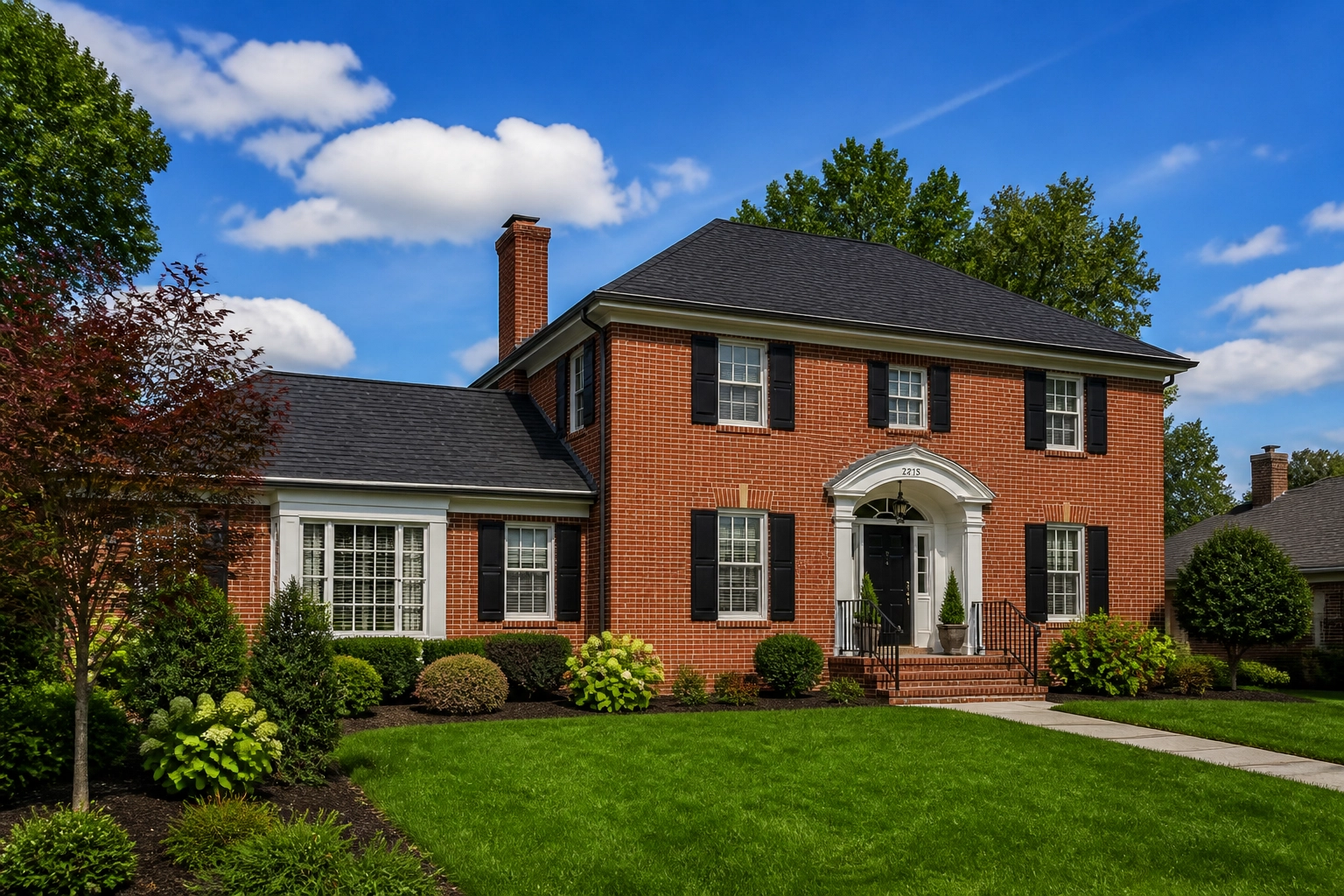
    Suburban home with new roof in Augusta

    Want to skip the waiting game and get precise pricing instantly? Head over to getmyroofestimatenow.com to leverage our cutting-edge satellite technology. Enter your Augusta address today and receive your accurate, transparent roof estimate in 60 seconds: giving you the data you need to budget wisely and connect with trusted local professionals.

  • 2026 Roof Replacement Cost in Louisville, KY: Complete Price Guide for Derby City Homeowners

    2026 Roof Replacement Cost in Louisville, KY: Complete Price Guide for Derby City Homeowners

    Navigating a major home improvement project requires clear data, transparent pricing, and predictable timelines. For homeowners in Derby City, planning a home upgrade starts with understanding the current roof replacement cost Louisville KY 2026. Whether your shingles have weathered decades of Kentucky thunderstorms or you are preparing your property for the Louisville KY real estate 2026 market, knowing what to budget prevents surprises.

    In 2026, a standard roof replacement in Louisville typically ranges between $9,000 and $18,000 for a typical 2,000-square-foot home with architectural asphalt shingles. For premium upgrades like standing-seam metal roofing, costs span $18,000 to $36,000.

    If you want to bypass the traditional hassle of scheduling multiple contractor visits just to get ballpark pricing, you can skip the wait and use getmyroofestimatenow.com for an instant, free roof replacement estimate powered by satellite imagery accurate to within inches.


    2026 Louisville Roofing Cost Breakdown by Material

    Choosing the right material is the single biggest factor influencing your project total. Here is how local pricing breaks down per square (100 square feet) and for a standard 2,000 sq ft Louisville home in 2026:

    Roofing Material Cost Per Square Total Estimated Cost (2,000 sq ft Home) Description & Lifespan
    3-Tab Asphalt (Budget) $350 – $450 $7,000 – $9,000 Entry-level protection, 15-20 year lifespan
    Architectural Shingles (Popular) $450 – $675 $9,000 – $18,000 Dimensional look, high wind resistance, 25-30 year lifespan
    Standing-Seam Metal (Premium) $850 – $1,800+ $18,000 – $36,000+ Exceptional durability, energy efficient, 50+ year lifespan
    Designer Shingles (Luxury) $750 – $1,200 $15,000 – $24,000 Premium aesthetics mimicking slate or wood shake

    Close-up of architectural asphalt shingles on residential roof


    Key Cost Drivers for Roof Replacement in Louisville

    No two roofs are identical. Even homes on the same street in Highlands or St. Matthews can see varied project totals based on specific structural variables:

    • Roof Size and Squares: Roofing is priced by the "square" (100 sq ft). Larger roof footprints naturally require more materials and labor hours.
    • Pitch and Complexity: Steep roof pitches, multiple gables, dormers, and valleys require specialized safety gear and slower installation techniques, increasing labor costs.
    • Tear-Off and Disposal Fees: Removing existing layers of worn shingles and hauling away debris adds $1.00 to $2.50 per square foot depending on local landfill tipping fees.
    • Decking and Structural Repairs: Rotted plywood sheathing, sagging rafters, or compromised flashing must be replaced prior to new material installation.
    • Local Climate Demands: Louisville's humid subtropical climate brings heavy spring storms, high winds, and freezing winter temperatures, making proper underlayment and ice-and-water shield installation non-negotiable.

    Maximizing Your Investment: New Roof ROI and Property Value

    Upgrading your roof is not just a maintenance expense; it is a strategic investment in your home's equity. According to recent regional data, evaluating new roof ROI Louisville KY reveals strong financial returns when selling or refinancing.

    Why a New Roof Matters in Louisville Real Estate

    When prospective buyers browse Louisville home selling tips 2026, a brand-new roof ranks near the top of desirable features. Buyers want peace of mind knowing they won't face major capital expenditures within their first decade of ownership.

    • Boosted Curb Appeal: A striking curb appeal new roof Louisville upgrade instantly transforms exterior aesthetics, driving higher initial offers.
    • Appraisal Protection: Inspectors routinely flag aging roofs (anything past 20 years), which can derail home sales or force price concessions. A fresh roof secures clean appraisal reports.
    • Measurable Equity Return: Across Kentucky, homeowners routinely recover 60% to 75% of their total roof replacement cost in immediate home resale value, matching or exceeding national averages for Kentucky roof ROI.

    Modern home in Louisville with standing-seam metal roof


    How to Get an Instant Roof Estimate in 60 Seconds

    Traditionally, getting a roof replacement estimate meant waiting days for a contractor to measure your home manually. Today, modern homeowners demand speed, transparency, and accuracy without high-pressure sales pitches.

    Using advanced satellite imagery technology, getmyroofestimatenow.com calculates your exact roof dimensions: including pitch, surface area, and facet complexity: accurate to within inches.

    Why Homeowners Choose Our Instant Technology:

    • Lightning Fast: Enter your address and receive your breakdown in under 60 seconds.
    • 100% Free & No Credit Card: Zero upfront costs, zero obligations, and no spam phone calls.
    • Transparent Pricing: Low, middle, and high price ranges tailored specifically to Louisville regional labor and material rates.
    • Verified Local Network: Seamlessly connect with licensed, insured, and vetted local roofing contractors when you are ready to move forward.

    Charming brick ranch-style home in Kentucky with new dimensional shingles


    Plan Ahead and Budget with Confidence

    Whether you are dealing with storm damage or planning ahead for routine home maintenance, transparency is key. Understanding the exact 2026 pricing benchmarks for architectural shingles ($9,000–$18,000) and standing-seam metal ($18,000–$36,000) empowers you to make informed decisions for your Derby City property.

    Stop guessing and start planning. Visit getmyroofestimatenow.com right now to get your free, instant roof replacement cost estimate in under 60 seconds.

  • 2026 Roof Replacement Cost in Charlotte, NC: Complete Price Guide for Queen City Homeowners

    2026 Roof Replacement Cost in Charlotte, NC: Complete Price Guide for Queen City Homeowners

    Planning a roof replacement in the Queen City requires clear, up-to-date data. For 2026, homeowners in Charlotte, NC can expect total roof replacement costs to range from $8,500 to $24,000+, depending heavily on the home's square footage, selected roofing materials, roof pitch, and structural complexity.

    Whether your roof is reaching the end of its 20-to-25-year lifespan in neighborhoods from Myers Park and Dilworth to Ballantyne and University City, or you are recovering from Mecklenburg County's severe summer thunderstorms, understanding current pricing benchmarks is the first step toward a successful investment.


    2026 Charlotte Roof Cost Breakdown by Material

    Choosing the right material is the most significant decision impacting your total project cost. Here is how current 2026 pricing shakes out across the most common residential options in the North Carolina Piedmont region:

    • 3-Tab Asphalt Shingles (Budget): Ranging from $7,000 to $10,500, traditional 3-tab shingles offer an economical upfront price point, though they feature shorter warranties and lower wind resistance.
    • Architectural Asphalt Shingles (Popular): Ranging from $9,000 to $16,500 for an average 2,000-square-foot home, dimensional shingles provide superior durability, enhanced wind uplift ratings, and multi-layered aesthetics that make them the top choice for Queen City homeowners.
    • Standing Seam Metal Roofing (Durable/Modern): Ranging from $15,000 to $30,000+, metal systems deliver exceptional longevity (40–50+ years), superior energy efficiency in the humid Southern climate, and excellent resistance to heavy winds and hail.
    • Premium Materials (Slate, Tile, & Cedar Shake) (Luxury): Ranging from $22,000 to $45,000+, these high-end options offer unmatched curb appeal and longevity, though they often require specialized structural reinforcement.

    Close-up of premium architectural asphalt shingles on a clean residential roof


    Cost by Square Footage

    Roofing contractors measure surface area in "squares" (one square equals 100 square feet). Below is a breakdown of typical 2026 costs for architectural asphalt shingle replacements in Charlotte based on common home sizes:

    • 1,500 Sq. Ft. Roof (Smaller Ranch / Townhome): $7,500 – $12,000
    • 2,000 Sq. Ft. Roof (Standard Single-Family Home): $9,000 – $16,500
    • 2,500 Sq. Ft. Roof (Larger Suburban Residence): $11,500 – $19,500
    • 3,000+ Sq. Ft. Roof (Custom Estate / Two-Story): $16,000 – $24,000+

    Key Pricing Factors in Mecklenburg County

    Beyond raw square footage and material grade, several local variables influence your final contractor proposal:

    1. Roof Pitch and Steepness

    Standard walkable slopes (4:12 to 6:12) are straightforward and cost-effective to install. Steeper roofs (above 8:12) require specialized safety equipment, scaffolding, and slower labor pacing, increasing overall project labor costs by 15% to 30%.

    2. Roof Complexity and Architectural Features

    Homes featuring intricate roof designs: multiple valleys, dormers, skylights, complex chimney flashings, and multiple roof planes: demand extra cutting, precise flashing work, and specialized labor hours.

    3. Tear-Off and Disposal Fees

    Removing existing layers of old roofing, hauling away debris, and renting local disposal dumpsters typically adds $1.00 to $2.00 per square foot to the baseline estimate.

    4. Decking and Substrate Repairs

    Hidden water damage or rotted plywood decking cannot be assessed until old shingles are stripped away. Replacing compromised OSB or plywood sheets adds roughly $50 to $100 per sheet for materials and labor.

    A modern suburban ranch home with a sleek standing-seam metal roof


    Local Market Influences: The Charlotte Climate & Building Codes

    Roofing in Charlotte, NC presents specific regional challenges that dictate material selection and installation standards:

    • Wind Resistance & North Carolina Building Code: The North Carolina Residential Building Code enforces strict wind-load requirements, especially regarding shingle fastening and perimeter adhesive seals. Premium architectural shingles are engineered to withstand local wind gusts up to 110–130 mph during severe summer storm cells and occasional tropical remnants tracking inland.
    • Humidity & Algae Resistance: Charlotte’s humid subtropical climate creates ideal conditions for dark streaks caused by Gloeocapsa magma algae. Modern shingles featuring copper-infused granules provide long-term algae resistance to keep your roof looking pristine.
    • Severe Thunderstorms & Hail Risk: Mecklenburg County frequently experiences localized severe thunderstorms packing heavy downpours, high winds, and occasional hail. Impact-resistant shingles (Class 4 rated) provide maximum protection and may qualify you for homeowner insurance discounts.

    Smart Budgeting Tips for Charlotte Homeowners

    Navigating a major home improvement project like a roof replacement requires strategic planning:

    • Get Instant, Accurate Data First: Avoid the hassle of scheduling multiple sales reps for in-home pitch meetings before you even know your budget. Use Get My Roof Estimate Now to leverage advanced satellite imagery technology. In under 60 seconds, you can receive an instant, accurate, free cost estimate based on your exact roof measurements: with zero contractor visits required upfront.
    • Plan for Contingency Funds: Always set aside a 10% contingency buffer to cover potential underlying decking replacement discovered during the tear-off phase.
    • Verify Local Credentials: Ensure any contractor you hire is fully licensed, carries general liability and workers' compensation insurance in North Carolina, and offers robust manufacturer and workmanship warranties.

    A professional roofing expert reviewing satellite roof measurements and digital blueprints


    Skip the Sales Pitch: Get Your Instant 2026 Charlotte Estimate

    Traditional roofing estimates take days to coordinate and often come bundled with high-pressure sales pitches. By utilizing Get My Roof Estimate Now, you bypass the wait. Our satellite-powered measurement technology evaluates your roof's exact pitch, square footage, and complexity to deliver transparent low-middle-high pricing in 60 seconds: connecting you directly with verified, licensed local professionals when you are ready.


  • Daily Tech Blitz: How Satellite Technology Is Giving Louisville a Smarter Edge

    Daily Tech Blitz: How Satellite Technology Is Giving Louisville a Smarter Edge

    Louisville is rapidly cementing its reputation as a powerhouse of geospatial and meteorological innovation. From orbital satellites scanning the earth to high-resolution aerial mapping right down to the shingle, cutting-edge technology is transforming how local industries operate, how severe weather is tracked, and how homeowners manage major property investments.

    In this edition of our Daily Tech Blitz, we explore how satellite intelligence, advanced weather radar networks, and regional digital initiatives are giving Louisville a distinctly smarter edge.


    1. Closing the Weather Radar Gap: Climavision’s Breakthrough in Kentucky

    When severe storms sweep across the Ohio River Valley, timing and precision are everything. Louisville-based weather technology company Climavision has changed the game by deploying a private network of high-resolution X-band radars designed to fill critical low-altitude blind spots in federal coverage.

    In January 2026, Climavision announced a major public-private milestone: its gap-filling radar data was formally integrated into the National Weather Service’s AWIPS II system. This allows meteorologists at Weather Forecast Offices: including Louisville (LMK): to view proprietary commercial radar streams side-by-side with traditional NEXRAD data (such as the KLVX site near Louisville) without clunky workarounds.

    With strategic regional installations like its Kentucky radar sites in Jamestown and Dry Ridge, Climavision provides forecasters with high-frequency, low-altitude observations that catch shifting wind shear and rotation long before it hits the ground. For local residents, this means faster, more accurate severe weather warnings when every second counts.

    A modern meteorology radar control room displaying high-resolution X-band weather radar data


    2. Satellite and Aerial Precision: The Evolution of KyFromAbove

    While weather radars look up into the atmosphere, state-of-the-art aerial and satellite programs are looking down at Kentucky with unprecedented clarity. The Commonwealth's flagship geospatial initiative, KyFromAbove, provides free, public-domain orthophotography, oblique imagery, and LiDAR elevation data for all 120 counties.

    Kentucky made mapping history by completing statewide 3-inch resolution orthophotography and side-angle oblique imagery. Paired with USGS Quality Level 2 LiDAR point clouds and 2-foot Digital Elevation Models (DEMs), KyFromAbove supplies engineers, contractors, and local governments with centimeter-grade accuracy.

    Whether planning civil infrastructure or evaluating municipal zoning, having instant access to cloud-optimized geospatial assets via the Kentucky GeoNet STAC catalog eliminates guesswork and accelerates development across Jefferson County and beyond.


    3. From Space to Your Shingles: Instant Roof Measurement in Louisville

    The same high-resolution aerial and satellite imaging technology driving state infrastructure is also revolutionizing everyday homeownership. Traditionally, replacing a roof meant scheduling multiple contractor visits, climbing ladders with tape measures, and waiting days or weeks for a ballpark estimate.

    Today, Louisville homeowners can bypass the wait entirely. By harnessing satellite imagery data accurate to within inches, modern proptech platforms like Get My Roof Estimate Now allow residents to calculate their precise roof dimensions in under 60 seconds.

    A high-resolution aerial view showing detailed satellite property mapping with digital roof measurement boundary overlays

    How Satellite-Powered Roof Estimates Work:

    • Instant Address Lookup: Homeowners enter their street address into our Roof Cost Calculator.
    • Orbital Measurement: Satellite algorithms map the exact square footage, pitch, and complexity of the roof structure.
    • Transparent Pricing: The system factors in local labor and material costs for options ranging from architectural shingles (Popular) and metal (Durable) to premium synthetic membranes.
    • No Upfront Friction: Zero contractor visits required upfront, saving time and removing high-pressure sales tactics.

    For roofs approaching the 15-to-30-year replacement window: especially following regional wind and hail events: getting an instant baseline estimate empowers homeowners to budget accurately before ever picking up the phone.


    4. Fueling the Future: UofL’s Kentucky Center for Digital Innovation

    To sustain this technological momentum, the academic and research engine behind Louisville is stepping up. Launched on July 27, 2026, with $10 million in initial state appropriations, the Kentucky Center for Digital Innovation (KCDI) at the University of Louisville is supercharging the region's digital ecosystem.

    Led by prominent computer scientist V. K. Cody Bumgardner, Ph.D., KCDI bridges academia, industry, and government. The center focuses on three critical pillars:

    1. AI & Cybersecurity: Conducting pioneering research and developing secure digital solutions.
    2. Workforce Development: Delivering specialized degrees and certificates for high-demand tech careers.
    3. Industry Partnerships: Acting as a high-tech consultancy for local businesses tackling complex data, automation, and software challenges.

    By integrating expertise from the J.B. Speed School of Engineering, the School of Medicine, and the College of Business, KCDI ensures that Louisville remains a magnet for top-tier technical talent and forward-thinking enterprises.


    Conclusion: A Smarter Tomorrow for Louisville

    From Climavision’s low-altitude radar scans protecting neighborhoods from severe storms, to state-backed geospatial databases like KyFromAbove, to UofL’s newly minted KCDI driving AI research, Louisville is a city defined by technological agility.

    For homeowners and businesses alike, this digital evolution translates to greater transparency, enhanced safety, and unprecedented convenience. Whether you are tracking a storm cell rolling across the Ohio River or planning your next home improvement project using our instant roof estimator, harnessing satellite and digital intelligence has never been smarter.

    A beautiful single-family suburban home in Louisville, Kentucky with a brand new architectural shingle roof and pristine curb appeal

  • Daily Weather Blitz – Slot 3: Baton Rouge, LA : August 5, 2026: Sticky Humidity, Afternoon Storms & Roof Durability Tips for Red Stick Homes

    Daily Weather Blitz – Slot 3: Baton Rouge, LA : August 5, 2026: Sticky Humidity, Afternoon Storms & Roof Durability Tips for Red Stick Homes

    Welcome to today’s Daily Weather Blitz for Baton Rouge, LA. As we move deeper into August 2026, Red Stick residents are experiencing the full force of Louisiana’s subtropical climate. If you stepped outside this morning, you already felt the shift: after a brief, relatively dry spell, the signature Louisiana humidity has returned in full swing, bringing mid-90s high temperatures and heat indices pushing well past 100°F. Combined with the afternoon thunderstorm risks that define late summer in East Baton Rouge Parish, local roofing systems are facing severe environmental stress.

    In this update, we examine today’s meteorological conditions, review the Atlantic tropical outlook as we approach the peak of hurricane season, and break down essential roof durability tips to protect your investment.


    Current Weather Update: Heat, Humidity, and Pop-Up Storms

    Today in Baton Rouge, thermometers are climbing toward a high of 94°F, but high dew points are making the air feel much heavier. Heat indices are soaring over 100°F, placing a heavy thermal load on both residents and exterior building materials.

    Furthermore, daytime solar heating is interacting with rich Gulf moisture to fuel isolated to scattered afternoon thunderstorms. These pop-up storms arrive quickly, bringing intense downpours, frequent cloud-to-ground lightning, and localized wind gusts that can test the structural integrity of older roofing systems.

    Tropical Outlook: Preparing for the September Peak

    While the Atlantic tropics are currently quiet: largely suppressed by Saharan air layers and wind shear: meteorologists remind homeowners that August marks the rapid ramp-up toward the peak of hurricane season, which historically occurs on September 10.

    For Baton Rouge homeowners, now is the ideal time to evaluate home exterior readiness. Waiting until a tropical system forms in the Gulf is a recipe for high-stress emergency repairs. Proactive maintenance ensures your roof is fully fortified before severe wind and rain events test your property.


    [Durability Advisory] Heat, UV Radiation, and Thermal Cycling

    Baton Rouge's relentless summer sun does more than wilt your lawn; it aggressively attacks your roof. Asphalt shingles, which cover the vast majority of Red Stick homes, undergo severe punishment during August.

    Professional roofing contractor inspecting architectural shingles

    How High Temperatures Impact Shingles:

    • Granule Loss: Intense UV radiation breaks down the asphalt binder holding protective ceramic granules in place. Once these granules wash away in heavy rains, the underlying asphalt is exposed directly to UV rays, accelerating aging.
    • Thermal Expansion and Contraction: Roof surfaces can reach temperatures exceeding 150°F on a 95°F afternoon before cooling down rapidly during a passing rain shower. This daily thermal shock stresses decking fasteners, ridge caps, and flashing seams.
    • Thermal Blistering: Trapped moisture within shingle manufacturing layers can expand rapidly under extreme heat, causing surface blisters that rupture and leave vulnerable craters.

    [Technical Insight] Humidity, Attic Ventilation, and Moisture Trapping

    High humidity (often hovering between 80% and 90% in early August) doesn't just affect outdoor comfort: it plays a critical role in attic building science.

    Modern suburban home with metal roof and clean gutters

    If your attic lacks balanced intake and exhaust ventilation, hot, moisture-laden air becomes trapped right under your roof decking. Over time, this creates severe issues:

    1. Wood Rot and Decay: Continuous high humidity in poorly ventilated spaces weakens wooden rafters and roof decking.
    2. Insulation Degradation: Damp fiberglass or cellulose insulation loses its thermal efficiency, driving up indoor cooling bills as your HVAC system works overtime.
    3. Corrosion of Fasteners: Humidity condensation on nail heads and metal flashing leads to premature rust and loose attachments.

    Homeowner Tip: Inspect your attic space during the coolest part of the day. Check whether soffit vents are clear of insulation buildup and ensure ridge vents are actively pulling air. Proper ventilation can lower attic temperatures by up to 30 degrees, substantially extending your roof's lifespan.


    [Storm Preparedness] Managing Heavy Downpours and Gutters

    Afternoon thunderstorms in Baton Rouge are famous for dumping inches of rain in less than an hour. When water hits a roof at that volume, drainage systems must function flawlessly.

    • Keep Gutters Clear: Summer debris, including oak leaves and pine needles from local trees, easily clogs downpours. Clogged gutters cause water to back up under the first course of shingles, leading directly to fascia rot and interior leaks.
    • Check Flashing Around Penetrations: Chimneys, plumbing vents, and skylights are the most common leak entry points during wind-driven rainstorms. Inspect sealant around flashing for cracks or separation.

    [Financial Planning] Budgeting for a Roof Replacement in Baton Rouge

    If your Baton Rouge roof is between 15 and 30 years old, or if recent storm inspections reveal widespread granule loss and curling, patching may no longer be a cost-effective solution.

    Replacing a standard 2,000-square-foot residential roof in Louisiana typically ranges from $9,000 to $22,000, depending on material choices such as standard architectural shingles, premium metal roofing, or synthetic options.

    Why Skip Traditional Contractor Visits?

    Traditionally, getting an accurate roof estimate meant scheduling multiple in-home consultations, taking time off work, and enduring high-pressure sales pitches. Today, modern homeowners prefer a faster, more transparent approach.

    Using advanced satellite imagery technology, Get My Roof Estimate Now allows you to enter your Baton Rouge address and receive an instant, free replacement cost estimate in under 60 seconds: no contractor visit required upfront. Our satellite measurements are accurate to within inches, providing clear low, middle, and high price ranges so you can budget with absolute confidence.

    Ready to check your roof's condition? Visit Get My Roof Estimate Now today to get your lightning-fast estimate, or explore our Roof Cost Calculator to plan your next home improvement project.


    Clean and well-ventilated residential attic space

    Summary Checklist for Red Stick Homeowners

    • Monitor the Tropics: Keep an eye on the Atlantic as September approaches, but maintain your home year-round.
    • Evaluate Attic Airflow: Ensure soffit and ridge vents are unblocked to combat extreme August humidity.
    • Inspect After Storms: Look for missing shingles, granule accumulation in gutters, or new water stains on interior ceilings.
    • Get an Instant Estimate: Use Get My Roof Estimate Now to calculate your exact roof replacement costs in seconds.

    Categories: Weather, Durability, Baton Rouge
    Tags: Baton Rouge roofing, hurricane preparedness, roof replacement cost, Louisiana weather, satellite roof estimate

  • Daily Tech Blitz – Slot 7: How Satellite Tech is Reshaping Louisville

    Daily Tech Blitz – Slot 7: How Satellite Tech is Reshaping Louisville

    Louisville, Kentucky is rapidly shedding its reputation as a purely traditional manufacturing and logistics hub. While the city remains a global titan in supply chain and freight management, a quiet revolution is taking place across its research labs, university centers, and corporate boardrooms. Driven by unprecedented leaps in satellite technology, edge computing, and aerospace engineering, Louisville is emerging as a critical nexus for the modern space-age economy.

    From advanced data innovation centers at the University of Louisville to deep-space tracking partnerships across the Commonwealth, satellite technology is no longer a distant abstraction. It is actively reshaping how local industries operate, how severe weather is tracked, and how the regional economy scales to meet the demands of the 2030s.


    1. The University of Louisville and the Kentucky Center for Digital Innovation

    In late July 2026, the University of Louisville officially launched the Kentucky Center for Digital Innovation (KCDI), backed by a monumental $10 million state appropriation from the Commonwealth of Kentucky. Designed to supercharge existing research clusters like the HIVE Cybersecurity Center and the Digital Transformation Center, KCDI serves as a high-tech consultancy and innovation engine for local businesses.

    While KCDI's primary mandate focuses on artificial intelligence, advanced software engineering, and secure cybersecurity infrastructure, its ripple effects across Louisville's industrial ecosystem are profound. Modern businesses: ranging from logistics giants rooted around Louisville Muhammad Ali International Airport to precision manufacturing plants: rely on uninterrupted, secure data streams.

    Core Pillars of KCDI

    • AI and Digital Consultancy: Providing custom AI tools and software architecture for regional enterprises.
    • Cybersecurity Hardening: Building secure research facilities and cyber ranges to defend critical infrastructure against sophisticated threats.
    • Workforce Development: Training the next generation of Kentucky engineers to manage complex data ecosystems, satellite telemetry feeds, and automated control systems.

    Engineers and data scientists collaborating in a state-of-the-art university tech lab in Kentucky


    2. Hyperlocal Severe Weather Tracking via Satellite Data

    For residents and businesses in Louisville, severe weather is an ongoing operational challenge. Traditional radar systems, while effective, often suffer from geographic blind spots or latency in data processing. Today, Louisville's meteorological landscape has transformed through advanced satellite data integration deployed by local networks like the Wave 3 Radar system.

    By feeding real-time Low Earth Orbit (LEO) satellite telemetry directly into local forecasting models, meteorologists in Louisville can track storm cells with unprecedented hyperlocal precision.

    Advantages of Satellite-Enhanced Weather Intelligence

    • Sub-Minute Latency: Rapid atmospheric data ingestion allows for faster storm-front tracking across Jefferson County and surrounding areas.
    • High-Resolution Cloud Dynamics: Monitoring micro-climates and convective activity before radar towers even register ground rotation.
    • Proactive Infrastructure Defense: Giving local emergency services, utility providers, and property owners critical minutes of advanced warning during severe weather outbreaks.

    3. Kentucky's Deep Space Footprint: Morehead State and Artemis II

    You cannot discuss Louisville's tech surge without looking at the broader Commonwealth ecosystem. A cornerstone of Kentucky's aerospace dominance is Morehead State University’s Space Science Center, located just down the road in eastern Kentucky. Morehead State plays an indispensable, globally recognized role in NASA’s historic crewed Artemis II mission.

    Operating Deep Space Station 17: a towering 21-meter, nine-story-tall antenna: Morehead State's student and faculty research teams provide critical deep-space radio tracking and radiometric navigation support for the Orion spacecraft.

    Why Morehead State Matters to Louisville’s Tech Economy

    • Unique Deep Space Asset: DSS-17 is one of the only university-owned ground stations in the world integrated into NASA’s Deep Space Network framework.
    • Radiometric Expertise: By analyzing subtle Doppler frequency shifts in Orion's radio signals, researchers help NASA reconstruct spacecraft trajectories with pinpoint accuracy.
    • Spillover Innovation: The engineering talent, signal-processing software, and telemetry protocols developed through projects like Artemis II and the enduring CAPSTONE lunar mission feed directly into Kentucky's commercial aerospace talent pool, benefiting tech ventures across Louisville.

    A massive deep-space radio tracking antenna and meteorological radar station in Kentucky


    4. Next-Gen Constellations: Xona Space Systems and SpaceX Starmind AI1

    The commercial satellite industry is undergoing its most aggressive expansion phase in history, and Kentucky enterprises are perfectly positioned to leverage these breakthroughs. Two major technological milestones are currently defining the sector:

    Xona Space Systems and the Pulsar Constellation

    Traditional Global Positioning System (GPS) signals are vulnerable to interference, jamming, and urban canyons. Enter Xona Space Systems, which secured landmark FCC authorization for its Pulsar constellation: the world’s first private commercial navigation constellation in Low Earth Orbit.

    • Centimeter-Level Precision: Pulsar broadcasts robust L-band signals (X1 and X5) that deliver accuracy up to 100 times greater than legacy GPS.
    • Industrial Application: For Louisville's booming automated logistics, autonomous vehicle testing, and precision surveying industries, Pulsar provides the sub-decimeter accuracy required for mission-critical operations.

    SpaceX and Nvidia Starmind AI1 Compute Payloads

    In tandem with navigation innovations, satellite compute power is skyrocketing. The integration of advanced AI chips: such as Nvidia-powered edge-compute payloads on SpaceX missions: means satellites are no longer just passive cameras. They are orbital supercomputers processing imagery, running computer vision models, and filtering data before it ever hits ground stations.

    A futuristic Low Earth Orbit satellite constellation orbiting Earth over North America


    5. The Economic Horizon: Kentucky's Booming Aerospace Export Ecosystem

    The convergence of artificial intelligence, satellite navigation, and advanced space research has ignited Kentucky's export economy. Aerospace products and parts remain among the Commonwealth's top high-value exports, fueled by a symbiotic relationship between academic institutions like UofL and Morehead State, and private-sector tech adopters in Louisville.

    Key Economic Metrics & Takeaways

    • $10M State Investment: Jumpstarting secure tech consultancy through KCDI to ensure Louisville companies remain competitive in national defense and commercial markets.
    • Cross-Sector Synergy: Logistics firms in Louisville are leveraging satellite-derived geospatial intelligence to optimize routing, reduce fuel burn, and automate warehouse intake.
    • Future-Proof Workforce: Engineering graduates from Kentucky universities are stepping directly into high-paying roles spanning aerospace telemetry, AI systems architecture, and satellite data analytics.

    Conclusion

    Louisville is no longer just a waypoint on a map or a hub for river barges and cargo planes. By embracing the satellite revolution: from university-backed AI centers and hyperlocal weather telemetry to deep-space tracking and private LEO navigation constellations: the city has firmly planted its flag in the 21st-century tech economy.

    As constellations multiply overhead and ground-station capabilities expand across the Commonwealth, Louisville businesses and tech leaders are well-equipped to navigate, innovate, and lead in an increasingly connected world.

  • Louisville Weather Blitz: Preparing Your Roof for Late-Summer Storms and Increasing Humidity

    Louisville Weather Blitz: Preparing Your Roof for Late-Summer Storms and Increasing Humidity

    As August 2026 unfolds across Louisville, Kentucky, local homeowners face a volatile mix of peak summer heat, rising humidity with dew points climbing into the 70s, and frequent pop-up thunderstorms rolling in from the northwest. With high temperatures consistently pushing into the upper 80s and low 90s: and heat indices touching the triple digits: your home's exterior takes a severe beating.

    Late-summer storms in the Bluegrass State bring more than just brief afternoon showers. They pack damaging straight-line wind gusts up to 70 mph, heavy downpours capable of producing localized flash floods, and sudden hail. If your roof is past the 15-year mark, these extreme thermal shifts and storm cycles can expose hidden vulnerabilities.

    Proactive planning is essential. By understanding local weather benchmarks, upgrading to storm-hardened materials, and utilizing advanced technology like Get My Roof Estimate Now, Louisville homeowners can protect their properties without the friction of traditional contractor visits.


    1. Louisville’s August 2026 Climate Pressures on Roofing

    August in Jefferson County is notorious for atmospheric instability. As daytime temperatures soar, the combination of intense solar radiation and thick humidity creates prime conditions for afternoon and evening convective activity.

    Thermal Shock and Material Fatigue

    When surface temperatures on asphalt shingles surge under direct August sunlight, sudden cloud cover or heavy rain showers can cause rapid cooling. This phenomenon, known as thermal shock, causes building materials to expand and contract abruptly. Over time, this stress accelerates granule loss, cracks fiberglass mats, and weakens shingle seals.

    High Humidity and Condensation Risks

    With persistent humidity and high dew points, moisture management becomes critical. If attic ventilation is inadequate, trapped humidity can lead to condensation on roof decking, fostering mold growth and premature rotting of wooden rafters.

    Expert Insight: Before heading into the peak storm window, homeowners should check their attic airflow. Balanced intake and exhaust vents are your first line of defense against humidity-induced deterioration.

    Close-up of Class 4 impact-resistant architectural shingles


    2. Essential Upgrades for Storm-Resistant Louisville Roofing

    When replacing a worn roof in Louisville, standard materials may not withstand repeated severe weather events. Modern roofing technology offers robust solutions tailored to high-wind and hail-prone regions.

    Shingle Classifications and Cost Benchmarks

    When planning your replacement budget, consider these three primary material tiers:

    • 3-Tab Asphalt Shingles (Budget): Cost-effective upfront ($3.50 – $4.50 per sq. ft.), but lower wind ratings (typically up to 60 mph). Best suited for strict short-term budgets.
    • Architectural Shingles (Popular): Mid-range investment ($4.50 – $6.50 per sq. ft.), reinforced dual-layer design, wind warranties up to 110–130 mph, and enhanced aesthetic depth.
    • Class 4 Impact-Resistant Shingles (Premium): High-end protection ($7.00 – $9.50+ per sq. ft.), engineered to withstand simulated steel ball impacts. Many Kentucky insurance providers offer annual premium discounts for Class 4 installations.

    Secondary Water Barriers (SWB)

    In heavy wind-driven rain events common to Louisville thunderstorms, standard underlayment can sometimes allow moisture penetration if shingles lift. Applying a fully adhered peel-and-stick secondary water barrier directly to the roof deck seals nail penetrations and protects your home even if wind strips away outer shingles.

    Flashing and Valley Reinforcement

    Step flashing around chimneys, skylights, and wall intersections is highly vulnerable during severe storms. Upgrading to heavy-gauge aluminum or copper flashing, paired with closed-cut or open metal valleys, prevents water pooling during torrential downpours.


    3. Pre-Season Inspection Checklist for Louisville Homeowners

    Catching roof damage early prevents minor leaks from turning into catastrophic interior water damage. Walk your property safely from the ground or use binoculars to look for these warning signs:

    • Missing or Cupped Shingles: Inspect your lawn after high wind events for loose shingle granules or entire tabs.
    • Flashing Separation: Check where your roof meets vertical walls or chimneys for rusted, loose, or lifted metal.
    • Gutter Clutter: Ensure downspouts direct water at least 4 to 6 feet away from your foundation. Excessive granule accumulation in gutters signals aging shingles.
    • Interior Attic Check: Look for damp insulation, daylight shining through roof boards, or musty odors during humid days.

    Modern suburban ranch home with sleek dark metal roof in Kentucky


    4. Assess Your Roof’s Vulnerability in 60 Seconds

    Traditionally, getting a reliable roof replacement estimate meant clearing your weekend, scheduling multiple contractor consultations, and enduring high-pressure sales pitches just to get a ballpark price.

    At Get My Roof Estimate Now, we have modernized the process. Using high-resolution satellite imagery accurate to within inches, our platform evaluates your specific roof size, pitch, and complexity instantly.

    How It Works:

    1. Enter Your Address: Input your Louisville, KY property details on our Roof Cost Calculator.
    2. Instant Satellite Measurement: Our technology maps your exact roof squares and structural angles in under 60 seconds.
    3. Transparent Cost Ranges: Receive low, middle, and high pricing benchmarks tailored to material choices (architectural, metal, synthetic) and regional labor rates.
    4. Connect with Vetted Pros: When you are ready to move forward, we connect you directly with licensed, insured, and verified local roofing contractors.

    Homeowner reviewing instant satellite roof estimate on smartphone


    Conclusion: Take Control Before the Next Cold Front

    Late-summer weather in Louisville demands vigilance. As cold fronts collide with lingering Gulf humidity, severe storms can strike with little warning. Waiting for a leak to appear is an expensive gamble: proactive inspection and modern material upgrades safeguard your investment and peace of mind.

    Skip the wait and eliminate the guesswork. Visit Get My Roof Estimate Now today to calculate your exact roof replacement estimate in less than a minute.


  • Daily Weather Blitz – Slot 1: Louisville, KY : August 5, 2026: Storms, Humidity & Storm-Ready Roofing for Derby City Homes

    Daily Weather Blitz – Slot 1: Louisville, KY : August 5, 2026: Storms, Humidity & Storm-Ready Roofing for Derby City Homes

    Welcome to today’s Daily Weather Blitz for Louisville, Kentucky. As we move deeper into August 2026, Derby City homeowners are experiencing quintessential late-summer conditions: daytime highs hovering in the upper 80s, high humidity levels, and the constant threat of pop-up afternoon thunderstorms. While regional precipitation is currently trending slightly below historical averages, sudden severe weather cells can materialize without warning, testing the resilience of local residential roofs.

    For many neighborhoods across Louisville, the memory of the severe wind storms back in March 2026 remains fresh. Those powerful gales caused widespread shingle blow-offs, gutter damage, and structural strain across Jefferson County. As we face the remainder of the storm season, understanding how to evaluate your roof's condition, knowing your rights under Kentucky insurance statutes, and leveraging modern technology like Get My Roof Estimate Now can save you thousands of dollars and endless headaches.


    Current Weather Outlook & Louisville Roofing Realities

    Louisville’s climate demands robust residential construction. August brings persistent moisture and thermal stress that can accelerate wear and tear on aging roofing materials.

    • Temperature Range: Upper 80s to near 90°F with elevated humidity indexes.
    • Precipitation Trends: Slightly below average overall, but characterized by intense, localized convective storm cells capable of producing high-velocity straight-line winds and torrential downpours.
    • Historical Context: The March 2026 wind storm event served as a severe wakeup call for homeowners from the Highlands to Jeffersontown, revealing vulnerabilities in roofs older than 15 years.

    Maintaining a storm-ready roof in Derby City is no longer just about aesthetics: it is a critical financial safeguard for your property investment.

    Professional roofing contractors inspecting architectural shingles


    How to Spot Storm Damage: A Homeowner’s Checklist

    After any severe weather event rolls through Jefferson County, assessing your roof promptly is vital. However, safety comes first: never climb onto a wet or compromised roof. Instead, perform a thorough ground-level inspection and check your attic.

    1. Exterior Ground-Level Checks

    • Missing or Lifted Shingles: Walk around your perimeter and look for dark patches where granules or entire shingles have sheared off.
    • Granule Accumulation: Check your downspouts and splash blocks. If they are choked with heavy mineral granules, your asphalt shingles are nearing the end of their lifespan or have suffered severe hail impact.
    • Flashing and Vent Stacks: Inspect metal flashing around chimneys, skylights, and plumbing vents for separation or buckling.
    • Siding and Gutter Dents: Dented aluminum gutters or bruised vinyl siding are strong indicators that heavy wind-driven debris or hail impacted your roof slopes.

    2. Interior Attic Inspections

    • Water Stains: Shine a flashlight across the underside of your roof decking. Look for dark water rings, damp insulation, or warped plywood.
    • Daylight Penetration: If you can see daylight peeking through your roof boards from inside the attic, you have compromised decking that requires immediate professional intervention.

    Know Your Rights: Kentucky Insurance Claims & Regulations

    Navigating property insurance after storm damage can feel intimidating. Fortunately, Kentucky legal frameworks and local Louisville regulations provide clear protections for homeowners.

    Understanding Claim Deadlines

    Most standard homeowner insurance policies in Kentucky require policyholders to file wind and hail claims within one year of the storm date. Waiting too long can result in an outright claim denial. If your home sustained damage during the March 2026 wind storms or recent August squalls, acting within your policy window is critical.

    Your Right to Choose Your Contractor

    Under general insurance principles and consumer protection statutes often discussed alongside Kentucky regulations (such as KRS 304.20-080, which prevents insurer steering), you have the absolute right to select your own licensed roofing contractor. Insurance carriers cannot coerce you into using their "preferred" network vendor.

    To protect yourself:

    • Avoid Door-Knockers: Exercise caution with uninvited storm-chasers who knock on your door immediately following a severe weather event.
    • Never Sign an AOB (Assignment of Benefits): Keep total control of your insurance claim and payout disbursements. Do not sign over your policy rights to a contractor.
    • Verify Local Registration: Ensure any contractor working on your home in Louisville Metro holds an active Home Improvement Contractor (HIC) registration and pulls the required local building permits.

    Modern suburban home with a durable metal roof


    Skip the Hassle: Get an Instant Roof Estimate First

    Before you schedule multiple contractor appointments or invite high-pressure salesmen into your living room, empower yourself with unbiased data.

    Traditionally, getting a roof replacement estimate meant taking time off work, waiting days for a local contractor to show up, and enduring lengthy sales pitches. Today, technology has changed the game. Through advanced satellite imagery and geospatial measurement tools, homeowners can instantly determine their roof's exact dimensions: accurate to within inches: without a physical inspection.

    Why Homeowners Choose Satellite Estimates

    • Lightning-Fast Results: Receive comprehensive pricing breakdowns in under 60 seconds.
    • Zero Cost & No Credit Card: Completely free to use with zero financial obligation.
    • Transparent Budgeting: View low, middle, and high-tier cost ranges for various materials (Budget architectural shingles, Popular metal roofing, Premium synthetic systems).
    • No Pressure: Gather your baseline numbers in total privacy before speaking with any contractor.

    If you are planning a roof replacement or assessing storm readiness in Louisville, start by visiting Get My Roof Estimate Now to generate your instant, accurate estimate.

    Homeowner reviewing digital roof estimate on a tablet


    Summary: Actionable Steps for Louisville Homeowners

    1. Monitor Local Weather: Stay alert to August thunderstorm warnings and secure loose outdoor items.
    2. Inspect Safely: Use binoculars from the ground or check your attic for signs of leaks and granule loss.
    3. Check Policy Timelines: Remember your 1-year window for filing storm-related insurance claims in Kentucky.
    4. Get Your Instant Numbers First: Head over to Get My Roof Estimate Now to calculate your precise roof replacement cost using cutting-edge satellite technology before contacting local pros.

    Equip yourself with accurate data, protect your Louisville home against summer storms, and make confident, informed decisions every step of the way.

  • Charleston Roof Replacement FAQs: Satellite Estimates & Local Costs (2026)

    Charleston Roof Replacement FAQs: Satellite Estimates & Local Costs (2026)

    Planning a roof replacement in the historic South Carolina Lowcountry requires balancing strict architectural aesthetics with extreme coastal weather. From the historic single houses of downtown Charleston to suburban neighborhoods in Mount Pleasant and James Island, property owners face relentless humidity, corrosive salt air, and annual hurricane threats.

    Navigating these challenges used to mean waiting weeks for an in-person contractor inspection just to get a ballpark price. Today, advanced roof cost calculator technology leverages high-resolution satellite imagery to measure pitch, square footage, and complexity in under 60 seconds: giving you instant, data-driven estimates with zero upfront friction.

    Below are the most frequently asked questions regarding Charleston roof replacements, satellite estimates, and local pricing for 2026.


    1. How Do Satellite Estimates Work for Historic Charleston Homes?

    Charleston’s historic district features unique architectural styles: such as side-gabled Charleston single houses, double houses, and historic mansard or low-slope roofs: that present distinct measuring challenges.

    Traditional measuring requires walking steep historic roof pitches or navigating tight lot lines in neighborhoods like South of Broad or Ansonborough. Satellite estimation technology bypasses these physical limitations by utilizing aerial imagery and geospatial algorithms.

    • High-Precision Aerial Data: Satellites capture sub-inch dimensional data from above, accurately calculating total square footage, ridge lengths, valleys, and pitch angles without stepping foot on delicate historic slate, tile, or older wood structures.
    • Instant Breakdown: Within 60 seconds of entering your address, the system maps your exact roof geometry and divides the surface into standard roofing squares (100 sq. ft. each) to determine precise material requirements.
    • Preserving Historic Integrity: By eliminating unnecessary foot traffic and physical measuring ladders before the project begins, satellite estimates protect fragile historic roof decking and delicate architectural overhangs.

    Suburban home in Charleston featuring a durable architectural shingle roof and pristine Lowcountry landscaping


    2. What Are the Typical Roof Replacement Cost Ranges in Charleston for 2026?

    Budgeting for a roof replacement in Charleston depends heavily on your home’s square footage and the material selected to withstand coastal storms. For a standard 1,800 to 2,000-square-foot Lowcountry home, current 2026 pricing generally falls into the following ranges:

    • Architectural Asphalt Shingles (Budget to Popular): $10,000 – $18,000 ($4.50 – $9.00 per sq. ft. installed). Excellent modern dimensional shingles offer strong wind ratings when properly anchored.
    • Impact-Rated Class 4 Shingles (Popular): $12,000 – $22,000. Designed to withstand severe hail and high-wind uplift, often qualifying homeowners for insurance discounts.
    • Standing Seam Steel Metal (Premium): $22,000 – $38,000 ($8.00 – $15.00 per sq. ft.). Highly recommended for coastal durability, providing superior wind resistance and longevity.
    • Standing Seam Aluminum (Ultra-Premium): $28,000 – $45,000+. The gold standard for salt-air environments, offering complete rust immunity and a 40–60 year lifespan.

    Note: You can instantly calculate your home's exact price range tailored to your specific zip code using our free roof estimate tool.


    3. How Does Charleston’s Salt Air Affect Roofing Material Selection?

    Proximity to the Charleston harbor, tidal marshes, and the Atlantic Ocean introduces airborne salt moisture that accelerates corrosion on standard building materials. Choosing the wrong metal or unprotected fasteners can lead to premature failure.

    • Galvanized Steel vs. Galvalume vs. Aluminum: Standard galvanized steel can rust quickly when salt spray compromises the zinc coating. Galvalume (steel coated with aluminum-zinc alloy) performs much better, but pure aluminum or marine-grade coatings are superior for homes directly on the coast (such as Sullivan's Island or Folly Beach).
    • Algae-Resistant Shingles: High humidity fosters blue-green algae growth (Gloeocapsa magma), creating unsightly dark streaks across roofs. Modern architectural shingles incorporate copper-infused granules that inhibit algae growth for decades.
    • Fastener Integrity: Contractors must use stainless steel or hot-dip galvanized nails and screws to prevent galvanic corrosion where fasteners meet metal panels or flashing.

    Professional roofing contractor inspecting residential roof damage during an assessment


    4. How Should Charleston Homeowners Prepare for Hurricane Season?

    Hurricane season runs officially from June through November, putting Lowcountry roofs under intense pressure from tropical storms and high winds. Proactive maintenance and sturdy installation practices are essential.

    • Wind Uplift Ratings: Ensure your roofing materials are rated to withstand local wind zones (many coastal SC building codes require 130+ mph wind ratings).
    • Enhanced Underlayment: Standard felt paper can tear under wind-driven rain. Insist on premium synthetic underlayment and waterproof ice-and-water shields in valleys and eaves to create a secondary water-shedding barrier.
    • Drip Edges and Fasteners: Secure metal drip edges along all gable rakes and eaves, fastened closely to prevent wind from peeling up the perimeter shingles.

    5. Can I Get an Accurate Estimate Without Waiting for a Contractor Visit?

    Traditionally, getting a roof quote meant calling a local contractor, waiting a week for an appointment, and sitting through a two-hour sales pitch. Today's digital tools change that dynamic entirely.

    • Speed and Convenience: Get My Roof Estimate Now provides pricing in under 60 seconds. Simply input your property address into our online platform.
    • Zero Pressure: Because satellite measurements are calculated objectively using high-resolution aerial algorithms, you receive transparent low, middle, and high price tiers without high-pressure sales tactics.
    • Vetted Local Connection: Once you review your instant estimate, our network connects you directly with verified, licensed, and insured local roofing professionals in the Charleston area to handle the physical installation.

    Beautiful coastal residential home with a durable metal roof gleaming in the Charleston sunshine


    6. What Are the Best Tips for Hurricane Storm Damage Insurance Claims?

    If a named storm or severe squall damages your Charleston roof, navigating the insurance claims process requires careful documentation and timing.

    • Immediate Post-Storm Inspection: Safely inspect your yard and roof lines for missing shingles, dented flashing, or fallen tree limbs. Take clear photos of all damage from the ground.
    • Prevent Further Damage: Insurance policies require homeowners to mitigate additional interior water damage. Keep receipts for emergency tarping or temporary repairs.
    • Professional Inspection Report: Before filing a formal claim, have a licensed local contractor perform a detailed roof inspection. Their objective assessment ensures your adjuster accounts for hidden structural or decking issues.
    • Check State Grants: South Carolina residents can explore programs like the SC Safe Home grant, which provides financial assistance to retrofit homes against hurricane damage.

    7. What Is the Timeline from Instant Estimate to Final Installation?

    Understanding the project workflow helps you plan your budget and schedule seamlessly:

    1. Instant Satellite Estimate (Day 1): Enter your Charleston address online and review your comprehensive cost breakdown in 60 seconds.
    2. Contractor Consultation & Measurement Verification (Days 2–5): Connect with a vetted local pro who confirms material choices, color palettes, and schedules a final on-site verification.
    3. Material Delivery & Permits (Days 6–12): City of Charleston or Charleston County permits are pulled, and roofing materials are delivered directly to your driveway.
    4. Installation Day (Days 13–15): Most standard residential roof replacements are completed in just 1 to 3 days, minimizing disruption to your household.

    Ready to find out what your Charleston home project will cost? Head over to our roof cost calculator to get your free, instant satellite estimate today.