Blog

  • Daily FAQ Blitz – Slot 8: Top Roof Replacement Questions for Charlotte, NC Homeowners (2026)

    Daily FAQ Blitz – Slot 8: Top Roof Replacement Questions for Charlotte, NC Homeowners (2026)

    Replacing a roof in the Queen City involves more than just picking a color. From the historic streets of Dilworth to the sprawling estates of SouthPark, Charlotte homeowners face unique challenges, including high humidity and sudden summer storms. In today’s FAQ Blitz, we’re answering the most critical questions for 2026 to help you navigate your next project with confidence.

    What is the average roof replacement cost in Charlotte, NC for 2026?

    For a standard 2,000-square-foot home in the Charlotte metro area, expect a roof replacement cost Charlotte NC 2026 range of $8,500 to $18,000 for architectural shingles.

    • Budget ($8,000 – $10,000): Simple gable roofs with basic 3-tab shingles.
    • Popular ($10,000 – $16,000): Most common for Ballantyne or SouthPark homes using high-definition architectural shingles.
    • Premium ($22,000+): Large, complex roofs utilizing metal, slate, or synthetic materials.

    How long does a typical roof replacement take in Charlotte?

    Most professional Charlotte roofing contractors can complete a residential tear-off and installation in 1 to 3 days. Weather is the primary variable; local crews typically monitor the forecast closely for North Carolina's signature afternoon thunderstorms to ensure your home remains dry during the process.

    Close-up of high-quality architectural shingles showing texture and durability

    Do I need a permit for a new roof in Mecklenburg County?

    Yes. Mecklenburg County Code Enforcement requires a building permit for all full roof replacements.

    • Cost: Fees typically range from $62 to $400 depending on the total job value.
    • Process: Your contractor should pull this permit for you.
    • Requirement: A final inspection is often required to ensure the work meets 2026 NC residential building codes.

    Which roofing materials are best for the Charlotte climate?

    Architectural asphalt shingles with built-in algae resistance are the top recommendation for this region. Charlotte’s high humidity can lead to "Gloeocapsa magma" (the black streaks you see on older roofs). Premium architectural shingles provide the necessary durability for our climate while offering the aesthetic appeal expected in neighborhoods near Uptown Charlotte.

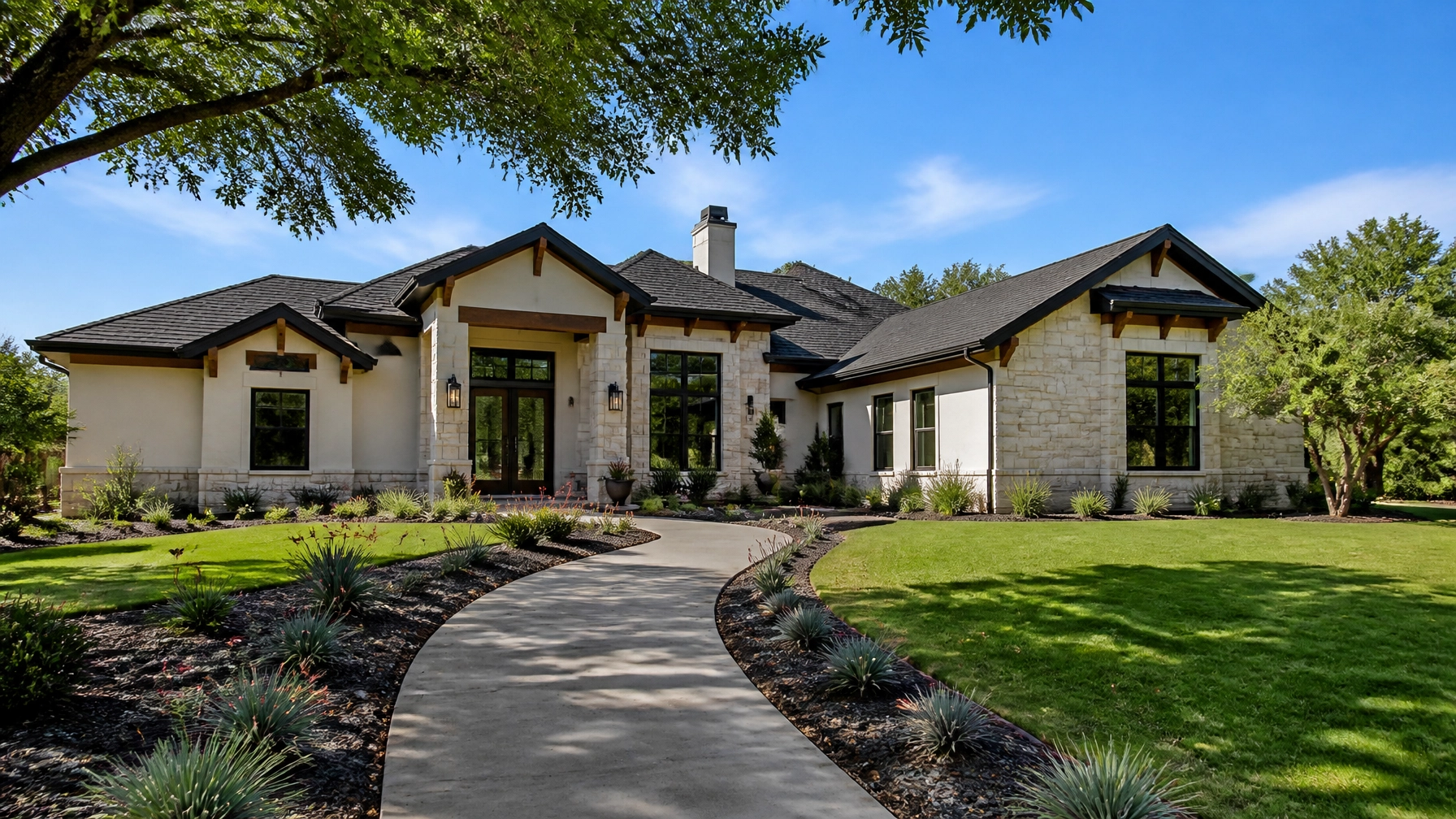
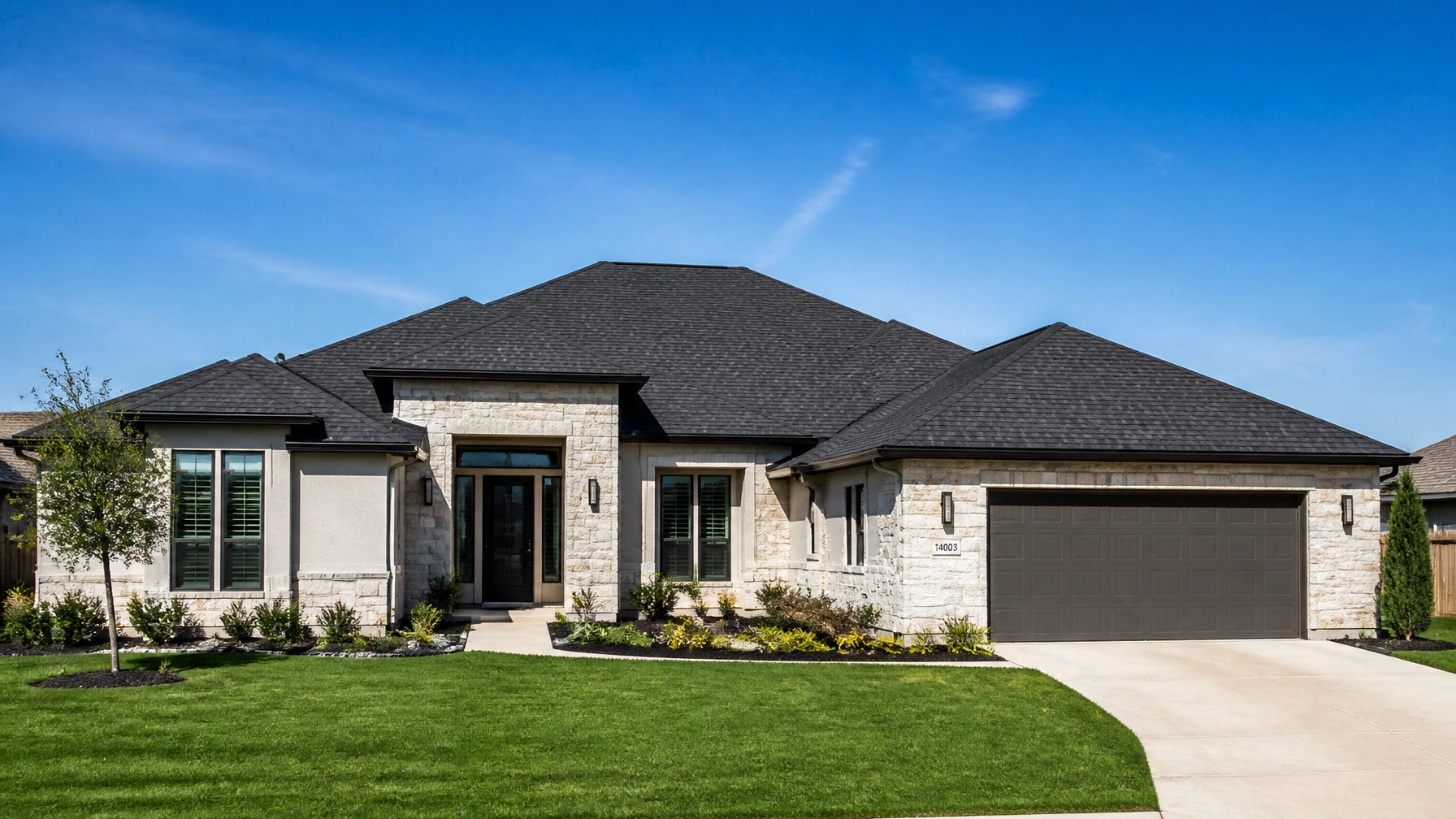
    Large ranch-style home in a Charlotte suburb featuring a complex, freshly installed roof

    How do I know if I have storm damage from recent Charlotte weather?

    This roofing FAQ Charlotte wouldn't be complete without mentioning hail. Charlotte is prone to severe thunderstorms that produce wind and hail damage. Look for:

    • Granule loss in your gutters (looks like coarse sand).
    • Lifted or "creased" shingles after high-wind events.
    • Dents on metal roof vents or flashing.

    If you suspect damage, get an instant measurement before calling your insurance company to know exactly what size area you are dealing with.

    Why use satellite technology for my initial Charlotte roofing estimate?

    Traditional estimates require waiting days for a contractor to visit your home. By using satellite-powered imagery, we provide an accurate measurement (90-95% accuracy) of your roof's pitch, size, and complexity in under 60 seconds. This allows you to:

    1. Budget Immediately: Know your price range before talking to sales reps.
    2. Save Time: Skip the 2-hour "kitchen table" sales pitch.
    3. Verify Data: Ensure the quotes you receive from local pros are based on correct square footage.

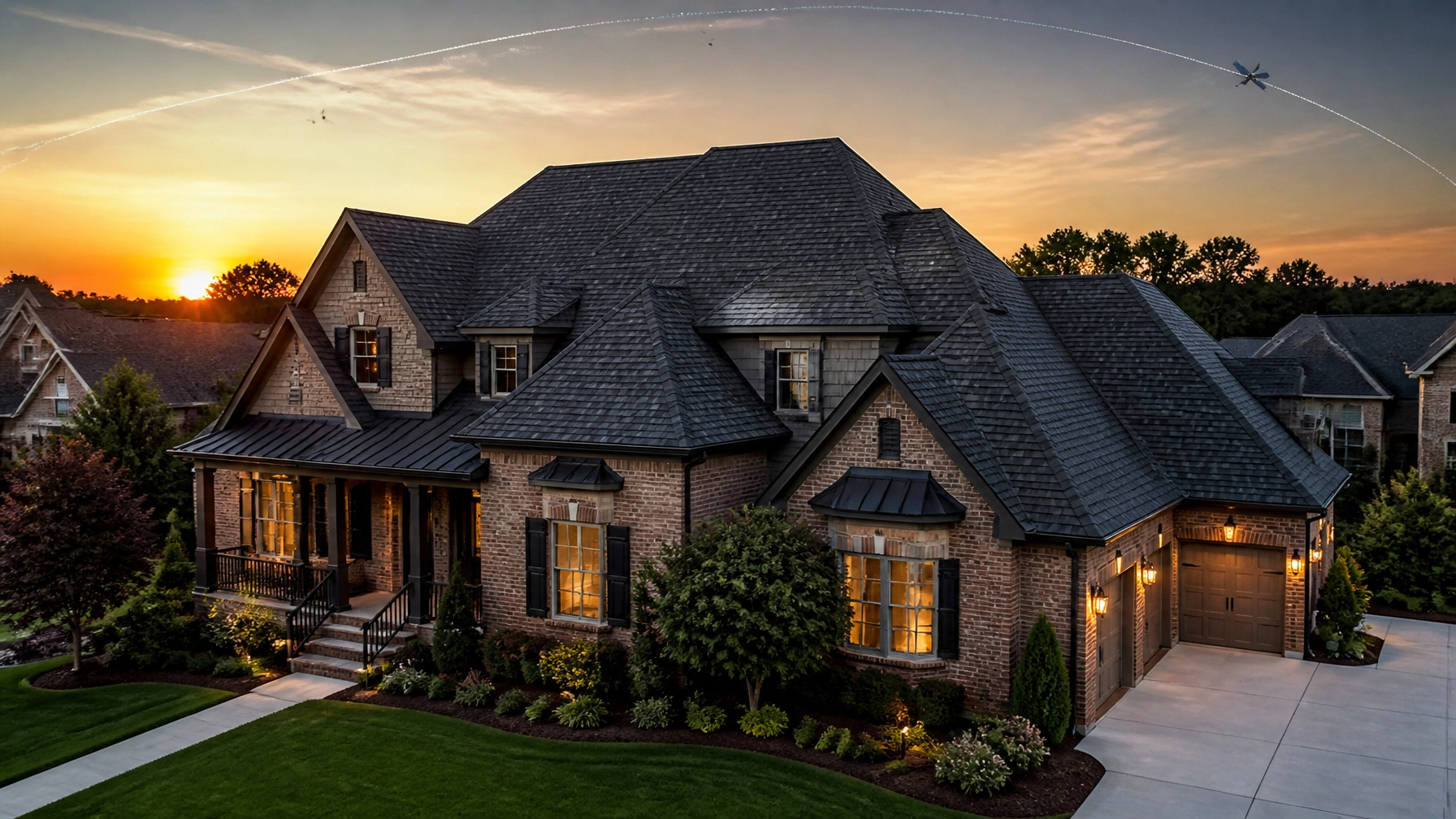
    Drone view of a Charlotte neighborhood showing clean roof replacements and residential complexity

    Ready for your accurate Charlotte roof estimate?
    Stop guessing and start planning. Enter your address at getmyroofestimatenow.com and get your free, instant estimate in 60 seconds or less.

  • Daily FAQ Blitz – Slot 7: AEO FAQ Quick Answers for Atlanta, GA

    Daily FAQ Blitz – Slot 7: AEO FAQ Quick Answers for Atlanta, GA

    Atlanta is more than just the "City in a Forest": it is a global logistics powerhouse. With Hartsfield-Jackson International Airport and proximity to the Port of Savannah, the materials that end up on your roof (Budget, Popular, or Premium) often travel through complex international supply chains. This is where the Authorized Economic Operator (AEO) program becomes critical for Atlanta homeowners and contractors alike.

    While AEO might sound like high-level trade jargon, it directly impacts the availability, lead times, and cost of your roof replacement. When suppliers and manufacturers participate in these "trusted trader" programs, it ensures that high-quality shingles, metal panels, and synthetic underlayments reach your driveway in Buckhead or Sandy Springs without the delays typical of uncertified supply chains.

    In this Daily FAQ Blitz, we provide quick, authoritative answers to the most common questions regarding AEO and how it shapes the roofing landscape in Atlanta, GA.


    The AEO FAQ Quick Blitz

    1. What is an Authorized Economic Operator (AEO) in the context of Atlanta roofing?

    Answer: An AEO is a business involved in the international movement of goods that has been approved by a national Customs administration as complying with WCO or equivalent supply chain security standards. For Atlanta roofing, this means the manufacturers of your materials (like global asphalt shingle or steel providers) are vetted for security and reliability. This status grants them "green lane" access, meaning fewer inspections and faster border crossings for the materials needed for your home.

    2. How does AEO status affect the cost of my roof in Atlanta?

    Answer: (Budget Impact: Moderate). AEO certification reduces logistics overhead. Because AEO-certified companies face fewer physical and documentary inspections, they avoid the "demurrage" (storage) fees and inspection costs that typically drive up material prices. By choosing materials from AEO-compliant supply chains, you are essentially insulating your project budget from the "hidden taxes" of shipping delays.

    3. Does AEO help with material shortages during storm seasons?

    Answer: (Reliability: High). Yes. Atlanta is prone to severe weather and seasonal storms that can cause localized material shortages. AEO-certified suppliers receive priority treatment during post-incident trade recovery. If a global event disrupts shipping, AEO materials are the first to be moved and cleared, ensuring that your contractor has the shingles ready when you need that emergency replacement.

    4. Are most Atlanta roofing materials AEO-certified?

    Answer: (Availability: Widespread). Most major manufacturers of architectural shingles and metal roofing systems (e.g., GAF, Owens Corning, CertainTeed) operate with high-level supply chain security certifications equivalent to or part of the AEO framework. When we calculate your instant roof estimate, our data factors in the pricing from these reliable, high-volume suppliers.

    5. Why is Atlanta specifically relevant to the AEO program?

    Answer: Atlanta is the primary inland port for the Southeast. The high volume of freight moving through Georgia makes customs efficiency a top priority. AEO status ensures that the high-tech roofing materials: such as specialized cool-roof coatings or synthetic slates: arrive at local distributors in zip codes like 30327 or 30305 without being stuck in customs bottlenecks.

    6. Do I need to check for AEO status when hiring a contractor?

    Answer: (Practicality: Professional). You don't necessarily need to check the contractor, but you should ensure they use materials from reputable, global manufacturers who prioritize supply chain integrity. At Get My Roof Estimate Now, we only connect you with verified local contractors who source from top-tier, reliable distribution networks.


    Detailed close-up shot of high-quality architectural asphalt shingles in a charcoal grey color, showing the dimensional texture and crisp edges.

    Atlanta Roofing Costs: 2026 Data & Trends

    Navigating the cost of a roof in the metro Atlanta area requires understanding both local labor rates and the global supply chain factors mentioned above. As of July 2026, the price ranges for a standard 2,000 to 2,500 square foot roof in Atlanta are as follows:

    Material Type Price Range (Installed) Lifespan (Years) Category
    3-Tab Shingles $7,800 – $9,500 15–20 Budget
    Architectural Shingles $9,000 – $17,000 25–30 Popular
    Standing-Seam Metal $22,000 – $32,000 40–70 Premium
    Synthetic/Stone Coated $25,000 – $40,000+ 50+ Luxury

    Key Factors Influencing Atlanta Pricing:

    • Roof Complexity: Atlanta's historic homes in neighborhoods like Inman Park or Druid Hills often feature steep pitches and multiple dormers, which can increase labor costs by 15–20%.
    • Tree Cover: The heavy tree canopy in areas like Decatur or Marietta means higher debris accumulation and potential for "staining." Many homeowners are now opting for algae-resistant architectural shingles.
    • Disposal Fees: Local landfill and recycling fees for old shingles have risen in 2026, adding roughly $500–$800 to the average tear-off project.

    Why Satellite Technology Matters in Atlanta

    Traditional roofing estimates involve a contractor climbing your roof with a tape measure: a process that is slow, potentially dangerous, and often inaccurate. In a sprawling city like Atlanta, scheduling these visits can take days.

    A digital representation of satellite imagery technology measuring a residential roof in Atlanta showing top-down precision lines.

    At Get My Roof Estimate Now, we eliminate the wait. Our satellite-powered measurements are accurate to within inches. By entering your address, we use high-resolution aerial data to calculate:

    • Exact Square Footage: No "guesstimates" that lead to material waste.
    • Pitch & Slope: We factor in the steepness to provide accurate labor tiers.
    • Waste Factor: Our algorithms predict exactly how much material is needed, keeping your quote transparent and low-friction.

    In under 60 seconds, homeowners in Roswell, Alpharetta, or Midtown receive a comprehensive pricing range. This allows you to plan your budget immediately, rather than waiting a week for a physical visit.


    Local Pain Points: What Atlanta Homeowners Face

    Atlanta’s climate is unique, and your roof needs to be prepared for it. Here are the three main challenges we see in the Georgia market:

    1. High Humidity & Organic Growth

    The moisture levels in the Southeast are a breeding ground for Gloeocapsa magma, the black streaks you see on older roofs. When looking at your estimate, consider the (Premium) shingles that include advanced copper-ion granules to prevent this growth.

    2. Sudden Storm Fronts

    Whether it’s a spring "supercell" or the remnants of a Gulf hurricane, Atlanta roofs take a beating. We recommend looking for shingles with high-wind ratings (up to 130 mph) to ensure your home remains protected during Georgia’s unpredictable weather events.

    3. Intense UV Exposure

    The "hot-lanta" sun can bake asphalt shingles, causing them to become brittle and lose granules prematurely. Modern cool-roof technology reflected in our estimates helps lower your attic temperature, potentially reducing your Georgia Power bill.


    A stunning residential home in an Atlanta suburb featuring a brand new standing-seam metal roof in a matte black finish.

    Conclusion: Take Control of Your Roof Project

    Understanding concepts like AEO ensures you know where your materials come from and why pricing stays stable. However, the most important step for any Atlanta homeowner is getting an accurate, fast starting point.

    Don't let the traditional roofing process slow you down. Get a professional, satellite-backed estimate for your Atlanta home in less than a minute. Whether you are in the heart of the city or the surrounding suburbs, our technology provides the transparency and speed you deserve.

    Get Your Instant Atlanta Roof Estimate Now


  • San Antonio Roof Replacement FAQ: Your Top 10 Questions Answered (2026)

    San Antonio Roof Replacement FAQ: Your Top 10 Questions Answered (2026)

    San Antonio homeowners face a unique set of challenges in 2026. Located squarely in the heart of "Hail Alley," our region's roofs endure some of the most punishing weather in the United States. Between intense UV exposure and frequent high-velocity hailstorms, the question for most locals isn't if they will need a roof replacement, but when. As labor costs and material prices continue to fluctuate, staying informed on the latest 2026 roof replacement cost San Antonio trends is essential for protecting your home’s value and your wallet. This guide provides direct, data-backed answers to the most common questions homeowners are asking right now.

    1. What is the average roof replacement cost in San Antonio, TX for 2026?

    The typical roof replacement cost San Antonio TX for a 2,000-square-foot home using architectural shingles ranges between $9,500 and $16,000. If you have a larger or more complex roof with steep pitches, prices can easily scale toward $20,000 or more. For an instant, address-specific price, you can use our roof cost calculator to get a quote in under 60 seconds.

    2. How much do different roofing materials cost per square foot in San Antonio?

    In 2026, San Antonio roofing costs vary significantly by material: architectural shingles (Popular) cost $4.50–$8.00 per square foot, while standing seam metal (Premium) ranges from $10–$20. Concrete or clay tile (High-End) remains the most expensive option at $12–$22 per square foot installed. Choosing the right material often depends on your long-term plans for the property and your immediate budget.

    3. How does being in "Hail Alley" affect my San Antonio roof replacement?

    Because San Antonio is a high-risk zone for hail, insurers and local builders strongly recommend Class 4 impact-resistant shingles. While these shingles cost roughly 10-20% more upfront, they can significantly reduce the likelihood of a total loss during a storm and often qualify you for a homeowners insurance premium discount of up to 35%. Many 2026 homeowners are opting for these upgrades to avoid the hassle of repeated claims.

    4. What are the rules for a San Antonio roof insurance claim in 2026?

    For a San Antonio roof insurance claim, you must identify "sudden and accidental" damage, typically from wind or hail. Most Texas policies require you to file the claim within one year of the storm event, though some newer policies have shortened this window to 180 or even 90 days. Always have a professional document the damage with photos before filing to ensure you have the evidence needed for a successful payout.

    5. Can a roofer waive my deductible in Texas?

    No, it is strictly illegal under Texas law (specifically HB 1552) for a contractor to waive, "eat," or otherwise offset your insurance deductible. In a Texas roof insurance claim 2026, you are legally required to pay your deductible, which is typically 1% to 2% of your home's insured value. Any roofer offering to waive this is committing insurance fraud and could jeopardize your entire claim.

    Close-up of a modern standing seam metal roof, a popular and durable choice for San Antonio homes in 2026.

    6. What is the difference between RCV and ACV policies in San Antonio?

    Replacement Cost Value (RCV) policies pay the full cost to replace your roof at today's prices, minus your deductible. Actual Cash Value (ACV) policies only pay for the depreciated value of the roof based on its age, which often leaves homeowners with a significant out-of-pocket gap. In 2026, many older San Antonio homes have been shifted to ACV policies by insurers, making it vital to check your policy "Dec Page" before a storm hits.

    7. How long does it take to replace a roof in San Antonio?

    A professional crew can typically complete a full residential roof replacement in 1 to 3 days. Factors that extend this timeline include the size of the home, the complexity of the roofline (valleys, dormers, and steepness), and weather delays. Most San Antonio projects are scheduled during the dry windows of late summer or winter to minimize the risk of rain during the "open" phase of construction.

    8. Do I need a permit for a roof replacement in San Antonio?

    Yes, the City of San Antonio requires a building permit for all re-roofing projects to ensure the work meets current international residential codes. Permit fees generally range from $100 to $400 depending on the project's valuation. While Texas does not have a statewide roofing license, your contractor must be registered with the city and provide proof of insurance to pull the necessary permits.

    9. What is the expected lifespan of a roof in South Texas?

    Due to the intense heat and storm frequency, architectural asphalt shingles in San Antonio typically last 20 to 30 years. Metal roofing is far more durable, lasting 40 to 80 years, while concrete or clay tiles can easily exceed 50 to 75 years. If you plan on staying in your home for more than 15 years, the lower lifetime cost of metal or tile often outweighs the higher initial investment.

    10. How can I get an estimate without a contractor visiting my house?

    By leveraging satellite technology San Antonio homeowners can now receive high-accuracy measurements without a physical site visit. Services like GetMyRoofEstimateNow.com use high-resolution aerial imagery to calculate your roof's square footage, pitch, and complexity. This allows you to receive a transparent, competitive estimate in under 60 seconds, helping you budget accurately before you ever speak to a salesperson.

    Satellite imagery showing a San Antonio home being digitally measured for an instant roof estimate.

    Understanding Material Choices: Shingles vs. Metal vs. Tile

    When navigating San Antonio roofing costs 2026, your choice of material is the single largest variable in the final invoice. San Antonio's architecture ranges from mid-century ranch homes to modern Mediterranean estates, each requiring a specific aesthetic and functional approach.

    • Architectural Shingles (Budget/Popular): These are the standard for 90% of San Antonio homes. They provide a dimensional look and excellent wind resistance (up to 130 mph). In 2026, many manufacturers have improved the cooling granules in these shingles to help reflect South Texas heat, potentially lowering your cooling bills.
    • Standing Seam Metal (Premium/Durable): Metal is surging in popularity across Bexar County. It is virtually impervious to the "Hail Alley" threats and reflects a massive amount of solar radiation. While the upfront cost is double that of shingles, the 50+ year lifespan makes it a "once-in-a-lifetime" roof. You can see a detailed comparison of metal vs. shingles here.
    • Concrete Tile (High-End/Aesthetic): Common in neighborhoods like Stone Oak or The Dominion, tile roofs provide unmatched curb appeal. They are heavy, often requiring structural reinforcement, but they offer the best fire resistance and thermal mass properties for the Texas climate.

    A high-end Mediterranean-style San Antonio home featuring a terra cotta concrete tile roof.

    Navigating the 2026 Insurance Landscape

    Insurance companies have become increasingly stringent in the Texas market over the last few years. If you are preparing for a Texas roof insurance claim 2026, keep these three things in mind:

    1. Deductible Documentation: Be prepared to show proof that you paid your deductible (e.g., a canceled check or credit card statement). Insurers are now frequently requesting this proof before releasing the final "depreciation" check to the contractor.
    2. Code Upgrades: San Antonio's building codes have updated. Ensure your policy has "Law and Ordinance" coverage, which pays for the extra cost of bringing your new roof up to current 2026 standards (like improved underlayment or drip edge requirements).
    3. The "Partial" Claim Trap: Beware of insurers offering to "patch" a hail-damaged roof. In Texas, if more than a certain percentage of the roof is damaged, or if the shingles are no longer manufactured, you may be entitled to a full replacement. A professional estimate from a verified Texas roofing specialist can help you advocate for a full replacement.

    Efficiency Through Technology

    The traditional way of getting a roof estimate: calling three contractors, waiting for them to show up, and sitting through three 90-minute sales presentations: is obsolete.

    By using satellite technology, San Antonio residents can now bypass the "sales pitch" phase. Our technology platform analyzes your roof from above, calculating the exact number of "squares" (100-square-foot sections) needed. This data-driven approach removes the guesswork and provides a transparent baseline for your project. Whether you are in Alamo Heights, Helotes, or Converse, getting an accurate 2026 roof replacement cost San Antonio has never been faster or easier.

    Conclusion

    A new roof is a significant investment, but in a city like San Antonio, it is also your home's primary defense against the elements. By understanding the local costs, insurance laws, and the latest materials, you can make a decision that protects your property for decades to come. Don't wait for the next major storm to start your research.

    Ready to see what your project will cost? Get your instant, satellite-powered roof estimate today.
  • Daily Tech Blitz – Slot 7: Charlotte’s Satellite Tech Edge Reshapes the Queen City

    Daily Tech Blitz – Slot 7: Charlotte’s Satellite Tech Edge Reshapes the Queen City

    Charlotte, North Carolina, has long been recognized as a global financial heavyweight. However, by mid-2026, the "Queen City" has quietly established itself as a premier hub for a different kind of currency: geospatial data and satellite technology. From the laboratories of UNC Charlotte to the runways of Charlotte Douglas International (CLT), the city is leveraging an "Eye in the Sky" to solve terrestrial problems: including how homeowners manage their most significant investments.

    At Get My Roof Estimate Now, we operate at the intersection of this technological shift. We utilize the same high-resolution satellite imagery and remote sensing data that Charlotte’s researchers use to provide homeowners with instant roof replacement estimates in under 60 seconds. In Charlotte, satellite technology isn't just about exploring the stars; it’s about accurately measuring the shingles over your head.

    The Academic Foundation: UNC Charlotte’s GeoSAN and Remote Sensing

    The heartbeat of Charlotte’s satellite revolution is located at UNC Charlotte. The GeoSAN center and the research group led by Professor Ian Chang have become national leaders in satellite remote sensing. Their work focuses on atmospheric radiation, cloud composition, and high-precision land-cover analysis.

    While much of their research addresses climate science and air quality, the underlying technology: extracting precise physical measurements from orbital sensors: is what makes modern property technology (PropTech) possible. When we calculate a roof’s pitch, waste factor, and square footage using satellite data, we are standing on the shoulders of the geospatial advancements perfected right here in the University City area.

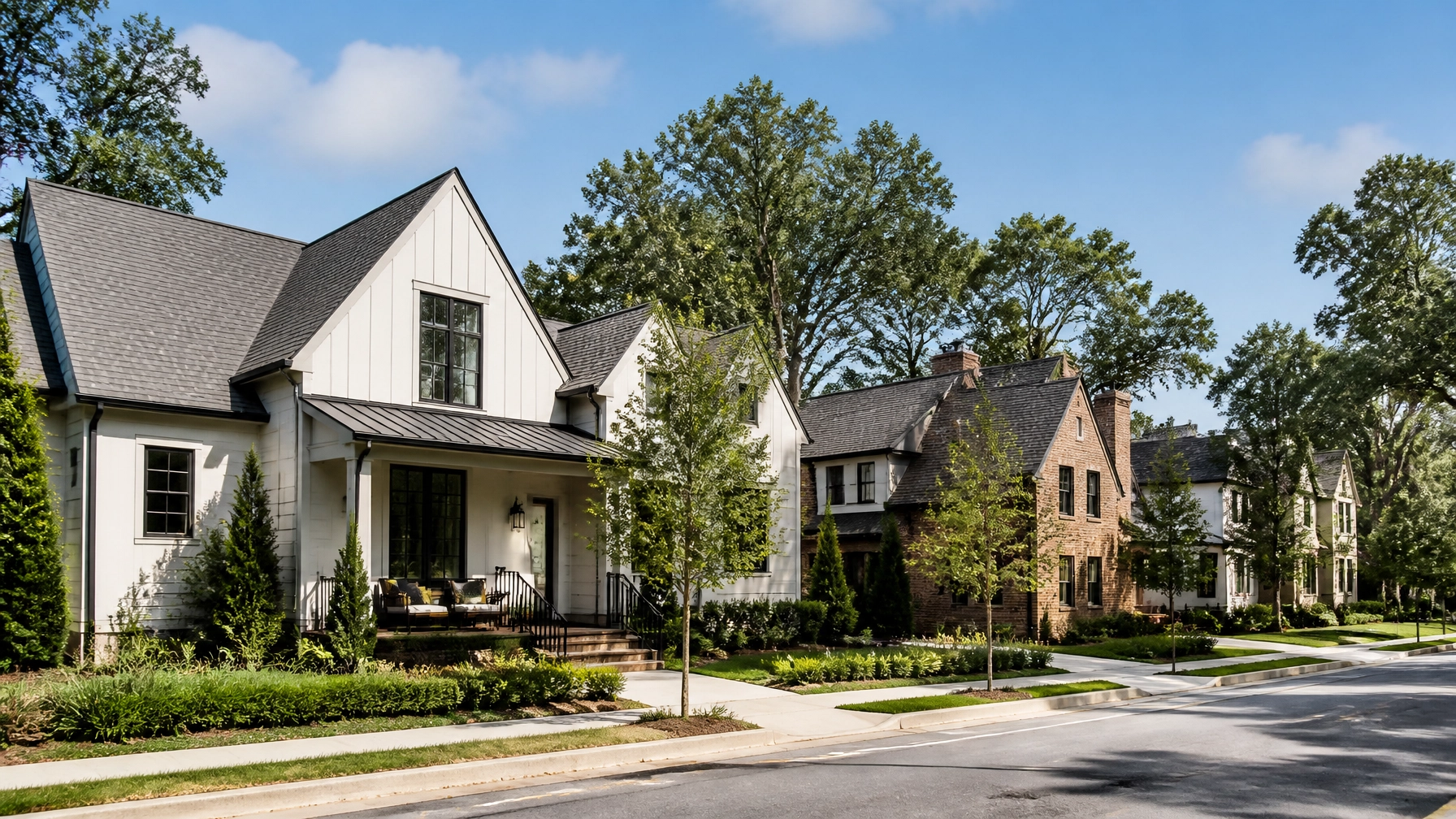
    A residential street in Charlotte showcasing well-maintained roofs and modern architecture

    Regional Impact: The CICOM Tech Hub

    Charlotte’s influence extends far beyond the 485 loop. The CICOM Tech Hub, a collaborative initiative spanning 16 counties across North and South Carolina, is specifically focused on advancing satellite and defense communications technology. This regional powerhouse ensures that the Carolinas remain at the forefront of the aerospace manufacturing supply chain.

    A spokesperson from the UNC Charlotte CICOM Tech Hub recently emphasized the city’s strategic position:

    "By integrating advanced satellite communications with our deep manufacturing roots, Charlotte is ensuring that the next generation of orbital hardware isn't just designed here: it's built here. Maintaining this manufacturing edge is critical for our regional economic security and technological sovereignty."

    Connectivity at Warp Speed: Starlink in the Queen City

    For the tech-savvy Charlotte resident, satellite technology is more than a research topic: it’s their internet backbone. As of 2026, satellite coverage is 100% available in Charlotte via multiple providers. Starlink, in particular, has become a staple for homeowners in the outlying areas of Mecklenburg, Gaston, and Union counties where traditional fiber might lag.

    Current 2026 performance data for Starlink in the Charlotte metro area reflects a robust infrastructure:

    • Download Speeds: 172 Mbps (Average)
    • Upload Speeds: 21 Mbps (Average)
    • Latency (Ping): 40ms (Typical)

    This level of connectivity allows homeowners to access data-heavy tools, such as our satellite-powered roofing estimator, without the lag times associated with legacy satellite services.

    Aviation Innovation: The CLT Runway Digital Twin

    Perhaps the most ambitious application of sensor tech in the city is the Charlotte AIR Institute’s latest project at CLT Airport. Backed by $6.5 million in total funding: including a pivotal $2 million FAA grant: the project has created a sensor-embedded "digital twin" of the airport's runways.

    This digital twin uses a combination of satellite imagery and ground-based sensors to monitor pavement health, thermal stress, and structural integrity in real-time. It’s a predictive maintenance model that saves millions in repair costs. At Get My Roof Estimate Now, we apply a similar philosophy to residential roofing. By using high-resolution imagery, we identify the exact "digital twin" of your home’s roof to provide pricing that is 90-95% accurate compared to a physical measurement.

    Homeowner using a smartphone to get a satellite-based roof estimate in Charlotte

    Sky-High Visibility: SpaceX and the Charlotte Horizon

    Charlotte’s connection to the "New Space" economy is often visible to the naked eye. Residents frequently catch glimpses of SpaceX Falcon 9 launches. Depending on the trajectory and time of day, the "space jellyfish" effect: where the setting sun illuminates the rocket’s exhaust plume at high altitudes: can be seen clearly from South End or the rooftops of Uptown. These launches are a constant reminder of the 2,000+ satellites currently orbiting above us, many of which provide the very data we use to measure roofs in North Carolina.

    The Professional Edge: Satellite Data for Your Home

    Why does Charlotte’s satellite edge matter to you as a homeowner? In the past, getting a roof estimate required scheduling three different contractors to visit your home, climb a ladder, and manually measure with a tape. It was slow, invasive, and often resulted in inconsistent pricing.

    Today, we leverage Charlotte's tech-forward environment to provide:

    1. 60-Second Results: No waiting for a callback.
    2. Zero Pressure: You get the data before you ever speak to a contractor.
    3. Accuracy: Measurements are precise to within inches.
    4. Transparency: See the difference between architectural shingles and metal roofing costs instantly.

    Charlotte Roofing Cost Benchmarks (2026 Data)

    In the Charlotte market, the average roof size for a single-family home typically ranges from 1,500 to 3,000 square feet (15 to 30 squares). Based on current material costs and labor rates in North Carolina, here are the general price categories homeowners should expect:

    • Architectural Shingles (Popular): $8,000 – $14,000. These offer excellent wind resistance for the storm seasons common in the Piedmont region.
    • Standing Seam Metal (Premium): $18,000 – $35,000. High durability and energy efficiency, perfect for North Carolina's humid summers.
    • Synthetic/Composite (High-End): $25,000+. These offer the look of slate or cedar with significantly less maintenance.

    High-quality metal roofing on a modern Charlotte residence

    Planning Your Next Project in the Tech City

    Whether you are living in a historic home in Dilworth or a new build in Ballantyne, your roof is your first line of defense against the elements. The "Queen City's" technological evolution has made it easier than ever to budget for this essential home improvement.

    You no longer need to wonder if you're getting a fair price. By leveraging the same satellite remote sensing technology pioneered by experts like Professor Ian Chang and the GeoSAN center, you can take control of your home maintenance.

    Ready to see how Charlotte’s satellite tech edge can simplify your life? Visit our locations page to see how we're serving your specific zip code, or get your instant estimate here.

    The future of home services is here, and in Charlotte, that future is orbiting 300 miles above us.

  • Daily Tech Blitz: Atlanta’s Satellite Tech Edge Is Taking Off

    Daily Tech Blitz: Atlanta’s Satellite Tech Edge Is Taking Off

    Atlanta, Georgia, is rapidly evolving beyond its reputation as the "Silicon Orchard." While the city has long been a hub for fintech and logistics, a new frontier is emerging: space. The metro area is currently experiencing a "Satellite Tech Blitz," with local startups and academic institutions leveraging orbital technology to solve complex problems. From reusable reentry vehicles to orbital cloud computing, Atlanta’s aerospace ecosystem is no longer just a participant: it’s a leader.

    For the average Atlanta homeowner, these headlines might seem distant. However, the same satellite infrastructure powering these billion-dollar innovations is the exact technology we use to provide instant roof estimates in under 60 seconds. Here is a deep dive into the technology currently taking off in the A-Town and how it impacts your home.

    Reditus Space: The Return of the Reusable Vehicle

    One of the most significant players in the local space scene is Reditus Space, an Atlanta-based startup that recently closed a $7.1 million seed round. Their flagship project, ENOS, is a 200-kg reusable reentry vehicle roughly the size of a household refrigerator.

    ENOS represents a shift toward sustainable space operations. Traditionally, satellites or capsules are "single-use," burning up upon reentry or being abandoned in orbit. Reditus is changing that narrative with a vehicle designed to carry microgravity payloads, orbit for approximately two months, and then perform a controlled reentry to land safely off the coast of Florida.

    Key Facts on the ENOS Mission:

    • Launch Date: Scheduled for Fall 2026 via a SpaceX Falcon 9 rideshare.
    • Mass: 200 kg (Small-Scale).
    • Capacity: Optimized for pharmaceutical research and semiconductor manufacturing in microgravity.
    • Recovery: Reusable design intended for multiple mission cycles to lower the cost of space access.

    A hyper-realistic aerospace visualization of the ENOS reusable reentry spacecraft orbiting Earth with a metallic, high-tech finish.

    This technology is critical for industries requiring high-purity environments that only microgravity can provide. By shipping ENOS to California for its upcoming SpaceX launch, Reditus is putting Atlanta on the map as a premier destination for advanced aerospace manufacturing.

    Atomic-6 and the Rise of Orbital Data Centers

    Just north of Atlanta in Marietta, Atomic-6 is redefining where our data lives. As terrestrial data centers face increasing power and cooling challenges, Atomic-6 has launched ODC.space, a marketplace for orbital data centers.

    The concept is simple: instead of building massive, heat-generating server farms on the ground, why not put them in Low Earth Orbit (LEO)? Atomic-6 provides the "bus": the satellite structure, power, and thermal management: while customers provide the compute workloads.

    Data Center Specifications:

    • Entry Pricing: Packages starting at approximately $575,000 per month (Enterprise).
    • Power Management: Utilizing "Light Wing" solar arrays, developed under contracts with the Department of Defense and the U.S. Space Force.
    • Thermal Control: Advanced cooling systems that radiate heat into the vacuum of space, far more efficient than traditional air-cooled ground units.

    A sophisticated orbital data center satellite in low Earth orbit featuring advanced solar arrays and a central compute module.

    Atomic-6’s success highlights a growing trend: the commoditization of space. By making it as easy to "add to cart" an orbital server as it is to rent a cloud instance from Amazon or Google, they are lowering the barrier to entry for high-speed, secure data processing.

    Georgia Tech: Mapping the Ionosphere with Lightning

    While private companies focus on commercialization, Georgia Tech’s Space Research Institute is pushing the boundaries of atmospheric science. Their latest project involves the FulminoSat CubeSat constellation.

    These miniature satellites are designed to study the Earth’s ionosphere by detecting lightning signals. Lightning produces powerful electromagnetic pulses that travel up into the ionosphere; by measuring how these signals are distorted, researchers can create high-resolution maps of the upper atmosphere.

    Why FulminoSat Matters:

    • Precision: Provides real-time data on atmospheric conditions that affect GPS accuracy and satellite communications.
    • Design: Utilizes standardized "CubeSat" modules, which are cost-effective (Budget) and quick to deploy.
    • Data Application: Improved weather forecasting and storm tracking for the Southeast, where lightning-heavy summer storms are a frequent occurrence.

    A 3U CubeSat satellite (FulminoSat) drifting through the upper atmosphere with lightning flashes visible in a storm system below.

    From the Stars to Your Shingles: How Satellite Tech Protects Your Home

    It is easy to see these innovations as "space stuff," but the reality is that satellite technology is already integrated into your daily life. At Get My Roof Estimate Now, we utilize high-resolution satellite imagery: the same category of data used by defense agencies and researchers: to revolutionize how homeowners maintain their properties.

    Traditionally, getting a roof estimate meant scheduling a contractor to visit your home, climb a ladder, and manually measure your roof. This process is time-consuming, prone to human error, and often leads to high-pressure sales tactics.

    Our Satellite-Powered Process:

    1. Address Entry: You provide your Atlanta-area zip code and address.
    2. Image Processing: Our software pulls the latest high-resolution satellite imagery of your property.
    3. Advanced Measurement: We calculate the exact square footage, pitch (Steepness), and complexity of your roof. Our measurements are accurate to within 90-95%.
    4. Instant Quote: Within 60 seconds, you receive a transparent pricing range based on current local material and labor costs.

    A high-resolution satellite perspective of a suburban residential neighborhood in Atlanta, Georgia, showing detailed roof structures.

    Why Atlanta Homeowners Use Our Technology:

    • Speed: Get a full estimate in under a minute: faster than a SpaceX countdown.
    • Transparency: We provide low-middle-high price ranges so you can budget effectively.
    • Variety: Compare costs for different materials like Architectural Shingles (Popular), Metal (Premium), or synthetic options.
    • Verified Contractors: Once you have your estimate, we can connect you with licensed, insured local professionals who respect your time and budget.

    Conclusion: The Future is Overhead

    The "Tech Blitz" in Atlanta is more than just a local business trend; it is a fundamental shift in how we use the space above us. Whether it is Reditus Space returning payloads to Earth, Atomic-6 moving data to the stars, or Georgia Tech mapping lightning strikes, the benefits of satellite technology are trickling down to everyday homeowners.

    If you are a homeowner in Atlanta planning for a roof replacement, you don't need to wait for a ladder-wielding contractor to show up at your door. You can leverage the power of the "Satellite Tech Edge" today.

    Visit our roof cost calculator to get your free, no-obligation estimate in 60 seconds. Experience the speed and accuracy of the space age right from your living room.

  • From Space to Your Rooftop: How Satellite Tech Is Changing Nashville Home Values in 2026

    Nashville is no longer just "Music City": it has officially become "Space City South." As we move through 2026, the skyline isn’t the only thing reaching for the stars; the technology orbiting above us is fundamentally changing how homeowners in the 615 manage their most valuable asset.

    From the emergence of local pioneers like Blackwing Space to the investment muscle of 615.vc, Nashville is at the epicenter of a satellite technology revolution. But this isn't just about rockets and nanosatellites; it's about the practical application of space-tech that allows you to get a precise roof replacement estimate in under 60 seconds without a single contractor stepping onto your lawn.

    Nashville’s Space Tech Edge: Why It Matters to You

    The local tech landscape has shifted dramatically. Under the leadership of CEO Paul Anderson, Blackwing Space is now a household name in the aerospace industry, building commercial nanosatellites (like the Sparrow and Kestrel) right here in our backyard. Combined with the rollout of Amazon’s LEO satellite internet service, high-resolution data is more accessible than ever.

    "Nashville is proving that the 'Southern Space Corridor' isn't just a concept: it's a massive economic engine," says industry insiders. For the average homeowner in neighborhoods from East Nashville to Brentwood, this "Space 3.0" economy means smarter tools for home maintenance.

    At Get My Roof Estimate Now, we harness this same Nashville satellite innovation to provide homeowners with data-driven transparency. By utilizing sub-meter resolution imagery, we measure your roof's size, pitch, and complexity with 90-95% accuracy: all from orbit.

    Nashville Housing Market 2026: The State of Play

    The Nashville housing market in July 2026 has entered a phase of healthy stabilization. If you are looking to sell or simply protect your equity, understanding these benchmarks is critical:

    • Median Home Value: Currently hovering between $434,000 and $475,000 (Davidson County).
    • Market Supply: Approximately 4.8 months, indicating a balanced market where buyers are more selective about condition.
    • Appreciation: Steady growth of 3-5% annually is the new norm for 2026.

    In this environment, a deteriorating roof isn't just a maintenance issue; it's a massive liability during inspections. Conversely, a new roof home value Nashville boost is one of the most reliable ways to stand out in a sea of listings.

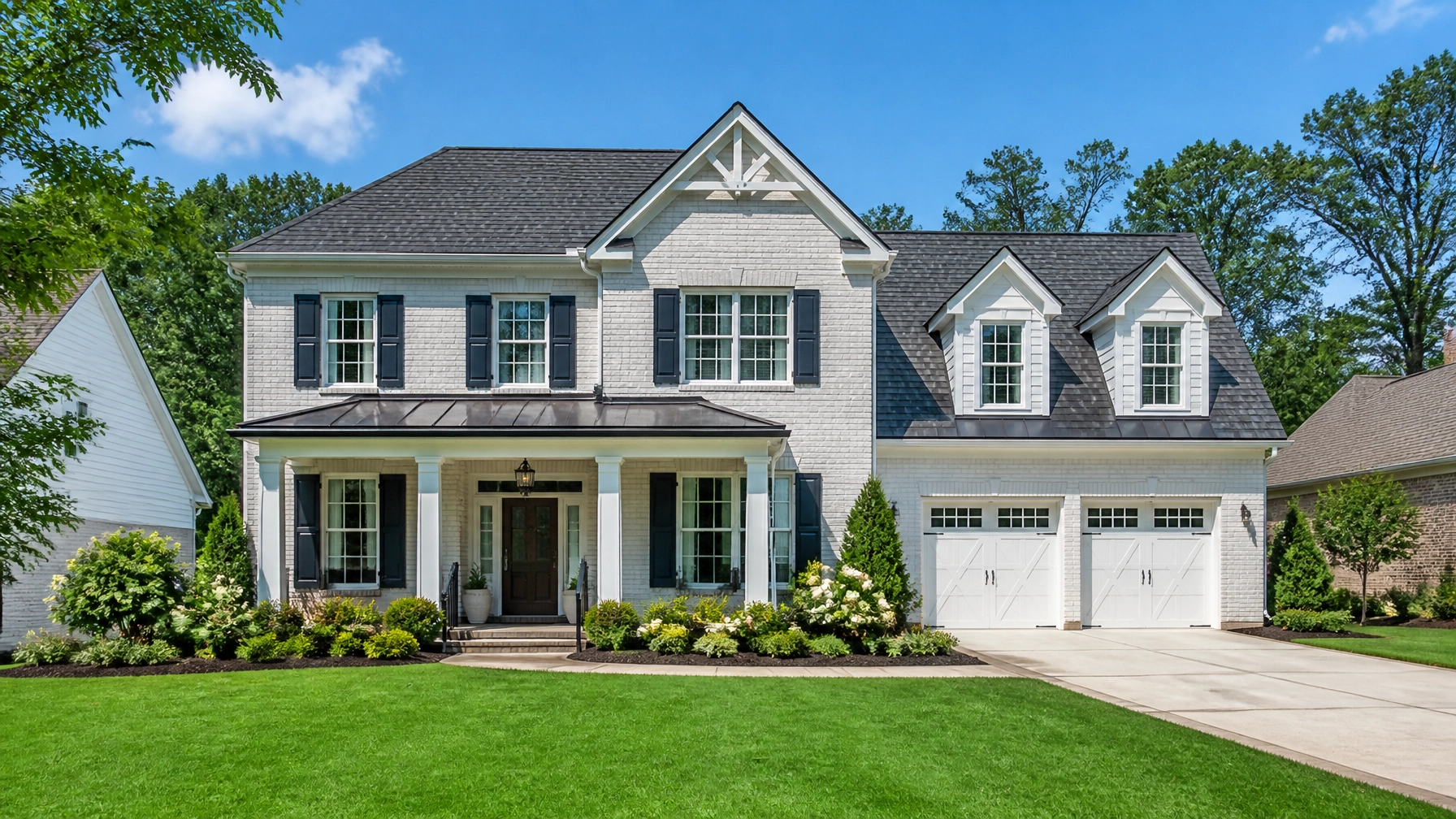
    Hyper-realistic photography of a recently completed roof replacement on a colonial-style home in a Nashville suburb. High curb appeal, professional landscaping, clean lines.

    The ROI Factor: Nashville TN Roof Replacement ROI

    Is it worth the investment? In Nashville, the answer is a resounding yes. According to current 2026 market data, homeowners can expect a roof replacement return on investment Nashville of 58% to 75%.

    A project that costs $15,000 can easily add $11,000+ to your asking price, but the real value lies in the "Days on Market" reduction. Homes with verified, new roofs sell nearly 20% faster in the current 4.8-month supply climate.

    2026 Pricing Benchmarks (Nashville Metro)

    Material Type Price Range (Standard 2,500 sq ft Roof) Context
    Architectural Shingles $9,500 – $14,000 (Popular / Reliable)
    Metal Roofing (Standing Seam) $18,000 – $28,000 (Premium / Lifetime)
    Synthetic / Composite $22,000 – $35,000 (Designer / High-End)

    Note: These are estimates based on regional material and labor costs in Middle Tennessee as of July 2026.

    How Satellite Tech Measures Your Roof (Within Inches)

    The traditional method of roof estimation involves a contractor climbing a ladder with a tape measure: a process that is slow, prone to human error, and frankly, unnecessary in 2026.

    Our satellite technology Nashville integration works through three primary layers:

    1. Ortho-rectified Imagery: We pull high-res top-down views that account for the earth's curvature.
    2. AI Geometry Analysis: Our algorithms identify ridges, valleys, and hips to calculate the exact "squares" (100 sq ft sections) needed.
    3. Pitch Detection: Using shadows and multi-angle perspectives, we determine the slope of your roof, which is essential for accurate labor and waste-factor calculations.

    This allows us to provide a Nashville TN roof replacement cost 2026 update that is ready before you even finish your morning coffee.

    Close-up macro shot of high-quality architectural asphalt shingles in a 'Weathered Wood' color. Texture and detail of the granules are visible.

    Choosing the Right Material for the Middle Tennessee Climate

    Nashville’s weather is notoriously fickle. From July heatwaves to spring storm cells, your material choice impacts both your Nashville TN roof replacement ROI and your long-term energy bills.

    • Architectural Shingles (Budget-Friendly): The most common choice in Nashville. They offer excellent wind resistance and a multi-dimensional look that mimics wood shakes.
    • Metal Roofing (Durability King): Growing in popularity in areas like Belle Meade and Franklin. Metal roofs reflect solar radiant heat, potentially lowering cooling costs by up to 25% during humid Tennessee summers.
    • Synthetic Slate (The Aesthetic Choice): Perfect for historic homes in 12 South or Germantown that want the look of slate without the heavy structural reinforcement.

    The "60-Second" Advantage

    In the time it takes to read this paragraph, you could have a full, transparent breakdown of your roof replacement costs. We’ve eliminated the high-pressure sales calls and the "let me talk to my manager" games.

    Our process is low-friction:

    1. Enter Your Address: We locate your home via satellite.
    2. Review the Specs: Our AI generates your roof's footprint and pitch.
    3. Select Your Tier: Choose between Budget, Popular, or Premium materials.
    4. Receive Your Quote: An instant, accurate range based on current local labor rates in Nashville.

    Comparison image: on the left, a traditional tape measure on a roof; on the right, a high-resolution satellite imagery view of a roof with digital measurement lines and labels (e.g., 'Pitch: 6/12', 'Area: 24 Squares').

    Final Thoughts: Investing in Your Nashville Home

    As the Nashville housing market 2026 continues to mature, savvy homeowners are leaning into technology to stay ahead. Whether you're reacting to storm damage or planning a strategic upgrade before hitting the market, the data is clear: precision matters.

    Don't guess on your biggest home investment. Leverage the same satellite innovation that is putting Nashville on the global aerospace map.

    Ready to see what the satellites see?
    Get your free, instant Nashville roof estimate now.


  • 2026 Roof Replacement Cost San Antonio: Complete Pricing Guide for Homeowners

    2026 Roof Replacement Cost San Antonio: Complete Pricing Guide for Homeowners

    If you are a homeowner in San Antonio, Texas, planning a roof replacement in 2026, you are navigating a unique market defined by extreme UV exposure, "Hail Alley" risks, and surprisingly competitive labor rates. While the national average for roofing continues to climb, San Antonio remains a relatively affordable pocket for home services: with costs roughly 14% below the national average.

    For a typical 2,000-square-foot home in San Antonio, homeowners can expect to spend between $8,500 and $22,000 for a full replacement. Most projects using high-quality architectural shingles fall into the $12,000 to $16,000 range.

    This guide provides the authoritative data you need to budget for your project, navigate insurance claims in Texas, and leverage modern satellite technology to get an accurate estimate without the traditional contractor hassle.


    The Bottom Line: 2026 San Antonio Pricing Breakdown

    In San Antonio, roofing is priced "per square" (a 10×10 foot area). Your total investment is primarily driven by material choice and the complexity of your roofline.

    Average Cost by Material (Installed)

    • Architectural Shingles (Popular): $5.75 – $8.00 per sq. ft.
    • Metal Roofing (Premium/Durable): $10.00 – $16.00 per sq. ft.
    • Clay or Concrete Tile (Luxury/Traditional): $12.00 – $22.00 per sq. ft.

    For a standard 2,000 sq. ft. roof (roughly 20 squares), here is how those numbers translate to your final invoice:

    Material Type Estimated Total Cost (2,000 sq. ft.) Expected Lifespan in San Antonio
    3-Tab Shingles (Budget) $8,500 – $10,500 12 – 15 Years
    Architectural Shingles (Standard) $12,000 – $16,000 18 – 22 Years
    Class 4 Impact-Resistant (Smart) $15,000 – $21,000 22 – 25 Years
    Standing Seam Metal (Elite) $24,000 – $38,000 40 – 60 Years

    Comparing architectural shingles vs 3-tab

    Local Factors Driving San Antonio Roofing Costs

    San Antonio isn't just any market; it's a high-heat, high-storm environment. This affects both what you pay and how long your roof lasts.

    1. The "Hail Alley" Tax

    San Antonio is situated firmly in "Hail Alley." Major storms are common, and in 2026, many insurers have updated their requirements. Investing in Class 4 Impact-Resistant shingles may have a higher upfront cost, but it can yield insurance premium discounts of 20-35% in Texas.

    2. The San Antonio Sun and Roof Lifespan

    While asphalt shingles might last 25-30 years in the Pacific Northwest, the intense UV exposure and extreme heat in South Texas degrade organic materials faster. The typical roof lifespan in San Antonio is 18-22 years, significantly shorter than the national average.

    3. Permitting and Local Regulations

    Within the San Antonio city limits, roofing permits typically range from $150 to $400. Professional contractors will include this in your quote, but always verify that the permit has been pulled to ensure your home remains compliant with local building codes.


    When to Schedule Your Replacement

    Timing your roof replacement can save you money and prevent weather-related delays. In San Antonio, the "Peak Season" for roofers is immediately after the spring hail storms (March-May).

    • Best Time to Replace: October through April. The weather is cooler, which is safer for crews and better for shingle adhesion.
    • Times to Avoid: July and August. Extreme temperatures can cause shingles to "scuff" during installation, and labor productivity drops due to heat safety protocols.

    Navigating a San Antonio Roof Insurance Claim

    In 2026, insurance companies have become more stringent with documentation. Because hail and wind damage are so common in Bexar County, knowing the rules is vital.

    • The 1-Year Rule: Texas law generally allows homeowners one year from the date of the storm to file a claim. If you suspect hail damage from a recent storm, do not wait.
    • Professional Documentation: Before calling your adjuster, use satellite technology San Antonio tools to get a baseline measurement and condition report.
    • Deductibles: Most Texas policies have a separate wind/hail deductible (often 1-2% of the home's insured value). Ensure you have these funds set aside.

    Financial Assistance: San Antonio’s "Under 1 Roof" Program

    For homeowners on a fixed income or those struggling with the cost of a necessary replacement, the City of San Antonio offers the "Under 1 Roof" program.

    • What it is: A grant program for high-efficiency "cool roof" replacements.
    • Benefit: Provides a new roof that reflects UV rays, lowering indoor temperatures and reducing CPS Energy bills.
    • Eligibility: Typically based on income, age, or disability status. Check with the San Antonio Neighborhood & Housing Services Department for 2026 application windows.

    Why Satellite Technology is Changing the Game

    The days of waiting a week for three different contractors to climb onto your roof with a tape measure are over. At Get My Roof Estimate Now, we utilize advanced satellite imagery to provide measurements accurate to within inches.

    Satellite imagery for roof measurements

    Benefits of Satellite Estimating:

    • Speed: Get your roof replacement cost San Antonio TX in under 60 seconds.
    • Accuracy: We calculate size, pitch, and complexity (90-95% accuracy) without needing to step foot on your property.
    • Transparency: You see the same data the contractors see, eliminating "hidden fees" or inflated square footage.

    Premium Options: Is a Metal Roof Worth It in San Antonio?

    With the increasing frequency of storms, many San Antonio homeowners are moving away from traditional shingles toward metal roofing.

    Premium metal roof on a San Antonio home

    • Reflectivity: Metal roofs reflect solar radiant heat, which can reduce cooling costs by 10-25% during blistering San Antonio summers.
    • Durability: While a shingle roof may need replacing every 20 years in Texas, a standing seam metal roof can easily last 50+ years.
    • Cost Factor: Expect to pay 2x to 3x more than architectural shingles. However, the long-term ROI and insurance savings often offset the initial investment for "forever homes."

    Ready to Get Your 2026 Estimate?

    Don't let the stress of a leaking or aging roof disrupt your life. Whether you are preparing for a Texas roof insurance claim 2026 or simply budgeting for a planned upgrade, information is your best tool.

    Get your instant, free roof replacement estimate in 60 seconds. No credit card, no contractor visits, just accurate data powered by satellite technology.

    Get My San Antonio Roof Estimate Now →

  • 2026 Roof Replacement Cost in Nashville, TN: Complete Pricing Guide for Homeowners

    2026 Roof Replacement Cost in Nashville, TN: Complete Pricing Guide for Homeowners

    Nashville is growing at an unprecedented rate, and with that growth comes a surge in home renovation costs. If your roof is approaching the 15-to-30-year mark, or if a recent Middle Tennessee storm has left its mark on your shingles, understanding the local pricing landscape is essential for budgeting.

    In 2026, a standard roof replacement in the Nashville metro area typically ranges between $8,000 and $25,000. However, several factors: from local building codes to specific neighborhood requirements: can shift your final quote. This guide breaks down the data-driven costs you need to plan your project with confidence.

    The Nashville Snapshot: 2026 Cost Overview

    Nashville homeowners face unique pricing challenges. Due to high demand for skilled labor and rapid regional growth, roofing costs in Davidson County are currently about 8% above the Tennessee state average.

    • Standard 2,000 sq ft Home: $8,000–$25,000
    • Most Common Choice (Architectural Shingles): $11,000–$16,000
    • Average Labor Rates: $55–$95 per hour (Davidson County)
    • ROI: A new roof in Nashville typically recoups 65-75% of its cost in added home value.

    For an immediate look at your specific home, you can use our roof cost calculator to get a satellite-powered estimate in under 60 seconds.

    Cost Breakdown by Material

    Material choice is the single largest variable in your roofing budget. In Nashville, we categorize these into four main performance levels:

    1. Asphalt Shingles (Budget & Popular)

    Asphalt remains the most common choice for Nashville homes, offering a balance of affordability and durability.

    • 3-Tab Shingles (Budget): $7,500–$14,500. A straightforward, flat-looking shingle that provides basic protection.
    • Architectural Shingles (Popular): $9,500–$16,500. Also known as "dimensional" shingles, these provide a thicker, layered look and superior wind resistance.

    2. Impact-Resistant Shingles (Resilient)

    • Class 4 Shingles: $18,000–$24,000.
      With Nashville sitting in a high-risk corridor for hail and wind damage, Class 4 shingles are becoming a standard upgrade. In fact, some zones within 10 miles of the Cumberland River now require these by code. Bonus: Installing Class 4 shingles can reduce your homeowners insurance premiums by up to 25%.

    3. Metal Roofing (Premium)

    • Standing Seam Metal: $16,000–$32,000+.
      Metal roofs are increasingly popular in areas like 12 South and The Gulch for their modern aesthetic and 50+ year lifespan.

    4. Specialty Materials (Luxury)

    • Concrete Tile: $24,700–$52,000.
      Common on luxury estates in Belle Meade or Forest Hills, tile offers incredible durability but requires a reinforced roof structure due to its weight.

    Close-up of high-quality architectural shingles showing layered texture

    Pricing by Home Size

    While every roof is different, the total square footage of your home is a primary indicator of cost. Nashville roofs are measured in "squares" (one square = 100 square feet).

    Home Size (Sq Ft) Estimated Cost Range
    Under 1,500 $6,000–$10,000
    1,500–2,000 $8,000–$14,000
    2,000–3,000 $10,000–$18,000
    3,000–4,000 $15,000–$24,000
    Over 4,000 $20,000–$35,000+

    Key Cost Drivers in Davidson County

    Beyond materials and size, several local factors influence your final estimate:

    • Roof Pitch (Steepness): If your roof is too steep to walk on safely, contractors apply a labor surcharge of 15-25% for extra safety equipment and slower installation speeds.
    • Permit Fees: In Davidson County, expect to pay approximately $180 for a roofing permit, though this can range from $75–$300 depending on the project scope.
    • Tear-Off and Disposal: Removing your old roof usually adds $1–$2 per square foot to the total.
    • Decking Repairs: Older homes in East Nashville or Inglewood often have "spaced decking" or rotted wood hidden under the shingles. Replacing these plywood sheets can add several hundred to a few thousand dollars to the project.

    A modern Nashville home featuring a sleek black standing seam metal roof

    Neighborhood Nuances: Where You Live Matters

    Where your home is located in the Nashville metro area can impact the complexity and price of your replacement:

    • East Nashville & Inglewood: Many homes here are historic. You may encounter "deck replacement contingencies" where the original wood lath must be replaced with modern OSB or plywood to meet 2026 building codes.
    • Donelson & Hermitage: This area is often referred to as a "tornado corridor." We strongly recommend Class 4 impact-resistant upgrades here to protect against frequent high-wind events.
    • Belle Meade, Forest Hills, & Green Hills: These areas often have strict design-review committees and historic preservation requirements. Expect premium finishes and slightly higher labor costs due to design-review oversight.
    • Franklin & Brentwood: Generally, projects in Williamson County run 10-15% higher than the Nashville average due to higher property values and more complex architectural designs.

    Storm Damage and Insurance Claims

    Nashville’s volatile weather means many roof replacements are funded through insurance. Here is what you need to know:

    1. The 1-Year Rule: Most Tennessee insurance policies require you to file a claim within one year of the storm date.
    2. Matching Laws: Tennessee law requires insurers to match materials "where reasonable." If your specific shingle color or style is discontinued, the insurer may be required to replace the entire roof rather than just a patch.
    3. Deductibles: Never trust a contractor who offers to "waive your deductible." This is often a sign of insurance fraud. A reputable contractor will provide a transparent bid that you can submit directly to your adjuster.

    The 60-Second Solution: Satellite-Powered Estimates

    The traditional way to get a roof estimate: calling three contractors, waiting for them to show up, and sitting through three high-pressure sales pitches: is outdated. In Nashville’s busy market, contractor wait times can be as long as 8 to 12 weeks just to get on the schedule.

    At Get My Roof Estimate Now, we’ve streamlined the process. Using advanced satellite imagery, we can measure your roof’s size, pitch, and complexity with 90-95% accuracy in under a minute.

    • Instant: Receive your estimate in 60 seconds.
    • Accurate: Measurements are accurate to within inches.
    • Zero Pressure: No contractor visits needed upfront.
    • Transparent: See low, middle, and high price ranges for different materials immediately.

    Recently renovated bungalow in East Nashville with a fresh asphalt shingle roof

    Conclusion: Planning Your Replacement

    A roof replacement is a significant investment, but in a market like Nashville, it is essential for protecting your home’s value and integrity. Whether you are looking for a budget-friendly 3-tab shingle or a premium standing seam metal roof, start with accurate data.

    Ready to see what your 2026 roof replacement will cost? Get your instant Nashville roof estimate here.

  • 2026 Roof Replacement Cost in Houston: Projected Prices & What Homeowners Need to Know

    2026 Roof Replacement Cost in Houston: Projected Prices & What Homeowners Need to Know

    For Houston homeowners, planning a roof replacement in 2026 requires a new set of calculations. Between shifting trade policies and the increasing intensity of Gulf Coast storm seasons, the "ballpark" figures of two years ago no longer apply.

    Current projections for 2026 indicate a 4% to 8% increase in total project costs compared to late 2024. This hike is driven primarily by new import tariffs on raw asphalt and specialized roofing fasteners, alongside rising labor costs in the Texas construction market.

    At Get My Roof Estimate Now, we use advanced satellite technology in Houston to provide homeowners with instant, accurate pricing that factors in these real-time market shifts. If you are preparing to budget for a project this year, this guide breaks down the data-driven reality of roofing in the Bayou City.

    Houston 2026 Pricing Overview by Roof Size

    In 2026, the average cost for a full roof replacement on a standard single-family home in Houston ranges between $8,500 and $18,500. While factors like pitch and height play a role, the primary driver is the total square footage of the roof (measured in "squares" or 100-sq-ft sections).

    Roof Size (Total Sq Ft) Budget (3-Tab Shingles) Popular (Architectural) Premium (Standing Seam Metal)
    1,500 sq ft $6,200 – $7,800 $8,800 – $11,200 $18,500 – $24,000
    2,500 sq ft $9,500 – $12,000 $13,500 – $17,500 $29,000 – $38,000
    3,500 sq ft $14,000 – $17,500 $19,500 – $25,000 $42,000 – $55,000

    Note: These figures include the removal of one layer of old shingles, disposal fees, and professional installation. For an instant quote specific to your address, visit our Texas roof estimate page.

    The 2026 Cost Drivers: Tariffs and Logistics

    Why is the price higher this year? Two specific factors have shifted the market:

    1. Material Tariffs: New 2026 trade policies have increased the cost of asphalt-saturated felt and specialized roofing nails by approximately 12%. Because these materials are non-negotiable for a code-compliant roof, contractors have been forced to pass an 8% overall material increase to the consumer.
    2. Logistics & Fuel: Transporting heavy materials across the sprawling Houston metro (from Katy to Baytown) has become more expensive. Fuel surcharges and local freight demand have added a "location premium" to projects within Harris County.

    Close-up of premium architectural shingles and matte metal roofing panels

    Local Context: Wind Codes and Storm Prep

    Houston is unique. Unlike inland cities, we must build for the wind. In 2026, installation requirements have tightened to meet higher wind-speed ratings (110–150 mph depending on your proximity to the coast).

    • Texas Windstorm (TWIA) Compliance: If you live in a coastal-exposed area or near the ship channel, you may require WPI-8 certification. This process involves specific fastening patterns and third-party inspections, which typically add $500 to $1,200 to the project cost.
    • Storm Season Surcharges: Demand for roofing services peaks between June and November. Planning your replacement during the "off-season" (January through March) can sometimes save you 3-5% on labor costs before the storm demand hits.

    Leveraging Satellite Innovation in Texas

    The traditional way of getting a quote: waiting for a contractor to climb a ladder and manually measure: is becoming obsolete. Satellite innovation in Texas has transformed the industry, allowing for precision that is accurate to within inches.

    By utilizing high-resolution imagery, we can calculate your roof's size, pitch, and complexity in under 60 seconds. This satellite tech edge removes the human error associated with tape measures and the sales pressure of an in-person visit.

    For homeowners in remote areas or those utilizing Starlink in Houston and high-speed satellite internet in Houston TX, our platform provides a seamless digital experience. We integrate high-speed data to pull complex topographical and structural info instantly, ensuring that the quote you see online is the price you pay.

    Satellite view of a roof with digital measurement overlays

    The 2026 Insurance Landscape: What You Need to Know

    Navigating a Texas roof insurance claim in 2026 is more difficult than it was five years ago. Carriers have shifted their approach to manage the high volume of storm-related losses in the Gulf region.

    • The ACV Shift: Many Houston policies have moved from Replacement Cost Value (RCV) to Actual Cash Value (ACV) for roofs older than 10 years. This means if your 12-year-old roof is damaged, the insurance company will only pay the depreciated value, leaving you to cover the gap.
    • Deductible Reality: Flat $1,000 deductibles are a thing of the past. Most Houston roof replacement insurance policies now feature a 2% wind/hail deductible. On a $400,000 home, that means the first $8,000 of the roof replacement comes out of your pocket.
    • Proof of Maintenance: Insurers are increasingly using their own aerial imagery to deny claims, citing "pre-existing wear and tear." Keeping a digital record of your roof's condition: starting with a professional estimate: is essential for future claims.

    Material Comparison: Shingles vs. Metal (2026 Projections)

    When choosing a material, consider the "Long-Term Value" (LTV) versus the "Upfront Cost" (Budget).

    • Architectural Shingles (Popular): These remain the standard for Houston. They offer excellent wind resistance and curb appeal for a moderate investment. Expect a lifespan of 20–25 years in the Texas heat.
    • Standing Seam Metal (Premium): While the upfront cost is 2x to 3x higher than shingles, metal roofs are increasingly popular in areas like The Heights and River Oaks. They reflect solar heat, potentially lowering your cooling bills by 15% during Houston’s brutal July/August stretch.

    Learn more about the differences in our Metal vs. Shingles comparison guide.

    Houston suburban home with a new silver metal roof

    Expert Tips for 2026 Planning

    1. Verify the License: Ensure your contractor is licensed and carries specific "General Liability" and "Workers' Comp" for roofing. Houston's market often sees "storm chasers" after a major event; stick with verified local pros.
    2. Request Class 4 Shingles: Ask for Impact-Resistant (Class 4) shingles. While they cost roughly 15% more, many Texas insurers offer a premium discount that pays for the upgrade within 3-4 years.
    3. Get Your Data First: Knowledge is power. Before you speak to a single contractor, use our roof cost calculator to get your baseline pricing. This prevents "price anchoring" where a contractor might overquote based on your neighborhood.

    Conclusion

    The 2026 Houston roofing market is defined by complexity. With material costs rising due to tariffs and insurance companies tightening their belts, the best defense for a homeowner is accurate data.

    Don't wait for a leak or the next named storm to find out what your roof will cost. Use our satellite technology in Houston to get your free, no-obligation estimate today. It takes less than a minute to see where your budget stands.

    Get Your 60-Second Roof Estimate Now

  • How Satellite Tech Is Putting Charlotte, NC on the Edge of Innovation

    How Satellite Tech Is Putting Charlotte, NC on the Edge of Innovation

    As of July 2026, the Queen City is no longer just a financial powerhouse or a NASCAR haven. Charlotte, North Carolina, has rapidly ascended into a premier global hub for satellite technology and aerospace innovation. From the quiet streets of Davidson to the bustling runways of Charlotte Douglas International (CLT), the "Space Tech Edge" is reshaping how North Carolinians live, work, and even maintain their homes.

    At Get My Roof Estimate Now, we’ve seen this evolution firsthand. The same high-resolution orbital data that monitors global supply chains is the backbone of our instant roof cost calculator, allowing us to measure your home with precision within 60 seconds.

    Here is how satellite technology is currently putting Charlotte on the global map.

    1. The Satellogic Surge: Global Monitoring from Davidson

    Headquartered in the Charlotte metro area (specifically Davidson, NC), Satellogic has become a titan in Earth observation. Currently operating a fleet of 19 satellites, they provide real-time monitoring of global pipelines, shipping lanes, and agricultural yields.

    The industry is buzzing about their next-gen 30cm resolution sensors, slated for full deployment in 2027-28. This level of clarity will directly compete with Planet Labs, offering unprecedented detail for everything from urban planning to disaster assessment. For homeowners, this means even more accurate data when mapping property lines and roof complexities.

    Ranch-style home in Charlotte with new architectural shingle roof

    2. High-Speed Skies: The Starlink & American Airlines Hub

    Charlotte Douglas International Airport (CLT) is currently the site of a major technological rollout. As American Airlines' largest hub: accounting for roughly 90% of flights: CLT is the epicenter of the new Starlink + American Airlines partnership.

    Starting in 2027, this partnership will bring high-speed, low-latency Wi-Fi to over 500 narrow-body aircraft. For the business travelers and families passing through Charlotte, this ensures that the "dead zone" of air travel is officially a thing of the past.

    3. SpaceX Sightings: A New Carolinian Pastime

    If you looked up on July 9, 2026, you likely saw the spectacular trail of a SpaceX Falcon 9 carrying 29 Starlink satellites. This wasn’t an isolated event; just a few months prior, on April 14, 2026, SpaceX celebrated its 1,000th Starlink satellite launch of the year: a milestone visible across the clear skies of the Piedmont. Charlotte’s geographical position has made it a prime viewing gallery for the expansion of the world's most robust satellite constellation.

    4. NISAR: Protecting the Carolina Coastline

    Beyond connectivity, satellites are performing vital safety work. The NISAR (NASA-ISRO Synthetic Aperture Radar) satellite is currently monitoring the Carolinas for subtle land changes. By tracking landslides, floods, and coastline erosion with millimeter-level precision, NISAR is providing North Carolina emergency management with the data needed to respond to climate shifts and natural disasters before they escalate.

    Stately colonial home in Davidson with new metal roof

    5. UNC Charlotte’s Smart Runway Innovation

    The innovation isn't just in orbit; it's on the ground. UNC Charlotte recently completed a $6.5M smart runway sensor project at CLT Airport. By embedding 2,000 sensors into the asphalt, they have created the nation’s first "instrumented runway digital twin." This allows engineers to use satellite-synchronized data to monitor runway health in real-time, ensuring safer takeoffs and landings for the millions of passengers moving through the Queen City.

    6. Closing the Digital Divide: The $408M BEAD Plan

    North Carolina’s $408M BEAD (Broadband Equity, Access, and Deployment) plan is now in full swing. Approximately 33% of the state’s 93,000 underserved locations are being routed to satellite providers like Starlink and Amazon’s Project Kuiper. This initiative is ensuring that rural communities outside the Charlotte metro area have the same digital opportunities as those in the city center.

    7. Direct-to-Cell: A Lifeline During Hurricane Helene

    The true power of this technology was tested during the recovery efforts for areas affected by Hurricane Helene. Thanks to an FCC emergency authorization, Starlink was able to provide direct-to-cell coverage in the hardest-hit NC regions. This allowed residents and emergency responders to communicate even when traditional cell towers were completely destroyed, proving that satellite tech is a critical pillar of state resilience.

    Close-up of high-quality architectural shingles

    Precision Technology for Your Home

    What does this "Satellite Tech Edge" mean for the average Charlotte homeowner? It means transparency and speed. At Get My Roof Estimate Now, we utilize this cutting-edge satellite imagery to eliminate the "guessing game" of home repairs.

    Whether you are considering architectural shingles vs. metal roofing or just need a ballpark figure for your budget, our technology allows you to:

    • Get an Estimate in 60 Seconds: No waiting for a contractor to drive to your house.
    • Achieve 95% Accuracy: Satellite measurements are accurate to within inches.
    • Explore Multiple Tiers: View pricing for "Budget," "Popular," and "Premium" materials instantly.

    Modern minimalist Charlotte home with innovative roofline

    Charlotte has always been a city that looks forward. With Satellogic, SpaceX, and NASA all playing a role in the region's tech ecosystem, the Queen City is firmly positioned on the edge of innovation. As these technologies continue to evolve, we remain committed to using the best tools available to make home maintenance easier for every North Carolinian.

    Ready to see what the future of roofing looks like? Enter your address here and get your free, satellite-powered estimate today.