Blog

  • How to Choose the Best Roofing Material in Atlanta (2026 Cost Comparison)

    How to Choose the Best Roofing Material in Atlanta (2026 Cost Comparison)

    Navigating a roof replacement in the Atlanta metro area has become increasingly complex in 2026. Between shifting material costs and the aggressive Georgia climate, homeowners can no longer rely on "ballpark" figures from three or four years ago. The reality of the current market is that material prices have seen a steady 4% to 8% increase over the last 12 months, driven by logistics and raw material volatility.

    For a standard 2,000 to 2,500 square foot home in neighborhoods like Marietta, Decatur, or Sandy Springs, you are looking at an investment ranging from $8,500 to over $35,000, depending entirely on your material choice and roof complexity.

    At Get My Roof Estimate Now, we use satellite imagery to bypass the traditional two-week waiting period for contractor bids. This guide provides the hard data you need to make an informed decision today.

    2026 Atlanta Roof Replacement Cost Benchmarks

    Transparency is our priority. Below is the current 2026 data for the Atlanta market. These figures represent the "installed" price, covering both high-grade materials and professional local labor.

    Material Type Category Avg. Cost Per Sq. Ft. (Installed) Total Cost (2,000 Sq. Ft. Roof)
    Architectural Shingles Popular $4.50 – $7.50 $9,000 – $15,000
    Designer Shingles Luxury $7.00 – $11.00 $14,000 – $22,000
    Standing Seam Metal Premium $14.00 – $22.00 $28,000 – $44,000
    Synthetic Slate/Tile High-End $12.00 – $19.00 $24,000 – $38,000

    Note: These ranges factor in the 2026 price hikes. "Complex" roofs with steep pitches or multiple dormers will trend toward the higher end of these brackets.


    The Top 3 Materials for Atlanta Homes

    Choosing a material isn't just about the upfront price; it’s about how that material handles the 95-degree August humidity and the sudden convective thunderstorms common in North Georgia.

    1. Architectural Shingles (The "Popular" Choice)

    Architectural (or laminate) shingles remain the gold standard for Atlanta homeowners. Unlike the flat 3-tab shingles of the past, these are dual-layered and provide a dimensional look that mimics wood shakes.

    • Pros: Cost-effective, 30-year limited warranties, and excellent wind resistance (up to 130 mph).
    • Cons: Susceptible to algae growth (look for "StainGuard" or copper-infused options) in humid Georgia summers.
    • 2026 Trend: We are seeing a shift toward "Cool Roof" shingles in Atlanta to combat rising energy costs.

    Close-up of high-quality architectural shingles in weathered wood color

    2. Standing Seam Metal (The "Premium" Choice)

    In 2026, metal roofing has surged in popularity across areas like Milton and Buckhead. While the initial investment is double that of shingles, the lifespan of 50+ years often makes it the more economical choice for "forever homes."

    • Pros: Practically impervious to Atlanta’s heavy rain; reflects solar heat, significantly lowering AC bills.
    • Cons: Higher upfront cost; requires specialized installers.
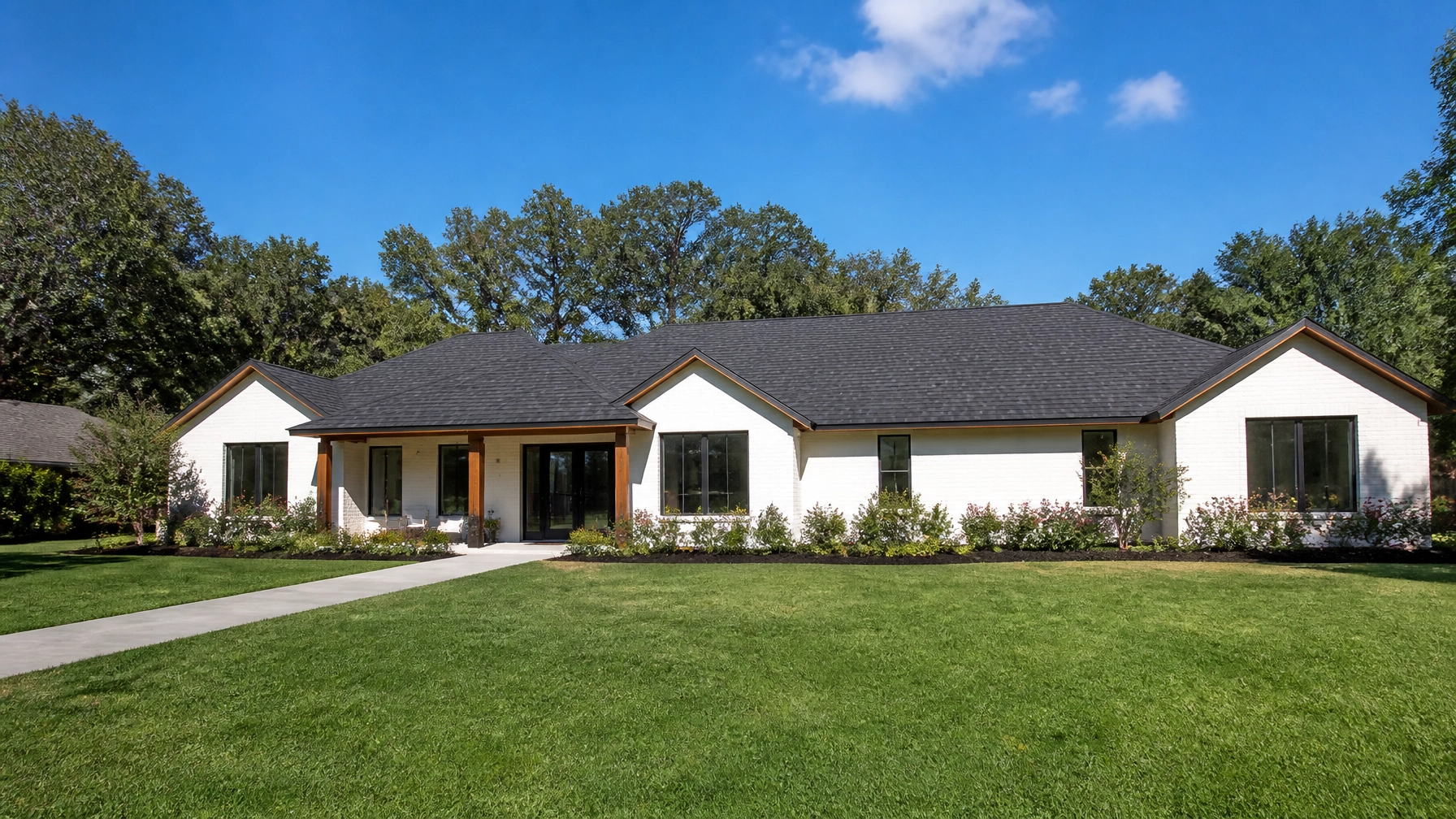
    • 2026 Trend: Matte black and charcoal finishes are the top aesthetic choices for modern farmhouse builds in the metro area.

    Modern farmhouse with a sleek black standing seam metal roof

    3. Designer Shingles (The "Luxury" Choice)

    If you want the look of slate or cedar but don't want the structural weight or the extreme price tag of metal, designer shingles are your best bet.

    • Pros: Massive boost to curb appeal; often carries a Class 4 impact rating (useful for potential insurance discounts after Georgia hail storms).
    • Cons: Heavier than standard shingles; price point sits between architectural and metal.

    Why Atlanta Roof Costs Are Rising in 2026

    You may have noticed that your neighbors paid less for their roofs in 2023 or 2024. Here is the breakdown of why we have integrated a 4-8% price adjustment into our roof cost calculator this year:

    1. Petroleum Prices: Asphalt is a byproduct of oil. As global energy markets fluctuate, shingle manufacturers pass these costs directly to the consumer.
    2. Labor Scarcity: Licensed and insured roofing crews in Georgia are in high demand. Maintaining a professional, safety-compliant crew requires higher wages in the current economy.
    3. Local Building Codes: Atlanta and surrounding municipalities have updated ventilation requirements. Ensuring your roof meets 2026 codes for attic airflow often requires more intake and exhaust hardware than in previous decades.

    Local Factors: The "Atlanta Humidity" Factor

    Atlanta’s climate is unique. We experience high humidity, heavy pollen, and intense UV exposure. When selecting your material, keep these local variables in mind:

    • Algae Resistance: Look for shingles with high copper content. The "black streaks" you see on older roofs in Gwinnett or Cobb County are actually cyanobacteria (Gloeocapsa magma) that thrive in our humidity.
    • Ventilation is Non-Negotiable: A poorly ventilated roof in Georgia will cook your shingles from the inside out, cutting a 30-year lifespan down to 15 years. Ensure your estimate includes a ridge vent or solar-powered attic fans.
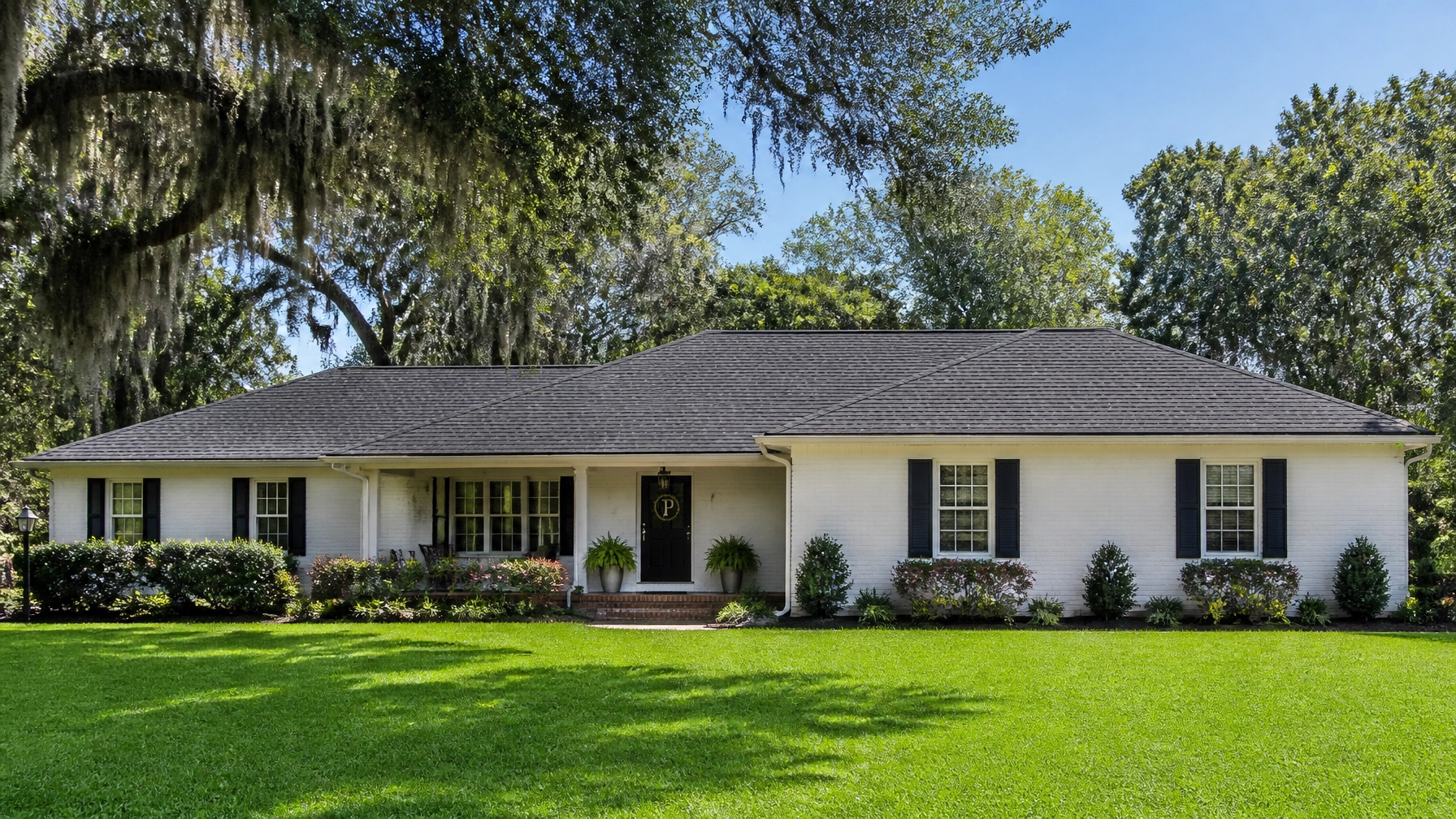
    • Tree Coverage: Atlanta is known as "The City in a Forest." If your home is under heavy canopy, avoid light-colored shingles that show organic staining easily. Instead, opt for darker, multi-toned architectural shingles or a metal system that sheds debris easily.

    Classic brick ranch home in a wooded Atlanta neighborhood with a new grey roof


    How to Get an Accurate Estimate in 60 Seconds

    The traditional way to get a roof estimate is broken. You call three contractors, wait a week for them to show up, and sit through three 90-minute sales pitches.

    Get My Roof Estimate Now has solved this using advanced satellite technology.

    1. Enter your address: Our system pulls high-resolution satellite imagery of your specific property.
    2. Instant Measurement: We calculate your roof’s square footage, pitch, and complexity within inches of accuracy.
    3. Real-Time Pricing: We apply current 2026 Atlanta material and labor rates to give you a transparent price range in under a minute.

    No credit card is required, and there is no pressure to buy. We believe that by providing homeowners with the data upfront, we empower you to budget correctly and choose the right partner for your project.

    Take Action Today

    Don't wait for the next "pollen season" or tropical storm remnant to realize your roof is failing. Prices are projected to continue their upward climb throughout 2026.

    Visit our homepage to see your instant estimate, or browse our blog for more localized roofing guides across the Southeast. Whether you are in downtown Atlanta or the furthest reaches of the suburbs, we provide the accuracy you need to protect your home.

  • The Charlotte Homeowner’s Guide to Vetting Contractors and Avoiding Storm Chasers

    The Charlotte Homeowner’s Guide to Vetting Contractors and Avoiding Storm Chasers

    Charlotte is no stranger to wild weather. From sudden spring hailstorms in Myers Park to the remnants of coastal hurricanes sweeping through Dilworth, our roofs take a beating. For many Charlotte homeowners, a roof replacement is a $10,000 to $25,000 investment that happens once every two decades.

    Unfortunately, where there is storm damage, there are "storm chasers." These are transient roofing companies that descend on Mecklenburg County after a major weather event, pushing high-pressure sales and subpar work before disappearing to the next state.

    Vetting a contractor isn't just about finding the lowest price: it’s about protecting your home’s structural integrity and your financial security. This guide provides a data-driven framework for vetting Charlotte roofing contractors, understanding North Carolina licensing laws, and using technology to get an accurate instant roof estimate before you ever sign a contract.

    Spotting the "Storm Chaser": 5 Immediate Red Flags

    Storm chasers are masters of the "today only" deal. They rely on the urgency created by a recent storm to bypass your normal vetting process. In Charlotte, keep an eye out for these specific warning signs:

    1. Out-of-State License Plates: If the "local" roofing crew is driving trucks with plates from Florida, Texas, or Ohio immediately after a hail event, they are likely a mobile storm-chasing outfit.
    2. The "Free Roof" or "Deductible Waiver" Pitch: In North Carolina, offering to waive or "absorb" a homeowner's insurance deductible is considered insurance fraud. If a contractor tells you they can get you a new roof for "zero dollars out of pocket," walk away.
    3. Pressure to Sign an "Authorization Form": Often, these contractors will ask you to sign a form just to "allow them to talk to your insurance company." In reality, these are often legally binding contracts that lock you into using them for the job.
    4. No Physical Charlotte Address: A reputable Charlotte roofer will have a permanent office in the area: not just a P.O. box or a temporary hotel room.
    5. Unusually Low Bids: If a bid comes in thousands of dollars lower than three other local quotes, they are likely cutting corners on materials or using uninsured labor.

    Professional roofing crew installing high-quality asphalt shingles on a residential roof in a sunny Charlotte suburb.

    Understanding North Carolina Roofing Regulations

    One of the most confusing aspects of hiring a roofer in Charlotte is the licensing requirement. North Carolina has specific rules that vary based on the price of the project.

    The $30,000 Rule

    In North Carolina, any roofing project with a contract value of $30,000 or more must be performed by a contractor who holds a valid license from the North Carolina Licensing Board for General Contractors (NCLBGC).

    • Under $30,000 (Budget/Standard): While a state license isn't strictly required by law for these smaller residential jobs, hiring a licensed General Contractor (GC) provides an extra layer of accountability.
    • Over $30,000 (Premium/Large): For massive homes or high-end materials like slate or heavy-gauge metal, the contractor must be licensed.

    Always ask to see a copy of their NCLBGC license and verify it on the board’s website. If they claim they don't need one because the job is "just under" the limit, consider it a red flag regarding their professional standing.

    The 4-Step Vetting Checklist for Charlotte Homeowners

    Before you allow anyone on your roof, run them through this rigorous vetting process.

    1. Verify Insurance Coverage

    Never take a contractor's word that they are "fully insured." Request a Certificate of Insurance (COI) sent directly from their insurance agent to you. You are looking for two specific coverages:

    • General Liability: Should be at least $1,000,000 to cover any damage to your home during the process.
    • Workers' Compensation: In NC, any business with three or more employees must carry this. If a worker is injured on your property and the contractor doesn't have workers' comp, you could be held liable.

    2. Check Local Reputation (Beyond Google)

    While Google Reviews are helpful, they can be manipulated. Look for long-standing reputations:

    • BBB Rating: Check for a history of resolved complaints.
    • Manufacturer Certifications: Look for titles like GAF Master Elite or CertainTeed Select ShingleMaster. Manufacturers only grant these to the top 2-3% of contractors who have proven financial stability and high-quality installations.
    • Local References: Ask for three addresses in Charlotte (preferably in your specific neighborhood like Ballantyne or Steele Creek) where they completed roofs at least two years ago.

    3. Analyze the Written Estimate

    A professional estimate should be a detailed document, not a number scribbled on a notepad. It should include:

    • Material Brand and Type: (e.g., Owens Corning Duration Shingles).
    • Scope of Work: Will they remove the old shingles (tear-off) or just nail over them? (Hint: Always insist on a full tear-off).
    • Warranties: Clearly defined workmanship (from the contractor) and material (from the manufacturer) warranties.
    • Permit Fees: Who is responsible for pulling the Mecklenburg County building permits?

    4. Leverage Technology for Accuracy

    Traditional vetting often involves waiting days for three different contractors to show up, climb your roof, and give you three wildly different prices. This creates a "black box" where you don't know if you're being overcharged.

    By using satellite-powered measurement technology, you can get a baseline for your project in under 60 seconds. Our tool uses high-resolution imagery to calculate your roof's size and complexity, providing a transparent price range based on current Charlotte labor and material costs. Having this data before you talk to a contractor puts the power back in your hands.

    A homeowner using a smartphone to view an instant, accurate roof estimate based on satellite imagery of their home.

    Roofing Costs in Charlotte: 2026 Data Benchmarks

    To help you vet quotes, here are the current market averages for roof replacements in the Charlotte metro area (based on a standard 2,500 sq. ft. roof):

    Material Type Price Category Estimated Cost Range Expected Lifespan
    3-Tab Shingles Budget $8,500 – $11,000 15-20 Years
    Architectural Shingles Popular $12,000 – $16,500 25-30 Years
    Standing Seam Metal Premium $22,000 – $35,000 50+ Years
    Synthetic Slate/Tile Luxury $30,000 – $50,000+ 50+ Years

    Factors like roof pitch (steepness), number of chimneys, and the number of layers to be removed will influence where your home falls within these ranges.

    The Role of Permits in Charlotte (Mecklenburg County)

    A major red flag during the vetting process is a contractor asking you to pull the building permit as an "owner-builder." In Charlotte, if a contractor is doing the work, they must pull the permit.

    Pulling a permit as a homeowner means you are assuming all legal and safety responsibility for the project. If the contractor suggests skipping the permit to "save money," they are likely trying to avoid a city inspection that would catch subpar work.

    Detailed samples of various roofing materials including architectural shingles and standing seam metal arranged for professional review.

    Why a "Fast" Estimate is Your Best Defense

    The biggest weapon a storm chaser has is your lack of information. When you don't know how many "squares" (100 sq. ft. sections) your roof is or what the fair market price for shingles is in North Carolina, you are vulnerable to price gouging or "low-ball" scams that lead to future leaks.

    At Get My Roof Estimate Now, we provide Charlotte homeowners with:

    • 95% Accuracy: Measurements taken from space, accurate to within inches.
    • Zero Pressure: Get your price in 60 seconds without a salesperson sitting in your living room.
    • Verified Connections: Once you have your estimate, we can connect you with pre-vetted, licensed, and insured Charlotte contractors who honor our transparent pricing models.

    Whether you're in the middle of a storm-related emergency or just planning for the future, don't let the "storm chasers" dictate the terms of your home's most important protection. Arm yourself with data, verify your contractor’s credentials, and always start with an instant estimate.


  • Charleston 2026 Roof Replacement Cost Explained in Under 3 Minutes

    Charleston 2026 Roof Replacement Cost Explained in Under 3 Minutes

    If you own a home in Charleston, South Carolina, you already know the elements are tough on your roof. From the intense humidity and salt air to the annual threat of hurricane-force winds, your roof is the first line of defense. As we move into 2026, many homeowners are finding that their 15-to-25-year-old roofs are reaching the end of their functional lifespan.

    The biggest question is always: What is this going to cost?

    In this guide, we’re breaking down the data-driven reality of Charleston roofing costs in 2026. We’ve analyzed current material price hikes, local labor rates, and regional trends to give you an accurate roadmap for your budgeting process: all in about three minutes.


    The 2026 Charleston Price Snapshot

    Roofing costs are trending upward. Driven by a projected 4–6% increase in material and labor costs compared to 2025, homeowners in the Charleston metro area should prepare for the following ranges:

    • Average Range: $14,000 – $26,000 (Standard single-family home)
    • Downtown/Historic Range: $15,000 – $30,000+ (Due to complexity and permitting)
    • Per Square Foot Cost: $6.00 – $15.00+ (Depending on material)

    1. Material Choice: The Biggest Variable

    Your choice of material dictates the bulk of your investment. In Charleston’s coastal climate, durability is just as important as aesthetics.

    Architectural Shingles (Popular)

    High-quality architectural shingles in Weathered Wood color

    • Estimated Cost: $6.00 – $8.50 per square foot
    • Typical Project Total: $14,500 – $21,000
    • Best For: Most suburban homes in West Ashley, Mount Pleasant, and James Island. These offer excellent wind resistance and a classic look.

    Standing Seam Metal (Premium)

    Sleek modern standing seam metal roof on a coastal home

    • Estimated Cost: $10.00 – $16.00 per square foot
    • Typical Project Total: $25,000 – $40,000+
    • Best For: Coastal properties and homeowners looking for a "forever roof" with maximum hurricane protection and energy efficiency.

    Standard 3-Tab Shingles (Budget)

    • Estimated Cost: $4.80 – $6.30 per square foot
    • Typical Project Total: $9,500 – $13,500
    • Best For: Budget-conscious replacements or investment properties where maximum longevity isn't the primary goal.

    Why Pricing is Rising in 2026

    If you received a quote in 2024 or 2025, you might notice that 2026 numbers look slightly different. Several factors are influencing this shift:

    1. Material Inflation: Major manufacturers announced a price increase in June 2026, citing higher production and transportation costs.
    2. Labor Scarcity: The demand for skilled roofing labor in the Lowcountry continues to outpace supply, driving up the cost of experienced, licensed crews.
    3. Climate Demands: Newer building codes and higher wind-speed requirements in South Carolina mean more specialized underlayment and fastening systems are now standard, adding to the base cost.

    Factors That Impact Your Charleston Estimate

    Not every 2,000-square-foot roof costs the same. Here are the "hidden" factors our roof cost calculator accounts for:

    • Roof Pitch (Steepness): Steeper roofs require more safety equipment and more labor hours. A steep pitch can add 15–30% to the labor cost.
    • Complexity: Do you have multiple dormers, chimneys, or complex valleys? Every "break" in the roofline requires specialized flashing and more time to install correctly.
    • Accessibility: In historic Downtown Charleston, narrow streets and limited staging areas can increase logistical costs significantly.
    • Tear-off Layers: If your home has two layers of shingles already, the cost of disposal and labor for the tear-off will increase.

    How Technology is Changing the Estimate Process

    Satellite imagery view with digital measurement overlays

    Traditionally, getting a roof estimate meant calling three different contractors, waiting days for them to show up, and dealing with high-pressure sales pitches in your living room.

    At Get My Roof Estimate Now, we’ve eliminated that friction. Our system uses advanced satellite imagery to measure your roof's size, pitch, and complexity with 90-95% accuracy.

    Get Your Estimate in 60 Seconds:

    1. Enter Your Address: We pull the high-resolution satellite data for your specific property.
    2. Select Your Tier: Choose between Budget (3-tab), Popular (Architectural), or Premium (Metal) options.
    3. Receive Your Quote: Within 60 seconds, you get a transparent price range based on real-time 2026 Charleston market data.

    This process is 100% free, requires no credit card, and gives you the leverage you need to budget effectively before ever speaking to a contractor.

    Get your instant Charleston roof estimate here.


    The Real Cost of Waiting

    In the roofing industry, prices rarely go down. With an average annual increase of 4–6%, waiting twelve months to replace a failing roof could cost you an additional $800 to $1,500: not including the risk of interior water damage from leaks.

    Modern ranch-style home with a pristine new roof

    A new roof isn't just an expense; it’s an investment in your home’s equity. In the Charleston market, a new roof can provide a significant ROI (Return on Investment) when selling, often recouping 60–70% of its cost in increased home value.


    Frequently Asked Questions (FAQ)

    What is the average cost of a roof in Charleston, SC?

    In 2026, the average cost for a standard architectural shingle roof on a 2,000-square-foot home is approximately $14,000 to $21,000. Costs vary based on material choice and roof complexity.

    Does homeowners insurance cover roof replacement?

    If your roof was damaged by a specific "peril" like a windstorm, hail, or a fallen tree, insurance might cover the replacement cost (minus your deductible). However, most policies do not cover roofs that have simply reached the end of their natural lifespan due to age.

    How long does a roof replacement take?

    For most residential homes in Charleston, the actual installation takes 1 to 2 days. Larger or more complex projects, particularly those involving metal or tile, can take 3 to 5 days.

    Why is Downtown Charleston more expensive for roofing?

    Downtown projects often involve historic preservation requirements, limited parking for material delivery, and more complex architectural features. These factors generally push quotes toward the $15,000–$30,000 range.


    Ready to Get Started?

    Don't spend your weekend waiting for contractors to show up. Use our satellite-powered technology to see exactly what a new roof should cost for your home right now.

    • Fast: Results in under a minute.
    • Accurate: Measurements within inches.
    • Transparent: No hidden fees or high-pressure sales.

    Click here to get your instant 2026 Charleston Roof Estimate.


  • How to Get Insurance to Pay for Your New Roof in Charlotte

    For Charlotte homeowners, the question isn’t if a storm will hit, but when. From the sudden summer hailstorms in Myers Park to the high-wind remnants of Atlantic hurricanes that sweep through Ballantyne, the Queen City’s weather is notoriously tough on roofs.

    Replacing a roof in Charlotte is a significant financial commitment, with 2026 costs typically ranging from $10,000 to $25,000+. However, if your roof has sustained storm damage, your homeowners insurance policy may cover the entire cost of a replacement. Navigating the claims process requires speed, data, and a professional approach.

    This masterclass outlines the exact steps to successfully secure an insurance-funded roof replacement in Charlotte, NC.


    Phase 1: The 60-Second Preliminary Inspection

    Before you call your insurance agent, you need to know if a claim is even worth pursuing. Filing a claim that gets denied can still count against your "claims history," potentially raising your premiums without providing any benefit.

    Traditional roofing companies require you to schedule a visit, wait for a technician, and sit through a sales pitch just to get a ballpark figure. Get My Roof Estimate Now eliminates this friction.

    Using advanced satellite imagery technology, we provide an instant roof estimate accurate to within 90-95%.

    Why technology is your first step:

    • Speed: Get your measurements in under 60 seconds.
    • Transparency: Know the exact "square" count of your roof (the industry unit of 100 sq. ft.) before the adjuster arrives.
    • Budgeting: See the price difference between (Popular) Architectural Shingles and (Premium) Standing-Seam Metal instantly.

    A digital interface overlaying a high-resolution satellite view of a Charlotte residential roof, showing precise measurement lines, pitch calculations, and 3D modeling data.


    Phase 2: Documenting Storm Damage

    Insurance companies require proof of "sudden and accidental" damage. In North Carolina, the two primary culprits are wind and hail.

    What to Look For:

    1. Hail Damage (Forensic): Look for circular indentations or "bruises" where granules have been knocked off the shingle. If your gutters have heavy granule buildup or your downspouts are dented, you likely have roof damage.
    2. Wind Damage (Structural): Look for "creased" shingles where the wind has lifted the shingle and snapped the fiberglass matting. Missing shingles are an obvious sign, but unsealed shingles that can be easily lifted by hand are equally critical.
    3. Collateral Damage: Check your window screens, siding, and wooden fences for "spatter" marks or dents. If the storm hit these areas, it definitely hit your roof.

    Expert Tip: Always take photos from the ground and interior (ceiling stains) but do not climb onto a damaged roof yourself. Leave the high-climb photography to a licensed professional.


    Phase 3: Filing the Claim in North Carolina

    In North Carolina, the Department of Insurance (NCDOI) regulates how claims are handled. Most policies require you to provide "prompt notice" of damage.

    • The Deadline: While many policies allow up to one year to file, it is best to file within 30 to 60 days of the storm event.
    • The Info You Need: Date of the storm, type of damage, and your preliminary satellite measurement report.

    Once the claim is filed, the insurance carrier will assign an adjuster to visit your property.

    Close-up macro photography of asphalt shingles showing clear hail impact marks and wind-lifted edges, highlighting common storm damage for insurance claims.


    Phase 4: Navigating the Adjuster Meeting

    The adjuster's job is to inspect the roof and determine the scope of loss. However, adjusters are human and can miss details in hard-to-reach valleys or on steep pitches.

    The "Pro-Advocate" Strategy:

    Have a trusted roofing contractor on-site during the adjuster's inspection. A local expert ensures the adjuster notes:

    • Code Requirements: Charlotte/Mecklenburg County building codes may require specific underlayments or drip edges that weren't on your original roof.
    • Waste Factor: Complex roofs with many hips and valleys require more material.
    • Safety Equipment: Necessary OSHA-compliant scaffolding or "steep charges" that should be included in the payout.

    Phase 5: Understanding Your Payout (RCV vs. ACV)

    The most confusing part of a roof claim is the check itself. Your payout structure depends on your specific policy type:

    Term Category What it Means
    RCV (Popular) Replacement Cost Value. Insurance pays what it costs to replace the roof today, regardless of how old the old roof was.
    ACV (Budget) Actual Cash Value. Insurance pays the "depreciated" value. If your 20-year-old roof is destroyed, they only pay for a 20-year-old roof, leaving you with a large out-of-pocket gap.
    Deductible (Standard) The amount you pay before insurance kicks in. In Charlotte, this is typically $1,000–$2,500 or 1-2% of your home's value.

    Warning: In North Carolina, it is illegal for a contractor to "waive" or "absorb" your deductible. Any contractor offering to do so is likely committing insurance fraud.


    2026 Charlotte Roofing Cost Benchmarks

    Knowing the market rate prevents you from being underpaid by insurance or overcharged by a contractor. Here are the current average costs for a 2,500 sq. ft. roof in the Charlotte metro area:

    • Architectural Shingles (Popular): $11,500 – $16,000
    • Designer Shingles (Premium): $17,000 – $22,000
    • Standing-Seam Metal (Elite): $28,000 – $45,000
    • Synthetic Slate/Tile (Luxury): $40,000+

    Note: These prices include full tear-off, local permit fees, and standard 2026 labor rates.

    A professional roofing contractor using a digital tablet to review a detailed estimate with a homeowner in front of a colonial-style Charlotte home.


    Conclusion: Take Control of Your Replacement

    Don't wait for a leak to ruin your attic and drywall. If a storm has recently moved through North Carolina, your window to file a claim is ticking.

    The most successful insurance claims start with accurate data. Get your independent, satellite-powered estimate today so you can speak to your insurance adjuster with confidence.

    Stop guessing and start measuring.

    Get Your Free 60-Second Roof Estimate Now


  • Roof Replacement Costs in Charlotte Explained in Under 3 Minutes

    If you’re a homeowner in the Queen City, you know that the North Carolina weather: from humid summers to the occasional ice storm: takes a toll on your roof. Whether you’re dealing with aging shingles in Myers Park or storm damage in Ballantyne, the big question is always: How much is this going to cost?

    At Get My Roof Estimate Now, we believe in skipping the three-hour contractor "sales presentation" and getting straight to the numbers. Using satellite imagery, we can calculate your roof's size and provide an accurate estimate in under 60 seconds.

    Below is the definitive 2026 guide to roof replacement costs in Charlotte, NC, broken down so you can make an informed decision in minutes.


    The 60-Second Cost Overview

    For a standard 2,000 sq. ft. home in the Charlotte metro area, here is what you can expect to invest in a full roof replacement (including labor, materials, and disposal).

    Material Type Typical Cost (Installed) Price Category
    3-Tab Asphalt Shingles $8,000 – $11,000 Budget
    Architectural Shingles $11,000 – $18,000 Popular
    Metal (Standing Seam) $16,000 – $30,000 Premium/Durable
    Concrete/Clay Tile $20,000 – $45,000+ Luxury

    Breaking Down the Costs by Material

    1. Asphalt Shingles (Budget & Popular)

    Asphalt shingles remain the most common choice for Charlotte homeowners due to their balance of cost and performance.

    • 3-Tab Shingles (Budget): These are the entry-level option. While they are the most affordable, they have a shorter lifespan (15-20 years) and lower wind resistance: something to consider during hurricane season.
    • Architectural Shingles (Popular): Also known as dimensional shingles, these are thicker and more durable. They provide a high-end look and usually come with a 30-year to 50-year warranty. In Charlotte, this is the gold standard for residential roofing.

    2. Metal Roofing (Premium)

    Metal roofs are exploding in popularity across North Carolina.

    • Benefits: They reflect solar heat, which can significantly lower your cooling bills during Charlotte’s 90-degree July afternoons.
    • Types: While corrugated metal panels are cheaper, most residential homes opt for Standing Seam Metal, where the fasteners are hidden, providing a sleek look and superior leak protection.

    A split-screen comparison of a residential roof. On the left, a detailed view of high-quality architectural asphalt shingles. On the right, a modern standing seam metal roof in charcoal gray. Hyper-realistic, professional photography style.


    3 Critical Factors That Change Your Charlotte Estimate

    Your neighbor might have paid $12,000, but your quote might come in at $15,000. Here’s why:

    1. Roof Pitch and Complexity

    A simple ranch-style home with a low slope is much faster and safer to roof than a multi-story Colonial with steep pitches, dormers, and multiple valleys. The steeper the roof, the more "steep-charge" labor is added for safety equipment and slower production times.

    2. Decking and Underlayment Condition

    Your estimate assumes your roof's wooden "bones" (the decking) are in good shape. Once the old shingles are removed, if the contractor finds rot or water damage: common in the humid NC climate: you’ll pay roughly $75–$120 per sheet of plywood replaced.

    3. Permitting and Local Code

    In Charlotte and Mecklenburg County, roofing projects follow specific guidelines:

    • The $40,000 Rule: Most roofing projects under $40,000 that are "like-for-like" (replacing shingles with the same shingles) may be permit-exempt.
    • Material Changes: If you are switching from asphalt to metal, you are technically changing the "fire rating" of the roof, which usually requires a permit from Mecklenburg County Code Enforcement.

    AEO FAQ: Quick Answers for Charlotte Homeowners

    How much does a roof cost per square foot in Charlotte?

    In 2026, most Charlotte homeowners pay between $4.00 and $12.00 per square foot for asphalt shingles, while metal systems range from $8.00 to $18.00 per square foot installed.

    How long does a roof replacement take?

    A standard 2,000–3,000 sq. ft. home can usually be completed in 1 to 2 days. More complex roofs or metal installations may take 3 to 5 days.

    When is the best time to replace a roof in North Carolina?

    Spring and Fall are the peak seasons. However, roofing in the winter is often cheaper as contractors have more availability. Avoid peak summer if possible, as extreme heat can make shingles too soft to install properly and slows down labor.

    Does homeowners insurance cover my roof?

    If your roof was damaged by a specific "peril" like hail or a fallen tree during a storm, your insurance may cover the full cost minus your deductible. Insurance typically does not cover roofs that have simply reached the end of their natural lifespan (wear and tear).

    An aerial satellite view of a suburban house in Charlotte being measured for a roof estimate. Graphic overlays show roof square footage and pitch angles, representing advanced satellite measurement technology.


    Why Use Satellite Technology for Your Estimate?

    Traditionally, getting a roof quote meant taking time off work to meet a salesperson who would spend two hours walking your property and climbing a ladder.

    At Get My Roof Estimate Now, we’ve simplified the process:

    1. Enter Your Address: We use high-resolution satellite imagery to view your roof.
    2. Instant Measurement: Our software calculates the exact "squares" (100 sq. ft. sections), valleys, and ridges with 95% accuracy.
    3. Real-Time Pricing: We factor in current Charlotte labor rates and material costs.
    4. Zero Pressure: You get a free roof replacement cost estimate in 60 seconds without a single phone call.

    The Bottom Line

    A new roof is a significant investment, but it’s the most important protection for your home’s value. In Charlotte, expect to spend between $11,000 and $18,000 for a high-quality architectural shingle roof on an average home.

    Ready to see your specific number? Click here to get your instant Charlotte roof estimate now.


  • 7 Mistakes You’re Making with Your Columbia Roof Replacement (and How to Spot Scams)

    7 Mistakes You’re Making with Your Columbia Roof Replacement (and How to Spot Scams)

    Replacing a roof in Columbia, South Carolina, is a high-stakes investment. Between the punishing humidity of the "famously hot" summer, the sudden tropical downpours, and the occasional hurricane-force winds that sweep through the Midlands, your roof is your home’s first and most critical line of defense.

    However, for most homeowners in zip codes like 29201, 29210, and 29223, the process is shrouded in mystery. This lack of transparency has created a vacuum where "storm chasers" and unethical contractors thrive. In 2026, the average roof replacement in Columbia ranges from $8,000 to $16,000 for architectural shingles and can exceed $30,000 for premium metal systems. When that much capital is on the line, a single mistake can cost you thousands in repairs or legal fees.

    Here are the seven most common mistakes Columbia homeowners make during a roof replacement and the definitive guide on how to spot a scam before you sign.

    1. Ignoring the "Storm Chaser" Red Flags

    After a significant storm event in the Midlands, it’s common to see a surge of out-of-state trucks roaming neighborhoods in Lexington, Irmo, and Forest Acres. These are "storm chasers": contractors who travel the country following weather patterns.

    The mistake isn't necessarily hiring someone from out of town; it’s hiring someone who lacks a local physical presence. If a problem arises with your installation in six months, a contractor based in Ohio won't be coming back to Columbia to fix a leak.

    How to spot the scam: Look for out-of-state license plates and generic magnetic signs on trucks. If they can’t provide a local Columbia or West Columbia business address (not a P.O. Box), they are likely gone the moment the check clears.

    First-person perspective of a hand holding a

    2. Not Verifying SC Residential Builder Licensing

    In South Carolina, roofing contractors must be licensed by the South Carolina Department of Labor, Licensing and Regulation (LLR). A common mistake is assuming that a business license is the same as a professional trade license. It isn't.

    Unlicensed "handymen" often underbid legitimate companies by 30-40% (Budget). While the savings are tempting, an unlicensed contractor usually lacks the required workers' compensation and general liability insurance. If a worker falls off your roof in Shandon, you: the homeowner: could be held liable for their medical expenses and lost wages.

    The Fix: Always ask for their SC LLR license number and verify it on the state website. If they hesitate, show them the door.

    3. Accepting the Lowest Bid Without Itemized Specs

    Price is important, but in roofing, the lowest bid is often the most expensive in the long run. If one estimate is significantly lower than the others, they are likely cutting corners on "hidden" components like:

    • Underlayment: Using cheap felt paper instead of high-performance synthetic barriers.
    • Ice and Water Shield: Skipping this in critical areas like valleys and eaves.
    • Drip Edge: Neglecting to install or replace the metal edge that prevents water from rotting your fascia boards.

    Pro Tip: Look for a "Mid-Range" or "Premium" (Popular) quote that includes a full system warranty. Using a roof cost calculator beforehand gives you a baseline of what a 2,000-square-foot roof should cost in Columbia (roughly $5.00 to $7.00 per square foot for asphalt).

    Close-up photograph of high-quality architectural asphalt shingles in a weathered wood color, showing professional installation.

    4. Falling for the "Free Roof" Insurance Scam

    This is perhaps the most dangerous scam in the 2026 roofing market. A contractor knocks on your door and claims they can get you a "free roof" by "working the insurance company." They may even offer to cover your deductible: which is illegal in South Carolina.

    This often involves the contractor intentionally damaging shingles to mimic hail strikes or inflating the scope of work. If the insurance company discovers the fraud, you are the one left with a denied claim and a potential legal nightmare.

    The Reality: Legitimate storm damage (hail or wind) is covered by insurance, but you are always responsible for your deductible. Any contractor offering to "waive" it is asking you to participate in insurance fraud.

    5. Skipping the Satellite-Accurate Measurement

    Traditional roofing estimates rely on a contractor climbing a ladder and using a tape measure. This is prone to human error, leading to "measurement discrepancies" that result in surprise change orders once the shingles are already off your house.

    Modern homeowners in Columbia are shifting toward satellite-powered measurements. At Get My Roof Estimate Now, we use high-resolution satellite imagery to calculate your roof's size, pitch, and complexity with 95% accuracy.

    The Benefit: You get an instant roof estimate in under 60 seconds without having to schedule a 2-hour sales pitch in your living room. It provides a transparent, data-backed foundation for your project.

    A professional residential roofing team in South Carolina finishing a new roof installation on a modern home.

    6. Overlooking Columbia’s Specific Ventilation Needs

    Columbia’s humidity is legendary. A mistake many homeowners make is focusing only on the shingles while ignoring the ventilation system. Without proper intake (soffit vents) and exhaust (ridge vents), your attic becomes a furnace.

    Heat buildup can bake your shingles from the inside out, cutting their 30-year lifespan in half. Furthermore, trapped moisture leads to mold growth on your decking.

    Instructional Tip: Ensure your estimate specifically mentions "Ridge Vent Installation" and a "Ventilation Audit." If your contractor doesn't look in your attic, they aren't doing a complete job.

    7. Paying a Massive Deposit Upfront

    Never pay more than 25-33% of the total project cost upfront. A common scam involves a contractor requesting 50% or more for "materials," only to disappear or delay the project for months while they use your money to finish someone else's roof.

    In 2026, reputable Columbia roofing firms have established credit lines with suppliers like ABC Supply or Sunbelt. They shouldn't need your entire down payment just to get shingles on a truck.

    The Rule: Pay the deposit when materials are delivered to your driveway, and pay the balance only after the final inspection and a "Lien Waiver" is signed.

    Classic brick ranch-style home in a Columbia, SC suburb with a newly installed silver-grey standing seam metal roof.

    Summary Checklist: How to Spot a Columbia Roofing Scam

    Before you sign any contract in the Midlands, run through this quick vetting list:

    • The "Pressure" Test: Do they require a signature today to give you a "special storm price"? (Red Flag)
    • The License Check: Is their SC LLR license active and in the company’s name? (Must-Have)
    • The Measurement Test: Did they provide a detailed breakdown of squares (100 sq. ft. sections), or just a lump sum? (Demand Detail)
    • The Insurance Test: Can they provide a current Certificate of Insurance (COI) sent directly from their agent to you? (Must-Have)
    • The Technology Test: Are they using satellite data or "eyeballing" the estimate? (Precision Matters)

    Get Your Estimate in 60 Seconds

    Don't wait for a "storm chaser" to knock on your door. Take control of your home improvement project with a transparent, satellite-powered estimate. Whether you're considering standard Architectural Shingles (Budget) or a Standing Seam Metal Roof (Premium), you can get accurate pricing for your Columbia home right now.

    Get Your Free, Instant Roof Estimate Here

  • How to Choose the Best Roof Replacement in Charleston (2026 Costs Compared)

    How to Choose the Best Roof Replacement in Charleston (2026 Costs Compared)

    Replacing a roof in Charleston, South Carolina, is unlike any other home improvement project in the country. Between the strict historic district guidelines (BAR), the high-velocity wind requirements of the coastal climate, and the rising costs of labor and materials in 2026, homeowners face a complex set of decisions.

    In 2026, the average cost for a roof replacement in the Charleston metro area ranges from $10,000 to over $40,000, depending on your material choice and home location. Whether you are living in a historic downtown "Single House" or a sprawling ranch in Mount Pleasant, understanding these numbers before calling a contractor is essential for staying on budget.

    At Get My Roof Estimate Now, we’ve revolutionized this process. Instead of waiting days for a contractor to show up with a ladder, we use satellite-powered technology to provide instant roof estimates accurate to within 90-95% in under 60 seconds.

    Here is the definitive guide to choosing your next roof in Charleston, with a deep dive into 2026 pricing and local requirements.

    2026 Charleston Roofing Cost Breakdown by Material

    The most significant factor in your total investment is the material. In 2026, supply chain stabilization has occurred, but labor costs in the Lowcountry remain premium due to high demand for skilled trade workers.

    1. Architectural Asphalt Shingles (Popular & Budget-Friendly)

    Architectural shingles remain the "gold standard" for the majority of Charleston homeowners. Unlike the flat 3-tab shingles of the past, these provide a multi-dimensional look that mimics wood shakes and offers superior wind resistance: a must-have for our hurricane season.

    • Average Cost (2,000 sq ft roof): $10,000 – $15,000
    • Price Per Square (100 sq ft): $350 – $550
    • Longevity: 20–30 years
    • Best For: Suburban neighborhoods (West Ashley, James Island, Summerville).

    A detailed close-up photograph of high-quality architectural asphalt shingles in a charcoal grey color showing multi-dimensional layers.

    2. Metal Roofing (Premium & Durable)

    Metal is surging in popularity across Charleston, particularly in coastal areas like Sullivan’s Island and Isle of Palms. While the upfront cost is higher, the "cool roof" properties can reduce energy bills by up to 25% during our sweltering 100-degree July days.

    • Average Cost (2,000 sq ft roof): $16,000 – $30,000
    • Price Per Square (100 sq ft): $700 – $1,200
    • Longevity: 40–70 years
    • Best For: Coastal homes and homeowners looking for a "forever" roof.

    A coastal South Carolina home with a sleek, standing-seam metal roof in a light silver finish.

    3. Tile or Slate (Elite & Historic)

    If you own a home in the Downtown Historic District, you may be required by the Board of Architectural Review (BAR) to use specific materials like slate or clay tile to maintain the city's aesthetic integrity.

    • Average Cost (2,000 sq ft roof): $25,000 – $50,000+
    • Price Per Square (100 sq ft): $1,200 – $2,500
    • Longevity: 75–100 years
    • Best For: Historic properties and high-end custom builds.

    The "Charleston Factor": Why Prices Vary Locally

    A 2,000-square-foot roof in Downtown Charleston will almost always cost more than the same size roof in Goose Creek. Here is why:

    The Historic District (BAR Review)

    If your property is within the City of Charleston Historic District, you cannot simply pick a color at the hardware store. Any exterior work, including roofing, must be reviewed and approved by the Board of Architectural Review (BAR).

    • The Cost Impact: BAR requirements often mandate more expensive materials and specialized installation techniques, which can push asphalt shingle jobs into the $18,000–$30,000 range.
    • The Timeline: Expect an additional 2–4 weeks for the approval process before a permit is even issued.

    Coastal Wind and Flood Loads

    Charleston is a high-wind zone. For 2026, building codes mandate that roofs must be able to withstand winds of approximately 150 mph. This requires specific fastening patterns and high-grade underlayments. Furthermore, if your home is in a FEMA Special Flood Hazard Area and you are doing significant renovations, "Substantial Improvement" rules may apply, potentially affecting your entire project scope.

    The Humidity Factor

    Charleston’s "sweatbox" climate fosters algae and moss growth. When choosing your shingles in 2026, ensure they are treated with copper-infused granules (often marketed as StreakFighter or similar) to prevent those unsightly black streaks that can diminish curb appeal.


    How Technology is Simplifying Charleston Roofing

    Traditionally, getting a roof estimate involved scheduling three different contractors to walk on your roof, wait for their emails, and then try to compare three wildly different quotes.

    In 2026, that model is obsolete. At Get My Roof Estimate Now, we leverage high-resolution satellite imagery to measure your roof's pitch, complexity, and square footage without anyone ever stepping on your property.

    A digital interface display showing a 3D satellite imagery rendering of a residential roof with measurement lines.

    Benefits of the Instant Satellite Estimate:

    1. Speed: Get your pricing in under 60 seconds.
    2. Accuracy: Our measurements are within inches, providing a 90-95% accurate ballpark before you talk to a human.
    3. No Pressure: You get the data you need to budget without a salesperson sitting in your living room for two hours.
    4. Transparency: See a range of costs from Budget to Premium based on real Charleston market data.

    To see what your specific roof would cost today, use our Online Roof Estimator.


    4 Steps to a Successful Roof Replacement in Charleston

    Step 1: Get Your Baseline Number

    Start with an instant estimate. This gives you a "BS detector" for when you start receiving formal bids from local contractors. If your satellite estimate says $12,000 and a contractor quotes $25,000 for the same material, you know to ask tough questions.

    Step 2: Verify the Contractor

    Charleston is a magnet for "storm chasers" after a hurricane. Ensure your chosen roofer:

    • Holds a valid South Carolina Contractor’s License.
    • Has a City of Charleston Business License.
    • Carries both General Liability and Workers' Compensation insurance (ask for the certificates).

    Step 3: Check the Permitting

    Any roof replacement in the City of Charleston requires a building permit. In 2026, this is typically handled via the city’s Citizen Self-Service (CSS) portal. Ensure your contractor is pulling the permit: never pull it yourself as a homeowner, or you become legally responsible for any code violations.

    Step 4: Plan for the Weather

    In the Lowcountry, afternoon thunderstorms are a daily occurrence in the summer. Ensure your contractor has a "dry-in" plan, meaning they only tear off what they can replace or cover in a single day.

    Final Thoughts for 2026 Homeowners

    A roof is the most important structural element of your home, protecting your family from the heat and the hurricanes. While a $15,000 or $30,000 price tag can be daunting, remember that a high-quality roof replacement provides one of the highest returns on investment (ROI) for home resale value in the South Carolina market.

    Don't start your project in the dark. Get the data first. Use our Get My Roof Estimate Now tool today and take the first step toward a safer, more beautiful home in 60 seconds or less.

  • How to Get Your Insurance to Pay for a Full Roof Replacement in Charlotte

    How to Get Your Insurance to Pay for a Full Roof Replacement in Charlotte

    For homeowners in the Queen City, the question isn’t if your roof will face a severe storm, but when. From the sudden, violent thunderstorms that roll through Mecklenburg County in the summer to the lingering remnants of Atlantic hurricanes, Charlotte roofs take a beating.

    If your home has recently been hit by hail or high winds, you might be looking at a repair bill ranging from $8,000 to over $25,000. However, if that damage was caused by a "covered peril," your insurance company should be the one picking up the tab for a full replacement. Navigating the insurance landscape in North Carolina requires more than just filing a claim; it requires a data-driven approach and an understanding of specific state regulations.

    In this guide, we’ll break down exactly how to maximize your chances of getting a full roof replacement approved, the specific NC laws that impact your payout, and how to start the process with total pricing transparency.


    Step 1: The 60-Second Reality Check

    Before you even pick up the phone to call your insurance agent, you need to know what you’re up against. One of the biggest mistakes Charlotte homeowners make is flying blind. They call their insurer without knowing if their potential claim even exceeds their deductible.

    At Get My Roof Estimate Now, we’ve eliminated the guesswork. Using advanced satellite imagery, we can provide an accurate roof replacement cost estimate in under 60 seconds.

    Why this matters for your insurance claim:

    • Establish a Baseline: Know the "Retail" cost of your roof replacement (Budget, Popular, or Premium materials) so you can compare it to the adjuster's initial offer.
    • Deductible vs. Damage: If our tool estimates your roof replacement at $12,000 and you have a $5,000 wind/hail deductible, you’ll know exactly what your out-of-pocket exposure looks like.
    • Speed: You don’t need to wait 48 hours for a contractor to show up with a ladder. You can have a professional-grade estimate in your inbox before the storm clouds even clear.

    Digital interface overlaying a satellite view of a house roof for an instant estimate


    Step 2: Identifying "Claim-Worthy" Damage

    Insurance companies do not pay for "old roofs." They pay for "damaged roofs." In Charlotte, the two primary culprits are hail and wind.

    Hail Damage (The Silent Killer)

    Hail in the Carolinas can range from pea-sized to golf-ball-sized. Even smaller stones can bruise the mat of an asphalt shingle, leading to granule loss and eventual leaks. Look for:

    • Impact Marks: Dark spots where granules have been knocked away.
    • Dented Metal: Check your gutters, downspouts, and soft metal roof vents (turtles). If the vents are dented, the shingles likely are too.

    Wind Damage

    Charlotte’s high winds can lift shingles, breaking the sealant bond.

    • Creased Shingles: When a shingle is lifted and folded back, it creates a permanent crease.
    • Missing Tabs: Obvious patches where the underlying felt or decking is visible.

    Close-up of hail impact marks and wind-damaged shingles


    Step 3: Understanding North Carolina Insurance Laws

    North Carolina is unique when it comes to insurance claims. You need to be aware of two critical factors:

    1. RCV vs. ACV (The Payout Difference)

    • Replacement Cost Value (RCV): This is the gold standard. The insurer pays the full cost to replace the roof at today’s prices, minus your deductible.
    • Actual Cash Value (ACV): The insurer pays for the roof’s value minus depreciation. If your 20-year-old roof is destroyed, they may only pay you a fraction of the replacement cost because the roof was near the end of its life.

    2. The "Matching" Dilemma

    Unlike some states, North Carolina does not have a statutory "matching" law. This means the NC Department of Insurance (NCDOI) allows insurers to replace only the damaged portion of a roof, even if the new shingles don't perfectly match the old ones.

    The Strategy: To get a full replacement paid for, your contractor must document that a "spot repair" is not technically feasible. If the shingles are discontinued or if the surrounding shingles are too brittle to be manipulated without breaking, a full replacement becomes a functional necessity rather than an aesthetic choice.


    Step 4: The 5-Step Claims Process in Charlotte

    If you suspect damage, follow this punchy, efficient workflow to ensure you don't leave money on the table:

    1. Document Everything: Take photos of your roof (from the ground if unsafe), your yard (for fallen shingles), and any interior leaks.
    2. Get Your Satellite Estimate: Use our instant estimator to get a high-low price range for your specific address.
    3. File the Claim: Call your carrier and report "Storm Damage." Be specific about the date of the event.
    4. The Adjuster Meeting: The insurance company will send an adjuster to inspect the roof. Always have your contractor present for this meeting. A professional roofer can point out damage the adjuster might overlook.
    5. Review the Scope: Once you receive the "Scope of Loss," compare it to your initial estimate. If they only approved a repair but your contractor sees 25% or more damage, you have grounds to request a re-inspection for a full replacement.

    A professional roofing contractor inspecting a roof with a digital tablet


    Step 5: Avoiding Common Pitfalls

    The 25% Rule

    While not a law, many carriers have an internal "25% Rule" in the Charlotte market. If more than 25% of the roof is damaged, or if certain slopes are significantly impacted, it is often more cost-effective for them to approve a full replacement than to deal with multiple repairs and potential future leaks.

    The 5-Day Grace Period (SB 124)

    As of 2024, North Carolina law (Session Law 2024-11) provides homeowners with a 5-business-day cancellation period for roofing contracts if the insurance claim is denied. This prevents you from being locked into a contract you can't afford without insurance help.

    Watch Out for "Deductible Eaters"

    In NC, it is illegal for a contractor to "pay your deductible" or offer rebates to cover it. Any contractor offering this is likely cutting corners on materials or labor, which could void your manufacturer warranty.


    Choosing a Charlotte-Verified Contractor

    Once your claim is approved, the work begins. Whether you choose traditional architectural shingles or a modern metal roof, ensure your contractor is:

    • Locally Licensed and Insured: Essential for NC building code compliance.
    • Experienced in Insurance Supplements: Sometimes the initial payout doesn't cover local code requirements (like ice and water shield). A good contractor knows how to ask the insurer for these "supplements."

    Modern ranch-style home in North Carolina with a new matte black metal roof

    Conclusion

    Getting insurance to pay for a full roof replacement in Charlotte is about documentation, persistence, and using the right technology. By starting with a satellite-powered estimate, you arm yourself with the data needed to hold insurance companies accountable.

    Don't wait for a leak to find out your roof is compromised. Spend 60 seconds today to see what your replacement should cost, and take the first step toward a secure, beautiful home.


    FAQ: Charlotte Roof Insurance Claims

    Does my insurance go up if I file a roof claim?
    In North Carolina, insurers generally cannot raise your individual rates solely for filing a "catastrophe" claim (like hail or wind). However, regional rate increases can happen if an entire zip code is hit by a major storm.

    How long do I have to file a claim after a storm in NC?
    Most policies require you to file "promptly," typically within one year of the event. Waiting too long allows the insurer to argue that the damage was caused by normal wear and tear rather than a specific storm.

    What if my roof is 20 years old?
    If you have an RCV policy, age doesn't matter as much as the damage. If you have an ACV policy, you will receive a depreciated payout. Check your policy "Declarations Page" or use our blog resources to learn more about policy types.

  • 2026 Houston Roof Replacement Cost: 7 Things You Should Know

    2026 Houston Roof Replacement Cost: 7 Things You Should Know

    Replacing a roof in Houston isn’t just a home improvement project; it’s a critical defense strategy against the Gulf Coast’s unrelenting humidity, scorching heat, and seasonal hurricane threats. As we move through 2026, the roofing market has shifted due to evolving material costs and labor availability across the Greater Houston area.

    Whether you’re in Katy, The Woodlands, or Pearland, understanding the current financial landscape is essential before you sign a contract. At Get My Roof Estimate Now, we leverage satellite technology to give you an accurate price in 60 seconds, but if you're still in the research phase, here are the seven critical factors defining Houston roof replacement costs this year.

    1. The Current Price Per Square (100 Sq. Ft.)

    In the roofing industry, we measure by "squares." One square equals 100 square feet of roof surface. In 2026, Houston homeowners are seeing a stabilization in material costs, but labor remains a premium.

    On average, a full roof replacement in Houston currently ranges from $350 to $1,600 per square, depending entirely on your material choice and roof complexity.

    Material Type Cost Per Square (Installed) Category
    Basic 3-Tab Shingles $350 – $550 Budget
    Architectural Shingles $450 – $700 Popular
    Corrugated Metal $700 – $1,200 Mid-Range
    Standing Seam Metal $1,200 – $1,600 Premium

    For a standard 2,500-square-foot roof (25 squares), you can expect an investment between $11,250 and $17,500 for architectural shingles, the most common choice in Texas.

    2. Material Durability in the Texas Heat

    Houston’s climate is brutal on roofing materials. The combination of high UV index and extreme humidity can cause "thermal shock," where materials expand and contract rapidly, leading to premature cracking.

    Close-up of high-quality architectural shingles in a weathered wood color showing multi-layered texture.

    • Architectural Shingles (Popular): These are the gold standard for Houston. They offer a 3D appearance and are rated for much higher wind speeds (up to 130 mph) than basic shingles. They handle the Houston heat significantly better than the thinner 3-tab alternatives.
    • Metal Roofing (Premium): While the upfront cost is higher, metal roofs are becoming increasingly popular in 2026 for their "Cool Roof" properties. They reflect solar radiant heat, which can reduce cooling costs by up to 25% during those 100-degree August days.
    • Synthetic/Composite (Specialty): These materials mimic the look of slate or cedar but are engineered to be impact-resistant, which is a major benefit during hail-prone spring months in Harris County.

    3. Labor Rates and Market Complexity

    Texas labor rates for roofing installation have seen a steady climb. In the Houston metro area, labor typically accounts for 40% to 50% of your total project cost.

    Contractors are currently charging between $200 and $600 per square for labor alone. This variation depends on:

    • Pitch (Steepness): If your roof is too steep to walk on without safety harnesses, expect a "steep charge."
    • Stories: A two or three-story home requires more equipment and time to haul materials up, increasing the price.
    • Tear-off Layers: Removing two layers of old shingles costs more than removing one. If your home has multiple layers of old roofing, disposal fees and labor will rise.

    4. The "Hidden" Costs: Decking and Vents

    Your estimate often covers the visible materials, but what’s underneath matters just as much. In Houston’s humid environment, wood rot is a common discovery once the old shingles are removed.

    • Plywood/OSB Replacement: If your roof deck is sagging or rotted, expect to pay $75 to $120 per sheet for replacement.
    • Flashing and Boots: Replacing the metal around chimneys and vent pipes is non-negotiable for a leak-free roof.
    • Ventilation Upgrades: Upgrading to a ridge vent system or solar-powered attic fans can extend the life of your roof by preventing heat buildup in the attic.

    You can use our Roof Cost Calculator to get a more granular breakdown of these variables based on your specific address.

    5. Hurricane Readiness and Windstorm Requirements

    If you live in certain parts of Houston or closer to the coast (like Galveston or Brazoria counties), you must comply with the Texas Department of Insurance (TDI) windstorm requirements.

    While most of central Houston doesn't require a WPI-8 certificate, many homeowners are opting for "Fortified" roof standards in 2026. This involves using specific nailing patterns and enhanced underlayment to ensure the roof stays on during a tropical storm or hurricane. Investing an extra 5-10% in high-wind installation techniques can save you from a total loss during the next major weather event.

    Modern Houston home with a sleek matte black standing seam metal roof and tropical landscaping.

    6. How Satellite Tech Changes the Estimate Process

    The traditional way of getting a roof estimate, calling three contractors, waiting for them to show up, and having them climb your roof, is becoming obsolete. In 2026, accuracy is driven by data.

    At Get My Roof Estimate Now, we use high-resolution satellite imagery to measure your roof's square footage, pitch, and complexity within inches. This technology allows us to provide a Texas roof estimate in under 60 seconds.

    Benefits of Satellite Estimating:

    • Accuracy: 90-95% accurate to the final invoice.
    • Speed: No waiting for a salesman to visit your home.
    • Transparency: You see the same measurements the contractors use to order materials.
    • Safety: No one has to climb your roof until the actual work starts.

    A residential roof being measured by satellite technology with a digital wireframe overlay showing area and pitch.

    7. Timing and ROI for Houston Homeowners

    When is the best time to replace your roof in Houston? While many wait for a leak, proactive replacement is significantly cheaper.

    • The "Off-Season": January and February are often the best months to find contractor discounts, as the weather is cooler and the "storm season" rush hasn't begun.
    • ROI (Return on Investment): A new roof in 2026 remains one of the highest-value home improvements. Homeowners typically see a 60% to 70% recovery of the roof's cost in their home's resale value.
    • Insurance Savings: Installing an impact-resistant roof (Class 4) can often lead to a 10% to 20% discount on your annual homeowners' insurance premiums in Texas.

    Summary of What to Expect

    Replacing your roof in Houston is a significant investment, but with the right data, it doesn't have to be a stressful one. By understanding the per-square costs and the impact of the local climate, you can make an informed decision that protects your home for the next 20 to 50 years.

    Ready to see what your specific Houston roof will cost? Don't guess. Get your instant, satellite-powered estimate right now.

    Get My Instant Houston Roof Estimate


    FAQ: Houston Roof Replacement

    How much does a new roof cost for a 2,000 sq. ft. house in Houston?

    In 2026, a 2,000 sq. ft. home (approximately 20-22 squares) typically costs between $9,500 and $15,000 for architectural shingles. If opting for metal, the cost could range from $16,000 to $32,000.

    Do I need a permit to replace my roof in Houston?

    Yes, the City of Houston and most surrounding municipalities (like Sugar Land or Pasadena) require a building permit for roof replacements. Your contractor should handle this, and the fee is usually based on the project’s total value.

    How long does a roof replacement take?

    For most standard Houston homes, the physical replacement takes 1 to 2 days. Larger or more complex roofs may take 3 to 4 days.

    Is metal roofing worth it in Houston?

    Yes, for homeowners planning to stay in their house for 15+ years. The energy efficiency and longevity (40-70 years) far outweigh the initial cost, especially with rising Texas electricity rates.

  • Are You Making These Common Contractor Vetting Mistakes? Spotting Storm Chasers in Mobile

    Are You Making These Common Contractor Vetting Mistakes? Spotting Storm Chasers in Mobile

    If you live in Mobile, Alabama, you know that storm season isn't just a weather event: it’s an economic cycle. Between the heavy Gulf Coast humidity and the sudden, violent thunderstorms that roll off the bay, your roof is under constant assault. But for many homeowners in the Port City, the real danger doesn’t come from the wind or rain; it comes from the white pickup trucks that appear in your neighborhood the morning after a storm.

    "Storm chasers" are out-of-state contractors who follow severe weather patterns across the Southeast. They are expert salesmen, but they are often mediocre (or worse) roofers. They capitalize on the stress and urgency of storm damage to push homeowners into bad contracts and substandard repairs.

    At Get My Roof Estimate Now, we believe transparency is the ultimate defense. Before you sign any paperwork or let a stranger on your roof, you need to know exactly how to vet a contractor in the 2026 Mobile market.

    5 Red Flags: How to Spot a Storm Chaser in Mobile

    The first 48 hours after a significant storm are when storm chasers are most active. They typically walk door-to-door, offering "free inspections" and promising they can "get your insurance company to pay for everything." Here is what you need to watch for:

    1. High-Pressure "Today Only" Tactics (Sales Tactic)

    If a contractor tells you their price is only valid if you sign right now, walk away. Professional roofing companies in Mobile, like those we partner with, provide written estimates that are typically valid for 30 days. Storm chasers want you to sign an "authorization form" or a "contingency agreement" before you've even talked to your insurance adjuster. These documents often legally bind you to use them for the work, regardless of the quality.

    2. Out-of-State Plates and Lack of a Physical Office (Infrastructure)

    A reputable roofer should have a local address: not a P.O. box or a temporary hotel room. Check the license plates on their trucks. If they are from Ohio, Texas, or Florida after an Alabama storm, they likely don't have a vested interest in the Mobile community. When your roof leaks two years from now, that out-of-state company will be long gone.

    3. Demanding a Large Down Payment Upfront (Financial)

    In Alabama, it is standard for a contractor to ask for a deposit to cover materials once the contract is signed, but you should never pay 100% upfront. Storm chasers frequently collect "material deposits" and then disappear, leaving homeowners with a damaged roof and a lighter bank account.

    4. Claims of "Waiving Your Deductible" (Legal)

    Be very careful here. In many states, including Alabama, it is technically insurance fraud for a contractor to offer to "cover" or "waive" your insurance deductible. If a roofer tells you they can hide your deductible in the invoice to the insurance company, they are asking you to participate in a crime. Legitimate contractors will always insist you pay your deductible as required by your policy.

    5. Lack of a Specific Alabama State License (Credentialing)

    Don't settle for a "city business license." In Alabama, any roofing project over a certain dollar threshold requires a license from the Alabama Home Builders Licensure Board or the State Licensing Board for General Contractors. If they can't produce a state license number that matches their business name, they aren't authorized to perform major roofing work in Mobile.

    High-quality dark gray architectural shingles showing the texture and durability required for Alabama's coastal climate.

    The Mobile, AL Vetting Checklist: 3 Steps to Verify a Roofer

    Vetting a contractor shouldn't be based on a "gut feeling." It should be based on data and documentation. Use this three-step process to verify any roofer in the Mobile area.

    Step 1: Verify the License and Insurance

    Ask for a Certificate of Insurance (COI) that shows both General Liability and Workers’ Compensation.

    • Why it matters: If a worker falls off your roof and the contractor doesn't have Workers’ Comp, you: the homeowner: could be held liable for their medical bills and lost wages.
    • Verification: Don't just take a photocopy. Call the insurance agent listed on the COI to ensure the policy is active.

    Step 2: Demand a Local Physical Address

    Look up their address on Google Maps. Is it a legitimate office/warehouse, or is it a residential house or a Regus virtual office? A local office signifies that the company has local roots and is likely to be around to honor their workmanship warranty.

    Step 3: Get a Baseline Estimate (The Smart Way)

    The biggest mistake homeowners make is getting their first "price" from a door-knocker. This sets a biased anchor for what the project should cost. Instead, use a technology-driven tool like our Instant Roof Estimate to get an objective, satellite-powered measurement and price range before you even talk to a salesperson.

    By knowing the approximate square footage and market rate for materials, you can immediately spot if a contractor is trying to overcharge you or: just as dangerously: underbid the job by using low-grade materials.

    A Mobile homeowner using our satellite estimate tool on a tablet to verify pricing with a contractor on their porch.

    2026 Mobile Roofing Costs: What Should You Actually Pay?

    Transparency is key to avoiding scams. In 2026, material costs and labor in Mobile have stabilized, but they remain higher than in inland Alabama due to the specific requirements for wind-resistant installation (Fortified Roof standards are common here).

    Here are the realistic price ranges for a full roof replacement (approx. 2,000 sq. ft. roof) in Mobile:

    Material Type Price Category Estimated Range (2026) Best For
    Architectural Shingles Popular $9,500 – $16,500 Standard residential homes; great wind resistance.
    Standing Seam Metal Premium $18,000 – $32,000 Coastal homes; long-term durability and insurance discounts.
    Synthetic/Composite Luxury $25,000 – $45,000 High-end curb appeal; extreme impact resistance.
    Silicone Coatings Budget $4,000 – $8,000 Flat or low-slope roofs (garages/additions) to extend life.

    Note: Prices vary based on roof pitch, number of stories, and the amount of rotted decking that needs replacement.

    Why Technology Beats the Traditional Sales Pitch

    For decades, the only way to get a roof estimate was to invite a stranger to your house, let them climb on your roof, and then sit through a 90-minute sales presentation at your kitchen table. This is exactly where storm chasers excel: they use that "in-home" time to build a false sense of friendship and pressure you into signing.

    At Get My Roof Estimate Now, we’ve changed the power dynamic. Our satellite imagery technology measures your roof's size, pitch, and complexity with 90-95% accuracy.

    • Speed: You get your estimate in 60 seconds.
    • Accuracy: No more "guesstimates" from a guy with a tape measure.
    • Objectivity: We aren't trying to sell you a specific brand; we are providing you with the data you need to make a smart decision.

    Once you have your instant estimate, you are in the driver's seat. You know the "fair" price, and you can compare it against any local contractor’s bid. If a storm chaser quotes you $25,000 for a roof our data says should cost $14,000, you can end the conversation immediately.

    A beautiful coastal home in Mobile with a silver standing seam metal roof, perfect for withstanding Gulf Coast storms.

    Action Plan: What to Do After a Storm in Mobile

    If a storm has recently hit your area in Mobile, Saraland, or Daphne, follow this objective checklist:

    1. Check for Immediate Leaks: If your roof is actively leaking, get a local roofer to do a "tarping" job immediately to prevent interior damage.
    2. Get Your Data First: Visit our Roof Estimate tool and enter your address. Get your baseline price range and roof "squares" (100 sq ft areas).
    3. Call Your Insurance: File a claim and wait for the adjuster's report.
    4. Vet 3 Local Contractors: Use the licensing and insurance steps outlined above. Show them your data and ask for a detailed, line-item quote.
    5. Compare and Contract: Choose the contractor who has a local office, a valid Alabama state license, and a price that aligns with the market data.

    Your roof is the most important structural element of your home. Don't leave its replacement to a "storm chaser" who might be three states away by the time the first leak appears. Use technology to get the facts, vet your contractors with rigor, and protect your Mobile home for the long haul.
    Ready to see what a new roof should cost for your home? Get your 60-second estimate now.