Blog

  • 7 Mistakes You’re Making When Vetting Mobile Roofing Contractors (and How to Spot a Storm Chaser)

    Finding a reliable roofing contractor in Mobile, Alabama, can feel like navigating a minefield, especially after one of our Gulf Coast storms. When the wind picks up and the rain starts pouring, "storm chasers" descend on the Port City faster than you can say "insurance claim." These are out-of-state contractors who follow weather patterns, set up temporary shops, and disappear once the checks clear.

    For homeowners in Mobile, Baldwin County, and across the Gulf Coast, a roof isn't just about curb appeal; it’s your first line of defense against 100+ mph hurricane winds and relentless humidity. Whether your roof is 20 years old or was recently battered by a storm, making the wrong choice during the vetting process can lead to voided warranties, insurance fraud, or a leaky mess.

    Here are the seven most common mistakes homeowners make when hiring a roofing contractor in Mobile, AL, and how you can spot a storm chaser before they step foot on your property.


    1. Falling for the Door-to-Door "Extra Materials" Pitch

    One of the oldest tricks in the book is the door-to-door solicitation. A contractor knocks on your door and says, "We just finished a job down the street and have extra materials. Since we’re already in the neighborhood, we can give you a massive discount."

    The Reality: Professional roofing companies in Mobile generally don’t need to knock on doors to find work. They have established reputations and steady schedules. "Extra materials" is almost always a lie designed to create a false sense of urgency.

    The Fix: If a contractor shows up uninvited, ask for their business card and a physical address. If they are pushing for a "today-only" deal, politely decline. Real professionals provide written estimates and give you time to think.

    2. Not Verifying the Alabama State License

    In Alabama, residential roofing is strictly regulated. For any roofing project exceeding $2,500, the contractor must hold a valid license from the Alabama Home Builders Licensure Board (HBLB).

    The Mistake: Homeowners often assume a "business license" is the same as a "contractor license." It isn't. A business license just means they paid a tax to the City of Mobile. A state license means they have been vetted for competency and are bonded.

    How to Spot the Fraud: Ask for their HBLB license number. If they claim they don't need one because the job is "small," but your estimate is over $2,500, they are operating illegally. You can verify any contractor's status directly on the HBLB website.

    Close-up of high-quality architectural shingles being installed on a residential roof in Alabama, showing the precision and multi-layered texture of the materials.

    3. Accepting a "Deductible Waiver"

    This is perhaps the most dangerous mistake a homeowner can make. A contractor tells you they can "waive" or "cover" your insurance deductible, essentially promising you a free roof.

    The Risk: In Alabama, this is considered insurance fraud. Insurance companies require you to pay your deductible as part of the claim process. If a contractor submits a bill that includes the deductible they supposedly "waived," they are over-billing the insurance company.

    The Fix: If a contractor offers to cover your deductible, end the conversation immediately. This is a hallmark of a storm chaser who is willing to cut corners or commit fraud to get the job. Legitimate contractors will never ask you to participate in a scheme to bypass your policy's requirements.

    4. Ignoring the Lack of a Local Physical Office

    Storm chasers are "mobile" in the worst way. They often operate out of trucks with out-of-state plates or PO boxes.

    Why it Matters: If your roof leaks six months after installation, you need a local company that will actually answer the phone and come back to fix it. A company based in Texas or Florida isn't coming back to Mobile for a warranty repair once the storm season is over.

    Vetting Tip: Check their office address on Google Maps. Is it a real office building in Mobile, or is it a virtual office space? Look for local area codes (251) rather than toll-free numbers or out-of-state cell phones.

    5. Paying a Massive Deposit Upfront

    A classic storm chaser move is demanding a large cash deposit (often 50% or more) before any materials arrive at your home.

    The Standard: In a professional roofing agreement, you should rarely pay more than a small scheduling deposit. Most of the payment is due when materials are delivered or once the job is completed and inspected.

    Price Benchmarks for Mobile (2026):

    • Architectural Shingles (Popular): $10,000 – $18,000 (standard 2,500 sq ft home).
    • Metal Roofing (Premium/Coastal): $14,000 – $24,000+.
    • Average Replacement Cost: Roughly $16,000 in the Mobile area.

    If a contractor asks for $8,000 cash upfront for a $16,000 shingle roof before a single shingle arrives, walk away.

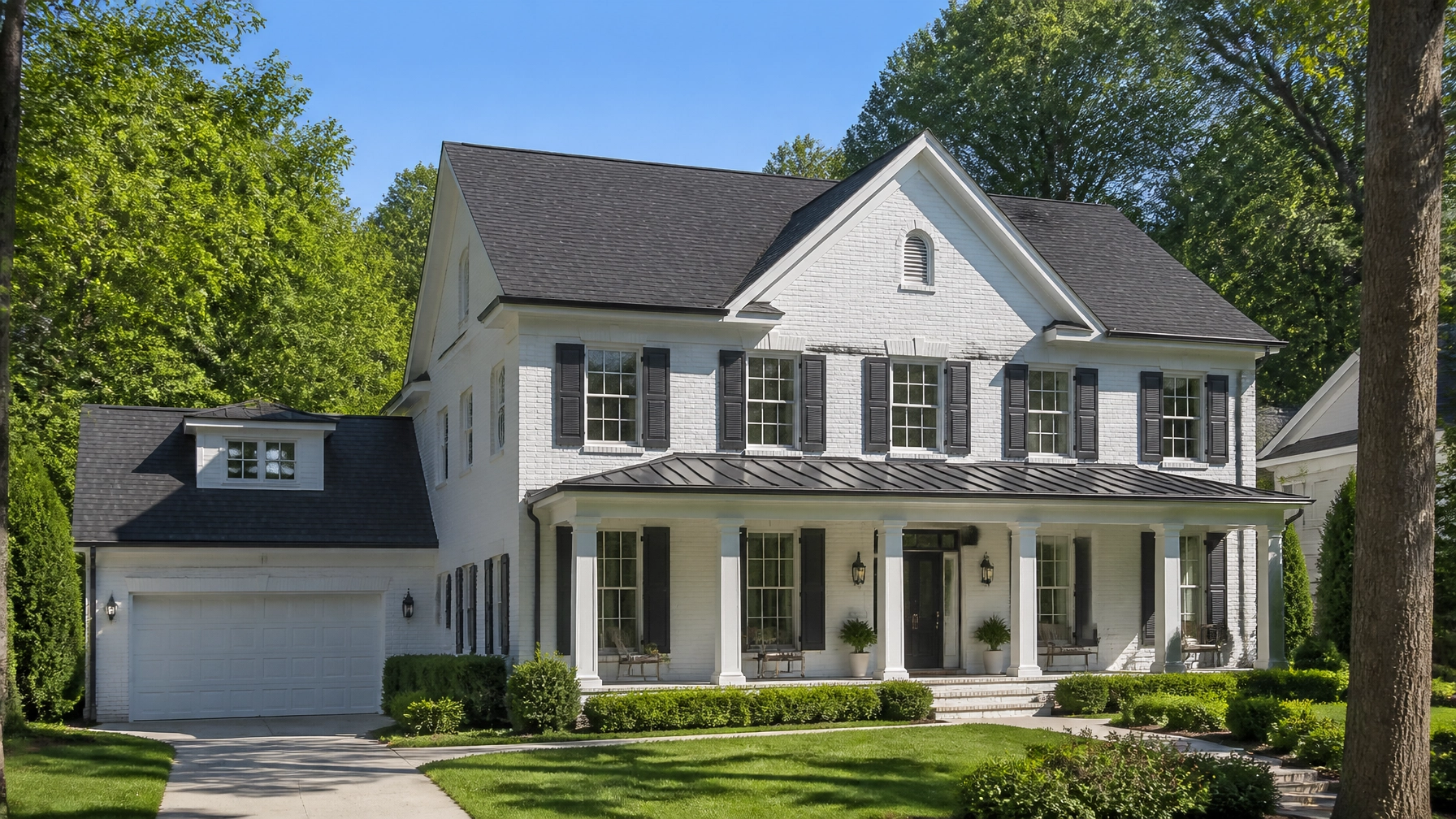
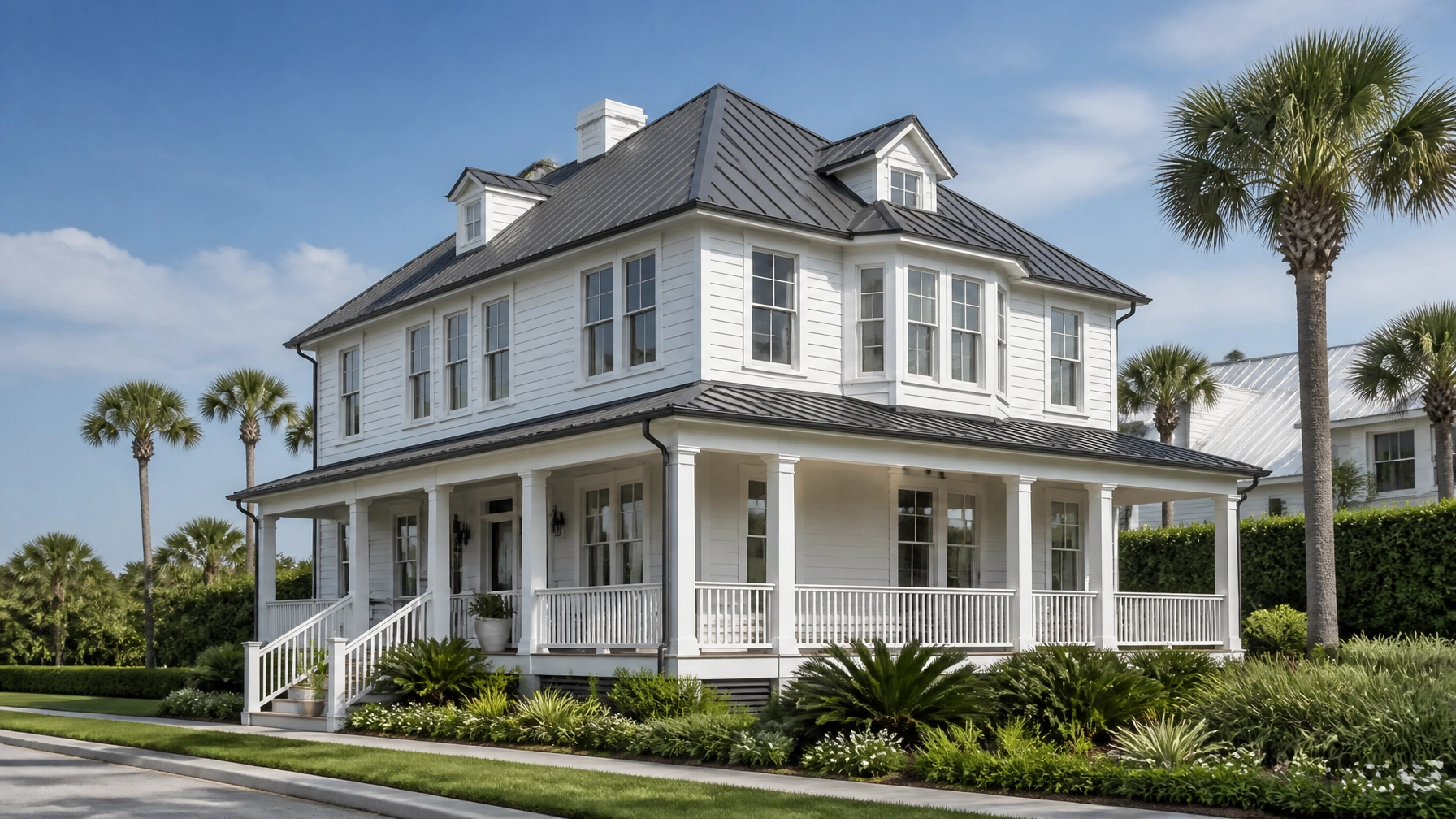
    A beautiful traditional colonial-style home in a Mobile, AL neighborhood with a crisp, new gray shingle roof and professional landscaping.

    6. Skipping the Independent Estimate

    Most homeowners wait for a contractor to come out and measure their roof before they have any idea of the cost. This gives the contractor the upper hand in negotiations.

    The Mistake: Relying solely on the contractor's measurements. Some dishonest "chasers" may inflate the "square count" (the amount of roofing material needed) to increase the price or the insurance claim.

    The Solution: Use technology to your advantage. At Get My Roof Estimate Now, we use advanced satellite imagery to provide you with an accurate, independent estimate in under 60 seconds. Knowing your roof's "squares" and a fair market price range ($10k-$18k for shingles in Mobile) allows you to spot a bid that is suspiciously high or dangerously low.

    7. Not Asking for a Certificate of Insurance (COI)

    Every roofing company in Mobile should carry both General Liability and Workers' Compensation insurance.

    The Trap: A contractor says, "Yeah, I'm insured," and shows you a piece of paper.
    The Pro Move: Don't just look at a photocopy. Ask the contractor to have their insurance agent email a Certificate of Insurance (COI) directly to you, with your name and address listed as the "Certificate Holder." This ensures the policy is actually active and hasn't lapsed.

    If a worker falls off your roof and the contractor isn't insured, you (and your homeowner's insurance) could be held liable for their medical bills.


    How to Spot a Storm Chaser: A Quick Checklist

    If you’re talking to a contractor in Mobile and notice these red flags, proceed with extreme caution:

    1. Out-of-State Plates: Their trucks have tags from states nowhere near Alabama.
    2. Pressure Tactics: They insist you sign a "contingency agreement" before they even provide a price.
    3. No Local References: They can't give you the addresses of three homes in Mobile they roofed last year (not last week).
    4. No Permit: They tell you that a permit isn't necessary for a simple reroof. (In the City of Mobile, a building permit is required for roof replacements).
    5. Assignment of Benefits (AOB): They ask you to sign a document that gives them total control over your insurance claim and payments.

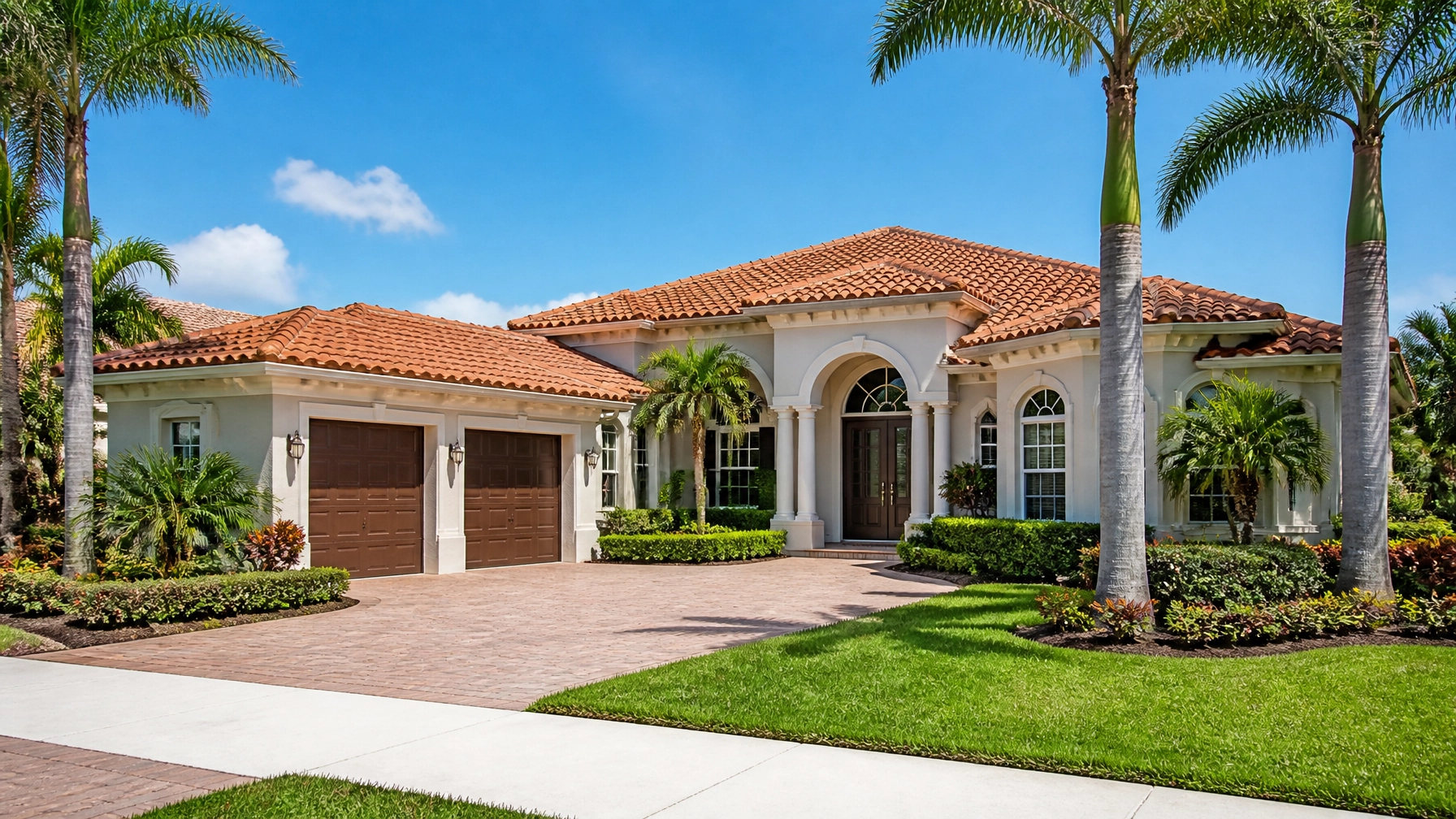
    A modern coastal home in Mobile, Alabama, featuring a sleek, durable standing-seam metal roof designed to withstand high winds and salt air.

    Final Thoughts for Mobile Homeowners

    Your roof is the most expensive maintenance item on your home. In a city like Mobile, where humidity can lead to rot and storms can lead to structural failure, you can't afford to hire a "chaser" who will be gone by the time the next hurricane season rolls around.

    Be authoritative in your vetting. Demand licenses, verify insurance, and never: under any circumstances: sign a contract that promises to bypass your deductible.

    Ready to see what your roof should actually cost? Skip the high-pressure sales visits and get your transparent, satellite-powered estimate right now.

    Get Your Free Instant Roof Estimate in 60 Seconds →

  • Charleston Roof Replacement Cost 101: A Beginner’s Guide to Mastering 2026 Prices

    Charleston Roof Replacement Cost 101: A Beginner’s Guide to Mastering 2026 Prices

    If you own a home in the Lowcountry, you know that the "Charleston charm" comes with a side of salt air, high humidity, and the occasional hurricane threat. As we move through 2026, the cost of keeping a solid roof over your head in Charleston, Mount Pleasant, or North Charleston has shifted. Whether your shingles are curling from the South Carolina sun or you’re planning a proactive upgrade, understanding the local market is the first step to avoiding overpayment.

    At Get My Roof Estimate Now, we specialize in cutting through the noise. We use advanced satellite imagery to give you an instant roof estimate in under 60 seconds. But before you hit that "calculate" button, let’s break down exactly what goes into a Charleston roof replacement quote in 2026.

    The Charleston Baseline: What is a "Square"?

    In the roofing world, we don't talk in square feet; we talk in Squares.

    • 1 Square = 100 square feet of roof surface.

    A typical 2,000-square-foot home in Charleston often has a roof surface area of roughly 22 to 26 squares, depending on the pitch (steepness) and complexity (valleys, dormers, and chimneys). For our 2026 projections, we are seeing average project totals land between $11,000 and $35,000, largely dictated by your choice of material and coastal code requirements.

    2026 Price Breakdown by Material

    Not all roofs are created equal, especially when you're battling the Atlantic coast's weather patterns. Here is the objective data on what you can expect to pay per square foot (installed) in the Charleston metro area this year.

    1. Architectural Asphalt Shingles (Budget / Popular)

    This remains the most common choice for Charleston homeowners. In 2026, architectural shingles offer a balance of aesthetic depth and wind resistance.

    • Cost per Square Foot: $6.00 – $11.00
    • Total for a 2,000 sq. ft. Roof: $12,000 – $22,000
    • Why it works: Modern architectural shingles are rated for high winds (up to 130 mph), which is a non-negotiable in South Carolina.

    Close-up of high-quality charcoal gray architectural shingles

    2. Standing Seam Metal (Premium / Coastal)

    If you are looking for a "forever roof," metal is the standard. It reflects heat better than shingles, which can lower your cooling bills during those brutal July afternoons.

    • Cost per Square Foot: $10.00 – $18.00
    • Total for a 2,000 sq. ft. Roof: $20,000 – $36,000+
    • Why it works: Exceptional longevity and superior performance in high-wind zones. In Charleston, metal is often required or highly recommended for homes closer to the marsh or ocean.

    3. Synthetic & Specialty (Designer)

    For historic homes in the downtown battery or high-end custom builds, synthetic slate or cedar shakes are gaining traction.

    • Cost per Square Foot: $15.00 – $25.00+
    • Total for a 2,000 sq. ft. Roof: $30,000 – $50,000+

    The "Lowcountry Tax": Local Factors Impacting Your Price

    Why is a roof in Charleston more expensive than one in the Upstate? It comes down to three specific local variables:

    1. Wind and Coastal Codes

    South Carolina building codes are strict. In high-wind zones, contractors must use 8d ring-shank nails and specific fastening patterns (6-inch spacing). This increases labor time and material costs but ensures your roof stays attached when the next tropical storm rolls through.

    2. Decking Requirements

    Many older Charleston homes have "spaced sheathing" or thin plywood that no longer meets 2026 safety standards. If your contractor finds that your roof deck is less than 7/16-inch thick, they are legally required to replace it. This can add $75–$110 per sheet of plywood to your total.

    3. The "Salt Air" Factor

    Proximity to the ocean means standard galvanized fasteners won't cut it. To prevent premature corrosion, 2026 standards often dictate the use of stainless steel or high-grade coated fasteners, especially for metal roofing systems.

    A fresh architectural shingle roof on a ranch-style house in a Charleston suburb

    Accuracy Matters: The Satellite Advantage

    Historically, getting a roof quote meant waiting three days for a contractor to show up with a ladder, climb on your roof, and give you a handwritten "ballpark" figure that usually changed once the job started.

    In 2026, that process is obsolete. We use satellite-powered measurements that are accurate to within inches. By analyzing your roof's size, pitch, and complexity from space, we can provide a transparent price range in 60 seconds.

    • 90-95% Accuracy: Our tech captures the exact "squares" of your roof.
    • No Pressure: Get your numbers before you ever talk to a salesperson.
    • Local Pros: Once you have your estimate, we connect you with verified, licensed, and insured Charleston contractors to finalize the details.

    Satellite-style top-down view of a roof with digital measurement overlays

    How to Master Your 2026 Roof Replacement

    To ensure you’re getting a fair deal, follow this punchy checklist when reviewing your 2026 Charleston quotes:

    1. Verify the "Square" Count: Does the quote match your actual roof size? (Check our roof cost calculator to verify).
    2. Confirm Material Ratings: Ensure shingles are "Impact Rated" or "High-Wind Rated" for coastal SC.
    3. Check for Permit Fees: Charleston County and city permits can vary. Make sure these are included in the bottom line.
    4. Secondary Water Barrier: Ask if they are installing a self-adhered underlayment (ice and water shield), which is a 2026 best practice for Lowcountry storms.

    Final Thoughts: Don't Wait for the Leak

    Roofing prices in South Carolina have increased steadily over the last five years due to labor shortages and material logistics. Waiting until you have a visible leak in your ceiling often means you’ll pay a premium for emergency repairs on top of the replacement cost.

    Knowledge is power. Whether you choose a budget-friendly architectural shingle or a premium standing seam metal system, knowing the 2026 market rates allows you to budget with confidence.

    Ready to see your number?
    Get your free, instant Charleston roof estimate now. No credit card, no hassle: just accurate data in 60 seconds.


  • The Ultimate Guide to Winning Your Roof Insurance Claim in Charlotte: Everything You Need to Succeed

    The Ultimate Guide to Winning Your Roof Insurance Claim in Charlotte: Everything You Need to Succeed

    Living in the Queen City means enjoying beautiful springs and vibrant falls, but it also means bracing for the unpredictable Carolina weather. From sudden summer hailstorms in Myers Park to high-wind gusts tearing through Ballantyne, Charlotte homeowners face a constant threat of roof damage.

    When a storm hits, the clock starts ticking. Navigating the insurance world can feel like a full-time job, but "winning" your claim isn't about luck: it’s about data, documentation, and speed. At Get My Roof Estimate Now, we’ve seen how technology can level the playing field for homeowners.

    This guide is your masterclass in securing the payout you deserve to protect your biggest investment.

    Phase 1: The 60-Second Reality Check

    Before you even pick up the phone to call your insurance agent, you need to know what you’re dealing with. Traditionally, this meant waiting days for a contractor to show up with a ladder. In Charlotte’s competitive market, that delay can cost you.

    We recommend starting with an instant roof estimate. Using advanced satellite imagery, we provide an accurate measurement of your roof’s size, pitch, and complexity in under a minute.

    Why an Instant Estimate Matters:

    • Transparency (Budget): You’ll receive a low-middle-high price range based on current Charlotte labor and material costs.
    • Leverage (Negotiation): Knowing that a full replacement for your 2,500 sq. ft. ranch should cost between $12,000 and $18,000 prevents you from accepting a "lowball" initial offer from an adjuster.
    • Speed (Efficiency): You get the data you need in 60 seconds, not 6 days.

    Homeowner using satellite technology to get a roof estimate


    Phase 2: Identifying "Covered" Damage in North Carolina

    Insurance companies aren't in the business of buying you a new roof just because yours looks old. You must prove that a "covered peril" (a specific event) caused the damage. In Charlotte, this usually falls into two categories:

    1. Hail Damage (The Silent Killer)

    Hail in North Carolina doesn't always leave holes in your ceiling. Often, it causes "bruising." These are circular indentations where the protective granules of your shingles are knocked loose, exposing the asphalt underneath to UV rays. Over time, this leads to leaks.

    • Look for: Dents in your gutters, downspouts, or the metal "caps" on your roof vents. If those are dented, your shingles are likely damaged too.

    Macro view of hail damage on asphalt shingles

    2. Wind Damage (The Visible Threat)

    High winds during a Piedmont thunderstorm can lift shingle tabs, breaking the sealant bond.

    • Look for: Missing shingles (Popular), creased shingles where the tab has been folded back, or "chatter" marks.

    Phase 3: Decoding Your Policy (Before You File)

    Not all insurance policies are created equal. In North Carolina, your "Declarations Page" holds the keys to your claim.

    RCV vs. ACV (The Money Factor)

    • Replacement Cost Value (RCV – Premium): This is the gold standard. The insurance company pays the current market price to replace your roof, minus your deductible. They may hold back "depreciation" until the work is finished, but you eventually get the full amount.
    • Actual Cash Value (ACV – Budget): This policy only pays for what your roof is worth today. If you have a 20-year-old roof with a 25-year lifespan, they might only pay 20% of the replacement cost.

    The Deductible

    In Charlotte, many policies have a standard $1,000 or $2,500 deductible. However, check for a separate Wind/Hail deductible. Some newer policies charge a percentage of your home’s value (e.g., 1% or 2%) for storm damage, which can significantly increase your out-of-pocket costs.


    Phase 4: The North Carolina "Matching" Debate

    One of the biggest hurdles for Charlotte homeowners is "matching." If only one slope of your roof is damaged, will the insurance company pay to replace the whole thing?

    North Carolina does not have a strict "matching law" that mandates a full replacement if shingles are discontinued. However, it is a point of negotiation. If your existing shingles are no longer manufactured, or if the color has faded so significantly that a patch would look like a "checkerboard," you have a strong case for a full replacement.

    Pro Tip: Use our roof cost calculator to see the price difference between a partial repair and a full replacement. This data helps you explain to the adjuster why a full replacement is the only logical path forward.


    Phase 5: The 5-Step Process to Win Your Claim

    Follow this sequence to maximize your chances of success:

    1. Initial Documentation

    Take photos from the ground. Look for shingles in the yard or "granule loss" at the base of your downspouts. Do not climb on the roof yourself; it's dangerous and unnecessary for the initial claim.

    2. Get Your Satellite Estimate

    Visit Get My Roof Estimate Now and enter your Charlotte address. Within 60 seconds, you’ll have a professional-grade estimate based on satellite measurements accurate to within inches. This is your "benchmark" for what the project should cost.

    3. File the Claim Promptly

    Most North Carolina policies require you to report damage within a certain timeframe (often 1–3 years, but sooner is always better). Use the date of the specific storm that caused the damage.

    4. The Adjuster Meeting (Crucial)

    When the insurance adjuster scheduled their visit, have a trusted, licensed Charlotte roofing contractor present.

    • The Strategy: Your contractor and the adjuster should walk the roof together. Your contractor's job is to ensure the adjuster doesn't "miss" subtle hail hits or creased shingles.

    Roofer and insurance adjuster inspecting a home together

    5. Review the "Scope of Loss"

    Once the adjuster finishes, they will send a "Scope of Loss" document. Compare this line-by-line with your satellite estimate. If they missed the ridge caps, the starter shingles, or the flashing, your contractor can file a "supplement": a request for more funds based on documented needs.


    Why Charlotte Homeowners Trust Technology

    The old way of getting a roof estimate involved high-pressure sales pitches in your kitchen. We’ve changed that. By using satellite technology, we provide:

    • 90-95% Accuracy: Our measurements are often more precise than a human with a tape measure.
    • Zero Pressure: Get your numbers, talk to your insurance, and decide on your own timeline.
    • Verified Contractors: Once you have your estimate, we can connect you with licensed and insured Charlotte pros who know how to handle insurance claims.

    Frequently Asked Questions (FAQ)

    Q: Will my insurance rates go up if I file a roof claim?
    A: In North Carolina, insurance companies generally cannot raise your individual rates for a "Force of Nature" claim like hail or wind. However, rates for an entire zip code may increase after a major storm event regardless of whether you personally filed a claim.

    Q: My adjuster said I only need a repair, but my roofer says I need a full replacement. Who is right?
    A: This is common. If the damage is widespread or if the shingles cannot be matched, you likely need a replacement. Ask your roofer to provide a "Letter of Unavailability" for the shingles and request a re-inspection.

    Q: How long does the process take in Charlotte?
    A: From the initial storm to a new roof, the process typically takes 4 to 8 weeks. Using a 60-second estimate at the start can shave a week off the "waiting for a contractor" phase.

    Final Thoughts: Take Control of Your Roof

    A damaged roof is a ticking time bomb for your home's structure. Don't let the insurance process intimidate you. Armed with a satellite-accurate estimate and a clear understanding of your policy, you can navigate the claims process with confidence.

    Ready to see what your Charlotte roof replacement should actually cost? Get your instant, free estimate now and take the first step toward winning your claim.

  • 15 Quick Answers to Your Most Urgent Roof Replacement Cost Questions in Orlando

    15 Quick Answers to Your Most Urgent Roof Replacement Cost Questions in Orlando

    Replacing a roof in Orlando isn't just about curb appeal; it’s a critical structural necessity. Between the intense Florida sun, humidity, and the inevitable hurricane season, your roof is the only thing standing between your family and the elements. If your roof is approaching the 15- to 20-year mark, or if you’ve recently spotted missing shingles after a summer storm, you likely have questions, fast ones.

    At Get My Roof Estimate Now, we use advanced satellite imagery to provide instant roof estimates in Florida without the need for a contractor to step foot on your property. To help you navigate the process, we’ve compiled the 15 most urgent questions Orlando homeowners are asking in 2026.


    1. What is the average cost of roof replacement in Orlando in 2026?

    For a standard 2,000-square-foot single-family home in Orlando, homeowners can expect to pay between $9,000 and $22,000 for a full asphalt shingle replacement. If you are opting for premium materials like concrete tile or metal, that range shifts upward. Most homeowners find their project lands in the $12,000 to $18,000 bracket for high-quality architectural shingles.

    2. How much does a roof cost per square foot in Central Florida?

    Roofing is typically priced by the "square" (a 10×10 area, or 100 square feet). In Orlando, the installed cost generally breaks down as follows:

    • Asphalt Shingles (Budget/Popular): $5.00 – $9.00 per sq. ft.
    • Metal Roofing (Mid-Range/Premium): $9.00 – $16.00 per sq. ft.
    • Concrete Tile (Premium): $12.00 – $20.00 per sq. ft.

    3. Why are Orlando roofing costs higher than the national average?

    Florida has some of the strictest building codes in the country due to the High-Velocity Hurricane Zone (HVHZ) requirements. Even though Orlando is inland, the 2026 Florida Building Code requires specific underlayments, secondary water barriers, and enhanced nailing patterns to withstand high wind speeds. These safety requirements add approximately 10-15% to the labor and material costs compared to non-coastal states.

    4. What is the price difference between Shingles, Metal, and Tile?

    Material choice is the biggest variable in your final bill.

    • Asphalt Shingles: The most affordable option. Expect to pay $10,000 – $20,000 for a typical home.
    • Metal (Standing Seam): Highly durable and energy-efficient. These range from $18,000 – $35,000.
    • Concrete/Clay Tile: Common in Orlando’s Mediterranean-style neighborhoods. These are the most expensive, often ranging from $25,000 – $45,000 due to the weight and specialized labor required.

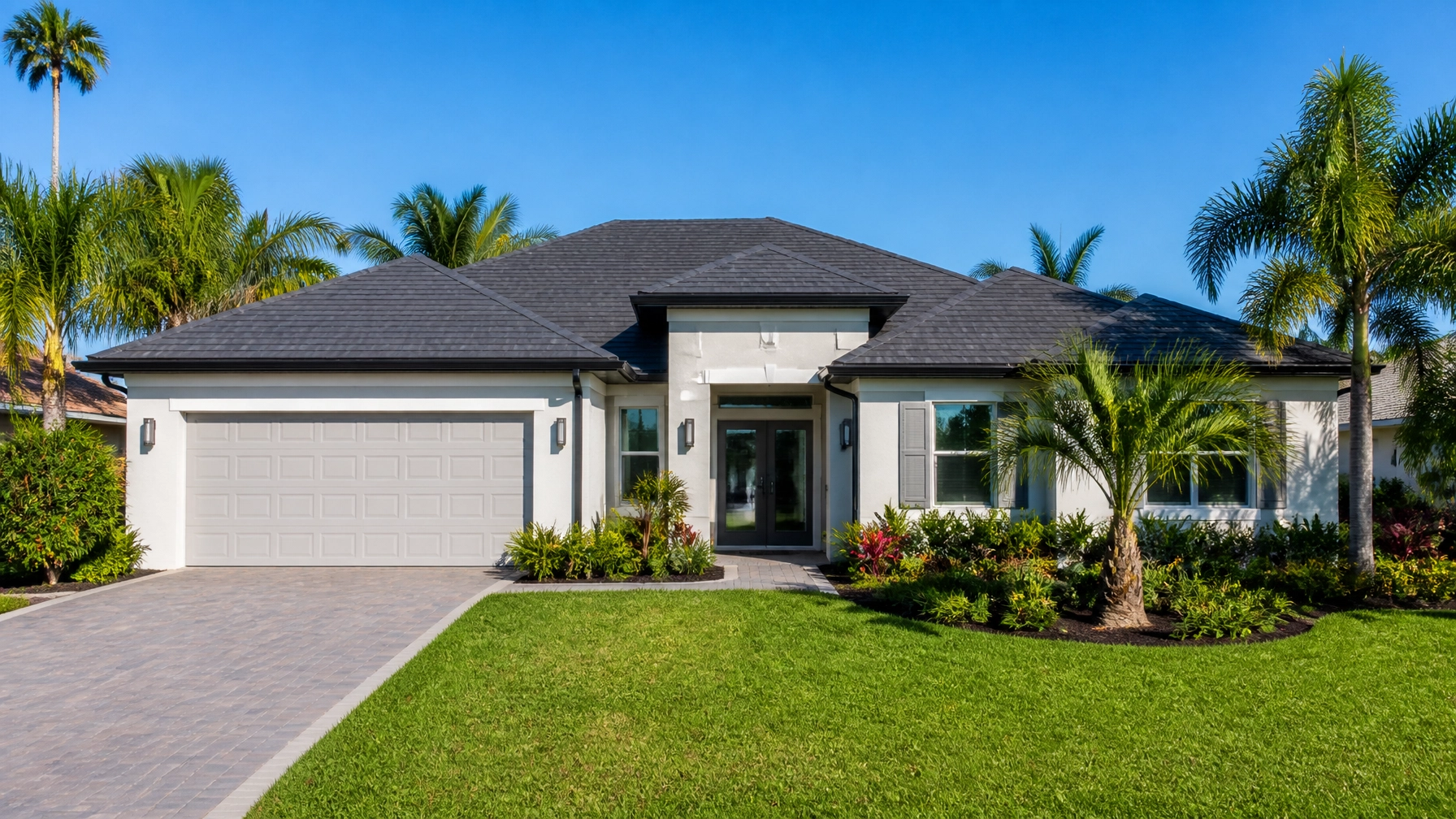
    A professional architectural photo of a modern suburban ranch-style home in Orlando with a new architectural shingle roof in charcoal grey.

    5. Does homeowners insurance cover my roof replacement?

    In Orlando, insurance coverage usually depends on the cause of the damage. If your roof is simply old (wear and tear), you will pay out of pocket. However, if your roof was damaged by a documented weather event, like a hurricane or a significant hailstorm, your policy may cover the replacement cost minus your deductible. Note that many Florida insurers are now requiring roofs to be less than 15 years old to maintain full replacement value coverage.

    6. How long does a typical roof replacement take in Orlando?

    For most 1,500 to 2,500 sq. ft. homes, the physical installation takes 1 to 3 days. However, the "process" (permitting, material delivery, and inspections) can take 2 to 4 weeks. In the summer months, afternoon thunderstorms can sometimes push the installation timeline back by a day or two.

    7. Do I need a permit for a roof replacement in Orange County?

    Yes. Every roof replacement in the City of Orlando or Orange County requires a building permit. A licensed contractor must pull this permit, and it ensures that the work is inspected by the city to meet current wind-load and safety codes. Attempting to reroof without a permit can lead to massive fines and issues when you try to sell your home.

    8. What factors can unexpectedly increase my estimate?

    The initial estimate is based on your roof's size and material. However, "unforeseen" costs can arise once the old roof is torn off:

    • Decking Damage: If the plywood underneath is rotted from leaks, it must be replaced (typically $75–$100 per sheet).
    • Roof Pitch (Steepness): Very steep roofs require extra safety equipment and more labor time, increasing the price.
    • Multiple Layers: If you have two layers of old shingles, the labor cost for "tear-off" and disposal fees will double.

    A close-up, high-detail photo of a silver standing seam metal roof being installed on a coastal-style home in Central Florida.

    9. Can I get an accurate quote without a contractor visiting my house?

    Yes. Historically, you had to wait days for a contractor to show up with a ladder. Today, Get My Roof Estimate Now uses high-resolution satellite imagery to measure your roof's square footage, pitch, and complexity with 95% accuracy. You can receive a transparent price range in under 60 seconds just by entering your address.

    10. Is a metal roof worth the extra cost in Florida?

    From a long-term financial perspective, yes. While a metal roof costs roughly double that of shingles, it can last 50+ years, whereas shingles in the Florida sun typically last 15-20 years. Additionally, metal roofs reflect solar heat, which can lower your Orlando cooling bills by up to 25% during the scorching summer months.

    11. What is the "ROI" of a new roof if I sell my Orlando home?

    A new roof is one of the highest-return investments you can make. On average, Orlando homeowners see a 60% to 70% return on investment in their home's resale value. More importantly, in the current Florida real estate market, a home with a roof older than 15 years is often "uninsurable" for the buyer, which can kill a deal entirely. A new roof ensures a smooth closing.

    12. When is the best time of year to replace a roof in Orlando?

    The "dry season": typically late October through April: is the ideal time. The weather is cooler for the workers, and there is a lower risk of daily afternoon downpours interrupting the job. However, because this is the busy season, you should secure your estimate and contractor early.

    13. What roofing materials are best for the Florida heat?

    • Architectural Shingles (Popular): Choose "Cool Roof" rated shingles that have reflective granules.
    • Metal (Premium): The gold standard for heat reflection.
    • Tile (Traditional): Naturally creates an air pocket between the tile and the roof deck, providing excellent insulation.

    14. How do I know if I'm being overcharged?

    Transparency is key. Always look for a breakdown of costs. A reputable quote should include:

    • Tear-off and disposal of old materials.
    • Underlayment and leak barriers (ice and water shield).
    • Flashing (for chimneys and valleys).
    • Ventilation upgrades.
    • Labor and permit fees.
      If a contractor gives you a "lump sum" without details, use our online roof cost calculator to verify if their price aligns with regional 2026 data.

    15. What exactly is a "Roofing Square"?

    Contractors speak in "squares." One square equals 100 square feet. If your home's roof area is 2,400 square feet, your contractor will tell you that you have a "24-square roof." Knowing this term helps you compare quotes accurately when looking at the price per square.

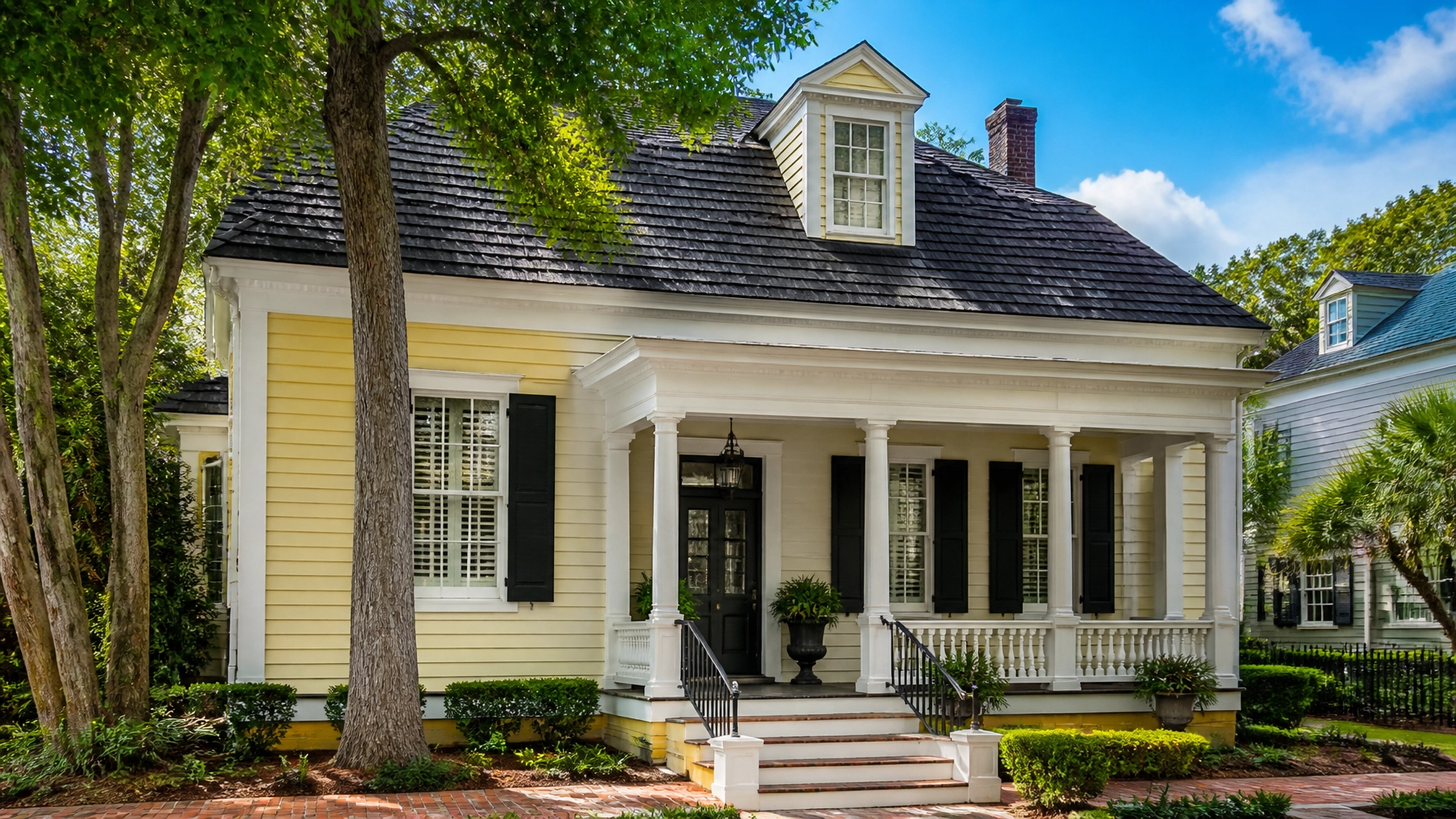
    A hyper-realistic photo of a traditional colonial-style home in a tree-lined Orlando neighborhood, featuring a new asphalt shingle roof.


    Get Your Orlando Roof Estimate in 60 Seconds

    Don't spend your weekend waiting for contractors to call you back. Our technology eliminates the guesswork and provides the data you need to budget for your home's most important protection.

    Ready to see your numbers?
    Get your free, instant satellite roof estimate here.

  • 7 Mistakes You’re Making with Charleston Roofing Contractors (and How to Spot Storm Chasers)

    7 Mistakes You’re Making with Charleston Roofing Contractors (and How to Spot Storm Chasers)

    Charleston’s unique charm comes with a price: a climate that is absolutely brutal on your roof. Between the salt air from the Atlantic, the oppressive humidity of a Lowcountry summer, and the annual threat of hurricane season, your roof is your home’s first line of defense.

    When it comes time for a replacement, most Charleston homeowners make the mistake of waiting until a leak appears or a storm chaser knocks on their door. Hiring the wrong contractor in the Holy City doesn't just result in a bad roof, it can lead to insurance fraud, legal headaches, and thousands of dollars in wasted capital.

    Here are the 7 biggest mistakes homeowners make when hiring Charleston roofing contractors and the exact steps you need to take to protect your investment.

    1. Falling for the "Free Roof" or "Deductible Coverage" Scam

    In South Carolina, it is a common (and illegal) tactic for contractors to offer to "waive" or "cover" your insurance deductible. This is often framed as a "special promotion" after a major wind or hail event.

    The Reality: Under South Carolina law, it is illegal for a contractor to pay, rebate, or promise to cover an insurance deductible. If a roofer suggests they can "work the numbers" to cover your $1,000 or $2,500 deductible, they are asking you to participate in insurance fraud.

    The Fix: If a roofer leads with "you won't have to pay a dime," walk away. A legitimate contractor will provide a transparent roof estimate and expect you to handle your deductible directly with your insurer.

    2. Ignoring the South Carolina Specialty License Requirement

    Many homeowners assume that a business license is all a roofer needs. In Charleston, that’s a recipe for disaster.

    The Mistake: Hiring a contractor who isn't registered with the South Carolina Residential Builders Commission. Roofers in SC are typically classified as "Residential Specialty Contractors." Without this specific state-level credential, they cannot legally pull the necessary permits for a full roof replacement in the City of Charleston.

    The Fix: Always ask for their SC Residential Specialty Contractor license number. Verify it on the LLR (Labor, Licensing, and Regulation) website before they touch your shingles.

    High-quality architectural shingle installation detail

    3. Signing a "Contingency Agreement" at the Door

    "Storm chasers" are transient contractors who follow hurricanes from Florida to the Carolinas. Their favorite tool is the contingency agreement. They’ll offer a "free inspection" after a storm and then ask you to sign a document that essentially hands over all your insurance rights to them.

    The Mistake: Signing anything before your insurance adjuster has even looked at the roof. These agreements often lock you into using that specific contractor, even if their price is inflated or their reputation is non-existent.

    The Fix: Never sign a contract until you have a firm price and a clear scope of work. Use an instant satellite estimate to get your own baseline pricing so you know if their "insurance estimate" is actually fair.

    4. Overlooking the "5-Day Right to Cancel" Law

    Did you know South Carolina has specific consumer protections for roofing? Following a 2013 statute, homeowners have the right to cancel a roofing contract within five business days if the insurance company denies any part of the claim.

    The Mistake: Thinking you’re stuck with a contractor after your insurance claim comes back lower than expected.

    The Fix: Ensure your contract includes the required language regarding your right to cancel. If a contractor tries to hide this right or pressures you to ignore it, they aren't looking out for your best interests.

    5. Prioritizing the Lowest Bid (The "Budget" Trap)

    In Charleston, you get what you pay for. A "budget" roof might save you $2,000 upfront, but it won't stand up to 100mph hurricane-force winds or the corrosive salt air of Mount Pleasant or West Ashley.

    The Mistake: Choosing a contractor based solely on the bottom-line price. Low-ball bids often mean the contractor is using "builder-grade" shingles, skipping the starter strips, or hiring day labor with no roofing experience.

    The Fix: Look for "Popular" or "Premium" material options. In our coastal environment, architectural shingles or standing seam metal roofs are the gold standard for longevity and wind resistance.

    Modern standing seam metal roof on a coastal Charleston home

    6. Not Verifying General Liability AND Workers' Comp

    This is where the liability gets scary. If a worker falls off your roof and the contractor doesn't have Workers' Compensation insurance, you could be held liable for their medical bills and lost wages.

    The Mistake: Accepting a "Certificate of Insurance" (COI) at face value. Scammers often show expired certificates or certificates for General Liability only, skipping the much more expensive Workers' Comp.

    The Fix: Call the insurance agent listed on the certificate to confirm the policy is active and covers "Roofing" specifically. Many general contractors have insurance that excludes roofing because of the high risk.

    7. Paying the Full Amount Upfront

    A classic storm chaser move is to ask for a large deposit (or the entire insurance check) before any materials arrive at your house.

    The Mistake: Giving a contractor more than 30-50% of the project cost upfront. Once they have your money, you lose all your leverage.

    The Fix: Use a milestone-based payment schedule.

    • Deposit: (Small, to secure the date)
    • Material Delivery: (Payment for the actual shingles/metal arriving on site)
    • Completion: (Final payment after a successful inspection)

    How Technology Stops the Scams

    The reason storm chasers succeed is the "information gap." They know the industry terminology, and you don't. They know what a roof should cost, and you're just guessing.

    At Get My Roof Estimate Now, we close that gap. Using advanced satellite imagery, we provide Charleston homeowners with an accurate measurement of their roof’s size, pitch, and complexity in under 60 seconds.

    Satellite imagery measurement technology for roofing estimates

    By getting an instant estimate before you even talk to a contractor, you gain:

    • Transparency: You know the "Low-Middle-High" price ranges for your specific zip code.
    • Accuracy: Our measurements are accurate within inches, meaning contractors can't "pad" the square footage.
    • Peace of Mind: You can compare any door-knocker's bid against our data-driven benchmarks.

    Whether you're in Downtown Charleston, Summerville, or Daniel Island, don't let a storm chaser dictate the terms of your home's most important protection. Start with data, get your estimate, and hire with confidence.

    Frequently Asked Questions (FAQ)

    Q: How much does a new roof cost in Charleston, SC?
    A: Prices typically range from $8,000 for a small ranch to over $25,000 for large, multi-story homes with complex rooflines or metal materials. You can get a specific range for your home using our online calculator.

    Q: Do I need a permit for a roof replacement in Charleston?
    A: Yes. Both the City of Charleston and Charleston County require building permits for roof replacements to ensure the work meets local wind-load requirements.

    Q: How do I know if a roofer is local?
    A: Check their license plate, look for a local 843 area code, and verify they have a physical office address in the Tri-County area (not just a P.O. box or a hotel suite).

  • The Ultimate Guide to 2026 Roof Replacement Cost in Tampa: Everything You Need to Succeed

    The Ultimate Guide to 2026 Roof Replacement Cost in Tampa: Everything You Need to Succeed

    If you’re a homeowner in Tampa, you know that your roof is the only thing standing between your living room and a tropical downpour. Whether you're dealing with the aftermath of a storm or your shingles are simply reaching their 20-year retirement age, the question is always the same: How much is this going to cost me?

    In 2026, the roofing landscape in Florida has shifted. With updated building codes and a tighter insurance market, "ballpark" numbers from three years ago just don't cut it anymore. At Get My Roof Estimate Now, we believe in transparency over guesswork.

    This guide breaks down the real-world costs for Tampa roof replacements in 2026, using data-driven benchmarks and local insights to help you budget with confidence.


    The 2026 Tampa Cost Breakdown by Material

    In the Tampa Bay area, the material you choose is the biggest variable in your final invoice. Because of our high-heat and high-wind environment, certain materials that work in the North simply don't fly here. Here is what you can expect to pay for a standard 2,000 to 2,500 sq. ft. roof in 2026.

    1. Asphalt Shingles (Budget / Popular)

    • Average Cost Range: $10,000 – $20,000
    • Price per Square Foot: $4.00 – $7.00
      Asphalt shingles remain the most popular choice for Tampa homeowners. However, 3-tab shingles are largely a thing of the past. Most local contractors now exclusively install architectural shingles because they offer the wind resistance (up to 130 mph) required by the Florida Building Code.

    2. Metal Roofing (Mid-Range / Durable)

    • Average Cost Range: $18,000 – $40,000+
    • Price per Square Foot: $10.00 – $20.00
      Metal is exploding in popularity across Hillsborough County. Why? It reflects heat better than shingles, potentially lowering your AC bill during those brutal July afternoons. While the upfront cost is higher, the lifespan (40-70 years) often makes it the last roof you’ll ever buy.

    3. Concrete or Clay Tile (Premium / Traditional)

    • Average Cost Range: $20,000 – $50,000+
    • Price per Square Foot: $19.00 – $26.00
      You’ll see these on many Mediterranean-style homes in areas like Davis Islands or Palma Ceia. Tiles are heavy, often requiring structural reinforcement of the roof deck, which is reflected in the premium price tag.

    A modern metal roof installation on a coastal-style home in Tampa.


    Why Tampa Pricing is Different: The "Florida Factor"

    You might see lower estimates on national websites, but those don't account for the unique regulatory and environmental pressures we face in Florida.

    The 25% Rule

    Under the current Florida Building Code, if more than 25% of your roof is damaged, you are legally required to replace the entire roof to bring it up to modern code. This is a crucial detail for Tampa homeowners filing insurance claims after storm season.

    Wind Mitigation & Insurance

    In 2026, Florida insurers are stricter than ever. If your roof is over 15 years old, you might find your premiums skyrocketing: or your policy cancelled entirely. Replacing your roof isn't just about stopping leaks; it's about maintaining insurance eligibility. A new roof installed with a Secondary Water Barrier (SWR) can often net you significant "Wind Mitigation" discounts on your annual premiums.

    Hurricane Fastening

    Tampa isn't in the High Velocity Hurricane Zone (like Miami-Dade), but we still have rigorous fastening requirements. In 2026, contractors must use specific ring-shank nails and enhanced nailing patterns to ensure your roof stays put when the wind starts howling.


    Factors That Move the Needle

    Not every 2,000-square-foot roof costs the same. Here are the variables that our satellite-powered technology looks for to provide you with an accurate estimate in under 60 seconds:

    • Pitch (The Steepness): If your roof is too steep to walk on safely, contractors have to use specialized safety equipment and more labor hours, increasing the price.
    • Complexity (Hips and Valleys): A simple "up and over" ranch roof is much cheaper than a Victorian-style home with multiple gables, dormers, and chimneys.
    • Tear-Off Layers: If you have two layers of shingles (which was common decades ago), the labor cost for the "tear-off" and the disposal fees at the local dump will double.
    • Decking Repairs: Florida humidity is a killer for plywood. If your contractor finds "soft spots" or rot once the shingles are off, expect to pay $75–$120 per sheet of plywood replaced.

    A classic Mediterranean-style Tampa home with high-end terracotta concrete tiles.


    How Technology is Saving Tampa Homeowners Time

    The "old way" of getting a roof estimate involved calling five different contractors, waiting for them to show up (if they showed up at all), and then sitting through a two-hour sales pitch.

    At Get My Roof Estimate Now, we’ve eliminated that hassle. By using high-resolution satellite imagery, we can measure your roof’s size, pitch, and complexity with 95% accuracy without ever stepping foot on your property.

    Get Your Estimate in 60 Seconds:

    1. Enter Your Address: We pull up your specific home in Tampa.
    2. Select Your Material: Choose between Shingles, Metal, or Tile.
    3. Receive Your Quote: Within 1 minute, you get a transparent, no-obligation price range based on current 2026 market rates.

    Click here to get your instant Tampa roof estimate now.

    A Tampa homeowner using a tablet to view an instant satellite-powered roof estimate.


    3 Tips for a Successful Roof Replacement in Tampa

    1. Check for "Florida Product Approval"

    Every material used on your home must have a Florida Product Approval (FPA) number. This ensures the shingles or metal panels have been tested against the high-wind speeds common in our area. Don't let a contractor install "overstock" material from another state that doesn't meet these standards.

    2. Verify Your Contractor’s License

    The Florida Department of Business and Professional Regulation (DBPR) is the place to check. Never hire a roofer who asks you to pull the permit yourself: that is a massive red flag. A reputable Tampa roofer will handle all permitting and inspections.

    3. Schedule for the "Off-Season"

    If you can, avoid replacing your roof during the peak of hurricane season (June–November). Not only is the weather unpredictable, but contractors are also at their busiest. Scheduling in the late winter or early spring can sometimes lead to more competitive labor pricing.


    Final Thoughts

    A roof replacement is likely one of the largest investments you'll make in your home. In 2026, the average Tampa homeowner is looking at a range of $13,500 for quality shingles to $35,000 for standing seam metal.

    Don't go into the process blind. Use technology to your advantage, understand the local building codes, and always insist on transparency.

    Ready to see what your new roof will cost? Skip the wait and get your accurate, satellite-powered estimate right now.

    Get My Free Estimate →

  • How to Get Your Insurance Company to Pay for a Roof Replacement in Mobile, AL (2026 Guide)

    How to Get Your Insurance Company to Pay for a Roof Replacement in Mobile, AL (2026 Guide)

    Living on the Gulf Coast means your roof takes a beating. Between the humidity, intense sun, and the frequent tropical systems rolling through Mobile Bay, a roof in Mobile, AL, rarely reaches its full 30-year manufacturer’s rating. By 2026, insurance companies have become even more selective about which claims they approve and which ones they label as "wear and tear."

    If your roof is over 15 years old or you’ve recently survived a heavy wind event, getting a full replacement covered by insurance isn’t just a matter of luck: it’s a matter of documentation. This masterclass will guide you through the exact steps to navigate the Alabama insurance landscape and maximize your chances of a fully funded roof.

    The Mobile, AL Landscape: Why 2026 is Different

    In 2026, Alabama insurance laws and the rise of the FORTIFIED Roof™ standard have changed the game for homeowners. Insurers in the 251 area code are increasingly pushing for Actual Cash Value (ACV) policies over Replacement Cost Value (RCV) to mitigate their risks from Gulf storms.

    Before you even pick up the phone to call your agent, you need to understand what you're up against. A "denial" is often just a request for more data.

    1. Identify "Covered Perils" vs. Maintenance

    Insurance exists to protect you from sudden, accidental damage: not the slow march of time. To get a replacement paid for, you must prove a Covered Peril occurred. In Mobile, this usually includes:

    • Wind Damage: (Popular) Shingles that have been lifted, creased, or blown off entirely.
    • Hail Impact: (Budget) Bruising on the shingle mat that compromises the water-shedding layer.
    • Debris: (Common) Fallen limbs or flying objects during a named storm.

    If you claim a replacement because your shingles are "just old," you’ll get a rejection letter faster than a summer thunderstorm clears out.

    Phase 1: The 24-Hour Post-Storm Protocol

    If a storm just rolled through Midtown or West Mobile, your clock is ticking. Most policies require "prompt notice" of a loss. Waiting six months to file a claim for a hurricane that happened in the fall is a recipe for a denial.

    Immediate Damage Assessment

    Don't climb your roof. In 2026, there’s no reason to risk a fall when technology can do the work for you. Start by walking your perimeter and looking for:

    • Granule Loss: Check your downspouts. If they look like they’re spitting out coffee grounds, your shingles have lost their protective layer.
    • Fascia/Soffit Damage: Look for detached metal or wood around the edges.
    • Missing Tabs: If you see "bald spots" on your roof from the ground, you have an active claim.

    Close-up of wind-creased and missing shingle tabs showing clear storm damage on a residential roof.

    Phase 2: Get Your "Satellite Edge" (The 60-Second Estimate)

    The biggest mistake Mobile homeowners make is calling their insurance company before they know the actual cost of their roof. If the insurance adjuster tells you the job costs $10,000, but the real-world price in Mobile is $18,000, you're already starting from a deficit.

    Before you file, use the Get My Roof Estimate Now tool. Our satellite-powered technology measures your roof’s size, pitch, and complexity to within inches. In under 60 seconds, you’ll have an accurate, transparent price range based on current 2026 material costs in Alabama.

    Why this matters for your claim:

    • Authority: You show up to the negotiation with data, not a guess.
    • Speed: You don’t have to wait 3 days for a contractor to show up just to get a ballpark figure.
    • Accuracy: We measure in "squares" (100 sq. ft. areas), which is the same language your insurance adjuster speaks.

    Phase 3: Navigating RCV vs. ACV (The Money Talk)

    When you review your policy (or talk to your adjuster), you’ll encounter two critical terms that determine how much out-of-pocket cash you’ll need.

    • Replacement Cost Value (RCV): (Premium) This is what you want. The insurance company pays the full cost to replace the roof at today's prices, minus your deductible.
    • Actual Cash Value (ACV): (Budget) The insurer pays the "depreciated" value. If your roof is 20 years old, they might only pay 30% of the replacement cost, leaving you to cover the rest.

    In Alabama, many companies are switching older roofs to ACV automatically. If you have an RCV policy, guard it with your life: it’s the difference between a $1,000 deductible and a $12,000 out-of-pocket bill.

    A homeowner in Mobile, AL using a smartphone to get an instant satellite roof estimate while standing in their driveway.

    Phase 4: The Adjuster Meeting Masterclass

    Once you file the claim, the insurance company will send an adjuster. This is the "make or break" moment.

    Tip 1: Be Present (But Polite)

    You (or your chosen contractor) should be there. Adjusters are human; they can miss things. Having a professional report from Get My Roof Estimate Now helps ensure they account for every "square" of roofing.

    Tip 2: Focus on the "Soft" Damage

    Adjusters often look for missing shingles. You need to point out the creased shingles. A shingle that has been lifted by wind and folded back is compromised, even if it’s still attached. In the humid Mobile climate, a broken seal leads to leaks within months.

    Tip 3: Mention Code Upgrades

    Alabama building codes have updated. If your current roof doesn't meet 2026 standards (like specific drip edge requirements or synthetic underlayment), insurance is often required to pay for these "code upgrades" if you have a "Law and Ordinance" provision in your policy.

    Phase 5: The "Fortified" Advantage

    In Mobile and Baldwin Counties, the Strengthen Alabama Homes program and the FORTIFIED Roof™ standard are huge. A Fortified roof is designed to withstand 130 mph winds.

    • The Grant: You may be eligible for a grant of up to $10,000 to upgrade to a Fortified roof.
    • The Discount: Upgrading can slash your wind insurance premiums by up to 35% in Alabama.
    • The Strategy: Even if insurance only pays for a "standard" replacement, you can often bridge the gap using state grants to get a superior, storm-proof system.

    A professional roofing crew installing a high-quality, wind-resistant roof on a coastal Alabama home.

    Phase 6: Dealing with a Lowball or Denial

    If the insurance company offers a "patch" (repair) instead of a "replacement," or denies the claim entirely, don't panic. You have rights under the Alabama Department of Insurance guidelines.

    1. Request the "Settle-To" Report: Ask for the line-item breakdown of how they reached their number.
    2. Submit a Supplement: If your contractor finds more damage during the tear-off (like rotten decking), they can submit a "supplemental claim" to get the extra costs covered.
    3. The Matching Rule: While Alabama doesn't have a strict "matching law" like some states, if your shingles are no longer manufactured, you can often argue that a partial repair is impossible because it won't restore the home to its pre-loss condition.

    Final Checklist for Mobile Homeowners (2026)

    • Check your policy: Is it RCV or ACV? What is your "Hurricane/Wind" deductible? (Often 2-5% of home value).
    • Get your baseline: Use Get My Roof Estimate Now to see what a fair price looks like today.
    • Document early: Take photos of your ceilings and attic before the next storm hits to prove new leaks are storm-related.
    • Verify your contractor: Ensure they are licensed and insured in the state of Alabama and familiar with the Fortified standard.

    Getting insurance to pay for a roof in Mobile isn't about being "lucky": it's about being prepared. By using satellite technology to verify your roof's size and value, you put yourself in the driver's seat of the negotiation.

    Ready to see what your roof replacement should cost? Get your instant, 60-second estimate here. No credit card, no salesman, just data.

  • Charlotte Roof Replacement Costs Explained in Under 3 Minutes

    Charlotte Roof Replacement Costs Explained in Under 3 Minutes

    If you live in the Queen City and your roof is pushing 20 years, you’ve probably noticed more "roofing guys" knocking on your door or flyers piling up in your mailbox in Ballantyne or Myers Park. Replacing a roof is one of the biggest investments you’ll make as a Charlotte homeowner, and the price tag can feel like a moving target.

    Between fluctuating material costs and the high demand for skilled labor in the growing Mecklenburg County area, getting a straight answer shouldn't take three separate contractor visits and six hours of your weekend.

    In this guide, we’re breaking down exactly what you can expect to pay for a roof replacement in Charlotte in 2026. We’ve crunched the local data, factored in the current material rates, and highlighted the specific variables that impact homes in our region.

    The Quick Answer: What’s the Price Tag?

    For homeowners in a hurry, here is the current 2026 benchmark for Charlotte, NC:

    • Average Cost Range: $9,000 – $14,000 (standard 2,000 sq. ft. home).
    • Cost Per Square Foot: $5.00 – $7.00 for asphalt shingles; $11.00 – $18.00+ for metal.
    • Time to Install: 1 – 2 days for most residential projects.
    • Accuracy Note: These figures assume a full tear-off of one layer and installation of new underlayment and architectural shingles.

    If you want a more precise number for your specific address, you can get a satellite-powered roof estimate in under 60 seconds without ever talking to a salesperson.

    Breaking Down the Costs: Materials vs. Labor

    Roofing pricing isn't just about the shingles. In Charlotte, we typically see the cost split roughly 50/50 between materials and professional labor.

    1. Material Costs (Budget to Premium)

    Materials include the shingles themselves, but also the "invisible" components like synthetic underlayment, ice and water shields (critical for NC's heavy rains), drip edges, and ridge vents.

    • Architectural Shingles (Popular): Expect to pay $3.00 – $4.50 per square foot for materials. These are the standard in Charlotte because they withstand the 90+ degree summer heat and high humidity better than old-school 3-tab shingles.
    • Metal Roofing (Premium): Expect $7.00 – $12.00 per square foot for materials. Metal is becoming a favorite in areas like NoDa and Elizabeth for its modern look and 50-year lifespan.
    • Synthetic/Slate (Luxury): Materials alone can exceed $15.00 per square foot.

    2. Labor and Disposal

    Charlotte has a competitive labor market. Professional crews in North Carolina generally charge $2.00 – $3.50 per square foot for labor. This covers the removal of your old roof, the careful installation of the new system, and the disposal fees at the Mecklenburg County landfill.

    A high-detail photograph of a freshly installed architectural asphalt shingle roof in a rich Weathered Wood color.

    Factors That Move the Needle in Charlotte

    Not every 2,000-square-foot roof costs the same. If you’re living in a steep-pitched Victorian in Dilworth, your estimate will look different than a flat ranch in Madison Park. Here’s why:

    Roof Pitch (Complexity)

    The "pitch" is the steepness of your roof. In the roofing world, anything over a 6:12 pitch is considered "steep."

    • Impact: Steep roofs require extra safety equipment (harnesses, scaffolding) and the crew moves slower. This can add 15% – 25% to your labor costs.

    Roof Size (The "Square")

    Roofers measure in "squares." One square equals 100 square feet.

    • Standard Charlotte Home: 20–30 squares (2,000–3,000 sq. ft. of roofing surface).
    • Pricing: Most contractors offer a better "per square" price on larger roofs because the overhead (permits, delivery, equipment) is spread out.

    Number of Layers

    If your current roof was installed over an even older roof, you have a "layover." North Carolina building codes typically allow two layers, but for a quality replacement, both must be removed.

    • Impact: Tearing off a second layer of shingles adds extra weight and extra labor, usually adding $1,000 – $1,500 to the total project cost.

    Comparing Your Options: Shingles vs. Metal

    Choosing the right material for the Charlotte climate is about balancing upfront costs with long-term value.

    Material Type Avg. Cost (Charlotte) Lifespan Best For
    3-Tab Shingles (Budget) $7,500 – $9,500 15-20 Years Rental properties / Quick flips
    Architectural (Popular) $9,000 – $14,000 25-30 Years Most single-family homes
    Metal (Premium) $18,000 – $35,000 50+ Years "Forever" homes / Modern aesthetics
    Synthetic Slate (Luxury) $30,000+ 50+ Years High-end custom builds

    A modern ranch-style home in a Charlotte suburb featuring a sleek, standing seam matte black metal roof.

    Why Charlotte Homeowners are Switching to Digital Estimates

    Traditionally, getting a roof estimate meant calling three different companies, waiting for them to show up (if they did), and sitting through a 45-minute sales pitch at your kitchen table.

    At Get My Roof Estimate Now, we’ve flipped the script. Using high-resolution satellite imagery, we measure your roof's size, pitch, and complexity with 90-95% accuracy.

    • Instant Results: No more waiting 3 days for a PDF. You get your numbers in 60 seconds.
    • Zero Pressure: You get the data you need to budget without a salesman breathing down your neck.
    • Verified Local Pros: If you like the price, we connect you with licensed and insured Charlotte contractors who have been vetted for quality.

    Whether you are in ZIP code 28205, 28210, or 28277, the process is the same: enter your address, see your price, and start planning.

    Local Charlotte Considerations: Weather and Permits

    The "Southern Humidity" Factor

    Charlotte’s high humidity can lead to "Gloeocapsa magma": those unsightly black streaks on shingles. When choosing materials, look for algae-resistant shingles (often labeled as "StainGuard" or similar). This is a standard recommendation for any NC roof replacement to maintain curb appeal.

    Storm Season

    We aren't on the coast, but Charlotte gets its fair share of remnants from tropical storms and heavy spring hailstorms. Investing in Class 3 or Class 4 impact-rated shingles can sometimes lower your homeowners' insurance premiums in North Carolina.

    Permitting

    In Charlotte, a permit is required for any major structural work, including a full roof replacement. Most reputable contractors will handle this through the Mecklenburg County Land Use and Environmental Services Agency (LUESA). Ensure your estimate includes these permit fees so there are no surprises on the final bill.

    A suburban neighborhood in Charlotte, NC showing several houses with clean, new roofs from an elevated perspective.

    Conclusion: Don't Overpay for Your Peace of Mind

    Replacing your roof shouldn't be a mystery. By understanding that a standard Charlotte home averages between $9,000 and $14,000, you can walk into conversations with contractors feeling empowered.

    Ready to see exactly what your home would cost? Skip the tape measures and the sales pitches. Visit our roof cost calculator and get your Charlotte roof estimate in under a minute. It’s free, it’s accurate, and it’s the smartest way to start your home improvement journey.

  • 5 Steps How to Vet a Roofer and Avoid Storm Chasers (Easy Guide for Mobile Homeowners)

    5 Steps How to Vet a Roofer and Avoid Storm Chasers (Easy Guide for Mobile Homeowners)

    If you live in Chattanooga or Hamilton County, you know that Tennessee weather doesn't play games. One day it's a calm afternoon near Lookout Mountain, and the next, a line of severe thunderstorms is rolling through, leaving a trail of hail and downed branches. For manufactured and mobile homeowners, these storms bring a unique set of anxieties: and a specific type of visitor: the "storm chaser."

    Storm chasers are out-of-state contractors who follow weather patterns to areas with recent damage. They knock on doors, offer "free inspections," and promise a "free roof" through your insurance. While some might be legitimate, many are "fly-by-night" operations that do sub-par work, disappear before the warranty is ever needed, or worse, engage in insurance fraud that leaves you liable.

    Vetting a roofer for a mobile home is different than a standard stick-built house. You have specific structural weight limits and HUD compliance standards to worry about. Use this 5-step guide to protect your home and your wallet.


    Step 1: Verify Local Roots and Physical Presence (Essential)

    The first red flag of a storm chaser is a lack of local history. If a contractor’s truck has out-of-state plates or their "local" office is actually a temporary suite or a PO box, proceed with extreme caution.

    Why it matters for Chattanooga homeowners:
    A roofer who doesn't live here doesn't have a reputation to maintain. If your new roof leaks during the next seasonal downpour, a storm chaser will be three states away working on a different hail trail.

    • Ask for a Physical Address: Don't settle for a website. Look for a brick-and-mortar office in the Tennessee Valley.
    • Check the Tenure: Look for companies that have been operating under the same name for at least 5 years. (Crucial)
    • Local References: Ask for at least three references from mobile home parks or residential lots within 20 miles of your zip code.

    Homeowner reviewing a roofing estimate with a professional contractor

    Step 2: Check Tennessee Licensing and Insurance (Non-Negotiable)

    In Tennessee, roofing regulations are specific. While there isn't a "roofing-only" license, any job totaling $25,000 or more (including labor and materials) requires a Tennessee Contractor’s License. Even for smaller mobile home jobs that might fall under that threshold, reputable pros will hold a license from the Tennessee Board for Licensing Contractors.

    The Verification Checklist:

    1. The License: Ask for their TN license number. Go to the TN Department of Commerce & Insurance website and verify that the status is "Active" and the name matches the business on their truck.
    2. General Liability Insurance: This covers damage to your property. If they drop a bundle of shingles through your skylight, this policy pays for it.
    3. Workers’ Compensation: This is the big one. If a worker falls off your roof and the contractor doesn't have "workers' comp," you could be held liable for their medical bills. (High-Risk)

    Step 3: Scrutinize the "Insurance Claim" Pitch (Avoid Fraud)

    Storm chasers often lead with: "We'll get you a free roof and cover your deductible."

    Stop right there. In Tennessee, it is illegal for a contractor to pay, waive, or "absorb" a homeowner's insurance deductible. This is considered insurance fraud. If a contractor offers to "bill the insurance more" to cover your costs, they are asking you to participate in a crime.

    Red Flags to Watch For:

    • High-Pressure Signing: They want you to sign a "contingency agreement" before your insurance adjuster even arrives.
    • The "Total Control" Clause: Avoid contracts that give the roofer the right to negotiate your entire claim and receive the checks directly.
    • Vague Estimates: A legitimate estimate should be transparent, listing specific materials (Architectural Shingles, TPO, or Metal) and labor costs.

    For a fast, objective look at what your roof should cost before you ever talk to a contractor, use our instant roof cost calculator. It uses satellite technology to give you a baseline price in 60 seconds, so you know exactly when a storm chaser is padding the bill.

    Close-up of a high-quality metal roof installation on a manufactured home

    Step 4: Demand Mobile Home Expertise (Specialized)

    Roofing a mobile or manufactured home is not the same as roofing a traditional home. The structural integrity is different, and the "roof-over" method is common.

    A standard roofer might try to install heavy architectural shingles over an existing layer, potentially exceeding the weight capacity of your home’s trusses. A specialist will understand:

    • Weight Limits: Knowing when to strip the old roof vs. when a "roof-over" is safe.
    • Materials: Expertise in TPO membranes or specialized metal roofing systems that are lightweight and wind-resistant.
    • HUD Compliance: Ensuring the new roof doesn't void your home's certification.

    Action Item: Ask the contractor, "How many manufactured home roofs have you completed in the last 12 months?" If the answer is "zero," keep looking.


    Step 5: Get a Data-Driven Estimate (The 60-Second Solution)

    The traditional way to vet a roofer involves waiting days for three different guys to show up, climb your roof, and give you three wildly different prices. Storm chasers love this because they can use high-pressure sales tactics while they're standing in your living room.

    At Get My Roof Estimate Now, we’ve flipped the script. We use high-resolution satellite imagery to measure your roof's square footage, pitch, and complexity with 90-95% accuracy.

    • Speed: Get your estimate in under a minute. (Instant)
    • Transparency: We provide low, middle, and high price ranges based on current Tennessee material costs.
    • Zero Pressure: You get the data you need to budget before you ever invite a contractor to your home.

    2026 Price Benchmarks for Mobile Home Roofs

    Roof Type Estimated Cost (Small 1,000 sq ft) Estimated Cost (Large 2,000 sq ft)
    Basic Shingles (Budget) $4,500 – $6,200 $7,800 – $11,500
    TPO Membrane (Popular) $5,800 – $8,500 $9,500 – $14,000
    Standing Seam Metal (Premium) $8,500 – $12,000 $15,000 – $22,000

    Conclusion: Take Control of Your Roof Replacement

    Don't let a storm chaser dictate the terms of your home repair. By verifying local licenses, insisting on mobile-home-specific experience, and starting with an objective satellite estimate, you protect your investment and your peace of mind.

    Ready to see what your Chattanooga roof replacement should actually cost? Get your free satellite-powered estimate here in 60 seconds. No credit card required, just accurate data to help you vet the pros like a seasoned expert.

    Storm clouds over a residential neighborhood representing the urgency of roofing repairs

  • 7 Mistakes You’re Making with Houston Roof Replacement Estimates (and How to Fix Them Before the 2026 Hike)

    7 Mistakes You’re Making with Houston Roof Replacement Estimates (and How to Fix Them Before the 2026 Hike)

    If you’re a homeowner in Houston: whether you’re in The Heights, Sugar Land, or Pearland: you know that the weather here isn't just a conversation starter; it’s a constant threat to your biggest investment. As we move through the middle of 2026, the roofing market in Southeast Texas is shifting.

    While prices stabilized briefly early in the year, we are currently staring down a projected 4% to 8% cost hike slated for late Q3 and Q4 of 2026. This surge is driven by a combination of rising petroleum costs (affecting asphalt shingles) and the annual "storm-season surcharge" that hits as labor demand spikes.

    If you’ve been putting off that estimate or, worse, relying on a "rough guess" from a guy with a ladder, you’re likely making mistakes that could cost you thousands. Here are the seven most common blunders Houston homeowners make when navigating roof replacement estimates in 2026, and exactly how to fix them before prices climb again.


    1. Waiting for a "Named Storm" to Pull the Trigger

    In Houston, we have a habit of waiting for the next hurricane or major tropical depression to think about our roofs. By the time a storm is named, you’ve already lost the pricing game.

    The Mistake: Homeowners often wait for visible damage or an insurance-triggering event to seek an estimate. However, once a storm hits, labor rates in Harris County can skyrocket by 15-20% overnight due to demand.

    The Fix: Get your estimate now, while we are in a "stable" window. By securing a quote before the projected 2026 hike, you can often lock in current material rates. Even if you don’t replace the roof today, knowing your Houston roof replacement cost allows you to budget before the market tightens.

    2. Thinking in "Total Price" Instead of "Price Per Square"

    When a contractor says, "It’ll be $12,000," most homeowners just look at their bank account. But that number means nothing without context.

    The Mistake: Ignoring the unit of measurement. In the roofing industry, we measure in "squares." One square equals 100 square feet.

    The Fix: In Houston for 2026, the current market rate for standard architectural shingles is roughly $400 to $700 per square ($4–$7 per sq ft) installed. If your estimate is significantly lower than $400 per square, the contractor is likely cutting corners on labor or using "seconds" (B-grade materials). If it’s higher than $750 for basic shingles, you’re overpaying. Always ask for the "per square" breakdown to ensure you're getting a fair market rate for Texas roofing.

    Close-up of high-quality architectural shingles being installed on a Houston home.

    3. Underestimating the "Houston Humidity" Factor (Decking Rot)

    Houston’s humidity is legendary, and it’s a roof killer. Most estimates you get from the ground assume your "decking" (the wood under the shingles) is in perfect condition.

    The Mistake: Failing to budget for decking replacement. Once the old shingles are torn off, it’s common to find soft spots or rot caused by our 90% humidity and poor attic ventilation.

    The Fix: A transparent estimate should include a line item for decking replacement per sheet. In 2026, expect to pay between $85 and $115 per sheet of plywood or OSB. If your estimate doesn't mention a contingency for wood rot, expect a "surprise" bill of $1,000 to $2,000 halfway through the job.

    4. Neglecting Ventilation Upgrades (The "Attic Oven" Error)

    A new roof without proper ventilation is like putting a new engine in a car with no radiator. In Houston, attic temperatures can reach 150°F+ in July.

    The Mistake: Reusing old, plastic box vents or failing to calculate the proper "intake and exhaust" balance. This mistake voids your shingle warranty and causes your A/C bill to explode.

    The Fix: Ensure your estimate includes Ridge Vents and potentially Solar Attic Fans. Proper ventilation can extend your roof's life by 5-10 years and is a mandatory requirement for the 50-year non-prorated warranties offered by major manufacturers like GAF or Owens Corning in 2026.

    5. Not Factoring in "Impact-Rated" Shingles for Insurance Savings

    Texas insurance premiums are among the highest in the country. Many homeowners choose the cheapest shingle to save $1,000 upfront, but they lose $5,000 over the next five years in insurance premiums.

    The Mistake: Opting for standard 3-tab or basic architectural shingles when Class 4 Impact-Resistant (IR) shingles are available.

    The Fix: Ask for a side-by-side comparison. While Class 4 shingles might add 10-15% to your roofing estimate, most Texas insurers offer a 20% to 35% discount on your annual premium for installing them. In Houston's hail-prone environment, these shingles often pay for themselves within 3 to 4 years.

    A modern Houston ranch-style home featuring a durable light gray metal roof.

    6. Trusting "Drive-By" Estimates Over Satellite Accuracy

    We see it all the time: a contractor drives by, looks at your roof from the street, and scribbles a number on a business card.

    The Mistake: Relying on manual measurements or "eyeballing" the pitch. Houston roofs are notoriously complex, with multiple gables and varying pitches (the "steepness" of the roof). If the contractor underestimates the size, they will hit you with "change orders" later. If they overestimate, you’re just giving them free money.

    The Fix: Use technology. At Get My Roof Estimate Now, we use high-resolution satellite imagery to measure your roof's square footage, pitch, and complexity to within inches. Our instant roof cost calculator provides an accurate 2026 price range in 60 seconds, based on actual aerial data: not a guess from the curb.

    7. Ignoring the "Hidden" Costs: Permits and Disposal

    The price of the shingles and the labor are just part of the story. Houston has specific requirements that often get left off low-ball estimates.

    The Mistake: Thinking the "total" includes everything. Does it include the City of Houston permit fees? Does it include the "tear-off" and disposal of two layers of old shingles?

    The Fix: Verify these three line items:

    1. Tear-off & Disposal: Usually $50 to $100 per square.
    2. Permits: Roughly $60–$150 depending on your specific zip code (e.g., 77002 vs 77494).
    3. Flashing: Replacing the metal around chimneys and valleys. Never let a contractor "reuse" old flashing to save a buck; it’s the #1 cause of leaks.

    A typical Houston neighborhood showing a variety of residential roofing styles.


    Summary of 2026 Houston Roofing Costs

    To help you benchmark your upcoming estimates, here is the current data for the Houston metro area (Harris, Fort Bend, and Montgomery Counties) as of June 2026:

    Component 2026 Price Range (Budget) 2026 Price Range (Premium)
    Asphalt Shingles $4.00 – $5.50 /sq ft $6.00 – $7.50 /sq ft
    Metal (Standing Seam) $12.00 – $15.00 /sq ft $18.00 – $25.00+ /sq ft
    Labor (Texas Avg) 35% of total project 50% of total project
    Full Replacement $8,500 – $13,000 $16,000 – $28,000+

    Note: These ranges reflect current 2026 pricing. The projected 4-8% hike in late 2026 will likely move the "Low" end of asphalt shingles closer to $4.50/sq ft.

    How to Beat the 2026 Price Hike

    The best way to fix these mistakes is to enter the negotiation with data. Don't let a contractor tell you what your roof should cost. Use our satellite-powered tool to find out what it does cost.

    By getting an instant estimate today, you can:

    • Establish a baseline: Know your exact square footage so you can spot "padding" in contractor bids.
    • Compare materials: See the price difference between standard architectural shingles and premium metal options.
    • Act before the hike: Secure your financing or insurance claim before the Q4 price adjustments take effect.

    Houston's market waits for no one. Whether you're dealing with the aftermath of a spring storm or just being a proactive homeowner, getting an accurate, data-driven estimate is the only way to ensure you don't overpay for your new roof.

    Ready to see your number? Get your instant Houston roof estimate in 60 seconds here.