Blog

  • Your Quick-Start Guide to Vetting Grand Rapids Contractors: Do This First

    Your Quick-Start Guide to Vetting Grand Rapids Contractors: Do This First

    Grand Rapids is no stranger to "the storm." Whether it’s a sudden June hailstorm or high-velocity winds sweeping off Lake Michigan, our roofs take a beating. When the clouds clear and you see a missing shingle: or worse, a leak: the doorbell usually follows.

    The immediate arrival of "helpful" contractors at your front door isn't a coincidence. They are "storm chasers," out-of-town companies that follow severe weather patterns to capitalize on insurance claims. While some are legitimate, many provide subpar work and vanish before the first Michigan winter tests their craftsmanship.

    If you’re a Grand Rapids homeowner, your first move isn't signing a contract or even scheduling a physical inspection. It’s vetting. This guide breaks down exactly how to filter the noise and find a reliable local expert in under 60 seconds.

    The "Storm Chaser" Playbook: Spotting the Red Flags

    When a contractor knocks on your door in Heritage Hill or East Grand Rapids after a storm, pay attention to these specific "tells." If you see more than two of these, walk away.

    • The Unsolicited Knock (Standard): Most reputable Grand Rapids roofers have a backlog of 3–6 weeks. They don't need to knock on doors to find work.
    • The "Free Roof" Guarantee (Predatory): No roofer can guarantee a "free" roof before an insurance adjuster sees it. If they promise to "waive" or "eat" your deductible, be careful. In Michigan, this can be considered insurance fraud.
    • Out-of-State Plates (Common): Check the trucks. If they are from Ohio, Indiana, or Illinois and have no permanent office address in West Michigan, they are likely gone as soon as the check clears.
    • The "Sign Here for an Inspection" Trap (Urgent): They may ask you to sign a "contingency agreement" just to get on your roof. Read the fine print. Often, these documents legally bind you to use them for the entire project if the insurance claim is approved.

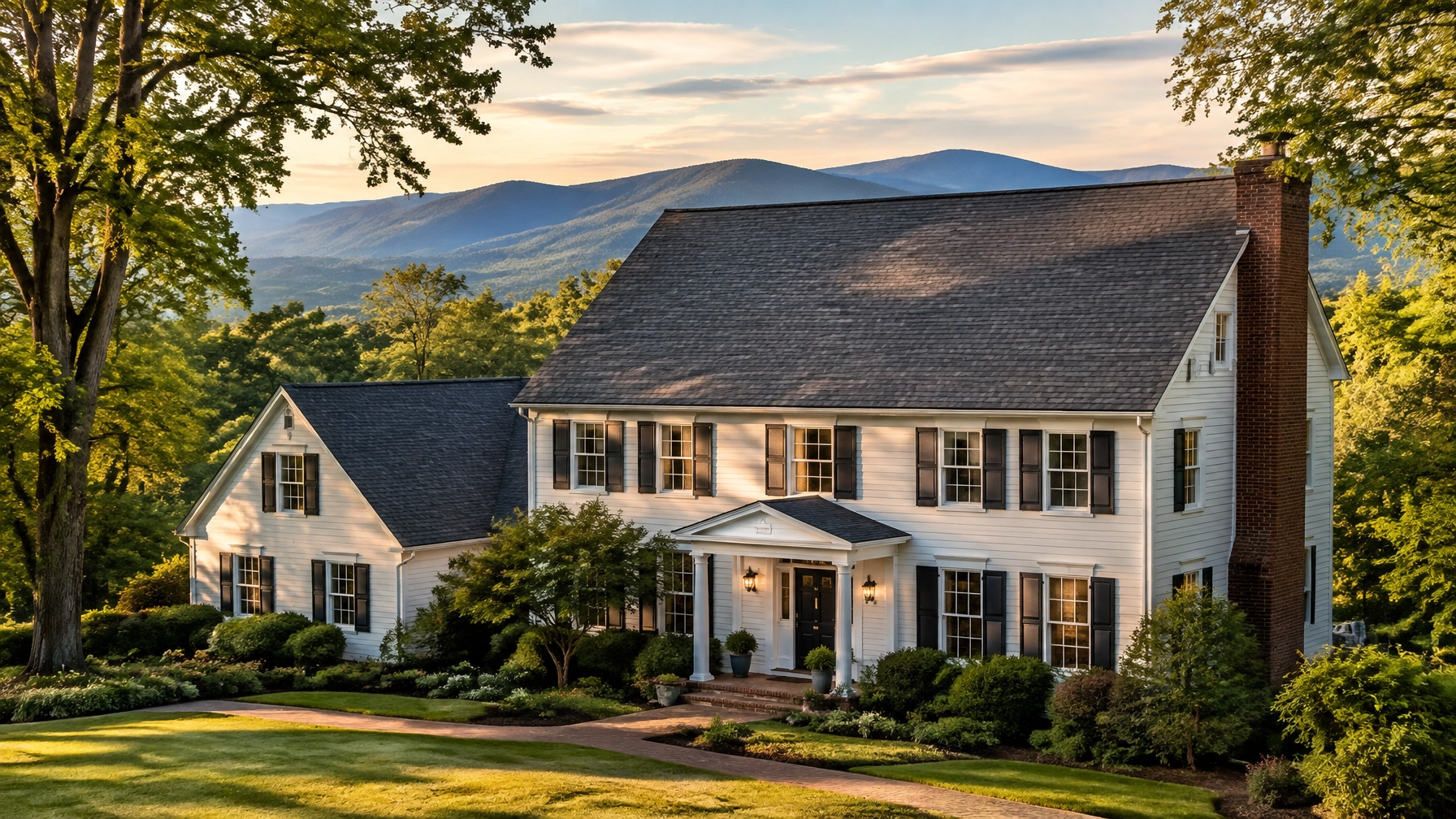
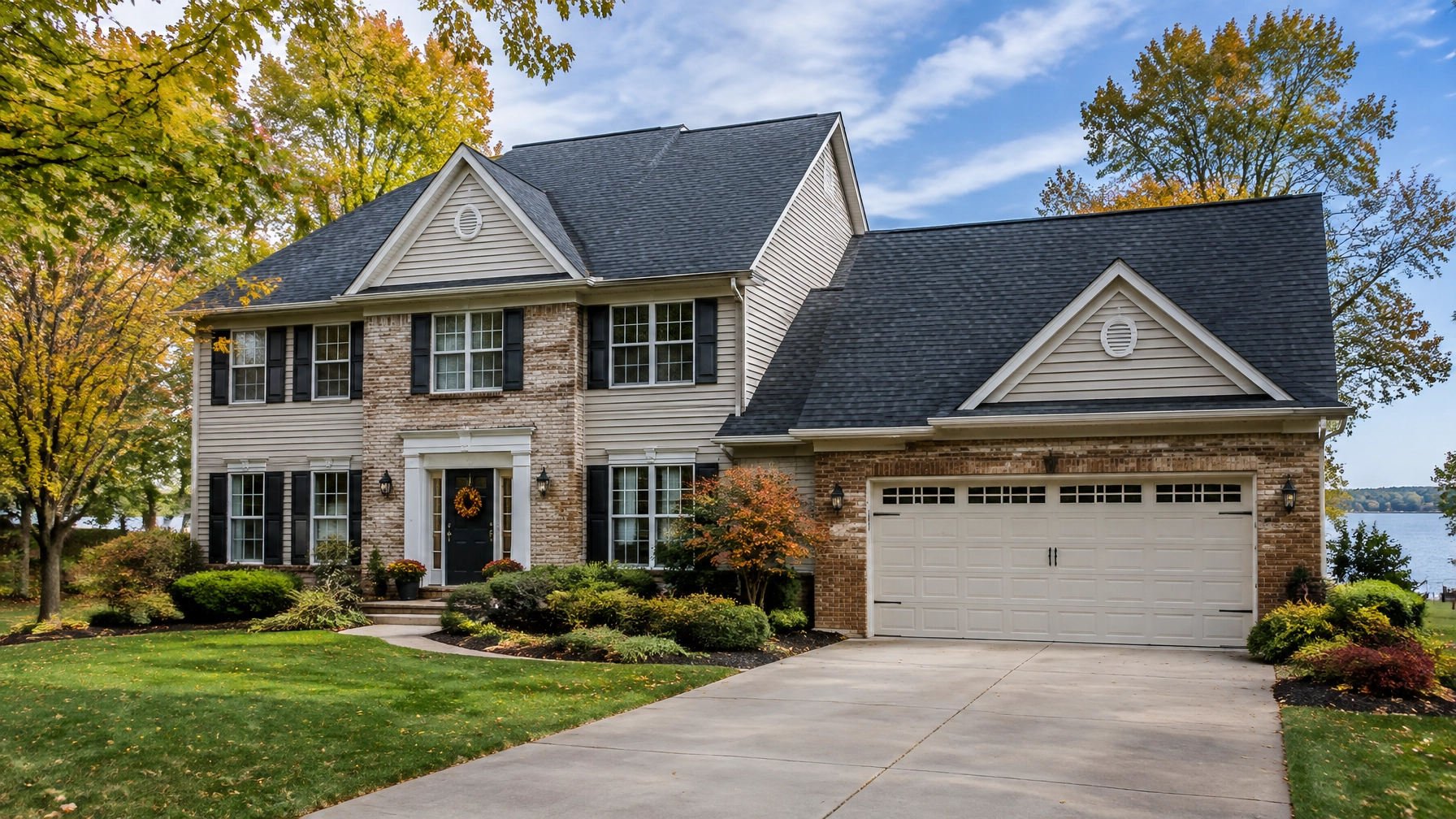
    Professional roofing contractors installing high-quality architectural shingles on a residential home in Michigan.

    The Michigan Compliance Checklist: Don't Skip These Steps

    In Michigan, the Department of Licensing and Regulatory Affairs (LARA) sets the rules. If a contractor can't produce a license number on the spot, they shouldn't be on your property.

    1. Verify the License Type

    For any roofing job over $600 (which is virtually every roof replacement), the contractor must have one of two things:

    • Residential Builder License: Covers general construction including roofing.
    • Maintenance & Alteration (M&A) License: Must specifically have a Roofing classification.

    2. Check for General Liability and Workers' Comp

    If a worker falls off your roof and the company doesn't have Workers’ Compensation, you could be held liable. Do not accept a verbal "we're covered." Ask for an insurance certificate sent directly from their agent to your email.

    3. Permit Responsibility

    In Grand Rapids, a building permit is required for roof replacements. A major red flag is a contractor asking you to pull the permit. This usually means they aren't licensed or are trying to avoid a paper trail. A legitimate pro handles the permits as part of their service.

    2026 Grand Rapids Roofing Costs: What’s Fair?

    Transparency is the best defense against overpaying. In 2026, labor and material costs in West Michigan have stabilized, but they remain a significant investment. Based on current market data for Grand Rapids, here is what you can expect to pay for a standard 2,000-square-foot roof.

    Component Budget (3-Tab Shingles) Popular (Architectural) Premium (Metal/Synthetic)
    Price Range $8,000 – $9,500 $10,500 – $13,500 $18,000 – $28,000+
    Longevity 15–20 Years 25–30 Years 50+ Years
    Durability Moderate High (Wind Resistant) Maximum
    Local Value Basic Protection Recommended for MI Highest ROI

    Note: These ranges include standard tear-off, disposal, and the mandatory ice and water shield required by Michigan code for the first 3 feet of the roof edge.

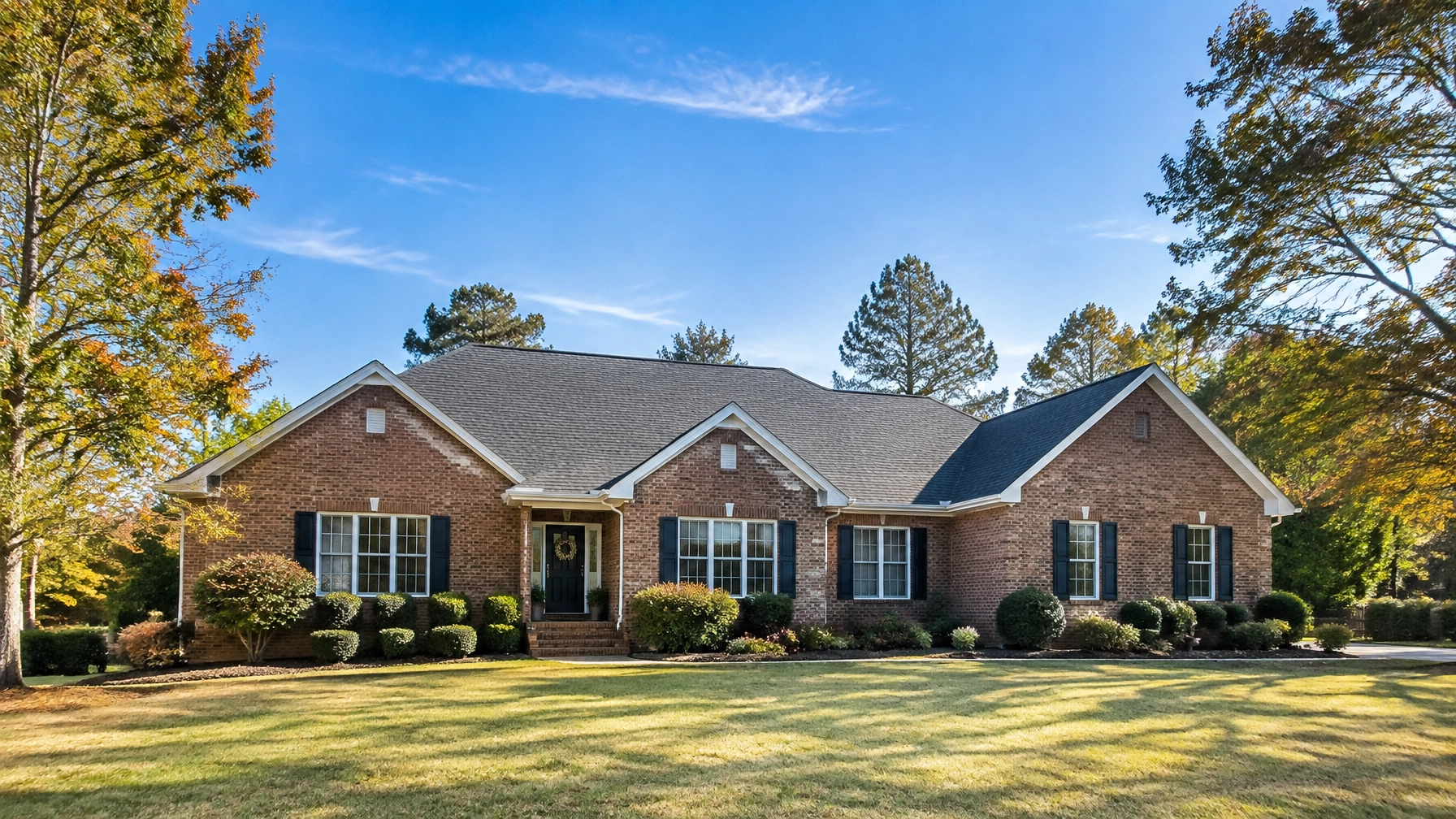
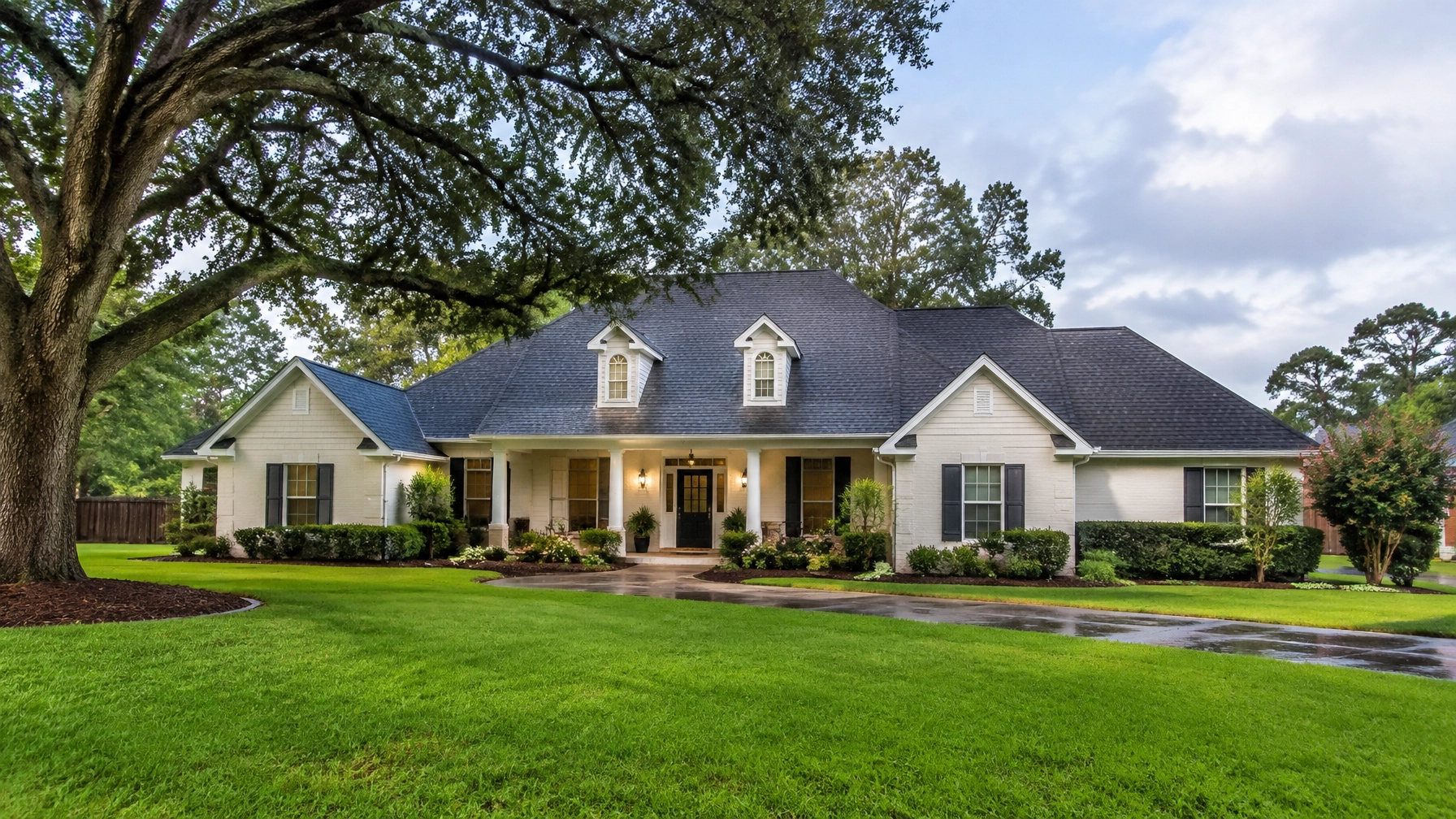
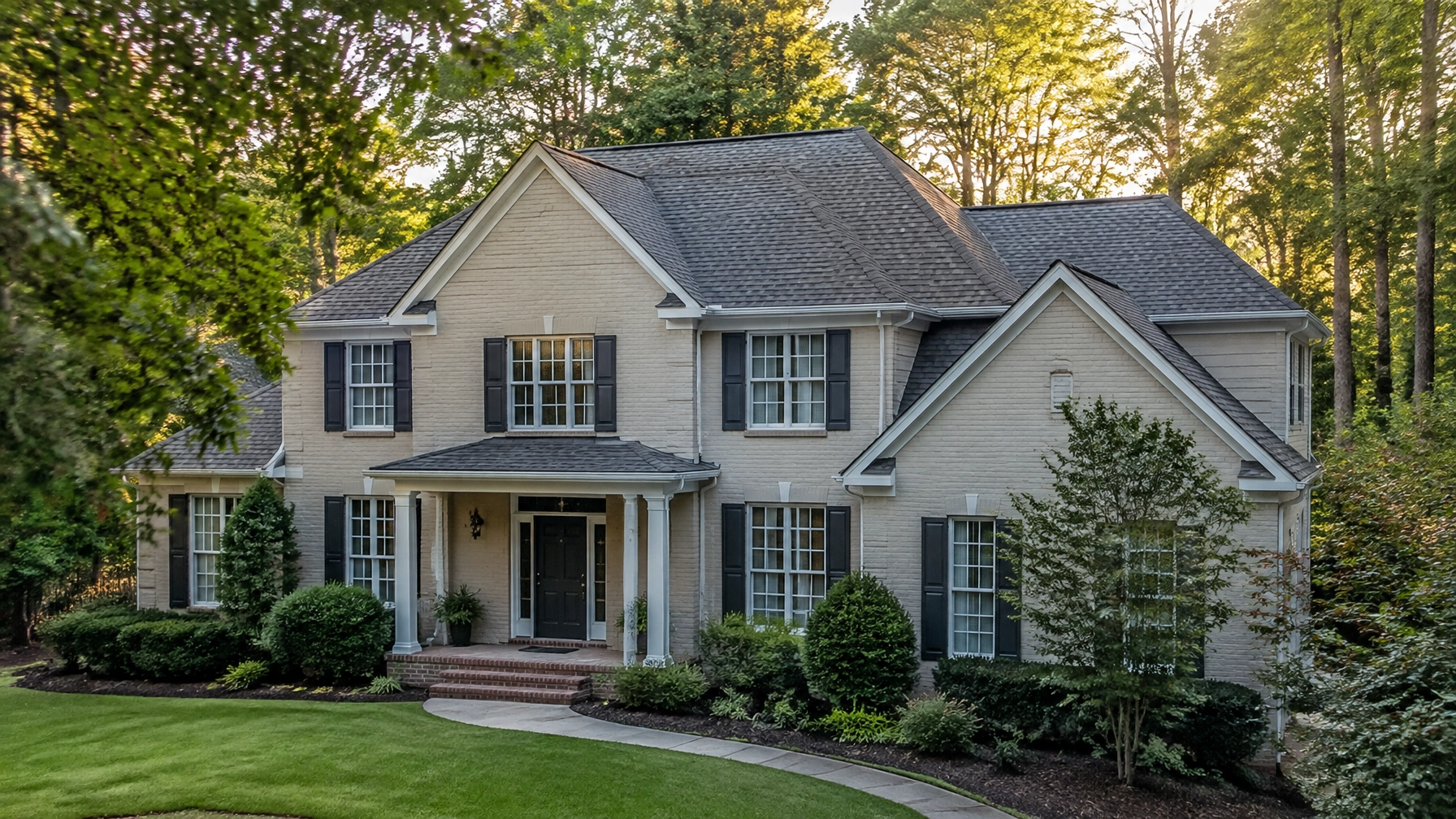
    A modern ranch-style home in a suburban neighborhood of Grand Rapids, MI with a clean, high-definition shingle roof.

    Why "Do This First" Means Getting a Baseline Estimate

    Before you let a single contractor walk across your shingles, you need a baseline. Traditionally, that meant calling three companies, waiting three weeks for appointments, and sitting through three 60-minute sales pitches.

    At Get My Roof Estimate Now, we’ve eliminated that friction. By using advanced satellite imagery, we can measure your roof’s square footage, pitch, and complexity with 95% accuracy without ever stepping foot on your lawn.

    How it works in 60 seconds:

    1. Enter Your Address: We pull high-res satellite data for your Grand Rapids property.
    2. AI Calculation: Our system calculates the exact number of "squares" (100 sq. ft. sections) your roof needs.
    3. Instant Pricing: You get a transparent cost range (Low-Middle-High) based on current 2026 material costs in West Michigan.

    By starting with an instant roof estimate, you walk into contractor meetings with a "BS Detector." If a storm chaser quotes you $22,000 for a project our data shows should cost $12,000, you know exactly what to do: show them the door.

    A tablet screen showing satellite imagery of a roof with an instant cost estimate interface.

    Local Knowledge: The "Michigan-Specific" Factors

    Grand Rapids contractors face unique challenges. When you're vetting, ask them how they handle these local factors:

    • The Ice & Water Shield: Because of our heavy snow and freeze-thaw cycles, Michigan code requires a waterproof underlayment (Ice and Water Shield). Ensure your quote explicitly mentions this.
    • Proper Ventilation: Improper attic venting leads to ice dams in January. A local pro will inspect your soffit and ridge vents, not just your shingles.
    • Regional Pricing: Grand Rapids labor rates are generally more affordable than Detroit or Chicago, but higher than rural northern Michigan. Your estimate should reflect Kent County's specific labor market.

    Final Decision: Hire for Quality, Not Speed

    Storm chasers survive on urgency. They want you to sign today because there's "another storm coming" or "the crew is in the neighborhood." Resist the pressure.

    A new roof is a 20-to-30-year decision. Take the 60 seconds to get your baseline estimate here and then use that data to interview 2-3 verified, licensed, and insured local contractors.

    Summary Checklist for Grand Rapids Homeowners:

    • Get an instant satellite estimate to set your budget baseline.
    • Verify the Michigan Residential Builder/M&A License on the LARA website.
    • Confirm the contractor has a physical office in West Michigan (not just a PO Box).
    • Ensure the quote includes tear-off, local permits, and ice/water shield.

    Don't let a storm chaser dictate your home's future. Use technology to get the facts first, and keep your investment: and your home( protected.)


  • The Ultimate Guide to 2026 Roof Replacement Cost in Mobile: Everything You Need to Succeed

    The Ultimate Guide to 2026 Roof Replacement Cost in Mobile: Everything You Need to Succeed

    Replacing a roof in Mobile, Alabama, is more than just a home maintenance task: it’s a critical defense strategy. Between the intense Gulf Coast humidity and the ever-present threat of hurricane-force winds, your roof works harder here than almost anywhere else in the country.

    As we move into 2026, material costs and labor rates in the Port City have shifted. Whether you’re dealing with an aging 20-year-old roof or preparing for the next storm season, knowing the current market rates is essential for your budget. In this guide, we break down the exact costs for roof replacement in Mobile, AL, so you can make an informed decision without the guesswork.

    The Big Picture: 2026 Cost Benchmarks in Mobile

    For most homeowners in Mobile, a full roof replacement in 2026 typically ranges between $7,000 and $15,000 for standard asphalt shingles. If you are looking at premium materials like standing seam metal or synthetic slate, those figures can climb to $25,000 or more.

    On average, you can expect to pay approximately $3.50 to $5.50 per square foot for a professionally installed architectural shingle roof. This includes the tear-off of your old roof, disposal fees, and all new materials.

    Roofing Type Typical 2026 Cost (2,000 sq. ft. home) Category
    3-Tab Asphalt Shingles $6,000 – $9,000 (Budget)
    Architectural Shingles $9,000 – $14,000 (Popular)
    Standing Seam Metal $18,000 – $28,000 (Premium)
    Synthetic / Tile $22,000 – $35,000+ (High-End)

    Breaking Down the Materials: What's Right for Mobile?

    Your choice of material is the single biggest factor in your final invoice. In Mobile, weather resistance isn't optional; it's a requirement.

    1. Architectural Asphalt Shingles (The Popular Choice)

    Architectural shingles (also known as dimensional or laminate shingles) are the standard for Mobile homes. They offer a great balance of aesthetic appeal and wind resistance, often rated for up to 130 mph.

    • Average Cost: $4.50 – $5.50 per sq. ft. installed.
    • Why they win: They are thicker than basic shingles and handle the Alabama heat better, resisting the "curling" often seen in cheaper materials.

    2. Metal Roofing (The Storm-Resistant Premium)

    Metal roofs have seen a massive surge in popularity in South Alabama over the last few years. While the upfront cost is higher, the longevity and insurance benefits often make it a smarter long-term play.

    • Average Cost: $9.00 – $14.00 per sq. ft. installed.
    • Why they win: A properly installed metal roof can last 50+ years and provides superior protection against flying debris during tropical storms.

    Professional roofer installing high-quality architectural shingles on an Alabama home

    The "Mobile Factor": Grants, Insurance, and Local Codes

    Living on the coast means you have access to specific financial incentives that homeowners in Birmingham or Montgomery don't always get.

    The FORTIFIED Roof™ Standard

    In Mobile, you’ll frequently hear contractors talk about "FORTIFIED" roofs. This is a specific construction standard designed to strengthen residential roofs against high winds and rain.

    • The Benefit: Many insurance carriers in Alabama offer significant discounts: sometimes up to 35% off the wind portion of your premium: if you have a certified FORTIFIED roof.
    • The Cost: Achieving this standard usually adds about $1,000–$3,000 to a standard replacement, but the insurance savings often pay for the upgrade within 3–5 years.

    Strengthen Alabama Homes (SAH) Grants

    One of the best-kept secrets for Mobile homeowners is the Strengthen Alabama Homes program.

    • The Deal: Eligible homeowners can receive a grant of up to $10,000 to upgrade their roof to the FORTIFIED standard.
    • 2026 Update: Funding is often released in quarterly waves. If you are planning a replacement, it is vital to check your eligibility before you sign a contract.

    What Drives Your Final Estimate?

    While square footage is the baseline, several variables can push your Mobile roof cost toward the higher end of the range.

    • Roof Pitch (Steepness): A steep roof requires more safety equipment and takes longer to navigate. Expect a 15–20% labor surcharge for high-pitch roofs.
    • Complexity: If your home has multiple dormers, valleys, and chimneys, the labor cost increases. Simple "up-and-over" gable roofs are always the most affordable.
    • Tear-off Layers: If your home already has two layers of shingles, the labor to remove them and the weight-based disposal fees at the Mobile County landfill will increase.
    • Decking Repair: You won't know the state of your plywood decking until the old shingles are removed. In Mobile’s humid climate, rot is common. Budget an extra $80–$120 per sheet of plywood just in case.

    A modern Alabama home with a durable standing seam metal roof

    Understanding Labor vs. Materials

    In 2026, the split between labor and materials in Mobile is roughly 40/60.

    • Materials (40%): Includes shingles, underlayment, ice and water shield, drip edge, and nails.
    • Labor (60%): Includes the removal of the old roof, installation of the new system, cleanup, and debris hauling.

    Mobile roofing contractors also have to factor in local permit fees, which typically range from $150 to $500 depending on the total value of the project. A reputable contractor will always include the permit cost and the scheduling of inspections in their initial quote.

    How to Get an Accurate Estimate in 60 Seconds

    The traditional way to get a roof estimate involves calling three different contractors, waiting for them to show up, and dealing with high-pressure sales pitches in your living room.

    We’ve changed that. At Get My Roof Estimate Now, we use advanced satellite imagery to measure your roof's size, pitch, and complexity with 95% accuracy: without anyone ever stepping foot on your property.

    By entering your address into our roof cost calculator, you can get a transparent price range for different materials in under a minute. Our data factors in current Mobile, AL labor rates and material costs for 2026, giving you the power to budget before you ever talk to a contractor.

    Roofing crew working on a residential project in Mobile, Alabama

    3 Tips for Mobile Homeowners to Save Money

    1. Time Your Replacement: Avoid the peak "Hurricane Prep" season (June–August) when demand is highest. Scheduling your replacement in the late fall or early winter can sometimes result in more competitive labor pricing.
    2. Bundle Your Repairs: If you need new gutters or chimney flashing, do it while the roof is being replaced. Most contractors will offer a package deal rather than coming back for a separate service call later.
    3. Check for "Wind Mitigation" Discounts: Even if you don't go for a full FORTIFIED certification, ensure your roofer uses "ring-shank" nails and specific fastening patterns required by Mobile building codes. This can still trigger smaller insurance discounts.

    Summary: Your 2026 Action Plan

    Replacing your roof in Mobile doesn't have to be a mystery. Here is how to succeed:

    • Benchmark: Expect to pay $9,000–$14,000 for a standard home.
    • Investigate: Look into the SAH grant and FORTIFIED standards for long-term savings.
    • Verify: Only work with licensed and insured Alabama contractors who know coastal building codes.
    • Estimate: Start with an instant satellite-powered estimate to establish your baseline budget.

    Ready to see what your new roof will cost? Don't wait for a contractor to call you back next week. Get your accurate, transparent estimate right now and take the first step toward a safer, more beautiful home.


  • 7 Mistakes You’re Making with Your Mobile Roof Insurance Claim (and How to Fix Them)

    Navigating a roof insurance claim in Mobile, Alabama, is a different beast than in the rest of the country. Between the high humidity of the Gulf Coast and the constant threat of hurricane-force winds, your roof works overtime. When a storm hits, the clock starts ticking on a process that: if handled incorrectly: can leave you footing a $15,000 bill out of pocket.

    At Get My Roof Estimate Now, we see homeowners in the Port City make the same preventable errors every season. In 2026, the average cost for a roof replacement in Mobile ranges from $550 to $650 per square (a 100-square-foot area). For a standard 2,000-square-foot home, you’re looking at a $12,000 to $13,500 investment.

    Don't let a simple paperwork error or a timing mistake jeopardize your coverage. Here are the seven biggest mistakes you’re making with your Mobile roof insurance claim and exactly how to fix them.

    1. Mislabeling "Wear and Tear" as Storm Damage

    Mobile’s climate is brutal on shingles. The salt air and extreme heat cause "blistering" and granule loss that can look like hail damage to the untrained eye. A common mistake is filing a claim for an 18-year-old roof that is simply at the end of its life, hoping the insurance company will call it "wind damage."

    • The Risk: If an adjuster determines the damage is maintenance-related rather than a "sudden and accidental" loss, your claim will be denied. Multiple denied claims can even lead to policy non-renewal.
    • The Fix: Before calling your agent, get an objective look. Use our instant roof estimate tool to understand the scope of your roof's size and complexity. Then, have a local professional verify if the damage is "functional" (structural) or "cosmetic" (age-related).

    2. Ignoring the "Hurricane Deductible" Nuance

    Many homeowners in Mobile and Baldwin County don't realize their policy has a separate, much higher deductible for named storms. While your standard deductible might be a flat $1,000, your hurricane deductible is often 2% to 5% of your home’s total insured value.

    • The Risk: On a $300,000 home, a 2% hurricane deductible is $6,000. If your roof replacement costs $12,000, the insurance company will only cut you a check for $6,000.
    • The Fix: Review your "Declarations Page" immediately. Knowing your specific deductible allows you to budget correctly. If the math doesn't make sense to file a claim, you're better off paying out of pocket to avoid a claim on your record.

    A close-up of storm-damaged asphalt shingles on a Mobile home, showing lifted edges and missing granules from wind impact.

    3. Waiting Too Long to Inspect and File

    In Alabama, the statute of limitations for filing a claim is generally generous, but the physical reality of your roof isn't. Mobile is one of the rainiest cities in the U.S. A single missing shingle from a March storm can lead to rotted decking and black mold by July.

    • The Risk: If you wait six months to file, the insurance company may argue that the "secondary damage" (the mold and rot) was caused by your neglect in not mitigating the damage sooner. They may pay for the shingles but deny the expensive structural repairs.
    • The Fix: Inspect your roof (or have it inspected) within 48 hours of any major weather event. Use satellite technology to get a quick baseline of your roof's condition so you have a "before and after" context.

    4. Poor Documentation (The "I'll Do It Later" Trap)

    Documentation is the only currency adjusters care about. Many Mobile homeowners take two blurry photos from the ground and think that’s enough. It isn’t.

    • The Risk: Without clear evidence of the date of loss and the specific damage, it’s your word against the adjuster's.
    • The Fix: Take a "house-to-detail" approach. Photograph the whole house, then the specific slope, then close-ups of the damage. Include photos of hail in your hand or "spatter" marks on your fence and mailbox. These are "collateral indicators" that prove a storm hit your specific address.

    A homeowner in Mobile using a smartphone to photograph roof damage for an insurance claim, emphasizing the importance of thorough documentation.

    5. Not Getting an Independent, Accurate Estimate

    Accepting the insurance adjuster's first offer is the fastest way to leave money on the table. Adjusters often use software that might not reflect current labor and material price spikes in the Mobile market.

    • The Data: In 2026, roofing materials in Alabama are seeing a 4-7% annual increase. A "standard" estimate from a year ago is no longer accurate.
    • The Fix: Get your own data first. Our satellite-powered measurement system provides an estimate accurate to within inches. When you show the adjuster an estimate based on your roof's actual square footage and pitch, they are much more likely to match the "fair market value."

    2026 Mobile, AL Roofing Price Benchmarks

    Material Type Estimated Price Per Square Context
    3-Tab Shingles $450 – $550 Budget
    Architectural Shingles $550 – $675 Popular
    Standing Seam Metal $950 – $1,300 Premium/Coastal
    Synthetic Slate $1,200 – $1,800 Luxury

    6. Hiring "Storm Chasers" Over Local Experts

    After a hurricane or a severe thunderstorm rolls through Mobile, "storm chasers" from out-of-state flood the area. They offer "free roofs" and promise to handle the insurance company entirely.

    • The Risk: These contractors often cut corners to fit the insurance payout, using low-grade underlayment or failing to replace flashing. If your roof leaks two years later, they are already three states away.
    • The Fix: Only work with verified, licensed, and insured local contractors. We connect homeowners with a vetted network of Alabama professionals who understand Mobile's specific building codes and wind requirements.

    7. Cleaning Up Before the Adjuster Arrives

    Your instinct is to clean up the shingles that blew into your yard or the tree limb that hit the gutter. While you should prevent further damage (like putting a tarp over a hole), you shouldn't "clean the scene."

    • The Risk: Blown-off shingles in the yard are physical proof of wind speed. If you throw them away, the adjuster sees a roof with "potential" damage rather than "proven" damage.
    • The Fix: Take photos of everything exactly where it landed. If you must move debris, stack it in a pile and photograph it. Your goal is to make the adjuster’s job as easy as possible.

    Aerial view of a suburban neighborhood in Mobile, AL showing various roof styles, used to illustrate how satellite technology accurately measures roof size for insurance claims.

    Summary: Your Action Plan

    If you suspect storm damage on your Mobile home, don't fly blind.

    1. Stop: Don't file the claim yet.
    2. Measure: Get your instant roof estimate in 60 seconds to see if your potential claim exceeds your deductible.
    3. Document: Take 20+ photos of your roof and property.
    4. Verify: Consult with a local, licensed roofer to confirm the damage is "claim-worthy."

    By following this process, you shift the power from the insurance company back to you. You deserve a roof that protects your family: and a payout that covers the true cost of quality work.


  • Raleigh Roof Replacement Cost Explained in Under 3 Minutes

    Homeowners in Raleigh, North Carolina, are currently facing a shifting roofing market. Between the high humidity of the Piedmont and the sudden "pulse" thunderstorms that roll through Wake County, your roof is your first line of defense. But what is the actual bottom line for a replacement in 2026?

    At Get My Roof Estimate Now, we’ve analyzed regional labor data and material supply chains to give you the most accurate benchmarks available. Whether you’re in North Hills, Cary, or downtown Raleigh, here is the direct data you need to budget for your 2026 roof replacement.


    FAQ 1: What is the average cost of a roof replacement in Raleigh in 2026?

    For a typical single-family home in Raleigh (averaging 1,500 to 2,500 square feet), a full roof replacement with standard architectural shingles currently ranges between $9,000 and $16,000.

    Most homeowners find their projects clustering around the $10,000 to $14,000 mark. If you have a larger estate or a highly complex roof with multiple gables and a steep pitch, costs can easily exceed $25,000.

    • Small Homes (1,000–1,500 sq ft): $8,000–$12,000 (Budget)
    • Average Homes (1,500–2,500 sq ft): $9,000–$16,000 (Popular)
    • Large Estates (3,000+ sq ft): $20,000+ (Premium)

    FAQ 2: Why are Raleigh roofing costs higher than the state average?

    While North Carolina’s statewide average might sit near $8,100, Raleigh is a high-demand urban market. Labor costs in the Research Triangle are typically 15% to 25% higher than in rural parts of the state. Skilled roofing crews in Raleigh currently command rates between $50 and $100 per hour depending on the complexity of the installation.

    An aerial satellite-style view of a residential neighborhood in Raleigh, showing a specific house highlighted with precise digital measurement lines and dimensions, illustrating high-tech roof estimation technology.

    FAQ 3: How does the choice of material affect the price?

    Material choice is the largest variable you can control. Raleigh's climate: marked by intense summer heat and high humidity: requires materials that can withstand thermal expansion and moisture.

    Material Type Estimated 2026 Cost (Raleigh Area) Categorization
    Standard Asphalt Shingles $8,000 – $14,000 Budget-Friendly
    Architectural Shingles $10,000 – $18,000 Most Popular
    Metal Roofing (Standing Seam) $18,000 – $35,000 High Durability
    Synthetic/Composite Slate $25,000 – $45,000 Luxury Aesthetic

    Pro Tip: Architectural shingles are the "standard" in Raleigh because they offer the best balance of wind resistance (up to 130 mph) and cost-efficiency for the local climate.

    FAQ 4: How much of the estimate is labor vs. materials?

    In the current 2026 market, your roof estimate is generally split as follows:

    • Labor (50–60%): Includes tear-off of old shingles, disposal fees, and skilled installation.
    • Materials (40–50%): Includes shingles, underlayment, flashing, vents, and fasteners.

    Raleigh homeowners should expect to pay roughly $4.50 to $9.00 per square foot for the total project. If your roof is exceptionally steep (a "high pitch"), labor costs will increase due to the extra safety equipment and slower pace required.

    Close-up macro photography of high-quality architectural asphalt shingles in a charcoal grey color, showing the layered texture and granule coating designed for wind and algae resistance.

    FAQ 5: Will my homeowners insurance cover a new roof in North Carolina?

    In North Carolina, insurance policies are designed to cover sudden and accidental damage, such as that from a hail storm or a fallen oak limb during a hurricane.

    However, insurance does not cover age-related wear and tear. If your roof is 25 years old and simply leaking due to shingle degradation, you will likely be paying out of pocket.

    • Important Note: The North Carolina Department of Insurance (NCDOI) does not require insurers to match shingles perfectly if only a small section is damaged. This often leads Raleigh homeowners to opt for a full replacement to maintain curb appeal and structural integrity.

    FAQ 6: How does Raleigh’s humidity affect my roof’s lifespan?

    Raleigh is known for "algae streaks" (Gloeocapsa magma): those black streaks you see on older roofs. The high humidity in the Triangle accelerates this growth. When choosing your material, ensure your shingles are Algae-Resistant (AR). Most modern architectural shingles include copper granules to prevent this, which is essential for maintaining the value of Raleigh homes.


    The 60-Second Solution: Get Your Estimate Now

    The traditional way to get a roof estimate involves scheduling appointments, waiting for contractors to show up, and sitting through long sales pitches. In Raleigh’s fast-paced real estate market, homeowners don't have time for that.

    At Get My Roof Estimate Now, we use satellite-powered measurements accurate to within inches. By analyzing your roof's size, pitch, and complexity from above, we provide:

    1. Instant Pricing: Get a transparent range in under 60 seconds.
    2. No Credit Card Required: Our tool is free and low-friction.
    3. Local Expertise: Our pricing factors in Raleigh’s specific labor rates and permit costs.

    A professional roofing crew wearing safety harnesses working on a residential home with a steep roof, efficiently installing new underlayment and shingles on a bright sunny day in North Carolina.

    Summary Checklist for Raleigh Homeowners

    • Budget: Aim for $10,000–$14,000 for standard homes.
    • Timing: Spring and Fall are the busiest seasons in NC; plan ahead to avoid "storm-chaser" premium pricing.
    • Material: Opt for architectural shingles with algae resistance for the best ROI.
    • Verification: Ensure any contractor you connect with is licensed and insured in the state of North Carolina.

    Stop guessing what your home improvement project will cost. Whether you are preparing to sell a home in Brier Creek or just finished dealing with a summer hailstorm, get the data you need today.

    Calculate Your Raleigh Roof Cost Instantly →


  • The Ultimate Guide to Vetting Houston Roofers: How to Spot Storm Chasers Before They Cost You Thousands

    The Ultimate Guide to Vetting Houston Roofers: How to Spot Storm Chasers Before They Cost You Thousands

    Houston weather is many things, but "predictable" isn't one of them. From hurricane-force winds to the sudden, golf-ball-sized hail that pummels neighborhoods from The Woodlands down to Sugar Land, your roof takes a beating.

    When a major storm hits, the sound of falling hail is often followed by a different kind of noise: the sound of doorbells ringing. These are the "storm chasers": out-of-state contractors who descend on Houston after a disaster, looking for quick insurance payouts and leaving behind shoddy work.

    In a state like Texas, where contractor licensing is not required by the state, the burden of vetting falls entirely on you. If you pick the wrong person, you aren't just out of a few thousand dollars; you’re looking at a roof that might leak in six months with a "contractor" whose phone number has already been disconnected.

    This guide will show you exactly how to spot a storm chaser, how to navigate the wild west of Texas roofing laws, and how to get an accurate price before you ever talk to a salesman.

    1. The "Storm Chaser" Red Flags (The Big 5)

    A "storm chaser" is a roofing company that doesn't actually live or work in Houston year-round. They follow weather patterns, set up a temporary office (or just work out of a truck), and maximize profits by using the cheapest materials and labor possible.

    Here are the five immediate warning signs that the person at your door isn't a local professional:

    Red Flag #1: The "Free Roof" or "We'll Pay Your Deductible"

    This is the most common: and most dangerous: tactic. In Texas, it is illegal for a contractor to waive, rebate, or pay your insurance deductible. This law was designed to prevent insurance fraud. If a roofer tells you they can "take care of the deductible," they are asking you to participate in a crime. If they're willing to break state law on day one, imagine what they’ll do to your roof.

    Red Flag #2: High-Pressure "Sign Now" Tactics

    "This price is only good for today," or "I have a crew around the corner and can start tomorrow if you sign this contingency agreement."
    Legitimate local roofers are usually busy. They don't need to bully you into a contract. If they are pushing you to sign a "Notice of Intent" or a "Contingency Agreement" just to look at your roof, walk away.

    Red Flag #3: Out-of-State Plates or P.O. Boxes

    Check their truck. Check their business card. If they have a temporary magnetic sign on the door or plates from Oklahoma, Florida, or Louisiana, they are likely following the storm. While some out-of-state companies are large and reputable, many are "tailgaters" who won't be here when you have a warranty claim next year.

    Red Flag #4: Demand for Full Payment Upfront

    Never, ever pay 100% of the cost before the materials are on your driveway and work has begun. A standard practice is a small deposit (to cover material delivery) followed by a final payment once the job is inspected and complete. Storm chasers often take the full check and vanish.

    Red Flag #5: "I Was Just in the Neighborhood"

    Professional roofers in Houston generally work on referrals and digital leads. They rarely have the time to go door-to-door in neighborhoods unless they are actively working on a neighbor's house. Even then, they should be respectful and provide local references immediately.

    Professional roofing contractor inspecting a residential roof in Houston

    2. The Texas Reality: No State License Required

    Most homeowners are shocked to learn that the State of Texas does not require roofing contractors to be licensed. Unlike plumbers or electricians, anyone with a hammer and a ladder can legally call themselves a roofer in Houston.

    Because there is no state-level oversight, you have to look for voluntary certifications. The gold standard in our state is the Roofing Contractors Association of Texas (RCAT).

    To earn an RCAT Licensed Contractor designation, a company must:

    • Have a permanent place of business in Texas for at least three continuous years.
    • Provide proof of financial responsibility and insurance (General Liability and Workers' Comp).
    • Pass a rigorous exam on business and safety law, as well as technical roofing knowledge.
    • Maintain continuing education every year.

    If a roofer isn't RCAT licensed, you are essentially taking their word for it that they know what they’re doing.

    3. Average Roof Replacement Costs in Houston (2026 Update)

    To avoid being overcharged by a storm chaser (or under-quoted by someone who will cut corners), you need to know the current market rates. In 2026, Houston pricing is influenced by material availability and local labor demand.

    Based on our Texas roof estimate data, here are the typical price ranges for a standard 2,000–2,500 sq. ft. home:

    Material Type Category Estimated Range (Houston)
    Architectural Shingles Popular $8,500 – $16,500
    Impact-Resistant Shingles Premium $11,000 – $19,000
    Standing Seam Metal High-End $22,000 – $45,000
    Stone-Coated Steel Luxury $25,000 – $50,000

    Note: These ranges factor in a full tear-off of one layer, standard underlayment, and local disposal fees. Steep pitches or multiple stories will increase these totals.

    A modern Houston luxury home with a sleek black standing seam metal roof

    4. How to Vet Like a Pro: The 60-Second "Tech" Advantage

    The old way of getting a roof estimate involved calling three different contractors, waiting for them to show up (if they did), and sitting through three 90-minute sales pitches in your living room.

    In 2026, you can bypass the "Sales Guy" entirely during the research phase. Using satellite technology, you can get an accurate measurement of your roof without anyone stepping foot on your property.

    At Get My Roof Estimate Now, we use high-resolution aerial imagery to calculate your roof's square footage, pitch, and complexity. Within 60 seconds, you get a transparent price range based on real local labor rates.

    Why this helps with vetting:
    When a contractor eventually does come out, you already have a "ballpark" number in your pocket. If a door-knocker quotes you $25,000 for a roof that our satellite data says should cost $12,000, you know immediately that you’re being targeted by a storm chaser.

    Homeowner looking at a satellite-powered roof estimate on a laptop

    5. The Houston Homeowner’s Vetting Checklist

    Before you sign anything, run through this checklist with every contractor:

    1. Local Address: Do they have a physical office in the Houston area (not a P.O. Box or a residential home)?
    2. General Liability Insurance: Ask for the certificate and call the agent to verify it is active.
    3. Workers' Compensation: In Texas, this isn't mandatory for employers, but reputable roofers carry it to protect you from being sued if a worker falls on your property.
    4. RCAT Membership: Are they a member of the Roofing Contractors Association of Texas?
    5. Manufacturer Certifications: Are they "Master Elite" (GAF) or "Platinum Preferred" (Owens Corning)? These certifications allow them to offer better warranties.
    6. The "Three-Day" Rule: Under Texas law, you generally have three business days to cancel a contract signed at your home. A legitimate roofer will mention this; a storm chaser will hide it.

    Close-up of high-quality architectural shingles being installed

    Final Thoughts: Knowledge is Your Best Shingle

    The best way to protect your home and your wallet is to be the most informed person in the room. Storm chasers rely on your confusion and your desire to "just get it fixed" after a stressful weather event.

    By starting with a free, instant satellite estimate, you establish a baseline of truth. You’ll know exactly how many "squares" of roofing you need and exactly what a fair price looks like in the Houston market.

    Don't let a storm chaser turn a weather disaster into a financial one. Vet local, verify insurance, and use technology to keep the "pros" honest.


  • The Ultimate Guide to Houston Roof Replacement Cost: Everything You Need to Succeed in 2026

    The Ultimate Guide to Houston Roof Replacement Cost: Everything You Need to Succeed in 2026

    If you own a home in Houston, you know the drill: the heat is relentless, the humidity is thick, and hurricane season is always just around the corner. By the time 2026 rolls around, your 20-year-old roof might be looking more like a liability than a shield.

    Replacing a roof is one of the biggest investments you’ll make in your property. In the Houston market, prices have shifted significantly over the last few years due to labor demand and material supply chains. Whether you’re in Katy, Sugar Land, or The Heights, understanding the current 2026 price landscape is the only way to avoid overpaying or, worse, hiring a "storm chaser" who does subpar work.

    At Get My Roof Estimate Now, we use satellite-powered technology to give you a precise roof estimate in Texas without the need for a salesperson to step foot on your lawn. Here is the data-driven reality of what a new roof costs in Houston today.

    2026 Houston Roof Pricing: The Raw Numbers

    In 2026, the average cost for a full roof replacement in the Houston metro area ranges from $9,000 to $30,000+, depending largely on the material you choose and the complexity of your roofline.

    For a standard 2,000-square-foot roof (approximately 20 "squares" in roofing lingo), here is how the math breaks down:

    Roof Material Type Cost per Square Foot Cost per "Square" (100 sq. ft.) Total Est. (2,000 sq. ft. Roof) Expected Lifespan
    Architectural Shingles (Popular) $4.50 – $7.00 $450 – $700 $9,000 – $14,000 25–30 Years
    Impact-Resistant Shingles (Smart) $6.00 – $8.50 $600 – $850 $12,000 – $17,000 30+ Years
    Standing Seam Metal (Premium) $9.00 – $15.00 $900 – $1,500 $18,000 – $30,000+ 50–70 Years
    Synthetic Slate/Tile (Luxury) $12.00 – $20.00 $1,200 – $2,000 $24,000 – $40,000+ 50+ Years

    Data compiled from local market analysis including Nailed It Roofing and Fox Haven Roofing.

    Choosing the Right Material for the Houston Climate

    Houston's weather isn't just "hot": it's aggressive. Your material choice dictates how well your home survives the next big Gulf storm.

    Architectural Asphalt Shingles (Popular / Budget-Friendly)

    These are the gold standard for Houston suburbs. Unlike the flat "3-tab" shingles of the past, architectural shingles are thicker, multi-dimensional, and rated for higher wind speeds.

    • Why they work: They offer a high-end look at a mid-range price point.
    • 2026 Price Note: Expect to pay on the higher end of the scale if your roof has a steep pitch or multiple dormers.

    Close-up of high-quality charcoal architectural shingles

    Metal Roofing (Premium / Energy Efficient)

    Metal roofs have exploded in popularity in Texas. While the upfront cost is nearly double that of shingles, the energy savings in a Houston summer can be massive.

    • Why they work: They reflect solar radiant heat, potentially lowering cooling costs by up to 25%. Plus, they are virtually fireproof and highly wind-resistant.
    • 2026 Price Note: Standing seam is the preferred method for residential homes to avoid exposed fasteners that can leak over time.

    Modern Houston home with a sleek black standing seam metal roof

    Factors That Move the Price Needle in Houston

    When you use our roof cost calculator, we factor in several technical variables that traditional "ballpark" quotes often miss:

    1. Roof Pitch (Steepness): A flat or low-slope roof is easy to walk on and faster to install. If your roof is "steep-charge" (meaning it requires safety harnesses and extra labor hours), expect labor costs to increase by 15-20%.
    2. Layers for Tear-Off: Texas code generally allows for two layers of shingles, but in Houston, we always recommend a full tear-off to inspect the decking for rot caused by humidity. Removing two layers costs more in labor and disposal fees than removing one.
    3. Complexity: A simple ranch-style roof with two planes is much cheaper than a Victorian-style roof with multiple valleys, hips, and ridges. Every "valley" requires extra flashing and waterproofing, which adds to the material and labor tally.
    4. Permitting and Disposal: City of Houston permits and the rising cost of landfill "tipping fees" for old shingles are factored into your total estimate.

    The Houston Pain Point: Why Accuracy Matters

    In a city prone to sudden storms and hail, "approximate" estimates are dangerous. Many homeowners get a low-ball quote from a contractor who hasn't actually measured the roof's true square footage, only to be hit with "change orders" halfway through the job.

    We’ve solved this using satellite-powered measurements. By using high-resolution aerial imagery, we measure your roof to within inches. We calculate the exact number of "squares" needed, the linear feet of ridges, and the number of valleys.

    Satellite visualization showing digital measurement lines on a residential roof

    This technology allows us to provide a transparent price range in under 60 seconds. You get the data you need to budget for 2026 without the high-pressure sales pitch in your living room.

    How to Succeed with Your 2026 Replacement

    If you’re ready to pull the trigger on a new roof this year, follow this professional checklist:

    • Get Your Baseline Number: Start with an instant estimate to know if you're looking at a $10k project or a $25k project.
    • Check for Hail Damage: If Houston recently saw a major storm, your insurance might cover the replacement. An accurate measurement report is a powerful tool when talking to your adjuster.
    • Verify Your Contractor: Always ensure your local pro is licensed, insured, and has a physical office in the Houston area (not just a truck and a ladder).
    • Ask About Ventilation: In the Houston heat, your roof is only as good as its ventilation. Ensure your estimate includes ridge vents or solar-powered attic fans to prevent shingle "cooking" from the inside out.

    Professional roofing crew installing shingles on a Houston home

    Ready to see your number?

    Don't spend your weekend waiting for contractors to show up. Get an accurate, transparent, and instant price for your Houston home right now. Whether you're planning for architectural shingles or a lifetime metal roof, the data you need is just 60 seconds away.

    Get My Instant Houston Roof Estimate Now


  • Charleston Roof Insurance Secrets Revealed: What Adjusters Don’t Want You to Know

    Charleston Roof Insurance Secrets Revealed: What Adjusters Don’t Want You to Know

    Owning a home in Charleston, South Carolina, comes with a specific set of challenges. Between the salt air of the Battery, the humidity of West Ashley, and the constant looming threat of the Atlantic hurricane season, your roof is your first line of defense. But when a storm finally does hit: whether it’s a named hurricane or a severe Lowcountry thunderstorm: getting your insurance company to pay for a replacement can feel like an uphill battle.

    If you’ve recently filed a claim or are preparing to, you need to know that the deck is often stacked against you. Insurance adjusters are trained to minimize "loss," which in homeowner-speak means "paying you as little as possible for your roof."

    At Get My Roof Estimate Now, we’ve seen thousands of satellite-verified estimates across Charleston zip codes like 29401, 29407, and 29464. We know the numbers, we know the local building codes, and we know exactly what adjusters try to hide. Here is your masterclass on Charleston roof insurance secrets.


    The "Wear and Tear" Trap: The Adjuster’s Favorite Weapon

    One of the most common secrets adjusters won't tell you is how they categorize storm damage. In South Carolina, insurers are only required to pay for damage caused by a "sudden and accidental" event: like a 70mph wind gust or a hailstorm.

    The secret? Adjusters are incentivized to find any reason to label your damage as "Normal Wear and Tear" (Maintenance) or "Pre-existing Condition."

    Close-up of wind-damaged asphalt shingles showing creases and missing granules

    How they do it:

    • Granule Loss: They’ll claim the granules in your gutters are just from an aging roof, even if a hailstorm just blasted them off.
    • Creased Shingles: High winds in Charleston often "lift" shingles, breaking the seal and creating a permanent crease. Adjusters often call these "thermal cracks" caused by our 100-degree summer days rather than wind damage.
    • The Age Factor: If your roof is over 15 years old, they will look at it through the lens of "it was time to replace it anyway," regardless of whether the storm was the actual cause of the failure.

    The Counter-Move: Never let an adjuster inspect your roof alone. Having a detailed roof cost estimate and a local professional on-site ensures that "wear and tear" isn't used as a catch-all excuse to deny a valid claim.


    Secret #2: The Difference Between RCV and ACV (And the Hurricane Deductible)

    Many Charleston homeowners in areas like Mount Pleasant and James Island don't realize their policy may have shifted.

    RCV (Replacement Cost Value) – [Premium]

    This is what you want. RCV covers the full cost to replace your roof today, minus your deductible. If a new roof costs $18,000, they pay $18,000 (after the deductible is met).

    ACV (Actual Cash Value) – [Budget]

    This is the "secret" many homeowners miss in their renewal paperwork. An ACV policy only pays what your roof is worth today. If your 20-year-old roof is at the end of its life, the insurer might only cut you a check for $2,000 on an $18,000 job.

    The Charleston Hurricane Deductible

    In coastal South Carolina, most policies have a separate "Hurricane" or "Wind/Hail" deductible. While your standard deductible might be $1,000, your hurricane deductible is often a percentage of your home’s total insured value (usually 1%, 2%, or 5%).

    • Example: If your home is insured for $500,000 and you have a 2% hurricane deductible, you are responsible for the first $10,000 of the roof replacement. Adjusters often "forget" to explain this clearly until the check arrives much smaller than expected.

    Secret #3: Satellite Imagery Doesn't Lie (But Adjusters Can)

    Traditionally, an adjuster climbs a ladder, walks around for 15 minutes, and hand-measures your roof. This process is prone to human error and: more importantly: conservative estimates.

    The secret? Adjusters often miss "line items" like drip edges, flashing, and ridge vents to keep the payout low. They might measure your roof at 28 "squares" (a 10×10 area) when it’s actually 31. On a standard Charleston ranch, that 3-square discrepancy can cost you $1,500 in materials and labor.

    A smartphone screen showing satellite imagery roof measurements with pitch and square footage data

    At Get My Roof Estimate Now, we use satellite-powered technology accurate to within inches. When you walk into a claim with a satellite report showing the exact square footage, pitch, and complexity of your roof, it becomes very difficult for an insurance company to "lowball" the measurements.


    Secret #4: The "Partial Repair" Strategy

    In South Carolina, insurance companies will often try to pay for a "spot repair" instead of a full replacement. They might offer to pay for 50 shingles on the south-facing slope of your roof.

    What they don't want you to know:

    1. Matching Laws: While SC doesn't have a strict "matching law" like some other states, if the shingles are no longer manufactured or the color has faded so significantly that a repair would devalue your home, you have a strong case for a full replacement.
    2. Brittle Test: If a roofer attempts to replace one shingle and the surrounding shingles crack because they are too brittle (a common issue in the Charleston sun), the roof is officially "unrepairable." If it can't be repaired, it must be replaced.

    Your Charleston Insurance Masterclass: 5 Steps to a Fair Payout

    If you suspect storm damage in the Lowcountry, follow this exact protocol to ensure you aren't one of the homeowners who gets underpaid.

    1. Get an Instant Baseline Estimate

    Before calling your insurance company, use our 60-second roof estimate tool. You need to know the fair market value of your roof replacement in Charleston before the insurance company tells you what they think it's worth. Our tool factors in local material costs for architectural shingles, metal, and synthetic options.

    2. Document the "Date of Loss"

    Insurance companies will try to deny claims if you can't point to a specific storm. Check local weather records for high-wind events or hailstorms in your specific Charleston zip code. Note the date.

    3. Take Your Own Photos (Safely)

    Don't wait for the adjuster. Take photos of:

    • Granule piles at the bottom of downspouts.
    • Missing or lifted shingles.
    • Water spots on your interior ceilings (this proves the "envelope" of the home has been breached).

    4. Demand a "Line-Item" Estimate

    Never accept a lump sum check. Demand an Xactimate or similar line-item report. This report should include:

    • Tear-off and disposal fees.
    • Underlayment (Ice and Water shield is a must in coastal areas).
    • Starter shingles and ridge caps.
    • Local Charleston building code requirements.

    5. Invoke the Appraisal Clause

    If you and the insurance company are far apart on the price, check your policy for an "Appraisal Clause." This is a secret weapon that allows you to hire an independent appraiser to settle the value dispute, bypassing the adjuster entirely.

    Homeowner and roofing professional reviewing a digital estimate report on a tablet outside a Charleston home


    Why Local Knowledge Matters in Charleston

    Roofing in Charleston isn't like roofing in the Midwest. We have specific wind-zone requirements. If you live on the coast, your roof might require "six-nail" fastening patterns rather than the standard four.

    If your adjuster's estimate doesn't include these local code upgrades, you’re essentially being asked to install a roof that isn't legal or safe for the next hurricane. Our blog frequently updates homeowners on these changing regulations across the Southeast.

    Conclusion: Take Control of Your Estimate

    The biggest secret of all? Knowledge is your greatest leverage. Most homeowners accept the first check they receive because they don't have the data to argue otherwise.

    Don't let an insurance adjuster dictate the value of your home's most important asset. Get your accurate, satellite-powered estimate in under 60 seconds and go into your claim with the facts.

    Ready to see what your Charleston roof is actually worth?
    Get Your Free Instant Estimate Now →


  • Charlotte Roof Replacement Cost Explained in Under 3 Minutes

    Charlotte Roof Replacement Cost Explained in Under 3 Minutes

    If you are a homeowner in the Queen City, you already know that a solid roof is your first line of defense against North Carolina’s unpredictable weather: from humid summer afternoons to sudden hail storms. But when the time comes for a replacement, the first question is always the same: How much is this going to cost?

    In 2026, the average roof replacement in Charlotte ranges from $8,000 to $30,000, depending heavily on material choice and home size. While that range is broad, you don’t need to wait days for a contractor to show up just to get a ballpark figure.

    Using modern satellite imagery technology, you can get a precision estimate for your specific address in under 60 seconds. Before you dive into the numbers, let’s break down the factors that determine your final invoice.

    The Foundation: Understanding the "Square"

    In the roofing industry, we don't talk in square feet; we talk in "squares."

    • 1 Square = 100 square feet of roof area.
    • A typical Charlotte home (approximately 2,000 to 2,500 sq. ft. of living space) usually has a roof area between 25 and 30 squares.

    When you see a price per square, it typically includes the cost of materials, labor, tear-off of the old roof, and disposal fees.

    2026 Material Cost Breakdown (Charlotte, NC)

    Your choice of material is the single biggest variable in your budget. Here is the current market data for the Charlotte metro area:

    1. Architectural Asphalt Shingles (Popular / Versatile)

    • Average Cost: $350 – $600 per square (installed)
    • Total Project Estimate: $8,000 – $15,000
    • Lifespan: 25–30 years
      Architectural shingles (also known as dimensional or laminate shingles) are the standard for Charlotte residential roofing. They provide a high-end look and excellent wind resistance, making them ideal for neighborhoods like Ballantyne or Myers Park.

    Close-up of high-quality architectural shingles showing texture and durability.

    2. Metal Roofing (Durable / Premium)

    Metal is surging in popularity across North Carolina due to its longevity and energy efficiency.

    • Corrugated Metal (Budget): $500 – $1,000 per square
    • Standing Seam Metal (Premium): $1,000 – $1,800 per square
    • Total Project Estimate: $15,000 – $36,000
    • Lifespan: 50+ years
      While the upfront cost is higher, standing seam metal is a "forever roof" that can handle the heavy oak branches and severe storms common in the Dilworth and Plaza Midwood areas.

    3. Specialty Materials (Elite / Custom)

    • Stone-Coated Steel (Hybrid): $800 – $1,500 per square
    • Synthetic Slate/Shake (Aesthetic): $1,200 – $2,000 per square
      These options are often chosen for specific architectural styles or by homeowners looking for the look of wood shake or slate without the massive weight or maintenance requirements.

    A modern Charlotte ranch home featuring a sleek black standing seam metal roof.

    Local Factors Driving Prices in Charlotte

    Why does a roof in Charlotte cost more or less than one in, say, Gastonia or Rock Hill?

    1. Pitch and Complexity: Charlotte’s older neighborhoods often feature steep-pitched roofs with multiple dormers, gables, and valleys. The more complex the roofline, the more labor is required for safety equipment and intricate flashing work.
    2. Permitting and Disposal: Mecklenburg County has specific disposal regulations for construction debris. These fees are factored into your "per square" price.
    3. Regional Labor Rates: As Charlotte continues to grow, the demand for skilled, licensed, and insured roofing crews remains high. Hiring a verified local professional ensures your warranty remains valid.

    The 60-Second Solution: Satellite Estimates

    The traditional way of getting a roof estimate is outdated. It involves scheduling multiple contractors, waiting for them to arrive, and dealing with high-pressure sales pitches in your living room.

    Get My Roof Estimate Now has changed that process. By utilizing high-resolution satellite imagery, we measure your roof’s size, pitch, and complexity with 90-95% accuracy: without anyone setting foot on your property.

    • Instant Results: Get your pricing in under a minute.
    • Transparency: See low, middle, and high price ranges based on current Charlotte material costs.
    • Verified Contractors: We connect you with local, insured experts who respect your time and budget.

    Ready to see your number? Use our Roof Cost Calculator to get started.

    Diverse residential rooflines in a clean, professional Charlotte neighborhood.

    AEO FAQ: Quick Answers for Charlotte Homeowners

    How much does it cost to replace a 2,000 sq. ft. roof in Charlotte?

    For a 20-square roof (typical for a 2,000 sq. ft. home footprint), expect to pay between $8,000 and $12,000 for architectural shingles. If you choose standing seam metal, that price moves to $20,000–$30,000.

    Does a new roof increase home value in North Carolina?

    Absolutely. According to recent real estate data, Charlotte homeowners can expect to recoup approximately 60% to 70% of their roof replacement cost in added home value, especially if using popular architectural shingles or metal.

    When is the best time of year to replace a roof in Charlotte?

    While roofing happens year-round in NC, the fall (September–November) is considered the "sweet spot." The weather is stable, and the shingles have enough heat to seal properly before the occasional winter freeze.

    Are there any local Charlotte rebates for energy-efficient roofs?

    While direct rebates vary, many energy-efficient metal roofs qualify for federal tax credits. Additionally, Charlotte homeowners often see a 10% to 25% reduction in cooling costs during our hot, humid summers after upgrading to "cool roof" technology materials.

    Conclusion: Data-Driven Decisions

    Replacing your roof is a significant investment. In Charlotte, the 2026 market is competitive, but quality remains the priority. Don't rely on guesswork or outdated "guesstimates" from five years ago.

    Use technology to your advantage. Get an instant roof estimate today and take the stress out of your home improvement planning. For more tips on maintaining your home's exterior, visit our Roofing Blog.

  • How to Avoid the Biggest Roofing Pitfalls When Vetting Contractors in Knoxville

    How to Avoid the Biggest Roofing Pitfalls When Vetting Contractors in Knoxville

    Knoxville homeowners face a unique set of challenges when it comes to maintaining their roofs. From the heavy humidity of East Tennessee summers to the sudden, violent hail storms that roll through the Tennessee Valley, your roof is under constant assault. When the time comes for a replacement, the stakes are high. A typical roof in the Knoxville area can range from $8,000 to $25,000, and making the wrong choice in a contractor can turn that investment into a multi-year headache.

    The local market is currently flooded with options, but not all contractors are created equal. In Knoxville, "storm chasers" frequently appear after heavy weather events, promising quick fixes and insurance-covered "free" roofs. To protect your home and your wallet, you need a data-driven approach to vetting.

    Pitfall 1: The "Storm Chaser" Trap

    In East Tennessee, we see it every spring. A major storm hits, and within 48 hours, unmarked trucks are roaming neighborhoods from Farragut to Bearden. These are "storm chasers": out-of-state contractors who follow weather patterns to find high-volume work.

    How to Spot a Storm Chaser:

    • Door-to-Door Solicitation: They often knock on your door uninvited, claiming they "just did a neighbor's roof" and noticed damage on yours.
    • High-Pressure Tactics: They insist you sign a "contingency agreement" immediately to lock in your insurance claim.
    • Out-of-State Plates: Check their trucks. If they don't have a local physical office in the 865 area code, they won't be around when your new roof starts leaking in three years.

    Instead of falling for a high-pressure pitch, start with an objective, instant roof estimate that uses satellite technology to give you the real numbers before you even speak to a contractor.

    Satellite visualization of a residential roof with measurement data points

    Pitfall 2: Ignoring the $25,000 Licensing Rule

    Tennessee has very specific laws regarding contractor licensing that many homeowners overlook. In the state of Tennessee, any roofing project that exceeds $25,000 requires the contractor to hold a specific State Contractor's License issued by the Tennessee Department of Commerce & Insurance (TDCI).

    • The Risk: If you hire an unlicensed contractor for a $30,000 high-end metal roof replacement and they walk away with your deposit, your legal recourse is severely limited.
    • The Fix: Always ask for their license number and verify it on the TDCI website. Ensure the license is active and the monetary limit covers your project's total cost.

    Pitfall 3: Accepting "Ballpark" Estimates

    Many traditional contractors in Knoxville still use "ballpark" pricing during their initial visit. They walk around the perimeter of your house, look up, and give you a rounded number. This is a massive red flag.

    Traditional estimates are often inaccurate because they fail to account for the exact "squares" (100 square foot sections) of your roof. At Get My Roof Estimate Now, we use advanced satellite imagery to measure your roof's size, pitch, and complexity with 90-95% accuracy: all within 60 seconds.

    Why Precise Measurements Matter:

    • Material Costs: Knowing exactly how many architectural shingles or metal panels are needed prevents "mid-job" price hikes.
    • Waste Factor: Accurate measurements (Middle) help calculate the correct amount of waste material, saving you hundreds on the final bill.
    • Transparent Comparison: When you have a precise satellite-powered estimate, you can hold local contractors accountable to that data.

    Close-up of high-quality architectural shingles being installed

    Pitfall 4: Misunderstanding Insurance and Deductibles

    A common scam in the Knoxville area involves contractors offering to "waive" or "absorb" your insurance deductible. This is illegal in Tennessee.

    Any contractor who suggests they can cover your deductible is asking you to participate in insurance fraud. Legitimate, professional companies will work with your insurance adjuster to ensure the scope of work is covered, but they will never offer to pay your deductible for you.

    Pitfall 5: Lack of Proof for Liability and Workers' Comp

    Roofing is one of the most dangerous jobs in the construction industry. If a worker falls off your roof in Knoxville and the contractor doesn't have Workers' Compensation insurance, you: the homeowner: could be held liable for their medical expenses and lost wages.

    Always demand to see:

    1. General Liability Insurance: Protects your home if a falling limb or tool damages your property.
    2. Workers' Compensation: Protects you from legal liability if a crew member is injured on-site.

    The Knoxville Contractor Vetting Checklist

    Before you sign any contract or pay a deposit, run through this 60-second checklist to ensure you're working with a pro:

    Factor Requirement Classification
    Location Must have a physical Knoxville office (not a PO Box) Essential
    License Active TN State Contractor License (especially if >$25k) Legal Requirement
    Quote Method Data-driven measurement (Satellite-powered) Accuracy
    Reviews 50+ local reviews on BBB or Google Reputation
    Deposit Never more than 10-25% upfront Financial Safety
    Material Certified installer for brands like GAF or CertainTeed Quality

    Professional roofing crew working on a house in Knoxville

    Use Technology to Level the Playing Field

    The traditional way of getting a roof estimate: calling three companies, waiting a week for them to show up, and dealing with three hours of sales pitches: is dead. Knoxville homeowners are increasingly turning to technology to streamline the process.

    By using satellite-powered measurement tools, you get an instant, transparent price range (Budget, Popular, and Premium options) based on your specific address. This allows you to:

    • Budget effectively before talking to sales reps.
    • Spot "over-quoting" instantly.
    • Compare different material types like Architectural Shingles vs. Standing Seam Metal with no pressure.

    Final Thoughts

    Replacing your roof shouldn't feel like a gamble. By avoiding storm chasers, verifying Tennessee-specific licenses, and using data-driven tools to get your initial numbers, you can ensure your Knoxville home is protected for decades to come.

    Ready to see what your new roof should actually cost? Don't wait for a contractor to find time for you. Get your free, 60-second roof estimate now and take control of your home improvement project today.

  • Why Everyone in Detroit Is Talking About 2026 Roof Replacement Costs (And You Should Too)

    Why Everyone in Detroit Is Talking About 2026 Roof Replacement Costs (And You Should Too)

    If you own a home in the Motor City, you’ve likely noticed a shift in the neighborhood conversation lately. It’s not just about the Lions or the latest development downtown; it’s about the rising cost of keeping a dry, sturdy roof over your head. In 2026, Detroit homeowners are facing a unique set of challenges that are driving roof replacement costs higher than we’ve seen in years.

    With projected price hikes of 4% to 8% hitting the Michigan market this year, many residents are rushing to lock in estimates before the peak summer season. Whether you’re living in a classic brick colonial in Grosse Pointe or a sprawling ranch in Sterling Heights, understanding the 2026 roofing landscape is essential for your home’s value and your wallet.

    At Get My Roof Estimate Now, we’ve seen the data. We use advanced satellite imagery technology to track these trends and provide homeowners with the accurate, transparent pricing they need to plan ahead without the hassle of traditional contractor visits.

    The Detroit Forecast: Why Are Costs Rising 4-8%?

    In 2026, several factors are converging to push roofing prices upward across Southeast Michigan. While Detroit remains one of the more affordable major cities in the state for construction, the "4-8% hike" isn't a random number: it’s driven by concrete economic factors:

    1. Petroleum-Based Materials: Asphalt shingles are the backbone of Detroit roofing. Because these shingles are petroleum-based, any fluctuations in global oil prices directly impact the "Budget" and "Popular" roofing categories.
    2. Specialized Labor Shortages: Michigan’s construction boom has created a tight market for skilled roofers. Licensed and insured contractors in the Detroit metro area are seeing higher overhead costs to retain quality crews.
    3. Climate Demands: Detroit’s extreme freeze-thaw cycles mean roofs here require higher-grade underlayments and ice-and-water shields compared to southern states. These "Non-Negotiable" components have seen steady price increases.

    For a typical 2,000-square-foot roof in Detroit, these percentage increases translate to an extra $600 to $1,200 compared to just a year ago.

    2026 Price Breakdown: What Detroiters Are Paying

    When we talk about roofing, we measure in "squares." One square equals 100 square feet. For a standard 2,000-square-foot home (roughly 22-25 squares including waste), here is what the Detroit market looks like in 2026:

    1. Architectural Shingles (Popular)

    Most Detroit homeowners opt for architectural shingles because of their durability against Michigan snow and 130 mph wind ratings.

    • Average Cost: $11,000 – $15,500
    • Why people choose it: It balances cost with a 30-50 year lifespan.
    • 2026 Trend: We are seeing a shift toward "Cool Roof" shingles that help lower AC bills during those humid Detroit summers.

    Close-up high-detail photograph of charcoal grey architectural asphalt shingles

    2. Metal Roofing (Premium / Durable)

    Metal is gaining traction in neighborhoods like Royal Oak and Ferndale for homeowners looking for a "forever" roof.

    • Average Cost: $22,000 – $35,000
    • Why people choose it: It sheds snow effortlessly, preventing the dreaded "ice dam" issues common in Michigan.
    • 2026 Trend: Standing seam metal is the gold standard for modern aesthetics and longevity.

    Modern residential home in Michigan with a sleek matte black standing seam metal roof

    3. Basic 3-Tab Shingles (Budget)

    While still available, 3-tab shingles are becoming less common in Detroit due to their lower wind resistance.

    • Average Cost: $8,500 – $11,000
    • Why people choose it: Ideal for rental properties or those on a strict budget preparing to sell.

    The "Detroit Factor": Local Challenges That Affect Your Quote

    Pricing isn't just about the materials; it’s about the specific geography of Detroit. When you use our roof cost calculator, we factor in these local variables:

    • Pitch and Complexity: Many older Detroit homes feature steep pitches and complex dormers. A "Steep" roof requires more labor-intensive safety equipment and takes longer to install, which can add 15-20% to your labor costs.
    • Layer Removal: It is not uncommon for older Detroit homes to have two or even three layers of old shingles hidden underneath. Michigan building codes generally require a full tear-off if more than one layer exists. Removing these layers adds significant weight and disposal fees.
    • Ice Dam Protection: Due to our heavy snow, the first 3-6 feet of your roof must have a specialized waterproof barrier. This is a critical investment for Detroiters to prevent interior water damage during the spring thaw.

    Timing Your Replacement in the Motor City

    In Detroit, timing is everything.

    • The Summer Rush: June through August is the busiest season. Prices are at their peak, and contractor schedules are often backed up for weeks.
    • The "Shoulder" Advantage: Booking your replacement for late April/May or October/November can often lead to more competitive pricing. Contractors are eager to fill their schedules before the snow flies or just as the ground thaws.

    By using Get My Roof Estimate Now, you can bypass the "waiting game." Instead of calling five different contractors and waiting days for them to show up with a ladder, our satellite technology measures your roof in under 60 seconds. You get an accurate, transparent range that reflects current Detroit labor and material rates.

    A typical Detroit-style single-story brick ranch home with a newly installed light grey shingle roof

    Accuracy Matters: 95% Precision Without the Ladder

    The traditional way of getting a roof estimate is outdated. A contractor walks your roof, maybe misses a measurement, and gives you a "ballpark" figure that often changes once the job starts.

    Our methodology at Get My Roof Estimate Now is different. We utilize high-resolution satellite imagery to calculate your roof's size, pitch, and complexity within inches. This gives you:

    • Transparency: You see exactly what you’re paying for.
    • Speed: No more taking half a day off work to meet a salesperson.
    • Power: When you do talk to a contractor, you already know the market rate for your specific roof.

    Conclusion: Don't Wait for the Next Big Storm

    The 4-8% price hike in 2026 is a reality for Detroit, but it doesn't have to be a surprise. By being proactive and using modern technology to understand your costs, you can make an informed decision that protects your home’s equity.

    Whether you are in the heart of the city or the surrounding suburbs, your roof is your first line of defense. Don't wait for a leak to start the conversation. Check your 2026 estimate today and see how easy it is to plan your next home improvement project with confidence.

    Ready to see your number? Get your instant, free Detroit roof estimate here in 60 seconds.