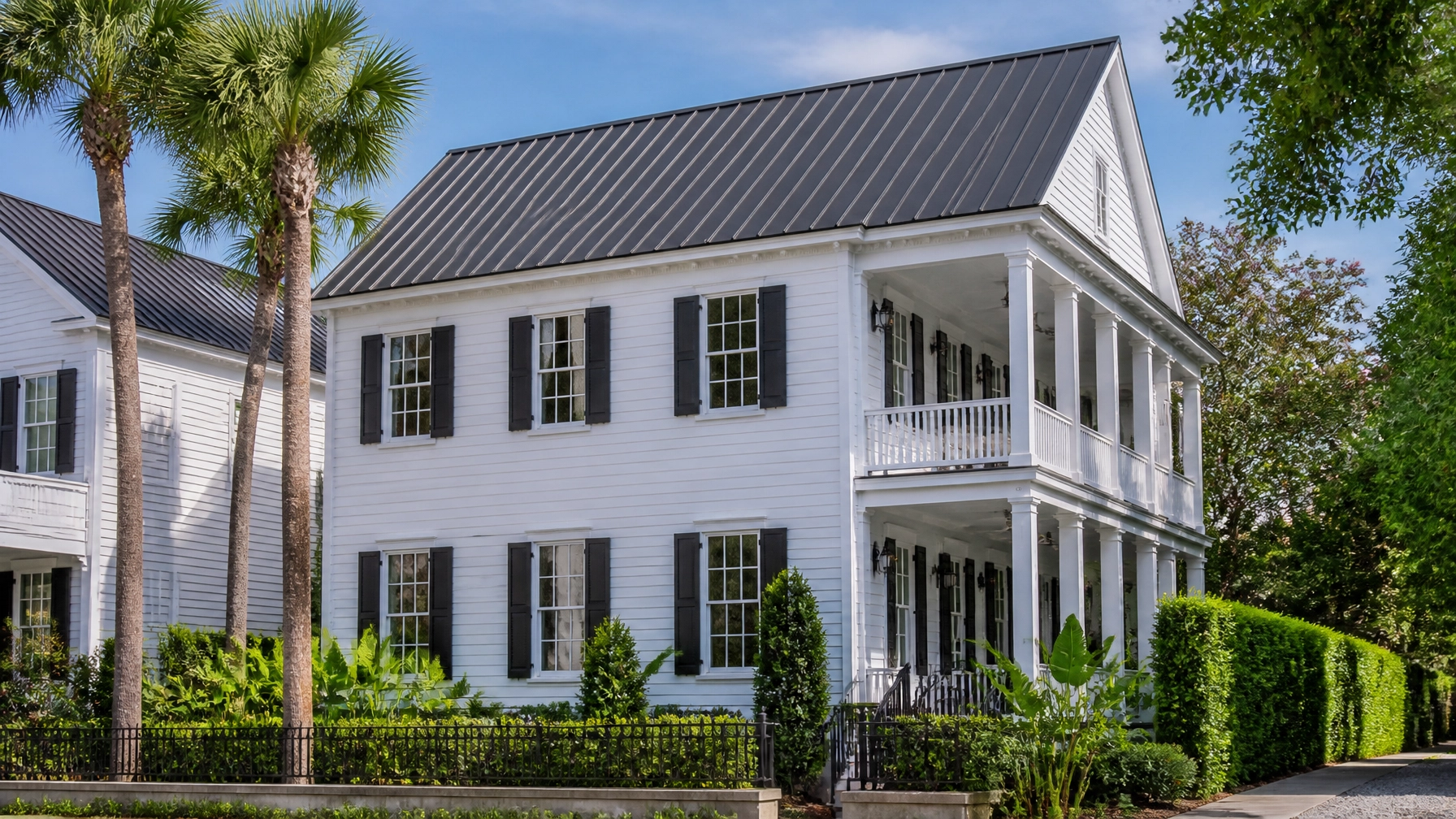
Replacing a roof in Charleston, South Carolina, is significantly different than in most other parts of the country. Between the strict hurricane building codes, the influence of the Board of Architectural Review (BAR) in historic districts, and the brutal reality of coastal salt air, Lowcountry homeowners face a unique set of challenges.
As we move into 2026, labor and material costs have stabilized but remain at a premium due to the specialized installation requirements of the coastal zone. For a typical single-family home in the Charleston area (approximately 2,000–2,500 square feet), expect a total investment between $9,700 and $30,000.
This guide breaks down exactly where those dollars go, what materials are best for our climate, and how to navigate the specific local regulations that impact your bottom line.
2026 Price Breakdown: By the Square Foot
In the roofing industry, we measure by the "square" (a 10' x 10' area, or 100 square feet). In Charleston, your pricing is largely dictated by the wind resistance rating of the material and the complexity of your roofline.
| Material Type | Cost Per Sq. Ft. (Installed) | Typical Total (2,000 Sq. Ft. Home) | Tier |
|---|---|---|---|
| Architectural Shingles | $4.85 – $8.65 | $9,700 – $17,300 | [Popular] |
| Standing Seam Metal | $7.55 – $16.00 | $15,100 – $32,000 | [Premium] |
| Exposed Fastener Metal | $6.00 – $9.50 | $12,000 – $19,000 | [Value Metal] |
| Synthetic Slate/Tile | $12.00 – $22.00 | $24,000 – $44,000+ | [Luxury] |
Note: These ranges include the removal of one layer of old roofing, standard underlayment, and all necessary permits for the Charleston area.
Material Deep Dive: What Works for the Lowcountry?
1. Architectural Shingles (The Standard)
Architectural shingles (also called dimensional or laminate shingles) remain the most common choice for homeowners in neighborhoods like West Ashley, James Island, and Mount Pleasant. In 2026, the baseline for these shingles is a 130 mph wind rating.
- Pros: Cost-effective, wide range of colors, relatively fast installation.
- Cons: Shorter lifespan in high-heat coastal environments (typically 18–22 years versus the advertised 30+).
- 2026 Budget Tip: Always opt for algae-resistant granules. Charleston’s humidity leads to "Gloeocapsa magma" (those black streaks), and the premium for algae resistance is negligible compared to the cost of early roof cleaning.

2. Standing Seam Metal (The Coastal Champion)
If you are planning to stay in your home for the next 40+ years, standing seam metal is the gold standard. Unlike exposed fastener "tin" roofs, standing seam hides the screws under the metal panels. This is critical in Charleston because salt air can corrode exposed screws, leading to leaks over time.
- Pros: Exceptional hurricane performance, reflects solar heat (lowering AC bills), and high curb appeal.
- Cons: Significant upfront investment.
- 2026 Budget Tip: Check with your insurance provider. Many South Carolina insurers offer substantial premium discounts for homes with Class 4 impact-rated metal roofs and secondary water barriers.
The "Charleston Factors": Why Our Roofs Cost More
You may notice that quotes in Charleston are often 10–15% higher than in Columbia or Greenville. This isn't "coastal tax"; it's the cost of engineering for our environment.
The Hurricane Code (High-Wind Zones)
The South Carolina Residential Building Code classifies much of Charleston as a High-Wind Zone. This mandates specific installation techniques:
- Six-Nail Pattern: While inland roofs might use four nails per shingle, Charleston code requires six. This increases labor time and material consumption.
- Enhanced Underlayment: Synthetic underlayment is now the standard over old-fashioned felt paper to provide a secondary layer of protection if shingles are blown off during a storm.
- Starter Strips: Roofers must use specific starter shingles and, in some municipalities, additional cement to prevent edge lift during 100+ mph gusts.
The BAR and Historic Mandates
If you live in the downtown historic district or certain areas of Sullivan’s Island, your roof isn't just yours: it belongs to history. The Charleston Board of Architectural Review (BAR) often mandates specific materials, such as:
- True Standing Seam Copper or Aluminum: Often required to match the historic "V-crimp" look.
- Natural Slate: If the original house had it, you might be required to replace it in kind, which can push costs well above the $30,000 mark.

Factors That Influence Your Specific Estimate
Every roof is a fingerprint. No two estimates will be identical because of these variables:
- Pitch (Steepness): A steep roof (like many historic Charleston single houses) requires "steep pay" for laborers and specialized safety equipment. This can add 15–30% to labor costs.
- Access: If your home is on a tight downtown alley where a debris trailer can't easily fit, the manual labor involved in carrying shingles and removing debris will increase the price.
- Complexity: Dormers, chimneys, and intersecting rooflines (valleys) require more flashing and detailed hand-cutting, which drives up both material waste and labor hours.
Budgeting Strategy for 2026
If your roof is 15–20 years old, it’s time to stop wondering and start planning. Here is our recommended approach for 2026:
- Get a Baseline Early: Don't wait for a leak. Use technology to get a ballpark figure so you can start a dedicated "Roof Fund."
- Avoid the "Storm Chaser" Trap: After a hurricane or major tropical storm, out-of-state contractors flood the Lowcountry. Stick with verified, licensed, and insured local contractors who understand Charleston’s specific wind codes.
- Audit Your Attic: Before the roofers arrive, ensure your attic ventilation is adequate. A new roof on a poorly ventilated attic will "cook" the shingles from the inside out, voiding your warranty and shortening the roof's life.

Skip the Wait: Get Your Charleston Estimate in 60 Seconds
The traditional way to get a roof estimate: calling three contractors, waiting for them to show up, and sitting through an hour-long sales pitch: is a relic of the past.
At Get My Roof Estimate Now, we use advanced satellite imagery to measure your Charleston home's roof with 95% accuracy. By analyzing the size, pitch, and complexity from above, we provide you with a transparent, no-obligation price range in under a minute.
Whether you're budgeting for a future replacement or need to know the cost for an insurance claim, you can get started right now.
Click here to get your instant, free roof estimate.
Conclusion
A new roof in Charleston is an investment in your home’s survival. While the $9,700–$30,000 price tag is significant, the peace of mind knowing your home is protected against the next hurricane season is invaluable. By choosing the right materials for the coastal climate and following local building codes, you ensure your Lowcountry home remains a safe haven for decades to come.

Leave a Reply