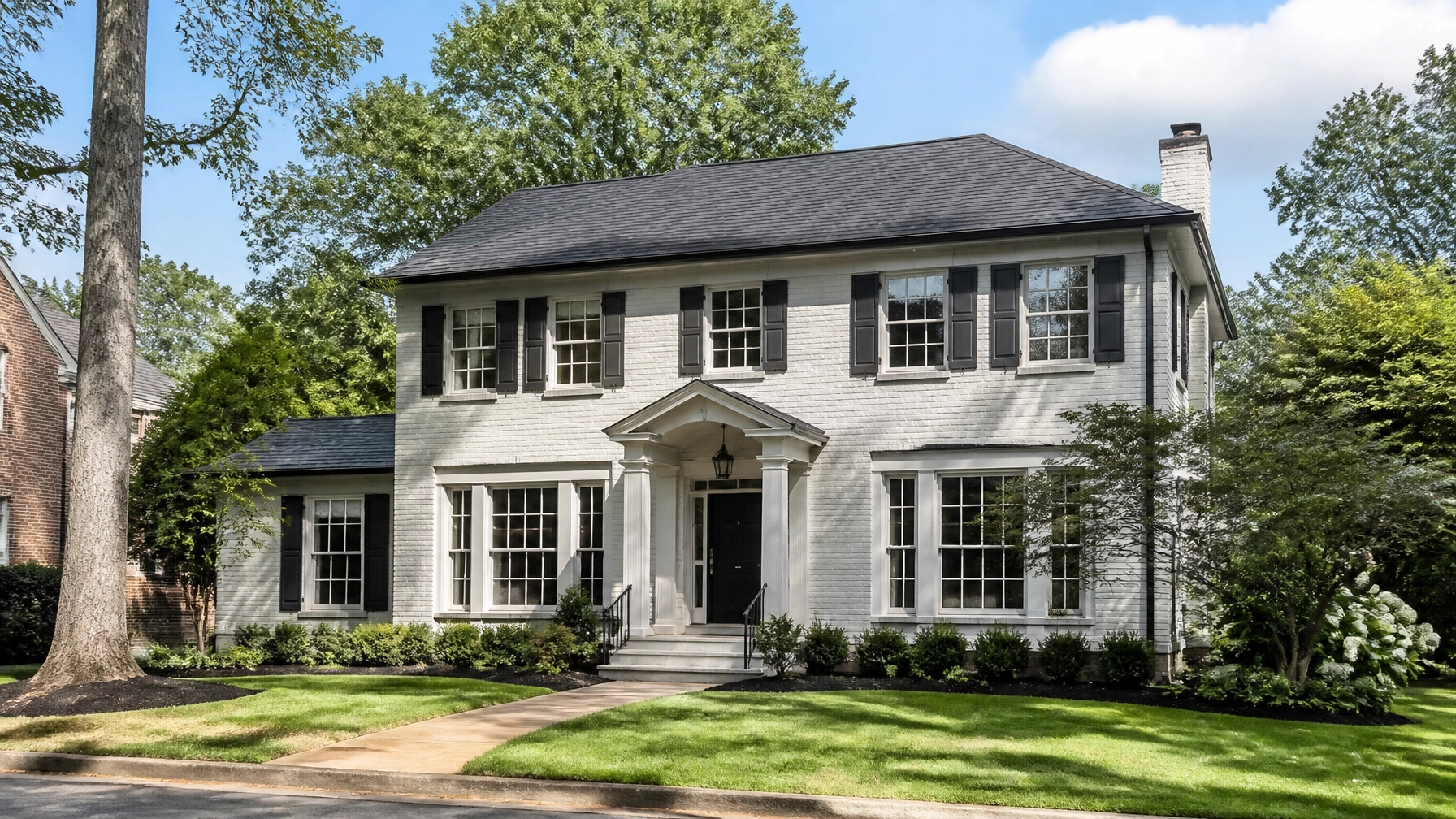
A full roof replacement in Louisville typically costs $10,000–$18,000 for architectural asphalt shingles on a 2,000-square-foot roof surface in 2026. A standing-seam metal roof generally runs $20,000–$36,000 for the same roof size.
Prices are higher than they were in 2025 because of material tariffs, labor costs, disposal fees, and continued demand after severe storms. Your final price depends on the roof’s measured surface area, pitch, complexity, material, decking condition, permit requirements, and neighborhood.
This guide covers Louisville and Jefferson County pricing, ZIP code variation, local permit rules, insurance concerns, and practical ways to prepare for Ohio Valley weather.
Louisville Roof Replacement Cost at a Glance
Roofers measure in squares, not simply by the home’s interior living area. One roofing square equals 100 square feet of roof surface. A 2,000-square-foot roof contains approximately 20 squares before adjustments for waste and complexity.
| Roofing option | 2026 planning price | Typical 2,000 sq. ft. total | Homeowner context |
|---|---|---|---|
| Architectural asphalt shingles | $450–$750 per square | $10,000–$18,000 | Popular balance of cost and durability |
| Class 4 impact-resistant shingles | Premium over standard asphalt | Often $11,000–$20,000+ | Hail-ready upgrade; ask your insurer about discounts |
| Standing-seam metal | $900–$1,500 per square | $20,000–$36,000 | Premium longevity and weather performance |
These are planning ranges, not binding bids. A simple ranch roof may fall near the lower end. A steep, multi-section roof with dormers, valleys, skylights, or chimney work can exceed the upper end.
For a second reference point, the Get My Roof Estimate Now roof cost calculator places national 2026 replacement pricing around $9,000–$22,000, with asphalt and metal varying according to size, pitch, region, and tear-off requirements.
What Louisville Homeowners Usually Pay by Home Style
The roof’s design matters more than the home’s footprint. Two houses with the same square footage can have very different roof surfaces and installation costs.
- Small ranch (Budget): Approximately $8,000–$13,000 for standard architectural shingles. Ranch homes often have simple rooflines and easier access.
- Cape Cod (Popular): Approximately $11,000–$18,000. Dormers, steeper slopes, and multiple roof planes increase labor.
- Two-story colonial (Premium range): Approximately $13,000–$22,000 or more. Height, steep sections, attached garages, and complex flashing can raise the estimate.
- Large custom or historic home: $20,000–$40,000+ depending on material, roof geometry, slate replacement, preservation rules, and structural repairs.

Louisville Neighborhood and ZIP Code Price Variation
Louisville pricing is not uniform across Jefferson County. Contractor availability, home size, permitting jurisdiction, roof complexity, and neighborhood requirements all influence the final bid.
St. Matthews: ZIP Codes 40207 and 40222
St. Matthews has many established homes with mature landscaping, additions, and varied rooflines. Roof replacement pricing is often close to the Louisville average, but access limitations and larger homes can increase labor.
St. Matthews operates its own building department. Before work begins, confirm whether your contractor is pulling the permit through St. Matthews rather than Louisville Metro.
East End, Prospect, and Anchorage
Homes in Prospect and Anchorage often have larger roof surfaces, steeper designs, HOA requirements, and more detailed exterior finishes. Planning ranges can run approximately 25% higher than a comparable straightforward roof elsewhere in the market.
Homeowners should ask about:
- HOA-approved colors and materials
- Architectural review requirements
- Higher roof complexity
- Historic or neighborhood appearance standards
- Extra flashing, skylights, and dormers
Jeffersontown
Jeffersontown also maintains its own building department. Permit procedures may differ from Louisville Metro, so do not assume a roofer’s Metro process applies automatically.
Okolona and South Louisville
Okolona and South Louisville often provide more affordable replacement opportunities, especially for smaller ranch homes with accessible, low-complexity roofs. Prices can still rise quickly if tear-off reveals rotten decking or if the roof has multiple layers.
Why 2026 Pricing Is Higher Than 2025
Three cost pressures are especially important this year:
- Material tariffs and supply costs: Asphalt, metal panels, underlayment, flashing, and accessories have all become more expensive.
- Labor rates: Skilled crews remain in demand, particularly during spring and fall.
- Storm-related demand: Hail and wind events create short-term surges in inspections, insurance claims, and contractor scheduling.
A low quote may not be a bargain if it excludes tear-off, permit fees, ventilation, flashing, or decking repairs. Compare complete scopes of work, not just the final number.
Louisville Roof Permit Rules
For a full reroof or roof replacement in Louisville Metro, expect to need a building permit. The contractor should identify the permitting authority before signing the contract.
The Louisville Metro online permitting portal is the starting point for Metro projects.
Full replacement
A permit is generally required when you:
- Replace most or all roofing materials
- Tear off existing shingles
- Add a new roofing material, such as metal
- Replace or repair roof decking
- Make structural changes
- Perform work that affects flashing, ventilation, or weather protection
Minor, like-for-like repairs to a limited area may be exempt. A small shingle repair is not the same as a reroof. When in doubt, ask Louisville Metro Codes and Regulations: or the applicable city building department: before work starts.
Inspections
Your permit instructions should identify required inspections. Depending on the project, inspections may occur after tear-off or before the new roof covering is installed, followed by a final inspection.
Inspectors may review:
- Decking condition
- Underlayment
- Ice-and-water barrier at vulnerable areas
- Flashing around chimneys, walls, valleys, and penetrations
- Ventilation
- Shingle or panel installation
- Final weather protection
Ask your contractor specifically: “Will you schedule every required inspection before the shingles are covered?”
Historic District and HOA Considerations
Properties in areas such as Old Louisville, Butchertown, or other designated preservation districts may need Landmarks Commission approval in addition to the standard building permit. A material or color change visible from the street can trigger additional review.
You may need a Certificate of Appropriateness or comparable approval before replacing a historically visible roof. Confirm requirements before ordering materials.
HOAs may also regulate:
- Shingle color
- Metal roof finishes
- Visible architectural details
- Solar equipment
- Roofing material changes
Do not treat an HOA approval as a substitute for a building permit. You may need both.
Contractor Registration in Kentucky and Louisville
Kentucky does not issue a statewide roofing license in the same way some states do. However, that does not mean every roofer is automatically qualified to work in Louisville.
For a Louisville project, verify that the contractor has:
- Louisville Metro or applicable local registration
- Required occupational licensing
- General liability insurance
- Workers’ compensation coverage
- Surety bond, when required
- A verifiable business address and references
The contractor should pull the permit in the contractor’s name and provide permit information for your records. Avoid any company that refuses to show insurance certificates or pressures you to sign immediately.
Louisville’s Climate: Build for Freeze-Thaw, Hail, and Heat
The Ohio Valley brings four-season stress to roofing systems:
- Freeze-thaw cycles can expand small cracks and loosen flashing.
- Ice dams can form during winter weather, especially with poor attic insulation or ventilation.
- Spring and summer thunderstorms bring high winds, heavy rain, and hail.
- High summer heat accelerates aging in lower-quality materials.
Louisville also experienced a significant hail and wind event on May 16, 2026, including quarter-size hail and winds reported near 65 mph. After an event like this, damage may not be obvious from the ground.

Insurance Issues: Roof Age, Deductibles, and Class 4 Shingles
Insurance companies are paying closer attention to roof age and condition.
- At around 15 years, many insurers begin requesting documentation or inspections.
- Roofs over 20 years old may face non-renewal risk, coverage restrictions, or ACV treatment.
- Actual cash value (ACV) subtracts depreciation.
- Replacement cost value (RCV) generally provides broader replacement reimbursement, subject to policy terms and deductible.
- Wind and hail deductibles are often 1%–2% of the home’s insured value, not a flat dollar amount.
Class 4 impact-resistant shingles cost more than standard architectural shingles, but some carriers offer discounts of approximately 10%–35%, depending on the insurer, product certification, policy, and documentation. Ask for the discount before installation and retain the product certification.
Kentucky’s roof-matching rule is often incorrectly called “KRS 304.12-095.” The relevant matching language is in 806 KAR 12:095. When replacement-cost coverage applies, materials that do not reasonably match in quality, color, and size may require replacement of all items in the affected area to create a reasonably uniform appearance.
Coverage depends on the policy and claim facts. Document damage promptly, photograph every roof slope from safe locations, and avoid making permanent repairs before your insurer has an opportunity to inspect unless emergency protection is necessary.

How to Lower Risk and Improve Your Quote
Use this Louisville-specific checklist:
- Get a satellite measurement before scheduling visits. You can establish a realistic budget in about 60 seconds.
- Request at least three detailed quotes.
- Confirm the roof size in squares.
- Ask whether tear-off and disposal are included.
- Require a decking-repair allowance or unit price.
- Verify permit responsibility in writing.
- Ask about ice-and-water barrier, ventilation, and flashing.
- Compare standard architectural shingles with Class 4 options.
- Book in spring or fall, but schedule early because these are the busiest seasons.
- Document storm damage immediately with photos, dates, and weather reports.
Get a Louisville Roof Estimate in 60 Seconds
You do not need to wait days for a contractor visit just to get a starting price. Get My Roof Estimate Now uses satellite imagery to measure your roof’s size, pitch, and complexity.
Enter your Louisville address and receive:
- A free estimate with no credit card required
- Low, middle, and high pricing ranges
- Options for asphalt shingles, metal, and other materials
- A satellite-based measurement typically accurate within inches and approximately 90%–95% for many homes
- Access to verified, licensed, and insured local contractors
Use the estimate to plan your budget, compare bids, and decide whether a standard roof or hail-ready upgrade makes sense for your home.
Pricing and permitting information is for planning purposes. Confirm current requirements with the applicable building department, your insurance carrier, and a qualified roofing professional.
Leave a Reply