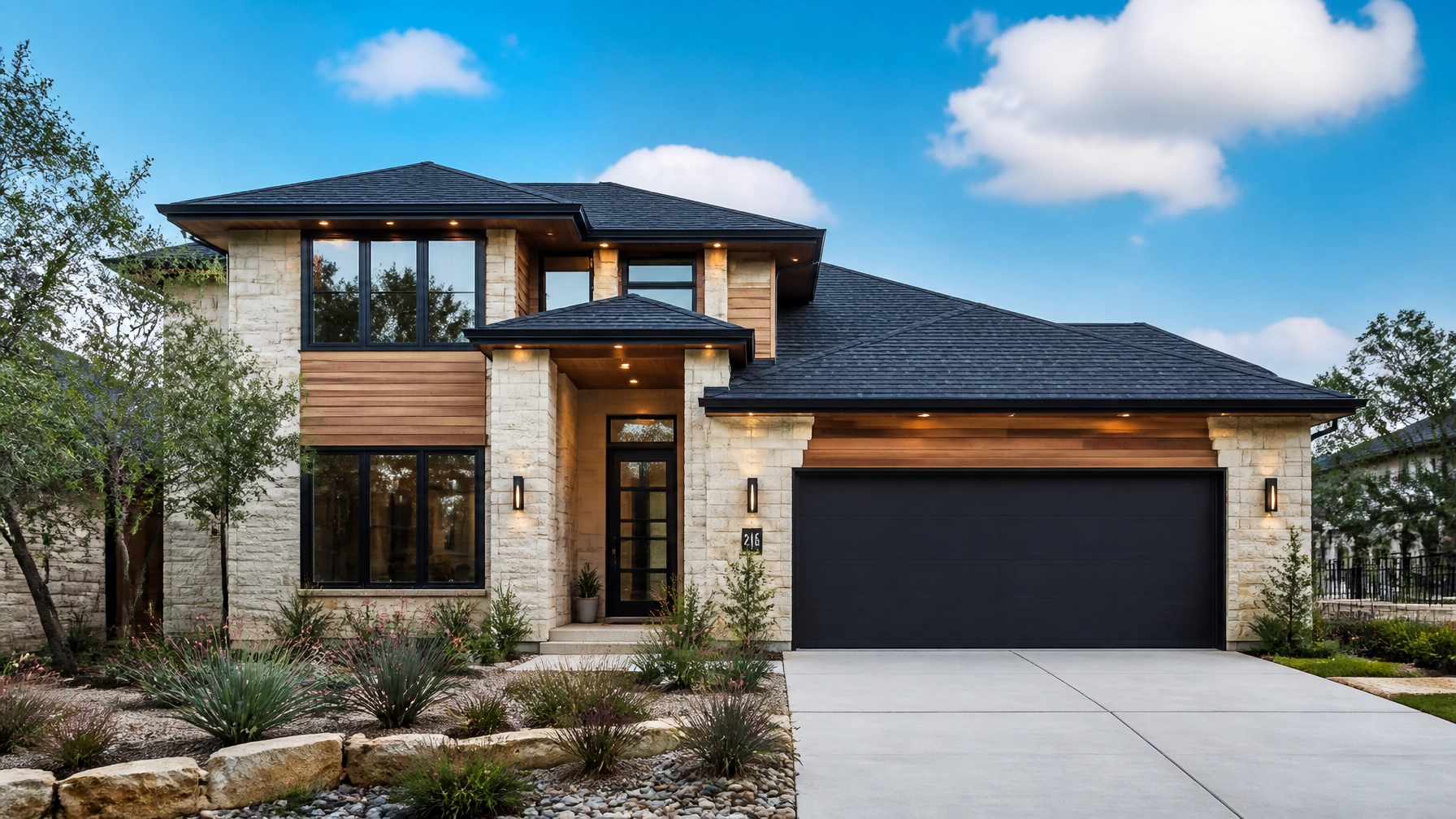
For homeowners in the Alamo City, keeping a sturdy roof overhead is more than just curb appeal: it’s a defense against the intense South Texas sun and unpredictable storm seasons. As we move through 2026, San Antonio roofing prices have stabilized, though they remain influenced by material costs and specialized labor.
If you are planning a roof replacement in San Antonio, Texas, you need accurate, data-driven figures to budget effectively. On average, a 2,000-square-foot home in San Antonio can expect to pay between $8,500 and $22,000 for a full replacement. Your final investment will fluctuate based on the roof's complexity, pitch, and the materials you select.
2026 Roof Replacement Cost San Antonio: The Breakdown
Pricing in the San Antonio metro area is generally more affordable than the national average due to lower local labor rates, yet material quality is non-negotiable given the climate. In 2026, the new roof cost in San Antonio, TX typically falls between $4 and $15 per square foot.
Average Cost by Roof Size
To help you estimate your project, here are the general price ranges based on total roof area (measured in "squares," where 1 square = 100 square feet):
- Small Home (1,500 sq. ft.): $6,000 – $12,500
- Average Home (2,000 sq. ft.): $8,500 – $22,000
- Large Home (3,000 sq. ft.): $12,000 – $35,000+
Note: These ranges include tear-off of one layer of old shingles, local disposal fees, and standard installation.
Selecting Your Material: Budget, Popular, and Premium Options
The material you choose is the single largest factor in your San Antonio roofing prices 2026 forecast. Each option offers different lifespans and performance levels against Texas heat and hail.
1. Architectural Asphalt Shingles (Popular)
- Price Range: $4 – $8 per sq. ft.
- Total for 2,000 sq. ft.: $11,000 – $19,500
- Details: This is the standard for most San Antonio neighborhoods. These shingles provide a dimensional look, better wind resistance than traditional 3-tab shingles, and a lifespan of 25–30 years.

2. Standing Seam Metal (Premium)
- Price Range: $8 – $16 per sq. ft.
- Total for 2,000 sq. ft.: $16,000 – $32,000
- Details: Metal is gaining massive popularity in the Hill Country and San Antonio suburbs. It is exceptionally durable against hail and reflects UV rays, which can significantly lower your cooling bills during the 100-degree July afternoons.
3. Class 4 Impact-Resistant Shingles (High-Value)
- Price Range: $5 – $10 per sq. ft.
- Details: These are reinforced shingles designed to withstand hail up to 2 inches in diameter. In Texas, state law often requires insurance companies to offer premium discounts for homes with Class 4-rated roofs.
San Antonio Specific Factors: Permits and Climate
When hiring a roofing contractor in San Antonio, TX, there are local nuances you must account for in your budget.
City Permits and Regulations
Every full roof replacement within the San Antonio city limits requires a building permit.
- Permit Cost: $150 – $450 (typically based on the valuation of the project).
- Requirement: Your contractor must be registered with the City of San Antonio. Always ensure your estimate includes the cost of pulling these permits to avoid legal headaches or issues during a future home sale.
The "Alamo City" Climate Factor
San Antonio roofs face three primary enemies:
- High UV Exposure: The relentless sun can "bake" shingles, causing them to become brittle. Many 2026 homeowners are opting for "cool-roof" materials that feature reflective granules to combat this.
- Severe Thunderstorms: Sudden downpours require superior underlayment and flashing to prevent leaks.
- Hail Alley: San Antonio sits in a high-risk zone for hail. Investing more upfront in impact-resistant materials often pays for itself through lower insurance premiums and a longer-lasting roof.

How to Save on Your New Roof in San Antonio
While a roof is a significant investment, there are several ways to optimize your spending without sacrificing quality:
- Off-Season Scheduling: If your roof isn't leaking, consider scheduling your replacement in late autumn or winter. Demand is lower, and some contractors may offer "off-peak" incentives.
- Insurance Discounts: Ask your insurance agent about the specific percentage you could save by installing a Class 4 impact-resistant roof. In many parts of Texas, these savings range from 20% to 35% annually.
- Tax Credits: Check for federal or local energy-efficiency tax credits if you install reflective or "cool-roof" certified materials.
Get an Accurate Estimate in 60 Seconds
The traditional way of getting a roof quote: calling multiple contractors, waiting for someone to show up, and sitting through a high-pressure sales pitch: is a thing of the past.
At Get My Roof Estimate Now, we use advanced satellite imagery technology to measure your roof with 90-95% accuracy without ever stepping foot on your property.

By entering your address into our free roof cost calculator, you can receive a transparent, comprehensive price range for your San Antonio home in under a minute. We calculate the size, pitch, and complexity of your roof to give you the data you need to plan your budget with confidence.
Ready to see your number? Click here to get your instant San Antonio roof estimate now.
Frequently Asked Questions (FAQ)
How long does a roof replacement take in San Antonio?
Most residential roof replacements in San Antonio are completed in 1 to 2 days, depending on the size of the home and the weather conditions.
Does a new roof increase home value in Texas?
Yes. A new roof is one of the highest ROI (Return on Investment) home improvements. In the San Antonio market, homeowners typically recover 60-70% of the roof's cost in increased home value.
Can I install a new roof over my old one?
While Texas building codes may allow for a "lay-over" in some cases, it is not recommended for San Antonio homes. Removing the old layer allows the contractor to inspect the decking for rot caused by heat and moisture.
Are there specific roofing requirements for San Antonio historic districts?
Yes. If you live in a historic district like King William or Monte Vista, you may need approval from the Office of Historic Preservation (OHP) regarding the material and color of your new roof.
Leave a Reply