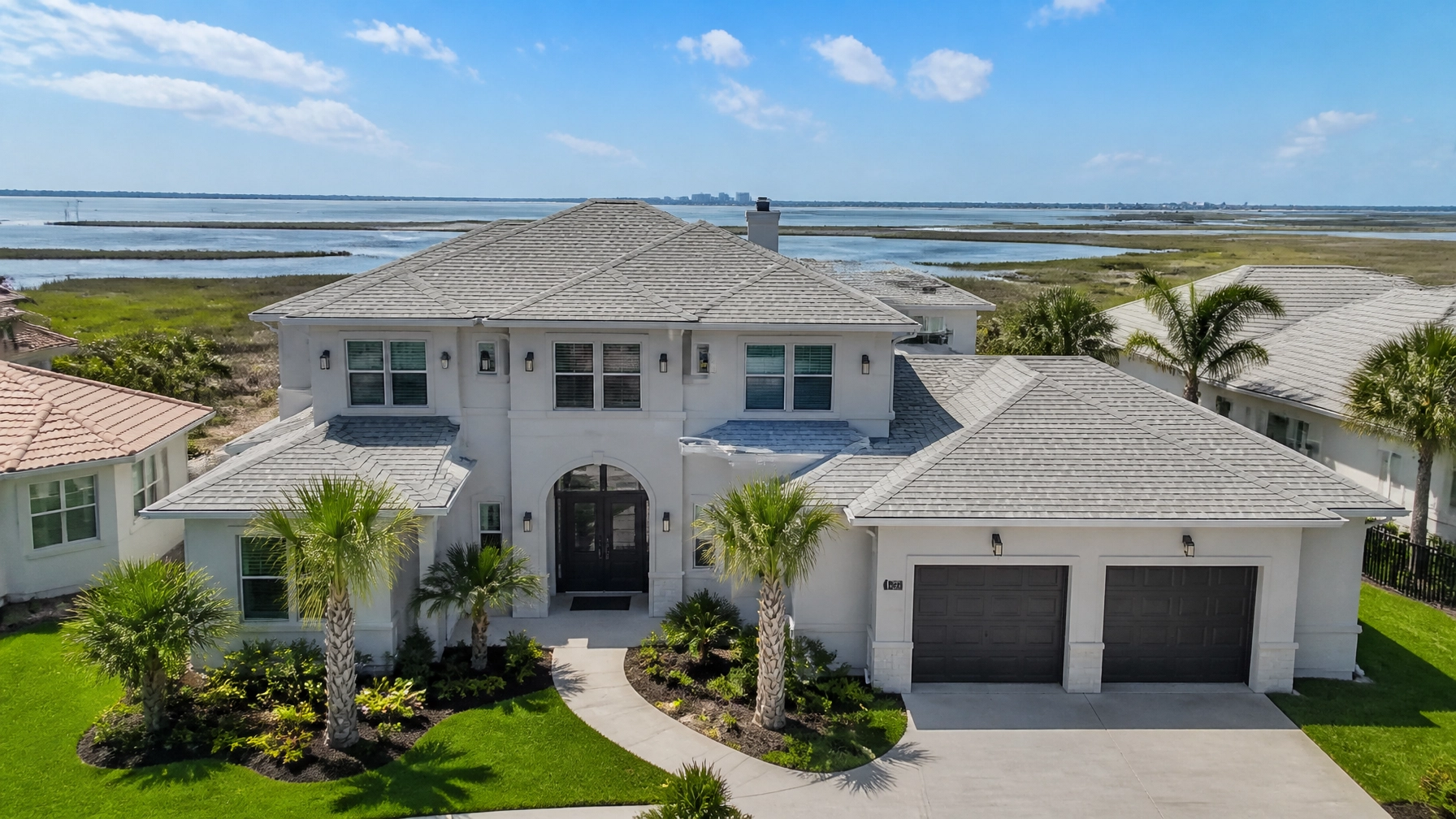
Replacing a roof in Corpus Christi isn't just about curb appeal; it’s about survival. In 2026, the stakes for Nueces County homeowners have never been higher. With the recent implementation of the 2024 International Residential Code (IRC) and the newly mandated Texas House Bill 3344, the legal and technical landscape of roofing has shifted significantly.
Whether you are repairing storm damage or planning a proactive replacement for an aging 20-year-old system, the contractor you hire determines your home’s eligibility for windstorm insurance and its ability to withstand 150 mph gusts.
To help you navigate this transition, we have compiled the five critical questions you must ask every contractor before signing a contract.
1. "Can you provide your mandatory TDLR license number under HB 3344?"
(Mandatory | Legal Compliance)
As of January 1, 2026, the "Wild West" era of Texas roofing is officially over. Under HB 3344, all roofing contractors operating in the state of Texas must now be licensed through the Texas Department of Licensing and Regulation (TDLR).
Previously, licensing was voluntary through organizations like RCAT. Today, it is a legal requirement. If a contractor tells you that a license isn't necessary, they are either uninformed or operating illegally.
Why this matters:
- Accountability: A TDLR license ensures the contractor has met state-mandated insurance and experience requirements.
- Protection: Using an unlicensed contractor can lead to the denial of building permits and may void your manufacturer's warranty.
Action Item: Visit the TDLR website and verify the license number provided. Ensure the status is "Active" and the company name matches the one on your contract.
2. "How will you manage the WPI-8 and WPI-1 certification process?"
(Coastal | Insurance Eligibility)
Corpus Christi is located deep within the Texas Department of Insurance (TDI) designated Catastrophe Area. To maintain eligibility for wind and hail coverage through the Texas Windstorm Insurance Association (TWIA), your new roof must be certified as windstorm resistant.
A WPI-8 is the Certificate of Compliance issued after the roof is completed, while the WPI-1 is the initial application.
Ask the contractor:
- "Will you be hiring a TDI-appointed engineer or will you coordinate with a TDI inspector?"
- "At what stages will inspections occur?" (Typically, inspections are required for the deck/fastening and the final application).
Pro-Tip: Never make the final payment until you have proof that the WPI-8 application has been submitted and accepted. Without this certificate, your home could become uninsurable for wind damage.

3. "Does your bid include the 150 mph wind speed requirements from the 2024 IRC?"
(Technical | Safety Standards)
Effective April 1, 2026, the City of Corpus Christi adopted the 2024 International Residential Code (IRC) and International Building Code (IBC). For our coastal region, this updated code mandates that all new roofing systems must be rated for a 150 mph ultimate design wind speed.
Vetting Benchmarks:
- Fastener Pattern: Standard 4-nail patterns are no longer sufficient for Corpus Christi. Ask if they use a 6-nail pattern for every shingle.
- Corrosion Resistance: Because of the salt air, the 2026 code requires high-grade corrosion-resistant fasteners (hot-dipped galvanized or stainless steel).
- Underlayment: Ask if they are using a synthetic, high-performance underlayment rather than traditional felt paper.
If a contractor’s quote is significantly lower than others, they may be planning to cut corners on these high-wind specifications.
4. "Are you registered on the City’s Dynamic Portal for permitting?"
(Logistics | Local Knowledge)
The City of Corpus Christi now utilizes a Dynamic Portal for all building permits. This system streamlines the application process but requires contractors to be registered and in good standing with the city.
Why this matters:
- Efficiency: A contractor familiar with the Dynamic Portal can secure permits faster and schedule inspections with a few clicks.
- Legitimacy: If a contractor asks you to pull the permit as a "homeowner-builder," it is a major red flag. This often means they aren't registered with the city or are trying to avoid being held responsible for the work.
Nueces County Local Check: Ensure your contractor has local references. A crew from Dallas or San Antonio may not understand the specific quirks of the Corpus Christi Building Department or the nuances of coastal humidity and its effect on material curing.

5. "What is your total price per square foot for a coastal-rated system?"
(Budget | Transparency)
In 2026, material and labor costs in South Texas have stabilized, but the high-wind requirements keep prices above the national average. For a typical 2,000-square-foot home in Corpus Christi, you should expect the following price ranges:
- Budget (Basic Architectural Shingles): $8,500 – $12,000 ($4.25 – $6.00/sq ft)
- Popular (Class 4 Impact-Resistant Shingles): $13,000 – $18,000 ($6.50 – $9.00/sq ft)
- Premium (Standing Seam Metal): $19,000 – $22,000+ ($9.50 – $11.00/sq ft)
Material Recommendations for Corpus Christi:
- Architectural Shingles (Coastal Rated): The most common choice. Ensure they are "Class H" wind-rated (up to 150 mph).
- Class 4 Impact-Resistant Shingles: These can often lead to significant discounts on your homeowner's insurance premiums in Texas.
- Standing Seam Metal: The "Gold Standard" for the coast. It offers the best protection against wind uplift and has the longest lifespan in salt-heavy environments.
Get a Baseline Before You Vetting
Before you even pick up the phone to call a contractor, you need to know your numbers. At Get My Roof Estimate Now, we use advanced satellite imagery to provide you with a detailed roof replacement estimate in under 60 seconds.
Our technology calculates your roof’s exact square footage, pitch, and complexity to provide a low-middle-high price range tailored to Corpus Christi’s 2026 market rates.
By having this baseline estimate in hand, you can immediately spot "storm chasers" who overcharge or low-ballers who plan to skip the 150 mph code requirements.

🚩 Red Flags to Watch For in 2026:
- High Upfront Deposits: 10-20% is standard. Never pay more than 25% before materials arrive in your driveway.
- Out-of-State Crews: Coastal roofing is specialized. "Tailgate" contractors following storms often lack the knowledge of TDI windstorm requirements.
- No General Liability or Workers' Comp: Verify these documents directly with the insurance carrier, not just a paper copy provided by the roofer.
Conclusion
Replacing your roof in Corpus Christi is a major financial investment, but it is also your home's primary defense against the Gulf's unpredictable weather. By asking about HB 3344 licensing, WPI-8 certification, and 150 mph code compliance, you position yourself as an informed homeowner who won't settle for sub-par work.
Ready to see what a new roof should cost for your home? Get your instant satellite estimate here and start your vetting process with confidence.
Leave a Reply