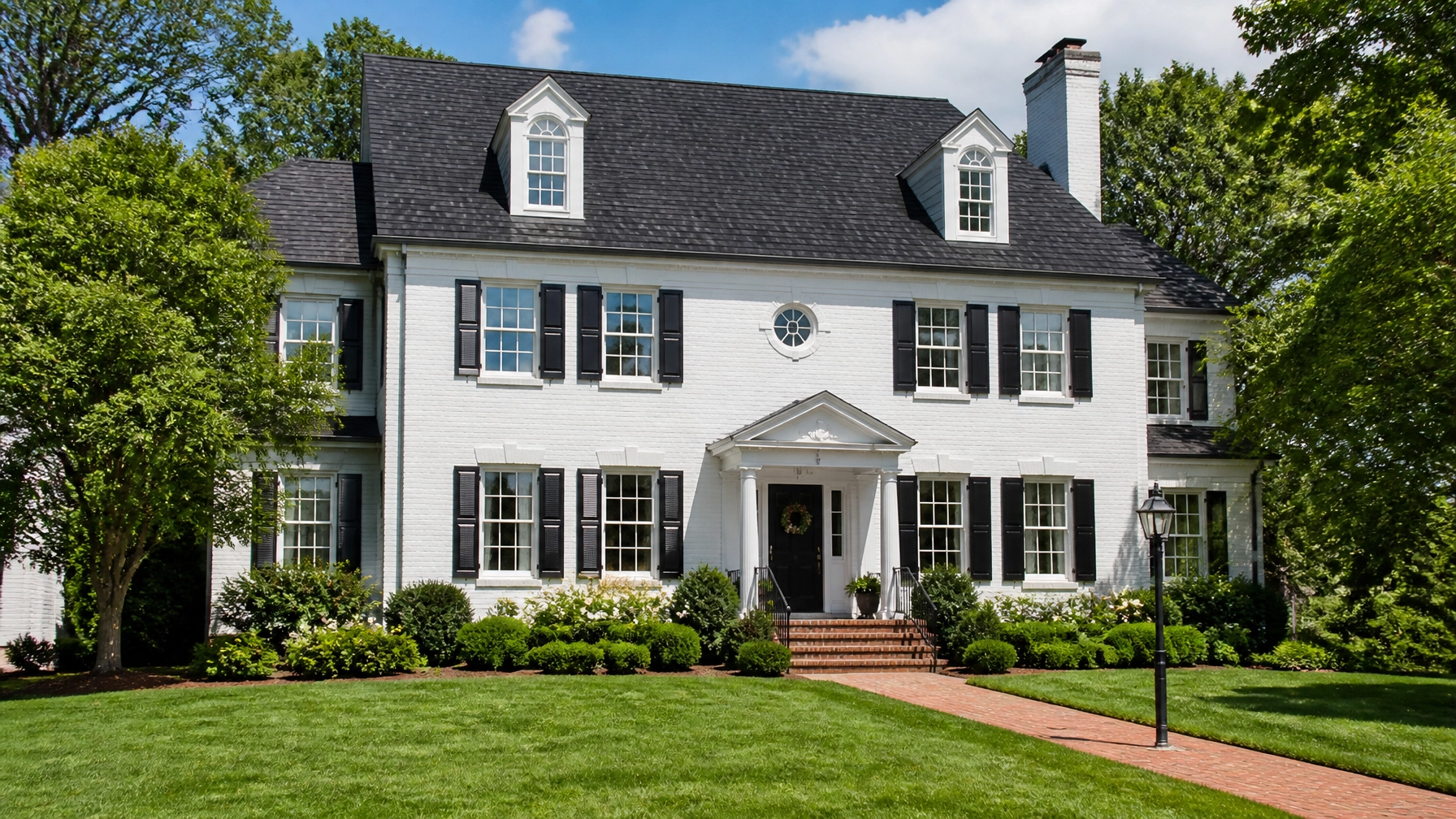
For homeowners in Norfolk, Virginia, the roof isn't just a part of the house: it is the first line of defense against a relentless coastal environment. Between the 44 inches of annual rainfall, salt air corrosion from the Elizabeth River and Chesapeake Bay, and a hurricane season that peaks from August to September, your roof works harder than almost anywhere else in the country.
If you are a homeowner in Norfolk in 2026, navigating an insurance claim for a roof replacement can feel like a high-stakes tactical operation. This is especially true for our local military families at Naval Station Norfolk or JEB Little Creek-Fort Story, who often need to resolve property issues quickly during a PCS (Permanent Change of Station) move.
This masterclass breaks down the specific 2026 Virginia laws, coastal building codes, and insurance tactics you need to ensure your Norfolk roof replacement is covered, compliant, and cost-effective.
The 2026 Virginia Legal Shield: Protection Against Cancellations (HB 677)
One of the most significant shifts for Virginia homeowners in 2026 is the full implementation of consumer protections regarding roof age. Historically, insurance carriers in the Tidewater region would often threaten to cancel or non-renew policies simply because a roof was over 15 years old.
Under HB 677, the rules have changed in favor of the homeowner:
- The 15-Year Rule (Protection): If your asphalt shingle roof is less than 15 years old, your insurance carrier cannot cancel or refuse to renew your policy solely based on the roof's age.
- The 5-Year Useful Life Clause (Condition): Even if your roof is older than 15 years, if an authorized inspector determines the roof has at least five years of "useful life" remaining, the insurer cannot use the roof's condition as the sole reason for cancellation.
- Mandatory Inspection Rights: If a carrier wants you to replace your roof as a condition of renewal, they must now permit a professional inspection (at the owner's expense) before forcing a replacement.
For Norfolk residents, this means you have more leverage. You are no longer at the mercy of arbitrary "age-out" dates. If your roof is maintaining its integrity despite the coastal weather, the law is on your side.
Coastal Building Codes: Norfolk’s High-Wind Requirements
Norfolk is classified as a high-wind design zone, meaning building codes are significantly stricter than in inland Virginia. Any roof replacement in Norfolk must comply with the Virginia Uniform Statewide Building Code (USBC) requirements for wind speeds exceeding 100 mph.
The 100-Square-Foot Permit Rule
In Norfolk, you do not need a permit for minor repairs under 100 square feet. However, for a full roof replacement: which is almost always the case in an insurance claim: a building permit is mandatory. This ensures the work is inspected for coastal resilience.
Enhanced Nailing Patterns (Coastal Grade)
Standard roofing often uses four nails per shingle. In Norfolk’s high-wind zones, contractors must use a six-nail fastening pattern. This provides the necessary uplift resistance to withstand tropical-storm-force winds. When filing an insurance claim, ensure your "Scope of Work" includes these code-mandated upgrades. If your current policy has "Law and Ordinance" coverage, the insurance company is required to pay for these modern code requirements, even if your old roof didn't have them.

Deciphering Your Policy: RCV vs. ACV vs. Matching
Understanding your policy type is the difference between a $500 deductible and a $10,000 out-of-pocket surprise.
- Replacement Cost Value (RCV – Premium): This is the gold standard. The insurer pays the full cost to replace the roof at today's prices, minus your deductible.
- Actual Cash Value (ACV – Budget): The insurer pays for the roof's value today, meaning they depreciate the payout based on age. If your 15-year-old roof is destroyed, you may only receive 50% of the replacement cost.
- The "Reasonable Appearance" Standard: Virginia does not have a strict "Matching Law" like Florida or Ohio. However, the Virginia Bureau of Insurance generally expects insurers to provide a "reasonably uniform appearance." If a storm damages one slope and the shingles are discontinued (common with older architectural shingles), you can often argue for a full replacement of all slopes to maintain the home's value and appearance. This is a critical point for military families looking to maintain curb appeal for a future sale.
2026 Norfolk Roof Replacement Cost Benchmarks
In 2026, roofing costs in the Norfolk-Virginia Beach metro area have stabilized but remain reflective of higher material standards for coastal durability. While a typical local project ranges from $8,000 to $22,000, the average for a 2,000 sq. ft. home using architectural shingles is approximately $13,500.
| Roof Size | Material Type | Price Range (2026 Estimates) | Category |
|---|---|---|---|
| 1,500 sq ft | Architectural Shingle | $8,500 – $12,500 | (Budget/Popular) |
| 2,500 sq ft | Architectural Shingle | $14,000 – $20,000 | (Standard) |
| 2,500 sq ft | Standing Seam Metal | $23,000 – $38,000 | (Premium/Coastal) |
Note: Metal roofs are increasingly popular in areas like Willoughby Spit or Ocean View due to their superior resistance to salt air corrosion and high winds.

The Tech Edge: Using Satellite Imagery for Accurate Claims
The traditional way to get a roof estimate involved waiting 3–5 days for a contractor to show up with a ladder. In 2026, that process is obsolete.
At Get My Roof Estimate Now, we use advanced satellite imagery to measure your roof's size, pitch, and complexity to within inches. This technology provides Norfolk homeowners with an objective, third-party measurement that can be used to hold insurance adjusters accountable. Adjusters often "short" the square footage of a roof to save the carrier money; having a satellite-verified report puts you in the driver's seat.
Get your instant, satellite-powered Norfolk roof estimate here in 60 seconds.

How to Vet Norfolk Roofing Contractors
With the high volume of military and coastal work, Norfolk has many "storm chasers": out-of-state contractors who arrive after a storm and disappear before the warranty expires.
To protect your investment, use this checklist:
- DPOR Licensing: Verify their license through the Virginia Department of Professional and Occupational Regulation. They must have a "Class A" or "Class B" license with a roofing (ROC) specialty.
- Physical Norfolk Presence: Do they have a local office? Avoid companies using P.O. Boxes.
- COI (Certificate of Insurance): Demand a current COI showing both General Liability and Workers' Comp.
- Salt Air Expertise: Ask about their experience with stainless steel or hot-dipped galvanized fasteners, which are essential to prevent rust in Norfolk’s salty atmosphere.
Conclusion: Take Action Before Hurricane Season
If your roof is over 15 years old or has visible signs of wear: missing shingles, granules in the gutters, or "bald spots": don't wait for the next named storm to hit the Tidewater. Between the new protections of HB 677 and the precision of satellite technology, there has never been a better time for Norfolk homeowners to secure their property.
Knowledge is power, but data is leverage. Start your process today by getting an accurate, no-obligation estimate so you know exactly what your insurance company should be paying.
Ready to see your 2026 Norfolk roof replacement cost?
Click here to get your instant estimate for Norfolk, VA.
Leave a Reply