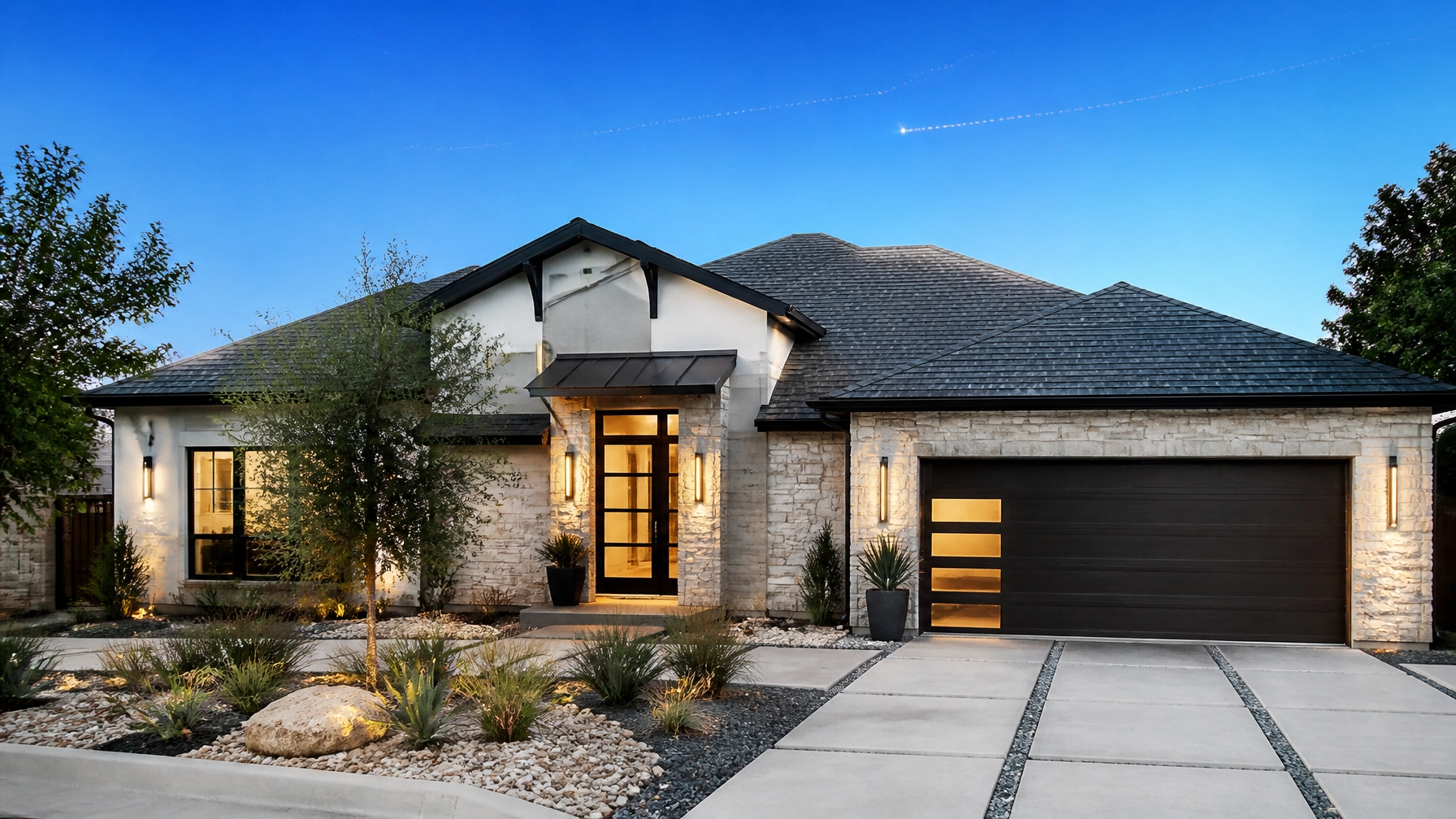
Austin, Texas, has long been celebrated as the "Live Music Capital of the World," but a new rhythm is pulsing through the Hill Country: the high-frequency hum of a burgeoning space economy. While Silicon Valley and Cape Canaveral historically dominated the aerospace conversation, Austin has quietly evolved into a critical hub for satellite technology and lunar construction.
This shift isn't just about rockets and orbits; it’s about the integration of advanced satellite imagery and data into the daily lives of Texans. At Get My Roof Estimate Now, we’ve pioneered this "Satellite Tech Edge" to provide homeowners with instant, accurate roof replacement costs. By leveraging the same high-resolution orbital data that Austin’s tech giants use to map the lunar surface, we can measure your roof to within inches: right from your smartphone.
The New Space Corridor: Austin’s Recent Aerospace Milestones
The rapid expansion of Austin’s space sector is fueled by massive federal contracts and groundbreaking private investment. Here are the major players transforming the local landscape:
CesiumAstro’s "Synchronicity" Constellation
Based right here in Austin, CesiumAstro is redefining how satellites communicate. The company recently filed for a massive 737-satellite constellation named "Synchronicity." Unlike traditional satellites, these utilize software-defined radios and phased-array payloads to provide reconfigurable connectivity. Their recent acquisition of AI firm Vidrovr further cements their lead, allowing for autonomous satellite analytics that process data in real-time.
Firefly Aerospace and the Lunar Far-Side
Operating just north of Austin in Cedar Park, Firefly Aerospace was recently selected by NASA to build a lunar transport spacecraft. Their upcoming Blue Ghost Mission 2 is a high-stakes endeavor to land a robotic craft on the far side of the moon: a region naturally shielded from Earth's radio noise. This mission is critical for establishing the communication relays necessary for long-term lunar exploration.
Tesla-SpaceX "Terafab"
Elon Musk’s footprint in Austin continues to expand with the development of the "Terafab." This advanced chip manufacturing facility is designed to support AI data centers in space. By producing custom chips optimized for the harsh radiation of orbit, the Terafab will power the next generation of SpaceX satellites, effectively creating an "orbital cloud" that offloads data processing from Earth to the stars.
ICON’s $57.2M NASA Contract
ICON, an Austin-based construction technology company famous for 3D-printing entire neighborhoods, has secured a $57.2 million contract from NASA. Their mission? Project Olympus. ICON is developing a 3D-printing system that uses lunar soil (regolith) to build landing pads, roads, and habitats on the moon. This technology ensures that the first human structures on the lunar surface will likely be "Made in Austin."

Practical Implications for Austin Residents
The "Space Race 2.0" isn't a distant abstract; it is actively shaping the local economy and infrastructure.
- Explosive Job Growth: The aerospace sector is a magnet for high-skill talent. From electrical engineers to AI developers, the demand for tech professionals in Austin is skyrocketing, ensuring a robust local economy for years to come.
- Unrivaled Connectivity: Constellations like CesiumAstro’s Synchronicity and SpaceX’s Starlink are drastically improving internet speeds and reliability across Texas. For homeowners in the outlying Hill Country, this means high-speed access is no longer a luxury but a standard.
- Strengthening the Tech Pipeline: The presence of NASA-contracted firms ensures that Austin remains a primary destination for the world’s brightest minds, further insulating the city from broader economic downturns.
The Real-World Application: How We Use Satellites to Save You Money
At Get My Roof Estimate Now, we don't just talk about satellite tech; we use it every day to solve a major headache for homeowners. Traditionally, getting a roof estimate meant scheduling 3 to 4 contractor visits, waiting for someone to climb a ladder, and dealing with varying price quotes.
We've eliminated that friction. By utilizing advanced satellite imagery: similar to the technology used by Firefly and CesiumAstro: we provide:
- Instant Results: Get your estimate in under 60 seconds.
- High Accuracy: Our measurements are 90-95% accurate, factoring in size, pitch, and complexity.
- Transparent Pricing: We provide low-middle-high price ranges based on local Austin market rates.
- Verified Contractors: Once you have your estimate, we connect you with licensed and insured local professionals to get the job done.
Whether you have a 1,500 sq. ft. ranch in Georgetown or a 3,000 sq. ft. modern build in West Lake Hills, our technology ensures you know your costs before you ever pick up the phone.

Understanding Your Roofing Options in the Space Age
When budgeting for a roof replacement in Austin, it’s essential to categorize your materials based on your long-term goals. Here’s a breakdown of current market options:
- Architectural Shingles (Popular): The most common choice in Texas. These offer a layered, 3D look and are designed to withstand high winds and storm damage. Price range: $8,000 – $14,000 for an average home.
- Metal Roofing (Premium): Known for its extreme durability and energy efficiency, a standing seam metal roof can last 50+ years. It’s a favorite for modern Austin architecture. Price range: $18,000 – $30,000.
- Synthetic Tiles (Luxury): These mimic the look of slate or cedar but are made from high-tech polymers. They are impact-resistant and ideal for luxury builds. Price range: $25,000+.
- Roof Coatings (Budget): For those with flat roofs or minor issues, specialized coatings can extend the life of an existing roof without a full tear-off. Price range: $3,000 – $7,000.
Why Data-Driven Estimates Matter
In a fast-moving market like Austin, transparency is vital. Homeowners are often quoted widely different prices for the same project. By using our Roof Cost Calculator, you gain an objective benchmark. We factor in:
- Regional Price Differences: Labor and material costs in Central Texas are unique.
- Complexity Factors: We calculate the "waste factor" based on your roof's valleys, dormers, and ridges.
- Instant Scaling: Our satellite technology measures in "squares" (100 sq. ft. units), providing the exact material count needed for a perfect installation.

Conclusion: Austin’s Future is Above Us
As Austin continues to launch Texas into the global space economy, the technology trickling down from orbit is making our lives more efficient. From 3D-printing lunar bases to getting a free roof estimate in under a minute, the Satellite Tech Edge is here to stay.
Don't wait for a contractor to find a ladder. Join the thousands of Austin homeowners using satellite precision to plan their next home improvement project. Enter your address today and see why the future of home services is already in orbit.
Leave a Reply