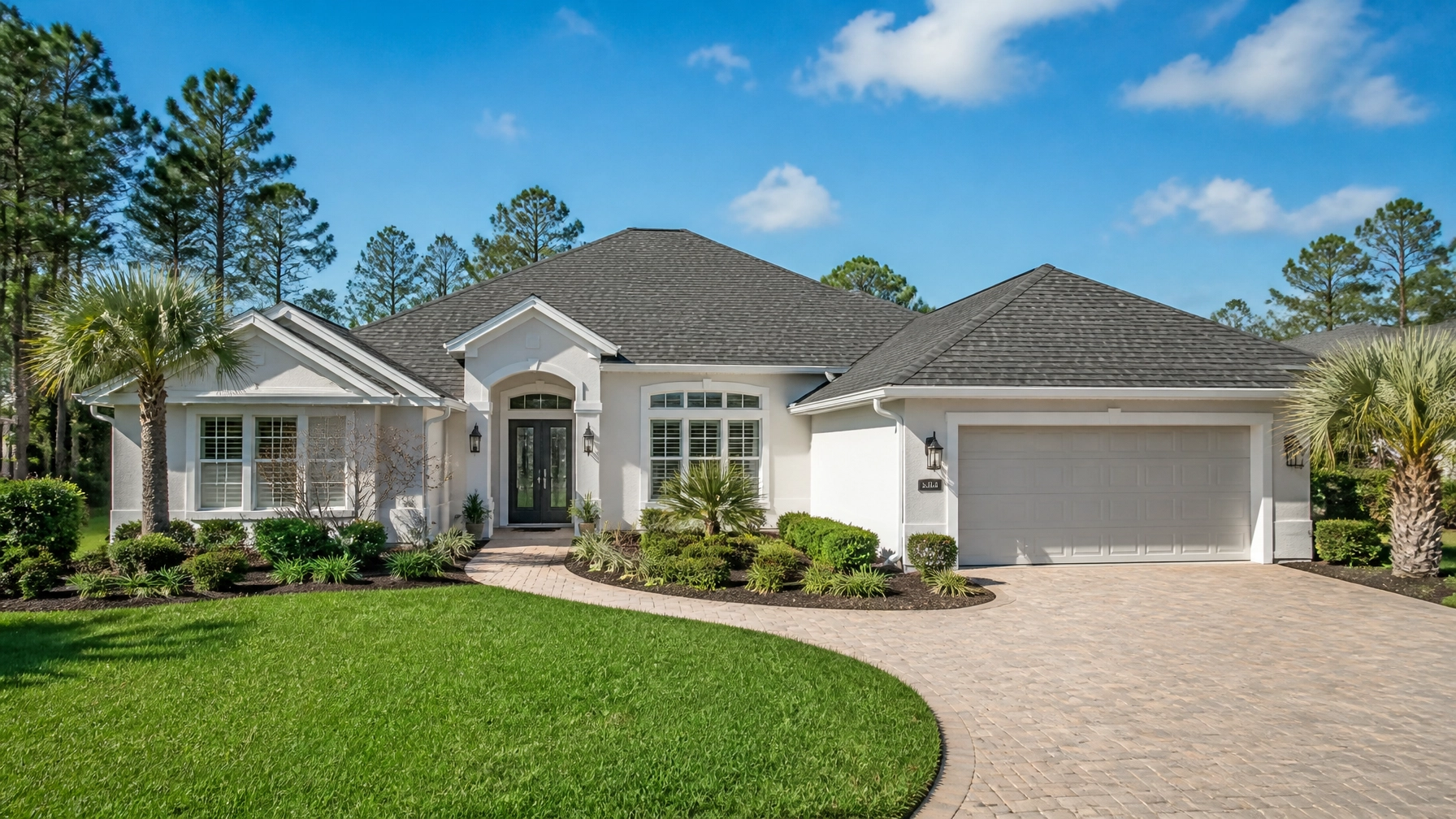
Author: James Turner

  • Insurance Masterclass: How Jacksonville FL Homeowners Can Get Their Roof Replacement Covered in 2026

    Insurance Masterclass: How Jacksonville FL Homeowners Can Get Their Roof Replacement Covered in 2026

    Navigating property insurance in Northeast Florida has become one of the most challenging hurdles for homeowners along the St. Johns River, near the beaches, and throughout the I-10 and I-95 corridor neighborhoods. With property insurance rates surging across the state and strict underwriting rules in place, getting a roof replacement covered by insurance requires deep familiarity with Florida’s complex statutes, building codes, and claim deadlines.

    Whether you live in a historic bungalow in Riverside, a family home in Mandarin, or a property near NAS Jacksonville, understanding how to work within the 2026 insurance landscape is essential. This masterclass breaks down everything Jacksonville homeowners need to know to secure coverage, protect their investment, and avoid costly missteps.


    1. The 2026 Florida Insurance Landscape: What Jacksonville Homeowners Face

    Property insurance rates across Florida have skyrocketed by over 40% since 2022. Numerous private carriers have either pulled out of the state or drastically tightened their underwriting criteria, leaving Citizens Property Insurance Corporation as the largest insurer in Florida.

    In Duval County, insurers scrutinize roof condition, age, and wind mitigation features more aggressively than ever. Homeowners can no longer rely on automatic full-replacement policies without understanding how recent legislative reforms impact their coverage.


    2. Florida’s 15-Year Roof Rule (SB 76 & SB 2-D)

    Under Florida Statute 627.7011(5), insurance companies must adhere to specific rules regarding roof age:

    • Roofs Under 15 Years Old: Insurers cannot refuse to issue or renew a homeowner’s policy solely because of roof age. If your roof is newer than 15 years, age alone is not a valid reason for cancellation or denial.
    • Roofs 15 Years and Older: Insurance companies can demand a roof inspection before renewal or issuance. However, if an authorized inspector certifies that your roof has at least 5 years of remaining useful life, the insurer must offer coverage (though they may legally offer Actual Cash Value [ACV] settlement terms for the roof instead of full Replacement Cost Value [RCV]).

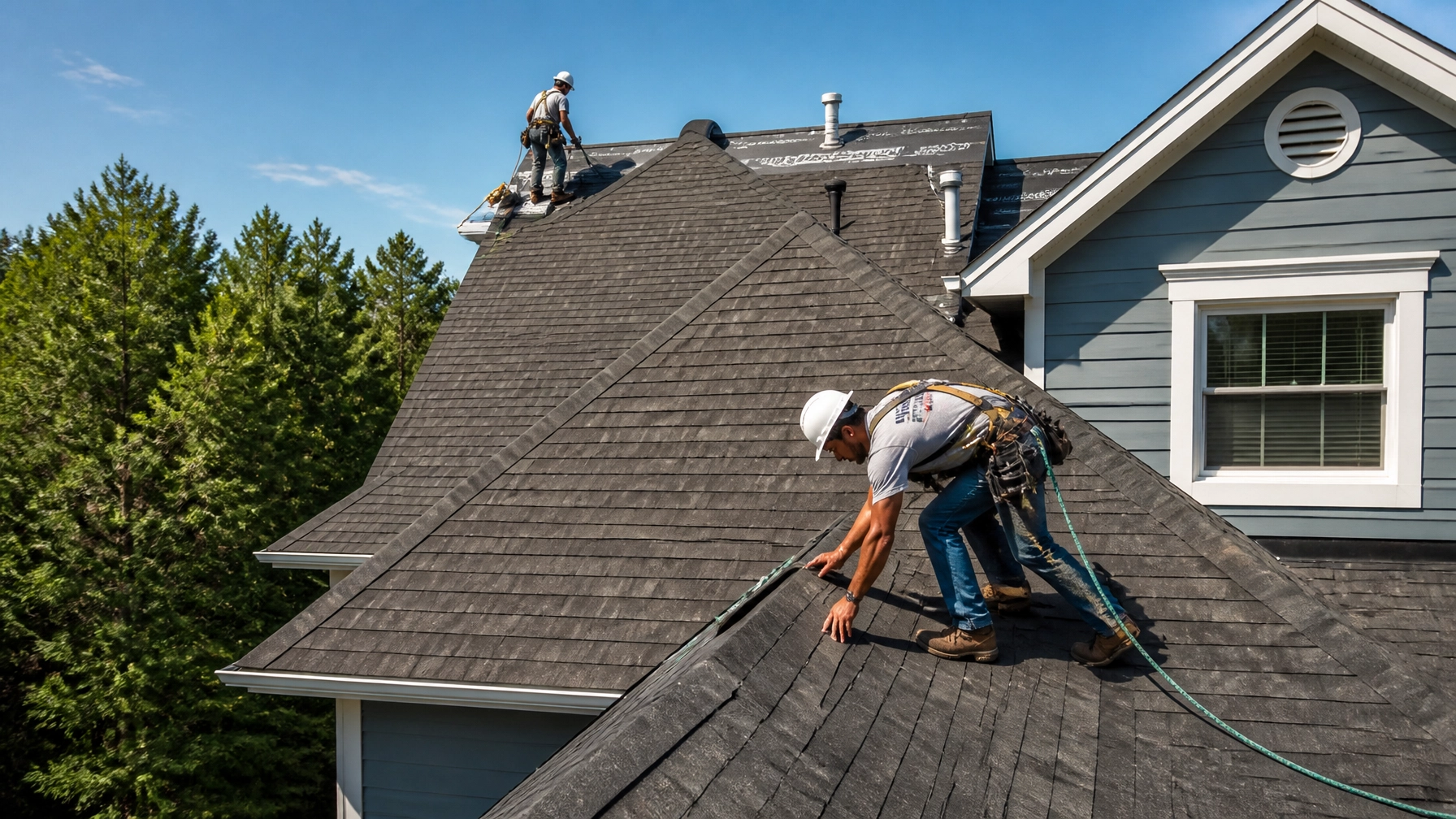
    A professional roofing contractor inspecting a modern roof in Jacksonville FL


    3. The 25% Rule and Florida Building Codes

    A common point of confusion for Duval County homeowners is the infamous "25% rule."

    • Traditional 25% Rule: Historically, if more than 25% of a roof was damaged or repaired within a 12-month period, the entire roofing system had to be brought up to current Florida Building Code. For older roofs, this often mandated a full roof replacement.
    • SB 4-D Adjustments: If your roof was built or fully replaced to comply with the 2007 Florida Building Code (or later editions), you are generally permitted to repair only the damaged section: even if it exceeds 25%: provided matching materials are available and that section is brought to current code.
    • Law and Ordinance Coverage: Code upgrades are only covered if your policy includes adequate Law and Ordinance endorsements (typically 25% to 50% of your dwelling limit).

    4. Understanding Jacksonville Roofing Costs & Permitting

    Before filing an insurance claim or hiring a contractor, it is vital to understand local pricing and municipal requirements in Duval County.

    Typical Replacement Costs in Jacksonville

    For standard single-family homes (ranging from 1,500 to 3,000 square feet), typical roof replacement costs in Jacksonville range from $9,000 to $18,000, depending on materials (such as architectural shingles, metal, or tile) and roof pitch.

    City of Jacksonville Permit Requirements

    The City of Jacksonville Building Inspection Division requires a permit for all major roof replacements. The City charges a $245 flat fee for reroofing permits. Unlicensed contractors who skip permits leave homeowners vulnerable to fines, failed inspections, and invalidated insurance claims.


    5. Satellite Technology: Get Your Accurate Estimate Before Filing

    Before you contact an insurance adjuster or contractor, knowing your exact roof size and replacement cost is your best defense against lowball offers.

    Using advanced satellite measurement tools at Get My Roof Estimate Now, Jacksonville homeowners can receive instant, free roof replacement cost estimates in under 60 seconds. Our satellite-powered measurements achieve 90-95% accuracy without requiring an upfront contractor visit, helping you budget accurately and compare insurance payouts with confidence.

    A satellite imagery view of a residential neighborhood in Jacksonville Florida overlaid with precise roof measurement lines


    6. Wind Mitigation, Deductibles, and Credits in Duval County

    Because Jacksonville is vulnerable to Atlantic hurricanes (with historical impacts from storms like Matthew in 2016, Irma in 2017, and Nicole in 2022), wind mitigation plays a major role in your insurance premiums and deductibles.

    • Wind Mitigation Inspections: Having a certified inspection can secure substantial insurance discounts. Features that qualify for credits include:
      • Hip roof designs
      • Secondary water barriers (SWB)
      • Roof-to-wall connections (clips, single wraps, or double wraps)
      • Impact-rated windows and exterior doors
    • Hurricane Deductibles: Many policies feature percentage-based hurricane deductibles (typically 2% to 5% of the dwelling value) rather than flat dollar amounts. Ensure you know your exact financial exposure before storm season begins (June 1st to November 30th).

    7. Claim Deadlines, Bad Faith Laws, and Legal Reforms

    Florida’s legal framework for property insurance claims has undergone massive structural changes:

    • Strict Claim Deadlines (FL Stat. 627.70132): You now have exactly 1 year from the date of loss to file an initial property insurance claim, and 18 months for supplemental claims.
    • Statute of Limitations (FL Stat. 95.11): You have 2 years from the date of loss to file a lawsuit against your insurance carrier for breach of contract.
    • Prompt Payment & Bad Faith: Insurers are required to acknowledge and pay undisputed claims within 90 days of receiving a completed proof of loss.
    • Attorney Fees (HB 837 / FL Stat. 627.428): Recent sweeping tort reforms eliminated the traditional one-way attorney fee statute for most property insurance lawsuits, making accurate documentation and professional guidance more critical than ever.
    • AOB Reforms (SB 122): Assignment of Benefits (AOB) abuse has been reined in, meaning homeowners must exercise caution when signing over claim rights to third-party contractors.

    A beautiful suburban home in Jacksonville Florida with a durable metal roof and storm-prepared landscaping


    8. Avoiding Insurance Fraud and "Storm Chasers"

    Following severe weather events in Northeast Florida, door-to-door "storm chasers" and unlicensed contractors often flood Jacksonville neighborhoods promising "free roofs."

    • Never sign a contract or assignment of benefits on the spot.
    • Verify that your contractor is fully licensed and insured in Florida.
    • Get a reliable, independent estimate using Get My Roof Estimate Now to verify that contractor bids align with realistic market pricing.

    Summary Checklist for Jacksonville Homeowners

    1. Check Your Roof Age & Code Status: Determine if your roof is under 15 years old and whether it complies with post-2007 building codes.
    2. Review Your Policy: Check your roof settlement terms (RCV vs. ACV) and Law and Ordinance limits.
    3. Get an Instant Estimate: Use our Roof Cost Calculator to measure your roof via satellite and get transparent pricing in 60 seconds.
    4. Secure Wind Mitigation Credits: Schedule a wind mitigation inspection to lower your hurricane deductible and annual premium.
    5. Work with Licensed Professionals: Ensure permits are pulled through the City of Jacksonville Building Inspection Division for any reroofing project.
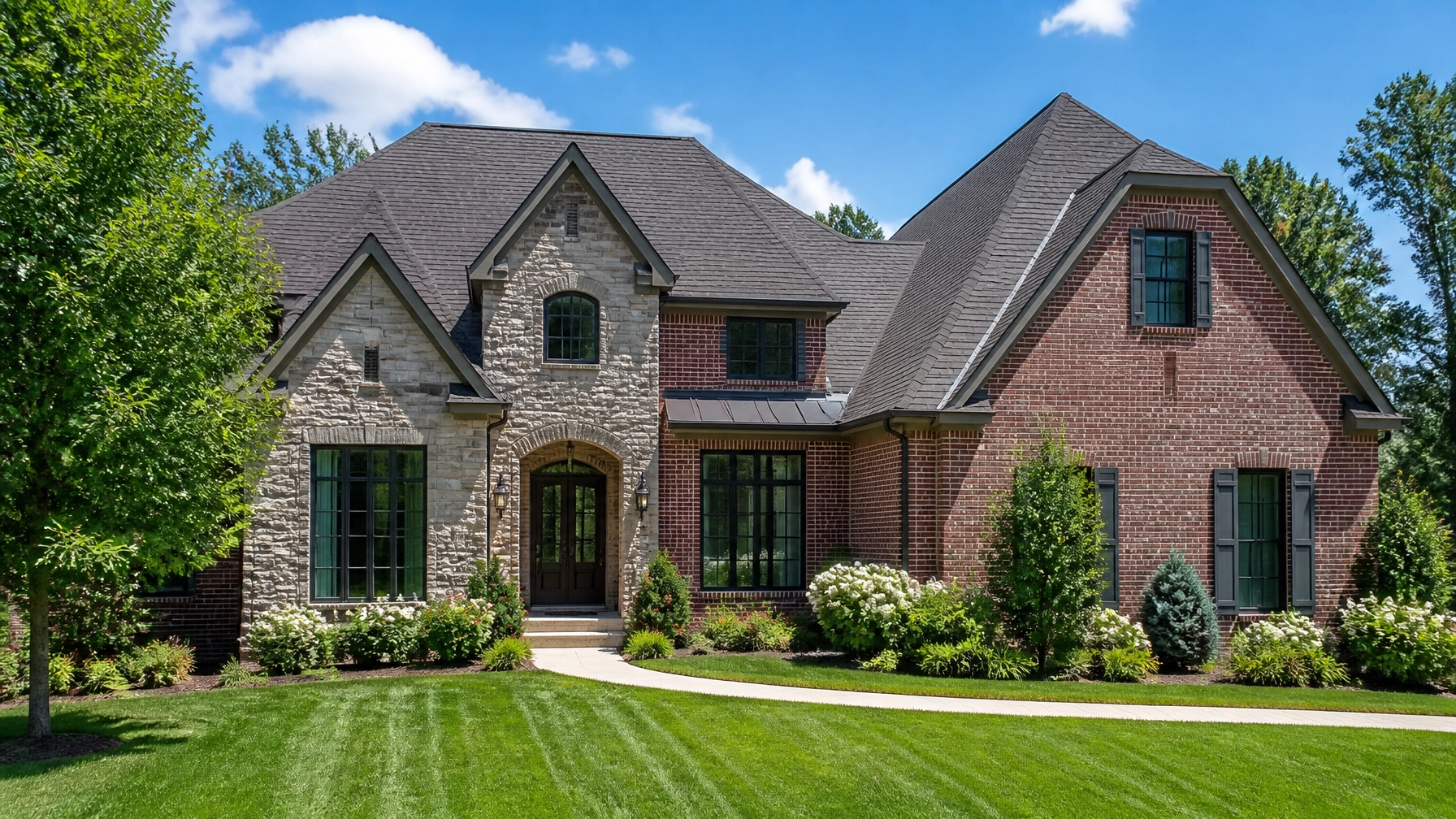
  • Insurance Masterclass: How Louisville KY Homeowners Can Get Their Roof Replacement Covered in 2026

    Insurance Masterclass: How Louisville KY Homeowners Can Get Their Roof Replacement Covered in 2026

    Navigating a property insurance claim for a roof replacement can feel overwhelming. For homeowners across Louisville, Kentucky, severe spring storms, hail events, and aging roofs (15 to 30 years old) mean property insurance is more critical than ever in 2026. While national insurance markets face extreme turbulence, Kentucky's landscape presents unique opportunities and strict legal guardrails that favor informed policyholders.

    Whether you are dealing with recent storm damage in the Highlands, preparing to sell a home in St. Matthews, or planning ahead, this masterclass breaks down everything you need to know to secure full coverage, avoid legal pitfalls, and streamline your roof replacement project.


    1. The Kentucky Insurance Landscape in 2026 (Steady Yet Evolving)

    Property insurance rates across the United States have steadily climbed, and Kentucky is no exception. However, unlike coastal states battered by frequent hurricanes, Kentucky’s insurance market remains relatively stable. Premiums have ticked upward by roughly 6% to 10% statewide due to rising material costs and localized severe weather events.

    For Louisville homeowners, this underscores the importance of understanding your policy before disaster strikes. Knowing whether your policy is Actual Cash Value (ACV) or Replacement Cost Value (RCV) determines whether you walk away with a fully funded new roof or a hefty out-of-pocket bill.


    2. Kentucky’s Roof Matching Law: 806 KAR 12:095 Explained

    One of the most powerful tools in a Kentucky homeowner’s insurance arsenal is 806 KAR 12:095, the state administrative regulation governing unfair claims settlement practices.

    When a storm damages only one slope of your roof, finding identical replacement shingles can be difficult: especially if your current roof has faded over the years. Under Kentucky Department of Insurance guidelines, if repair materials cannot achieve a uniform appearance in quality, color, and size with undamaged sections, insurers must replace the entire roof area.

    Crucially, the Kentucky Department of Insurance interprets "area" as the entire continuous roof structure, strictly rejecting "line-of-sight" limitations that some out-of-state adjusters try to enforce. If a color mismatch makes your roof look patched together, your insurer is generally required to cover a full slope or total roof replacement.

    Suburban Louisville colonial home undergoing professional roof replacement


    3. Senate Bill 153: Protecting Homeowners Against Post-Disaster Fraud

    Signed into law on April 8, 2026, Senate Bill 153 (Acts Chapter 54) introduced major safeguards for Kentucky homeowners following severe weather events. While earlier drafts focused narrowly on contractor licensing, the final enacted legislation targets fraudulent operators and predatory storm chasers.

    Key protections under SB 153 include:

    • Post-Disaster Registry: Contractors offering roof repair, siding, water mitigation, or tree removal after a declared disaster must register and carry certification proof at job sites.
    • 90-Day Solicitation Ban: A strict 90-day ban on in-person door-to-door solicitation in declared emergency areas, unless specifically requested by the property owner.
    • Fraud Penalties: Deliberate property vandalism intended to manufacture an insurance claim is classified as a severe criminal offense, with the Kentucky Attorney General given concurrent jurisdiction to prosecute.

    4. KRS 367.628: Deductibles, Rebates, and Public Adjusters

    When filing an insurance claim, financial compliance is paramount. Under KRS 367.628, Kentucky law establishes strict boundaries for roofing contractors:

    • No Deductible Waivers: It is strictly illegal for a roofing contractor to offer to pay, rebate, absorb, or discount your insurance deductible. Offering a discount to offset your deductible or providing more than $100 in referral bonuses/gifts tied to an insurance job violates state law.
    • Public Adjuster Restrictions: Roofing contractors are legally prohibited from negotiating insurance claims on your behalf. Only a licensed public adjuster (regulated under KRS Chapter 304) or an attorney may legally negotiate claim scope and settlement amounts with your insurance carrier.

    5. Actual Cash Value (ACV) vs. Replacement Cost Value (RCV)

    Insurance payout types dictate your out-of-pocket financial exposure:

    • Replacement Cost Value (RCV) (Comprehensive): Pays the actual cost to replace your roof with materials of like kind and quality, minus your deductible. (Note: Depreciation is initially withheld but released once the work is completed by your contractor).
    • Actual Cash Value (ACV) (Budget/Older Policies): Factors in depreciation based on the roof's age. If your 20-year-old roof has 80% depreciation, the initial check covers only 20% of the replacement value.

    Important Note: Kentucky’s matching requirement (806 KAR 12:095) applies to the overall claim scope regardless of whether your policy is ACV or RCV. However, with an ACV policy, you must cover the depreciation amount out of pocket unless you carry specific endorsements.


    6. Building Codes and Ordinance Coverage

    While Kentucky does not have a blanket "25% rule" requiring total replacement if a quarter of the roof is damaged (unlike some coastal states), local building codes dictate mandatory upgrades.

    If Louisville building codes require the installation of ice-and-water shields, drip edges, or specific ventilation upgrades during a replacement, your policy's Law and Ordinance coverage is vital. Ensure your policy includes this endorsement so code-mandated upgrades don't drain your personal savings.

    Close-up detail of architectural shingles being installed on a roof in Kentucky


    7. Louisville Permit Requirements & Historic Districts

    Before any work begins, ensure your contractor pulls the correct permits:

    • Standard Replacements: Full roof replacements and structural deck repairs require a permit through the Louisville Metro Office of Construction Review. Minor repairs typically do not.
    • Historic Districts (e.g., Old Louisville): If your home is located in a designated preservation or historic district, you must obtain a Certificate of Appropriateness from the Louisville Landmarks Commission before altering exterior materials or roof colors.

    8. Typical Louisville Roof Replacement Costs

    Before filing a claim or budgeting for a project, it helps to understand baseline local pricing. Standard Louisville roof replacements range between $3.50 and $11 per square foot, with typical residential projects costing $9,000 to $18,000.

    Material tiers break down as follows:

    • Asphalt Shingles (Popular): $9,000 – $16,000 (Durable, cost-effective, 20-30 year lifespan).
    • Metal Roofing (Premium): $18,000 – $35,000+ (Exceptional longevity, storm resistant).
    • Architectural Shingles (Mid-Range): $11,000 – $19,000 (Enhanced wind resistance and dimensional aesthetics).

    To get an immediate, data-driven pricing baseline for your exact property without waiting for a contractor visit, use our Free Roof Cost Calculator.


    9. Statute of Limitations and Suit-Limitation Clauses

    Many homeowners assume they have years to dispute an insurance claim. In Kentucky, the default statute of limitations for written contracts is 15 years; however, property insurance policies almost universally contain a "Suit Against Us" clause.

    These clauses typically require policyholders to file a lawsuit or legal challenge within 1 to 2 years of the date of loss if a claim is denied or underpaid. Always review your policy declarations page immediately following storm damage.


    10. Avoid Storm Chasers: Best Practices for Louisville Homeowners

    Following severe spring storms in Jefferson County, door-to-door contractors frequently flood local neighborhoods. Protect yourself by adhering to these guidelines:

    1. Verify Licensing & Registry: Ensure any contractor is properly insured, locally verified, and compliant with Kentucky's post-disaster registry rules under SB 153.
    2. Never Sign Over Your Insurance Check: Avoid signing Assignment of Benefits (AOB) forms that surrender control of your claim.
    3. Get Instant Estimates First: Know your numbers before speaking to anyone. You can get an instant estimate in under 60 seconds using satellite imagery by visiting Get My Roof Estimate Now.

    Historic Victorian home in Old Louisville, KY with pristine architectural roof


    11. Practical Checklist for Louisville Homeowners

    Use this step-by-step checklist to navigate your roof replacement and insurance claim with confidence:

    • Document Everything: Take high-resolution photos and videos of roof damage, fallen limbs, and interior leaks immediately after a storm.
    • Measure First: Use satellite measurement tools to determine your roof's exact square footage and pitch.
    • Review Your Policy: Check your deductible amount, RCV vs. ACV status, and suit-limitation clauses.
    • Get an Independent Estimate: Obtain a transparent, instant estimate online to establish a fair baseline before adjuster meetings.
    • Check SB 153 Compliance: Ensure any hired contractor is registered, insured, and respects Kentucky's 90-day solicitation guidelines.
    • Confirm Permits: Verify that your contractor secures necessary approvals from the Louisville Metro Office of Construction Review (and Landmarks Commission if historic).

    Conclusion

    Getting your roof replacement covered by insurance in Louisville doesn't have to be a guessing game. By leveraging Kentucky's robust matching regulations (806 KAR 12:095), staying protected against predatory practices under SB 153, and knowing your baseline numbers through modern satellite technology, you can take full control of your home investment.

    Ready to get started? Visit Get My Roof Estimate Now to receive your free, instant satellite roof estimate in under 60 seconds: no salesperson required.

  • Detroit Contractor Vetting 2026: 5 Questions Motor City Homeowners Must Ask Before Replacing Their Roof

    Detroit Contractor Vetting 2026: 5 Questions Motor City Homeowners Must Ask Before Replacing Their Roof

    Navigating a roof replacement in Metro Detroit requires more than just picking a color and signing a contract. With a relentless severe weather season: including the July 3, 2026 storms bringing 70mph winds and hail, followed by hail events on July 15 and July 21 across the KDTX coverage area: Wayne County homeowners are facing an influx of roofing contractors.

    Before committing thousands of dollars to a project, understanding local licensing, municipal regulations, and current financial benchmarks is critical. To protect your investment and secure top-tier workmanship, start with Get My Roof Estimate Now to establish a baseline before speaking with any local builder.

    Here are the 5 essential questions Motor City homeowners must ask when evaluating Detroit roofing contractors.


    1. Can You Provide Your Active Michigan LARA License and Detroit BSEED Registration?

    In Michigan, roofing is not unregulated handyman work. State law mandates specific credentials for anyone performing structural or exterior home improvements.

    • Michigan LARA Licensing (Budget/Compliance): Contractors performing roof replacements in Wayne County must hold a valid Residential Builders license or a Maintenance & Alteration (M&A) Contractor license with a roofing trade designation issued by the Michigan Department of Licensing and Regulatory Affairs (LARA). While M&A licenses do not require a state exam, they do mandate 60 hours of prelicensure education.
    • Local Detroit BSEED Registration (Popular): Beyond state credentials, contractors working within Detroit city limits must register locally with the Buildings, Safety Engineering, and Environmental Department (BSEED).

    What to ask: "May I see your active LARA license number and proof of local BSEED registration?" Always verify license numbers independently on the state licensing database before signing agreements.


    2. Will You Pull the Required Detroit BSEED Permits and Schedule Municipal Inspections?

    Skipping building permits is a common shortcut used by disreputable operators, but it leaves homeowners vulnerable to municipal stop-work orders, fines, and severe complications when selling the home.

    Detroit residential home featuring a newly installed standing seam metal roof in matte black

    • Permit Process (Essential): A full roof replacement in Detroit requires a BSEED permit obtained through the Accela ePLANS portal. Permit fees typically range from $150 to $800 depending on project scale.
    • Mandatory Inspections: Standard Detroit building protocol requires two distinct municipal inspections: a tear-off/decking inspection and a final roof inspection.
    • Building Code Standards: Under the Michigan Residential Code, installations must include ice and water shield at eaves and valleys, 15lb felt (or synthetic equivalent), and proper attic ventilation. Furthermore, properties located in designated local historic districts (such as Corktown, Boston-Edison, or Indian Village) require an HDC Certificate of Appropriateness before any exterior work begins.

    What to ask: "Are you pulling the BSEED permit in my name, and are all mandatory municipal inspections included in your contract pricing?"


    3. What Are the Realistic 2026 Pricing Benchmarks for My Roof Size?

    Financial transparency is vital when calculating your 2026 roof replacement cost Detroit. Knowing realistic market rates prevents you from overpaying or falling victim to inflated quotes.

    • Asphalt Shingles (Popular): Standard architectural asphalt shingles range from $3.50 to $9.00 per square foot, depending on tear-off layers, pitch steepness, and material grade.
    • Metal Roofing (Premium): Standing seam and premium metal systems range from $7.00 to $18.00 per square foot.
    • Project Totals: For a typical 20-to-25 square Detroit home (2,000 to 2,500 sq ft), total project costs generally run $8,000 to $18,000 for architectural shingles, while premium metal installations can exceed $40,000.

    To understand your specific property's measurements instantly without waiting for an in-person sales pitch, check out our accurate data on Detroit roof replacement cost 2026.


    4. How Do You Protect Against Storm Chasers and Door-to-Door Scams?

    Severe weather events in Southeast Michigan frequently attract predatory out-of-state operators ("storm chasers") into local neighborhoods.

    • Red Flags to Watch For: Be highly suspicious of door-to-door solicitors offering free inspections after severe summer storms, temporary LLCs with out-of-state license plates, requests for large upfront cash deposits exceeding standard benchmarks, and contractors offering to "waive" your insurance deductible. Under Michigan law, insurance deductible waiver schemes constitute insurance fraud.
    • Local Law Enforcement Alerts: Law enforcement agencies, including recent warnings issued by suburban police departments in July 2026, have highlighted an increase in home repair scams specifically targeting vulnerable seniors after major wind and hail events.

    What to ask: "Are you a locally established Michigan business with a permanent physical address, and do you handle insurance claims strictly within state legal bounds?"


    5. Do You Hold Elite Manufacturer Certifications and Comprehensive Insurance?

    The quality of a roof depends equally on expert installation and manufacturer backing. Working with certified contractors ensures your investment is protected by robust material and labor warranties.

    Close-up architectural photograph showing detailed roof shingle installation on a residential home in Michigan

    Several reputable, manufacturer-certified contractors service the Metro Detroit area with top-tier accreditations:

    • Reasonable Contracting Services (GAF Master Elite + Owens Corning Platinum Preferred)
    • Elite Roofing Michigan (GAF Master Elite)
    • American Standard Roofing (GAF Master Elite)
    • AllPoint Construction (GAF Master Elite)
    • Premier Roofing (Owens Corning Platinum Preferred)
    • McGlinch & Sons (GAF Master Elite)
    • Mr. Roof (Owens Corning Platinum Preferred)

    Insurance Requirements: Ensure any contractor you hire carries both active general liability insurance and workers' compensation coverage to protect you from liability during construction accidents.


    Secure Your Detroit MI Roof Cost 2026 with Complete Confidence

    Evaluating contractors in Wayne County doesn't have to feel overwhelming. By vetting credentials against Michigan LARA standards, confirming Detroit BSEED permits, understanding current roof replacement Detroit Michigan 2026 pricing, and avoiding high-pressure storm chasers, you are set up for a successful project.

    Homeowner in Detroit reviewing accurate roof estimate measurements on a modern tablet device

    Before scheduling in-person consultations with local builders, take control of your budgeting process. Visit Get My Roof Estimate Now to receive an instant, accurate satellite-powered roof estimate in under 60 seconds: completely free and with zero obligation.

  • Daily FAQ Blitz – Slot 1: Roof Replacement FAQs for Norfolk, VA Homeowners (2026)

    Daily FAQ Blitz – Slot 1: Roof Replacement FAQs for Norfolk, VA Homeowners (2026)

    Navigating a roof replacement in a historic, coastal city like Norfolk, Virginia requires specific industry knowledge. Whether your home is located in Ghent, Ocean View, or Larchmont, Norfolk's unique maritime environment: characterized by high humidity, intense UV rays, salt air, and potential Atlantic storm activity: places demanding requirements on residential roofing systems.

    As homeowners look ahead in 2026, budgeting accurately and understanding material performance are critical steps before calling Norfolk VA roofing contractors. In this Daily FAQ Blitz, we break down the most pressing questions regarding roof replacement Norfolk VA 2026, average costs, material selections, and how to leverage satellite technology for lightning-fast estimates.


    Quick FAQ Overview for Norfolk Homeowners

    Question Quick Answer (2026 Data)
    What is the average cost of a roof replacement in Norfolk? Most standard single-family homes (1,600–2,200 sq ft roof area) range between $8,000 and $16,000 for architectural asphalt shingles, and $15,000 to $30,000+ for premium coastal-grade metal systems.
    Which roofing material is best for Norfolk’s coastal climate? Architectural asphalt shingles (with high wind and algae-resistant ratings) or standing-seam metal are top performers against salt air, heavy rain, and high winds.
    How long does a typical roof replacement take? Most residential roof replacements in Norfolk are completed in 1 to 3 days, depending on weather and roof complexity.
    Do I need a contractor visit to get an accurate estimate? Not anymore. Using advanced satellite imagery technology like Get My Roof Estimate Now, you can receive an instant, accurate estimate in under 60 seconds without scheduling an upfront sales visit.

    1. How Much Does a Roof Replacement Cost in Norfolk, VA (2026)?

    When planning a major home improvement project, cost transparency is paramount. Local and regional data for 2026 indicate that residential roofing costs in the Hampton Roads area reflect national material adjustments paired with local labor rates.

    • Architectural Asphalt Shingles (Popular): For a typical Norfolk home, architectural shingles average $4.50 to $8.25 per square foot installed, translating to roughly $10,000 to $16,500 total. They offer a robust balance of upfront affordability and reliable wind protection.
    • 3-Tab Asphalt Shingles (Budget): Ranging from $4.25 to $5.50 per square foot (approx. $8,000 to $12,500 total), these represent the lowest upfront investment but have a shorter lifespan in humid, windy environments.
    • Standing-Seam Metal Roofs (Premium): Running between $8.50 and $18.00+ per square foot, total costs typically land between $15,500 and $27,000+. While more expensive upfront, metal provides exceptional longevity (30–50+ years) and unbeatable resistance to coastal gales.

    To explore specific cost models for your exact property specs, check out our Virginia roof estimate guide or use our interactive roof cost calculator.


    2. How Does Norfolk’s Coastal Climate Affect Roof Longevity?

    Traditional colonial-style home in a historic Norfolk Virginia neighborhood with standing seam metal roof

    Norfolk’s humid subtropical climate brings roughly 45 to 50 inches of annual rainfall, relentless summer sun, and proximity to Chesapeake Bay and Atlantic weather patterns. Homes in neighborhoods near the water face specific environmental stressors:

    • Salt-Air Corrosion: Airborne salt can rapidly degrade standard metal fasteners, flashings, and low-grade steel roofing. Coastal installations require corrosion-resistant fasteners, aluminum, or galvalume steel.
    • Algae and Moss Growth: High humidity fosters black streaks (cyanobacteria) on shingles. Choosing algae-resistant (AR) shingles with copper-infused granules preserves your home's curb appeal.
    • High Wind and Hurricane Threats: Coastal storms demand shingles rated for 130 mph winds accompanied by enhanced nailing patterns and high-performance synthetic underlayments.

    3. Should I Repair or Replace My Norfolk Roof?

    Deciding whether to patch up storm damage or invest in a full replacement depends on three primary factors: roof age, extent of damage, and remaining material integrity.

    • Age (15–30 Years): If your roof is approaching or exceeding its 20-year mark, localized repairs are often a temporary Band-Aid. Repeated shingle loss during winter nor'easters indicates the entire deck system needs updating.
    • Storm Damage vs. Wear: Following severe weather events in Hampton Roads, minor missing flashing can be repaired. However, widespread granule loss, curling tabs, and sagging rooflines signal structural failure requiring a complete replacement.
    • Preparing to Sell: Homes in high-demand Norfolk markets sell faster and command better valuations when equipped with a brand-new roof backed by transferable manufacturer warranties.

    4. What Materials Are Best Suited for Coastal Norfolk Homes?

    Close-up of premium architectural roof shingles on a sunny residential roof

    Selecting the right product ensures your investment withstands local elements for decades.

    (Popular) Architectural Asphalt Shingles

    Architectural shingles feature a dual-layered construction that creates dimensional depth and superior wind resistance. Look for products certified with ASTM D3161 Class F or ASTM D7158 Class H wind ratings to ensure confidence during hurricane season.

    (Premium) Corrosion-Resistant Metal Systems

    For homeowners seeking maximum durability, standing-seam metal roofs reflect solar radiant heat, reduce cooling bills during humid Virginia summers, and shed water efficiently during torrential downpours. Ensure your contractor uses stainless steel or galvanized fasteners to prevent galvanic corrosion from salt exposure.


    5. How to Work With Verified Norfolk VA Roofing Contractors

    Finding trustworthy Norfolk VA roofing contractors requires vetting beyond online directory ratings. When interviewing local professionals, verify the following credentials:

    1. State Licensing: Ensure they hold a valid Virginia DPOR contractor license with commercial/residential classifications.
    2. Insurance Coverage: Always request proof of both general liability insurance and workers' compensation.
    3. Local Experience: Contractors familiar with Norfolk building codes and historical district guidelines (such as those in Ghent) will streamline permitting and inspections.
    4. Manufacturer Certifications: Top-tier contractors offer enhanced manufacturer warranties (e.g., GAF Master Elite or CertainTeed ShingleMaster) covering both workmanship and materials.

    Modern coastal ranch-style home in Norfolk VA with newly installed durable roof


    Get Your Instant Norfolk Roof Estimate in 60 Seconds

    Traditional roofing quotes require waiting days for a contractor sales rep to visit your home. At Get My Roof Estimate Now, we utilize advanced satellite imagery technology to measure your roof's exact square footage, pitch, and complexity to within inches: completely free and with zero credit card required.

    Visit our main blog archive for more regional guides, or enter your address today to get transparent, data-driven pricing instantly.


  • Architectural Shingles vs. Synthetic Roof Coatings: The 2026 Wilmington NC Coastal Material Showdown

    Architectural Shingles vs. Synthetic Roof Coatings: The 2026 Wilmington NC Coastal Material Showdown

    When you own a home along the coast of North Carolina, your roof is your first and most critical line of defense against Mother Nature. From punishing summer humidity and airborne sea salt to sudden tropical storms and hurricane-force winds, coastal weather tests every building material to its absolute limit. If you are planning a coastal roof replacement North Carolina homeowners face a pivotal choice: stick with proven asphalt technology or explore modern liquid-applied solutions.

    Choosing the right roofing material in Wilmington requires weighing longevity, wind resistance, energy efficiency, and upfront investment. In this comprehensive material showdown, we break down traditional architectural shingles versus modern synthetic roof coatings to help you make an informed, data-driven decision for your property.


    The Coastal Environment: Why Wilmington Roofs Age Faster

    Before comparing materials, it helps to understand what makes Wilmington’s climate uniquely aggressive. Salt air accelerates corrosion and granular erosion, while intense ultraviolet (UV) radiation breaks down bonding agents in roofing materials.

    Local industry data indicates that standard asphalt roofs in coastal North Carolina experience a 25% to 30% reduction in lifespan compared to inland installations. A roof that might last 25 years in Raleigh or Charlotte often reaches the end of its functional life in 15 to 18 years near Wrightsville Beach or Carolina Beach. Because of these harsh environmental pressures, selecting a high-performance material and durable installation method is paramount.


    Option 1: Architectural Shingles (The Coastal Standard)

    Close-up detail shot of high-grade dimensional architectural shingles on a coastal home roof showing multi-layered texture

    Architectural shingles (also referred to as dimensional or laminate shingles) are thicker, heavier, and constructed with multiple bonded layers of asphalt over a durable fiberglass mat. Unlike basic 3-tab shingles, their dimensional profile creates deep shadow lines that enhance curb appeal while providing significantly superior performance.

    Key Performance Metrics

    • Wind Resistance (Popular): Standard architectural shingles are commonly rated for 110 mph to 130 mph winds when installed with high-wind fastening techniques, making them robust enough to withstand severe coastal storms.
    • Lifespan in Wilmington: Typically 15 to 22 years depending on proximity to the salt water and attic ventilation.
    • Algae Resistance: Most modern architectural lines feature copper-infused granules to combat black streaks caused by airborne algae and high humidity.

    Cost Breakdown for a 2,000 Sq Ft Wilmington Home

    For a typical single-family home with approximately 2,000 square feet of roof area, a full architectural shingle replacement generally ranges from $8,000 to $18,000+, depending on roof pitch, complexity, and whether tear-off of multiple old layers is required. They represent the ultimate value baseline for sloped residential roofs.


    Option 2: Synthetic Roof Coatings (The Specialized Restorer)

    A professional roofing contractor applying a bright white elastomeric synthetic roof coating over a modern coastal roof structure

    Synthetic roof coatings: such as high-grade silicone, acrylic, and polyurethane elastomeric membranes: are fluid-applied systems designed to create a seamless, waterproof barrier. Unlike shingles, coatings are not standalone building materials; rather, they are restoration products applied over existing, structurally sound roof decks (most commonly metal roofing or commercial flat/low-slope roofs).

    Key Performance Metrics

    • UV Protection & Energy Efficiency (Advanced): Reflective white elastomeric coatings reflect up to 85% of solar radiation, drastically lowering attic temperatures and reducing summer cooling loads in the humid NC climate.
    • Waterproofing & Seam Sealing: Because they cure into a seamless membrane, they eliminate vulnerable fastener penetrations and laps on low-slope or metal surfaces.
    • Lifespan Extension: A professional coating application can add 10 to 15 years of renewed service life to an existing roof system.

    Cost Breakdown

    For eligible metal or low-slope commercial and residential roofs, coating applications often run significantly lower than a full tear-off and replacement, making them a popular choice for budget-conscious property managers and specific architectural styles.


    Head-to-Head Comparison: Architectural Shingles vs. Coatings

    Performance Factor Architectural Shingles (Value & Reliability) Synthetic Roof Coatings (Restoration & Efficiency)
    Primary Roof Type Sloped residential gable/hip roofs Low-slope, flat, or metal roofs
    Primary Function Complete roof replacement Life extension and waterproofing
    Wind & Hurricane Defense Rated up to 130 mph with proper nailing Depends entirely on the underlying roof deck
    Energy Reflectivity Moderate (varies by shingle color) High (especially white elastomeric formulas)
    Wilmington Lifespan 15–22 years Adds 10–15 years to sound existing roofs
    Best For 90% of single-family Wilmington homes Existing metal or flat-roof structures

    Critical Industry Warning: Can You Coat Asphalt Shingles?

    A common point of confusion for homeowners exploring coastal roof replacement North Carolina options is whether they can simply spray a synthetic coating over their aging asphalt shingle roof to save money.

    According to major manufacturers (such as GAF) and the Asphalt Roofing Manufacturers Association (ARMA), field-applied roof coatings should never be applied over asphalt shingles.

    Applying liquid coatings to shingle roofs traps moisture within the attic and shingle mat, accelerates asphalt degradation, compromises proper roof ventilation, and immediately voids manufacturer warranties. If your Wilmington home features a sloped shingle roof that is curling, shedding granules, or leaking, full material replacement with architectural shingles (or an upgrade to coastal metal) is the only professional, warranty-compliant path forward.


    Maximizing ROI on Your Wilmington Roof Investment

    A stunning modern coastal home in North Carolina with clean architectural rooflines built to withstand high winds

    When evaluating return on investment (ROI), Wilmington homeowners must balance upfront costs with insurance premiums and resale value.

    1. Insurance Discounts: Many insurance providers operating in coastal North Carolina offer policy discounts for impact-resistant roofing materials (such as Class 4 impact-rated architectural shingles) or certified wind-mitigation construction.
    2. Curb Appeal: Architectural shingles provide the classic, high-end dimensional look that home buyers in historic downtown Wilmington, Landfall, and Porter's Neck expect.
    3. Smart Budgeting: Knowing your exact square footage and material requirements before speaking with contractors prevents sticker shock. You can get an instant, data-driven cost breakdown by visiting Get My Roof Estimate Now, where satellite-powered technology measures your roof to within inches in under 60 seconds: completely free and with no credit card required.

    Summary: Which Option Is Right for Your Home?

    • Choose Architectural Shingles if you have a traditional sloped residential roof that has reached 15–20 years of age, or if you need robust, hurricane-rated protection that satisfies local HOA guidelines.
    • Choose Synthetic Roof Coatings only if you own a structurally sound metal roof or flat roofing system that requires seamless waterproofing, UV mitigation, and a multi-year service life extension.

    Ready to find out exactly what a new roof will cost for your specific address in Wilmington? Skip the sales pitch and get your free instant estimate today in less than a minute.


  • Daily FAQ Blitz – Slot 2: Roof Replacement FAQs for Wilmington, NC Homeowners (2026)

    Daily FAQ Blitz – Slot 2: Roof Replacement FAQs for Wilmington, NC Homeowners (2026)

    Navigating home maintenance in a vibrant coastal city like Wilmington, North Carolina, comes with unique challenges. From the salt-laden ocean breeze and high humidity to the ever-present threat of Atlantic hurricanes and tropical storms, your roof is your home's primary line of defense. Whether you own a historic downtown property near the Cape Fear River or a spacious suburban home in Ogden or Landfall, keeping your roof in top-tier condition is essential for protecting your investment.

    Planning a roof replacement requires clear data, realistic budgeting, and smart material choices. To help you navigate the process efficiently, we have compiled the definitive guide answering the most frequent questions Wilmington homeowners are asking this year.


    1. What is the average Wilmington NC roof replacement cost in 2026?

    When budgeting for a project, transparency is key. For a standard single-family home with roughly 2,000 square feet of roof area, total costs generally span specific ranges depending on the chosen materials:

    • Asphalt Shingles (Popular): Expect to invest between $9,000 and $16,000. Standard 3-tab options sit on the lower end ($8,000–$12,000), while robust architectural shingles range from $10,000 to $18,500.
    • Standing Seam Metal (Premium): Typically ranges from $18,000 to $35,000+. While more expensive upfront, metal provides superior longevity against coastal elements.
    • Specialty & Tile Roofs (Luxury): Premium clay or concrete tile systems can range from $18,000 to $40,000+ depending on structural reinforcement needs.

    Prices fluctuate based on roof pitch, complexity, old material tear-off, and decking repairs. For an instant, data-driven estimate tailored to your specific address, try our free roof cost calculator in under 60 seconds.

    Modern ranch-style home in coastal North Carolina with a dark gray standing seam metal roof


    2. How do coastal winds and hurricane ratings impact my roof choice in Wilmington, NC?

    Living in coastal North Carolina means building to withstand severe weather events. Standard roofing materials designed for inland areas often fail during major wind events.

    • Wind-Rated Shingles: Local building standards and best practices recommend shingles rated for at least 130 mph wind resistance. These typically cost only $500–$1,500 more than basic shingles but drastically reduce storm tear-off risk.
    • Enhanced Fastening Patterns: Utilizing 6 nails per shingle instead of the standard 4, combined with corrosion-resistant ring-shank nails, provides vital uplift protection.
    • Metal Uplift Performance: Standing seam metal roofing systems are engineered and tested to withstand hurricane-force winds up to 140 mph+ when installed with heavy-duty clips and proper structural anchoring.

    3. How does a new roof in Wilmington NC impact my home value and ROI?

    Investing in a new roof is one of the most impactful capital improvements you can make.

    • Immediate Curb Appeal: A clean, modern roof transforms your home's exterior, catching the eye of prospective buyers immediately.
    • Strong Resale Return: According to real estate benchmarks, roof replacement ROI in Wilmington NC typically recoups 60% to 70% of its initial cost at resale, while eliminating buyer hesitation during home inspections.
    • Eliminating Inspection Hurdles: In coastal real estate markets, buyers and insurance underwriters frequently demand roof certifications or a minimum remaining lifespan of 5–10 years. A brand-new roof removes a major negotiation roadblock.

    Close-up of high-grade architectural asphalt shingles showing clean texture and precise alignment


    4. What are the best roofing materials for coastal North Carolina homes?

    Choosing the right material involves balancing upfront budget, aesthetic preference, and durability against salt air and high winds:

    • Architectural Asphalt Shingles (Popular / Balanced): The most common choice for Wilmington homeowners. They offer a 25–30 year lifespan, excellent wind-uplift performance when nailed correctly, and a classic look.
    • Standing Seam Metal (Premium / Long-Term): Offers a 40–70 year lifespan. It excels in salt-air environments because metal does not absorb moisture, warp, or support mold growth, making it ideal for properties closer to the Intracoastal Waterway or Wrightsville Beach.
    • Designer Laminates (Upgraded Aesthetic): Deliver high-end dimensional depth and superior impact resistance without jumping to metal price points.

    5. Do I need special coastal upgrades or FORTIFIED roofing in Wilmington?

    Standard roofing packages may not suffice for properties exposed to direct coastal weather. Many local contractors advocate for specialized upgrades:

    • Sealed Roof Decks: Installing a high-adhesion waterproof underlayment across the entire roof deck prevents water intrusion even if shingles are torn off during severe weather.
    • Corrosion-Resistant Components: Salt-laden air rapidly corrodes standard steel fasteners and flashing. Upgrading to stainless steel or hot-dipped galvanized components prevents premature failure.
    • FORTIFIED™ Roofing Systems: Programs backed by the Insurance Institute for Business & Home Safety (IBHS) provide an extra layer of structural resilience, often resulting in significant homeowner insurance discounts in coastal NC.

    Charming coastal home in North Carolina with a sturdy new roof and clear blue sky


    6. How can I get an instant, accurate roof replacement estimate without waiting for a contractor visit?

    Traditionally, getting a roof quote meant scheduling multiple in-person sales pitches, waiting days for callbacks, and enduring high-pressure sales tactics. Modern technology has completely streamlined this process.

    By utilizing satellite imagery technology, platforms like Get My Roof Estimate Now measure your home's exact square footage, pitch, and complexity to within inches (90–95% accuracy). Within 60 seconds, homeowners receive comprehensive, transparent low-middle-high price ranges with zero cost and no credit card required.

    Ready to plan your project? Visit our homepage to get your instant estimate right now and connect with verified, licensed local contractors.


  • Daily FAQ Blitz – Slot 5: Roof Replacement FAQs for Charleston, SC Homeowners (2026)

    Daily FAQ Blitz – Slot 5: Roof Replacement FAQs for Charleston, SC Homeowners (2026)

    Navigating a roof replacement in Charleston, South Carolina requires balancing Lowcountry aesthetic charm with rugged durability against coastal storms. Whether your roof has weathered decades of coastal humidity or sustained recent wind damage, understanding current 2026 costs, material requirements, and local regulations is essential before hiring a contractor.

    At Get My Roof Estimate Now, we leverage advanced satellite imagery technology to deliver instant, precise roofing estimates in under 60 seconds without requiring an upfront home visit. Below are the answers to the most frequent questions Charleston homeowners are asking in 2026.


    Q1: What is the average roof replacement cost in Charleston, SC for 2026?

    For a typical single-family home (1,800 to 2,200 square feet) in Charleston in 2026, a complete roof replacement generally ranges between $11,000 and $20,000 for standard architectural asphalt shingles, and $24,000 to $45,000+ for premium standing seam metal systems.

    Cost breakdowns depend heavily on materials, roof pitch, complexity, and whether a full tear-off of old layers is required:

    • 3-Tab Asphalt (Budget): $7,000 – $12,000 (Lowest upfront cost, but lower wind resistance).
    • Architectural Asphalt Shingles (Popular): $11,000 – $20,000 (~$5.60 – $7.50 per sq. ft. installed). The most common choice balancing value and durability.
    • Impact-Resistant (Class 4) Shingles (Premium): $13,000 – $22,000 (Superior storm protection and potential insurance discounts).
    • Standing Seam Metal – Steel or Aluminum (Premium/Long-Lasting): $24,000 – $45,000+ (~$10.50 – $14.00 per sq. ft. installed). The ultimate choice for coastal longevity.

    You can instantly benchmark your exact home size by trying our Roof Cost Calculator to get a customized price range in seconds.


    Q2: How does Charleston’s coastal climate affect roofing choices?

    Charleston’s unique Lowcountry climate introduces three major stress factors for residential roofs: high humidity, salt-laden sea air, and hurricane risk.

    • Humidity & Algae: High moisture levels encourage unsightly black algae streaking. Charleston homeowners should prioritize algae-resistant shingles featuring copper-granule technology.
    • Salt Air Corrosion: Salt spray from the Atlantic accelerates rust on standard steel nails, flashing, and metal panels. Coastal homes benefit tremendously from aluminum metal roofing or corrosion-resistant fasteners.
    • Hurricane-Force Winds: Local building codes and wind-driven rain demand high-wind ratings (≥130 mph) and reinforced installation techniques.

    Modern coastal Lowcountry home with standing seam metal roof


    Q3: What are the best roofing materials for coastal South Carolina?

    Choosing the right material ensures your home stays watertight through tropical storms and nor'easters:

    1. Architectural Asphalt Shingles (Popular): Equipped with 25-to-30-year warranties and engineered for better wind uplift resistance than traditional 3-tab shingles. Look for algae-resistant variants.
    2. Class 4 Impact-Resistant Shingles (Budget-Smart Protection): Designed to withstand severe wind-driven debris and hail without cracking, often qualifying homeowners for significant insurance premium discounts.
    3. Standing Seam Aluminum or Steel Metal (Premium): Offering a 40-to-50-year lifespan, standing seam metal is the gold standard for coastal architecture. Concealed fasteners eliminate screw-leak vulnerabilities, and aluminum completely resists salt-air corrosion.

    Q4: Should I hire a local Charleston roofer or a national chain?

    Working with a licensed, insured local Charleston contractor is almost always superior to hiring out-of-state storm chasers or rigid national chains.

    • Local Code Expertise: Local roofers understand Charleston's stringent municipal building codes, historic district guidelines (where applicable), and Lowcountry wind-zone requirements.
    • Accountability & Warranties: Local contractors maintain permanent local offices and rely on local reputation. National storm-chasing operations often vanish after major weather events, leaving warranties difficult to enforce.
    • Vetted Networks: Through our platform, we connect homeowners directly with trusted, pre-screened local professionals who specialize in coastal installations.

    Close-up of high-grade architectural asphalt shingles


    Q5: How long does a typical roof replacement take in Charleston?

    For an average single-family home (around 2,000 square feet), a professional roofing crew in Charleston can typically complete a full roof replacement in 1 to 3 days.

    The timeline breaks down as follows:

    • Day 1 (Tear-off & Deck Inspection): Removing old layers of shingles down to the plywood decking, inspecting for rot or water damage, and replacing compromised wood.
    • Day 2 (Underlayment & Installation): Installing secondary water barriers (peel-and-stick membrane), starter strips, drip edge, and the primary shingles or metal panels.
    • Day 3 (Finishing & Cleanup): Installing ridge caps, flashing, ventilation, clearing magnetic sweeps for stray nails, and conducting a final site cleanup.

    Q6: What insurance considerations apply to storm-prone coastal SC?

    Insurance in coastal South Carolina involves specific guidelines that every homeowner must navigate:

    • Windstorm & Hurricane Deductibles: Unlike standard percentage or flat deductibles, coastal policies often carry separate wind/hail deductibles ranging from 2% to 5% of the home's insured value.
    • Mitigation Credits: Installing high-wind-rated roofing materials (like Class 4 impact shingles or certified metal roofs) along with hurricane clips can earn you wind mitigation inspection credits, lowering annual insurance premiums.
    • Documentation: Always photograph storm damage immediately and work with licensed local contractors who provide detailed, insurance-compliant scope-of-work documentation.

    Classic colonial home with newly installed durable roof


    Q7: How can Get My Roof Estimate Now help Charleston homeowners?

    Traditional roofing quotes require scheduling an in-person sales pitch that can take days or weeks to coordinate. Get My Roof Estimate Now transforms this process with advanced technology:

    • Instant Satellite Measurements: We use high-resolution satellite imagery accurate to within inches to measure your roof's exact square footage, pitch, and complexity.
    • 60-Second Results: Simply enter your Charleston address and receive a transparent low-middle-high pricing estimate instantly: with zero cost and no credit card required.
    • No High-Pressure Sales: Review accurate material costs for architectural shingles, metal, and more before ever speaking to a contractor. When you are ready, we seamlessly connect you with verified, licensed local roofing experts.

    Ready to see what your Charleston roof replacement will cost? Visit our homepage and get your free instant estimate today!

  • Lafayette, LA Weather & Roof Durability: July 30, 2026

    Lafayette, LA Weather & Roof Durability: July 30, 2026

    As July 30, 2026 unfolds across Lafayette, Louisiana, homeowners and property managers are facing severe summer conditions. With daytime highs hovering around 94–95°F and a heat index soaring up to 104–110°F under an active heat advisory, South Louisiana's punishing climate is once again testing the limits of residential building materials. Combined with high humidity and the threat of isolated afternoon thunderstorms, summer in Acadiana places intense thermal and moisture stress on every component of your home's exterior.

    For property owners considering a Lafayette LA roof replacement, understanding how extreme heat and humidity interact with roofing systems is essential. Whether you are budgeting for a near-future project or taking advantage of state resilience grants, knowing your options prevents costly mistakes and ensures long-term home durability.


    Today’s Climate Stressors in Lafayette Parish

    South Louisiana summers are legendary for their intensity, and July 30 exemplifies these harsh environmental factors:

    • Air vs. Surface Temperatures: While air temperatures reach the mid-90s, direct solar radiation can push dark asphalt roof surfaces well past 130–140°F.
    • Extreme Humidity: Average relative humidity levels around 60–75% trap moisture and reduce the cooling efficiency of roofing materials and attic spaces.
    • Sudden Storm Activity: Pop-up afternoon thunderstorms bring heavy downpours, high winds, and lightning, testing the waterproof integrity of flashings and valleys.

    These compounding elements accelerate thermal shock, causing building materials to expand and contract rapidly. Over time, inferior roofing products degrade, warp, or crack, leading to premature failure and interior leaks.

    Close up of architectural shingles and metal roofing materials


    Comparing Roofing Materials for Hot, Humid Climates

    Selecting the right material for a new roof Louisiana installations requires balancing initial cost, thermal performance, and wind resistance. Here is how top materials compare under Lafayette's subtropical sun:

    1. Architectural Asphalt Shingles (Popular)

    • Cost Range: Moderate ($3.50 – $5.50 per sq. ft.)
    • Performance: Modern architectural shingles feature solar-reflect granules designed to bounce away UV rays and reduce attic heat absorption. They offer an excellent balance of aesthetics, wind resistance (up to 130 mph with high-wind nailing), and affordability.
    • Lifespan: 20–30 years when properly ventilated.

    2. Standing Seam Metal Roofing (Premium)

    • Cost Range: High ($8.00 – $14.00+ per sq. ft.)
    • Performance: Metal roofs are unmatched in hot climates. Their high solar reflectance actively repels radiant heat, keeping underlying attic spaces significantly cooler. They also shed heavy downpours instantly and stand up to severe windstorms.
    • Lifespan: 40–50+ years with minimal maintenance.

    3. Synthetic Slate & Tile (Luxury)

    • Cost Range: Premium ($10.00 – $18.00+ per sq. ft.)
    • Performance: Engineered to mimic natural slate or clay tile while offering superior impact resistance and lighter structural load. Excellent thermal stability in extreme heat.
    • Lifespan: 50+ years.

    To instantly calculate material costs and pricing tiers for your specific roof size without waiting for a contractor visit, use our Roof Cost Calculator.


    The Critical Role of Attic Ventilation

    In Lafayette's high-heat environment, poor attic ventilation is the silent killer of roofs. When trapped attic heat builds up past 150°F, it bakes asphalt shingles from underneath, causing premature curling, blistering, and granule loss. Furthermore, high humidity creates condensation risks that foster mold growth and wood rot.

    An efficient ventilation system incorporates:

    • Continuous Ridge Vents: Allowing hot, rising air to escape naturally along the peak of the roofline.
    • Soffit Vents: Pulling cool, fresh air into the attic from the eaves to maintain a balanced thermal loop.
    • Baffle Installers: Ensuring insulation does not block airflow pathways at the roof edges.

    Proper ventilation not only extends your roof's lifespan by years but also lowers indoor cooling bills during peak summer months.

    Roofers installing underlayment on a residential home


    Maximizing Durability: The Louisiana Fortify Homes Program

    Given Lafayette's vulnerability to severe weather and tropical systems, Louisiana homeowners have access to a powerful financial resource: the Louisiana Fortify Homes Program (LFHP).

    Administered through the Louisiana Department of Insurance, the program provides grants of up to $10,000 to help homeowners retrofit or replace existing roofs to meet stringent FORTIFIED Roof™ standards established by the Insurance Institute for Business & Home Safety (IBHS).

    Key Features of a FORTIFIED Roof Upgrade:

    • Sealed Roof Deck: Specialized tape or secondary underlayment applied over roof deck seams prevents water intrusion even if shingles are torn off during extreme winds.
    • Enhanced Edge Metal: Heavy-duty, locked-down drip edges secure perimeter roof lines against wind uplift.
    • Superior Deck Attachment: Ring-shank nails spaced closely together secure roof decking to framing trusses, preventing structural separation.

    Upgrading through the LFHP not only safeguards your property against severe weather but also unlocks substantial annual insurance premium discounts in Louisiana.


    Best Practices for Scheduling Roof Work in Summer

    When planning roof replacement or major repairs during peak summer months like July and August, safety and material handling are paramount:

    1. Early Morning Starts: Professional crews typically begin work between 6:00 AM and 7:00 AM to complete strenuous tear-off and deck work before peak afternoon temperatures and heat indexes arrive.
    2. Material Staging: Shingles and underlayment must be stored properly in shaded areas to prevent heat deformation prior to installation.
    3. Storm Monitoring: Because July afternoons frequently produce sudden lightning and heavy downpours, experienced local contractors maintain strict safety protocols and weather tracking.

    Completed modern home with durable new roof and proper ridge ventilation


    Plan Your Roof Replacement with Confidence

    Evaluating heat and roof durability in Lafayette, LA requires looking beyond simple aesthetics. From selecting solar-reflective materials to leveraging state-backed fortification grants, proactive planning protects your home investment against South Louisiana's demanding climate.

    Ready to find out exactly what a replacement will cost for your property? Skip the waiting game and get instant, satellite-measured pricing in under 60 seconds at Get My Roof Estimate Now.


    Tags: #Lafayette #Weather #RoofDurability #RoofReplacement #Louisiana #HomeImprovement

  • Daily Weather Blitz – Slot 4: Lafayette, LA – How This Week’s Heat & Humidity is Testing Your Roof

    Daily Weather Blitz – Slot 4: Lafayette, LA – How This Week’s Heat & Humidity is Testing Your Roof

    As July 30, 2026 brings an overcast high near 95°F with a lingering 76°F low and zero immediate rain chance, homeowners across Lafayette, Louisiana, might feel a brief reprieve from sudden afternoon downpours. However, beneath the calm facade of this week's 7-day forecast: featuring steady daytime highs hovering between 87°F and 96°F alongside high humidity: a relentless environmental test is quietly unfolding overhead.

    In Acadiana, your roof is your home’s frontline defense against some of the harshest climatic stressors in the country. From brutal ultraviolet (UV) radiation to severe thermal cycling and moisture retention, understanding how this week’s weather impacts your roofing system is essential to preventing premature failure and expensive repairs.


    The Lafayette Climate Challenge: Heat, UV, and Thermal Cycling

    South Louisiana averages over 2,600 hours of sunshine per year, delivering intense solar radiation that bakes asphalt shingle roofs day after day. When ambient air temperatures hit 95°F, surface temperatures on a dark shingle roof can easily soar past 150°F.

    1. Solar Radiation and Material Aging

    Intense UV exposure accelerates the oxidation of asphalt oils within standard shingles, causing them to dry out, curl, and lose their flexibility. Over time, this brittle state leads to widespread granule loss: the protective mineral coating that shields your shingles from the sun. Once granules wash away in heavy rains or blow off in the wind, the structural fiberglass mat beneath is left vulnerable to rapid degradation.

    Close-up of architectural roof shingles under warm summer sunlight, showing textured mineral granules

    2. The Stress of Thermal Cycling

    Lafayette’s combination of high daytime heat and high humidity (>70% relative humidity on most days) triggers constant thermal expansion and contraction. Shingles expand during the blistering afternoon heat and rapidly contract when evening temperatures settle near 76°F. This daily flexing creates micro-cracks in the material, weakening sealants around pipe boots, chimneys, and roof vents.


    Moisture, Humidity, and Algae Growth

    With relative humidity remaining elevated throughout the summer, moisture management becomes the single greatest hurdle for Lafayette roofing longevity.

    • Attic Heat Trapping: When hot, humid air becomes trapped in an improperly ventilated attic, it bakes the roof decking from underneath. This dual-sided assault (solar heat from above and trapped attic heat from below) cooks shingles prematurely.
    • Algae and Mold Proliferation: Shaded roof slopes and areas prone to moisture retention frequently develop dark streaks caused by Gloeocapsa magma (blue-green algae). While algae is primarily aesthetic at first, it holds moisture against the shingle surface longer, accelerating wear and lifting shingle edges during heavy downpours.
    • Debris Accumulation: Pine needles, oak leaves, and windblown debris gather in valleys and gutters, trapping moisture and creating localized rot risks.

    Proactive Solutions for Lafayette Homeowners

    Protecting your investment in Lafayette’s demanding environment requires targeted preventive maintenance. Implementing these key upgrades will dramatically extend your roof's lifespan:

    1. Optimize Attic Ventilation

    Balanced ventilation is non-negotiable in Acadiana. Continuous soffit intake vents paired with a high-capacity ridge vent allow cool air to sweep through the attic, flushing out trapped heat and moisture. This simple adjustment reduces upper-deck temperatures by up to 30°F, protecting your shingles from internal baking.

    Well-ventilated attic in a southern home showcasing clean wooden roof decking and proper insulation setup

    2. Consider Cool Roof Technology (Reflective Shingles)

    When planning a replacement, look into (Popular) architectural shingles featuring solar-reflective granules or (Premium) metal roofing systems. These materials reflect a significant portion of the sun's infrared rays, lowering surface temperatures and reducing indoor cooling loads during peak summer months.

    3. Maintain Gutter Systems and Clear Debris

    Clogged gutters allow rainwater to pool at the eaves, soaking fascia boards and working under the bottom row of shingles. Schedule routine gutter cleanings at least twice a year: especially after heavy seasonal leaf drop.

    4. Inspect Flashings and Seals Annually

    Most roof leaks do not start in open shingle fields; they originate at vulnerable penetrations such as plumbing vents, skylights, and chimney flashings. Replacing degraded plastic pipe boots with heavy-duty aluminum or lead alternatives prevents sudden leaks during torrential tropical downpours.


    Preparing for the 2026 Hurricane Season

    As we navigate peak summer weather, the 2026 Atlantic hurricane season serves as a reminder that Lafayette roofs must be engineered for extreme wind uplift. High-wind events can tear away compromised shingles and expose underlayment in seconds.

    • Pre-Storm Check: Look for loose, lifted, or missing shingles from the ground level. Ensure all perimeter drip edges are securely fastened.
    • Trim Overhanging Limbs: Keep tree branches trimmed at least 6 to 10 feet away from your roofline to prevent scraping and impact damage during high winds.
    • Immediate Post-Storm Inspection: Following any severe storm, inspect your attic for damp insulation or water staining, and scan your property for displaced roofing materials.

    Well-maintained southern home with clean roof lines and robust roofing ready for tropical storm season


    Know Your Numbers: Plan Your Roof Replacement Instantly

    If this week’s blistering heat has you wondering how much life is left in your roof, you don’t need to wait weeks for a contractor to schedule an in-home sales pitch.

    At Get My Roof Estimate Now, we use advanced satellite imagery technology accurate to within inches to measure your roof instantly. In under 60 seconds, homeowners in Lafayette and across the region can receive transparent, data-driven pricing based on their roof's exact size, pitch, and complexity: with zero hidden fees and no credit card required.

    Whether you are budgeting for architectural shingles, metal roofing, or synthetic options, visit our Get My Roof Estimate Now website or try our Roof Cost Calculator to get your free instant estimate today and stay ahead of Louisiana's demanding climate.

  • DIY vs Pro Roof Replacement in Greenville NC: What Eastern Carolina Homeowners Need to Know About Going Solo in 2026

    DIY vs Pro Roof Replacement in Greenville NC: What Eastern Carolina Homeowners Need to Know About Going Solo in 2026

    When a roof reaches the 15-to-30-year mark in Eastern North Carolina, homeowners face a major financial crossroads. In a vibrant inland market like Greenville, NC: spanning Pitt County from the established historic neighborhoods near the ECU campus to modern suburban subdivisions: the temptation to tackle a roof replacement as a do-it-yourself project is understandable. With labor costs rising across the region, taking on a project solo seems like a surefire way to pocket thousands of dollars in savings.

    However, roofing is not like painting a living room or building a deck. Between intense summer heat, sudden torrential downpours, and the remnants of tropical storms tracking inland from the coast, Eastern Carolina roofs take a relentless beating. Before you grab a hammer and a harness, it is vital to weigh the true costs, safety hazards, warranty implications, and logistical hurdles of DIY versus hiring a professional contractor in 2026.


    1. The 2026 Cost Reality Check: Professional vs. DIY in Greenville

    At first glance, material-only budgets look attractive. For a typical 2,000-square-foot single-family home in Greenville, purchasing architectural asphalt shingles, underlayment, starter strips, and ridge caps will run between $4,000 and $7,000 in material costs. Professional replacement quotes for the same square footage generally range from $9,000 to $14,000, factoring in skilled labor, tear-off, and disposal.

    Close-up of residential asphalt shingle roof installation with safety harness and tools

    Yet, true DIY savings are rarely as large as they appear on paper. When calculating the cost of going solo, you must account for expenses that contractors normally bundle into their bids:

    • Specialized Safety Gear: Quality fall-protection harnesses, roof anchors, and toe boards ($400 – $800).
    • Tools of the Trade: Heavy-duty pneumatic nailers, compressors, shingle shears, and pry bars ($500 – $1,200 if not already owned).
    • Waste Disposal: Roll-off dumpster rental for old shingle tear-off and debris management ($400 – $600).
    • Permits and Inspections: Local Pitt County and City of Greenville building permit fees ($100 – $300).

    When you factor in these auxiliary expenses and the very real possibility of material waste or installation errors, DIY savings often shrink to less than 25% of a professional quote. When net savings drop below that threshold, the immense physical labor and financial risk are rarely justifiable.


    2. Why Greenville’s Climate Demands Professional Precision

    While coastal areas deal with direct salt spray and intense storm surges: making coastal roof replacement North Carolina standards particularly rigorous: Greenville has its own unique weather challenges. As an inland market in Pitt County, Greenville experiences punishing humidity, soaring summer temperatures that bake shingles, and high winds from decaying tropical systems moving inland from Wilmington and the Atlantic.

    These climate stressors mean that installation details matter immensely:

    • Proper Flashing & Valley Seals: Water infiltration is the #1 enemy of Eastern Carolina roofs. Incorrectly installed step flashing around chimneys and skylights will lead to insidious leaks within months.
    • Nail Placement and Wind Resistance: Architectural shingles rely on precise nail zones to withstand high wind gusts. Over-driven or under-driven nails can cause shingles to tear loose during severe convective storms.
    • Attic Ventilation: Balanced intake and exhaust venting are critical in humid climates like Greenville to prevent moisture buildup, mold, and premature shingle curling.

    Even if you successfully lay down shingles, a single flashing error during a torrential summer storm can compromise your drywall, insulation, and framing, turning your DIY project into an expensive interior renovation.


    3. The Hidden Pitfalls of Going Solo

    Beyond physical labor and weather risks, DIY roofing carries legal, financial, and logistical roadblocks that catch many homeowners off guard:

    Voided Manufacturer Warranties

    Major shingle manufacturers (such as GAF, Owens Corning, and CertainTeed) strictly condition their 30-to-50-year material warranties on certified installation. If a roof fails prematurely due to improper installation technique and it was installed by a DIYer, the manufacturer will deny the warranty claim entirely. Professional contractors offer both manufacturer certifications and 20-to-25-year workmanship warranties that cover labor errors.

    Insurance and Resale Complications

    Homeowners insurance policies in North Carolina are increasingly strict about roof condition. If an unpermitted DIY roof replacement suffers storm damage, adjusters may deny the claim due to lack of professional sign-off. Furthermore, when it comes time to sell your home, home inspectors easily spot amateur flashing, uneven ridge lines, or missing permits, which can derail real estate transactions or slash your home’s market value.

    For broader regional context on property value, homeowners often look at metrics similar to those studied in coastal markets: such as evaluating new roof Wilmington NC home value and overall roof replacement ROI Wilmington NC: where a professional, warrantied roof consistently yields a high return on investment at resale.

    A suburban single-family home with a brand new roof in an established Greenville NC neighborhood


    4. The Middle Ground: Use Satellite Technology Before You Decide

    Deciding between DIY and hiring a pro starts with knowing your exact measurements and realistic price benchmarks. You do not need to invite multiple contractors to your front door just to get a ballpark figure.

    Modern homeowners in Greenville can leverage advanced satellite technology to measure their roofs instantly. By visiting Get My Roof Estimate Now, you can input your address and receive a precise roof measurement accurate to within inches in under 60 seconds. Our Roof Cost Calculator breaks down material options (architectural shingles, metal, and synthetic coatings) and provides transparent low-middle-high price ranges tailored to Eastern Carolina regional pricing.

    Utilizing satellite estimating gives you data-driven transparency before you ever speak to a contractor or consider climbing a ladder. It bridges the gap by giving you expert-level insights instantly, saving you time and removing the guesswork.


    5. Summary Checklist: When to DIY vs. When to Hire a Pro

    To help you make an objective, risk-informed decision for your Greenville home in 2026, keep this quick benchmark in mind:

    Factor DIY Roof Replacement Professional Replacement
    Project Scope Minor repairs only (replacing a few shingles or sealing a minor boot leak) Full tear-off and replacement of 1,500+ sq ft roofs
    Time Investment 2 to 6 weekends (high exposure to weather elements during work) 1 to 3 days (fast, efficient crew execution)
    Safety Risk Extremely high fall risk without professional scaffolding and gear Low risk; crews are trained, insured, and safety-equipped
    Warranty None (manufacturer warranty usually voided) Full manufacturer warranty + contractor workmanship warranty
    Permits & Compliance Homeowner responsible for pulling permits and passing inspections Handled seamlessly by licensed local contractors

    Final Thoughts for Greenville Homeowners

    While the DIY spirit is admirable, a full roof replacement is a high-stakes structural project that protects your most valuable asset. In Greenville's demanding climate, the risks of personal injury, voided warranties, and potential water damage far outweigh the upfront labor savings for most homeowners.

    Start your planning the smart way: get accurate, instant measurements and pricing in 60 seconds with our satellite roof estimator, review your budget through our Roof Cost Calculator, and connect with vetted, licensed local professionals who can deliver a warrantied, weather-tight roof that stands the test of time.

    Satellite imagery map view of residential rooftops showing precise measurement lines and pitch calculations