Author: James Turner

  • 2026 Roof Replacement Cost in Louisville, KY: Complete Price Guide for Derby City Homeowners

    2026 Roof Replacement Cost in Louisville, KY: Complete Price Guide for Derby City Homeowners

    Planning a roof replacement in Derby City requires navigating regional climate demands, material selections, and current 2026 pricing benchmarks. For Louisville homeowners facing storm wear, aging materials (15–30 years old), or preparing to sell, understanding exact costs before calling contractors saves time and protects your budget.

    In Louisville, KY, most full roof replacements on standard single-family homes cost between $8,500 and $22,000, with typical projects landing in the $10,000 to $15,000 range for standard architectural asphalt shingles.

    Want an instant calculation tailored specifically to your home without scheduling an inspection? Use our Get My Roof Estimate Now calculator to receive precise measurements and pricing in under 60 seconds using advanced satellite technology.


    1. Quick Cost Overview for Louisville (2026 Data)

    Evaluating your investment starts with understanding per-square-foot pricing. In roofing, contractors measure areas in "squares" (one square equals 100 square feet).

    Roof Material Tier Cost per Square Foot Cost per Square (100 sq ft) Total Cost Range (1,500–2,200 sq ft Home)
    3-Tab Shingles (Budget) $3.50 – $4.50 $350 – $450 $6,500 – $9,500
    Architectural Shingles (Popular) $4.50 – $6.50 $450 – $650 $8,500 – $14,500
    Designer Shingles (Premium) $7.50 – $12.00 $750 – $1,200 $15,000 – $24,000+
    Standing Seam Metal (Durable) $10.00 – $18.00 $1,000 – $1,800 $18,000 – $32,000+

    Louisville pricing trends slightly below the national average (about 2% to 6% lower), making it an advantageous market for homeowners looking to maximize ROI on exterior home improvements.


    2. Key Cost Drivers in Jefferson County

    Every roofing project is unique. When local contractors formulate bids across Louisville neighborhoods, from the Highlands to Middletown and Prospect, they factor in several core variables:

    Roof Size and Pitch (Steepness)

    The physical dimensions of your roof dictate material volume. Furthermore, steep or "unwalkable" roofs require specialized safety gear, scaffolding, and extra labor time, increasing overall costs.

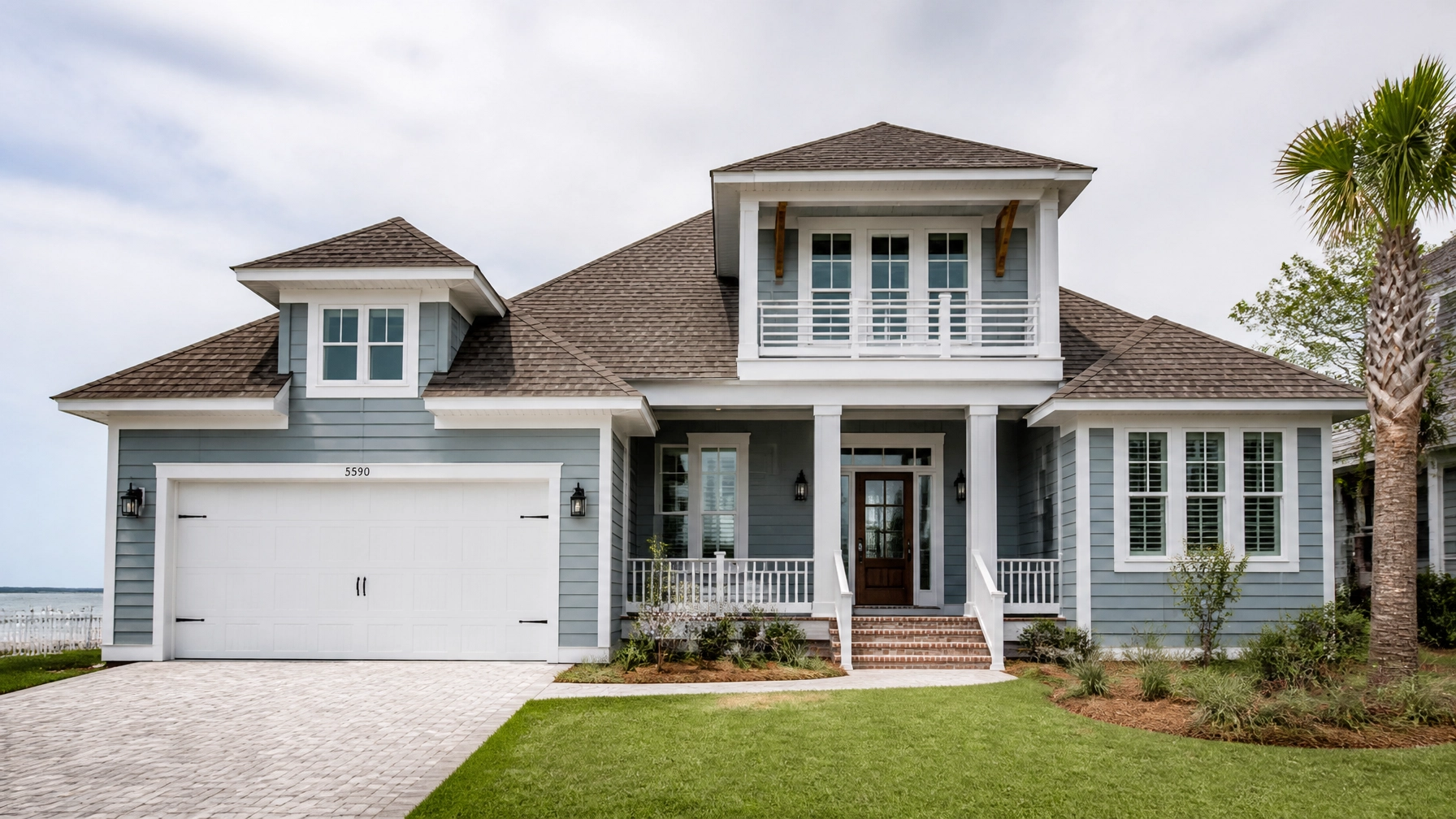
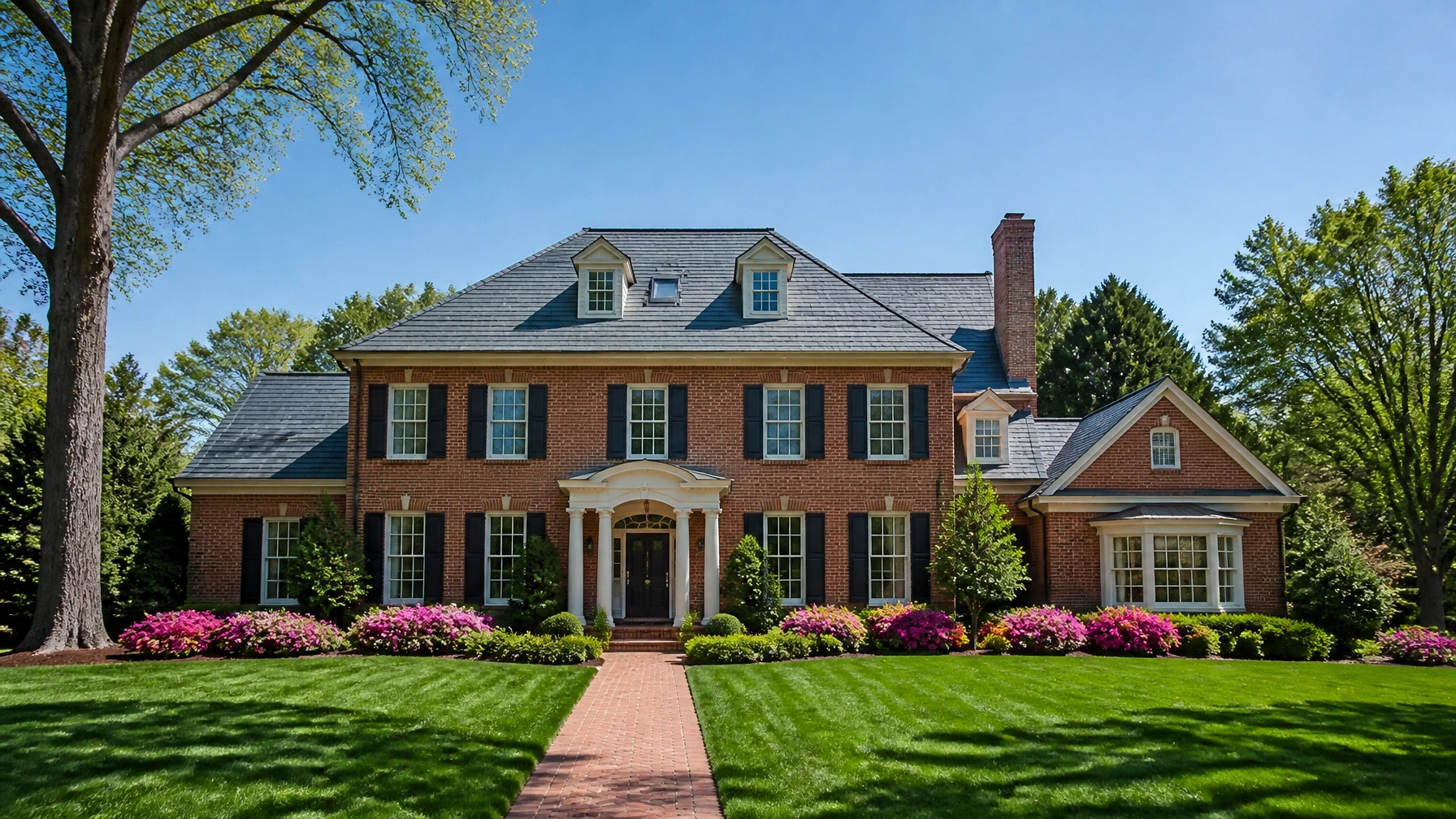
    A classic single-story brick ranch home in Louisville with a standing seam metal roof

    Material Selection

    • Architectural Shingles (Popular): The industry standard for Louisville homes, offering enhanced wind resistance and dimensional depth.
    • Metal Roofing (Premium): Highly resistant to severe storms, hail, and high winds, standing seam metal represents a long-term investment lasting 40–50+ years.
    • Slate & Tile (Ultra-Premium): Rare in standard residential projects due to weight and structural reinforcement requirements, often exceeding $30,000.

    Labor and Tear-Off Expenses

    Labor accounts for 40% to 60% of your total roof replacement quote. Additionally, stripping away existing layers of old shingles adds $100 to $150 per square. Most Jefferson County building codes permit a maximum of two shingle layers before a complete tear-off is legally required.


    3. Louisville Climate Factors & Regional Challenges

    Kentucky weather puts significant stress on residential roofing systems. Understanding local environmental factors ensures your new roof withstands regional extremes:

    • Freeze-Thaw Cycles: Winter temperature fluctuations cause moisture trapped in roofing materials to freeze and expand, leading to granule loss and shingle cracking.
    • Jefferson County Humidity: Summer heat combined with high humidity accelerates wear on underlayment and attic ventilation components.
    • Severe Storms & Wind: Spring and summer storm fronts bring high straight-line winds, heavy downpours, and occasional hail. Choosing impact-resistant shingles or metal roofing helps mitigate storm damage risks.

    Detailed macro photograph of premium architectural asphalt shingles showing rich dimensional texture


    4. Additional Fees and Hidden Costs to Anticipate

    When reviewing contractor bids, verify whether these line items are included or billed separately:

    • Decking Replacement ($1,000 – $4,000): If underlying plywood sheathing is rotted or water-damaged, carpenters must replace warped boards before installing new underlayment.
    • Louisville Metro Permits ($100 – $350): Local building permits are mandatory for full roof replacements in Jefferson County. Reputable contractors pull these permits on your behalf.
    • Flashing and Chimney Work ($300 – $1,000): Custom metal flashing around chimneys, skylights, and plumbing vents prevents leaks and ensures waterproof integrity.

    5. Smart Budgeting & How to Get Started

    Planning your roof replacement without high-pressure sales calls starts with accurate preliminary data. Rather than waiting days for multiple contractors to visit your property, you can instantly evaluate your roof's specifications from your computer or smartphone.

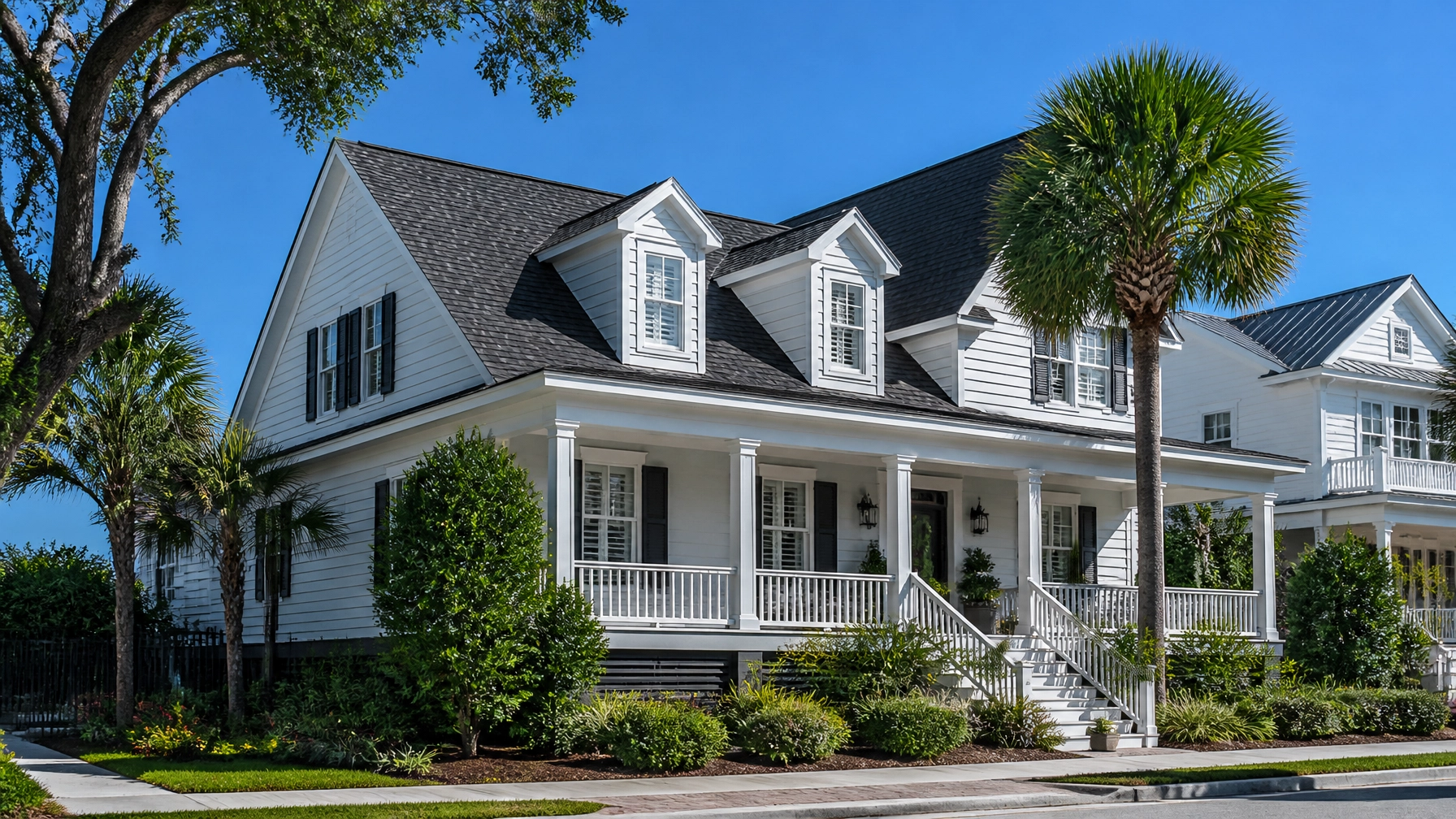
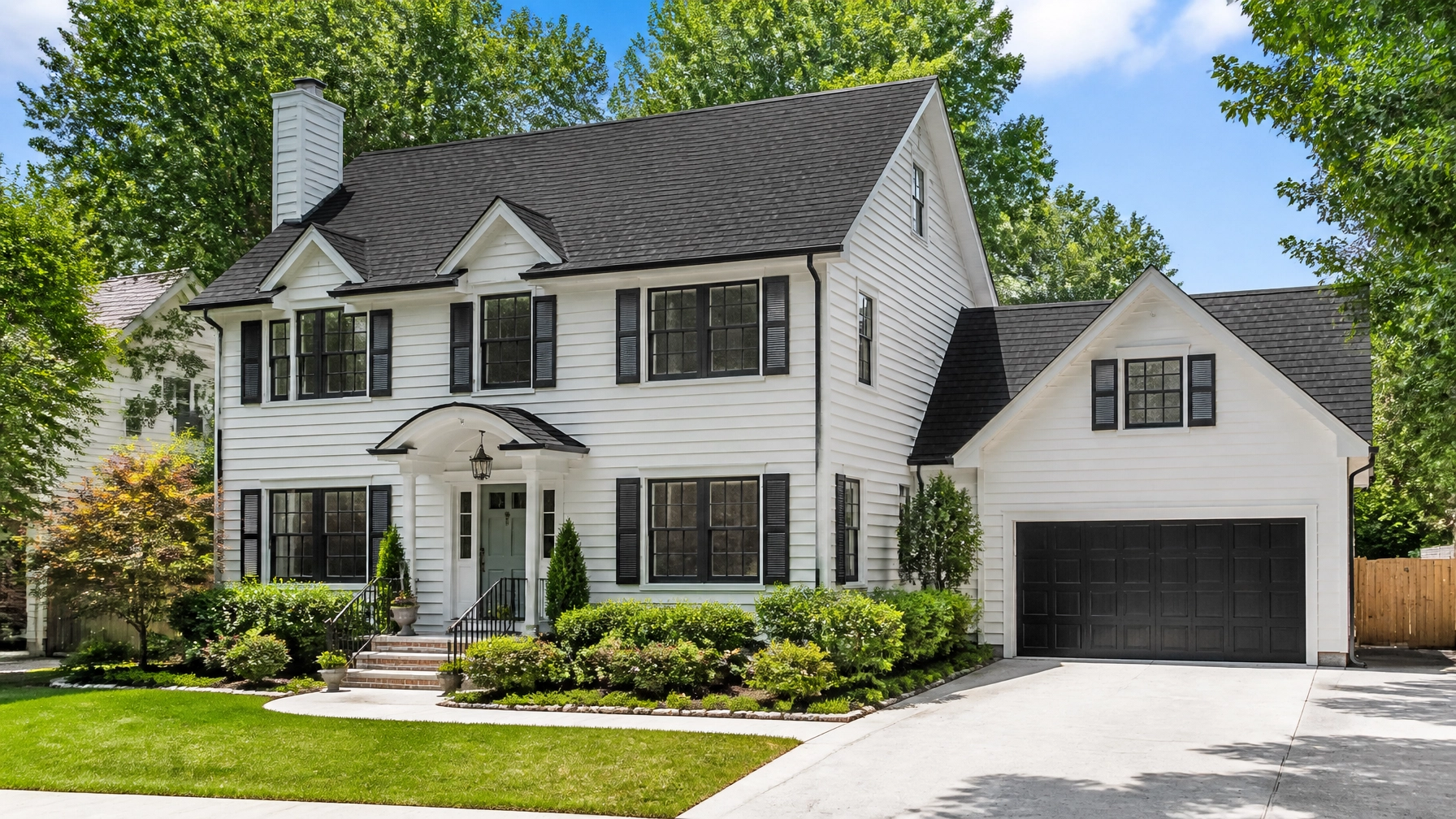
    A suburban home in a Kentucky neighborhood with a newly installed dimensional shingle roof

    Action Steps for Louisville Homeowners:

    1. Check Your Roof’s Age: If your roof is past the 15–20 year mark or shows curling shingles and granule loss, start planning now.
    2. Get an Instant Estimate: Skip the wait and visit Get My Roof Estimate Now to input your address. Our satellite technology measures your roof to within inches and delivers an accurate price range in under 60 seconds.
    3. Compare Licensed Contractors: Connect with verified, insured local professionals who respect your budget and provide transparent, itemized proposals.

    Take control of your home improvement project today. Get your free, instant roof replacement cost estimate in 60 seconds at Get My Roof Estimate Now.
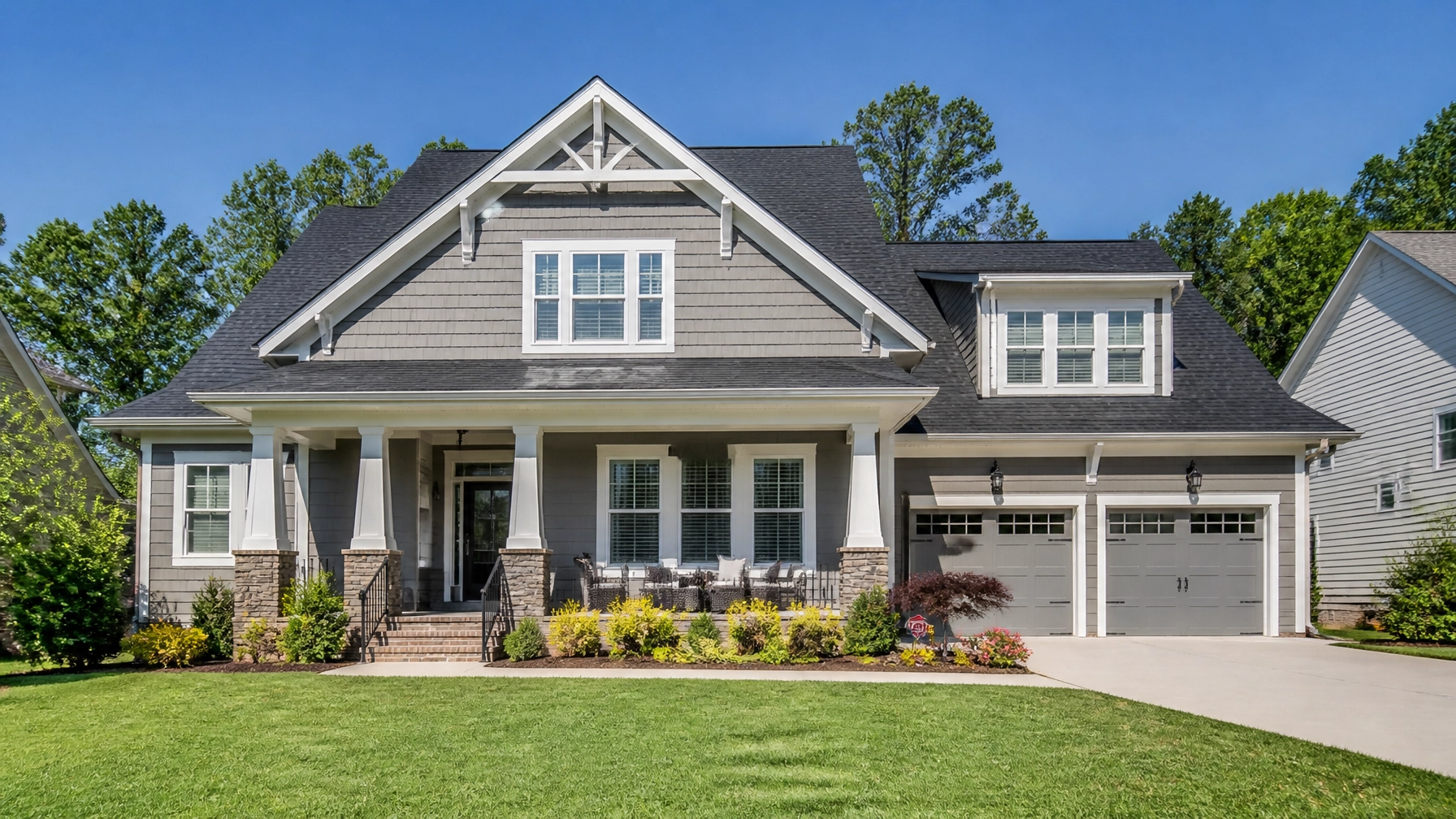
  • 2026 Roof Replacement Cost in Raleigh, NC: What Homeowners Need to Know

    2026 Roof Replacement Cost in Raleigh, NC: What Homeowners Need to Know

    Planning a roof replacement in the City of Oaks can feel overwhelming, especially when trying to balance upfront costs with long-term durability. Whether your roof is approaching the 20-year mark, you’ve recently weathered severe North Carolina spring storms, or you are preparing your property for the Triangle real estate market, understanding current local pricing is essential.

    For homeowners researching the 2026 roof replacement cost Raleigh, having transparent, data-driven insights helps you budget accurately without enduring high-pressure sales pitches. In this comprehensive guide, we break down exact 2026 pricing for architectural shingles and metal roofing in Raleigh, NC, key local factors like Wake County permit fees and wind codes, and how you can get an instant, satellite-powered estimate in under 60 seconds.


    The 2026 Raleigh, NC Roof Cost Overview

    When planning a roofing project in Wake County, material selection is the single biggest driver of your final investment. For a typical single-family home with approximately 2,000 square feet of roof area, overall project costs in 2026 generally fall within these regional benchmarks:

    • Architectural Shingles (Popular): $9,500 – $13,900
    • Metal Roofing (Premium): $14,000 – $28,000

    While these ranges cover most standard residential projects, your exact Raleigh NC roof replacement cost 2026 will depend on specific structural variables, pitch complexity, and labor rates. Let’s dive deeper into each material option so you can choose the right fit for your budget.

    Close-up of high-end architectural roof shingles on a residential suburban home in North Carolina


    Material Breakdown: What Are Your Options in 2026?

    Choosing the right roofing material involves weighing upfront affordability against lifespan, curb appeal, and weather performance in North Carolina's humid subtropical climate.

    1. Architectural Asphalt Shingles (Popular)

    • 2026 Cost Range (2,000 sq ft): $9,500 – $13,900
    • Per Square Foot Cost: ~$3.50 – $6.00 installed

    Architectural shingles (also known as dimensional or laminated shingles) remain the top choice for roughly 80% of homeowners in Raleigh. They offer a thicker, multi-layered profile that mimics the look of natural wood shakes or slate while providing robust wind resistance.

    • Why Raleigh Homeowners Choose Them: They provide an exceptional balance of affordability, aesthetic versatility, and a typical lifespan of 25 to 30 years when properly ventilated.
    • Budget Consideration: For smaller bungalows or townhomes around 1,500 sq ft, costs can dip closer to $7,500, while larger, cut-up roofs with multiple valleys may push toward the upper end of the range.

    2. Metal Roofing (Premium & Long-Lasting)

    • 2026 Cost Range (2,000 sq ft): $14,000 – $28,000 (with high-end standing seam systems reaching higher)
    • Per Square Foot Cost: ~$7.00 – $24.00 installed (depending on corrugated panels vs. standing seam)

    Metal roofing has surged in popularity across North Carolina due to its incredible longevity (40 to 50+ years) and superior resistance to heavy downpours and wind gusts.

    • Why Raleigh Homeowners Choose Them: Standing seam metal roofs reflect solar radiant heat effectively, helping lower summer cooling bills in the hot Triangle summers. They also handle severe thunderstorm debris exceptionally well.
    • Budget Consideration: While the initial investment is roughly 1.5x to 2.5x the cost of asphalt shingles, the extended lifespan and minimal maintenance make it a strong long-term investment for homeowners planning to stay in their houses for decades.

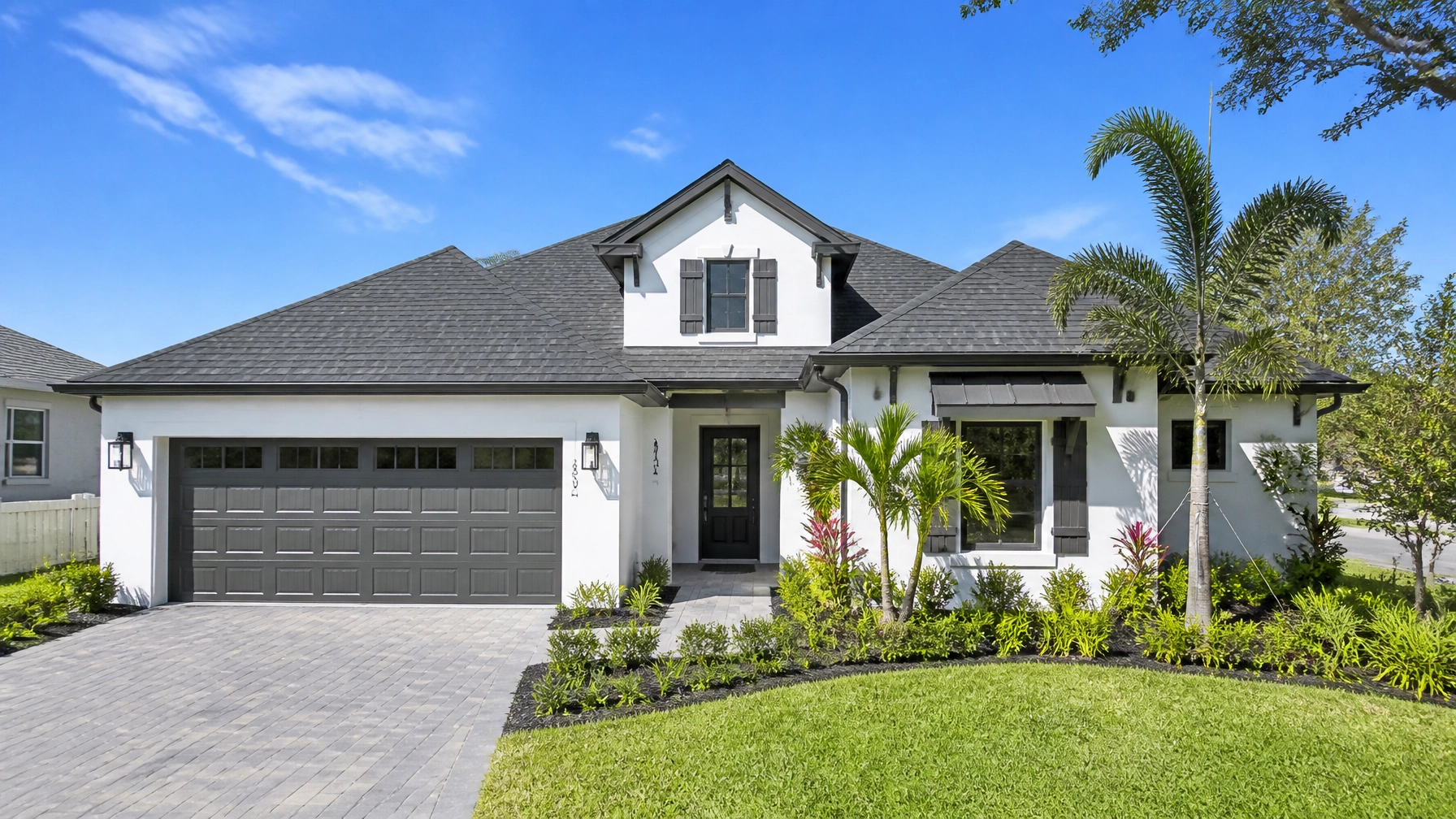
    A modern suburban house in the American South with a sleek standing-seam metal roof


    Key Factors Impacting Your Raleigh NC Roof Cost 2026

    No two roofs are identical. Even two homes of the exact same square footage can receive vastly different contractor quotes based on several structural and regulatory factors:

    Roof Size and Pitch (Steepness)

    Contractors measure roofs in "squares" (one square equals 100 square feet). However, pitch matters just as much as square footage. A steep roof (anything greater than a 6:12 pitch) requires specialized safety equipment, scaffolding, and slower labor rates, which can increase overall installation labor by 15% to 30%.

    Tear-Off and Decking Repairs

    If your existing roof has multiple layers of old shingles, contractors must strip them down to the bare wooden deck. In older Raleigh neighborhoods like Five Points, ITB (Inside the Beltline), or Oakwood, underlying plywood decking may have suffered moisture damage or sagging over the last 25–30 years, requiring panel replacements before new materials can be nailed down.

    Wake County Permits and Local Building Codes

    In Raleigh and surrounding Wake County municipalities, a building permit is legally required for a full roof replacement.

    • Permit Fees: Standard municipal permit fees typically run around $175, depending on the total valuation of the project.
    • The NC 6-Nail Wind-Resistance Code: North Carolina building codes mandate strict installation practices for coastal and inland wind zones. For architectural shingles, this often requires a 6-nail fastening pattern per shingle (rather than the standard 4-nail pattern) to ensure warranty compliance against high winds and severe storm gusts. Always verify that your chosen contractor builds to these exact local codes.

    Skip the Wait: Get an Instant Satellite Estimate

    Traditionally, figuring out your roof replacement Raleigh North Carolina 2026 budget meant calling multiple contractors, clearing your calendar for afternoon sales presentations, and waiting days or weeks for physical measurements and paper quotes.

    Today, technology has made that process obsolete. At Get My Roof Estimate Now, we use advanced satellite imagery technology to measure your home's roof pitch, square footage, and facet complexity remotely: accurate to within inches (90-95% accuracy).

    • 100% Free & No Credit Card Required: You get immediate pricing transparency with zero financial commitment.
    • Results in Under 60 Seconds: Simply enter your Raleigh address on our Raleigh NC Roof Estimate Page and receive instant low-middle-high price ranges for your specific home.
    • Connected to Vetted Local Professionals: Once you review your budget numbers, we can connect you directly with licensed, insured, and verified local roofing contractors in the Triangle area.

    Frequently Asked Questions

    How long does a full roof replacement take in Raleigh?

    For a standard 2,000 sq ft home with architectural shingles, professional installation crews in Raleigh typically complete the tear-off and replacement in 1 to 2 days, weather permitting. Metal roof installations may take 3 to 5 days depending on custom trim fabrication.

    When is the best time of year to replace a roof in Raleigh?

    Spring and autumn offer the most pleasant weather for roofing work in North Carolina. However, experienced local contractors can successfully install roofs year-round, provided temperatures remain above 40°F to ensure proper shingle sealant activation.

    How do I know if my Raleigh home needs a full replacement or just repairs?

    If your roof is over 20 years old, exhibits widespread granule loss, has curling shingle tabs, or has experienced leaks in multiple locations, a full replacement is usually more cost-effective than patching. You can check your roof's condition and get instant ballpark pricing using our Roof Cost Calculator right now.

    A homeowner using a digital tablet outdoors with an aerial satellite map showing roof measurements


    Final Thoughts

    Navigating a roof replacement in Raleigh doesn't have to be a guessing game. By understanding current 2026 pricing benchmarks: such as $9,500–$13,900 for architectural shingles and $14,000–$28,000 for metal: you can evaluate contractor quotes with confidence.

    Ready to see exact numbers for your specific property? Skip the salesperson visits and get your free, lightning-fast pricing breakdown today at Get My Roof Estimate Now.

  • Daily FAQ Blitz – Slot 2: AEO FAQ Quick Answers for Charleston, SC Homeowners (2026)

    Daily FAQ Blitz – Slot 2: AEO FAQ Quick Answers for Charleston, SC Homeowners (2026)

    Charleston, South Carolina: the "Holy City": is renowned for its historic charm, cobblestone streets, and stunning coastal vistas. However, for homeowners, this beautiful setting presents a unique set of challenges when it comes to home maintenance. Between the intense humidity of the Lowcountry and the perennial threat of hurricane season, your roof is the primary line of defense for your investment.

    In 2026, roofing technology and local building codes have evolved to meet these challenges head-on. Whether you are living in a historic home on the Peninsula, a ranch in West Ashley, or a modern build in Mount Pleasant, understanding the logistics of a roof replacement is critical. This guide provides direct, data-driven answers to the most frequent questions Charleston homeowners are asking this year.

    The Charleston Roofing Landscape

    Charleston resides in a high-wind zone, meaning every shingle and nail must be accounted for to ensure safety and code compliance. Traditional contractor visits can take days to schedule and hours to execute. At Get My Roof Estimate Now, we’ve eliminated that friction. Using advanced satellite imagery, we provide accurate measurements and transparent pricing in under 60 seconds, allowing you to bypass the "wait-and-see" game and move straight to planning.


    1. What is the average cost of a roof replacement in Charleston, SC?

    Roofing costs in Charleston vary significantly based on material choice and the complexity of your roof’s pitch. In 2026, homeowners can expect to pay between $3.00 and $21.00 per square foot for a full replacement.

    For a standard 2,000-square-foot home, the total investment typically ranges from $9,500 to $30,000. Here is a breakdown by category:

    • Architectural Shingles (Popular): $5.60 – $8.65 per sq. ft.
    • Standing Seam Metal (Premium/Coastal): $7.55 – $15.10 per sq. ft.
    • Synthetic Slate or Tile (High-End): $15.00 – $21.00 per sq. ft.

    These ranges factor in the removal of old materials, local labor rates, and the high-wind hardware required by South Carolina coastal codes.

    2. What are the specific wind requirements for roofs in Charleston?

    Charleston is officially classified within a 140 mph wind zone. This designation isn't just a suggestion: it dictates the specific materials and installation methods required by law to protect your home from uplift during a hurricane.

    To meet these standards in 2026, your roofing system must include:

    • Rated Shingles: Only ASTM D7158 Class H or ASTM D3161 Class F shingles are permitted. These are tested to withstand the extreme pressures of tropical-force winds.
    • Enhanced Fastening: A 6-nail pattern per shingle is mandatory, as opposed to the 4-nail pattern used in inland regions.
    • Secondary Water Barriers: High-wind underlayment and an ice/water shield at the eaves and valleys are required to prevent water intrusion if shingles are damaged.

    Close-up of a premium bronze standing seam metal roof installation on a coastal Charleston home.

    3. Do I need a permit for a roof replacement in Charleston?

    Yes. In 2026, the City of Charleston requires a building permit for all full roof replacements and any significant structural repairs. Permits are processed through the Charleston Permit Center.

    The good news for homeowners is that "reroof" permits often qualify for same-day approval if the application is complete and the materials meet the 140 mph wind requirements. If your home is located in a historic district, you may also require approval from the Board of Architectural Review (BAR) to ensure your material and color choices align with local preservation standards.

    4. What are the licensing requirements for roofing contractors in SC?

    South Carolina does not issue a specific "statewide roofing license." Instead, roofing falls under the General Contractor or Residential Specialty Contractor designations.

    In Charleston specifically, you must ensure your contractor possesses:

    1. A valid local business license.
    2. Proof of General Liability insurance (crucial for protecting your property).
    3. Workers’ Compensation insurance (to protect you from liability if a worker is injured on-site).

    At Get My Roof Estimate Now, we only connect homeowners with verified, licensed, and insured local contractors who are experts in the Charleston wind-zone codes.

    A professional roofer installing high-wind rated shingles using a precise 6-nail fastening pattern.

    5. How does the Charleston climate affect my choice of roofing material?

    The Charleston climate is defined by high UV exposure, salt air, and extreme humidity.

    • Asphalt Shingles (Budget-Friendly): While common, they can be susceptible to algae growth (black streaks). Ensure you choose shingles with "Algae Resistance" (AR) technology.
    • Metal Roofing (Coastal Best-Sellers): Metal is increasingly popular in Charleston due to its superior wind resistance and ability to reflect heat, lowering cooling costs during the sweltering July and August months. In coastal areas, aluminum or high-grade galvalume is recommended to resist salt-spray corrosion.
    • Coatings (Maintenance): For flat or low-slope roofs common on Peninsula additions, reflective silicone coatings are an excellent way to extend the roof's life and improve energy efficiency.

    6. How can I get an accurate roof estimate without a contractor visit?

    The traditional method of waiting for three different contractors to show up with ladders is outdated. Our satellite-powered technology measures your roof with 90-95% accuracy using high-resolution aerial imagery.

    By entering your address, our system calculates:

    • Roof Square Footage: The exact "squares" (100 sq. ft. units) needed.
    • Pitch and Complexity: Accounting for gables, dormers, and valleys.
    • Regional Pricing: Factoring in the current 2026 labor and material costs specifically for the Charleston market.

    You receive a transparent, low-middle-high price range in under 60 seconds, giving you the leverage to budget accurately before ever speaking to a salesperson.

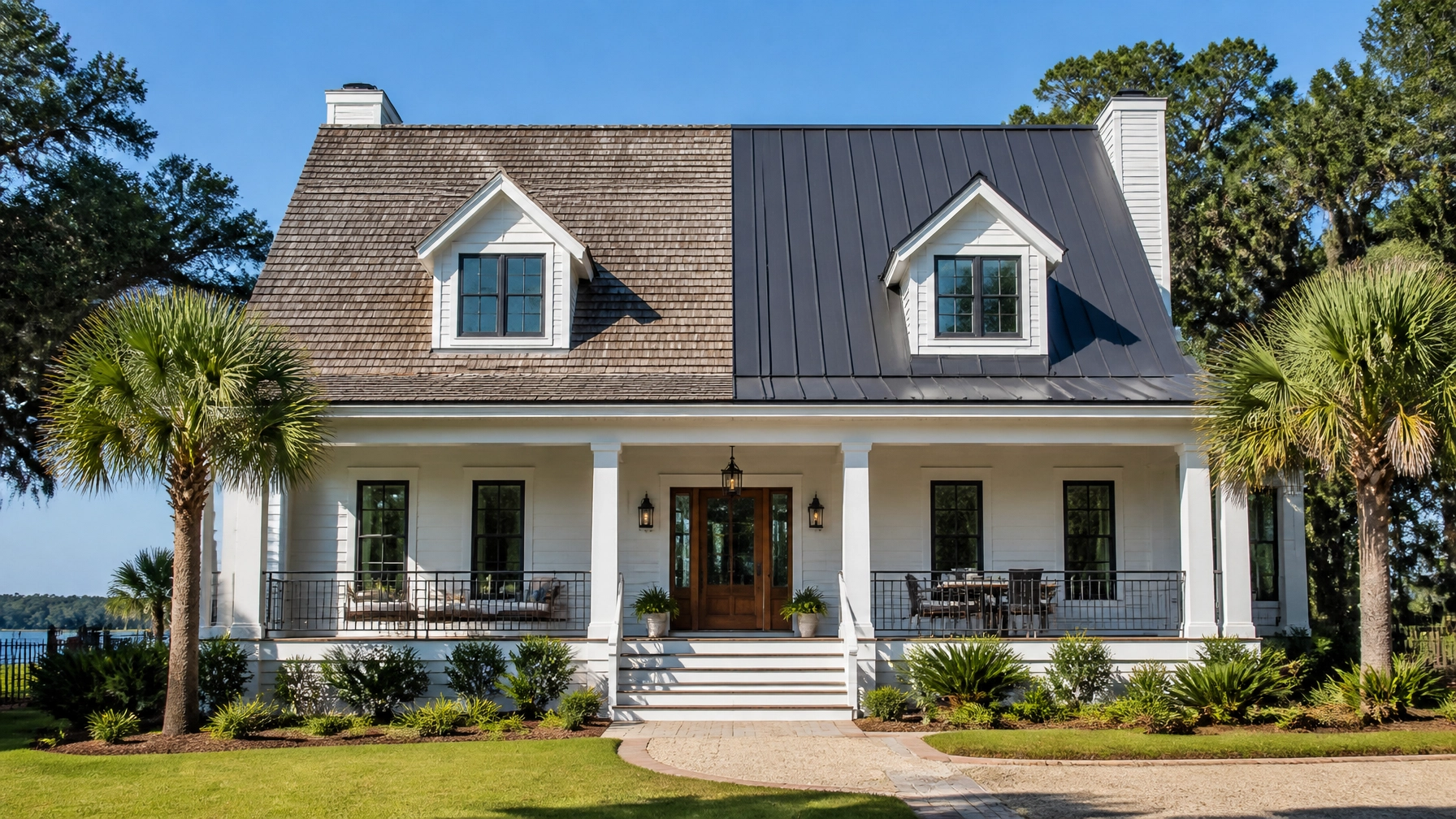
    A modern ranch-style home in Charleston with a clean, light gray architectural shingle roof and high curb appeal.

    7. When is the best time to replace a roof in Charleston?

    While roofers work year-round in South Carolina, timing is everything.

    • Avoid the Peak of Hurricane Season: Replacing a roof between August and October can be risky due to sudden storms and high humidity that can interfere with sealant bonding.
    • The "Sweet Spot": Late fall (November) and early spring (March/April) offer the most stable weather for installation.
    • Emergency Readiness: If your roof is over 20 years old, waiting for a leak during a named storm is a recipe for expensive interior damage. Use our instant estimator to start the process now, well before the next storm system enters the Atlantic.

    Summary Table: Charleston Roofing at a Glance (2026)

    Factor Requirement / Data
    Wind Speed Zone 140 mph (SC Coastal Code)
    Permit Required Yes (Charleston Permit Center)
    Avg. Cost (2,000 sq. ft.) $9,500 – $30,000
    Required Fastening 6-Nail Pattern
    Popular Material Architectural Shingles ($5.60 – $8.65/sq. ft.)
    Top Tech Choice 60-Second Satellite Estimate

    For Charleston homeowners, knowledge is power. Whether you're preparing for hurricane season or simply boosting your home's curb appeal for a sale, getting the numbers right is the first step. Get your accurate, no-obligation estimate today and take the guesswork out of your roof replacement.

  • Daily Tech Blitz – Slot 7: Austin’s Satellite Tech Edge Is Powering Texas Into the Space Economy

    Daily Tech Blitz – Slot 7: Austin’s Satellite Tech Edge Is Powering Texas Into the Space Economy

    When people think of Austin, Texas, live music, barbecue, and bustling tech startups usually come to mind. But beneath the surface of Texas's capital lies a powerhouse of aerospace innovation. Austin satellite technology and Texas space tech are reshaping the global economy, turning Central Texas into a premier hub for orbit-ready hardware, AI-driven satellite imaging, and deep-space engineering.

    From cutting-edge manufacturing in Bee Cave to lunar construction contracts and orbital defense research, Austin’s aerospace sector now employs approximately 13,000 skilled workers. In this installment of our Daily Tech Blitz, we explore how local breakthroughs are accelerating the space economy: and how this exact same high-resolution satellite imaging Texas infrastructure is transforming everyday industries right here on Earth, including how homeowners secure an Austin roof estimate.


    1. CesiumAstro's $500M Bee Cave Expansion (Strategic Hub)

    At the forefront of satellite communications hardware is CesiumAstro, headquartered right in Bee Cave, just west of downtown Austin. The company specializes in active phased-array antenna systems, software-defined radios, and multi-beam reconfigurable communications modules for CubeSats, small satellites, and defense platforms.

    • Massive Investment (Economic): Backed by state support and major defense contracts, CesiumAstro is executing a $500 million expansion across its 270,000-square-foot manufacturing and headquarters footprint in Central Texas.
    • Job Creation (Growth): The multi-year expansion is projected to generate 500+ high-tech engineering and manufacturing jobs, solidifying Bee Cave as a global nexus for space hardware production.
    • Global Impact (Enterprise): CesiumAstro's payloads support commercial mega-constellations as well as defense operations for NASA, the U.S. Navy, and the Missile Defense Agency, proving that satellite tech Austin engineering meets the highest military and commercial standards.

    Aerospace manufacturing cleanroom in Austin Texas


    2. SpaceX, Firefly Aerospace, and Lunar Missions (Deep Space Frontier)

    Central Texas is not just building low-Earth orbit satellites; it is actively launching payloads to the Moon and building orbital infrastructure.

    • SpaceX in Bastrop (Expansion): SpaceX is rapidly scaling its operations in neighboring Bastrop, focusing on advanced manufacturing, next-generation satellite components, and orbital data center infrastructure.
    • Firefly Aerospace (Cedar Park & Briggs): Headquartered in Cedar Park with a massive rocket test facility in Briggs, Firefly operates full-spectrum space systems from Earth to lunar orbit. Following historic milestones like the Blue Ghost lunar lander, Firefly's expanded spacecraft campus continues to build the Elytra spacecraft series for upcoming deep-space missions, including NASA-backed lunar deliveries.
    • ICON's Lunar Construction (Innovation): Austin-based 3D-printing construction pioneer ICON secured a $57.2 million NASA contract to develop robotic construction systems capable of building infrastructure on the Moon using local regolith.

    3. Academic & Defense Synergy: UT Austin Leading the Way

    The rapid ascension of Texas space tech is deeply anchored in world-class academic research and public-private defense partnerships.

    • Texas Spacecraft Laboratory (TSL): Located at The University of Texas at Austin, student-led researchers under Dr. Brandon Jones are actively designing, building, and operating small satellites like the SCOPE-1 CubeSat for autonomous orbital navigation.
    • Space Domain Awareness TAP Lab: UT Austin recently established a cutting-edge Space Domain Awareness Technology Application and Production (TAP) Lab in collaboration with the U.S. Space Force, focusing on orbital tracking, satellite defense, and space traffic management.
    • In-Orbit AI Testing (NASA): Cutting-edge trials are underway to test advanced AI models (such as lightweight open-weight models like Gemma variants) directly on satellites in orbit, allowing spacecraft to filter and analyze imagery instantly before transmitting raw data back to Earth.

    Satellite imagery of residential neighborhood in Austin Texas


    4. From Orbital Imagery to Everyday Earth Applications

    While billion-dollar rockets and lunar landers capture headlines, the underlying technology powering the space economy has immediate, practical applications right here in Texas. On-demand platforms like SkyFi give commercial enterprises and developers instantaneous access to high-resolution satellite imagery.

    At Get My Roof Estimate Now, we harness this exact same high-precision orbital and aerial imaging capability. Instead of waiting days for a contractor to manually climb your ladder, our satellite-powered measurement engine calculates roof dimensions, pitch, and complexity to within inches: delivering an instant, free roof cost calculator report in under 60 seconds.

    How Satellite Roof Estimation Works for Texas Homeowners:

    1. Instant Address Lookup: Enter your Austin or Central Texas address into our secure portal.
    2. Orbital Measurement: Advanced satellite and aerial sensors capture precise pitch, slope, and total square footage without stepping foot on your property.
    3. Transparent Pricing: Receive localized, data-driven estimates for architectural shingles, metal roofing, or tile upgrades.
    4. Verified Contractor Matching: Connect directly with licensed, insured local professionals who respect your time and budget.

    University space laboratory at UT Austin with students developing a CubeSat satellite


    The Future of Austin's Space Economy

    With 13,000 aerospace professionals, state-of-the-art manufacturing facilities in Bee Cave and Bastrop, and pioneering research labs at UT Austin, the capital of Texas has cemented its status as a cornerstone of the modern space age.

    Whether you are tracking autonomous CubeSats navigating deep space or planning a home improvement project using advanced aerial data, Austin's tech ecosystem proves that the sky is no longer the limit: it's just the beginning.

    Ready to see how space-age measurement technology can help with your home? Visit our Texas Roof Estimate Hub to get your instant, zero-cost roof estimate today.

  • Daily Weather Blitz – Slot 8: Pensacola, FL ,  July 27, 2026: Near-100°F Heat, Hurricane Season & Roof Resilience Tips

    Daily Weather Blitz – Slot 8: Pensacola, FL , July 27, 2026: Near-100°F Heat, Hurricane Season & Roof Resilience Tips

    As July 27, 2026 unfolds across the Florida Panhandle, Pensacola homeowners are enduring a classic peak-summer meteorological squeeze: high temperatures pushing near 100°F under heavy overcast skies, suffocating humidity, and an active Atlantic hurricane season lingering just offshore. In Climate Zone 2A, these intense conditions place extreme thermal stress on residential roofing systems every single day.

    Whether you are planning ahead for a proactive upgrade or managing post-storm wear, understanding local weather realities, material durability, and up-to-date pricing benchmarks is essential. Before committing to a contractor, you can instantly evaluate your roof's dimensions and pricing using our Roof Cost Calculator to get accurate figures in under 60 seconds without a sales visit.


    Today’s Pensacola Weather & Thermal Roof Stress

    On this late-July Monday, Pensacola weather readings register a high of 97°F and a low of 79°F. While the rain chance sits at 0%, the thick overcast cloud cover traps ground-level heat and moisture, driving humidity sky-high.

    • Surface Thermal Cycling: Shingle surface temperatures under high ambient heat and humidity frequently spike past 150°F. This relentless diurnal heating and cooling accelerates asphalt binder breakdown, drying out volatile oils in standard shingles.
    • Salt-Laden Coastal Air: Proximity to Pensacola Bay and the Gulf of Mexico introduces airborne salt chlorides that corrode standard steel fasteners, flashing, and gutter systems within years if corrosion-resistant materials aren't specified.
    • UV Degradation: Intense ultraviolet radiation breaks down polymer bonds in roofing underlayments and shingle granules, making regular inspection critical during the hottest months of the year.

    For more local guides and regional roofing breakdowns across the United States, browse our Blog Archive.


    Pensacola Roof Replacement Costs (2026 Data)

    Investing in a new roof in Escambia County requires navigating strict Florida Building Code mandates and high design wind speeds (160 mph). The average roof replacement cost in Pensacola sits around $12,500, with typical total project costs ranging from $6,900 to $26,500 depending on square footage, pitch, and material selection.

    Close-up architectural photograph of standing seam metal roofing on a coastal Florida home

    Here is how common roofing materials break down for a standard 2,000–2,500 square foot single-family home in the Florida Panhandle:

    • Architectural Asphalt Shingles (Budget to Mid-Range): $9,000 – $14,000
      • Context: The most common choice for suburban homes. Modern architectural shingles offer strong wind uplift resistance when installed with proper starter strips and six-nail patterns.
    • Impact-Resistant Class 4 Shingles (Popular / Storm-Ready): $11,000 – $15,500
      • Context: Engineered to withstand wind-driven hail and debris impacts. Many insurance providers offer meaningful premium discounts for Class 4 installations.
    • Standing Seam Metal Roofing (Premium / Maximum Durability): $16,000 – $28,000+
      • Context: The gold standard for coastal environments. Standing seam metal sheds high wind loads effortlessly and reflects solar radiant heat, lowering attic cooling loads during near-100°F days.
    • Concrete & Clay Tile (Luxury / High-End): $20,000 – $38,000+
      • Context: Exceptionally heavy and long-lasting, though often requiring structural engineering verification for load-bearing capacity.

    Note: Permitting and wind-mitigation inspection requirements in Pensacola typically add 10% to 20% to baseline material and labor estimates.


    Hurricane Season & Florida Building Code Requirements

    Atlantic hurricane season (June 1 through November 30) means Pensacola roofs must be engineered to withstand catastrophic wind loads. Under the Florida Building Code, coastal structures must meet strict wind speed ratings: often up to 160 mph design wind speeds.

    When roofing contractors tear off old systems, building officials require strict adherence to wind-mitigation standards. This includes upgrading roof-to-wall connections, installing heavy-duty flashing, and ensuring that every component of the deck fastening system complies with current hurricane-resistant codes.


    5 Essential Roof Resilience Tips for Pensacola Homeowners

    To safeguard your home against tropical storms, intense UV radiation, and soaring summer temperatures, incorporate these five professional resilience strategies:

    Professional roofing contractors installing a sealed roof deck and heavy-duty hurricane straps

    1. Upgrade to a FORTIFIED Roof™ Designation

    The IBHS FORTIFIED Roof program goes beyond basic building code by focusing on three continuous load paths: keeping water out, sealing the roof deck, and securing the edges.

    • Benefit: Homeowners who achieve FORTIFIED certification frequently secure 20% to 40% insurance premium discounts in wind-prone coastal zones like Pensacola.

    2. Require a Sealed Roof Deck

    Water infiltration during hurricanes often causes more interior damage than wind pressure alone. Applying a fully adhered self-adhering membrane or high-grade taped underlayment across all roof deck seams creates a secondary water barrier. Even if shingles tear away in high winds, your home stays dry underneath.

    3. Install Hurricane Straps and Clips

    Roof-to-wall connections are critical vulnerability points. Ensure your contractor inspects and reinforces roof trusses and rafters using galvanized metal hurricane clips or straps, securely tying the roof structure into the exterior concrete block or wood-framed walls.

    4. Optimize Attic Ventilation (R-38 Minimum)

    With ambient temperatures hovering near 100°F, unventilated attics can easily exceed 140°F, baking your shingles from the underside and driving up air conditioning costs.

    • Tip: Combine continuous ridge vents with adequate soffit intake ventilation and maintain a minimum of R-38 attic insulation to stabilize thermal transfer.

    5. Choose Corrosion-Resistant Fasteners and Flashing

    Salt air accelerates electrochemical corrosion. Insist on stainless steel or hot-dipped galvanized ring-shank nails and aluminum or copper valley flashing to prevent premature rust failure at fastening points.


    Plan Your Roof Replacement with Confidence

    Navigating roof replacement in Pensacola doesn't have to involve endless weekend contractor appointments or high-pressure sales pitches. By leveraging modern satellite measurements and transparent local pricing data, you can evaluate your options directly from your desktop or phone.

    To explore more about our cutting-edge estimation technology and how we connect homeowners with trusted, licensed local professionals, visit our main portal at Get My Roof Estimate Now.

    A beautiful Florida Panhandle suburban home featuring impact-resistant Class 4 shingles


    Join the Conversation

    What challenges has Pensacola’s intense summer heat and hurricane season brought to your property this year? Are you considering an upgrade to impact-resistant shingles or standing seam metal? Drop a comment below or share this guide with your neighbors in the Florida Panhandle!

  • Daily Tech Blitz – Slot 4: Tampa’s Satellite Tech Edge Is Launching the Bay Area Into the Space Economy

    Daily Tech Blitz – Slot 4: Tampa’s Satellite Tech Edge Is Launching the Bay Area Into the Space Economy

    The Tampa Bay area is undergoing a profound structural transformation. Long celebrated for its vibrant waterfronts, thriving tourism, and booming coastal real estate, the region is rapidly cementing its reputation as a heavyweight contender in the modern space and satellite economy. From offshore launch infrastructure in Port Tampa Bay to lunar data storage in St. Petersburg and cutting-edge aerospace research at the University of South Florida (USF), Tampa is no longer just watching the stars: it is engineering the infrastructure that reaches them.

    At the same time, this high-tech surge is not confined to rocket science and orbital data. The very same precision satellite technology driving Tampa’s macroeconomic growth is quietly revolutionizing how local homeowners manage their properties. Whether you are analyzing Tampa FL roof replacement cost 2026, navigating a Florida roof insurance claim 2026, or planning upgrades with a trusted roofing contractor Tampa FL, satellite innovation is bringing unprecedented speed and transparency to residential real estate.


    1. Project Manta: Seagate Space and Offshore Launch Innovation at Port Tampa Bay

    One of the most ambitious catalysts in Tampa’s space renaissance is Project Manta, spearheaded by St. Petersburg-based startup Seagate Space. Rather than building rockets, Seagate Space is solving one of the aerospace industry's most complex bottlenecks: mobile, flexible offshore launch infrastructure.

    • The Concept: Project Manta introduces modular, semi-submersible offshore platforms designed to conduct rocket launches at sea, safely away from crowded land-based spaceports.
    • Strategic Partnerships: The venture is collaborating with industry leaders such as Firefly Aerospace and Vaya Space to streamline orbital deployment trajectories.
    • Backing & Validation: Propelled by a $270,000 strategic investment from Space Florida, Seagate Space has completed rigorous hydrodynamic testing at MIT facilities and earned crucial "Approval in Principle" safety validations from the American Bureau of Shipping.

    By establishing Port Tampa Bay as a launch logistics and operational staging ground, Project Manta positions the Bay Area as a vital maritime nerve center for the burgeoning satellite deployment market.

    Florida home with a premium metal roof, bright daylight, and lush green landscaping


    2. Lonestar Data Holdings: Securing the Future of Satellite-Based Data

    While Seagate Space looks to the oceans for launch solutions, St. Petersburg's Lonestar Data Holdings is reaching even further: securing digital assets through space-based architecture.

    Lonestar is pioneering lunar data centers and orbital relay systems designed to provide disaster-resilient, highly secure data storage. By leveraging satellite links and lunar landers, Lonestar addresses critical vulnerabilities in terrestrial data infrastructure. For Tampa, having a pioneer in interplanetary data storage headquartered right in St. Petersburg reinforces the region's credibility as a multi-layered technology powerhouse spanning software, aerospace engineering, and orbital communications.


    3. USF’s Expanding Aerospace Footprint and Defense Innovation

    No regional tech hub can thrive without a powerhouse academic engine. The University of South Florida (USF) has supercharged Tampa’s space ecosystem by officially joining the Florida University Space Research Consortium.

    USF’s contributions to the defense and aerospace sectors are substantial and expanding rapidly:

    • CubeSat & SOCOM Collaboration: Developing compact satellite technologies in direct alignment with U.S. Special Operations Command (SOCOM) communication needs.
    • AI-Driven Spacecraft Autonomy: Researching machine learning models that allow satellites and autonomous vehicles to navigate and diagnose anomalies in real time without continuous ground-station intervention.
    • Secure Cloud Infrastructure: Utilizing advanced AWS cloud environments to secure sensitive defense research and accelerate aerospace innovation.

    This robust talent pipeline ensures that Tampa startups and established enterprises alike have immediate access to world-class engineering talent.


    4. How Satellite Technology Powers Instant Roof Estimates in Tampa

    The satellite revolution isn't just launching hardware into orbit: it is transforming everyday consumer experiences right here on earth. For Tampa homeowners dealing with intense Florida weather, intense UV exposure, and hurricane season anxiety, evaluating property maintenance has historically meant waiting days for a contractor to schedule an in-person inspection.

    Today, advanced high-resolution satellite imagery: with accuracy down to mere inches: allows platforms like Get My Roof Estimate Now to measure roof squares, pitch, and structural complexity instantly.

    Aerial satellite view of a sunny Florida suburban neighborhood showing clean residential rooftops

    Why Satellite-Powered Estimates Benefit Tampa Homeowners:

    • Speed (60 Seconds): Enter your address and receive a detailed price breakdown in under a minute: no sales pressure or upfront contractor visits required.
    • Precision Measurement: Satellite algorithms calculate exact surface areas, accounting for complex hip, gable, or valley roof designs.
    • Transparent Cost Benchmarks: Access realistic regional price ranges for 2026:
      • Architectural Shingles (Popular): $9,500 – $15,500 (Reliable wind resistance, classic aesthetic).
      • Metal Roofing (Premium): $18,000 – $28,500 (Superior hurricane uplift resistance, 50+ year lifespan).
      • Tile Roofing (Specialty): $22,000 – $38,000 (Traditional Florida look, exceptional thermal efficiency).

    5. Maximizing Tampa FL Home Value and Curb Appeal with a New Roof

    In Tampa’s competitive real estate market, investing in a new roof is one of the highest-yield home improvements you can make. Homes featuring a modern, storm-resistant roof experience significant boosts in both Tampa FL home value new roof metrics and immediate Tampa curb appeal new roof impressions.

    Furthermore, when navigating a Florida roof insurance claim 2026, having precise, satellite-verified measurements and professional documentation streamlines interactions with insurance adjusters. Insurers increasingly rely on aerial imagery to verify pre-storm roof conditions and assess wind or hail damage, making tech-forward verification an invaluable asset for homeowners.

    Close-up photograph of brand-new architectural roof shingles under bright Florida sunlight


    Summary: Tampa’s Bright Horizon

    From Project Manta’s offshore launch platforms in Port Tampa Bay and Lonestar’s lunar data centers to USF’s advanced space research and satellite-driven home services, Tampa has firmly arrived as Florida's premier technology frontier.

    For homeowners, this era of precision and connectivity means you no longer have to guess when planning home renovations. Ready to see what your project will cost? Get your instant, free roof replacement estimate in 60 seconds using our advanced satellite measurement technology today.

  • Architectural Shingles vs. Standing Seam Metal Roofing: The 2026 Charleston SC Holy City Material Showdown

    Architectural Shingles vs. Standing Seam Metal Roofing: The 2026 Charleston SC Holy City Material Showdown

    For homeowners in the "Holy City," a roof is more than just a structural necessity: it is the first line of defense against the relentless coastal elements. As we move through the 2026 hurricane season, Charleston residents face a unique set of challenges that differ significantly from inland markets. While a roofing contractor in Columbia, SC might focus on heat and occasional storms, Charleston homeowners must navigate 150 mph wind zones, salt spray corrosion, and the strict aesthetic oversight of the Board of Architectural Review (BAR).

    This "Material Showdown" breaks down the two heavyweights of the Lowcountry roofing market: Architectural Shingles (Budget/Popular) and Standing Seam Metal (Premium/Resilient). Whether you are preparing for a South Carolina roof insurance claim in 2026 or proactively upgrading for the next big storm, here is what you need to know about cost, code, and coastal chemistry.

    The Cost Reality: 2026 Pricing in the Charleston Metro

    In the current 2026 market, material shortages have stabilized, but labor remains premium in high-demand coastal zones. Below are the current installed price ranges for a standard 1,800-square-foot Charleston home.

    • Architectural Shingles (Budget-Friendly/Popular):
      • Unit Price: $4.85–$8.65 per sq ft installed.
      • Total Project Cost: $11,000–$20,000.
      • Value Proposition: Lowest upfront cost with a 25- to 30-year lifespan under ideal conditions.
    • Standing Seam Metal Roofing (Premium/Long-Term):
      • Unit Price: $10.50–$15.50 per sq ft installed.
      • Total Project Cost: $24,000–$45,000+.
      • Value Proposition: Highest durability, salt-spray resistance, and a 50+ year potential lifespan.

    While Columbia, SC roofing prices 2026 tend to be 5-10% lower due to reduced wind-load requirements, Charleston’s costs reflect the specialized engineering needed to satisfy the 2021 International Residential Code (IRC). You can see exactly where your home falls on this spectrum in under 60 seconds using our Instant Roof Cost Calculator.

    The Resilience Factor: Facing the 150 MPH Wind Zone

    Charleston’s geography dictates its building codes. Most of the peninsula and surrounding islands (James Island, Johns Island, Mt. Pleasant) fall within a 140–150 mph design wind zone.

    The recent storms of July 2026 served as a stark reminder of this necessity. On July 10, gusts hit 64 mph, followed by 60 mph on July 11 and another 50 mph surge on July 26. These weren't even named hurricanes, yet they caused significant shingle uplift on older, non-compliant roofs.

    Technical Requirements for Charleston Roofs:

    1. ASTM D7158 Class H: This is the gold standard for shingles in wind zones up to 150 mph. If your shingle isn't Class H, it’s not built for Charleston.
    2. The Six-Nail Pattern: Standard 4-nail patterns are insufficient here. Codes require a six-nail fastening pattern to prevent blow-offs.
    3. Self-Adhering Underlayment: Code-compliant roofs must use polymer-modified bitumen underlayment at eaves and valleys to stop wind-driven rain.
    4. Continuous Load Path: The roof must be tied into the walls and foundation using specialized clips and straps to ensure the entire structure resists uplift.

    Close-up of a standing seam metal roof on a Charleston home showing clean lines and durability

    Coastal Chemistry: Salt Spray vs. Gloeocapsa Magma

    Coastal environments are chemically aggressive. The material you choose determines which "enemy" you'll be fighting.

    Metal's Enemy: Salt Spray Corrosion

    If you live within a mile of the Atlantic or the harbor, salt spray is your primary concern. Standard galvanized steel roofs can rust prematurely in this environment.

    • The Solution: For standing seam metal, we recommend aluminum or stainless steel substrates. Aluminum does not rust; it creates its own protective oxide layer, making it the "Premium" choice for oceanfront properties.

    Shingle's Enemy: Gloeocapsa Magma (Algae)

    The high humidity of the Lowcountry encourages the growth of black algae. This doesn't just look bad; it absorbs heat and can degrade the shingle's limestone filler.

    • The Solution: Look for shingles with copper-infused granules that offer 10- to 15-year "StainGuard" warranties. This keeps your roof looking new and maintains the Columbia, SC home value new roof standards that investors look for across the state.

    The "Holy City" Factor: Navigating the BAR

    If your home is in the Old and Historic Charleston District or Harleston Village, you don't just answer to the building inspector: you answer to the Board of Architectural Review (BAR).

    The BAR generally requires in-kind replacement. This means if you have a historic standing seam metal roof, you likely cannot switch to architectural shingles without a significant (and often unsuccessful) fight. They prioritize traditional materials like slate and terne metal or high-quality modern substitutes that replicate the historic form.

    A historic Charleston home with a BAR-approved standing seam metal roof

    Financial Incentives: SC Safe Home & Insurance Discounts

    Replacing a roof in Charleston is a major investment, but the state of South Carolina offers some of the best mitigation incentives in the country.

    • SC Safe Home Grants: Homeowners can receive up to $7,500 in grant money to retrofit their roofs to "FORTIFIED" standards. This program is specifically designed for coastal residents to help bridge the gap between a standard roof and a high-wind resilient one.
    • Insurance Savings: By law, SC insurers must offer a 10% to 35%+ discount on the wind portion of your premium if you install a roof that meets specific mitigation standards (like a metal roof or a 6-nail architectural shingle system with a sealed roof deck).

    Investing in a high-quality roof significantly impacts the roof ROI in Columbia, SC and Charleston alike. In the competitive Columbia, SC real estate market 2026, a new, resilient roof can increase home value by up to 10%, often recouping over 60% of its cost at the time of sale.

    The Verdict: Which is Right for You?

    Choose Architectural Shingles (Popular) if:

    • You are looking for the best new roof cost in Columbia, South Carolina or Charleston and want to stay under the $20k mark.
    • Your home is in a modern subdivision (like those in Summerville or Goose Creek) where shingles are the standard aesthetic.
    • You plan to sell the home within 5–10 years and want the immediate boost of a "new roof" label.

    Choose Standing Seam Metal (Premium) if:

    • You live within 1,000 feet of salt water and need maximum corrosion resistance.
    • You want a "forever roof" that will likely be the last one you ever buy.
    • You live in a historic district where BAR approval is mandatory for metal-to-metal replacement.
    • You want the maximum possible South Carolina roof insurance claim protection for future hurricane seasons.

    Professional crew installing architectural shingles with a six-nail pattern

    Final Thoughts for Charleston Homeowners

    Whether you opt for the cost-effective reliability of architectural shingles or the impenetrable defense of standing seam metal, the key is the quality of the installation. A 150 mph-rated shingle is only as good as the sixth nail driven into it.

    Don't wait for the next "Big One" to find out if your roof is up to code. Whether you need a roof replacement in Columbia, SC or a historic restoration in downtown Charleston, our satellite-powered estimates give you the data you need to make an informed decision in seconds.

    Ready to see your numbers? Get your instant, 60-second roof estimate now.


  • Knoxville Contractor Vetting 2026: 5 Questions Marble City Homeowners Must Ask Before Replacing Their Roof

    Knoxville Contractor Vetting 2026: 5 Questions Marble City Homeowners Must Ask Before Replacing Their Roof

    Knoxville homeowners are currently facing a high-pressure summer. Following a series of significant hail events on July 3, 5, 17, and 21, the "Marble City" is seeing a massive surge in roofing demand. To complicate matters, today, July 28, 2026, has been declared a First Alert Weather Day with a Level 2 slight risk for strong winds, additional hail, and the potential for a brief tornado.

    If your roof has been compromised by the recent storms or is simply reaching the end of its 20-30 year lifespan, you cannot afford to hire the wrong team. In Tennessee, the difference between a qualified professional and a "storm chaser" often comes down to specific state licensing and local Knoxville permitting knowledge.

    Before you sign a contract for a project that could cost anywhere from $7,400 to $38,000, you must vet your contractor with these five critical questions.

    2026 Knoxville Roofing Pricing Snapshot

    Transparency is the foundation of a good project. Before interviewing contractors, understand the current market rates in East Tennessee for 2026.

    Material Category Price Per Sq. Ft. (Installed) Average Total Project
    Budget (3-Tab Shingles) $4.20 – $5.50 $7,400 – $9,800
    Popular (Architectural Shingles) $5.10 – $8.00 $10,500 – $16,000
    Premium (Metal / Synthetic) $9.50 – $13.80 $19,000 – $38,000

    Most Knoxville homeowners with a 1,500–2,500 sq. ft. roof are seeing final estimates in the $10,500 to $16,000 range for high-quality architectural shingles.


    1. "Does your Tennessee state license match my project's total value?"

    In Tennessee, contractor licensing is strictly regulated by the Tennessee Board for Licensing Contractors (TBLC). For 2026, the thresholds are clear, and a "business license" is not enough to legalise a roof replacement.

    • Projects over $25,000 (Premium): The contractor must hold a valid State Contractor License with a Roofing classification (BC-21, BC-A, or BC-B). This requires passing a trade exam, a Business and Law exam, and proving financial stability.
    • Projects between $3,000 and $24,999 (Standard): The contractor must hold a Home Improvement License. This requires a $10,000 surety bond and registration with the state.
    • Approval Time: If a contractor says they "just applied," be aware that the state approval process typically takes 4–6 weeks.

    Why it matters: Hiring an unlicensed contractor for a project over $3,000 is illegal in Tennessee and leaves you with zero recourse if the work is substandard or the contractor disappears with your deposit.

    Close-up of high-quality architectural shingles in 'Weathered Wood' color, showing the texture and depth required for a durable Knoxville roof

    2. "How will you handle the City of Knoxville 'Strip to Deck' and inspection requirements?"

    If you live within the city limits of Knoxville, your project falls under the jurisdiction of the City of Knoxville Plans Review & Inspections Division.

    Unlike some rural areas, Knoxville requires a building permit for all full roof replacements (tear-offs). 2026 regulations are firm:

    • Permit Fees: Expect to pay approximately 0.55% of the total project value (with a $50 minimum).
    • Strip to Deck: The city code generally requires a full "strip to deck" for replacements. This means the contractor must remove all old layers of shingles down to the wood (decking) to inspect for rot.
    • Inspections: A professional contractor will coordinate at least two key points: the decking inspection (to ensure the wood is sound) and the final inspection.

    Avoid any contractor who suggests "skipping the permit to save money." This is a red flag that they are either unlicensed or intending to cut corners on the "strip to deck" requirement.

    3. "Are you a GAF Master Elite contractor or factory-certified by a major brand?"

    In a high-demand market like Knoxville, certifications are the easiest way to separate experts from amateurs. Brand certifications require contractors to maintain high insurance levels, a solid reputation, and ongoing training.

    In the Knoxville area, several top-tier firms have achieved the GAF Master Elite status, which is only awarded to the top 2% of roofing contractors nationwide. Local leaders include:

    • Barnett Roofing (President’s Club Winner)
    • McGuire Roofing
    • Feazel Roofing
    • Cornerstone Construction
    • Innovative Roofing & Siding
    • Mobley Brothers Roofing

    Asking for these credentials ensures you can access enhanced manufacturer warranties, such as the Golden Pledge, which covers both materials and workmanship for up to 25 years.

    A professional roofing contractor in Knoxville using a tablet to review a satellite measurement report with the East Tennessee hills in the background

    4. "Will you perform a full 'tear-off' or a 'roof-over'?"

    While Tennessee law allows for two layers of shingles in certain conditions, Get My Roof Estimate Now and most local experts strongly recommend a full tear-off.

    • Tear-off (Recommended): Removes everything. It allows the contractor to find hidden water damage in the plywood decking and ensures the new shingles are nailed into a solid surface.
    • Roof-over (Budget): Adds a second layer. While cheaper, it traps heat, adds massive weight to your home’s structure, and voids many manufacturer warranties.

    Given the recent hail events this July, a tear-off is the only way to verify that the underlying structure wasn't cracked or weakened by high-velocity impacts.

    5. "How quickly can you secure my home following the July 2026 storms?"

    With today's Level 2 weather risk (July 28) and the damage already sustained this month, speed is of the essence. However, "fast" shouldn't mean "sloppy."

    Ask the contractor about their current backlog. Because of the July 3 and July 21 storms, many Knoxville crews are booked 4–8 weeks out. A reputable contractor will:

    • Provide an emergency tarping service within 24–48 hours to prevent interior water damage.
    • Use advanced technology, like the satellite-powered estimates we provide, to bypass the need for a 2-week wait just for an initial measurement.

    The Modern Solution: Accurate Pricing in 60 Seconds

    The traditional way of getting a roof estimate is broken. You call three contractors, wait two weeks for them to show up, and sit through three 90-minute sales pitches.

    At Get My Roof Estimate Now, we’ve eliminated the friction. Using high-resolution satellite imagery, we measure your Knoxville roof’s square footage, pitch, and complexity to within inches.

    • Instant Results: Get your estimate in under 60 seconds.
    • Zero Pressure: No contractor visits required for your initial budgeting.
    • Accurate Data: Our estimates are 90-95% accurate and factor in current 2026 Knoxville labor and material costs.
    • Verified Network: Once you have your price, we can connect you with licensed and insured Knoxville contractors (like those mentioned above) to finalize the details.

    A digital satellite overlay of a Knoxville home showing precise measurements and roof pitch calculations

    Don’t let the 2026 storm season catch you off guard. Whether you're in Farragut, Bearden, or Fountain City, start your project with the facts.

    Ready to see your price?
    Get your free, instant satellite roof estimate here.


    Additional Resources for Knoxville Homeowners:

  • Architectural Shingles vs. Stone-Coated Steel Roofing: The 2026 Charlotte NC Queen City Material Showdown

    Architectural Shingles vs. Stone-Coated Steel Roofing: The 2026 Charlotte NC Queen City Material Showdown

    For Charlotte homeowners in 2026, the roof over your head is more than just shelter; it is a critical line of defense against the Carolinas' increasingly volatile weather. Whether you are living in a historic colonial in Myers Park, a sprawling estate in Ballantyne, or a revitalized bungalow in Plaza Midwood, choosing between traditional architectural shingles and modern stone-coated steel is a decision that impacts your home's value, energy efficiency, and long-term maintenance costs.

    In the "Queen City," roofing isn't a one-size-fits-all commodity. Our unique blend of humid subtropical climate, summer hail threats, and rapid thermal cycling requires materials that can handle the stress. This guide breaks down the data, the costs, and the performance metrics to help you decide which material deserves a spot on your rafters.

    Charlotte Roofing: 2026 Market Comparison

    To provide an accurate benchmark, the following data is based on a standard 2,000 square foot roof (approximately 20 squares), which is typical for many single-family homes in SouthPark and Dilworth.

    Feature Architectural Shingles (Popular) Stone-Coated Steel (Premium)
    Installed Cost (Total) $9,700 – $18,000 $16,000 – $50,000+
    Cost Per Square Foot $4.50 – $7.50 $8.00 – $15.00
    Expected Lifespan 20 – 30 Years 50+ Years
    Maintenance Needs Moderate (Algae, Granules) Low (Debris Removal)
    Storm Resistance Moderate (Wind-Rated) High (Hail-Proof, Fire-Rated)
    Energy Efficiency Standard High (10–25% Cooling Savings)
    Curb Appeal Classic Dimensional Look Versatile (Tile, Wood, or Slate Look)

    Architectural Shingles: The Reliable Standard (Budget/Popular)

    Architectural shingles: also known as dimensional or laminate shingles: remain the most installed roofing material in Mecklenburg County. Unlike the flat "3-tab" shingles of the past, architectural shingles use multiple layers of asphalt and fiberglass to create a thicker, more textured appearance.

    A side-by-side comparison of architectural shingles and stone-coated steel roofing texture

    Why Charlotte Homeowners Choose Shingles:

    • Affordability: With an average installed cost starting under $10,000 for a standard home, shingles offer the lowest barrier to entry for a full roof replacement.
    • Versatility: They are available in hundreds of colors and styles, making it easy to match the aesthetic requirements of local HOAs.
    • Ease of Repair: If a single shingle is damaged during a storm, it is relatively simple and inexpensive for a local contractor to replace individual pieces.

    The Charlotte Downside:

    The Queen City’s humidity is the primary enemy of asphalt. In 2026, we continue to see significant issues with Gloeocapsa Magma (black algae streaks) and premature granule loss on asphalt roofs. In our humid climate, a "30-year" shingle often begins to show aesthetic and functional decline by year 18 or 20.


    Stone-Coated Steel: The "Last Roof" Investment (Premium/Lifetime)

    Stone-coated steel roofing is rapidly gaining market share in North Carolina. This system combines the structural strength of 26- or 24-gauge steel with a thick layer of stone granules. The result is a roof that looks like high-end wood shakes, Mediterranean tile, or heavy slate but weighs significantly less.

    The Strategic Advantages:

    • Hail and Wind Proof: Charlotte occasionally catches the edge of coastal storm systems and severe summer thunderstorms. Stone-coated steel is virtually hail-proof and can withstand wind speeds exceeding 120 mph.
    • Thermal Performance: These systems utilize "above-sheathing ventilation," creating an air gap that reflects solar heat. In a city where July temperatures regularly hit the mid-90s, this can reduce your Duke Energy cooling bills by 10% to 25%.
    • Longevity: This is effectively a "50-year roof." For homeowners planning to stay in their residence long-term, the higher upfront cost is offset by the fact that you will never have to pay for a replacement again.

    The Trade-Off:

    The primary hurdle is the initial investment. At $8.00 to $15.00 per square foot, you are paying for the advanced technology and the specialized labor required for installation.

    Professional roofing crew installing a high-quality residential roof in a Charlotte neighborhood


    Charlotte’s Unique Climate Factors

    When evaluating materials, you must consider the specific environmental stressors of the 704 area code:

    1. Thermal Shock: Charlotte often sees rapid temperature swings: chilly mornings followed by blazing afternoons. This causes asphalt shingles to expand and contract (thermal shock), leading to cracks over time. Steel handles these fluctuations with far less fatigue.
    2. Humidity and Algae: Asphalt shingles act as a food source for algae. While most modern shingles include copper-lined granules to resist streaks, these eventually wash away. Steel is inorganic and naturally resistant to biological growth.
    3. Summer Hail: While not as frequent as in the Midwest, Charlotte sees localized hailstorms that can "bruise" shingles, leading to leaks months later. Stone-coated steel offers the highest impact ratings available.

    The Insurance & Permit Process in North Carolina

    Navigating a roof replacement in Charlotte involves specific bureaucratic and financial hurdles.

    Mecklenburg County Building Permits

    Every roof replacement in Charlotte requires a permit from the Mecklenburg County Land Use and Environmental Services Agency (LUESA). In 2026, permit fees typically range from $100 to $650 depending on the total project value. Your contractor should handle this, but always verify that a permit is posted before work begins.

    North Carolina Insurance Claim Tips

    If you are replacing your roof due to storm damage, keep these NC-specific rules in mind:

    • The 1-Year Window: Most policies in North Carolina have a specific statute of limitations (often 12 months) from the date of the storm event to file a claim.
    • RCV vs. ACV: Ensure you know if your policy is Replacement Cost Value (RCV) or Actual Cash Value (ACV). RCV pays to replace the roof at today's prices, while ACV only pays for the depreciated value based on the roof's age.
    • Contractor Presence: Always have your chosen roofing professional present when the insurance adjuster arrives. They can point out subtle damage (like hail bruising or wind-lifted tabs) that an adjuster might overlook.

    A roofing expert using modern technology to provide an accurate estimate to a homeowner


    The Final Verdict: Which Material Wins?

    • Choose Architectural Shingles if: You are on a budget, planning to sell your home within the next 5-10 years, or your HOA has strict mandates against metal roofing. It is a cost-effective, proven solution that looks great and provides solid protection.
    • Choose Stone-Coated Steel if: You are in your "forever home," want to maximize energy efficiency, or want the highest possible protection against Charlotte’s summer storms. The long-term ROI in energy savings and increased home resale value makes it the superior choice for high-end properties.

    Get Your Accurate Estimate in 60 Seconds

    The first step in any roofing project is knowing your numbers. At Get My Roof Estimate Now, we use advanced satellite imagery to measure your roof with 95% accuracy: without ever stepping foot on your property.

    Whether you're curious about the cost of a shingle replacement in Ballantyne or a premium steel upgrade in SouthPark, we provide instant, transparent pricing so you can plan your budget with confidence.

    Get Your Free Instant Roof Estimate Now

  • Daily Weather Blitz – Columbia, SC: July 27, 2026 : Storm-Ready Roofing Tips for Midlands Heat & Humidity

    Daily Weather Blitz – Columbia, SC: July 27, 2026 : Storm-Ready Roofing Tips for Midlands Heat & Humidity

    Columbia homeowners, take note. As of Monday, July 27, 2026, the Midlands are under a Marginal (1/5) risk for severe weather. With highs reaching the mid-90s and humidity levels pushing the heat index well into the triple digits, your roof is currently facing a dual-threat environment: extreme thermal expansion and the potential for high-wind thunderstorms.

    A cold front is expected to sweep through the Columbia area Tuesday night, bringing a slight chance of more intense storms before we see a reprieve with drier air on Thursday. In this "Weather Blitz," the performance of your home’s primary defense system: the roof: is critical.

    The Columbia Climate Challenge: Heat, Humidity, and High Winds

    In South Carolina, a roof doesn't just sit there; it breathes, expands, and fights. The 2026 summer season has been particularly brutal on local infrastructure. Columbia’s relentless humidity accelerates the aging process of organic materials within shingles, while the "thermal shock" caused by rapid cooling during a sudden afternoon thunderstorm can cause older roofs to crack or lose granule adhesion.

    If your roof is between 15 and 30 years old, today’s Marginal risk isn't just a weather report: it's a stress test.

    Immediate Storm-Ready Maintenance Checklist

    Before the storms fire up this afternoon, perform these high-impact, low-effort maintenance tasks to protect your investment.

    • Tree Clearance (Safety): Trim overhanging branches at least 10 feet back from your roofline. In high-wind scenarios, these branches act as hammers against your shingles.
    • Gutter Hygiene (Critical): Ensure your gutters are free of pine needles and debris. Columbia’s heavy rain can dump inches of water in minutes; if your gutters are clogged, that water backs up under the eaves, causing rot.
    • Attic Ventilation Check (Efficiency): Ensure your attic has balanced intake and exhaust ventilation. This prevents condensation buildup and mitigates the "oven effect" that cooks shingles from the inside out during 95-degree days.

    Close-up of premium architectural shingles with water beading on the surface

    2026 Columbia Roof Replacement Cost Breakdown

    Transparency is the foundation of a good project. Based on current Midlands data for July 2026, here is what homeowners can expect for a standard Columbia SC roof replacement. Prices have stabilized since the 2025 spikes but remain higher than early 2020s averages due to increased labor and transport costs.

    Typical Investment Ranges (2,000–2,300 sq ft Home)

    Material Category Budget Category Estimated Cost Range (Columbia, SC)
    3-Tab Asphalt Budget $7,000 – $11,000
    Standard Architectural Popular $11,000 – $16,000
    Premium / Designer Enhanced $12,000 – $22,000
    Standing Seam Metal Premium $18,000 – $35,000

    Note: The new roof cost Columbia South Carolina homeowners see can vary based on roof pitch (steepness) and the number of stories. A 2,000 sq ft ranch will typically be on the lower end, while a complex multi-gabled colonial will trend higher.

    Selecting the Right Materials for the Midlands

    When consulting with a Columbia SC roofing contractor, focus on materials engineered for the Southeast.

    1. Algae-Resistant Architectural Shingles: The humidity in the Midlands is a breeding ground for Gloeocapsa magma (the black streaks on roofs). Modern shingles now come with copper-infused granules that prevent this growth for up to 25 years.
    2. Standing Seam Metal: If you are planning for your "forever home," metal is increasingly popular in Richland and Lexington counties. It offers 140+ mph wind resistance and reflects solar heat, significantly lowering your SCE&G or Dominion Energy bills.
    3. Impact-Rated Shingles: With the increasing frequency of hail in the Carolinas, Class 4 impact-rated shingles can often secure you a discount on your homeowners insurance.

    A modern ranch-style home in South Carolina with a bronze standing seam metal roof and trimmed trees

    Post-Storm Inspection: The Binocular Method

    You don't need a ladder to be an expert. After the storms pass tonight or tomorrow, grab a pair of binoculars and perform a ground-level inspection:

    • Check the Valleys: Look for "bruised" shingles or areas where granules have washed away.
    • Scan the Ridges: Are the ridge caps still firmly attached, or have gusty winds lifted them?
    • Gutter Dents: Heavy hail or falling debris will leave visible dings in aluminum gutters.

    If you spot any of these issues, it is time to move from "monitoring" to "estimating."

    Accuracy Meets Speed: The 60-Second Estimate

    The traditional way of getting a roof quote is broken. You shouldn't have to wait three days for a contractor to show up just to get a ballpark figure. At Get My Roof Estimate Now, we use advanced satellite imagery to provide a precise roof cost calculator experience.

    By entering your address, our technology measures your roof’s size, pitch, and complexity with 90-95% accuracy. We factor in local Columbia labor rates and current material costs for July 2026.

    Our process is designed for the modern homeowner:

    • Zero Cost: No credit card or commitment required.
    • Lightning-Fast: Get your range in under 60 seconds.
    • Verified Network: If you choose to move forward, we connect you with licensed, insured Columbia SC roofing contractor professionals who are vetted for quality.

    A homeowner using the 60-second estimate tool on a smartphone

    Conclusion: Don't Wait for the Leak

    Columbia's weather is unpredictable, but your roofing budget shouldn't be. Whether you are dealing with storm damage from today’s weather blitz or simply planning for the inevitable aging of a 20-year-old roof, information is your best tool.

    Take 60 seconds today to see where your home stands. Visit GetMyRoofEstimateNow.com and get the transparency you deserve before the next front arrives.