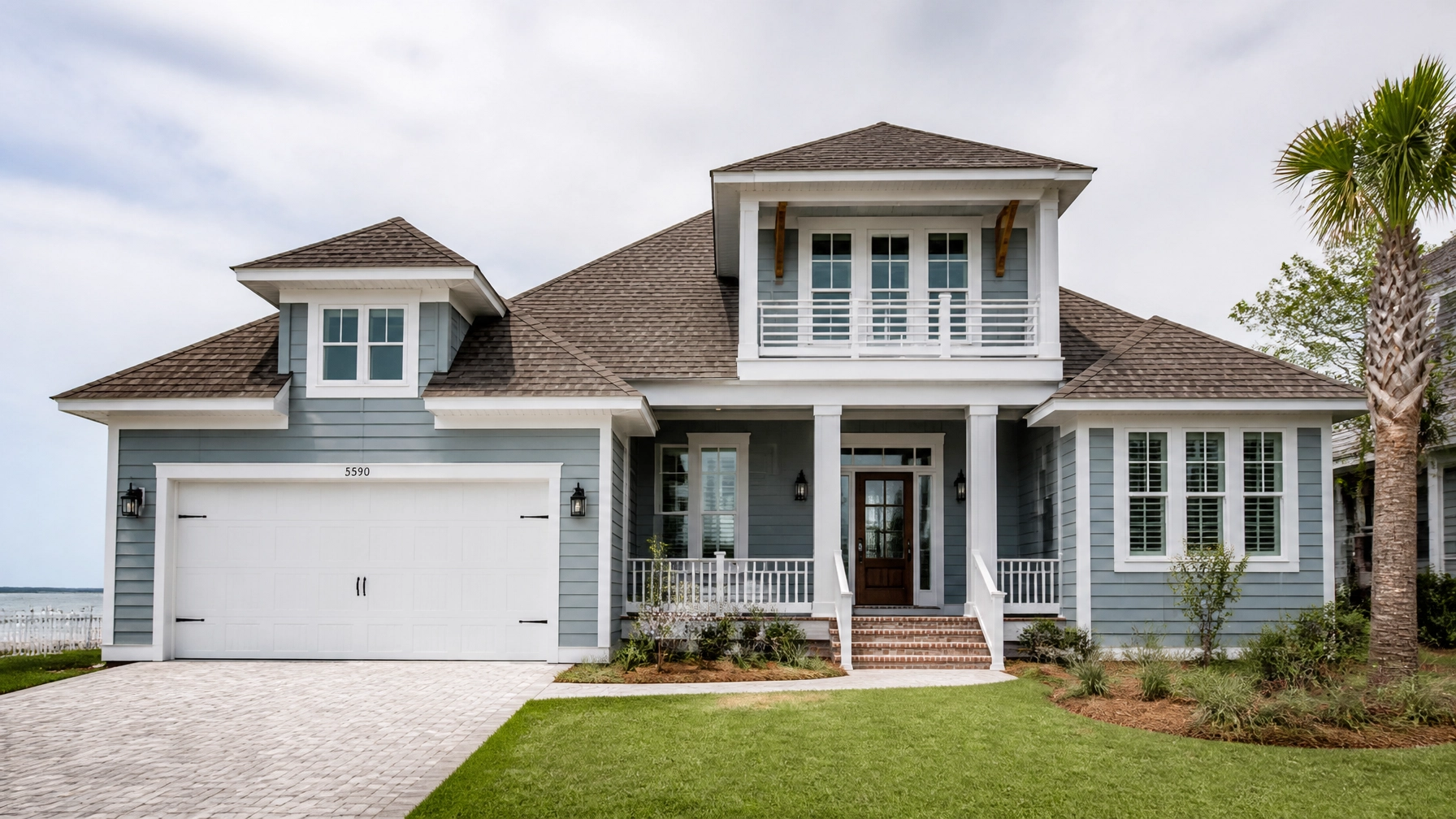
As July 27, 2026 unfolds across the Florida Panhandle, Pensacola homeowners are enduring a classic peak-summer meteorological squeeze: high temperatures pushing near 100°F under heavy overcast skies, suffocating humidity, and an active Atlantic hurricane season lingering just offshore. In Climate Zone 2A, these intense conditions place extreme thermal stress on residential roofing systems every single day.
Whether you are planning ahead for a proactive upgrade or managing post-storm wear, understanding local weather realities, material durability, and up-to-date pricing benchmarks is essential. Before committing to a contractor, you can instantly evaluate your roof's dimensions and pricing using our Roof Cost Calculator to get accurate figures in under 60 seconds without a sales visit.
Today’s Pensacola Weather & Thermal Roof Stress
On this late-July Monday, Pensacola weather readings register a high of 97°F and a low of 79°F. While the rain chance sits at 0%, the thick overcast cloud cover traps ground-level heat and moisture, driving humidity sky-high.
- Surface Thermal Cycling: Shingle surface temperatures under high ambient heat and humidity frequently spike past 150°F. This relentless diurnal heating and cooling accelerates asphalt binder breakdown, drying out volatile oils in standard shingles.
- Salt-Laden Coastal Air: Proximity to Pensacola Bay and the Gulf of Mexico introduces airborne salt chlorides that corrode standard steel fasteners, flashing, and gutter systems within years if corrosion-resistant materials aren't specified.
- UV Degradation: Intense ultraviolet radiation breaks down polymer bonds in roofing underlayments and shingle granules, making regular inspection critical during the hottest months of the year.
For more local guides and regional roofing breakdowns across the United States, browse our Blog Archive.
Pensacola Roof Replacement Costs (2026 Data)
Investing in a new roof in Escambia County requires navigating strict Florida Building Code mandates and high design wind speeds (160 mph). The average roof replacement cost in Pensacola sits around $12,500, with typical total project costs ranging from $6,900 to $26,500 depending on square footage, pitch, and material selection.

Here is how common roofing materials break down for a standard 2,000–2,500 square foot single-family home in the Florida Panhandle:
- Architectural Asphalt Shingles (Budget to Mid-Range): $9,000 – $14,000
- Context: The most common choice for suburban homes. Modern architectural shingles offer strong wind uplift resistance when installed with proper starter strips and six-nail patterns.
- Impact-Resistant Class 4 Shingles (Popular / Storm-Ready): $11,000 – $15,500
- Context: Engineered to withstand wind-driven hail and debris impacts. Many insurance providers offer meaningful premium discounts for Class 4 installations.
- Standing Seam Metal Roofing (Premium / Maximum Durability): $16,000 – $28,000+
- Context: The gold standard for coastal environments. Standing seam metal sheds high wind loads effortlessly and reflects solar radiant heat, lowering attic cooling loads during near-100°F days.
- Concrete & Clay Tile (Luxury / High-End): $20,000 – $38,000+
- Context: Exceptionally heavy and long-lasting, though often requiring structural engineering verification for load-bearing capacity.
Note: Permitting and wind-mitigation inspection requirements in Pensacola typically add 10% to 20% to baseline material and labor estimates.
Hurricane Season & Florida Building Code Requirements
Atlantic hurricane season (June 1 through November 30) means Pensacola roofs must be engineered to withstand catastrophic wind loads. Under the Florida Building Code, coastal structures must meet strict wind speed ratings: often up to 160 mph design wind speeds.
When roofing contractors tear off old systems, building officials require strict adherence to wind-mitigation standards. This includes upgrading roof-to-wall connections, installing heavy-duty flashing, and ensuring that every component of the deck fastening system complies with current hurricane-resistant codes.
5 Essential Roof Resilience Tips for Pensacola Homeowners
To safeguard your home against tropical storms, intense UV radiation, and soaring summer temperatures, incorporate these five professional resilience strategies:

1. Upgrade to a FORTIFIED Roof™ Designation
The IBHS FORTIFIED Roof program goes beyond basic building code by focusing on three continuous load paths: keeping water out, sealing the roof deck, and securing the edges.
- Benefit: Homeowners who achieve FORTIFIED certification frequently secure 20% to 40% insurance premium discounts in wind-prone coastal zones like Pensacola.
2. Require a Sealed Roof Deck
Water infiltration during hurricanes often causes more interior damage than wind pressure alone. Applying a fully adhered self-adhering membrane or high-grade taped underlayment across all roof deck seams creates a secondary water barrier. Even if shingles tear away in high winds, your home stays dry underneath.
3. Install Hurricane Straps and Clips
Roof-to-wall connections are critical vulnerability points. Ensure your contractor inspects and reinforces roof trusses and rafters using galvanized metal hurricane clips or straps, securely tying the roof structure into the exterior concrete block or wood-framed walls.
4. Optimize Attic Ventilation (R-38 Minimum)
With ambient temperatures hovering near 100°F, unventilated attics can easily exceed 140°F, baking your shingles from the underside and driving up air conditioning costs.
- Tip: Combine continuous ridge vents with adequate soffit intake ventilation and maintain a minimum of R-38 attic insulation to stabilize thermal transfer.
5. Choose Corrosion-Resistant Fasteners and Flashing
Salt air accelerates electrochemical corrosion. Insist on stainless steel or hot-dipped galvanized ring-shank nails and aluminum or copper valley flashing to prevent premature rust failure at fastening points.
Plan Your Roof Replacement with Confidence
Navigating roof replacement in Pensacola doesn't have to involve endless weekend contractor appointments or high-pressure sales pitches. By leveraging modern satellite measurements and transparent local pricing data, you can evaluate your options directly from your desktop or phone.
To explore more about our cutting-edge estimation technology and how we connect homeowners with trusted, licensed local professionals, visit our main portal at Get My Roof Estimate Now.

Join the Conversation
What challenges has Pensacola’s intense summer heat and hurricane season brought to your property this year? Are you considering an upgrade to impact-resistant shingles or standing seam metal? Drop a comment below or share this guide with your neighbors in the Florida Panhandle!
Leave a Reply