Author: James Turner

  • DIY vs Pro Roof Replacement in Kalamazoo MI: What Mall City Homeowners Should Weigh Before Going Solo in 2026

    DIY vs Pro Roof Replacement in Kalamazoo MI: What Mall City Homeowners Should Weigh Before Going Solo in 2026

    A typical 2,000-square-foot Kalamazoo roof replacement in 2026 costs roughly $11,000–$18,000 installed for architectural shingles. A straightforward job may come in around $4,500–$13,200, while large, steep, or complex roofs can exceed $20,000.

    DIY materials for approximately 20 roofing squares may cost $4,000–$7,500 before tools, rentals, disposal, permits, decking repairs, and your time.

    That gap makes DIY tempting. But in Kalamazoo, the decision is not only about labor savings. Michigan’s $600 licensing threshold, West Michigan’s ice-dam exposure, local permit requirements, and the risk of invalidating insurance or manufacturer warranties all matter.

    Quick verdict: Which homeowner are you?

    1. Experienced tradesperson with a simple, single-story roof

    DIY may be reasonable if you:

    • Have completed roofing work before
    • Understand flashing, ventilation, valley, and drip-edge details
    • Can install the ice barrier correctly
    • Have proper fall protection and helpers
    • Pull the required permit and schedule inspection
    • Can inspect and replace damaged decking as needed

    A simple ranch with one roof plane and limited penetrations is the most manageable DIY candidate. Even then, the project is a full building-envelope system: not simply a shingle installation.

    2. Average owner of a 1960s ranch facing ice dams

    Hire a licensed roofing professional.

    Many 1960s homes in Milwood, Edison, Vine, Westnedge Hill, Winchell, and nearby neighborhoods have older insulation, ventilation, flashing, or decking details. The roof may look simple from the street but still require corrections at the eaves.

    The February 2026 ice-dam outbreak across West Michigan showed the risk. Freeze-thaw cycles and solar radiation contributed to ice dams, leaks, attic condensation, and falling ice. Kalamazoo’s Department of Public Safety even warned residents about ice falling onto gas meters. WWMT reported on the local ice-dam conditions.

    3. Owner planning to sell within three years

    Choose a professional replacement unless the DIY work is exceptionally well documented and inspected.

    Buyers in Kalamazoo’s 49001, 49004, 49006, 49007, 49008, 49009, and 49048 ZIP codes will notice roof condition during inspection. A clean, permitted installation with transferable warranties is easier to explain than a self-installed roof with limited documentation.

    The project may improve roof replacement resale value, but do not expect a dollar-for-dollar return.

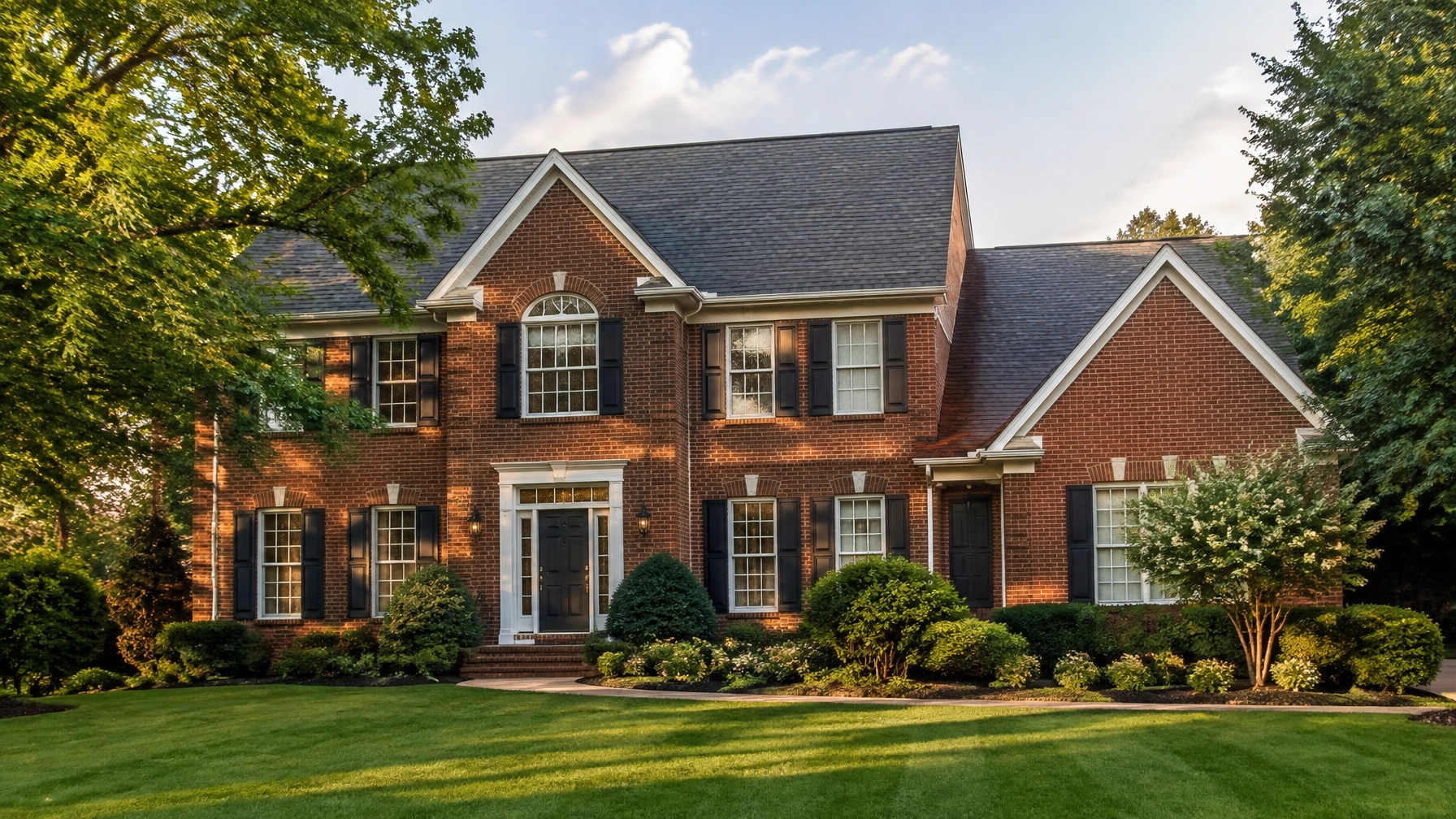
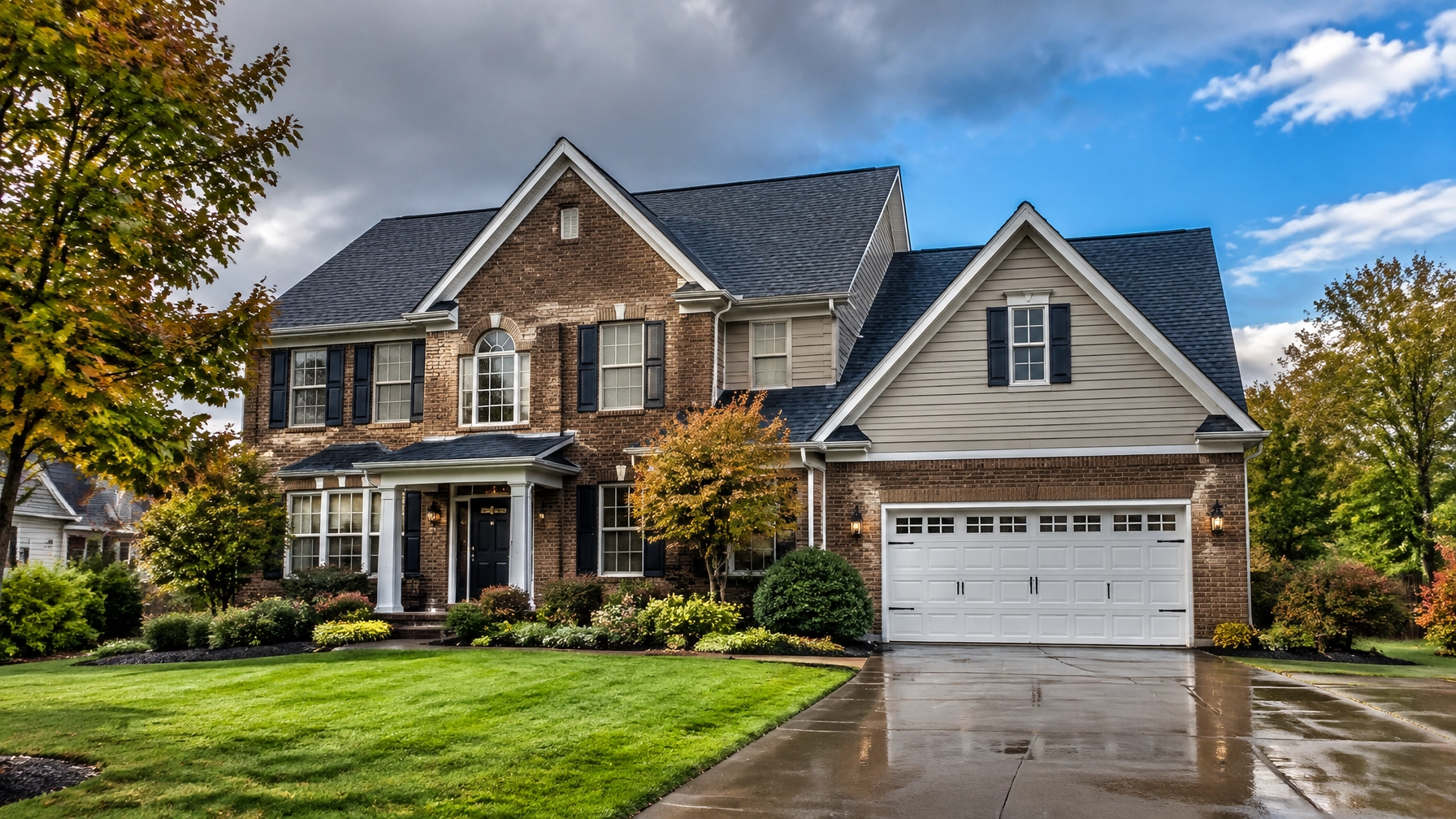
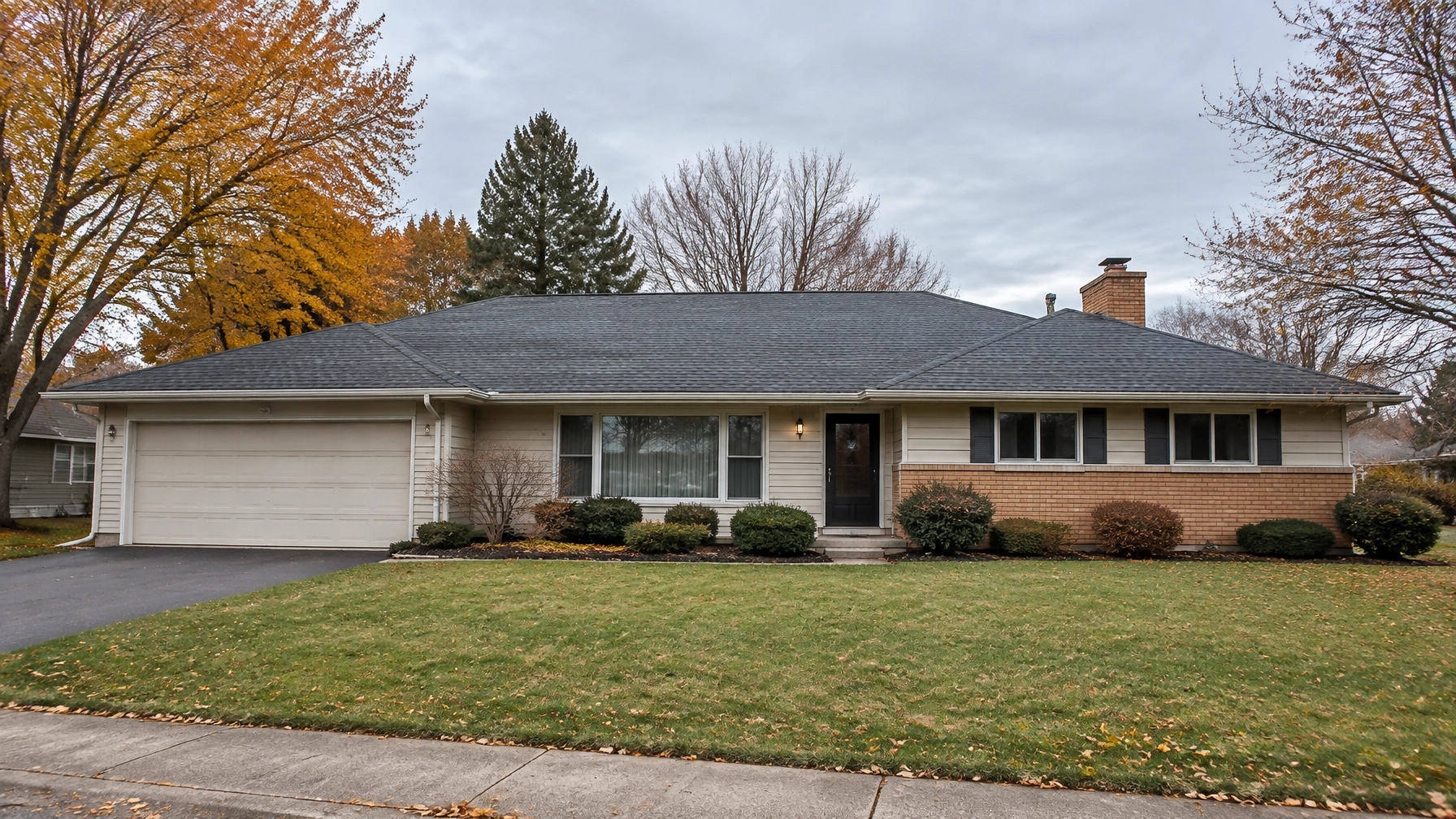
    Professionally roofed two-story Kalamazoo Colonial home with architectural shingles

    The hidden DIY cost stack

    The DIY comparison often starts with a shingle price and ends with a much higher total. Use this working budget for a 20-square architectural shingle roof:

    Cost item Typical 2026 planning range
    Architectural shingles, underlayment, fasteners, flashing $4,000–$7,500
    Ice-and-water barrier Often several hundred dollars, depending on coverage
    Tools and safety equipment $300–$1,200
    Nail gun, compressor, ladders, or lift rental $300–$1,500
    Dumpster or dump-trailer rental $500–$1,500
    Kalamazoo re-roofing permit About $52; verify the current fee
    Damaged roof decking $500–$3,000 or more
    Tear-off, landfill, and disposal fees $500–$2,000
    Replacement vents, boots, drip edge, and flashing $300–$1,500
    Your time Several full weekends or more

    A roofing square equals 100 square feet. A home with 2,000 square feet of floor area does not necessarily have a 2,000-square-foot roof. Pitch, overhangs, multiple slopes, dormers, valleys, and attached garages can push the actual roof area well above the home’s footprint.

    For comparison, local architectural shingle pricing is roughly $5.50–$8.50 per square foot installed in a broader 2026 working range, with many local bids around $6.50–$7.50. Metal roofing typically falls around $9–$16 per square foot installed, or approximately $18,000–$32,000 for a 2,000-square-foot roof.

    Use the company’s roof cost calculator to establish a starting budget before requesting detailed bids.

    The one detail that decides it: the eave-edge ice barrier

    Michigan Residential Code R905.1.2 requires an ice barrier at the eaves. It must extend from the roof edge to at least 24 inches inside the exterior wall line.

    This is not the same as placing a narrow strip of membrane along the visible edge.

    The installer must account for:

    • Roof pitch
    • Eave geometry
    • Wall-line measurement
    • Drip-edge sequencing
    • Valleys and roof-to-wall intersections
    • Ice-and-water membrane laps
    • Proper underlayment above the membrane
    • Ventilation and insulation conditions

    This detail is especially important after Kalamazoo’s 2026 winter. Ice dams can force water beneath shingles, wet attic insulation, damage ceilings, and create condensation that looks like a roof leak.

    A professional should be able to show you where the ice barrier will extend and how the eave detail will be completed. If you DIY, take dated photos before the shingles cover the membrane.

    Also confirm the roof will not exceed the two-layer maximum. If there are already two layers, the existing roofing generally needs to be removed. During tear-off, the deck must be inspected for rot, delamination, or inadequate fastening.

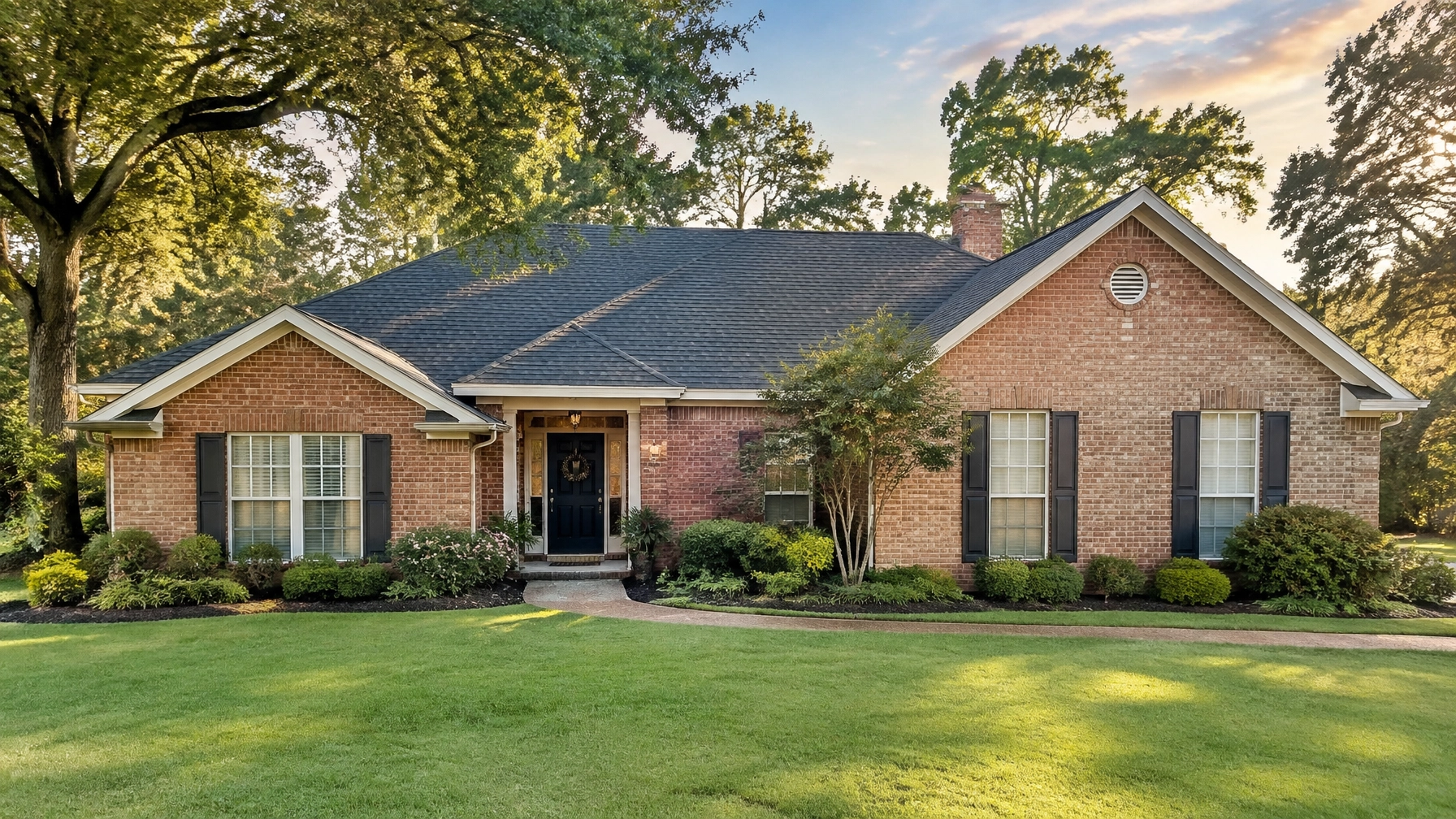
    Winter Midwest brick home with clean eaves and a new architectural shingle roof

    Michigan’s $600 licensing threshold

    Michigan’s LARA guidance states that contractors offering residential work totaling $600 or more in labor and materials must be licensed. Roofing work is covered by either:

    • A Michigan Residential Builder license, or
    • A Residential Maintenance & Alteration Contractor license with the roofing classification

    Read the state’s Helpful Information for Homeowners before signing with a contractor.

    There is an important distinction:

    • A licensed contractor doing paid work for a homeowner must meet the licensing requirement.
    • An owner-occupant may qualify to perform work on their own home, but still has to follow code, permitting, and inspection rules.
    • Working on another person’s home for compensation is different from working on your own property.

    For a $12,000–$18,000 roof, do not assume that splitting the project into smaller invoices avoids the law. It does not. If you are uncertain whether an owner-builder exemption applies to your situation, confirm directly with LARA and the City of Kalamazoo before starting.

    Permits, historic districts, and insurance

    The City of Kalamazoo generally treats a non-structural re-roof as maintenance work. Apply through the city’s Building and Construction Permits department. The roofing and siding application lists a re-roofing fee of approximately $52; verify the current amount before filing.

    Structural repairs, framing changes, or significant deck work may require a full building permit.

    If the home is in a Kalamazoo historic district, exterior work may require a Certificate of Appropriateness from the Historic Preservation Commission before the permit is issued. Confirm the sequence with the city before ordering materials.

    Insurance is another reason to document the work. Wind and hail are typically covered causes of loss, subject to your policy. Kalamazoo saw several significant 2026 events, including:

    • April 16: approximately 1-inch hail and damaging wind in Kalamazoo County, as reported by MLive
    • Late April: high winds that downed trees onto homes and caused widespread power outages
    • July 3: a reported wind gust near 79 mph
    • July 27: additional severe wind and flooding impacts across the region

    Before replacing storm-damaged roofing:

    1. Photograph the roof, attic, ceilings, gutters, and exterior.
    2. Notify your insurer promptly.
    3. Get the adjuster’s scope in writing.
    4. Keep permits, invoices, product information, and inspection records.
    5. Avoid making permanent repairs that erase evidence before documentation.

    Unpermitted or improperly installed work can complicate a claim. It can also jeopardize manufacturer warranty coverage, particularly if the required ice barrier, ventilation, fastening, or flashing details are missing.

    Choose DIY or professional installation based on the outcome you need

    DIY is more defensible if you need:

    • The lowest possible cash cost
    • A simple, low-slope, single-story roof
    • Control over the schedule
    • A project you can pause safely
    • A realistic understanding of your own labor and risk
    • The ability to document code-compliant installation

    Professional replacement is the stronger choice if you need:

    • Completion in a few days instead of several weekends
    • Workmanship warranty protection
    • Help coordinating permits and inspections
    • Correct ice-barrier and flashing installation
    • Safer work on steep, tall, or complex roofs
    • Cleaner insurance and resale documentation
    • A licensed, insured crew for storm-related work

    For material selection, architectural shingles are usually the Popular choice for Kalamazoo resale appeal and budget balance. Standing-seam metal is a Premium option that may offer long service life and strong snow-shedding performance, but the higher upfront cost does not guarantee a better resale return.

    Kalamazoo County’s 2026 median home value is around $281,000, with median sale prices near $288,000 and typical market times varying roughly from 23 to 42 days depending on the source and property segment. A practical local resale-recovery benchmark is about 60%–70% of roof cost. National Cost vs. Value data commonly place asphalt roof recovery in the broader 56%–68% range.

    That means a new roof can improve new roof ROI home value, roof curb appeal, buyer confidence, and inspection results: but it is not a guaranteed investment return.

    Modern Kalamazoo home with a new charcoal standing-seam metal roof

    FAQ

    Can I replace my own roof in Kalamazoo?

    An owner-occupant may be able to work on their own home, but the project still needs proper permits, inspections, and code compliance. Confirm your specific situation with LARA and the City of Kalamazoo before beginning.

    What is the most important Michigan roofing-code detail?

    For a cold-weather roof, the eave-edge ice barrier is critical. Michigan Residential Code R905.1.2 requires protection extending at least 24 inches inside the exterior wall line.

    Is an architectural shingle roof or metal roof better for home value?

    Architectural shingles are usually the best roof for home value when the goal is broad buyer appeal and controlled cost. Metal may make more sense for long-term ownership, durability goals, or a home whose design supports it.

    Can a new roof increase Kalamazoo home value?

    It can improve curb appeal, buyer confidence, and the result of a home inspection. Direct roof replacement ROI commonly falls below 100%, so treat the project as protection and marketability: not a guaranteed dollar-for-dollar return.

    How can I estimate my roof replacement cost before calling contractors?

    Use a satellite-based estimate to measure roof size, pitch, and complexity first. Get a free roof estimate in about 60 seconds with no credit card required. The estimate is designed to provide approximately 90%–95% accuracy for roof measurements and a low–middle–high planning range.
  • Daily FAQ Blitz – Slot 3: AEO FAQ Quick Answers for Memphis, TN Homeowners (2026)

    Daily FAQ Blitz – Slot 3: AEO FAQ Quick Answers for Memphis, TN Homeowners (2026)

    Replacing a roof in Memphis is a major home investment. In 2026, a typical 2,000-square-foot roof replacement often falls between $10,800 and $27,200+, depending on material, roof complexity, storm damage, decking repairs, and installation requirements.

    Memphis and Shelby County homeowners also face a demanding Mid-South climate. The region sits near the edge of the nation’s “Hail Alley” pattern and experiences severe thunderstorms, damaging winds, tornado risks, intense summer heat, high humidity, heavy rain, and algae growth on shaded roof slopes.

    This quick-answer guide covers the most common Memphis roofing questions, including pricing, permits, insurance, materials, licensing, and storm damage.

    Memphis Roof Replacement Cost at a Glance

    Planning ranges below assume a typical 2,000-square-foot roof, standard access, and ordinary installation conditions. Your actual roof may measure more than your home’s interior living area.

    Roofing option Planning range in Memphis (2026) Typical service life Category
    Architectural asphalt shingles $10,800–$16,800+ 25–30 years Popular
    Standing-seam metal $17,400–$27,200+ 40–70 years Premium
    Synthetic premium roofing Usually higher than architectural shingles; often comparable to or above metal depending on product 30–50+ years Premium
    Decking repairs or replacement Additional cost if needed : Project-specific
    Tear-off and disposal Often included or separately itemized : Project-specific

    Roof size, pitch, valleys, dormers, skylights, chimney flashing, ventilation, material availability, and local labor rates all affect the final price. Use the Get My Roof Estimate Now roof cost calculator for a general planning range, or request a satellite-powered estimate for property-specific measurements.

    New roof on a Memphis-area Colonial home after a storm

    Quick FAQs for Memphis Homeowners

    1. How much does a new roof cost in Memphis in 2026?

    For a typical 2,000-square-foot roof, plan on approximately:

    • Architectural shingles (Popular): $10,800–$16,800+
    • Standing-seam metal (Premium): $17,400–$27,200+
    • Synthetic premium roofing: higher than standard architectural shingles

    Complex roof designs, steep slopes, full tear-offs, damaged decking, upgraded ventilation, and storm-related repairs can increase the total.

    2. How can I get a satellite-powered roof estimate in 60 seconds?

    Visit Get My Roof Estimate Now, enter your Memphis property address, and receive a free estimate in about 60 seconds.

    The service requires no credit card, uses satellite imagery to measure the roof, and is designed to be approximately 90–95% accurate for planning. You receive low, middle, and high pricing ranges based on roof size, pitch, complexity, material, and regional costs. You can also connect with verified, licensed, and insured local contractors.

    3. Why does Hail Alley weather make Memphis roofs different?

    Memphis roofs must handle more than ordinary rain. Severe thunderstorms can bring hail, tornadoes, straight-line winds, debris, and intense rainfall. Hot summers and high humidity add UV exposure, thermal stress, algae staining, mildew, and moisture-related wear.

    For Memphis homes, the roof assembly matters. Underlayment, flashing, ventilation, ventilation intake, ridge caps, gutters, and installation quality are as important as the visible shingles or panels.

    4. Does a roofer need a Tennessee contractor license?

    For roofing work totaling $25,000 or more, Tennessee generally requires a state contractor license with the appropriate classification. The state’s contractor guidance is available through the Tennessee Board for Licensing Contractors.

    For residential home-improvement work in Shelby County costing more than $3,000 but less than $25,000, a Shelby County home improvement license may be required unless the contractor already holds an applicable state contractor license. Confirm credentials before signing a contract.

    5. Is a roof replacement permit required in Memphis or Shelby County?

    A standard reroof on a detached single-family home may not require a permit when the work only replaces the roof covering and does not alter the decking or structural supports.

    A permit is generally required if the roof decking is repaired, replaced, or altered. Memphis and Shelby County homeowners should confirm current requirements with the Office of Construction Code Enforcement or call OCCE at 901-636-6970 before work begins.

    Do not assume that a contractor’s statement is enough. Ask who is responsible for determining permit requirements and obtaining any needed permit.

    6. How do insurance companies handle Memphis storm or hail claims?

    A Tennessee homeowners policy may cover roof damage caused by covered wind, hail, or tornado events. The insurer normally sends an adjuster or assigns a claim inspection before approving repairs or replacement.

    Wind and hail deductibles are commonly 1%–2% of the dwelling coverage limit, though your policy may use a different amount. For example, a 2% deductible on $300,000 of dwelling coverage equals $6,000.

    Review the declarations page before filing a claim. It should identify your wind/hail deductible, all-other-perils deductible, coverage limits, exclusions, and replacement-cost terms.

    7. Which roofing material is best for the Memphis climate?

    For most Memphis homeowners, architectural shingles (Popular) offer the best balance of cost, appearance, availability, and performance. Consider algae-resistant and impact-resistant products.

    Standing-seam metal (Premium) offers longer service life, strong weather resistance, low algae risk, and potential energy benefits. It has a higher upfront cost and requires an experienced installer.

    Synthetic roofing (Premium) can provide a slate, shake, or tile appearance with lower weight than some traditional materials. Product quality and installation details vary, so compare warranties carefully.

    Explore the differences in metal roofing versus asphalt shingles, and review the company’s guides to asphalt shingles and metal roofing.

    Standing-seam metal roof on a modern Memphis-area home

    8. How long does a roof replacement take in Memphis?

    A standard roof replacement usually takes one to three days once materials are delivered and weather conditions cooperate.

    The timeline may be longer for:

    • Large or steep roofs
    • Multiple layers of old roofing
    • Extensive decking damage
    • Complex valleys, dormers, or chimneys
    • Metal or synthetic roofing systems
    • Rain, high winds, or extreme heat

    Ask the contractor whether the estimate includes tear-off, disposal, decking inspection, cleanup, and final inspection.

    9. What are signs of hail or storm damage on a Memphis roof?

    Common signs include:

    • Bruised, cracked, split, or missing shingles
    • Circular impact marks or exposed fiberglass mat
    • Unusual granule loss in gutters or downspouts
    • Dented gutters, flashing, vents, or metal accessories
    • Lifted shingles or exposed underlayment
    • Water stains or active leaks in the attic
    • Fallen branches or damaged siding

    Hail bruising can be difficult to identify from the ground. Avoid climbing onto the roof after a storm. Take exterior photos from a safe location and arrange a professional inspection.

    10. How should I verify a Memphis roofer before hiring?

    Check the contractor’s:

    • Tennessee contractor or Shelby County home improvement license, when applicable
    • General liability and workers’ compensation insurance
    • Recent Memphis-area references
    • Written estimate with materials and labor separated
    • Workmanship warranty and manufacturer warranty
    • Permit responsibility
    • Payment schedule and cancellation terms
    • Plan for decking repairs and change orders

    Ask for certificates of insurance directly from the insurer when possible. Avoid contractors who pressure you to sign immediately or promise to waive your insurance deductible.

    11. Should I replace a Memphis roof before selling my home?

    An aging or visibly damaged roof can complicate a home sale, inspection, appraisal, or insurance renewal. Replacement may improve buyer confidence, but the financial return depends on the roof’s condition, neighborhood expectations, and how long you plan to stay.

    Start with an accurate estimate. A satellite measurement can help you compare repair, replacement, and material options before committing to a project.

    Storm-ready architectural roof on a Memphis suburban home

    Before Requesting Memphis Roofing Bids

    Use this short checklist:

    • Measure or estimate your roof size, but confirm it professionally.
    • Check your insurance declarations page and wind/hail deductible.
    • Photograph visible storm damage from the ground.
    • Decide whether you prefer architectural shingles, metal, or synthetic roofing.
    • Ask whether the bid includes tear-off, disposal, flashing, ventilation, and cleanup.
    • Confirm license, insurance, references, warranty terms, and permit responsibility.
    • Request a written low-middle-high budget range before comparing final bids.

    Get a Free Memphis Roof Estimate

    You do not need to schedule multiple contractor visits just to learn what your roof may cost. Visit getmyroofestimatenow.com for a free satellite-powered estimate in about 60 seconds: no credit card required.

    You will receive Memphis-specific planning ranges based on your roof’s size, pitch, complexity, material choice, and regional pricing. Have another Memphis roofing question? Ask it before requesting bids so you can make a more informed decision.

  • Daily Tech Blitz – Slot 3: Lexington’s Satellite Tech Edge Is Bringing Bluegrass Precision to Kentucky Roofs

    Daily Tech Blitz – Slot 3: Lexington’s Satellite Tech Edge Is Bringing Bluegrass Precision to Kentucky Roofs

    Lexington is becoming a serious center for space technology, satellite communications, and geospatial data.

    That matters to homeowners because the same satellite-driven thinking used to monitor spacecraft, pastures, and storm systems is now making roof replacement planning faster and more precise.

    For a typical 2,000-square-foot Lexington roof in 2026, homeowners can generally plan around:

    • Architectural asphalt shingles (Popular): $12,000–$20,000
    • Standing-seam metal (Premium): $18,000–$32,000
    • Complex metal projects: Up to approximately $21 per square foot
    • Fayette County permit and processing: Approximately $141–$400, with many applications taking 5–10 business days

    The exact price depends on the roof’s measured area, pitch, valleys, dormers, tear-off requirements, material, access, and local labor.

    Lexington’s Space Technology Advantage

    Lexington’s satellite connection is more than a technology talking point. It is part of the region’s growing technical infrastructure.

    Space Tango Expands at Greyline Station

    In June 2026, Governor Andy Beshear announced a $7.4 million expansion of Space Tango’s Lexington headquarters at the Greyline Station campus.

    The expansion is expected to create 25 high-wage jobs and add:

    • Mission operations space
    • Build and biological laboratories
    • Electrical and testing laboratories
    • Machine shops
    • Engineering offices
    • Collaboration areas

    Space Tango’s TangoLab ecosystem on the International Space Station has supported more than 300 experiments since 2017. The company delivers in-space manufacturing facilities and supports research in microgravity.

    Twyman Clements, Space Tango president and co-founder, put it plainly: “Space Tango was founded in Kentucky and is proud to continue building its future here. As the space economy continues to commercialize, we're building Space Tango to further our leadership position in enabling research and manufacturing in microgravity.”

    The Kentucky Economic Development Finance Authority also preliminarily approved a 10-year incentive agreement tied to the project, with up to $1,025,000 in tax incentives connected to the creation of 25 Kentucky-resident jobs averaging $53.60 per hour including benefits.

    The local message is clear: Lexington is not only using technology. It is building and operating the systems behind it.

    That same emphasis on accurate measurement and mission-grade data applies to roof estimating.

    Morehead State Connects Kentucky to Deep Space

    Morehead State University’s Space Science Center operates Deep Space Station 17, or DSS-17, a 21-meter ground station.

    DSS-17 became an affiliated node of NASA’s Deep Space Network in 2021. In February 2026, Morehead State was selected to support tracking for NASA’s Artemis II mission.

    The station helps calculate spacecraft position, plan antenna pointing, receive radio signals, and process navigation data.

    A roof measurement is obviously less complex than tracking a spacecraft around the Moon. But the underlying principle is similar: use accurate remote data to reduce guesswork before making an important decision.

    Kentucky’s Starter-Satellite Story

    The University of Kentucky and the broader Kentucky Space program helped establish the state’s “starter satellite” story:

    • KySat-1: 2011
    • KySat-2: 2013
    • KySat-3/SGSat: Later student-built CubeSat development associated with the University of Kentucky

    These projects gave Kentucky students hands-on experience designing, building, testing, and communicating with small satellites.

    Today, homeowners can benefit from a more practical version of that same satellite advantage: a roof estimate based on the actual property rather than a rough neighborhood average.

    New standing-seam metal roof on a Bluegrass-region home near Lexington

    What Satellite Data Means for Bluegrass Homeowners

    Lexington is the center of Kentucky’s famous horse country. Across Fayette County and the surrounding Bluegrass region, satellite and aerial data help support:

    • Pasture and turf management
    • Land-use monitoring
    • Crop and vegetation analysis
    • Fence-line and tree-canopy planning
    • Erosion and drainage observation
    • Cropland Data Layer monitoring

    Landsat and Sentinel-2 imagery can show changes in pasture vigor, moisture, vegetation coverage, and land use. Farm operators still need field inspections, but satellite data provides a valuable regional view.

    Roof estimating works in much the same way.

    A satellite-based roof estimate can help identify:

    • Roof dimensions
    • Approximate roof squares
    • Roof pitch
    • Roofline complexity
    • Valleys and multiple roof sections
    • Potential material quantities

    At Get My Roof Estimate Now, homeowners enter an address and receive a free estimate in about 60 seconds. The system uses satellite imagery to measure the roof, typically targeting accuracy within inches and approximately 90%–95% measurement accuracy.

    It is not a substitute for a final contractor inspection. It is a faster way to understand the likely project size and budget before scheduling site visits.

    Lexington Roof Replacement Costs in 2026

    The table below provides practical planning ranges for Fayette County homeowners.

    Roofing material Local installed range Approximate 2,000 sq. ft. project Best fit
    3-tab asphalt shingles (Budget) About $3–$5 per sq. ft. $7,000–$12,000 Basic replacement or rental property
    Architectural asphalt shingles (Popular) $4.70–$10 per sq. ft. $12,000–$20,000 Most Lexington homes
    Impact-resistant shingles (Storm-focused) About $5–$8 per sq. ft. $10,000–$18,000 Hail-prone properties
    Standing-seam metal (Premium) $9–$16 per sq. ft. $18,000–$32,000 Long-term ownership and durability
    Complex metal installation (High complexity) Up to approximately $21 per sq. ft. $30,000+ possible Steep, segmented, or difficult roofs

    These are planning ranges, not guaranteed quotes. A 2,000-square-foot house does not necessarily have a 2,000-square-foot roof. Pitch, overhangs, attached garages, porches, and multiple roof sections can increase the measured roof area.

    Use the Get My Roof Estimate Now roof cost calculator for a general comparison, or request a property-specific estimate from the satellite-powered estimating tool.

    Shingles or Metal: Which Makes Sense?

    Architectural Shingles (Popular)

    Architectural shingles remain the most common choice for Lexington homeowners because they offer:

    • Lower initial cost
    • Broad color and style selection
    • Simple repairs
    • Wide contractor availability
    • Typical service life of 25–30 years

    They are a practical match for ranch homes, brick colonials, and traditional Bluegrass properties.

    Standing-Seam Metal (Premium)

    Standing-seam metal costs more upfront but can last approximately 40–70 years with proper installation.

    Potential advantages include:

    • Long service life
    • Low routine maintenance
    • Strong wind performance
    • Class A fire-resistance potential
    • Reflective energy performance
    • Compatibility with modern and agricultural-style architecture

    Review the full metal roofing guide and metal-versus-shingles comparison before deciding.

    New dimensional asphalt shingle roof on a Lexington-style ranch home

    Lexington Storm Damage Checklist

    Central Kentucky homeowners should pay close attention to roof condition after severe weather.

    On April 16, 2026, severe storms produced hail reports across Kentucky, with hail around 1.5 inches reported in parts of the Lexington area through local and radar-based sources. Hail of that size can bruise architectural shingles, damage flashing, dent gutters, and affect HVAC equipment.

    July 2026 severe weather, including reported EF-1 and EF-2 tornado activity in Kentucky, also reinforced the need for prompt post-storm inspections. NWS Louisville uses radar and GOES satellite imagery to monitor storms and assist with damage assessment across central Kentucky.

    After a storm:

    1. Inspect from the ground. Look for missing shingles, exposed underlayment, lifted flashing, and dents in gutters.
    2. Check exterior equipment. Air-conditioning fins, siding, vents, and downspouts can show hail impact.
    3. Photograph visible damage. Use date-stamped photos for your records.
    4. Do not climb onto the roof. Leave steep or damaged roofs to qualified professionals.
    5. Review your insurance policy. Kentucky homeowners policies commonly cover wind and hail, but percentage-based wind or hail deductibles may apply.
    6. Request an inspection report. A contractor should document damage rather than simply recommend replacement.
    7. Compare the measured roof size with the proposal. This helps identify unnecessary material or labor differences.

    Roof inspection beside a Lexington home following severe weather

    Fayette County Permit and Code Considerations

    Fayette County generally requires a permit for roof replacements, including full tear-offs and many overlay projects.

    Before signing a contract, confirm:

    • Who applies for the permit
    • Whether the fee is included in the proposal
    • Whether inspections are included
    • The expected 5–10 business day processing window
    • Required underlayment and ice-and-water protection
    • Applicable fire-rating requirements
    • Whether structural repairs are priced separately

    Kentucky Building Code requirements can include self-adhering ice-and-water protection at eaves. Material assemblies may also need to meet applicable Class A, B, or C fire-rating requirements depending on the project and local conditions.

    A reputable contractor should explain these requirements clearly.

    Does a New Roof Add Home Value?

    A roof replacement protects the structure first. It can also improve curb appeal, buyer confidence, and resale readiness.

    Zonda’s 2025 Cost vs. Value report placed the national resale-cost recovery for an asphalt shingle roof replacement at approximately 68%. Local discussions commonly place roof replacement resale recovery in the 60%–70% range, although actual results vary by neighborhood, project quality, market timing, and material selection.

    The best return usually comes from:

    • Correct roof sizing
    • Quality installation
    • Strong ventilation
    • Proper flashing
    • Consistent curb appeal
    • Clear permits and documentation
    • Material selection appropriate for the home

    FAQ: Lexington Satellite Roof Estimates

    How fast can I get a Lexington roof estimate?

    A satellite-powered estimate is available in approximately 60 seconds after entering the property address.

    Is the estimate free?

    Yes. The estimate is free, and no credit card is required.

    Does satellite imagery replace a contractor inspection?

    No. It provides an accurate starting point for budgeting and planning. A contractor should still inspect the roof before finalizing a construction proposal.

    What does a new roof cost in Lexington?

    Many 2,000-square-foot Lexington projects fall near $12,000–$20,000 for architectural shingles. Standing-seam metal commonly ranges from $18,000–$32,000, depending on complexity.

    Should I choose shingles or metal?

    Choose architectural shingles for lower upfront cost and broad style selection. Consider metal if you plan to stay in the home for many years and prioritize longevity, low maintenance, and energy performance.

    Can I use a satellite estimate for an insurance claim?

    Use it as a planning and documentation tool. Insurance claims generally require policy review, dated damage evidence, and a professional inspection report.

    WordPress SEO Details

    Meta description:
    Lexington, KY roof replacement costs in 2026, storm-damage tips, permit information, and how satellite technology delivers a free roof estimate in 60 seconds.

    URL slug:
    lexington-ky-satellite-roof-estimate-costs-2026

    Categories:

    • Roofing Costs
    • Roofing Technology
    • Kentucky Roofing
    • Home Improvement

    Tags:

    • Lexington KY roof replacement cost
    • Fayette County roofing
    • satellite roof estimate
    • Kentucky roofing technology
    • Lexington hail damage
    • architectural shingles Lexington
    • metal roofing Lexington KY
    • roof cost estimate 2026
    • free roof estimate
    • Bluegrass region roofing

    Sources

    Ready to see what your Lexington roof may cost? Get a free satellite roof estimate at GetMyRoofEstimateNow.com: no contractor visit, no credit card, and results in about 60 seconds.

  • Daily ROI Blitz – Slot 7: Savannah, GA New Roof ROI : How a Hostess City Replacement Adds Home Value in 2026

    Daily ROI Blitz – Slot 7: Savannah, GA New Roof ROI : How a Hostess City Replacement Adds Home Value in 2026

    A new roof in Savannah can recover approximately 60%–70% of its cost at resale. On a typical $15,000 replacement, that represents roughly $9,000–$12,000 in added resale value.

    The financial return is only part of the story. A new roof can remove one of the biggest objections buyers raise during negotiations. It may also help prevent $10,000–$20,000 in price concessions and reduce time on the market by approximately 15–25 days.

    For Savannah homeowners planning to sell, preparing for a future sale, or protecting a coastal property, roof replacement is more than routine maintenance. It is a strategic investment in home value, buyer confidence, insurance eligibility, and curb appeal.

    Savannah’s 2026 Home Value and Roof Replacement Costs

    As of September 2026, the median home value in Savannah is approximately $320,000–$350,000. At that price point, the roof is a highly visible and financially important part of the property.

    For a typical 2,000-square-foot Savannah home, current planning ranges are:

    • Architectural shingles (Popular): $9,200–$17,000
    • Standing seam metal (Premium): $18,000–$38,000
    • FORTIFIED Roof upgrade: Approximately $1,000–$3,000 above a standard installation
    • Potential resale recovery: Approximately 60%–70% of the replacement cost

    Your actual price depends on roof size, pitch, valleys, dormers, tear-off requirements, decking condition, access, ventilation, material selection, and contractor availability.

    For a more accurate starting point, use the Get My Roof Estimate Now roof cost calculator or request a satellite-based estimate for your specific property.

    Why a New Roof Has Strong ROI in Savannah

    Savannah buyers understand the area’s weather conditions. Coastal humidity, tropical systems, wind, intense sun, and heavy rain all affect roof performance.

    An older roof creates uncertainty. Buyers may immediately calculate the cost of replacement and subtract it from their offer. Some may also worry about:

    • Difficulty obtaining homeowners insurance
    • Hidden decking or flashing damage
    • Wind-related roof loss
    • Water intrusion during storms
    • Future maintenance costs
    • Delays after closing

    A new roof changes the conversation. Instead of asking how much replacement will cost, buyers can focus on the home’s layout, location, finishes, and neighborhood.

    A new roof can provide three types of financial value:

    1. Direct resale value
      A buyer may pay more for a home with a recently completed, documented roof.

    2. Negotiation protection
      The roof removes a reason to demand a large credit or price reduction.

    3. Faster sale potential
      A move-in-ready home may attract more serious offers and spend fewer days on the market.

    That combination is why roof replacement ROI should not be measured only by the amount added to the final sale price.

    The Roof Curb Appeal Home Value Connection

    Roof curb appeal has a direct effect on how buyers perceive the entire property. The roof can represent a significant portion of the visible exterior, especially on ranch homes, traditional colonials, and homes with broad front elevations.

    A stained, curling, or mismatched roof can make the property look older than it is. A clean, uniform roof can make the home appear better maintained before buyers even step inside.

    Classic Savannah colonial home with a new charcoal architectural shingle roof and white columns

    Architectural shingles are popular in Savannah because they provide:

    • A dimensional appearance
    • More visual depth than basic three-tab shingles
    • Strong compatibility with brick, siding, stucco, and painted wood
    • Broad color selection
    • A practical balance between cost and appearance
    • Typical service life of approximately 25–30 years

    For many sellers, architectural shingles offer the best roof for home value because they improve appearance without the higher upfront cost of a premium metal system.

    Architectural Shingles vs. Standing Seam Metal

    Material selection affects both ROI and long-term ownership value.

    Architectural shingles (Popular)

    Architectural shingles generally cost $9,200–$17,000 for a typical 2,000-square-foot Savannah home.

    They are often the strongest choice when:

    • You may sell within the next several years
    • You want broad buyer appeal
    • You need to control upfront costs
    • Your home has a traditional or historic-inspired design
    • You want a familiar material that local contractors commonly install

    A code-compliant shingle roof with strong wind ratings and complete installation documentation can deliver a compelling balance of cost, appearance, and resale value.

    Standing seam metal (Premium)

    Standing seam metal roofing typically costs $18,000–$38,000 in the Savannah market for a similar home.

    Metal is increasingly popular in coastal Georgia because it can last approximately 40–70 years with proper installation and maintenance. It may also provide:

    • Strong long-term durability
    • Excellent resistance to moisture and mildew
    • A modern or upscale appearance
    • Reduced replacement frequency
    • Potential energy benefits from reflective coatings
    • Strong appeal to buyers planning to remain in the home long term

    Modern coastal Savannah-area home with a new standing seam metal roof

    Metal roofing does not always produce a higher immediate resale return than architectural shingles. Its value is strongest when the buyer recognizes the long service life, coastal durability, and reduced likelihood of another replacement.

    Chatham County Requirements Matter

    Savannah homeowners should not compare roofing quotes based only on the lowest total price.

    Chatham County mandates:

    • 130 mph wind-rated materials
    • A 6-nail fastening pattern for roof replacements

    These requirements raise the minimum standard for a compliant installation. They can also improve buyer confidence when the contractor provides documentation showing the roof meets local requirements.

    Ask every contractor to identify the following in writing:

    • Shingle or metal product and wind rating
    • Fastening pattern
    • Underlayment type
    • Starter shingles and ridge materials
    • Flashing details
    • Ventilation plan
    • Tear-off and disposal costs
    • Permit and inspection responsibilities
    • Material and workmanship warranties

    A low quote that leaves out required materials or installation details may not represent a true savings.

    FORTIFIED Roof Upgrades and Insurance Value

    A FORTIFIED Roof is designed to improve resistance to high winds and storm-driven rain. Common features include:

    • A sealed roof deck
    • Enhanced deck attachment
    • Ring-shank nails
    • High-wind shingles, including Class H products
    • Improved flashing and roof-edge details
    • Required documentation and evaluation

    In Georgia, a certified FORTIFIED Roof may qualify for insurance premium discounts of approximately 5%–20% annually, depending on the insurer, policy, certification, and how the carrier applies the credit. In many cases, the discount applies primarily to the wind or wind-and-hail portion of the policy rather than the entire premium.

    The upgrade typically costs $1,000–$3,000. With annual insurance savings and reduced storm-related risk, the estimated payback period is approximately 3–7 years for some homeowners.

    Georgia law requires insurers to offer a qualifying mitigation discount or rate reduction, but the exact percentage is carrier-specific. Before approving the upgrade, ask your insurance agent:

    1. Does my carrier recognize IBHS FORTIFIED Roof certification?
    2. What percentage or dollar credit applies?
    3. Does the discount apply to the full policy or only wind coverage?
    4. What documentation is required?
    5. Will an evaluator need to inspect the completed roof?

    You can review the FORTIFIED Roof requirements and Georgia’s wind mitigation legislation before discussing the project with your contractor.

    September Is a Strategic Time to Replace

    September is often a lower-demand roofing month in Savannah. Homeowners may find rates approximately 8%–15% lower than peak-season pricing, although the exact savings depend on weather, contractor schedules, material costs, and storm activity.

    September can be useful for sellers because it allows time to:

    • Complete the replacement before listing
    • Gather permit and warranty documents
    • Request an insurance review
    • Address visible curb appeal issues
    • Avoid emergency replacement after a storm
    • Market the home as move-in ready

    Coastal weather can still cause delays, so schedule early and confirm how the contractor handles tropical systems or extended rain.

    How to Maximize Roof Replacement ROI

    Use this checklist before signing a contract:

    • Get a property-specific estimate instead of relying only on averages.
    • Compare at least two or three written proposals.
    • Verify that materials meet Chatham County’s 130 mph and 6-nail requirements.
    • Ask whether a FORTIFIED Roof upgrade makes sense for your property.
    • Confirm insurance savings with your carrier before installation.
    • Choose a color that complements the home’s brick, siding, trim, and landscaping.
    • Keep permits, invoices, warranties, wind ratings, and certification documents.
    • Ask for before-and-after photos for your records.
    • Avoid over-improving beyond the neighborhood unless you plan to stay long term.

    Freshly reroofed Savannah ranch home with clean architectural shingles and detailed flashing

    Get Your Savannah Roof Replacement Estimate in 60 Seconds

    A new roof can protect your home, strengthen curb appeal, reduce buyer objections, and recover a meaningful portion of its cost at resale.

    Before contacting multiple contractors, get a fast estimate based on your actual roof. Get My Roof Estimate Now uses satellite imagery to measure roof size, pitch, and complexity. You receive low, middle, and high replacement ranges for different materials in approximately 60 seconds.

    The estimate is free, requires no credit card, and creates a practical starting point for comparing architectural shingles, standing seam metal, and FORTIFIED upgrade options.

    Start your free Savannah roof estimate today and see what your replacement could cost before you schedule a contractor visit.

  • Daily ROI Blitz – Slot 8: Sterling Heights, MI New Roof ROI : What an Ice-Dam-Ready Replacement Adds to Home Value in Macomb County in 2026

    Daily ROI Blitz – Slot 8: Sterling Heights, MI New Roof ROI : What an Ice-Dam-Ready Replacement Adds to Home Value in Macomb County in 2026

    A new roof in Sterling Heights typically recovers about 60%–68% of its replacement cost in added home value. On a $14,000 replacement, that equals approximately $8,400–$9,500 in resale value.

    That is only part of the return. In Macomb County, an aging roof can also lead to buyer credits of $8,000–$18,000 and add 15–25 days to the selling process. For homeowners in Sterling Heights, an ice-dam-ready roof is not simply a cosmetic upgrade. It is a practical investment in weather protection, insurability, buyer confidence, and resale speed.

    Sterling Heights roof ROI at a glance

    Sterling Heights is Macomb County’s largest city and a major automotive manufacturing hub, anchored in part by the Sterling Heights Assembly Plant. Its housing stock is largely made up of postwar through 1990s ranches, split-levels, and two-story colonials.

    That creates a predictable resale issue: many neighborhood roofs are reaching the same replacement window at the same time.

    Current 2026 market benchmarks include:

    • Home value: Roughly $305,000–$335,000, with an average near $310,000
    • Annual appreciation: Approximately 3.4% year over year
    • Typical marketing time: About 27–29 days
    • Standard asphalt roof replacement: $9,000–$18,000
    • Typical 2,000-square-foot architectural shingle roof: $12,000–$16,000
    • Standing-seam metal roof: Approximately $18,000–$30,000
    • Estimated resale recovery: 60%–68%

    Values vary by ZIP code. Homes in 48310, 48312, and 48313 generally cluster near the city’s average, while 48314 often commands a higher price. Current ZIP-level market snapshots from Prop-Metrics, Prop-Metrics 48313, and Prop-Metrics 48314 show why roof condition should be evaluated against the specific neighborhood, not a national average.

    The cost-versus-value equation

    For a typical Sterling Heights home, the numbers look like this:

    • Budget replacement: $9,000–$12,000

      • Basic architectural shingles and a straightforward roof plan
      • Approximate value recovery: $5,400–$8,160
    • Popular replacement: $12,000–$16,000

      • Dimensional architectural shingles, full tear-off, upgraded underlayment, ice protection, and proper ventilation
      • Approximate value recovery: $7,200–$10,880
    • Premium replacement: $18,000–$30,000

      • Standing-seam metal or another high-longevity system
      • Approximate value recovery varies, but the strongest benefit is long-term durability and lower replacement frequency

    A roof that is visibly worn may reduce the effective return. Buyers may ask for a repair allowance, closing credit, or price reduction instead of paying full market value. A $14,000 roof replacement completed before listing can therefore protect both the estimated $8,400–$9,500 in value recovery and the seller’s negotiating position.

    Why ice-dam-ready roofing matters in Macomb County

    Sterling Heights roofs face several local stressors:

    • Freeze-thaw cycles that loosen materials and open small pathways for water
    • Ice dams along poorly protected eaves
    • Lake-effect snow and repeated snow loading
    • Hail and high-wind events across Macomb County
    • Spring storm activity
    • Heavy tree canopy in older subdivisions, increasing debris and gutter blockage

    A replacement roof should be designed as a complete water-management system. That means more than installing new shingles over the visible surface.

    A buyer, inspector, or insurance underwriter is likely to care about:

    • Condition of the roof deck
    • Ice-and-water protection at eaves
    • Valleys and roof-wall intersections
    • Chimney and plumbing flashing
    • Attic ventilation
    • Number of existing roof layers
    • Permit and inspection records

    Sterling Heights split-level home with a new weathered-gray architectural shingle roof and mature trees

    Curb appeal is a measurable resale advantage

    Architectural shingles are usually the best roof for home value in Sterling Heights because they fit the area’s dominant housing styles and buyer expectations.

    Their dimensional profile gives ranches, split-levels, and colonials a more finished appearance than flat 3-tab shingles. Charcoal, weathered gray, and blended brown-gray colors typically coordinate well with brick, aluminum siding, vinyl siding, and neutral trim common throughout Macomb County.

    A new roof also improves the listing presentation:

    • Cleaner rooflines in online listing photos
    • Better contrast against brick and siding
    • Fewer visible stains, curling edges, and missing shingles
    • Stronger buyer perception during a drive-by
    • Less concern during the inspection period

    In a balanced or mildly seller-friendly market where homes may sell in under a month, first impressions matter. A roof that looks new can help a property compete without over-improving it for the neighborhood.

    Popular versus premium roofing materials

    Architectural shingles (Popular)

    For most Sterling Heights homeowners, architectural asphalt shingles offer the strongest balance of cost, appearance, and resale practicality.

    Typical advantages:

    • Installed cost of roughly $12,000–$16,000 for many 2,000-square-foot homes
    • Expected service life of approximately 25–30 years
    • Broad selection of colors and profiles
    • Easy repairs and widespread contractor availability
    • Familiar appearance for local buyers
    • Strong value relative to the home’s roughly $310,000 average value

    See the asphalt shingles guide for material and warranty comparisons.

    Class 4 impact-resistant shingles (Popular-plus)

    Class 4 shingles make sense when the home has experienced hail damage, sits beneath a heavy tree canopy, or the homeowner wants better wind-and-impact protection without moving to a metal roof.

    Michigan insurance credits may include:

    • 5%–8% for a roof under 10 years old
    • 3%–7% for qualifying wind-mitigation features
    • 10%–15% for UL 2218 Class 4 impact-resistant shingles

    Some policies may provide broader savings of 5%–25%, depending on the carrier and which portion of the premium receives the credit. Confirm the exact discount in writing before selecting a product.

    Standing-seam metal (Premium)

    Standing-seam metal can make sense when the homeowner plans to remain in the property for 10 or more years, wants minimal maintenance, or prefers a long-life roof system.

    It typically costs $18,000–$30,000 in Sterling Heights. Its advantages include a potential 40–70-year service life, excellent snow shedding, and strong resistance to wind and fire. However, the higher upfront cost may not produce a proportionally higher immediate resale recovery on a mid-market home.

    Compare both options using the metal roofing guide or metal-versus-shingles comparison.

    Sterling Heights-style colonial home in Macomb County with a premium dark bronze standing-seam metal roof

    Michigan permits, code, and installation details

    A building permit is required for residential re-roofing in Michigan, including a full tear-off or an overlay. Michigan generally allows a maximum of two roof layers. When two or more layers exist, current enforcement typically pushes the project toward a strip-to-deck replacement.

    For an ice-dam-ready Sterling Heights roof, confirm that the scope includes:

    • Self-adhering ice-and-water shield at eaves extending at least 24 inches inside the exterior wall line, or the code-approved two-layer underlayment alternative
    • Corrosion-resistant flashing at roof-wall intersections
    • Proper valley flashing, with local requirements commonly calling for approximately 24 inches of protected valley coverage
    • Attic ventilation planned around approximately 1:150 of the vented attic area, with the code exception potentially allowing 1:300 when balanced high and low ventilation is provided
    • Written documentation of deck repairs, flashing replacement, and ventilation work

    The 2021 Michigan Residential Code adoption has been contested in court. Homeowners should confirm the currently enforced code edition and permit requirements directly with the City of Sterling Heights Building Department before work begins. A local Macomb County re-roofing reference is also available through this residential re-roof requirements document.

    Why September can improve the ROI

    September is often an off-peak window in metro Detroit, with rates frequently 8%–15% below peak-season pricing, depending on contractor availability and project complexity.

    That timing can be especially useful if you are preparing to sell because it leaves time to:

    • Complete the permit and inspection process
    • Gather manufacturer and workmanship warranty documents
    • Obtain final project photos
    • Request insurance credits
    • Address minor attic or flashing corrections
    • Market the home before winter weather arrives

    Do not choose a contractor based only on the lowest bid. Ask for a written scope showing tear-off, ice protection, flashing, ventilation, disposal, permit costs, and warranty coverage.

    Sterling Heights roof ROI checklist

    Before approving a replacement, confirm:

    • Roof measurements are based on the actual property, not house square footage alone
    • The quote includes tear-off and disposal
    • Existing layers and deck condition are identified
    • Ice-and-water shield coverage is clearly stated
    • Valleys, chimneys, skylights, and roof-wall intersections are included
    • Attic ventilation is evaluated
    • The contractor will obtain the required permit
    • Shingle impact rating and warranty terms are documented
    • Your insurer confirms any roof-age or Class 4 credit in writing
    • You receive final invoices, permits, warranties, and installation photos

    Michigan residential roof detail showing new shingles, clean flashing, and protected valley during spring storm season

    Get a Sterling Heights roof estimate in 60 seconds

    Before scheduling contractor visits, get a property-specific starting point. Get My Roof Estimate Now uses satellite imagery to measure your roof’s size, pitch, and complexity, then provides a free low-to-middle-to-high replacement range in about 60 seconds.

    There is no credit card requirement and no upfront contractor appointment. Compare architectural shingles, impact-resistant options, and metal roofing costs before connecting with verified local contractors.

    You can also review broader material and regional assumptions with the roof cost calculator.

    Meta description: Sterling Heights, MI roof replacement ROI in 2026: compare $9,000–$30,000 costs, 60%–68% resale recovery, ice-dam code details, insurance credits, and the best roofing materials for Macomb County.

    Featured image suggestion: A hyper-realistic early-fall photo of a Sterling Heights ranch home with a new charcoal architectural shingle roof, clean rooflines, mature trees, and strong curb appeal.

  • Daily Weather Blitz – Slot 3: Charleston, SC : September 11, 2026: A 90°F Friday With 40–60% Storm Chances as a Cold Front Approaches, Weekend Downpours & What the Holy City’s Salt Air, Coastal Wind, and Hurricane-Season Climate Do to Your Roof’s Durability

    Daily Weather Blitz – Slot 3: Charleston, SC : September 11, 2026: A 90°F Friday With 40–60% Storm Chances as a Cold Front Approaches, Weekend Downpours & What the Holy City’s Salt Air, Coastal Wind, and Hurricane-Season Climate Do to Your Roof’s Durability

    Charleston County homeowners in ZIP code 29401 should expect a hot, humid, storm-prone Friday followed by the wettest part of the weekend on Saturday.

    The bigger roofing issue is not one isolated storm. It is the cumulative effect of salt air, coastal wind, extreme humidity, ultraviolet exposure, algae growth, and hurricane-season weather. In Charleston, a roof can look serviceable from the ground while its fasteners, flashing, sealants, and wind-resistance details are already deteriorating.

    Charleston weather outlook: Friday through Monday

    A cold front draped across Kentucky, Tennessee, and Virginia will move toward the Lowcountry this weekend. Forecast guidance indicates that the front will likely stall to the north rather than bring a meaningful cool-down.

    Friday, September 11

    • High: Near 90°F
    • Overnight low: Around 76°F
    • Rain and storm chances: 40–60%
    • Best coverage: Late afternoon and evening
    • Sky: A mix of sun and clouds
    • Morning: Isolated coastal showers are possible

    The air mass is saturated. Even where rain does not fall, the heat index may reach triple digits outside storms. Any stronger thunderstorm can produce lightning, gusty wind, and torrential rainfall.

    Saturday

    Saturday should bring the best storm coverage of the weekend, with scattered-to-numerous thunderstorms and a high near 89°F. Repeated downpours may create isolated flooding, especially inland and in areas where drainage is already slow.

    Sunday and Monday

    • Sunday: Hit-or-miss showers and thunderstorms, 30–50% coverage, high near 91°F
    • Monday: Mostly sunny with a few showers, 10–30% coverage, high near 93°F

    The National Weather Service’s Charleston forecast office remains the best source for changing advisories, warnings, radar, and local rainfall information.

    Tropical update

    There are no immediate tropical development concerns in the Atlantic over the next seven days. However, the Climate Prediction Center has introduced a low chance of tropical or subtropical development in the southwestern Atlantic later this month.

    That is not a reason to panic. It is a reason to use this quieter window to check the roof before the next period of coastal wind, heavy rain, or tropical weather.

    Why Charleston roofs age faster than inland roofs

    Charleston’s coastal environment creates several simultaneous stressors.

    Salt-air corrosion (the hidden threat)

    Salt carried by ocean and tidal-water air settles on exposed metal. Humidity keeps those surfaces damp, allowing corrosion to continue for long periods.

    This affects:

    • Roofing nails and screws
    • Drip edge and valley metal
    • Step flashing and counterflashing
    • Chimney flashing
    • Metal roof clips and exposed fasteners
    • Gutters and downspout connections
    • Roof-to-wall connectors

    Standard galvanized components can degrade significantly in exposed Charleston conditions in as little as three to five years, particularly near the waterfront, marshes, tidal creeks, and open coastal areas.

    FEMA Technical Bulletin 8 explains why coastal salt spray, humidity, and wind-driven rain accelerate corrosion and can eventually weaken critical building connections.

    Hurricane-force wind and uplift

    Charleston has a long hurricane history. Hugo struck the area in 1989 with catastrophic wind and surge. Matthew affected the broader Charleston County warning area in 2016, while Dorian in 2019 and Ian in 2022 reinforced the region’s ongoing exposure to coastal wind, surge, and heavy rain.

    Wind does not need to remove an entire roof to cause expensive damage. Uplift often begins at:

    • Eaves and rake edges
    • Gable ends
    • Ridge caps
    • Roof penetrations
    • Loose or corroded flashing
    • Weakly fastened starter strips
    • Areas around chimneys and skylights

    Once wind lifts a shingle edge or loosens a flashing joint, wind-driven rain can enter the roof deck and attic.

    Humidity, algae, and moss

    Charleston’s long, humid season keeps roof surfaces damp. North-facing roof slopes and shaded areas are especially vulnerable to algae streaking, moss, and organic buildup.

    Algae is usually cosmetic at first, but moss can lift shingle edges and retain moisture against the roof surface. Blocked gutters and valleys make the problem worse by slowing drainage during intense downpours.

    Heat, UV exposure, and granule loss

    A Charleston roof absorbs strong summer heat and ultraviolet radiation. Over time, this can:

    • Dry and crack sealants
    • Reduce shingle flexibility
    • Accelerate granule loss
    • Expose asphalt to weathering
    • Increase attic temperatures
    • Reduce the remaining useful life of older shingles

    A roof that is 15–30 years old may be approaching replacement even if it has not yet developed an obvious interior leak.

    Charleston-area ranch home with a new architectural asphalt shingle roof and storm clouds

    What a coastal Charleston roof should include

    Charleston’s coastal wind requirements commonly involve design speeds of 130 mph or higher, depending on the property’s exact location, exposure, building characteristics, and applicable code.

    A quality roof replacement should be designed as a complete system: not simply a layer of new shingles.

    Recommended coastal upgrades

    Ask a qualified roofing professional about:

    • Stainless steel or hot-dipped galvanized fasteners
    • Aluminum or stainless steel flashing
    • Six-nail installation patterns for architectural shingles
    • High-wind-rated shingles or metal panels
    • Synthetic underlayment
    • Enhanced starter strips and edge protection
    • Sealed roof deck details
    • Compatible metals to reduce galvanic corrosion
    • Proper attic ventilation
    • Corrosion-resistant gutter and downspout hardware

    For homes near open saltwater, stainless steel is often the premium choice. Hot-dipped galvanized fasteners may be appropriate in less severe exposure zones, but standard or electro-galvanized products should not be treated as equivalent.

    FORTIFIED roof standards

    The IBHS FORTIFIED Home standard focuses on reducing damage from hurricanes, high winds, and wind-driven rain.

    A FORTIFIED Roof may include:

    • A sealed roof deck that provides a secondary water barrier
    • Enhanced roof-deck attachment
    • Corrosion-resistant fasteners and connectors
    • Reinforced drip edge and roof perimeters
    • High-wind-rated roof coverings
    • Documented installation and third-party verification

    A FORTIFIED designation is different from simply saying that a roof is “hurricane ready.” Ask whether the contractor can provide the required documentation and arrange evaluation by an authorized FORTIFIED evaluator.

    2026 Charleston roof replacement costs

    Coastal requirements, material selection, roof complexity, and local labor can push Charleston prices above inland South Carolina markets.

    Architectural asphalt shingles (Popular)

    • $3.50–$6.00 per square foot
    • Approximately $7,000–$13,200 for a typical home
    • Common lifespan: roughly 15–30 years, depending on product, installation, ventilation, and exposure

    Coastal high-wind requirements can push pricing 10–20% higher than inland South Carolina, especially when the project includes upgraded fasteners, sealed decking, improved flashing, and additional tear-off or deck repairs.

    Standing-seam metal (Premium)

    • $10.00–$18.00 per square foot
    • Approximately $16,000–$34,000 for a typical home
    • Potential lifespan: 40–60 years or more with proper material selection and maintenance

    Standing-seam metal eliminates many exposed fasteners, but it still requires coastal-rated panels, compatible clips, corrosion-resistant hardware, and careful detailing around penetrations.

    For a broader starting point, use the Get My Roof Estimate Now roof cost calculator. It can help you compare material, pitch, roof size, region, and tear-off costs. For a property-specific number, a satellite measurement is more useful than a national average because roof area is not the same as the home’s interior square footage.

    Charleston coastal home with a new standing-seam metal roof and Lowcountry landscaping

    Five practical steps before the weekend downpours

    1. Clean gutters and confirm downspouts discharge away from the foundation.
      Heavy rain can overwhelm blocked gutters quickly.

    2. Look for loose, missing, or lifted shingles.
      Pay particular attention to eaves, rakes, ridges, and roof edges.

    3. Check visible flashing for rust streaks or separation.
      Rust around chimneys, vents, and wall intersections can indicate deeper corrosion.

    4. Trim overhanging limbs.
      Saturated branches can become heavier during rain and create wind-driven impact damage.

    5. Schedule a professional coastal inspection annually.
      A roofing professional can check fastener corrosion, flashing, ventilation, granule loss, moss, and roof-deck condition.

    Do not climb onto a wet roof or inspect it during lightning or high winds. Use binoculars from the ground and call a licensed professional for close evaluation.

    Get a Charleston roof estimate in 60 seconds

    If your roof is older, showing granule loss, developing algae or moss, or has visible corrosion around flashing and gutters, start with a clear budget range before scheduling contractor visits.

    Get My Roof Estimate Now uses satellite imagery to measure your roof’s size, pitch, and complexity. In about 60 seconds, you can receive a free estimate with low, middle, and high pricing ranges for materials such as architectural shingles and metal roofing.

    There is no credit card requirement and no upfront contractor visit. Once you understand the likely cost, you can compare options and connect with verified, licensed, and insured local contractors for the next step.

    Charleston colonial home with a high-wind architectural shingle roof before a summer storm

    Roof prices vary by property condition, roof geometry, materials, local code requirements, permits, labor, and coastal exposure. Weather conditions and storm forecasts can change; consult the National Weather Service for current alerts.

  • Daily Weather Blitz – Slot 4: Austin, TX : September 11, 2026: A Triple-Digit Friday With a 108°F Heat Index, Spotty Afternoon Downpours & What the Live Music Capital’s Thermal Stress, UV Exposure, and Hill Country Hail Season Do to Your Roof’s Durability

    Daily Weather Blitz – Slot 4: Austin, TX : September 11, 2026: A Triple-Digit Friday With a 108°F Heat Index, Spotty Afternoon Downpours & What the Live Music Capital’s Thermal Stress, UV Exposure, and Hill Country Hail Season Do to Your Roof’s Durability

    Austin is heading into another punishing late-summer weather pattern.

    On Friday, September 11, temperatures are expected to reach or exceed 100°F, while humidity pushes the heat index as high as 108°F. Overnight temperatures remain in the upper 70s, limiting the time roofs and attics have to cool down.

    The afternoon forecast brings only a 10–30% chance of isolated showers or brief downpours, mainly between 3 and 8 p.m. Most of Austin should stay dry. The weekend looks even hotter and mostly dry:

    • Friday: Near or above 100°F; heat index up to 108°F; isolated afternoon downpours
    • Saturday: About 101°F and mostly dry; heat index near 108°F
    • Sunday: Near 100°F with another triple-digit heat index
    • Overnight: Warm upper-70s lows, providing limited overnight cooling

    The National Weather Service Austin/San Antonio forecast office and local forecast sources are highlighting the combination of extreme heat, humidity, and isolated storm activity.

    For homeowners in the Live Music Capital, Silicon Hills, and surrounding Hill Country, this is more than a comfort issue. Repeated heat, intense sun, and sudden wet-dry cycles gradually reduce roof durability.

    Why Austin’s Heat Is Hard on Roofing Materials

    A roof does not need a major storm to begin aging faster. Austin’s daily weather pattern creates several forms of routine stress.

    1. Thermal expansion and contraction

    Roofing materials expand during the hottest part of the afternoon and contract as temperatures fall overnight.

    That repeated movement affects:

    • Asphalt shingles
    • Metal panels and fasteners
    • Pipe boots
    • Flashing around walls and chimneys
    • Ridge caps
    • Sealants and exposed adhesives
    • The roof deck beneath the covering

    A single hot day is not usually the problem. The concern is the cumulative effect of hundreds of expansion-and-contraction cycles. Over time, sealants can become brittle, flashing can loosen, and shingles can crack or lose their ability to lie flat.

    Austin’s warm upper-70s nights do not fully reset the roof system. Roof surfaces may remain hot well after sunset, especially on dark shingles or poorly ventilated homes.

    2. Relentless Texas UV exposure

    Central Texas receives intense sunlight for much of the year. Ultraviolet radiation gradually breaks down the asphalt binders that help shingles remain flexible.

    Common results include:

    • Granule loss in gutters and downspouts
    • Faded or uneven shingle color
    • Exposed fiberglass mat
    • Curling or brittle shingle edges
    • Reduced resistance to wind and hail
    • Shorter remaining service life

    Dark shingles absorb more solar energy than lighter, reflective options. That does not make dark roofing automatically unsuitable, but color and ventilation should be considered carefully when replacing a roof in Austin.

    Local roofing guidance commonly estimates that Austin’s heat, UV exposure, and storms can shorten asphalt shingle life compared with manufacturer expectations. A roof rated for 25 or 30 years nationally may perform closer to the high teens or low 20s if ventilation, installation, and maintenance are not addressed.

    3. Hot attic temperatures

    An unventilated or poorly ventilated attic can reach approximately 130–150°F during extreme summer conditions.

    That trapped heat can:

    • Dry out the underside of shingles
    • Warp or weaken roof decking
    • Accelerate sealant and underlayment aging
    • Increase air-conditioning demand
    • Create uneven temperatures across the roof system
    • Contribute to premature shingle failure

    A balanced ventilation system typically combines intake ventilation at the soffits with exhaust through ridge, gable, or other approved vents. The goal is not to make the attic cold. It is to move hot air and moisture out consistently.

    Before replacing shingles, have a roofing professional verify that intake and exhaust ventilation are working together. Adding exhaust vents without adequate intake ventilation may not solve the underlying problem.

    Austin modern home with a reflective standing-seam metal roof designed for intense Texas sun

    Friday’s Spotty Downpours Still Matter

    Only a small portion of Austin may receive rain Friday afternoon, but brief downpours can expose weak points quickly.

    The concern is not that one shower will destroy a sound roof. The issue is rapid cycling:

    1. The roof heats intensely throughout the afternoon.
    2. A brief storm suddenly cools the surface.
    3. Rainwater reaches flashing, valleys, vents, and penetrations.
    4. The roof dries rapidly after the storm.
    5. The cycle repeats during the next heat wave.

    This hot-wet-hot pattern can stress aging materials. It also makes existing defects easier to identify.

    After Friday’s weather, check for:

    • Water stains on ceilings or upper walls
    • Damp attic insulation
    • Loose or lifted shingles
    • Granules collecting in gutters
    • Rusted or displaced flashing
    • Cracked pipe boots
    • Water entering around skylights or vent penetrations
    • Debris lodged in valleys

    Do not climb onto a wet roof. A ground-level inspection with binoculars is safer, followed by a professional evaluation if you see a concern.

    Austin’s Hail Season Is a Planning Issue

    Spring hailstorms are widely considered Austin’s most destructive recurring roof hazard. By the time the next active hail season arrives, homeowners who wait until the first major storm may be forced into rushed decisions.

    Planning during the current hot season gives you time to:

    • Review your roof’s age and warranty
    • Photograph current roof conditions
    • Check insurance coverage and deductibles
    • Compare impact-resistant materials
    • Identify reputable, licensed, and insured contractors
    • Set a realistic replacement budget
    • Address ventilation before installation

    Consider Class 4 impact-rated shingles (Premium durability) if hail resistance is a priority. These shingles are designed to provide greater impact resistance than standard products, although no roofing material is hail-proof.

    Standing-seam metal and stone-coated steel are other options for homeowners seeking long service life. Metal roofing typically costs more initially, but it can last 40–70 years and may reduce cooling costs when reflective finishes are used. Large hail can still dent some metal roofs, so product selection and installation quality matter.

    Roofing Materials for Austin Homes

    Architectural shingles (Popular)

    Architectural shingles generally offer a stronger appearance and better durability than basic three-tab shingles.

    • Typical installed cost: $4–$7 per square foot
    • National lifespan range: 25–30 years
    • Good fit for: Most homeowners seeking value and broad style options
    • Austin priority: Choose reflective colors, strong warranties, and impact-rated options where available

    Review the asphalt shingles guide before comparing brands and warranty levels.

    Three-tab shingles (Budget)

    Three-tab shingles have the lowest initial material cost but offer less dimensional thickness and generally shorter service life.

    • Typical installed cost: $3–$5 per square foot
    • National lifespan range: 15–20 years
    • Good fit for: Budget-focused projects or short-term ownership
    • Austin concern: More vulnerable to heat, UV exposure, and hail than upgraded products

    Metal roofing (Premium)

    Metal is often considered when homeowners plan to remain in the property for a decade or longer.

    • Typical installed cost: $8–$16 per square foot
    • Typical lifespan: 40–70 years
    • Potential cooling savings: Approximately 10–25%, depending on finish, insulation, and home design
    • Good fit for: Long-term ownership, low maintenance, and energy-conscious upgrades

    Compare the tradeoffs in Metal Roofing vs. Asphalt Shingles.

    Traditional Austin-area home with a new impact-resistant architectural shingle roof and clean flashing

    A Practical Austin Roof Inspection Checklist

    Before the next major storm season, review these items:

    Exterior

    • Look for missing, cracked, curled, or blistered shingles.
    • Check metal flashing around chimneys, walls, and roof valleys.
    • Inspect pipe boots for cracking or separation.
    • Look for exposed nails or failed sealant.
    • Remove leaves and branches from valleys.
    • Keep tree limbs away from the roof surface.
    • Check gutters for excessive granules.

    Attic

    • Look for daylight through the roof deck.
    • Check for water stains or damp insulation.
    • Confirm soffit vents are not blocked.
    • Look for mold, rot, or warped decking.
    • Ask whether ridge and intake ventilation are balanced.
    • Check whether attic temperatures appear unusually high.

    Interior

    • Inspect ceilings below roof penetrations.
    • Watch for new stains after heavy rain.
    • Check upper-floor rooms for musty odors.
    • Look for peeling paint near exterior walls.
    • Monitor unusual increases in cooling costs.

    A roof can appear acceptable from the street while still having ventilation, flashing, or decking problems. If your roof is 15–30 years old, a professional inspection is usually more valuable than waiting for an obvious leak.

    Austin suburban roof with fresh rain beads after a brief summer downpour, emphasizing sealed flashing and clean drainage

    What Roof Replacement May Cost in Austin

    The national average roof replacement cost in 2026 is approximately $9,000–$22,000, but Austin pricing depends on roof size, pitch, material, access, tear-off requirements, and complexity.

    A typical 2,000-square-foot roof may fall into broad planning ranges such as:

    • Low range: Basic asphalt shingles and straightforward roof geometry
    • Middle range: Architectural or impact-resistant shingles with standard tear-off
    • High range: Metal roofing, steep pitch, multiple valleys, complex flashing, or decking repairs

    Roofing is priced by squares, with one square equal to 100 square feet of roof area. The home’s living-area square footage is not the same as its actual roof area. Pitch, overhangs, valleys, dormers, and attached structures all affect the final measurement.

    You can use the roof cost calculator for a general planning range. For a property-specific starting point, Get My Roof Estimate Now uses satellite imagery to measure roof size, pitch, and complexity.

    The result arrives in about 60 seconds, is free, requires no credit card, and provides low-middle-high pricing ranges. The satellite measurement is designed to be accurate to within inches, with approximately 90–95% measurement accuracy. It is a budgeting tool: not a substitute for a final inspection when hidden decking, ventilation, or storm damage may be involved.

    The Bottom Line for This Austin Heat Wave

    This weekend’s triple-digit temperatures, 108°F heat indices, and limited afternoon rain are a useful reminder that roof damage accumulates between major storms.

    For homeowners near Lady Bird Lake, Zilker Park, Barton Springs, DKR-Texas Memorial Stadium, and throughout the Hill Country, the best approach is straightforward:

    1. Inspect the roof and attic before the next hail season.
    2. Correct ventilation problems before installing new materials.
    3. Consider reflective or impact-resistant roofing products.
    4. Seal flashing and penetrations before small defects become leaks.
    5. Compare low-middle-high replacement costs before contacting contractors.
    6. Use a satellite-powered estimate to understand your roof’s likely budget in 60 seconds.

    A little planning during this hot, mostly dry stretch can help you avoid making expensive roofing decisions in the middle of the next Austin hailstorm.

  • Daily Tech Blitz – Slot 6: Mobile’s Satellite Tech Edge Is Bringing Port City Precision to Gulf Coast Roofs

    Daily Tech Blitz – Slot 6: Mobile’s Satellite Tech Edge Is Bringing Port City Precision to Gulf Coast Roofs

    Mobile homeowners do not need another vague roofing guess. In 2026, replacing an architectural shingle roof on a typical 2,000–2,500-square-foot home costs approximately $10,300–$21,600, or about $409–$857 per roofing square. Metal roofing costs more, while FORTIFIED upgrades commonly add about $1,000–$5,000.

    The challenge is knowing where your home falls within that range.

    A simple ranch roof with limited valleys may land near the lower end. A steep, multi-section roof exposed to Mobile Bay winds, salt air, heavy rain, and hurricane conditions can move quickly toward the upper end.

    That is where satellite-powered roof measurement changes the first step. Instead of waiting days for multiple contractors to visit just to provide a preliminary number, homeowners can enter an address and receive a free estimate in about 60 seconds.

    2026 Mobile roof replacement cost ranges

    The following planning ranges apply to a full replacement for a typical Mobile-area home. They are not a final contractor bid, but they provide a practical budget benchmark.

    Roof replacement level Typical 2026 range Approximate cost per square What it usually includes
    Budget $10,300–$13,500 About $409–$540 Standard architectural shingles, simple roof layout, limited repairs
    Popular $14,000–$17,500 About $560–$700 Better-grade architectural shingles, average complexity, upgraded underlayment
    Premium $18,000–$21,600+ About $720–$857+ Premium or high-wind materials, complex roof design, additional repairs or upgrades

    A metal roof typically carries a higher initial price than architectural shingles. Its final cost depends on panel type, underlayment, roof geometry, trim details, ventilation, and removal of the existing roof.

    A FORTIFIED-style upgrade may add approximately $1,000–$5,000. That additional cost can cover stronger fastening, sealed roof-deck protection, improved flashing, enhanced edge details, and documentation or certification requirements.

    Use the company’s roof cost calculator to establish an initial project range before scheduling contractor appointments.

    Why Mobile roofs require more than a square-foot guess

    Roof size is important, but it is only one part of the estimate.

    Mobile’s Gulf Coast conditions create several variables that influence replacement costs:

    • Hurricane-season wind exposure: Roof fastening, edge protection, and shingle ratings matter.
    • Mobile Bay moisture: Persistent humidity increases the importance of ventilation and water-shedding details.
    • Salt air: Coastal exposure can accelerate corrosion on metal components, fasteners, flashing, and vents.
    • Heavy rainfall: Valleys, wall intersections, skylights, and penetrations require careful flashing.
    • Roof complexity: Dormers, multiple ridges, hips, valleys, and steep sections increase labor time.
    • Deck condition: Soft or damaged decking may need to be replaced after tear-off.
    • Alabama wind-code requirements: Applicable requirements vary by location and project scope, so a contractor must confirm the governing code and product requirements.

    The result is why two homes with similar living areas can receive very different roof replacement quotes.

    Traditional Mobile-area colonial home with a new architectural shingle roof

    How satellite roof measurement works

    Satellite estimating technology analyzes overhead imagery and property data to develop a roof model. The process generally evaluates four key measurements:

    1. Roof area

    The system outlines the roof planes and calculates total surface area. Roofing is commonly priced in squares, with one square equal to 100 square feet of roofing material.

    The roof surface is not always the same as the home’s interior square footage. Eaves, overhangs, attached garages, porches, and other sections all affect the total.

    2. Pitch

    Pitch describes how steeply a roof rises. A steeper roof requires additional safety equipment, slower installation, and more labor. It may also require different material-handling procedures.

    3. Complexity

    A basic hip or gable roof is simpler than a roof with several valleys, dormers, intersecting sections, or difficult access points. Complexity affects labor, flashing, waste, and installation time.

    4. Material quantities

    The estimate can calculate approximate material needs for options such as:

    • Architectural asphalt shingles
    • Metal roofing
    • Synthetic roofing systems
    • Reflective or protective roof coatings
    • Underlayment and ventilation components

    The result is typically 90–95% accurate for planning purposes, with measurements accurate to within inches in many areas. That makes satellite estimating useful for budgeting, comparing materials, and deciding when to request a formal quote.

    It does not replace a final inspection. A licensed contractor still needs to verify roof condition, decking, flashing, ventilation, drainage, code requirements, and any damage that overhead imagery cannot identify.

    What Mobile’s satellite and mapping work tells us

    Satellite technology is not new to the Gulf Coast. Mobile is part of a region where agencies and research institutions use remote sensing, cloud computing, and geographic information systems to monitor changing conditions.

    NOAA’s GOES-19 Gulf of America sector provides frequent satellite imagery across the Gulf, including the Mobile Bay region. During significant weather events, NOAA can also position mesoscale sectors for more focused monitoring of storms and coastal conditions.

    NOAA’s National Centers for Coastal Ocean Science is also supporting compound flood research in Mobile Bay. Compound flooding can occur when rainfall, river discharge, tides, storm surge, and sea-level conditions interact. Mapping these overlapping risks helps communities understand how water can affect transportation and critical infrastructure.

    The University of Alabama’s CIROH research adds another layer. Its physics-informed machine learning project combines hydrodynamic modeling, machine learning, satellite data, and cloud platforms such as Google Earth Engine. The goal is to produce faster, scalable flood maps, including in coastal areas where traditional measurements may be limited.

    In May 2026, Mobile County EMA also announced a $100,000 Gulf Research Program planning grant to advance asset, hazard, and vulnerability mapping. Its work builds on GIS-based emergency response and situational-awareness tools.

    The practical lesson is straightforward: Mobile already relies on precise location data to understand weather, flooding, infrastructure, and emergency conditions. Satellite roof measurement applies a similar data-first approach to an individual property.

    What Hurricane Sally taught Mobile homeowners

    Hurricane Sally struck the Gulf Coast in September 2020 and caused widespread damage across Mobile and Baldwin counties. Official reports documented roof, siding, fence, tree, and building damage. Slow-moving storms can be especially destructive because homes experience prolonged wind and rain exposure.

    The storm also produced valuable evidence about stronger roof construction.

    A 2025 University of Alabama and Alabama Department of Insurance analysis of IBHS FORTIFIED construction found a 55–74% reduction in loss frequency for FORTIFIED Roof and FORTIFIED Gold homes compared with conventional construction, depending on the comparison method. The study also reported reductions in average loss severity.

    That does not mean a FORTIFIED roof is damage-proof. It means verified improvements: such as stronger roof-deck attachment, enhanced nailing, sealed roof-deck protection, and better edge details: can materially improve performance during severe weather.

    Homeowners considering an upgrade should ask:

    • Is the roof eligible for FORTIFIED Roof designation?
    • Which materials and installation details are required?
    • Will the contractor handle inspection and documentation?
    • Are insurance discounts or endorsements available?
    • Does the proposal clearly separate standard replacement costs from resilience upgrades?

    Modern Mobile Bay-area home with a new standing-seam metal roof

    A faster way to plan your project

    Before calling contractors, use satellite data to establish a realistic starting range.

    A practical sequence is:

    1. Enter your property address for an instant roof measurement.
    2. Review the roof size, pitch, and complexity.
    3. Compare material categories, including shingles and metal.
    4. Check low, middle, and high project ranges.
    5. Add a contingency for decking, flashing, ventilation, or code-related work.
    6. Request contractor inspections from verified, licensed, and insured professionals.
    7. Compare written proposals, not just the headline price.

    Get My Roof Estimate Now provides estimates at no cost, with no credit card required. The service is designed to give homeowners useful pricing information before they spend time coordinating multiple site visits.

    You can also compare metal roofing and shingles or review the company’s guides to architectural asphalt shingles and metal roofing.

    Coastal Alabama ranch home showing clean new roof flashing, valleys, and ridge ventilation

    Conclusion: Port City precision starts with better information

    For a typical Mobile home, a 2026 architectural shingle replacement may cost $10,300–$21,600. The final number depends on roof size, pitch, complexity, materials, storm-resistance features, and hidden conditions beneath the existing roof.

    Satellite measurement does not eliminate the need for a contractor inspection. It eliminates the unnecessary uncertainty at the beginning.

    In about 60 seconds, Mobile homeowners can see how their roof’s measurements translate into a practical replacement range, compare materials, and decide whether a FORTIFIED upgrade deserves a place in the budget.

    That is a faster, clearer starting point for planning a Gulf Coast roof.

    Frequently asked questions

    How much does a new roof cost in Mobile, Alabama, in 2026?

    For a typical 2,000–2,500-square-foot home, architectural shingle replacement generally falls between $10,300 and $21,600. Complex roofs, premium materials, extensive decking repairs, or coastal resilience upgrades can increase the total.

    How much does a FORTIFIED roof upgrade cost?

    A FORTIFIED-style upgrade commonly adds approximately $1,000–$5,000, depending on roof size, required materials, installation details, inspection, and documentation.

    Can satellite imagery accurately measure my roof?

    Satellite-powered estimates can measure roof area, pitch, and complexity with approximately 90–95% planning accuracy. A contractor must still verify decking, flashing, ventilation, storm damage, and code requirements in person.

    Is metal roofing worth the higher cost in Mobile?

    Metal roofing can offer long service life and strong weather performance, but it usually costs more upfront than architectural shingles. Compare the full installed price, expected service life, maintenance, appearance, and wind requirements before choosing.

    Should I replace my roof before hurricane season?

    If your roof is 15–30 years old, has visible damage, leaks, missing shingles, or repeated repairs, planning before hurricane season is sensible. An early estimate gives you time to compare contractors and consider FORTIFIED improvements without making a rushed decision.

    Sources

  • Daily ROI Blitz – Slot 3: Hickory, NC New Roof ROI ,  How a Unifour Replacement Adds Home Value in 2026

    Daily ROI Blitz – Slot 3: Hickory, NC New Roof ROI , How a Unifour Replacement Adds Home Value in 2026

    A new roof can improve home value, buyer confidence, insurance discussions, and saleability in Hickory, but the return is not limited to the amount a future appraisal adds.

    For 2026, most Hickory-area single-family roof replacements cost approximately $8,000–$25,000. A 20-square architectural shingle roof commonly runs $10,000–$18,000 installed, while Class 4 impact-resistant shingles often cost $10,000–$15,000. Standing-seam metal typically ranges from $18,000–$27,000, depending on roof pitch, layout, access, and finish.

    The practical question is not simply, “Will I recover every dollar?” It is:

    Will a new roof help my home compete, reduce negotiation risk, and protect value in a balanced Hickory market?

    In many cases, the answer is yes.

    Hickory’s 2026 market makes roof condition more important

    Hickory and the broader Unifour: including Conover, Newton, Lenoir, and Morganton: are operating in a more balanced-to-cooling market.

    Current planning benchmarks include:

    • Hickory median sale price: approximately $295,000–$330,000, depending on the source and neighborhood
    • Catawba County median: roughly $299,000
    • Inventory: approximately 3–4 months of supply
    • Active listings: more than 1,300 across the Hickory-area market
    • Typical marketing time: approximately 45–57 days
    • Buyer behavior: more inspections, price negotiations, and repair requests

    Homes may sell slightly below their original list price, and a notable share of listings are experiencing price reductions. That gives buyers more leverage: and makes visible deferred maintenance harder to hide.

    Citywide medians can also be misleading. A renovated home near Lenoir-Rhyne University, a lake-area property, and an older ranch in 28601 may have very different values even if they are all in the same general market.

    Many homes in Hickory’s 28601 ZIP Code date to the 1960s and 1970s, when the area’s Furniture City economy drove substantial residential construction. Those homes often have roofs that are now 15–30 years old. Buyers, appraisers, inspectors, and insurers pay close attention to that age.

    1970s brick Colonial home in the Hickory-Conover area with new architectural shingles

    The national roof replacement ROI benchmarks

    National studies show why roof replacement ROI can look different depending on the calculation.

    The 2025 NAR Remodeling Impact Report estimates that a new roof recovers approximately 37% of its cost at resale. However, roofing earned a perfect 10/10 Joy Score, meaning homeowners reported exceptionally high satisfaction after completing the project.

    Meanwhile, Zonda/JLC-style Cost vs. Value figures commonly place asphalt shingle replacement recovery in the 56%–68% range, with the 2025 national figure often cited near the upper end.

    These figures are not contradictory. They use different project assumptions, cost models, regions, and definitions of value.

    More importantly, resale recovery is only one part of the return.

    A replacement roof can also provide:

    • Fewer inspection contingencies
    • Fewer repair credits at closing
    • Less risk of a buyer walking away
    • Better insurance negotiating leverage
    • Faster buyer decisions
    • Stronger online listing photos
    • Protection against interior leak and ceiling damage
    • More confidence for buyers relocating from another state

    A roof that prevents a $15,000 concession or keeps a sale from falling apart may deliver more practical value than a simple appraisal calculation suggests.

    How a 15-year-old roof affects a Hickory sale

    A 15-year-old asphalt shingle roof is not automatically defective. Architectural shingles may have a useful service life of approximately 25–30 years, depending on ventilation, installation quality, storm exposure, and maintenance.

    But age creates uncertainty.

    During an inspection, a buyer may ask for:

    • A professional roof inspection
    • Documentation of previous repairs
    • Proof of remaining warranty
    • A seller-paid replacement
    • A closing credit
    • An insurance contingency
    • A price reduction based on expected replacement cost

    Spring and summer thunderstorms in the Unifour can add another concern. Hail and high winds may damage older shingles, flashing, vents, and ridge caps even when damage is not obvious from the ground.

    If an insurer considers the roof near the end of its expected life, coverage may become more expensive or more difficult to secure. That issue can be especially important for out-of-state buyers who want an insurable home before moving.

    Which roof is best for home value in Hickory?

    The best roof for home value is usually the one that fits the home, neighborhood, budget, and expected ownership period.

    Architectural shingles (Popular)

    For many Hickory ranches, brick homes, and traditional two-story houses, architectural shingles offer the strongest balance of cost and resale appeal.

    Typical local replacement cost:

    • $10,000–$18,000 for a common 20-square project
    • Approximately 25–30 years of expected service life
    • Broad color selection
    • Easy access to qualified installers
    • Familiar appearance for local buyers

    A charcoal, weathered gray, or brown architectural shingle can improve roof curb appeal and home value without making the house look out of place.

    Class 4 impact-resistant shingles (Practical upgrade)

    Class 4 shingles are designed to provide improved impact resistance. In a storm-prone market, they can make the roof more compelling to buyers and may qualify for a carrier-specific insurance discount.

    Typical local cost:

    • Approximately $10,000–$15,000

    Discounts vary by insurance company, product certification, roof condition, and policy terms. Homeowners should confirm eligibility directly with their carrier before using a premium reduction in the ROI calculation.

    Hickory-area ranch home with Class 4 impact-resistant architectural shingles

    Standing-seam metal (Premium)

    Standing-seam metal is often a good fit for modern homes, mountain properties, homes with steeper pitches, and owners planning to stay for at least 10 years.

    Typical local cost:

    • Approximately $18,000–$27,000
    • Expected service life of roughly 50–70 years
    • Strong wind and fire performance
    • Potential energy and maintenance advantages

    Metal usually requires a larger upfront investment than asphalt. It may not produce a proportional short-term resale return if you are listing soon, but it can be attractive to buyers who value longevity, lower maintenance, and performance around lake and mountain areas.

    For a direct comparison, review the metal roofing guide and metal versus shingles comparison.

    How three Hickory buyer types read a new roof

    1. Move-up buyer

    A move-up buyer is often comparing several properties and has enough experience to recognize future expenses. A new roof removes one major capital project from the first few years of ownership.

    They may value:

    • Transferable warranties
    • Better storm resistance
    • Clean inspection results
    • No immediate roof replacement budget
    • Improved exterior appearance

    2. First-time buyer

    First-time buyers are often more payment-sensitive. A roof that needs replacement can make an otherwise affordable home feel financially unsafe.

    A new roof may help because it:

    • Reduces immediate repair anxiety
    • Limits the number of large post-closing projects
    • Supports smoother lender and insurance review
    • Makes the home feel more move-in ready

    3. Out-of-state relocator

    Relocators may be moving to Hickory for Lenoir-Rhyne University, regional employment, retirement, or access to the Blue Ridge and lake communities. They may not have local contractor relationships yet.

    For this buyer, a documented roof replacement can signal:

    • Lower near-term maintenance risk
    • Professional installation
    • Better weather readiness
    • A simpler transition into the area

    When should you replace the roof?

    Replace before listing when:

    • The roof is visibly worn or storm-damaged
    • It is approximately 15–20 years old and buyers are likely to question it
    • You have evidence of leaks or repeated repairs
    • Your insurer is raising concerns
    • Comparable homes have newer roofs
    • You want to reduce negotiation friction

    A pre-listing replacement does not guarantee dollar-for-dollar recovery. It can, however, make the home easier to show, easier to insure, and easier for a buyer to approve.

    Consider waiting when:

    • The roof is in good condition
    • You expect to own the home for five or more years
    • There are no insurance or inspection concerns
    • Your budget is better directed toward urgent structural or mechanical work

    If you are staying five or more years, choose based on total ownership value rather than resale alone. Architectural shingles may offer the best balance. Metal can make more sense when long service life, energy performance, and reduced maintenance are priorities.

    Start with a property-specific estimate

    Roof size and complexity matter more than generic averages. A 20-square roof with a simple ranch layout will price differently from a steep home with dormers, valleys, multiple penetrations, or difficult access.

    The Get My Roof Estimate Now satellite tool measures your roof using satellite imagery and provides a free estimate in about 60 seconds. It is:

    • Free to use
    • No credit card required
    • Approximately 90–95% accurate to within inches
    • Based on roof size, pitch, and complexity
    • Able to compare materials and price ranges
    • Available before scheduling a contractor visit

    You can also review the roof cost calculator, but the satellite estimate is more useful for understanding your specific Hickory property.

    For planning purposes, Catawba County’s FY 2026–27 fee schedule lists a $60 residential re-roof permit fee through the county’s permit system. Confirm the current requirements for your address and project scope with Catawba County Building Services.

    FAQ

    Does a new roof increase home value in Hickory?

    It can. The increase depends on local comparable sales, the old roof’s condition, the replacement material, installation quality, and buyer demand. A new roof often protects value by reducing repair credits and inspection concerns.

    What is the roof replacement ROI?

    National benchmarks range widely. The 2025 NAR report cites approximately 37% cost recovery, while Cost vs. Value-style asphalt shingle figures commonly fall between 56% and 68%. Local results vary.

    Is a metal roof better for resale than shingles?

    Not always. Metal may appeal to long-term owners and buyers seeking durability, but architectural shingles usually provide a more familiar and affordable match for many Hickory homes. Fit and market expectations matter.

    Should I replace a 15-year-old roof before selling?

    Not automatically. Replace it when condition, insurance concerns, or buyer expectations create a real sales obstacle. Otherwise, obtain a professional inspection and compare the cost of replacement with a likely buyer credit.

    How fast can I get a roof estimate?

    Enter your address into the free satellite-powered tool and receive a property-specific estimate in about 60 seconds: without a contractor visit or credit card.

    A new roof is not just a resale project. In Hickory’s 2026 market, it is a way to reduce uncertainty, strengthen curb appeal, and give buyers one less major reason to negotiate.

  • Daily Weather Blitz – Slot 2: Detroit, MI : September 10, 2026: A Cooler 78°F Post-Front Thursday, Crisp Low Humidity Through Friday, a Warm Dry Weekend & What Metro Detroit’s Storm Winds, Freeze-Thaw Winters, and Lake-Humidity Cycles Do to Your Roof’s Durability

    Daily Weather Blitz – Slot 2: Detroit, MI : September 10, 2026: A Cooler 78°F Post-Front Thursday, Crisp Low Humidity Through Friday, a Warm Dry Weekend & What Metro Detroit’s Storm Winds, Freeze-Thaw Winters, and Lake-Humidity Cycles Do to Your Roof’s Durability

    Metro Detroit is moving from a humid, stormy Wednesday into a cooler and noticeably drier stretch.

    Thursday, September 10, brings sunshine and a high near 78°F, followed by another sunny 78°F Friday. Saturday should warm to about 83°F, with Sunday near 82°F and mostly sunny conditions. That calm, early-fall window is useful for more than outdoor plans: it is an excellent time to inspect your roof before Southeast Michigan’s freeze-thaw season arrives.

    Detroit Weather Snapshot: September 10–13, 2026

    According to the National Weather Service Detroit/Pontiac office, the Patch Detroit forecast report, and MLive’s Detroit forecast:

    • Wednesday, September 9: Showers and thunderstorms crossed Metro Detroit. Some storms produced heavy rain and wind gusts approaching 55 mph. The broader setup included gradient winds of 25–30 mph ahead of a cold front.
    • Thursday, September 10: Sunny and cooler, with a high near 78°F and a low near 58°F. Northwest winds and much lower humidity make it feel like an early taste of fall.
    • Friday, September 11: Sunny, comfortable, and near 78°F, with a low around 63°F.
    • Saturday, September 12: Mostly sunny and warmer, with a high near 83°F and a low near 67°F.
    • Sunday, September 13: Mostly sunny near 82°F. A low chance of showers may return during the second half of the weekend as a trough moves through.

    The National Weather Service discussion also referenced stronger winds aloft, including approximately 40-knot winds at 850 millibars, and marine concerns near Saginaw Bay and the Thumb. That does not mean every Detroit home experienced severe damage. It does mean exposed roof components should be checked after the storm passage.

    What 55-MPH Gusts Can Do to a Detroit Roof

    A roof does not need to lose an entire section of shingles to have storm damage. Wind often begins with small failures that become larger problems over time.

    Wind uplift, explained simply

    Wind moving across a roof can create lower air pressure above the shingles. The air pressure inside and around the roof assembly then pushes upward. This force is called wind uplift.

    The roof is most vulnerable at:

    • Rake and eave edges
    • Ridge caps
    • Valleys and transitions
    • Shingles with weak adhesive seals
    • Areas with insufficient or incorrect nail placement
    • Flashing around chimneys, walls, and skylights
    • Pipe boots and other roof penetrations
    • Gutters pulling away from the fascia

    Asphalt shingles use factory-applied adhesive strips to bond tabs together after installation. When the seal is intact, each shingle helps hold the next one down. If the bond is broken, a 55-mph gust can lift the leading edge, bend the shingle, or expose the fasteners below.

    Look from the ground for:

    • Shingles that appear raised, curled, or out of alignment
    • Dark lines or gaps beneath shingle tabs
    • Missing ridge-cap pieces
    • Metal flashing that looks bent or displaced
    • Granules collecting heavily in gutters or downspouts
    • New stains in the attic or on ceilings
    • Gutters separating from the fascia

    Close view of a lifted shingle edge after a high-wind event

    Do not climb onto the roof after a storm. A professional inspection can identify lifted shingles and flashing gaps without adding fall risk or causing more damage.

    Why Fall Is the Right Inspection Window

    Detroit’s early-fall cooldown is a practical maintenance opportunity. Once temperatures drop, water trapped in small roof gaps can freeze, expand, and enlarge the opening.

    Michigan roofs also face repeated cycles of:

    • Snow accumulation and heavy winter loading
    • Ice dams along colder eaves
    • Spring and fall hail
    • Lake-influenced moisture and humidity swings
    • Rapid temperature changes between sunny afternoons and freezing nights
    • Wind-driven rain during frontal passages

    Humidity can also change quickly around the Great Lakes. A roof assembly that dries well during a low-humidity day may retain moisture longer during damp periods if ventilation, flashing, or underlayment is inadequate.

    Asphalt shingles and cold-weather installation

    Asphalt shingles become less flexible in cold weather. Their self-sealing strips also need warmth and sunlight to activate properly. Many manufacturers use approximately 40°F as a practical threshold for reliable seal activation, although the exact requirement depends on the product.

    Late-fall installation is possible, but it requires careful handling and strict adherence to the manufacturer’s instructions. A contractor may need to use approved hand-sealing procedures when temperatures are too low for the factory adhesive to bond immediately.

    That is one reason an early-fall replacement or inspection can be preferable to waiting until late November or December.

    Storm-Ready Roofing Upgrades for Southeast Michigan

    If your roof is approaching the end of its service life, consider upgrades that address both wind and winter performance.

    Wind protection (Popular)

    • Use the manufacturer’s required nail pattern.
    • Confirm nails are placed in the correct fastening zone.
    • Reinforce rake edges and ridge caps where appropriate.
    • Replace deteriorated pipe boots and loose flashing.
    • Secure gutters and verify fascia boards are sound.

    Impact protection (Premium)

    Class 4 impact-resistant shingles are designed to provide improved resistance to hail and impact damage. They cost more than standard architectural shingles, but they may be worth considering in areas that experience spring and fall hail.

    Some insurers offer wind-mitigation or impact-resistant roofing credits. Requirements vary, so verify eligibility and documentation with your insurance carrier before choosing a product.

    Freeze-thaw protection (Essential)

    A Michigan-ready roof should include:

    • Ice-and-water barrier at vulnerable eaves and valleys
    • High-quality synthetic or upgraded underlayment
    • Proper flashing at walls, chimneys, and penetrations
    • Functional gutters and correctly directed downspouts
    • Balanced soffit intake and ridge or high exhaust ventilation
    • Adequate attic insulation and air sealing

    Ventilation is not only about reducing summer heat. Proper insulation, air sealing, and balanced ventilation help keep roof temperatures more uniform and reduce the conditions that contribute to ice dams.

    Southeast Michigan ranch home with a new metal roof, reinforced flashing, and functional gutters

    Detroit Roof Replacement Costs in 2026

    Roofing prices depend on the measured roof area, not simply the home’s interior square footage. Roof pitch, valleys, dormers, tear-off, decking repairs, access, and local labor rates also affect the final number.

    For a typical Detroit-area home with approximately 2,000–2,500 square feet of roof area, these are practical 2026 planning ranges.

    Architectural shingles (Popular)

    • Per roofing square: Approximately $450–$750 installed
    • Typical project range: About $9,000–$18,750
    • Budget: $9,000–$12,000 for a simpler roof with limited repairs
    • Middle: $12,000–$15,500 for a standard architectural shingle replacement
    • Premium: $15,500–$18,750 for higher-grade shingles, complex rooflines, upgraded underlayment, and additional flashing work

    One roofing square equals 100 square feet of roof surface. Review our asphalt shingle guide for material and lifespan comparisons.

    Metal roofing (Premium)

    • Per square foot: Approximately $9–$16 installed
    • Typical project range: About $18,000–$40,000
    • Budget: $18,000–$24,000 for economical metal panels or a straightforward roof
    • Middle: $24,000–$32,000 for quality metal shingles or stone-coated steel
    • Premium: $32,000–$40,000 for standing-seam metal, complex detailing, and upgraded snow and flashing components

    Metal roofing generally costs more upfront but can provide a longer service life and strong resistance to wind, fire, and snow shedding. Compare options in our metal roofing guide and metal-versus-shingles comparison.

    Michigan Permits and Contractor Licensing

    Michigan does not issue a separate statewide “roofing license.” However, residential contractors performing qualifying work generally need a Residential Builder license or a trade-specific Maintenance & Alteration Contractor license through the Michigan Department of Licensing and Regulatory Affairs, or LARA.

    Roofing permits are handled locally by the city, township, or other enforcing agency. Installation must follow the applicable Michigan Residential Code, local permit requirements, and the roofing manufacturer’s instructions.

    Before signing a contract:

    • Ask for the contractor’s LARA license information.
    • Confirm who will obtain the local roofing permit.
    • Ask how ice-barrier, flashing, ventilation, and decking repairs are included.
    • Verify the contractor carries liability insurance and workers’ compensation coverage.
    • Use the Michigan LARA license verification resources.
    • Confirm requirements with your local building department.

    Pre-Storm and Pre-Winter Checklist

    Use this September weather window to:

    • Inspect shingles, ridge caps, flashing, and pipe boots from the ground.
    • Clean gutters and confirm downspouts discharge away from the foundation.
    • Trim branches that overhang the roof.
    • Check attic insulation, air sealing, and ventilation.
    • Look for daylight, moisture, or staining around roof penetrations.
    • Photograph existing conditions for your records.
    • Schedule repairs before freezing temperatures and snow arrive.

    After-Storm Checklist

    If you suspect damage after a wind or hail event:

    1. Photograph damage from the ground and inside the attic.
    2. Note the date and approximate time of the storm.
    3. Do not climb onto the roof.
    4. Place temporary protection under interior leaks if safe.
    5. Contact your insurance carrier and ask about an inspection.
    6. Request a written assessment from a licensed, insured roofing contractor.
    7. Avoid signing an agreement before you understand the scope, deductible, and warranty.

    Get a Free Detroit Roof Estimate in 60 Seconds

    You do not need to wait for multiple contractor visits to get a useful starting point.

    Get My Roof Estimate Now uses satellite imagery to measure your roof’s size, pitch, and complexity. In about 60 seconds, you can receive a free estimate with:

    • No credit card required
    • Low, middle, and high price ranges
    • Material options for shingles, metal, and more
    • Regional pricing considerations
    • Transparent estimates with no hidden fees
    • Connections to verified, licensed, and insured local contractors

    Use this early-fall weather window to understand your roof’s condition, plan for Michigan’s winter, and budget before a small problem becomes a major repair.