Author: James Turner

  • Daily Weather Blitz – Slot 5: Birmingham, AL : July 15, 2026: Heat, Humidity & What It Means for Your Home

    Daily Weather Blitz – Slot 5: Birmingham, AL : July 15, 2026: Heat, Humidity & What It Means for Your Home

    Welcome to Day 5 of our Daily Weather Blitz. Today, we’re focusing on "The Magic City": Birmingham, Alabama.

    If you stepped outside this morning in Jefferson County, you already felt it. As of mid-morning, July 15, 2026, the temperature is sitting at a mild-sounding 78°F, but with 86% humidity, the "feels like" index is already pushing 86°F. With a high of 84°F expected and a UV Index of 8 (Very High), the sun is doing more than just making you sweat: it’s actively taxing your home’s first line of defense: the roof.

    In Birmingham’s humid subtropical climate, your roof isn't just a cover; it’s a high-performance shield under constant atmospheric pressure. Here is what today’s weather means for your home’s durability and what you need to watch for as we head into a weekend where the heat index is forecasted to top 100°F.

    The Humidity Factor: Moisture’s Silent Siege

    With humidity hovering at 86%, Birmingham homes are currently sitting in a virtual steam room. For roofing materials, high humidity is a catalyst for two main issues: organic growth and material expansion.

    In Central Alabama, high relative humidity (consistently above 70%) creates the perfect breeding ground for Gloeocapsa magma: the bacteria responsible for those unsightly black streaks on asphalt shingles. These streaks aren't just an aesthetic problem; they hold moisture against the shingle surface, preventing it from drying properly after our frequent afternoon showers. Over time, this moisture retention can lead to premature granule loss and wood rot in the decking beneath.

    UV Radiation: The "Invisible" Roof Aging Machine

    Today's UV Index of 8 is classified as "Very High." While you’re reaching for the SPF 50, your roof is absorbing a relentless bombardment of ultraviolet radiation.

    • Asphalt Shingles (Budget to Popular): UV rays break down the asphalt oils that keep shingles flexible. In Birmingham, where summer sun is intense, shingles can reach surface temperatures of 150°F to 170°F. This causes the asphalt to become brittle. Once the oils are gone, the shingles crack and lose their protective granules.
    • Metal Roofing (Premium): Metal systems are significantly more resilient to UV. High-quality metal roofing uses "cool roof" coatings that reflect a majority of this radiation back into the atmosphere, keeping the material stable and the home cooler.

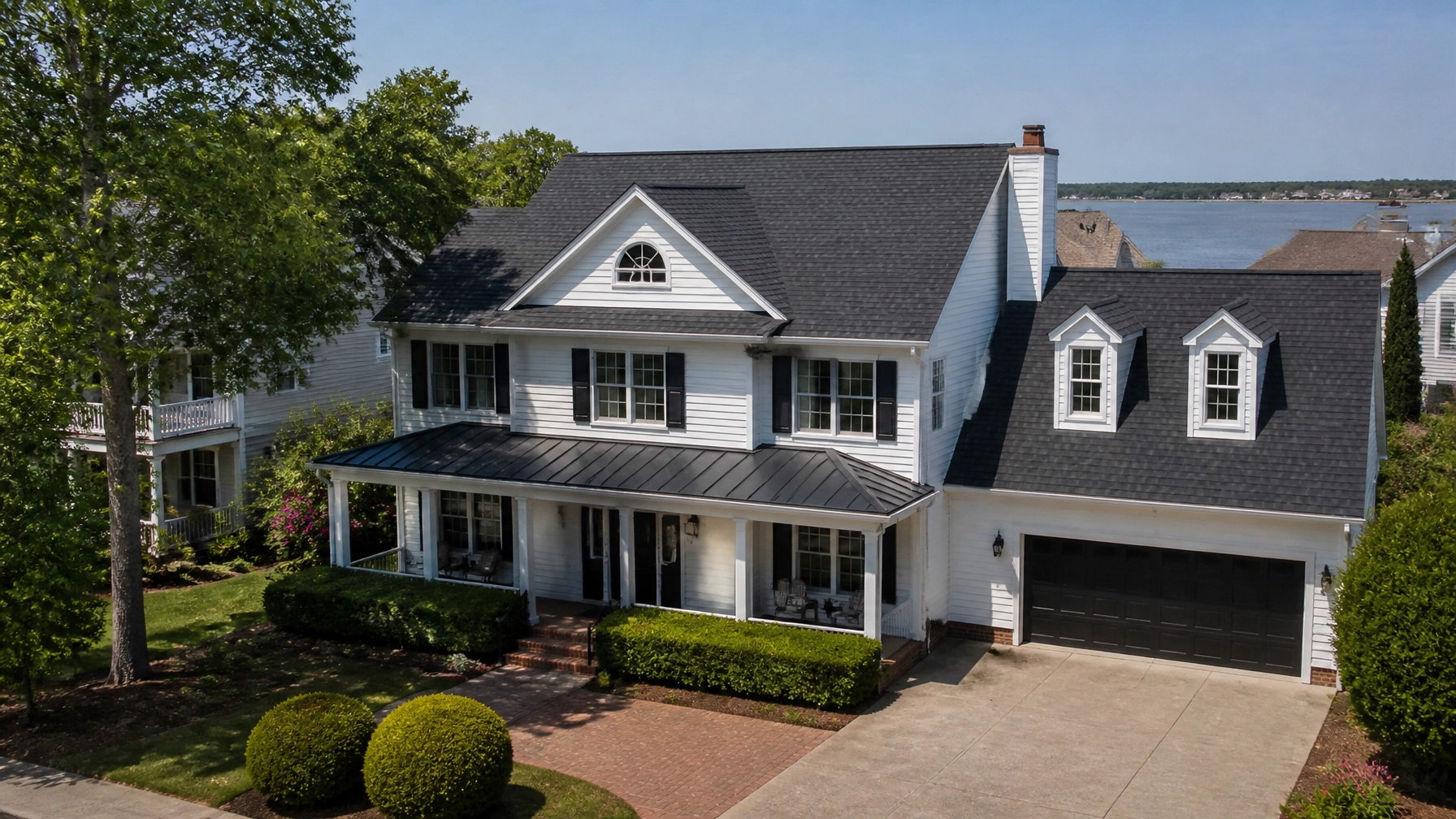
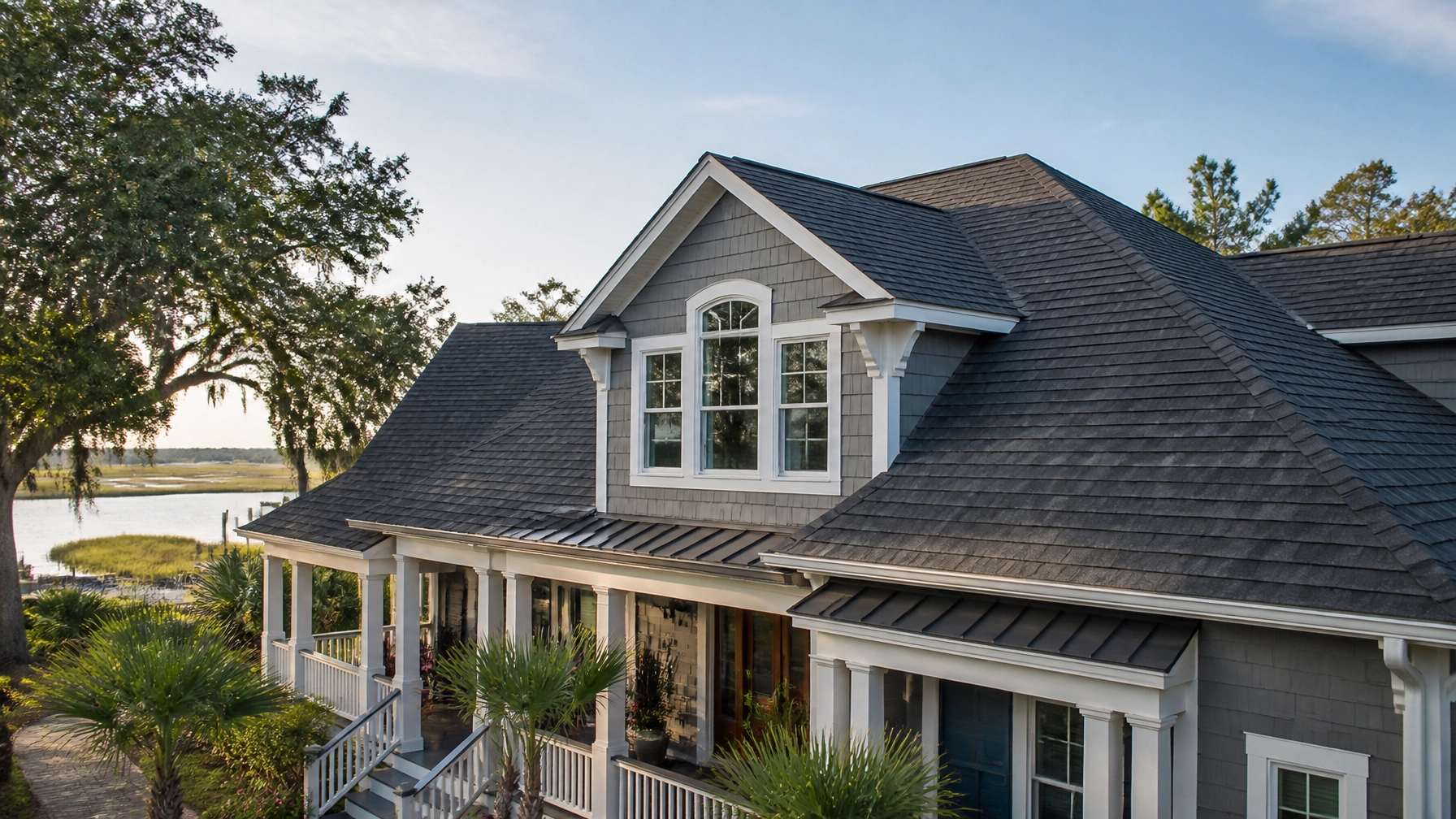
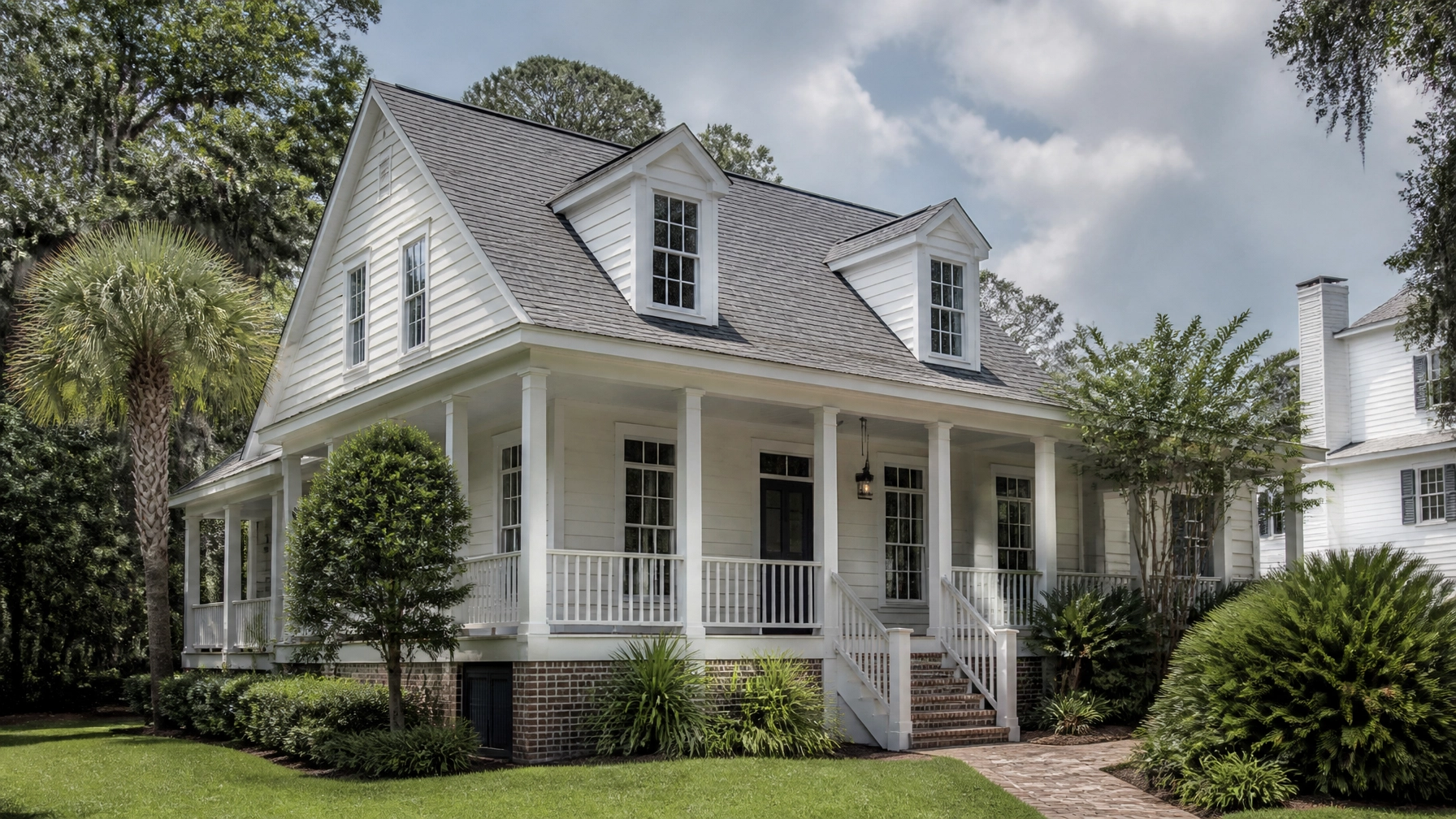
    Comparison showing a traditional asphalt shingle roof and a modern standing seam metal roof in a Birmingham neighborhood.

    The Afternoon Thunderstorm Test

    The forecast for today includes "slight rain showers" with "thundery showers possible." This is the classic Birmingham summer pattern. These quick, heavy bursts of rain test your roof’s structural integrity and drainage capacity.

    When 1-2 inches of rain falls in a 30-minute window, your gutters and valleys must move hundreds of gallons of water instantly. If your gutters are clogged with debris or your shingles are "bruised" from previous hail events, this is when small leaks become major interior damage.

    Pro Tip: If you see "granule sand" in your downspouts after today's rain, your shingles are likely reaching the end of their functional life. You can check your roof's current health and get an instant roof estimate in under 60 seconds using our satellite technology.

    Why Attic Ventilation is Your Roof’s Life Support

    In a climate like Birmingham’s, your roof is only as good as the ventilation beneath it. Without proper airflow, an attic can easily hit 140°F+ on a day like today.

    Close-up of a professional ridge vent installation on a shingle roof, ensuring proper attic ventilation.

    A "baked" attic does two things:

    1. Cooks the shingles from the bottom up: Extreme heat trapped in the attic accelerates the degradation of the shingle's internal structure.
    2. Increases cooling costs: Your AC has to work twice as hard to fight the heat radiating through your ceiling.

    A balanced ventilation system: using soffit vents for intake and ridge vents for exhaust: is mandatory for Birmingham homes. If your upstairs rooms feel significantly hotter than your downstairs today, your ventilation is likely failing you.

    Asphalt vs. Metal: The Birmingham Verdict

    In this region, the material you choose dictates your maintenance schedule:

    • Asphalt Shingles: Expected lifespan in Alabama is typically 20–25 years (even for 30-year rated products) due to the extreme heat and humidity. They are cost-effective upfront but require more frequent inspections for algae and wind damage.
    • Metal Roofing: These systems often last 40–70 years in the South. They are virtually immune to the algae streaks common in Birmingham and handle the expansion/contraction of 100-degree days much better than asphalt.

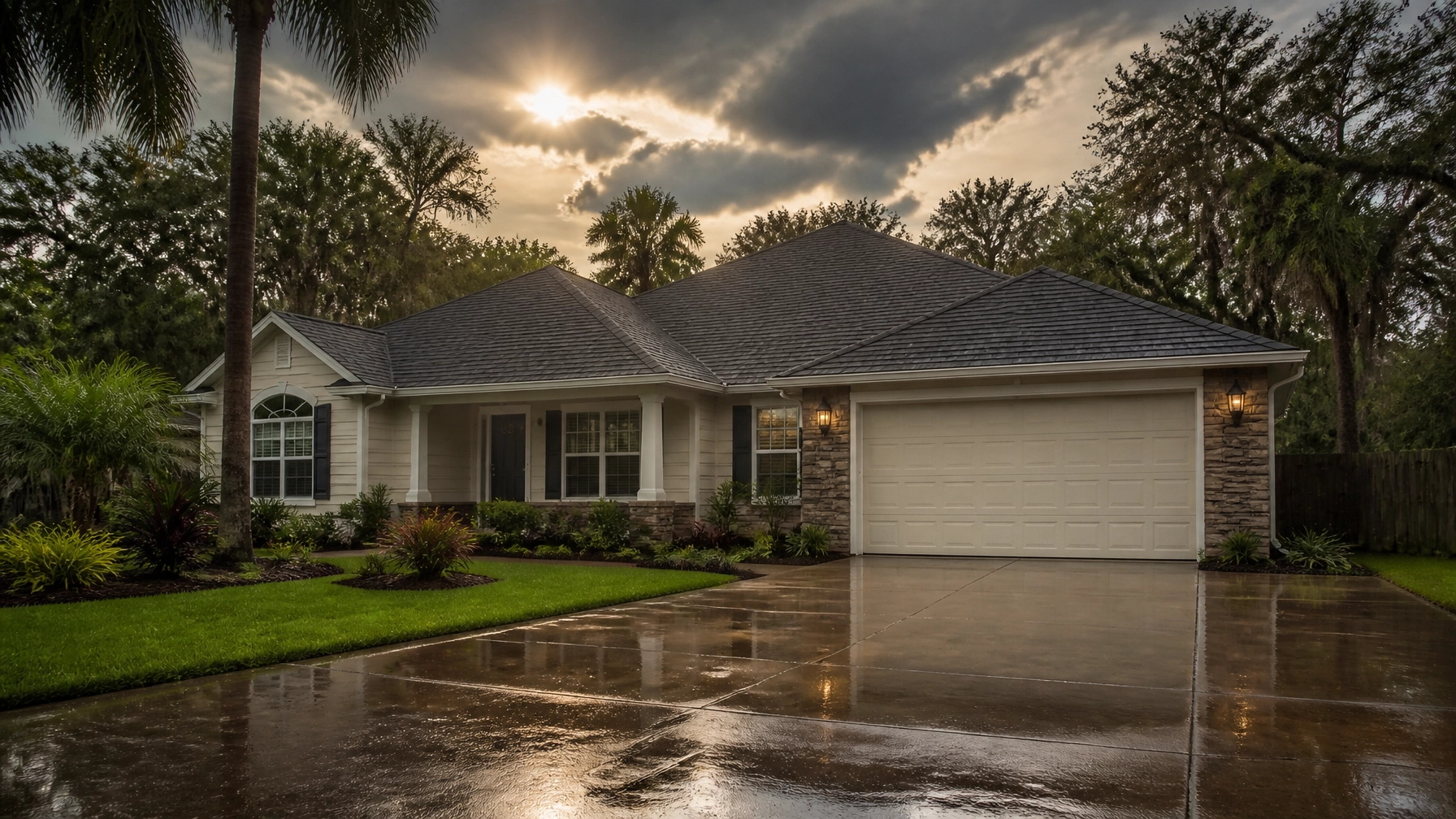
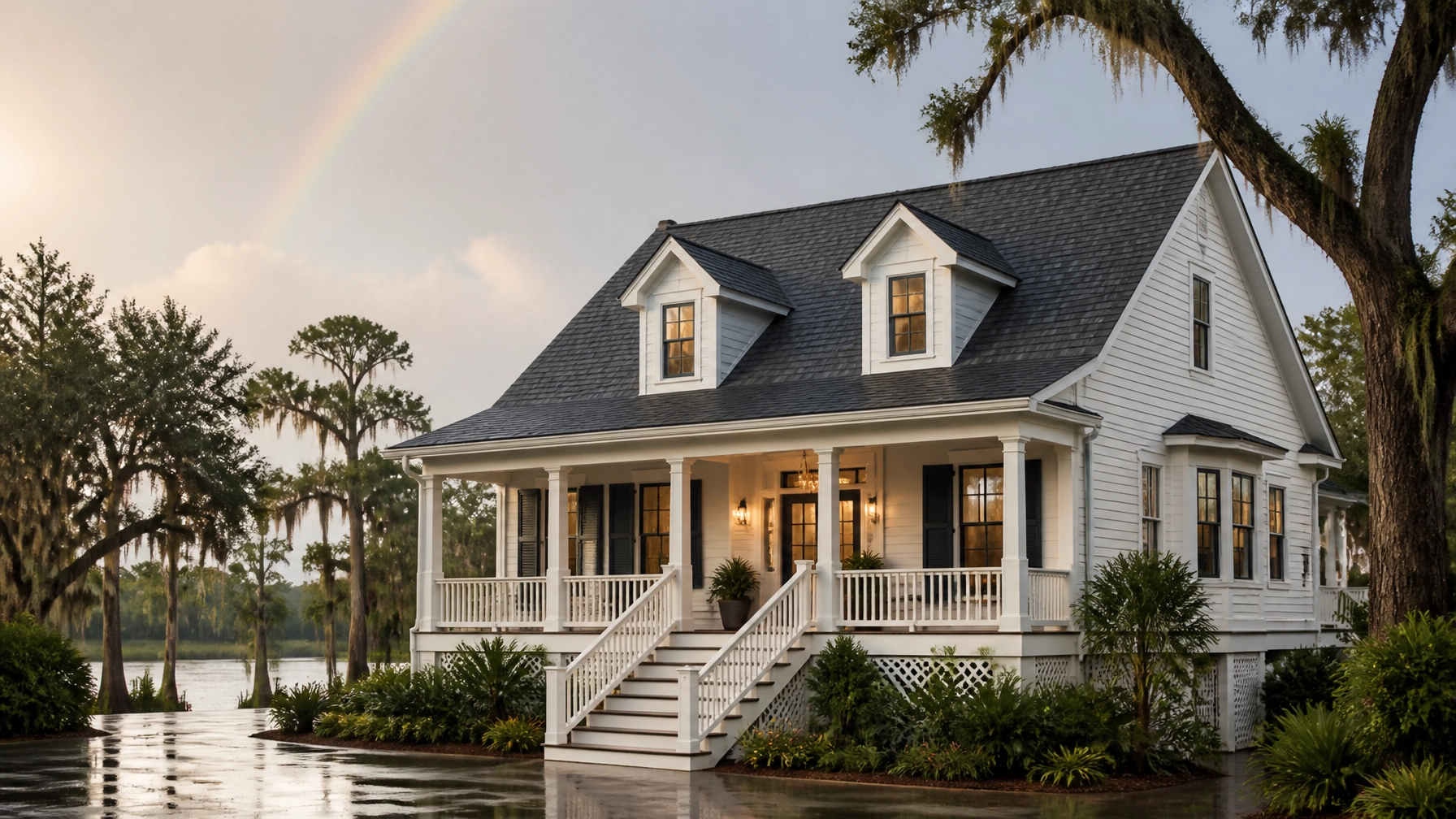
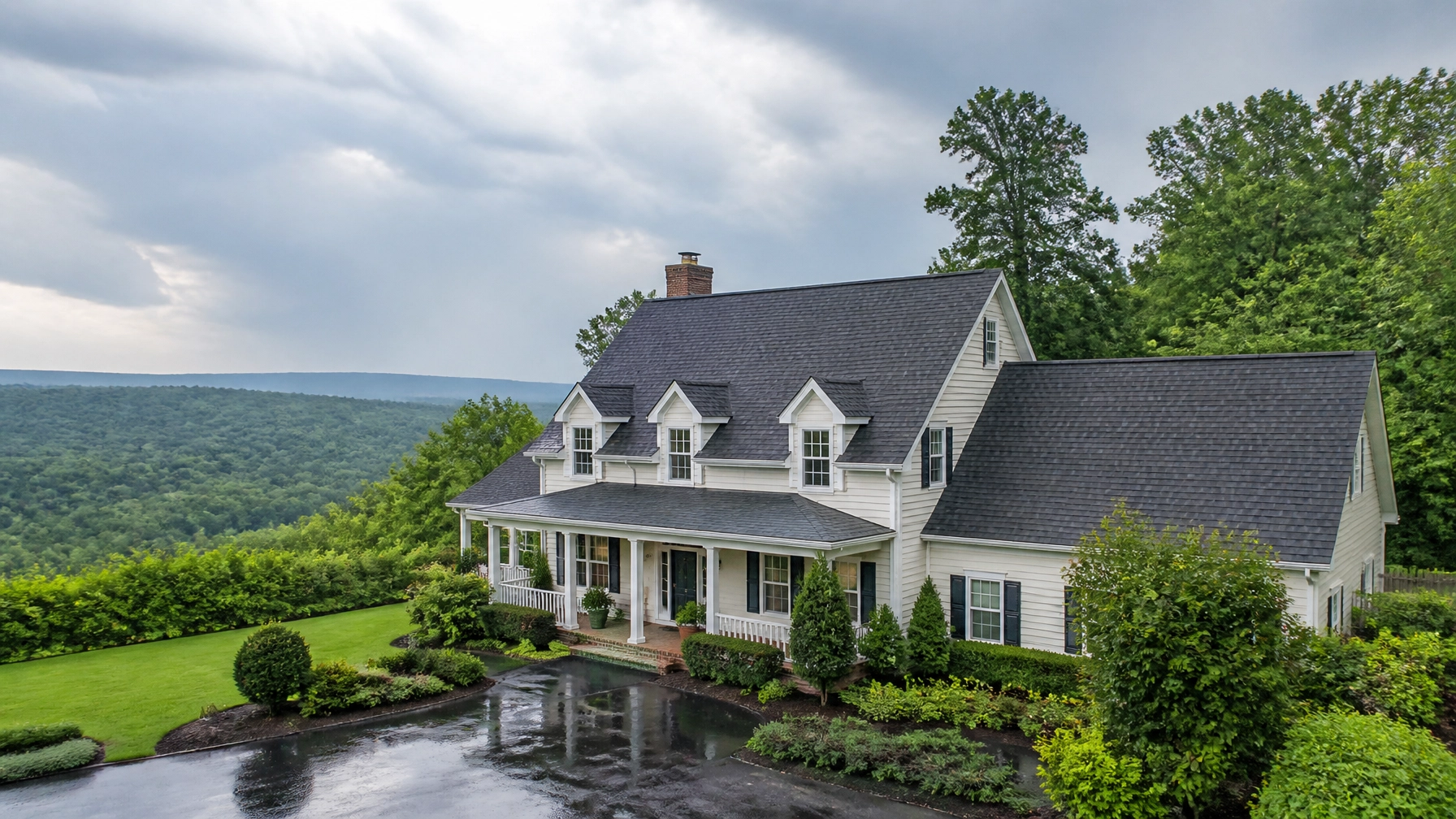
    A Birmingham home after a typical summer thunderstorm, with a wet roof reflecting the afternoon sun.

    5 Practical Durability Tips for Birmingham Homeowners

    1. Bi-Annual Gutter Clears: Ensure your gutters are 100% clear before the heavy summer storm season peaks in late July and August.
    2. Inspect the "Flashings": Check the metal around chimneys and vents. Heat causes these to expand and contract, which can pull them away from the roof and create entry points for water.
    3. Trim the Trees: Overhanging branches provide shade that encourages algae growth and can act as "whips" during a thunderstorm. Keep them at least 10 feet away.
    4. Check Your Attic Insulation: Ensure your insulation isn't blocking your soffit vents. Air needs to flow freely to keep the roof deck cool.
    5. Get a Baseline Estimate: Don't wait for a leak. Know what a replacement costs today so you can budget for the future.

    Ready to see where your roof stands?

    The weather isn't getting any cooler, and the humidity isn't going anywhere. Protecting your Birmingham home starts with accurate information.

    At Get My Roof Estimate Now, we use advanced satellite imagery to measure your roof's size, pitch, and complexity to within inches. No contractor visits, no high-pressure sales calls. Just the data you need in 60 seconds.

    Get your free, instant Birmingham roof estimate here.


  • Atlanta GA Roof Replacement FAQ: Quick Answers for Metro Atlanta Homeowners (2026)

    Atlanta GA Roof Replacement FAQ: Quick Answers for Metro Atlanta Homeowners (2026)

    Atlanta, Georgia, is more than just the "Capital of the South." From the historic Craftsman bungalows in Inman Park and Grant Park to the sprawling modern estates in Alpharetta and Marietta, our city's housing stock is as diverse as its residents. However, owning a home in the "City in a Forest" comes with specific roofing challenges. The combination of intense heat, high humidity, and the occasional violent spring thunderstorm means your roof works harder here than in many other parts of the country.

    If you are noticing missing shingles, leaks after a heavy downpour, or your roof is simply approaching the 20-year mark, you need fast, accurate answers. At Get My Roof Estimate Now, we use advanced satellite imagery technology to provide you with a transparent roof replacement estimate in under 60 seconds: no contractor visit required.

    Below are the most frequently asked questions from Metro Atlanta homeowners regarding roof replacement in 2026.


    1. What is the average roof replacement cost in Atlanta, GA, in 2026?

    For a standard 2,000-square-foot home in Metro Atlanta, the average cost for a full roof replacement in 2026 typically ranges between $9,000 and $15,000 for architectural asphalt shingles.

    Costs fluctuate based on several "Complexity Factors":

    • Roof Size (Squares): Measured in 100-square-foot units. A 2,000 sq. ft. roof is roughly 20 squares.
    • Pitch (Steepness): Steeper roofs require more safety equipment and labor, increasing the price.
    • Layers: If your home has two layers of old shingles, the "tear-off" labor cost will increase significantly.
    • Material Choice: Moving from asphalt to metal or tile can double or triple your investment.

    2026 Price Ranges for a 2,000 Sq. Ft. Atlanta Roof:

    • Budget (3-Tab Shingles): $7,800 – $9,500
    • Popular (Architectural Shingles): $8,200 – $16,800
    • Premium (Standing Seam Metal): $20,000 – $29,000
    • Ultra-Premium (Slate or Tile): $30,000 – $45,000+

    Close-up of high-quality architectural asphalt shingles showing multi-dimensional texture.

    2. Are roofing permits required in Atlanta/Georgia?

    Yes. In the City of Atlanta and most surrounding counties (Fulton, DeKalb, Cobb, Gwinnett), a building permit is required for a full roof replacement.

    • Cost: Permit fees typically range from $150 to $400, depending on your specific municipality and the total value of the project.
    • Responsibility: A reputable, licensed roofing contractor should handle the permit application for you.
    • Why it matters: Skipping a permit can lead to fines, issues when you try to sell your home, and may even give your insurance company a reason to deny future claims.

    Always ensure your contractor is registered with the Georgia Secretary of State and carries both General Liability and Workers' Compensation insurance.

    3. Does homeowners insurance cover roof replacement in Atlanta?

    In Atlanta, homeowners insurance typically covers roof replacement if the damage was caused by a sudden, accidental event: such as hail, high winds during a thunderstorm, or a fallen oak tree branch.

    • What’s Not Covered: General "wear and tear" or lack of maintenance. If your roof is 25 years old and simply leaking because the shingles have reached the end of their lifespan, insurance likely won't pay for it.
    • RCV vs. ACV: Check your policy. Replacement Cost Value (RCV) covers the full cost to replace the roof at today's prices. Actual Cash Value (ACV) only pays what the roof is worth today (depreciated value based on age).
    • The "Hail Belt": Atlanta sits in a region prone to hail. If a storm hits your neighborhood, have your roof inspected immediately. Even small hail can bruise shingles, leading to premature failure.

    4. How long does a roof replacement take in Atlanta?

    For most standard residential homes (1,500 to 3,000 square feet), a full roof replacement usually takes 1 to 3 days.

    • Day 1: Tear-off of old materials and inspection of the wooden decking. Any rotten wood is replaced.
    • Day 2: Installation of underlayment, flashing, and new shingles/metal.
    • Day 3: Final trim work, cleanup, and inspection.

    Complexity (multiple chimneys, steep gables) and weather (Atlanta's unpredictable afternoon thunderstorms) can extend this timeline. Our satellite-powered measurements ensure your contractor arrives with the exact amount of material needed, preventing delays.

    Satellite-powered roof measurement technology overlaying a residential rooftop with digital lines.

    5. What roofing materials are best for Atlanta's climate?

    Atlanta’s climate features intense UV exposure, high humidity, and heavy rain. Choosing the right material is a balance of aesthetics, budget, and durability.

    Material Type Longevity Best For… Atlanta 2026 Price Context
    Architectural Shingles 25-30 Years Most residential homes Popular – Best value for money.
    Standing Seam Metal 50+ Years Modern homes / Energy efficiency Premium – Excellent for heat reflection.
    Synthetic/Slate 50+ Years Historic homes (Buckhead/Inman Park) Ultra-Premium – Highest curb appeal.
    Class 4 Impact Resistant 30 Years Hail-prone areas Strategic – Can lower insurance premiums.

    Expert Tip: If you choose shingles, ensure they are "Algae Resistant" (AR). Atlanta’s humidity often leads to unsightly black streaks (Gloeocapsa magma) on roofs.

    6. How does Atlanta's red clay and humidity affect roofing?

    While we love our "Georgia Red Clay," it doesn't directly damage your roof. However, the humidity that often accompanies our climate is a significant factor.

    • Accelerated Aging: High humidity and "wet heat" can cause asphalt shingles to lose granules faster than they would in a drier climate. This can shorten the lifespan of a "30-year" shingle to about 20-22 years in the South.
    • Mold and Algae: The humid Metro Atlanta air promotes the growth of moss and algae, especially on North-facing slopes or roofs shaded by the city's many trees.
    • Ventilation is Key: Because of the heat, your attic can reach 150°F+ in July. Without proper intake and exhaust ventilation, that heat "bakes" your shingles from the inside out, causing them to curl and crack prematurely.

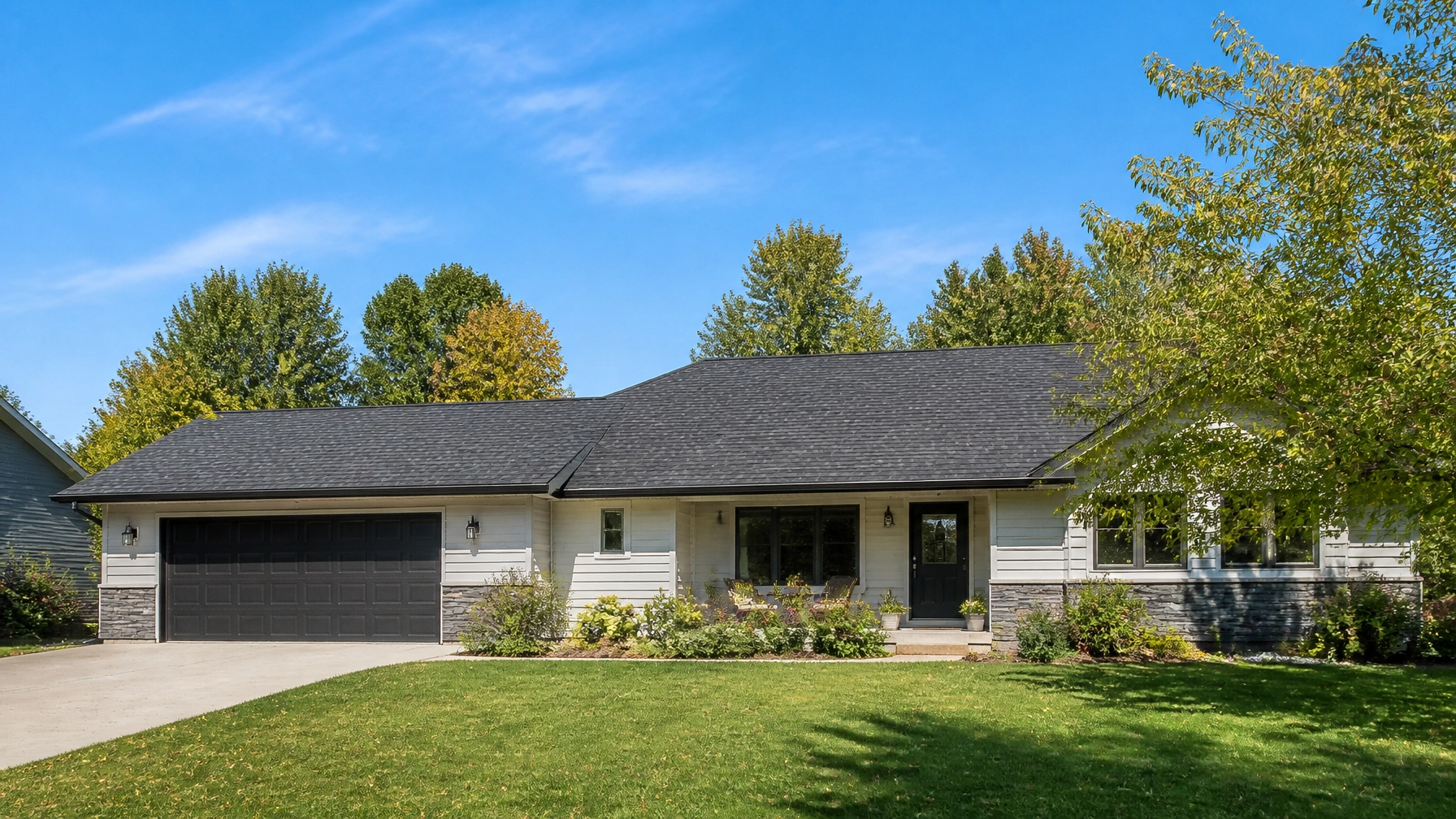
    A modern suburban ranch-style home in Marietta with a newly installed matte black standing seam metal roof.

    Get Your Atlanta Roof Estimate in 60 Seconds

    Planning a roof replacement doesn't have to start with three different contractors climbing on your house and taking up your entire Saturday.

    At Get My Roof Estimate Now, we’ve simplified the process. Using high-resolution satellite imagery accurate to within inches, we calculate your roof’s size, pitch, and complexity instantly.

    1. Enter your Atlanta address.
    2. Select your preferred material (Shingle, Metal, etc.).
    3. Receive a localized price range based on current 2026 Georgia labor and material costs.

    Ready to see what a new roof will cost for your home?
    Get Your Free Instant Estimate Here


  • Daily Weather Blitz – Tampa, FL: July 15, 2026 – Beating the Heat & UV on Your Roof

    Daily Weather Blitz – Tampa, FL: July 15, 2026 – Beating the Heat & UV on Your Roof

    Today in Tampa, Florida, the atmosphere is a heavy mix of intense radiation and high-octane humidity. While the overcast skies might suggest a break from the sun, don’t be fooled. We are tracking a high of 96°F (35.3°C) with a punishing UV Index of 8.85.

    For homeowners in Hillsborough County, these aren't just uncomfortable numbers: they are the primary drivers of premature roof failure. On a day like today, your roof isn't just sitting there; it’s under a chemical and physical assault. At Get My Roof Estimate Now, we use satellite technology to measure thousands of roofs in the Southeast, and we see the same pattern: Tampa roofs age up to 30% faster than those in the North.

    Here is your July 15, 2026, weather breakdown and what it means for your home’s most important defense system.

    Today’s Weather Impact Profile (Tampa, FL)

    • High Temperature: 96°F (Surface temperatures on dark shingles can exceed 160°F).
    • UV Index: 8.85 (Very High).
    • Precipitation: 30% chance of afternoon thunderstorms (Thermal shock risk).
    • Humidity: High (Accelerated organic growth and moisture trapping).

    1. The "Invisible Enemy": UV Photodegradation

    Even with 15th of July overcast skies, UV rays penetrate the cloud cover and hit your roof with significant force. Asphalt shingles are a complex mixture of fiberglass, mineral granules, and petroleum-based oils called maltenes. These oils are what keep your shingles flexible and "sticky" enough to hold onto their protective granules.

    When the UV index hits nearly 9.0, it triggers a process called photodegradation. The UV radiation breaks the chemical bonds in the asphalt, causing those essential oils to evaporate (volatilization).

    The Result:

    • Brittleness (High Risk): Your shingles lose their ability to flex.
    • Granule Loss (Immediate): As the asphalt dries out, it loses its grip on the mineral granules. If you see "sand" in your gutters today, your roof is shedding its UV armor.
    • Accelerated Aging: A single week of this intense exposure can equal a month of wear in milder climates.

    Macro close-up of aging shingles showing UV-induced granule loss and brittleness


    2. Thermal Shock: The Afternoon Thunderstorm Cycle

    Tampa’s forecast today includes a 30% chance of afternoon thunderstorms. While the rain provides a temporary cooling sensation for you, it can be brutal for your roof.

    Throughout the morning, the 96°F air temperature drives your roof surface temperature toward 150°F–170°F. This causes the materials (wood decking, metal flashings, and asphalt shingles) to expand. When a sudden Florida downpour hits, the temperature of those materials can drop 60 degrees in less than 10 minutes.

    This rapid contraction is known as thermal shock. Over time, this constant "breathing" stresses the seals around your chimneys, vents, and fasteners. Eventually, the seals break, and that’s when the leaks start.


    3. Humidity and the Ventilation Crisis

    High humidity combined with the intense heat creates a pressure cooker inside your attic if it isn't properly ventilated. In Tampa, poor attic ventilation is the #1 cause of "cooked" shingles.

    If your attic cannot breathe, the trapped heat bakes the shingles from the underside while the sun bakes them from the top. This "double-sided" heating accelerates the curling and cupping of shingles, often voiding manufacturer warranties. Furthermore, the high humidity can lead to mold and mildew growth on the plywood decking, compromising the structural integrity of the entire system.

    Action Tip: Check your ridge vents and soffits. If your second floor feels significantly hotter than your first, your ventilation is likely failing.

    Interior of an attic showing modern ventilation and solar-powered fans to combat Florida heat


    4. The Financial Reality: Tampa Roofing Costs in 2026

    In 2026, the cost of labor and materials in Florida remains higher than the national average due to strict building codes and high demand. Waiting until a leak appears usually results in emergency repair costs and potential interior damage.

    Based on our real-time cost data for the Tampa-St. Petersburg-Clearwater area, here is what you can expect to pay for a standard 2,000 sq. ft. roof replacement:

    Material Type Price Range (Installed) Durability Rating
    Architectural Shingles (Popular) $9,000 – $13,000 Good (15-20 years in FL)
    Standing Seam Metal (Premium) $20,000 – $28,000 Excellent (40-70 years)
    Concrete/Clay Tile (Premium) $22,000 – $35,000 Excellent (50+ years)
    Roof Coatings (Budget) $6,000 – $8,000 Short-term (5-10 years)

    Note: These ranges factor in regional labor rates and current material surcharges for the 2026 season.


    5. Beating the Heat: Materials That Last in Florida

    If your roof is 15–20 years old, today’s heat might be the "last straw." When considering a replacement, Tampa homeowners should look for materials specifically engineered for high-UV environments.

    Reflective "Cool" Shingles (Popular Choice)

    Modern architectural shingles now come with "cool roof" technology. These granules are designed to reflect a higher percentage of the sun's rays, keeping the roof surface: and your attic: significantly cooler. This can reduce energy bills by up to 15% during peak summer months.

    Standing Seam Metal (Premium Choice)

    Metal is the gold standard for Florida. It reflects heat, handles thermal expansion flawlessly, and is almost entirely immune to UV photodegradation. While the upfront cost is higher, the "cost per year" is significantly lower than asphalt.

    Coastal Florida home featuring a high-reflectivity white metal roof


    6. Your 60-Second Summer Checklist

    Don't wait for a ceiling stain to take action. Use this weather blitz as a reminder to perform a quick visual health check:

    1. Check the Gutters: Are they full of shingle granules? (Sign of UV failure).
    2. Inspect the Edges: Are your shingles curling up at the corners? (Sign of thermal stress).
    3. Monitor the Attic: Is there a musty smell or visible light through the boards?
    4. Get a Baseline: Know your numbers before you talk to a contractor.

    Stop Guessing. Get an Accurate Estimate in 60 Seconds.

    Most Tampa homeowners dread the "contractor dance": scheduling three different visits just to get a ballpark price. We’ve eliminated that hassle.

    Using high-resolution satellite imagery, Get My Roof Estimate Now can calculate your roof's size, pitch, and complexity with 95% accuracy in under a minute.

    • Zero Cost: No credit card required.
    • Instant Results: Get your low-middle-high price range in 60 seconds.
    • Verified Pros: If you're ready, we connect you with licensed, insured Tampa contractors.

    Click here to get your instant Tampa roof estimate now.


    Categories: Weather, Durability, Tampa
    Tags: Tampa Roofing, Florida Weather, Roof Cost 2026, UV Damage, Asphalt Shingles

  • Louisville Weather Today: Heat, Humidity & How Kentucky Summers Test Your Roof

    Louisville Weather Today: Heat, Humidity & How Kentucky Summers Test Your Roof

    Today is Wednesday, July 15, 2026, and if you’re stepping outside in Louisville, you’re feeling the full weight of a Kentucky summer. We are currently facing a high of 92°F, but with our signature Ohio Valley humidity, the heat index is pushing a staggering 100°F.

    While you’re cranking the A/C, your roof is performing a much more difficult job. It is sitting directly under a high UV index, absorbing solar radiation that can push surface temperatures of dark shingles up to 150°F or more. In the "River City," our weather isn't just a topic of conversation; it is the primary factor in the lifespan of your home's most important defense system.

    At Get My Roof Estimate Now, we track these local weather patterns because they directly dictate when you’ll need to search for a Louisville KY roof replacement cost. Kentucky roofs age differently than those in the desert or the deep south. Here is how today’s heat: and the coming seasons: impact your home’s durability.

    The Triple Threat: Heat, Humidity, and High UV

    Today’s mostly sunny skies might look pleasant, but for an aging asphalt roof, they are a source of "thermal shock." When your roof heats up to 150°F during the afternoon and then cools down rapidly during a late-day thunderstorm (a common Kentucky summer occurrence), the materials expand and contract violently.

    • UV Degradation (Constant): The ceramic granules on your shingles are there to reflect UV rays. As heat levels rise, these granules loosen and wash away. Once the underlying asphalt is exposed, it dries out, becomes brittle, and cracks.
    • The Humidity Trap (Severe): Louisville’s humidity doesn’t just make you sweat; it trapped moisture in your attic. Without proper attic ventilation, that moisture can rot your roof decking from the inside out.
    • Morning Fog (Occasional): Today’s patchy morning fog introduced surface moisture that, when combined with rapid afternoon heating, can accelerate the growth of blue-green algae (those black streaks you see on older roofs).

    Detailed close-up of Class 4 impact-resistant architectural shingles designed for durability

    By the Numbers: Why Louisville is Tough on Roofs

    Louisville homeowners often wonder why a "30-year shingle" sometimes only lasts 22 years in our area. The data explains why:

    1. Annual Rainfall: Louisville averages 43 inches of rain per year, significantly higher than the national average.
    2. Storm Frequency: We experience 15 to 20 severe storm days annually, many of which involve high winds and hail.
    3. Future Outlook: Climate projections show that by 2050, the 100-year 24-hour rainfall event in our region will increase by ~24% (jumping from 7.8 to 9.6 inches). Your roof drainage system needs to be ready for heavier downpours.
    4. The Freeze-Thaw Cycle: This is the silent killer. Louisville sees over 60 days a year where the temperature swings across the freezing mark. This cycle causes water to enter small cracks, freeze, expand, and tear the shingles apart. Local data suggests these cycles degrade roofs 20-40% faster than in milder coastal climates.

    Louisville KY Roof Replacement Cost: 2026 Price Guide

    If your roof has weathered 15+ Kentucky summers, you are likely planning for a replacement. In 2026, transparency is key to budgeting. Based on satellite-verified measurements and local labor rates, here is what you can expect for a typical 2,000 sq. ft. home in the Louisville metro area:

    Material Type Estimated Cost Range (Installed) Expected Lifespan in KY Context
    Standard Architectural $11,000 – $16,000 22–28 Years (Popular/Reliable)
    Class 4 Impact-Resistant $13,000 – $18,000 25–30+ Years (Resilient/Insurance Discounts)
    Standing Seam Metal $20,000 – $36,000 40–60+ Years (Premium/Lifetime)
    Basic 3-Tab Shingles $8,500 – $11,000 12–18 Years (Budget/Not Recommended)

    Note: Costs vary based on roof pitch, complexity, and specific zip code data. You can get a tailored price for your specific address in under 60 seconds using our roof cost calculator.

    Strengthening Your Home’s Resilience

    When dealing with Louisville storm damage roof issues, "standard" isn't always enough. To combat the 92°F heat and the coming winter freezes, consider these upgrades:

    1. Class 4 Impact-Resistant Shingles (Resilient)

    These are engineered to withstand hail up to 2 inches in diameter. In Kentucky, many insurance providers offer a 10% to 28% discount on premiums for homes with Class 4 roofs, making the slightly higher upfront cost a smart financial move.

    2. Metal Roofing (Premium)

    A matte black or bronze standing seam metal roof is the ultimate defense against the Ohio Valley climate. It is virtually immune to the freeze-thaw cycle and reflects significantly more solar heat than asphalt, potentially lowering your cooling bills during these 90-degree July weeks.

    A modern residential standing seam metal roof in matte bronze, offering maximum weather protection

    3. Attic Ventilation (Critical)

    If your attic isn't breathing, your shingles are "baking" from both sides. Ensure you have a balanced system of intake (soffit vents) and exhaust (ridge vents) to move that humid 100°F heat out of your home.

    Protecting Your Louisville Roof Replacement Home Equity

    A new roof isn't just an expense; it’s an investment in your Louisville roof replacement home equity. In a competitive real estate market like ours: from the Highlands to St. Matthews and out to Prospect: a certified, weather-resilient roof is a major selling point.

    To ensure your investment lasts, follow this seasonal checklist:

    • Trim Overhanging Branches: High winds from summer storms can turn a heavy branch into a roof-destroying projectile. Keep trees 6-10 feet away from the roofline.
    • Clean the Gutters: With 43 inches of rain annually, your gutters must be clear. Clogged gutters lead to water backing up under the shingles at the eave, causing rot.
    • Annual "Walk-Around": You don't need to get on a ladder. Use binoculars to look for lifted shingles or "balding" areas where granules have washed away after a storm.

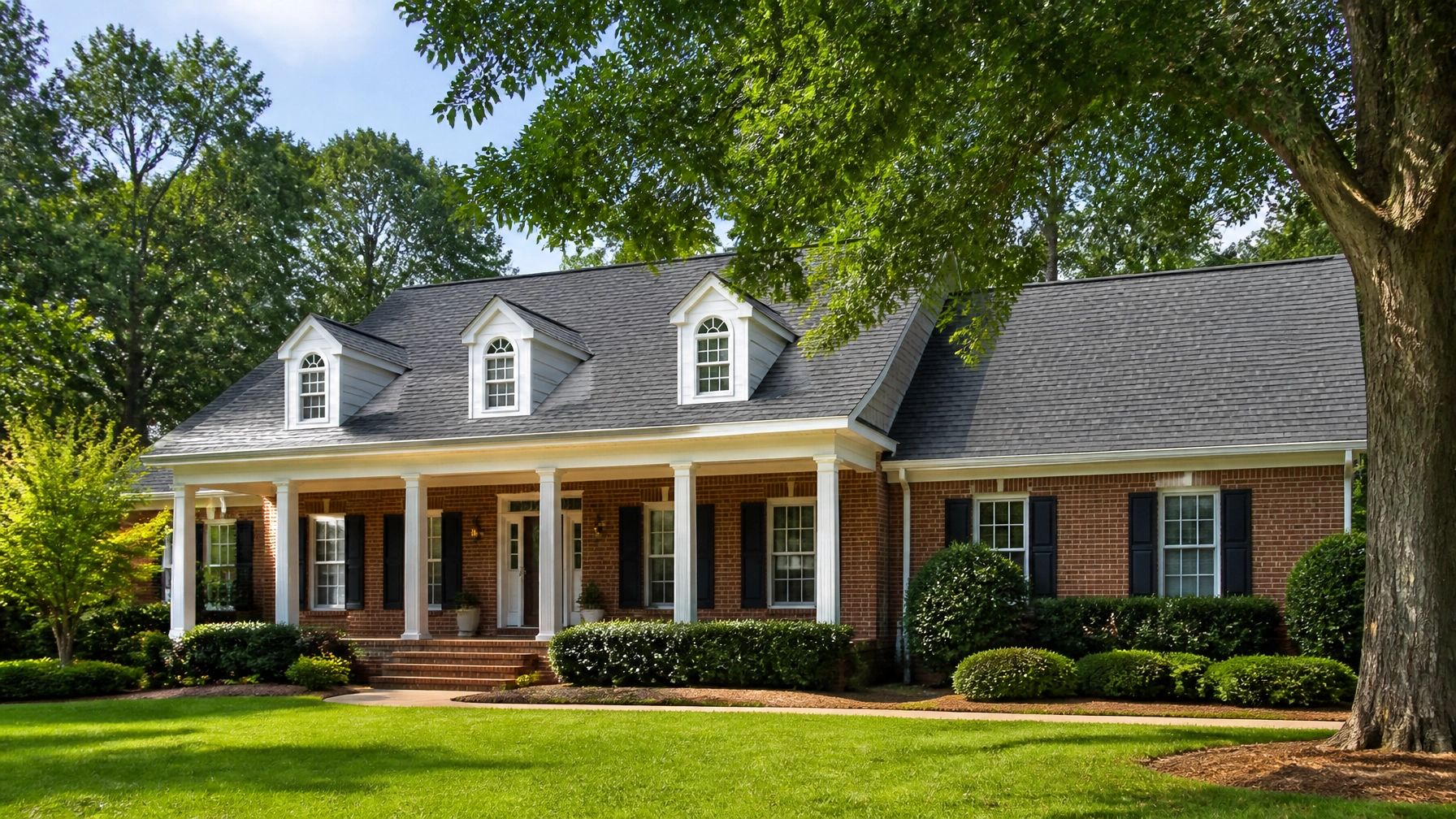
    A suburban Louisville neighborhood street showing various roof styles on a bright, hazy summer day

    Get Your Estimate in 60 Seconds

    The slight chance of storms later this week is a reminder that the window for preventive maintenance is always closing. Don't wait for a leak to find out your roof is failing.

    Whether you are looking for a baseline budget or are ready to connect with a verified local contractor, we can help. We use advanced satellite imagery to measure your roof's exact size and pitch, providing you with a transparent, accurate estimate without the high-pressure sales visit.

    Click here to get your instant, free roof estimate now.

    How is your roof handling the Louisville heat today? Have you noticed any storm damage after our recent spring rains? Let us know in the comments below or share this post with a neighbor who is planning a home project this summer!

  • New Roof ROI in Louisville, KY: How Much Does It Boost Your Home Value in 2026?

    New Roof ROI in Louisville, KY: How Much Does It Boost Your Home Value in 2026?

    As of mid-2026, the Louisville real estate market remains one of the most competitive in the region. With a median home value holding steady around $265,000: representing a 2–4% year-over-year increase: Louisville homeowners are sitting on significant equity. However, in a market where the average home sells in just 37 days, the condition of your roof is often the deciding factor between a top-dollar offer and a listing that languishes on the market.

    In Kentucky, your roof isn't just a protective layer; it is a critical financial asset. Between the localized storm patterns and the rising costs of materials, understanding the Return on Investment (ROI) of a roof replacement is essential for any homeowner planning to sell or simply protect their investment.

    The 2026 Louisville Housing Landscape

    Louisville’s housing inventory remains tight, particularly in sought-after ZIP codes like 40205 (Highlands), 40223 (Anchorage/Middletown), and 40245 (Lake Forest). Buyers in 2026 are increasingly research-oriented and risk-averse. They aren't just looking at the kitchen backsplash; they are looking at the age of the mechanicals and the integrity of the roof.

    Data shows that homes in the Louisville metro area with roofs replaced within the last three years sell 15–20% faster than those with aging systems. In a high-interest-rate environment, buyers want "turn-key" properties. They don't want to worry about a $15,000 out-of-pocket expense immediately after closing.

    Cost Breakdown: 2026 Price Ranges for Louisville Homes

    Roofing costs in Louisville have stabilized after the volatility of the early 2020s, but labor and logistics still factor heavily into the final quote. For a standard single-family home (approximately 1,500–2,500 square feet), here is what you can expect to pay in 2026:

    • Asphalt Shingles (Popular): $6,800 – $15,000. This remains the gold standard for Louisville homeowners due to its balance of cost and durability.
    • Architectural Shingles (Premium): $11,000 – $16,000. These offer better wind resistance and a more dimensional look that boosts curb appeal.
    • Metal Roofing (Lifetime): $18,000 – $35,000+. While the upfront cost is higher, the ROI is significantly boosted by longevity and energy efficiency.

    Variables such as roof pitch (steepness), complexity (dormers and valleys), and the number of layers to be removed will dictate where your home falls within these ranges.

    Detailed close-up of high-quality architectural asphalt shingles showing multi-tonal gray colors and dimensional texture.

    The ROI: How Much Value Does a New Roof Actually Add?

    When calculating ROI, we look at two distinct metrics: Direct Resale Value and Perceived Value.

    1. Direct Resale Value

    In 2026, a standard asphalt shingle replacement in Louisville typically yields a 60–70% ROI. If you spend $12,000 on a new roof, you can realistically expect to see an immediate bump of $7,200 to $8,400 in your home's appraised value.

    2. Perceived Value (The "Buyer’s Premium")

    This is where the real profit lies. A new roof adds an estimated $12,000–$18,000 in perceived value to Louisville buyers. When a buyer sees a new roof, they cross off a major "con" on their list. This often leads to multiple-offer situations, allowing sellers to maintain their asking price or even sell above it.

    For those opting for metal vs shingles, the direct ROI can climb as high as 85%, as many buyers are willing to pay a premium for a "permanent" roofing solution that lowers insurance premiums and energy bills.

    A modern ranch-style Louisville home featuring a sleek matte black metal roof, highlighting modern aesthetic and durability.

    The Storm Factor: March 2025 and the Kentucky "Matching Law"

    Louisville homeowners are no strangers to severe weather. The significant hail and wind storms of March 2025 left a lasting mark on the city's housing stock. Many roofs sustained "functional damage" that may not be visible from the ground but will inevitably lead to leaks or failed home inspections.

    The Kentucky Insurance Advantage

    One of the most important pieces of information for Louisville residents is the Kentucky Insurance Matching Law (part of the Unfair Claims Settlement Practices regulation). This law states that if a roof is damaged by a covered peril (like the 2025 storms) and the insurance company cannot find a material that "reasonably matches" the existing roof in color and quality, they may be required to replace the entire contiguous area: often the whole roof: to ensure a uniform appearance.

    This means if your roof is older and shingles are no longer manufactured, a small patch of hail damage could lead to a full roof replacement covered by insurance, minus your deductible. This turns a $12,000 investment into a $1,000–$2,500 out-of-pocket expense, making the ROI effectively over 500%.

    Modern Technology: Get Your Estimate in 60 Seconds

    The traditional way of getting a roof estimate: calling three contractors, waiting days for them to show up, and dealing with high-pressure sales pitches: is a thing of the past.

    At Get My Roof Estimate Now, we utilize advanced satellite imagery technology to measure your roof's square footage, pitch, and complexity with 90-95% accuracy.

    • No Contractor Visits: We don't need to step foot on your property to give you a ballpark.
    • Instant Results: Enter your address and get a transparent price range in under 60 seconds.
    • Verified Local Pros: If the numbers work for you, we connect you with licensed, insured Louisville contractors who are ready to do the job.

    A professional workspace showing a laptop with satellite imagery and digital measurement overlays for a fast roof estimate.

    Summary: Is a New Roof Worth It in 2026?

    The data for Louisville is clear. Whether you are dealing with the aftermath of the March 2025 storms or looking to maximize your equity before a 2026 sale, a new roof is one of the safest investments you can make.

    1. Marketability: Your home sells 20% faster.
    2. Appraisal: You gain immediate equity boost.
    3. Security: You avoid the "matching law" headaches during a home inspection.

    Don't guess what your project will cost. Use our roof cost calculator today to get an instant, free estimate powered by satellite technology. Whether you're in Prospect, Fern Creek, or St. Matthews, we provide the data you need to make an informed decision for your home.


  • Greenville SC Roof Replacement FAQ: Quick Answers for Upstate Homeowners in 2026

    Greenville SC Roof Replacement FAQ: Quick Answers for Upstate Homeowners in 2026

    Replacing a roof in the Upstate is a significant investment that requires precise data and local expertise. In 2026, the Greenville market has shifted due to rising material costs and a greater focus on storm-resilient building codes. Whether you are dealing with recent hail damage or planning an upgrade for a home you just purchased in the North Main or Augusta Road area, speed and transparency are your best assets.

    At Get My Roof Estimate Now, we use advanced technology to bypass the traditional two-week wait for contractor visits. This guide provides direct, authoritative answers to the most frequent questions Greenville homeowners are asking this year.

    What is the average roof replacement cost in Greenville, SC, in 2026?

    For a standard 2,000-square-foot single-family home in Greenville County, the typical roof replacement cost Greenville SC ranges from $9,000 to $16,000 for architectural asphalt shingles (Popular).

    While some budget-friendly 3-tab shingle projects may fall closer to $8,500, most homeowners in the Upstate are opting for heavier architectural shingles or metal due to the region's increasing storm intensity. Here is how the costs generally break down by category:

    • Budget (3-Tab Shingles): $8,500 – $10,500
    • Popular (Architectural Shingles): $11,000 – $15,500
    • Premium (Standing Seam Metal): $22,000 – $45,000+
    • Specialty (Synthetic Slate/Cedar): $30,000+

    These figures include professional labor, old roof tear-off, and the disposal of debris. If your roof has multiple gables, a steep pitch, or requires significant plywood decking repair, expect to land at the higher end of these ranges. You can get a precise figure for your specific address using our instant roof cost calculator.

    A close-up view of high-definition architectural asphalt shingles in Greenville, SC, showing the depth and texture of the modern material.

    How do I handle a South Carolina roof insurance claim in 2026?

    The Upstate is notorious for spring thunderstorms and summer hail. If your roof was damaged by a storm, your South Carolina roof insurance claim 2026 process should start with a professional inspection, not a phone call to your agent.

    1. Documentation: Have a professional roofer document "functional damage" (bruised shingles or missing granules) with high-resolution photos.
    2. Claim Filing: Contact your insurer only once damage is confirmed.
    3. Adjuster Meeting: Your contractor should meet the insurance adjuster on-site to ensure the "scope of work" includes everything required by local Greenville building codes, such as new drip edges and proper attic ventilation.
    4. Policy Type: Most modern policies in SC are Replacement Cost Value (RCV), meaning the insurer pays the full cost to replace the roof minus your deductible. However, if you have an Actual Cash Value (ACV) policy, they will only pay the depreciated value based on the roof's age, leaving you with a larger out-of-pocket expense.

    Note: In South Carolina, it is illegal for a contractor to "waive" or "absorb" your deductible. Any company offering to do so is likely committing insurance fraud or cutting significant corners on your installation.

    What are the legal requirements for Greenville roofing contractors?

    South Carolina has strict regulations to protect homeowners. In 2026, ensure your chosen professional meets these benchmarks:

    • Licensing: For any project exceeding $5,000, the contractor must hold a valid South Carolina Residential Builder License or a specialty roofing license. A simple "handyman" license is insufficient for a full replacement.
    • Permits: Greenville County requires a building permit for all roof replacements. Permit fees typically range from $100 to $400 depending on the total project value.
    • Insurance: Verify both General Liability and Workers' Compensation insurance. Without these, you could be liable for on-site accidents.

    How does technology change the estimation process?

    Gone are the days of waiting days for a salesperson to climb on your roof with a tape measure. The satellite technology Nashville developers pioneered for high-growth metro areas is now the standard for our Greenville operations.

    By using high-resolution aerial imagery, we can measure your roof’s square footage, pitch, and complexity within inches of accuracy. This allows us to provide a transparent, firm price range in under 60 seconds. This technology eliminates human error and provides you with a "bullseye" budget before you ever speak to a contractor.

    A digital interface showing precise satellite measurements and a 60-second estimate badge over a Greenville neighborhood.

    When is the best time to replace a roof in the Upstate?

    Scheduling is critical in Greenville due to our humid subtropical climate and heavy spring pollen.

    • Optimal Windows: February to April and September to November offer the most stable weather for installations.
    • The Pollen Factor: Installing in late March or April means your new shingles might be covered in yellow dust, but this is purely aesthetic and does not affect the seal of the shingles.
    • Summer Heat: July and August are the most difficult months for labor. Roof temperatures can exceed 150°F, often leading to slower progress or "scuffing" on new shingles if the crew isn't experienced.
    • Lead Times: Currently, Greenville homeowners should expect a 4 to 8-week lead time from contract signing to installation.

    Shingles vs. Metal: Which is better for Greenville homes?

    While asphalt shingles remain the most popular choice due to their lower upfront cost, metal roofing is gaining market share in areas like Travelers Rest and Greer.

    Feature Architectural Shingles (Popular) Standing Seam Metal (Premium)
    Typical Cost $9,000 – $16,000 $22,000 – $45,000
    Lifespan 22–28 years 50+ years
    Storm Resistance Good (up to 130 mph) Excellent (high hail/wind rating)
    Maintenance Low Very Low
    Curb Appeal Traditional Modern/Farmhouse

    You can find a more detailed breakdown in our comparison of metal vs. shingles.

    A side-by-side comparison of a traditional Upstate ranch home with shingles versus a modern standing seam metal roof.

    Greenville Roof Replacement Quick Reference 2026

    To help you plan, we have compiled the essential data points for the Greenville market into this quick-reference table.

    Variable 2026 Data Point Notes
    Avg. Cost (2,000 sq ft) $9,000 – $16,000 Architectural Shingle baseline
    Cost per Square Foot $3.50 – $5.50 Includes labor and materials
    Permit Fee Range $100 – $400 Required by Greenville County
    License Required? Yes For all projects over $5,000
    Best Install Months Feb-Apr, Sep-Nov Avoids extreme heat and rain
    Est. Lead Time 4 – 8 Weeks Plan ahead for storm season
    Accuracy of AI Estimate 90% – 95% Based on satellite imagery

    Summary: Taking the First Step

    Replacing your roof doesn't have to be a multi-week ordeal of scheduling and high-pressure sales pitches. If you live in Greenville, Spartanburg, or anywhere in the Upstate, you can leverage the same satellite technology that has revolutionized the industry.

    Start by getting your free, instant estimate. Once you have your baseline price, you can move forward with confidence, knowing exactly what to expect when you connect with our network of verified, licensed local contractors.

    Explore more of our educational roofing blog to learn about material choices, warranty secrets, and how to spot a failing roof before the next big South Carolina storm hits.

  • Insurance Masterclass: How Jacksonville Homeowners Can Get Their Roof Replacement Covered in 2026

    Insurance Masterclass: How Jacksonville Homeowners Can Get Their Roof Replacement Covered in 2026

    For Jacksonville homeowners, navigating the property insurance market in 2026 has become a technical exercise in timing and documentation. With the implementation of new Florida legislation and the shifting coastal climate affecting neighborhoods from the Southside (32256) to the Beaches (32224), understanding exactly how to secure a covered roof replacement is critical.

    The days of "free roofs" via aggressive door-knockers are over. Today’s landscape is defined by data-driven claims, strict filing windows, and sophisticated satellite verification. This masterclass breaks down the specific steps required to navigate a Jacksonville roof insurance claim in 2026 while maximizing your chances of a full replacement approval.

    The 2026 Legislative Landscape: HB 815 and HB 459

    Florida’s roofing laws saw significant updates this year. The most critical shift for homeowners is House Bill 815 (2026). Under this law, insurance carriers can no longer deny coverage or refuse to renew a policy solely based on the age of the roof.

    Key Protections under HB 815:

    • Roofs Under 15 Years (Protected): If your roof is less than 15 years old, insurers are prohibited from using age as the sole reason for non-renewal or coverage denial.
    • Roofs Over 15 Years (Inspection-Based): For older roofs, the insurer must allow a professional inspection. If the inspection confirms at least 5 years of remaining useful life, the carrier must maintain coverage.
    • Actual Condition Focus: The law mandates that insurers prioritize the "actual condition" over the "chronological age," a massive win for homeowners who have maintained their properties well.

    Furthermore, HB 459 (2026) introduced a structured dispute resolution process. Before a claim can escalate to a lengthy court battle, homeowners and insurers now have access to an administrative path designed to resolve disagreements regarding the scope of damage or the necessity of replacement.

    Critical Deadlines and Financial Obligations

    If you are dealing with storm damage: common in the Atlantic-facing neighborhoods of Jacksonville: you must act within the statutory window. Per Florida Statute 627.70132, there is a strict 1-year filing deadline for new claims. Missing this window effectively forfeits your right to coverage for that specific weather event.

    The Hurricane Deductible Reality

    In Jacksonville, most policies include a specific hurricane deductible. This is typically structured as a percentage of your home's total dwelling value (Coverage A).

    • 2% Deductible: On a $300,000 home, your out-of-pocket cost is $6,000.
    • 5% Deductible (High-Risk/Beaches): On a $600,000 home near Jacksonville Beach, you may face a $30,000 deductible.

    Warning on AOBs: Assignment of Benefits (AOB) remains heavily restricted. In 2026, homeowners should NEVER sign an AOB. This legal maneuver transfers your insurance rights to a third party. Always maintain control of your claim and work directly with your insurer and a licensed, reputable contractor.

    Close-up of architectural roof shingles showing subtle weathering and algae streaks typical of Jacksonville's humidity.

    Jacksonville Roofing Costs 2026: A Breakdown

    The 2026 roof replacement cost in Jacksonville varies based on material choice and roof complexity. In Duval County, permits are strictly required for all replacements, and local labor rates reflect the high demand for licensed professionals.

    Material Type Price Category Estimated Cost (2,000 sq. ft. roof) Expected Lifespan
    Architectural Shingles Popular $8,000 – $14,000 20-25 Years
    Stone-Coated Steel Premium $15,000 – $21,000 50+ Years
    Standing Seam Metal Elite $18,000 – $25,000 50+ Years
    Silicone Coatings Budget $4,500 – $7,000 10-15 Years

    Note: These ranges include standard tear-off and local disposal fees. Use our roof cost calculator for a more precise, satellite-verified figure.

    Technical Triggers: The 25% Rule and Matching Requirements

    When filing a Florida roof insurance claim in 2026, the year your roof was installed matters immensely.

    1. The 25% Rule (Pre-2009 Roofs): If your roof was permitted before 2009 and more than 25% of the surface area is damaged, the Florida Building Code typically triggers a mandatory full replacement to meet modern standards.
    2. The SB 4-D Exception (Post-2009 Roofs): For newer roofs (built to the 2007 Building Code or later), insurers may only be required to pay for repairs to the damaged section, provided those repairs meet current code.

    The "Matching" Advantage in Jacksonville

    Jacksonville's high humidity often leads to significant algae growth and color fading on shingles. Florida law requires "aesthetic uniformity." If an insurer proposes a partial repair but cannot find shingles that reasonably match your existing roof's color and texture due to fading or discontinued lines, you may have a strong case for a full replacement. This is a common strategy for homeowners in older Southside developments.

    Aerial satellite view of a Jacksonville neighborhood with digital measurement overlay showing 2,400 sq ft and roof pitch.

    Leveraging Satellite Technology in Jacksonville

    One of the most significant advancements for homeowners in 2026 is the use of satellite technology in Jacksonville. During post-storm periods when local infrastructure is stressed and contractors are overwhelmed, satellite-powered measurements provide an objective "source of truth."

    At Get My Roof Estimate Now, we utilize satellite imagery accurate to within inches. This technology allows you to receive an accurate roof replacement cost Jacksonville FL estimate in under 60 seconds without waiting for a physical site visit. Having this data in hand before you speak to an adjuster levels the playing field.


    Step-by-Step: How to Get Your Roof Replacement Covered

    Follow this instructional guide to navigate the claim process efficiently and avoid common pitfalls.

    1. Document the Damage

    Immediately following a storm, take photos of your property from the ground. Look for "bruising" on shingles, missing granules, or lifted metal panels. In Jacksonville, wind-driven rain often causes interior ceiling leaks: document these as well.

    2. Obtain an Independent Satellite Measurement

    Don't wait for the insurance adjuster to tell you how large your roof is. Use a satellite-based tool to get your own square footage and pitch data. This prevents the "low-ball" estimates often seen in initial claim offers.

    3. Verify Your Contractor’s License

    Florida requires state licensing for all roofing contractors. Ensure your chosen professional holds a valid CCC (Certified Roofing Contractor) or CRC (Certified Residential Contractor) license. Unlicensed work will void your ability to file future claims and may result in fines from Duval County building inspectors.

    4. File the Claim Promptly

    Contact your insurer to open a claim. Provide the date of the loss (storm event) and your documentation. Remember the 1-year deadline established by Statute 627.70132.

    5. Review the Adjuster's Report for "Matching"

    If the adjuster offers a partial repair, ask for proof of a shingle match. If your roof is faded from the Florida sun, demand that the replacement section matches the current weathered state of the roof: which is often impossible, necessitating a full replacement.

    A professional licensed roofing contractor inspecting a roof in a Jacksonville neighborhood.

    Final Thoughts for Jacksonville Residents

    Replacing a roof in 2026 is no longer a simple transaction; it is a regulatory process that requires precision. By understanding the protections offered by HB 815, staying within the 1-year filing window, and utilizing advanced satellite imagery, you can ensure your home is protected without overpaying.

    If you are ready to see what your project should actually cost, get your instant, transparent estimate today. Our technology factors in local Jacksonville material prices and labor rates to give you a range you can trust.

    Get Your Instant 60-Second Satellite Roof Estimate Now

  • Birmingham Roof Durability Guide: How Alabama Weather Tests Your Home’s First Defense

    Birmingham Roof Durability Guide: How Alabama Weather Tests Your Home’s First Defense

    In Birmingham, Alabama, your roof isn't just a part of your home’s architecture: it’s a shield against some of the most punishing weather in the United States. As we navigate the peak of July, Birmingham homeowners face a relentless combination of intense UV radiation, 90-degree heat, and sudden, violent afternoon thunderstorms.

    This guide breaks down exactly how the Birmingham climate impacts Alabama roof durability, what specific "Birmingham roof heat damage" looks like, and why understanding these factors is critical when calculating your potential Birmingham AL roof replacement cost.

    The Birmingham Climate: A "Stress Test" for Your Roof

    Birmingham’s weather is uniquely challenging for traditional roofing materials. In July, the heat index frequently nears 100°F, and humidity levels often hover between 85% and 90%. This creates a "pressure cooker" environment for shingles.

    1. Intense Heat and UV Exposure (The "Bake" Factor)

    The July sun in Alabama is brutal. Constant UV exposure breaks down the chemical compounds in asphalt shingles, leading to:

    • Granule Loss (Critical): The protective stones on your shingles fall off, leaving the asphalt mat exposed.
    • Thermal Shock: Your roof can reach 150°F during the day and drop 30-40 degrees during a sudden afternoon downpour. This rapid expansion and contraction cause shingles to crack and curl.
    • Brittleness: Over time, the "oils" in the asphalt evaporate, making the roof fragile and prone to wind damage.

    2. High Humidity and "The Algae Problem"

    With humidity consistently above 70% for over 200 days a year, Birmingham is a breeding ground for Gloeocapsa magma: the black algae streaks you see on many local roofs. While primarily an aesthetic issue initially, it can trap moisture and accelerate the decay of the underlying structure.

    3. Severe Storms and Wind

    July brings "pop-up" thunderstorms that pack a punch. Between straight-line winds and the ever-present risk of Alabama storm damage, your roof needs a high wind-uplift rating. Standard shingles may fail at 60-70 mph, whereas high-quality architectural systems are rated for much higher.

    Close-up of residential roofing shingles in Birmingham under intense July sun, showing the durability and texture of modern materials.

    Material Durability: How Long Do Roofs Actually Last in Birmingham?

    While a manufacturer might claim a 30-year lifespan, the reality in Alabama is often shorter due to the extreme conditions. Here is what we typically see for Alabama roof durability:

    • 3-Tab Asphalt Shingles (Budget): 12–15 years. These are the most vulnerable to wind and heat.
    • Architectural Shingles (Popular): 18–25 years. Their thickness provides better resistance to thermal shock and wind.
    • Metal Roofing (Premium): 40–70 years. Standing seam metal is the "gold standard" for Birmingham, reflecting heat and easily shedding heavy rain.

    If you are debating between these options, our Metal vs. Shingles comparison provides a deep dive into the ROI of each.

    Identifying Birmingham Roof Heat Damage

    Most homeowners don't realize their roof is failing until a leak appears in the ceiling. In Birmingham, you should look for these subtle signs of heat damage every July:

    1. Cupping or Curling: The edges of the shingles turn upward due to excessive heat in the attic.
    2. Bald Spots: Areas where granules have completely washed away, exposing the dark asphalt underneath.
    3. Cracked Shingles: Vertical or horizontal cracks caused by the roof "expanding" too fast in the sun.

    Local Tip: Check your gutters. If they are filled with "sand" or granules, your roof is actively shedding its protective layer due to UV damage.

    A modern Birmingham home during a typical afternoon summer thunderstorm, showing a durable roof efficiently shedding water.

    How to Calculate Birmingham AL Roof Replacement Cost

    Budgeting for a new roof shouldn't be a guessing game. In 2026, the average Birmingham AL roof replacement cost typically ranges from $8,000 to $25,000, depending on your home's "square" (100 sq. ft. units) and the material chosen.

    Historically, getting an accurate price meant scheduling three different contractors to climb your roof: a process that could take weeks. Get My Roof Estimate Now has changed that.

    Get Your Estimate in 60 Seconds

    Using advanced satellite imagery technology, we measure your roof’s size, pitch, and complexity with 90-95% accuracy.

    • No Contractor Visit: Avoid the high-pressure sales pitch.
    • Transparent Pricing: See low, middle, and high price ranges instantly.
    • Verified Pros: We connect you with licensed, insured Alabama contractors once you're ready.

    Get your free, instant roof estimate here.

    3 Practical Tips for Birmingham Homeowners This Month

    1. Verify Your Attic Ventilation: Heat damage is often worse from the inside out. If your attic isn't venting properly, your shingles are being baked from both sides. Ensure your soffit and ridge vents are clear.
    2. Check for Alabama Storm Damage Roof Indicators: After a heavy July storm, look for "bruising" on shingles (darker spots where hail hit) or missing shingles. Small fixes now prevent $20,000 replacements later.
    3. Soft Wash, Don't Pressure Wash: If you have black algae streaks, never use a high-pressure washer. It will strip the granules and kill your roof's durability. Use a "soft wash" chemical treatment designed for shingles.

    A homeowner and roofing expert using modern technology to view a satellite roof estimate on a tablet in a Birmingham neighborhood.

    Conclusion: Protecting Your Birmingham Investment

    Your roof is the most important component of your home's envelope. In a climate like Birmingham’s, "settling" for the cheapest option often leads to a shorter lifespan and higher long-term costs. Whether you are dealing with Birmingham roof heat damage or preparing for the next hurricane season, data is your best tool.

    Don't wait for a leak to find out what your roof will cost. Use our roof cost calculator to get an accurate, satellite-powered estimate in under a minute. It’s free, transparent, and built for the modern Alabama homeowner.

  • 2026 Roof Replacement Cost in Augusta, GA: Complete Pricing Guide for Garden City Homeowners

    2026 Roof Replacement Cost in Augusta, GA: Complete Pricing Guide for Garden City Homeowners

    For homeowners in Augusta, Georgia, planning a roof replacement in 2026 requires navigating a unique mix of local climate challenges, updated building codes, and evolving material costs. Whether you are dealing with storm damage or a roof reaching the end of its 20-year lifespan, understanding the financial landscape is the first step toward a successful project.

    In 2026, the typical cost for a roof replacement in Augusta ranges from $9,000 to $15,000+ for a standard single-family home. For larger residences (averaging ~2,900 sq ft), homeowners should budget closer to $15,900. While local labor remains approximately 12% below the national average, material price shifts and new state amendments to the International Building Code (IBC) have created a new baseline for pricing.

    2026 Augusta Roofing Cost Breakdown by Material

    The material you choose is the single largest variable in your total estimate. In Augusta’s "Garden City" environment, your choice should balance aesthetic appeal with resistance to the region's high humidity and heavy tree canopy.

    • 3-Tab Asphalt Shingles (Budget): ~$7.00 per sq ft. Expect to pay between $8,500 and $11,000 for a standard installation.
    • Architectural Shingles (Popular): ~$8.00 per sq ft. This is the Augusta standard, offering better wind resistance and a modern look for $11,500 to $16,000.
    • Premium Shingles (Designer): ~$9.00 per sq ft. High-end laminate shingles that mimic slate or wood shakes.
    • Standing Seam Metal (Premium): ~$12.00–$14.00 per sq ft. Increasingly popular in Richmond County for its 50-year lifespan and energy efficiency.
    • Clay/Concrete Tile (Luxury): ~$15.00–$19.00 per sq ft. Best suited for Mediterranean or modern architectural styles.
    • Natural Slate (High-End): ~$21.00+ per sq ft. The ultimate investment for historic Augusta homes.

    Close-up of weathered wood architectural shingles with algae-resistant granules

    Local Variables Affecting Augusta Estimates

    Augusta’s environment: categorized as Climate Zone 3A (hot-humid): presents specific challenges that contractors must factor into their bids.

    The Algae and Moss Factor

    With approximately 47 inches of annual rainfall and a dense tree canopy, many Augusta roofs suffer from Gloeocapsa magma (black algae) and moss growth. North-facing slopes and shaded areas are particularly vulnerable.

    • Expert Tip: Ensure your estimate includes Algae-Resistant (AR) shingles featuring copper-infused granules. In heavily shaded neighborhoods like Summerville or Forest Hills, consider installing zinc or copper strips at the ridges to prevent lichen buildup.

    Labor and Efficiency

    While Augusta labor rates are lower than the national average, complexity matters. A steep-pitched roof (greater than 6:12) or a home with multiple dormers and valleys will require more man-hours, potentially increasing labor costs by 15-20%.

    Decking and Structural Integrity

    If your roof has leaked during a Georgia summer thunderstorm, there is a high probability of wood rot. Replacing damaged roof decking typically adds $2.00 to $5.00 per square foot to your project cost.

    Contractor replacing rotted wood roof decking on an Augusta home

    Augusta-Richmond County Regulations & 2026 Codes

    As of January 1, 2026, Georgia has adopted the 2024 International Building Code (IBC) and 2024 International Residential Code (IRC) with specific state amendments. Compliance is not optional and will be verified during the mandatory inspection process.

    1. Permits Required: Augusta-Richmond County requires a building permit for all re-roofing projects. Permit fees are typically calculated based on the project value or square footage ($0.06 per sq ft under roof).
    2. Drip Edge Mandate: A drip edge is now mandatory for all re-roofing projects in Georgia to prevent water from wicking back into the fascia and decking.
    3. Attic Ventilation: To combat the Georgia heat, attic ventilation must meet the 1:150 rule (1 square foot of net free vent area for every 150 square feet of attic floor space).
    4. Ice and Water Shield: While not always required in the deep South, many quality contractors recommend it in valleys and around penetrations to handle Augusta's heavy downpours.

    The Modern Way to Estimate: Satellite Precision

    The traditional method of waiting days for a contractor to visit your home and climb a ladder is becoming obsolete. Technology now allows for extreme accuracy without the hassle.

    At Get My Roof Estimate Now, we utilize advanced satellite imagery technology to provide homeowners with an accurate pricing range in under 60 seconds. Our measurements are accurate to within inches (90-95% accuracy), factoring in:

    • Total roof square footage (measured in "squares").
    • Roof pitch and complexity.
    • Local material and labor market rates in Augusta.

    By using our instant roof cost calculator, you bypass the high-pressure sales pitch and get the data you need to budget effectively.

    Satellite imagery overlay showing precise roof measurement technology

    Essential Tips for Augusta Homeowners in 2026

    Before you sign a contract, ensure you have checked the following boxes:

    • Verify Licensing: Always confirm a contractor’s status through the Georgia State Licensing Board. In Augusta, roofing contractors must be licensed and insured to pull the necessary permits.
    • Get Three Quotes: Costs can vary significantly. Use our online tool as your baseline, then compare it against local bids.
    • Upgrade Ventilation: If your upstairs is hot in the summer, use the re-roofing project to upgrade to ridge vents or solar-powered attic fans.
    • Check the Warranty: Ensure your quote includes both a manufacturer’s material warranty and a contractor’s workmanship warranty (typically 5-10 years).

    Modern home with a premium standing seam metal roof in Augusta

    Conclusion

    A roof replacement in Augusta is a significant investment, but with the right data, it doesn't have to be a stressful one. By accounting for the 2026 code changes and the specific climate needs of the Garden City, you can ensure your new roof lasts for decades.

    Ready to see your price? Don't wait for a contractor to call you back next week. Enter your address into our satellite-powered estimator and get your free, instant roof replacement quote in 60 seconds.

    Get My Instant Augusta Roof Estimate Now


  • Daily Weather Blitz – Atlanta, GA: Storm-Ready Roofing & Weather Trends (July 15, 2026)

    Daily Weather Blitz – Atlanta, GA: Storm-Ready Roofing & Weather Trends (July 15, 2026)

    Atlanta homeowners are waking up today to the familiar "dog days" of summer. As of Wednesday, July 15, 2026, the local forecast is calling for extreme heat and high humidity, with a predicted heat index between 100°F and 110°F. While the morning may start clear, the humidity is fuel for the typical mid-July afternoon "pop-up" thunderstorms. These isolated severe storms can bring damaging winds, sudden hail, and torrential downpours that put your home’s first line of defense: the roof: to the ultimate test.

    In a climate like Atlanta’s, your roof isn't just a structural component; it’s a high-performance shield against extreme UV radiation and volatile weather patterns. With the storm season in Georgia running from March all the way through November, maintaining a storm-ready roof is a non-negotiable part of homeownership.

    Today’s Weather Outlook & Your Roof

    Today’s high heat index isn't just uncomfortable for you; it’s taxing for your roofing materials. Intense UV exposure causes asphalt shingles to expand and contract, a process known as thermal shock. When a cold afternoon thunderstorm hits a 150-degree roof surface, the rapid cooling can cause micro-cracks in aging shingles.

    Current Conditions:

    • Heat Index: 100-110°F (High UV Stress)
    • Storm Probability: 60% after 2:00 PM
    • Primary Risks: Damaging winds, isolated hail, and heavy moisture infiltration.

    Atlanta Roofing Economics: 2026 Cost Benchmarks

    If today’s weather has you concerned about an aging roof, transparency regarding costs is the best place to start. In the Atlanta metro area, a standard roof replacement for a single-family home (approximately 2,000–2,500 sq. ft.) typically ranges from $9,000 to $18,000.

    Material Category Estimated Cost (Installed) Primary Benefit
    Architectural Shingles (Popular) $9,000 – $14,000 Durable, multi-dimensional look, 25-year lifespan.
    Impact-Resistant (Class 4) (Premium) $12,000 – $18,000 Highest hail protection, potential insurance discounts.
    Standing Seam Metal (Elite) $20,000 – $35,000 50+ year lifespan, superior wind resistance.

    Recent 2026 data shows that major manufacturers like GAF and CertainTeed have implemented price increases of 5–8% this year. For Atlanta homeowners, this means that getting an accurate, instant estimate is more critical than ever to avoid further market fluctuations.

    Close-up of high-quality Class 4 impact-resistant architectural shingles

    5 Steps to a Storm-Ready Roof in Atlanta

    Don't wait for a leak in the middle of a July downpour to assess your roof's health. Follow this professional checklist to ensure your home is resilient:

    1. Conduct a Pre-Storm Visual Inspection: From the ground, use binoculars to look for "granule loss" (shingles looking bald), lifted edges, or missing tabs. In Atlanta’s humidity, also look for dark streaks which indicate algae growth that can trap moisture.
    2. Verify Flashing Integrity: Check the metal seals around chimneys, vents, and valleys. These are the most common fail points during heavy Georgia rains.
    3. Clear the Gutters: Afternoon storms in Atlanta can drop an inch of rain in 30 minutes. If your gutters are clogged with pine needles, water will back up under your shingles, leading to rotted decking.
    4. Trim Overhanging Branches: High winds from afternoon "microbursts" can turn heavy branches into roof-piercing projectiles. Keep all trees at least 6-10 feet away from the roofline.
    5. Audit Attic Ventilation: Proper airflow is vital. In 100°F weather, an unventilated attic can reach 160°F, literally baking your shingles from the inside out and shortening their 15-25 year lifespan.

    Why Satellite Technology Matters for Atlanta Homeowners

    The traditional method of getting a roof estimate involves scheduling a contractor, waiting for them to arrive with a ladder, and dealing with a high-pressure sales pitch. In 2026, technology has eliminated that friction.

    At Get My Roof Estimate Now, we use advanced satellite imagery to measure your roof with 90-95% accuracy in under 60 seconds. Our technology factors in the specific pitch, complexity, and local Atlanta material costs to give you a transparent price range instantly.

    Whether you are comparing metal vs. shingles or just need a ballpark figure for insurance planning, our roof cost calculator provides the data you need without the hassle.

    Modern Atlanta ranch-style home with a matte black metal roof

    Local Spotlight: The Atlanta "Micro-Climate"

    Atlanta’s geography creates unique roofing challenges. The "Urban Heat Island" effect means the metro area stays hotter longer than rural Georgia, accelerating the degradation of asphalt products. Furthermore, the peak storm months of April through September see the highest volume of hail claims in the Southeast.

    If your roof is between 15 and 20 years old, it is approaching the end of its functional life in this climate. Investing in Class 4 Impact-Resistant shingles is a strategic move for Atlanta residents, as they are designed to withstand the "pop-up" hail common in our afternoon storms.

    Satellite imagery measurement technology interface

    Final Thoughts for July 15

    As the clouds begin to build this afternoon, take a moment to consider the age and condition of your roof. The combination of 100°F heat and sudden severe storms is the most testing environment a roof can face. Staying informed with accurate, data-driven pricing and proactive maintenance is the only way to protect your investment.

    Ready to see where your roof stands? Get your instant Atlanta roof estimate here in less than a minute.