Author: James Turner

  • Daily Weather Blitz – Slot 8: Grand Rapids, MI (Aug 13, 2026)

    Daily Weather Blitz – Slot 8: Grand Rapids, MI (Aug 13, 2026)

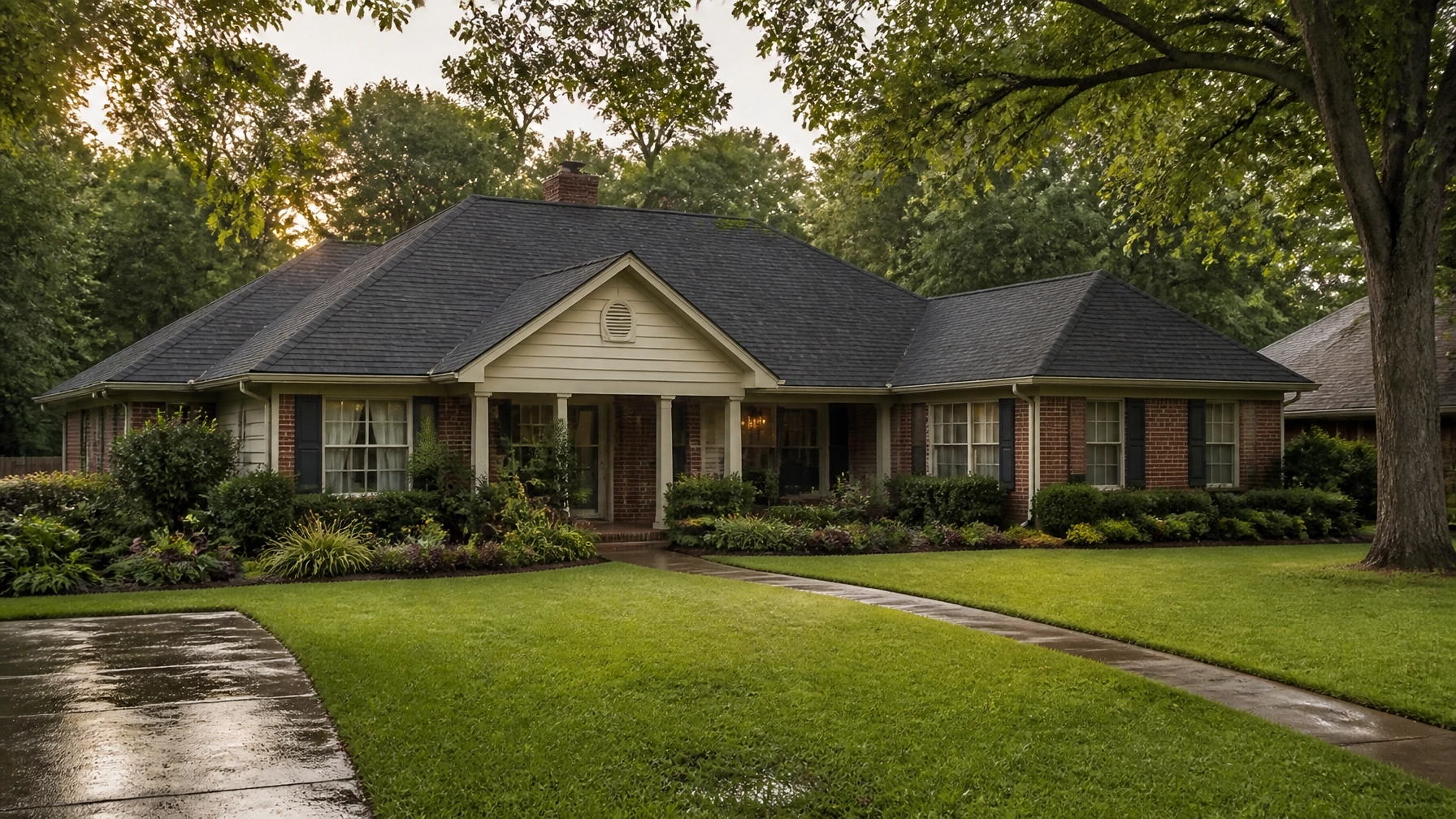
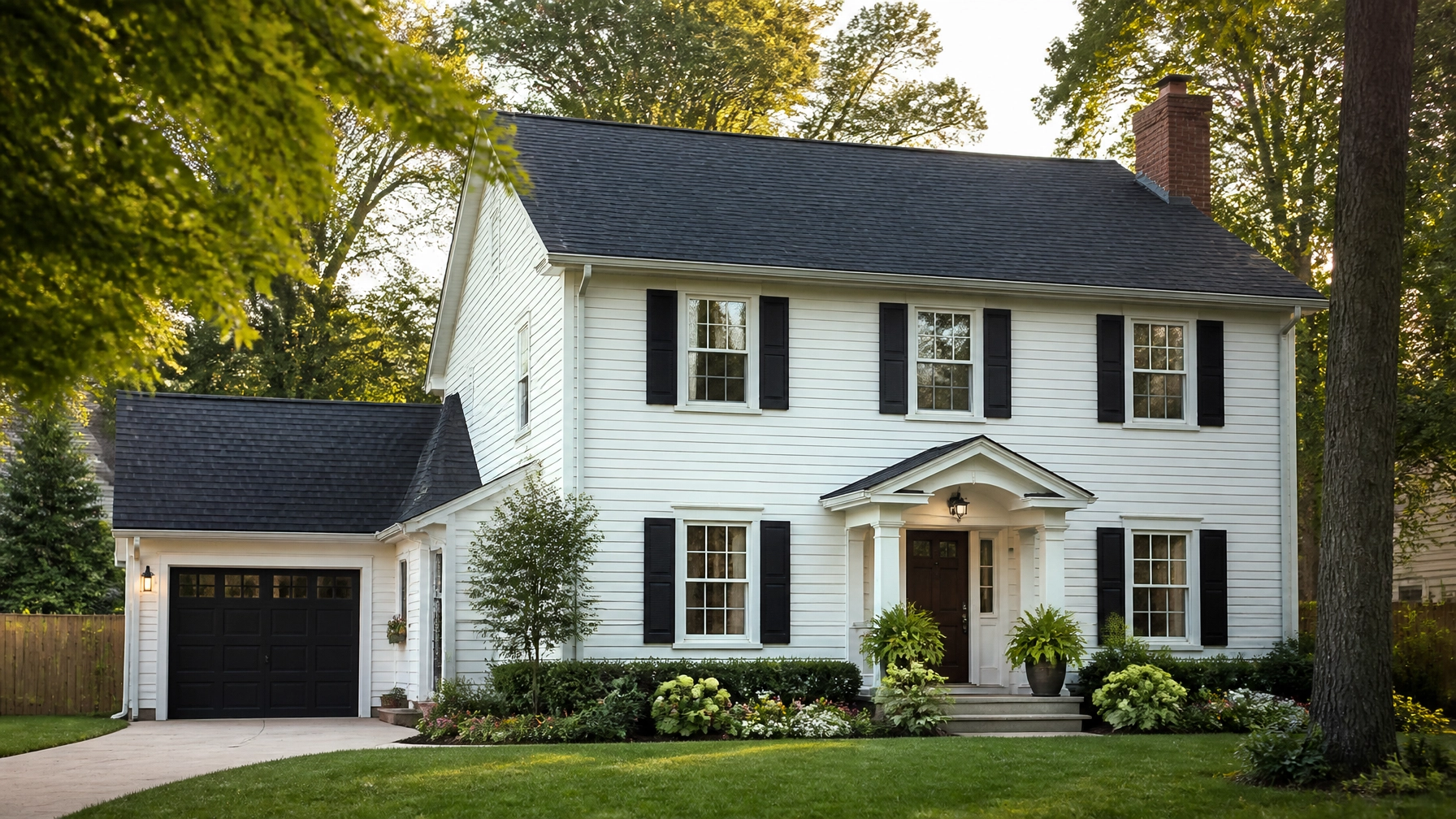
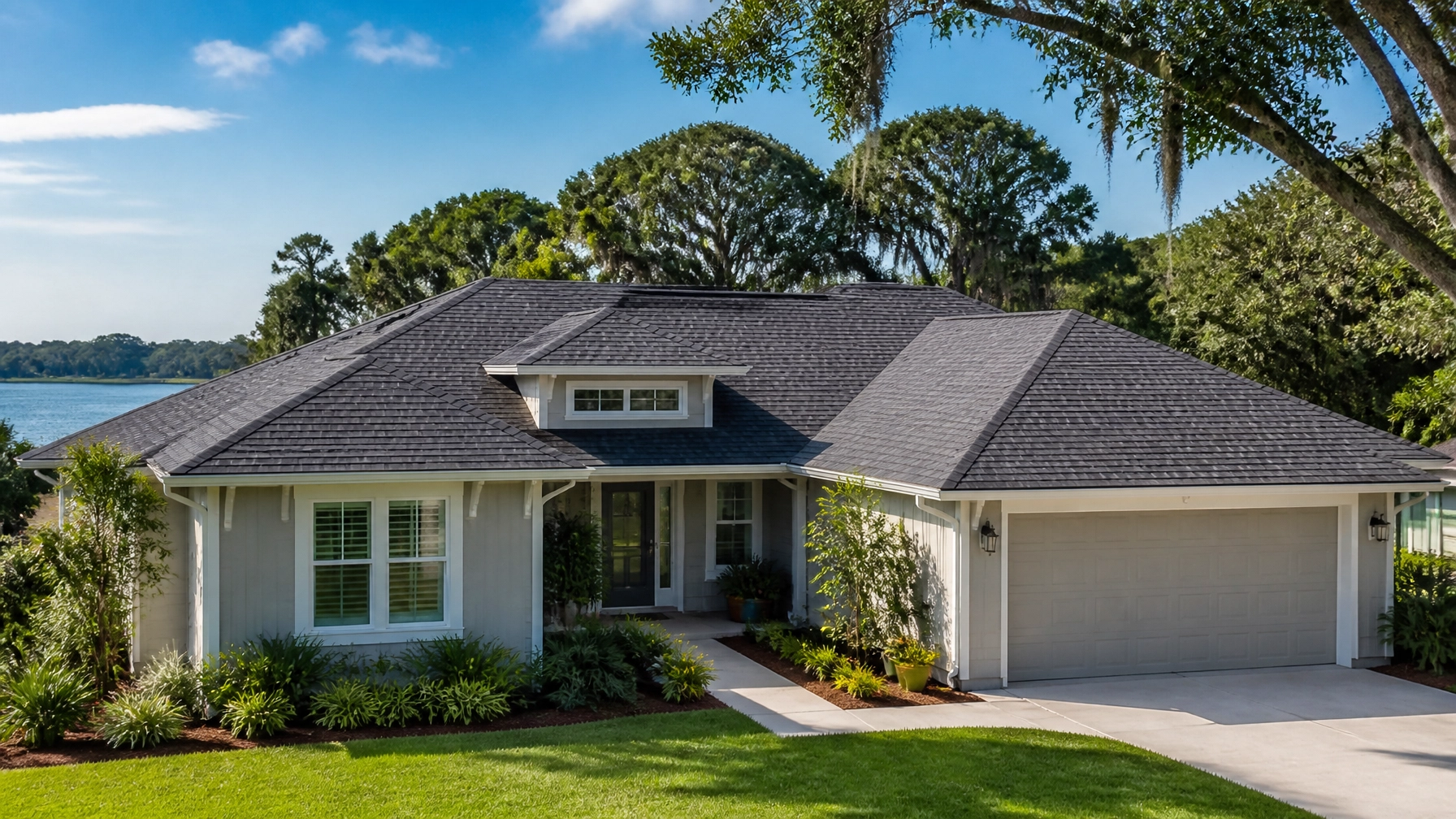
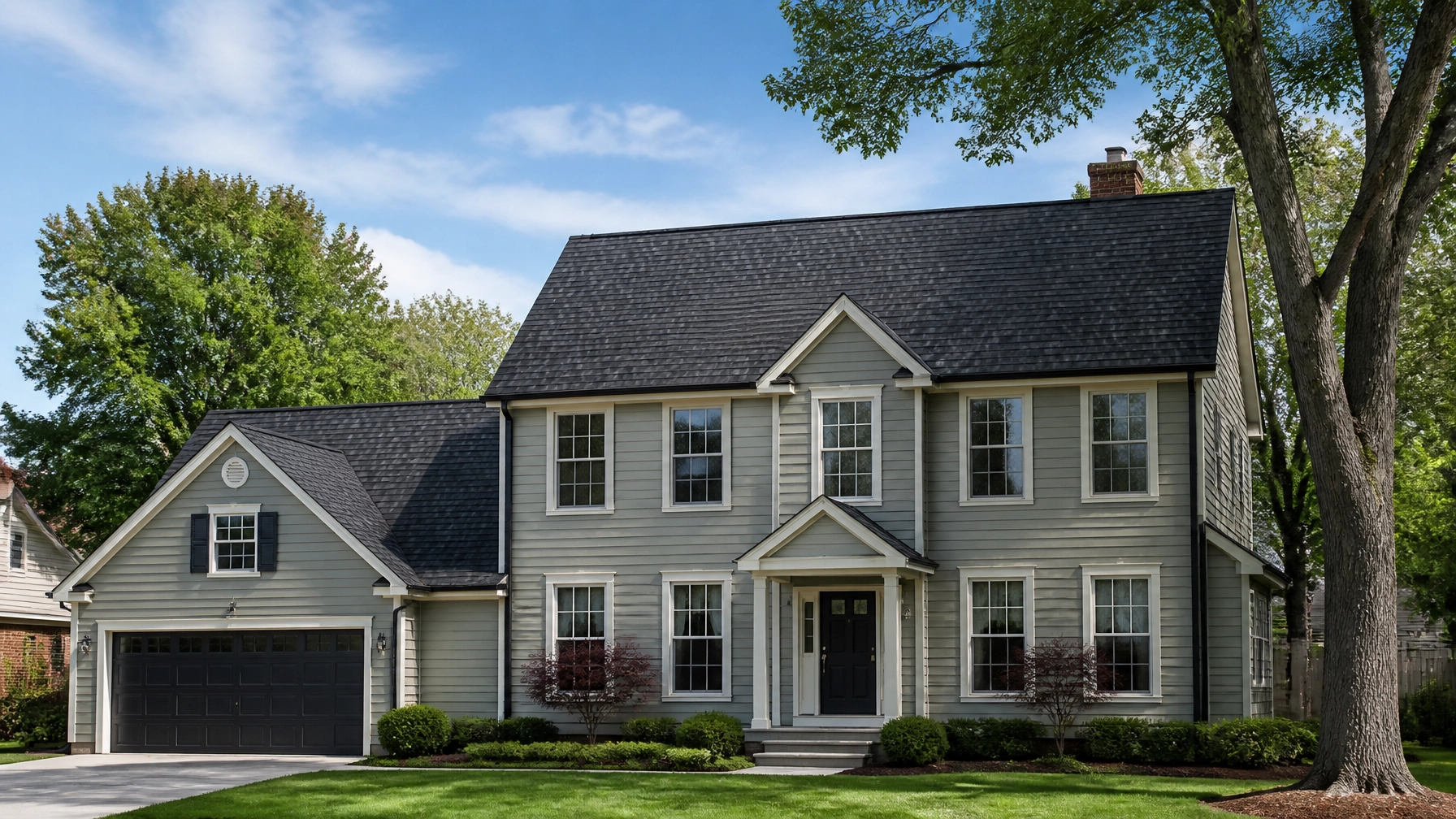
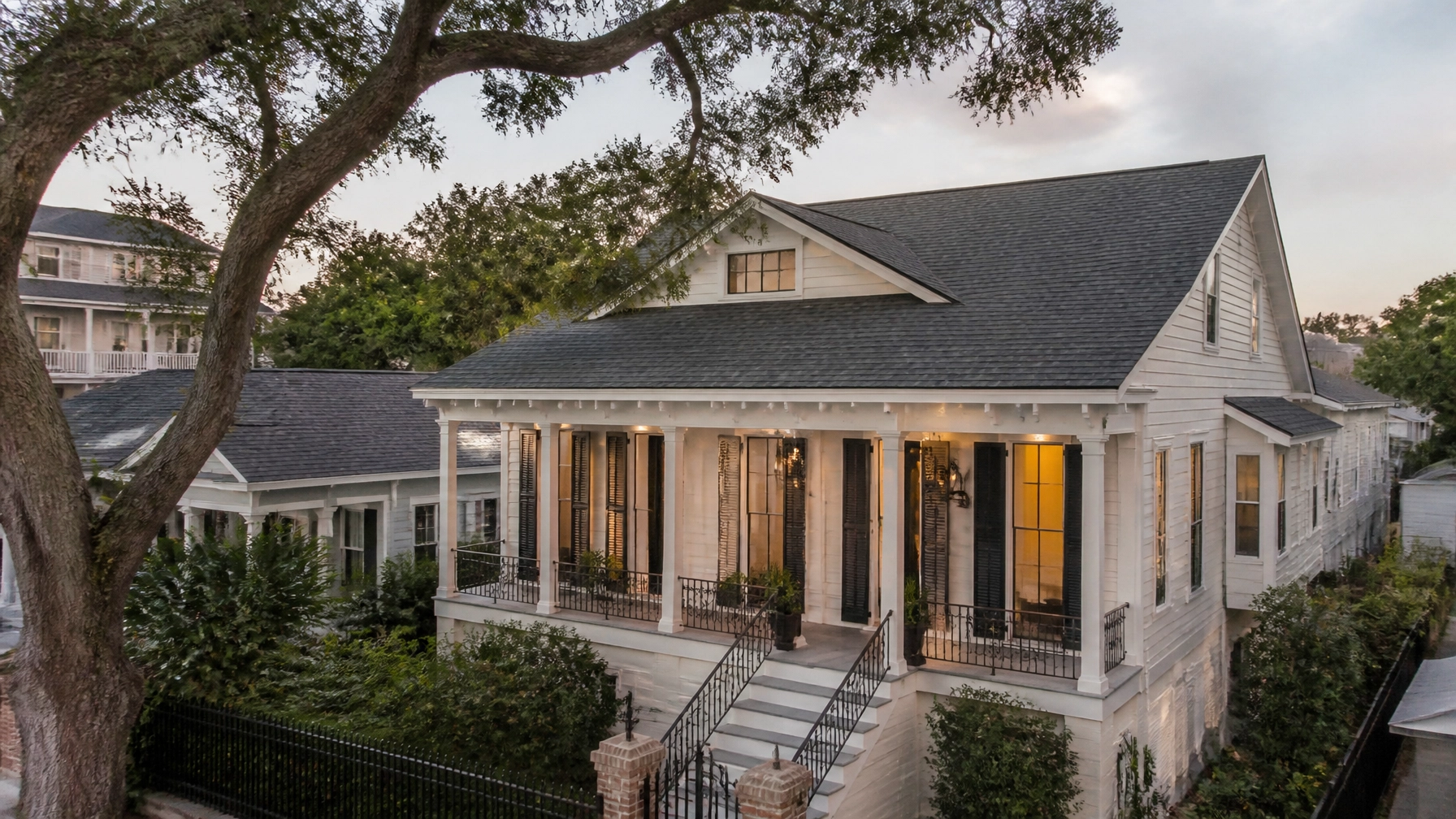
    Image credit: Get My Roof Estimate Now, AI-generated image.

    Grand Rapids Weather Today: Humid, Mostly Cloudy, and Storm-Aware

    Grand Rapids is heading into a typical late-summer weather pattern today, August 13, 2026: mostly cloudy skies, humid air, highs in the low 80s, and a slight chance of isolated afternoon or evening showers.

    That forecast may sound manageable, but humid summer weather still matters for homes and infrastructure. Repeated moisture, short heavy downpours, high attic temperatures, and seasonal expansion and contraction all place stress on roofing systems, gutters, siding, foundations, pavement, and exterior wood.

    For Grand Rapids homeowners, today is a useful reminder: roof durability is not only about surviving winter snow. A roof must also manage summer heat, moisture, wind, hail, and rapid weather changes.

    The Local Weather Factors That Wear Down Grand Rapids Homes

    Grand Rapids has a demanding four-season climate. Each season creates a different durability challenge.

    Summer Humidity and Heat (Moisture and Shingle Stress)

    Warm, humid air can move into attics through small gaps around light fixtures, plumbing pipes, attic hatches, and ductwork. If that moisture is not exhausted, it can condense on cooler roof decking or insulation.

    Summer heat adds another problem. Dark roof surfaces can become much hotter than the outdoor air, sometimes exceeding 150°F in direct sun. That heat can gradually bake out shingle oils, making older asphalt shingles less flexible and more brittle.

    Watch for:

    • Curling or cracked shingle edges
    • Blistering or exposed fiberglass mat
    • Excessive granules in gutters
    • Musty attic odors
    • Rust around roof fasteners or flashing
    • Damp insulation or dark roof decking

    A mostly cloudy day does not eliminate these risks. Roofs still absorb heat during breaks in the cloud cover, and humid air can remain trapped in an attic long after a shower ends.

    Winter Snow and Ice Dams (Roof Drainage Risk)

    Grand Rapids receives substantial winter snow. A recent local winter recap reported approximately 75 inches during the 2025–2026 season, close to the region’s typical seasonal amount. The National Weather Service also documented a major January 2026 storm and cold event that brought prolonged snowfall, strong winds, and temperatures as low as -17°F at Grand Rapids.

    These conditions create several roof risks:

    • Snow loading on roof planes
    • Ice buildup along eaves and gutters
    • Freeze–thaw movement around flashing
    • Water intrusion beneath shingles
    • Stress on attic insulation and ventilation
    • Falling ice and snow near entrances or walkways

    Ice dams form when heat escapes into the attic and warms the upper roof deck. Snow melts, flows toward colder eaves, and refreezes. The resulting ice ridge can block drainage and force meltwater beneath shingles.

    For detailed local storm information, homeowners can review the National Weather Service Grand Rapids January 2026 storm summary.

    Why Attic Ventilation Is Critical in Michigan

    Attic ventilation is one of the most important parts of a Grand Rapids roofing system. It helps manage both summer heat and winter moisture.

    A properly designed system usually includes:

    • Continuous soffit intake vents
    • Ridge or other high-point exhaust vents
    • Air baffles that keep insulation from blocking intake airflow
    • Adequate attic insulation
    • Air sealing around penetrations and access points

    The goal is not simply to “remove hot air.” The attic should have balanced airflow that allows outdoor air to enter low and exit high.

    Common ventilation guidance uses a net-free ventilation area near 1 square foot for every 150 square feet of attic floor area. In some assemblies, a ratio of 1:300 may apply when additional moisture-control conditions are met. Local building requirements and the roof design should guide the final specification.

    Summer Benefit: Lower Heat Decay

    Good ventilation helps reduce extreme attic temperatures. That can slow the loss of shingle flexibility, reduce heat transfer into living areas, and ease the load on air-conditioning equipment.

    Winter Benefit: Less Moisture and Fewer Ice Dams

    Ventilation works with insulation and air sealing to keep the roof deck closer to outdoor temperature. This reduces uneven snow melting and limits moisture buildup in the attic.

    Ventilation cannot correct every roofing problem. Blocked soffits, missing baffles, poor insulation, or major air leaks may require a professional inspection.

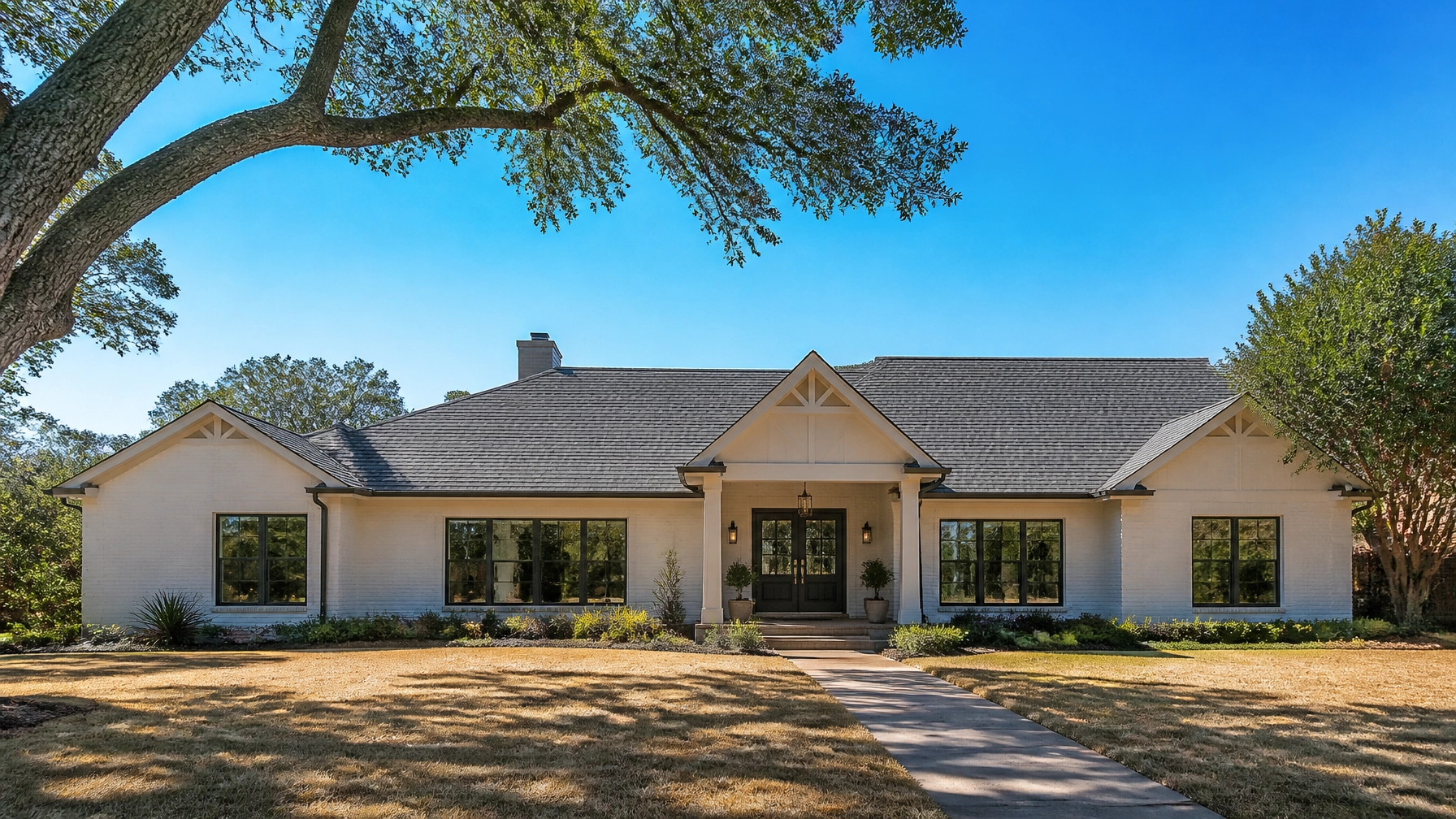
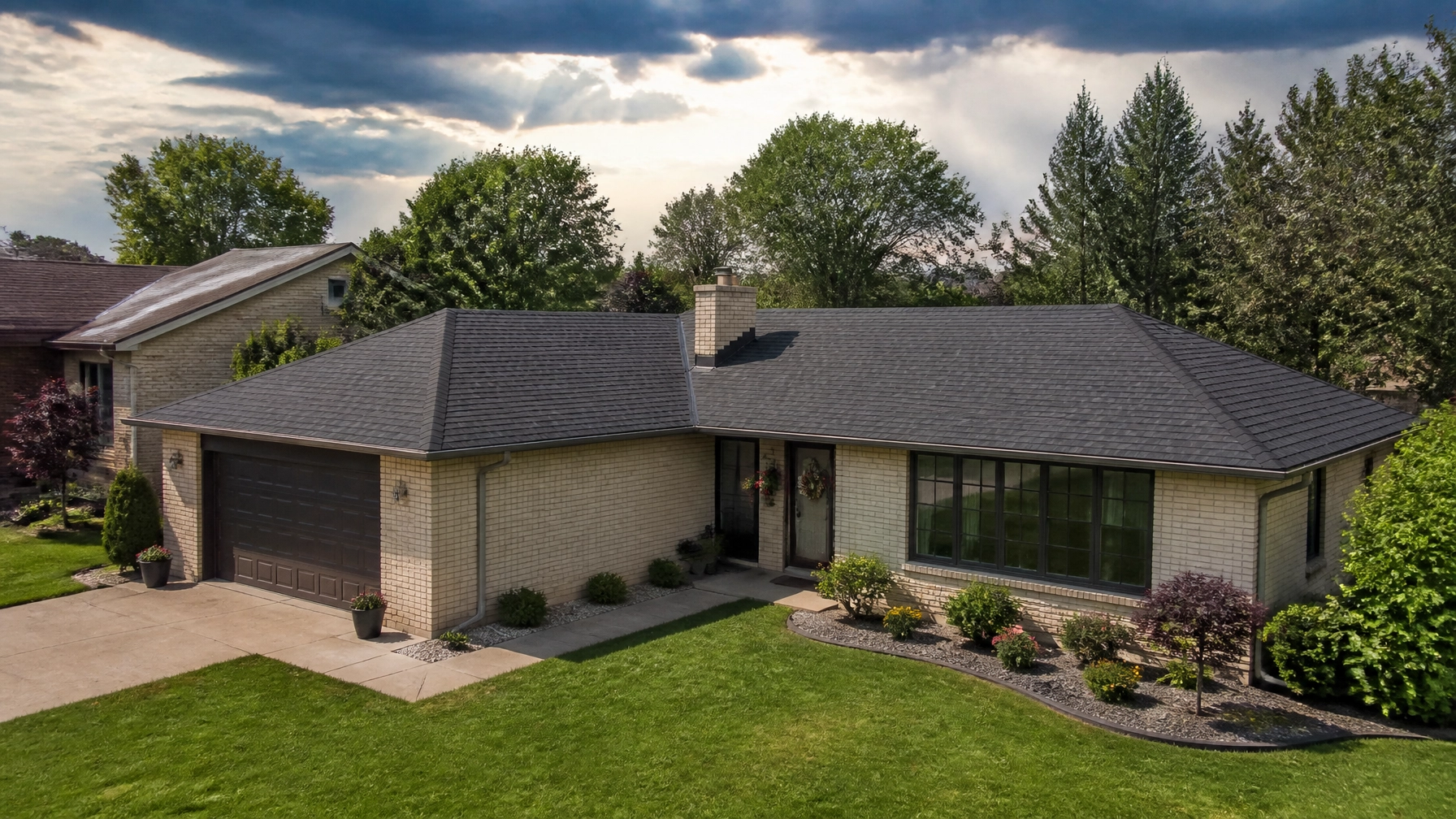
    Michigan ranch home with architectural shingles, clean gutters, and wet pavement after a summer shower

    Image credit: Get My Roof Estimate Now, AI-generated image.

    Thunderstorms, Wind, and Hail in West Michigan

    Spring and summer thunderstorms can damage roofs even when there is no obvious tree impact. Wind can lift shingle edges, loosen flashing, and expose underlayment. Hail can bruise the shingle surface and shorten its service life.

    The National Weather Service recorded wind gusts of 30–40 mph across parts of West Michigan and 40–55 mph near the lakeshore during the January 2026 storm event. Summer thunderstorms can also produce strong, localized gusts.

    After a storm, check from the ground for:

    • Missing or displaced shingles
    • Shingle pieces in the yard
    • Exposed underlayment
    • Damaged roof vents
    • Bent or detached gutters
    • Dents in metal flashing
    • Fallen branches or scraped roof sections

    Do not climb onto a wet or damaged roof. Take ground-level photos, inspect the attic for leaks, and contact your insurance company if storm damage appears likely.

    For official warnings and local reports, use the NWS Grand Rapids weather office and its storm report resources.

    Protecting Gutters, Siding, and Foundations

    Roof performance depends on more than shingles. Water must move safely away from the home.

    Before the next major rain event:

    1. Clear leaves and sediment from gutters.
    2. Confirm downspouts discharge several feet away from the foundation.
    3. Check that gutters are firmly attached and properly sloped.
    4. Inspect roof valleys and flashing for visible debris.
    5. Look for peeling paint or stained siding below roof edges.
    6. Check the basement or crawl space after heavy rain.

    Poor drainage can saturate soil around the foundation, contribute to basement seepage, and accelerate cracking in concrete and masonry. Freeze–thaw cycles make those cracks more serious over time.

    Trees are another local concern. Keep branches trimmed away from roof surfaces, gutters, and utility lines. A branch that repeatedly rubs against shingles can remove protective granules before a major storm ever arrives.

    Grand Rapids attic with insulation, soffit intake vents, and roof ventilation baffles

    Image credit: Get My Roof Estimate Now, AI-generated image.

    Choosing Roofing Materials for Grand Rapids Weather

    Material choice should match your budget, roof design, and long-term plans.

    Architectural Shingles (Popular)

    Architectural asphalt shingles remain the most common choice for Grand Rapids homes. They offer a practical balance of appearance, installation cost, repairability, and weather resistance.

    For better durability, compare:

    • Wind-rated products
    • Impact-resistant options
    • Manufacturer warranty requirements
    • Proper underlayment and ice-barrier installation
    • Contractor installation warranties

    Metal Roofing (Premium Longevity)

    Metal roofing typically costs more upfront but can last 40–70 years when properly installed. It can perform well in heavy snow, wind, and summer sun.

    The metal roofing versus asphalt shingles comparison reports typical metal pricing around $8–$16 per square foot, compared with approximately $3–$7 per square foot for asphalt shingles. Actual Grand Rapids pricing depends on roof size, pitch, removal requirements, design complexity, labor, and material availability.

    Metal roofing is not maintenance-free. Fasteners, seams, flashing, snow-shedding behavior, and underlayment still need to be evaluated.

    Synthetic Roofing (Premium Appearance)

    Synthetic materials can provide the appearance of slate or other premium roofing products with less weight. They may be worth considering for homeowners who want long service life or a distinctive architectural style, but installation quality remains critical.

    Modern Michigan home with a charcoal standing-seam metal roof after a late-summer storm

    Image credit: Get My Roof Estimate Now, AI-generated image.

    A Practical Grand Rapids Roof-Readiness Checklist

    Use today’s mild summer conditions to prepare for the next season:

    • Check your roof from the ground for missing, cracked, or curling shingles.
    • Clean gutters and confirm downspout extensions are working.
    • Inspect attic insulation, soffit vents, and ridge ventilation.
    • Look for water stains or musty odors in the attic.
    • Trim branches away from roof planes.
    • Photograph the roof before storm season for your records.
    • Review your homeowners insurance policy for wind and hail provisions.
    • If the roof is 15–30 years old, begin planning before winter.
    • Get a replacement cost benchmark before an emergency leak occurs.

    A typical 2026 roof replacement often falls between $8,000 and $25,000, depending on the home and material. Our estimate tool measures roof size, pitch, and complexity using satellite imagery and provides low, middle, and high price ranges.

    You can get a free roof replacement estimate in about 60 seconds. No credit card is required, and no contractor visit is needed upfront.

    Plan Before Grand Rapids Weather Forces the Decision

    Today’s cloudy, humid forecast is not a crisis. It is a planning opportunity.

    A roof that looks acceptable from the driveway may still have aging shingles, blocked ventilation, weak flashing, or insufficient ice-dam protection. Identifying those issues during dry weather gives you more time to compare materials, verify contractors, and budget for the work.

    If your Grand Rapids roof has experienced repeated leaks, storm damage, heavy granule loss, or winter ice buildup, start with an address-specific estimate and follow it with an in-person inspection from a licensed, insured professional.

    How is your home handling Grand Rapids weather this summer? Share this post with another Michigan homeowner and leave a comment with the roofing or weather issue you are watching most closely.

    Weather and climate references: National Weather Service Grand Rapids climate graphs, NWS Grand Rapids January 2026 storm summary, and the local forecast provided for August 13, 2026.
  • Daily Weather Blitz – Slot 1: Grand Rapids, MI : August 13, 2026: Midsummer Humidity, Sudden Squalls & How West Michigan’s Climate Tests Your Roof’s Durability

    Daily Weather Blitz – Slot 1: Grand Rapids, MI : August 13, 2026: Midsummer Humidity, Sudden Squalls & How West Michigan’s Climate Tests Your Roof’s Durability

    Grand Rapids is facing a classic West Michigan weather setup on August 13, 2026: temperatures in the low to mid-80s, noticeable humidity, passing afternoon thunderstorms, and the possibility of a fast-moving line of strong storms.

    The National Weather Service office in Grand Rapids is warning of 50–70 mph wind gusts and frequent lightning with a line of strong to severe thunderstorms this afternoon. That is enough wind to expose weak points in an aging roof, especially along eaves, rakes, ridges, valleys, and poorly flashed penetrations.

    For homeowners, today’s weather is more than a forecast. It is a practical reminder that Michigan regional weather durability depends on material quality, installation details, attic ventilation, and regular inspections.

    Grand Rapids Weather on August 13, 2026: The Roofing Takeaway

    The immediate weather picture includes:

    • High temperatures around 82–83°F
    • Humid conditions with a warm, sticky feel
    • Passing or scattered afternoon thunderstorms
    • A potential strong storm line with 50–70 mph wind gusts
    • Frequent lightning and wind-driven rain
    • Rapid weather changes typical of midsummer in West Michigan

    Typical August conditions in Grand Rapids are also warm and damp. WeatherSpark reports average August highs that begin near 82°F, with average lows near 63°F early in the month. The probability of a wet day remains close to 30% through August, while muggy conditions are common enough to affect roof and attic performance. Review Grand Rapids August climate data from WeatherSpark.

    The key risk today is not the temperature alone. It is the combination of:

    1. Warm, humid air
    2. Sudden heavy rain
    3. Short-duration high winds
    4. Lightning and falling branches
    5. Roof components already weakened by age or winter damage

    Why West Michigan Weather Is Hard on Roofs

    Grand Rapids roofs must perform through several different stress cycles every year. A roof that handles summer thunderstorms well may still have hidden damage from snow, ice, and freeze-thaw movement.

    1. Summer wind uplift (Immediate risk)

    Strong gusts create upward pressure along roof edges and ridgelines. Shingles that are loose, brittle, improperly nailed, or missing adhesive bonding can lift during a squall.

    Wind damage often starts in small areas:

    • A lifted shingle tab
    • A loose ridge-cap shingle
    • A displaced drip edge
    • A damaged soffit or fascia connection
    • A loosened flashing section around a chimney

    These defects may not produce an immediate ceiling stain. Water can enter beneath the roofing material and travel along the roof deck before appearing inside the home.

    2. Wind-driven rain (Leak risk)

    Heavy rain is more damaging when strong winds push water sideways or upward. Normal shingle overlap is designed to shed water flowing down the roof. Wind-driven rain can test the edges of flashing, valleys, skylights, sidewalls, and plumbing penetrations.

    A roof with good shingles but poor flashing can still leak during a thunderstorm.

    3. Humidity and attic moisture (Long-term risk)

    Humidity does not destroy a roof overnight. However, persistent moisture can contribute to:

    • Condensation on the underside of the roof deck
    • Mold or mildew growth
    • Wood rot around roof penetrations
    • Faster deterioration of underlayment
    • Algae streaks and moss growth on shaded slopes

    A balanced ventilation system helps remove heat and moisture from the attic. In most homes, that means unobstructed soffit intake paired with ridge, box, or other approved exhaust ventilation.

    4. Snow, ice, and freeze-thaw cycles (Winter risk)

    West Michigan’s roofing season does not end with summer. Snow accumulation adds weight, while repeated freezing and thawing can stress flashing, sealants, shingles, and roof decking.

    Ice dams are another concern. If warm air escapes into the attic, it can melt snow on the upper roof. That water may refreeze at the colder eaves, creating a dam that backs water beneath shingles.

    The best summer roof inspection is also a winter preparation step.

    Professional roofer inspecting shingles, flashing, gutters, and a ridge vent after a West Michigan summer storm

    Roof Durability Upgrades for Grand Rapids Homes

    A durable roof is a system. Shingles matter, but so do the components underneath and around them.

    Choose the right roofing material (Popular and Premium options)

    For many Grand Rapids homeowners, architectural asphalt shingles offer the best balance of cost, appearance, and service life. The company’s 2026 asphalt shingles guide lists these general installed benchmarks:

    • 3-tab shingles (Budget): Approximately $3–$5 per square foot; typically 15–20 years
    • Architectural shingles (Popular): Approximately $4–$7 per square foot; typically 25–30 years
    • Impact-resistant shingles (Storm-focused): Approximately $5–$8 per square foot; typically 25–30 years
    • Designer shingles (Premium): Approximately $6–$10 per square foot; typically 30–50 years

    Actual Michigan replacement costs depend on roof size, pitch, tear-off requirements, decking repairs, accessibility, labor, ventilation, and local pricing. Use these figures for planning: not as a substitute for a property-specific estimate.

    Metal roofing is another option for homeowners focused on long-term durability. The metal roofing versus asphalt shingles comparison places typical metal roofing costs around $8–$16 per square foot, with an estimated service life of 40–70 years.

    Metal may make sense if you:

    • Plan to remain in the home for at least 10 years
    • Want fewer replacement cycles
    • Prefer low routine maintenance
    • Want strong wind and fire performance
    • Are comfortable with a higher initial investment

    Architectural shingles may be more practical if the upfront budget, traditional appearance, and easier spot repairs are higher priorities.

    Verify installation details (Critical)

    Ask any roofing contractor how the proposal addresses the following:

    • Manufacturer-specified nail placement and quantity
    • Proper starter strips at eaves and rakes
    • Secure ridge-cap installation
    • Drip edge at roof edges
    • Ice-and-water protection at eaves and valleys
    • Synthetic or approved underlayment
    • Step flashing at sidewalls and chimneys
    • Correct pipe boot and vent flashing installation
    • Balanced attic intake and exhaust ventilation

    These details are especially important in West Michigan, where a roof may experience summer squalls one month and ice dams several months later.

    Close-up of architectural shingles, drip edge, clean gutter, and water-shedding roof details after summer rain

    What to Check After Today’s Storms

    Do not climb onto a wet roof or inspect it during lightning, high winds, or active rain. Once conditions are safe, inspect from the ground first.

    Look for:

    • Missing or visibly lifted shingles
    • Dark exposed patches on the roof
    • Shingle debris in the yard or gutters
    • Bent gutters or loose downspouts
    • Displaced ridge vents
    • Damaged flashing
    • Fallen branches or roof punctures
    • Water stains on ceilings or upper walls
    • Damp insulation or daylight visible in the attic

    If you see active leaking, place a container beneath the drip and move valuables away from the area. Do not attempt a temporary roof repair during unsafe conditions.

    A qualified roofing professional can determine whether the damage requires a small repair, an insurance inspection, or a full replacement.

    When Should Grand Rapids Homeowners Consider Replacement?

    Roof age is only one factor, but it is an important one. Asphalt roofs commonly last 15–30 years, depending on the product, ventilation, installation quality, and exposure.

    Replacement deserves serious consideration when:

    • The roof is 15–20 years old and has repeated storm damage
    • Shingles are curling, cracking, blistering, or losing granules
    • There are multiple leak locations
    • The roof has visible sagging or damaged decking
    • Ice dams have caused recurring interior leaks
    • Repairs are becoming more frequent
    • You are preparing to sell the home

    Homeowners researching Lansing roof replacement 2026 should use the same general durability checklist, while recognizing that exact pricing and storm exposure can vary by property and local market. Lansing and Grand Rapids share many Michigan weather challenges, but the right budget still depends on the home’s measured roof area, pitch, complexity, and material selection.

    Get a Roof Estimate Before the Next Weather Event

    The fastest way to begin planning is to understand the size and complexity of your roof. Get My Roof Estimate Now uses satellite imagery to measure roof dimensions, calculate roof squares, and produce material-based price ranges.

    Homeowners can receive a free estimate in about 60 seconds, with no credit card and no contractor visit required upfront. The estimate can compare options such as:

    • Architectural asphalt shingles
    • Metal roofing
    • Synthetic materials
    • Roof coatings

    Results are designed to provide a realistic low-to-middle-to-high planning range based on roof size, pitch, complexity, and regional pricing. Measurements are typically accurate within inches, generally reaching 90–95% accuracy before a contractor performs an onsite inspection.

    Get a free roof replacement estimate before the next storm exposes an avoidable problem.

    Final Takeaway: Build for Michigan’s Full Weather Cycle

    Grand Rapids’ August weather is a useful durability test. Humidity challenges attic moisture control. Sudden squalls test shingle attachment and roof-edge securement. Heavy rain tests flashing and drainage.

    But Michigan roofing decisions should account for the full year:

    • Summer thunderstorms
    • Wind-driven rain
    • Hail and falling branches
    • Snow loads
    • Ice dams
    • Freeze-thaw movement
    • Long-term moisture exposure

    A wind-resistant product, careful installation, balanced ventilation, and routine inspections can extend roof performance and reduce surprise repair costs. Before making a major investment, use a property-specific estimate to understand your roof’s actual size and replacement range.

    Sources

  • 2026 Roof Replacement Cost in Shreveport, LA: Complete Price Guide for Ark-La-Tex Homeowners

    2026 Roof Replacement Cost in Shreveport, LA: Complete Price Guide for Ark-La-Tex Homeowners

    A full roof replacement in Shreveport typically costs $8,000–$20,000 in 2026, with many homeowners paying approximately $10,000–$15,000 for an average asphalt shingle roof. Larger homes, steep roof pitches, storm damage, multiple layers of old roofing, and premium materials can push the total above $25,000.

    For a typical 2,000-square-foot roof surface, local planning ranges look like this:

    Roofing material Price per sq. ft. installed Typical 2,000 sq. ft. total Category
    3-tab asphalt shingles $3.50–$5.00 $7,000–$10,000 Budget
    Architectural shingles $4.75–$7.50 $10,000–$15,000 Popular
    Metal roofing $7.50–$16.00+ $15,000–$32,000+ Premium

    These are planning ranges, not binding contractor quotes. Your actual price depends on your roof’s measured size, pitch, complexity, accessibility, material choice, labor conditions, and the condition of the decking beneath the old roof.

    The fastest way to see your property-specific range is to use Get My Roof Estimate Now. Enter your address and receive a free, satellite-measured estimate in under 60 seconds, without scheduling a contractor visit upfront.

    What Shreveport Homeowners Can Expect to Pay in 2026

    Shreveport pricing is generally consistent with broader Northwest Louisiana and Ark-La-Tex roofing markets. Local estimates commonly place asphalt roof replacements between $8,000 and $15,000, while premium metal systems can range from $15,000 to $30,000 or more.

    The price per square foot is based on the roof surface, not the home’s interior floor area. Roofers measure in “squares,” with one roofing square equal to 100 square feet.

    A 2,000-square-foot home may have a roof surface larger than 2,000 square feet because of:

    • Roof pitch
    • Overhangs and eaves
    • Attached garages
    • Porches and additions
    • Multiple roof sections
    • Valleys, hips, and dormers

    A simple ranch home with a low-slope roof will usually cost less than a two-story home with multiple peaks and valleys, even when both have similar living areas.

    Classic colonial home in Northwest Louisiana with a new architectural shingle roof

    3-Tab Asphalt Shingles (Budget)

    Typical installed cost: $3.50–$5.00 per square foot
    Typical 2,000-square-foot roof: $7,000–$10,000
    Expected lifespan: Approximately 15–20 years

    3-tab shingles are the lowest-cost conventional asphalt option. They have a flat, uniform appearance and are widely available, making them practical for:

    • Budget-conscious homeowners
    • Rental properties
    • Short-term ownership plans
    • Basic replacement projects on simple roofs

    The tradeoff is performance. 3-tab shingles generally have thinner construction and lower wind ratings than architectural shingles. In Shreveport, where strong thunderstorms and high winds are recurring concerns, that difference matters.

    A low price is not always a low total cost. Ask whether the estimate includes tear-off, underlayment, flashing, ventilation, ridge caps, permits, and disposal. An incomplete quote can make a “budget” roof more expensive than expected.

    Architectural Shingles (Popular)

    Typical installed cost: $4.75–$7.50 per square foot
    Typical 2,000-square-foot roof: $10,000–$15,000
    Expected lifespan: Approximately 25–30 years

    Architectural shingles are the most common choice for Shreveport homeowners because they balance cost, appearance, and storm performance. They use multiple layers to create a dimensional profile that looks more substantial than 3-tab shingles.

    Benefits include:

    • Better wind resistance
    • Greater curb appeal
    • More color and texture options
    • Longer manufacturer warranties
    • Improved durability in heat and heavy rain
    • Better resale appeal

    Impact-resistant architectural shingles may cost more, often $5–$8 per square foot installed, but may be worth considering in areas exposed to hail. Some insurance companies offer discounts for qualifying impact-resistant products. Confirm eligibility directly with your insurer before choosing a product based on a potential discount.

    Review the 2026 asphalt shingles guide for a closer comparison of 3-tab, architectural, designer, and impact-resistant options.

    Metal Roofing (Premium)

    Typical installed cost: $7.50–$16.00 or more per square foot
    Typical 2,000-square-foot roof: $15,000–$32,000+
    Expected lifespan: Approximately 40–70 years

    Metal roofing has a higher upfront cost, but it can provide a longer service life and strong resistance to wind, fire, insects, and moisture. Options include:

    • Corrugated or exposed-fastener panels (lower cost)
    • Metal shingles
    • Stone-coated steel
    • Standing-seam metal roofing (Premium)

    Standing seam generally costs more because it uses concealed fasteners and specialized installation methods. It is a strong fit for homeowners who plan to stay in the property for many years and want a low-maintenance roof system.

    Metal can also reflect solar heat and may reduce cooling demand during Shreveport’s hot summers. Actual energy savings depend on roof color, insulation, attic ventilation, and the efficiency of the home’s HVAC system.

    Compare the long-term tradeoffs in Metal Roofing vs. Asphalt Shingles, or review the complete metal roofing guide.

    Modern Shreveport home with a premium charcoal standing-seam metal roof

    How Northwest Louisiana’s Climate Affects Roof Cost

    Shreveport’s roof systems must handle more than ordinary sunshine. Northwest Louisiana brings high humidity, intense summer heat, heavy rainfall, severe thunderstorms, hail, and periods of high wind.

    Humidity and attic ventilation

    Persistent moisture can contribute to algae growth, deteriorated decking, wood rot, and premature shingle aging. Proper intake and exhaust ventilation helps release heat and moisture from the attic.

    During replacement, ask whether the proposal includes:

    • Ridge vents or other exhaust ventilation
    • Adequate soffit intake ventilation
    • New pipe collars and flashing
    • Moisture-resistant underlayment
    • Algae-resistant shingles

    A roof replacement without correcting poor attic ventilation may shorten the life of the new roof.

    High winds and severe storms

    Wind can lift shingle edges, damage flashing, and remove entire sections of roofing. Severe storms may also cause hail impacts that are difficult to see from the ground.

    Climate-conscious upgrades may include:

    • Enhanced nail patterns
    • High-wind-rated architectural shingles
    • Impact-resistant shingles
    • Reinforced ridge caps
    • Stronger flashing details
    • Properly secured metal panels

    Metal roofing can offer excellent wind performance, but installation quality remains critical. The panel, fastener, edge, and flashing system must all be designed and installed correctly.

    What Else Changes the Final Price?

    Material is only one part of the estimate. Expect your Shreveport roof replacement price to change based on:

    • Roof size: More squares require more labor and materials.
    • Pitch: Steep roofs require additional safety equipment and slower installation.
    • Complexity: Valleys, dormers, skylights, and multiple ridges increase labor.
    • Tear-off: Removing old roofing often adds approximately $1–$3 per square foot.
    • Roof decking: Rotten or water-damaged plywood must be replaced.
    • Flashing: Chimneys, walls, skylights, and roof-to-wall transitions may need new flashing.
    • Accessibility: Limited driveway or yard access can increase labor and disposal costs.
    • Permits: Local permitting and inspection requirements may be included in the proposal.
    • Seasonal demand: Roofing companies may charge more or have longer scheduling times after major storms.

    Before signing, request an itemized estimate that separates materials, labor, tear-off, disposal, decking repairs, permits, ventilation, warranties, and cleanup.

    The Role of Satellite Roof Inspection Technology

    Traditional estimates often begin with scheduling several contractor visits simply to learn whether your project may cost $10,000 or $25,000. New tools make the first budgeting step much faster.

    With a satellite roof inspection, roof measurement software analyzes overhead imagery to estimate:

    • Roof area
    • Number of roof sections
    • Pitch and slope
    • Roof complexity
    • Material quantities
    • Local labor and pricing conditions

    This type of satellite technology roofing analysis is useful for early planning, comparison shopping, insurance conversations, and deciding whether replacement is financially realistic.

    Get My Roof Estimate Now uses satellite imagery roof analysis to provide a low, middle, and high replacement range. Its measurements are typically 90–95% accurate, or accurate to within inches for many properties. However, satellite analysis cannot confirm every issue beneath the shingles. A contractor should still perform an in-person inspection before finalizing a contract, especially after storm damage.

    This is where AI roof damage detection, smart roofing technology, and the broader future of roof inspection are developing. Digital tools can speed up measurements and help identify potential concerns, but they complement, not replace, professional verification.

    Southern ranch home with storm-ready architectural shingles and clean roof details

    Get Your Shreveport Roof Estimate in 60 Seconds

    Whether you are planning ahead, responding to storm damage, preparing to sell, or replacing a 20-year-old roof, start with a property-specific number.

    Get My Roof Estimate Now provides:

    • A free estimate with no credit card required
    • Satellite-measured roof dimensions
    • Pricing for multiple roofing materials
    • Low, middle, and high price ranges
    • Results in under 60 seconds
    • No contractor visit required upfront
    • Connection to licensed and insured local contractors

    Use the estimate as a budgeting benchmark, then compare detailed proposals from qualified Shreveport roofers. A clear number at the beginning makes the rest of the roofing process faster, more transparent, and easier to manage.

    Frequently Asked Questions

    How much does a new roof cost in Shreveport in 2026?

    Most Shreveport homeowners should plan on $8,000–$20,000 for a full replacement. Architectural shingles commonly fall around $10,000–$15,000 for a typical roof, while metal roofing can cost $15,000–$32,000 or more.

    Are architectural shingles worth the extra cost?

    For many Northwest Louisiana homes, yes. Architectural shingles typically offer better wind resistance, longer service life, stronger curb appeal, and better warranties than 3-tab shingles.

    Is metal roofing a good choice for Shreveport?

    Metal roofing is worth considering if you want a 40–70-year service life, low maintenance, strong storm performance, and potential cooling benefits. Its initial cost is substantially higher than asphalt.

    Can I get a roof estimate without a contractor visit?

    Yes. Enter your address into Get My Roof Estimate Now to receive a free satellite-based estimate in under 60 seconds. A final contractor quote should still include an in-person inspection.

    Does satellite imagery detect roof damage?

    Satellite imagery and AI-assisted tools can help identify roof characteristics and potential damage indicators, but they cannot confirm every issue. Visible storm damage, leaks, decking problems, and flashing failures require professional inspection.

  • Daily Weather Blitz – Slot 4: Lansing, MI (Aug 13, 2026)

    Daily Weather Blitz – Slot 4: Lansing, MI (Aug 13, 2026)

    Lansing, Michigan is starting Thursday, August 13, 2026, with mostly cloudy, humid conditions and temperatures rising into the low 80s. By evening, temperatures are expected to drop toward the mid-50s. That temperature swing is comfortable for homeowners, but it also reflects the broader Mid-Michigan climate: warm, moisture-heavy summers followed by cold winters, snow, ice, and repeated freeze-thaw cycles.

    Those conditions matter when you are planning a roof replacement. Roofing materials in Lansing must handle summer humidity, thunderstorms, expanding and contracting materials, ice dams, and snow loads. The right underlayment, ice-and-water shield coverage, and attic ventilation are not optional upgrades. They are central to roof durability.

    2026 Roof Replacement Cost Lansing: Current Price Ranges

    For a typical Lansing-area home, 2026 roof replacement costs generally fall into these ranges:

    Roofing material Typical 2026 installed cost Expected service life
    Architectural shingles (Popular) $9,000–$18,000 Approximately 25–30 years
    Metal roofing (Premium) $14,000–$32,000 Approximately 40–70 years

    Architectural shingle projects commonly run about $3.75–$6.75 per square foot, with many mid-range installations landing between $12,000 and $16,000.

    Metal roofing costs more upfront, but its expected service life can be significantly longer. A properly installed metal roof may last 40–70 years, compared with roughly 25–30 years for a quality architectural shingle system.

    These are planning ranges, not a final contractor quote. Your exact price depends on your roof’s measured area, pitch, complexity, number of existing layers, decking condition, ventilation requirements, and local labor costs.

    What Is Included in the Roof Replacement Cost in Lansing, Michigan?

    A complete replacement estimate should clearly identify each part of the roof system. Do not compare proposals based only on the shingle or panel price.

    A typical Lansing replacement may include:

    • Tear-off and disposal of existing roofing
    • Replacement or repair of damaged roof decking
    • Architectural shingles or metal panels
    • Synthetic underlayment
    • Ice-and-water shield
    • Drip edge and flashing
    • Ridge, soffit, or other ventilation components
    • Pipe boots and roof penetration flashing
    • Labor, cleanup, permits, and warranties

    The roof’s size is usually measured in squares. One roofing square equals 100 square feet of roof surface. Your home may have 2,000 square feet of living space but a larger or smaller roof area depending on its pitch, overhangs, attached garages, dormers, and additions.

    That is why an address-specific measurement is more useful than a broad online average. Get My Roof Estimate Now uses satellite imagery to measure roof size, pitch, and complexity, then provides low, mid, and high price ranges in about 60 seconds.

    Architectural Shingle Roof Cost Lansing Homeowners Should Expect

    Architectural shingles remain the most practical choice for many Lansing homeowners. They offer a familiar appearance, broad color selection, simple repairs, and a lower initial investment than metal roofing.

    Architectural shingles (Popular)

    • Installed price: Approximately $3.75–$6.75 per square foot
    • Typical project range: $9,000–$18,000
    • Common mid-range budget: $12,000–$16,000
    • Expected life: Approximately 25–30 years
    • Best fit: Homeowners seeking value, traditional appearance, and manageable upfront cost

    Dimensional shingles are built with multiple layers, giving them more depth and texture than basic three-tab shingles. They generally provide better curb appeal and durability, making them a strong fit for Lansing ranches, colonials, split-level homes, and Cape Cod-style houses.

    In humid conditions, ask about algae-resistant shingles. Shade from mature trees and moisture in the air can contribute to dark streaking or organic growth. Keeping gutters clear and trimming branches away from the roof can also reduce moisture retention.

    New architectural shingle roof on a real Midwestern ranch home

    Metal Roof Cost Lansing MI: Is the Longer Life Worth It?

    The metal roof cost Lansing MI homeowners see in 2026 is generally higher than the cost of architectural shingles. A typical project may range from $14,000 to $32,000, depending on the roof area, panel type, seam details, flashing, tear-off requirements, and installation complexity.

    Metal roofing (Premium)

    • Typical installed range: $14,000–$32,000
    • Expected life: Approximately 40–70 years
    • Advantages: Long service life, low routine maintenance, strong weather performance, and high fire resistance
    • Best fit: Homeowners planning to remain in the property long term

    Metal can make sense when you expect to own the home for several decades. It may also be attractive for homeowners who want to reduce the frequency of major roof replacements.

    However, the installation must be detailed correctly. Fasteners, flashing, transitions, valleys, snow guards where appropriate, and underlayment all matter. A metal roof is not automatically more durable if the underlying roof system is poorly ventilated or water is allowed to reach the deck.

    For a direct comparison of upfront cost, service life, maintenance, and long-term value, review the Metal Roofing vs. Asphalt Shingles comparison.

    Why Lansing’s Freeze-Thaw Climate Shortens Roof Life

    August is not a freeze-thaw month, but Lansing’s roof durability is determined by the full year.

    Mid-Michigan winters commonly bring:

    • Sub-freezing temperatures
    • Snow accumulation
    • Ice and freezing rain
    • Rapid warming followed by refreezing
    • Repeated expansion and contraction of roofing materials

    When snow melts on a warmer section of the roof and refreezes near the colder eaves, ice dams can form. The backed-up water may work beneath shingles and enter around roof edges, valleys, chimneys, and wall transitions.

    Freeze-thaw cycles can also stress:

    • Shingle seals
    • Flashing and metal edges
    • Pipe boots
    • Sealants
    • Roof decking
    • Masonry around chimneys

    A roof that appears acceptable from the ground may still have hidden damage from previous winters. Look for water stains in the attic, damp insulation, peeling paint near exterior walls, or recurring ceiling marks after snow events.

    Ice-and-Water Shield Coverage Is Essential

    Ice-and-water shield is a self-adhering membrane installed beneath the primary roofing material. It provides an additional water barrier in areas most vulnerable to ice dams and wind-driven rain.

    For a Lansing roof replacement, ask the contractor to specify coverage at:

    • Eaves
    • Valleys
    • Around chimneys
    • Skylights
    • Dormers
    • Wall-to-roof intersections
    • Plumbing and other roof penetrations

    The exact coverage should follow local code and the manufacturer’s installation instructions. In Lansing’s climate, many homeowners choose broader protection at eaves and valleys rather than treating the membrane as a minimal line item.

    Ask for the proposal to state:

    • The product name
    • Where it will be installed
    • How many feet of eave coverage are included
    • Whether valleys and penetrations are covered
    • Whether additional coverage costs extra

    Close-up of ice-and-water shield detailing at a residential roof eave and valley

    Ventilation Protects the Roof in Both Summer and Winter

    Humid August weather can push heat and moisture into the attic. Without balanced airflow, that moisture may condense on the underside of the roof deck or contribute to mold and wood deterioration.

    A properly designed ventilation system typically combines:

    • Continuous soffit intake
    • Ridge vent or another exhaust method
    • Adequate insulation
    • Sealed ceiling penetrations
    • Clear airflow paths through the attic

    Ventilation helps in two seasons:

    Summer

    • Removes trapped attic heat
    • Reduces moisture accumulation
    • Helps slow heat-related shingle aging
    • May reduce strain on the home’s cooling system

    Winter

    • Helps keep the roof deck temperature more consistent
    • Reduces the chance of snow melting unevenly
    • Limits condensation and frost inside the attic
    • Works with insulation to reduce ice-dam risk

    More exhaust vents are not always better. The intake and exhaust systems must be balanced. Ask the contractor to inspect soffit access and confirm that insulation is not blocking the ventilation path.

    Clean attic ventilation system with soffit intake and ridge vent pathway

    Lansing Roof Replacement 2026: When Should You Start?

    Late summer and early fall are often practical planning seasons for Lansing homeowners. Roofing crews can work in favorable temperatures, and completing the project before winter reduces the risk of emergency leaks and ice-dam damage.

    Start gathering information if your roof is:

    • 20 years old or older
    • Missing, curling, cracked, or brittle
    • Losing large amounts of granules
    • Showing recurring leaks
    • Sagging between rafters
    • Damaged by hail, wind, or falling branches
    • Associated with attic moisture or mold odors

    You do not need to wait for a leak to request a budget estimate. A satellite-powered estimate can provide an initial price range without a contractor visit or credit card. The results typically account for roof size, pitch, complexity, material choice, and regional pricing. Measurements are generally 90–95% accurate, while a contractor inspection is still needed to confirm decking, flashing, and hidden damage.

    A Practical Lansing Roofing Checklist

    Before choosing a contractor, compare the details: not just the total price.

    Confirm that each proposal includes:

    • Complete or partial tear-off
    • Number of roofing squares
    • Underlayment type
    • Ice-and-water shield locations
    • Ventilation work
    • Flashing replacement
    • Decking allowance
    • Cleanup and disposal
    • Material and workmanship warranties
    • License and insurance information

    Then compare your written quotes against an independent starting point. Get a free roof replacement estimate for your Lansing address in under 60 seconds and see how architectural shingles and metal roofing compare.

    Sources: National Weather Service Lansing forecast, Lansing climate and weather patterns, Get My Roof Estimate Now asphalt shingle guide.

  • 2026 Roof Replacement Cost in Jacksonville, FL: Projected Prices & Smart Planning Tips for River City Homeowners

    2026 Roof Replacement Cost in Jacksonville, FL: Projected Prices & Smart Planning Tips for River City Homeowners

    A full roof replacement in Jacksonville, Florida, is projected to cost approximately $10,000–$17,000 for architectural shingles and $20,000–$42,000 or more for metal roofing in 2026.

    These planning ranges assume a typical 2,000-square-foot roof and reflect an estimated 4%–8% increase over 2025 pricing. Coastal properties near Jacksonville Beach, Atlantic Beach, Neptune Beach, and Ponte Vedra may cost 10%–15% more because of salt-air exposure, wind requirements, corrosion-resistant materials, and additional installation details.

    The most accurate way to plan is to start with your actual roof size, pitch, and complexity. A satellite-powered estimate can measure those details in about 60 seconds, before you schedule contractor visits.

    2026 Jacksonville Roof Replacement Cost at a Glance

    Roofing system Planning category 2026 projected range for a typical 2,000 sq. ft. roof
    Architectural asphalt shingles Budget $10,000–$12,500
    Architectural asphalt shingles Popular $12,500–$17,000
    Architectural asphalt shingles Premium $17,000–$20,000+
    Metal roofing Budget $20,000–$28,000
    Metal roofing Popular $28,000–$36,000
    Metal roofing Premium $36,000–$50,000+
    Synthetic shingles or slate-style roofing Popular $18,000–$30,000
    Synthetic shingles or slate-style roofing Premium $30,000–$40,000+
    Synthetic roof coating Budget $4,000–$7,000
    Synthetic roof coating Premium $7,000–$14,000

    These are budgeting estimates, not fixed bids. Roof area, tear-off requirements, decking repairs, ventilation, access, permits, and material availability can move the final price.

    Why Jacksonville Roofs Can Cost More in 2026

    Jacksonville homeowners deal with a combination of conditions that affect both roof lifespan and installation cost.

    Coastal salt air

    Homes closer to the Atlantic face more salt exposure. Salt can accelerate corrosion on metal panels, fasteners, flashing, vents, and other roof accessories. Coastal installations may require:

    • Aluminum or specially coated steel
    • Corrosion-resistant fasteners
    • Upgraded flashing
    • Additional sealants and protective details
    • More frequent maintenance inspections

    That is why a roof in Jacksonville Beach or Ponte Vedra may cost more than a similar roof in Mandarin, Arlington, or Southside.

    Heat and UV exposure

    Florida’s intense sun can dry out asphalt-based materials, fade surfaces, and contribute to granule loss. Dark roofing can also increase attic heat if ventilation and insulation are inadequate.

    A properly installed light-colored metal roof or reflective coating may reduce heat absorption. However, energy savings depend on roof color, attic insulation, ventilation, HVAC efficiency, and household energy use.

    Tropical storms and high winds

    Jacksonville roofs must be prepared for heavy rain, strong wind, and storm debris. Higher-wind-rated shingles, stronger fastening patterns, quality underlayment, and properly installed flashing can increase the initial price: but these details matter more than choosing a low-cost material.

    A roof that is 15–30 years old should be evaluated carefully, especially if it has experienced multiple storm seasons.

    New standing seam metal roof on a coastal Jacksonville home

    Architectural Shingles (Popular): $10,000–$20,000+

    Architectural asphalt shingles remain the most common choice for Jacksonville single-family homes because they offer a practical balance of price, appearance, availability, and performance.

    The company’s asphalt shingles guide places installed shingle pricing at approximately $4–$7 per square foot for architectural shingles. Jacksonville’s 2026 projected totals are generally:

    • Budget: $10,000–$12,500
    • Popular: $12,500–$17,000
    • Premium: $17,000–$20,000 or more

    Premium pricing may include impact-resistant shingles, enhanced manufacturer warranties, upgraded underlayment, complex roof geometry, or coastal installation requirements.

    Architectural shingles commonly carry product warranties of 30 years or more. In Jacksonville’s heat, humidity, and storm conditions, actual service life depends heavily on ventilation, installation quality, maintenance, and weather exposure.

    For many homeowners, architectural shingles are the most sensible replacement option when the goal is reliable protection without the higher upfront cost of metal.

    Metal Roofing (Premium): $20,000–$50,000+

    Metal roofing costs more initially but can provide a longer service life and strong resistance to heat, wind, fire, and moisture.

    The metal roofing guide lists typical installed pricing at $8–$16 per square foot, depending on the profile and material. For Jacksonville, a practical 2026 budget is:

    • Budget: $20,000–$28,000 for corrugated metal or basic metal shingles
    • Popular: $28,000–$36,000 for higher-grade panels or stone-coated steel
    • Premium: $36,000–$50,000 or more for standing seam, complex rooflines, or coastal-grade systems

    Standing seam metal is usually the premium choice. Its concealed fasteners reduce exposed connection points, while raised seams improve water management. Aluminum can also be worth considering near the coast because of its corrosion resistance.

    Metal roofs can last 40–70 years with proper installation and maintenance. They may also reflect more solar heat than dark asphalt shingles. Still, the best choice depends on your expected time in the home, budget, property style, and local installer availability.

    Review the metal versus shingles comparison before choosing based only on the initial price.

    Synthetic Roofing (Popular to Premium): $18,000–$40,000+

    Synthetic roofing includes composite shingles, synthetic slate, and synthetic shake products designed to resemble premium natural materials.

    For a typical Jacksonville home, a reasonable 2026 planning range is:

    • Popular: $18,000–$30,000
    • Premium: $30,000–$40,000 or more

    Synthetic systems may provide improved impact resistance, enhanced curb appeal, and longer expected service than basic asphalt shingles. They can also be lighter than natural slate or tile, which may reduce structural concerns.

    The main question is whether the product has been tested for Florida wind conditions, UV exposure, impact, and moisture. Ask for documentation on:

    • Wind rating
    • Impact rating
    • Product warranty
    • Installation requirements
    • Color-fade resistance
    • Approved fastening methods

    Synthetic roofing is not automatically the best value. Compare its expected service life and maintenance needs with architectural shingles and metal.

    Modern Jacksonville home with a new synthetic roofing system

    Synthetic Roof Coatings (Budget Life Extension): $4,000–$14,000

    A synthetic roof coating is different from a full roof replacement. Coatings are generally applied to an existing metal, modified-bitumen, or low-slope roof that is still structurally sound.

    For a 2,000-square-foot roof, a rough Jacksonville planning range is:

    • Budget: $4,000–$7,000
    • Popular: $7,000–$10,000
    • Premium: $10,000–$14,000

    The final price depends on surface preparation, rust treatment, repairs, primer, coating type, number of coats, and warranty length.

    A coating may help improve reflectivity, reduce UV exposure, seal minor surface issues, and extend the useful life of an existing roof. It is usually not appropriate when the roof has widespread leaks, rotten decking, severe corrosion, structural movement, or failing shingles.

    Have the existing roof inspected before treating a coating as a replacement alternative.

    How Much Did Jacksonville Roofing Prices Increase from 2025?

    For planning purposes, assume 2026 roofing costs are 4%–8% higher than comparable 2025 work.

    To estimate a 2025 equivalent from a 2026 range:

    • Divide the 2026 price by 1.04 for a 4% increase
    • Divide the 2026 price by 1.08 for an 8% increase

    For example, a projected 2026 architectural shingle replacement of $12,500–$17,000 would correspond to approximately:

    • $12,000–$16,350 at a 4% increase
    • $11,575–$15,740 at an 8% increase

    Actual prices can vary because of contractor availability, storm activity, insurance conditions, material supply, permitting, and roof damage discovered during tear-off.

    What Changes Your Jacksonville Roof Estimate?

    Two homes with similar floor plans can have very different roof replacement prices. The most important cost variables are:

    • Roof size: Roofing is measured in squares, with one square equal to 100 square feet.
    • Pitch: Steeper roofs require additional labor, safety equipment, and setup.
    • Complexity: Valleys, dormers, skylights, chimneys, and multiple roof sections increase labor.
    • Tear-off: Removing old roofing adds labor and disposal costs.
    • Decking condition: Rotten or water-damaged sheathing must be replaced.
    • Ventilation: Ridge vents, soffit vents, and intake improvements may be needed.
    • Coastal exposure: Salt air and wind requirements can increase material costs.
    • Permits and inspections: Jacksonville-area code and inspection requirements should be included in the quote.

    This is where satellite imagery roof analysis can improve early-stage planning. Instead of relying on the home’s interior square footage, roof inspection satellite tools analyze the actual roof footprint, slopes, sections, and approximate complexity.

    Smart Planning Tips for River City Homeowners

    1. Check the roof before an emergency

    If your roof is 15–30 years old, begin researching replacement costs before a major leak occurs. Emergency work can limit material choices and contractor availability.

    2. Compare materials using the same roof measurements

    Ask for architectural shingle, metal, synthetic, and coating options based on the same measured roof area. Otherwise, low bids may simply reflect incomplete measurements or excluded work.

    3. Request low-middle-high pricing

    A single number can be misleading. A transparent estimate should show:

    • Low-range option
    • Mid-range or recommended option
    • High-range option
    • Included tear-off and disposal
    • Potential decking repairs
    • Permit and ventilation allowances

    4. Use technology before scheduling visits

    Modern satellite technology roofing tools can provide a fast baseline estimate without requiring an initial contractor visit. Get My Roof Estimate Now uses satellite-powered measurements to estimate roof size, pitch, and complexity, then applies material and regional pricing.

    The result is not a substitute for a final contractor inspection. It is a faster way to understand your likely budget before comparing local bids.

    5. Look for storm and heat upgrades

    For Jacksonville homes, ask about high-wind-rated shingles, improved underlayment, corrosion-resistant metal components, reflective colors, attic ventilation, and compatible flashing.

    Get a Jacksonville Roof Estimate in 60 Seconds

    Roof replacement is a major investment, but the first budgeting step does not need to be difficult. With AI roof damage detection, satellite roof inspection, and modern smart roofing technology, homeowners can gather useful information before arranging multiple appointments.

    Use the roof cost calculator for a general range, or visit Get My Roof Estimate Now for a free, property-specific satellite estimate.

    There is no credit card requirement, no upfront contractor visit, and no obligation. You can compare likely costs for shingles, metal, synthetic roofing, and other options in about a minute.

    The future of roof inspection is faster, more transparent, and more data-driven. For Jacksonville homeowners planning a 2026 replacement, starting with accurate roof measurements is the most efficient way to build a realistic budget.

    Research and Reference Links

  • Insurance Masterclass: How Lansing MI Homeowners Can Get Their Roof Replacement Covered in 2026

    Insurance Masterclass: How Lansing MI Homeowners Can Get Their Roof Replacement Covered in 2026

    A roof replacement in Lansing typically costs $9,000–$15,000 for a 2,000-square-foot home with architectural shingles in 2026. Premium options cost more: Class 4 impact-resistant shingles run about $14,000–$22,000+, while a standing seam metal roof can cost $18,000–$35,000+.

    Whether insurance covers that cost depends on one question: Was the roof damaged by a covered event, or did it simply reach the end of its useful life?

    Lansing homeowners face wind, hail, heavy snow, freeze-thaw cycles, spring storms, and ice dams. This guide explains how Michigan insurance rules work, what documentation helps, and how to estimate your roof replacement cost before filing a claim.

    Important: Insurance policies vary. This article provides general information, not legal or insurance advice. Review your policy and speak with your agent, adjuster, or qualified professional about your claim.

    1. Know What Insurance Usually Covers

    Homeowners insurance generally covers sudden damage from a covered peril, such as:

    • Wind damage
    • Hail damage
    • Falling trees
    • Fire
    • Certain storm-related water damage
    • Damage caused by a covered event that exposes the home

    Insurance generally does not cover:

    • Normal aging
    • Poor maintenance
    • Existing deterioration
    • Cosmetic wear
    • Gradual leaks
    • Damage that occurred before the policy period
    • Ice dam damage if specifically excluded by the policy

    A 20-year-old roof may be eligible for replacement if hail damaged it during a covered storm. However, the insurer may only owe for the storm damage: not for unrelated age or deterioration.

    That distinction matters in neighborhoods throughout Eastside, Westside, Old Town, Delta Township, Okemos, Haslett, DeWitt, and Mason.

    2. Start With ACV vs. RCV

    Your declarations page and policy endorsements determine how the insurer values the roof.

    Replacement Cost Value (RCV) (Broader protection)

    RCV coverage generally pays the cost to replace damaged property with materials of like kind and quality, without subtracting depreciation. You still pay your deductible and must stay within policy limits.

    Many RCV claims work in two payments:

    1. The insurer pays the initial actual cash value.
    2. The insurer releases recoverable depreciation after you complete the work and submit invoices.

    Actual Cash Value (ACV) (Lower initial payout)

    ACV equals replacement cost minus depreciation for age and condition.

    For an aging 15-, 20-, or 25-year-old roof, the difference can be substantial. A roof replacement priced at $12,000 may receive a much smaller ACV settlement if the insurer determines that the shingles have used most of their expected life.

    Michigan has no statewide matching law that automatically requires an insurer to replace every roof slope to achieve identical color and appearance. The policy may pay for repair or replacement using like-kind materials, but matching disputes depend on policy language, material availability, and the adjuster’s assessment.

    3. Michigan’s 2026 Labor-Depreciation Protection

    Michigan homeowners have an important protection under the Michigan Department of Insurance and Financial Services (DIFS) rules.

    Insurers generally cannot depreciate labor costs in an ACV homeowners claim unless the policyholder explicitly agreed to an optional endorsement that trades reduced coverage for a lower premium.

    The rule addresses a common problem: some claim calculations depreciated both the roofing materials and the labor needed to install them. Labor is not a physical item that wears out over time.

    Review the DIFS announcement on labor depreciation and ask your adjuster for a complete line-item estimate.

    Look for:

    • Replacement cost of materials
    • Replacement cost of labor
    • Depreciation applied to materials
    • Any depreciation applied to labor
    • Your deductible
    • Recoverable depreciation
    • Policy endorsements affecting roof settlement

    For policies issued or renewed under the applicable post-2024 rules, challenge unexplained labor depreciation and ask the insurer to identify the exact endorsement you selected.

    4. Understand the Lansing Roof Replacement Cost in 2026

    For a typical 2,000-square-foot architectural shingle roof in Lansing, use these planning benchmarks:

    Roofing system 2026 Lansing estimate Context
    3-tab shingles $7,000–$11,000 Budget
    Architectural/dimensional shingles $9,000–$15,000 Popular
    Class 4 impact-resistant shingles $14,000–$22,000+ Premium
    Standing seam metal $18,000–$35,000+ Premium

    Actual pricing depends on roof size, pitch, valleys, dormers, flashing, decking, ventilation, tear-off layers, disposal, and local labor conditions.

    Metal roof cost Lansing MI

    The metal roof cost in Lansing MI is commonly about $9–$16 per square foot, placing a standing seam system around $18,000–$35,000+ for a 2,000-square-foot roof.

    Metal may provide a long service life and strong performance against snow and wind, but it is not automatically the amount insurance will pay. A covered claim is typically settled according to the damaged roof’s existing material and the policy’s like-kind-and-quality provisions.

    Architectural shingle roof cost Lansing

    The architectural shingle roof cost is usually $9,000–$15,000 for a typical 2,000-square-foot replacement. If your existing roof has architectural shingles, this range is a useful starting point for comparing an adjuster’s estimate.

    5. Use a Fast Estimate Before You File

    Before opening a claim, homeowners often need a realistic repair or replacement benchmark. Get My Roof Estimate Now uses satellite imagery to measure roof size, pitch, and complexity.

    The process is simple:

    1. Enter your Lansing-area address.
    2. Let the system analyze the roof using satellite imagery.
    3. Receive an estimate in about 60 seconds.
    4. Review low, middle, and high price ranges.
    5. Compare materials such as architectural shingles, metal, synthetic roofing, and coatings.

    The measurements are designed to be accurate within inches, typically around 90–95% accuracy, without an upfront contractor visit. The estimate is free, requires no credit card, and provides transparent pricing with no hidden fees.

    Start with a free Michigan roof estimate or review asphalt shingle options. You can also compare systems through the metal versus shingles guide.

    New architectural shingle roof on a Lansing-area ranch home

    6. Check Your Wind and Hail Deductible

    Michigan policies may use either:

    • A flat all-peril deductible, such as $1,000 or $2,500
    • A wind/hail percentage deductible, often around 1%–2% of Coverage A

    Coverage A is the dwelling limit on your declarations page.

    For example, if Coverage A is $300,000:

    • 1% wind/hail deductible = $3,000
    • 2% wind/hail deductible = $6,000

    That deductible can materially change your out-of-pocket cost. Check the declarations page before assuming insurance will cover most of a $12,000 roof replacement.

    7. Consider Class 4 Shingles in Michigan Hail Country

    Michigan experiences severe thunderstorms and hail, especially during the spring and summer storm season. Class 4 impact-resistant shingles are designed to better withstand impact than standard products.

    Depending on the insurer, product, and ZIP code, Class 4 shingles may qualify for a 10%–25% premium discount. The discount usually applies to the dwelling or wind/hail portion of the premium: not necessarily the entire policy bill.

    Ask your insurer:

    • Which products qualify?
    • Is UL 2218 documentation required?
    • What discount applies in your ZIP code?
    • Must the roof be a full tear-off?
    • What invoice or certification must the contractor provide?

    Premium Class 4 shingle roof on an established Lansing neighborhood home

    8. Follow Michigan Code and Lansing Permit Rules

    A replacement roof must meet Michigan code, even when insurance pays the claim.

    Michigan’s IRC-based Residential Code generally requires a self-adhering ice-and-water barrier or approved two-layer underlayment extending at least 24 inches past the interior wall line at vulnerable eaves. This protects against Lansing’s ice dams and winter freeze-thaw conditions.

    Asphalt shingles must also meet applicable wind-resistance requirements, including ASTM D7158 classification where required by the code and manufacturer instructions.

    The City of Lansing requires a permit for full roof replacement. The Lansing permit page and Building Safety Office provide current application instructions. Recent 2026 fee information lists approximately $130 for a single-family tear-off and re-roof, with a possible online application fee when a licensed contractor pulls the permit.

    Homeowners may be able to self-pull a permit, but doing so can make you responsible for code compliance and inspection coordination.

    9. Hire a Properly Licensed Contractor

    Michigan requires contractors performing residential work totaling $600 or more in labor and materials to hold the appropriate license.

    For roofing, verify one of the following:

    • Michigan Residential Builder license
    • Residential Maintenance & Alteration Contractor license with a roofing classification

    Use the state’s LARA/Bureau of Construction Codes license lookup. Confirm that the legal name on the license matches the company named on your contract.

    Michigan’s homeowner guidance also recommends getting written estimates, payment terms, material specifications, warranty details, proof of insurance, and permit responsibilities before work begins.

    Modern Lansing-area home with a standing seam metal roof

    10. Track Claim Deadlines

    For a Lansing roof claim, document every date:

    • Date of the storm
    • Date you discovered damage
    • Date you reported the claim
    • Date the insurer inspected the roof
    • Date you submitted estimates and photos
    • Date proof of loss was requested
    • Date proof of loss was submitted
    • Date each payment was received

    Many Michigan homeowners policies impose a 12-month deadline to report damage or take action, and some policies may require less time. Treat the deadline as firm and verify the exact language in your policy.

    Michigan claims rules also require insurers to provide written notice within 30 days explaining what information is needed to begin processing proof of loss. After satisfactory proof of loss is received, unpaid benefits can become overdue after the applicable payment period, with 12% simple interest potentially applying under Michigan law. If the insurer says the claim is disputed, request the position in writing and review it promptly.

    Final Claim-Approval Checklist

    Before submitting or approving a Lansing roof claim, confirm that you have:

    • Photos and videos of hail, wind, leaks, or missing shingles
    • The storm date and weather documentation
    • Your declarations page and all roof-related endorsements
    • Confirmation of ACV or RCV coverage
    • The wind/hail deductible amount
    • A satellite-powered roof measurement and price range
    • A detailed contractor estimate
    • Material specifications and proposed shingle classification
    • A licensed Michigan roofing contractor
    • Proof of liability and workers’ compensation coverage
    • A Lansing permit plan
    • Written confirmation of labor depreciation treatment
    • All claim deadlines recorded on a calendar
    • A written explanation for any partial denial or matching decision

    A strong claim is organized, timely, and supported by clear evidence. Start by understanding your policy, establish the 2026 roof replacement cost in Lansing, and use accurate measurements before you negotiate the scope of work.

  • Daily Tech Blitz – Slot 5: New Orleans’ Satellite Tech Edge Is Bringing Orbital Precision to the Crescent City

    Daily Tech Blitz – Slot 5: New Orleans’ Satellite Tech Edge Is Bringing Orbital Precision to the Crescent City

    New Orleans is building a serious presence in space, satellite data, and geospatial technology. The activity ranges from a proposed SpaceX launch site on the Louisiana coast to local companies calibrating Earth-observation data and university researchers using artificial intelligence to monitor erosion and water quality.

    That matters to homeowners, too.

    The same satellite technology used to study the Mississippi delta can now help estimate a residential roof without an initial contractor visit. For a New Orleans homeowner planning a replacement, a satellite roof inspection provides a faster starting point: measured roof area, roof complexity, material options, and a realistic 2026 budget range in about 60 seconds.

    New Orleans' Satellite Technology Edge

    A reported SpaceX spaceport at Pecan Island

    Louisiana is reportedly close to finalizing a deal with SpaceX for a launch site near Pecan Island in Vermilion Parish. Reports describe a potential site covering approximately 130,000 acres of coastal marshland, with only a portion expected to hold launch and support facilities.

    The location could support launch trajectories toward polar or sun-synchronous orbits. Those orbits are useful for Earth-observation satellites and future communications or artificial-intelligence satellite constellations.

    The project has not been formally confirmed by the state or SpaceX as of August 2026. However, Louisiana lawmakers have passed measures intended to attract aerospace projects, including tax incentives and liability protections. The reported goal is to make Louisiana more competitive for high-value aerospace and satellite operations.

    Read the Shreveport Times report on the proposed Louisiana SpaceX spaceport.

    Sorcerer Space Company brings calibration expertise to New Orleans

    New Orleans-based Sorcerer Space Company focuses on a critical part of remote sensing: making satellite data reliable.

    Its software and services are designed to calibrate Earth and space observation data, combine satellite information with in-situ measurements, and produce analysis-ready data from level 0 through level 4. In simple terms, calibration helps ensure that an image or sensor reading can be trusted and compared accurately over time.

    That is important for:

    • Mapping land and water changes
    • Monitoring weather and environmental conditions
    • Validating artificial intelligence outputs
    • Supporting remote sensing, cartography, and geospatial analysis
    • Turning raw satellite measurements into useful decisions

    The principle is straightforward: better-calibrated data produces better analysis. Roofing technology follows the same logic. The more accurately a roof is measured, the more useful the initial cost estimate becomes.

    LSU and Louisiana Sea Grant apply satellite data to resilience

    Louisiana’s coast is one of the most closely watched environments in the country. LSU’s Earth Scan Laboratory uses satellite imagery to monitor sea-surface temperature, suspended sediment, chlorophyll indicators, and water conditions across the Gulf.

    LSU also maintains a statewide Landsat 8 mosaic with 15-meter pansharpened resolution. The data supports GIS and remote sensing analysis of Louisiana land-cover conditions.

    These resources help researchers and planners study:

    • Hypoxia, including the Gulf “Dead Zone”
    • Wetland loss and shoreline erosion
    • Sediment movement
    • Coastal vegetation changes
    • Storm impacts
    • The performance of coastal restoration projects

    Louisiana Sea Grant’s Healthy Coastal Ecosystems and Resilient Communities initiatives also emphasize research, restoration, and practical planning for vulnerable coastal communities.

    Artificial intelligence can extend that work by identifying patterns across years of imagery. It can help forecast hypoxia, detect shoreline retreat, and evaluate coastal defenses such as Natrx reef-placement systems and Cajun Coral artificial reef projects.

    ESA puts the Mississippi delta in a global view

    The European Space Agency recently highlighted New Orleans and the Mississippi delta in its “Earth from Space: New Orleans and the mighty Mississippi”.

    The image uses Copernicus Sentinel-1 radar data. Unlike standard optical imagery, radar can collect information through clouds and at night. Multitemporal radar images reveal changes in wetlands, water surfaces, vegetation, and sediment patterns.

    That same “measure first, decide faster” approach is now available for residential roofing.

    How Satellite Imagery Helps Estimate a New Orleans Roof

    A satellite roof inspection does not replace a professional inspection. It creates a property-specific starting point before you schedule multiple visits.

    A satellite imagery roof analysis can identify and estimate:

    • Individual roof planes
    • Overall roof area
    • Roof dimensions and footprint
    • Roof pitch and slope complexity
    • Valleys, hips, ridges, and intersecting sections
    • Dormers, attached garages, and other roof additions
    • Approximate material quantities
    • Roofing squares, with one square equal to 100 square feet

    The estimate then converts those measurements into material and installation scenarios. Options may include:

    • Architectural asphalt shingles
    • Metal roofing
    • Synthetic slate or tile
    • Reflective or cool-roof products
    • Coatings where appropriate

    Get My Roof Estimate Now reports satellite-powered measurements generally accurate to approximately 90%–95%, often within inches for the primary roof dimensions. The result is a practical budget range: not a final construction contract.

    A contractor should still verify conditions on-site. Satellite imagery cannot show rotted decking, active leaks beneath the material, attic ventilation problems, flashing damage, or exact wind-uplift requirements.

    New Orleans shotgun-style home with a new charcoal architectural shingle roof

    New Orleans Roof Replacement Costs in 2026

    For a typical New Orleans home, full roof replacement planning commonly falls between $9,000 and $24,000 in 2026. A 2,000-square-foot roof with architectural shingles often lands near $15,000–$16,000, depending on pitch, access, tear-off requirements, ventilation, and storm-rated upgrades.

    Planning tier Typical 2026 range Common scope
    Budget $9,000–$12,000 Basic asphalt shingles, simple roof geometry, limited repairs
    Popular $13,000–$18,000 Architectural shingles, standard tear-off, quality underlayment and flashing
    Premium $18,000–$24,000 Designer shingles, metal sections, complex rooflines, upgraded storm and ventilation details

    These are planning ranges for replacement: not guaranteed bids. A larger roof, steep pitch, multiple layers, damaged decking, or difficult access can move a project above the typical range.

    Why New Orleans Conditions Change the Price

    Gulf Coast heat and humidity

    Hot summers and persistent humidity increase the importance of ventilation, underlayment, flashing, and moisture control. Dark roofing materials may also absorb more heat, which can affect attic temperatures and cooling demand.

    Hurricane and tropical-storm winds

    Wind-rated shingles, enhanced fastening, stronger edge detailing, and improved roof-to-wall connections can add cost. The correct specification depends on the property location, roof system, and applicable code requirements.

    Hail and severe thunderstorms

    Hail can bruise shingles without creating an obvious hole. Impact-resistant materials may cost more initially but can be worth comparing, particularly after repeated storm damage or when insurance requirements make upgraded products relevant.

    Salt air and coastal corrosion

    Homes closer to Lake Pontchartrain, the Gulf, or exposed coastal areas may experience faster corrosion of metal components. Stainless or corrosion-resistant fasteners, properly selected metal flashing, and durable ventilation components matter more in these locations.

    Louisiana code and wind mitigation

    Permits, fastening schedules, flashing, ventilation, and wind-resistance requirements can affect the final scope. Homeowners should ask contractors to identify the applicable Louisiana and local requirements in writing rather than assuming every roof replacement follows the same specification.

    Insurance may also affect the decision. Storm damage can be covered, but coverage depends on the policy, deductible, exclusions, documentation, and the cause and age of the roof. Take ground-level photos after a storm and speak with your insurer before authorizing covered work.

    Raised brick ranch in Greater New Orleans with a new standing-seam metal roof

    Metro New Orleans Price Differences

    Roofing prices vary across the metro area because labor availability, home style, access, roof complexity, and storm exposure are not identical.

    • Lakeview: Larger homes, broad roof areas, and proximity to Lake Pontchartrain can increase material and access considerations.
    • Gentilly: Raised homes and mature landscaping may create access challenges, while older roof systems may require additional decking or flashing work.
    • Uptown: Historic homes, narrow lots, dormers, porches, and detailed rooflines can increase labor time and preservation-related planning.
    • Metairie: Many homes have accessible suburban lots, but additions, attached garages, and complex ranch rooflines can change the measured area.
    • Kenner: Roof age, storm exposure, and neighborhood-specific home layouts create a wide range of project sizes.
    • Slidell: Lake and coastal weather exposure can make wind resistance, corrosion control, and storm documentation especially relevant.
    • Outlying parishes: Travel distance, material delivery, workforce availability, and rural access may influence installation pricing.

    A satellite estimate helps normalize those differences by starting with the actual roof footprint instead of a citywide average.

    Make a Faster Roofing Decision

    New Orleans is using satellite technology to understand coastlines, validate environmental data, plan resilience projects, and prepare for a possible aerospace expansion. Homeowners can use the same broader technology trend for a more efficient roofing decision.

    Enter your address, receive a free satellite-measured estimate, and compare Budget, Popular, and Premium material paths before inviting contractors to inspect the property.

    Start with a free New Orleans roof estimate, or visit Get My Roof Estimate Now to begin. No credit card is required, no contractor visit is needed upfront, and results are typically available in about 60 seconds.

    A roof replacement is a major investment. Better measurements give you a clearer budget, better questions for contractors, and a faster path from uncertainty to a well-informed plan.

    Frequently Asked Questions

    How accurate is a satellite roof estimate?

    Satellite-powered roof measurements are generally designed to reach approximately 90%–95% accuracy for primary roof dimensions. A contractor must still confirm hidden damage, decking, flashing, ventilation, and code details on-site.

    What is the average cost of a new roof in New Orleans in 2026?

    A typical replacement commonly ranges from about $9,000 to $24,000. For a 2,000-square-foot roof with architectural shingles, a planning benchmark is approximately $15,000–$16,000.

    Does satellite imagery detect roof leaks?

    No. Satellite imagery can estimate roof geometry and surface characteristics, but it cannot reliably identify concealed leaks, rotted decking, or interior water damage.

    Should I get a contractor inspection after using the estimate?

    Yes. Use the satellite estimate to establish a budget and compare options. Before signing a contract, have a licensed and insured roofing professional verify the roof condition and complete scope.

  • Daily Weather Blitz – Slot 8: Dallas, TX : August 12, 2026: 102°F Heat, Rising Fire Danger & How Big D’s Climate Tests Your Roof’s Durability

    Daily Weather Blitz – Slot 8: Dallas, TX : August 12, 2026: 102°F Heat, Rising Fire Danger & How Big D’s Climate Tests Your Roof’s Durability

    Image credit: Get My Roof Estimate Now : AI-generated editorial image.

    Dallas is facing a classic North Texas stress test today: temperatures near 101–102°F, heat index values approaching 105°F, dry air, breezy conditions, and elevated grass-fire danger. Significant rain is not expected across Dallas, while isolated storms remain focused southeast of the city.

    That combination is hard on roofing materials. Extreme heat and ultraviolet exposure age shingles. Wind tests fasteners and sealants. Hail damage accumulates over time. Poor attic ventilation traps heat beneath the roof deck. Dry conditions also make fire resistance more important than many homeowners realize.

    For Dallas homeowners, the question is not simply, “How old is my roof?”

    The better question is: How has the DFW climate affected its remaining service life: and what roofing technology can help me evaluate it faster?

    Dallas Weather Snapshot: August 12, 2026

    According to the National Weather Service Dallas-Fort Worth forecast office, today’s conditions include:

    • High temperature: Approximately 101–102°F
    • Heat index: Up to about 105°F
    • Wind: Breezy south to south-southwest winds, generally 10–20 mph with stronger gusts possible
    • Humidity: Falling into a dry afternoon range
    • Rain: Little to no meaningful rain expected in Dallas
    • Fire concern: Elevated grass-fire risk because of heat, dryness, and wind

    These conditions do not usually cause immediate visible roof failure. Instead, they accelerate the small processes that eventually become major roofing problems.

    The Dallas Roof Stress Profile

    Think of a roof as a system exposed to several forces at once. Dallas weather repeatedly applies pressure in five areas.

    1. Extreme Heat and UV Exposure (Accelerated Aging)

    Asphalt shingles absorb substantial solar heat. During a Dallas summer, the roof surface can become far hotter than the outdoor air temperature.

    Repeated heating and cooling can cause:

    • Loss of shingle flexibility
    • Brittle or cracked surfaces
    • Faster granule loss
    • Weakened sealant strips
    • Curling or lifting edges
    • Expansion and contraction of roof decking

    Ultraviolet radiation also breaks down roofing binders over time. A shingle marketed with a 30-year warranty may not deliver 30 years of service in every North Texas location. Installation quality, ventilation, color, roof orientation, and storm exposure all matter.

    2. Hail (Cumulative Damage)

    Dallas-Fort Worth is one of the country’s most active hail regions. Hail does not need to create an obvious hole to reduce roof durability.

    Repeated smaller impacts can:

    • Bruise the shingle mat
    • Dislodge protective granules
    • Expose asphalt to sunlight
    • Reduce flexibility
    • Create weak points that fail during a later storm

    This is why hail damage should be treated as cumulative. A roof may look acceptable from the ground while already carrying years of impact-related wear.

    3. Strong Wind (Attachment and Flashing Test)

    North Texas wind events can lift shingle edges, stress flashing, and expose weaknesses around vents, chimneys, skylights, and valleys.

    Wind resilience depends on more than the shingle label. It also depends on:

    • Correct nail placement
    • Adequate fasteners
    • Sound roof decking
    • Proper starter strips and ridge caps
    • Secure flashing
    • Correct installation around penetrations

    A premium shingle installed poorly is still a vulnerable roof.

    4. Large Temperature Swings (Material Fatigue)

    Dallas can move from very hot afternoons to much cooler nights, especially during seasonal fronts. These temperature changes repeatedly expand and contract roofing materials.

    Over time, that movement can fatigue:

    • Sealants
    • Flashing joints
    • Pipe boots
    • Ridge vents
    • Underlayment
    • Shingle bonds

    The result may begin as a minor gap or loose component and eventually become water intrusion.

    5. Poor Attic Ventilation (Heat From Below)

    Roofing materials receive heat from above. Poorly ventilated attics add heat from below.

    A balanced ventilation system should generally include adequate intake through soffits and properly designed exhaust through ridge, box, or other approved vents. Problems occur when exhaust vents are added without enough intake, or when insulation blocks soffit airflow.

    Poor ventilation can contribute to:

    • Premature shingle aging
    • Warped decking
    • Higher attic temperatures
    • Moisture accumulation
    • Reduced HVAC efficiency
    • Shorter overall roof life

    When evaluating a Dallas roof, inspect the attic ventilation: not just the shingles.

    Dallas-area colonial home with Class 4 impact-resistant architectural shingles and visible ventilation features

    Image credit: Get My Roof Estimate Now : AI-generated editorial image.

    Realistic Roof Lifespans in North Texas

    Manufacturer ratings are useful, but homeowners should plan around realistic local conditions.

    Roofing system Dallas planning range Best fit
    Architectural asphalt shingles (Popular) Approximately 20–25 years Most homeowners seeking value
    Class 4 impact-resistant shingles (Storm-focused) Approximately 25–30 years when well installed and ventilated Hail-prone neighborhoods
    Standing-seam metal (Premium longevity) Approximately 40–60+ years Long-term ownership and high durability
    Tile systems (Premium) Often 40+ years Homes designed for the added weight and cost

    No material is storm-proof. A single severe hail event can force repairs or replacement before the expected lifespan. However, the right material, ventilation, installation, and maintenance can significantly improve the odds of reaching the upper end of a planning range.

    Why Class 4 Shingles Deserve Attention

    Class 4 shingles are tested for impact resistance under UL 2218, the highest impact classification in that standard. The rating is designed to show improved resistance to hail-like impacts.

    It does not mean the roof cannot be damaged. Wind-driven hail, unusually large hail, installation defects, and repeated storms can still cause problems.

    For Dallas homeowners, Class 4 shingles are worth comparing because they may offer:

    • Greater resistance to hail impact
    • Lower risk of premature replacement
    • Improved long-term durability in severe-weather areas
    • Possible insurance savings, depending on the carrier and policy
    • A stronger material choice for homes in Plano, Frisco, McKinney, Allen, and surrounding DFW communities

    Also review fire ratings separately. UL 2218 Class 4 covers impact resistance; it does not define fire performance. When fire resilience is a priority, look for roofing products with an appropriate fire classification, such as Class A under ANSI/UL 790, and verify the product documentation.

    Fire-Resistance Considerations During Dry, Breezy Weather

    Today’s elevated grass-fire danger is a reminder that roof selection should address more than rain and hail.

    Homeowners should ask:

    • Is the roof covering appropriately fire-rated?
    • Are dry leaves and pine needles collecting in valleys or gutters?
    • Are branches touching or overhanging the roof?
    • Are vents protected against embers where local guidance recommends it?
    • Are combustible materials stored against exterior walls?
    • Is the attic free of exposed wiring or other hazards?

    Do not climb onto a hot roof during peak afternoon heat. Ground-level inspection and professional evaluation are safer options.

    Smart Roofing Technology in 2026

    The future of roof inspection is becoming faster and more data-driven. For homeowners, one of the most practical advances is satellite roof inspection.

    A satellite imagery roof analysis can help estimate:

    • Roof area in squares
    • Roof pitch
    • Number of roof planes
    • Valleys, dormers, and other complexity
    • Likely material quantities
    • Regional pricing factors

    With AI roof damage detection, newer systems can also help identify visible changes, missing shingles, discoloration, and storm-related patterns. Satellite imagery does not replace every physical inspection. It generally cannot confirm concealed moisture, soft decking, or damage hidden beneath roofing layers.

    Its value is speed and planning.

    Instead of scheduling several contractor visits just to learn whether your project may cost $10,000, $15,000, or more, homeowners can begin with a property-specific baseline. That is where smart roofing technology makes the process more efficient.

    Get My Roof Estimate Now uses satellite-based measurements to provide a free estimate in about 60 seconds. The estimate considers roof size, pitch, complexity, material options, and regional pricing. Review the Dallas roof estimate page or start with the roof cost calculator.

    Typical national planning benchmarks in 2026 are approximately:

    • Asphalt shingles: $3–$7 per square foot installed
    • Metal roofing: $8–$16 per square foot installed
    • Average roof replacement: About $9,000–$22,000

    Your Dallas price can vary based on roof size, slope, tear-off requirements, decking repairs, material selection, labor availability, permits, and contractor rates. A satellite estimate is a planning tool: not a promise of final contract pricing.

    North Texas residential roof showing weathered sections after a hail event

    Image credit: Get My Roof Estimate Now : AI-generated editorial image.

    A Practical Dallas Roof-Resilience Checklist

    Use today’s hot, dry weather as a planning prompt.

    If your roof is less than 10 years old

    • Check for missing, lifted, or cracked shingles from the ground.
    • Clear gutters and roof valleys of dry debris.
    • Trim branches away from the roof.
    • Review attic ventilation and insulation.
    • Document the roof condition before the next major storm.

    If your roof is 15–20 years old

    • Compare repair costs with replacement planning.
    • Look for granule accumulation near downspouts.
    • Check flashing around vents, chimneys, and skylights.
    • Consider a satellite roof inspection for current measurements.
    • Ask whether Class 4 and fire-rated options fit your budget.

    If your roof is over 20 years old

    • Do not wait for an interior leak before gathering pricing.
    • Obtain a property-specific estimate.
    • Compare architectural shingles, Class 4 shingles, and metal roofing.
    • Have a licensed professional evaluate decking, ventilation, and flashing.
    • Review your insurance policy for hail and impact-resistant roof requirements.

    Dallas modern home with a reflective standing-seam metal roof in dry summer conditions

    Image credit: Get My Roof Estimate Now : AI-generated editorial image.

    Bottom Line for Dallas Homeowners

    A 102°F afternoon does not automatically mean your roof needs replacement. It does mean the climate is actively testing every vulnerable component.

    For Big D homes, durability comes from combining:

    1. A material suited to heat, hail, wind, and fire concerns
    2. Correct installation and flashing
    3. Balanced attic ventilation
    4. Routine post-storm checks
    5. Accurate roof measurements and realistic budget planning

    Architectural shingles remain a practical choice for many homes. Class 4 impact-resistant shingles deserve serious consideration in hail-prone areas. Standing-seam metal offers a longer service life for homeowners prepared for the higher upfront investment.

    Before the next storm season, use a free satellite roof estimate to establish your baseline. It takes about 60 seconds, requires no credit card, and gives you useful information before you schedule contractor appointments.

    How has Dallas weather affected your roof: heat, hail, wind, or attic heat? Share this guide with another North Texas homeowner and leave a comment with your neighborhood or roof age.

  • Daily Weather Blitz – Slot 6: Columbia, SC : August 12, 2026: 105°F Heat Index, Isolated Downbursts & How the Midlands’ Climate Tests Your Roof’s Durability

    Daily Weather Blitz – Slot 6: Columbia, SC : August 12, 2026: 105°F Heat Index, Isolated Downbursts & How the Midlands’ Climate Tests Your Roof’s Durability

    Columbia is facing dangerous heat today, August 12, 2026. Afternoon highs are expected in the mid-to-upper 90s, with humidity pushing the heat index to approximately 105°F. First Alert Weather Days are in effect for dangerous heat and humidity. The day should remain mostly dry, but isolated afternoon thunderstorms may produce strong downburst winds.

    For homeowners in the Midlands, this is more than a daily forecast. Columbia’s combination of intense ultraviolet exposure, prolonged heat, high humidity, and sudden wind events can shorten roof life and expose installation weaknesses.

    The National Weather Service Columbia forecast office and local reporting from WIS-TV are advising residents to limit strenuous outdoor activity and stay alert for isolated storms.

    Columbia’s August Weather Creates a Difficult Roofing Environment

    A roof in Columbia must handle several stressors at the same time:

    • Extreme heat: Roof surfaces can become much hotter than the outdoor air temperature.
    • Intense UV rays: Ultraviolet exposure gradually dries and weakens asphalt binders.
    • High humidity: Moisture encourages algae staining and contributes to ventilation problems.
    • Thermal cycling: Roofing materials expand during the day and contract after sunset.
    • Downburst winds: A small storm cell can produce sudden, straight-line wind damage.
    • Heavy rainfall: Storms can test flashing, valleys, gutters, and roof-to-wall transitions.

    A manufacturer’s “30-year” shingle rating is not a guarantee that the roof will perform for exactly 30 years in every climate. In Columbia’s hot, humid conditions, a standard 30-year architectural shingle roof may begin showing advanced wear in approximately 18 to 22 years, especially when attic ventilation is poor or installation quality is inconsistent.

    That does not mean every roof will fail early. It means homeowners should treat the rated lifespan as a planning benchmark: not a promise.

    How Heat Above 95°F Accelerates Shingle Wear

    When roof temperatures repeatedly climb well above 95°F, asphalt shingles experience a combination of heat and solar stress.

    Over time, homeowners may notice:

    • Brittle or cracking shingle edges
    • Loss of protective granules in gutters
    • Curling, cupping, or distorted tabs
    • Exposed fiberglass mat
    • Faded or uneven color
    • Loose flashing around vents and chimneys
    • Increased cooling costs caused by excessive attic heat

    Dark shingles typically absorb more solar energy than lighter colors. While color is not the only factor, choosing a lighter or reflective option can help reduce surface temperatures and may complement a properly ventilated attic.

    The larger issue is heat trapped beneath the roof deck. Without adequate intake and exhaust ventilation, attic temperatures and moisture levels can remain elevated for hours after sunset.

    Attic Ventilation Is Critical in the Midlands

    Proper attic ventilation helps move hot, humid air out of the attic while allowing cooler air to enter through soffit or other intake vents.

    A balanced system generally includes:

    • Clear soffit intake vents
    • Adequate ridge, box, or powered exhaust ventilation
    • Unblocked airflow channels between insulation and the roof deck
    • Proper bathroom and kitchen exhaust ducting to the exterior
    • Insulation installed without covering intake openings

    Ventilation will not make a roof cold, and it cannot correct every roofing problem. However, it can reduce trapped heat and moisture that contribute to premature shingle aging, wood deterioration, and mold-related concerns.

    If your attic feels excessively hot, smells musty, or shows dark staining on roof sheathing, schedule an evaluation. Do not assume adding a powered fan alone will solve the problem. Poorly balanced ventilation can pull conditioned air from the home or create pressure issues.

    New algae-resistant architectural shingle roof on a Columbia, South Carolina Colonial home

    Choose Algae-Resistant Shingles for Humid Conditions

    Humidity-driven black streaks are common across the Southeast. These stains are often associated with algae growth on asphalt shingles.

    For Columbia homes, consider algae-resistant, or AR, shingles. These products use protective granules: often containing copper or another algae-inhibiting treatment: to help reduce staining.

    AR shingles are not maintenance-free. Homeowners should still:

    • Keep tree limbs trimmed away from the roof
    • Remove leaves and debris from valleys
    • Clean gutters regularly
    • Improve areas that stay damp or shaded
    • Avoid pressure-washing shingles
    • Use a qualified roof-cleaning method when staining develops

    Algae resistance is especially useful when curb appeal matters, such as before listing a home for sale. Black streaks may not indicate immediate roof failure, but they can make an otherwise serviceable roof look older.

    What Is a Columbia Roof Replacement Likely to Cost in 2026?

    For a typical single-family home in Columbia, a full roof replacement generally falls between $8,000 and $20,000 in 2026. Many average projects land between $12,000 and $16,000, depending on roof size, pitch, material, tear-off requirements, and complexity.

    Roofing system Typical 2026 Columbia range Context
    Architectural shingles (Popular) $8,000–$15,000 Best balance of cost, appearance, and availability
    Larger or complex shingle roof $15,000–$20,000 More squares, steep slopes, valleys, dormers, or repairs
    Standing seam metal (Premium) $15,000–$30,000+ Higher material and specialized installation costs

    The Get My Roof Estimate Now cost calculator uses roof size, material, pitch, region, and tear-off assumptions to provide a general starting point.

    Your actual project may cost more if the contractor finds:

    • Rotten roof decking
    • Multiple layers of old shingles
    • Damaged fascia or soffits
    • Failing chimney or pipe flashing
    • Complex valleys and dormers
    • Steep-pitch safety requirements
    • Structural or code-related repairs

    A roofing estimate should clearly separate replacement work from optional upgrades and potential repair allowances.

    Architectural Shingles or Standing Seam Metal?

    Architectural shingles (Popular)

    Architectural shingles remain the most practical choice for many Columbia homeowners. They are widely available, easier to repair, and offered in many colors and profiles.

    They are a strong fit for homeowners who want:

    • A controlled initial budget
    • Broad contractor availability
    • A traditional residential appearance
    • Straightforward future repairs
    • A typical service life of roughly 25 to 30 years under favorable conditions

    In Columbia, prioritize proper installation, ventilation, flashing, and algae resistance over a long warranty label alone.

    Standing seam metal (Premium)

    Standing seam metal costs more upfront but can provide a longer service life and strong resistance to heat, wind, and moisture when correctly installed.

    It may make sense if you:

    • Plan to stay in the home for many years
    • Want a low-maintenance roof system
    • Prefer a modern or high-end appearance
    • Are comfortable with a larger initial investment
    • Want to reduce the frequency of future replacements

    Metal roofing is not immune to damage. Panels, fasteners, trim, and penetrations still require proper design and installation.

    Modern Columbia, South Carolina residence with a new matte bronze standing seam metal roof

    Inspect Your Roof After an Isolated Downburst

    Because today’s storms are expected to be isolated, many Columbia neighborhoods may receive little or no rain. But a single downburst can still produce concentrated wind damage.

    After a storm passes, inspect the property from the ground. Look for:

    • Shingles in the yard
    • Lifted or displaced shingles
    • New dark lines or creases
    • Bent metal edging
    • Damaged ridge caps
    • Broken vent covers
    • Fallen branches
    • Water stains in attic spaces or ceilings

    Do not climb onto the roof during wet, hot, or windy conditions. If you see potential damage, photograph it from a safe location and arrange a professional inspection.

    Modern workflows may include AI roof damage detection, drone imagery, and a roof inspection satellite review. These tools can help identify patterns, measure roof areas, and prioritize follow-up. However, satellite imagery is not a substitute for a hands-on inspection of flashing, decking, attic moisture, or concealed leaks.

    Professional post-storm inspection of an asphalt shingle roof after a Columbia downburst

    Watch for Thermal Cycling Signs Before Failure

    Thermal cycling damage often develops gradually. Schedule a closer evaluation if you notice:

    • Repeated shingle curling
    • Cracks along shingle surfaces
    • Brittle granules or excessive granule loss
    • Caulk or sealant separating around penetrations
    • Flashing that appears loose or oxidized
    • Interior stains that appear after hot-to-stormy weather changes

    A roof does not need to be visibly leaking to justify planning. If your roof is 15 to 20 years old, start collecting information before an emergency forces a rushed decision.

    A Practical Budgeting Plan for Columbia Homeowners

    Use today’s heat as a reminder to plan: not panic.

    1. Determine roof age. Check closing documents, permits, warranties, or previous invoices.
    2. Estimate roof size. Roof area is measured in squares, with one square equal to 100 square feet.
    3. Compare materials. Request separate pricing for architectural shingles and metal.
    4. Ask about ventilation. Confirm what intake and exhaust improvements are included.
    5. Request a written scope. Include tear-off, disposal, underlayment, flashing, decking allowances, and cleanup.
    6. Review contractor credentials. Verify licensing, insurance, references, and warranty terms.
    7. Check local assistance. South Carolina’s SC Safe Home Mitigation Grant Program focuses on eligible coastal counties and may support improvements connected with an IBHS FORTIFIED Roof designation. Columbia residents should review current eligibility and application requirements directly with the state program before budgeting around a grant.

    Get a Satellite Roof Estimate in 60 Seconds

    You do not need to wait for multiple contractor visits just to learn whether your roof may cost $10,000 or $20,000 to replace.

    With Get My Roof Estimate Now, Columbia homeowners can enter an address and receive an instant, free estimate based on satellite-powered measurements of roof size, pitch, and complexity.

    The process is:

    • Instant: Results arrive in under 60 seconds.
    • Accurate: Measurements are typically accurate within approximately 90%–95%, often to within inches.
    • Free: No credit card is required.
    • Transparent: You receive low-to-middle-to-high pricing ranges with no hidden fees.
    • Useful: Compare architectural shingles, metal, synthetic materials, and coatings before speaking with verified local contractors.

    This roofing technology in 2026 gives Midlands homeowners a better starting point for budgeting, storm planning, and replacement decisions. Get your free satellite roof estimate at getmyroofestimatenow.com before Columbia’s next heat wave or downburst tests your roof again.

  • 2026 Roof Replacement Cost in Virginia Beach, VA: Complete Price Guide for Coastal Homeowners

    2026 Roof Replacement Cost in Virginia Beach, VA: Complete Price Guide for Coastal Homeowners

    A full roof replacement in Virginia Beach typically costs $8,200–$16,000 in 2026 for a standard installation. Waterfront properties, homes requiring storm-hardened materials, and complex roofs can exceed $20,000.

    For a typical 2,200-square-foot roof, architectural shingles generally cost about $12,000–$22,000 installed, depending on roof complexity, tear-off requirements, code upgrades, and the selected shingle system.

    Because Virginia Beach homes face salt air, high humidity, hurricanes, nor’easters, and floodplain requirements, local pricing can run higher than inland Virginia. The right material and installation details matter as much as the roof’s size.

    2026 Virginia Beach Roof Replacement Cost at a Glance

    Roof option Installed cost per square* General price category
    3-tab asphalt shingles $350–$450 Budget
    Architectural asphalt shingles $450–$650 Popular
    Impact-rated architectural shingles $525–$750 Storm-ready
    Standing seam metal roofing $900–$1,400 Premium

    *One roofing square equals 100 square feet of roof surface. Prices include typical material and installation costs but may not include major decking repairs, structural work, or unusual access conditions.

    Typical total project ranges

    • Standard roof replacement: $8,200–$16,000
    • Architectural shingle roof: Approximately $12,000–$22,000 for a 2,200-square-foot roof
    • Waterfront or storm-hardened roof: $20,000 or more
    • Standing seam metal roof: Commonly $18,000–$35,000+ for larger or complex homes

    These are planning ranges: not a contractor’s final proposal. Your actual cost depends on the roof’s measured surface area, pitch, shape, accessibility, existing layers, and required coastal upgrades.

    Material Cost Breakdown: Budget, Popular, and Premium

    3-Tab Asphalt Shingles (Budget)

    Estimated installed cost: $350–$450 per square

    Three-tab shingles are the lowest-cost replacement option. They have a flat, uniform appearance and typically last about 15–20 years under favorable conditions.

    They may work for:

    • Basic rental-property renovations
    • Homes being prepared for sale
    • Homeowners with a tight replacement budget
    • Simple roof designs with limited exposure

    However, coastal Virginia homeowners should confirm that the selected product meets local wind requirements. The lowest initial price is not always the best value when salt air and hurricane exposure are part of the equation.

    Architectural Asphalt Shingles (Popular)

    Estimated installed cost: $450–$650 per square

    Architectural shingles are Virginia Beach’s most practical all-around choice. They provide a dimensional appearance, better durability, and longer warranties than standard three-tab shingles.

    For a 2,200-square-foot roof, a realistic 2026 planning range is $12,000–$22,000. The upper end may reflect:

    • Steeper roof sections
    • Multiple valleys and dormers
    • Full tear-off and disposal
    • New flashing around chimneys and skylights
    • Coastal-grade underlayment and fasteners
    • Decking replacement

    Architectural shingles commonly last 25–30 years, although coastal exposure, attic ventilation, installation quality, and storm damage can shorten that service life.

    Impact-Resistant Architectural Shingles (Storm-Ready)

    Estimated installed cost: $525–$750 per square

    Class 4 impact-resistant shingles are increasingly popular in Virginia Beach because they are designed to better withstand impacts from hail and wind-blown debris. They can also support insurance savings with some carriers, although discounts vary by policy and insurer.

    Class 4 shingles make sense when you want:

    • More protection from severe weather
    • A shingle appearance instead of metal
    • Better resale appeal
    • Potential insurance benefits
    • A balance between cost and durability

    Impact resistance does not eliminate storm damage. The roof still requires correct nailing, edge detailing, flashing, ventilation, and high-wind installation practices.

    Standing Seam Metal Roofing (Premium)

    Estimated installed cost: $900–$1,400 per square

    Standing seam metal is a premium option that has become more common on oceanfront and waterfront homes. Properly specified and installed, it can last 40–50 years or longer.

    Benefits include:

    • Strong wind-uplift performance
    • Long service life
    • Excellent water shedding
    • Low maintenance
    • Reflective finishes that can reduce heat absorption
    • A clean, modern appearance

    The cost is substantially higher than asphalt shingles. Coastal metal roofs also require careful attention to coating systems, clips, seams, flashing, and corrosion-resistant fasteners. A contractor without specific standing seam experience may not be the right choice for an exposed Virginia Beach property.

    Virginia Beach-style ranch home with impact-resistant architectural shingles

    Why Coastal Virginia Beach Roofs Cost More

    Salt air and humidity

    Salt air can accelerate corrosion on exposed metal components, including flashing, drip edges, fasteners, and roof accessories. High humidity can also contribute to algae growth, trapped attic moisture, and faster deterioration of roofing materials.

    Ask your contractor about:

    • Corrosion-resistant fasteners
    • Coastal-rated flashing
    • Algae-resistant shingles
    • Proper ridge and soffit ventilation
    • Moisture-resistant underlayment
    • Sealed roof-deck details where appropriate

    Hurricane and nor’easter exposure

    Virginia Beach is part of the Hampton Roads coastal region. Roof systems must account for strong winds, heavy rain, and wind-driven debris.

    A compliant installation may require:

    • High-wind-rated shingles or metal systems
    • Enhanced fastening patterns
    • Correct starter strips and hip-and-ridge products
    • Self-adhered underlayment in vulnerable areas
    • Strong edge metal and drip-edge installation
    • Secure flashing around penetrations
    • Manufacturer-approved installation methods

    These upgrades add cost, but they are not optional shortcuts. A roof’s wind rating depends on the complete assembly: not just the label on the shingles.

    Floodplain and elevation considerations

    Virginia Beach’s low elevation and proximity to the Atlantic Ocean, Chesapeake Bay, and surrounding waterways make some properties vulnerable to flooding. The city notes that heavy rain, hurricanes, and nor’easters can threaten homes in flood-prone areas.

    If your property is in a Special Flood Hazard Area, the city requires a permit for construction and development. The city’s floodplain guidance also distinguishes between AE zones and coastal VE zones, where storm-wave hazards add another concern.

    Check your address using the Virginia Beach floodplain resources and the FEMA Map Service Center before work begins.

    A roof replacement normally does not mean elevating the entire home. However, substantial improvements or structural work may trigger additional review. Your contractor should confirm the requirements with Virginia Beach Permits & Inspections.

    Do You Need a Roof Replacement Permit in Virginia Beach?

    Plan on needing a permit for a full roof replacement.

    Virginia Beach’s Residential Building Permits page specifically lists roofing replacements as residential alterations requiring permits. The city also schedules a final inspection for roofing work.

    Virginia’s current administrative code includes a limited roof-covering exemption, but that exemption does not generally apply to unlimited roof-covering replacement in areas where the nominal design wind speed exceeds 100 mph. It also allows a building official to require permits for exempt work in a special flood hazard area.

    Before signing a contract, confirm that the estimate includes:

    • Permit application
    • Required inspections
    • Code-compliant materials
    • Wind-rated installation details
    • Floodplain review, if applicable
    • Final documentation

    Factors That Can Change Your Final Roof Price

    The material is only one part of the total. Pricing also depends on:

    • Roof size: Roofers price by squares, not simply the home’s living area.
    • Pitch: Steep roofs require additional safety equipment and labor.
    • Complexity: Valleys, dormers, skylights, chimneys, and multiple rooflines increase installation time.
    • Tear-off: Removing old shingles, hauling debris, and disposing of multiple layers adds cost.
    • Decking damage: Rotten or water-damaged sheathing is usually priced per sheet or area.
    • Flashing: Chimney, wall, skylight, and vent flashing may need replacement.
    • Ventilation: Poor attic ventilation may require new intake or exhaust vents.
    • Access: Limited driveway access, landscaping, height, or waterfront conditions can increase labor.
    • Coastal upgrades: Corrosion-resistant fasteners, high-wind fastening, and upgraded underlayment may add to the estimate.

    Modern coastal home with a new standing seam metal roof

    Smart Roof Replacement Tips for Virginia Beach Homeowners in 2026

    1. Start with an accurate roof measurement

    Online averages can be useful, but they cannot account for your actual roof shape. A satellite measurement can provide a faster starting point before scheduling contractor visits.

    Get a free Virginia Beach roof estimate using satellite imagery and receive a planning range in about 60 seconds.

    2. Compare complete roof systems

    Do not compare bids based only on shingle brand or color. Ask each roofer to list:

    • Shingle or metal product and wind rating
    • Underlayment type
    • Fastener type and fastening pattern
    • Flashing and ventilation scope
    • Tear-off and disposal
    • Decking replacement price
    • Permit and inspection responsibility
    • Material and workmanship warranties

    3. Check your insurance policy before choosing materials

    Coastal policies may include separate wind deductibles or specific roof-age requirements. Ask your insurer whether Class 4 shingles or a metal roof could affect your coverage or premium.

    4. Schedule before storm-season demand peaks

    Roofing contractors become busier after major storms. If your roof is aging or showing warning signs, start planning before the next hurricane or nor’easter creates a scheduling backlog.

    5. Get at least three written proposals

    Use a free estimate to establish a realistic budget, then compare detailed proposals from licensed and insured contractors. Verify Virginia licensing through the Department of Professional and Occupational Regulation.

    Colonial Virginia Beach home with a newly installed storm-ready roof

    Get Your Free Virginia Beach Roof Estimate in 60 Seconds

    A new roof is a major investment, but you do not need to begin with multiple in-home appointments.

    Get My Roof Estimate Now uses satellite imagery to measure your roof and calculate a free replacement price based on size, pitch, complexity, material choice, and regional costs. Results typically arrive in under a minute, with no credit card and no obligation.

    You can compare budget, popular, storm-ready, and premium options before speaking with verified local contractors.

    Get your free 60-second satellite roof estimate.