Author: James Turner

  • How to Choose the Best Local Roofer in Mobile (Compared to “Storm Chaser” Red Flags)

    How to Choose the Best Local Roofer in Mobile (Compared to “Storm Chaser” Red Flags)

    Living on the Gulf Coast means Mobile homeowners are no strangers to intense weather. From the sudden summer thunderstorms that roll off Mobile Bay to the looming threat of hurricane season, your roof is the first line of defense against the elements. Unfortunately, after a major weather event, the Port City often sees an influx of "storm chasers": contractors who travel from state to state following disaster declarations.

    While some are legitimate, many operate with questionable business practices, leaving homeowners with subpar work and zero warranty support. Choosing a local professional isn't just about supporting the local economy; it’s about ensuring your investment is protected by someone who understands Alabama’s specific building codes and coastal weather requirements.

    In this guide, we’ll break down the data-driven way to vet a roofer in Mobile and how to spot "red flags" before you sign a contract.

    The Mobile Roofer Checklist: Essential Credentials

    In Alabama, the roofing industry is regulated to protect consumers. If a contractor cannot provide the following three items immediately, they are not a viable candidate for your project.

    1. Alabama Residential Roofer License (HBLB)

    By state law, any residential roofing project in Alabama that exceeds $2,500 requires the contractor to hold a license from the Alabama Home Builders Licensure Board (HBLB). For larger projects over $10,000, they typically need a full Residential Home Builder license.

    • The Check: Ask for their HBLB license number and verify it on the state portal. Storm chasers often carry out-of-state licenses that have no legal standing in Alabama.

    2. $10,000 Surety Bond

    Licensed Alabama roofers are required to maintain a $10,000 surety bond. This bond provides a layer of financial protection for the homeowner if the contractor fails to follow state regulations or abandons the job.

    3. Local Mobile Business License and Permits

    Mobile County and the City of Mobile have specific permitting requirements. To pull a permit at the Mobile County Inspection Services office, a contractor must prove they have an active local business license.

    • The Check: If a contractor tells you that "you don't need a permit" for a full replacement, walk away. In Mobile’s high-wind zones, a permit ensures the work is inspected to meet current wind-load standards.

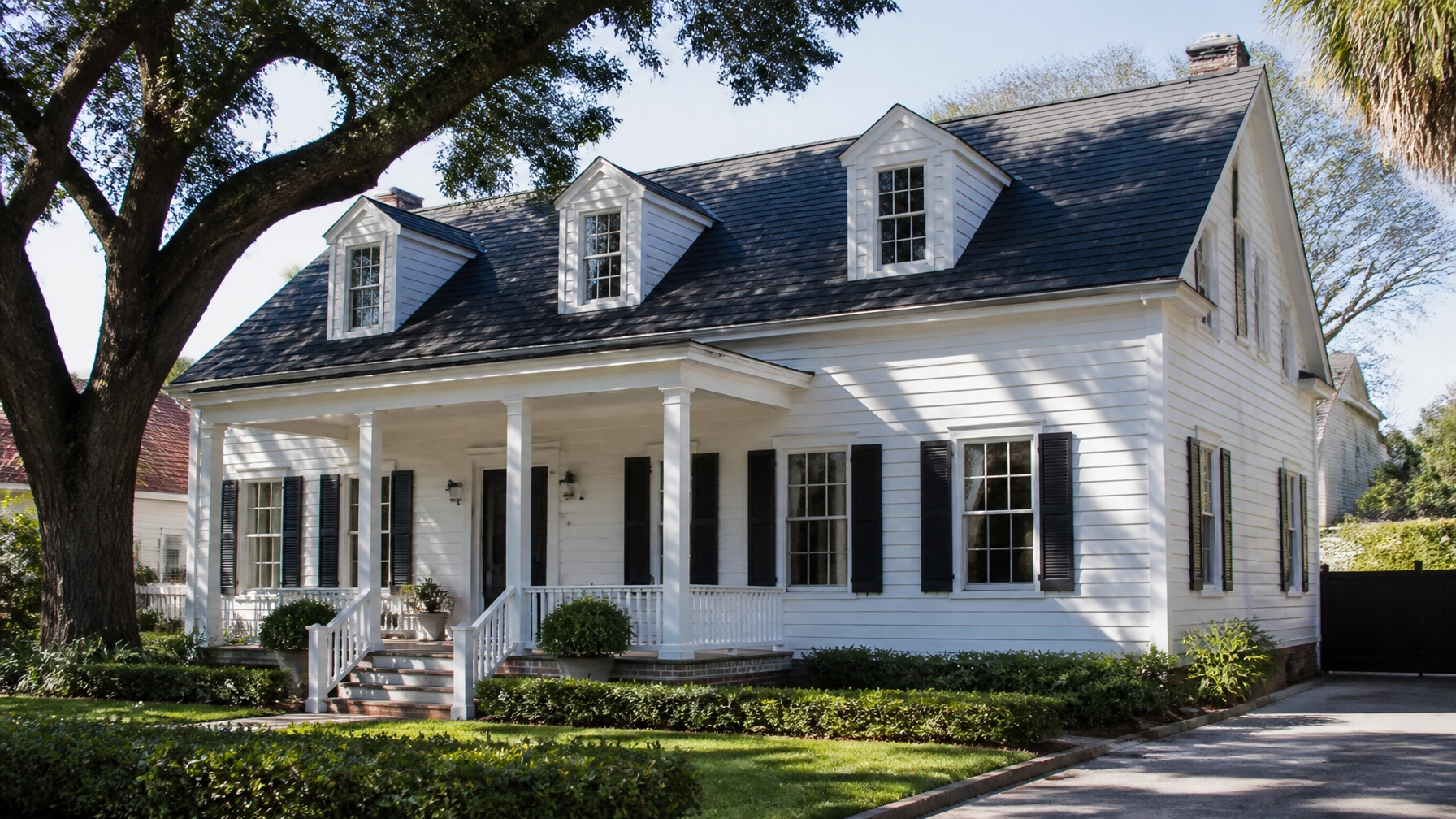
    Professional roofing contractor in Mobile, Alabama, installing high-quality architectural shingles

    Local Pro vs. Storm Chaser: Spotting the Red Flags

    Distinguishing between a reputable Mobile business and a transient storm chaser is easier when you know what to look for. Use this comparison to categorize your options.

    Feature Local Mobile Professional "Storm Chaser" Red Flag
    Physical Address Has a local office in Mobile, Baldwin, or surrounding counties. Uses a P.O. Box, a hotel address, or has no local office.
    Vehicle Plates Alabama plates (typically Mobile or Baldwin County tags). Out-of-state plates from hundreds of miles away.
    Sales Approach Educational, provides a detailed written estimate. High-pressure, "sign today" tactics, or door-to-door solicitation.
    Payment Terms Reasonable deposit (e.g., 25-33%), balance due on completion. Demands large cash payments upfront or the full insurance check.
    The Deductible Expects you to pay your legal insurance deductible. Offers to "waive" or "eat" your deductible (this is often insurance fraud).

    Data-Driven Cost Benchmarks for Mobile, AL

    Transparent pricing is the hallmark of a professional. In the Mobile market, costs vary based on material quality and roof complexity. Here is what you should expect to see in a professional estimate (calculated per "square," which is a 10' x 10' area):

    • Budget (3-Tab Shingles): $350 – $450 per square. Best for temporary fixes or rental properties, though less common in high-wind coastal areas.
    • Popular (Architectural Shingles): $450 – $600 per square. The standard for Mobile homes, offering better wind resistance (up to 130 mph) and curb appeal.
    • Premium (Metal or Synthetic): $900 – $1,500+ per square. While the upfront cost is higher, standing-seam metal is highly recommended for Gulf Coast homes due to its superior durability and longevity.

    For a standard 2,000-square-foot roof in Mobile, a full replacement typically ranges from $9,000 to $18,000 for architectural shingles, depending on the pitch and the amount of wood rot (decking) that needs replacement.

    Residential street in a quiet neighborhood in Mobile, Alabama, with a house undergoing a roof replacement

    Why "Wait and See" is a Risky Strategy

    In Mobile’s humid climate, even a small leak can lead to rapid mold growth and structural rot. Many storm chasers bank on this urgency to pressure you into a bad deal. However, waiting weeks for multiple contractors to visit your home just to get a "ballpark" price is also frustrating.

    This is where modern technology changes the game. Instead of waiting on a salesman to show up with a ladder, you can use satellite-powered tools to get the data you need instantly.

    At Get My Roof Estimate Now, we use high-resolution satellite imagery to measure your roof's exact dimensions, pitch, and complexity. Within 60 seconds, we provide a transparent, accurate price range for your specific address: no contractor visit required. This allows you to:

    1. Establish a Budget: Know your "low-middle-high" range before talking to anyone.
    2. Filter Contractors: If a roofer’s quote is 50% higher than the market average for your square footage, you know to ask questions.
    3. Avoid Pressure: You get the information you need in private, without a salesperson sitting at your kitchen table.

    Try our Roof Cost Calculator here to see your Mobile home's estimate in under a minute.

    Final Tips for Your Mobile Roofing Project

    • Get 3 Quotes: Even if you love the first roofer you meet, always get three written estimates to compare scopes of work.
    • Check the Warranty: Ensure there is a manufacturer’s warranty on materials AND a local workmanship warranty (usually 2–10 years) from the contractor.
    • Ask About Ventilation: Mobile's heat and humidity mean your attic needs to breathe. A pro will always include ridge vents or solar fans in their proposal.
    • Verify Insurance: Ask for a certificate of insurance (COI) that shows both General Liability and Workers' Compensation. If a worker gets hurt on your roof and the contractor isn't insured, you could be held liable.

    Different roofing material samples side-by-side: architectural shingles, premium impact-resistant shingles, and metal

    Choosing a roofer in Mobile doesn't have to be a gamble. By sticking to licensed local professionals and using technology to verify pricing, you can ensure your home stays dry and your investment stays secure.

    Ready to see what a new roof should cost for your home? Get your instant estimate today and take the guesswork out of your home improvement journey.

  • The Ultimate Guide to Houston Roof Replacement Costs in 2026: Everything You Need to Save

    The Ultimate Guide to Houston Roof Replacement Costs in 2026: Everything You Need to Save

    Houston homeowners are no strangers to the brutal combination of Gulf Coast humidity, scorching summer heat, and the ever-present threat of hurricane-season winds. In 2026, these environmental factors, combined with shifts in the national labor market and material supply chains, have made roof replacement a significant but necessary investment.

    If you are looking at a roof that is 15 to 20 years old, or if recent Texas storms have left their mark, understanding the current local market is essential. In 2026, the average cost for a full roof replacement in the Greater Houston area typically ranges from $8,000 to $20,000. While that is a wide window, most mid-sized homes fall squarely in the $10,000 to $14,000 bracket for high-quality asphalt shingles.

    At Get My Roof Estimate Now, we utilize advanced satellite imagery to provide you with an accurate estimate for Texas roofs in under 60 seconds. This guide breaks down exactly where those dollars go and how you can navigate the Houston roofing market with confidence.

    2026 Houston Roofing Cost Benchmarks

    In Houston, roofing is generally measured and priced by the "square." One roofing square equals 100 square feet of roof surface. For a standard 2,000-square-foot roof (roughly 20-22 squares including pitch), here is what you can expect to pay based on current 2026 data.

    Cost Component Pricing Range (Per Square Foot) Typical 2,000 sq. ft. Home
    Material Costs $2.50 – $4.50 $5,000 – $9,000
    Labor Costs $3.00 – $6.00 $6,000 – $12,000
    Full Installed Cost $5.50 – $10.50 $11,000 – $21,000

    According to recent data from Angi's Houston pricing reports, labor now accounts for approximately 50-60% of the total project cost. This reflects the increased demand for skilled crews in the Texas market.

    Installation of architectural shingles on a residential roof

    Breaking Down Material Options

    Your choice of material is the single biggest lever you have to control the final price. In Houston’s climate, your choice should balance upfront cost with long-term heat resistance and durability.

    1. Architectural Shingles (Popular)

    These are the gold standard for Houston residential properties. Unlike old-fashioned 3-tab shingles, architectural (or laminate) shingles offer a 3D look and superior wind resistance: critical for our storm seasons.

    • Average Cost (Installed): $4.50 – $7.00 per sq. ft.
    • Pros: Cost-effective, 30-year lifespan, high wind ratings.
    • Cons: Not as cool as metal; absorbs more heat in direct summer sun.

    2. Standing Seam Metal (Premium)

    Increasingly popular in areas like The Heights and Sugar Land, metal roofs are the ultimate "forever" roof for Houston.

    • Average Cost (Installed): $10.00 – $16.00 per sq. ft.
    • Pros: Reflects solar heat (lowers A/C bills), lasts 50+ years, fire-resistant.
    • Cons: Higher initial investment (2x–3x asphalt).

    3. Synthetic or Composite Slate (Luxury)

    For homeowners who want the look of heavy stone without the structural weight.

    • Average Cost (Installed): $12.00 – $20.00 per sq. ft.
    • Pros: Incredible curb appeal, extremely durable.
    • Cons: Long lead times for materials in the 2026 market.

    Modern Houston home with a standing seam metal roof

    Local Houston Factors Driving Costs in 2026

    Houston isn't like the rest of the country. Local variables can add a 10-20% variance to your estimate.

    The Humidity and Ventilation Tax

    Because Houston is so humid, "cheap" roofing jobs fail quickly due to mold and rot. A proper 2026 roof replacement must include high-efficiency ridge vents or solar-powered attic fans. If a contractor doesn't mention ventilation, they aren't quoting you a roof that will last in Texas.

    Steepness and Complexity

    A standard ranch-style home in Katy is cheaper to roof than a multi-story Tudor in River Oaks.

    • Pitch (Steepness): If a roof is too steep to walk on safely, contractors charge a "steep fee" because the work takes twice as long.
    • Layers: If your home has two layers of shingles (common in older Houston neighborhoods), the tear-off and disposal fees will increase by $1.00 to $2.00 per square foot.

    Permitting and Local Code

    Houston building codes updated in early 2025 require specific fastening patterns for high-wind zones (like those south of I-10). Ensuring your roof meets these Texas Department of Insurance (TDI) requirements is vital for your home insurance premiums.

    How to Get an Accurate Estimate Without the Sales Pressure

    The traditional way to get a roof estimate involves calling three different companies, waiting for three different salespeople to show up, and sitting through three 90-minute presentations. It's an inefficient use of your time.

    At Get My Roof Estimate Now, we have replaced the manual tape measure with precision satellite technology. Our system analyzes your roof’s size, pitch, and complexity from above, cross-referencing it with 2026 local labor rates and material costs in your specific zip code.

    The 60-Second Process:

    1. Enter Your Address: We locate your home via satellite.
    2. Verify the Image: Confirm the roof outline is correct.
    3. Receive Your Report: Get a low-middle-high price range based on current Houston market data.

    Satellite roof measurement technology interface

    Strategies to Save on Your Houston Roof

    If you are budgeting for a 2026 replacement, use these tactics to keep costs on the lower end of the spectrum:

    • Schedule During the "Off-Season": January and February are typically slower months for Houston roofers compared to the post-storm rush of late summer. You may find labor discounts during these months.
    • Avoid the "Storm Chasers": After a major hail event or tropical storm, out-of-state companies flood Houston. They often charge premium rates and provide questionable warranties. Stick with local, verified contractors.
    • Use Modern Estimating Tools: By using our instant roof cost calculator, you enter negotiations with a benchmark price. You'll know immediately if a contractor is overcharging you.
    • Check for Tax Credits: In 2026, certain "cool roof" materials (like specific metal colors or reflective shingles) may qualify for federal energy efficiency tax credits.

    Summary of Pricing by Zip Code (2026 Estimates)

    While costs vary, we see specific trends across the Greater Houston area:

    • The Woodlands / Spring: Slightly higher due to strict HOA requirements for premium architectural shingles.
    • Katy / Cypress: Standard pricing, mostly large, simple rooflines.
    • Inner Loop (Montrose/Heights): Higher costs due to limited street parking for crews and older, more complex roof structures.

    Final Thoughts

    A roof is the most important protection your home has against the Texas elements. While the $4.00 to $7.00 per square foot range for asphalt is the 2026 standard, the "cheapest" quote is rarely the best value. Focus on a contractor who provides a comprehensive system including underlayment, flashing, and ventilation.

    Don't guess what your roof will cost. Get the data you need to budget accurately and talk to contractors with confidence.

    Ready for your numbers? Get your instant Houston roof estimate now.


  • The Ultimate Guide to Getting Insurance to Pay for Your Mobile Roof: Everything You Need to Succeed

    The Ultimate Guide to Getting Insurance to Pay for Your Mobile Roof: Everything You Need to Succeed

    If you live in Mobile, Alabama, your roof isn't just a part of your house; it’s your primary defense against Gulf Coast humidity, tropical depressions, and the occasional high-velocity hurricane. But when the sky turns black and the hail starts pounding, the question isn't just about the weather: it's about the math.

    Getting your insurance company to pay for a full roof replacement in Mobile is often seen as a daunting, uphill battle. Between confusing policy language, high wind/hail deductibles, and the push-and-pull of adjusters, many homeowners leave thousands of dollars on the table. This guide is your masterclass in navigating the Alabama insurance landscape to ensure you get the coverage you’ve been paying for.

    1. Understanding Your Alabama Policy: The Foundation of Success

    Before you even pick up the phone to call your agent, you need to know exactly what kind of coverage you have. In Alabama, and specifically along the coast in Mobile County, policies are structured differently than in other parts of the country.

    RCV vs. ACV (The Money Factor)

    • RCV (Replacement Cost Value) [Premium]: This is the gold standard. If your roof is damaged, the insurance pays to replace it with a brand-new one of similar quality, minus only your deductible.
    • ACV (Actual Cash Value) [Budget]: This is where many homeowners get stuck. ACV pays for the depreciated value of the roof. If your roof is 20 years old, the insurer will subtract its "used-up" value, often leaving you with a check that barely covers the materials, let alone the labor.

    The Alabama Wind/Hail Deductible

    In Mobile, most policies feature a separate wind/hail deductible. Unlike your standard $500 or $1,000 "all-perils" deductible, wind/hail deductibles in Alabama are typically a percentage of your home's total insured value (Coverage A).

    • Common Range: 1% to 5%.
    • The Reality: If your home is insured for $300,000 and you have a 2% wind deductible, you are responsible for the first $6,000 of the repair. Knowing this number upfront is vital to determine if a claim is financially viable.

    Close-up of architectural shingles showing distinct hail damage impact marks

    2. Identifying "Covered Damage" vs. "Wear and Tear"

    Insurance companies do not pay for old age. If your roof is simply "worn out" or has reached the end of its 25-year lifespan, that is considered a maintenance issue, not an insurance claim. To succeed, you must prove sudden and accidental damage.

    What Adjusters Look For:

    • Hail Strikes: Bruises or indentations in the shingle mat that have knocked off protective granules.
    • Wind Uplift: Shingles that have been lifted by high winds, breaking the adhesive seal and causing them to crease or blow off entirely.
    • Collateral Damage: Adjusters often look at your "soft metals": gutters, downspouts, and vents. If your gutters are peppered with hail dents, it's a strong indicator that the roof is damaged too.

    Pro Tip: In Alabama, if more than 25% of a roof slope is damaged, many carriers' internal guidelines trigger a full replacement of that slope. If multiple slopes are affected, you’re looking at a full roof replacement.

    3. The Alabama "FORTIFIED" Advantage

    Mobile is at the forefront of the FORTIFIED Home™ program. Under Alabama Code § 27-31D-2.1, insurers are actually required to offer an endorsement to upgrade your roof to the "FORTIFIED Bronze" standard if you are already replacing it due to a covered loss.

    Why this matters:

    1. Safety: These roofs are built specifically to withstand hurricane-force winds.
    2. Discounts: A FORTIFIED roof can significantly lower your annual insurance premiums: sometimes by 20% to 50% in the Mobile area.
    3. Mandatory Offer: If your adjuster isn't talking about the Fortified upgrade during a total loss claim, you need to bring it up.

    4. The 6-Step Mobile Claims Process

    To ensure your claim isn't denied due to technicalities, follow this precise sequence:

    1. Immediate Inspection: After a storm, walk your property. Look for shingles in the yard or water spots on your ceiling.
    2. Get a Professional Estimate First: Before calling the insurance company, get an accurate measurement. Use the Get My Roof Estimate Now tool to get a satellite-powered estimate in 60 seconds. This gives you a data-backed baseline for the actual cost of replacement in Mobile.
    3. File the Claim Promptly: Alabama law generally requires "prompt" notice. In many cases, this means within 30 to 60 days of the storm event.
    4. The Adjuster Meeting: When the insurance adjuster arrives, try to have your contractor there. A professional roofer can point out damage the adjuster might overlook.
    5. Review the Scope of Work: The insurance company will send a "Statement of Loss." Compare this document to your initial estimate. Are they missing the ridge caps? Did they fail to account for the local cost of debris disposal?
    6. Finalize & Install: Once the check is cut (usually two checks: one for the ACV and one for the "recoverable depreciation" after the work is done), you can begin the project.

    Satellite imagery visualization of a residential roof measurement

    5. Using Technology as Your Leverage

    The biggest reason claims are underpaid is a disagreement over quantity. The adjuster says your roof is 28 squares; your roofer says it’s 32. This discrepancy can cost you thousands.

    Our satellite-powered measurement technology at Get My Roof Estimate Now eliminates this friction. By using high-resolution aerial imagery, we provide measurements accurate to within inches.

    • Speed: 60 seconds or less.
    • Transparency: No contractor "padding" the numbers.
    • Authority: Coming to the table with a professional satellite report shows the insurance company you’ve done your homework.

    6. Avoiding Common Denials and Pitfalls

    Mobile homeowners often fall into these three traps that lead to denied claims:

    The "No Mitigation" Trap

    Alabama policies require you to take "reasonable steps" to prevent further damage. If you have a hole in your roof and you don't tarp it, the insurance company can deny any subsequent water damage to your interior, claiming it was your negligence, not the storm.

    The "Storm Chaser" Scam

    After a hurricane or heavy hail in Mobile, out-of-state contractors (storm chasers) often flood the area.

    • Warning: In Alabama, it is illegal for a contractor to "waive" or "pay" your deductible. If a contractor offers this, they are committing insurance fraud, which could result in your entire claim being voided.
    • Solution: Always work with verified, licensed, and insured local contractors. We connect you with vetted pros in the Mobile area who understand Alabama-specific building codes.

    Late Filing

    If you wait six months after a storm to file, the insurer will likely argue that the damage is due to "gradual deterioration" rather than the specific storm event. Time is money.

    A professional roofing contractor discussing an estimate with a homeowner in Mobile, AL

    7. Budgeting for Your Replacement

    If your insurance claim is approved, you still need to account for your deductible. In the Mobile market, typical roof replacement costs range from:

    • Basic Shingles (Budget): $8,000 – $12,000
    • Architectural Shingles (Popular): $12,000 – $18,000
    • Metal Roofing (Premium): $20,000 – $35,000+

    Knowing your price range before the adjuster arrives ensures you aren't surprised by the final numbers. Check out our Alabama roof cost guide for more localized data.

    Final Thoughts: Success is in the Details

    Getting insurance to pay for your Mobile roof requires a blend of speed, documentation, and technology. Don't rely on the insurance company to do all the heavy lifting for you. Use satellite measurements to verify your roof's size, understand your Alabama-specific deductible, and insist on a FORTIFIED upgrade if you qualify.

    Ready to see what your roof should actually cost? Skip the wait and get your accurate, satellite-powered estimate right now.

    Get Your Instant Free Estimate in 60 Seconds →

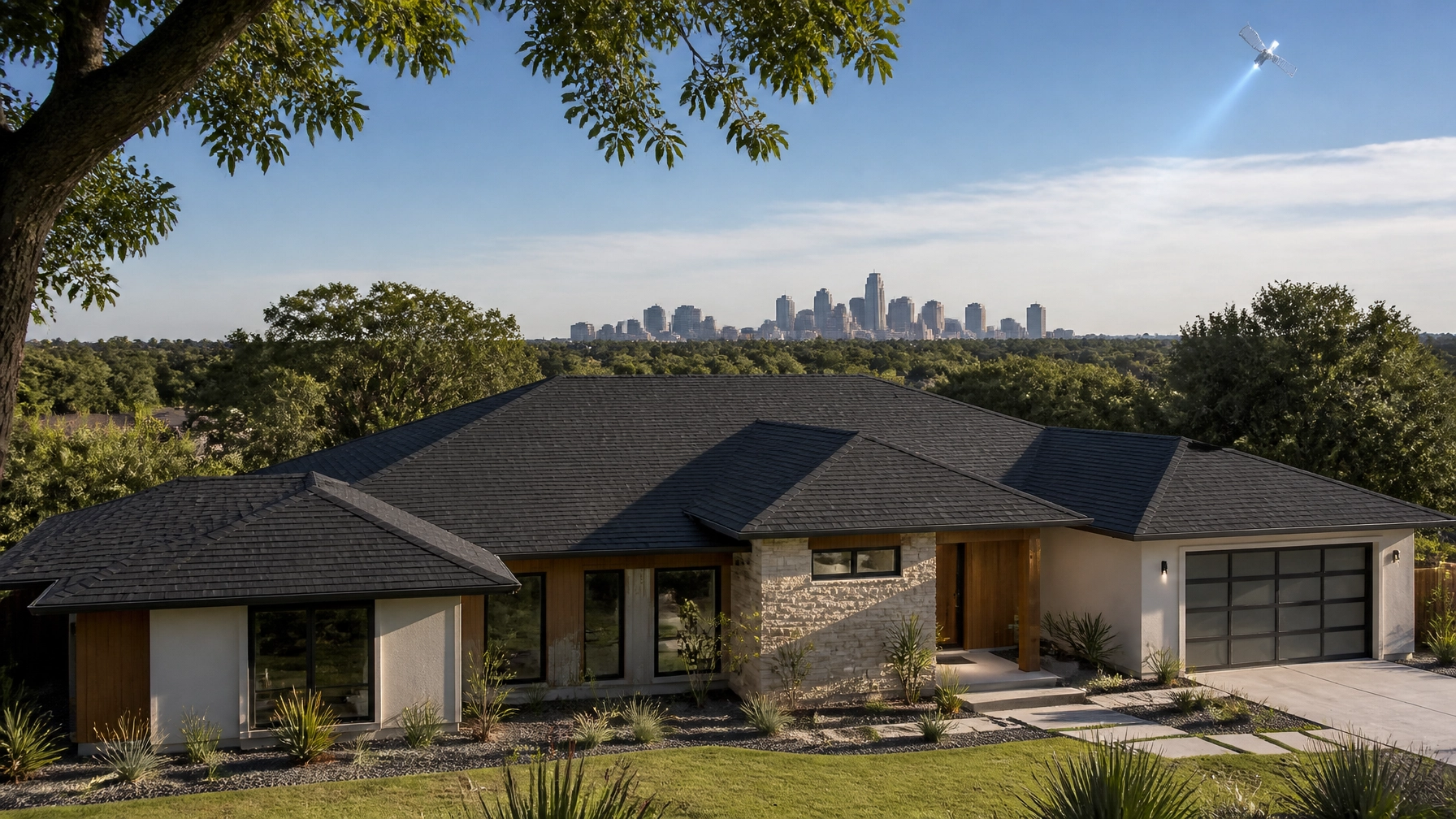
    A modern Alabama ranch-style home with a new bronze metal roof


  • Charlotte Roof Replacement Costs Explained in Under 3 Minutes

    Charlotte Roof Replacement Costs Explained in Under 3 Minutes

    If you are a homeowner in the Queen City, you know that the Charlotte skyline isn't the only thing growing. Residential neighborhoods from Ballantyne to Huntersville are seeing a surge in home renovations, with roof replacements leading the charge. Whether you’ve been hit by a seasonal North Carolina thunderstorm or your 20-year-old shingles are finally throwing in the towel, the first question is always the same: How much is this going to cost?

    At Get My Roof Estimate Now, we believe you shouldn't have to wait three days for a contractor to show up just to get a ballpark figure. Using advanced satellite imagery, we provide accurate estimates in under 60 seconds.

    In this guide, we’re breaking down the real-world costs of roof replacement in Charlotte, NC for 2026. No fluff, just the data you need to budget effectively.

    The 2026 Charlotte Price Benchmark

    The average cost for a roof replacement in Charlotte currently ranges between $8,500 and $25,000 for most single-family homes. While that’s a wide gap, your specific price is dictated by three primary factors: square footage, material choice, and roof complexity.

    Material Type Price Category Avg. Installed Cost (Charlotte) Expected Lifespan
    3-Tab Shingles (Budget) $7,000 – $9,500 15-20 Years
    Architectural Shingles (Popular) $9,000 – $16,000 25-30 Years
    Standing Seam Metal (Premium) $18,000 – $35,000 50+ Years
    Synthetic/Slate (Luxury) $30,000 – $55,000+ 75+ Years

    Data based on typical 1,800–2,500 sq. ft. homes in Mecklenburg County.

    Breaking Down Material Options

    Choosing the right material isn't just about the upfront price; it's about the "cost per year" of protection. In the humid subtropical climate of Charlotte, some materials outperform others.

    1. Asphalt Shingles (Budget to Popular)

    Asphalt remains the go-to for ZIP codes like 28269 and 28277.

    • 3-Tab Shingles (Budget): These are the most affordable but have the lowest wind resistance. In a coastal-adjacent state like North Carolina, these are becoming less common as homeowners opt for more durability.
    • Architectural Shingles (Popular): Also known as dimensional shingles, these provide a thicker, multi-layered look. They are the "standard" for Charlotte roof replacements because they balance cost-efficiency with high curb appeal.

    2. Metal Roofing (Premium)

    Close-up of a modern residential home in North Carolina with a sleek matte black standing seam metal roof.

    Metal is seeing a massive uptick in Charlotte, particularly in modern ranch-style homes and farmhouses. While the initial investment is nearly double that of shingles, the ROI is significant. A metal roof can lower your cooling costs during those blistering 90-degree July days in the Carolinas by reflecting solar radiant heat.

    3. Specialty Materials (Luxury)

    For historic homes in Dilworth or luxury estates in Myers Park, materials like slate, clay tile, or synthetic composites are often required to maintain architectural integrity. These projects require specialized labor and can easily exceed the $40,000 mark.

    Why Charlotte Roofing Costs Vary by Neighborhood

    It’s not just about what’s on top of your house; it’s about where your house is. Local factors in the Charlotte metro area can shift your estimate by 10-15%.

    • Tree Canopy: Charlotte is famous for its trees. If your home is in a heavily wooded area like SouthPark, contractors may charge more for "difficult access" or for the additional labor required to protect your landscaping from debris.
    • Disposal Fees: Dumping fees at Mecklenburg County facilities fluctuate. A standard "tear-off" involves removing thousands of pounds of old shingles, and the logistics of hauling that waste impacts your bottom line.
    • Permit Requirements: The City of Charlotte requires specific building permits for structural roof work. While a simple shingle-over (not recommended) might skip some steps, a full replacement needs to be up to the latest North Carolina building codes.

    The "Square" Explained: How Contractors Measure

    In the roofing industry, we don't talk in square feet; we talk in "Squares."

    1 Square = 100 Square Feet of Roof Surface.

    A 2,000-square-foot home doesn't necessarily have a 20-square roof. Factors like the pitch (steepness) and complexity (the number of peaks, valleys, and dormers) add more surface area.

    A steep roof in a neighborhood like NoDa will cost more than a flat-pitched ranch roof in Gastonia, even if the floor plans are the same size. Steep roofs require more safety equipment and take longer for crews to navigate.

    A row of suburban homes in Charlotte showing different rooflines and the complexity of modern residential roofing projects.

    The Tech Advantage: Instant Accuracy

    Traditionally, getting a roof estimate meant:

    1. Calling 3-4 contractors.
    2. Waiting for them to show up (often they don't).
    3. Having someone walk on your shingles with a tape measure.
    4. Waiting 48 hours for a PDF quote.

    At Get My Roof Estimate Now, we’ve eliminated the friction. Our roof cost calculator uses high-resolution satellite imagery to measure your roof's dimensions to within inches. We factor in the local labor rates for Charlotte and the current market price of materials to give you a transparent range in 60 seconds.

    A tablet displaying a 3D satellite model of a residential roof with precise measurement lines, representing modern roofing technology.

    FAQ: Quick Answers for Charlotte Homeowners

    How much does a new roof cost in Charlotte, NC per square foot?

    In 2026, expect to pay between $4.50 and $7.00 per square foot for a standard asphalt shingle replacement, including labor and materials. Metal roofing jumps to $10.00 to $15.00 per square foot.

    How long does a roof replacement take?

    For most standard homes in the Charlotte area, a professional crew can complete the tear-off and installation in 1 to 2 days, assuming the weather permits.

    Does homeowners insurance cover roof replacement after a storm?

    In North Carolina, if your roof has sustained wind or hail damage, your insurance may cover the replacement cost minus your deductible. It is vital to have an accurate, independent estimate before filing a claim. You can get your instant roof estimate here to compare with your adjuster’s findings.

    Is a permit required for roofing in Charlotte?

    Yes, Mecklenburg County generally requires a building permit for a full roof replacement to ensure the work meets local wind and fire safety codes. Verified contractors will handle this process for you.

    Conclusion: Take the Guesswork Out of Your Budget

    Replacing a roof is one of the largest investments you’ll make in your home. Don't go into the process blind. Whether you are in Concord, Rock Hill, or downtown Charlotte, knowing your numbers upfront gives you the power to negotiate and plan.

    Ready to see your number? Skip the salesman and get your 60-second estimate today.

    Get My Free Charlotte Roof Estimate →


  • 7 Mistakes You’re Making When Hiring a Mobile, AL Roofer (And How to Spot Storm Chasers)

    7 Mistakes You’re Making When Hiring a Mobile, AL Roofer (And How to Spot Storm Chasers)

    Living in Mobile, Alabama, means your roof isn’t just part of your home’s curb appeal: it’s your first line of defense against the Gulf Coast’s humidity, heavy rains, and the ever-present threat of hurricane season. Whether you’re looking at a 20-year-old roof reaching its limit or you’ve just weathered a major storm, the process of hiring a contractor can feel overwhelming.

    In a city where storm damage is a seasonal reality, homeowners often fall into traps set by predatory contractors known as "storm chasers." If you aren't careful, you could end up with a sub-par roof, a voided warranty, or even legal trouble with your insurance company.

    To protect your home and your wallet, avoid these seven critical mistakes when hiring a Mobile, AL roofer.

    1. Falling for the "Free Roof" or "Deductible Waiver" Trap

    This is the most common red flag in the Mobile area. A contractor knocks on your door after a storm and claims they can get you a "free roof" by "waiving" or "covering" your insurance deductible.

    The Reality: In Alabama, it is illegal for a contractor to pay, waive, or rebate an insurance deductible. If a roofer offers this, they are likely committing insurance fraud, and you could be held liable. Furthermore, if they are "saving" you $1,000 or $2,000 on your deductible, they are almost certainly cutting corners on materials or labor to make up that margin.

    2. Ignoring the Alabama Home Builders Licensure Board (HBLB)

    Many homeowners assume that a business card and a truck mean a roofer is legitimate. In Alabama, any residential roofing project over $2,500 generally requires a license from the Home Builders Licensure Board (HBLB).

    The Danger: Hiring an unlicensed contractor means you have zero recourse if the work is faulty. Always ask for their license number and verify it on the HBLB website. A reputable Mobile roofer will have this information ready before you even ask.

    A hyper-realistic close-up of a new asphalt shingle roof installation on a ranch-style house, showing precision work around a chimney with flashing.

    3. Skipping the Permit (and the Inspection)

    The City of Mobile and Mobile County have strict building codes, especially regarding wind-load requirements for hurricane zones. A permit is required for most roof replacements.

    The Mistake: Some contractors will tell you that you don't need a permit or that it will "save you money" to skip it. This is a massive red flag. Without a permit, you won't get a city inspection, which is your only objective proof that the roof was installed to code. If you try to sell your house later, an unpermitted roof can kill the deal.

    4. Overlooking Hurricane-Zone Wind Ratings

    Mobile is in a high-wind zone. Your roof needs to be installed according to specific "wind-speed" designs. This involves more than just the shingles; it includes the number of nails per shingle, the type of underlayment (synthetic is often preferred over felt), and how the decking is secured.

    The Mistake: Hiring a roofer who uses "standard" inland installation methods. Ensure your estimate specifies materials rated for at least 110–130 MPH winds (Popular) or even higher for coastal-facing properties (Premium).

    5. Hiring "Out-of-State Plates" (Storm Chasers)

    After a big storm hits the Gulf Coast, "storm chasers" flood the I-10 corridor. They often have out-of-state license plates, temporary magnets on their trucks, and no physical office in Mobile.

    The Risk: These companies are here to sign as many jobs as possible, do the work quickly, and disappear. If your roof leaks six months later, that "lifetime workmanship warranty" is worthless because the company is now three states away. Always prioritize local contractors with a permanent physical address in the Mobile/Baldwin County area.

    Professional roofing crew working on a modern residential home with a complex roofline, using safety harnesses and high-end equipment.

    6. The "Handshake" Agreement with No Written Contract

    In the rush to get a roof fixed, many homeowners settle for a vague one-page estimate.

    The Mistake: A legitimate contract should be detailed. It must include:

    • Materials: Brand, color, and specific type (e.g., Architectural Shingles vs. 3-Tab).
    • Scope: Does it include removing the old roof? Replacing rotted decking? New flashing?
    • Timeline: Estimated start and completion dates.
    • Payment Terms: Never pay 100% upfront. A standard schedule is 1/3 at signing (for materials) and the remainder upon completion and inspection.

    7. Waiting Weeks Just to Get a Ballpark Price

    Traditionally, getting a roof estimate involved calling three different companies, waiting for them to show up (if they did), and then waiting another few days for a quote. This delay leaves your home vulnerable to more damage.

    The Solution: You don't have to wait anymore. Using advanced satellite imagery, you can get an accurate, free roof estimate online in under 60 seconds. Our technology measures your roof's squares (the industry standard unit of 100 sq. ft.), pitch, and complexity without anyone stepping foot on your property.


    How to Spot a Storm Chaser: A Quick Checklist

    If a roofer approaches you, look for these warning signs:

    • High Pressure: They want you to sign a "contingency agreement" immediately.
    • The "Free" Pitch: They offer to "handle everything" with your insurance and save you the deductible.
    • Unfamiliarity with Local Codes: They don't mention Mobile-specific wind ratings or permitting.
    • Lack of Proof: They can't provide a local Mobile address or an Alabama HBLB license number.

    Get Your Mobile, AL Roof Estimate Today

    Don't let the stress of a roof replacement lead to a costly mistake. Start with data. By using a roof cost calculator, you can walk into conversations with contractors already knowing exactly how many squares your roof is and what a fair price range looks like (typically $8,000–$25,000 for most Mobile homes).

    Ready to see your numbers?
    Get your instant satellite-powered estimate now. It's free, takes less than a minute, and gives you the transparency you need to hire with confidence.


  • Atlanta Roof Replacement 101: A Homeowner’s Guide to 2026 Costs and the 8% Hike

    If you’ve been putting off a roof replacement for your Atlanta home, the numbers for 2026 are a wake-up call. Between shifting supply chain dynamics and a tightening local labor market, homeowners in the Metro area are facing a projected 8% price hike compared to last year’s estimates.

    Navigating a roof replacement is often the most significant investment a homeowner will make. In Atlanta, where humidity, sudden summer storms, and high UV exposure are the norm, your roof isn't just about aesthetics: it’s your first line of defense.

    At Get My Roof Estimate Now, we believe transparency is the only way to build trust. This guide breaks down exactly what you can expect to pay for a roof in 2026, why the "8% hike" is happening, and how you can use satellite-powered technology to lock in an accurate estimate in under 60 seconds.


    The Atlanta Reality: 2026 Cost Benchmarks

    In 2026, the average cost for a full roof replacement on a typical single-family home in Atlanta generally runs between $8,500 and $18,000 for standard architectural shingles. If you are opting for premium materials like standing seam metal or designer shingles, those costs can easily exceed $30,000.

    To provide immediate context, we’ve categorized the most common Atlanta residential projects:

    Project Scope Material Type Estimated 2026 Cost Range
    Small Home (1,500 sq. ft.) Architectural (Standard) $6,500 – $10,000
    Average Home (2,000 sq. ft.) Architectural (Popular) $8,500 – $13,500
    Large Home (2,500+ sq. ft.) Architectural (Premium) $11,000 – $18,500
    Average Home (2,000 sq. ft.) Standing Seam Metal (Elite) $19,500 – $29,000

    Why the 8% Price Hike?

    You might be wondering why a quote you received 18 months ago is no longer valid. In 2026, several factors are converging in the Georgia market:

    1. Material Inflation (Budget): Asphalt and petroleum-based products have seen steady increases, impacting the raw cost of shingles.
    2. Labor Scarcity (Professional): Skilled roofing crews in the Southeast are in high demand, leading to higher hourly wages.
    3. Logistics (Logistical): Fuel costs and local transport fees within the I-285 perimeter have added a premium to delivery services.

    Close-up detailed shot of high-quality architectural asphalt shingles being installed on a roof, showing the texture and layering, hyper-realistic, professional construction site photography.


    Breaking Down the Cost Per Square

    In the roofing industry, we measure by "squares." One square is a 10×10 foot area (100 square feet). Understanding this helps you speak the same language as your contractor.

    • Architectural Shingles (Popular): $450 – $650 per square (installed). This is the "gold standard" for Atlanta homes, providing a balance of durability and cost.
    • Metal Roofing (Premium): $950 – $1,400 per square (installed). While expensive upfront, metal roofs are increasingly popular in areas like Buckhead and North Atlanta for their 50-year lifespan.
    • Designer Shingles (Luxury): $700 – $900 per square (installed). These mimic the look of slate or wood shakes without the extreme maintenance.

    Local Factors That Shift Your Quote

    Your estimate isn't just about square footage. In Atlanta, three specific variables can drastically change your final price:

    1. The "Atlanta Pitch" (Technical)

    Many historic homes in neighborhoods like Virginia-Highland or Inman Park feature steep roof pitches. If your roof is too steep for a crew to walk on without safety harnesses and specialized equipment, expect a "steep charge" of 10-15%.

    2. Permit Fees and Regulations (Administrative)

    The City of Atlanta typically requires a re-roof permit. On average, you should budget approximately $175 for permit fees alone. Georgia building codes also require specific underlayment and ventilation standards to combat our high humidity. A verified local contractor will ensure your roof meets the 2026 International Residential Code (IRC) updates adopted by the state.

    3. Disposal and Tear-off (Labor)

    Are you stripping off one layer of old shingles or two? Georgia code generally forbids more than two layers of roofing. If your home already has multiple layers, the labor cost for "tear-off" and the subsequent disposal fees at local landfills will increase your quote by roughly $1,000 – $2,500.

    A modern residential home in Atlanta featuring a sleek dark grey standing seam metal roof, surrounded by green trees, hyper-realistic photography, high architectural detail.


    How to Get an Accurate Estimate in 60 Seconds

    The traditional way of getting a roof estimate is broken. It usually involves calling three contractors, waiting for them to show up (if they do), and sitting through a two-hour sales pitch.

    At Get My Roof Estimate Now, we’ve eliminated the friction. Using high-resolution satellite imagery, we measure your roof’s size, pitch, and complexity with 95% accuracy without ever stepping foot on your property.

    Our Process:

    1. Enter Your Address: We pull the latest satellite data for your Atlanta property.
    2. Instant Measurement: Our AI calculates the exact square footage and waste factor.
    3. Transparent Pricing: We provide a price range based on current 2026 labor and material rates in Georgia.
    4. Connect with Pros: If the numbers work for your budget, we connect you with licensed and insured local contractors who are ready to work.

    Try our Roof Cost Calculator now to see how the 8% hike affects your specific zip code.


    Material Choices for the Georgia Climate

    Choosing the right material is vital for long-term ROI. Atlanta’s weather is unique: hot summers followed by heavy rain and occasional hail.

    • Asphalt Shingles (Reliable): Look for shingles with a high "Algae Resistance" rating. Atlanta's humidity often leads to black streaks (Gloeocapsa magma) on older roofs. Modern shingles are treated to prevent this.
    • Metal (High-Efficiency): Reflective metal roofs can lower your cooling costs by up to 25% during those 95-degree July days.
    • Synthetic Slate (Aesthetic): Ideal for homeowners who want the look of a historic Druid Hills mansion but want the impact resistance of modern polymers.

    An aerial drone view of a clean, organized residential roofing project in progress, showing a professional crew and safety equipment, hyper-realistic, bright daylight.


    Conclusion: Planning for Your 2026 Replacement

    A roof replacement is a massive project, but it doesn't have to be a mystery. By understanding that Atlanta costs have risen by roughly 8% this year, you can set a realistic budget and avoid low-ball quotes that lead to poor workmanship.

    Remember:

    • Budget for $4 – $11 per square foot depending on material.
    • Account for the $175 average permit fee.
    • Factor in complexity like steep pitches and multiple chimneys.

    Don't wait for a leak to start your research. Use our instant roof estimate tool today to see where your home stands in the 2026 market. We provide the data; you make the decision. No pressure, no hidden fees: just accurate pricing in 60 seconds.


  • 7 Mistakes You’re Making When Hiring a Mobile, AL Roofer (And How to Spot Storm Chasers)

    7 Mistakes You’re Making When Hiring a Mobile, AL Roofer (And How to Spot Storm Chasers)

    Living on the Gulf Coast means your roof is your first line of defense against tropical storms, high humidity, and the occasional hurricane. In Mobile, Alabama, a roof isn't just a home improvement project: it’s a critical structural investment. However, when the clouds clear after a storm, a different kind of threat often arrives: "storm chasers."

    These out-of-town contractors flock to Mobile County, knocking on doors and promising "free" roofs or "insurance-covered" replacements. If you aren't careful, you could end up with a lien on your house, a voided warranty, or a roof that leaks during the next summer thunderstorm.

    Before you sign any contracts, make sure you aren’t making these seven critical mistakes common among Mobile homeowners.


    1. Falling for the "Free Roof" Insurance Deductible Scam (Fraud Alert)

    This is the most common tactic used by storm chasers in the Mobile area. A contractor tells you they can "waive," "cover," or "rebate" your insurance deductible. They might offer you a "sign allowance" or some other creative way to ensure you pay $0 out of pocket.

    The Reality: In Alabama, as in most states, this is considered insurance fraud. Your deductible is a legal agreement between you and your insurance provider. If a contractor inflates the bill to cover your deductible, they are defrauding the insurance company. Furthermore, if they are willing to lie to your insurance company, they are likely willing to cut corners on your material quality or labor.

    The Fix: Always expect to pay your deductible. If a quote seems too good to be true, it likely involves a legal risk you don't want to take.

    2. Hiring a Contractor Without an Alabama HBLB License

    In Alabama, any residential roofing project exceeding $2,500 requires a specific license. Homeowners often make the mistake of assuming a "business license" is the same as a professional trade license.

    The Specifics: You must verify that your roofer is licensed by the Alabama Home Builders Licensure Board (HBLB). They may hold a specific "Residential Roofer" license or an "Unlimited Residential" license.

    • Roofer License: Covers only the roof.
    • Residential License: Covers the whole house, including the roof.

    Why it matters: If your roofer isn't HBLB-licensed, you have zero recourse through the state if the job is botched. Storm chasers often claim they are "working under" someone else's license, which is a major red flag.

    Close-up of high-quality architectural asphalt shingles showing multi-dimensional texture

    3. Skipping the Local Mobile County Roofing Permit

    Many fly-by-night contractors will tell you, "We don't need a permit for a simple shingle swap." This is false.

    The Requirement: Mobile County and the City of Mobile require a Roofing Permit for replacements. This permit ensures that the work is inspected and meets local building codes, which are particularly strict regarding wind resistance in coastal areas.

    The Mistake: Homeowners sometimes agree to pull the permit in their own name as "owner-builder." Never do this. When you pull the permit, you become the person legally responsible for the work and the safety of the crew. A legitimate Mobile roofer will always pull the permit under their own license and insurance.

    4. Not Verifying Workers’ Comp & The $10,000 Surety Bond

    Roofing is dangerous work. If a worker falls off your roof and the contractor doesn't have Workers' Compensation insurance, you: the homeowner: could be held liable for their medical bills and lost wages.

    The Mobile Standard:

    • Liability Insurance: Protects your property if a tree falls on your house during the job.
    • Workers’ Comp: Protects you from lawsuits if a worker is injured.
    • The $10,000 Bond: Licensed Alabama roofers are required to file a $10,000 license surety bond with the HBLB. This bond provides a layer of protection for you if the contractor violates state codes or fails to complete the job.

    Pro Tip: Don't just look at a photocopy of an insurance certificate. Ask for the name of their agent and call to verify the policy is active and covers "Roofing."

    Classic red brick ranch-style home in Mobile with a newly installed light grey asphalt shingle roof

    5. Paying the Full Amount (or a Large Deposit) Upfront

    Storm chasers survive on deposits. They collect $5,000 from ten different homeowners in West Mobile or Saraland, and then they disappear.

    The Benchmark: A reputable local contractor might ask for a small deposit (usually 10-33%) to cover materials or to put you on the schedule. However, you should never pay the full balance until the materials are on your driveway, the job is complete, and you have a copy of the final inspection from the county.

    Red Flag: If a contractor says they need your insurance check immediately to "order the shingles," they likely don't have the credit or cash flow to run a stable business.

    6. Ignoring Wind Speed Ratings for the Gulf Coast

    Mobile is in a high-wind zone. A mistake many homeowners make is choosing a "budget" (Standard) shingle without looking at the wind rating.

    The Coastal Factor:

    • Standard Shingles (3-Tab): Often rated for 60-70 mph. (Inadequate for Gulf storms).
    • Architectural Shingles (Popular): Often rated for 110-130 mph.
    • Metal Roofing (Premium): Highly durable and wind-resistant, though more expensive.

    In Mobile, you want materials that meet or exceed the ASTM D7158 Class H wind rating. If your roofer isn't talking about wind uplift or "six-nailing" patterns, they aren't preparing your home for the next hurricane season.

    7. Hiring Without an Accurate, Data-Backed Estimate

    The "traditional" way to get a roof estimate involves waiting three days for a contractor to show up, having them climb on your roof with a tape measure, and receiving a handwritten quote on a piece of notebook paper. This lack of transparency leads to "price creeping," where the contractor adds $2,000 to the bill halfway through because they "didn't realize how big the roof was."

    The Modern Solution: At Get My Roof Estimate Now, we use advanced satellite imagery to measure your roof with 90-95% accuracy: down to the inch. We factor in your roof's pitch, complexity, and regional Mobile material costs to give you an accurate price range in under 60 seconds.

    Why it matters: When you have a data-backed roof cost estimate in hand, you have the power to spot a "storm chaser" who is trying to overcharge you.

    Modern Southern home with a durable standing-seam metal roof in a silver-grey finish


    Quick Summary: How to Spot a Mobile Storm Chaser

    Feature Local Reputable Roofer Storm Chaser (Red Flag)
    License Alabama HBLB Licensed Out-of-state or "working under" another license
    Address Physical office in Mobile/Baldwin County P.O. Box or no local address
    Permit Pulls permit in their company name Asks homeowner to pull the permit
    Payment Progressive payments; final after inspection Demands a large cash deposit upfront
    Estimate Detailed, itemized, and data-driven Vague "insurance will cover it" handshake
    Deductible Clearly states homeowner pays it Offers to "waive" or "absorb" it

    Protecting Your Investment in Mobile

    Your home is likely your largest asset. Don't let the stress of a leaking roof or the pressure of a door-to-door salesman lead you into a bad contract. By checking for the HBLB license, insisting on a local permit, and using technology to verify your roof's size and cost, you can navigate the hiring process with confidence.

    Ready to see what a new roof should actually cost for your home in Mobile? Skip the sales pitch and the wait.

    Get your instant, satellite-powered roof estimate here in 60 seconds.


  • The Ultimate Guide to Nashville Roof Replacement Cost: Everything You Need to Succeed in 2026

    If you’re a homeowner in Music City, you know that our weather is anything but predictable. From sweltering summer humidity to sudden spring storms that roll through Middle Tennessee, your roof takes a beating. If your roof is approaching the 15-to-30-year mark, or if recent storms have left you with more than just a few missing shingles, it’s time to talk numbers.

    In 2026, the Nashville roofing market remains one of the most competitive and expensive in the South. Driven by rapid population growth and high demand for skilled labor, pricing here sits slightly above the Tennessee state average.

    At Get My Roof Estimate Now, we believe in total transparency. This guide breaks down exactly what you can expect to pay for a roof replacement in Nashville this year, providing you with the data you need to budget with confidence.


    2026 Nashville Roof Replacement Price Benchmarks

    Calculating your roof cost isn't a guessing game. In Nashville, most full roof replacements for a standard 2,000-square-foot home fall between $12,000 and $22,000. However, high-end materials or complex architectural designs can easily push those figures into the $20,000–$30,000 range.

    At a Glance: Estimated Total Costs by Home Size

    Home Square Footage Roof Size (in Squares*) Budget (3-Tab) Popular (Architectural) Premium (Metal/Synthetic)
    1,500 sq. ft. 18–22 SQ $9,000 – $11,500 $10,800 – $14,500 $22,000 – $38,000
    2,000 sq. ft. 24–28 SQ $12,000 – $14,800 $14,400 – $19,200 $28,800 – $52,000
    2,500 sq. ft. 30–35 SQ $15,000 – $18,500 $18,000 – $24,500 $36,000 – $65,000
    3,000 sq. ft. 36–42 SQ $18,000 – $22,000 $21,600 – $30,000 $43,200 – $80,000

    *A "Square" is a roofing industry term for 100 square feet of roof surface.

    Need a number for your specific address? You can get a satellite-powered roof estimate in under 60 seconds.


    Breaking Down the Costs: Materials & Labor

    In Nashville, labor typically accounts for 60% of your total bill. Because of the city's booming construction scene, professional roofing crews are in high demand, which keeps labor rates between $2 and $7 per square foot depending on the complexity of the job.

    Material Options for Nashville Homes

    A close-up of high-quality architectural shingles, showing the layered texture and durable design preferred by Nashville homeowners

    Your choice of material is the biggest "lever" you can pull to adjust your final price.

    1. Architectural Shingles (Popular): $4.75 – $10.50 per sq. ft. (Installed). These are the standard for most Nashville suburbs like Franklin and Brentwood. They offer a dimensional look and superior wind resistance compared to basic shingles.
    2. Metal Roofing (Premium): $12.00 – $24.50 per sq. ft. (Installed). Whether it's a sleek standing seam or a ribbed panel, metal is increasingly popular for its longevity (40-70 years) and ability to reflect the harsh Tennessee summer sun.
    3. Synthetic/Composite (Luxury): $15.00 – $20.00 per sq. ft. (Installed). These mimic the look of slate or cedar shake but without the massive weight or maintenance requirements.
    4. Asphalt 3-Tab (Budget): $4.25 – $5.00 per sq. ft. (Installed). While the cheapest option, these are becoming less common in Nashville as homeowners prioritize storm durability.

    4 Local Factors That Impact Your Nashville Bid

    Why does your neighbor's quote look different than yours? Nashville's unique landscape and building codes play a huge role.

    1. Roof Pitch and Complexity

    Nashville is known for its beautiful Craftsman and Victorian-style homes. If your roof is "steep" (meaning it’s not safe to walk on without harnesses) or "cut-up" (lots of valleys, dormers, and ridges), your labor costs will climb. A simple ranch-style roof in Madison will always cost less than a multi-gabled manor in Belle Meade, even if the square footage is identical.

    2. Permit Fees and Inspections

    In the Nashville-Davidson metro area, building permits are a requirement. Expect to pay between $100 and $500 for permits and inspections. Most reputable contractors will bundle these into your initial bid, so always ask if the permit cost is included.

    3. Removal of Old Layers

    Tennessee code allows for a maximum of two layers of roofing. However, most experts recommend a full tear-off to inspect the decking underneath. If your home has multiple layers of old shingles, expect an additional $1 to $3 per square foot for the extra labor and disposal fees.

    4. Ventilation Upgrades

    With Nashville’s high humidity, proper attic ventilation is non-negotiable. If your current roof doesn't have a ridge vent or enough soffit vents, adding these in 2026 is a standard part of a "best-practice" bid to ensure your manufacturer's warranty remains valid.


    A Nashville craftsman home with a modern standing seam metal roof, highlighting the combination of durability and style

    How to Get an Accurate Estimate in 60 Seconds

    The traditional way to get a roof estimate involves calling three different contractors, waiting for them to show up (if they do), and then waiting days for a PDF to hit your inbox.

    We’ve changed that. Using advanced satellite imagery technology, we can measure your roof’s size, pitch, and complexity to within inches of accuracy.

    • No Contractor Visits: Skip the awkward small talk and high-pressure sales pitches.
    • Transparent Pricing: We provide low-middle-high price ranges so you can choose what fits your budget.
    • Verified Contractors: Once you have your estimate, we can connect you with licensed and insured Nashville professionals who are ready to do the work.

    Visit our homepage to start your 60-second estimate today.


    Nashville Storm Damage: A 2026 Reality

    If you’re looking for a roof replacement due to storm damage, your costs might be covered by insurance. Nashville sees significant hail and wind activity. When getting an estimate, it’s vital to work with a team that understands the local insurance landscape.

    Pro Tip: Always check if your contractor is "Grip-Certified" or holds manufacturer certifications from brands like GAF or Owens Corning. This often allows them to offer extended warranties that aren't available to uncertified installers.


    A suburban Nashville neighborhood showing several well-maintained homes with clean, new roofs, emphasizing the area's strong curb appeal

    Final Checklist for Nashville Homeowners

    Before you sign a contract in 2026, ensure you’ve checked these five boxes:

    • Verified License: Is the contractor licensed specifically for Tennessee residential work?
    • Insurance: Do they carry both General Liability and Workers’ Comp? (Don't skip this!)
    • Satellite Measurements: Did they use tech to ensure the square footage is accurate, or are they just "eyeballing" it?
    • Detailed Scope: Does the bid include flashing, underlayment, and debris removal?
    • Local References: Have they completed projects in your specific Nashville neighborhood recently?

    A new roof is a significant investment, but in a market like Nashville, it’s one of the best ways to protect your home’s value. Don't go into the process blind. Use our online calculator to arm yourself with the facts before you even talk to a contractor.


  • The Ultimate Guide to Getting Insurance to Pay for Your New Roof in Atlanta: Everything You Need to Succeed

    The Ultimate Guide to Getting Insurance to Pay for Your New Roof in Atlanta: Everything You Need to Succeed

    In Atlanta, a roof replacement isn't just a home improvement project; it’s a significant financial investment often ranging from $12,000 to over $30,000. For many homeowners in the Metro area, the path to a new roof doesn't lead through their savings account, but through their homeowners insurance policy.

    However, the gap between filing a claim and getting a check for a full replacement is wide. Georgia insurance carriers have tightened their requirements in 2026, often defaulting to "wear and tear" denials unless presented with irrefutable evidence. This guide provides the technical roadmap and legal context you need to navigate the Atlanta insurance landscape and successfully secure the funding for your roof replacement.

    Identifying "Insurance-Grade" Damage in Georgia

    Insurance companies do not pay for new roofs because they are old. They pay for roofs that have suffered a "sudden and accidental loss." In Atlanta, this typically stems from three specific categories:

    1. Hail Damage [Critical]

    Atlanta’s climate frequently produces hailstorms that compromise shingle integrity. Insurance adjusters look for "bruising": dark spots where granules have been knocked away, exposing the underlying asphalt mat. This exposure leads to UV degradation and eventual leaks.

    • What to look for: Small, circular indentations on shingles, dented metal roof vents, and heavy granule accumulation in your gutters.

    2. Wind Damage [Common]

    High-velocity winds: common during Georgia’s spring storm season: can lift shingles, breaking the thermal seal. Even if the shingle isn't missing, a "creased" shingle (where the shingle has folded back and left a visible line) is considered functional damage.

    • What to look for: Shingles that are missing, flapping, or have horizontal lines across the top where they have been repeatedly lifted by wind.

    3. Impact Damage [Structural]

    Falling limbs from Atlanta’s dense tree canopy are a leading cause of localized roof failure. If a tree limb strikes your roof, it’s not just a shingle issue; it’s a structural one.

    • What to look for: Cracked decking, damaged rafters, or punctured underlayment.

    Extreme close-up of hail damage on an asphalt shingle roof showing granule loss and bruising

    Understanding Georgia Insurance Law (The 15/10 Rule)

    Knowledge of state-specific regulations is your strongest leverage. Under Georgia’s property insurance claim laws, carriers are bound by strict timelines that favor the homeowner:

    • The 15-Day Rule: Once you submit a formal "Proof of Loss," your insurance company has 15 days to affirm or deny your claim.
    • The 10-Day Rule: Once liability is established and the amount is agreed upon, the insurer must pay the claim within 10 days.
    • The Explanation Requirement: If an insurer denies your claim or offers a partial repair instead of a full replacement, they are legally required to provide a detailed written explanation citing the specific policy language used for the decision.

    By tracking these dates, you prevent the "stalling" tactics often used to exhaust homeowners into accepting lower settlements.

    RCV vs. ACV: How Much Will You Actually Get?

    Before filing, you must identify which policy type you hold. This determines whether you’ll be out of pocket for a few thousand dollars or ten thousand.

    • Replacement Cost Value (RCV) [Premium]: This is the gold standard. The insurance company pays the full cost to replace the roof at today’s market prices, minus your deductible. They usually send a first check (Actual Cash Value) and a second check (Recoverable Depreciation) once the work is completed.
    • Actual Cash Value (ACV) [Budget]: If your roof is over 15–20 years old, your policy may have defaulted to ACV. In this scenario, the insurer pays only what the roof is worth today: essentially its "depreciated" value. If a 20-year-old roof is destroyed, you might only receive 20% of the replacement cost.

    Check your policy's "Declarations Page" or use an instant roof estimate tool to see how your current coverage compares to real-world replacement costs in 2026.

    A modern ranch-style home in Atlanta with a newly installed matte bronze metal roof

    The 6-Step Insurance Success Roadmap

    Following this sequence maximizes your chances of a "Full Replacement" approval.

    Step 1: Immediate Documentation

    Do not wait for an adjuster. Take photos of your yard, downed limbs, and any interior leaks immediately after a storm. This "day-of" evidence makes it much harder for the carrier to argue that the damage was pre-existing wear and tear.

    Step 2: Get a Professional "Pre-Inspection"

    Before calling your insurance company, have a reputable Atlanta roofing contractor perform an inspection. In Georgia, contractors cannot legally "adjust" or negotiate your claim unless they are licensed public adjusters, but they can provide a technical report that serves as your primary evidence.

    • Pro Tip: Ask for a "Damage Map" showing exactly where the hail or wind hits are located across different slopes of the roof.

    Step 3: Verify the Numbers

    Use a satellite-powered estimate to get an objective measurement of your roof’s square footage and complexity. Adjusters often miss peripheral costs like flashing, drip edges, or local Atlanta building code requirements (such as specific underlayment types). Having your own data prevents "under-scoping."

    Step 4: File the Claim

    Contact your carrier’s claims department. Use direct, factual language: "I am filing a claim for storm damage that occurred on [Date]. My roof has sustained wind/hail damage that has compromised the system." Obtain your claim number and the name of your assigned adjuster immediately.

    Step 5: The Adjuster Meeting

    Ensure your contractor is present when the insurance adjuster arrives. The contractor’s job is to ensure the adjuster sees every bit of damage documented in Step 2. This creates "mutual recognition" of the damage.

    Step 6: Review the Scope of Work

    Once the adjuster sends the estimate, compare it against your independent estimate. If there is a discrepancy: for example, if the adjuster only approved a repair but your contractor proves the shingles are too brittle to be repaired: file a request for "Reconsideration" immediately.

    A professional roofing inspector circling hail impact marks on a Georgia residential roof

    Why Satellite Data is Your Best Negotiating Tool

    In 2026, the most successful insurance claims are those backed by technology. Traditional "tape measure" estimates are prone to human error, which insurance companies use to shave 5-10% off your payout.

    At Get My Roof Estimate Now, we provide homeowners with satellite-powered measurements accurate to within inches. By entering your Atlanta address into our system, you receive:

    1. Exact Square Footage: No more "guesstimating" the number of squares.
    2. Pitch and Complexity Ratings: Higher pitches require more labor, a cost adjusters often overlook.
    3. Local Market Pricing: We factor in current material and labor costs specifically for the Atlanta metro area.

    This data allows you to walk into an insurance negotiation with the same level of sophistication as the carrier. When you can prove exactly how much material is required, it becomes much harder for an insurance company to "lowball" your settlement.

    Summary Checklist for Atlanta Homeowners

    • Storm Date: Confirmed via weather records.
    • Damage Type: Documented via high-res photos.
    • Policy Type: Verified as RCV or ACV.
    • Independent Data: Obtained through a free 60-second satellite estimate.
    • GA Law: 15-day window for the carrier to respond.

    Don't leave your home's protection to chance. Whether you are dealing with a recent hailstorm or planning for the future, getting an accurate, data-driven estimate is the first step toward a successful insurance claim and a brand-new roof.


  • 7 Mistakes You’re Making with Orlando Roof Estimates (and How to Fix Them)

    7 Mistakes You’re Making with Orlando Roof Estimates (and How to Fix Them)

    In the Orlando roofing market, the difference between a "good deal" and a "disaster" often comes down to a few sheets of paper. Whether you're in Winter Park, Lake Nona, or downtown Orlando, getting a roof estimate is usually a slow, frustrating process involving four different contractors walking on your shingles and a week of waiting for emails.

    But even after you get those numbers, are they actually accurate? In 2026, the Florida roofing landscape has changed. With updated building codes and rising material costs, most homeowners are making critical errors during the estimation phase that lead to project delays, denied insurance claims, or thousands in unexpected costs.

    If you are planning a roof replacement, avoid these seven common mistakes to ensure your Orlando home stays protected without overpaying.


    1. Relying on Hand-Measured "Guesstimates"

    The traditional way to get an estimate involves a contractor climbing a ladder with a tape measure. While it feels thorough, it’s prone to human error, especially with the complex rooflines found in many Orlando subdivisions. A 5% error in measurement on a 2,500-square-foot roof can result in a $1,500 price swing.

    The Fix: Use data-driven technology. At Get My Roof Estimate Now, we use high-resolution satellite imagery to measure your roof with 90-95% accuracy. This isn't a ballpark guess; it's a precise calculation of your roof's "squares" (100 sq. ft. areas), pitch, and complexity, delivered in under 60 seconds.

    2. Falling for the "Lowest Bid" Trap (Budget)

    In Orlando, a full roof replacement in 2026 typically ranges between $11,000 and $30,000, depending on your home’s size and material choice. If you receive a bid significantly below this range, it’s a red flag. Low-ball estimates often hide the fact that the contractor is cutting corners on essential components.

    The Fix: Compare the scope, not just the price. Ensure your estimate includes:

    • Tear-off and disposal fees
    • Permit costs (required by the City of Orlando or Orange County)
    • New flashing (don't let them reuse the old, rusted metal)

    A close-up of high-quality architectural shingles and synthetic underlayment

    3. Ignoring the Florida Building Code (FBC) Requirements

    Florida has the strictest roofing codes in the country for a reason: hurricanes. Many generic or "out-of-town" estimates fail to account for current Florida Building Code (FBC) mandates. If your estimate doesn't specifically mention certain items, it's not a complete bid.

    The Fix: Look for these three "Must-Haves" in any Orlando estimate:

    • Secondary Water Barrier: Usually a self-adhering polymer-modified bitumen (Peel-and-Stick) or high-quality synthetic underlayment.
    • Drip Edge: Metal flashing installed along the eaves and rakes to keep water away from the fascia.
    • Enhanced Fastening: Specific nail patterns (often 6 nails per shingle) required for high-wind zones.

    4. Accepting the First Insurance Estimate Without Review

    If you are replacing your roof due to storm damage, your insurance adjuster will provide an initial estimate. This number is almost always lower than the actual market cost in Orlando. Adjusters often use national averages that don't account for the current local labor shortages or specific 2026 material price hikes.

    The Fix: Get an independent, transparent estimate first. Use our roof cost calculator to see what a fair market price looks like for your specific zip code. Use this data as leverage when talking to your insurance company.

    A person using a smartphone to view a satellite-powered roof estimate in an Orlando neighborhood

    5. Overlooking the "Attic Oven" (Ventilation)

    Orlando’s humidity and heat are brutal. A common mistake in estimates is failing to calculate proper attic ventilation. If your roof doesn't breathe, your shingles will "bake" from the inside out, potentially voiding your manufacturer’s warranty and skyrocketing your AC bills.

    The Fix: Ensure your estimate includes a Balanced Ventilation System. This means an equal ratio of intake (at the soffits) and exhaust (usually via ridge vents or off-ridge vents). A reputable estimate should detail exactly how many vents are being installed and why.

    6. Budgeting Only for Shingles, Not the Decking

    Many homeowners are shocked when the final bill is $2,000 higher than the estimate. This usually happens because of "rotten decking." You cannot see the condition of the plywood under your shingles until the old roof is torn off. In Orlando's wet climate, rot is extremely common.

    The Fix: Ask your contractor for a "Price Per Sheet" for plywood replacement. A transparent estimate will clearly state: "First 2 sheets of decking included, additional sheets at $95/each." This prevents "sticker shock" halfway through the job.

    7. Skipping the Contractor Vetting Process

    A great estimate from a bad contractor is worthless. In Florida, "storm chasers" often descend on neighborhoods after a hurricane, offering quick estimates and demanding large deposits upfront.

    The Fix: Only work with verified, licensed, and insured local professionals. At Get My Roof Estimate Now, we don't just give you a number; we connect you with verified contractors who have been vetted for quality and reliability in the Florida market.

    Large Orlando home with a complex roofline showing a professional roof installation


    Comparison: Roofing Materials for Orlando Homes

    When reviewing your estimate, you'll likely see these three primary options. Knowing the categories helps you decide which fits your budget and longevity goals.

    Material Type Category Estimated Lifespan Pros for Orlando
    Architectural Shingle Popular 20-25 Years Cost-effective, high wind resistance.
    Standing Seam Metal Premium 50+ Years Superior heat reflection, hurricane-proof.
    Synthetic/Composite Premium 50 Years Mimics slate/tile without the weight.
    Silicone Coating Budget 10-15 Years Great for flat roofs/additions to reflect heat.

    Summary: How to Get an Accurate Estimate in 60 Seconds

    The old way of getting roof estimates is broken. You shouldn't have to wait days or endure high-pressure sales pitches just to find out if you can afford a new roof.

    By leveraging satellite technology, you can cut through the noise. Get My Roof Estimate Now provides:

    • Instant Results: Get your price range in under a minute.
    • No Pressure: No contractor visits required for the initial quote.
    • Precision: Measurements accurate to within inches.
    • Transparency: Low-middle-high price ranges based on current Orlando market data.

    Ready to see what your new roof should cost? Get your instant estimate here.


    FAQ: Orlando Roof Estimates

    How much does a new roof cost in Orlando in 2026?
    For a standard 2,000 sq. ft. home, expect to pay between $12,000 and $18,000 for architectural shingles. Metal roofs typically range from $22,000 to $40,000 for the same size.

    Why is my insurance estimate lower than my contractor's bid?
    Insurance companies often use "Xactimate" pricing which may use lagging data. They also may exclude Florida Building Code upgrades unless you have "Ordinance and Law" coverage in your policy.

    What is a "square" in roofing?
    A "square" is 100 square feet of roof area. If your roof is 2,500 square feet, it is a 25-square roof. This is the standard unit of measurement for materials and labor.

    Do I need a permit for a roof replacement in Orlando?
    Yes. A permit is required by the City of Orlando or Orange County. A reputable contractor will handle the permitting process and include the fee in your estimate.

    How long does a roof replacement take in Florida?
    Most residential roofs in Orlando can be replaced in 1-3 days, depending on the weather and complexity.