Category: Uncategorized

  • Daily FAQ Blitz – Slot 8: AEO Quick Answers for Charleston Homeowners

    Daily FAQ Blitz – Slot 8: AEO Quick Answers for Charleston Homeowners

    Navigating a roof replacement in the Holy City requires balancing coastal weather resilience, historic preservation rules, and straightforward budgeting. To help homeowners get fast, reliable answers, we have compiled this authoritative Q&A guide addressing the top questions Charleston residents ask when planning their next roofing project.


    Q1: How does a satellite roof estimate work in Charleston?

    Traditional roofing estimates require waiting days for a contractor to visit your property and manually measure. Using advanced satellite technology, platforms like getmyroofestimatenow.com streamline this entire process.

    • Instant Access: Simply enter your Charleston address into the roof cost calculator.
    • High Precision: Satellite imagery measures your roof's exact square footage, pitch, and complexity to within inches (90-95% accuracy).
    • Zero Wait: Within 60 seconds, you receive a transparent low-middle-high pricing breakdown with zero upfront cost or contractor hassle.

    Standing seam metal roof on coastal home in Charleston SC


    Q2: What are typical roof replacement costs in Charleston for 2026?

    Project costs depend heavily on your home's square footage, material selection, and local labor rates. For an average 2,000-square-foot single-family Charleston home, current 2026 pricing benchmarks reflect:

    • Architectural Asphalt Shingles (Popular): $10,000 – $18,000 ($4.85 – $8.65 per sq ft). Engineered for dependable performance and strong algae resistance.
    • Standing Seam Metal Roofing (Premium): $20,000 – $35,000+ ($7.55 – $15.10 per sq ft). Exceptional durability against coastal salt spray and high winds.
    • Historic / BAR-Regulated Projects: Often cost 20% to 40% more due to mandated historical materials and custom detailing.

    Q3: How do Charleston's hurricane wind ratings impact my roof choice?

    Charleston County coastal zones are subject to strict building codes designed for 130–150 mph design wind speeds.

    • Wind-Rated Materials: Local building codes mandate shingles or metal systems rated for at least 130 mph winds.
    • Enhanced Fastening: Upgraded fastening patterns and self-adhering underlayment (ice and water shield) are essential to prevent wind uplift during severe tropical storms.
    • Impact Resistance: Opting for Class 4 impact-resistant shingles or coastal-grade Galvalume/aluminum metal protects against wind-borne debris while frequently qualifying you for valuable homeowners insurance discounts.

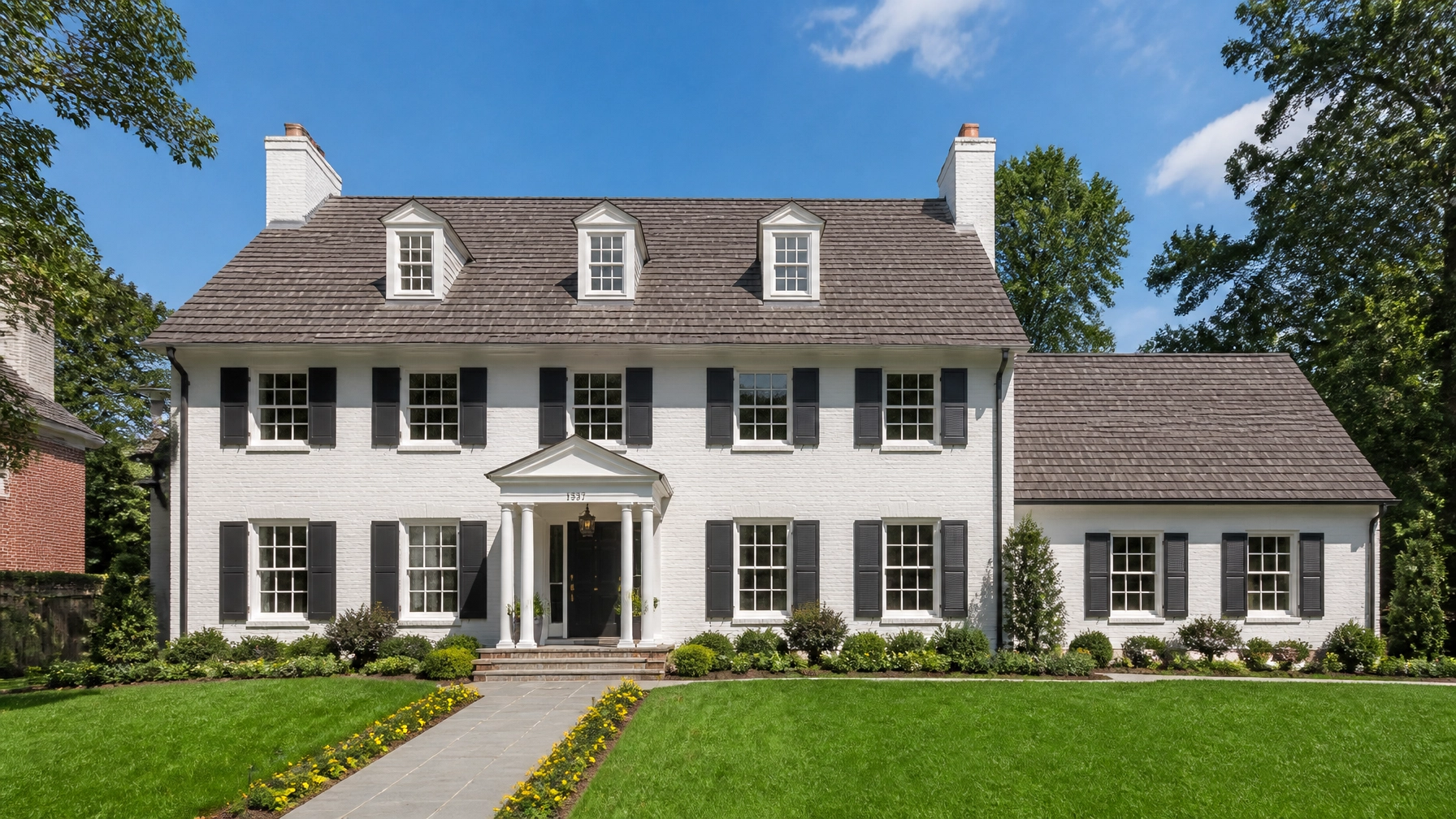
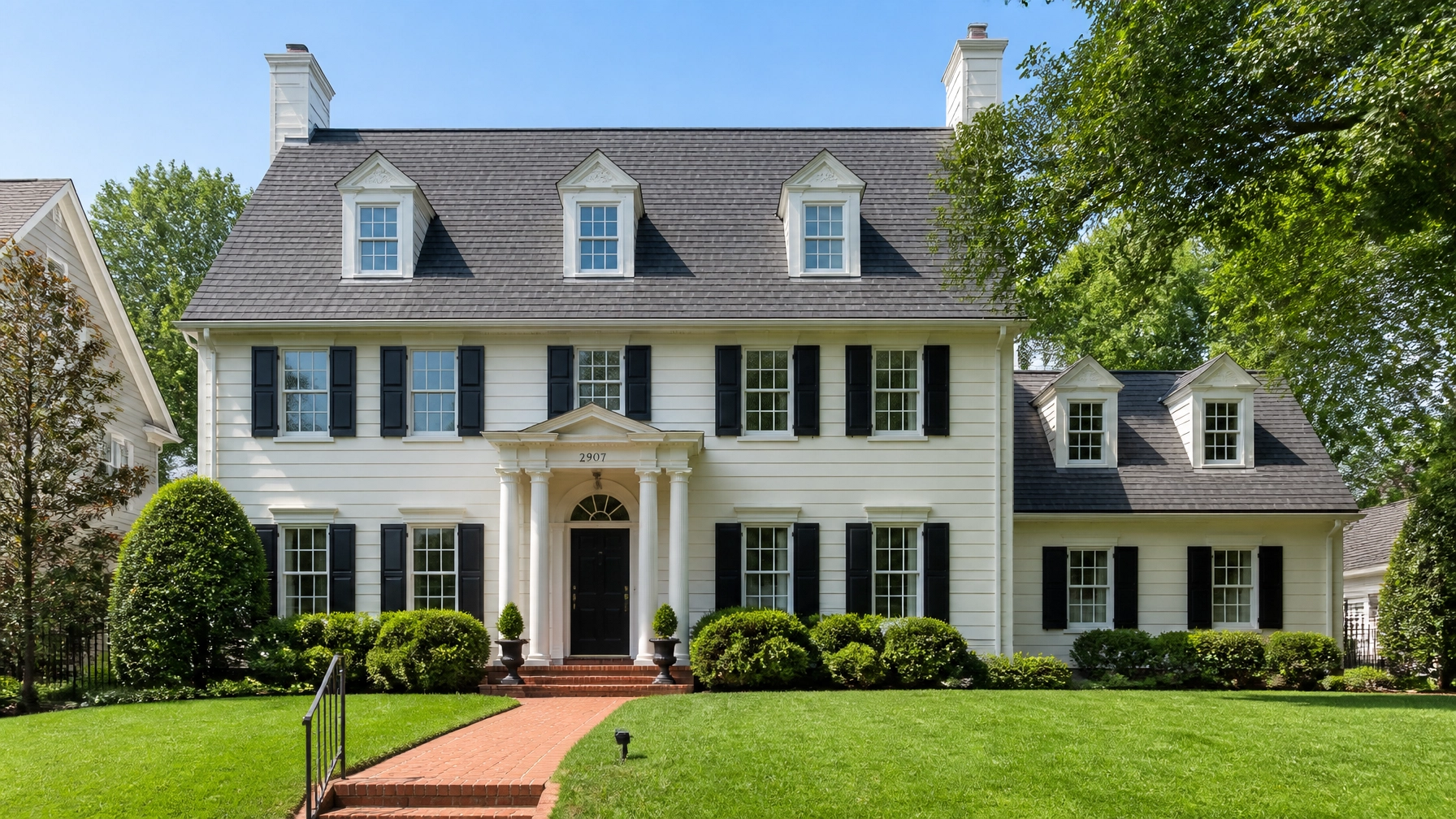
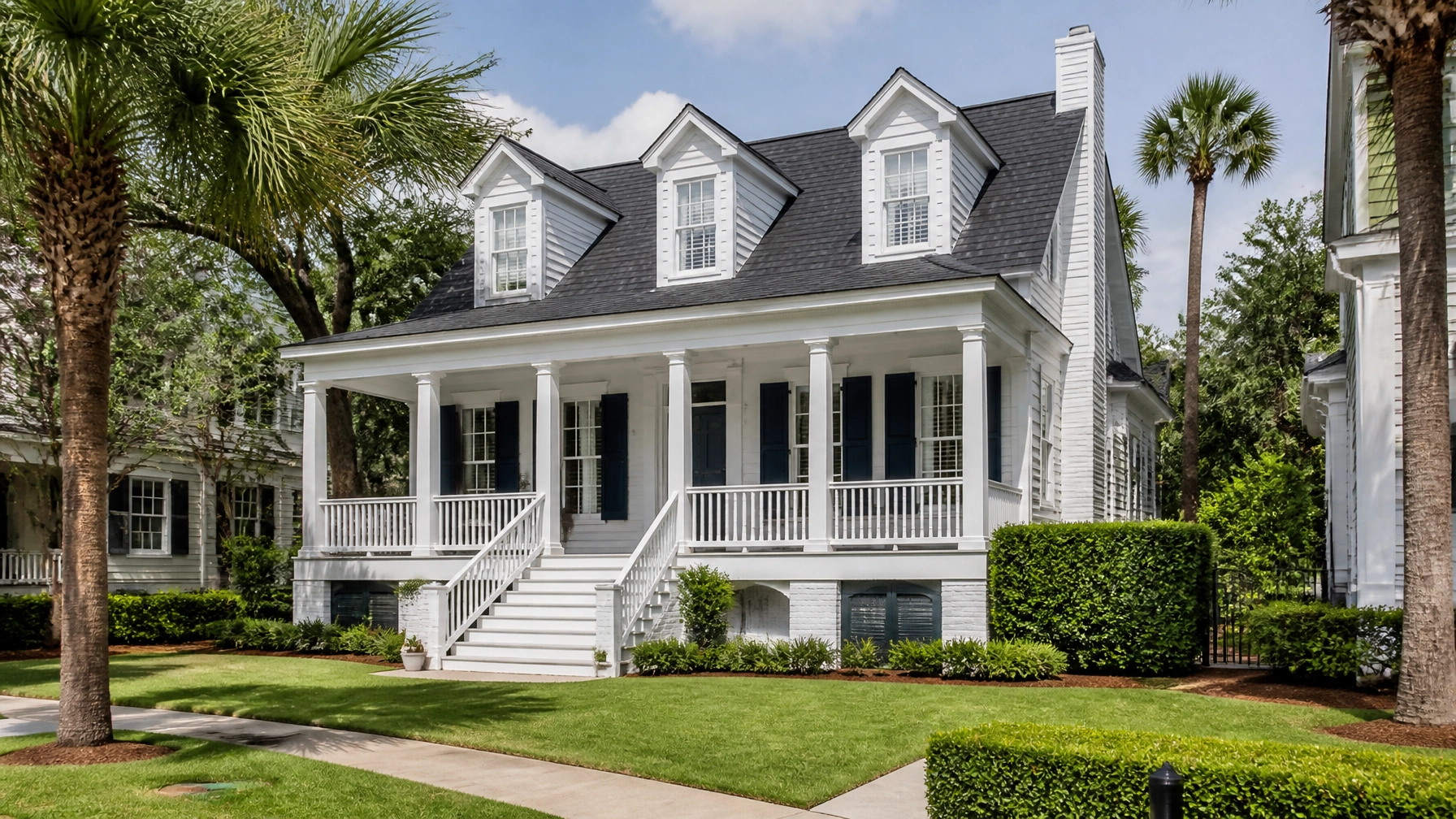
    Southern colonial home in Charleston South Carolina with hurricane-rated roof


    Q4: What do historic homes and Board of Architectural Review (BAR) guidelines require?

    If your property sits within Charleston's Old and Historic District, your roof replacement must comply with strict BAR oversight.

    • Material Approvals: The BAR reviews and restricts materials, colors, and profiles to maintain the historic streetscape. Modern materials must often authentically replicate historical appearances (such as standing seam metal or slate aesthetics).
    • Permitting & Lead Time: Expect additional lead time for BAR design submittals and approvals before pulling city building permits.
    • Experienced Contractors: Partnering with licensed local contractors familiar with Charleston historic preservation standards ensures your project passes inspection without costly delays.

    Satellite roof measurement analysis on tablet in Charleston SC


    Get Your Accurate Charleston Roof Estimate Today

    Skip the scheduling delays and get immediate pricing clarity. Visit getmyroofestimatenow.com to generate your instant, satellite-powered roof estimate in under 60 seconds.

  • Roofing Material Showdown: Asphalt vs. Metal vs. Synthetic in Columbia, SC (2026)

    Roofing Material Showdown: Asphalt vs. Metal vs. Synthetic in Columbia, SC (2026)

    Choosing a new roof for your home in Columbia, South Carolina is one of the most significant investments you will make. With the Midlands region experiencing intense summer heat, high humidity, sudden severe thunderstorms, and occasional hail, your roofing system must strike a balance between durability, climate resilience, and long-term financial return.

    When comparing options for a typical single-family home in 2026, homeowners generally narrow their choices down to three primary contenders: Architectural Asphalt Shingles, Standing-Seam Metal, and Synthetic Composite Roofing.

    In this comprehensive showdown, we evaluate all three materials across 2026 installation costs for a standard 2,000-square-foot home, lifespan, weather resistance, energy efficiency, and overall return on investment (ROI).


    At a Glance: 2026 Cost Benchmarks in Columbia, SC

    Before diving into performance metrics, let’s look at current 2026 pricing across the Columbia market. These figures include complete tear-off of old materials, disposal, quality underlayment, and professional installation for a standard 2,000 sq ft roof (approx. 22–26 roofing squares):

    • Architectural Asphalt Shingles (Popular): $9,000 – $18,000 ($4.50 – $8.00 per sq. ft. installed)
    • Standing-Seam Metal (Durable): $18,000 – $35,000 ($8.00 – $17.00 per sq. ft. installed)
    • Synthetic Composite Slate & Shake (Premium): $25,000 – $50,000+ ($12.00 – $22.00+ per sq. ft. installed)

    Let’s examine how each material performs under South Carolina’s demanding climate conditions.


    1. Architectural Asphalt Shingles (The Popular Choice)

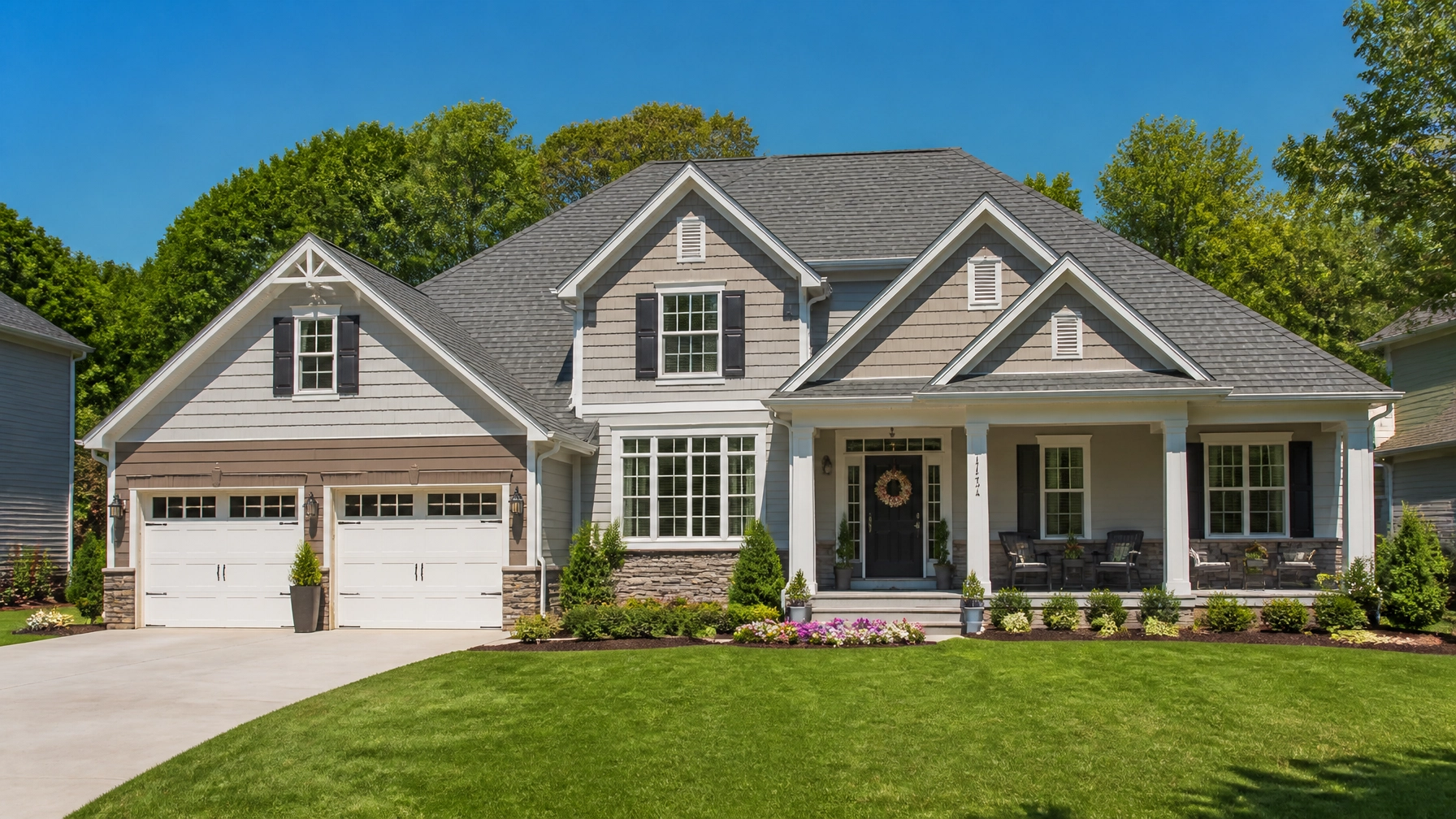
    Traditional American colonial home featuring a clean architectural shingle roof in dark charcoal

    Architectural shingles (also known as dimensional or laminated shingles) remain the most popular roofing material across South Carolina. Unlike basic 3-tab shingles, architectural shingles feature a multi-layered construction that creates a thick, textured appearance reminiscent of wood shake or slate.

    Durability & Lifespan

    • Lifespan: 20 to 30 years with proper attic ventilation and routine maintenance.
    • Wind Resistance: Most quality architectural shingles are wind-rated up to 110–130 mph when installed with six nails per shingle, handling Midlands thunderstorm gusts with ease.
    • Impact Resistance: Standard architectural shingles offer Class 3 impact resistance, though Class 4 impact-modified shingles are increasingly popular to better withstand severe hail storms.

    Weather Resilience in Columbia, SC

    Columbia summers bring relentless UV radiation and soaring attic temperatures that can bake substandard roofing materials. Modern architectural shingles feature algae-resistant granules (crucial for humid southern climates to prevent unsightly black streaks) and reflective granules to mitigate solar heat gain.

    Pros & Cons

    • Pros: Highly affordable upfront cost, wide availability of styles and colors, easy repairability, and strong contractor familiarity.
    • Cons: Shorter lifespan compared to metal or synthetic; vulnerable to granule loss and severe hail impacts over time.

    2. Standing-Seam Metal Roofing (The Long-Term Investment)

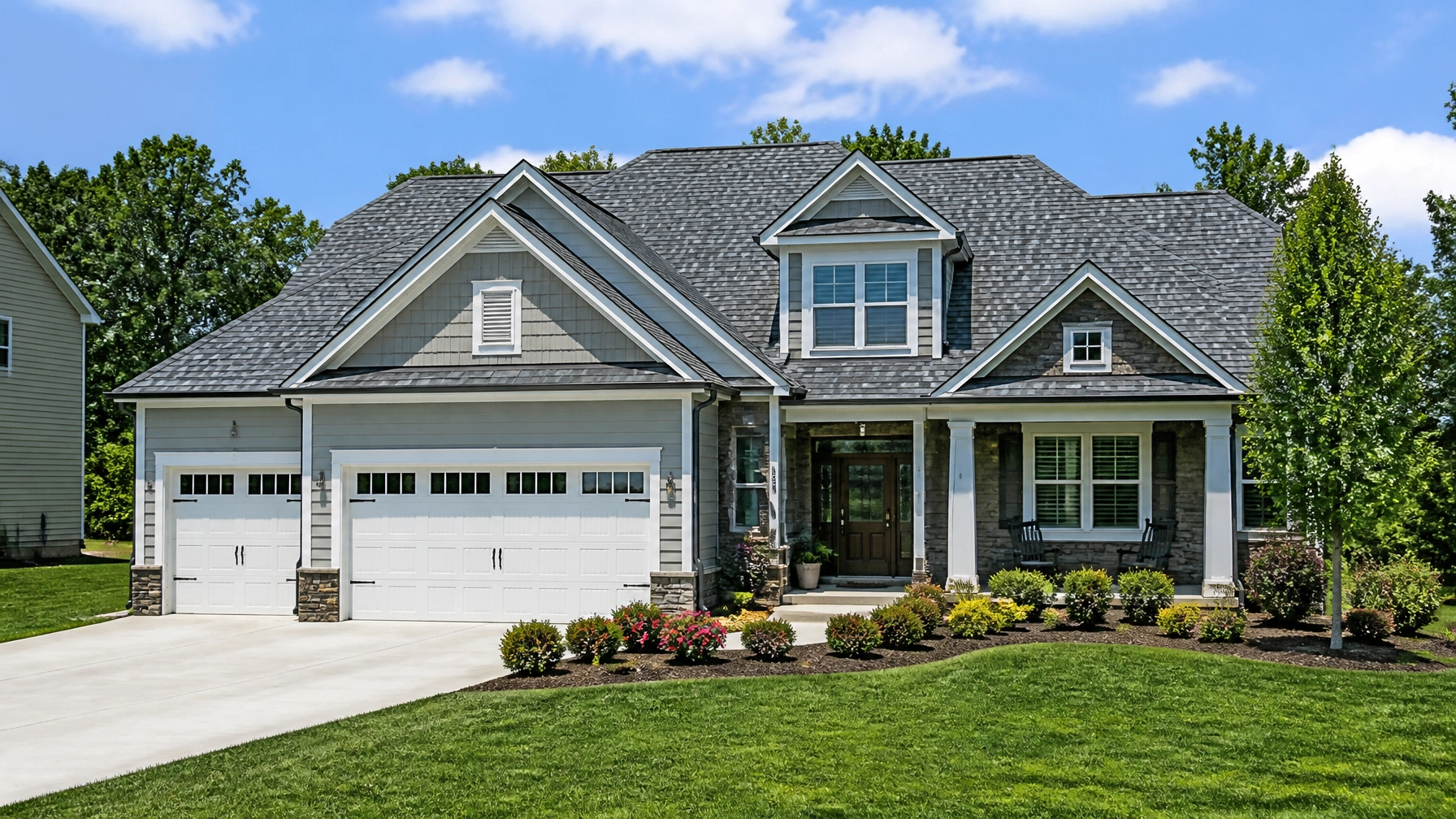
    Modern single-family home featuring a sleek standing-seam black metal roof and natural stone siding

    Standing-seam metal roofing has transitioned from agricultural and commercial structures to premier residential neighborhoods throughout Columbia. Featuring vertical metal panels with concealed fasteners, standing-seam systems offer a sleek, modern architectural aesthetic.

    Durability & Lifespan

    • Lifespan: 40 to 70+ years. For many homeowners, this is the last roof they will ever buy.
    • Wind Resistance: Exceptional wind uplift ratings (often up to 150 mph), making them virtually impervious to high-velocity winds.
    • Impact Resistance: Superior Class 4 impact resistance against falling debris and heavy hail.

    Weather Resilience in Columbia, SC

    Metal roofs excel in South Carolina’s climate. Instead of absorbing solar heat, metal panels reflect a significant portion of the sun's radiant energy. Furthermore, metal's smooth, non-porous surface sheds heavy torrential downpours rapidly, preventing water pooling and leaks.

    Pros & Cons

    • Pros: Unmatched longevity, outstanding energy efficiency (cooling cost reductions up to 25%), low maintenance, and excellent fire resistance (Class A).
    • Cons: High initial investment cost; requires specialized installation expertise; can be noisier during heavy downpours if inadequate insulation is used.

    3. Synthetic Composite Roofing (The High-End Architectural Option)

    Charming southern home featuring premium synthetic composite slate roof tiles and lush landscaping

    Synthetic composite roofing utilizes advanced polymers and recycled materials to replicate the luxurious aesthetic of natural slate, cedar shake, or Spanish tile without their inherent structural drawbacks.

    Durability & Lifespan

    • Lifespan: 35 to 50+ years.
    • Wind Resistance: Engineered to withstand winds up to 110–130 mph.
    • Impact Resistance: Typically carries a Class 4 impact rating: the highest standard available, resisting cracking or splitting from severe hail.

    Weather Resilience in Columbia, SC

    Natural slate is heavy and prone to cracking under extreme thermal shock, while natural wood shake rots in high humidity. Synthetic composites conquer these challenges. They do not absorb moisture, resist mold and algae growth in humid environments, and maintain their structural integrity across extreme temperature fluctuations.

    Pros & Cons

    • Pros: Stunning high-end curb appeal; lightweight compared to natural stone or tile (eliminating the need for costly roof reinforcement); extreme durability.
    • Cons: Premium price point; requires certified installers familiar with specific manufacturer guidelines.

    Side-by-Side Comparison Matrix

    Feature Architectural Shingles Standing-Seam Metal Synthetic Composite
    Installed Cost (2,000 sq ft) $9,000 – $18,000 $18,000 – $35,000 $25,000 – $50,000+
    Average Lifespan 20–30 Years 40–70+ Years 35–50+ Years
    Wind Resistance Good (up to 130 mph) Excellent (up to 150 mph) Excellent (up to 130 mph)
    Impact Resistance Class 3 to Class 4 Class 4 Class 4
    Energy Efficiency Moderate High (Reflective) High
    Maintenance Low to Moderate Very Low Very Low
    Home ROI 60% – 68% 75% – 85% 70% – 80%

    Which Material Is Right for Your Columbia Home?

    • Choose Architectural Shingles if: You want a cost-effective, time-tested roofing solution that provides classic curb appeal within a conservative budget.
    • Choose Standing-Seam Metal if: You plan on staying in your home for decades, prioritize maximum energy efficiency, and want ultimate protection against severe storms.
    • Choose Synthetic Composite if: You desire the high-end, luxurious look of natural slate or cedar shake without the weight, structural modifications, or high maintenance.

    Get Your Instant Roof Estimate in 60 Seconds

    Evaluating roofing materials is the first step; knowing your exact roof dimensions and customized pricing is the next. Instead of waiting days for a contractor sales pitch, you can use satellite technology to measure your roof instantly.

    Visit our Roof Cost Calculator at Get My Roof Estimate Now to receive an accurate, free breakdown of your replacement costs based on your exact address: no credit card or upfront contractor visits required.

  • 2026 Roof Replacement Cost in Charlotte, NC: What to Budget (Prices Up 4-8%)

    2026 Roof Replacement Cost in Charlotte, NC: What to Budget (Prices Up 4-8%)

    Navigating a roof replacement in Charlotte, North Carolina requires an understanding of current market conditions, local climate challenges, and material pricing. For homeowners across Mecklenburg County and the greater metro area whose roofs are hitting the 15-to-30-year mark, budgeting accurately is the first line of defense against unexpected financial stress.

    In 2026, residential roofing costs in the Charlotte market have experienced a modest 4% to 8% price increase compared to previous years. This adjustment reflects shifts in labor rates, logistics, and raw material expenses. For most single-family homes ranging from 1,500 to 3,000 square feet, total project costs generally fall between $8,000 and $25,000, depending heavily on the chosen material, roof complexity, and pitch.


    1. Charlotte 2026 Roofing Overview: Why Prices Are Up 4–8%

    Material manufacturing costs, specialized labor availability, and regional code compliance continue to shape pricing across the Carolinas. The 4–8% upward trend in 2026 is driven primarily by:

    • Transport and Logistics: Fuel and freight costs for hauling heavy roofing materials (like bundles of shingles and metal panels) to job sites.
    • Stricter Building Standards: Upgraded wind-resistance and underlayment requirements mandated for high-humidity and storm-prone regions in the Southeast.
    • Skilled Labor Demand: High demand for certified, licensed contractors following active regional weather patterns.

    Despite these increases, proactive planning allows homeowners to evaluate their options without feeling rushed into high-pressure sales situations.


    2. Understanding Roofing Metrics: Cost Per Square and Square Foot

    Professional contractors do not price roofs by a single mysterious flat rate; instead, they use standard measurement units:

    • The Roofing Square: One roofing square equals 100 square feet of roof area.
    • Converting Size: A 2,000-square-foot home footprint with standard roof overhangs typically translates to roughly 20 to 22 squares of actual roof surface area.
    • Per Square Foot vs. Per Square: Breaking down costs into per-square-foot figures helps clarify material differences. For example, $5.00 per square foot equals $500 per roofing square.

    3. 2026 Charlotte Cost Breakdown by Home Size & Material

    Below is a transparent cost table outlining typical 2026 pricing in Charlotte across common home sizes and material categories:

    Home Size (Approx. Roof Area) Roofing Squares Architectural Shingles (Popular) Metal Roofing (Durable) Synthetic / Premium Slate (Luxury)
    1,500 sq ft (~15 Squares) 15–17 Squares $7,500 – $10,500 $15,000 – $22,500 $22,500 – $34,000
    2,000 sq ft (~20 Squares) 20–22 Squares $9,500 – $14,500 $19,000 – $30,000 $30,000 – $45,000+
    2,500 sq ft (~25 Squares) 25–28 Squares $12,000 – $18,500 $25,000 – $38,000 $38,000 – $56,000+
    3,000 sq ft (~30 Squares) 30–33 Squares $14,500 – $22,000 $30,000 – $45,000+ $45,000 – $68,000+

    Close up of architectural shingles

    Material Breakdown Details

    • Architectural Shingles (Popular | $450 – $700 per square): The standard choice for over 80% of Charlotte homes. They offer a dimensional look, strong wind ratings, and a reliable 30-to-50-year lifespan when properly installed.
    • Metal Roofing (Durable | $1,000 – $1,500+ per square): Standing-seam and corrugated metal systems offer exceptional longevity (40–70+ years) and superior resistance to hail and high winds, making them an increasingly popular long-term investment in North Carolina.
    • Synthetic & Premium Slate/Tile (Luxury | $1,200 – $2,500+ per square): Designed to replicate natural slate or clay tile with a fraction of the structural weight, ideal for high-end historic or modern custom builds.
    • Coatings & Restorations (Budget / Low-Slope): Useful for specific flat or low-slope sections, extending roof life without a full tear-off.

    4. Charlotte Local Climate & Severe Weather Factors (2026 Update)

    Charlotte's geography exposes residential roofs to a diverse mix of seasonal weather challenges. The 2026 weather calendar has already tested local structures:

    • January Ice Storm: Freezing rain and ice accumulation placed heavy stress on tree limbs and roof valleys across Mecklenburg and surrounding counties.
    • March EF-0 Tornado & Spring Storms: Quick-moving microbursts and isolated tornado activity brought high wind shear, lifting vulnerable shingles and testing flashing seals.
    • April Hail Activity: Intermittent severe hail storms required numerous neighborhood roof inspections for bruising and granule loss.
    • May–June High Winds: Persistent seasonal thunderstorm fronts pushed older adhesive strips past their functional limits.

    Because of these regional factors, Charlotte homeowners are wise to prioritize impact-resistant architectural shingles or robust metal fastening systems, alongside high-grade synthetic underlayment to prevent moisture intrusion.

    Modern home with metal roof


    5. Practical Tips for Charlotte Homeowners Planning Ahead

    Whether you are preparing to sell your home, addressing storm wear, or replacing a 22-year-old roof, these practical tips will keep your project on track:

    1. Schedule Bi-Annual Inspections: Check your attic after heavy downpours for damp spots, and inspect your gutters for excessive shingle granules.
    2. Understand Your Insurance Policy: Understand your deductible and whether your policy covers actual cash value (ACV) or replacement cost value (RCV).
    3. Avoid Upfront Contractor Visits Just for Ballparks: Traditionally, getting a price required scheduling multiple door-to-door sales pitches. Today, you can skip the friction.
    4. Leverage Modern Satellite Technology: You don't have to wait days for a contractor to climb your ladder to get initial numbers. By using advanced satellite imagery, you can instantly measure your roof and get accurate pricing based on current 2026 regional data.

    If you are currently evaluating your options in the Charlotte metro area, you can visit Get My Roof Estimate Now to receive a free, instant estimate in under 60 seconds. Our satellite-powered measurements are accurate to within inches, allowing you to review transparent price ranges without entering credit card information or dealing with upfront sales pressure.

    Homeowner reviewing estimate on tablet


    Conclusion

    Planning a roof replacement in Charlotte, NC for 2026 comes down to understanding current cost adjustments (up 4–8%), matching materials to your long-term goals, and budgeting between $8,000 and $25,000 for standard single-family homes. By utilizing modern digital estimating tools and working with verified local professionals, you can protect your home's equity with complete transparency and peace of mind.

  • Satellite Tech Edge: How Richmond, VA Homeowners Benefit from Next-Gen Satellite Roof Measurements

    Satellite Tech Edge: How Richmond, VA Homeowners Benefit from Next-Gen Satellite Roof Measurements

    As technology continues to accelerate, the space industry is making waves right here in the River City. From booming data center investments in Chesterfield County by tech giants like Google and QTS to local aerospace startups like Novastraum pushing the boundaries of AI-driven remote sensing, Richmond, VA has quietly positioned itself as a focal point for modern innovation. But what does orbital data processing and cutting-edge space technology have to do with your home's roof?

    Everything.

    If you are a homeowner in the Richmond area looking into a home improvement project, understanding how next-generation satellite measurements work can save you thousands of dollars, eliminate annoying sales pitches, and provide exact pricing in under 60 seconds. Through platforms like getmyroofestimatenow.com, advanced geospatial technology is transforming how homeowners plan and budget for property upgrades.


    The 2026 Tech Revolution: Onboard AI, LEO Constellations, and Intel Starfire

    To appreciate how accurate modern roof estimates have become, it helps to look at what is happening hundreds of miles above our heads. Satellite technology in 2026 is lightyears ahead of traditional overhead photography.

    Several key innovations have revolutionized Earth observation:

    • Onboard AI and Edge Computing: Modern satellites no longer just beam raw, uncompressed imagery back to Earth. Equipped with powerful edge processors: such as Intel's new Starfire space processor: and advanced vision-language models like Google's Gemma 3 running directly in orbit, satellites process visual data instantly. This reduces latency and eliminates atmospheric distortion before data is even transmitted.
    • Xona Space Systems LEO Constellation: Recently authorized by the FCC, low-Earth orbit (LEO) navigation constellations are strengthening alternative positioning systems, providing ultra-precise location data that far surpasses legacy GPS.
    • Laser-Linked Constellations: Next-gen LEO satellites now utilize high-speed optical laser communications to network with one another in real time, creating coordinated, high-definition observation grids across North America.

    For Virginia homeowners, this means the overhead imagery capturing your property is sharper, fresher, and analyzed with millimeter-level precision.

    Modern ranch-style home in a Richmond suburb featuring a sleek, dark metal roof and strong curb appeal


    Why Richmond Homes Demand Precision Measurements

    Richmond's humid subtropical climate presents unique environmental stressors for residential roofing. Between intense summer heatwaves, heavy downpours, and the occasional remnants of Atlantic hurricanes tracking inland, roofs in neighborhoods from the Fan District and Museum District to Short Pump and Midlothian take a constant beating.

    When your roof reaches the 15-to-30-year mark, replacing it is one of the most significant financial investments you will make. Traditionally, getting a price quote meant scheduling multiple contractor visits, waiting days or weeks for an estimator to climb your ladder, and enduring high-pressure sales presentations just to get a ballpark figure.

    Furthermore, manual roof measuring is prone to human error: especially on complex colonial rooflines, steep gables, or multi-level split homes common throughout the Richmond metropolitan area. Under-measuring leads to unexpected material shortages and mid-project price hikes, while over-measuring wastes hundreds of hard-earned dollars on surplus materials.


    Breaking Down Richmond Roofing Prices and Market Data

    Before committing to a project, smart homeowners rely on transparent, data-driven benchmarks. Knowing current regional costs helps you evaluate contractor bids objectively.

    When calculating the Richmond VA roof replacement cost 2026, prices vary depending on material choice, roof pitch, and square footage (remember, roofers measure in "squares," where 1 square equals 100 square feet). An average Richmond single-family home features between 1,500 and 3,000 square feet (15 to 30 squares).

    Here is a breakdown of current Richmond roofing prices 2026:

    • Budget / 3-Tab Shingles: $3.50 – $4.50 per sq. ft. ($5,250 – $13,500 total) : 15 to 20-year lifespan.
    • Popular / Architectural Shingles: $4.50 – $6.50 per sq. ft. ($9,000 – $19,500 total) : 25 to 30-year lifespan, highly recommended for wind resistance.
    • Premium / Standing Seam Metal: $10.00 – $15.00 per sq. ft. ($20,000 – $45,000 total) : 40 to 70-year lifespan, exceptional durability against severe storms.
    • Synthetic Slate & Premium Tiles: $12.00 – $22.00 per sq. ft. ($24,000 – $66,000 total) : High-end aesthetic with lifetime durability.

    Close-up photo of professional roofing workers installing high-grade architectural shingles on a residential roof


    The Financial Return: New Roof Home Value in Richmond

    Investing in a new roof is not just an expense; it is a strategic asset. Analyzing the roof replacement ROI Richmond Virginia market reveals that homeowners recoup a substantial portion of their investment at resale.

    According to recent regional real estate data, a quality architectural shingle roof replacement can boost your property’s resale value by 60% to 70% of the project cost. More importantly, in competitive buyer markets like Richmond, a brand-new roof removes a major inspection contingency, ensuring your home sells faster and avoids price negotiations down the road.

    To secure this return without the traditional hassle, homeowners can visit getmyroofestimatenow.com to instantly generate an accurate estimate tailored to your exact property dimensions.


    How Satellite Technology Powers Instant Estimates in 60 Seconds

    Instead of waiting for a truck to pull into your driveway, satellite-powered roof estimation utilizes advanced computer vision and geospatial algorithms to measure your home instantly:

    1. Address Lookup: You enter your Richmond street address into our secure portal.
    2. Multi-Source Satellite Capture: The system retrieves high-resolution, overhead orthoimagery of your specific parcel.
    3. AI Segmentation & Pitch Calculation: Machine learning algorithms trace roof planes, identify ridges, hips, valleys, and eaves, and calculate roof pitch with 90-95% accuracy.
    4. Instant Cost Generation: The platform factors in local Richmond labor rates and material costs to generate low, middle, and high price ranges in under a minute.

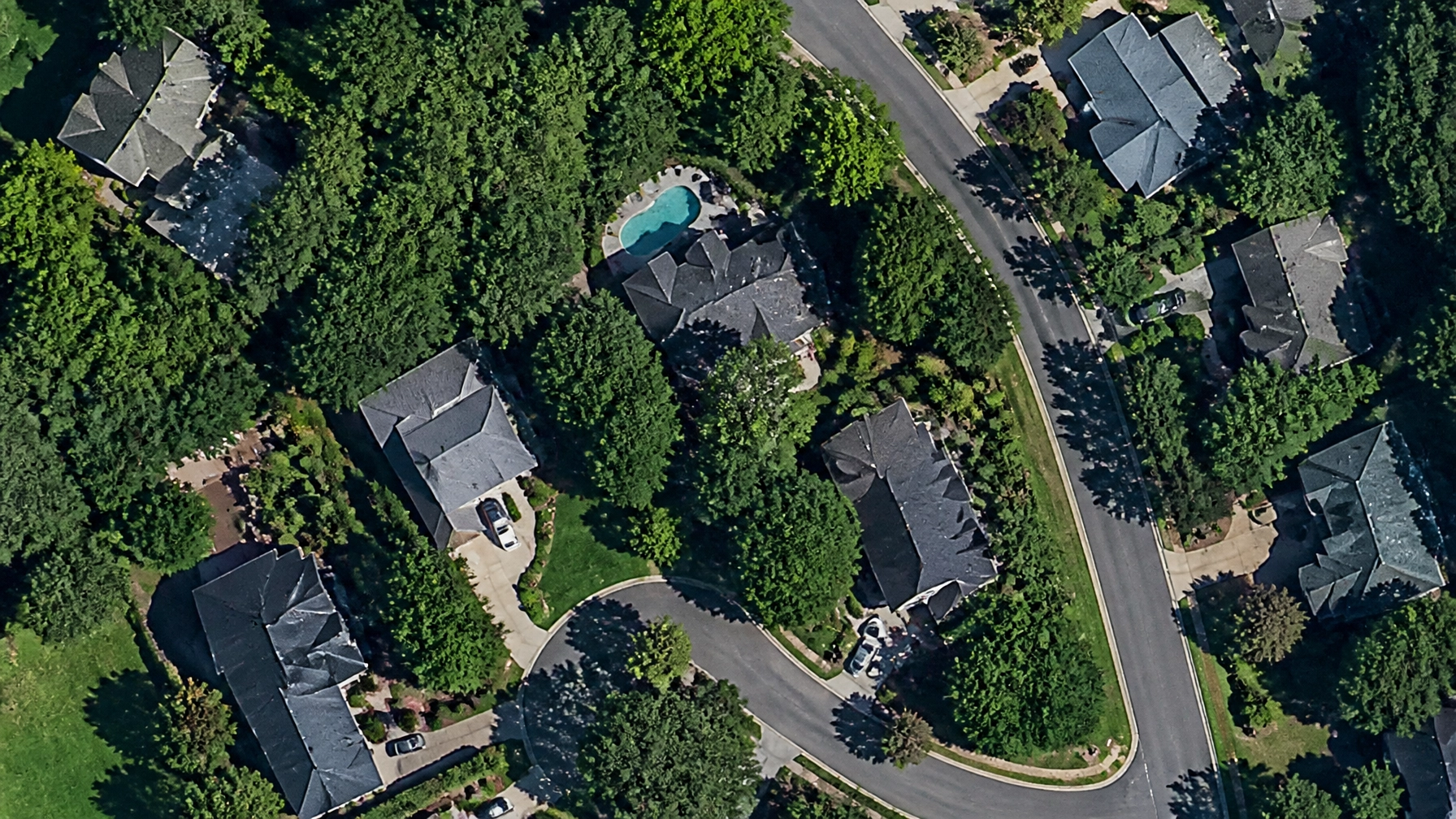
    Aerial view of a clean suburban residential neighborhood with clear, well-defined rooflines


    Conclusion: Take Control of Your Roofing Project Today

    Navigating a home improvement project no longer requires guesswork, endless phone calls, or enduring aggressive sales tactics. By harnessing the power of next-generation satellite measurements and artificial intelligence, Richmond homeowners have direct access to transparent, data-driven pricing right from their living rooms.

    Whether you are planning ahead for home resale, repairing storm damage, or analyzing the 2026 roof replacement cost Richmond VA, speed and accuracy are your greatest allies.

    Ready to see what your project will cost? Head over to getmyroofestimatenow.com today, enter your address, and receive your free, instant roof estimate in 60 seconds or less: no credit card and no contractor visit required.

  • Daily Tech Blitz: How Atlanta Is Becoming a Satellite Tech Powerhouse in 2026

    Daily Tech Blitz: How Atlanta Is Becoming a Satellite Tech Powerhouse in 2026

    When people think of global aerospace hubs, cities like Houston or Seattle usually come to mind first. But in 2026, the real heartbeat of next-generation space technology is pulsating right through Georgia. From daring commercial startups in downtown Atlanta to advanced composite manufacturing in Marietta and cutting-edge university labs, the Peach State has quietly evolved into a dominant satellite tech powerhouse.

    In this edition of our Daily Tech Blitz, we examine the breakthrough innovations putting Atlanta on the global space map: and explore how these high-altitude advancements directly impact everything from deep-space AI exploration to everyday earthly conveniences like instant roof cost estimates.


    1. Reditus Space: Reusable Reentry and the Falcon 9 Fall Launch

    At the forefront of Atlanta's commercial space surge is Reditus Space, an agile aerospace startup headquartered right in the heart of Atlanta. Founded by Georgia Tech aerospace alumni Stef Crum and Will Sherman, Reditus is redefining how materials and research payloads return from orbit.

    Their flagship vehicle, ENOS, is a free-flying reentry spacecraft designed to operate like an advanced satellite in low Earth orbit (LEO) for roughly two months. Once its mission concludes, ENOS performs a precise deorbit burn, reenters the atmosphere at speeds up to Mach 29 protected by an in-house heat shield, and splashes down off the coast of Florida for complete recovery and refurbishment.

    Engineers examining a reusable reentry spacecraft capsule in an Atlanta cleanroom

    Scheduled for its inaugural flight as a rideshare payload on a SpaceX Falcon 9 this fall, Reditus Space is pioneering "microgravity-as-a-service." By lowering the cost barrier and providing reliable downmass capabilities for pharmaceuticals, semiconductors, and defense testing, Reditus is cementing Atlanta as a prime player in orbital logistics.


    2. Atomic-6: Armoring Orbital Data Centers in Marietta

    Just north of Atlanta in Marietta, Atomic-6 is solving one of the most critical threats facing modern infrastructure: space debris. As orbital data centers and commercial satellite constellations multiply, micrometeoroids and spent debris travel at hypervelocity speeds exceeding 7 kilometers per second (about Mach 21).

    Atomic-6 has developed Space Armor™, a modular, lightweight composite tile system designed to replace traditional, heavy metal Whipple shields. Available in "Lite" (protecting against particles up to 3 mm) and "Max" (rated for crewed station protection up to 12.5 mm), these adhesive tiles bond directly to spacecraft exteriors.

    Crucially for upcoming orbital data centers, Atomic-6 offers RF-permeable variants. This means satellite servers and high-throughput communication nodes can be fully armored against space debris without disrupting mission-critical radio frequency data links. Selected as the primary MMOD (Micrometeoroid and Orbital Debris) protection for Portal Space Systems on SpaceX's Transporter-18 mission, Atomic-6 proves that Georgia manufacturing excellence extends well beyond our atmosphere.


    3. Georgia Tech: Radiation-Proof NAND Flash for Deep-Space AI

    Space is notoriously hostile to electronics. Cosmic rays and ionizing radiation wreak havoc on conventional solid-state storage, corrupting data bits and crashing on-board computers. To unlock autonomous deep-space exploration, Georgia Tech researchers have engineered a massive breakthrough.

    Working alongside collaborators at Penn State, Georgia Tech engineers developed a ferroelectric NAND flash memory using hafnium-oxide-based materials. Instead of storing data as trapped electrical charge: which radiation easily disrupts: this ferroelectric architecture stores bits as directional polarization locked into the crystal lattice.

    Advanced aerospace composite manufacturing laboratory in Georgia

    In rigorous radiation tests, the ferroelectric NAND chips remained fully functional up to 1 million rads (1 Mrad): roughly 30 times more resilient than conventional flash memory and within the exact threshold required for NASA missions beyond Jupiter. This "missing layer" enables spacecraft and deep-space AI systems to process massive datasets locally for hazard avoidance and navigation without relying on vulnerable storage or constant ground intervention.


    4. Kennesaw State University: PocketQube Satellites in the Classroom

    Innovation in Georgia's space ecosystem isn't restricted to venture-backed startups and elite research labs. At Kennesaw State University, undergraduate engineers in the Modular Aerospace and Robotic Systems (MARS) Lab are building the future with their own hands.

    Under the guidance of Assistant Professor Carrington Chun, KSU students are designing and assembling a PocketQube miniature satellite measuring just 5 centimeters on each side: small enough to fit in the palm of a hand yet packed with custom circuit boards, radio systems, and telemetry sensors.

    To validate their hardware before an orbital launch targeting a remarkably low $30,000 budget, students collaborate with KSU’s Rocketry Team for suborbital test flights. This hands-on training pipeline ensures a steady stream of skilled aerospace talent fueling Georgia's expanding tech corridor.


    Connecting the Cosmos to Everyday Earthly Conveniences

    It is easy to view orbital data centers, Mach 29 reentry capsules, and radiation-proof flash memory as sci-fi luxuries far removed from daily life. In reality, the technological trickle-down effect touches almost every modern industry: including home improvement and real estate technology.

    Just as high-resolution satellite imaging and orbital data feeds enable precision aerospace navigation, they also power everyday consumer tools. At Get My Roof Estimate Now, we harness high-accuracy satellite imagery to measure single-family roofs to within inches.

    +-----------------------------------------------------------------+
    |               SATELLITE TECH TRICKLE-DOWN EFFECT                |
    +--------------------------+--------------------------------------+
    | Orbital Tech & Aerospace | Everyday Consumer Application        |
    +--------------------------+--------------------------------------+
    | High-Res LEO Satellites  | Instant Satellite Roof Measurements  |
    | Orbital Data Processing  | 60-Second Material & Cost Estimates  |
    | RF-Permeable Comms       | Seamless Contractor Connections      |
    +--------------------------+--------------------------------------+
    

    Instead of waiting days for an in-person contractor visit or guessing at material dimensions for architectural shingles, metal roofing, or coatings, homeowners can enter their address and receive transparent, data-driven pricing in under 60 seconds.

    University engineering students working on miniature PocketQube satellites


    Final Thoughts: Atlanta's High-Tech Horizon

    Atlanta's rapid ascent as a satellite technology powerhouse highlights a broader economic truth: innovation thrives where engineering talent, forward-thinking startups, and world-class universities intersect.

    Whether it is Reditus Space recovering payloads off the Florida coast, Atomic-6 shielding orbital data servers, Georgia Tech building radiation-proof memory for deep space, or Kennesaw State students launching PocketQubes, Georgia is building the infrastructure of tomorrow: while making life smarter and simpler for homeowners right here on Earth today.

  • DIY vs. Pro Roof Replacement in Richmond, VA: What’s the Real Cost in 2026?

    DIY vs. Pro Roof Replacement in Richmond, VA: What’s the Real Cost in 2026?

    For Richmond homeowners tackling major home improvements, the temptation to cut costs with a do-it-yourself (DIY) approach is understandable. When facing 2026 roof replacement cost Richmond VA figures ranging anywhere from $7,500 to $14,500 (and higher for historic properties), saving $3,000 to $5,000 in upfront labor fees sounds enticing.

    However, roofing is not like painting a living room or replacing a vanity. A roof is your home's primary shield against Virginia's torrential spring storms, humid summers, and winter freezes. Attempting a DIY replacement carries hidden financial traps, severe safety hazards, and catastrophic warranty pitfalls that can quickly erase any initial savings.

    To make an informed decision, let's examine the real breakdown of Richmond roofing prices 2026, the hidden dangers of going solo, and how modern tools like Get My Roof Estimate Now simplify the planning process without requiring a high-pressure sales visit.


    1. Richmond, VA Roof Replacement Costs for 2026

    Before weighing DIY versus professional installation, you need an accurate benchmark of current market pricing. In Richmond, total costs depend heavily on square footage, material tier, pitch complexity, and neighborhood regulations.

    Standard Cost Breakdown

    • Low End / Simple Ranch ($7,500 – $9,500): Smaller footprints (1,500 sq. ft.), standard 3-tab or basic architectural shingles, straightforward gable roofs with minimal tear-off complexity.
    • Mid Range / Average Family Home ($10,000 – $14,500): Most standard single-family homes (2,000 – 2,200 sq. ft.) utilizing quality architectural shingles, synthetic underlayment, and standard flashing replacement.
    • High End / Historic & Complex ($15,000 – $25,000+): Multi-story homes, steep pitches, premium materials (metal or synthetic slate), and homes requiring specialized historic district compliance.

    When you subtract contractor labor, a DIYer purchasing materials directly might calculate immediate savings of $3,000 to $5,000. But as professional builders know, labor savings vanish the moment an amateur error compromises the roof's structural integrity.

    Professional roofing contractors working on a residential home


    2. The True Risks of DIY Roofing in Richmond

    While the upfront labor savings are attractive, DIY roof replacement exposes homeowners to severe financial, safety, and legal vulnerabilities:

    Severe Safety Hazards

    Falls from roofs are among the leading causes of fatal construction injuries. Professional roofing crews utilize specialized OSHA-compliant harnesses, scaffolding, ladder stabilizers, and toe-boards. A novice working on a steep Richmond pitch without professional fall-arrest gear risks catastrophic injury.

    Voided Material Warranties

    Major manufacturers (such as GAF, Owens Corning, and CertainTeed) strictly mandate that shingles must be installed by certified, licensed contractors for their 30-to-50-year warranties to be valid. If you install shingles yourself and a manufacturing defect causes widespread leaking two years later, the manufacturer will reject the warranty claim outright.

    Denied Insurance Claims and Installation Errors

    Improper nailing patterns, incorrect valley flashing, missing ice-and-water shields, and improper ridge vent installation are common DIY mistakes. If a severe Richmond storm rolls through and rips off your self-installed shingles, your homeowners insurance provider may deny the claim due to "improper installation and maintenance," leaving you entirely out of pocket.


    3. Navigating Richmond Permits and Historic District Compliance

    Roofing in Richmond isn't just about nailing down shingles: it requires navigating local municipal rules.

    Permit Requirements ($100 – $275)

    The City of Richmond requires a building permit for full roof replacements. Permit fees typically range from $100 to $275 depending on project valuation. Licensed professional contractors handle this permitting process seamlessly, ensuring all local building codes are met and scheduling mandatory city inspections. If you DIY and skip the permit, you risk fines, failed home inspections during future sales, and municipal stop-work orders.

    Historic District Regulations (The Fan, Church Hill, Jackson Ward)

    If your property sits in one of Richmond's iconic historic districts like The Fan or Church Hill, you cannot simply slap any random shingle on your roof. The Commission of Architectural Review (CAR) regulates visible exterior changes to preserve historical integrity.

    • Historic homes often feature complex rooflines, multiple underlying layers of old material, and rigid material guidelines.
    • Removing multiple layers of old roofing adds significant labor, disposal fees ($100–$150 per square), and structural weight concerns.
    • Professional contractors have deep experience navigating CAR approval processes, saving you months of bureaucratic delays and potential fines.

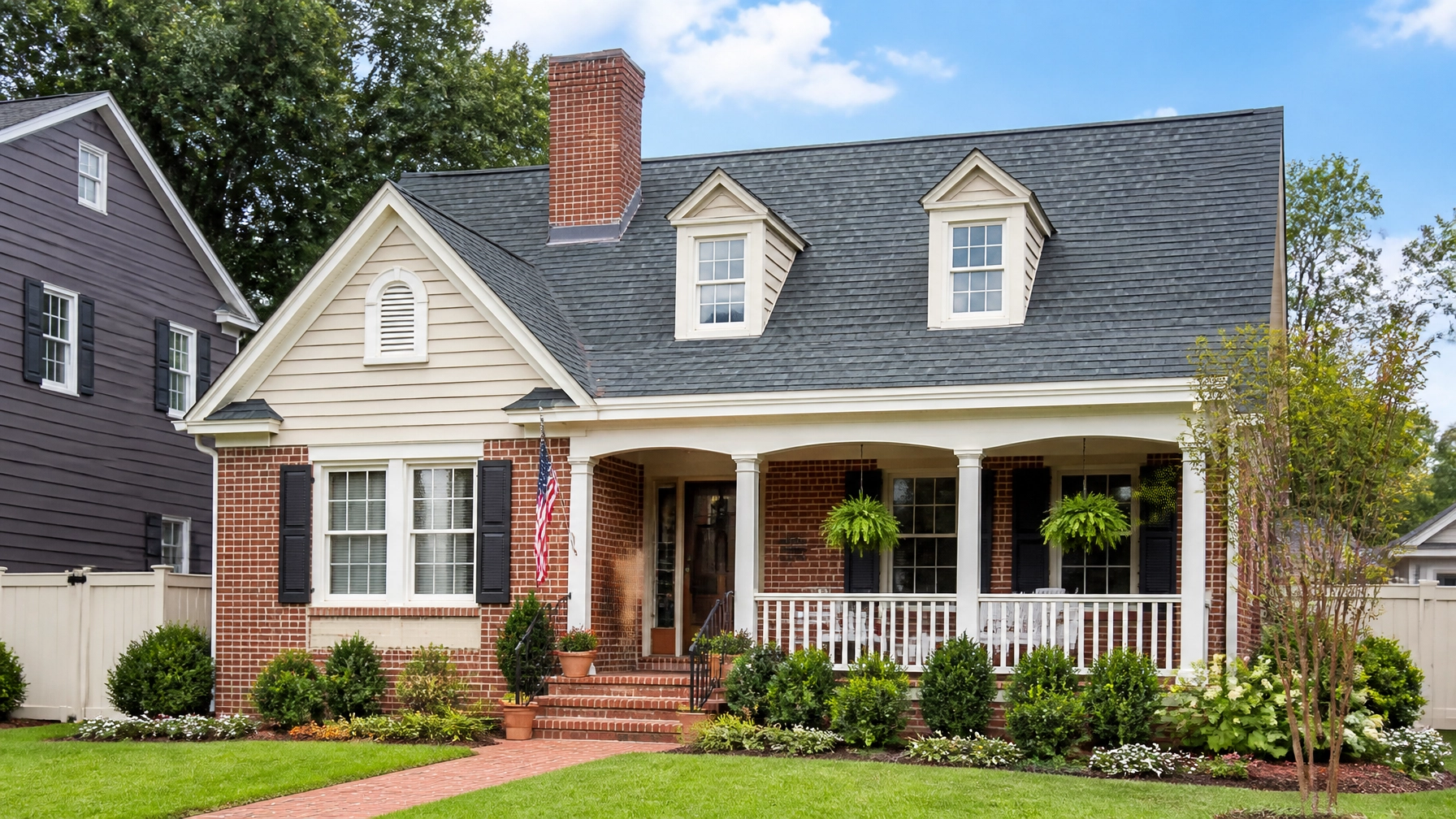
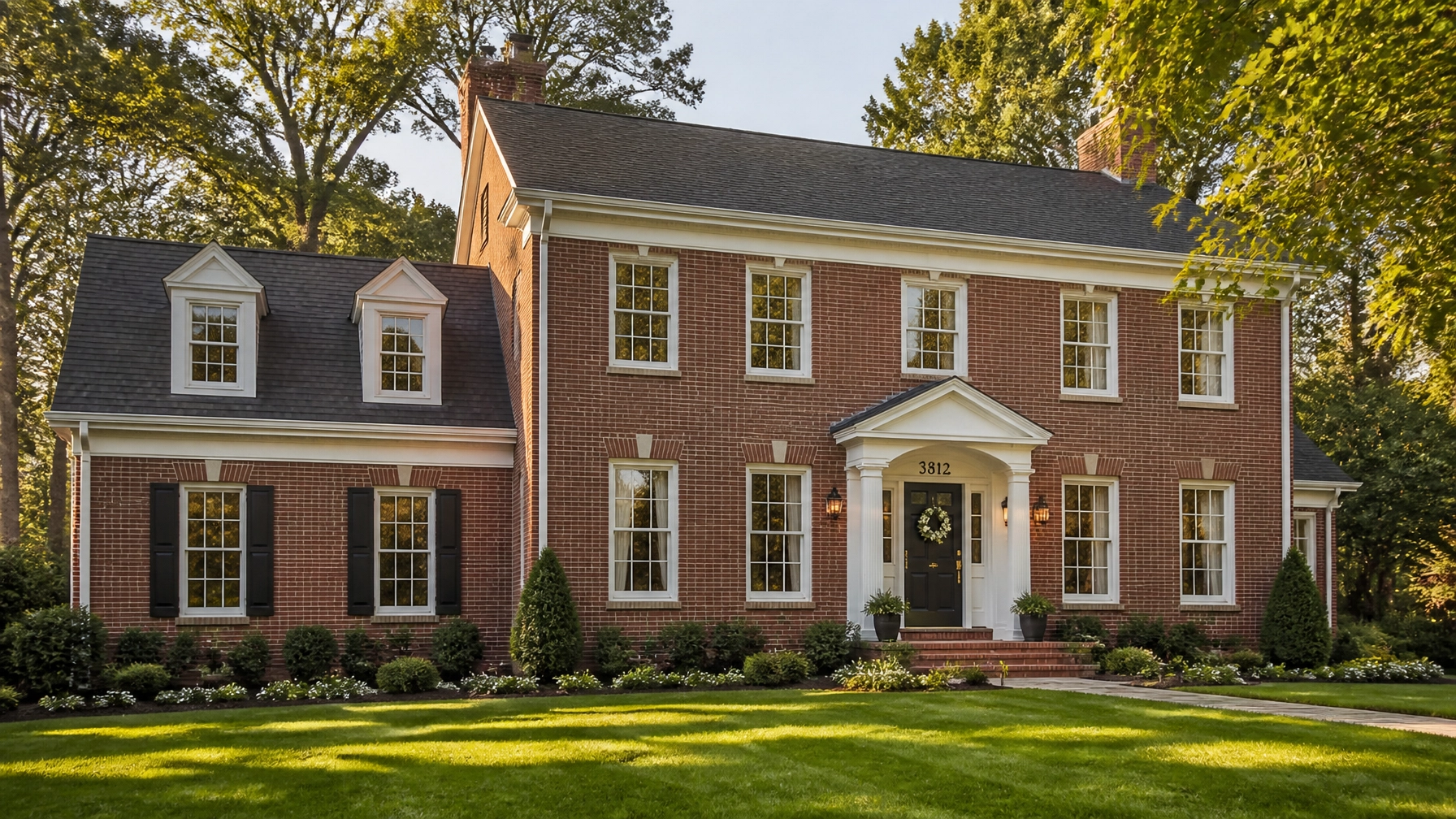
    Historic brick home in Richmond Fan district with professional roof installation


    4. Roof Replacement ROI and Home Value in Richmond

    Your roof is not just an expense; it is a critical capital investment in your property's equity.

    According to national and regional real estate data, a professional roof replacement ROI in Richmond, Virginia typically returns 60% to 72% at resale. For a $13,000 roof, that translates to roughly $8,000 to $9,000 added directly to your home's appraised market value.

    The DIY Depreciation Factor

    • Professional Installation: Appraisers and home inspectors look for transferable workmanship warranties, proper documentation, and clean permitting records. This reassures buyers and protects your asking price.
    • DIY Installation: A visibly amateur or unpermitted DIY roof installation is a massive red flag during home inspections. Buyers' agents will often demand thousands in price reductions or credits to have a licensed professional rip out and reinstall the subpar DIY work before closing. A poorly done DIY roof can effectively kill your home's resale value.

    5. Instant Precision: Ditching the Contractor Runaround

    Traditionally, getting accurate pricing meant scheduling three different contractors to climb your ladder, measure your roof with a tape measure, and pitch high-pressure sales presentations in your living room.

    In 2026, modern homeowners expect transparency and speed. Platforms like Get My Roof Estimate Now leverage advanced satellite imagery technology to measure roofs to within inches: achieving 90-95% accuracy in under 60 seconds.

    Tablet screen displaying satellite roof measurement technology

    How It Works:

    1. Enter Your Address: Type in your Richmond property address.
    2. Satellite Analysis: High-resolution aerial imagery calculates your exact roof square footage, pitch, and facet complexity.
    3. Transparent Pricing: Receive an instant, zero-cost breakdown of low, middle, and high price ranges for materials like architectural shingles, metal, and synthetic options: with no credit card required and zero sales pressure.
    4. Vetted Local Pros: When you're ready to move forward, you are instantly connected to pre-screened, licensed, and insured local roofing professionals in the Richmond metro area who handle permits, warranties, and flawless execution.

    Summary: Is DIY Worth It?

    Feature DIY Roof Replacement Professional Replacement (Via Get My Roof Estimate Now)
    Upfront Cost Lower (Save $3k–$5k in labor) Standard market rates ($7,500 – $14,500+)
    Safety Risk High (Risk of severe falls) Zero (Handled by insured experts)
    Warranty Voided (No manufacturer backing) 30-to-50-Year Manufacturer + Workmanship Warranty
    Permits & Compliance Homeowner responsibility (Risk of fines/delays) Fully managed by licensed pros
    Resale Impact High risk of lowering home value Strong ROI (60–72% return at resale)

    While saving a few thousand dollars on labor sounds tempting on paper, the physical danger, voided warranties, permit headaches, and potential loss of home resale value make DIY roofing a high-stakes gamble.

    Skip the ladder, protect your equity, and get accurate, data-driven pricing in under a minute. Visit Get My Roof Estimate Now today to check your Richmond home's instant roof estimate!

  • Daily Tech Blitz – Slot 8: Satellite Tech Edge in Atlanta, GA (2026)

    Daily Tech Blitz – Slot 8: Satellite Tech Edge in Atlanta, GA (2026)

    Atlanta has rapidly cemented its status as a premier hub for aerospace innovation and satellite technology. Far beyond traditional southern commerce, the metro area is now ground zero for commercial space infrastructure, orbital computing, and advanced materials engineering. In 2026, breakthroughs originating right here in Georgia are transforming everything from how we process data in low-Earth orbit to how local homeowners plan home improvements.

    Let’s take a close look at how Atlanta’s aerospace trailblazers are driving the space tech edge, and how those exact same high-resolution orbital measurements are revolutionizing local property management and roofing estimates.

    Atlanta’s Space Tech Ecosystem: Recent 2026 Milestones

    The current wave of innovation in the greater Atlanta area spans private startups, commercial marketplaces, and world-class academic research institutions:

    • Atomic-6 (Marietta, GA): Based just north of Atlanta in Marietta, advanced composites and space systems startup Atomic-6 officially launched ODC.space in early 2026. This groundbreaking platform serves as the world's first marketplace for orbital data center (ODC) capacity. By streamlining spacecraft integration and offering robust Space Armor debris-shielding tiles, Atomic-6 is making space-based compute infrastructure accessible to AI developers and enterprise tech companies.
    • Reditus Space (Atlanta, GA): Founded by Georgia Tech aerospace alumni, Reditus Space is actively preparing the launch of ENOS, its reusable re-entry capsule designed for microgravity research and hypersonic testing. Operating at the intersection of commercial manufacturing and aerospace validation, Reditus provides critical "downmass" services for biotech, pharmaceutical, and semiconductor industries.
    • Georgia Institute of Technology: Georgia Tech researchers and GTRI are currently conducting extensive orbital material experiments on the International Space Station (ISS) via external MISSE platforms. By testing polymers, composites, and photovoltaic cells in harsh low-Earth orbit (LEO) environments, Georgia Tech is engineering the next generation of space-resilient, lightweight satellite components.

    High-tech digital interface overlaying a satellite map of an Atlanta roof

    Bridging Orbit Tech and Everyday Homeownership

    It is easy to view orbital mechanics and microgravity experiments as distant, abstract sciences. However, the foundational technologies making these space initiatives possible, sub-inch photogrammetry, high-resolution optical sensors, AI-driven spatial analysis, and precision satellite imaging, have direct, highly practical applications right here on the ground.

    Consider the daily challenges faced by homeowners in Atlanta, Georgia. When a roof reaches the end of its 15-to-30-year lifespan, or when severe storm systems sweep across the region, property owners need fast, reliable answers. Traditionally, getting a ballpark price meant waiting days for a contractor visit, rearranging work schedules, and sitting through high-pressure sales pitches just to figure out a basic budget.

    Today, advanced satellite technology eliminates that friction entirely.

    Instant Satellite Roof Replacement Estimates in Atlanta

    By harnessing sub-inch photogrammetry and high-altitude satellite data, platforms like Get My Roof Estimate Now bring orbital-grade precision directly to residential property analysis.

    For a typical single-family home in the Atlanta area, averaging between 1,800 and 2,500 square feet, a full roof replacement typically ranges from $9,000 to $22,000, depending on material choices (such as durable architectural shingles, metal roofing, or premium synthetic options) and roof pitch complexity.

    Instead of guessing at square footage or waiting weeks for manual inspections, homeowners can leverage automated satellite measuring tools:

    1. Enter Your Address: Input your property location into the system.
    2. Sub-Inch Satellite Analysis: High-resolution optical data maps your exact roof geometry, identifying ridges, valleys, surface area, and pitch within seconds.
    3. Transparent Pricing Breakdown: Receive a detailed, multi-tier pricing range (Low, Middle, High) tailored to current regional material and labor costs in Georgia.
    4. Zero Pressure, Zero Cost: Complete the entire evaluation in under 60 seconds without entering a credit card or scheduling an upfront contractor visit.

    Exterior photograph of a single-family home in Atlanta with a newly installed roof

    Why Satellite-Powered Pricing Matters for Budget-Conscious Owners

    Home improvements require rigorous financial planning. When evaluating major capital investments like roof replacements, transparency and speed are paramount. Traditional contractor quoting often introduces variable overhead costs and subjective estimates.

    By utilizing Get My Roof Estimate Now, Atlanta residents benefit from a standardized, data-driven approach:

    • Accuracy Within Inches: Modern satellite imagery captures minute dimensional details, ensuring material estimates for shingles, underlayment, and flashing are tightly calibrated.
    • No Upfront Friction: Skip the scheduling hassles. Get immediate, objective baseline figures to help you evaluate contractor bids when you are ready.
    • Streamlined Planning: Whether you are preparing a home for sale, addressing storm wear, or budgeting ahead of schedule, instant insights keep you in complete control.

    Advanced aerospace research and composites laboratory in Atlanta

    Looking Ahead: The Future of Smart Home Diagnostics

    As Atlanta’s aerospace sector continues to pioneer new horizons: from Marietta’s orbital data centers to Georgia Tech’s space-resilient materials: the tools we use to manage our earthly infrastructure will only become more sophisticated. Satellite technology is no longer just for exploring the cosmos; it is an everyday utility that empowers consumers with speed, clarity, and precision.

    Ready to see how fast you can evaluate your property? Visit our Roof Cost Calculator today to generate your free, instant satellite roof estimate in under 60 seconds.

  • Daily Tech Blitz – Slot 3: Richmond’s Satellite Tech Edge Is Revolving Around Smart Infrastructure and Aerial Roof Precision

    Daily Tech Blitz – Slot 3: Richmond’s Satellite Tech Edge Is Revolving Around Smart Infrastructure and Aerial Roof Precision

    Richmond, Virginia is undergoing a quiet revolution where smart infrastructure meets precision aerial technology. For homeowners across the River City: from the historic Fan District and Museum District to suburban enclaves in Henrico and Chesterfield: planning a roof replacement no longer requires waiting weeks for an in-person contractor walk-through. Today, satellite technology and advanced remote measuring tools are reshaping how property owners evaluate, budget, and execute home improvements with incredible accuracy.

    In this edition of our Daily Tech Blitz, we explore how high-resolution aerial imaging and satellite data empower Richmond residents to secure exact roof measurements, understand 2026 cost benchmarks, and streamline the entire contracting process in under 60 seconds.


    The Evolution of Smart Infrastructure in Richmond, VA

    Smart city initiatives and digital mapping have transformed municipal and residential planning across Virginia. By integrating geographic information systems (GIS) with high-frequency satellite telemetry, urban planners and home service technologists can map structural layouts down to the inch.

    For residential roofing, this means traditional guesswork is a relic of the past. High-altitude imaging captures roof facets, pitch angles, and complex valleys without requiring a technician to physically climb onto aging or storm-damaged shingles. Homeowners can now leverage this aerospace-grade data instantly through platforms like our roof cost calculator to get transparent, data-driven estimates for their specific property.

    Modern residential roof with premium architectural shingles in a suburban Richmond neighborhood


    2026 Richmond Roofing Cost Benchmarks: What to Expect

    Transparency starts with concrete numbers. When planning a roof replacement in the Richmond metropolitan area in 2026, costs fluctuate based on square footage, pitch complexity, and material choice. Across standard single-family homes (averaging 1,500 to 2,500 square feet), local homeowners typically see the following investment ranges:

    • Asphalt Shingles (Popular): Ranging from $9,000 to $16,000, architectural and 3-tab shingles remain the most popular choice for Richmond's varied architectural styles, offering a balance of durability and cost-effectiveness.
    • Metal Roofing (Premium): Ranging from $20,000 to $54,000, standing seam and corrugated metal systems provide exceptional longevity and wind resistance, ideal for Virginia's seasonal storms.
    • Specialty & Designer Materials (Luxury): Ranging from $30,000 to $70,000+, options like synthetic slate, cedar shake, and heavy tile deliver elite curb appeal and maximum lifespan.

    For homeowners specifically investigating options across the Commonwealth, reviewing our dedicated Virginia roof estimate guide provides localized pricing models tailored to regional labor and material supply chains.


    How Satellite Roof Measurement Eliminates Contractor Friction

    Traditionally, getting a roof replacement estimate meant scheduling multiple sales reps, waiting days for callbacks, and sitting through high-pressure kitchen table pitches. Satellite technology eliminates this friction entirely.

    Here is how the modern remote workflow works in 60 seconds:

    1. Address Input: The homeowner enters their exact Richmond address into an instant estimation portal.
    2. Aerial Data Retrieval: High-resolution satellite and orthophotography databases pull up the precise roof geometry, measuring surface area, slope pitch, and overhangs to within 90-95% accuracy.
    3. Algorithmic Calculation: Advanced algorithms factor in local Richmond labor rates, permit fees (such as City of Richmond building permit schedules), and material options.
    4. Instant Delivery: The homeowner receives a transparent low-middle-high pricing breakdown with zero credit card required and no spam calls.

    Ranch-style house in Richmond VA featuring a sleek dark metal roof under a clear blue sky


    Key Factors Influencing Your Richmond Roof Project

    While satellite tech gives you an instant baseline, understanding the structural variables helps you fine-tune your budget. When reviewing your digital estimate, keep these cost drivers in mind:

    • Roof Pitch and Complexity (Budget vs. Premium Labor): Simple gable roofs are fast and inexpensive to replace. Steep pitched roofs, multi-level dormers, and complex valleys require extra safety equipment and specialized labor, pushing projects toward the higher end of the pricing spectrum.
    • Tear-Off and Decking Repairs: Removing existing layers of old shingles and repairing rotted plywood decking adds standard disposal and material costs. Satellite imaging identifies surface size, but hidden decking damage is confirmed once old materials are stripped.
    • Permit and Code Compliance: The City of Richmond requires building permits for structural roof replacements, with fees scaling according to total project valuation (typically ranging from $125 to $210). Working with licensed local contractors ensures all municipal codes are fully met.

    Bridging Technology and Trusted Local Contractors

    Technology is only as powerful as the craftsmen who execute the work. Once homeowners establish a clear baseline budget using satellite-powered tools, the next step is connecting with verified, licensed, and insured local roofing professionals.

    Rather than gambling on cold calls from door-to-door canvassers, tech-forward platforms connect Richmond residents with vetted contractors who already have access to the satellite measurement report. This alignment ensures that both the homeowner and the contractor are speaking the exact same language regarding square footage and material requirements before a single hammer is swung.

    Aerial perspective shot showing residential homes and clean rooflines in a Virginia neighborhood


    Conclusion: Take Control of Your Roof Replacement Today

    Richmond’s embrace of smart infrastructure and satellite precision represents a massive win for efficiency-minded homeowners. By removing guesswork, eliminating awkward sales calls, and providing lightning-fast pricing transparency, modern roofing technology puts you squarely in the driver's seat.

    Ready to see what your Richmond home's roof replacement will cost? Skip the wait and get your instant roof estimate in under 60 seconds using state-of-the-art satellite measurements: completely free and with no obligation.

  • Daily ROI Blitz #135: How a New Roof Boosts Home Value in Richmond, VA (2026 Data)

    Daily ROI Blitz #135: How a New Roof Boosts Home Value in Richmond, VA (2026 Data)

    As the Richmond real estate market charges through 2026, competition for well-maintained single-family homes remains fierce. According to recent reports from Axios, Richmond continues to lead Virginia in home sales growth, fueled by tight inventory and strong buyer demand. In this competitive seller’s market, every dollar spent on home improvements counts.

    If your roof is past its prime (typically 15 to 30 years old), waiting to replace it can cost you thousands during negotiations. This data-driven guide examines the 2026 roof replacement cost Richmond VA figures, the direct financial return on investment (ROI), and how homeowners can protect their equity.


    1. Current Richmond Housing Market & 2026 Roofing Costs

    The median home price in Richmond sits between $400,000 and $418,000 in 2026. Buyers entering this market expect move-in-ready properties. When an inspector flags an aging or leaking roof, buyers routinely demand steep price concessions.

    Understanding the baseline pricing is the first step in financial planning:

    • Asphalt Shingles (Standard): (Budget to Popular) $7,500 to $17,000 ($4 to $7 per square foot installed). This remains the most common choice for single-family homes.
    • Metal Roofing (Standing Seam): (Premium) $15,000 to $25,000+ ($7 to $14+ per square foot installed). Offers exceptional longevity and modern curb appeal.
    • Designer / Synthetic Shingles: (Mid-High) $14,000 to $22,000. Mimics slate or cedar shake without the extreme structural weight.

    Close-up of architectural shingles


    2. Calculating Roof Replacement ROI in Richmond, Virginia

    Property owners frequently ask: Does a new roof actually pay for itself? Nationally, roof replacements yield a 60% to 70% return on investment at resale, with high-end metal roofs pushing up to 85% ROI.

    However, in Richmond's tight 2026 seller's market, the true financial benefit goes beyond the raw appraisal value:

    • Preventing Price Reductions: An aging roof gives buyers leverage to demand $10,000 to $20,000 in price reductions or closing credits during home inspection negotiations. Replacing the roof beforehand neutralizes this objection entirely.
    • Accelerating Time on Market: Homes with zero deferred maintenance attract multiple competitive offers faster, keeping your transaction smooth and stress-free.
    • Appraisal Confidence: Appraisers factor overall roof condition into property ratings. A certified new roof supports a higher structural condition score, safeguarding your asking price.

    3. Special Considerations for Richmond Neighborhoods

    Richmond is celebrated for its rich architectural heritage. If you own property in historic preservation districts: such as The Fan, Church Hill, or Monument Avenue: roof replacement projects involve extra oversight:

    • Historic Architectural Review (COA): Exterior changes, including shingle color and material visibility from the street, often require approval from the Commission of Architectural Review (CAR).
    • Material Restrictions: Synthetic slates or traditional standing-seam metals are often mandated in historic zones to maintain period-appropriate aesthetics.

    Historic Richmond residential street


    4. Smart Material Upgrades for Virginia’s Climate

    Richmond summers bring intense humidity, severe thunderstorms, and occasional hail. Choosing the right materials safeguards your investment against local weather patterns:

    • Architectural Shingles (Popular): (Best Cost-to-Value) Laminated asphalt shingles offer multidimensional thickness, superior wind resistance, and a clean profile.
    • Class 4 Impact-Resistant Shingles (Durable): (Storm Protection) Engineered to withstand hail impacts, these shingles often qualify homeowners for insurance premium discounts.
    • Algae-Resistant Shingles (Maintenance): (Humid Climate) Treated with copper granules to prevent the dark streaks caused by blue-green algae common in Virginia's humid climate.

    5. How to Get an Instant Roof Estimate Using Satellite Technology

    Traditional roofing estimates require booking contractor appointments, taking time off work, and enduring high-pressure sales pitches. Modern technology streamlines this process entirely.

    Through advanced satellite imagery technology, homeowners can receive precise roof measurements accurate to within inches: without anyone ever stepping foot on your property.

    Why Use Satellite Roof Estimation?

    1. Lightning Fast: Enter your address and get complete pricing in under 60 seconds.
    2. Zero Cost & No Credit Card: Completely free with no upfront obligations.
    3. Transparent Pricing: Clear low-middle-high price ranges broken down by squares and materials.
    4. Local Contractor Matching: Connect directly with verified, licensed, and insured local roofing professionals when you are ready.

    Ready to check your numbers? Visit our Get My Roof Estimate Now Calculator to analyze your property instantly.

    Homeowner reviewing estimate on tablet


    Conclusion: Plan Ahead and Protect Your Equity

    Whether you are preparing to list your Richmond home or simply investing in long-term home maintenance, replacing an aging roof is one of the most impactful financial decisions you can make. By understanding current Richmond VA roof replacement cost 2026 data and leveraging instant satellite measurements, you take complete control of your timeline and budget.

    Get ahead of inspection negotiations today. Visit Get My Roof Estimate Now to discover your precise roof replacement ROI Richmond Virginia potential in under a minute.

  • Daily FAQ Blitz – Slot 2: AEO FAQ Quick Answers for Nashville, TN Homeowners (2026)

    Daily FAQ Blitz – Slot 2: AEO FAQ Quick Answers for Nashville, TN Homeowners (2026)

    Navigating a roof replacement in Music City can feel overwhelming, especially with fluctuating material costs, local labor demands, and unpredictable Middle Tennessee weather. Whether you are dealing with storm damage from severe spring squalls, managing a home you plan to put on the market, or simply replacing a roof that has reached the end of its 20-to-25-year lifespan, having accurate, up-to-date data is your greatest asset.

    As an industry leader in modern roofing technology, Get My Roof Estimate Now eliminates the friction of traditional contractor scheduling. By leveraging advanced satellite imagery accurate to within inches, we empower homeowners across Nashville and Davidson County to bypass high-pressure sales pitches and receive transparent pricing instantly.

    Below are quick, data-driven answers to the most frequently asked questions by Nashville homeowners in 2026.


    1. How much does a roof replacement cost in Nashville, TN in 2026?

    For a typical single-family home in Nashville, TN, a full roof replacement in 2026 generally ranges between $12,000 and $20,000 for a standard 2,000 to 2,200 square foot home using architectural asphalt shingles.

    Costs vary depending on square footage, pitch, and material selection. To help you budget effectively, here is a breakdown of current 2026 Nashville pricing tiers:

    • 3-Tab Asphalt Shingles (Budget): $4.00 to $6.00 per square foot installed (~$8,000 – $12,000 for a 2,000 sq. ft. home). Best for tight budgets or rental properties.
    • Architectural Asphalt Shingles (Popular): $4.50 to $8.00 per square foot installed (~$12,000 – $18,000 for a 2,000 sq. ft. home). The industry standard offering superior wind resistance and aesthetic depth.
    • Standing Seam Metal Roofing (Premium): $7.00 to $15.00 per square foot installed (~$15,000 – $27,000+ for a 2,000 sq. ft. home). Exceptional durability against severe storms and high resale value.

    Pro Tip: Always factor in an additional 10% to 15% for potential decking repairs, tear-off fees, and local permitting. You can check your specific numbers instantly by using our free roof cost calculator.

    Contemporary ranch home in Tennessee with sleek dark metal roofing


    2. How can I get an instant roof estimate without scheduling a contractor visit in Nashville?

    Traditionally, getting a roof quote required booking multiple in-home consultations, taking time off work, and sitting through lengthy sales presentations. Today, modern satellite technology makes that obsolete.

    By entering your property address into our online platform, you receive precise measurements and pricing in under 60 seconds without a single contractor stepping foot on your property. Here is how our 3-step process works:

    1. Enter Your Address: Input your Nashville home location into our secure system.
    2. Satellite Measurement: Our advanced imaging technology scans your roof, calculating exact square footage, pitch, complexity, and facets with 90-95% accuracy.
    3. Instant Breakdown: You receive a detailed low-middle-high estimate broken down by material options: with zero cost and no credit card required.

    3. What are the most popular roofing materials for homes in Middle Tennessee?

    Nashville experiences hot, humid summers, heavy downpours, occasional ice storms, and high winds. Choosing the right material ensures long-term protection and energy efficiency.

    • Architectural Shingles (Most Popular): Formed from multiple layers of asphalt fused together, these shingles mimic the look of slate or wood shakes while offering robust wind ratings (often up to 130 mph). They represent over 80% of residential installations in Davidson County.
    • Metal Roofing (Growing Demand): Standing seam metal roofs reflect solar radiant heat: lowering summer cooling bills in Tennessee: and boast lifespans exceeding 50 years.
    • Synthetic & Specialty Shingles (Luxury): Engineered polymer products that replicate natural slate or cedar shake without the excessive structural weight or maintenance overhead.

    Close-up of high-quality architectural asphalt shingles in peak condition


    4. How do I know if my Nashville roof has storm or wind damage?

    Middle Tennessee frequently experiences severe convective storms, straight-line winds, and localized hail. Waiting for an active leak to appear inside your home often results in expensive structural wood rot and mold remediation.

    Inspect your exterior safely from the ground or check your attic for these key warning signs:

    • Missing or Creased Shingles: High winds can lift shingle tabs, leaving creases or blowing them off entirely.
    • Granule Loss: Check your gutters and downspouts. If they are filled with heavy layers of mineral granules, your shingles are nearing the end of their weather-proofing lifespan.
    • Interior Ceiling Stains: Water discoloration or peeling paint on drywall ceilings or in the attic.
    • Damaged Flashing: Rust, dents, or gaps around chimneys, skylights, and plumbing vent boots.

    5. How long does a typical residential roof replacement take in Nashville?

    For an average 2,000 to 2,500 square foot single-family home with standard architectural shingles, a professional installation crew can complete the entire project in 1 to 2 days.

    The timeline generally follows this efficient schedule:

    • Morning of Day 1: Arrival, site protection (tarps for landscaping and driveway), complete tear-off of old materials, and disposal into a dumpster trailer.
    • Midday of Day 1: Inspection of roof decking (plywood/OSB), replacement of any rotted or compromised wood, and installation of synthetic underlayment and ice-and-water shield.
    • Afternoon of Day 1 to Day 2: Installation of new starter strips, field shingles, hip and ridge caps, along with thorough magnetic cleanup of nails and debris.

    Complex roof designs featuring steep slopes, multiple dormers, or heavy metal fabrication may require 3 to 5 days.

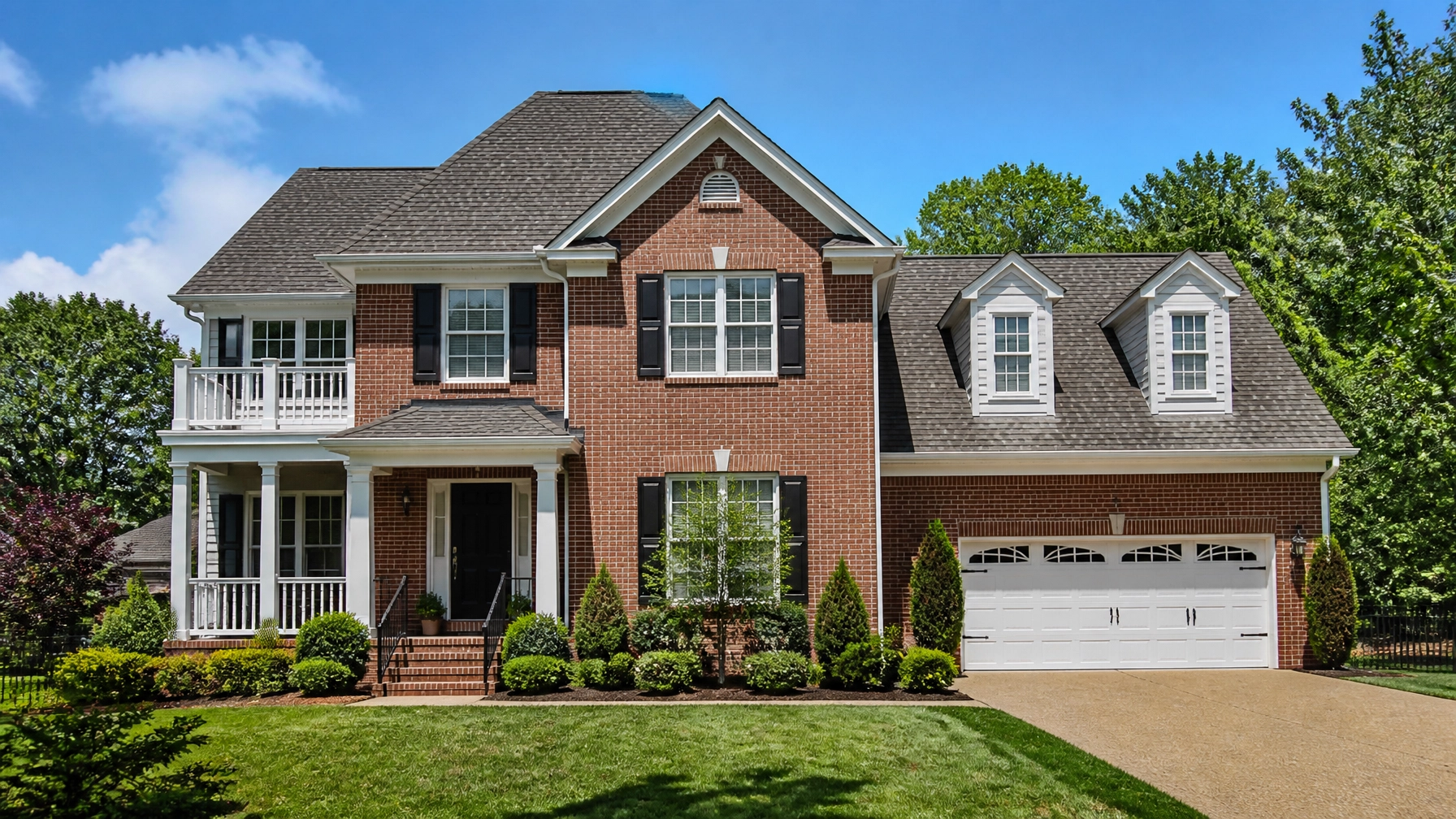
    Charming American suburban home with durable gray shingle roof and curb appeal


    6. Are building permits required for roof replacement in Nashville and Davidson County?

    Yes. In Nashville and Davidson County, a building permit is legally required for structural roof replacements and major re-roofing projects.

    Working with licensed and insured local contractors ensures that permits are pulled correctly and that all work complies with local building codes, wind load requirements, and manufacturer installation warranties. When you use Get My Roof Estimate Now, we connect you directly with vetted local professionals who handle permitting, inspections, and clean-up seamlessly from start to finish.


    Summary: Plan Your Project Today

    Replacing your roof is a major investment in your home's safety, energy efficiency, and market value. By understanding current 2026 pricing benchmarks in Nashville: ranging from $12,000 for standard architectural shingles to over $20,000 for premium systems: you can budget with confidence.

    Skip the wait and eliminate the guesswork. Visit Get My Roof Estimate Now to get your instant, satellite-powered roof replacement cost estimate in under 60 seconds.