Category: Uncategorized

  • 2026 Roof Replacement Cost in Columbia, SC: Complete Price Guide for Midlands Homeowners

    2026 Roof Replacement Cost in Columbia, SC: Complete Price Guide for Midlands Homeowners

    Planning a roof replacement in the Columbia, South Carolina area? Whether you live near Lake Murray, out in Lexington, over in Irmo, or right in Forest Acres, understanding the local financial landscape is the first step toward a stress-free project.

    For 2026, navigating Midlands roofing prices requires a clear look at material choices, local labor dynamics, and regional weather factors. Fortunately, Columbia homeowners benefit from construction costs that sit roughly 13% below the national average, though recent supply chain shifts and manufacturer adjustments have influenced overall pricing.

    This comprehensive guide breaks down exact 2026 figures, material comparisons, local permitting requirements, and actionable tips to help you maximize your investment.


    The 2026 Columbia, SC Roofing Cost Overview

    For a standard single-family home in the Midlands, a full roof replacement generally ranges from $8,500 to $25,000, with the typical 2,000-square-foot home featuring architectural shingles landing between $12,000 and $18,000.

    While material costs have experienced steady adjustments: including manufacturer price bumps of 6% to 10% rolling out from late 2025 into 2026: Columbia’s competitive local contractor market helps keep overall project estimates reasonable compared to coastal SC markets or major northern metros.

    Cost Breakdown by Material Type (Per Square Installed)

    In roofing terms, a "square" equals 100 square feet of roof surface. Here is how the major material categories stack up in the Midlands for 2026:

    • 3-Tab Asphalt Shingles (Budget): $75 – $95 per sq installed. Traditional and economical, though increasingly phased out in favor of thicker alternatives due to wind resistance ratings.
    • Architectural Asphalt Shingles (Popular): $100 – $145 per sq installed. Dimensionally thicker, highly durable against severe summer storms, and the undisputed top choice for 80% of Midlands homes.
    • Standing Seam Metal (Premium): $400 – $650 per sq installed. Exceptional longevity (40–50+ years), superior energy efficiency under intense South Carolina sun, and top-tier wind performance.

    Close-up action shot of professional roofers installing high-quality architectural asphalt shingles


    2026 Pricing Table: Roof Size vs. Material in the Midlands

    To help you quickly gauge what your specific home size might cost, refer to the benchmark pricing table below. These estimates include standard tear-off, high-grade underlayment, flashing replacement, and expert installation.

    Approx. Home Size Roof Size (Squares) 3-Tab Asphalt Architectural Shingles (Popular) Standing Seam Metal (Premium)
    1,200 sq ft 14 – 17 squares $6,000 – $8,500 $8,000 – $11,500 $20,000 – $28,000
    1,500 sq ft 17 – 20 squares $7,500 – $10,000 $9,500 – $13,500 $24,000 – $33,000
    1,800 sq ft 20 – 24 squares $9,000 – $12,500 $11,500 – $16,000 $28,000 – $39,000
    2,000 sq ft 22 – 26 squares $10,500 – $14,000 $12,000 – $18,000 $32,000 – $44,000
    2,500 sq ft 27 – 32 squares $13,000 – $17,500 $15,000 – $22,500 $40,000 – $55,000
    3,000 sq ft 33 – 38 squares $16,000 – $21,000 $18,000 – $26,500 $48,000 – $65,000

    Note: Complex roof designs with multiple dormers, steep pitches, or multiple valley intersections will trend toward the higher end of these ranges.


    Key Cost Drivers for Midlands Roofs

    Every home is unique. When local contractors evaluate your property in Richland or Lexington County, they calculate several vital cost variables:

    1. Roof Pitch and Complexity

    Steeper roofs require specialized safety scaffolding and slow down installation crews. Simple low-slope gable roofs are fast and inexpensive to shingle, whereas intricate Victorian or colonial layouts with multiple peaks require precision cutting and extra labor hours.

    2. Tear-Off and Disposal Fees

    Removing your old roofing layers is mandatory for a valid manufacturer warranty. If your home has two or more existing layers of shingles, labor and dumpster disposal fees will increase due to the extra weight and volume.

    3. Roof Decking and Wood Rot

    South Carolina’s humid summers and heavy seasonal downpours can lead to moisture intrusion underneath compromised shingles. Contractors inspect the underlying plywood decking once the old roof is removed. Replacing warped or water-damaged OSB/plywood boards typically adds $50 to $100 per sheet.

    4. Permits in Richland and Lexington Counties

    For a legal and compliant roof replacement in Columbia, permits are generally required by local building departments (Richland County, Lexington County, or City of Columbia building permits). Professional contractors usually pull these permits on your behalf, factoring the permit and inspection fees (typically $75–$250) into your total project quote.

    Charming suburban colonial style house in the US Midlands with a pristine roof


    Local Climate Considerations & Weather Impact

    Columbia weather is notorious for high summer heat indexes, sudden afternoon thunderstorms, and occasional severe wind events moving inland from the coast.

    • Thermal Shock: Shingles on Midlands roofs undergo massive temperature swings between scorching July afternoons and sudden torrential downpours. High-definition architectural shingles with algae-resistant granules (crucial for humid SC pine pollen seasons) resist premature cracking and staining.
    • Wind Ratings: Look for architectural shingles rated for at least 110–130 mph winds to safeguard against severe storm gusts.

    Smart Ways to Save on Your Columbia Roof Replacement

    1. Explore the SC Safe Home Program: South Carolina offers grants and financial incentives through the SC Safe Home program for homeowners who upgrade their roofs to mitigate hurricane and severe wind damage (such as installing impact-resistant shingles, reinforced roof deck attachments, and secondary water barriers).
    2. Timing Your Project: The best months for a roof replacement in Columbia are March through May or October through November, when temperatures are mild and storm activity is lower. Booking during off-peak windows can sometimes secure more flexible contractor scheduling.
    3. Get Instant Satellite Measurements: Traditional contractor visits can take days to schedule and often come with high-pressure sales pitches. Using modern technology allows you to check precise measurements instantly.

    Get Your Instant, Accurate Columbia Roof Estimate in 60 Seconds

    Skip the endless phone calls and multi-day wait times for an in-home sales appointment. At Get My Roof Estimate Now, we use advanced satellite imagery technology to measure your roof down to the inch with 90–95% accuracy.

    Enter your Columbia, SC address into our free calculator today to receive transparent, low-middle-high pricing tiers tailored to your home's exact dimensions: completely free with no credit card or contractor sales pitch required.

    👉 Get My Free Instant Roof Estimate Now

    High-tech digital satellite aerial map view of residential suburban neighborhoods with roof measurement overlays


  • 2026 Roof Replacement Cost in Asheville, NC: Complete Price Guide for Blue Ridge Homeowners

    2026 Roof Replacement Cost in Asheville, NC: Complete Price Guide for Blue Ridge Homeowners

    Planning a roof replacement in the Blue Ridge mountains requires understanding local pricing, unique regional climate challenges, and municipal regulations. If you are researching the 2026 roof replacement cost Asheville NC, this comprehensive guide covers everything from material breakdowns to cost-saving strategies.

    Average Roof Replacement Cost in Asheville (2026)

    For a typical single-family home in Western North Carolina, the average Asheville NC roof replacement cost 2026 ranges between $8,800 and $21,172, with many standard projects clustering around an $11,000 to $14,000 median. On a per-square-foot basis, homeowners generally see costs span from $4.00 to $7.00 per sq ft for standard installations, while complex or premium systems scale higher.

    Evaluating accurate Asheville roofing prices 2026 helps you budget effectively before inviting contractors to your property.

    Material Options & Pricing Breakdown

    Choosing the right material impacts both your upfront budget and long-term durability against mountain weather. Here is what you can expect across popular options (measured per square, where 1 square = 100 square feet):

    • Architectural Shingles ($425 – $575 per square / Popular): The most common choice for Asheville homes, offering enhanced wind resistance and dimensional aesthetics.
    • Metal Roofing ($750 – $1,500 per square / Premium): Standing seam and corrugated metal systems provide exceptional longevity and shed heavy snow effortlessly.
    • Synthetic Options ($900 – $1,600 per square / Premium): Engineered slate or shake that mimics natural stone or wood while offering superior impact resistance.

    Close-up of high-quality architectural asphalt shingles on a residential roof showing rich texture

    Unique Cost Factors in the Blue Ridge Area

    Several regional conditions directly influence your total roof cost Asheville NC:

    • Mountain Climate: Frequent freeze-thaw cycles, high annual rainfall, intense UV exposure at elevation, and occasional severe storms demand robust underlayment and ice-and-water shields.
    • Steep Roof Pitch: Many homes in Buncombe County feature steep architectural pitches, increasing labor complexity and safety requirements.
    • Multiple Layers: Tearing off two or more existing layers of old shingles adds disposal fees and labor hours.
    • Permits & Licensing: Buncombe County residential permit fees typically run around $80. Furthermore, North Carolina requires general contractor licensing for projects exceeding the $30,000 threshold.

    A contemporary mountain home in Western North Carolina with a sleek standing seam metal roof

    Practical Cost-Saving Tips for Asheville Homeowners

    • Schedule in the Off-Season: Consider booking your project during late fall or winter when contractor demand often dips.
    • Get Multiple Bids: Compare at least three detailed quotes from reputable, insured local Western NC contractors.
    • Bundle Exterior Projects: Combine your roof replacement with gutter upgrades or siding repairs to negotiate package discounts.
    • Build a Contingency Fund: Always set aside an extra 10% to 20% for hidden plywood decking rot discovered after tear-off.

    Get an Instant Roof Estimate in Seconds

    Skip the wait and endless phone calls. If you want a fast, data-driven baseline before talking to contractors, use advanced satellite roof measurement technology.

    Visit getmyroofestimatenow.com to receive an accurate, free roof replacement Asheville North Carolina cost estimate in under 60 seconds: no credit card or home visit required!

    A homeowner on a front porch reviewing a digital roof estimate on a smartphone

  • Daily ROI Blitz #134: How a New Roof Boosts Home Value in Fayetteville, NC (2026 Data)

    Daily ROI Blitz #134: How a New Roof Boosts Home Value in Fayetteville, NC (2026 Data)

    When evaluating home improvement projects with the highest return on investment (ROI), few upgrades match the immediate financial and structural impact of a full roof replacement. For homeowners in Fayetteville, North Carolina, replacing an aging or storm-damaged roof is not just a matter of weather protection: it is one of the most effective ways to protect property value, secure buyer confidence, and pass strict mortgage appraisals.

    With Fayetteville’s housing market evolving through 2026, understanding how local home valuations interact with roof replacement costs is essential for strategic financial planning. Whether you are preparing to list your property or looking to safeguard your investment for the next decade, here is what 2026 data reveals about roofing ROI in Fayetteville, NC.


    1. Fayetteville, NC Housing Market Snapshot (2026 Data)

    Before calculating your exact return on investment, it helps to anchor your expectations in current local real estate metrics. Recent 2026 data for Fayetteville shows a stable and accessible housing market across multiple property tiers:

    • Median Sale & Value Range: Typical existing single-family homes in Fayetteville cluster between $230,000 and $260,000 (with starter homes starting around $220,000 and mid-tier properties averaging $300,000).
    • Price Per Square Foot: Averaging around $152 per square foot, up slightly year-over-year.
    • Buyer Demographics: Fayetteville features a high concentration of active buyers utilizing VA, FHA, and USDA financing: loan programs with famously strict property condition standards.

    In a market where many homes sit in the mid-$200k bracket, major component failures like a sagging or leaking roof can instantly derail a transaction. Conversely, a brand-new roof removes friction, eliminates repair concessions, and accelerates days-on-market.


    2. Roofing Material Options and Cost Benchmarks

    Choosing the right material dictates both your upfront investment and your long-term resale appeal. Here is how material options compare for Fayetteville homeowners:

    • Architectural Asphalt Shingles (Popular): The most common choice across North Carolina. They offer exceptional durability, a dimensional look, and cost between $8,000 and $13,000 for an average 2,000 sq. ft. roof.
    • Standing-Seam Metal (Premium): Highly resistant to high winds and severe weather. While upfront costs range from $15,000 to $25,000+, metal roofing provides unmatched longevity and superior energy efficiency in southern climates.
    • Designer Synthetic Shingles (Luxury): Mimics slate or cedar shake without the heavy structural weight, priced at $18,000 to $30,000.

    Close-up of high-end architectural asphalt shingles on a suburban home roof


    3. The ROI Breakdown: How Much Value Does a New Roof Add?

    National remodeling data and local real estate trends indicate that a standard asphalt shingle roof replacement typically recovers roughly 50% to 70% of its cost directly at resale.

    However, raw resale recovery is only part of the financial equation. In Fayetteville’s competitive mid-tier housing market, a new roof generates secondary value through:

    1. Zero Inspection Delays: Buyers using VA or FHA loans will not face appraisal hangups regarding missing shingles or active leaks.
    2. Eliminated Price Concessions: Without a failing roof acting as leverage, buyers are far less likely to demand $5,000 to $10,000 credit adjustments after the home inspection.
    3. Appraisal Confidence: Appraisers assign higher condition scores to homes with newly installed architectural or metal roofs, protecting your target valuation.

    For a mid-priced Fayetteville home valued at $240,000, investing in a $10,000 architectural shingle roof does not just add $6,000 in nominal equity: it preserves your full asking price and ensures your home sells within days rather than months.


    4. Why Fayetteville’s Climate Makes Roof Timing Critical

    Cumberland County and the greater Fayetteville area experience intense summer heat, high humidity, and occasional severe storm systems tracking inland from the Atlantic coast.

    Over 15 to 25 years, asphalt shingles suffer thermal cracking, granule loss, and sealant degradation. Waiting until active interior leaks occur transforms a routine capital improvement into an emergency project involving drywall repair, insulation replacement, and mold remediation.

    Replacing your roof proactively when it reaches the 20-year mark allows you to control the timeline, shop around for competitive bids, and maximize insurance premium discounts. Many major insurance carriers operating in North Carolina offer policy discounts for impact-resistant roofs or architectural shingle upgrades.

    Modern suburban single-family home with a sleek standing-seam metal roof


    5. Modern Technology: Streamlining Your Roofing Estimates

    Traditionally, getting a roof replacement estimate meant booking multiple in-home contractor consultations, enduring high-pressure sales pitches, and waiting days for manual measurements.

    Today, advanced property technology changes the game. Using high-resolution satellite imagery, homeowners can now measure their roof pitch, square footage, and facet complexity within seconds: without scheduling a single visit.

    • 90-95% Accuracy: Satellite-powered measurements calculate exact roof dimensions down to the inch.
    • Lightning Fast: Enter your Fayetteville address at Get My Roof Estimate Now and receive instant, data-driven pricing ranges (low, middle, high) in under 60 seconds.
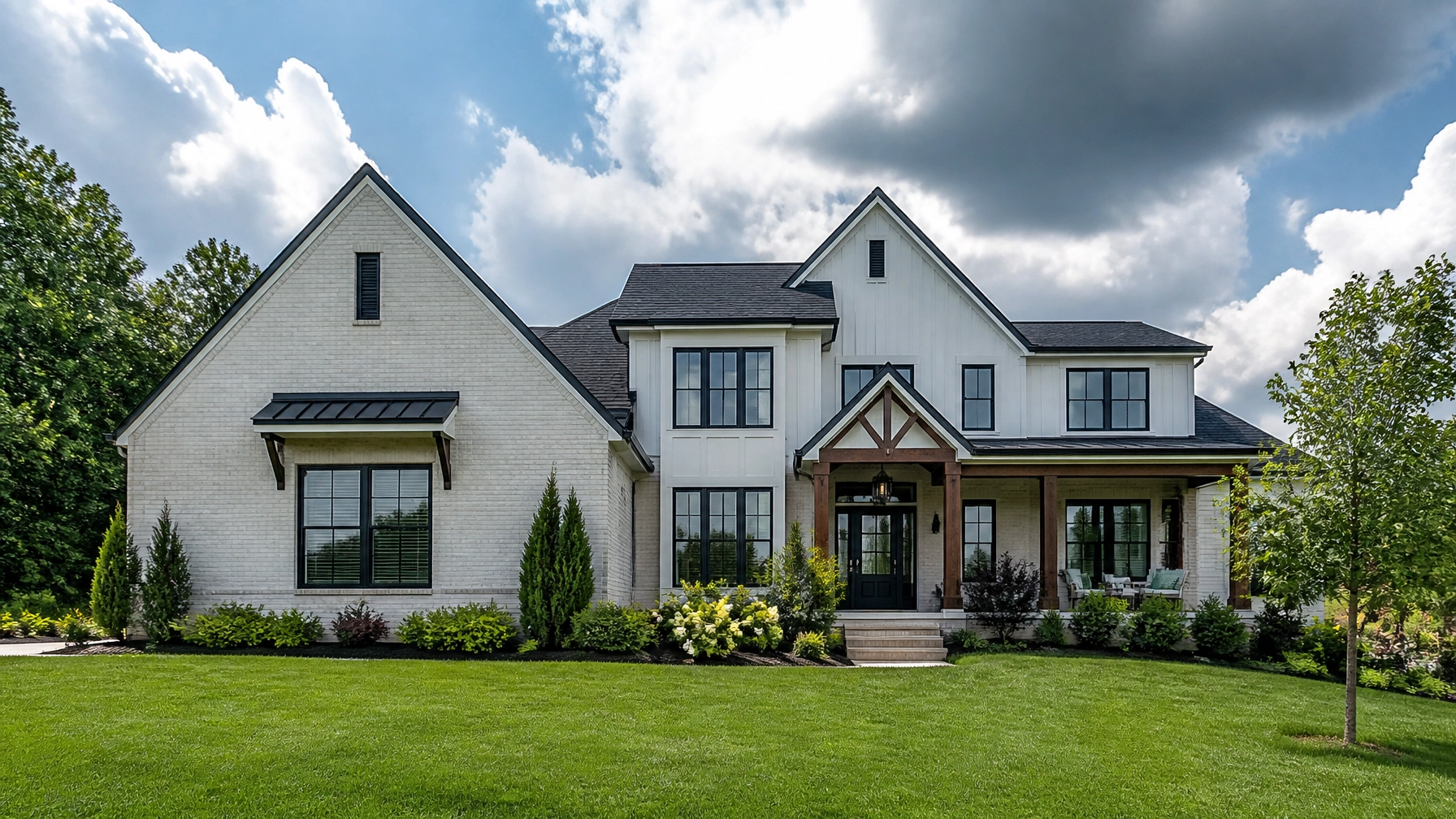
    • Zero Friction: No credit card required, no upfront costs, and complete transparency into material breakdowns.

    Homeowner and roofing professional reviewing precise satellite roof measurement data


    6. Summary and Action Plan for Fayetteville Homeowners

    A new roof is a significant financial investment, but in Fayetteville's 2026 real estate market, it acts as a powerful shield for your home's equity. By upgrading before selling or addressing end-of-life wear proactively, you secure your asking price, attract qualified buyers, and eliminate costly inspection roadblocks.

    Ready to see how much a new roof will cost for your specific property in Fayetteville? Skip the sales calls and get your free, instant pricing breakdown in under a minute through our Roof Cost Calculator at getmyroofestimatenow.com.


  • Daily FAQ Blitz – Slot 6: AEO FAQ Quick Answers for Chattanooga, TN Homeowners (2026)

    Daily FAQ Blitz – Slot 6: AEO FAQ Quick Answers for Chattanooga, TN Homeowners (2026)

    Welcome to our daily FAQ blitz for homeowners across the United States. Today, we focus on Chattanooga, Tennessee. Nestled along the Tennessee River and surrounded by the Cumberland Plateau, the "Scenic City" offers incredible views, historic neighborhoods like St. Elmo and North Chattanooga, and rapidly growing suburbs in Ooltewah and Signal Mountain.

    However, Chattanooga's humid subtropical climate brings distinct challenges. From intense summer heat and high humidity to severe spring thunderstorms bringing high winds, torrential downpours, and occasional hail, your roof takes a beating year-round.

    If your roof is approaching the 15-to-30-year mark, or if recent storm activity has you concerned about leaks, you likely have questions. Below are direct, data-driven answers to the top 5 questions Chattanooga homeowners are asking in 2026.


    1. How Much Does a Roof Replacement Cost in Chattanooga, TN in 2026?

    For a full roof replacement in Chattanooga, most homeowners invest between $10,000 and $20,000, with the typical mid-range project landing right around $12,000 to $16,000 for a standard 1,500 to 2,000-square-foot home utilizing architectural shingles.

    Price points vary depending on materials, roof pitch, and structural complexity:

    • Budget / Simple Roofs (Basic Asphalt Shingles): $7,500 – $10,000 (Ideal for smaller single-family ranch homes with straightforward gable designs).
    • Popular / Standard Roofs (Architectural Shingles): $11,000 – $18,000 (The industry standard for durability, wind resistance, and curb appeal on mid-sized homes).
    • Premium / High-End Roofs (Standing Seam Metal, Slate, or Tile): $20,000 – $45,000+ (Built for maximum longevity and superior performance against severe weather).

    Per-square-foot costs for asphalt materials generally range from $4.50 to $7.00 installed, while square-foot pricing for standing seam metal runs between $9.00 and $14.00+. Hidden variables like rotted wood decking replacement, complex valleys, or steep slopes can add $1,500 to $3,500 to the final project total.

    Get an Instant Quote: Skip the wait. You can get an instant, free roof replacement cost estimate in under 60 seconds using satellite imagery on our Roof Cost Calculator.


    A charming historic bungalow home in North Chattanooga Tennessee with a clean, professionally installed dark charcoal architectural shingle roof


    2. Which Roofing Materials Hold Up Best in Chattanooga's Scenic City Climate?

    Chattanooga weather demands materials engineered to withstand high wind gusts, heavy downpours, and intense summer UV radiation. Here is how the top options compare:

    • Popular: Architectural Asphalt Shingles
      • Lifespan: 25–30 years.
      • Why it works: Multi-layered construction provides excellent wind resistance (often up to 110–130 mph with proper installation) and stands up well to torrential summer storms.
    • Premium: Standing Seam Metal Roofing
      • Lifespan: 40–70+ years.
      • Why it works: Exceptional wind uplift resistance and high solar reflectance, making it ideal for Chattanooga's hot, humid summers. It also sheds heavy rain and small hail effortlessly.
    • Specialty: Synthetic Slate or Cedar Shake
      • Lifespan: 30–50 years.
      • Why it works: Delivers the high-end luxury aesthetic of natural slate or wood without the excessive weight or vulnerability to moisture and rot.

    3. How Long Does a Typical Roof Replacement Take in Chattanooga?

    For the vast majority of residential homes, the physical installation of a new roof is remarkably fast.

    • Standard Tear-Off & Replacement: 1 to 2 days for an average 2,000-square-foot home with architectural shingles.
    • Complex or Large Projects: 3 to 4 days for larger multi-story homes, steep pitches, or heavy metal and specialty tile installations.

    Typical Timeline Breakdown:

    1. Day 1 (Morning): Crew arrives, protects landscaping, strips old shingles down to the bare wooden deck.
    2. Day 1 (Afternoon): Inspection of roof decking, replacement of any rotted plywood, installation of ice-and-water shield and synthetic underlayment.
    3. Day 2: Installation of starter strips, new shingles, flashing, ridge vents, and thorough site cleanup (including magnetic nail sweeps).

    A modern suburban home in Signal Mountain Tennessee featuring a sleek standing seam metal roof and lush green trees


    4. Will Homeowners Insurance Cover My Roof Replacement in Tennessee?

    Whether your insurance policy covers a roof replacement depends entirely on how the damage occurred:

    • Covered Events: Sudden, accidental damage caused by severe weather: such as a severe spring hailstorm, fallen tree limbs during a thunderstorm, or high wind gusts lifting shingles: is typically covered under standard homeowner policies (minus your deductible).
    • Not Covered: Normal wear and tear, age-related deterioration (roofs over 25 years old failing due to time), or damage caused by deferred maintenance (such as ignoring a slow leak for months).

    Steps for Chattanooga Homeowners Filing a Claim:

    1. Schedule a Professional Inspection: Have a licensed local contractor or independent adjuster document storm damage with time-stamped photographs.
    2. Review Your Deductible: Note whether your policy has a percentage-based wind/hail deductible (often 1% to 5% of your home's insured value) versus a flat-rate deductible.
    3. File Promptly: Most Tennessee insurance providers impose a strict time limit (usually 1 year from the date of the storm event) to file a weather-related claim.

    5. How Can I Get an Accurate Roof Estimate Without Waiting for Contractor Visits?

    Traditionally, getting a roof replacement estimate meant clearing your schedule, waiting days for a door-to-door salesman, and enduring a high-pressure sales pitch lasting two hours in your living room.

    Modern roofing technology changes everything. Today, you can bypass the traditional wait time entirely using satellite imagery technology.

    • Instant Measurements: Advanced aerial and satellite mapping calculates your roof's exact square footage, pitch, valleys, and complexity down to the inch (achieving 90–95% accuracy).
    • Zero Cost & No Credit Cards: Platforms like Get My Roof Estimate Now provide complete, transparent pricing breakdowns: including low, middle, and high cost ranges for different material types: within 60 seconds.
    • Verified Local Pros: Once you have your baseline numbers and budget planned out, you can choose to connect with verified, licensed, and insured local roofing contractors in your area on your own terms.

    Close-up macro photography of brand new architectural roof shingles on a residential roof under warm afternoon sun


    Plan Your Chattanooga Roof Replacement Today

    Navigating a roof replacement in Chattanooga doesn't have to be stressful. By understanding local pricing benchmarks, selecting durable weather-resistant materials, and leveraging modern digital tools for instant estimates, you stay in total control of your home improvement budget.

    Ready to see what your project will cost? Enter your address now at Get My Roof Estimate Now to receive your free, instant satellite roof estimate in under a minute.

  • Daily FAQ Blitz – Slot 3: AEO FAQ Quick Answers for Miami, FL Homeowners (2026)

    Daily FAQ Blitz – Slot 3: AEO FAQ Quick Answers for Miami, FL Homeowners (2026)

    Navigating a roof replacement in Miami-Dade County requires understanding unique regional building codes, High Velocity Hurricane Zone (HVHZ) mandates, and 2026 regulatory updates. Whether you are addressing storm damage, preparing to sell, or replacing a roof that has reached the end of its 15-to-30-year lifespan, having accurate, transparent data is essential.

    At Get My Roof Estimate Now, we utilize advanced satellite imagery to deliver instant, free roof replacement cost estimates in under 60 seconds: no contractor visit required upfront. To help you plan your project, we have compiled authoritative, data-driven answers to the most frequently asked questions by Miami homeowners in 2026.


    1. What is the average cost of a code-compliant roof replacement in Miami for 2026?

    For a typical single-family home in Miami-Dade (roughly 2,000 to 2,400 square feet of living area, translating to a ~2,200 to 2,500 sq ft roof), total project costs generally range between $12,000 and $35,000+. South Florida roofs run approximately 15% to 30% higher than non-HVHZ Florida markets due to stringent wind resistance and material approval standards.

    Here is how costs break down by material tier:

    • Architectural Asphalt Shingles (Budget / Popular): $12,000 – $22,000. These HVHZ-rated shingles provide dependable protection and a traditional aesthetic while meeting strict local wind-uplift requirements.
    • Concrete & Clay Tile (Popular / Premium): $18,000 – $35,000+. Highly popular across South Florida for thermal performance and extreme durability against high winds.
    • Standing-Seam Metal (Premium): $25,000 – $50,000+. Offers elite longevity, superior wind resistance, and excellent energy efficiency.
    • Flat Roof Systems / TPO (Specialized): $10,000 – $22,000. Ideal for modern residential additions or low-slope architectural designs.

    Professional roofers installing hurricane-rated materials and secondary water barrier in Miami


    2. Why are Miami roof replacements more expensive than other regions?

    Miami-Dade County is classified as a High Velocity Hurricane Zone (HVHZ). This designation requires engineering and construction practices far more rigorous than standard U.S. building codes. Key cost drivers include:

    • High Wind Design Speeds: Roof systems must withstand design wind speeds of up to 175 mph.
    • Mandatory Product Approvals: Every single component: from shingles and underlayment to fasteners and metal flashing: must carry a valid Miami-Dade Notice of Acceptance (NOA) or Florida Product Approval.
    • Enhanced Fastening & Decking: Contractors must utilize ring-shank nails, tighter nailing patterns (such as 6 nails per shingle), and mandatory deck re-nailing to reinforce structural wind uplift resistance.
    • Secondary Water Barrier (SWB): Modern regulations require a self-adhering modified bitumen membrane across the entire roof deck to prevent water intrusion even if top-layer materials are compromised.

    3. What new 2026 building code rules affect my roof replacement?

    Under the Florida Building Code (FBC) 9th Edition and supporting legislation like HB 715, significant mandates took effect for all new installations and full replacements:

    • Statewide Sealed Roof Deck Mandate: All full re-roofs permitted after January 1, 2026, must incorporate a fully sealed roof deck.
    • Self-Adhered Membrane Rule (HB 715): A self-adhering modified bitumen underlayment must cover the entire roof deck on full replacements. This secondary water barrier is mandatory and cannot be omitted to lower project bids.
    • Permitting & Inspections: Every full replacement requires municipal or county building permits, accompanied by mandatory in-progress dry-in and final inspections to verify compliance.

    Want an instant estimate that factors in these exact requirements? Try our Roof Cost Calculator to get pricing in under 60 seconds.

    Sleek standing-seam metal roof on a modern Miami home designed for maximum wind resistance


    4. Can I skip certain hurricane code requirements to save money?

    No. For a permitted full roof replacement, skipping required HVHZ mandates: such as the sealed roof deck, SWB, NOA-approved materials, or enhanced fastener schedules: is illegal and will result in failed building inspections.

    If a contractor offers an exceptionally low bid and suggests bypassing code requirements, treat it as a major red flag. Non-compliant installations risk severe property damage during storms, void insurance policies, and incur steep financial penalties during resale.


    5. Will I be forced to upgrade my hurricane straps, and how much will it cost?

    Under Florida Statute 553.844, certain non-exempt single-family homes with sloped hip or gable roofs may trigger mandatory roof-to-wall connection retrofits (such as adding hurricane clips or straps) during a full reroof.

    However, the law caps required spending: you are not required to spend more than 15% of the total reroof cost on these structural connection improvements. For example, on a $20,000 roof replacement, the maximum mandated strap upgrade cost is capped at $3,000.

    Suburban Miami residence featuring a durable concrete tile roof and exceptional curb appeal


    Plan Your Miami Roof Replacement Today

    Navigating a roofing project in South Florida doesn't have to be overwhelming. By leveraging advanced satellite imagery, Get My Roof Estimate Now eliminates the need for endless phone calls and inconvenient contractor visits. Within 60 seconds, you receive precise, data-driven pricing tailored to your property's exact dimensions and pitch: completely free and with zero obligation.

    Have more questions about your specific Miami property, materials, or insurance mitigation credits? Contact our team or use our instant estimation tool today to take the guesswork out of your home improvement planning!


  • Daily Weather Blitz: Fayetteville, NC – Storm-Ready Roofing & Summer Weather Trends

    Daily Weather Blitz: Fayetteville, NC – Storm-Ready Roofing & Summer Weather Trends

    As summer 2026 unfolds across Cumberland County, homeowners in Fayetteville are no strangers to the intense combination of stifling heat and volatile weather. From sudden afternoon downpours to high-wind thunderstorm events capable of dropping heavy limbs and causing localized disruptions, local weather patterns demand resilient home infrastructure. That is exactly why search demand for 2026 roof replacement cost Fayetteville NC and Fayetteville NC roof replacement cost 2026 continues to rise as homeowners plan ahead before damage gets worse.

    When your roof is your first line of defense against severe weather, staying ahead of seasonal storm trends is not just about home maintenance: it is a critical investment in your property's safety and value. Whether you are dealing with an aging roof that has weathered a decade or more of North Carolina extremes or planning ahead before peak storm season brings heavier gusts, understanding storm-ready roofing standards is essential for anyone researching roof replacement Fayetteville North Carolina.

    Best of all, planning your next steps doesn't have to involve endless phone calls and waiting weeks for contractor visits. With advanced satellite technology at Get My Roof Estimate Now, Fayetteville homeowners can secure precise measurements, satellite roof measurement data, and instant replacement cost estimates in under 60 seconds.


    2026 Fayetteville Summer Weather Trends: What Cumberland County Homeowners Are Facing

    The summer of 2026 has delivered classic, highly active weather patterns across central and southeastern North Carolina. Fueled by high humidity, soaring temperatures frequently pushing near or above 100°F, and passing frontal boundaries, the Sandhills region has experienced recurring convective activity.

    Key regional weather factors impacting Fayetteville roofs this season include:

    • High-Wind Thunderstorm Events: Rapidly developing afternoon storms frequently produce sudden wind gusts capable of lifting compromised shingle tabs and exposing vulnerable underlayment.
    • Heavy Downpours and Flash Storms: Intense rainfall rates test gutter capacity, roof valley flashing, and waterproofing seals, quickly exposing any pre-existing leaks or failing seals.
    • Severe Storm Watches and Wind Shear: Cumberland County sits in an active corridor where organized storm lines can produce localized wind damage, downing trees and launching wind-borne debris against residential roofs.

    These severe weather realities mean that standard, aging roofing systems installed a decade or two ago may struggle to withstand repeated battering. Ensuring your home is fortified with modern storm-resistant materials is more important than ever.


    Upgrading for Resilience: Best Practices for Stormproof Roofing

    When it is time for a roof replacement in Fayetteville, upgrading to modern, impact-resistant materials and installation techniques makes all the difference. Modern building science has dramatically improved how roofs handle severe weather.

    Close-up of durable Class 4 impact-rated architectural asphalt shingles being installed on a reinforced roof deck

    1. Class 4 Impact-Resistant Shingles (The Gold Standard)

    Standard three-tab shingles easily crack and tear under high winds or hail impacts. Upgrading to Class 4 impact-rated architectural shingles (Premium) provides maximum resistance against flying debris and severe hail. These multi-layered shingles are engineered to absorb high-velocity impacts without fracturing, significantly extending your roof's lifespan and often qualifying homeowners for insurance discounts.

    2. Reinforced Roof Decking and Ring-Shank Nails

    Wind uplift is one of the leading causes of roof failure during severe thunderstorms. Traditional smooth-shank nails can pull out of roof decking under intense negative pressure. Using ring-shank nails during a roof replacement locks the plywood or OSB decking securely to the roof trusses, creating a monolithic structure that resists severe wind forces.

    3. Sealed Roof Decks (Secondary Water Barriers)

    Even if high winds manage to tear away a few exterior shingles, a sealed roof deck acts as an insurance policy for your interior. Installing a peel-and-stick waterproof underlayment across the entire deck prevents wind-driven rain from penetrating your home's attic and living spaces during extreme storm events.

    4. Comprehensive Flashing and Valley Inspections

    Water infiltration rarely happens in the middle of a wide-open roof plane; it happens at vulnerabilities like chimneys, plumbing boots, skylights, and valleys. Modern storm-ready installations utilize heavy-gauge aluminum or copper valley flashing combined with waterproof ice and water shields to ensure absolute watertight performance.

    A modern suburban home featuring a premium standing seam metal roof designed to withstand high winds and severe summer thunderstorms


    Understanding Roofing Replacement Costs in Fayetteville, NC

    For most single-family homeowners in Fayetteville with typical 1,500 to 3,000 square foot roofs, a full replacement represents a significant investment: typically ranging between $8,000 and $25,000 depending on material choice, pitch, and complexity. If you are comparing Fayetteville roofing prices 2026, this is the range most owners should expect before any unusual structural repairs are added.

    Here is a breakdown of common replacement options:

    • Architectural Asphalt Shingles (Popular): Offers an excellent balance of durability, aesthetic variety, and affordability, typically ranging from $3.50 to $5.50 per square foot installed. For many homeowners researching roof cost Fayetteville NC, this is the most common starting point.
    • Standing Seam Metal Roofing (Premium / Long-Lasting): Exceptional wind resistance (up to 140+ mph) and unmatched longevity, generally ranging from $8.00 to $14.00 per square foot.
    • Specialty Synthetic & Impact Shingles (Budget-to-High): High-end durability engineered specifically for hail-prone regions, and a growing category for buyers comparing synthetic roofing Fayetteville NC options.

    One of the most common material questions we hear is architectural shingles vs metal roofing Fayetteville NC. In simple terms, shingles usually win on upfront affordability, while metal roofing stands out for lifespan, wind performance, and lower long-term maintenance.

    Navigating these numbers used to require scheduling multiple contractor appointments, taking time off work, and enduring high-pressure sales pitches just to get a ballpark figure. Today, technology has completely streamlined the process. You can also explore more pricing details and estimate tools directly at Get My Roof Estimate Now.


    How Get My Roof Estimate Now Transforms the Roofing Process
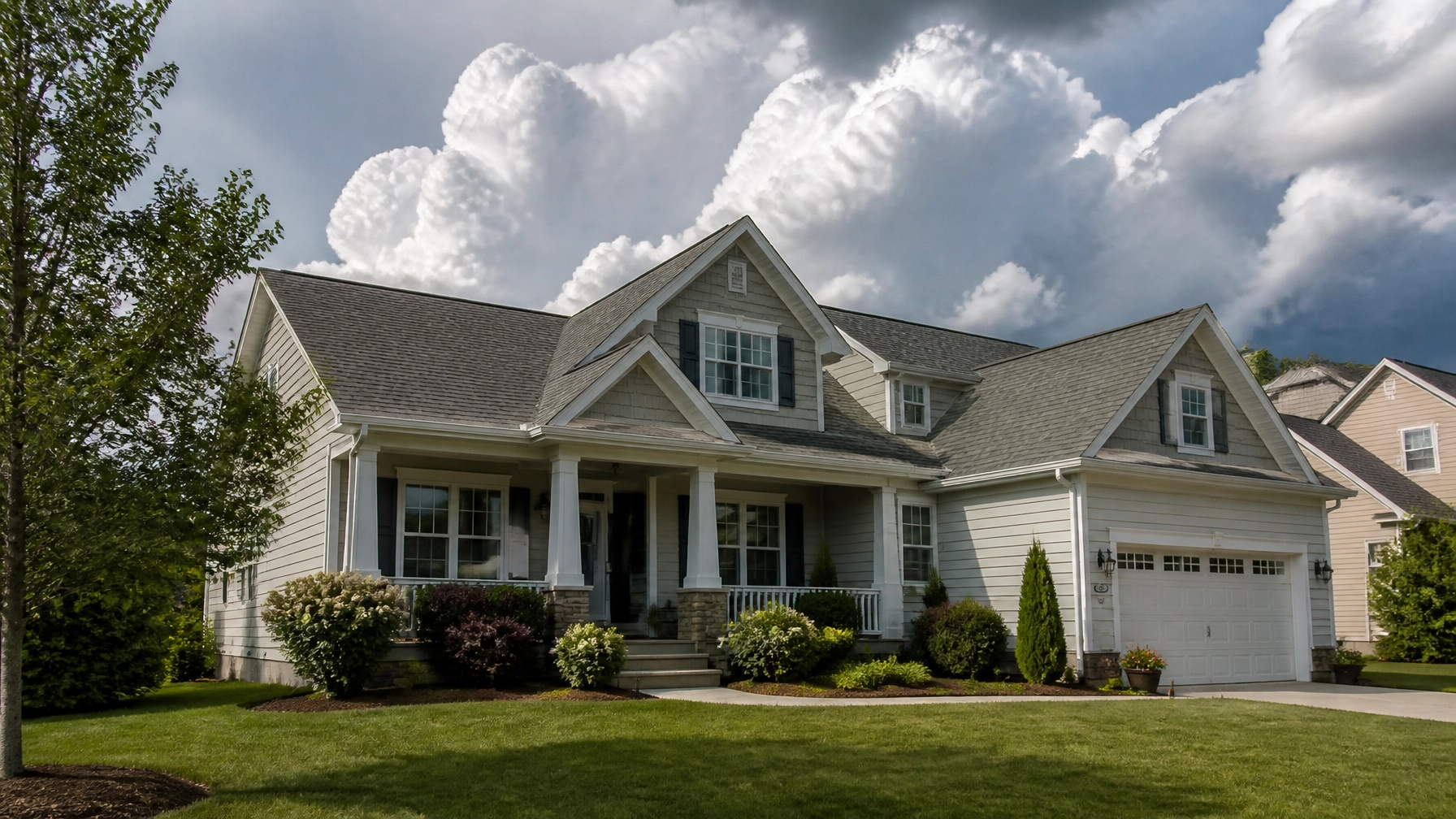
    Waiting for a contractor to visit your home, climb your ladder, and send an estimate days later is a relic of the past. Get My Roof Estimate Now empowers homeowners with instant, transparent data.

    A professional roofer carefully inspecting roof valley flashing and waterproof underlayment details

    Why Fayetteville Homeowners Choose Our Platform:

    • Lightning-Fast Results in 60 Seconds: Simply enter your home address, and our system instantly analyzes your property.
    • Satellite-Powered Measurements: We utilize high-resolution satellite imagery accurate to within inches, delivering reliable satellite roof measurement data and calculating your exact roof size, pitch, and complexity without requiring anyone to walk on your roof upfront.
    • Zero Cost & No Credit Card Required: Our tool is 100% free and requires no personal financial commitments to access precise pricing.
    • Low-Middle-High Price Ranges: Receive transparent estimates tailored to different material options (architectural shingles, metal, synthetic roofing, and more) factoring in regional price differences in Cumberland County.
    • Verified Local Contractors: When you are ready to move forward, we connect you directly with licensed, insured, and trusted local roofing professionals in your area.

    For homeowners actively comparing 2026 roof replacement cost Fayetteville NC and Fayetteville NC roof replacement cost 2026, this gives you a fast, practical way to budget before committing to in-home appointments. If you want to learn more about how our process works, visit Get My Roof Estimate Now.


    Take Control of Your Home’s Safety Today

    Summer storm trends in Fayetteville demand proactive home maintenance. Do not wait for the next severe thunderstorm warning to find out if your roof is compromised.

    Arm yourself with accurate data, transparent pricing, and peace of mind before storm season peaks. Visit our Roof Cost Calculator to get your instant, satellite-powered roof estimate in under a minute: completely free and with zero obligation. For more information on roof replacement Fayetteville North Carolina, material comparisons like architectural shingles vs metal roofing Fayetteville NC, and current Fayetteville roofing prices 2026, you can also browse Get My Roof Estimate Now.


  • Nashville Weather Today: August 3, 2026 & How Local Storms Impact Your Roof and Home

    Nashville Weather Today: August 3, 2026 & How Local Storms Impact Your Roof and Home

    As Nashville navigates the peak heat and humidity of August 2026, local homeowners face a familiar seasonal rhythm: soaring daytime temperatures in the high 80s and low 90s, thick humidity, and the constant threat of pop-up afternoon thunderstorms. While warm summer days are a staple of Middle Tennessee living, the intense atmospheric volatility common to the region places a heavy burden on residential roofing systems.

    Understanding how today's weather patterns interact with your home's structural defenses is essential for preventing costly leaks, premature shingle degradation, and unexpected structural repairs. Whether your roof is approaching its second decade or you are planning ahead for a future replacement, here is a detailed look at Nashville's current weather conditions on August 3, 2026, and actionable steps to safeguard your home.


    Nashville Weather Today: August 3, 2026 Overview

    Today in Davidson County and the surrounding Middle Tennessee area, meteorological conditions feature:

    • Temperature: Daytime highs hovering between 88°F and 91°F with high relative humidity, creating a heat index well into the mid-90s.
    • Precipitation Risk: Scattered afternoon convective showers and isolated thunderstorms with a 40% to 60% chance of rain, particularly moving eastward along the I-65 corridor.
    • Wind Conditions: Generally light prevailing breezes averaging 8 to 12 mph, with brief, erratic wind gusts up to 35 mph accompanying passing storm cells.

    While typical August weather in the Cumberland River Valley brings plenty of sunshine, the combination of intense thermal heating and sudden moisture creates localized micro-storms capable of testing the limits of residential building materials.


    How Nashville Storms and Climate Stress Test Your Roof

    Roofing systems in Tennessee endure a unique combination of environmental stressors throughout the year. August weather conditions exacerbate these stressors through specific physical mechanisms:

    1. Thermal Shock and Material Expansion

    When ambient temperatures reach 90°F under direct sunlight, asphalt shingle surface temperatures can soar past 150°F. When a sudden summer storm drops torrential rain, shingle temperatures can plummet by 40 to 50 degrees in a matter of minutes. This rapid contraction: known as thermal shock: stresses granular adhesion, expands microscopic cracks, and accelerates the aging of aging asphalt binders.

    2. High Winds and Uplift Pressures

    Even non-severe thunderstorm cells in Dixie Alley can generate strong straight-line winds. As wind travels across a pitched roof, it creates aerodynamic lift over the eaves and ridges. If fasteners are weakened or sealants have dried out, wind uplift easily catches shingle tabs, breaking the adhesive bond and allowing wind-driven rain to penetrate the underlayment.

    3. Persistent Humidity and Moisture Retention

    High humidity levels combined with shaded northern roof slopes create ideal microclimates for algae, moss, and mildew growth. Over time, organic growth lifts shingle edges, retains moisture against the roof deck, and degrades the protective waterproof layers of the roof.

    Close-up professional photography of a roof inspector examining architectural shingles on a residential home roof in Tennessee, sunny day, clear detail of roofing materials and flashing


    Identifying Vulnerable Areas on Your Roof

    When severe weather or heavy seasonal rains hit Nashville, certain components of your roofing system bear the brunt of the impact. Homeowners should regularly inspect or monitor these high-risk areas:

    • Valleys and Flashing: Where roof planes intersect (valleys) or where shingles meet vertical walls, chimneys, and plumbing vents, water channels concentrate. Rusted, cracked, or improperly sealed flashing is the number one culprit behind interior ceiling leaks during summer downpours.
    • Ridge Caps: The highest point of the roof is exposed to the strongest wind forces. Loose or missing ridge caps leave the attic directly exposed to water infiltration.
    • Gutter Systems: Overflowing gutters during heavy downpours force water back under the roof drip edge, rotting fascia boards and sub-roofing decks.

    Roofing Material Benchmarks for Middle Tennessee Homes

    Choosing the right material when replacing a roof in the Southeast is critical to long-term durability. Here is how standard options compare for Nashville homeowners:

    Material Type Estimated Cost Range (1,500 – 2,500 sq. ft.) Expected Lifespan Wind & Impact Resistance Best Suited For
    Architectural Shingles (Popular) $9,000 – $15,000 25 – 30 Years Good (up to 110-130 mph with high-wind nailing) Standard suburban homes, excellent price-to-performance ratio
    Standing Seam Metal (Premium) $18,000 – $32,000 40 – 70 Years Excellent (withstands high winds and heavy hail) Maximum durability, energy efficiency, modern aesthetics
    Synthetic Composite (Premium) $15,000 – $28,000 30 – 50 Years Superior (Class 4 impact resistance) High aesthetic appeal mimicking slate or shake without weight penalties

    Hyper-realistic photography of a well-maintained suburban colonial home in the American Southeast with a premium standing seam metal roof, bright daylight, lush landscaping


    How to Check Your Roof's Health in 60 Seconds

    Traditionally, obtaining a reliable roof replacement estimate meant scheduling multiple contractor visits, clearing your schedule, and enduring high-pressure sales pitches. Today, modern satellite technology completely transforms how Nashville homeowners evaluate their property.

    At Get My Roof Estimate Now, we use high-resolution satellite imagery accurate to within inches to measure your roof's exact square footage, pitch, and complexity: completely free and without requiring a credit card or a contractor visit.

    Whether you are budgeting for a replacement after noticing storm wear or preparing to list your home on the market, our tool delivers transparent, data-driven pricing ranges tailored to regional material costs in under 60 seconds.

    Professional real estate photograph of a homeowner looking at a smartphone or tablet outside their Nashville home, checking roofing cost estimates and satellite measurements


    Practical Action Steps for Nashville Homeowners

    To keep your home protected throughout the remainder of the summer storm season, follow these actionable tips:

    1. Check Your Attic After Heavy Rains: Inspect your attic space with a flashlight after a heavy downpour to catch slow leaks around roof penetrations before they rot structural framing.
    2. Trim Overhanging Tree Branches: High summer winds easily snap dead branches. Keep trees trimmed at least 6 to 10 feet away from your roofline to prevent puncture damage.
    3. Get an Instant Assessment: Don't wait for a major leak to find out where you stand. Visit our Roof Cost Calculator to get an immediate, accurate estimate for your home in less than a minute.
    4. Connect with Verified Local Pros: When you are ready to move forward, we connect you directly with licensed, bonded, and insured local roofing professionals who understand Middle Tennessee building codes and weather challenges.

    Stay ahead of Nashville weather, protect your investment, and plan your next roofing project with total confidence.


  • Daily Weather Blitz – Slot 7: Richmond, VA

    Daily Weather Blitz – Slot 7: Richmond, VA

    Welcome to today’s Daily Weather Blitz for Richmond, VA on August 3, 2026. If you stepped outside this afternoon, you already know the story: heavy humidity, high temperatures hovering in the mid-to-upper 80s, and a tropical heat index making it feel dangerously close to 103°F.

    As we move into the afternoon and evening hours, the National Weather Service has flagged increasing chances of severe thunderstorms. These aren't your average summer passing showers: they bring the risk of locally heavy rainfall rates, frequent cloud-to-ground lightning, and recurring flash flooding across urban and low-lying areas throughout Central Virginia.

    For Richmond homeowners, these extreme summer weather patterns highlight an urgent reality: your home’s durability is tested every single time a torrential downpour hits. In this briefing, we examine why Richmond’s infrastructure struggles with intense rain, how your roof serves as your first line of defense, and actionable maintenance steps to protect your property from water damage.


    Understanding Richmond’s Summer Storm and Flash Flooding Risk

    Central Virginia summers are notorious for oppressive humidity colliding with daytime heat, generating pop-up storms capable of dropping 1 to 3 inches of rain in a matter of hours. In some localized cloudbursts, rainfall rates can peak at 2 to 4 inches per hour.

    [ Intense Summer Heat & Humidity ] ➔ [ Rapid Convective Storm Development ] ➔ [ 2-4 Inches Rain / Hour ] ➔ [ Urban Drainage Overload & Flash Flooding ]
    

    Why does Richmond experience such acute flooding risks during these events?

    • Impervious Surfaces: Rapid urbanization, asphalt parking lots, and dense residential paving prevent rainwater from naturally absorbing into the soil.
    • Aging Infrastructure: Portions of Richmond’s urban and suburban drainage systems were engineered decades ago, leaving them ill-equipped to handle modern, high-intensity precipitation rates.
    • Saturated Ground: Successive days of storms leave soils completely saturated, meaning any additional rainfall immediately runs off into streets, low points, and vulnerable home foundations.

    When municipal storm sewers back up, water management shifts entirely to your property line: and your roof is where the battle begins.


    Your Roof as the Primary Line of Defense

    Close-up of residential roof gutter system and architectural shingles during a heavy summer rainstorm

    A standard 2,000-square-foot roof in Richmond captures thousands of gallons of water during a heavy thunderstorm. If your roofing system isn't optimized to shed water rapidly and direct it safely away from your exterior walls, minor vulnerabilities quickly turn into major interior repairs.

    Key Factors for Storm-Resilient Roofing:

    • Pitch and Slope (Popular / Standard): A proper slope ensures water flows rapidly toward gutters rather than ponding over low spots.
    • Material Durability (Budget to Premium):
      • Architectural Shingles (Popular): Provide excellent wind resistance and robust multi-layer water shedding.
      • Metal Roofing (Premium): Delivers superior longevity and sheds intense sheets of water instantly without granule loss.
    • Flashing Integrity: Valley and step flashing around chimneys, dormers, and vents must be airtight to withstand wind-driven rain.

    Pre-Storm & Seasonal Home Maintenance Checklist

    Taking proactive steps before severe weather strikes can save you thousands in water damage remediation. Use this actionable maintenance checklist to secure your roof and drainage systems:

    1. Clear Gutters and Downspouts Thoroughly

    Clogged gutters are the #1 cause of roof-edge water overflow during Richmond cloudbursts. Remove accumulated leaves, twigs, and shingle grit so water flows unobstructed from the roofline.

    2. Extend Downspouts Away from Foundations

    To prevent basement and crawlspace flooding (a common Richmond headache), ensure your downspouts discharge water at least 4 to 6 feet away from your foundation walls. Utilize splash blocks or corrugated extensions.

    3. Inspect Flashing and Roof Penetrations

    Check rubber boots around plumbing vents, skylights, and chimney flashing. If caulking is cracked, lifting, or missing, intense wind-driven rain will find its way into your attic.

    4. Trim Overhanging Tree Limbs

    Severe storm gusts in central Virginia frequently snap weak branches. Keep trees trimmed back at least 6–10 feet from your roof to prevent punctures and reduce leaf debris accumulation.


    Post-Storm Assessment: What to Check Once Skies Clear

    A professional roofing contractor inspecting roof flashing and shingles on a residential home in Virginia

    Once the flash flood warnings expire and it is safe to step outside, perform a systematic perimeter check of your property:

    • Scan the Yard for Shingle Granules: Excessive granules in your downspout runoff indicate that your shingles are aging and losing their protective ceramic coating.
    • Check the Attic for Leaks: Inspect your attic rafters, insulation, and ceiling corners with a flashlight for damp spots or water stains immediately following heavy rainfall.
    • Verify Drainage Performance: Walk your property during or right after a storm to ensure water isn't pooling against foundation walls or overflowing window wells.

    If you notice missing shingles, sagging gutters, or persistent interior leaks, it's time to consult with verified local professionals. You can explore regional cost factors and contractor networks through our Virginia Roof Estimate Guide.


    Budgeting and Planning for Roof Upgrades in Virginia

    Roofs in our region face a relentless combination of intense UV degradation, high humidity, and severe summer storm cycles. Most asphalt shingle roofs in Virginia reach the end of their operational lifespan between 18 and 25 years.

    If your roof is showing signs of widespread wear or if you are planning ahead before storm season intensifies further, transparency is key to effective budgeting:

    • Project Ranges: Standard residential replacements generally span between $8,000 and $25,000, depending on home square footage, pitch complexity, and chosen materials.
    • No-Visit Convenience: Traditionally, getting a reliable quote required scheduling multiple contractor visits and waiting days or weeks. Today, you can bypass the hassle. By leveraging high-resolution satellite imagery technology, homeowners can receive accurate pricing tailored to their exact roof dimensions in under 60 seconds.

    Ready to see where your home stands? Use our instant Roof Cost Calculator to evaluate your options with zero obligation and zero hidden fees.


    Protecting Your Investment for the Long Haul

    A beautiful brick colonial home in Richmond, Virginia featuring a durable metal roof and professional drainage landscaping

    Richmond’s August weather reminds us that home durability is not a one-time project: it's an ongoing commitment. By maintaining clear gutters, sealing roof penetrations, and monitoring your home's exterior drainage, you insulate your property against the worst of Central Virginia's flash-flood cycles.

    For more expert advice, maintenance guides, and regional roofing insights, explore our complete library of articles on the Get My Roof Estimate Now Blog. Stay safe, stay dry, and keep your home storm-ready.


  • Architectural Shingles vs. Metal vs. Synthetic Roofing: The 2026 Fayetteville NC Sandhills Material Showdown

    Architectural Shingles vs. Metal vs. Synthetic Roofing: The 2026 Fayetteville NC Sandhills Material Showdown

    Navigating a roof replacement Fayetteville North Carolina homeowners face requires balancing upfront investment against long-term durability, especially given the unique climate challenges of the Sandhills region. Situated in IECC Climate Zone 3A, Fayetteville experiences severe summer heat, high humidity, wind-driven storms from the Atlantic hurricane corridor sitting roughly 90 miles inland, and relentless pine pollen and needle accumulation from local forests.

    When evaluating Fayetteville roofing prices 2026, property owners must weigh three primary contenders: architectural asphalt shingles, standing-seam metal, and synthetic roofing options. Deciding which material best fits your home starts with accurate data and clear cost comparisons. Before booking a traditional sales pitch, you can utilize advanced satellite roof measurement technology at getmyroofestimatenow.com to get instant pricing in under 60 seconds: completely free and with zero credit card required.


    The 2026 Fayetteville NC Roof Replacement Cost Breakdown

    Understanding the baseline financial commitment for a standard 2,000-square-foot roof in Cumberland County helps set realistic budgeting expectations. Here is how the three major material categories stack up for roof cost Fayetteville NC in 2026:

    • Architectural Asphalt Shingles (Popular): $8,800 to $14,200
    • Standing-Seam Metal (Premium / Long-Lasting): $21,600 to $35,400
    • Synthetic / Premium Options (Durability & Aesthetics): $15,400 to $33,200

    Let’s examine how each material performs under Sandhills weather conditions, installation factors, and local building regulations.


    1. Architectural Asphalt Shingles (Popular Choice)

    Architectural shingles (also known as dimensional or laminated shingles) remain the most popular roofing choice across established Fayetteville neighborhoods like Haymount, Cliffdale, Cottonade, and Strickland Bridge.

    Ranch-style home with standing-seam metal roof

    Performance in the Sandhills Climate

    Constructed with a heavy fiberglass mat base and multi-layered ceramic-coated mineral granules, architectural shingles offer robust wind resistance: often rated up to 110–130 mph when installed with proper six-nail fastening patterns. However, the humid subtropical climate and dense surrounding pine forests create ideal conditions for Gloeocapsa magma (blue-green algae) and cumulative pine needle buildup. Modern architectural shingles frequently feature copper-infused granules to combat algae streaking.

    2026 Cost & Lifespan

    • Average Cost (2,000 sq. ft.): $8,800 – $14,200
    • Expected Lifespan: 25 to 30 years
    • Maintenance: Moderate (annual clearing of pine needles from valleys and gutters is essential).

    2. Standing-Seam Metal Roofing (Maximum Durability)

    For homeowners seeking ultimate weather protection and modern architectural styling, metal roofing has surged in popularity across newer construction zones and rural acreage around Cumberland County. When comparing architectural shingles vs metal roofing Fayetteville NC, metal stands out for its unmatched wind uplift resistance during severe tropical storms tracking inland from the coast.

    Performance in the Sandhills Climate

    Standing-seam metal roofs feature concealed fasteners that lock panels together, eliminating exposed screw holes where water can infiltrate. With a Class A fire rating and superior solar reflectance, metal roofs shed heavy pine needles effortlessly and prevent moisture absorption during humid summer months.

    2026 Cost & Lifespan

    • Average Cost (2,000 sq. ft.): $21,600 – $35,400
    • Expected Lifespan: 40 to 60+ years
    • Maintenance: Low (panels resist algae, rot, and fire; periodic sealant checks around penetrations recommended every 5–10 years).

    3. Synthetic Roofing (High-End Aesthetics & Resilience)

    Synthetic slate and shake products mimic natural quarried slate or hand-split cedar wood shakes without the excessive weight or structural reinforcement requirements of natural stone. Homeowners in historic or upscale pockets of Fayetteville looking for luxury curb appeal frequently turn to synthetic alternatives.

    Colonial home with synthetic slate roofing

    Performance in the Sandhills Climate

    Engineered from advanced polymer resins, synthetic roofing offers exceptional impact resistance (often achieving UL 2218 Class 4 ratings against hail) and resists fading under intense UV exposure. Unlike natural wood shakes, synthetic materials do not absorb moisture or harbor mold in humid Sandhills conditions.

    2026 Cost & Lifespan

    • Average Cost (2,000 sq. ft.): $15,400 – $33,200
    • Expected Lifespan: 40 to 50 years
    • Maintenance: Very low.

    Neighborhood Pricing & Local Permitting in Fayetteville, NC

    Roof replacement costs can fluctuate slightly depending on neighborhood architectural styles and structural nuances across Cumberland County:

    • Haymount: Historic homes often feature steep pitches, complex rooflines, and strict preservation considerations, pushing project costs toward the middle-to-high end of the spectrum.
    • Cliffdale & Strickland Bridge: Standardized suburban layouts with ranch and two-story colonial designs allow for straightforward installation, keeping labor costs efficient.
    • Cottonade: Mature tree canopies require careful debris management and potential decking repairs due to trapped moisture beneath older shingles.

    Permitting & Compliance Note

    The City of Fayetteville requires building permits for structural roof replacements. Contractors must pull permits through the City of Fayetteville Inspections Office located at 433 Hay Street, ensuring all work complies with the North Carolina Residential Building Code. Working with a verified North Carolina Licensed General Contractor (NCLBGC) guarantees your project passes mandatory local inspections without delay.


    Get Your Instant Fayetteville Roof Estimate in Under 60 Seconds

    Planning a 2026 roof replacement cost Fayetteville NC project doesn't have to involve endless phone calls, high-pressure sales reps, or waiting weeks for a contractor to visit your property.

    Satellite roof measurement tool interface

    At getmyroofestimatenow.com, our cutting-edge satellite roof measurement system evaluates your exact roof pitch, square footage, and complexity accurate to within inches (90-95% accuracy).

    Here is why Fayetteville homeowners trust our platform:

    • 100% Free & No Credit Card Required: Zero hidden fees or upfront commitments.
    • Lightning Fast: Receive a detailed, low-middle-high pricing breakdown in under 60 seconds.
    • Verified Local Experts: Seamlessly connect with vetted, licensed, and insured NCLBGC contractors serving Cumberland County.

    Stop guessing your roofing budget. Visit getmyroofestimatenow.com today to enter your address and view your instant Fayetteville NC roof replacement cost 2026 breakdown!


  • New Roof ROI in Richmond, VA: Does It Boost Your Home Value in 2026?

    New Roof ROI in Richmond, VA: Does It Boost Your Home Value in 2026?

    When planning home improvements in the River City, upgrading your exterior is one of the smartest financial plays you can make. Whether you are prepping your property for a spring sale in Short Pump, upgrading a historic home in The Fan District, or maintaining a family residence in Midlothian, understanding the financial return of a roof replacement is critical.

    In this installment of our Daily ROI Blitz series, we break down current data for 2026 roof replacement cost Richmond VA, analyze the true roof replacement ROI Richmond Virginia, and explore how a new system directly impacts new roof home value Richmond VA.


    1. 2026 Roof Replacement Costs in the Richmond Area

    Before calculating your return on investment, you need a clear baseline of what materials and labor currently cost across Central Virginia. For a typical single-family home (ranging from 1,500 to 2,500 square feet), 2026 pricing generally falls between $7,500 and $25,000, depending on the square footage, roof pitch, and chosen materials.

    Here is how material options break down for Richmond homeowners:

    • Asphalt Shingles (Popular): $8,000 – $15,000. The standard choice for durability and cost-effectiveness, offering architectural profiles that withstand local weather.
    • Standing Seam Metal (Premium): $15,000 – $28,000+. Exceptional longevity and resistance to severe storms, highly sought after in upscale suburban developments.
    • Architectural Designer Shingles (Mid-Range): $12,000 – $19,000. Provides enhanced dimensional depth and superior wind warranties.
    • Synthetic Slate & Cedar (Luxury): $25,000 – $45,000+. Ideal for historic restorations in areas like Museum District and The Fan, mimicking traditional aesthetics with modern weatherproofing.

    Professional roofers installing architectural asphalt shingles in Richmond Virginia

    To get precise figures tailored to your exact property dimensions without waiting for a contractor home visit, try our instant roof cost calculator to generate transparent pricing in under 60 seconds using advanced satellite measurements.


    2. What is the True Roof Replacement ROI in Richmond?

    Data from local real estate transactions and regional cost-vs-value reports show that a new roof in the Richmond area delivers an immediate 60% to 80% direct ROI on your appraised home value.

    If you invest $14,000 in a new architectural shingle roof on a $350,000 home, you can expect an immediate boost of $8,400 to $11,200 in baseline appraised value.

    However, looking at appraisal value alone tells only half the story. In Richmond’s competitive real estate market, the indirect ROI often pushes total financial recovery past 100%.

    Why Richmond’s Climate Accelerates Roof Aging

    Central Virginia experiences a demanding climate characterized by high summer humidity, heavy spring thunderstorms, high winds, and occasional winter ice loads.

    • Shingle Granule Loss: Intense UV exposure and heat cause asphalt shingles to degrade faster over 15 to 25 years.
    • Storm Vulnerability: Older roofs nearing the end of their lifespan are frequent casualties of severe storm cells rolling off the Blue Ridge mountains.
    • Inspection Failures: Buyers and home inspectors in Richmond are notoriously strict about roof condition. An aging roof triggers immediate red flags.

    3. How a New Roof Drives Faster Sales and Fewer Negotiations

    When selling a home in neighborhoods like Midlothian or Short Pump, buyer hesitation is your biggest hurdle. Homes featuring a documented, brand-new roof enjoy distinct market advantages:

    • Eliminating Inspection Credits: An aging roof (15+ years old) typically invites $4,000 to $12,000 in buyer repair credits or price reductions during contract negotiations. A new roof removes this leverage entirely.
    • Faster Days on Market: Properties with updated mechanical systems and pristine curb appeal sell significantly faster because buyers view them as "move-in ready" without looming deferred maintenance costs.
    • Smoother Appraisals: Appraisers factor remaining roof life heavily into valuation models. A brand-new system guarantees zero underwriting delays or required lender stipulations.

    Historic Richmond home with a pristine black roof

    For more regional insights, review our complete guide on Virginia roof replacement estimates or browse our blog archive for more tips on maximizing your home equity.


    4. Neighborhood Breakdown: Fan District vs. Short Pump vs. Midlothian

    Property values and aesthetic expectations vary widely across the Richmond metropolitan area:

    The Fan District & Museum District (Historic)

    • Average Home Value: $450,000 – $800,000+
    • Roofing Focus: Strict architectural guidelines, historical preservation standards, premium slate or high-profile architectural shingles.
    • ROI Impact: Critical. Historic home buyers expect meticulous maintenance; a failing roof in the Fan can stall a sale for months.

    Short Pump (Suburban & Modern)

    • Average Home Value: $400,000 – $650,000
    • Roofing Focus: Large roof footprints, architectural shingles, and occasional metal accent roofs.
    • ROI Impact: High curb appeal return. Families looking in top school districts prioritize move-in readiness above all else.

    Midlothian (Established & Growing)

    • Average Home Value: $350,000 – $600,000
    • Roofing Focus: Traditional single-family homes needing reliable weather protection against summer storms.
    • ROI Impact: Excellent cost recovery, frequently protecting against major appraisal drops.

    Modern single-family home in Short Pump Virginia with a sleek roof


    5. Summary: Is a New Roof Worth It in Richmond for 2026?

    If your roof is over 18 years old, showing granule loss, or leaking during heavy downpours, waiting to replace it until you sell will almost always cost you more money in concessions and lost equity than replacing it proactively.

    With typical project costs ranging from $7,500 to $25,000, recovering 60–80% on paper while saving thousands in negotiation credits makes a new roof one of the most reliable capital improvements for Richmond homeowners.


    Get Your Free Instant Roof Estimate in Richmond, VA

    Stop guessing about contractor pricing and satellite measurements. Find out exactly what your roof replacement will cost in under 60 seconds with zero obligation and no upfront contractor visits.

    Get My Free Instant Roof Estimate Now