Category: Uncategorized

  • Daily FAQ Blitz – Slot 8: AEO FAQ Quick Answers for Dallas Homeowners

    Daily FAQ Blitz – Slot 8: AEO FAQ Quick Answers for Dallas Homeowners

    Navigating the complexities of a Dallas roof replacement in 2026 often involves more than just picking a color. For homeowners investing in premium materials, international trade standards like AEO (Authorized Economic Operator) are becoming a critical factor in ensuring project timelines and material authenticity.

    As a leading Dallas TX roofing contractor, we’ve compiled the quickest answers to your most pressing AEO and local roofing questions.

    What is AEO and why does it matter for my Dallas roof?

    AEO (Authorized Economic Operator) is a global trade partnership program. When your roofing materials (such as premium European clay tiles or specialized Canadian shingles) are sourced from AEO-certified manufacturers, they pass through customs with high priority and enhanced security. For you, this means fewer delays in the supply chain and a guarantee that you are receiving genuine, high-quality products rather than counterfeit alternatives.

    How does AEO status affect the Texas roof replacement cost?

    While AEO status doesn't add a direct "fee" to your bill, it stabilizes the Texas roof replacement cost by reducing logistics overhead. Suppliers with AEO certification avoid costly port delays and administrative hurdles. In 2026, a typical Dallas roof replacement ranges from $8,000 (Budget) to $21,000 (Premium); efficient supply chains help keep these figures within a predictable range.

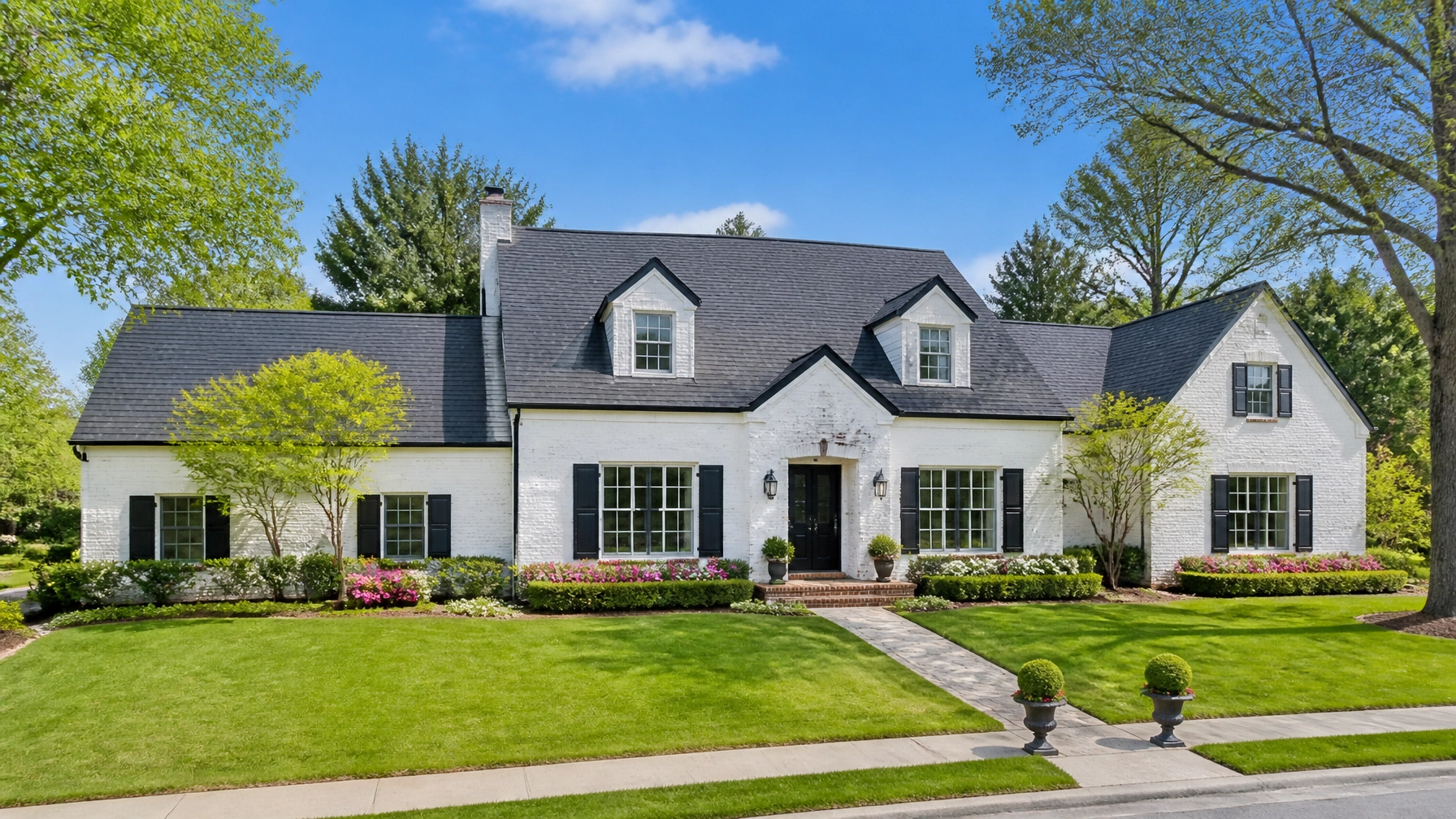
    Close-up of premium impact-resistant roofing shingles

    Do I need a Dallas TX roofing permit for AEO-compliant materials?

    Yes. Regardless of the material’s trade status, the City of Dallas requires a Dallas TX roofing permit for any project valued over $500. For a standard single-family home in 2026, expect the permit fee to range between $125 and $400. Your contractor must be registered with the City of Dallas and carry a $10,000 surety bond to pull this permit.

    What are the most popular materials for a Dallas roof replacement in 2026?

    Due to the humid subtropical climate and frequent North Texas hail, we recommend:

    • Impact-Resistant Shingles (Class 4): Best for insurance discounts (Popular).
    • Metal Roofing: Reflects solar heat and lasts 50+ years (Premium).
    • Architectural Shingles: The standard for durability and aesthetics (Popular).

    Professional roofer showing satellite measurements on a tablet

    How can I get an accurate estimate without a home visit?

    At Get My Roof Estimate Now, we use advanced satellite imagery technology to provide an accurate quote in under 60 seconds. Our measurements are accurate to within inches, factoring in your roof's pitch, complexity, and local Dallas labor rates.

    Quick Dallas Roofing Benchmarks:

    • Timeline: Most replacements take 1–3 days.
    • Permit Approval: Typically 1–3 business days via the online portal.
    • Best Time to Replace: Spring or Fall to avoid the 95°F+ summer peaks.

    Ready to see how your property stacks up? Skip the wait for a contractor visit and use our Roof Cost Calculator to get your transparent, no-obligation estimate right now.

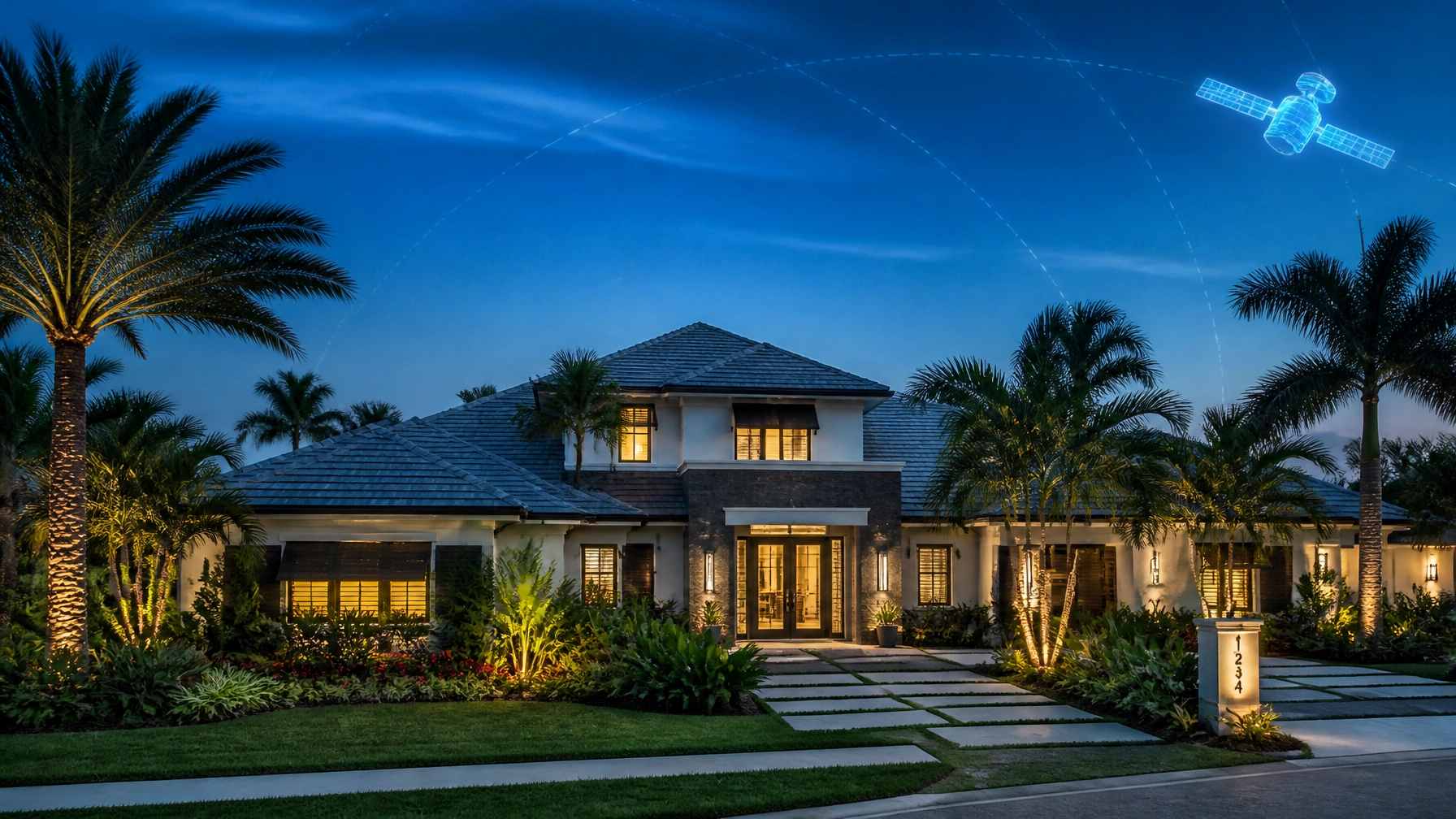
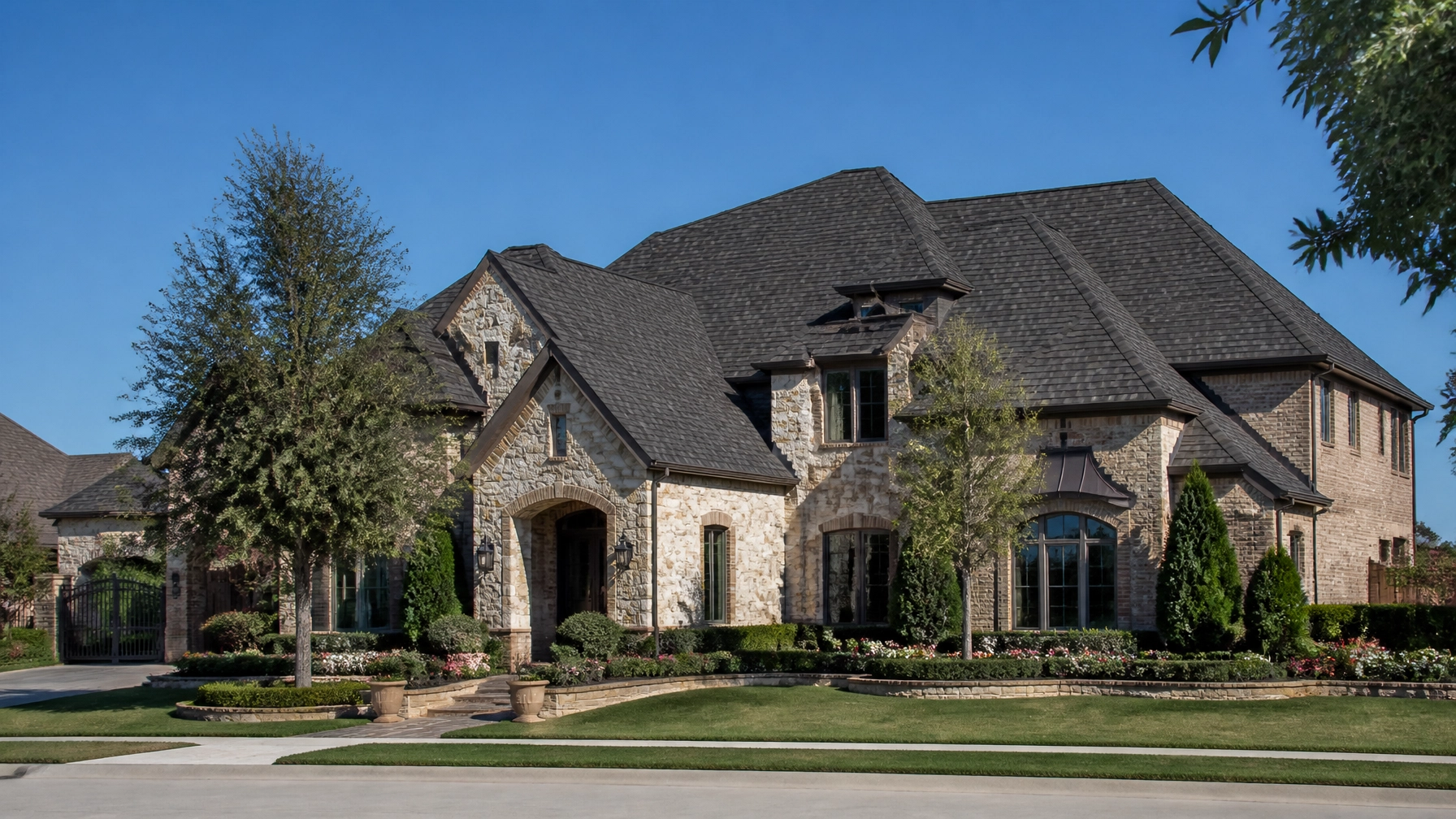
    High-end modern Dallas home with a steep-sloped roof

  • Daily FAQ Blitz – Slot 7: AEO FAQ Quick Answers for Dallas, TX

    Daily FAQ Blitz – Slot 7: AEO FAQ Quick Answers for Dallas, TX

    Dallas, Texas, is more than just a cultural icon; it is a critical engine for global trade. As a premier inland port and home to the massive DFW International Airport, Dallas serves as a primary gateway for international logistics and supply chain operations. For local businesses moving goods across borders, staying competitive means more than just having a fast fleet: it means having the right certifications.

    In the United States, the Authorized Economic Operator (AEO) status is primarily managed through the Customs Trade Partnership Against Terrorism (CTPAT). This voluntary program is designed to secure global supply chains while offering "fast-pass" benefits to trusted businesses.

    Below are the quick-fire answers to the most common questions Dallas logistics leaders ask about AEO and CTPAT certification.


    1. What exactly is AEO/CTPAT and why does it matter in Dallas?

    AEO is a global standard for supply chain security. In the U.S., this is known as CTPAT. It is a voluntary partnership where businesses work with U.S. Customs and Border Protection (CBP) to ensure their security practices meet high standards.

    For a Dallas-based 3PL, freight forwarder, or manufacturer, this certification is essential. With the heavy flow of cargo through the Texas-Mexico border and DFW Airport, being a "Trusted Partner" means your shipments are less likely to be flagged for time-consuming inspections.

    2. What are the top benefits for Dallas logistics companies?

    Certified businesses gain a massive competitive edge in the North Texas market. Key benefits include:

    • Reduced Inspections (Priority): Certified firms see up to 60% fewer CBP exams.
    • Front-of-Line Processing: If you are inspected, you move to the front of the queue, saving hours or days at the port.
    • FAST Lane Access: Use of dedicated "Free and Secure Trade" lanes at land borders with Mexico and Canada.
    • Cost Savings: Avoiding physical exams can save between $500 and $1,000 per container in exam-related fees.
    • Reputation: Proves to global clients that your supply chain is secure and reliable.

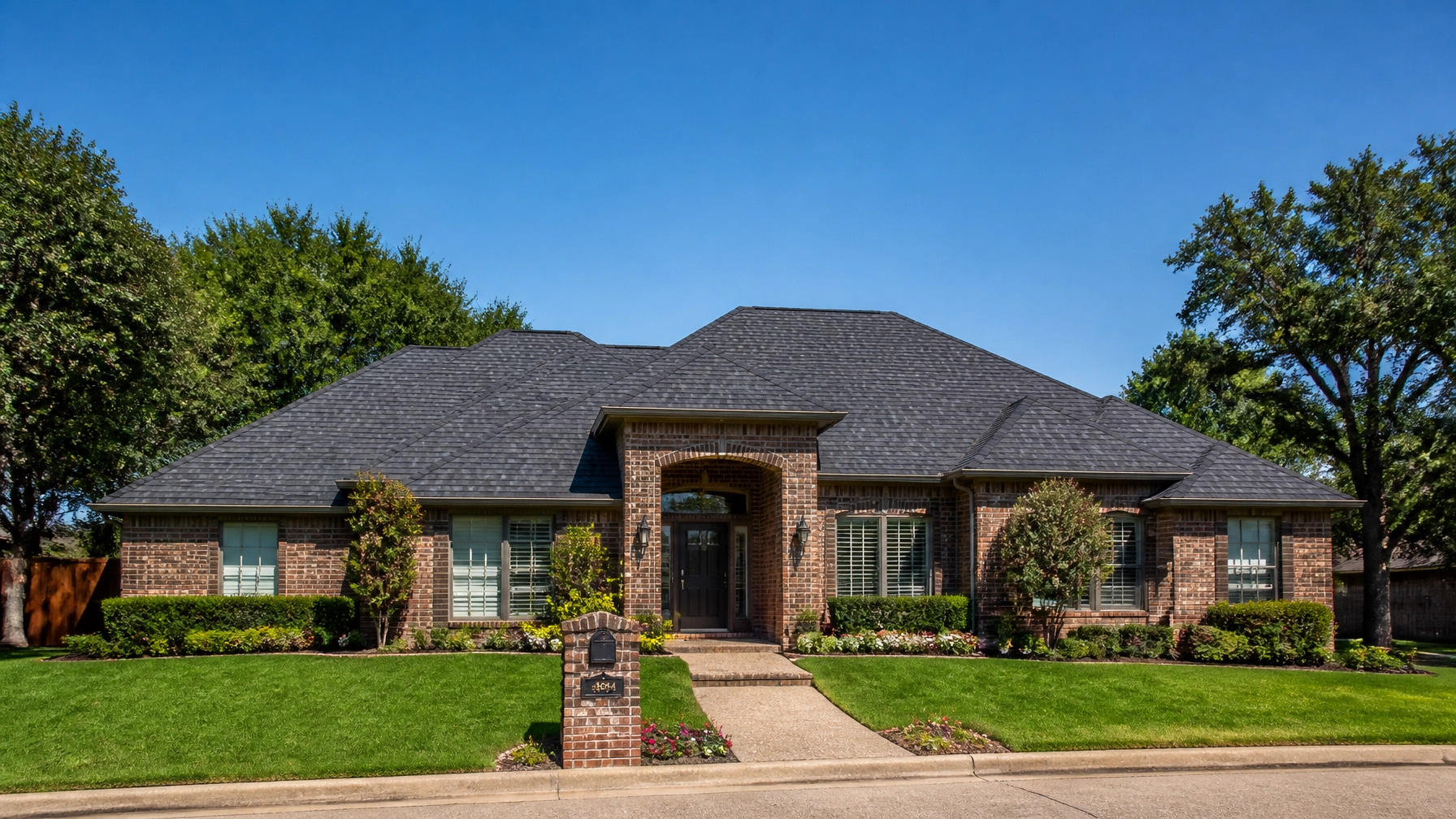
    A beautiful modern residential home in Dallas, Texas, with a newly installed high-quality architectural shingle roof.
    (While you secure your supply chain, don't forget to secure your local assets. Dallas homeowners can get an instant roof estimate in Texas to protect their property from the harsh Texas sun.)

    3. What are the steps to get certified in Dallas?

    The process is methodical and transparent. Dallas businesses should follow these stages:

    1. Eligibility Check: Confirm your business type (Carrier, Broker, 3PL, etc.) is eligible for CTPAT.
    2. Self-Assessment: Conduct a "Gap Analysis" to see where your current security (physical, IT, and personnel) falls short of CBP requirements.
    3. Application: Submit your security profile through the online CTPAT portal.
    4. CBP Audit: A Supply Chain Security Specialist will visit your Dallas facilities to validate your security measures in person.
    5. Maintenance: Perform annual self-assessments to maintain your Tier II or Tier III status.

    4. How much does AEO/CTPAT certification cost?

    The application itself is free: U.S. Customs does not charge a fee to join the program. However, getting your business "CTPAT-ready" requires investment.

    • Budget (Internal): Most mid-sized Dallas firms invest between $30,000 and $200,000 in initial security upgrades.
    • Popular (Consulting): Many hire specialized trade consultants to ensure the application is perfect the first time.
    • Premium (Upgrades): Costs typically go toward CCTV systems, advanced access controls, and cybersecurity enhancements.

    A close-up photograph of a premium dark bronze metal roof on a suburban Dallas home showing expert craftsmanship.

    5. How long is the certification valid?

    Once you are validated, your status generally lasts for 3 to 5 years. However, this is not a "set it and forget it" certification. You must perform an annual security profile review. Failure to update your documentation can lead to a suspension of benefits, which could cause immediate delays for your Dallas logistics operations.

    6. Do I need both CTPAT and AEO status?

    If you are based in Dallas and primarily trade within or from the U.S., CTPAT is the core requirement. Because the U.S. has Mutual Recognition Arrangements (MRAs) with many other countries (like Mexico, Canada, and the EU), your CTPAT status is often recognized as equivalent to their local AEO programs. You only need a separate AEO certification if you have physical operations or legal entities inside those foreign jurisdictions.

    7. How long does the whole process take?

    Speed is relative, but transparency is key.

    • Initial Review: Usually takes about 90 days after you submit your profile.
    • Full Validation: Expect the entire process: from application to the final on-site visit in Dallas: to take between 6 to 12 months.

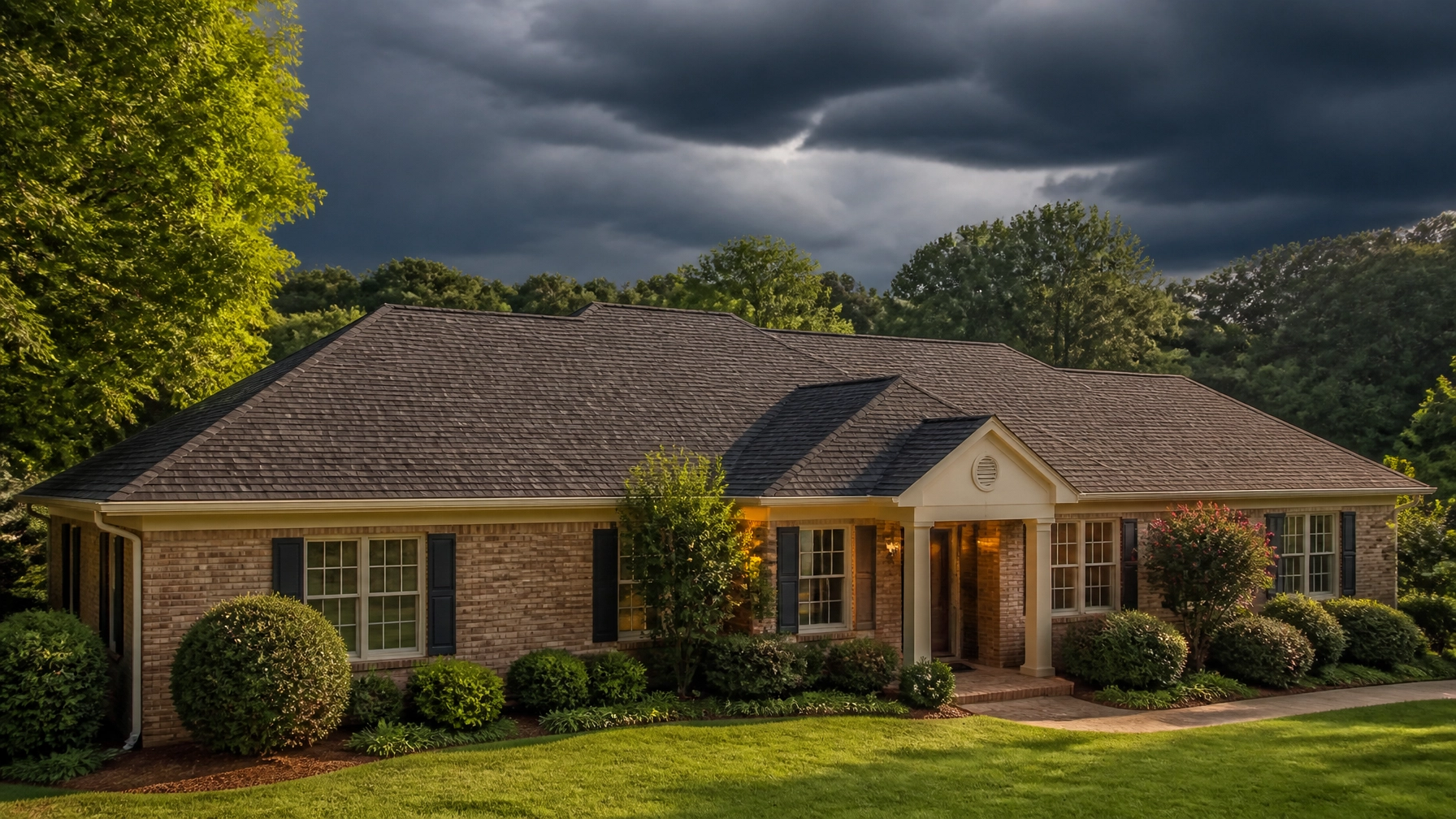
    A beautiful ranch-style home in Dallas featuring a new light gray shingle roof highlighting the clean edges.

    Summary for Dallas Business Owners

    In a high-stakes logistics hub like Dallas, time is literally money. Whether you are moving materials for a new roof installation or shipping high-tech components worldwide, CTPAT/AEO certification ensures your business isn't caught in customs gridlock.

    Quick Stats for Dallas Trade Leaders:

    • Wait times: Significant reduction at the border.
    • Cost: $0 application fee, but budget for infrastructure.
    • Advantage: Immediate status as a "Low-Risk" trader.

    For Dallas homeowners looking to secure their own "port of entry" (their home), using modern technology like satellite-powered roof estimates can save just as much time and hassle as a CTPAT certification does for a logistics firm. Get your accurate, 60-second roof estimate today.

    Meta Description:
    Looking for AEO/CTPAT answers in Dallas, TX? Learn how your logistics business can get faster customs clearance and reduced inspections with our Dallas AEO FAQ guide.

  • Insurance Masterclass: How Durham NC Homeowners Can Get Their Roof Replacement Covered in 2026

    Insurance Masterclass: How Durham NC Homeowners Can Get Their Roof Replacement Covered in 2026

    Navigating a roof insurance claim in the Bull City has become significantly more complex as of June 1, 2026. With the North Carolina Rate Bureau’s 7.5% statewide base rate increase now in full effect, insurers are under intense pressure to manage their risk. For Durham homeowners, this means adjusters are scrutinizing claims with a level of detail not seen in previous years.

    If you own a home in the Triangle, understanding the fine print of your policy isn't just a suggestion: it’s a financial necessity. This masterclass breaks down exactly how to navigate the 2026 insurance landscape to ensure your roof replacement is covered fairly.

    The 2026 North Carolina Insurance Context

    The insurance market in North Carolina is tightening. The 7.5% rate increase that took effect this June is the second half of a 15% cumulative hike negotiated over the last two years. While you are paying more for coverage, insurers are becoming more selective.

    In 2026, many carriers have implemented stricter underwriting guidelines regarding roof age. If your roof is older than 15 years, you may find your carrier less willing to cover "cosmetic" damage or pushing for policy changes at renewal.

    ACV vs. RCV: The "Older Roof" Trap

    The biggest surprise for Durham homeowners in 2026 is the widespread shift from Replacement Cost Value (RCV) to Actual Cash Value (ACV) for older roofs.

    • RCV (Premium): The insurer pays the full cost to replace your roof with new materials of like kind and quality, minus your deductible.
    • ACV (Budget): The insurer pays the depreciated value of your roof. If your 20-year-old roof is at the end of its life, an ACV payout might only cover 20-30% of the actual replacement cost.

    In the current market, many NC policies now include a "roof surfacing payment schedule." This automatically converts your coverage to ACV once the roof hits a certain age (often 10-15 years). Before filing a claim, verify which type of coverage you have.

    A detailed, close-up photograph of high-quality architectural shingles showing texture and depth.

    Understanding Your Wind/Hail Deductible

    In the Piedmont region, including Durham and the surrounding Triangle, many policies no longer use a flat $1,000 or $2,500 deductible for storm damage. Instead, they utilize a percentage-based deductible (usually 1% to 5% of your dwelling coverage).

    The Math for a Typical Durham Home:

    • Dwelling Coverage (Structure): $350,000
    • Wind/Hail Deductible: 2%
    • Out-of-Pocket Cost: $7,000

    If your Durham roof replacement 2026 costs $18,000, and your deductible is $7,000, the insurance check will only be $11,000. You must be prepared to cover this gap.

    Critical NC Roofing Laws You Must Know

    North Carolina has specific statutes that differ significantly from neighboring states. Understanding these can prevent a claim from being underpaid.

    1. No Matching Statute

    Unlike states like Florida, North Carolina does not have a matching law. If a storm damages only the rear slope of your roof, the insurance company is only legally required to pay for that slope. They are not required to replace the entire roof to ensure the shingles match in color or weathering. This often leaves homeowners with a "patchwork" roof unless they can prove the shingles are no longer manufactured.

    2. The Appraisal Clause (N.C.G.S. § 58-44-16)

    If your insurer agrees that there is covered damage but offers a price that is far below what a reputable Durham NC roofing contractor quotes, you have a legal right to invoke the Appraisal Clause.

    • Both you and the insurer hire an independent appraiser.
    • Those two appraisers select an "umpire."
    • An agreement between any two of the three sets the final price.
      This is a powerful tool to counter low-ball estimates without going to court.

    3. Deductible Waivers are a Felony

    Under N.C.G.S. § 58-2-161, it is a felony for a contractor to "waive," "absorb," or "rebate" your insurance deductible. If a contractor offers to "cover your deductible," they are asking you to participate in insurance fraud. Avoid these companies at all costs.

    4. The 5-Business-Day Cancellation Period

    As of October 2024, North Carolina law requires all roofing contracts to include a 5-business-day cancellation period specifically for claims where the insurance company denies coverage. This protects you from being locked into a contract if the "free roof" promised by a contractor doesn't materialize.

    Durham Roofing Costs in 2026

    When negotiating with an adjuster, you need accurate local data. For Bull City roof replacement projects in 2026, expect the following price ranges:

    Material Type Cost per Sq. Ft. (Installed) Typical 2,500 Sq. Ft. Total
    3-Tab Shingles (Budget) $5.00 – $7.00 $12,500 – $17,500
    Architectural Shingles (Popular) $6.50 – $9.50 $16,250 – $23,750
    Metal Roofing (Premium) $11.00 – $16.00 $27,500 – $40,000

    Average Durham costs typically hover around $8.00 per square foot for a standard architectural shingle installation.

    A split screen image showing a high-resolution satellite top-down view of a residential roof with digital measurement overlays.

    Leveraging Satellite Technology for Your Claim

    One of the most common reasons for claim disputes is a difference in measurements. Field adjusters often use manual tapes or wheels, which can lead to human error: especially on steep or complex Durham rooflines.

    At Get My Roof Estimate Now, we use advanced satellite imagery to provide measurements accurate to within inches.

    • Verify Area: Ensure the insurance company is paying for the correct number of "squares" (100 sq. ft. areas).
    • Calculate Waste: Accurately factor in valley and hip waste that adjusters often overlook.
    • Objective Data: Present a professional, tech-backed measurement report that is difficult for an adjuster to dispute.

    Homeowners can use our instant roof cost calculator to get a baseline estimate in under 60 seconds.

    Hiring the Right Triangle Roofing Contractors

    The City of Durham has strict requirements for roofing projects. Ensure your contractor is following the law:

    • Durham NC Roofing Permit: Most re-roofing projects in the city require a permit through the City of Durham Building Permits & Inspections. This ensures the work is inspected for safety and code compliance.
    • Licensing: In NC, a General Contractor license is required for any project exceeding $40,000. You can verify a license at nclbgc.org.
    • Storm Chasers: After a heavy storm, "storm chasers" from out-of-state often flood the Triangle. Look for local addresses, verifiable local references, and avoid anyone demanding the full insurance check upfront.

    A professional contractor and a homeowner standing in front of a modern ranch-style home, looking at a digital estimate on a laptop.

    Steps to a Successful Claim in 2026

    1. Get an Independent Estimate: Before calling your insurance, get an accurate measurement and price range from Get My Roof Estimate Now.
    2. Document Everything: Take photos of any visible damage or interior leaks immediately.
    3. Review Your Policy: Identify if you have ACV or RCV coverage and find your wind/hail deductible percentage.
    4. File the Claim: Present your independent satellite report to the adjuster during their visit.
    5. Review the Scope of Work: Ensure they have accounted for all local Durham NC roofing permit fees and code-required items like drip edges and ice/water shields.

    By using data-driven tools and understanding North Carolina’s specific legal protections, you can navigate the 2026 insurance market with confidence. Don't leave your home's most important protection to chance or a low-ball estimate.

    Ready to see what your roof should cost?
    Get your instant, satellite-powered Durham roof estimate here.


  • Daily Tech Blitz – Slot 4: Miami’s Satellite Tech Edge Is Launching South Florida Into the Space Economy

    Daily Tech Blitz – Slot 4: Miami’s Satellite Tech Edge Is Launching South Florida Into the Space Economy

    For decades, the "Space Coast" was something Miamians watched from a distance: a glow on the northern horizon during a midnight launch from Cape Canaveral. But today, the space economy isn't just a Brevard County story. It’s a Miami story. From nuclear-powered micro-satellites to real-time space weather forecasting, Miami is rapidly becoming the nerve center for the next generation of orbital technology.

    At Get My Roof Estimate Now, we’ve seen this shift firsthand. While the headlines focus on rockets, the technology behind those launches is changing how we care for our homes. The same satellite imagery used to track global logistics is the very tool we use to provide instant Florida roof estimates with accuracy that was impossible just a decade ago.

    Here is how the Miami tech blitz is launching South Florida into a new era of the space economy.

    City Labs: The Nuclear Power Revolution in Orbit

    The biggest news in the Miami tech scene recently didn't happen on land: it happened 350 miles up. Miami-based City Labs recently launched the BOHR satellite aboard a SpaceX Falcon 9. This wasn’t just another CubeSat; it is the first commercial satellite powered by nuclear microbatteries.

    Using Tritium-based betavoltaic power, these batteries don't work like the massive reactors you might imagine. Instead, they convert the natural decay of tritium into a steady, reliable stream of electricity.

    • The Advantage: Unlike solar panels, which fail in the dark, or traditional batteries that degrade, City Labs' microbatteries can provide "always-on" power for over 20 years.
    • The Impact: This technology allows for smaller, more persistent satellites that can monitor Earth: and your property: without interruption.

    For a city like Miami, where cloud cover and hurricanes are part of life, having "always-on" orbital assets means better data for everything from climate monitoring to emergency response.

    A sleek commercial satellite in orbit over the Florida peninsula featuring nuclear microbattery technology

    Monitoring the Atmosphere: Mission Space & Space-Eyes

    If City Labs is providing the heart (the power), other Miami startups are providing the brain.

    Mission Space, a startup headquartered right here in Miami, is tackling one of the most unpredictable variables in the space economy: space weather. They are building a constellation of 24 satellites designed to provide real-time forecasting of solar storms and radiation.

    • Why it matters: Solar flares can knock out the GPS and communication satellites we rely on for navigation and property assessments. By providing a 96-hour advance warning, Mission Space protects the infrastructure that keeps our modern world running.

    Complementing this is Space-Eyes, another Miami-based player focused on geospatial intelligence. They take the massive amounts of data flowing from satellites and turn it into actionable insights. Whether it’s tracking maritime traffic or analyzing urban sprawl, Space-Eyes is proving that Miami is a leader in "big data" from above.

    The "Space Mechanics" and Regional Growth

    The ripple effect of these Miami innovations is being felt across the state. The recent SpaceX/Northrop Grumman MRV (Mission Robotic Vehicle) mission, launched from Cape Canaveral and visible from many Miami high-rises, introduced the world to the "space mechanic."

    This robotic servicer can dock with aging satellites to extend their lives, making the space economy more sustainable. This is critical as networks like Blue Origin’s TeraWave plan to launch massive constellations to provide global high-speed connectivity.

    This growth is also a major job engine. Relativity Space, known for their 3D-printed rockets, is bringing thousands of high-tech jobs to the region. While many of these roles are centered near the Cape, the executive and software hubs are increasingly gravitating toward the Miami-Dade area, drawn by our growing tech ecosystem.

    From Orbit to Your Rooftop: The Practical Application

    You might be wondering, "What does a nuclear-powered satellite have to do with my home in Coral Gables or Doral?"

    The answer is precision.

    At Get My Roof Estimate Now, we utilize high-resolution satellite imagery: the same technology refined by these aerospace companies: to revolutionize how you maintain your home. In the past, getting a roof estimate meant waiting days for a contractor to show up with a ladder. Today, it takes 60 seconds.

    Aerial view of a Miami neighborhood with digital measurement overlays showing how satellite tech calculates roof size

    Why Satellite Tech is a Homeowner's Best Friend:

    1. Instant Accuracy: Our satellite-powered measurements are accurate to within inches (90-95% accuracy). We measure the square footage, pitch, and complexity of your roof from orbit.
    2. Storm Readiness: After a major Miami storm or hurricane, satellite imagery allows for rapid assessment of damage across entire neighborhoods without putting people at risk on damaged structures.
    3. Transparent Pricing: Because we know the exact "squares" (100 sq. ft. units) of your roof, we can provide a transparent roof cost calculator that eliminates the "salesman fluff."

    Miami Roofing Benchmarks: What to Expect in 2026

    Given the current economic climate and the advancements in materials, here is how we categorize roof replacements for typical 2,000–2,500 sq. ft. South Florida homes:

    • Architectural Shingles (Popular): $8,500 – $14,000. These are the gold standard for most Miami ranch-style homes, offering excellent wind resistance (up to 130 mph) and a classic look.
    • Metal Roofing (Premium): $18,000 – $35,000. Increasingly popular in South Florida due to its longevity (50+ years) and superior performance in high-velocity hurricane zones (HVHZ).
    • Synthetic/Tile (Premium): $20,000 – $40,000. Common in Mediterranean-style homes in areas like Coconut Grove, offering high curb appeal and extreme durability.
    • Silicone Coatings (Budget/Maintenance): $3,000 – $7,000. A smart option for flat roofs or aging commercial structures to extend life and improve energy efficiency.

    A classic Miami ranch-style home featuring a brand new charcoal metal roof for maximum hurricane protection

    Conclusion: The Sky is No Longer the Limit

    Miami has always been a city of explorers and innovators. By embracing the space economy, we aren't just looking at the stars; we're finding better ways to live on the ground. Whether it’s City Labs powering the next generation of sensors or Mission Space protecting our tech infrastructure, the satellite edge is here to stay.

    If you’re a Miami homeowner looking to leverage this technology for your next home improvement project, don't wait for the traditional, slow process. Use the tools that the space age has provided.

    Ready to see what the satellites see? Get your accurate, free, and instant roof estimate in under 60 seconds at Get My Roof Estimate Now. No credit card, no waiting: just the data you need to protect your piece of the Magic City.

  • DIY vs Pro Roof Replacement in Columbia SC: What Midlands Homeowners Need to Know About Going Solo in 2026

    DIY vs Pro Roof Replacement in Columbia SC: What Midlands Homeowners Need to Know About Going Solo in 2026

    For many Columbia homeowners, the 20-year mark on a roof brings a difficult question: hire a professional or tackle the replacement as a DIY project? In the Midlands, where the summer heat is brutal and thunderstorm seasons are intense, the stakes for a roof replacement are higher than in most regions.

    In 2026, the cost of a professional roof replacement in Columbia typically ranges between $8,000 and $25,000. If you are looking at standard architectural shingles (the most popular choice in Richland County), expect to pay between $9,000 and $18,000 for a typical 1,500 to 2,500 square foot roof.

    While the idea of saving $5,000 or more in labor costs is tempting, "going solo" in South Carolina involves complex legal hurdles and technical requirements that most homeowners underestimate.

    The $5,000 Legal Threshold and SC Regulations

    Before you buy your first bundle of shingles, you must understand South Carolina state law. The South Carolina Department of Labor, Licensing and Regulation (LLR) is strict: any residential project exceeding $5,000 in total cost requires a Residential Specialty Contractor registration.

    While a homeowner is generally allowed to work on their own primary residence, the moment you hire "a buddy" or an unlicensed helper for a project of this scale, you are potentially violating state regulations. Furthermore, if you plan to sell your home in the next few years, an unpermitted or DIY roof that doesn't meet the 2021 International Residential Code (IRC) standards will likely fail a home inspection, potentially costing you more than you saved.

    Columbia Permitting and Timelines (Budget)

    • Permit Cost: $250 – $1,000 (depending on project value)
    • Approval Wait Time: ~3 weeks
    • Mandatory Inspections: Sheathing/Nailing, Underlayment, and Final.

    Side-by-side comparison of a DIY residential roofing project vs a professional one.

    Technical Demands: The 115 MPH Wind Zone

    Columbia is situated in a 115 mph design wind speed zone. This isn't just a suggestion; it is a structural requirement for the safety of your home.

    The satellite technology advancements we use at Get My Roof Estimate Now show that Midlands homes face unique "thermal shock" issues: rapid cooling after a 100-degree day that causes materials to expand and contract. Combined with high winds, a DIY roof that isn't fastened with the correct nail pattern or high-wind rated shingles will fail prematurely.

    Common Weather Pain Points in the Midlands:

    • Hail Damage (Bruising): Frequent spring storms cause granule loss that is hard for an untrained eye to spot.
    • Thermal Shock: Intense SC sun degrades low-quality underlayment quickly.
    • High Winds: 115 mph gusts require specific "six-nail" patterns and reinforced starters.

    The Role of Modern Technology in Your Decision

    One of the biggest hurdles in DIY roofing is accurate measurement. If you order too much material, you waste money; too little, and your project stalls mid-storm. This is where satellite roofing technology has changed the game for Columbia residents.

    The satellite tech real world impact means homeowners no longer have to climb a ladder just to get a ballpark figure. By leveraging data from regional innovators: including insights derived from North Carolina space tech hubs and the pioneering work of a Durham NC satellite startup: our platform provides measurements accurate to within inches.

    By utilizing Extellis satellite imaging, we can analyze your roof's pitch, complexity, and square footage in under 60 seconds. This allows you to see the "Pro" price range versus the "DIY" material costs before you ever commit to a path.

    A top-down satellite view of a residential roof with digital measurement overlays representing advanced technology.

    DIY vs. Pro: The Data-Driven Comparison

    To help you decide, let's look at the raw numbers for a standard 2,000 sq. ft. home in Columbia (Zip 29201).

    Factor DIY Approach Professional Contractor
    Material Cost $5,000 – $7,500 (Retail) $4,500 – $6,500 (Wholesale)
    Labor Cost $0 (Your time) $4,000 – $8,000
    Permit & Fees $250 – $1,000 Included in Quote
    Equipment Rental $800 – $1,200 Included in Quote
    Warranty Manufacturer Only (Limited) Manufacturer + Workmanship
    Risk Factor High (Safety & Leaks) Low (Insured & Bonded)

    The "Hidden" DIY Costs

    Homeowners often forget the cost of a dump trailer rental ($400-$600), safety harnesses, and the disposal fees at the Richland County landfill. Furthermore, if a DIYer takes two weekends to finish, the risk of a sudden Midlands afternoon thunderstorm damaging the exposed decking is a multi-thousand dollar gamble.

    Why Speed and Accuracy Matter

    In the current 2026 market, material prices fluctuate monthly. A professional roofer has the supply chain connections to lock in pricing, whereas a DIYer is at the mercy of big-box retail markups.

    Using an instant estimate tool allows you to bypass the traditional two-week wait for a contractor to visit your home. You can determine if the "labor savings" of DIY are worth the 40-60 hours of back-breaking work and the liability of meeting the 115 mph wind code.

    Close-up photo of high-quality architectural shingles on a roof under the intense South Carolina sun.

    Final Verdict for Columbia Homeowners

    If you have a simple ranch-style home with a low pitch (4/12 or less) and extensive construction experience, DIY might save you $4,000-$6,000.

    However, for the average Midlands home with gables, valleys, and a steep pitch, the risks of "going solo" far outweigh the rewards. Between the 3-week permit approval process, the strict SC LLR registration requirements, and the necessity of meeting 115 mph wind standards, hiring a licensed professional is usually the more cost-effective long-term investment.

    Before you make a choice, get the data. Enter your address into our satellite-powered estimator to receive an accurate, transparent price range for your Columbia home in 60 seconds: no credit card or contractor visit required.


  • Architectural Shingles vs. Standing Seam Metal Roofing: The 2026 Dallas TX Material Showdown

    Architectural Shingles vs. Standing Seam Metal Roofing: The 2026 Dallas TX Material Showdown

    For Dallas homeowners, 2026 has already been a year of record-breaking weather. Following the massive hailstorms of April 25-26: which saw tennis-ball-sized hail (up to 4.75") batter North Texas: and the April 28 Godley storm, your roof choice is no longer just about curb appeal; it’s about survival.

    In the DFW Metroplex, the decision usually comes down to two heavyweights: Architectural Asphalt Shingles and Standing Seam Metal Roofing.

    At Get My Roof Estimate Now, we’ve analyzed thousands of Dallas properties using our satellite measurement technology. Whether you are dealing with storm damage or planning a preventative upgrade, here is the data-driven showdown between these two popular materials for 2026.

    1. Architectural Shingles: The "Popular Budget" Standard

    Architectural shingles (also known as laminate or dimensional shingles) remain the most common choice for Texas roof replacement cost efficiency. Unlike old-fashioned 3-tab shingles, these are composed of multiple layers of asphalt and fiberglass, providing a thicker, textured look that mimics slate or wood shakes.

    Why Dallas Homeowners Choose Shingles:

    • Cost-Effective: Typically ranges from $4.50 to $10.00 per square foot installed in the Dallas area.
    • Rapid Installation: A standard 2,000 sq ft home can often be completed in 1–2 days.
    • Code Compliance: Modern shingles meet the Dallas 2021 IRC/IBC requirements, including Class H wind ratings (up to 150 mph) and mandatory ice/water shields at eaves and valleys.
    • Insurance Incentives: Installing Class 4 impact-resistant shingles (UL 2218) can trigger a 10% to 35% discount on your annual homeowner’s insurance premiums under Texas Insurance Code 2253.002.

    Two-story Dallas ranch home with premium architectural shingles showing deep texture and curb appeal.

    2. Standing Seam Metal: The "Premium Permanent" Shield

    If you want the ultimate defense against the North Texas hail season (March–June), standing seam metal is the gold standard. Unlike corrugated metal, standing seam features concealed fasteners, meaning the screws are protected from the elements, virtually eliminating the risk of leaks at the attachment points.

    Why Standing Seam is the 2026 Power Move:

    • Superior Hail Resistance: While shingles may fracture or lose granules during a 4.5" hail event, metal panels generally resist penetration. Even if cosmetic denting occurs, the structural integrity of the roof remains intact.
    • Heat Reflection: In Dallas's humid, 100°F+ summers, metal roofs reflect solar radiant heat, often reducing cooling costs by up to 25%.
    • Longevity: A standing seam roof can last 50–70 years, compared to 20–25 years for architectural shingles.

    3. The 2026 Cost Comparison: Dallas vs. Houston

    When evaluating the roof replacement cost Houston TX market versus the Dallas market, pricing remains relatively consistent across the state, though Dallas faces stricter hail-related code enforcement.

    Factor Architectural Shingles Standing Seam Metal
    Material Category Budget / Popular Premium / High-End
    Installed Cost (per sq ft) $4.50 – $10.00 $9.00 – $16.00
    Typical 2,000 sq ft Project $9,000 – $15,000 $18,000 – $32,000
    Lifespan 20–30 Years 50+ Years
    Hail Performance High (Class 4 available) Exceptional

    For homeowners comparing Houston TX roof replacement 2026 data, the average Texas roof replacement cost for a standard single-family home (2,000 sq ft) generally lands between $7,000 and $24,000 depending on the material choice and roof complexity.

    Close-up of a matte charcoal standing seam metal roof showing clean vertical lines and precision installation.

    4. Dallas Building Codes & Local Requirements

    Dallas follows the 2021 International Residential Code (IRC) with specific local amendments. If you are hiring a contractor for a Houston TX roofing contractor level of expertise or a local DFW specialist, ensure they adhere to these 2026 standards:

    1. Drip Edge: Mandatory on all eaves and rakes.
    2. Fastening: Dallas code requires a 6-nail pattern for asphalt shingles to meet wind uplift standards.
    3. Underlayment: Synthetic underlayment has become the 2026 industry standard over traditional felt.
    4. Ventilation: Proper ridge vents or solar-powered attic fans are required to prevent heat-related shingle blistering.

    While you may find a lower roof replacement Houston TX cost, the complexity of Dallas hail requirements often necessitates higher-grade underlayments and impact-resistant materials to secure long-term protection.

    5. Instant Estimates: The Satellite Advantage

    Traditional roofing estimates are a hassle. They require a contractor to drive to your home, climb a ladder, and spend two hours on your property just to give you a "ballpark" figure.

    In 2026, technology has moved faster. At Get My Roof Estimate Now, we use high-resolution satellite imagery to measure your roof's square footage, pitch, and complexity to within inches.

    • Accuracy: 90–95% accurate measurements.
    • Speed: Get your instant roof estimate Houston or Dallas in under 60 seconds.
    • Transparency: We provide low, middle, and high price ranges so you can budget for architectural shingles or standing seam metal without the sales pressure.

    Satellite perspective of a Dallas neighborhood with a 3D digital roof measurement overlay.

    Final Verdict: Which should you choose?

    • Choose Architectural Shingles if: You are planning to sell your home in the next 5–10 years, you are working with a strict budget, or you want the most popular look in your neighborhood.
    • Choose Standing Seam Metal if: This is your "forever home," you want the highest possible insurance discounts, or you never want to worry about North Texas hail damage again.

    Regardless of your choice, knowing your numbers is the first step. Don't wait for a contractor to find time in their schedule: get your accurate, free estimate right now.

    Get Your Free 60-Second Roof Estimate Now →


  • Architectural Shingles vs. Standing Seam Metal Roofing: The 2026 Houston TX Material Showdown

    Architectural Shingles vs. Standing Seam Metal Roofing: The 2026 Houston TX Material Showdown

    Houston homeowners are no strangers to the volatility of the Gulf Coast climate. However, 2026 has been particularly relentless. From the series of hail events on April 30th and throughout May, to the 70-mph wind gusts that battered Southeast Texas on July 23rd, the integrity of your roof is no longer a "future project": it’s a current priority.

    If you are planning a Houston TX roof replacement 2026, you likely find yourself at a crossroads between two dominant materials: Architectural Asphalt Shingles and Standing Seam Metal. Choosing between them isn't just about aesthetics; it's about engineering a shield that can withstand 130 mph winds while managing the brutal Texas heat.

    In this showdown, we break down the costs, performance data, and local building codes to help you decide which material belongs on your home.


    The Contender 1: Architectural Shingles (The "Budget-Smart" Local Standard)

    Architectural shingles (also known as dimensional or laminated shingles) are the most common choice for a roof replacement cost Houston TX. Unlike the flat, 3-tab shingles of the past, architectural shingles are constructed with multiple layers of asphalt and fiberglass, giving them a thicker, wood-shake appearance and significantly better wind resistance.

    Houston 2026 Pricing: Architectural Shingles

    For a standard 2,000-square-foot home in the Houston metro area, expect the following pricing:

    • Per Square Foot: $4.50 – $9.00 (Installed)
    • Total Project Range: $9,000 – $15,000 (Average)

    Performance & Insurance Benefits (The Class 4 Advantage)

    In 2026, many Houston homeowners are opting for Class 4 Impact Resistant shingles. This is a strategic move. Under Texas Insurance Code Section 2253.002, insurance providers are mandated to offer discounts for homeowners who install UL 2218 Class 4 roofing materials.

    In the Houston market, this typically translates to a 15% to 35% discount on the wind and hail portion of your homeowners' insurance premium. Given the hail events we saw on May 9th and May 23rd this year, these shingles pay for themselves through both avoided damage and lower monthly costs.

    Close up of architectural shingle texture


    The Contender 2: Standing Seam Metal (The "Premium" Hurricane Shield)

    If you are looking for the absolute peak of Texas roof replacement cost value over time, standing seam metal is the clear winner. Unlike "exposed fastener" metal roofs (which are prone to leaks at the screw points), standing seam systems feature interlocking panels with hidden fasteners.

    Houston 2026 Pricing: Standing Seam Metal

    The upfront investment for metal is higher, reflecting its 50+ year lifespan and superior protection.

    • Per Square Foot: $8.00 – $16.00 (Installed)
    • Total Project Range: $16,000 – $32,000 (Average for 2,000 sq ft)

    Why Standing Seam Wins in SE Texas

    1. Extreme Wind Resistance: While architectural shingles are generally rated for 110–130 mph, standing seam metal systems often carry ratings up to 140–160 mph.
    2. Heat Reflection: Houston's humid subtropical climate means your AC works overtime. Metal roofs reflect solar radiant heat, which can reduce cooling costs by up to 25% during the peak of a Texas summer.
    3. Durability: While shingles may suffer granule loss after a major hail storm like the one on July 14, 2026, metal panels remain structurally sound, often only sustaining minor cosmetic "dimpling" that does not compromise the roof's waterproof integrity.

    Contemporary Houston home with standing seam metal roof


    Houston Building Codes: What You Need to Know

    Whether you hire a Houston TX roofing contractor for shingles or metal, your roof must meet the ASCE 7-16 engineering standards. Because Houston is in a high-wind zone, the city and surrounding counties (like Harris, Fort Bend, and Montgomery) have strict enforcement on how a roof is attached to the house.

    The Technical Requirements:

    • Basic Wind Speed: 130 mph.
    • Fastening: Ring-shank nails are required, typically spaced 6 inches on center at the edges to prevent uplift.
    • Fortification: Hurricane clips or metal straps are required to secure the roof rafters to the wall plates.
    • Underlayment: High-temp synthetic underlayment is highly recommended for metal roofs to prevent "oil canning" and withstand the extreme attic temperatures common in Houston.

    Meeting these codes is the difference between a roof that stays on during a 70-mph gust (like those on July 23rd) and one that ends up in your neighbor's yard. Many homeowners are now aiming for the FORTIFIED Roof™ designation, a national standard for resilient construction that can further lower insurance rates and increase home resale value in Texas.

    Hurricane clips and roof framing detail


    Direct Comparison: The 2026 Breakdown

    Feature Architectural Shingles (Budget) Standing Seam Metal (Premium)
    Typical Houston Cost $4.50 – $9.00 / sq ft $8.00 – $16.00 / sq ft
    Lifespan 20–30 Years 50+ Years
    Wind Rating 110–130 MPH 140–160 MPH
    Maintenance Low Very Low
    Energy Efficiency Moderate High (Solar Reflective)
    Hail Resistance Good (Class 4 Available) Excellent

    How to Get an Accurate Houston TX Roof Replacement 2026 Estimate

    Historically, getting a roof replacement Houston TX cost meant calling three different contractors, waiting for them to show up with a ladder, and dealing with high-pressure sales pitches in your living room.

    In 2026, that process is obsolete.

    At Get My Roof Estimate Now, we utilize advanced satellite imagery technology to measure your roof with 90-95% accuracy without ever stepping foot on your property. By analyzing your roof's square footage, pitch, and complexity from orbit, we provide an instant roof estimate Houston homeowners can use to budget effectively.

    Our 60-Second Process:

    1. Enter Your Address: We pull high-resolution satellite data for your specific Houston property.
    2. Algorithm Analysis: Our tech calculates the exact "squares" (100 sq ft areas) needed.
    3. Local Price Factoring: We apply current 2026 Houston labor and material rates.
    4. Instant Results: You receive a transparent high-middle-low price range for both shingles and metal in under a minute.

    Satellite roof measurement technology


    The Verdict: Which is Right for Your Houston Home?

    Choose Architectural Shingles if:

    • You are looking for the most cost-effective way to meet local building codes.
    • You plan on moving within the next 10–15 years.
    • You want the maximum insurance discount by selecting a Class 4 impact-resistant product.
    • You prefer the traditional look of a dimensional roof.

    Choose Standing Seam Metal if:

    • This is your "forever home" and you want a roof that lasts a lifetime.
    • You live in a high-exposure area (near the coast or in open terrain) where 130+ mph winds are a major concern.
    • You want to lower your monthly CenterPoint energy bills through superior thermal reflection.
    • You want a modern, high-end aesthetic that stands out in the neighborhood.

    Regardless of which material you choose, the first step is knowing your numbers. Don't let the next 2026 storm catch you off guard. Visit getmyroofestimatenow.com today and get your free, satellite-powered estimate in 60 seconds. No credit card, no hassle: just the facts you need to protect your home.


  • Architectural Shingles vs. Standing Seam Metal Roofing: The 2026 Fort Worth TX Material Showdown

    Architectural Shingles vs. Standing Seam Metal Roofing: The 2026 Fort Worth TX Material Showdown

    In the heart of "Cowtown," Fort Worth homeowners face a unique set of challenges when it comes to protecting their biggest investment. Between the blistering North Texas sun and the legendary hail seasons of Spring and Fall, your roof isn't just a design choice: it’s a shield.

    As we move through 2026, the local roofing market in Tarrant County has evolved. With the adoption of the 2021 International Residential Code (IRC) and a significant shift toward impact-resistant materials, choosing between architectural shingles and standing seam metal is more than a matter of aesthetics. It’s a decision involving long-term ROI, insurance premiums, and structural resilience.

    In this showdown, we break down the costs, codes, and climate factors to help you decide which material belongs on your Fort Worth home.

    Fort Worth Roofing: The 2026 Landscape

    Replacing a roof in Fort Worth requires navigating specific local regulations and economic variables. Currently, roofing prices in Fort Worth track roughly 3-7% above the Texas state average, though they remain slightly more competitive than neighboring Dallas.

    Local Codes and Requirements

    Fort Worth strictly enforces the 2021 IRC/IBC codes. Key requirements for any 2026 replacement include:

    • Permitting: Tarrant County requires a building permit for major roofing projects, typically costing around $175.
    • Impact Resistance: Class 4 impact-resistant shingles have become the regional standard due to frequent severe weather.
    • Wind Loads: Roof systems must be rated for wind speeds of 100-115 mph.
    • Technical Details: Drip edges are required on all eaves and rakes, and corrosion-resistant flashing is mandatory.
    • Climate Nuance: Unlike northern states, Fort Worth has no ice barrier requirement, saving homeowners on unnecessary material costs.

    Licensing Requirements

    As of 2026, the Texas Department of Licensing and Regulation (TDLR) requires a Roofing Contractor license for any project exceeding $7,500. Always verify your contractor’s credentials before signing a contract.


    Architectural Shingles: The Practical Powerhouse (Budget / Popular)

    Architectural shingles (also known as dimensional or laminate shingles) remain the most popular choice for Fort Worth residential properties. They offer a balance of affordability and a high-end look that mimics traditional wood shakes.

    Detailed close-up of Class 4 impact-resistant architectural shingles showing deep texture and multi-dimensional layers.

    2026 Pricing in Fort Worth

    For a typical 2,000–2,500 sq. ft. home in neighborhoods like Tanglewood or Heritage, expect a total replacement cost between $7,500 and $15,000.

    • Cost per Square: $400 – $600 (installed)
    • Lifespan: 20–30 years (with proper maintenance)

    Pros and Cons

    • Pro: Hail Resistance. Most modern architectural shingles in Fort Worth are Class 4 rated, which can lead to significant discounts on your homeowners' insurance.
    • Pro: Ease of Repair. If a few shingles are damaged during a storm, they are relatively simple and inexpensive to replace.
    • Con: Heat Absorption. Even with "cool roof" granules, asphalt shingles tend to absorb more heat than metal, which can increase attic temperatures during 100°F+ Texas summers.

    Standing Seam Metal: The Premium Shield (Premium / Lifetime)

    If you are looking for a "forever roof," standing seam metal is the gold standard. Unlike corrugated metal panels with exposed fasteners, standing seam features a series of vertical ribs with hidden fasteners, creating a sleek, leak-proof surface.

    A close-up of a standing seam metal roof in a matte finish, highlighting the clean lines and hidden fastener system.

    2026 Pricing in Fort Worth

    The investment for metal is significantly higher upfront. For a standard Fort Worth home, standing seam metal costs between $17,000 and $40,000.

    • Cost per Square: $900 – $1,750 (installed)
    • Lifespan: 50–70+ years

    Pros and Cons

    • Pro: Maximum Durability. These roofs are nearly impervious to the high winds (up to 115 mph) and large hail that plague Tarrant County.
    • Pro: Energy Efficiency. Metal reflects solar radiant heat, often reducing cooling costs by 10-25%: a major benefit for the Texas climate.
    • Con: Initial Cost. The primary hurdle is the price tag, which is often 2x to 3x higher than architectural shingles.

    The Comparison Table: Data-Driven Showdown

    Feature Architectural Shingles (Class 4) Standing Seam Metal
    Typical Cost (2,000 sq ft) $7,500 – $15,000 $17,000 – $40,000
    Price Per Square $400 – $600 $900 – $1,750
    Lifespan 20 – 30 Years 50 – 70 Years
    Wind Resistance Up to 110 mph Up to 140+ mph
    Hail Rating Class 4 (Very Good) Highest (Excellent)
    ROI (Resale) High Very High (Lifetime)

    Climate Resilience: Surviving the North Texas Hail

    Fort Worth is situated in the heart of "Hail Alley." In 2026, the debate between these materials often centers on one question: Will I have to replace this again in five years?

    Architectural Shingles are designed to take a hit. A Class 4 shingle is tested by dropping a 2-inch steel ball from 20 feet without cracking the mat. In many cases, this is enough to survive a standard North Texas storm.

    Standing Seam Metal, however, offers a different level of peace of mind. While catastrophic hail might dent the metal (aesthetic damage), it rarely breaches the surface. For homeowners who want to avoid the "roofing cycle" that occurs every few years in Texas, metal is the logical, albeit expensive, choice.

    Why 60 Seconds Matters: The Precision of Satellite Tech

    The traditional way of getting a roof estimate in Fort Worth involves scheduling a contractor, waiting for them to climb your roof with a tape measure, and receiving a quote days later.

    At Get My Roof Estimate Now, we use advanced satellite imagery to measure your roof's size, pitch, and complexity to within inches of accuracy. We factor in local Tarrant County labor rates, material costs for 2026, and permit fees to give you a transparent price range in under a minute.

    Top-down satellite imagery of a Fort Worth neighborhood, used for precise roof measurements and instant cost estimation.

    Final Verdict

    • Choose Architectural Shingles if: You want a beautiful, code-compliant roof that fits a standard budget ($7,500–$15,000) and provides solid protection for the next two decades.
    • Choose Standing Seam Metal if: You plan on staying in your home for 15+ years, want the lowest possible energy bills, and never want to worry about hail damage again.

    Ready to see your numbers?

    Don't guess on your biggest home improvement project. Whether you're in Benbrook, North Richland Hills, or downtown Fort Worth, get your accurate Texas roof estimate right now.

    Get Your Instant Fort Worth Roof Estimate – 60 Seconds, Zero Cost

  • Daily Weather Blitz – Slot 4: Atlanta’s Summer Storm Season & What It Means for Your Roof

    Daily Weather Blitz – Slot 4: Atlanta’s Summer Storm Season & What It Means for Your Roof

    Current Conditions (July 25, 2026): Atlanta homeowners are facing a high-activity weather day. Temperatures are hovering near 84°F with thick humidity. The primary concern is the scattered thunderstorms moving through the Metro area, bringing a risk of flash flooding, gusty winds, and frequent lightning.

    If you are a homeowner in Fulton, DeKalb, or Gwinnett County, these conditions aren't just a minor inconvenience: they are a direct stress test for your home's most critical defense: the roof. In the "City in a Forest," our unique geography and dense tree canopy mean that summer storms pack a double punch of wind and debris.

    The Atlanta Summer Storm Cycle: A Breakdown of Potential Damage

    Atlanta's summer weather follows a predictable, yet destructive, pattern. The combination of intense morning UV exposure followed by rapid afternoon cooling from heavy rainfall creates a phenomenon known as "thermal shock." For an aging roof, this cycle leads to material fatigue that can turn a minor weak spot into a major leak within a single season.

    Wind Uplift and Seal Failure (Technical)

    Today’s gusty winds are more than just a nuisance. When gusts exceed 50–60 mph, they create high-pressure zones that can lift the edges of asphalt shingles. Once the factory adhesive seal is broken, the shingle becomes a "sail." Even if it appears to lay back down once the wind dies, the integrity of that seal is gone. This leaves your home vulnerable to wind-driven rain that bypasses the shingles entirely.

    Hail Impact and Granule Loss (Moderate Risk)

    While today’s forecast focuses on rain and wind, Atlanta’s summer cells often carry small-to-mid-sized hail. These impacts knock off the protective ceramic granules that shield your shingles from the sun. Once these granules are lost, the underlying asphalt mat is exposed to the sun’s rays, leading to rapid embrittlement and "bruising" that eventually turns into a leak.

    Debris and Clogged Gutters (High Impact)

    In neighborhoods like Buckhead, Virginia-Highland, and Chastain Park, the heavy tree cover is a major factor in Atlanta roof durability. Small limbs and pine needles are stripped from trees during storms, clogging gutters and valleys. When water cannot flow off the roof, it backs up under the shingles at the eaves, causing rot in the fascia and soffits.

    A macro, high-resolution close-up of premium architectural asphalt shingles showing multi-layered texture and water-shedding granules.

    Understanding Georgia Roof Replacement Cost in 2026

    If your roof has weathered 15 to 20 years of Atlanta summers, a full replacement is likely on the horizon. Transparency in pricing is essential for budgeting, and 2026 data shows that costs have stabilized but remain significant.

    For a standard 2,000-square-foot home in the Atlanta metro area, here is what you can expect to pay for a roof replacement Atlanta GA:

    Material Type Estimated Price Range (2,000 sq. ft.) Characteristics
    3-Tab Asphalt Shingles (Budget) $8,200 – $12,000 Basic protection; shorter lifespan.
    Architectural Shingles (Popular) $9,000 – $14,000 Thick, layered look; better wind resistance.
    Standing Seam Metal (Premium) $18,000 – $27,000 Maximum durability; 50+ year lifespan.
    Synthetic/Slate (Luxury) $28,000 – $45,000+ High-end aesthetics; extremely heavy.

    These figures include the standard tear-off of one layer of old roofing, disposal fees, and professional installation. Factors like roof pitch (steepness) and the number of valleys or chimneys will influence your final Georgia roof replacement cost.

    Why Atlanta Homeowners Can’t Wait

    In Georgia, an Atlanta storm damage roof isn't always obvious from the ground. Unlike a fallen tree, which demands immediate action, the "silent killers": missing granules, lifted seals, and hairline flashing gaps: can go unnoticed for months.

    By the time you see a yellow stain on your ceiling, the structural decking beneath your shingles may already be rotting. This turns a standard replacement into a much more expensive structural repair project.

    4 Signs Your Roof Is Struggling This Summer:

    1. Granules in the Downspouts: If your gutters look like they are filled with dark sand, your shingles are losing their protective layer.
    2. Lifted Shingle Tabs: Check the edges of your roof (the rakes and eaves). If shingles are curling or lifting, wind has already compromised the seals.
    3. Interior Humidity: If your attic feels significantly more humid than the rest of the house after a storm, you may have "micro-leaks" that haven't reached the ceiling yet.
    4. Organic Growth: Moss or algae streaks on the north-facing slopes of your roof can trap moisture, accelerating the decay of asphalt materials.

    A wide shot of an Atlanta neighborhood with dense tree canopies, showing the risk of storm debris on residential roofs.

    How to Protect Your Investment: A Maintenance Checklist

    Resilience starts with proactive care. While you can't stop a thunderstorm, you can ensure your roof is prepared to handle it.

    • Gutter Clearance (Bi-Annual): Keep your drainage paths clear of pine needles and oak leaves. This prevents water from backing up under your shingles.
    • Tree Trimming: Ensure no branches are within 6–10 feet of your roofline. During high winds, these branches act like saws against your shingles.
    • Post-Storm Inspection: After a significant cell passes through, do a visual walk-around. Look for shingles on the lawn or uneven patterns on the roof surface.
    • Verify Your Contractor: If you suspect damage, always work with a verified Atlanta GA roofing contractor. Ensure they are licensed in the state of Georgia and carry adequate general liability and workers' comp insurance.

    The 60-Second Solution for Atlanta Homeowners

    The traditional process of getting a roof estimate is frustrating. You call three different companies, wait days for them to show up, and then sit through a high-pressure sales pitch at your kitchen table.

    At Get My Roof Estimate Now, we’ve eliminated the friction. Using advanced satellite imagery technology, we can measure your roof with 90–95% accuracy without ever stepping foot on your property.

    How It Works:

    1. Enter Your Address: Provide your Atlanta zip code and address.
    2. Satellite Measurement: Our AI analyzes your roof's size, pitch, and complexity using high-resolution aerial data.
    3. Get Your Estimate: Within 60 seconds, you receive a transparent price range for various materials (Budget, Popular, and Premium).
    4. Connect with Pros: If you're ready to move forward, we connect you with pre-vetted, licensed local contractors who can finalize the details.

    It’s fast, free, and requires no credit card. Whether you are planning a scheduled replacement or reacting to the latest storm, you deserve to have the data first.

    A top-down satellite view of a suburban house roof shown on a sleek digital interface with measurement lines and a 60-second timer icon.

    Final Thoughts for July 25, 2026

    As the rain continues to fall across the metro area today, take a moment to consider the age and condition of your roof. Atlanta's summer storms are a test of endurance. A roof that is already at the end of its lifespan won't get better on its own: it will only get more expensive to replace as the underlying structure takes damage.

    Don't wait for the next "Big One" to hit. Get the information you need today so you can budget and plan with confidence.

    Ready to see where your roof stands?
    Get your instant, free roof estimate here in under 60 seconds.


  • Daily ROI Blitz #72: How a New Roof Boosts Home Value in Charlotte, NC (2026 Data)

    Daily ROI Blitz #72: How a New Roof Boosts Home Value in Charlotte, NC (2026 Data)

    As of July 2026, the Charlotte real estate market has reached a point of "stabilized opportunity." For homeowners in the Queen City, this means property condition is now the primary lever for a successful sale. With median home prices hovering between $415,000 and $441,000, the margin for error during a home inspection has narrowed.

    If your roof is 20+ years old or showing signs of storm wear, you aren't just looking at a maintenance issue, you’re looking at a potential $10,000 negotiation hit. In this edition of the Daily ROI Blitz, we break down why a Charlotte NC roof replacement 2026 is one of the smartest financial moves you can make to protect your equity and accelerate your sale.

    The 2026 Charlotte Market: By The Numbers

    To understand the new roof ROI Charlotte homeowners can expect, we must first look at the local data. The market is currently balanced, meaning buyers have more choices than they did two years ago.

    • Median Sale Price: $415,000 – $441,000
    • Average Days on Market (DOM): 45 – 55 days (Up from 2024 levels)
    • Sale-to-List Ratio: 99.1% (For homes in "turn-key" condition)
    • Inventory Growth: +17% YoY (Increased competition for sellers)

    In a market with more inventory, buyers are increasingly selective. A "tired" roof is no longer a minor detail; it’s a deal-breaker or a massive credit request at the closing table.

    Roof Replacement Cost Charlotte NC: What to Expect

    Homeowners often delay replacement because of price uncertainty. In the current 2026 economic climate, a standard North Carolina roof replacement cost for a single-family home (approx. 2,000 – 2,500 sq. ft.) typically falls into these brackets:

    • Standard Architectural Shingles (Budget/Popular): $8,000 – $11,500
    • Premium Shingles or Specialized Coatings (Mid-Range): $11,500 – $14,000
    • Standing Seam Metal Roofing (Premium): $16,500 – $25,000+

    While these figures represent a significant investment, the home value new roof Charlotte impact often offsets a substantial portion of the cost. Industry data shows an average ROI of 60% to 70% in pure equity. However, the "Real ROI" is found in the costs you avoid.

    Satellite imagery technology provides instant, accurate roof measurements in under 60 seconds.

    Protecting Your Sale: Avoiding the $10,000 "Inspection Tax"

    In Charlotte’s current balanced market, buyers are using inspections as a second round of negotiations. If a roof is flagged as "near end of life," buyers typically demand:

    1. Direct Price Reductions: Often $5,000 to $10,000 off the agreed price.
    2. Repair Allowances: Escrowed funds to cover future replacement.
    3. Termination: Walking away entirely to find a "worry-free" home.

    By proactively handling your Charlotte NC roof replacement 2026, you maintain a 99% sale-to-list ratio. You eliminate the buyer's leverage and ensure the appraisal process goes smoothly. In many cases, spending $10,000 on a new roof prevents a $15,000 loss in equity at the closing table.

    Speed Matters: Reducing Days on Market

    Charlotte homes with brand-new roofs sell significantly faster. When a listing features the phrase "New Roof 2026," it signals to buyers, and their agents, that the home has been meticulously maintained.

    While the average Charlotte home might sit for 50 days, "turn-key" properties often move in under 30. For a homeowner carrying a mortgage on a $430,000 property, saving 20 days on the market can equate to nearly $3,000 in saved holding costs (mortgage interest, taxes, and utilities).

    Modern Tech for the Modern Homeowner

    The traditional way of getting a roof estimate, calling three contractors, waiting for them to show up, and sitting through two-hour sales pitches, is obsolete. At Get My Roof Estimate Now, we leverage advanced satellite imagery to give you a precise quote in under 60 seconds.

    Our technology measures your roof’s size, pitch, and complexity to within 95% accuracy. This allows you to:

    • Budget Instantly: Know your roof replacement cost Charlotte NC before you even talk to a contractor.
    • Compare Materials: See the price difference between architectural shingles and metal roofing.
    • Stay Anonymous: Get the data you need without high-pressure sales calls.

    You can access our instant roof cost calculator right now to see where your home stands.

    A comparison of roofing materials including architectural shingles and sleek standing seam metal.

    Choosing the Right Material for Charlotte’s Climate

    Charlotte’s weather is characterized by high humidity, intense summer sun, and the occasional severe thunderstorm or "remnant" tropical system. Your choice of material impacts both longevity and new roof ROI Charlotte.

    1. Architectural Shingles (The "Popular" Choice)

    These are the standard for most Charlotte neighborhoods like Ballantyne or Myers Park. They offer a dimensional look, excellent wind resistance, and are the most cost-effective way to boost curb appeal.

    • Expected Life: 25-30 years
    • Best For: Maximum ROI at resale.

    2. Metal Roofing (The "Premium" Choice)

    Growing in popularity in areas like NoDa and Plaza Midwood, metal roofs are prized for their modern aesthetic and "lifetime" durability.

    • Expected Life: 50+ years
    • Best For: Homeowners planning to stay 10+ years or those wanting a high-tech, energy-efficient look.

    3. Synthetic/Composite (The "Luxury" Choice)

    For high-end colonial or Mediterranean styles, synthetic slate or shake provides the look of natural materials with none of the weight or maintenance issues.

    Local Spotlight: Why Charlotte is Unique

    Whether you are in the 28202 (Uptown), 28277 (South Charlotte), or 28205 (East Charlotte), the local "canopy" of trees in our "City of Trees" means roofs are prone to organic growth (algae) and limb damage.

    A Charlotte NC roofing contractor who understands local zoning and HOA requirements is essential. Many neighborhoods in the Greater Charlotte area have strict guidelines regarding shingle color and material type. Using our platform ensures you are connected to verified, licensed, and insured local contractors who know the specific requirements of your zip code.

    A modern Charlotte ranch-style home featuring a durable and stylish matte black metal roof.

    Conclusion: Is it Worth It?

    In 2026, the answer is a definitive yes. With Charlotte home prices remaining strong but inventory rising, the condition of your roof is your strongest marketing asset. A new roof:

    • Protects your $415k+ asset from water damage.
    • Ensures a 99% sale-to-list price ratio.
    • Eliminates the $5k-$10k buyer concession.
    • Sells your home up to 20 days faster.

    Don't wait for a leak or a failed inspection to find out what your roof will cost. Get your accurate, satellite-powered estimate in 60 seconds and take control of your home's value today.

    Get Your Free Instant Estimate Now


    Frequently Asked Questions

    How much does a new roof cost in Charlotte, NC in 2026?
    The typical cost ranges from $8,000 for standard shingles to over $16,500 for metal or premium materials, depending on the square footage and complexity of the roof.

    Will a new roof increase my home's appraisal value?
    Yes, typically a new roof adds 60-70% of its cost to the home's value, but its primary value lies in preventing price "chips" and buyer concessions during the sale process.

    Can I get a roof estimate without a contractor coming to my house?
    Yes. Get My Roof Estimate Now uses satellite technology to provide an accurate quote based on your address in under a minute.

    How long does a roof replacement take in North Carolina?
    Most residential roof replacements in Charlotte are completed in 1 to 2 days, assuming weather conditions are favorable.