Category: Uncategorized

  • Daily Tech Blitz – Slot 6: Durham’s Satellite Tech Edge Is Putting North Carolina’s Bull City in Orbit

    Daily Tech Blitz – Slot 6: Durham’s Satellite Tech Edge Is Putting North Carolina’s Bull City in Orbit

    Durham, North Carolina, has long been known as the "Bull City": a place defined by its industrial grit and its transition into a global hub for life sciences and health tech. But as of July 2026, the city is claiming a new territory: low Earth orbit. While the Research Triangle Park (RTP) has always been a magnet for innovation, a new wave of satellite technology startups is proving that Durham’s reach extends far beyond the atmosphere.

    At the forefront of this movement is Extellis, a Duke University spinout that is fundamentally changing how we see our world, literally. By mastering Synthetic Aperture Radar (SAR) technology, Extellis isn't just launching satellites; they are providing the high-resolution, all-weather data that industries like energy, logistics, and residential roofing rely on to operate with surgical precision.

    The Duke Connection: From Lab to Launchpad

    The story of Durham’s space-tech surge begins in the labs of Duke University. Extellis was co-founded by CEO Michael Boyarsky and Professor David Smith, leveraging patented metasurface antenna technology originally developed through DARPA-sponsored research.

    Unlike traditional satellite companies that rely on heavy, power-hungry equipment, Extellis uses advanced metasurfaces to create high-volume SAR imagery. This technology was "de-risked" through rigorous testing before spinning out into the private sector. The result? A satellite platform capable of capturing up to 10,000 images per day per satellite.

    In July 2026, the company reached a major milestone, securing an extension to its seed round led by Shell Ventures. With over $7 million in total funding now behind them, Extellis is preparing for its "pathfinder" orbital mission. This mission will serve as a proof-of-concept, demonstrating that high-frequency, industrial-scale radar imaging is not just possible: it’s the new standard for commercial data.

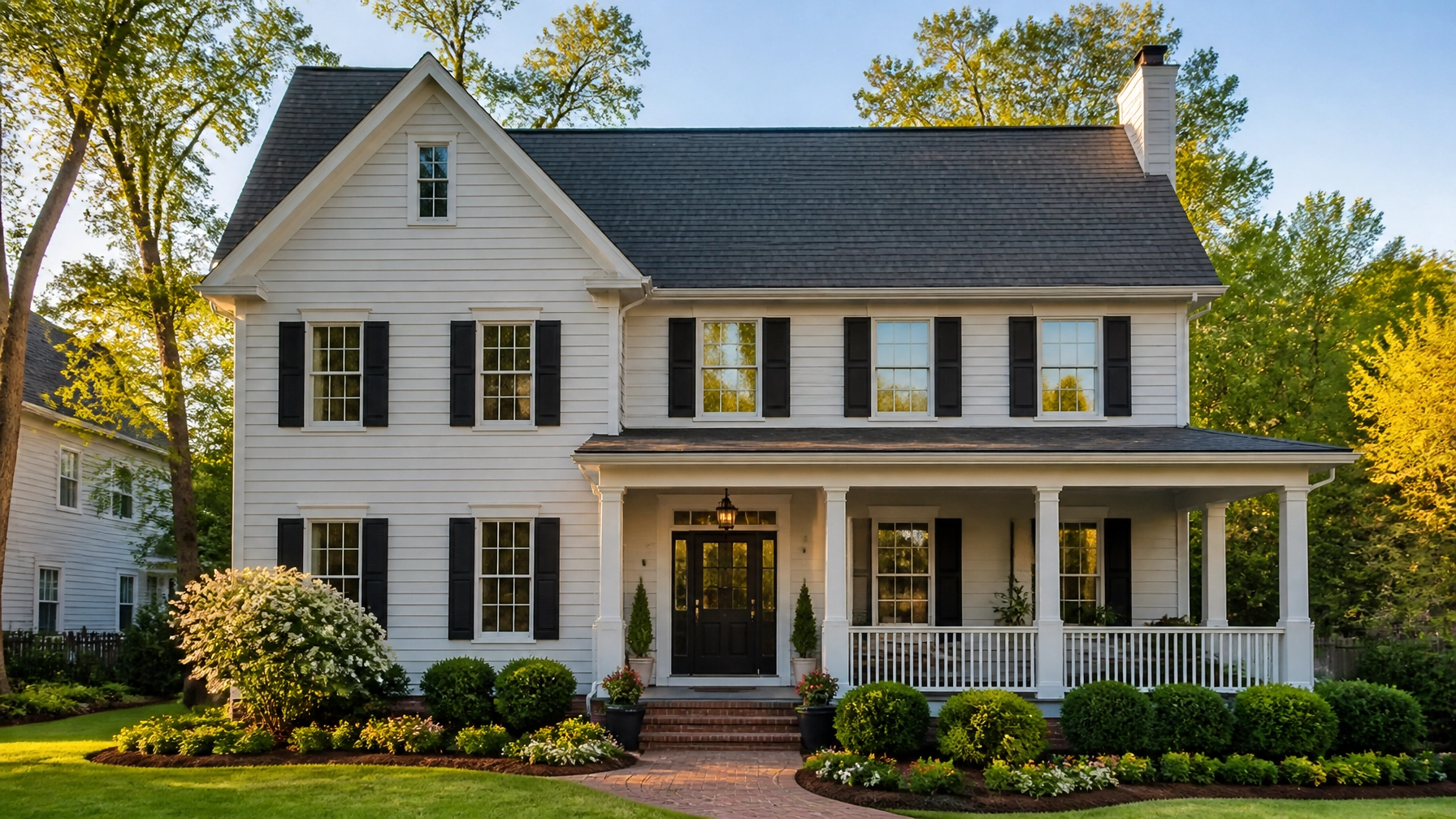
    Modern residential home in Durham, NC with a new architectural shingle roof

    SAR vs. Optical: Seeing Through the Storm

    To understand why this matters for a homeowner in North Carolina or a contractor in Texas, you have to understand the limitation of traditional satellites. Most satellite imagery we see on maps is "optical," meaning it uses visible light. If it’s dark out, the satellite sees nothing. If there’s a cloud, the satellite sees nothing.

    Extellis’s Synthetic Aperture Radar (SAR) changes the game:

    • All-Weather Performance (Reliable): Radar waves penetrate clouds, smoke, and fog. Whether it’s a rainy day in Durham or a humid afternoon in Florida, the data remains clear.
    • 24/7 Monitoring (Consistent): SAR doesn't need the sun. It creates its own "light" via microwave pulses, allowing for crystal-clear imaging at midnight.
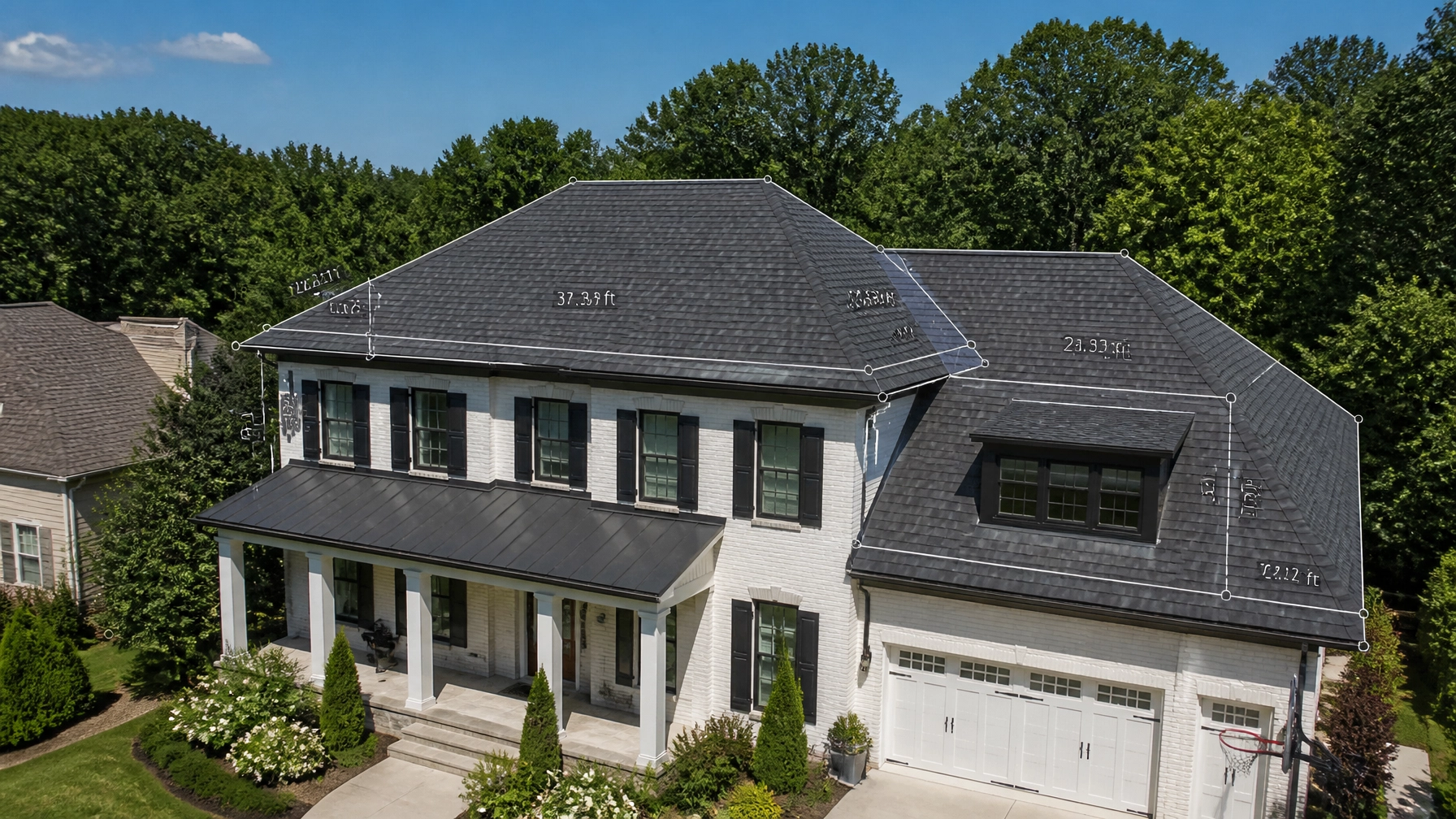
    • Precision Geometry (Accurate): Because it uses radar, SAR is exceptional at measuring elevation and structural changes: the exact data points needed for calculating roof pitch and complexity.

    Visualization of SAR satellite technology scanning a neighborhood through clouds

    From Orbit to Your Rooftop: The Real-World Impact

    You might wonder what a Duke-born satellite startup has to do with your next home improvement project. The answer is accuracy and speed.

    At Get My Roof Estimate Now, we leverage the same satellite-powered logic to provide homeowners with instant, transparent pricing. By using advanced imagery to measure a roof’s "squares" (100 square foot sections), we eliminate the need for a contractor to spend two hours driving to your house and climbing a ladder just to give you a ballpark figure.

    How Satellite Data Benefits the Homeowner:

    1. Instant Estimates (Fast): Our technology uses satellite data to calculate your roof’s size and pitch in under 60 seconds. You can get a roof cost calculator result before your coffee finishes brewing.
    2. 90-95% Accuracy (Reliable): Satellite measurements are now accurate to within inches. This precision allows us to provide a low-middle-high price range based on actual material costs for architectural shingles, metal, or synthetic options.
    3. Post-Storm Triage (Critical): In the wake of North Carolina’s hurricane season, SAR technology allows for rapid damage assessment even when clouds haven't cleared. This helps homeowners start the insurance claim process days faster than traditional methods.
    4. Transparent Budgeting (Budget): Knowing your roof is 28 squares with a 6:12 pitch means you can plan for a $12,000–$18,000 investment with confidence, rather than guessing.

    North Carolina’s Growing Space-Tech Ecosystem

    Durham isn't the only player in the state’s aerospace expansion. North Carolina is home to a robust cluster of satellite services, ground equipment manufacturers, and remote sensing experts.

    • Sierra Nevada Corporation (SNC): Operates a facility in Durham that manufactures precision components for satellites and robotic rovers.
    • Research Triangle Park (RTP): Provides the AI and machine learning infrastructure needed to process the massive amounts of data flowing down from Extellis’s satellites.
    • State Support: Programs like the One North Carolina Small Business Program are actively funding space-related hardware, ensuring the "hardware scene" in the South remains competitive with Silicon Valley.

    This ecosystem creates a "flywheel effect." Better satellite tech leads to better data. Better data leads to more efficient home services. More efficient services lead to lower costs for the average homeowner.

    Close-up of a professional roofing installation in North Carolina

    Conclusion: The Future is Overhead

    The Bull City is no longer just looking at the horizon; it’s looking at the stars. Companies like Extellis are proving that the next generation of industrial breakthroughs will come from a combination of academic excellence and savvy venture investment.

    For the modern homeowner, this "satellite tech edge" means the end of the "waiting game." No more waiting for callbacks. No more waiting for site visits. With the power of orbital data, you can manage your most valuable asset: your home: with the same precision and speed used by global energy giants and tech pioneers.

    Ready to see how satellite technology can simplify your next project? Get your instant roof estimate today and join the tech revolution happening right in your backyard.

  • 2026 Roof Replacement Cost in Durham, NC: What Bull City Homeowners Need to Know

    2026 Roof Replacement Cost in Durham, NC: What Bull City Homeowners Need to Know

    If you own a home in the Bull City, you know that the North Carolina climate is as beautiful as it is demanding. From the humid summers of the Triangle to the unpredictable spring storm seasons, your roof is your first line of defense. As we move into 2026, many Durham homeowners with roofs nearing the 20-year mark are facing the reality of replacement.

    Navigating the costs, local regulations, and new building codes can feel overwhelming. At Get My Roof Estimate Now, we believe in transparency. This guide breaks down exactly what you can expect to pay for a Durham roof replacement 2026, the impact of the latest NC building codes, and how to ensure your investment lasts for decades.

    Current Market: 2026 Durham Roofing Price Breakdown

    Roofing costs have stabilized in 2026, but labor and material quality remain the primary drivers of your total investment. For a standard single-family home in Durham (typically 1,500 to 3,000 square feet), here is how the numbers stack up based on the most popular material choices.

    Architectural Shingles (Popular / Versatile)

    Architectural shingles remain the "gold standard" for Durham neighborhoods like Hope Valley, Trinity Park, and Woodcroft. They offer a balance of aesthetic appeal and durable protection against the Triangle’s high UV exposure.

    • Cost per Square Foot: $8.00 – $10.00 (Installed)
    • Total Project Estimate (1,500 – 2,500 sq. ft.): $10,800 – $18,000
    • Life Expectancy: 25–30 years

    Standing Seam Metal (Premium / Lifetime)

    More Durham homeowners are opting for metal roofing to combat rising energy costs and increase home resale value. While the upfront cost is higher, the longevity is unmatched.

    • Cost per Square Foot: $13.00 – $21.00 (Installed)
    • Total Project Estimate (1,500 – 2,500 sq. ft.): $24,600 – $35,000+
    • Life Expectancy: 50+ years

    Close-up photo of professional roof installation in North Carolina, focusing on high-quality architectural shingles.

    Factors That Influence Your Durham Estimate

    No two roofs in the Bull City are identical. When a Durham NC roofing contractor evaluates your property, they look at several technical variables that can shift your price toward the higher or lower end of the spectrum.

    1. Roof Pitch and Complexity

    The "pitch" refers to the steepness of your roof. A standard ranch-style home in South Durham with a low pitch is significantly easier (and cheaper) to roof than a multi-story Victorian in Old North Durham with steep gables and complex valleys. High-pitch roofs require specialized safety equipment and more labor hours.

    2. Existing Layers and Tear-Off

    Under the North Carolina State Building Code, you are generally allowed a maximum of two layers of shingles. However, in 2026, most reputable Triangle roofing contractors recommend a full tear-off down to the plywood deck. This allows for a full inspection of the structural integrity and ensures your new warranty is fully valid.

    3. Structural Repairs and Decking

    If your roof has suffered from the "mixed-humid" climate of NC, you may have hidden wood rot. Replacing rotted OSB or plywood decking usually adds $85–$120 per sheet to the final bill.

    Navigating the 2024 NC State Building Code

    A significant change for 2026 projects is the 2024 NC State Building Code, which officially became effective in July 2025. This code introduced stricter requirements that every homeowner should be aware of to ensure their roof is "to code" and eligible for insurance coverage.

    • Enhanced Fastening: The new code mandates specific nailing patterns to withstand higher wind speeds, even in inland areas like Durham.
    • Underlayment Standards: Synthetic underlayment has largely replaced traditional felt paper as the minimum standard for moisture protection.
    • Drip Edge Requirements: Proper installation of metal drip edges at all eaves and rakes is now more strictly enforced to prevent water from backing up under the shingles.

    Durham NC Roofing Permit: What You Need to Know

    A common question for Bull City residents is whether they need a permit for a simple roof replacement. In Durham, the rules are generally based on the scope and cost of the project:

    • Projects under $15,000: Typically, if the work is a straightforward "like-for-like" replacement with no structural changes and costs under $15,000, a formal building permit may not be required by the city-county inspections department.
    • Projects over $15,000: Any roofing project exceeding $15,000: or any project involving structural work (replacing rafters, changing roof lines): requires a Durham NC roofing permit.

    Always verify this with your contractor. A licensed professional will handle the permitting process for you, ensuring that a final inspection is performed to validate the work.

    A modern residential home in the Triangle area with a sleek, dark bronze standing seam metal roof.

    The Triangle Climate: Why Ventilation Matters

    Durham sits in a mixed-humid climate zone. This means our roofs face extreme heat and UV rays in the summer, followed by high humidity and the occasional freezing winter storm.

    The Attic Ventilation Crisis

    Without proper attic ventilation, the heat trapped in your attic can reach 150°F+ during a Durham July. This literally "bakes" your shingles from the inside out, causing them to curl and fail years before their time.

    When planning your Bull City roof replacement, ensure your contractor calculates a "balanced" system: meaning an equal amount of intake (soffit vents) and exhaust (ridge vents). This not only protects your shingles but can also lower your Duke Energy cooling bills by up to 15%.

    Hail and Storm Resilience

    The Triangle has seen an uptick in localized hailstorms over the last few years. If you are replacing your roof in 2026, consider Class 4 Impact-Resistant shingles. While they add about 10-15% to the cost, they can often lead to significant discounts on your homeowners' insurance premiums in North Carolina.

    Get an Accurate Estimate in 60 Seconds

    The traditional way of getting a roof estimate: calling three contractors, waiting for them to show up, and sitting through three-hour sales pitches: is a thing of the past.

    At Get My Roof Estimate Now, we use advanced satellite imagery technology to measure your roof with 90-95% accuracy. By analyzing your roof's size, pitch, and complexity from above, we provide you with a transparent, no-obligation price range in under a minute.

    A digital interface showing a 3D satellite model of a suburban house roof in Durham, NC with precise measurements.

    Why Durham homeowners trust our technology:

    • Instant Results: Get your estimate while you're still on our website.
    • Zero Pressure: No contractor visits required just to get a ballpark number.
    • Transparent Ranges: We provide low-middle-high pricing based on current Durham labor rates.
    • Verified Contractors: Once you have your estimate, we can connect you with licensed, insured Triangle roofing contractors to finalize the details.

    Final Checklist for Your 2026 Project

    Before you sign a contract for your Durham roof replacement 2026, run through this expert checklist:

    1. Licensing: Ensure the contractor holds a valid NC General Contractor's license (required for jobs over $30,000, but recommended for all).
    2. Insurance: Verify both General Liability and Workers' Comp insurance.
    3. Local Experience: Have they worked in Durham specifically? Local contractors understand Bull City permitting and code enforcement better than out-of-state "storm chasers."
    4. Written Warranty: Get both the manufacturer's material warranty and the contractor's workmanship warranty in writing.

    Ready to see what your new roof will cost? Don't wait for a contractor to find time in their schedule. Use our Instant Roof Cost Calculator to get your Bull City estimate today.


  • 2026 Roof Replacement Cost in Durham, NC: Bull City Homeowner’s Complete Pricing Guide

    2026 Roof Replacement Cost in Durham, NC: Bull City Homeowner’s Complete Pricing Guide

    Replacing a roof is one of the most significant investments a Durham homeowner will face. In 2026, the landscape of the Triangle roofing market has shifted due to evolving material costs, updated building codes, and the increasing frequency of severe weather events in the Piedmont region. Navigating these variables requires more than just a ballpark figure; it requires a data-driven understanding of the local market.

    Whether you own a classic bungalow in Old West Durham or a modern estate in Hope Valley, understanding the specific costs for a Bull City roof replacement is essential for accurate budgeting. This guide breaks down the current 2026 pricing, material options, and regulatory requirements specific to Durham County.

    2026 Durham Roof Replacement: The Primary Benchmarks

    For most standard residential projects in Durham, homeowners should budget between $8,000 and $20,000. While outliers exist for very small structures or massive custom builds, this range covers the vast majority of single-family homes in the area.

    In 2026, the average cost per square foot in Durham generally falls between $5 and $13. This figure includes labor, materials, waste disposal, and basic warranties.

    Typical Project Pricing by Home Size:

    • Small Home (1,500 sq ft roof): $7,500 – $11,500 (Budget)
    • Average Home (2,200 sq ft roof): $11,000 – $17,000 (Popular)
    • Large Home (3,000+ sq ft roof): $15,000 – $25,000+ (Premium)

    At Get My Roof Estimate Now, we use satellite-powered measurements to provide pricing accurate to within inches, allowing you to bypass the traditional week-long wait for a contractor's visit and get an instant roof estimate in under 60 seconds.

    Material Breakdown: Choosing the Right Protection

    The material you select is the largest variable in your total project cost. In Durham’s mixed-humid climate, durability against high heat and heavy rain is paramount.

    1. Architectural Asphalt Shingles (Popular)

    • Cost: $4.00 – $9.00 per sq ft
    • Best For: Most Durham residences looking for a balance of aesthetics and value.
    • Key Benefit: High wind resistance and a multi-dimensional look that fits most neighborhood aesthetics.

    Macro photo of high-quality architectural asphalt shingles

    2. Metal Roofing (Premium/Durable)

    • Cost: $9.00 – $16.00 per sq ft
    • Best For: Homeowners seeking a 50+ year solution and maximum storm resistance.
    • Key Benefit: Exceptional at shedding heat during Durham’s 95°F+ summers, reducing cooling loads.

    3. Synthetic and Specialty Options (Luxury)

    • Cost: $14.00 – $22.00 per sq ft
    • Best For: Historic homes or modern architectural designs requiring the look of slate or cedar without the maintenance.
    • Key Benefit: Virtually indestructible and environmentally sustainable.

    The "Durham Factor": Local Regulations and Permits

    Understanding the regulatory environment is critical to avoiding project delays or legal complications. Any reputable Durham NC roofing contractor should be familiar with these 2026 standards.

    The $15,000 Permit Threshold

    In Durham County, the requirements for a permit are strictly tied to the project value:

    • Under $15,000: Generally, no building permit is required for a standard "like-for-like" roof replacement.
    • $15,000 and Over: A formal building permit is mandatory.

    Permit Fees and Process

    If your project exceeds the $15,000 mark (common for metal roofs or large homes over 2,500 sq ft), expect the following:

    • Standard Permit Fee: Approximately $157 (Durham County base rate).
    • Complex Projects: For projects over $10,000 that require structural review, a $250 fee plus a $125 plan review fee may apply.
    • Submission: All applications are now managed via the Dplans portal. Ensure your contractor is registered and handles this process for you.

    Bull City Historic District Constraints

    If your home is located in a designated historic district: such as Watts-Hillandale, Trinity Park, or Morehead Hill: you face additional hurdles. You must obtain a Certificate of Appropriateness (COA) before any work begins. The Durham Historic Preservation Commission (HPC) often restricts material choices, sometimes requiring specific shingle colors or prohibiting certain types of metal roofing to maintain the neighborhood's character. Failure to secure a COA can lead to significant fines and the requirement to remove the non-compliant roof.

    Modern ranch-style home in Durham with a matte black metal roof

    Climate Impacts on Durham Roofs

    Durham’s climate is particularly harsh on roofing materials. We experience "thermal cycling": the rapid expansion and contraction of materials as temperatures swing from midday highs to overnight lows.

    1. Extreme Heat: Summer temperatures frequently exceed 95°F. Without proper attic ventilation, shingles can "bake" from the inside out, causing premature granule loss.
    2. Humidity: High humidity levels can lead to blue-green algae growth (those black streaks you see on older roofs). In 2026, we recommend specifying algae-resistant shingles for all Triangle roofing contractors' bids.
    3. Severe Storms: Durham is prone to heavy thunderstorms and occasional hail. Choosing a Class 4 impact-rated shingle can often lower your homeowners' insurance premiums while providing peace of mind.

    Factors That Shift Your Estimate

    When reviewing quotes, remember that two identical-looking houses can have vastly different price tags based on these variables:

    • Roof Pitch (Slope): Steeper roofs require specialized safety equipment and more labor time. A "walkable" roof is significantly cheaper than a "steep" roof.
    • Complexity: Every valley, dormer, and chimney adds labor hours and requires more flashing material.
    • Layers: Removing two or three layers of old shingles (a "tear-off") is more labor-intensive and increases disposal fees compared to a single-layer removal.
    • Decking Integrity: If the underlying plywood (decking) is rotted from previous leaks, expect to pay $80–$120 per sheet for replacement.

    Strategic Planning: When to Hire Your Contractor

    Timing your Durham roof replacement 2026 can save you significant money.

    • Peak Seasons (March–May & September–November): Demand is highest, and prices are firm. Lead times can be 6–10 weeks.
    • Off-Peak (January–February): Many local contractors offer "winter discounts" ranging from 5% to 15% to keep their crews busy during the colder months. If your roof isn't actively leaking, waiting for a winter slot is a smart financial move.

    5 Tips for Durham Homeowners:

    1. Get 3 Written Estimates: Never settle for a single quote. Ensure they are "apples-to-apples" regarding material grade and warranty.
    2. Verify Insurance: Ask for a current Certificate of Insurance (COI) showing both General Liability and Workers' Comp.
    3. Check Wind-Zone Compliance: Durham is in a region where roofs must be installed to resist specific wind speeds. Ensure your contractor follows the 2026 NC Residential Building Code.
    4. Know Your Threshold: If your bid is $14,900, be aware that any change order pushing it over $15,000 will trigger the permit requirement.
    5. Use Technology First: Before inviting three salesmen into your home, use a satellite-based tool to establish your baseline budget.

    The Future of Roofing Estimates: 60-Second Accuracy

    The days of waiting days for a contractor to lean a ladder against your house are over. In 2026, sophisticated satellite imagery allows us to calculate your roof's square footage, pitch, and complexity without ever stepping onto your property.

    At Get My Roof Estimate Now, we provide transparent, middle-high-low price ranges based on local Durham labor rates and current material costs. This puts the power back in the homeowner's hands, allowing you to budget effectively and vet contractors with confidence.

    Homeowner checking a 60-second roof estimate on their smartphone

    Conclusion

    A Durham roof replacement 2026 is a complex project, but it doesn't have to be a mysterious one. By understanding the $15,000 permit threshold, the impact of the local climate, and the variations in material costs, you can protect your home and your wallet.

    Ready to see your price? Don't wait for a scheduled visit. Get your free, satellite-powered roof replacement estimate in under 60 seconds. No credit card required, and no hidden fees.

    Get My Instant Durham Roof Estimate Now

  • DIY vs Pro Roof Replacement in Franklin TN: What Williamson County Homeowners Need to Know About Going Solo in 2026

    DIY vs Pro Roof Replacement in Franklin TN: What Williamson County Homeowners Need to Know About Going Solo in 2026

    For homeowners in Franklin and the broader Williamson County area, the final weeks of July 2026 have been a stark reminder of why a secure roof is the most critical component of your home. On July 21, severe storms tore through the Nashville metro, battering Franklin with 60mph winds and 3/4-inch hail. Nashville recorded a staggering 3.27 inches of rain in a single day, leading to multiple water rescues and widespread power outages.

    As the floodwaters recede, the weather is shifting from one extreme to another. Between July 26 and July 29, Middle Tennessee is braced for a dangerous heat wave, with heat indices projected to hit 100-110°F and dew points nearing record levels.

    If your roof suffered damage or is simply reaching its 20-year limit, you might be weighing the costs of a DIY replacement against hiring a professional crew. In an era where "DIY culture" is peak, it’s tempting to think you can handle a weekend on the gables. However, in a high-stakes market like Franklin, the gap between "getting it done" and "getting it right" is wider than ever.

    The Allure and Reality of DIY in Middle TN

    In 2026, the primary driver for DIY roofing is almost always cost. With regional inflation and the high demand for skilled labor in Williamson County, homeowners are looking for ways to shave thousands off their estimates.

    While the "sweat equity" approach can save you the labor portion of a quote, the reality of DIY roofing in Franklin often results in a "Budget" (Standard) outcome that lacks the "Premium" (Elite) durability required for our climate.

    The physical toll is also immense. Attempting a tear-off and dry-in during a Tennessee summer, where the heat index is hovering at 105°F, isn’t just difficult: it’s medically dangerous. Professional crews are trained for heat acclimation and work in shifts; a solo homeowner risks heat stroke and the very real possibility of leaving their home exposed to a flash afternoon thunderstorm if the work isn't completed within hours.

    A professional roofer installing high-quality architectural shingles with precision and safety gear.

    2026 Cost Breakdown: Franklin and Williamson County

    Understanding the numbers is the first step in deciding whether to pick up a nail gun. Below are the current market rates for 2026 in the Franklin/Nashville area:

    • Architectural Shingles (Popular): $3.50 – $8.50 per square foot. For a typical 2,000 sq. ft. home in Franklin, expect a total project cost of $10,000 – $18,000.
    • Standing Seam Metal (Premium): $8.50 – $22.00 per square foot. These high-end systems for large Williamson County estates typically range from $25,000 – $45,000+.
    • Exposed Fastener Metal (Value): $4.50 – $9.00 per square foot. A durable mid-range option often used for barns, outbuildings, or rural properties.

    When you go the DIY route, you aren't just paying for materials; you’re paying retail prices. Professionals buy at wholesale volume, often offsetting a portion of the labor cost through material savings that the average homeowner cannot access.

    Navigating Legal Requirements: Permits and Licensing

    One of the most complex aspects of a 2026 roof replacement in Middle Tennessee is the legal paperwork. The rules vary significantly depending on exactly where your home is located.

    City of Franklin Jurisdictions

    If you live within the City of Franklin limits, a building permit is required for a full roof replacement.

    • Homeowner Rule: You may pull the permit yourself if it is your primary residence and the project cost is under $25,000.
    • Historic Districts: If your home is in a Franklin Historic District, you must obtain a Certificate of Appropriateness (COA) before any work begins, especially if changing material or color.

    Unincorporated Williamson County

    For those in unincorporated areas (outside city limits), no building permit or inspection is currently required for residential roof replacements. However, the work must still comply with the 2021 International Residential Code (IRC).

    Professional Licensing in Tennessee

    If you choose to hire a pro, Tennessee state law is very specific:

    • $3,000 – $25,000 Projects: Require a Home Improvement License.
    • $25,000+ Projects: Require a State Contractor’s License with a BC-21 (Roofing) classification and a $10,000 bond.

    Hiring an unlicensed "handyman" for a $15,000 roof job is not only illegal but leaves you with no recourse if the roof fails during the next storm cycle.

    A modern Franklin home with a sleek, matte black standing seam metal roof designed to handle thermal expansion.

    Technical Challenges: The Middle Tennessee Climate

    Tennessee's humid subtropical climate presents unique engineering challenges that DIYers often overlook.

    1. Thermal Expansion: Metal roofs in Franklin experience significant "movement" due to the extreme temperature swings between 100°F summer days and below-freezing winter nights. Without proper clips and fasteners, a DIY metal roof will buckle or "oil-can" within the first year.
    2. Wind Requirements: The 2024 IRC wind requirements for Middle Tennessee are strict. If your shingles aren't nailed with the correct pattern and pressure, a 60mph wind gust: like the one we saw on July 21: will peel them back like a banana skin.
    3. Algae and Moss: The high humidity and dew points in Williamson County promote Gloeocapsa Magma (black algae) growth. Professional-grade shingles come with copper-infused granules to prevent these streaks; lower-end "DIY-grade" materials often lack this protection.

    The Verdict: When to DIY and When to Call the Pros

    If you have a small, low-pitch detached garage and extensive construction experience, a DIY approach might save you a few thousand dollars. However, for a primary residence in Franklin: where home values are among the highest in the state: the risk-to-reward ratio for DIY roofing is rarely favorable.

    A professional installation provides:

    • Manufacturer Warranties: Most shingle manufacturers will not honor a 30-year or Lifetime warranty unless the roof was installed by a certified contractor.
    • Speed: A professional crew can tear off and dry-in a roof in 24 hours, minimizing the window of vulnerability to storms.
    • Safety: Roofing is one of the most dangerous trades in the U.S. Professionals use specialized fall-arrest systems and OSHA-compliant scaffolding.

    A Franklin street clearing after a summer storm, highlighting the importance of resilient, professionally installed roofing.

    Get Your Franklin Roof Estimate in 60 Seconds

    The biggest hurdle for most homeowners isn't the work itself: it's the uncertainty of the cost. You shouldn't have to wait days for a contractor to show up with a ladder just to get a ballpark figure.

    At Get My Roof Estimate Now, we use advanced satellite imagery to measure your roof's size, pitch, and complexity with 90-95% accuracy. Whether you are in downtown Franklin, Brentwood, or rural Williamson County, you can receive a transparent, tiered price range (Budget to Premium) in under a minute.

    Don't wait for the next July storm to find out your roof is failing.

    Click here to get your instant, free satellite roof estimate now.


  • Daily Tech Blitz – Slot 7: How Durham’s Extellis Is Rewriting the Rules of Satellite Imaging

    Daily Tech Blitz – Slot 7: How Durham’s Extellis Is Rewriting the Rules of Satellite Imaging

    In the high-stakes world of Earth observation, the bottleneck has never been the distance: it’s been the data. For decades, satellites have been limited by "duty cycles," often operating only a fraction of the time due to power and heat constraints. But in Durham, North Carolina, a startup born out of Duke University is shattering those limits.

    Extellis is moving the needle from hundreds of images per day to thousands, leveraging metamaterial technology that promises to turn high-resolution satellite imagery into a high-volume utility. For homeowners and industries relying on precise property data: like the satellite-powered instant roof estimates we provide: this shift represents a massive leap in accuracy and availability.

    The Metamaterial Breakthrough: SAR at Scale (Industrial-Grade)

    The core of the Extellis mission is Synthetic Aperture Radar (SAR). Unlike traditional optical satellites that are blinded by clouds or darkness, SAR uses microwave wavelengths to "see" through any weather condition, 24/7. However, conventional SAR hardware is heavy, power-hungry, and expensive.

    Extellis founders Dr. Michael Boyarsky and Dr. David Smith have introduced a paradigm shift: metamaterial-based antennas. These metasurfaces allow for horizon-to-horizon electronic beam steering using a lightweight, planar architecture.

    The result? A satellite that doesn't just take pictures: it harvests data at an industrial scale.

    • Legacy Systems: Typically capture hundreds of images per day.
    • Extellis Metasurfaces: Engineered to capture up to 10,000 images per day per satellite.
    • Efficiency (Thermal): Drastically reduced heat and power constraints allow the sensors to stay "on" longer.

    Close-up of a complex, patterned metamaterial surface used for satellite antennas, showing intricate circuit structures.

    From Duke Labs to $7M+ in Capital (Funding)

    The pedigree of Extellis is rooted in the "Research Triangle" excellence. Dr. David R. Smith, a Duke professor whose lab pioneered the underlying technology, and CEO Michael Boyarsky have successfully bridged the gap between academic theory and commercial viability.

    With over $7M in funding, including recent backing from Shell Ventures and a significant $2.3M from DARPA, the market has clearly signaled its need for this specific innovation.

    In a recent industry briefing, CEO Michael Boyarsky highlighted the driving force behind their rapid growth:

    "For me, it speaks volumes about the market appetite… to know that there is a major customer company that clearly has huge needs for satellite imaging and is unsatisfied with today's offerings, or looking for more."

    This "appetite" is driven by a global need for real-time monitoring of infrastructure, climate change impact, and property assets.

    The Durham Hub: Why Local Innovation Matters (Regional Impact)

    Durham, NC, is becoming a powerhouse for aerospace and hardware tech. Extellis’ presence in the city reinforces the local ecosystem's ability to support deep-tech ventures. As of July 2026, the company is aggressively moving toward its first orbital demonstration.

    The roadmap is clear:

    1. Validation: Testing on high-altitude aircraft to prove beam-steering accuracy.
    2. Deployment: A 2026 orbital demo to validate the metasurface performance in the vacuum of space.
    3. Scaling: Launching a constellation capable of covering the entire Earth at 1-meter resolution in under a year.

    A beautiful modern ranch-style home in Durham, North Carolina featuring a new charcoal grey architectural shingle roof.

    Broader Satellite Tech Trends in 2026 (Forward-Looking)

    Extellis isn't operating in a vacuum. The entire satellite sector is undergoing a software-defined revolution. Several key trends are converging to make space-based data more accessible than ever:

    • AI and Edge Computing: Satellites are no longer "dumb" cameras. They are becoming orbiting data centers. Companies like Planet are now launching satellites equipped with Nvidia GPUs to process imagery in-orbit, sending only the most relevant insights back to Earth.
    • Direct-to-Device (D2D) Connectivity: We are seeing a massive push toward connecting standard smartphones directly to satellites. This ensures that even in remote areas of North Carolina or storm-damaged zones in Florida, homeowners remain connected.
    • Optical Communications: Laser-based inter-satellite links are becoming the backbone of the "space internet," allowing for lightning-fast data transfer between constellations without relying on ground stations.
    • Software-Defined Infrastructure: The ability to reconfigure a satellite’s mission via software updates after launch is significantly extending the lifespan and utility of multi-million dollar assets.

    How This Rewrites the Rules for Homeowners (Practical Value)

    You might wonder: What does a SAR satellite have to do with my roof?

    The answer is certainty. At Get My Roof Estimate Now, we utilize satellite-powered measurements to provide accurate roof replacement costs within 60 seconds.

    When technology like Extellis’ metasurfaces becomes the standard, the benefits to the homeowner are immediate:

    • Higher Frequency Monitoring (Update Speed): Instead of relying on satellite maps that might be 2 years old, we get access to imagery that is days or even hours old.
    • Disaster Response (Reliability): After a major storm in Virginia or Texas, SAR satellites can see through the cloud cover to assess roof damage immediately, long before a contractor can safely get a drone in the air.
    • Granular Precision (Accuracy): Increased imaging volume means better training data for the AI models that calculate your roof's pitch, size, and complexity.

    A digital visualization of a neighborhood with high-tech overlays showing precise roof measurements and pitch data.

    The Bottom Line: Technology You Can Trust

    The "Daily Tech Blitz" isn't just about flashy gadgets; it’s about how advanced engineering solves real-world problems. Extellis is proving that Durham is at the forefront of this change. By reducing the cost and increasing the volume of satellite imagery, they are paving the way for a more transparent, data-driven world.

    Whether you are a tech enthusiast or a homeowner looking to budget for a new roof, the advancements in satellite imaging mean more speed, more accuracy, and zero guesswork.

    Ready to see satellite tech in action?
    Skip the contractor visit and the wait time. Use our technology to get an instant, free estimate based on your home's unique footprint.

    Get My Instant Roof Estimate Now →

  • Daily FAQ Blitz – Slot 1: AEO FAQ Quick Answers for Durham, NC Homeowners (2026)

    Daily FAQ Blitz – Slot 1: AEO FAQ Quick Answers for Durham, NC Homeowners (2026)

    Navigating the roofing market in the Bull City has become increasingly complex in 2026. Between the surge in storm activity across the Triangle and updated North Carolina building codes, homeowners need fast, accurate answers to protect their biggest investment. This "FAQ Blitz" provides the essential data points for Durham NC roofing contractors, permitting, and regional costs to help you move from "damaged" to "done" in record time.

    1. How much does a roof replacement cost in Durham, NC in 2026?

    Roofing costs in the Durham-Raleigh-Chapel Hill area are currently driven by a mix of high labor demand and stabilizing material prices. For a standard 2,000-square-foot residential home, your budget should fall within these high-level ranges:

    • Architectural Shingles (Popular/Standard): $9,000 – $17,250. This is the go-to choice for most Durham neighborhoods like Hope Valley or Woodcroft.
    • Standing Seam Metal (Premium/Durable): $22,000 – $40,000. Homeowners are increasingly choosing metal for its 50-year lifespan and superior performance against North Carolina's summer heat.
    • Designer/Synthetic Slate (Luxury): $35,000+. Often seen in luxury custom builds in the northern parts of Durham County.

    The "Bull City" average for a full reroof typically hovers around $13,500. Factors affecting your specific price include your roof's pitch (steepness), the number of layers to be removed, and whether any structural decking needs replacement after the recent July 2026 storm events.

    2. Do I need a permit for a roof replacement in Durham?

    The short answer: It depends on the project value.

    Under North Carolina state law and Durham City-County Building & Safety regulations in 2026:

    • Projects Under $15,000 (Budget): If your replacement is purely cosmetic (shingles only), non-structural, and costs less than $15,000, a permit is generally NOT required.
    • Projects Over $15,000 (Major): Any residential roofing project exceeding $15,000 requires a formal building permit.
    • Structural Work (Safety): If your roofer is replacing more than just shingles: such as rafters or significant portions of the plywood decking: you MUST have a permit regardless of the cost.

    Expect permit fees to range from $75 to $375 depending on the total valuation of the work. Your Triangle roofing contractors should handle this filing for you, but as the homeowner, you are ultimately responsible for ensuring the work is legal.

    Professional roofing contractor installing architectural shingles in Durham

    3. How does living in a Durham Historic District affect my roof replacement?

    If you own a home in a designated historic district: such as Trinity Park, Old North Durham, Watts-Hillandale, or Morehead Hill: you face stricter regulations. Before any work begins, you must obtain a Certificate of Appropriateness (COA) from the Durham Historic Preservation Commission.

    The key requirements for historic roofs in 2026 include:

    • Material Match: Replacement materials must match the original in form, size, color, and texture.
    • Prohibited Changes: You generally cannot switch from wood shakes to modern architectural shingles without explicit approval.
    • Review Timeline: COA applications can take 30–60 days for approval. Factor this into your timeline if you have active leaks.

    Failure to obtain a COA can result in hefty fines and a requirement to remove the new roof and redo it with approved materials.

    4. What is the best roofing material for the Durham/Triangle climate?

    Durham’s climate is "mixed-humid," characterized by blistering 90°F+ summers and punishing freeze-thaw cycles in the winter.

    • Top Choice: Architectural Shingles (Value). They are engineered to handle the high humidity of the Piedmont region and offer a high wind rating for the thunderstorms that frequently roll through the Triangle.
    • Modern Upgrade: Metal Roofing (Efficiency). With Durham's rising energy costs, metal roofs are a top-tier choice for 2026. They reflect solar heat, significantly lowering cooling bills during the humid July and August months.
    • Sustainability Note: Many homeowners are now opting for "cool roof" shingles that meet Energy Star ratings to qualify for potential federal tax credits.

    5. How do I know if my Bull City home has storm damage from the July 2026 hailstorms?

    The summer of 2026 has been particularly active, with a major hail event on July 18 affecting over 5,000 properties in the Durham region. Smaller, severe cells also struck between July 21 and July 24.

    Signs of damage to look for:

    • Granule Loss: Check your gutters. If they are filled with "sand" or "rocks," your shingles have lost their protective layer.
    • Bruising: Dents on the shingles that feel soft to the touch (like a bruise on an apple).
    • Metal Dents: Look at your mailbox, siding, or roof vents. If they are dented, your roof likely took a hit too.

    If you suspect damage, do not wait. Insurance companies in North Carolina often have strict windows (typically 12–24 months) for filing storm-related claims. An instant roof estimate can give you a baseline for these repairs before you even call your adjuster.

    Close-up of hail damage on a residential asphalt shingle roof

    6. What are the licensing requirements for Durham NC roofing contractors?

    In North Carolina, the rules are clear:

    • Projects over $30,000: Any contractor performing work valued at more than $30,000 must hold a valid North Carolina General Contractor license.
    • General Liability & Workers' Comp: Never hire a crew that cannot produce current certificates of insurance. Without these, you could be liable for injuries that occur on your property.

    Always verify a contractor's status through the NC Licensing Board for General Contractors. In the wake of the 2026 storms, "storm chasers" from out-of-state often flood the Triangle. Stick with verified, local professionals who know the specific quirks of Durham's building codes.

    7. How long does a typical roof replacement take in the Triangle area?

    Efficiency is the hallmark of a professional Durham NC roofing contractor.

    • Standard Ranch/Colonial: 1–2 days.
    • Complex/Large Homes: 3–5 days.
    • Historic/Metal Projects: 1–2 weeks due to custom fabrication and meticulous installation requirements.

    The most time-consuming part isn't the installation: it's the scheduling. In 2026, top-rated contractors in the Triangle are often booked 4–8 weeks out.

    Modern Durham home featuring a durable standing seam metal roof

    Ready to skip the wait?

    You don't need to wait for a contractor to drive to your house just to get a ballpark figure. Whether you're in Downtown Durham, Southpoint, or North Durham, we provide a 60-second instant roof estimate using precision satellite imagery.

    Get your free Durham roof estimate now!

    Our technology measures your roof's size, pitch, and complexity with 95% accuracy, giving you the transparent pricing you need to plan your project today. No credit card, no hassle: just the data you need for your Bull City home.


  • Houston Storm Chaser Alert 2026: 5 Red Flags That Reveal an Unlicensed Roofer After the July Hail

    Houston Storm Chaser Alert 2026: 5 Red Flags That Reveal an Unlicensed Roofer After the July Hail

    Houston just endured one of the most concentrated hail cycles in recent history. Between July 3rd and July 23rd, 2026, no fewer than nine major storm events pummeled the Greater Houston area. From the massive stones that hit Jersey Village and Katy on July 7th to the persistent storms in Sugar Land, Pearland, and Missouri City during the final week of the month, thousands of roofs have sustained significant impact damage.

    When the hail stops, the "storm chasers" begin their descent. Because Texas remains one of the few states without a mandatory state-level roofing license, homeowners are uniquely vulnerable to low-quality contractors. While the City of Houston provides a voluntary registration program, many out-of-state "fly-by-night" operations ignore it entirely.

    Before you sign a contract for your Texas roof replacement, watch for these five critical red flags that indicate you are dealing with an unlicensed or unqualified contractor.

    1. Failure to Produce Houston Voluntary Registration & $500K GL Insurance

    Since Texas does not license roofers at the state level, the City of Houston’s voluntary registration is your primary shield. A professional contractor should proactively provide their registration number.

    More importantly, check their General Liability (GL) insurance. To be registered in Houston, a contractor must carry at least $500,000 in GL insurance. If a contractor cannot produce a current certificate of insurance or if their coverage is below this threshold, they are not meeting the city's standards. In the event of a deck collapse or property damage during the install, you: the homeowner: could be held liable for injuries or repairs.

    2. Absence of Manufacturer Certifications (The "Elite" Standard)

    Any roofer can buy shingles, but only the top 2-3% of contractors are certified by the manufacturers themselves. After a major storm event, many "tailgate" roofers arrive with generic supplies and no credentials.

    Look for these three "Big Three" certifications:

    • GAF Master Elite: (Premium) The highest tier of GAF certification, requiring high credit scores and years of experience.
    • Owens Corning Platinum Preferred: (Premium) Indicates a contractor who has met strict standards for professionalism and reliability.
    • CertainTeed Select ShingleMaster: (Premium) Ensures the contractor is fully bonded and insured with advanced training.

    Without these certifications, you cannot access the highest-level "lifetime" or "no-leak" warranties. If a roofer claims they can't offer an enhanced manufacturer warranty, they aren't certified.

    Close-up of high-quality architectural shingles showing dimensional texture and granules

    3. Pricing That Defies 2026 Market Realities

    In 2026, material and labor costs in the Gulf Coast region have stabilized at a specific benchmark. If a quote seems "too good to be true," it usually is. Conversely, storm chasers often inflate prices to maximize insurance payouts.

    For a standard Houston home in Katy or Sugar Land, expect these 2026 pricing benchmarks:

    • Architectural Shingles (Popular): $3.50 – $9.00 per square foot.
    • Standing Seam Metal (Premium): $8.00 – $16.00 per square foot.

    If a contractor quotes you $2.00 per square foot for architectural shingles, they are likely cutting corners on underlayment, flashing, or labor. Using an instant roof cost calculator before talking to a contractor gives you the data needed to spot these outliers immediately.

    4. Aggressive Door-Knocking and Contingency Contracts

    If a contractor shows up at your door in Missouri City or Pearland without an invitation, be on high alert. Many storm chasers use "contingency contracts": documents that commit you to using their services before your insurance company has even approved the claim.

    Legislative Update (HB 3344):
    Effective September 1, 2026, Texas House Bill 3344 will implement stricter regulations regarding roofing contracts signed during a declared disaster. While this law is a step forward, it won't fully protect you from current July storm damage scams. Never sign a document that grants a contractor the "right" to negotiate with your insurance carrier unless you have thoroughly vetted their local reputation.

    Modern residential home with a sleek bronze standing seam metal roof

    5. The "No Office" Ghost (Lack of Local Physical Presence)

    Storm chasers operate out of trucks and hotel rooms. They follow the hail from state to state. Ask for a local Houston address. If their office is a P.O. Box or a residential home in another state, you will have zero recourse if your roof starts leaking six months from now.

    A reputable Houston roofer will have:

    • A physical office or warehouse in the Greater Houston area.
    • Local crews who understand Gulf Coast wind requirements (often 110-130 mph).
    • A "713," "281," or "832" area code that isn't a recently redirected VOIP number.

    2026 Houston Roofing Material Comparison

    When replacing a storm-damaged roof, choosing the right material is as critical as choosing the right contractor.

    Material Type 2026 Est. Price/Sq Ft Best For Lifespan
    Architectural Shingles $3.50 – $9.00 Budget-conscious homeowners 20-30 Years
    Standing Seam Metal $8.00 – $16.00 Maximum durability/Solar prep 50+ Years
    Synthetic/Composite $10.00 – $18.00 Luxury aesthetics (Slate/Shake look) 50 Years
    Cool Roof Coatings $2.50 – $5.00 Flat/Low-slope commercial/residential 10-15 Years

    Protect Yourself with Data, Not Sales Pitches

    You don't need a contractor on your roof to know what the job should cost. In fact, inviting an unvetted roofer onto your home after a storm often leads to "manufactured" damage or high-pressure sales tactics.

    Homeowner using a smartphone to view an instant satellite-powered roof estimate

    At Get My Roof Estimate Now, we use advanced satellite imagery to measure your roof's size, pitch, and complexity with 95% accuracy. Within 60 seconds, you receive a comprehensive pricing report based on real-time 2026 Houston labor and material costs.

    Don't let a storm chaser dictate your budget. Get the facts first, then choose from our network of verified, licensed, and local Houston contractors who meet the $500K insurance and registration requirements.

    Get Your Instant 60-Second Houston Roof Estimate Here

  • How Satellite Tech Is Changing Everything : From Durham Startups to Your Roof

    How Satellite Tech Is Changing Everything : From Durham Startups to Your Roof

    The skyline of Durham, North Carolina, has long been defined by its historic tobacco warehouses and the Gothic spires of Duke University. But today, the most significant developments in the Research Triangle aren't happening on the ground: they are happening 300 miles up in Low Earth Orbit (LEO).

    Satellite technology is no longer just for global positioning or military intelligence. It has officially arrived on your driveway. From Duke-born startups securing millions in funding to the very tool you use to price out your next home improvement project, orbital technology is reshaping the North Carolina housing market.

    At Get My Roof Estimate Now, we’ve integrated this "space-to-shingle" pipeline to provide homeowners with instant, accurate data. But to understand why your next roof estimate is faster than a trip to the grocery store, you have to look at the massive tech shift happening right here in Durham.

    The Extellis Breakthrough: Durham’s New Eye in the Sky

    Just yesterday, on July 23, 2026, the local tech scene reached a new milestone. Extellis, a high-growth startup born out of Duke University’s engineering labs, confirmed it has secured over $7 million in funding (Seed Round Extension). With backing from industry heavyweights like Shell Ventures and Oval Park Capital, Extellis is preparing for its "Pathfinder" mission.

    What makes this Durham startup unique? They aren't just taking pictures; they are perfecting Synthetic Aperture Radar (SAR) using metamaterial antennas (Advanced Tech). Unlike traditional satellite cameras that need sunlight and clear skies, SAR can "see" through heavy North Carolina humidity, thick cloud cover, and total darkness.

    For homeowners, this means data is becoming "all-weather." When a storm rolls through the Triangle, the next generation of satellites won't have to wait for the clouds to clear to assess regional damage. This tech is moving toward a world where a satellite can capture up to 10,000 high-resolution images a day, providing real-time snapshots of every roof in the zip code.

    The "Satellite Edge" in Your Backyard

    While Extellis builds the hardware, the practical impact is already hitting North Carolina property owners. If you live in Raleigh, Durham, or Chapel Hill, your roof is likely already being monitored from space.

    1. Insurance Transparency and Regulation

    North Carolina regulators have recently taken a firm stand on how this tech is used. According to the NC Department of Insurance Bulletin 25-B-09, insurance companies are now restricted from using satellite or drone imagery as the sole reason for cancelling a policy.

    Insurers must now:

    • Provide a "precise reason" for nonrenewal based on the imagery (Transparency).
    • Allow homeowners a meaningful chance to dispute the findings (Fairness).
    • Verify aerial data with physical inspections if the imagery is ambiguous or outdated (Accuracy).

    This regulation is a win for homeowners. It prevents "algorithmic cancellations" while still allowing for the legitimate use of tech to identify high-risk areas before a disaster strikes.

    2. Instant Roofing Estimates

    This is where the tech becomes a tool for the consumer. At Get My Roof Estimate Now, we utilize high-resolution satellite imagery to bypass the traditional, slow process of contractor visits.

    Instead of waiting days for a local roofer to bring a ladder to your house, our roof cost calculator uses satellite measurements (90-95% Accuracy) to calculate your roof's "squares," pitch, and complexity in under 60 seconds.

    Close-up of high-quality architectural shingles showing texture and durability

    Beyond Durham: The 2026 Global Satellite Blitz

    The innovation we see in the Triangle is part of a broader "Satellite Tech Edge" occurring this summer. Two major milestones in July 2026 have pushed the boundaries of what these machines can do:

    • NASA’s Gemma 3 Integration: NASA has successfully deployed the Gemma 3 vision-language model (AI-Powered) on the YAM-9 satellite. This allows satellites to not only take photos but to "understand" them. A satellite can now identify specific types of roof damage or structural anomalies and send back a text summary rather than a massive data file.
    • Northrop Grumman’s Robotic Servicing: This month, Northrop Grumman launched its latest robotic servicing satellite. Its mission? To dock with aging satellites and extend their life. This "orbital repair shop" ensures that the satellite networks we rely on for home estimates and weather tracking stay functional for decades, reducing space debris and costs for everyone.

    Why Satellite Measurements Beat the Tape Measure

    For the average homeowner in Durham or Raleigh, "metamaterials" and "robotic servicing" might sound like science fiction. But the results are very grounded. Here is why satellite-powered estimates are the new standard for the industry:

    Feature Traditional Estimate Satellite Estimate (Get My Roof Estimate Now)
    Wait Time 3–7 Days < 60 Seconds
    Accuracy Subjective / Human Error Inches-Accurate (90-95%)
    Cost Free (but requires a sales pitch) $0 (No credit card required)
    Safety Requires someone on your roof Zero-contact / Remote
    Convenience Must be home for the visit 100% Online

    A top-down satellite view of a Raleigh neighborhood with digital measurement overlays

    Understanding the Factors

    When we use satellite tech to measure your home, we factor in several technical variables:

    • The "Square": Roofs are measured in 10×10 foot areas. A typical 2,500 sq. ft. home in Durham usually has a roof between 25 and 35 "squares" depending on the pitch.
    • The Pitch (Steepness): Satellites calculate the angle of your roof. Steeper roofs require more safety equipment and labor, which our tool factors into the final price range.
    • Waste Factor: We automatically calculate the extra 10-15% of material needed for hips, valleys, and ridges (Waste).

    Material Matters: What the Tech Sees

    The "eye in the sky" also helps categorize what kind of replacement you need. Whether you are looking for a Budget option or a Premium lifetime solution, the satellite data helps us match the right materials to your home’s architecture.

    1. Architectural Shingles (Popular): The most common choice in North Carolina. They offer a great balance of durability (30+ years) and cost.
    2. Metal Roofing (Premium): Increasingly popular in the rural areas surrounding the Triangle. These roofs can last 50+ years and are highly resistant to the heavy wind and hail we see in the Southeast.
    3. Synthetic & Slate (Luxury): Satellite imaging is particularly good at identifying the complex rooflines where these heavier, more expensive materials are often used.

    A high-tech satellite with metamaterial antennas orbiting Earth over the North Carolina coast

    Action Steps for Durham Homeowners

    If your roof is between 15 and 30 years old, or if you’ve recently experienced one of North Carolina’s frequent summer storms, you don't need to wait for a contractor to find out where you stand financially.

    The tech developed by companies like Extellis and utilized by platforms like ours is designed to give power back to the homeowner. By knowing your numbers before you ever speak to a contractor, you eliminate the pressure and the "sales fluff."

    Ready to see the tech in action?
    Enter your address into our instant roof estimate tool and get your comprehensive pricing report in under a minute. No ladders, no waiting, just the data you need to protect your home.

    Whether you're in a ranch-style home in South Durham or a colonial in North Raleigh, the "Satellite Tech Edge" is working for you. The future of home maintenance isn't just on your roof; it's in the stars.

  • Satellite Tech Edge: How Nashville Homeowners Are Using Orbital Imagery to Recover from July 2026 Storms

    Satellite Tech Edge: How Nashville Homeowners Are Using Orbital Imagery to Recover from July 2026 Storms

    The severe storms that swept through Nashville on July 21-22, 2026, left a significant mark on the Middle Tennessee landscape. With wind gusts peaking between 60-70 mph, the damage was widespread. In Springfield, a massive tree collapsed onto a residence, while thousands of homeowners across Davidson and Robertson counties faced power outages and flash flooding.

    For many, the immediate concern isn't just the debris in the yard: it’s the integrity of the roof overhead. Traditionally, assessing storm damage meant waiting days for a contractor to bring a ladder and a tape measure. In 2026, Nashville homeowners are bypassing the wait times by using advanced satellite technology to get instant, accurate roof replacement estimates.

    The Orbital Advantage: Accuracy Without the Wait

    When a major storm hits, local roofing contractors are often overwhelmed with inspection requests. This creates a bottleneck that can delay vital repairs for weeks. Get My Roof Estimate Now solves this by utilizing high-resolution orbital imagery to analyze your roof’s size, pitch, and complexity from space.

    Our technology provides measurements accurate to within inches (90-95% accuracy) in under 60 seconds. This allows you to understand your financial commitment immediately, providing a transparent benchmark before you even speak to a contractor.

    Satellite technology visualizing residential roof measurements with high-tech data overlays.

    "The July 2026 storms were a wake-up call for many," says Marcus Thorne, a Nashville Roofing Specialist. "We saw wind speeds that can easily lift older shingles or compromise flashing. Using satellite imagery doesn't just save time; it gives homeowners a neutral, data-driven starting point that removes the guesswork from the insurance claim process."

    Nashville Roof Replacement Costs in 2026

    Budgeting for a new roof in Tennessee requires understanding local labor rates and material costs, which have adjusted to meet the high demand following the recent severe weather.

    For a standard 2,000-square-foot home in Nashville, here is the current pricing landscape:

    1. Architectural Shingles (Popular)

    • Total Range: $12,000 – $22,000
    • Cost per Square Foot: $6.00 – $11.00
    • Best For: Most homeowners seeking a balance between aesthetic appeal and cost-effective storm protection.

    2. Metal Roofing (Premium / Long-Term)

    • Total Range (Exposed Fastener): $18,000 – $30,000
    • Total Range (Standing Seam): $35,000 – $60,000
    • Best For: Maximum durability against high winds and heat.

    3. Roof Coatings & Minor Repairs (Budget)

    • Total Range: $8,500 – $11,500
    • Best For: Extending the life of a roof with minor storm-related wear.

    These figures account for a full tear-off of old materials, new underlayment, and standard local permit fees. You can get a personalized calculation for your specific address using our Roof Cost Calculator.

    Local Resilience: Building for the Middle Tennessee Climate

    Nashville’s weather is notoriously demanding. Between the 50 inches of annual rainfall and the 90-degree summer heatwaves, a roof must do more than just look good: it must be a high-performance shield.

    A modern charcoal standing seam metal roof, a premium choice for Nashville's high-heat and high-wind climate.

    To ensure Tennessee roofing resilience, consider these three factors when planning your replacement:

    • Impact Resistance: Nashville is prone to hail and high-wind events. We recommend Class 3 or Class 4 impact-rated shingles, which can often lead to lower homeowners insurance premiums.
    • Reflectivity & Heat: Dark roofs absorb heat, making your HVAC system work harder during those 95-degree July afternoons. Opting for "Cool Roof" certified materials or lighter shingle colors can significantly reduce interior cooling costs.
    • Water Management: Given the flash flooding risks seen in late July 2026, ensure your estimate includes upgraded synthetic underlayment rather than traditional felt. This provides a secondary water barrier that is far more effective during torrential downpours.

    Why Speed Matters After a Storm

    Delaying a roof assessment after a storm can lead to secondary issues like mold, structural rot, or compromised insulation. The Nashville TN storm damage roof issues we saw this month: particularly the downed trees in Springfield: highlight the need for rapid response.

    By using our satellite-powered estimate tool, you eliminate the friction of scheduling multiple on-site visits. You receive:

    1. Instant Pricing: High, middle, and low ranges based on your actual roof dimensions.
    2. Material Options: Compare the cost of architectural shingles vs. metal roofing instantly.
    3. Local Connection: Once you have your data, we can connect you to verified, licensed, and insured local contractors in the Nashville area who are ready to handle the project.

    A classic Nashville ranch-style home featuring a recently completed shingle roof replacement.

    Take Control of Your Storm Recovery

    The recovery from the July 2026 storms is ongoing, but your home’s protection shouldn't be a source of stress. Whether you are dealing with the aftermath of the wind or simply planning ahead to improve your Nashville home durability in heat, data is your best tool.

    Don’t wait for a contractor to show up with a ladder. Get the numbers you need to make an informed decision today.

    Get Your Instant Roof Estimate in 60 Seconds


  • 2026 Roof Replacement Cost in Dallas, TX: Complete Price Guide for DFW Homeowners

    2026 Roof Replacement Cost in Dallas, TX: Complete Price Guide for DFW Homeowners

    For homeowners in the Dallas-Fort Worth (DFW) metroplex, a roof isn't just a structural necessity: it is a frontline defense against the unpredictable North Texas "Hail Belt." As we move through 2026, shifting material costs and regional labor trends have recalibrated the price of home protection.

    If you are planning a roof replacement this year, transparency is your best tool. Most DFW homeowners with a standard 2,000 to 2,500 square foot home can expect to pay between $8,500 and $17,500 for a high-quality asphalt shingle installation. However, those opting for premium metal or specialty impact-resistant materials may see investments ranging from $16,700 to $42,000+.

    This guide breaks down the data-driven costs, local regulations, and strategic upgrades essential for navigating the Dallas roofing market in 2026.

    2026 Dallas Roofing Price Benchmarks

    To budget effectively, you must understand the cost per square foot. In the DFW area, current rates fluctuate between $4 and $11 per square foot, depending on your chosen material and the complexity of your roofline.

    Estimated Cost by Home Size (Popular Shingle Options)

    • 1,500 sq. ft. Home: $6,000 – $10,500 (Budget to Standard)
    • 2,000 sq. ft. Home: $8,000 – $14,000 (Standard to Mid-Range)
    • 2,500 sq. ft. Home: $10,000 – $17,500 (Mid-Range to Premium)
    • 3,000+ sq. ft. Home: $12,000 – $21,000+ (Large/Complex)

    While these figures provide a baseline, your final quote will be influenced by specific regional factors, such as the "Spring Hail Rush" and North Texas building codes.


    Material Breakdown: Budget, Popular, and Premium Options

    Your choice of material is the single largest variable in your final estimate. In Dallas, performance in high winds and heavy hail is the primary concern.

    1. Architectural Shingles (Popular)

    • Price Range: $4.00 – $6.50 per sq. ft.
    • Why DFW Loves It: These are the standard for most suburban homes in Plano, Frisco, and Arlington. They offer a layered, dimensional look and significantly better wind resistance than old-fashioned 3-tab shingles.

    2. Class 4 Impact-Resistant Shingles (Recommended)

    • Price Range: $5.50 – $8.00 per sq. ft.
    • Why DFW Loves It: Dallas is a high-risk hail zone. While the upfront cost is roughly 15-25% higher than standard shingles, most Texas insurance carriers offer a 10% to 35% discount on premiums for installing Class 4 rated materials. In many cases, the upgrade pays for itself through insurance savings within 3 to 5 years.

    Close-up of Class 4 impact-resistant roofing shingles installed on a Dallas home

    3. Standing Seam Metal (Premium)

    • Price Range: $10.00 – $16.00+ per sq. ft.
    • Why DFW Loves It: For homeowners seeking a "lifetime" roof, metal is the gold standard. It is virtually impervious to hail and offers superior heat reflection, which is a major benefit during the 100-degree North Texas summers.

    The Dallas "Hail Belt" Influence

    Geography dictates price in Texas. Dallas-Fort Worth sits directly in a high-frequency hail corridor. This reality impacts your roof replacement in three distinct ways:

    1. Contractor Backlogs: During the peak spring hail season (March through May), local contractors often face 4 to 8-week backlogs. If you are planning a non-emergency replacement, scheduling for the winter or late summer can often secure you more competitive labor rates.
    2. Permit Requirements: Most DFW municipalities, including the City of Dallas, require a building permit for a full roof tear-off. Budget $150 to $550 for permit fees depending on your specific city and project value.
    3. Insurance Leverage: Before you sign a contract, check for storm damage. If your roof has existing hail bruising from a recent DFW storm, your homeowners insurance may cover a significant portion of the replacement.

    Factors That Drive Costs Up

    Beyond the materials, several technical factors can shift your estimate toward the higher end of the range:

    • Roof Complexity (Pitch & Valleys): A simple "up and over" ranch-style roof is cheaper to install than a Tudor or Colonial home with steep pitches, multiple dormers, and complex valleys.
    • Tear-Off & Disposal: Removing two or more layers of old shingles adds significant labor and disposal weight.
    • Rotted Decking: If the wooden "decking" beneath your shingles is soft or rotted (common in older Dallas homes), replacing those sheets typically costs $85 to $120 per 4×8 board.

    Modern ranch-style house in the DFW area with a matte black standing seam metal roof


    How to Get an Accurate Estimate in 60 Seconds

    The traditional way to get a roof quote: calling three contractors, waiting for them to show up, and enduring high-pressure sales pitches: is a relic of the past.

    At Get My Roof Estimate Now, we leverage advanced satellite imagery to measure your roof's square footage, pitch, and complexity with 90-95% accuracy. By entering your address into our online roof cost calculator, you can receive a transparent, tiered price range for your Texas roof replacement in under a minute.

    No credit card is required, and no contractor needs to visit your home just to give you a ballpark figure.


    2026 Homeowner Checklist: Protecting Your Investment

    If you are ready to move forward, follow these authoritative steps to ensure a smooth project:

    • Get Multiple Digital Quotes: Use our satellite-powered tool to establish a baseline price so you know if a local contractor is overcharging.
    • Verify Credentials: Ensure any contractor you hire is licensed, bonded, and carries both General Liability and Workers' Comp insurance specific to Texas.
    • Upgrade to Class 4: In Dallas, the insurance premium discount makes this a financial "no-brainer." Always ask for a quote specifically for impact-resistant shingles.
    • Review Your Policy: Check if your insurance policy is "Replacement Cost Value" (RCV) or "Actual Cash Value" (ACV). RCV policies are far more beneficial for total roof replacements.

    Recently completed roof replacement on a traditional two-story Dallas brick home

    Final Thoughts for DFW Residents

    Replacing your roof in Dallas is a significant financial event, with costs for 2026 averaging $13,500 for a typical suburban home. However, by choosing the right materials and timing your project strategically to avoid the spring rush, you can maximize your ROI and minimize your stress.

    Don't guess at your budget. Use our technology to get the data you need today. Get your instant roof estimate here and take the first step toward a safer, more efficient home.